MENU
Close





Italy knows how to make luxury. So why does it still struggle to turn Italian independent labels into the next generation of lasting fashion houses?
Italy knows how to make luxury. So why does it still struggle to turn Italian independent labels into the next generation of lasting fashion houses?
August 31, 2026


Italy possesses the industrial scale usually associated with an ecosystem capable of producing new fashion institutions. In 2025, its textile and apparel sector generated €58.39 billion, including €36.94 billion in exports, across 37,331 companies and 372,200 employees. The country accounts for roughly 30% of European textile-apparel production, while exports represent 63.3% of sector turnover.
Yet within this enormous machinery, some of Milan’s most acclaimed young Italian independent labels are still competing for €50,000 grants to strengthen the companies behind their clothes. That distance between industrial power and independent-brand capital exposes one of Italian fashion’s most consequential business problems.
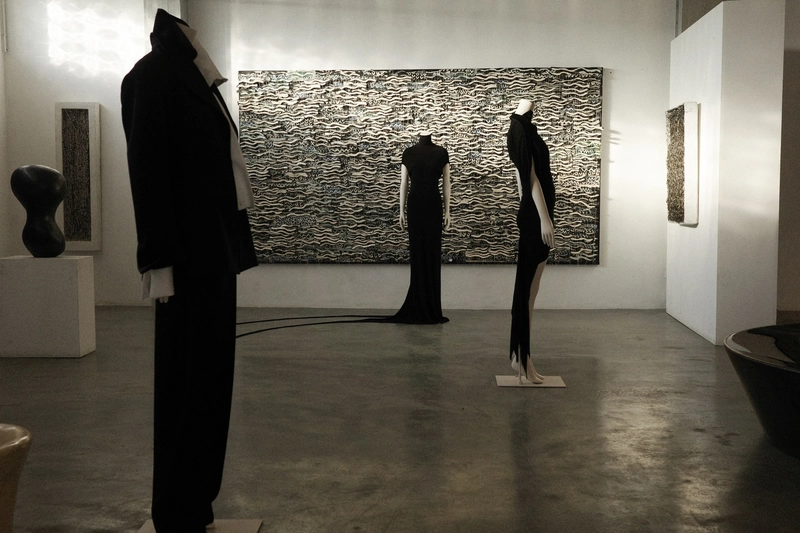
Italian fashion already possesses the ingredients usually presented as prerequisites for building a luxury house. Mills weave wool, silk, and cotton. Workshops cut leather, develop knitwear, and execute specialist finishing. Milan supplies global press and buyers. “Made in Italy” carries such heavy commercial meaning.
Somewhere inside this machinery sits another Italian fashion economy: Magliano, Francesco Murano, Lessico Familiare, ACT N°1, Institution, Materia, GR10K, and a generation of Italian independent labels trying to convert recognition into durable companies.
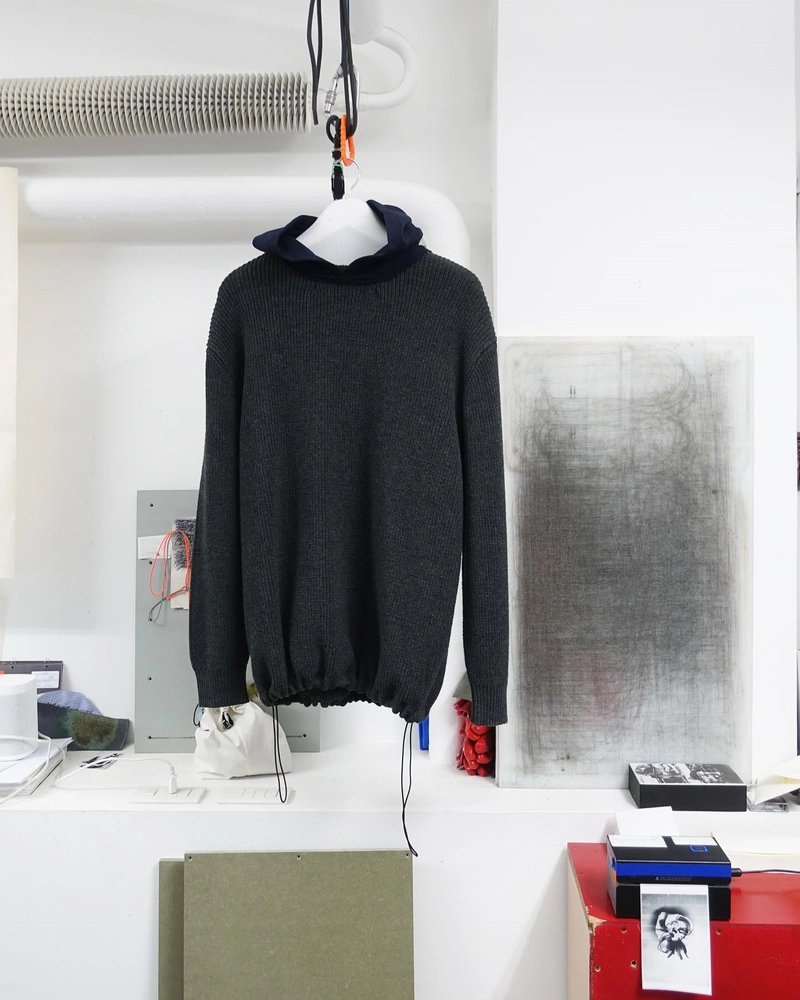
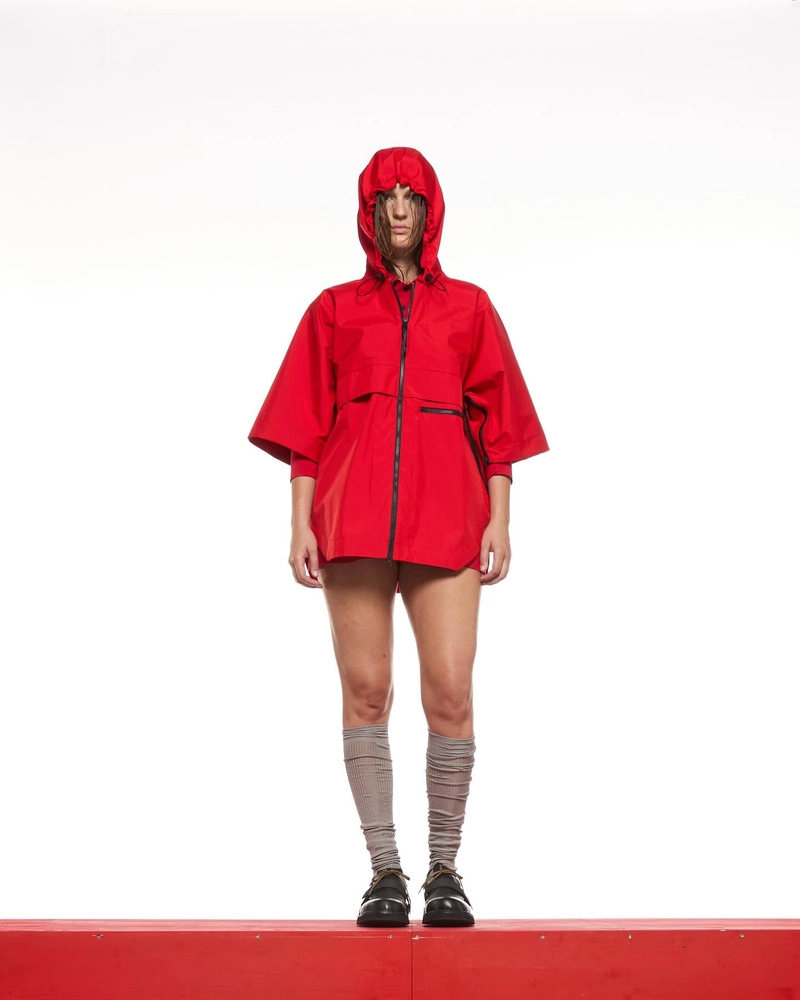
Their challenge raises a useful question for an industry obsessed with heritage. Every heritage house began life as a young company. Which part of the contemporary Italian system allows today's promising label to survive long enough to acquire a century of history?
Magliano doubled sales to approximately €3 million in 2022 and had around 60 stockists. Luca Magliano had already financed the business partly through consulting and outside design work. Growth created demands across distribution, finance, logistics, e-commerce and management, areas requiring an organization around the designer's creative operation.
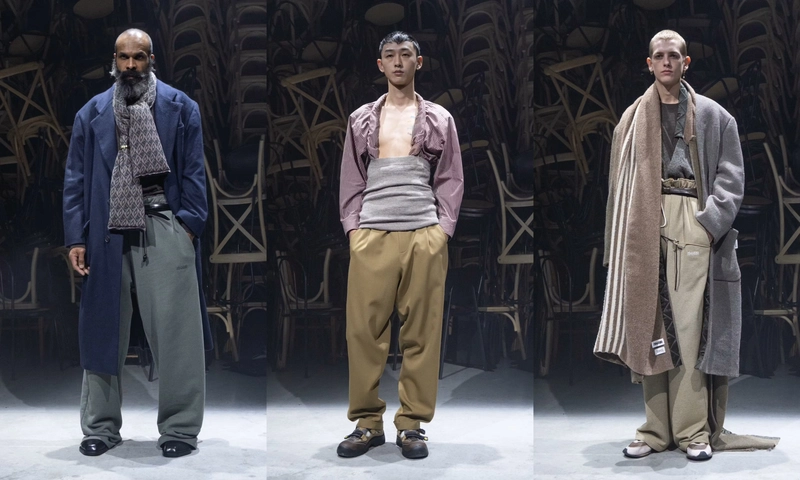
Edoardo Di Luzio, chief executive of Underscore District, identified an unusually specific threshold. Emerging Italian independent labels can generate momentum from fashion shows and initial retail accounts, reach approximately €3 million to €5 million in sales, then encounter a shortage of financial and industrial resources capable of carrying them through the next growth stage.
Fashion culture can make a label appear institution-sized years before its organization reaches that condition. A designer can earn magazine covers, celebrity placements, prestigious stockists, and global Instagram recognition with a compact team operating behind the image. Each wholesale order then creates another requirement: fabric commitments, production deposits, delivery schedules, receivables, logistics, and seasonal working capital.
A successful collection therefore produces financial obligations before its sales fully reach the bank.
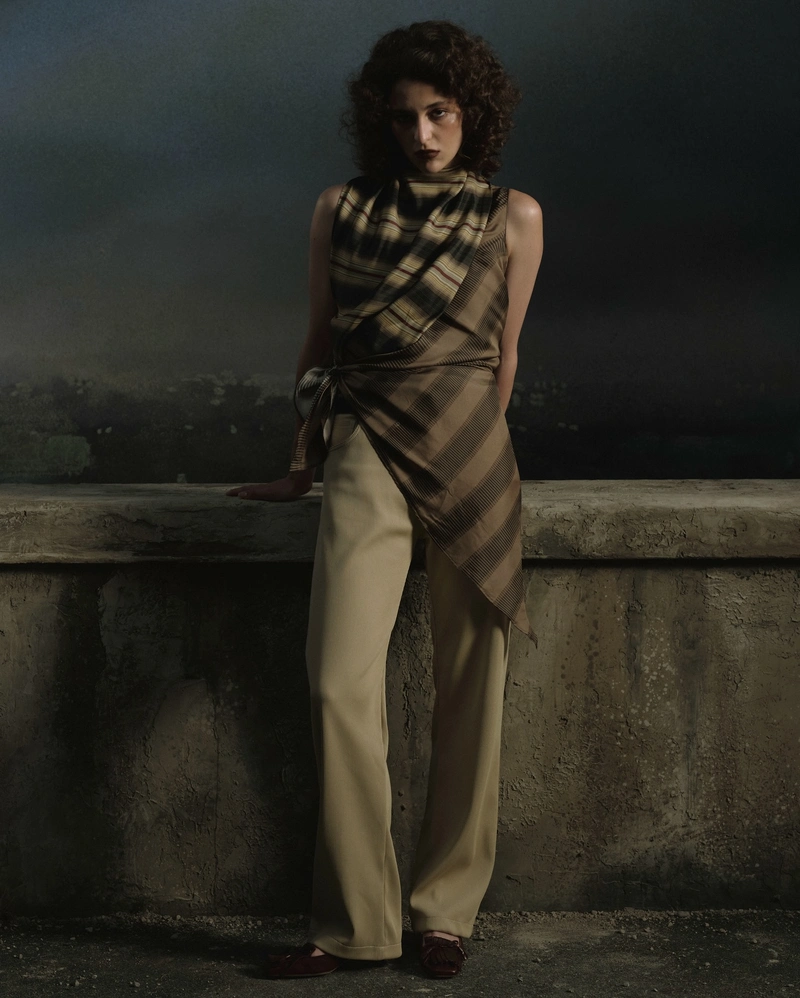
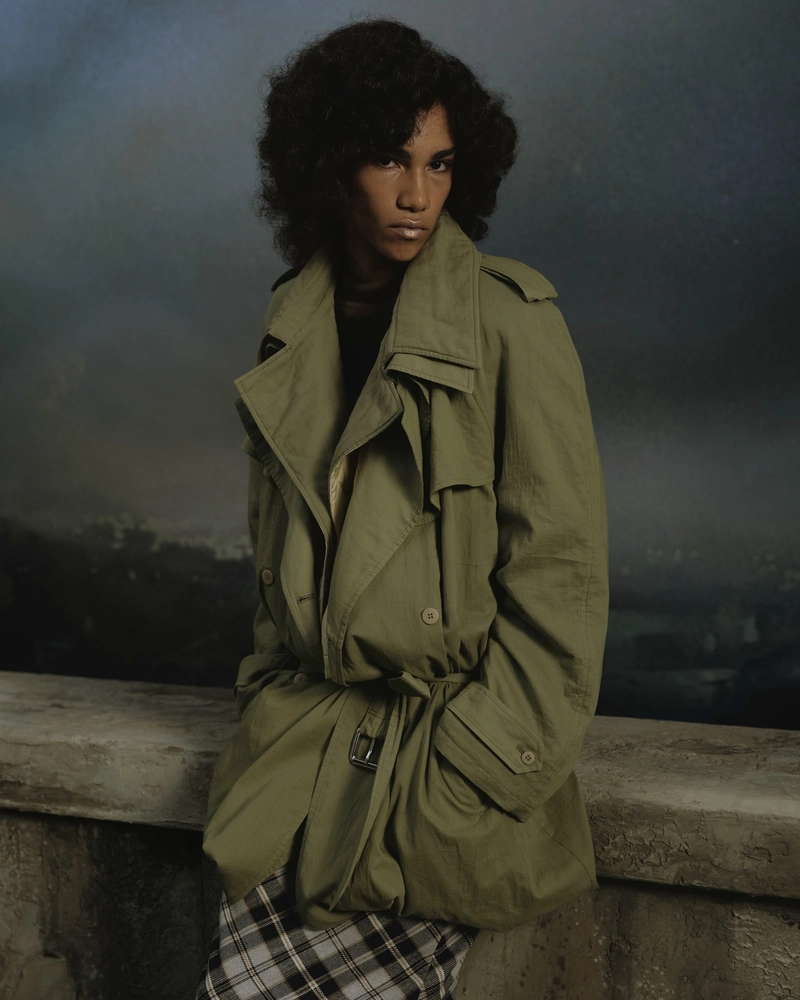
Magliano's 2022 partnership with Underscore District addressed exactly that company-building layer. The accelerator took responsibility across logistics, finance, distribution, marketing, and e-commerce, describing the objective as helping Magliano develop from an artistic project into a fully structured company.
The story advanced again in August 2026. MondeVita acquired a majority position in Underscore District, whose portfolio includes Magliano, GR10K, and Milan retailer WOK Store. Earlier in 2026, MondeVita had acquired Italian tailoring manufacturer Raffaele Caruso, a company that recorded €34.2 million in 2025 turnover and employed 479 artisans in Soragna.
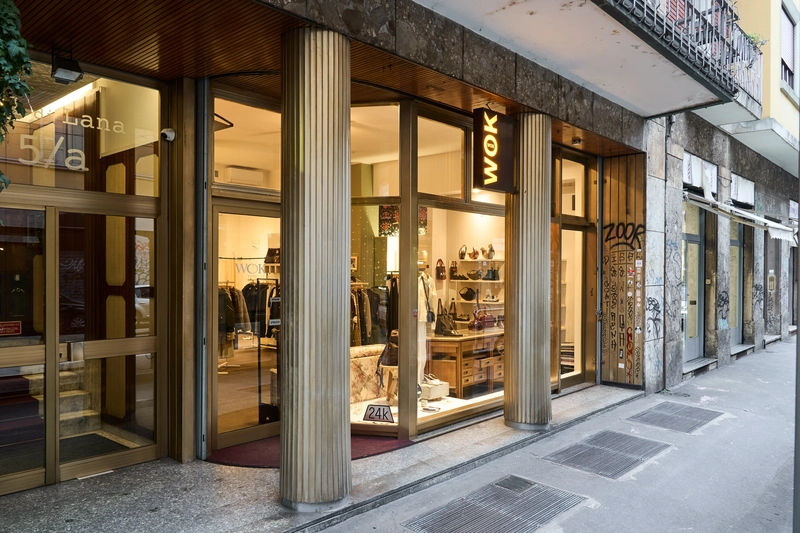
Look at the architecture being assembled: manufacturing, brand acceleration, retail, distribution and digital commerce.
That structure resembles a compact luxury ecosystem built around the infrastructure required for scaling. For Italian independent labels, the development suggests that capital alone solves only one part of the equation. Growth increasingly calls for an integrated operating machine.
In 2025, around 80 brands applied for the CNMI Fashion Trust Grant. Ten reached the final round. Lessico Familiare, Institution, Francesco Murano and Moja Rowa each received €50,000 alongside strategic mentoring designed to support company development.
Francesco Murano makes the distinction between fashion success and company development particularly visible.
Murano graduated from IED Milano in 2019. Beyoncé stylist Zerina Akers discovered his work, and Beyoncé wore his designs at the 2020 Grammys. He subsequently won Who Is On Next?, launched his brand in 2021 and became a finalist for the 2025 LVMH Prize.
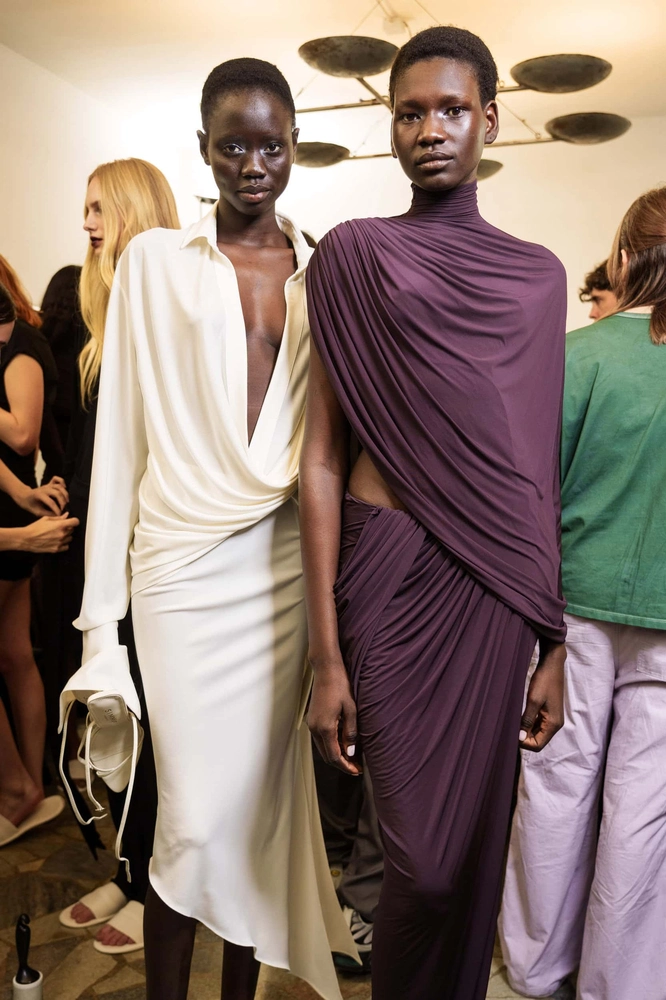
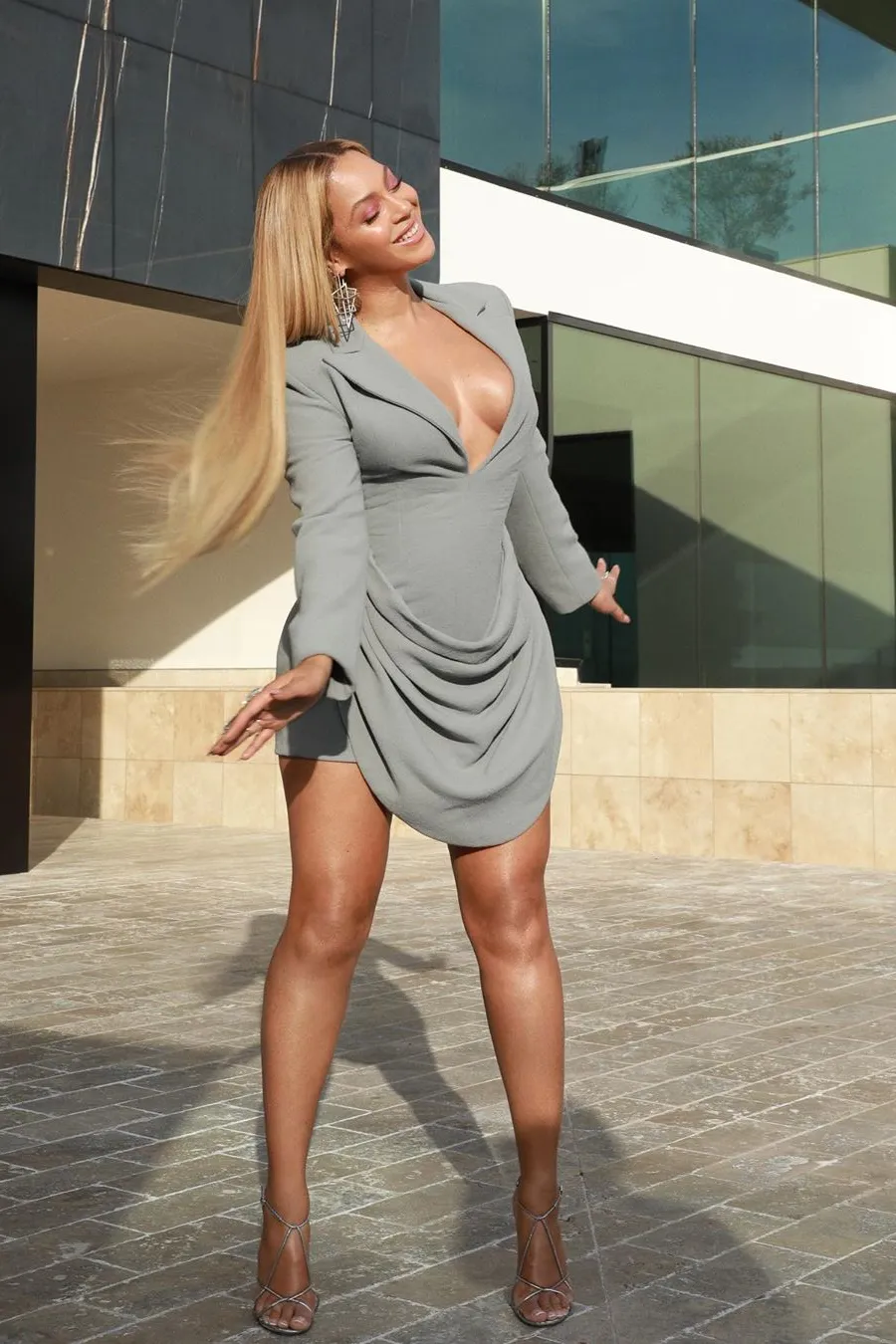
By the time Fashion Trust selected him for its €50,000 grant, Murano already possessed something many founders spend years chasing: cultural legitimacy.
A celebrity dress can circulate globally within hours. A production organization grows through seasons of cash management, supplier relationships, hiring, stock planning and sell-through data.
Lessico Familiare exposes a different pressure. The label planned to use its €50,000 Fashion Trust award to move its sourcing from individual upcycled pieces toward larger supplies of deadstock, creating a material base capable of supporting its handcrafted production approach.
Here, scale reaches directly into design philosophy. Handmade processes, irregular existing materials, and limited resources create product identity. Growth requires enough consistency to take orders and deliver them.
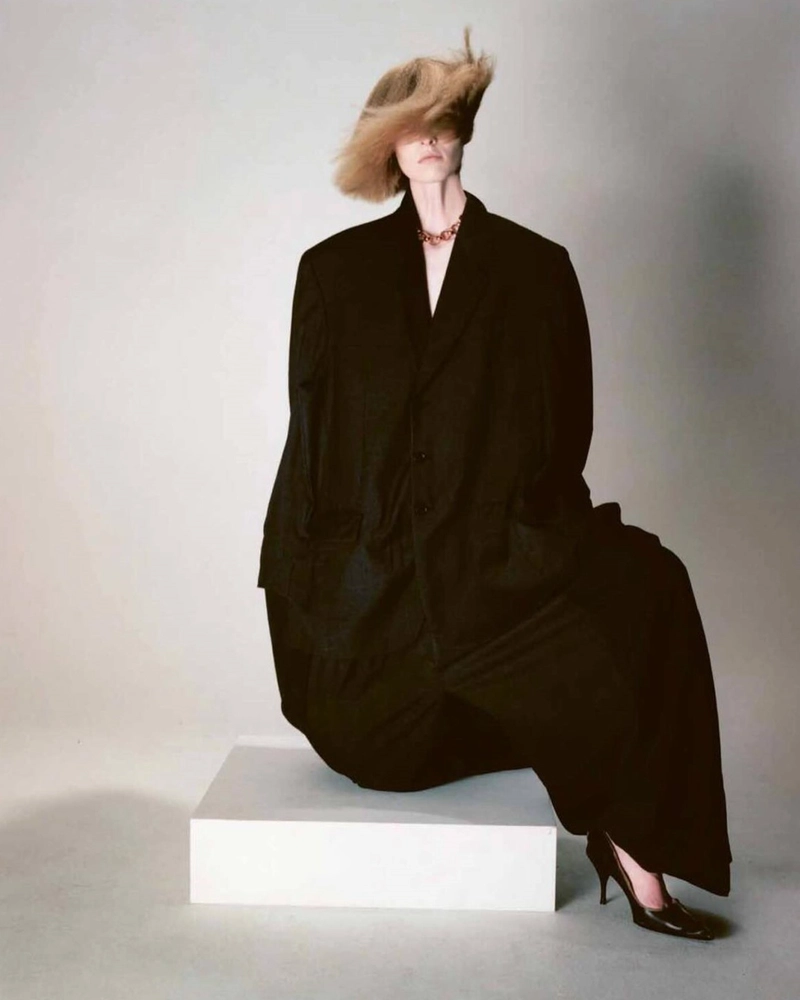
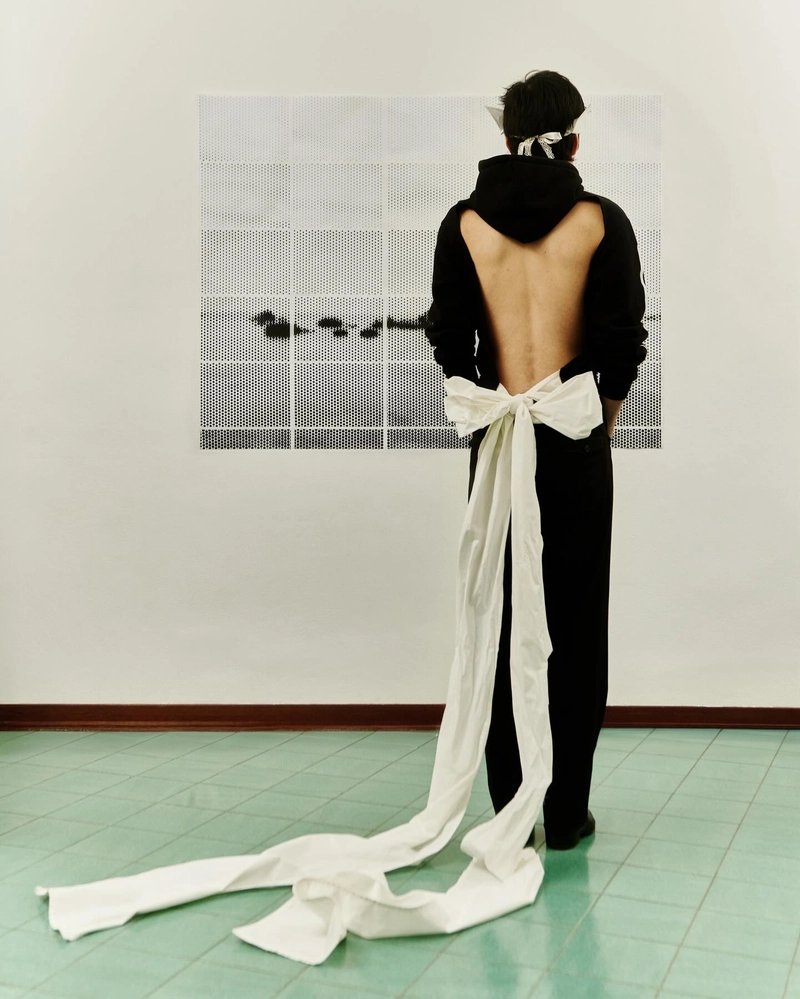
The business question becomes highly specific: how does a label preserve the scarcity and material intelligence that attracted attention while building a supply system capable of serving commercial demand?
In May 2026, ACT N°1, Institution and Materia received €70,000 each from the sixth CNMI Fashion Trust Grant. Institution had already received support in the previous edition. ACT N°1 was founded in 2016, which gives the programme an important meaning: support for Italian independent labels can extend deep into the company-building journey.
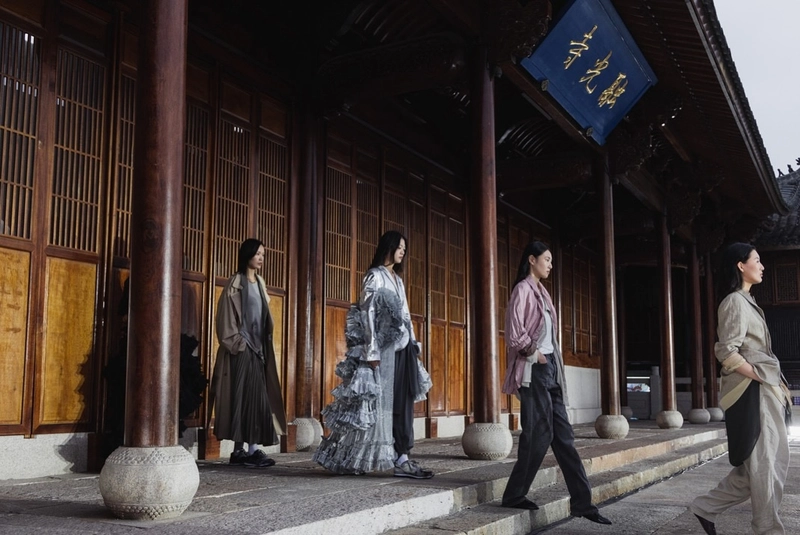
A decade of creative activity can still sit inside the phase where additional capital and strategic guidance matter. That should change how the industry defines “emerging.” Emergence can describe cultural recognition. Company formation runs on another clock.
Italian textile-apparel revenue contracted 2.4% in 2025, and exports fell 1.6%. During the first quarter of 2026, Italian fashion production across textiles, apparel and leather declined 2.8%, with fashion exports down 2.2%.
The textile numbers reveal stress closer to the material source. Made-in-Italy weaving revenue reached €6.8 billion in 2025 following a 3.1% contraction, with exports down 2.3%. During the first quarter of 2026, total textile exports declined 3.4%. Knit exports fell 13.2%.
A young label wants Italian fabric, specialist construction, small production quantities and exact finishing. Each of those decisions strengthens brand identity and raises demands on the operating budget. A large luxury company enters the same industrial geography carrying volume, purchasing power, dedicated production teams and access to financing.
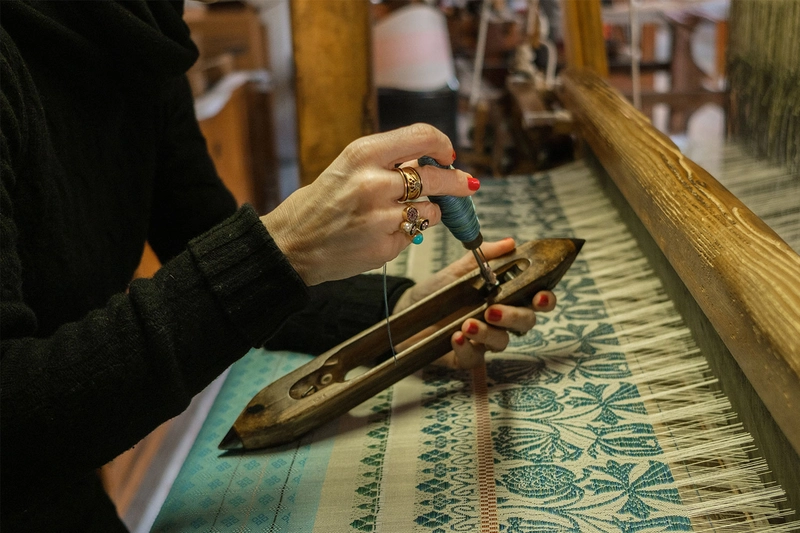
Doriana Marini, president of CNA Federmoda, captured the structural issue in May 2026 when she described Italian fashion as facing a “crisis of balance.” Her argument placed small and medium-sized enterprises at the center of the supply chain and connected fair pricing directly to the ability of companies to cover real production costs.
For Italian independent labels, local production operates as a brand asset, a quality proposition, an ethical responsibility and a cost structure simultaneously. The workshops carrying Italian fashion knowledge also need profitable orders. Preserving craftsmanship therefore requires viable economics on both sides of the invoice.
In September 2025, Sunnei founders Simone Rizzo and Loris Messina staged their final presentation at the company as a mock auction with Christie's. The brand and its designers were symbolically placed under the hammer. Hours later, the founders announced their departure.
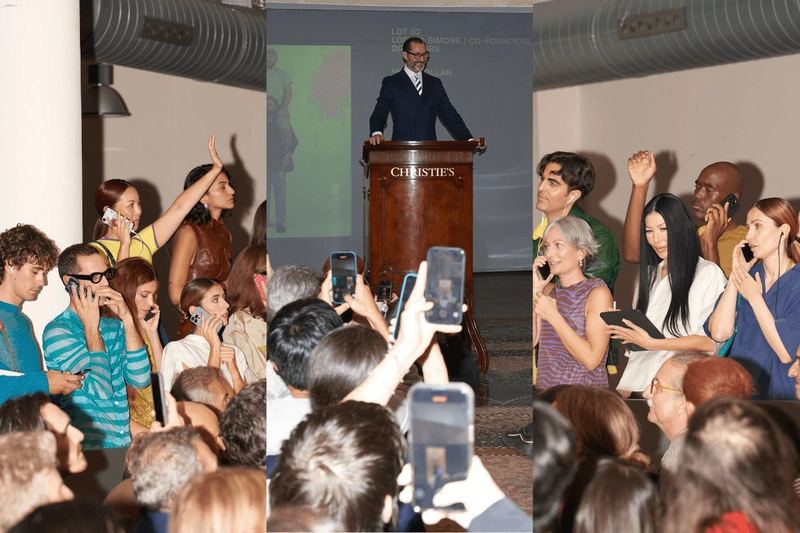
In 2020, Vanguards Group invested €6 million for a majority position in Sunnei, giving the company capital for expansion. By early 2025, Rizzo was openly discussing the impact ownership could have on commercial decision-making, as the label developed direct-to-consumer channels to offset pressure in wholesale.
In June 2026, Moschino appointed Rizzo and Messina as co-creative directors. Their first collection for the Aeffe-owned house is scheduled for Milan Fashion Week in September.
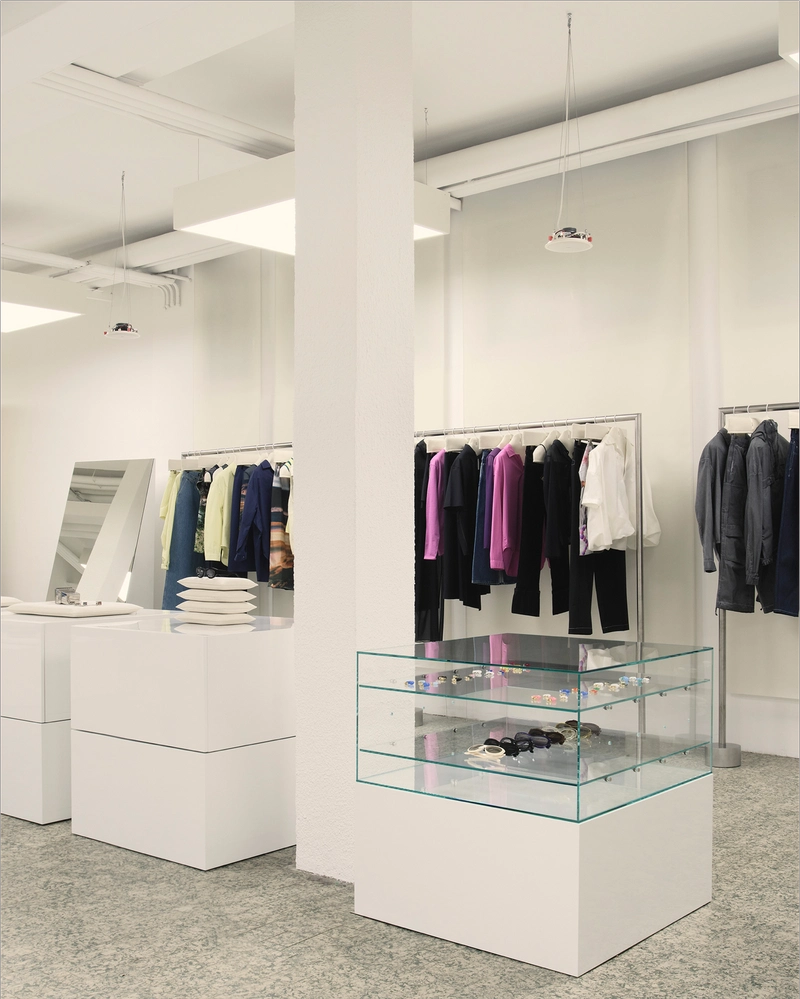
The trajectory contains almost the entire Italian independent-fashion problem in miniature. Two founders built a distinctive cultural universe. Outside capital entered. The founders eventually exited their own company. An established Italian house then hired the creative talent the independent experiment had proven.
Together, they point toward a succession problem inside Italian fashion.
The missing middle remains the decisive territory: the years when a culturally relevant label has to become a financially durable company.
Italian fashion has spent decades perfecting the preservation of historic houses. Its next economic test is creating the conditions that allow Italian independent labels to survive long enough to become historic houses themselves. The question for 2026 reaches far beyond which young designer deserves attention: Which of today's independent labels will still be an Italian fashion house in 2050?