MENU
Close





Silk mesh fabric has mastered an unusual art: making the material itself almost disappear while allowing fashion to take shape around it.

Silk mesh fabric has mastered an unusual art: making the material itself almost disappear while allowing fashion to take shape around it.
October 9, 2026
Advertisement

Advertisement



Few textiles capture the relationship between delicacy and craftsmanship as precisely as silk mesh fabric. Its intricate network of threads creates a surface that interacts with light, movement, and the human body, revealing a sophisticated textile tradition shaped by centuries of silk production and technical innovation.
Silk mesh fabric is an open-structure textile made from natural silk yarns, arranged through weaving, knitting, or specialized net-making techniques to form a network of visible openings. These spaces allow air and light to pass through the material, producing a surface characterized by transparency, lightweight construction, and delicate texture.
The material combines two fundamental textile elements. Silk refers to the natural protein fiber obtained primarily from the cocoons of Bombyx mori, the domesticated silkworm. Mesh describes the structural arrangement of yarns into an interconnected network containing intentional gaps. Together, these elements produce a textile whose physical behavior depends on both fiber composition and fabric construction.
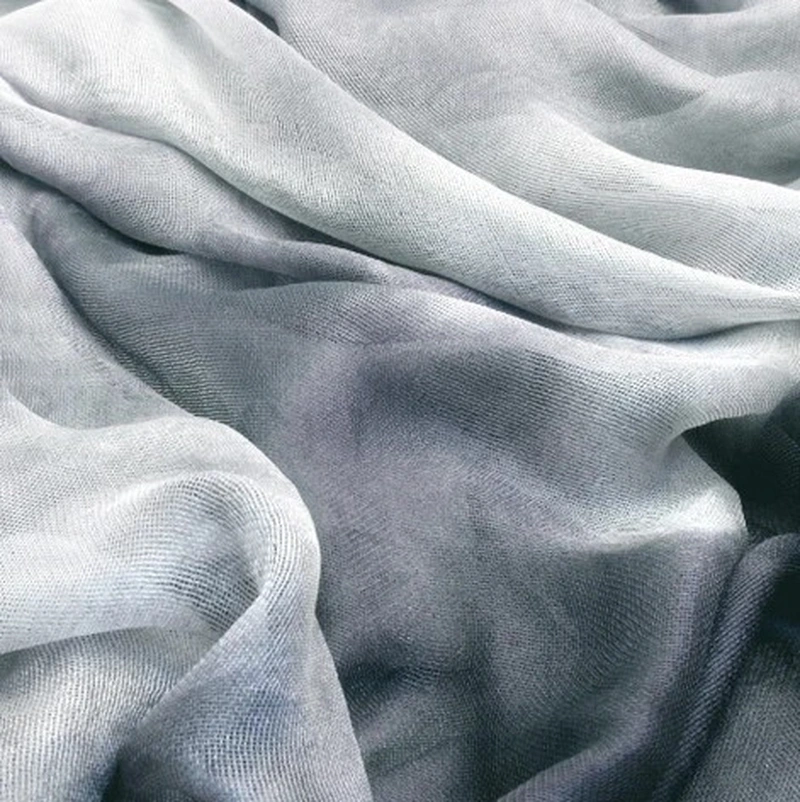
The term silk mesh fabric encompasses several related textile structures, including open-woven silk, silk net, and certain forms of silk tulle. Individual fabrics vary in aperture size, yarn thickness, flexibility, and surface finish. Some possess an exceptionally fine network that appears almost invisible against the skin, while others display distinctive geometric openings.
The physical identity of silk mesh fabric emerges from the interaction between silk's natural fiber properties and the open geometry of its construction.
Transparency is among its defining characteristics. Light passes through the openings between yarns, creating varying degrees of visibility according to aperture dimensions, thread thickness, and fabric density. Fine silk net can produce an almost imperceptible layer over the body, while pronounced mesh structures create distinctive geometric patterns.
Lightweight construction contributes to its characteristic movement. Fabrics made with fine silk filaments and widely spaced threads can have very low mass per unit area, allowing them to respond readily to air currents and bodily motion. Their exact weight is influenced by the amount of yarn used and the treatments applied during finishing.


Silk also possesses a characteristic natural luster. The structure and smooth surface of its filaments influence the reflection of light, giving suitable yarns a subtle sheen. Across an open mesh surface, this effect appears along individual threads, producing a delicate interplay of illuminated strands and transparent spaces.
Breathability is another characteristic associated with the material. The open structure provides pathways for air circulation, while silk's hygroscopic properties allow the fibers to absorb moisture from the surrounding environment. These characteristics contribute to the material's suitability for lightweight clothing.
Its softness and drape depend on yarn preparation, structural geometry, and finishing. Fine silk net may follow the contours of the body in gentle folds, while a firmer construction can maintain rounded shapes or suspended volume.

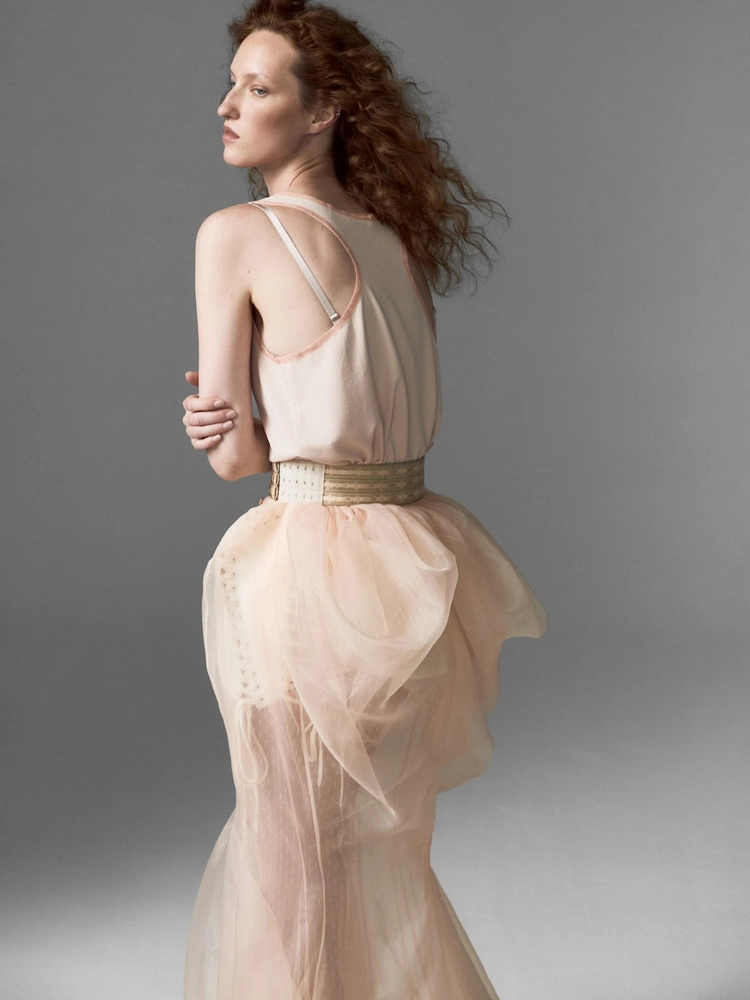
Elastic behavior varies with the manufacturing technique. Knitted constructions may extend through the movement of interconnected loops, while woven silk mesh responds according to yarn direction and weave geometry.
Despite silk's useful tensile strength, delicate mesh constructions require careful handling. The spaces between threads concentrate mechanical stress at their intersections, making fine net susceptible to snagging, yarn displacement, and localized tearing.
These characteristics influence how designers cut, assemble, support, and embellish garments made from the material.
Silk mesh fabric can be organized into two broad construction-based families for practical identification: woven silk mesh and silk net.
Woven silk mesh is formed by interlacing warp and weft yarns in arrangements that create open spaces across the textile surface. Open plain-weave constructions can produce relatively simple geometric openings, while leno weaving uses crossing warp yarns to stabilize the structure. The resulting material can display fine rectangular, square, or subtly irregular spaces, depending on the weaving technique.
Traditional silk gauze is closely associated with this family. Its physical qualities range from delicate softness to crisp structure, depending on yarn characteristics and finishing. Woven silk mesh appears in lightweight clothing, historical garments, layered fabrics, and specialized textile applications. Its stability also makes selected constructions suitable for embroidery and intricate surface treatments.
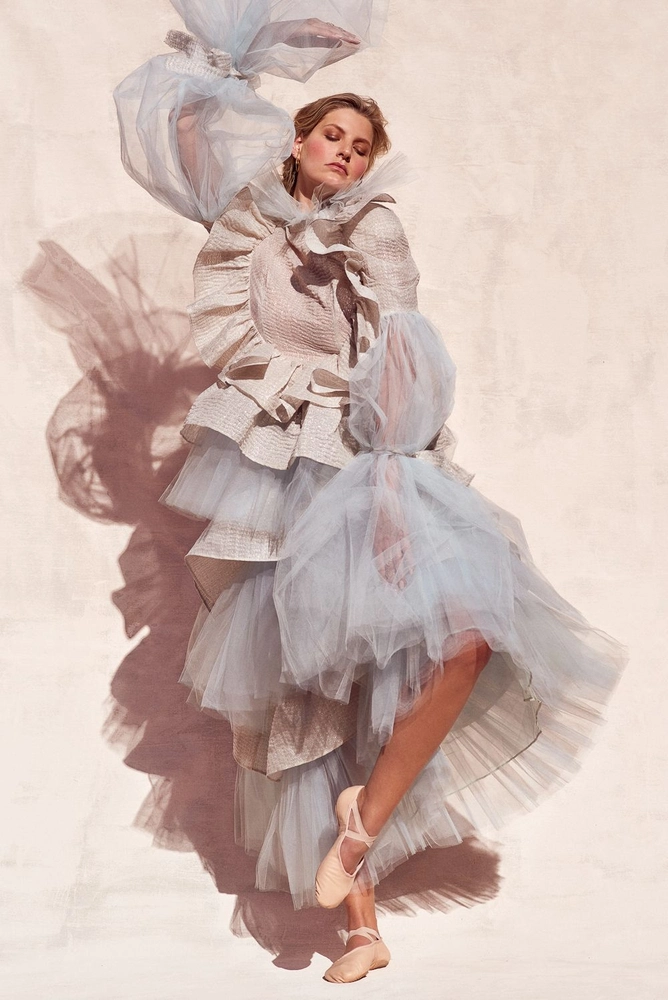
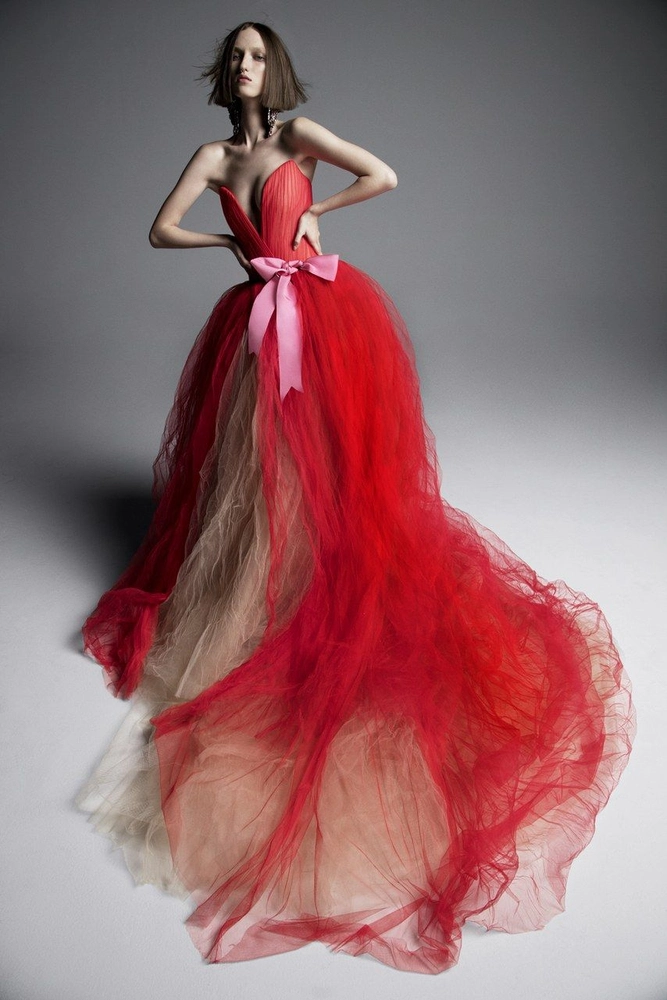
Silk net encompasses textile structures produced through specialized methods of connecting or twisting silk yarns into a network.
Silk tulle and silk bobbinet are important examples. Fine net grounds frequently display small, regular openings, often with a hexagonal appearance. Their properties are determined by yarn fineness, the organization of intersections, and finishing treatments. Soft silk net is particularly suitable for veiling and fluid layers, while appropriately finished net can support volume in skirts and other structured garments.
Silk net also provides a foundation for embroidery, appliqué, and beadwork, allowing embellishments to appear suspended across a transparent surface.
The applications of silk mesh fabric in fashion are closely connected to its ability to combine structural support with visual transparency.
In eveningwear, fine silk mesh can form sheer sleeves, necklines, overlays, and layered skirt constructions. Its openings reveal portions of the underlying garment or skin, producing controlled visual depth. Designers can adjust this effect through fabric density, color selection, and the placement of additional layers.
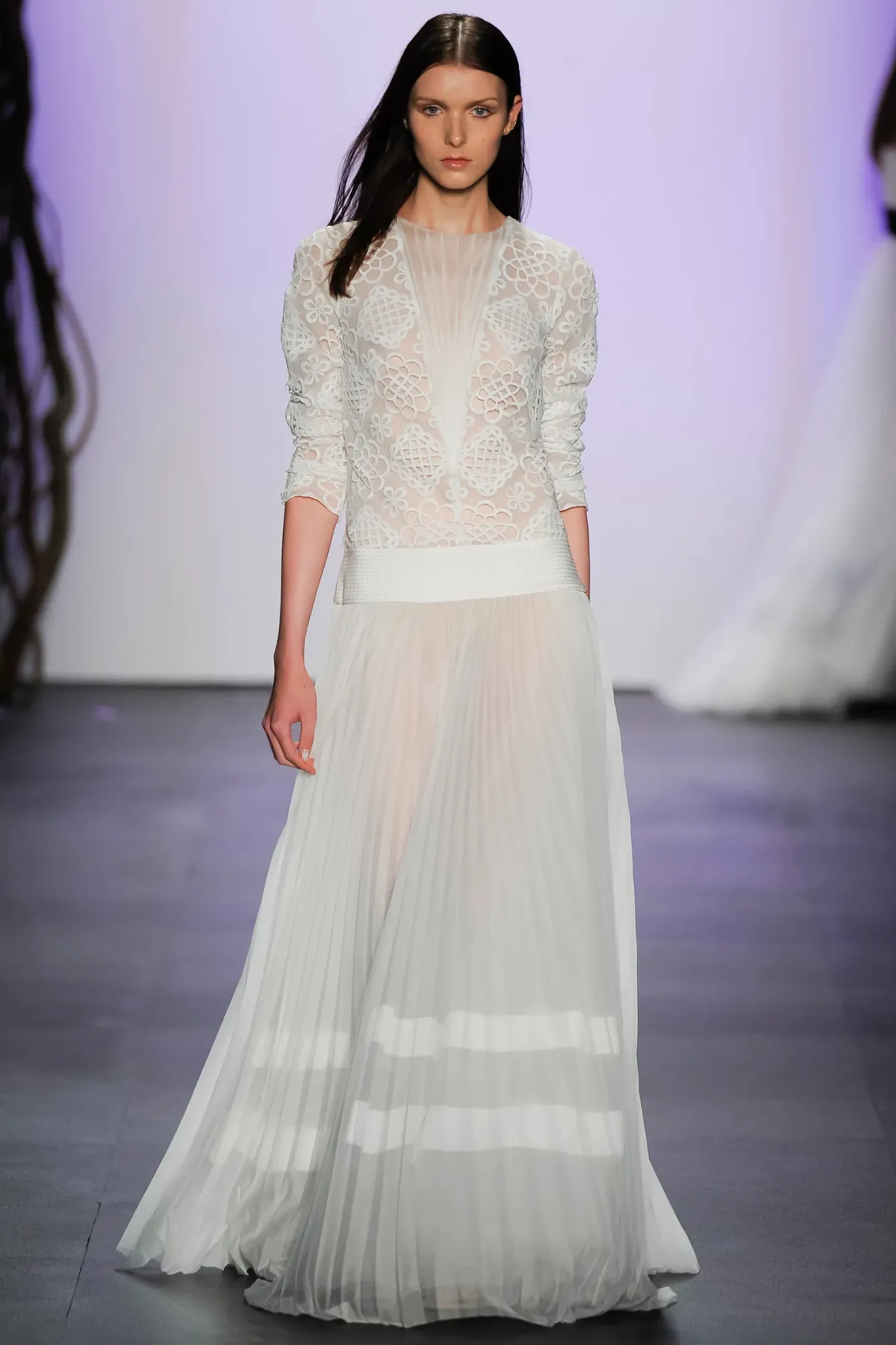



The material also plays an important role in illusion dressing. Fine net used near the skin can support embroidered motifs, appliqués, and other surface details while allowing the underlying body to remain visible. Fabric color is particularly significant in this application, as a carefully selected shade can integrate closely with the wearer's complexion.
Within haute couture, silk net has historically served as a ground for elaborate embellishment. Embroidery requires careful control of stitch tension and weight distribution. Large concentrations of beads or crystals may require reinforcement, additional supporting layers, or specialized garment construction.
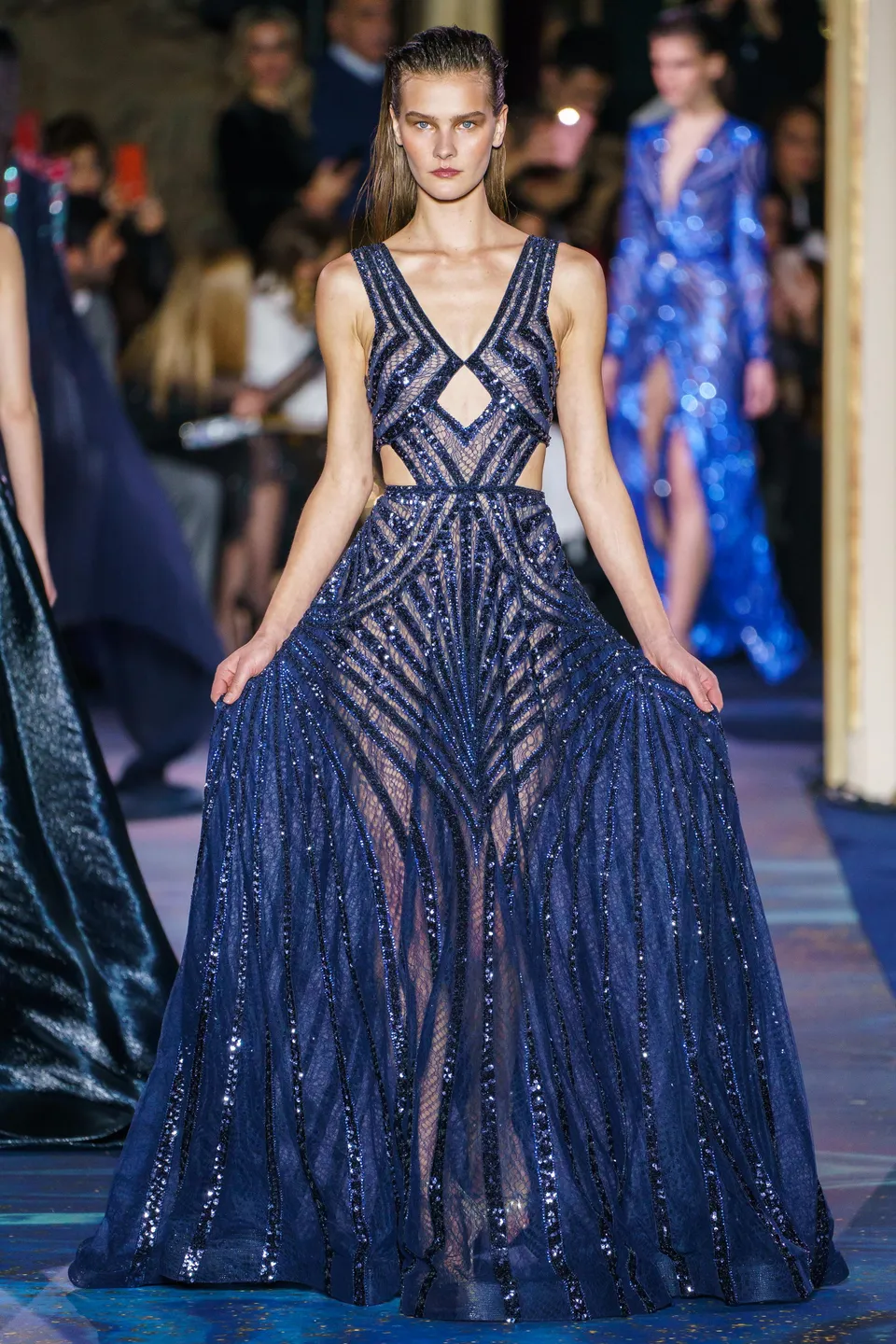
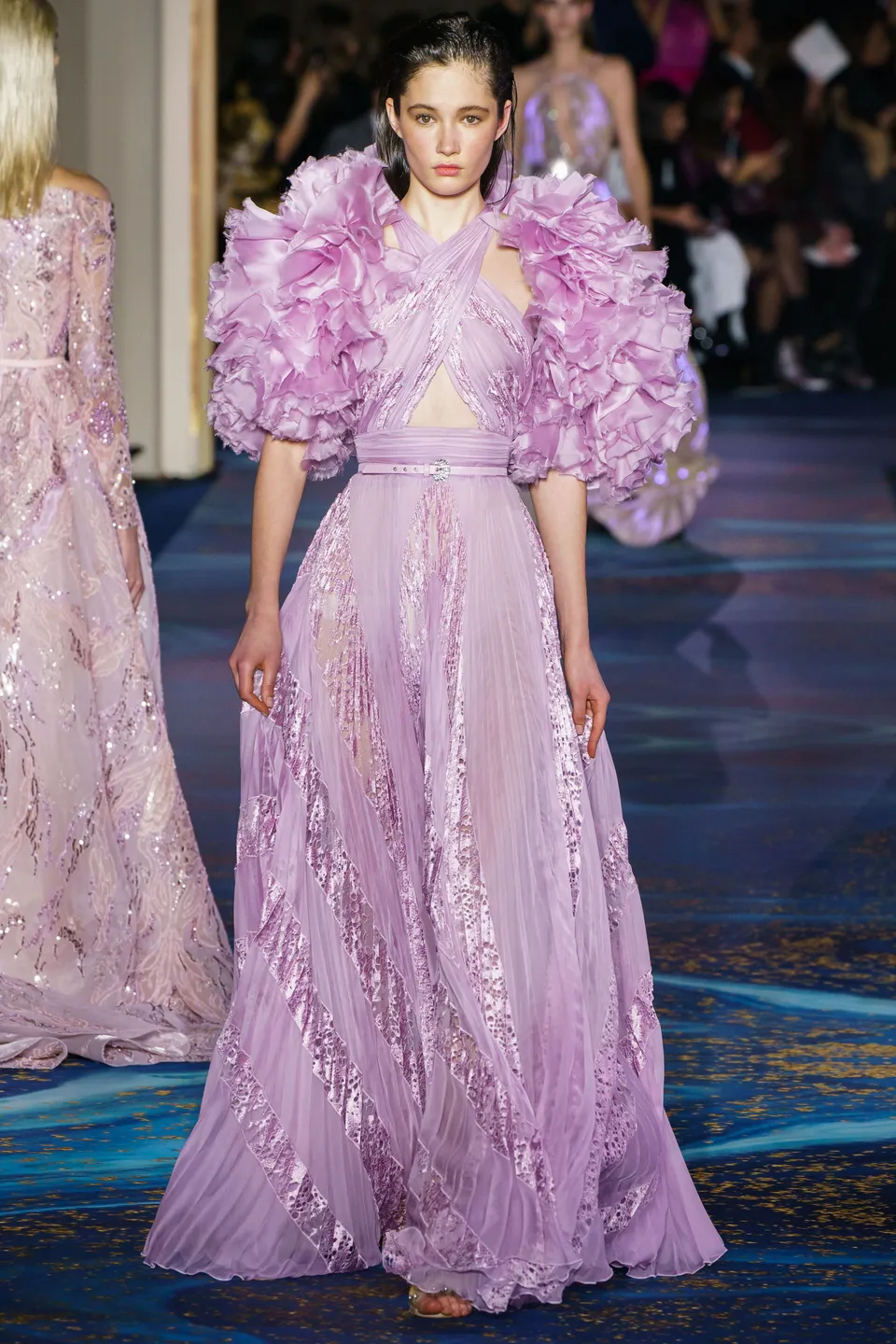


Bridalwear represents another established application. Silk net and silk tulle can be used for veils, overskirts, and light outer layers. Their weight and degree of softness influence the movement of a veil, the outline around the face, and the way fabric settles over the shoulders.
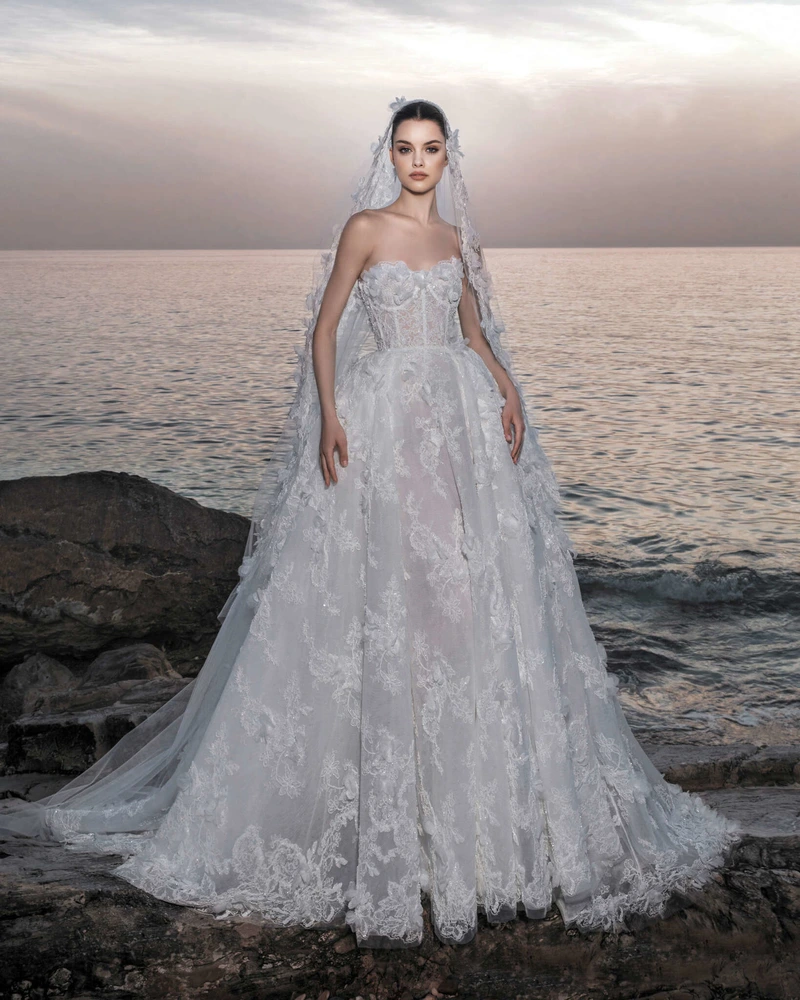
Selecting silk mesh fabric requires attention to fiber composition, construction, and the technical demands of the intended garment.
Identification begins with the textile label. A composition of 100% silk confirms the stated fiber content, while silk blends indicate the incorporation of additional fibers. Appearance can provide useful preliminary information: natural silk may display a subtle luster, fine surface texture, and characteristic drape. Reliable fiber authentication may require professional textile testing.
Examine the mesh structure closely. Regular openings, consistent yarn tension, and stable intersections are useful indicators of manufacturing quality. Check the edges for broken filaments and areas vulnerable to unraveling or distortion.

When purchasing fabric, consider weight, aperture size, softness, and dimensional stability. Fine silk net intended for a veil has particular handling requirements, while a textile selected for embroidery must accommodate the anticipated weight of applied materials.
Request information about fiber content, fabric width, weight, construction, dyeing, and recommended care. Suppliers may use names such as silk mesh, silk net, silk gauze, and silk tulle across overlapping product categories, making accurate specifications valuable.

Care should follow the manufacturer's instructions. Delicate garments may require professional cleaning, particularly when embroidery, beadwork, or structural supports are involved. For washable pieces, gentle handling, suitable cleaning products, and controlled drying help preserve the fabric.
Keep fine mesh away from jewelry, exposed zippers, and rough surfaces that could catch the threads. Garments carrying heavy embellishments may benefit from flat storage or specialized support to distribute their weight.
The enduring relevance of silk mesh fabric lies in the craftsmanship required to control such a delicate textile. From ancient gauze weaving to elaborate couture embroidery, its development reflects centuries of expertise in manipulating silk threads, transforming an intricate network of openings into a material capable of supporting some of fashion's most sophisticated constructions.
Advertisement