MENU
Close





From Seoul to premium hair clinics worldwide, exosome scalp therapy is becoming a defining treatment of the regenerative haircare boom.

From Seoul to premium hair clinics worldwide, exosome scalp therapy is becoming a defining treatment of the regenerative haircare boom.
October 7, 2026
Advertisement

Advertisement



Hair-loss treatment is moving deeper into clinical aesthetics. In 2026, exosome scalp therapy has become one of the clearest examples of that shift, appearing in dermatology practices, aesthetic clinics, hair-restoration centers, and premium scalp-treatment menus.
Its rise reflects a larger change in haircare, where the scalp is increasingly treated as living tissue that can be stimulated, repaired, and supported through regenerative medicine.
Exosomes are tiny extracellular vesicles released by cells. They act like microscopic message carriers, transporting proteins, lipids, RNA, growth factors, and other signaling molecules from one cell to another.
In exosome scalp therapy, these signaling particles are introduced around the scalp through a professional procedure. The treatment is usually offered in clinics or medical-aesthetic settings and may involve topical application after microneedling, radiofrequency microneedling, or another method designed to help the preparation reach the scalp tissue.
The logic is simple. Hair follicles depend on communication between dermal papilla cells, stem cells, immune cells, and surrounding tissue. Exosomes are being studied because their signaling cargo may influence some of those processes, including inflammation, blood-vessel formation, and pathways linked to the hair-growth cycle.
PRP helped normalize the idea that hair loss could be treated through biological signaling. Microneedling made scalp procedures familiar. Red-light devices, scalp injections, and growth-focused clinic treatments also helped move haircare away from the bathroom shelf and into the treatment room.
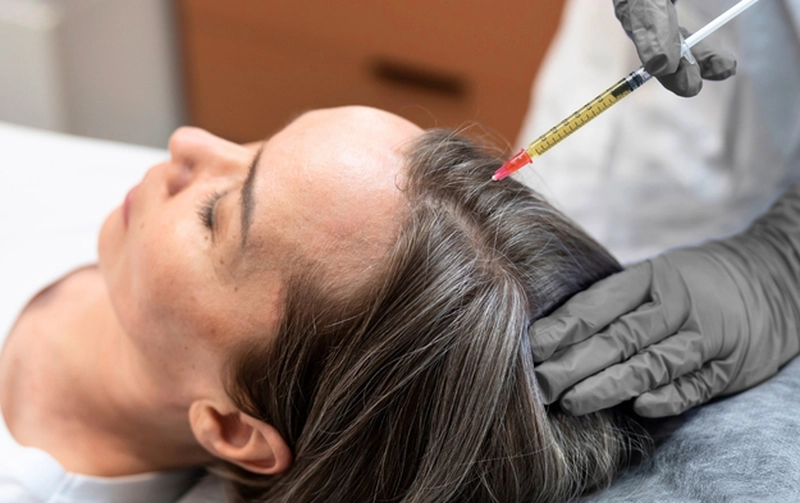
Exosome scalp therapy fits naturally into this environment. The procedure also aligns with the current language of modern aesthetics: regeneration, signaling, repair, tissue quality, and long-term support. For patients already interested in skin boosters, PDRN, collagen stimulation, or regenerative injectables, exosome-based scalp treatment feels like a logical extension of the same philosophy.
One of the most common ways clinics deliver exosome scalp therapy is through microneedling followed by topical exosome application.
Microneedling creates tiny controlled channels in the scalp. The procedure itself activates a wound-healing response, while the channels give the exosome preparation a different route into the tissue.
This pairing makes sense operationally for clinics because microneedling is already widely used in hair-restoration settings. Exosomes can be added to the same appointment as a regenerative finishing step.
Some clinics also use radiofrequency microneedling before applying exosome preparations. The device creates controlled micro-injury while also delivering thermal energy into the scalp.
The research is still developing, but early human studies have given the trend enough credibility to keep growing.
A 2026 systematic review of exosome-based approaches for androgenetic alopecia included both preclinical and clinical data. Early human studies reported improvements in hair density and shaft thickness, with some studies showing gains in hair density of roughly 8% to 20%.
One Korean prospective study followed 16 men with androgenetic alopecia who received microneedling followed by topical exosome treatment. After 12 months, average hair density increased by about 35 hairs per square centimeter, and most participants reported high satisfaction.
Another prospective study in men with androgenetic alopecia used exosome-based treatment delivered directly into the scalp and also reported improvements in hair growth measures.
South Korea has played a major role in commercializing exosome-based aesthetic treatments.
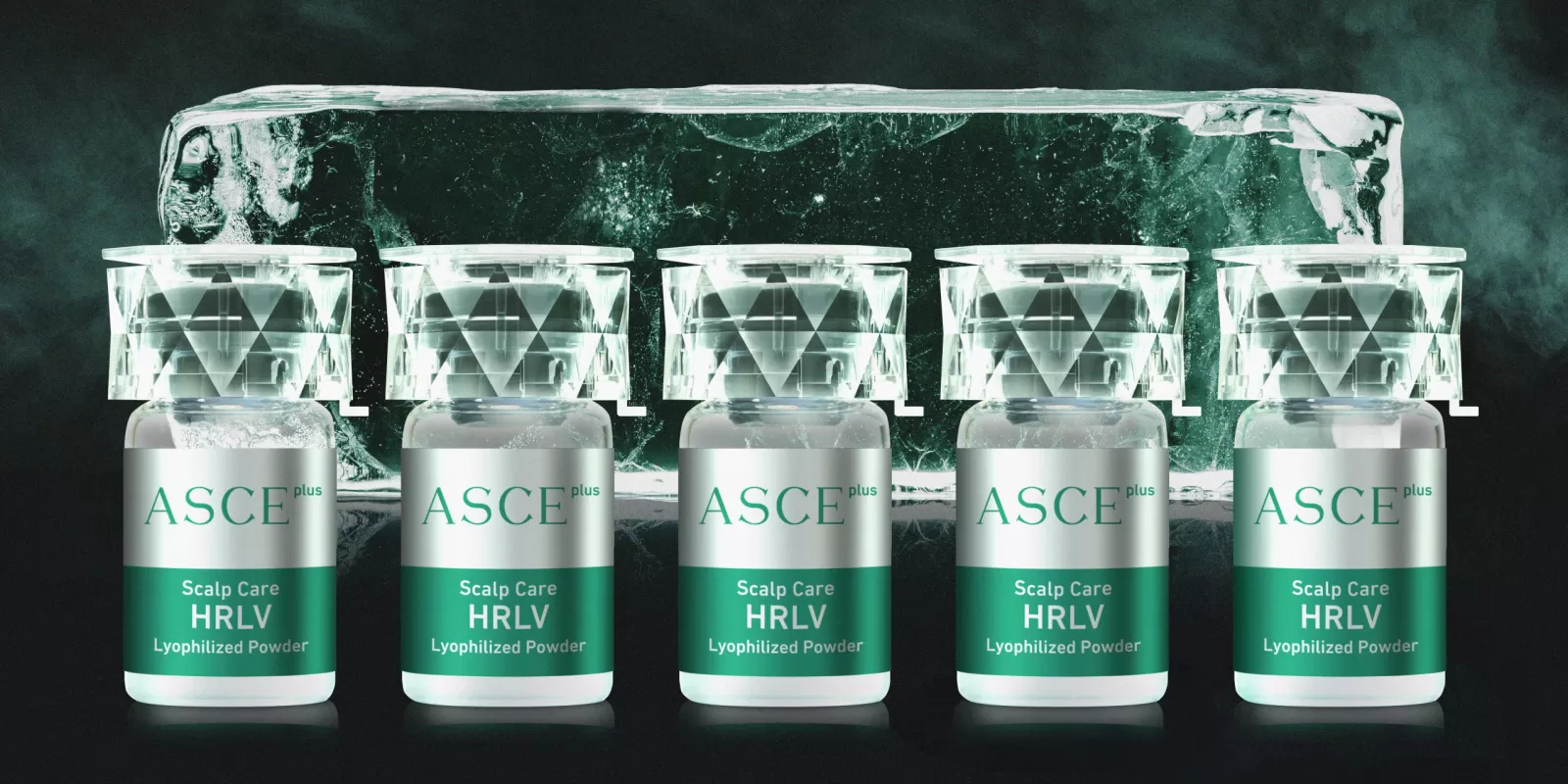
One of the most visible names is ExoCoBio, the Korean biotech company behind ASCE+ HRLV. This professional product was developed specifically for scalp and hair concerns and is used in clinic-based regenerative protocols.
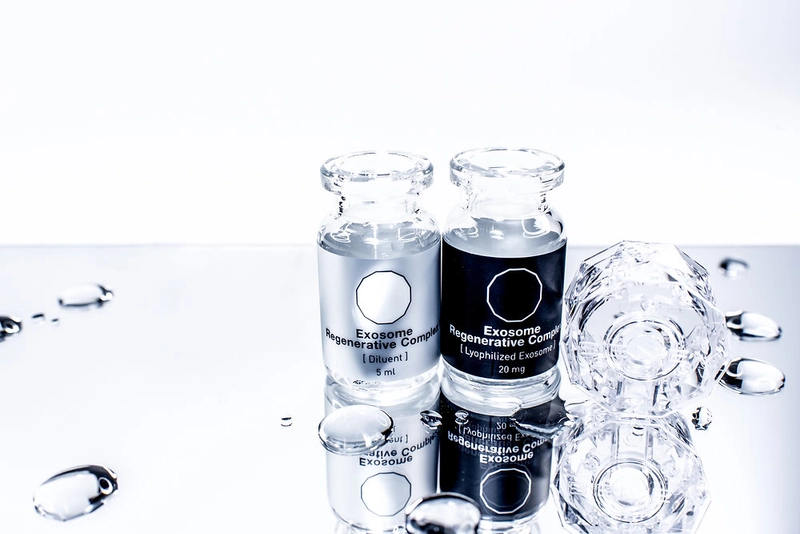
Another name appearing in professional aesthetics is BENEV Exosome Regenerative Complex+, which is used as a topical treatment in medical-aesthetic settings for skin and scalp applications.
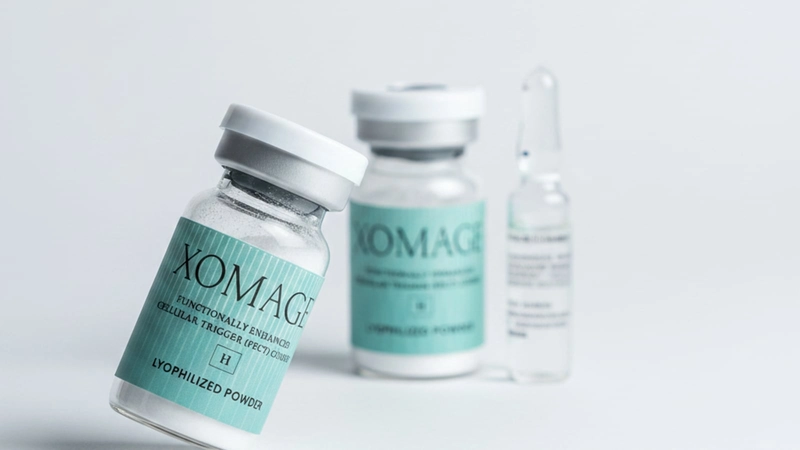
ZISHEL XOMAGE also became notable because it was the product used in the Korean microneedling study that followed patients for 12 months.
In PRP treatment, blood is drawn from the patient, processed to concentrate platelets, and then applied or injected into the scalp. The platelets release growth factors that are used to support follicle activity.
Exosome scalp therapy follows a related regenerative idea, but the signaling material comes from a manufactured exosome preparation.
That makes the treatment easy for patients to understand. Many people already know the idea of “growth signals for the scalp.” Exosomes simply introduce a new source of those signals.
In the United States, the FDA currently has no approved exosome products for treating disease or medical conditions. That means therapeutic claims around hair regrowth and disease treatment require careful regulatory scrutiny.
At the same time, some exosome-related products are marketed as topical cosmetics for use after procedures.
This creates a complicated landscape because exosome scalp therapy can describe several different services: topical application after microneedling, professional scalp treatment, or injectable procedures.
The route of delivery changes the regulatory implications considerably. For consumers, that makes the clinic itself part of the treatment decision. Medical supervision, sterile technique, product sourcing, and clear explanation of the preparation all become central to exosome scalp therapy.
Advertisement