MENU
Close





Was Pieter Mulier’s Alaïa era a succession story, or a silk-gloved séance where a sleeping house opened its eyes and learned a new pulse?

Was Pieter Mulier’s Alaïa era a succession story, or a silk-gloved séance where a sleeping house opened its eyes and learned a new pulse?
April 2, 2026
Advertisement
Advertisement


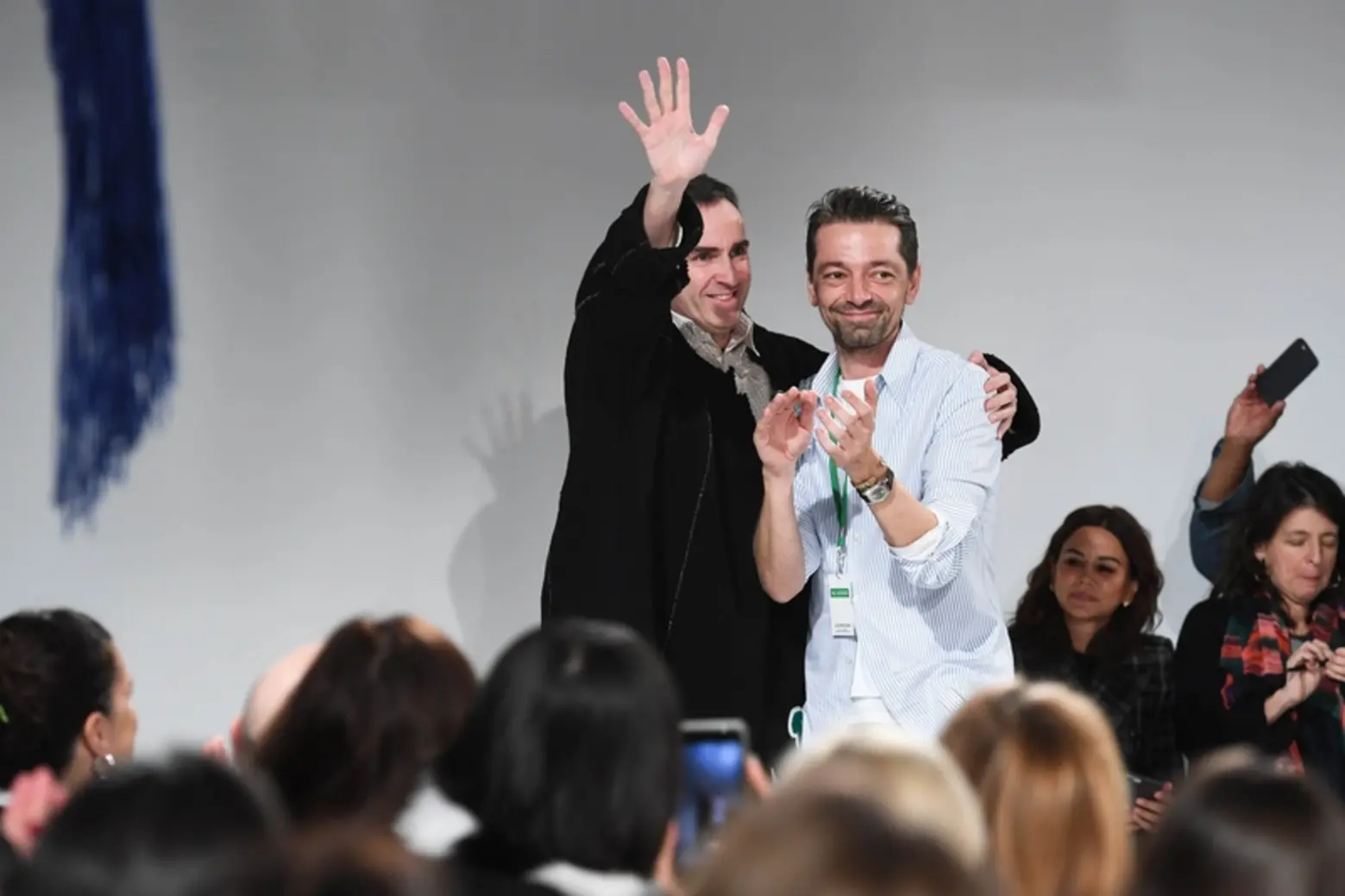
Pieter Mulier’s Alaïa era begins, strangely, at the end. It begins in that tender, suspended moment when he stood after his final Alaïa show and spoke of feeling empty and happy at once, as though departure had clarified the shape of everything that came before. He called the collection a vocabulary of the last five years, something laid down for the next designer like keys on a table, and in that image there is already a whole philosophy of authorship. What kind of designer arrives at a legend and chooses listening as his grand gesture?
When Azzedine Alaïa died in 2017, the house felt less like a brand awaiting fresh strategy than like a living interior still warm from its founder’s presence. For a time, Richemont let the in-house team continue in his image, drawing from the archive instead of hurrying toward replacement. A wrong appointment could have bruised something sacred.
So when Pieter Mulier arrived in 2021, the significance of the appointment rested far beyond résumé and industry gossip. Alaïa did not need a conqueror. It needed someone who understood that beauty can carry force without losing tenderness, that women belong at the center of creation, and that the most exact clothes still require warmth in the hand that makes them. Pieter Mulier answered in a similar register, with admiration and responsibility, with a promise to carry forward a legacy built around femininity.
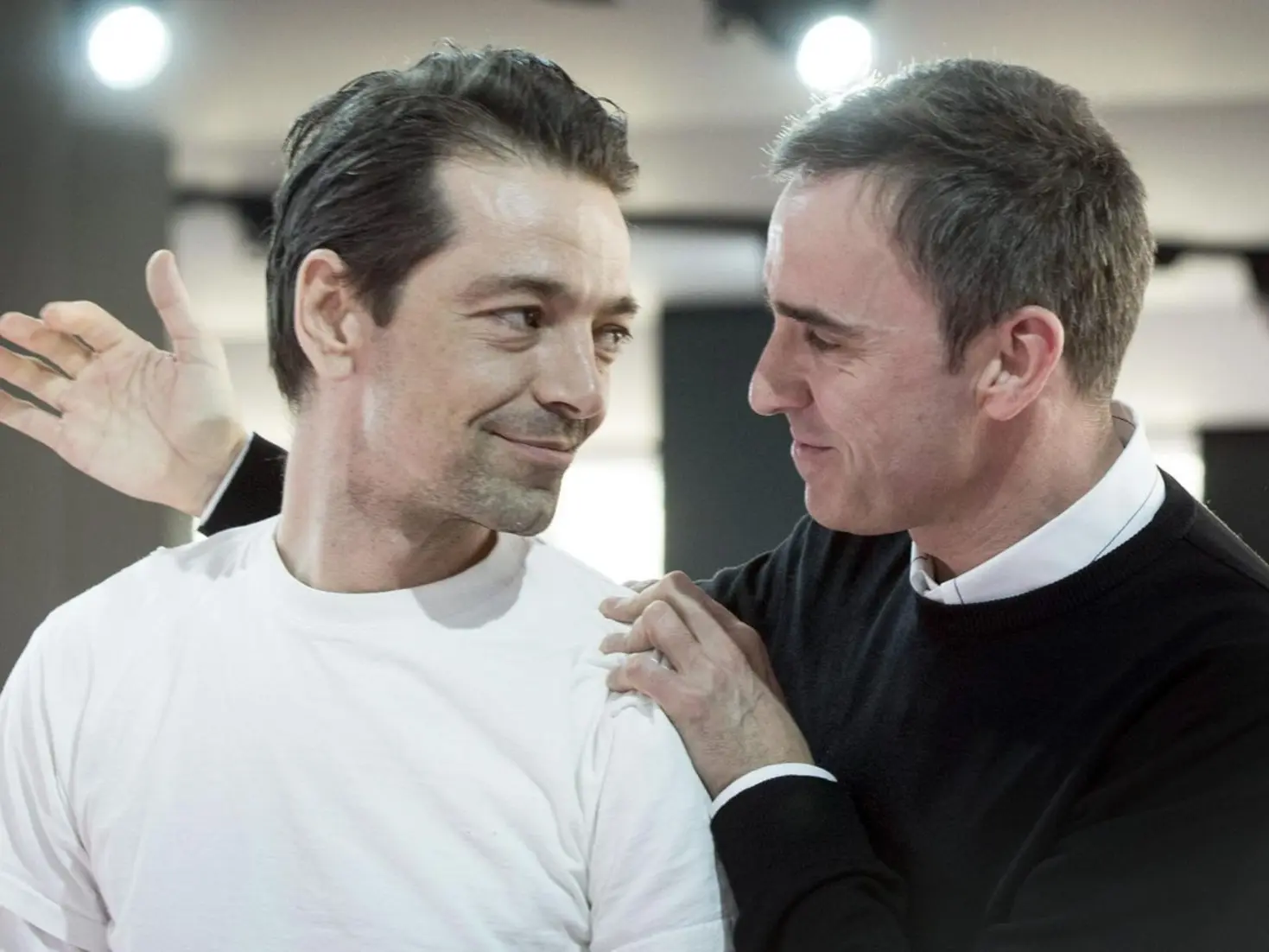
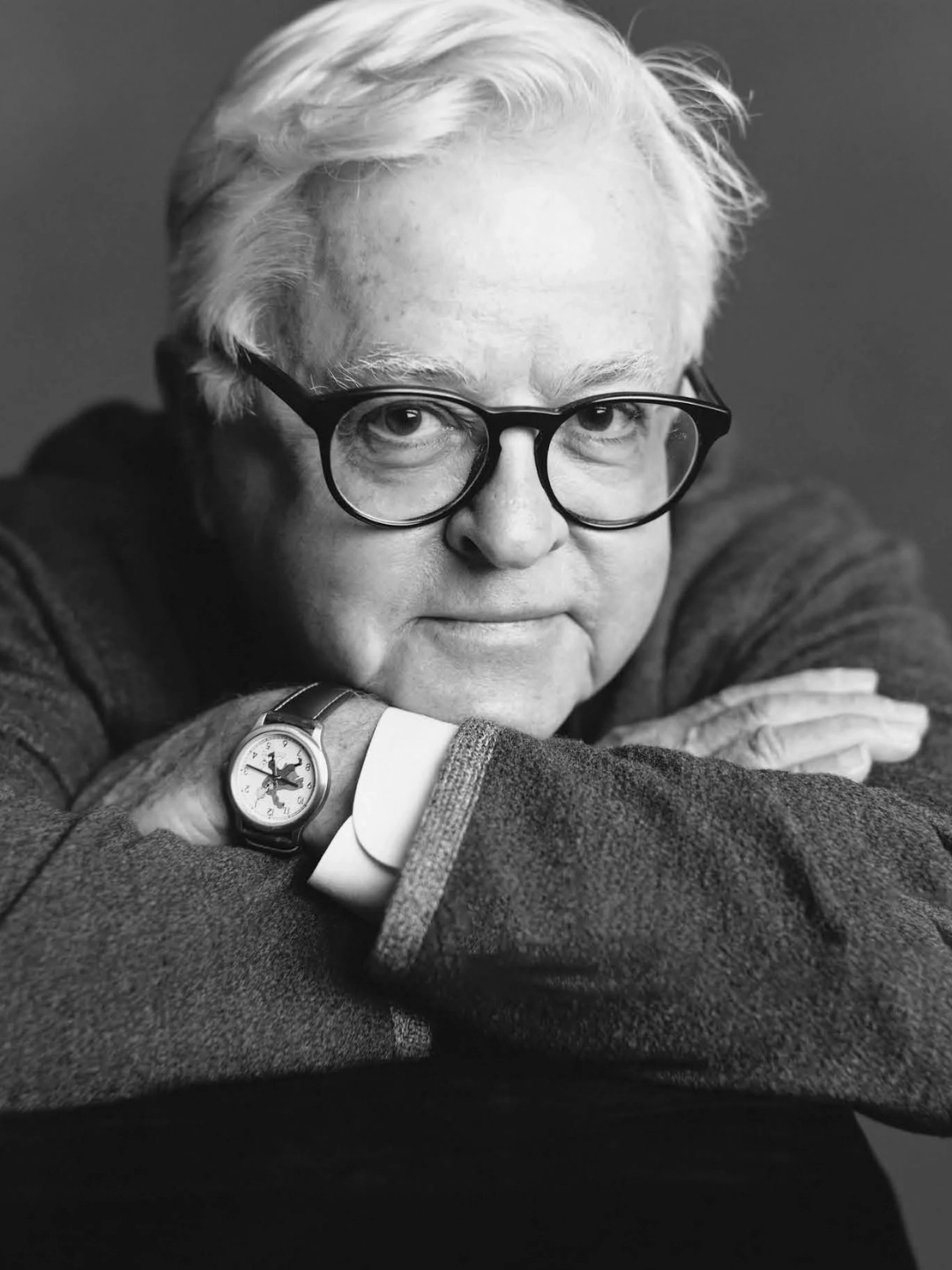
Pieter Mulier came from Belgium, from the Institut Saint-Luc in Brussels, where he studied architecture rather than fashion. His path into clothing opened through a scene that now feels almost mythic in its clarity: a final project on “survival,” a bodysuit conceived as protection against wardrobe sabotage, and Raf Simons on the exam jury, startled by the strangeness and sharpness of the idea. Raf Simons offered him a card and, with the instinct that changes lives, told him he was a fashion designer. Three months later, Pieter Mulier entered Antwerp as an intern, and from there came the long apprenticeship that shaped his eye: Raf Simons’s own label, Jil Sander, Christian Dior, Calvin Klein. Two decades of proximity to fashion’s machinery, and yet he remained, in essence, a designer of structure, of profile, of thought made visible in form. Perhaps that is why his work carries such tensile calm. Architecture taught him to read volume as emotion.
That structural instinct met Alaïa at exactly the right depth. The house’s garments had long been famous for being built directly on the body, almost like private architecture, formed from the inside out through techniques that made the wearer feel gathered, supported, held. In French, Pieter Mulier reached for the word tenu to describe the sensation: held together. It is a beautiful phrase, because it says something larger than fit. It suggests composure. It suggests that a garment can give a woman contour, presence, an inner verticality. Here lies the emotional key to Pieter Mulier’s Alaïa era from the beginning.
His debut therefore carried a kind of moral clarity. He staged it in the street by the Le Marais ateliers and said he wanted to make Alaïa democratic again. He wanted the house’s pure lines to return to the street, to ordinary closeness, to everyday hunger. That first gesture says everything about his sensitivity. Pieter Mulier understood that legacy thrives through circulation. A house stays alive when it feels touched, desired, approached, when ease returns to the center of beauty.
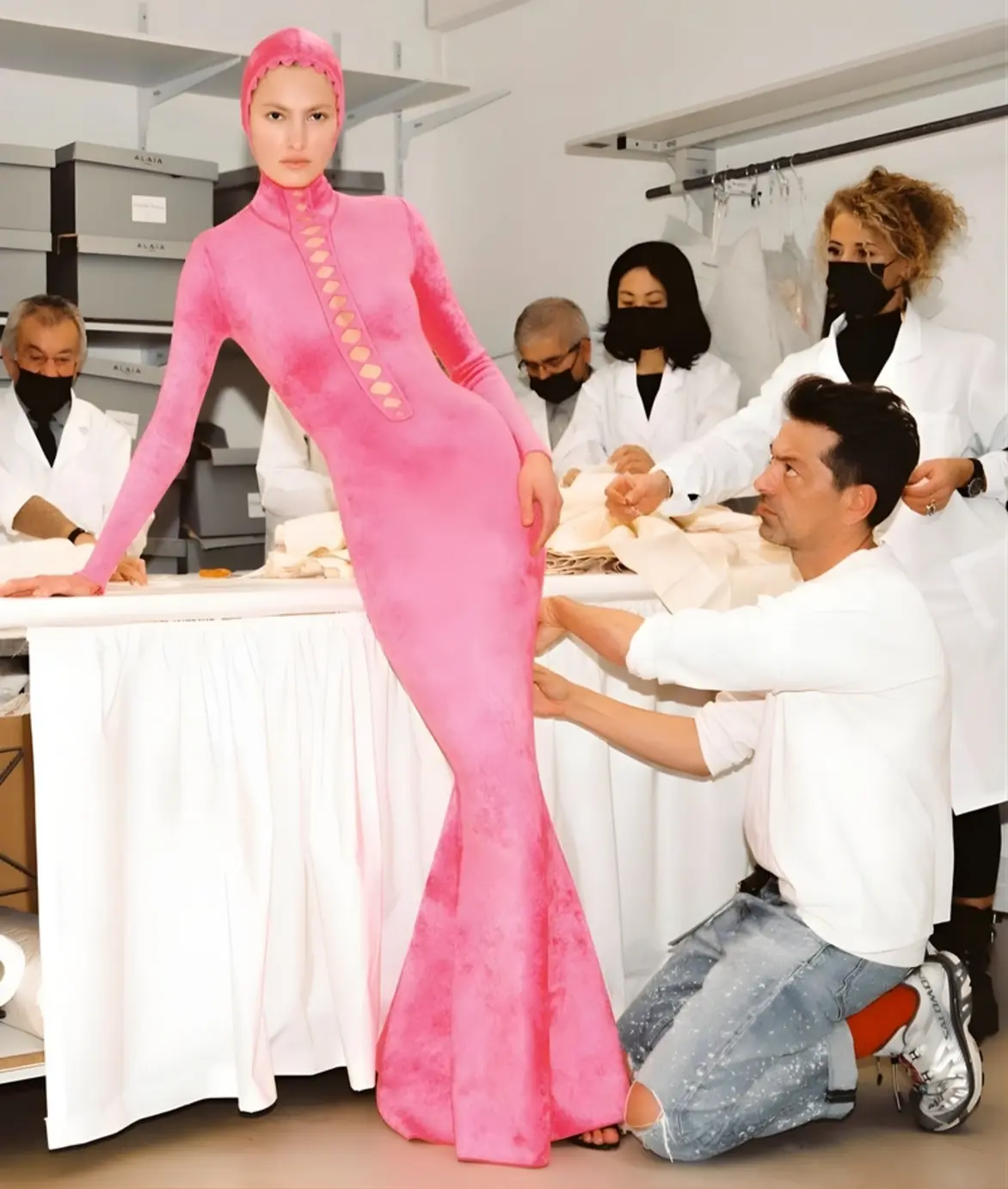
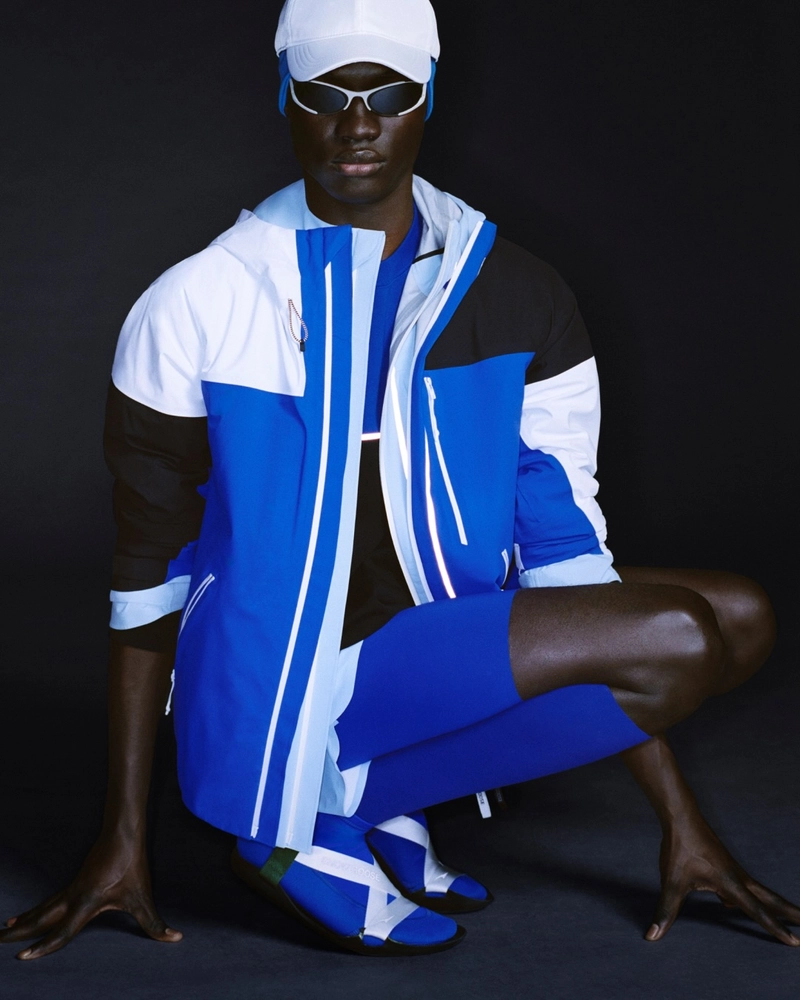
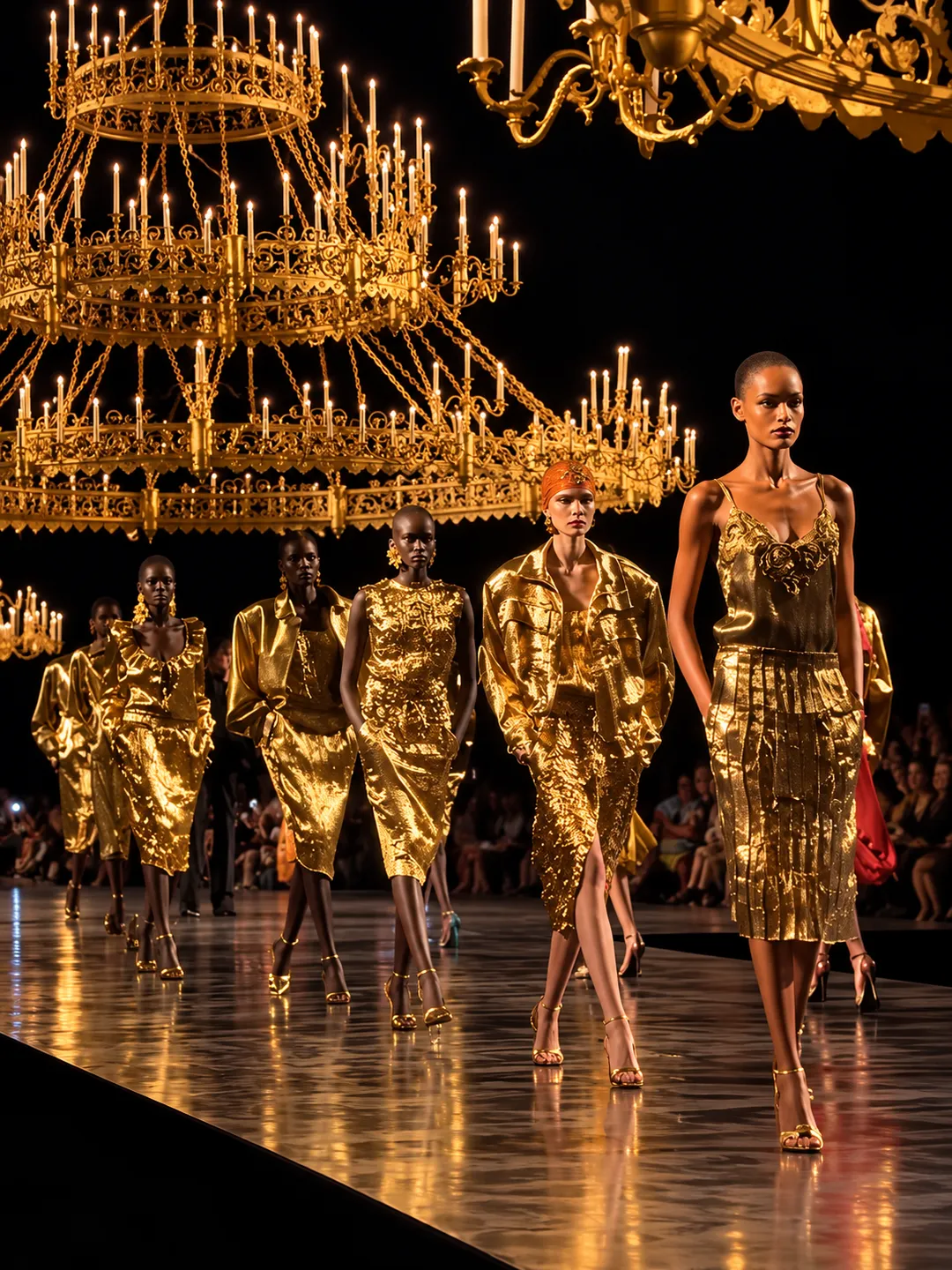
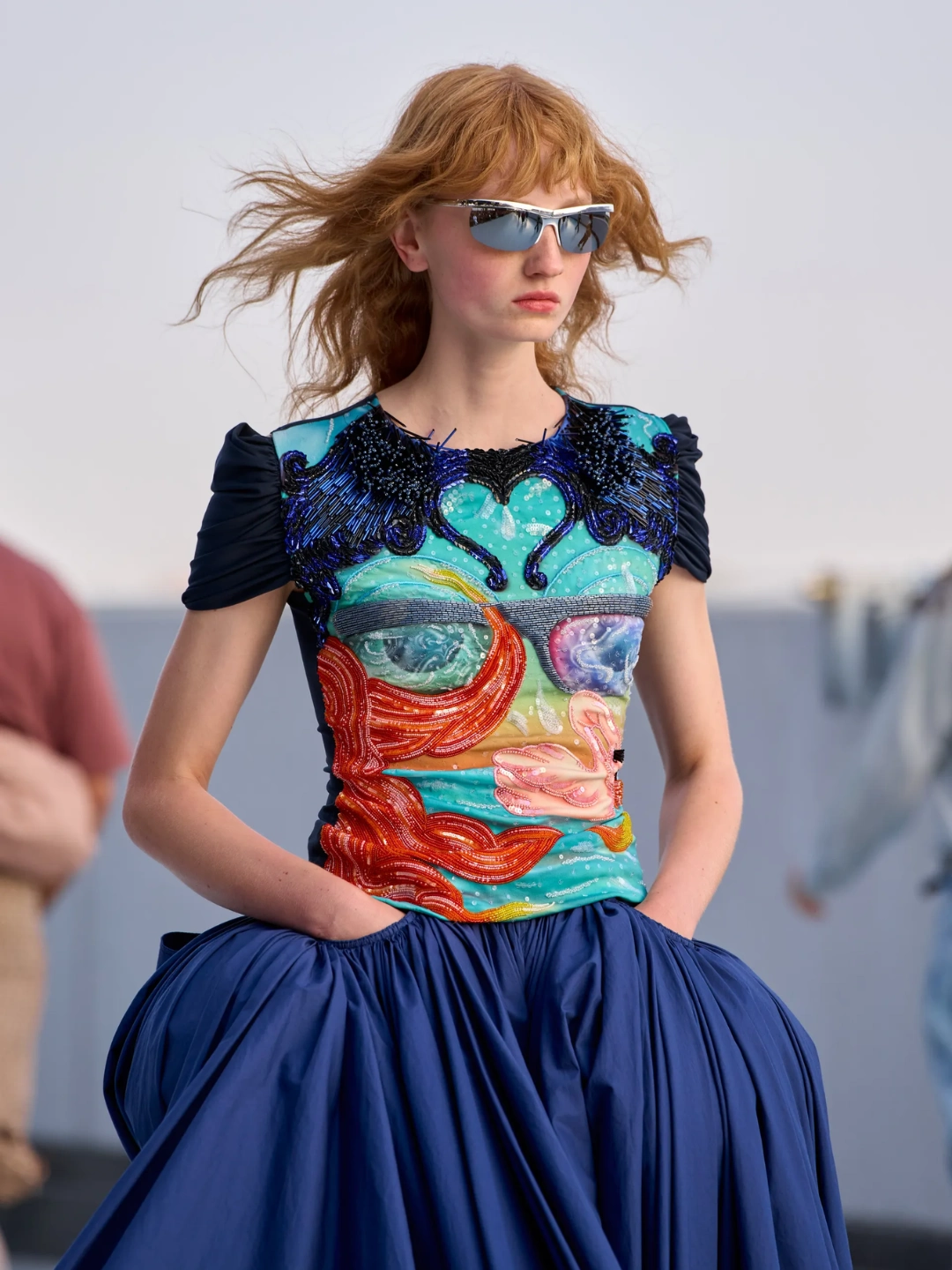
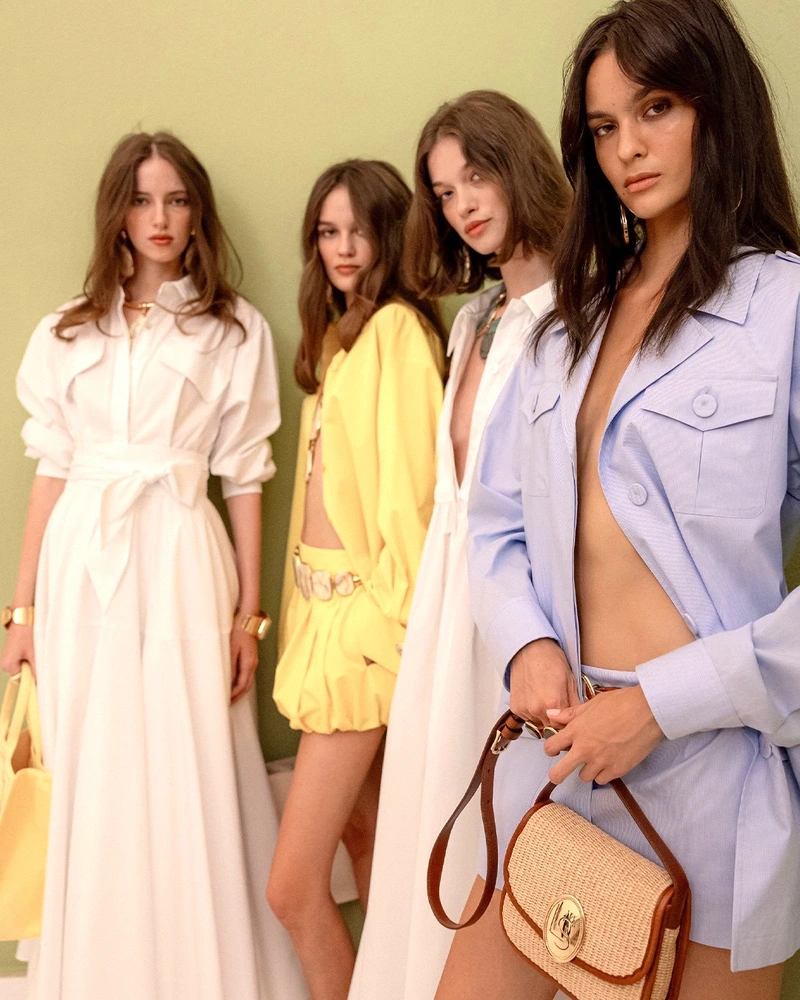
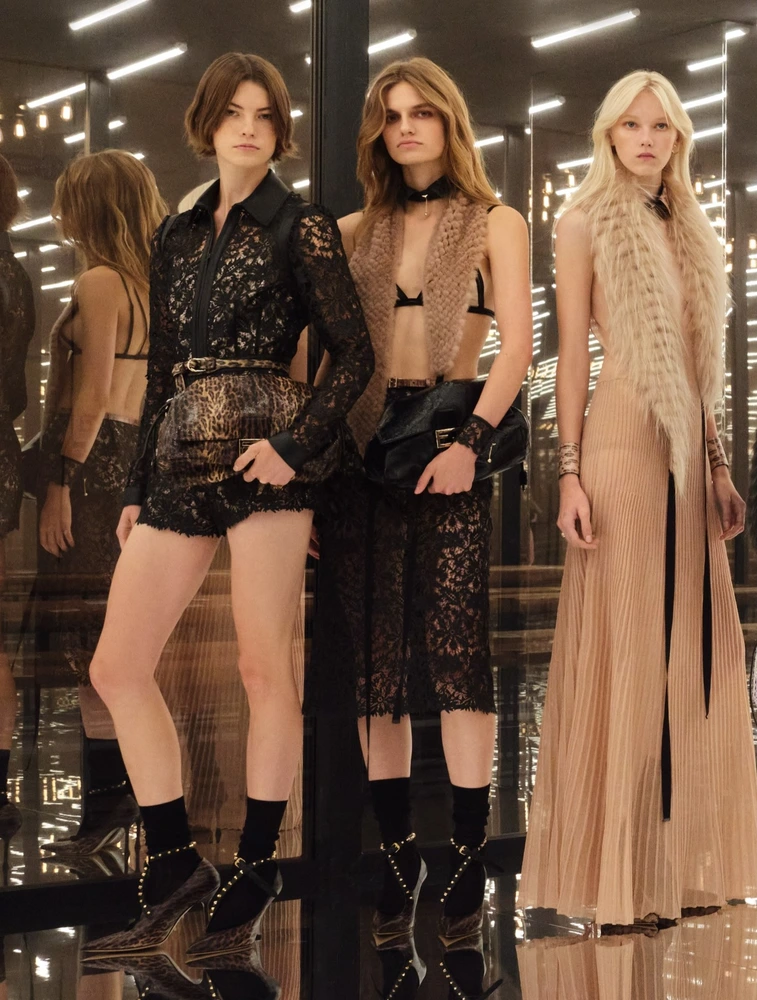
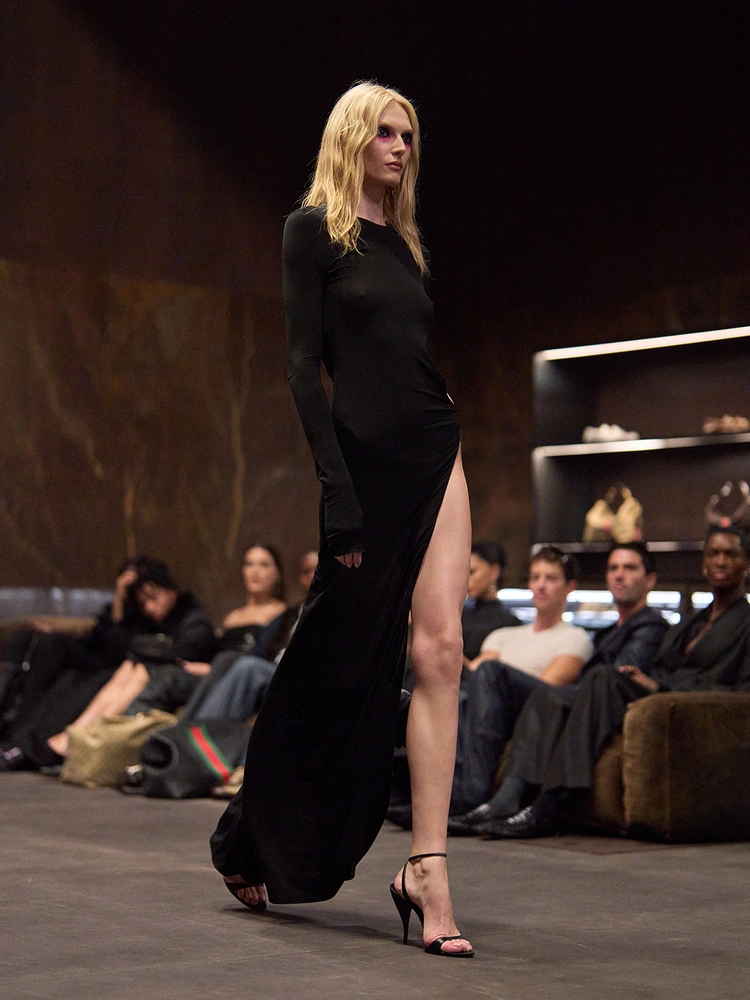
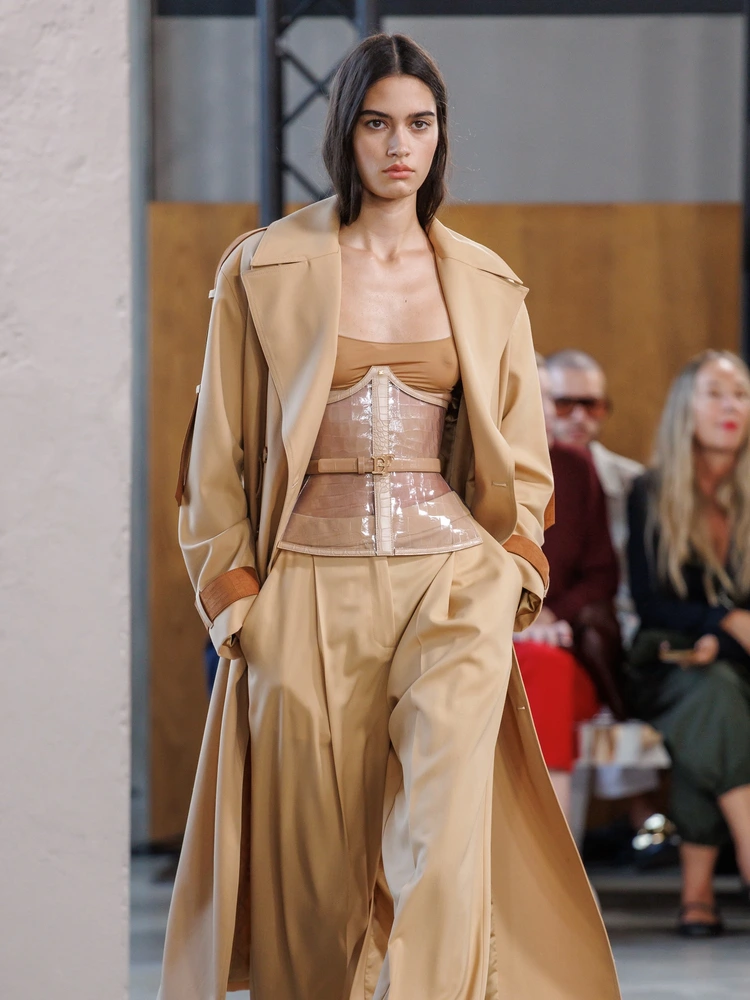
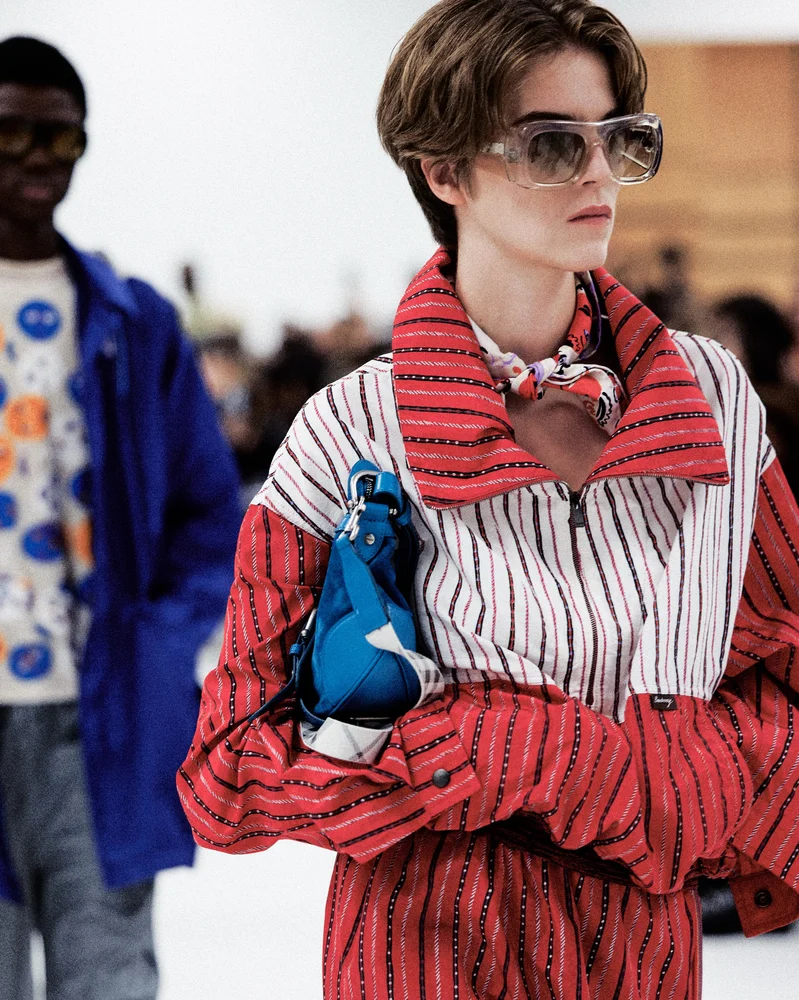
And ease, for him, never meant dilution. This is where Pieter Mulier’s Alaïa era becomes especially fascinating, because his language around sensuality carries such precision. He spoke of bringing back sensuality, tailoring, and the ease Alaïa had in the 1980s. He spoke of “sexuality without vulgarity.” He saw in Azzedine Alaïa a singular gift: sex appeal with ease, femininity carried with strength, glamour that moved with the body instead of freezing it into display. He wants the shoulder to have intention, the curve to have dignity, the drape to register as both invitation and discipline. Even when later collections would move through latex, pillbox hats, visible corsetry, and heightened femininity, the deeper instinct remained constant: silhouette as character, sensuality as form, culture inside seduction.
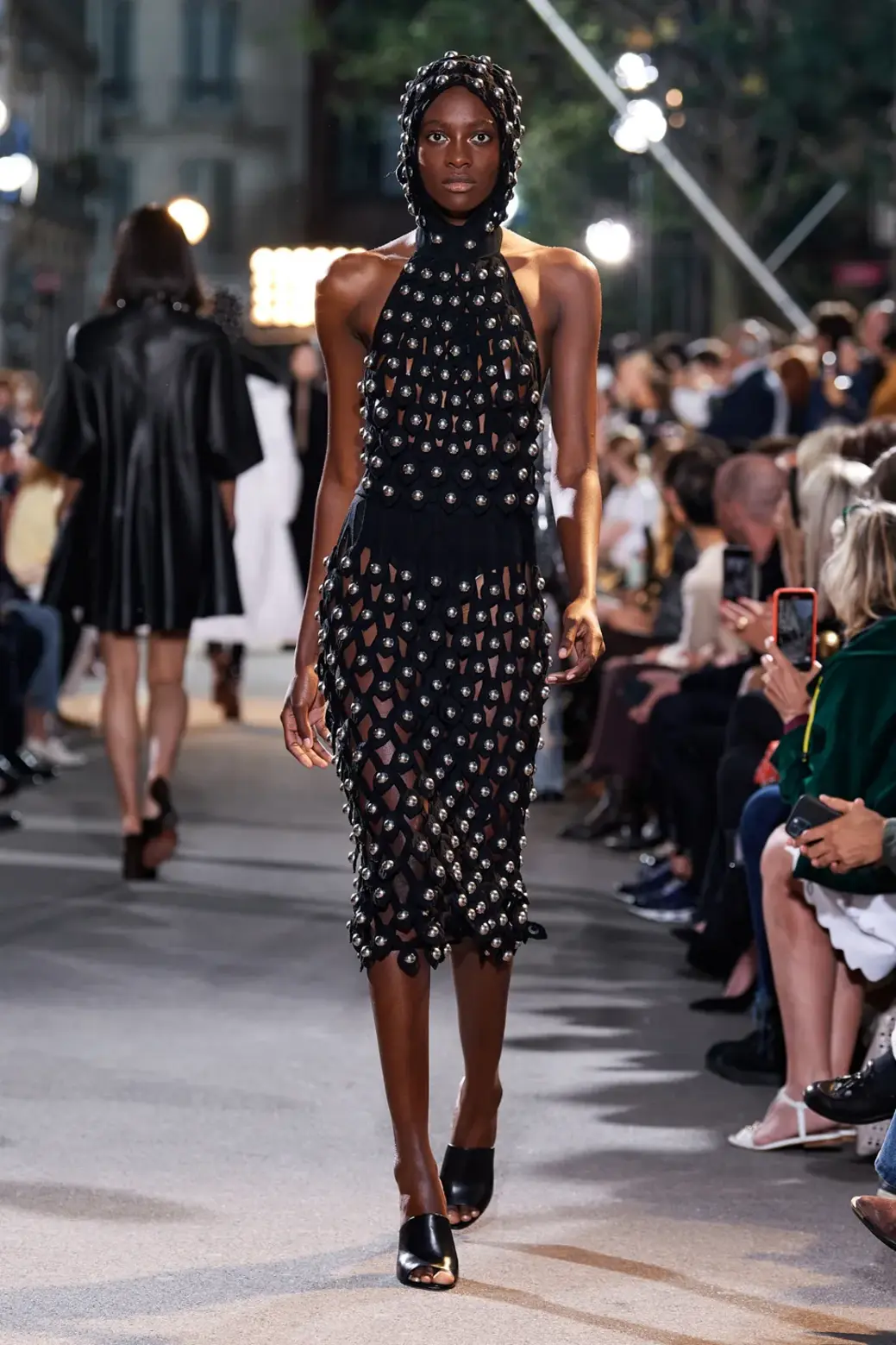
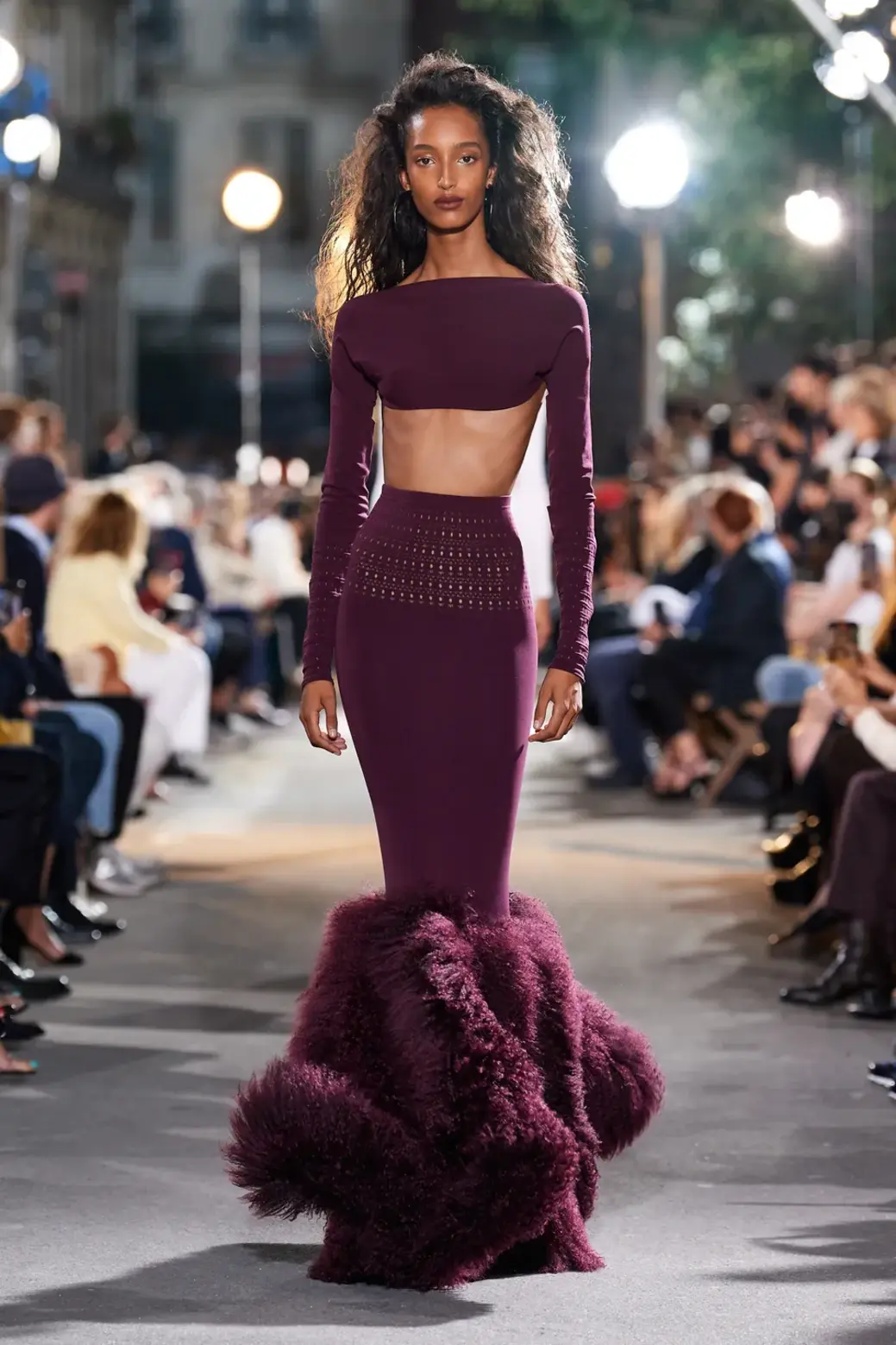
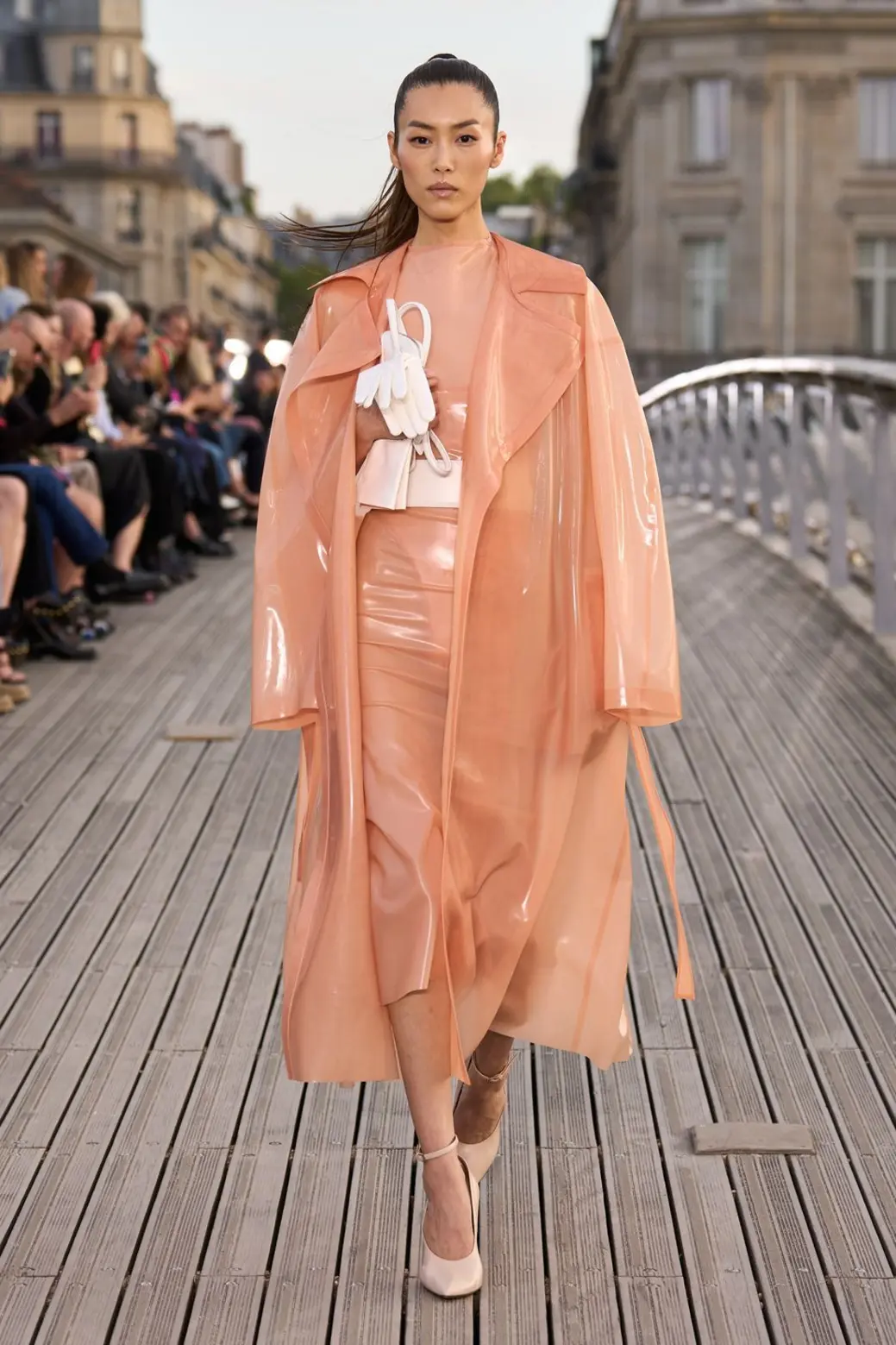
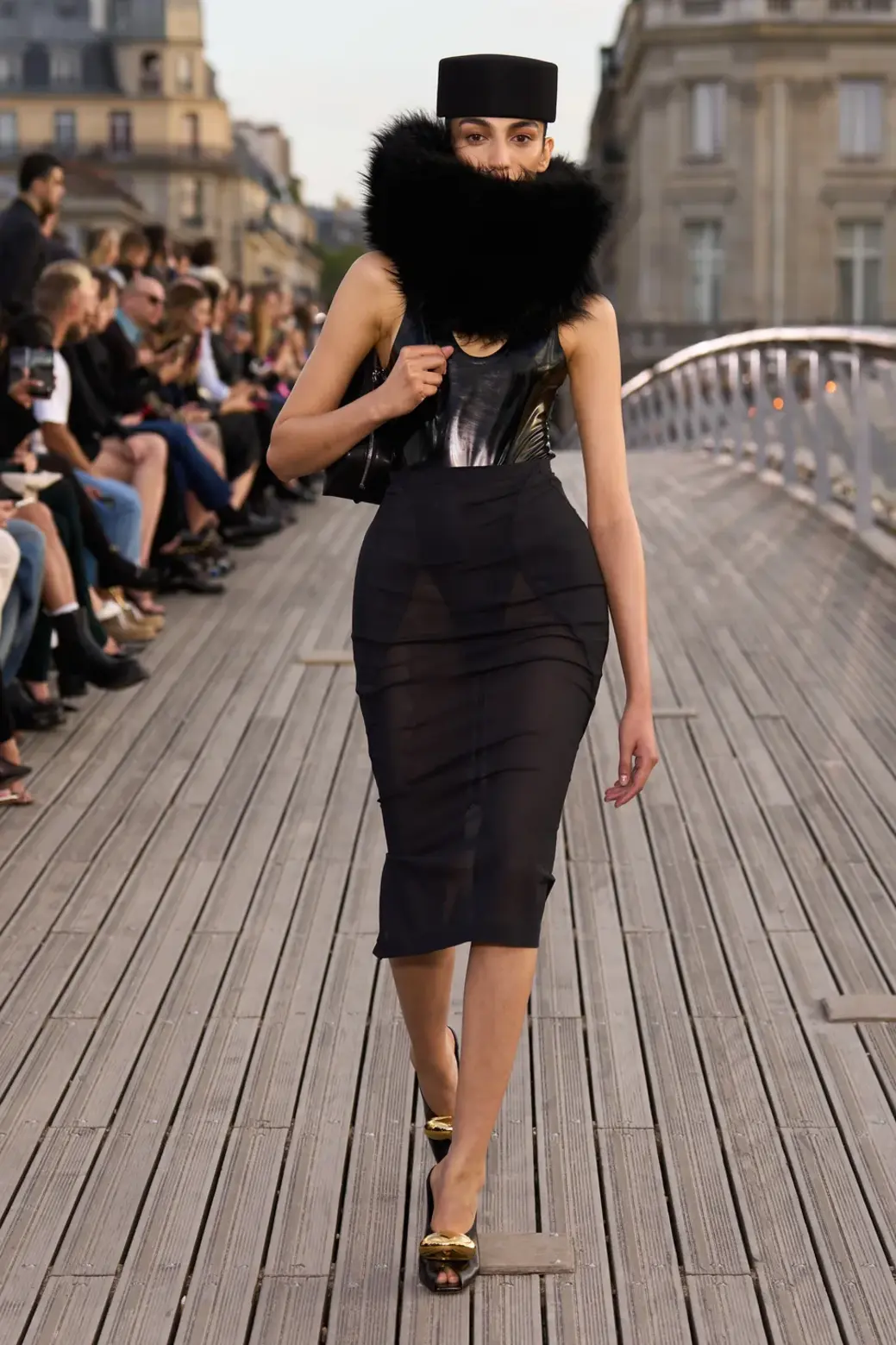
Again and again, his clothes suggest that a woman is being held in the most delicate way: supported at the waist, guided through the shoulder, framed by a hood, released through a skirt that opens with a kind of disciplined generosity. Even when the silhouette feels immediate, even when it seems to cling with ease, there is always some deeper structure beneath the seduction. This is where his work becomes so moving. He understands that sensuality reaches greater depth when it arrives with control. The body in his Alaïa looks cherished, gathered, almost protected by precision.
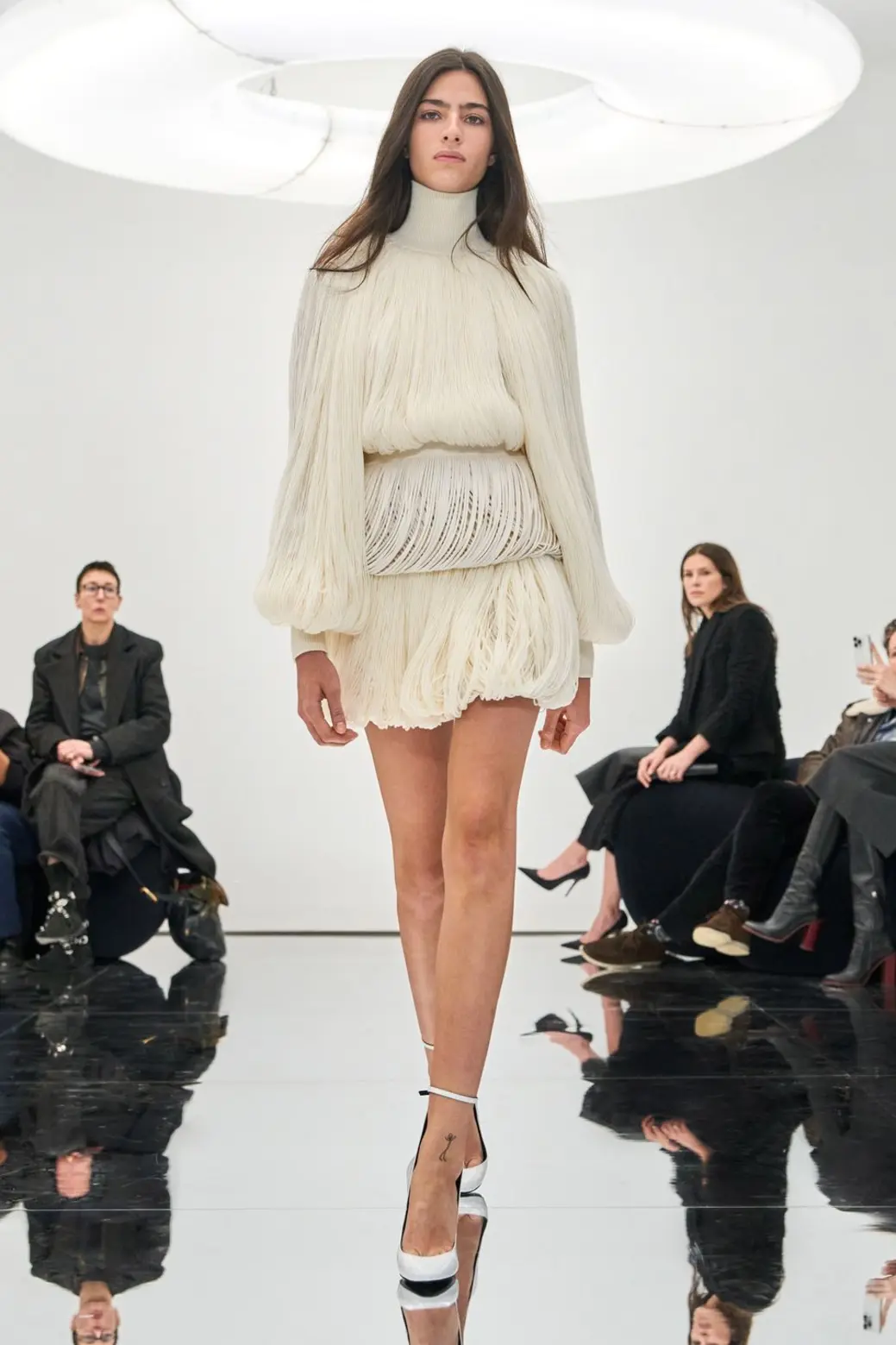
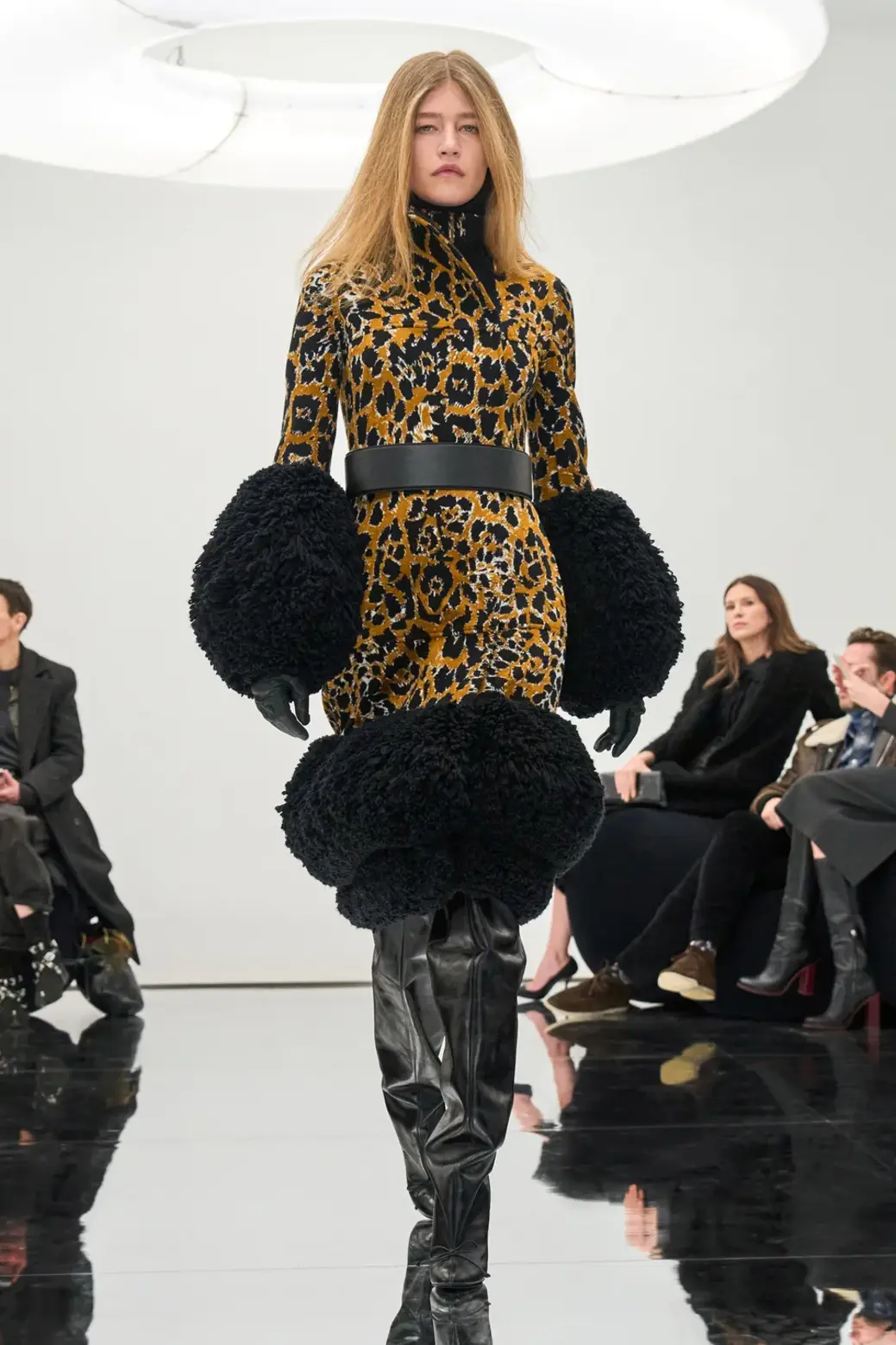
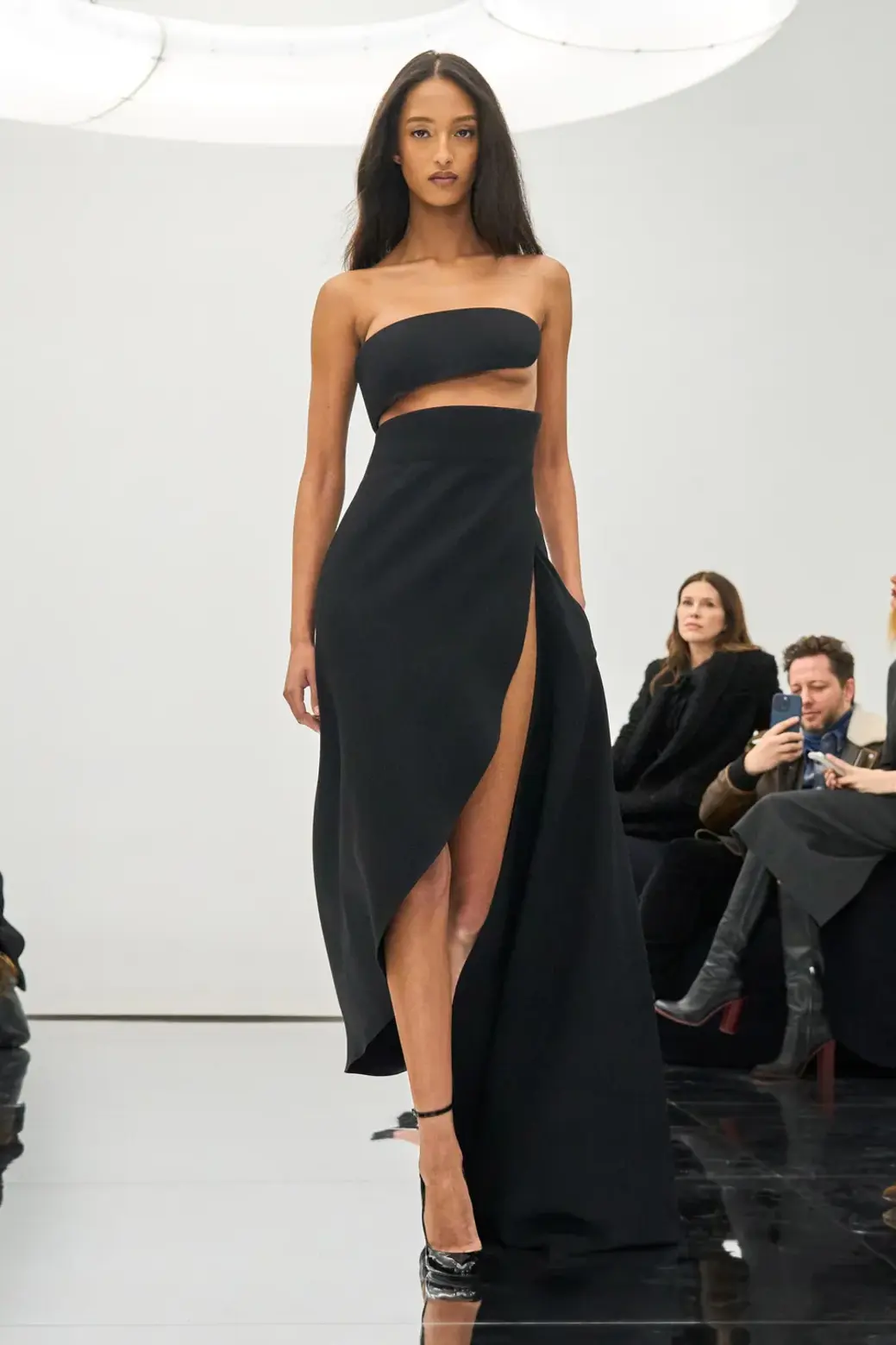
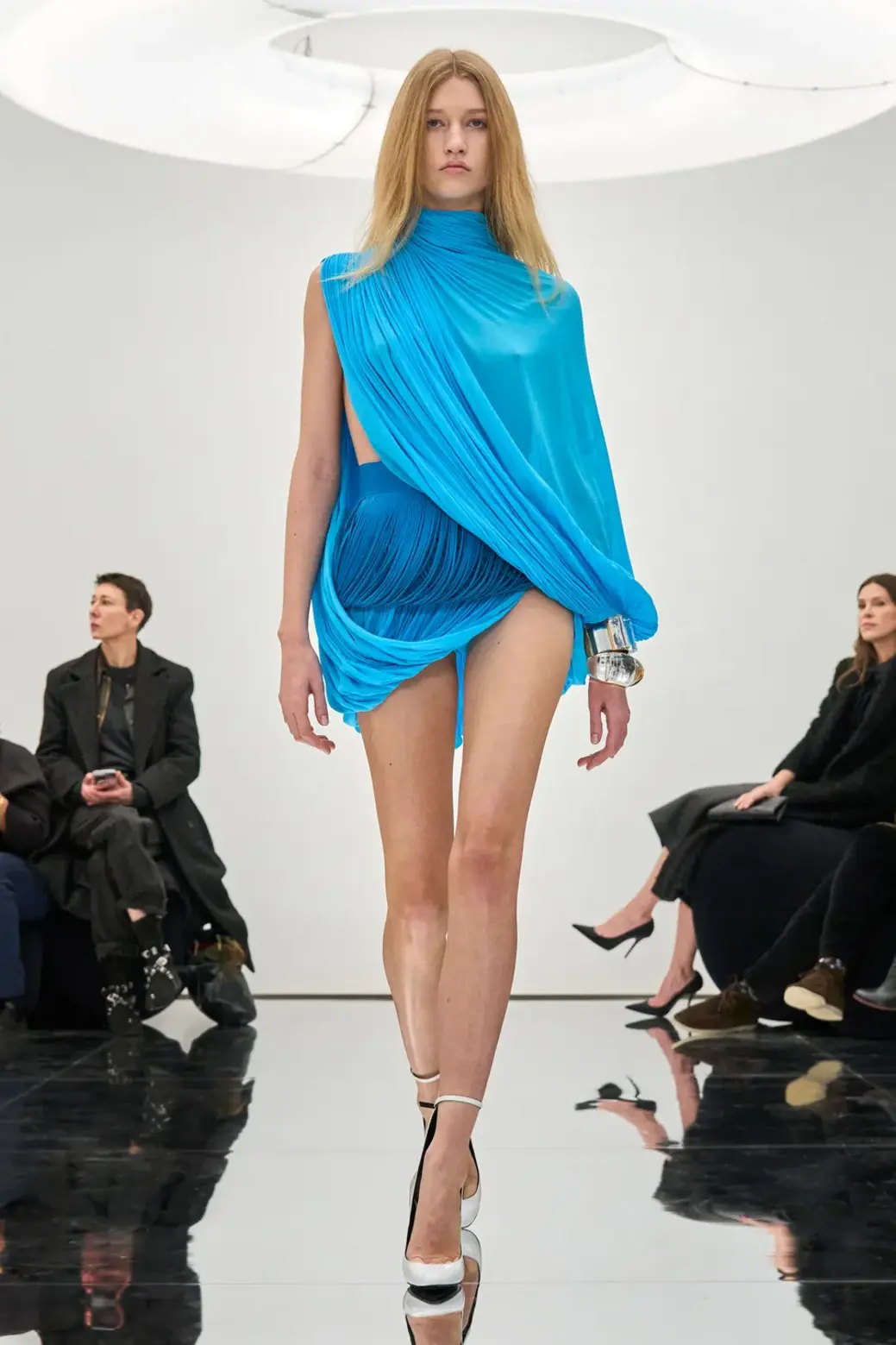
His shapes often feel less like circles drawn on paper and more like motion caught mid-breath: spirals twisting around the torso, loops rising from the body, pleats that ripple outward, rounded constructions that seem to keep rotating even after the model has passed. A dress no longer needed a loud motif or a dramatic trick. Shape itself carried enough voltage. A pleated tube around the hips, a rounded swell at the shoulder, a line curving around the waist, a sculptural twist that made the body seem suspended between discipline and fluidity, these became part of a living vocabulary. Pieter Mulier’s Alaïa grew more exact at the very moment it grew more daring. There is something deeply satisfying in that union. It gives the work both surprise and inevitability, as though the strangest silhouette had always been waiting for its proper hand.
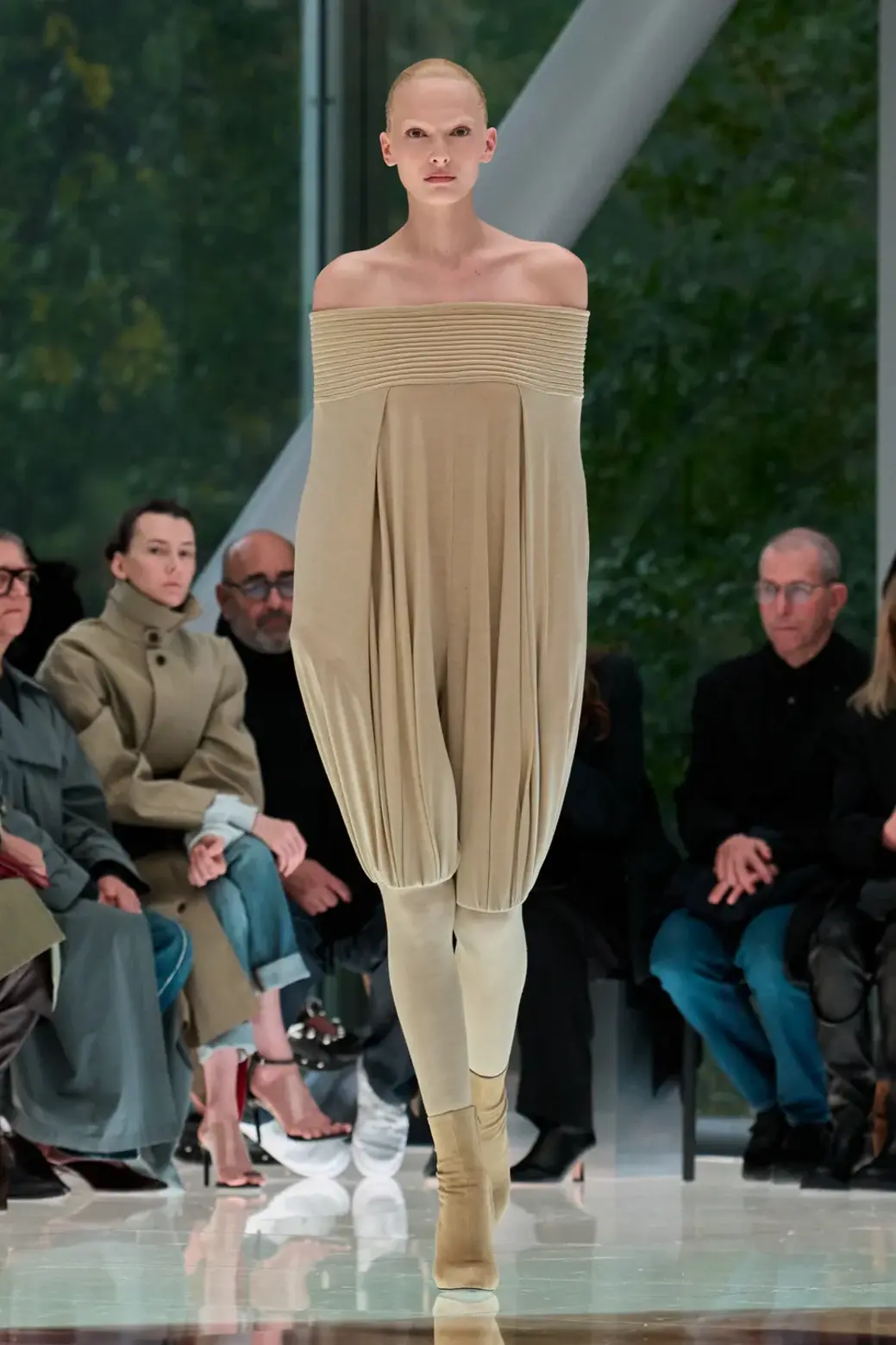
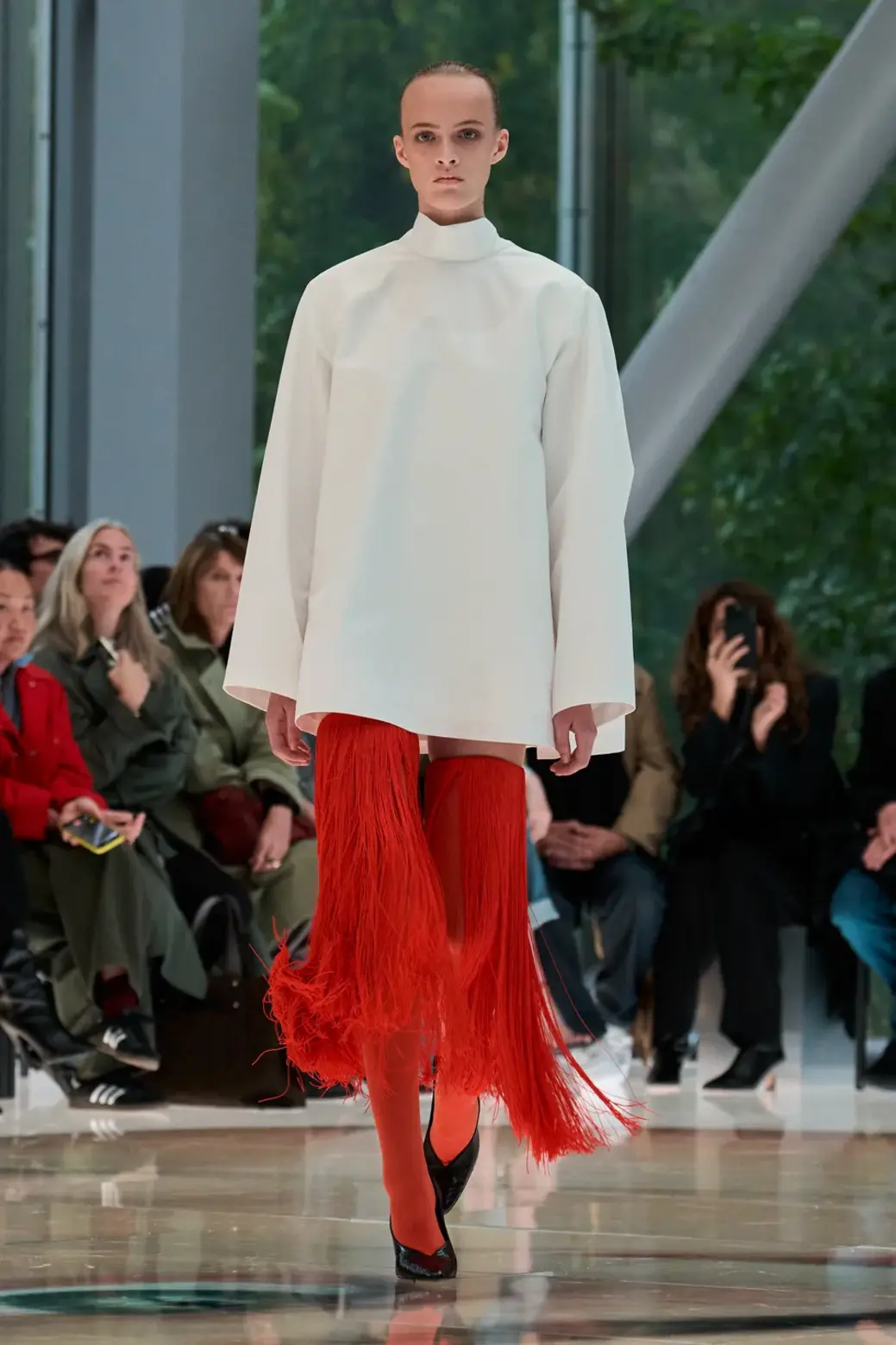
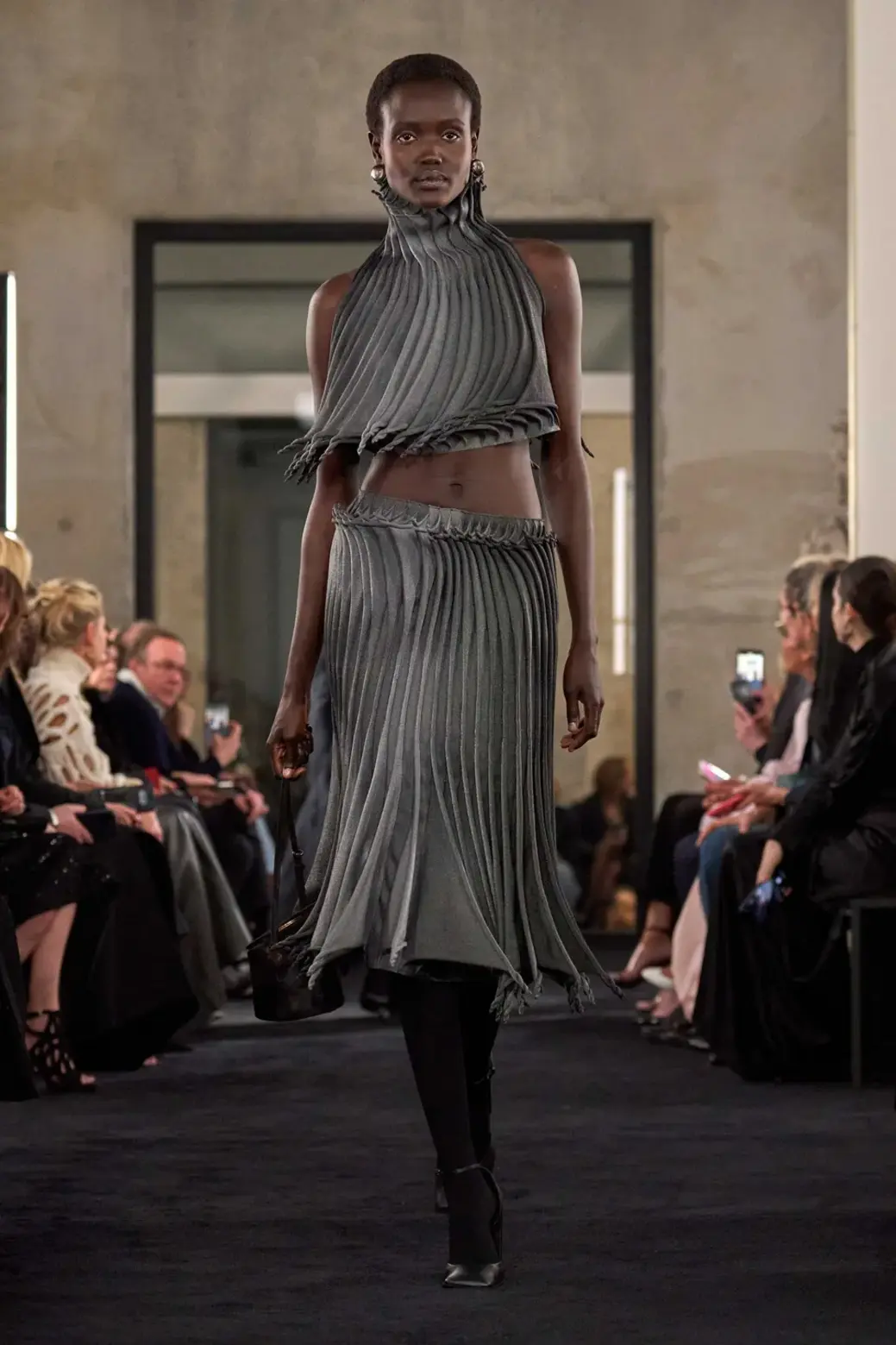
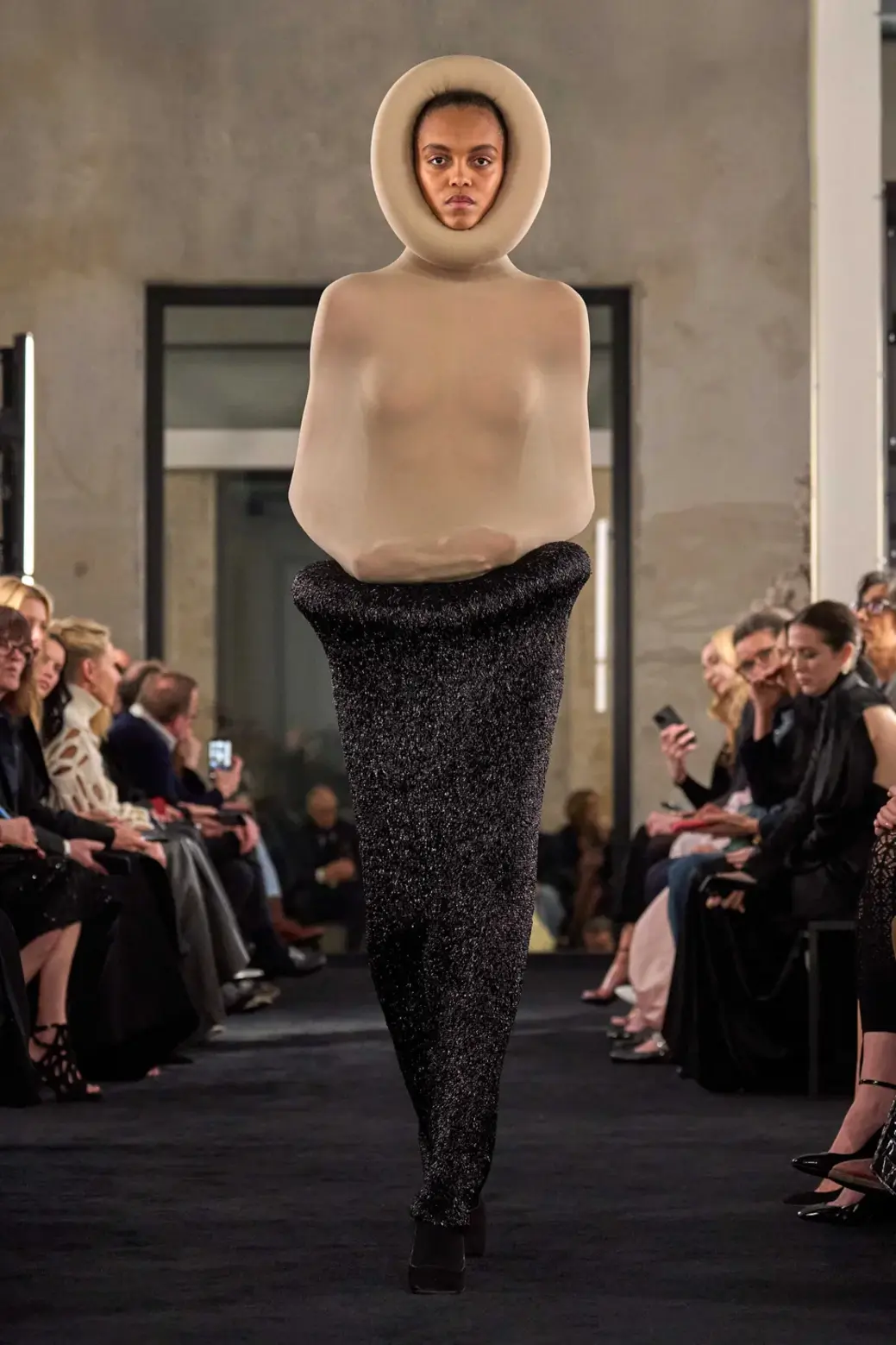
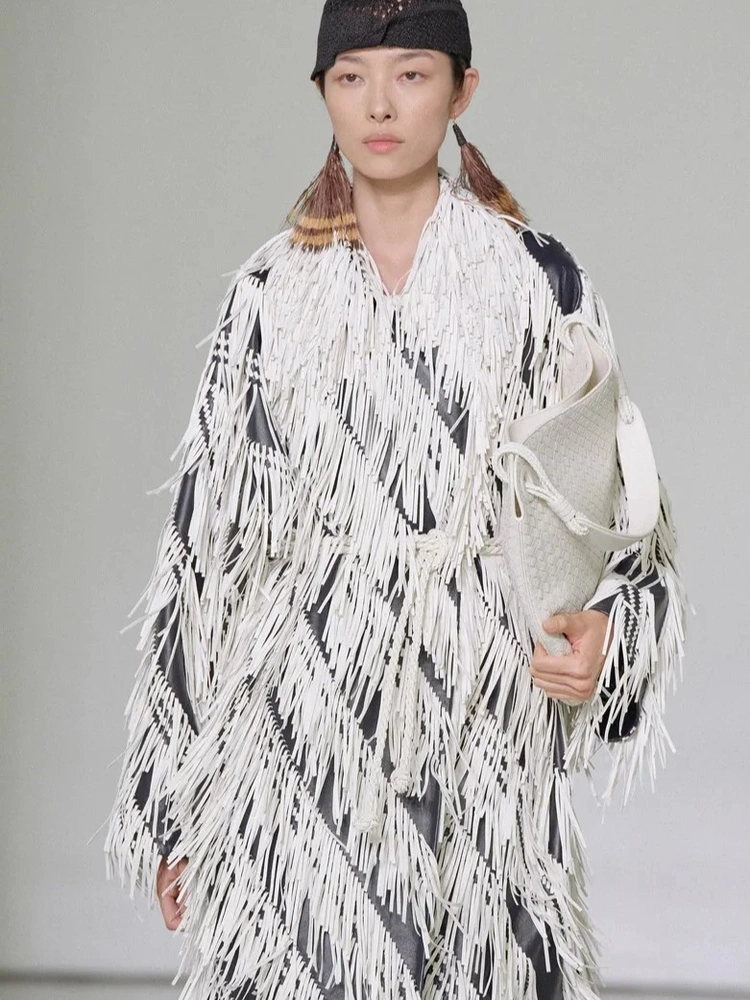
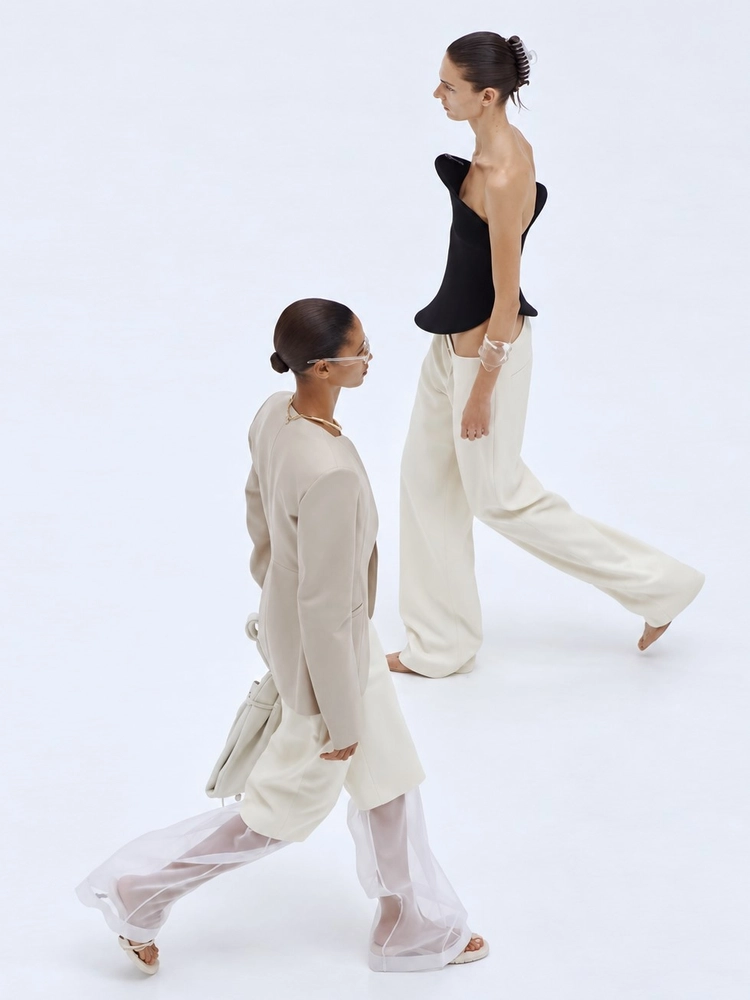
Then came the breakthrough in material, one of those moments when a designer’s logic suddenly sharpens into revelation. The collection built from a single Merino wool yarn offered a kind of quiet astonishment: one material, developed over more than a year, transformed into multiple weights, textures, opacities, and effects, moving from drape to rigidity, from fine knits to plush surfaces, from clean structure to almost bubbling volume. Pieter Mulier framed that collection through simplicity, purity, intimacy, and the idea that less can open rather than reduce. That principle tells you so much about his mind. Constraint, in his hands, becomes expansion. Limitation becomes a stage for invention. And the result felt almost philosophical. The clothes seemed to ask whether one material, handled with enough patience, could hold an entire world of sensation. In Pieter Mulier’s Alaïa era, the answer became yes.
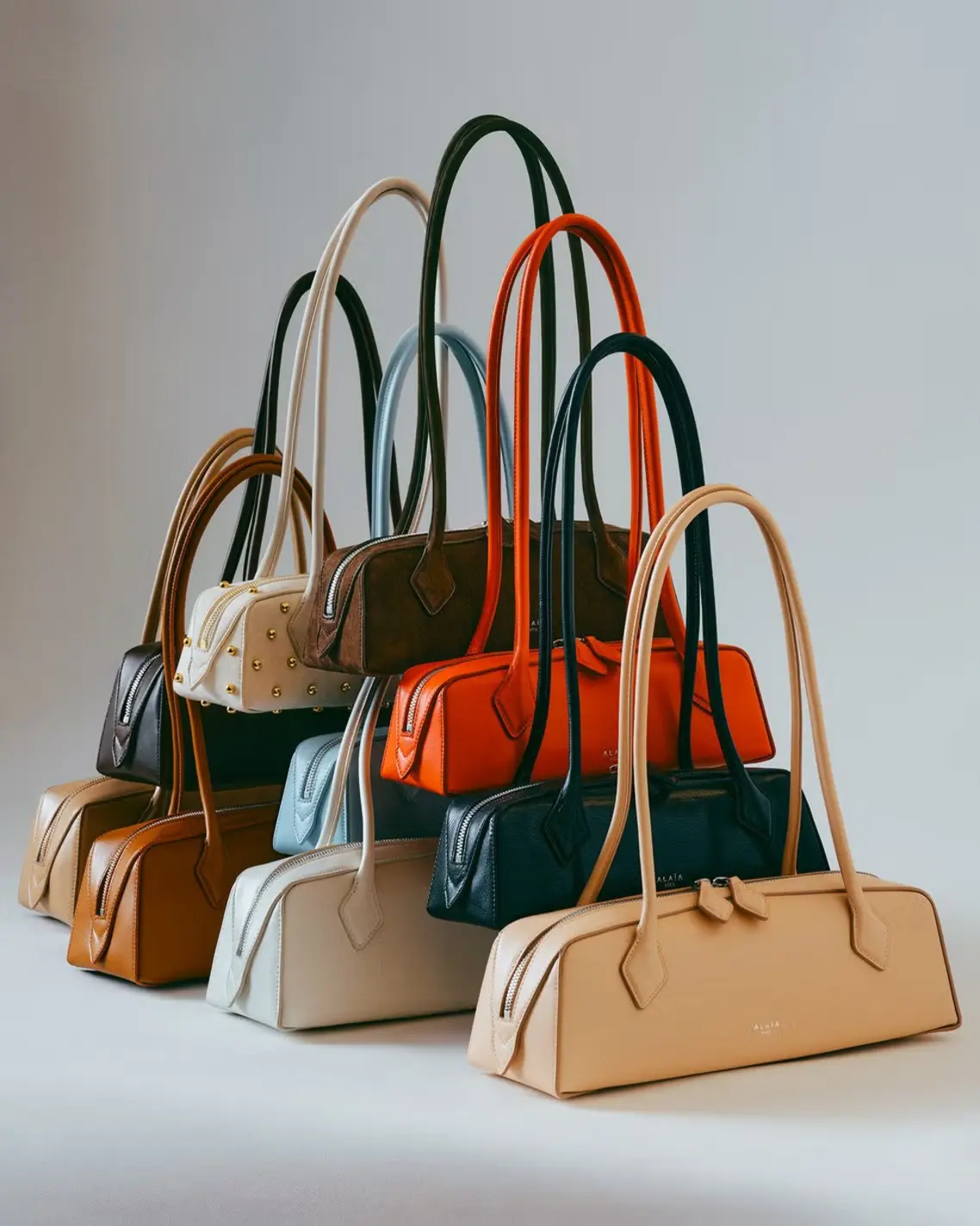
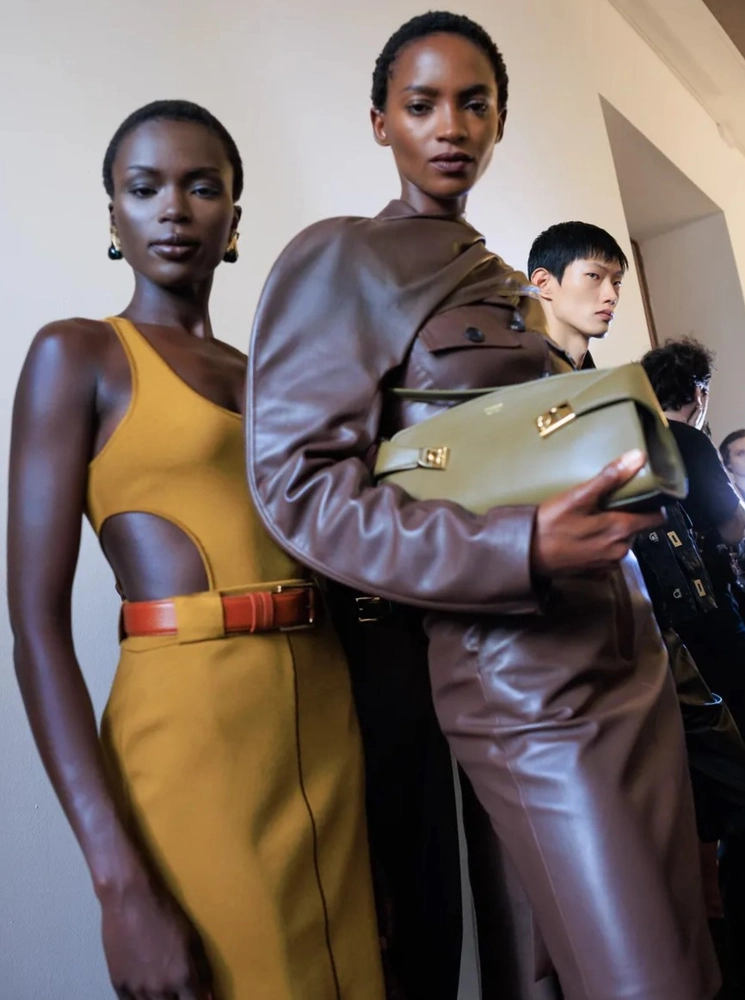
Under Pieter Mulier’s Alaïa era, the house regained that electric closeness to wardrobes and want. Younger women found their way to the house. The mesh ballet flats became one of those rare objects that seem to appear everywhere because they answer a real hunger in the culture. The elongated Le Teckel bag carried the same force: precise, recognizable, quietly eccentric, instantly covetable. The Click joined them.
He could take the values of the runway, proportion, purity, wit, elongated line, sculptural clarity, and compress them into objects that people lived with every day. Desire, in his hands, stayed intelligent. It arrived through shape, through use, through the pleasure of carrying a house’s philosophy in one’s palm or under one’s arm.
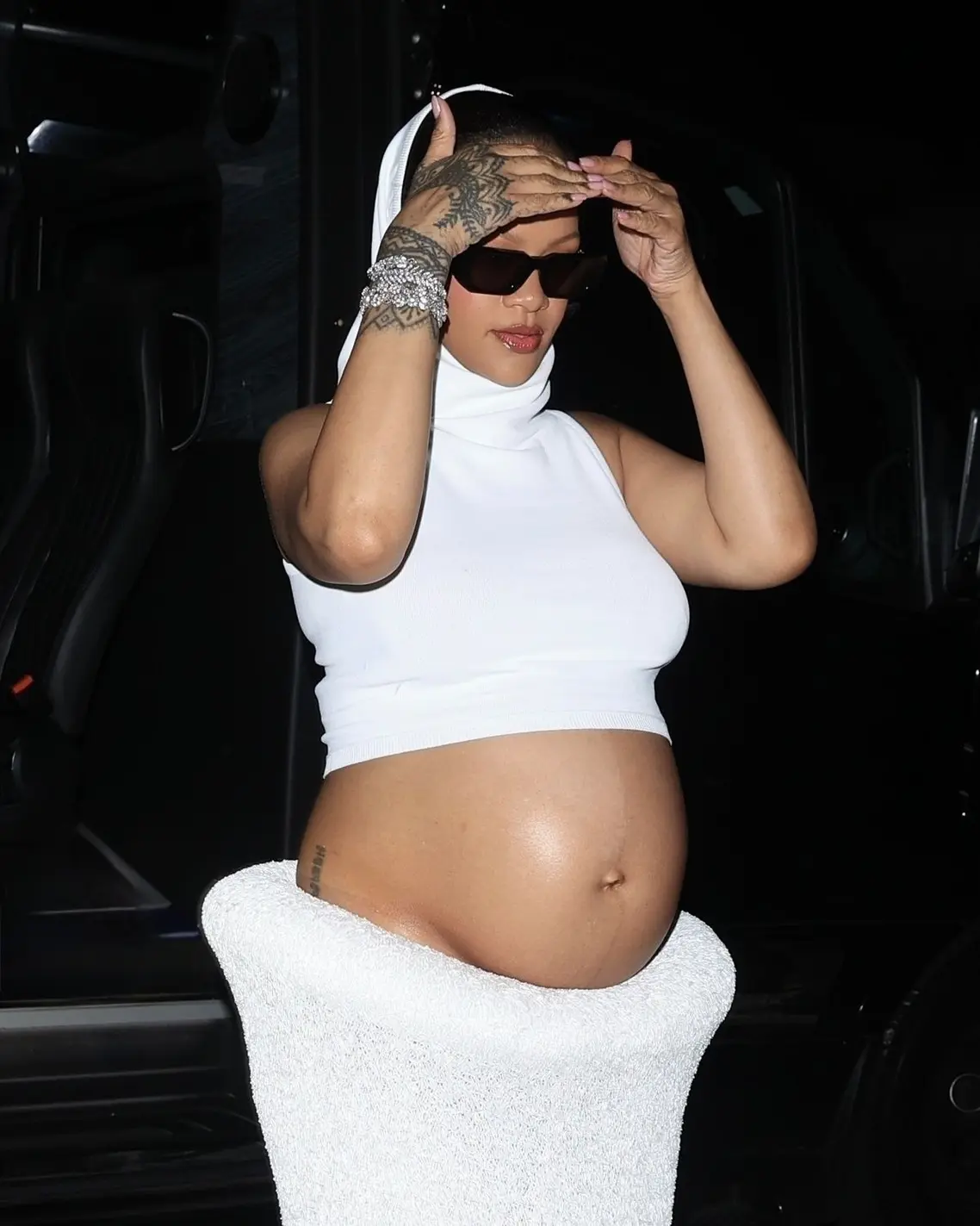
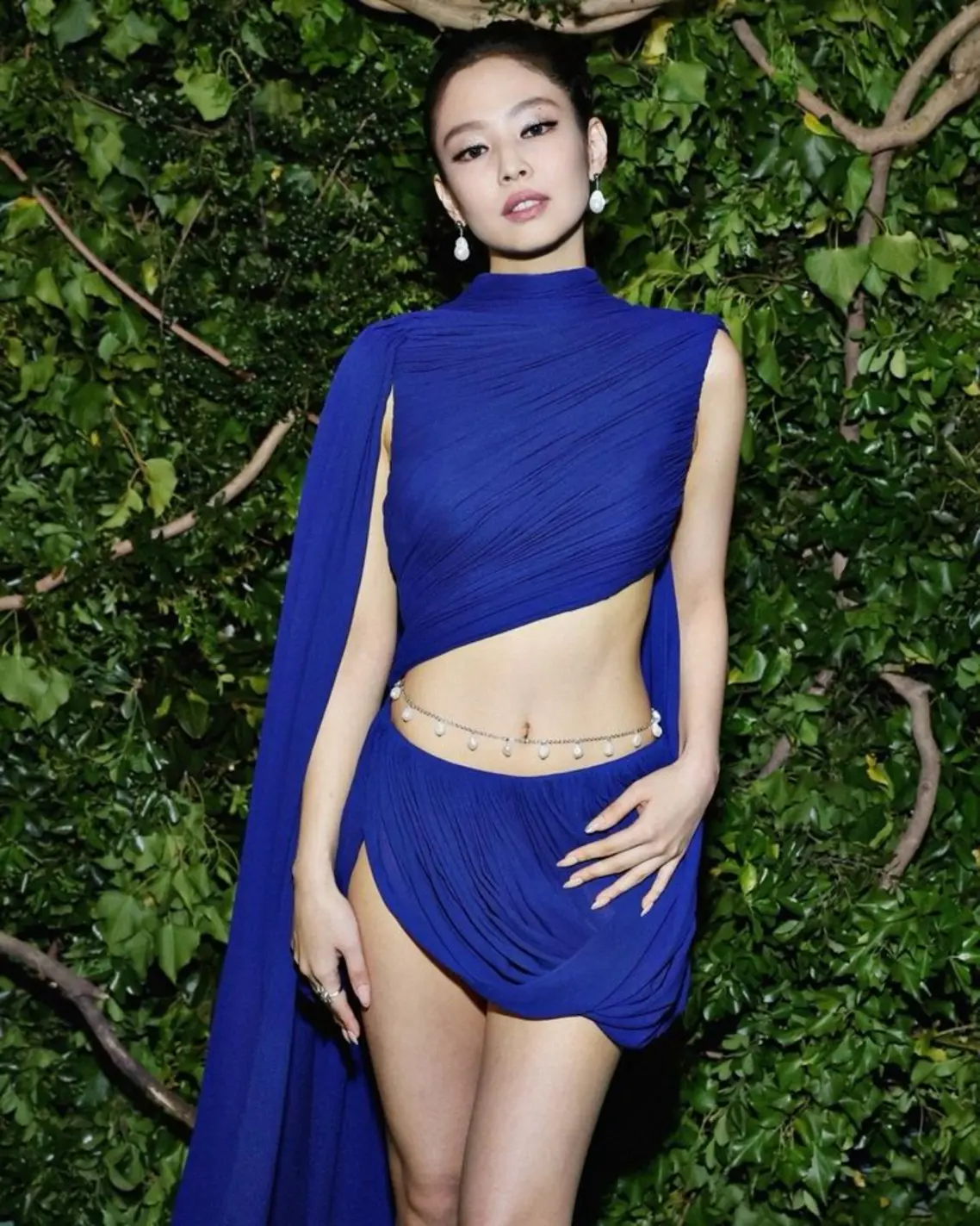
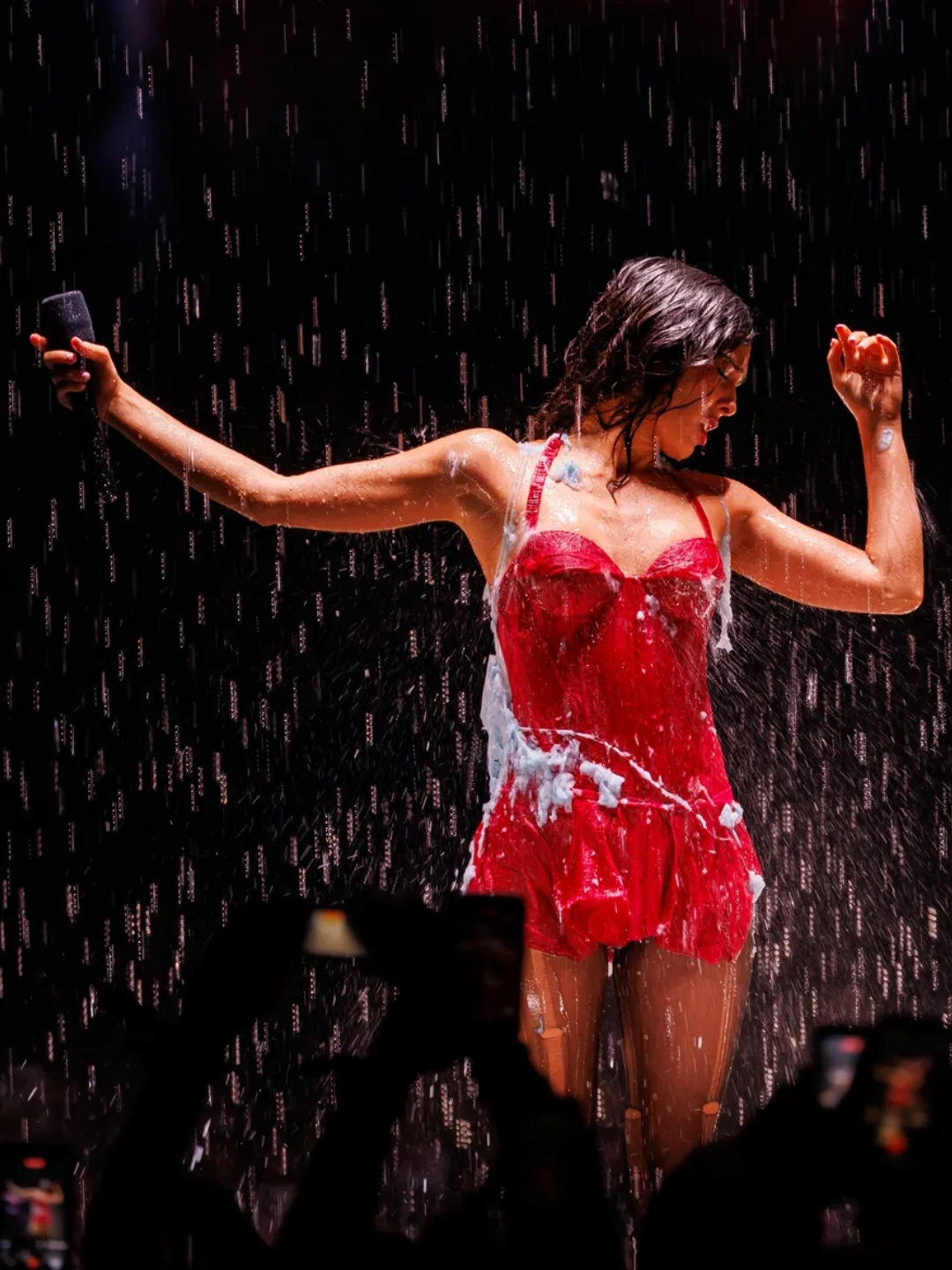
Celebrity helped carry that language outward too, though even here the most interesting thing lies beyond fame itself. His clothes found their way onto women whose public presence could hold the futurism, sensuality, and strange tenderness of his silhouettes. The images traveled far: stage, red carpet, maternity dressing, fashion gala.
Pieter Mulier is set to begin at Versace on July 1, 2026, where he is expected to steer the house into a new chapter after Donatella Versace's long reign and Dario Vitale's swift era and help revive Atelier Versace as part of Prada’s high-end repositioning of the brand. After five years as creative director, the question had already changed. At first, people wondered whether anyone could enter Alaïa without disturbing its sacred balance. At the end, the real question felt far more tender: how does a house continue after someone has tuned it so carefully to the present tense? He had raised its global profile, sharpened its visual language, and carried it into a new intimacy with the culture, yet the deepest part of his legacy lies elsewhere. He made Alaïa feel alive in a way that seemed both newly immediate and somehow faithful to its oldest pulse.
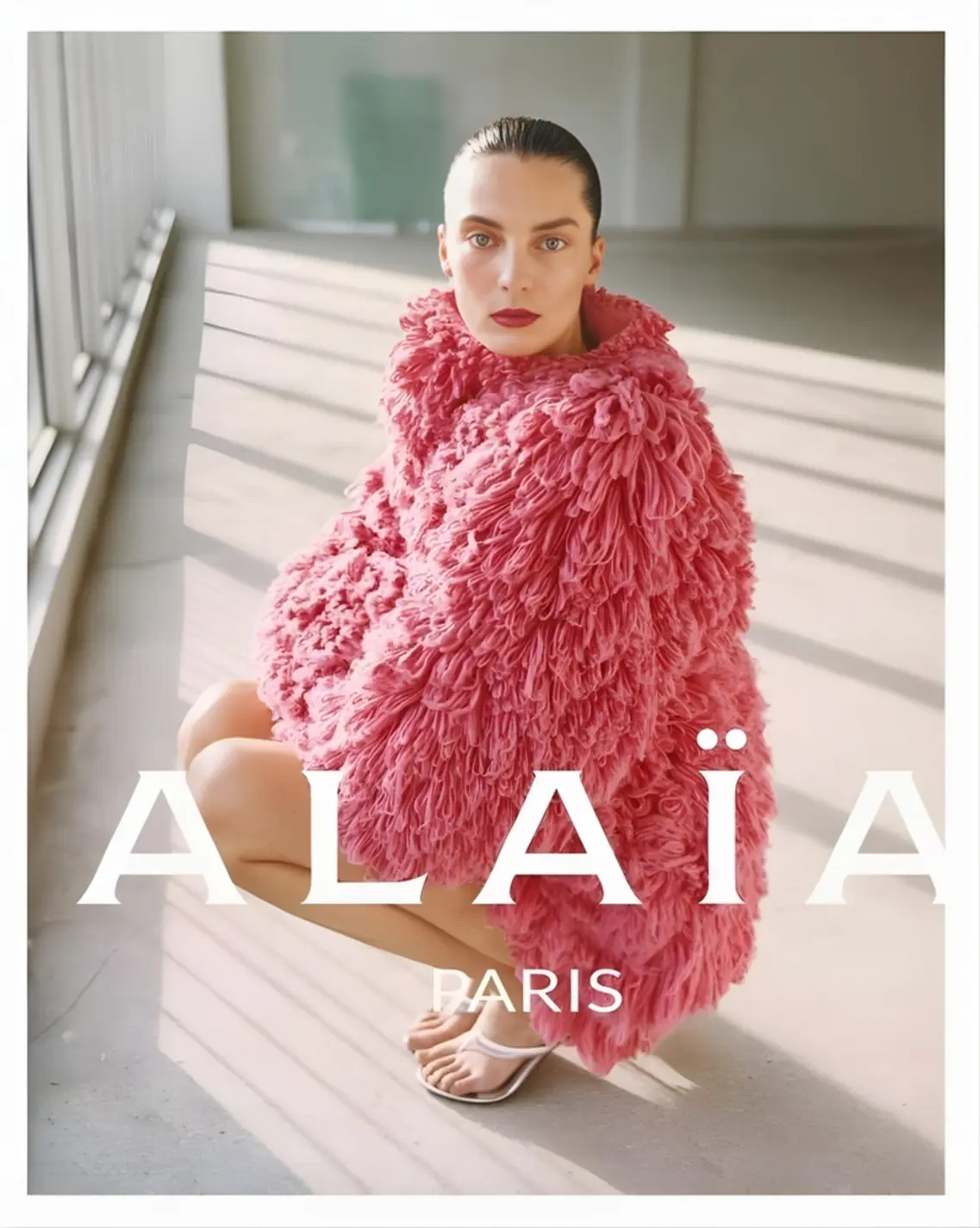
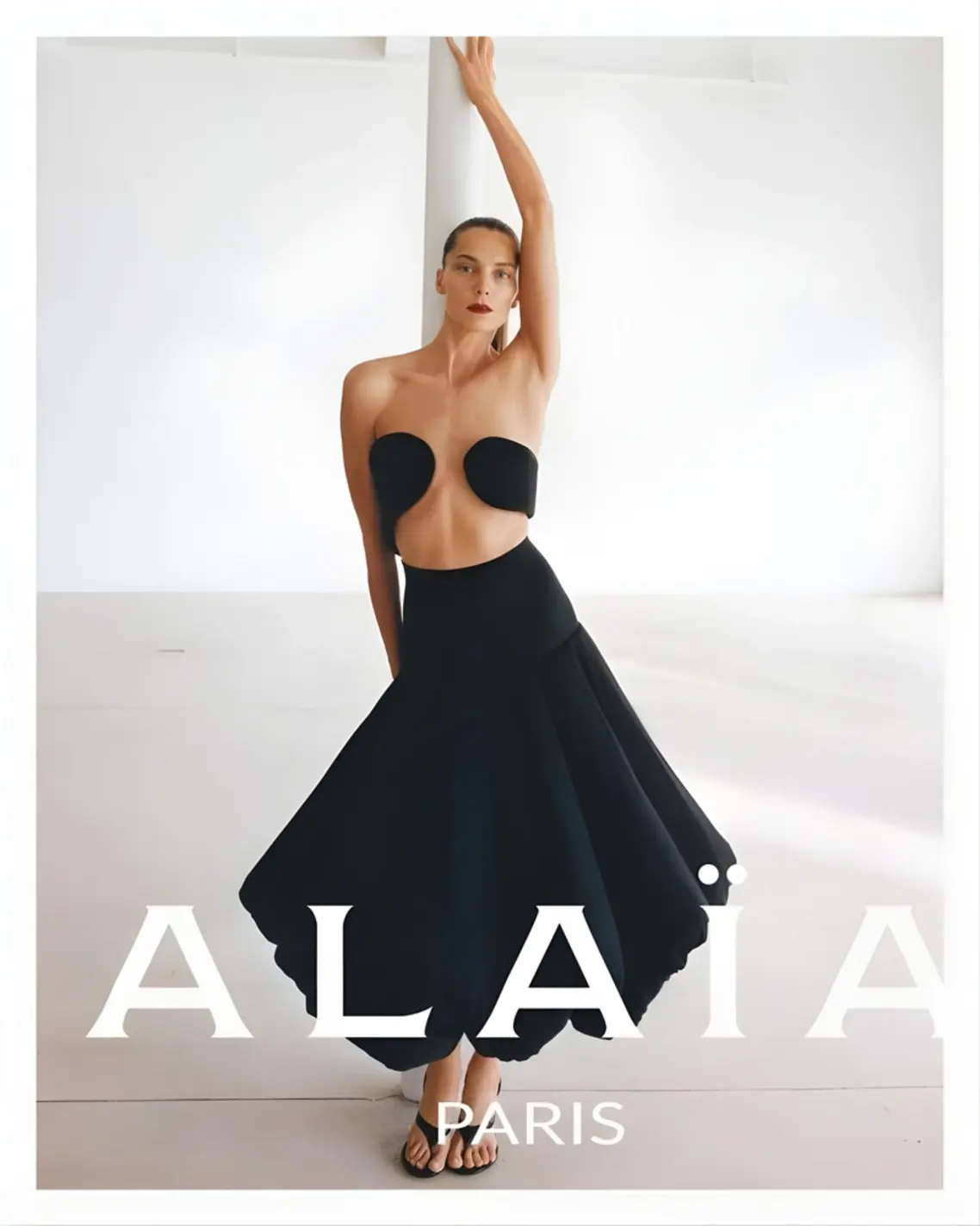
Recognition followed, and it followed with a pleasing specificity. The industry rewarded him neither for nostalgia nor for generic desirability. In 2025, he received the International Award at the CFDA Awards, handed to him by Naomi Campbell, one of the women most deeply bound to Alaïa’s mythology. That detail feels beautifully apt. The honor acknowledged that his authorship had grown unmistakably global, legible far beyond Paris, far beyond the narrow boundaries of house succession narratives. The same year, he also received the Karl Lagerfeld Award for Innovation for his continued work with Merino wool, especially the extraordinary one-yarn collection that turned technical limitation into aesthetic abundance.
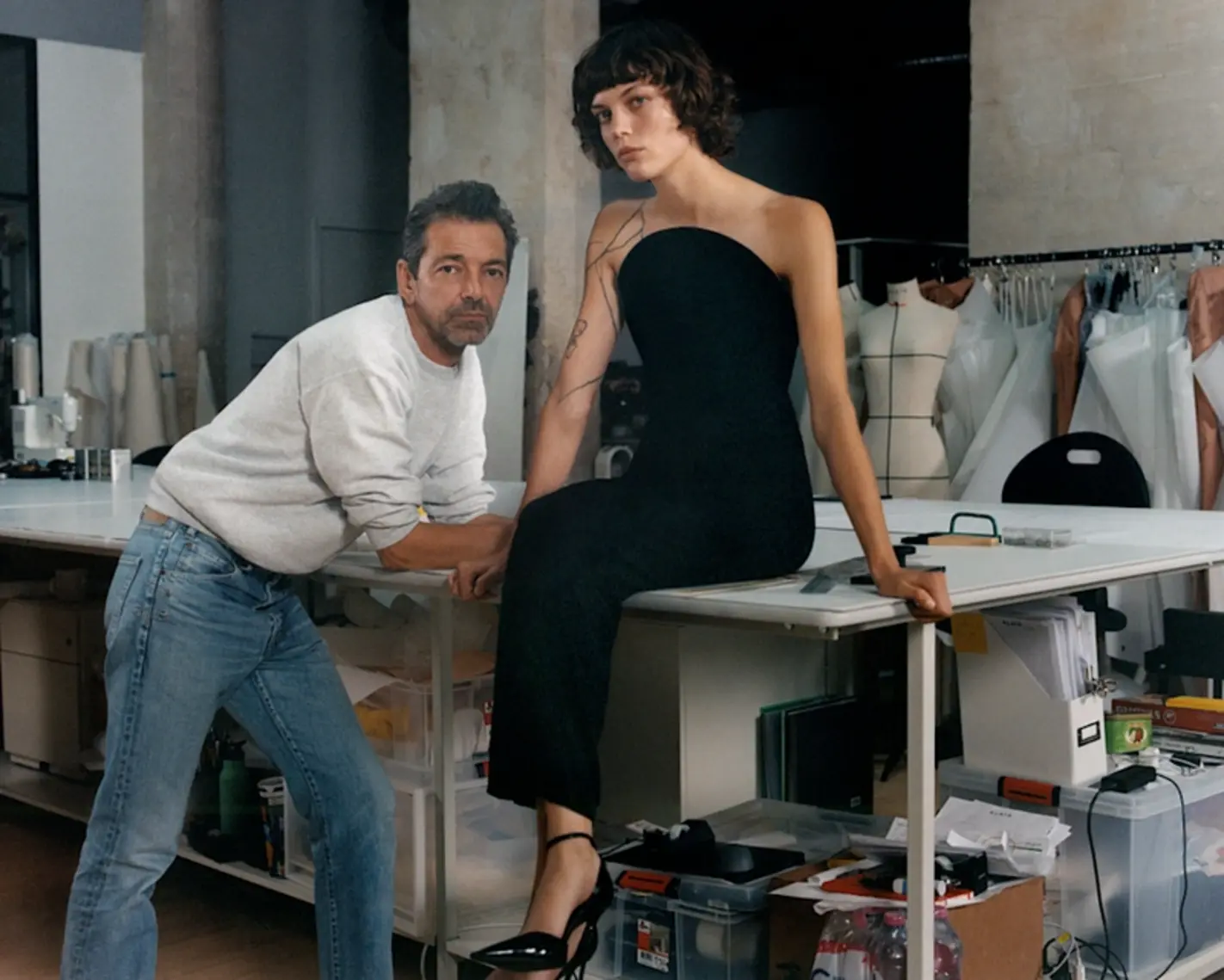
He protected intimacy while expanding visibility. Across Pieter Mulier’s Alaïa era, he introduced objects of obsession without draining the work of seriousness. He pushed material and silhouette into daring territory, then ended his tenure with a lesson in reduction so persuasive it cast the entire era in a clearer light. What kind of confidence chooses clarity at the moment when spectacle would have been easiest? The answer reveals something beautiful about Pieter Mulier. He understood that the final gift a designer can offer a house is space: space for the clothes to speak, space for the next chapter to begin, space for the legacy to remain alive rather than sealed. That legacy feels especially moving because it belongs to continuity as much as invention. He arrived by listening. He left behind a language.
Advertisement