MENU
Close





Pieter Mulier’s debut at Alaïa arrived on February 5, 2021, when the maison announced him as creative director, signaling a pivotal reawakening for the house after years of quiet mourning following Azzedine Alaïa’s death in 2017.
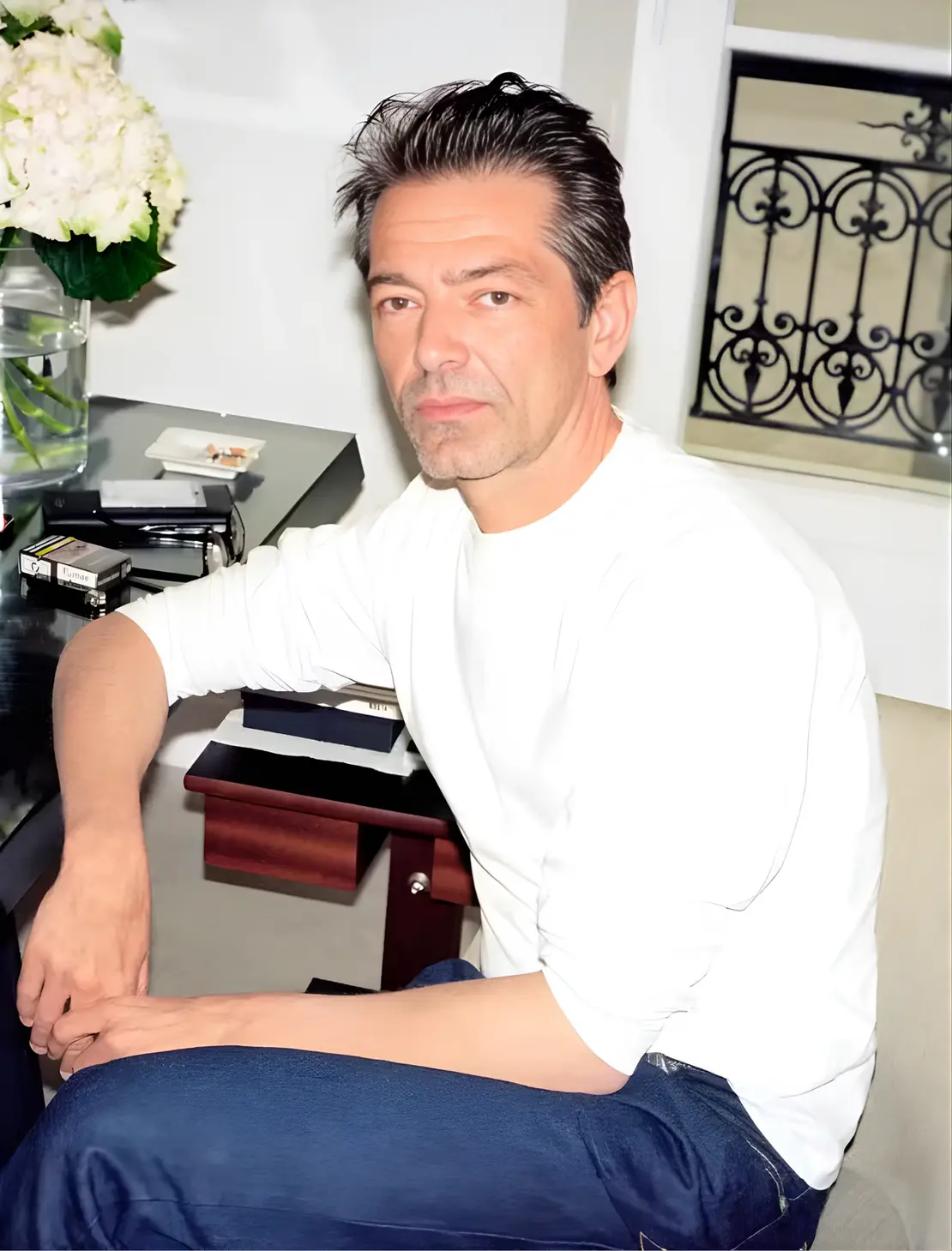
Pieter Mulier’s debut at Alaïa arrived on February 5, 2021, when the maison announced him as creative director, signaling a pivotal reawakening for the house after years of quiet mourning following Azzedine Alaïa’s death in 2017.
February 5, 2026


While the industry had long wondered who could possibly fill the void left by the "King of Cling," Pieter Mulier’s debut at Alaïa proved that the answer lay not in imitation, but in a profound, architectural understanding of the female form that respected the house's sacred DNA while injecting a sharp, contemporary pulse.
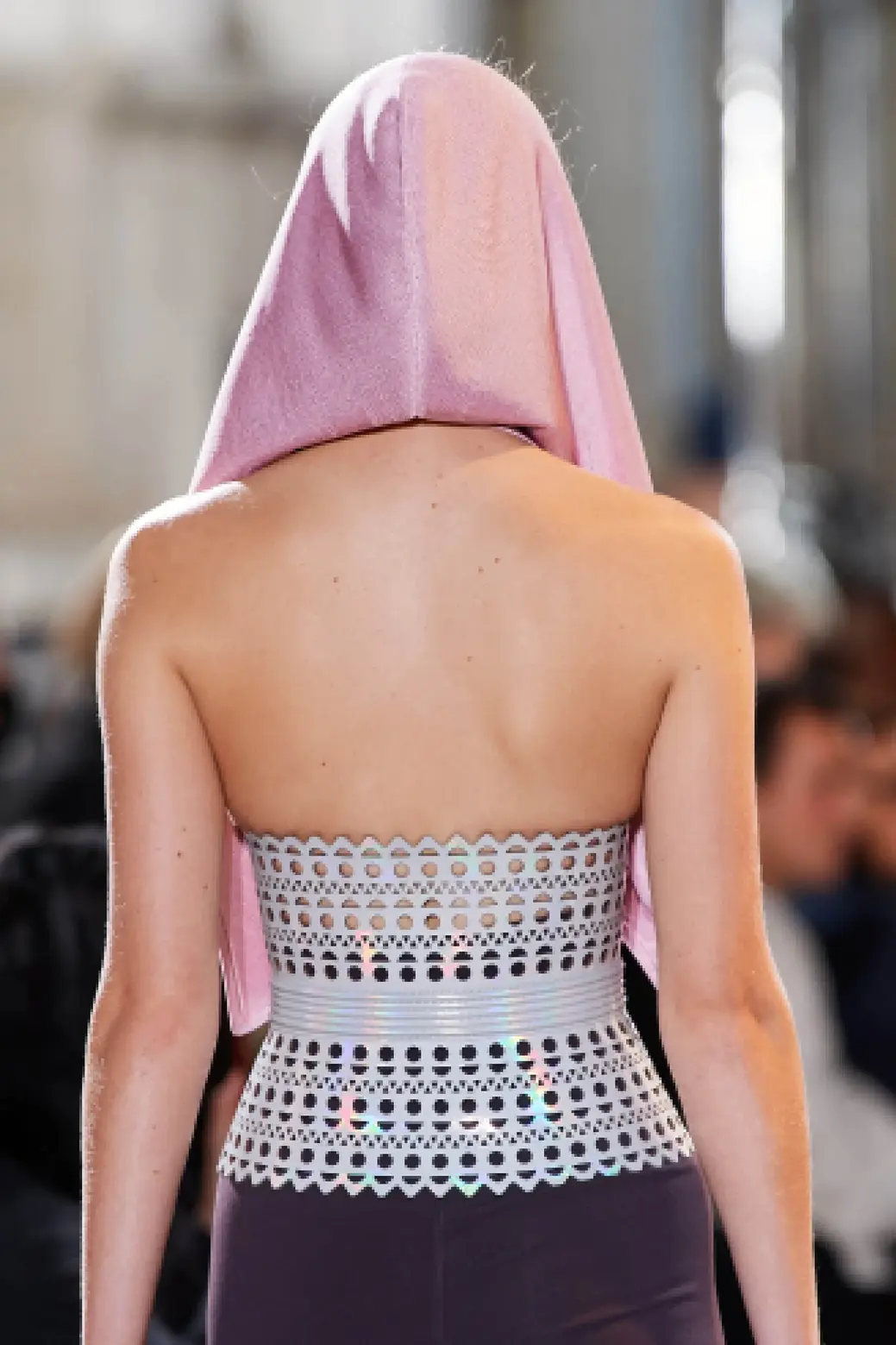
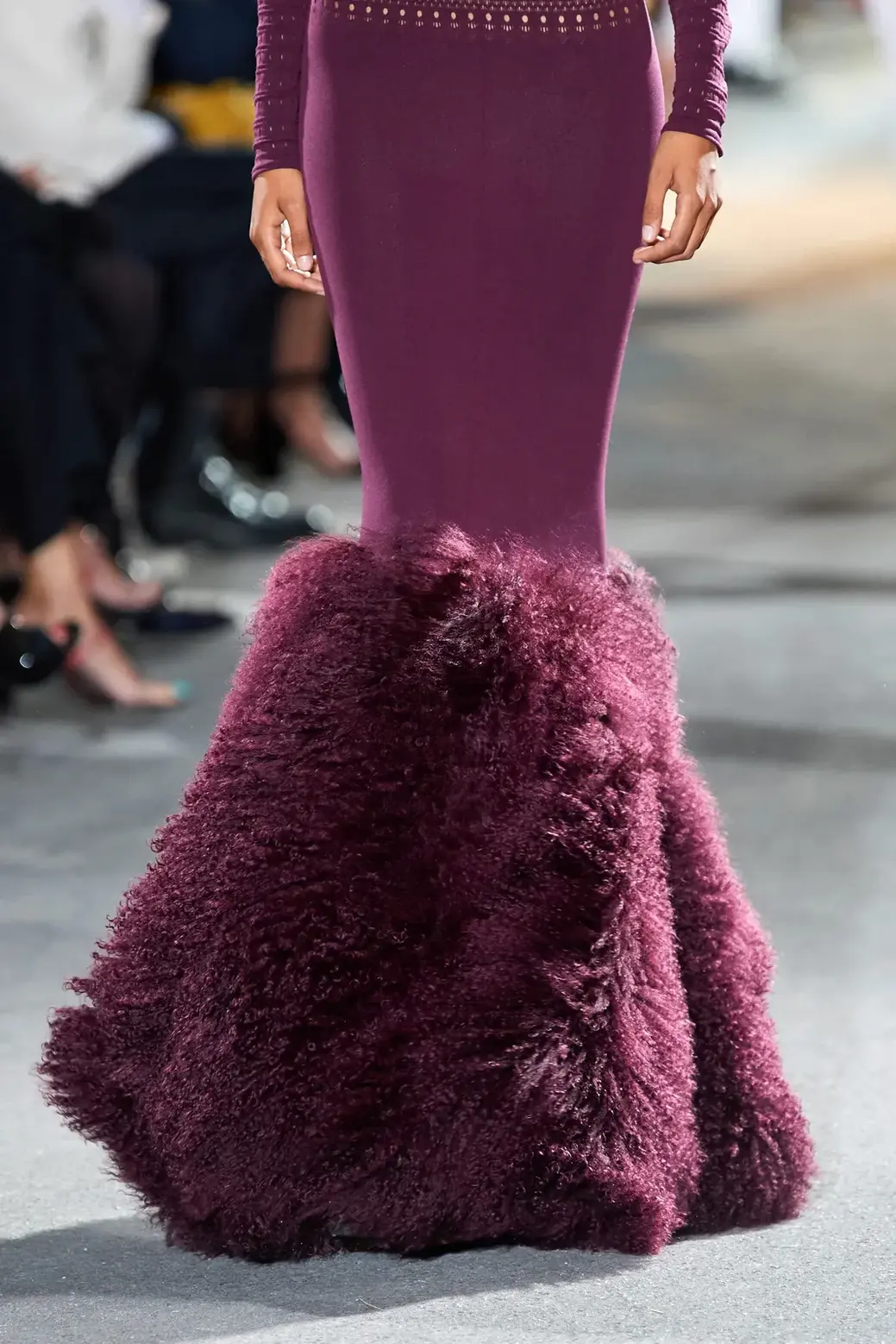
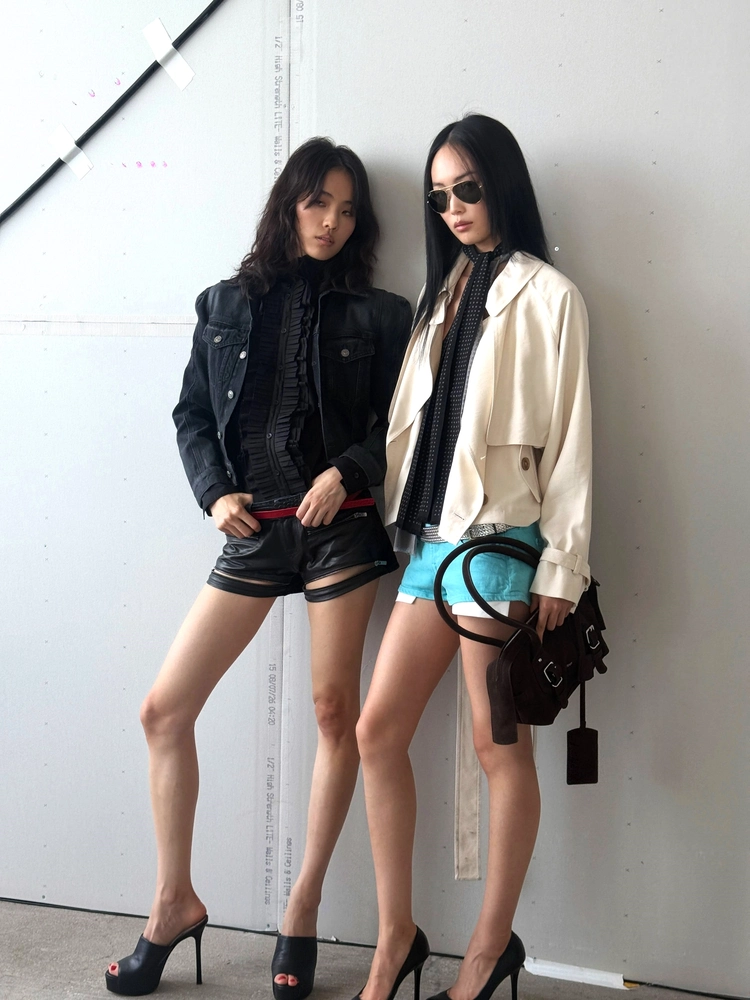
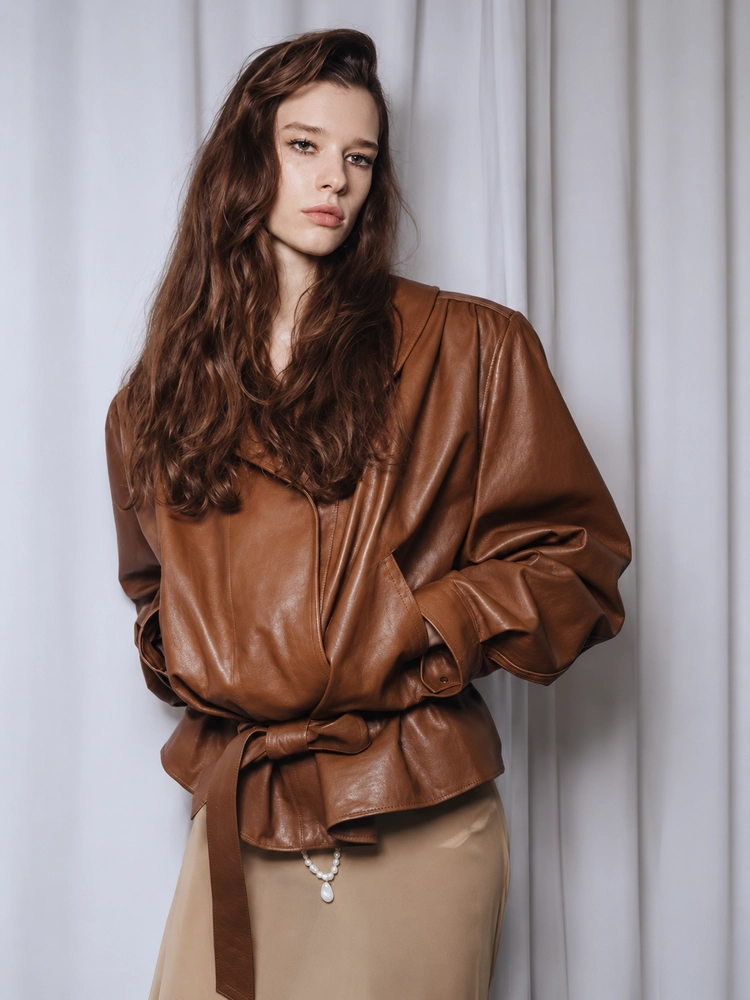
Having spent years as the indispensable right hand to Raf Simons at Dior and Calvin Klein, Pieter Mulier brought a rare combination of technical rigor and emotional intelligence to the Rue de Moussy, where he sought to polish the essence of the brand by revisiting the archives not as a historian, but as a visionary sculptor. When the moment finally arrived for Pieter Mulier’s debut at Alaïa, he masterfully revived the house’s signature design language, the laser-cut leathers, the second-skin knits, and the iconic hooded silhouettes, and transformed them into a viral sensation that captured the hearts of a new generation of fashion devotees. This resurgence was not merely aesthetic but quantifiably seismic, as evidenced by the parent company Richemont’s FY24 interim results, which specifically highlighted the "continued outperformance of Alaïa" in the retail sector, a testament to how Mulier’s vision translated into genuine commercial dominance.
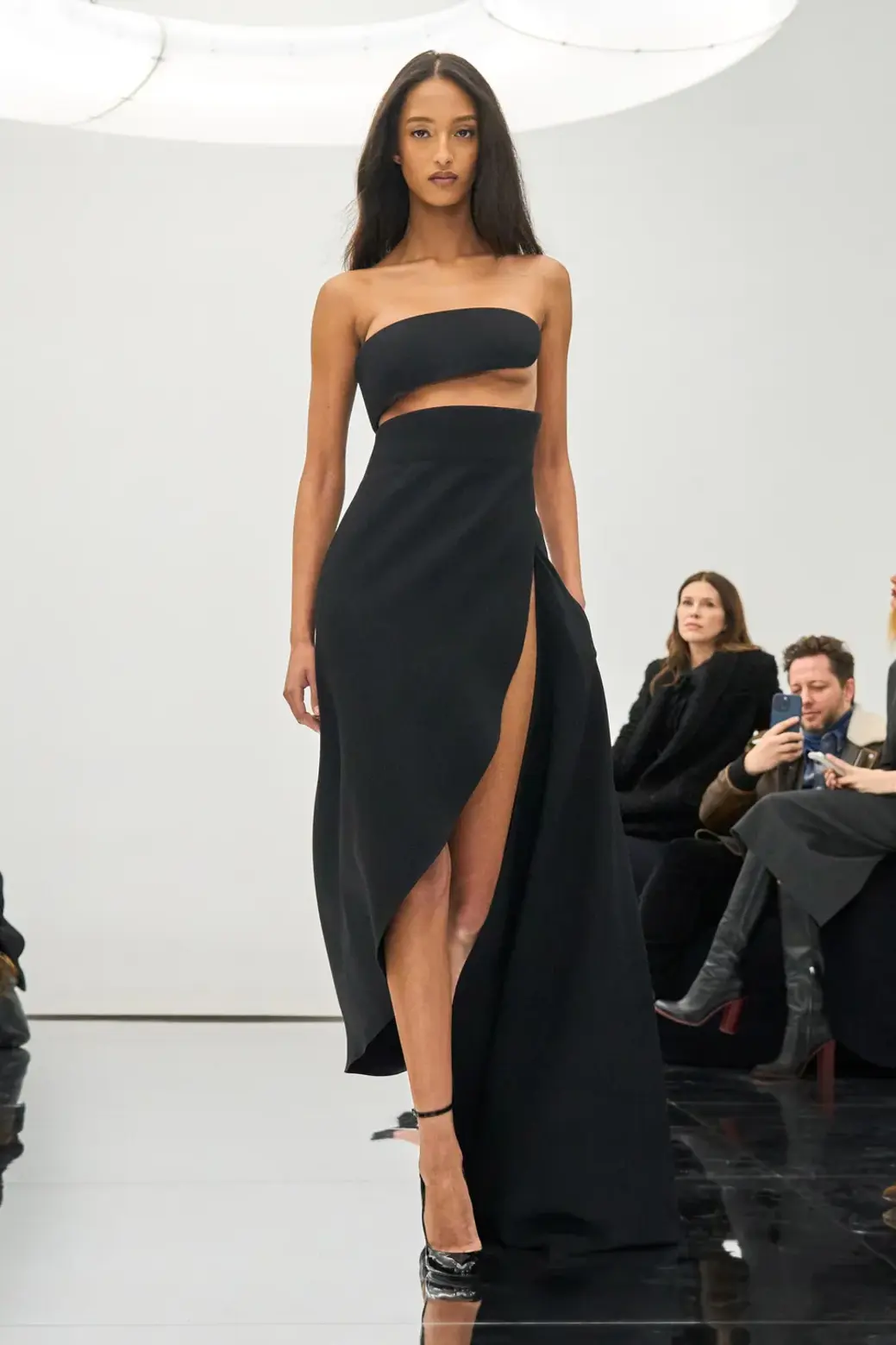

The success of Pieter Mulier’s debut at Alaïa was anchored in his ability to make the modern woman feel both armored and vulnerable, a feat of design that was officially consecrated when he was named International Designer of the Year at the 2025 CFDA Fashion Awards.
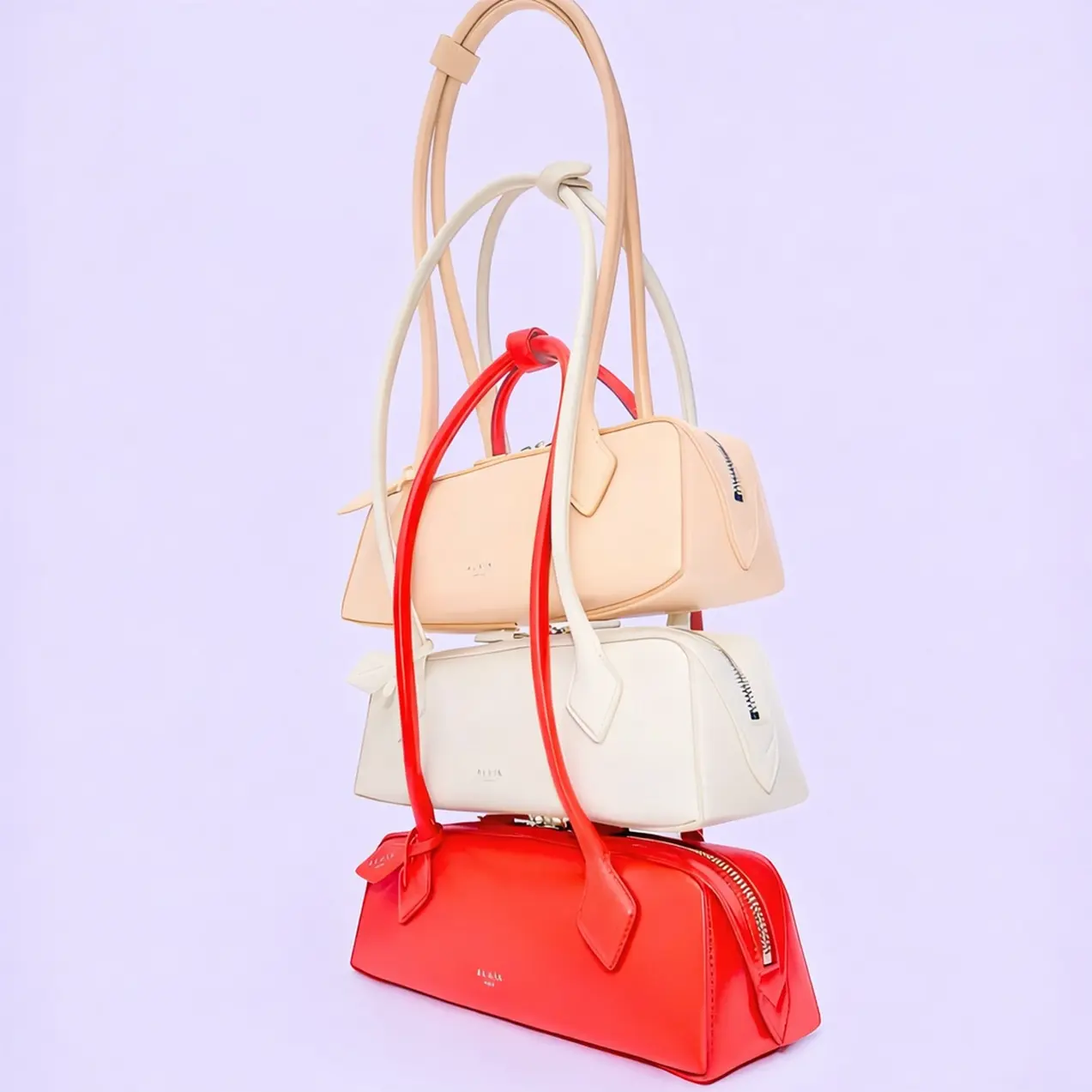
This accolade served as the ultimate industry validation, acknowledging how he navigated the difficult path of honoring a titan while simultaneously making the brand's sculptural pieces, like the ubiquitous mesh flats and the architectural Teckel bag, the most sought-after items in the luxury landscape. Under his stewardship, the maison proved that it could achieve double-digit growth and market relevance without sacrificing the slow, meticulous pace of true couture craftsmanship. By integrating his background in architecture to build garments that behave like soft, living monuments, Pieter Mulier ensured that the house remains a bastion of uncompromising craft and timeless, sensual power, ensuring that the legacy of Azzedine lives on through a lens of modern, radical elegance.