MENU
Close





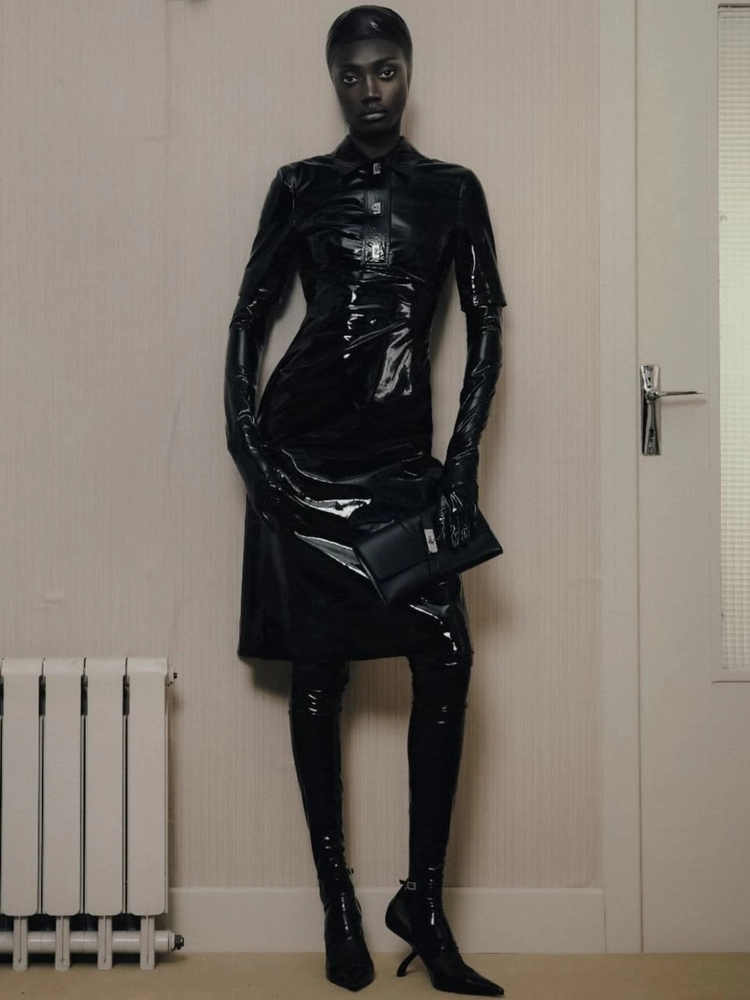
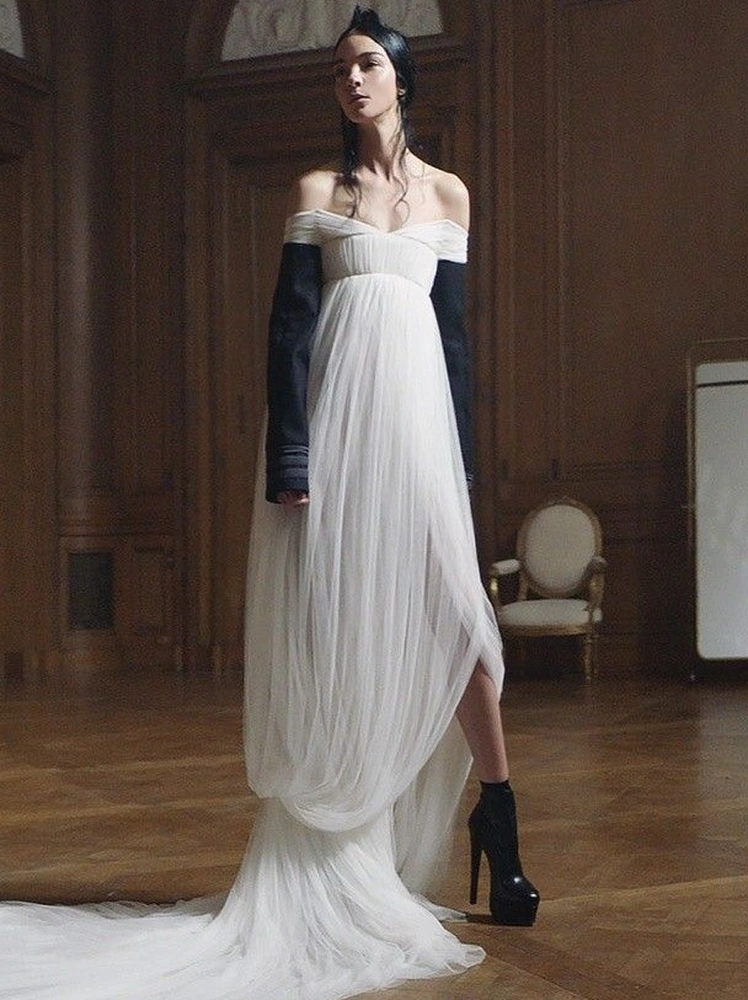
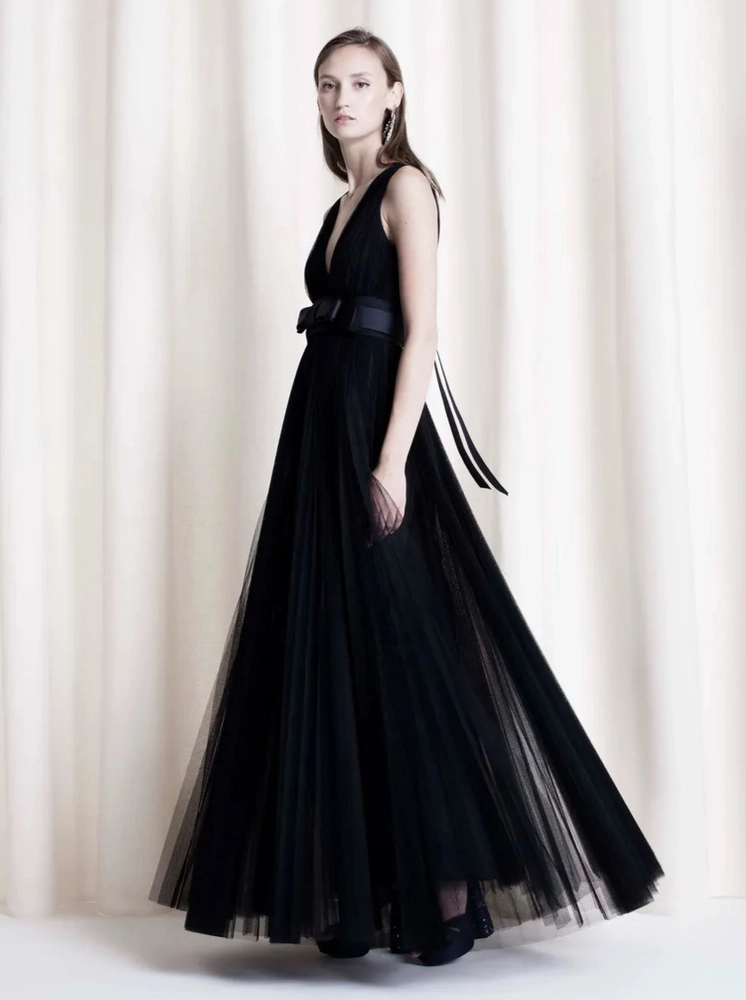
The H-line belongs to the woman who has outgrown the need to be seen and now chooses to be understood. Its beauty is timeless, modern in its clarity, ancient in its wisdom.
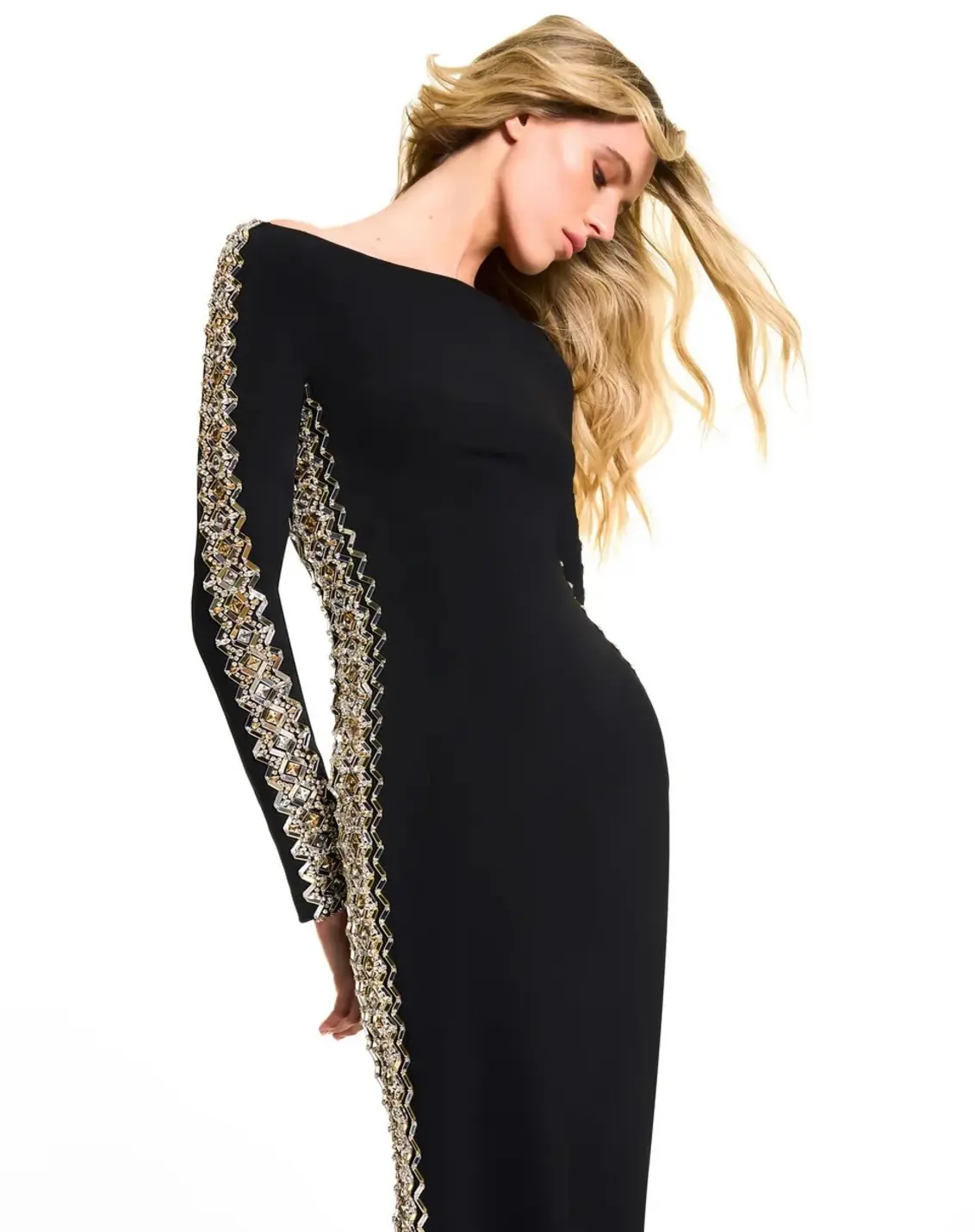
The H-line belongs to the woman who has outgrown the need to be seen and now chooses to be understood. Its beauty is timeless, modern in its clarity, ancient in its wisdom.
November 5, 2025
Advertisement
Advertisement


The H-line moves with the authority of self-knowledge, its elegance drawn not from embellishment but from intention. Every seam, every fall of fabric, speaks of discipline and freedom intertwined. The H-line is her language: precise, composed, modern - a silhouette that carries the confidence of a woman who knows exactly who she is.
To appreciate the H-line, one must return to a charged moment in Paris, 1954. Christian Dior, still the reigning genius of post-war fashion, had already transformed the female body with his 1947 New Look - cinched waists, sweeping skirts, the triumphant return of opulence after years of austerity. Yet only seven years later, Dior found himself restless, uneasy with the very femininity he had glorified. The world was changing again; the future demanded a different rhythm. He began to look for a line that reflected composure rather than indulgence, intelligence rather than nostalgia.
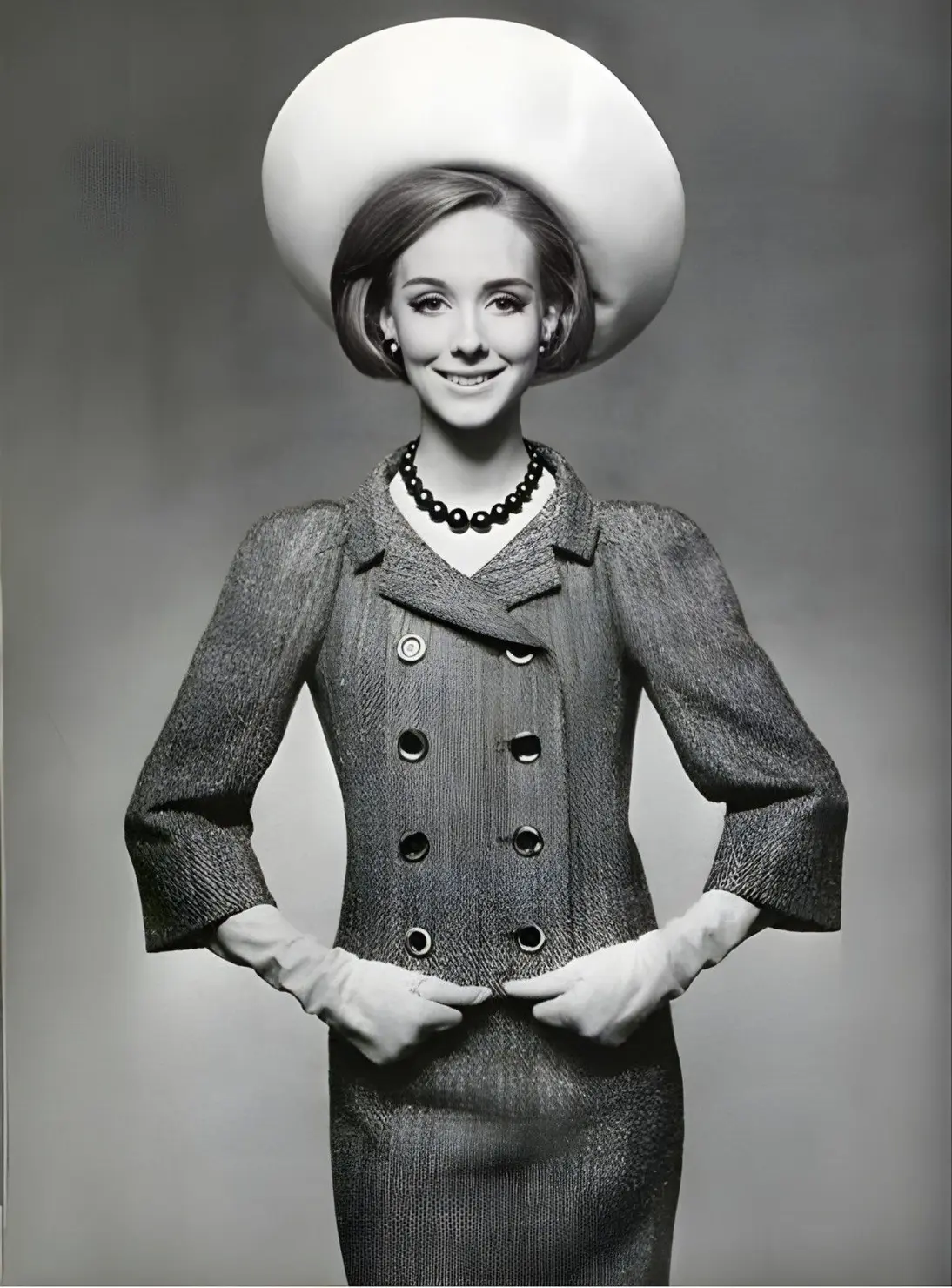
The result was the H-line, unveiled in his Spring/Summer 1954 collection. It was the polar opposite of the New Look: long jackets that skimmed the body, slim skirts that moved with control, a deliberate absence of the wasp-waisted silhouette that had defined postwar glamour. It was, in many ways, Dior’s quiet manifesto - fashion’s shift from drama to discipline. The “H” itself became a symbol of equality, its two verticals connected by a bar of balance. Dior, who had once studied architecture, now applied its logic to the body, reducing fashion to structure and proportion.
The atelier understood the stakes. Constructing an H-line dress demanded precision that bordered on spiritual. Each seam had to align perfectly with the vertical grain; each dart was hidden. The weight of the fabric had to be exact, heavy enough to maintain architecture, light enough to breathe.
When the collection appeared, reactions were divided. Some critics dismissed it as severe, even masculine, too intellectual for an age still enamored of voluptuousness. But others recognized something prophetic in its restraint.
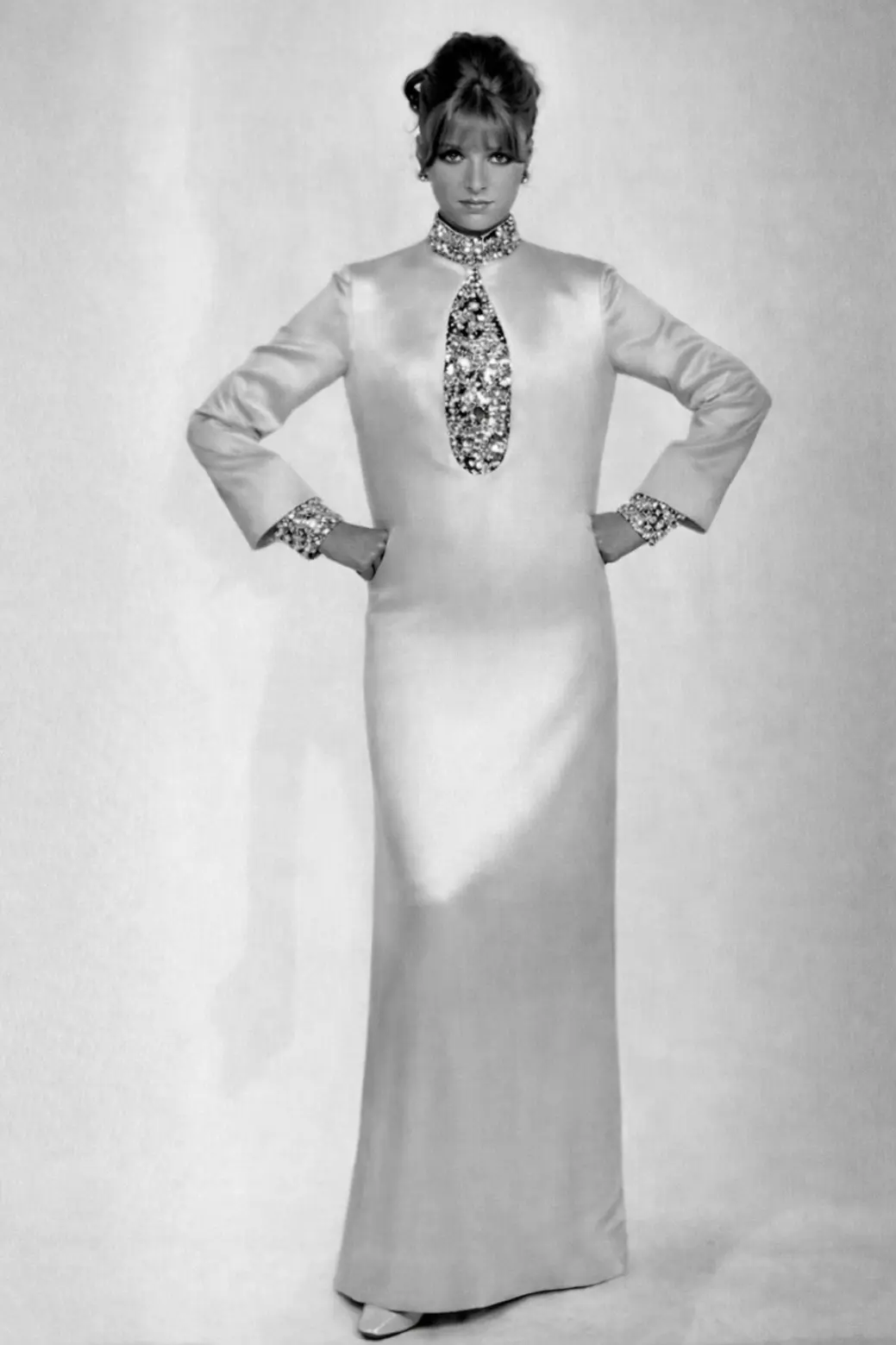
In the 1960s, it aligned perfectly with the new glass towers rising across global cities, steel, concrete, and light replacing ornament. The silhouette’s straightness mirrored this urban order. It was the uniform of women who were entering universities, galleries, and boardrooms, women who had traded corsets for conviction.
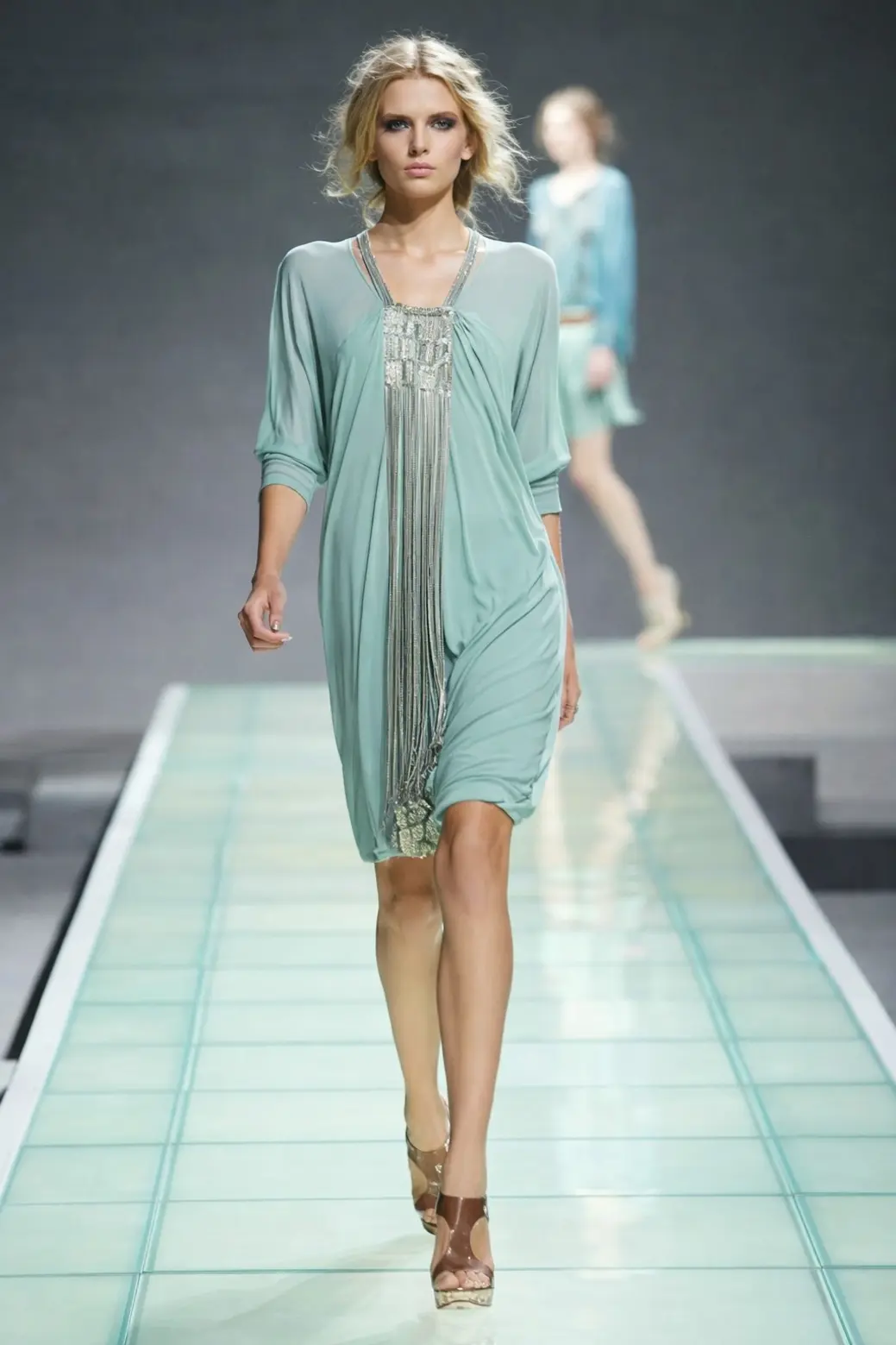
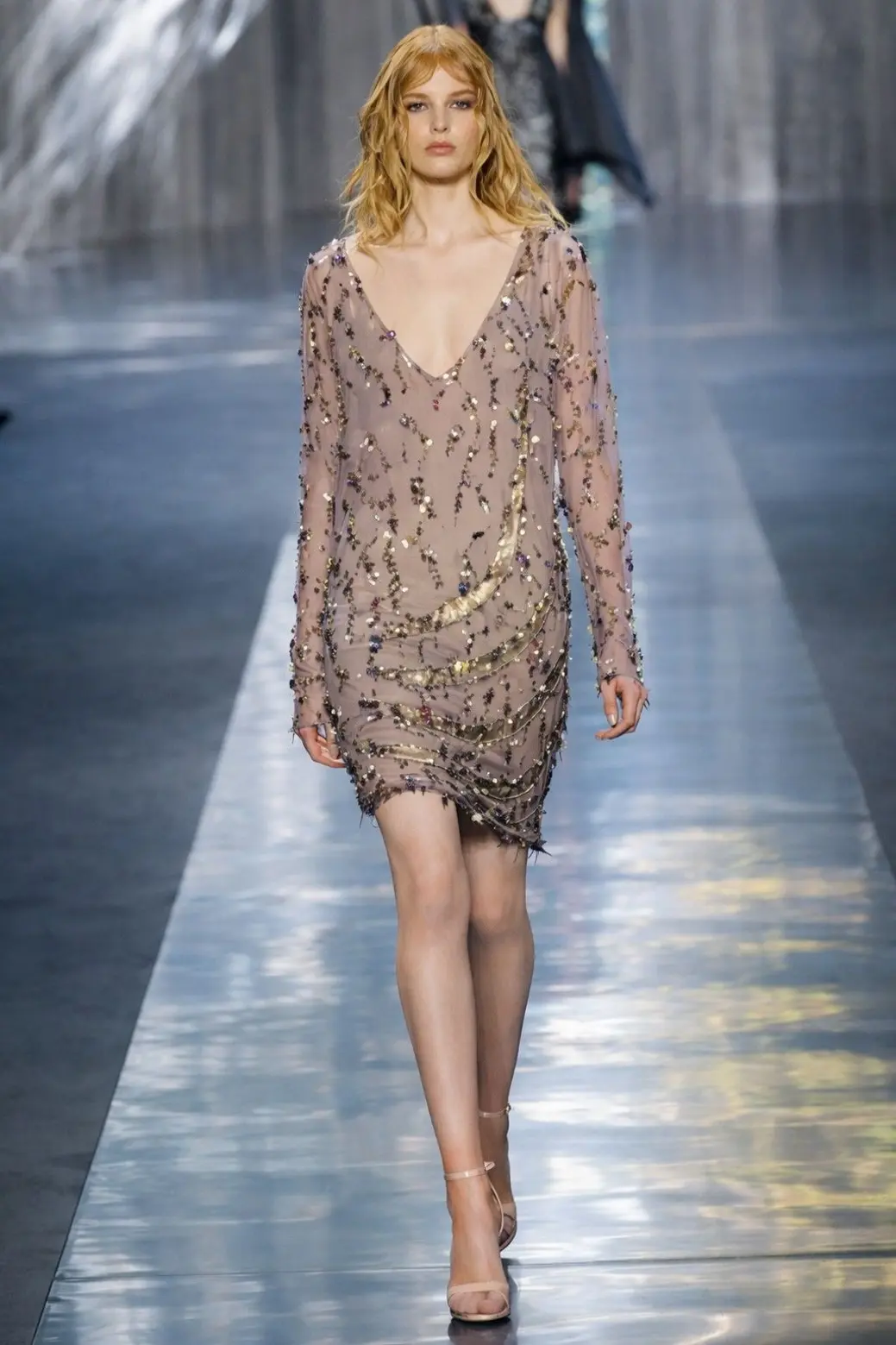
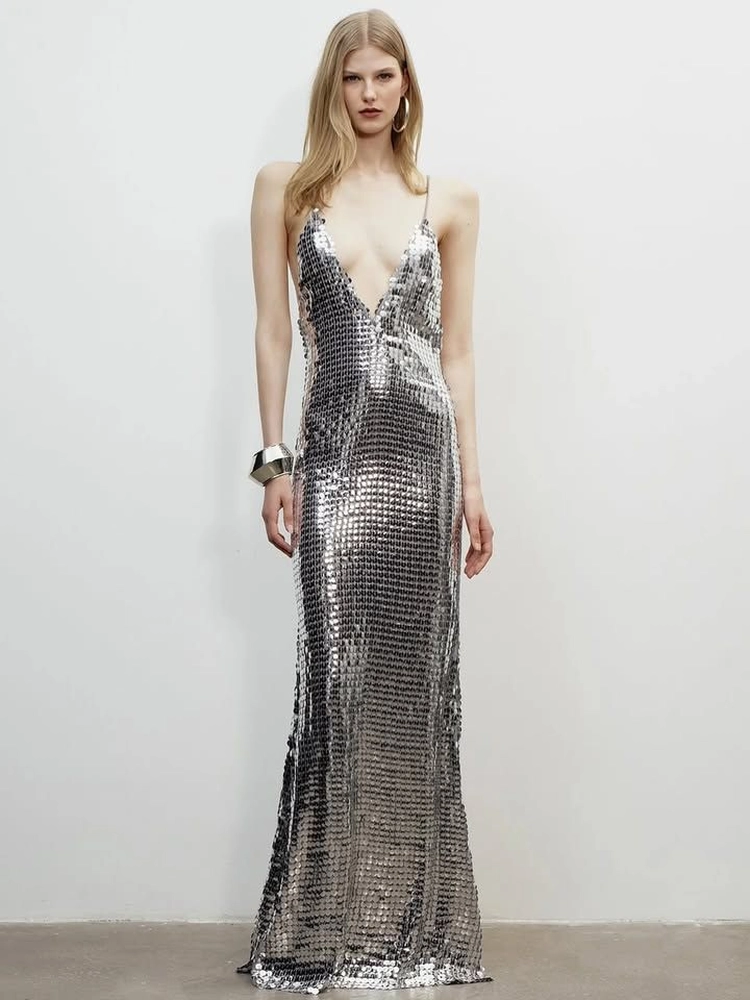
Since the 2000s, the H-line has become a canvas for designers to explore the intersection of elegance and individuality. Antonio Berardi applied woven, tapestry-inspired patterns that brought craftsmanship into a straight, modern silhouette, while Alberta Ferretti used silk with subtle metallic accents to give the line a quiet movement, and Nina Ricci reinterpreted it with sequins that emphasized texture without interrupting the shape.
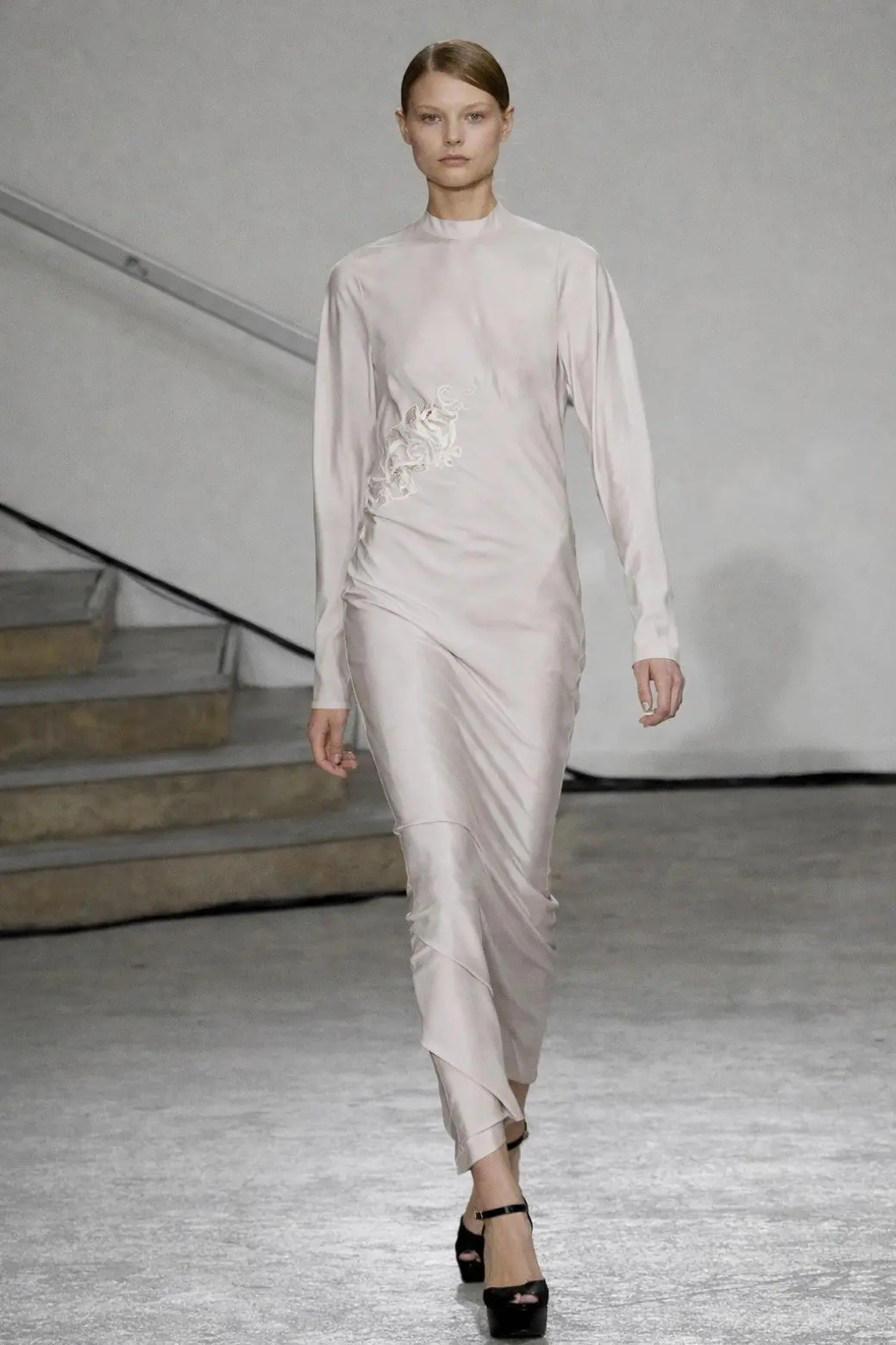
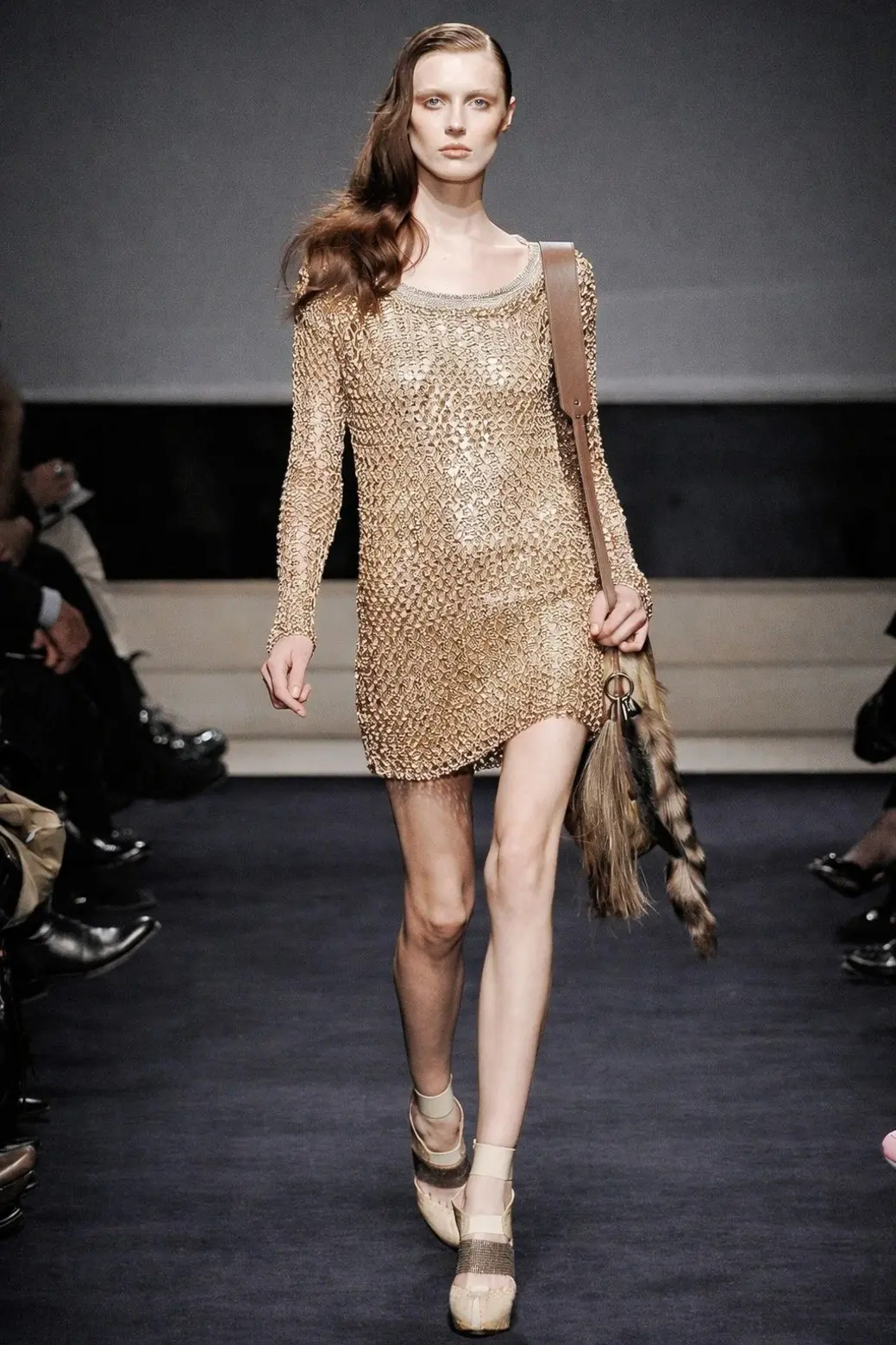
The silhouette proved its ability to accommodate bold experimentation while remaining unmistakably disciplined.
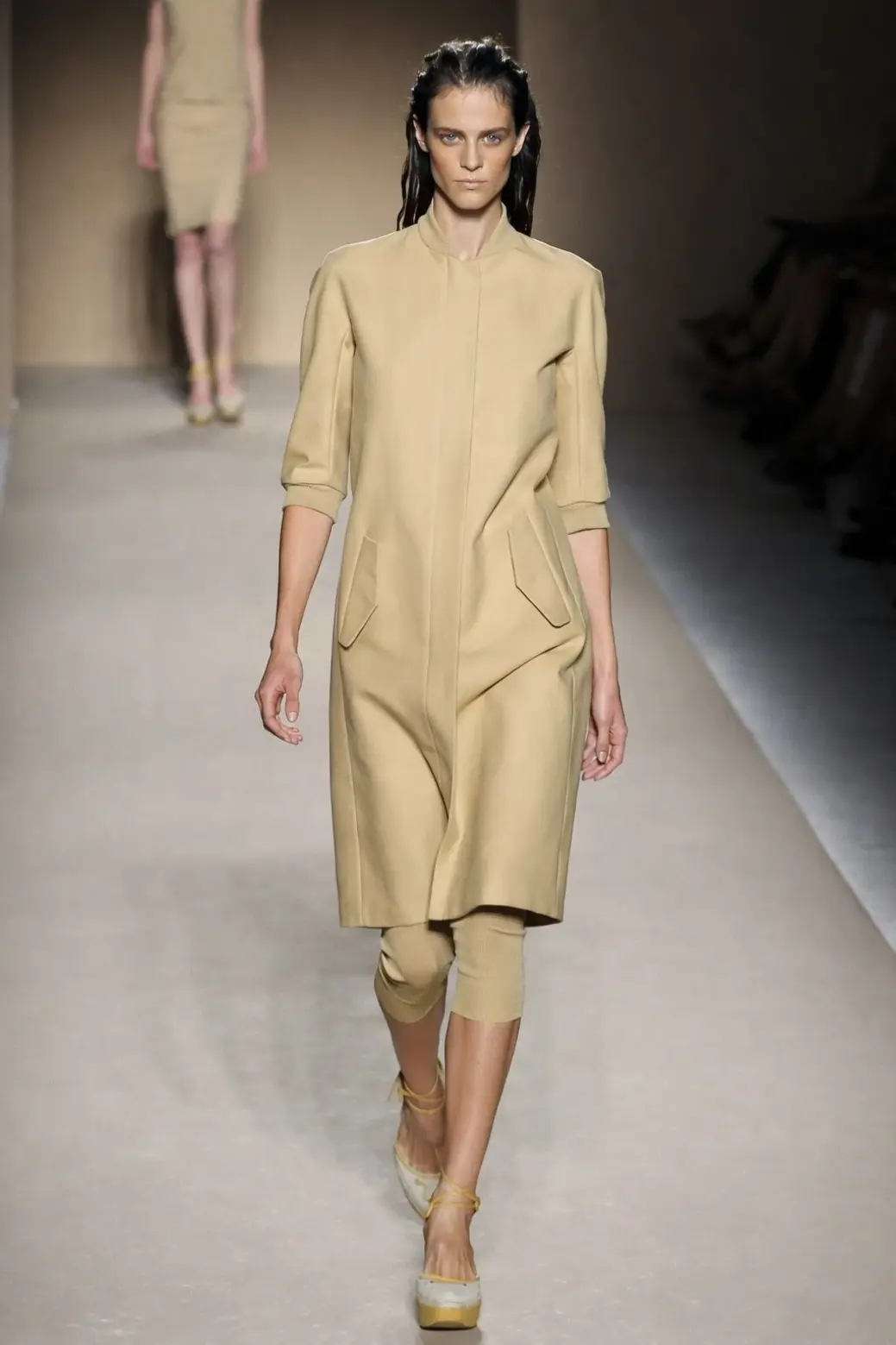
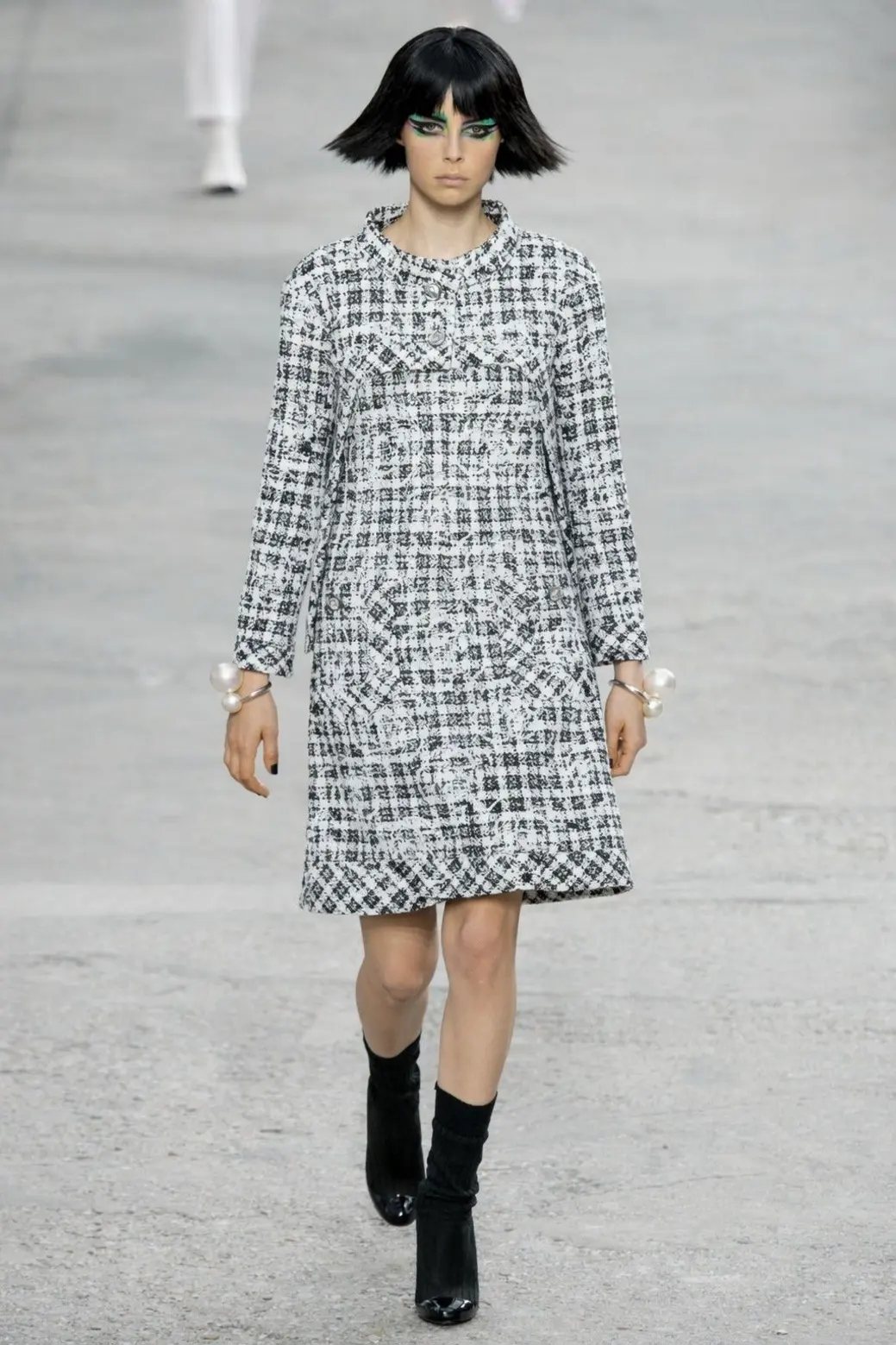
In the 2010s, the H-line shifted toward refined minimalism and tactile luxury. Max Mara’s cashmere pieces gave weight and presence to long, straight dresses and coats. Chanel’s tweed translated the silhouette into a structured yet approachable form, while Elie Saab employed sheer fabrics and layering to preserve the H-line’s vertical clarity while adding depth and dimension.
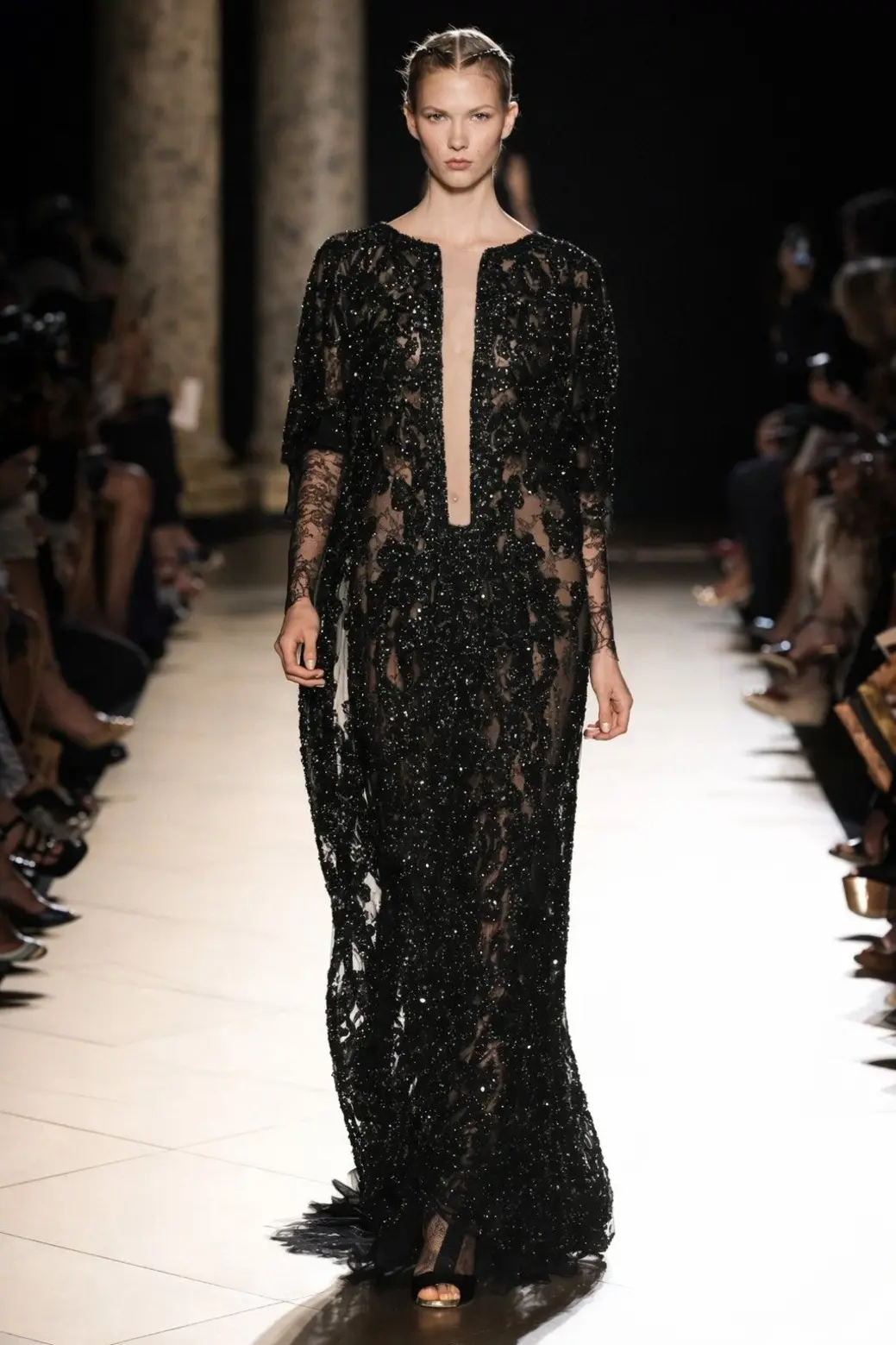
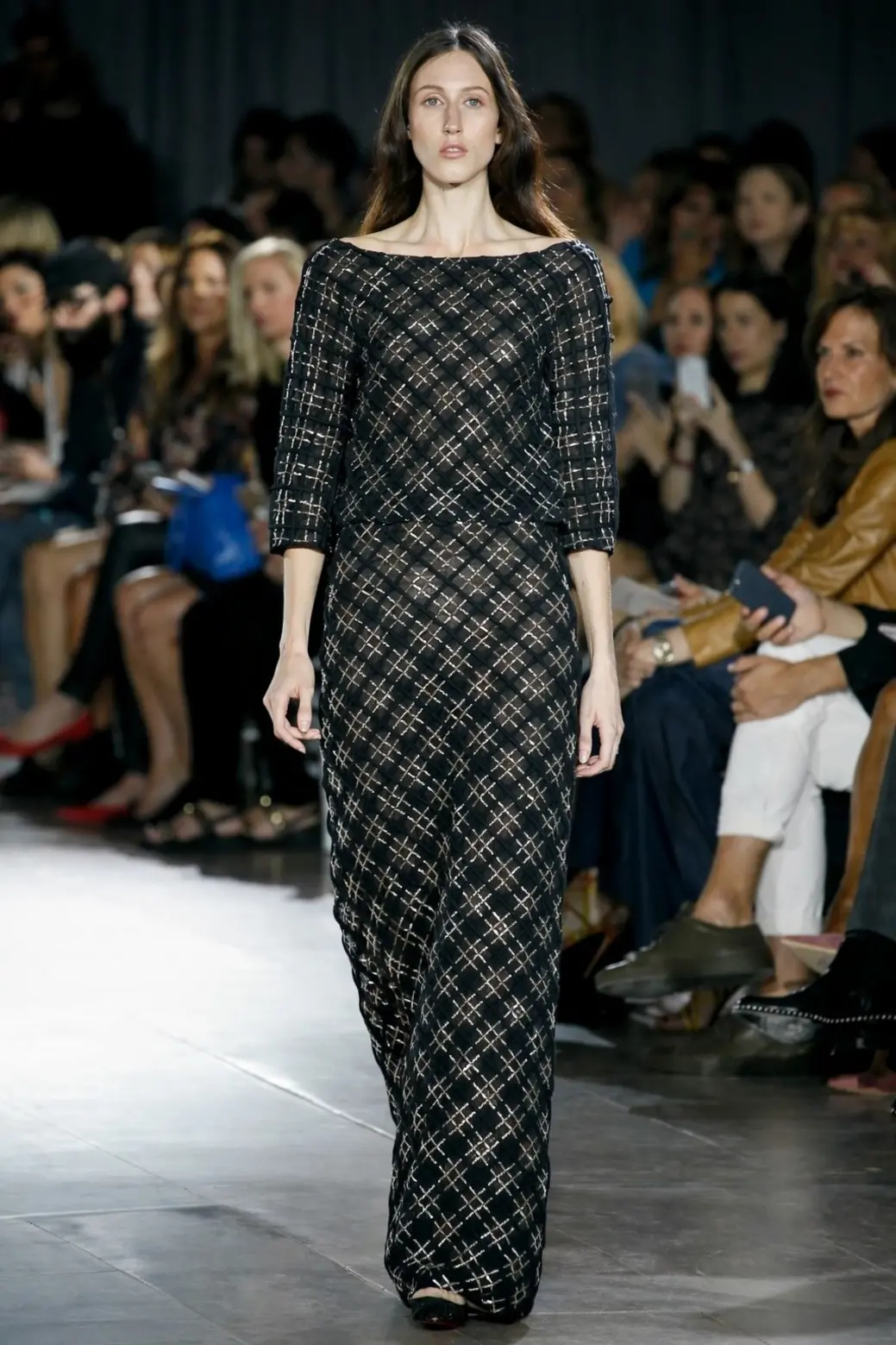
Across these interpretations, the silhouette balanced restraint with subtle innovation, making it both versatile and desirable.
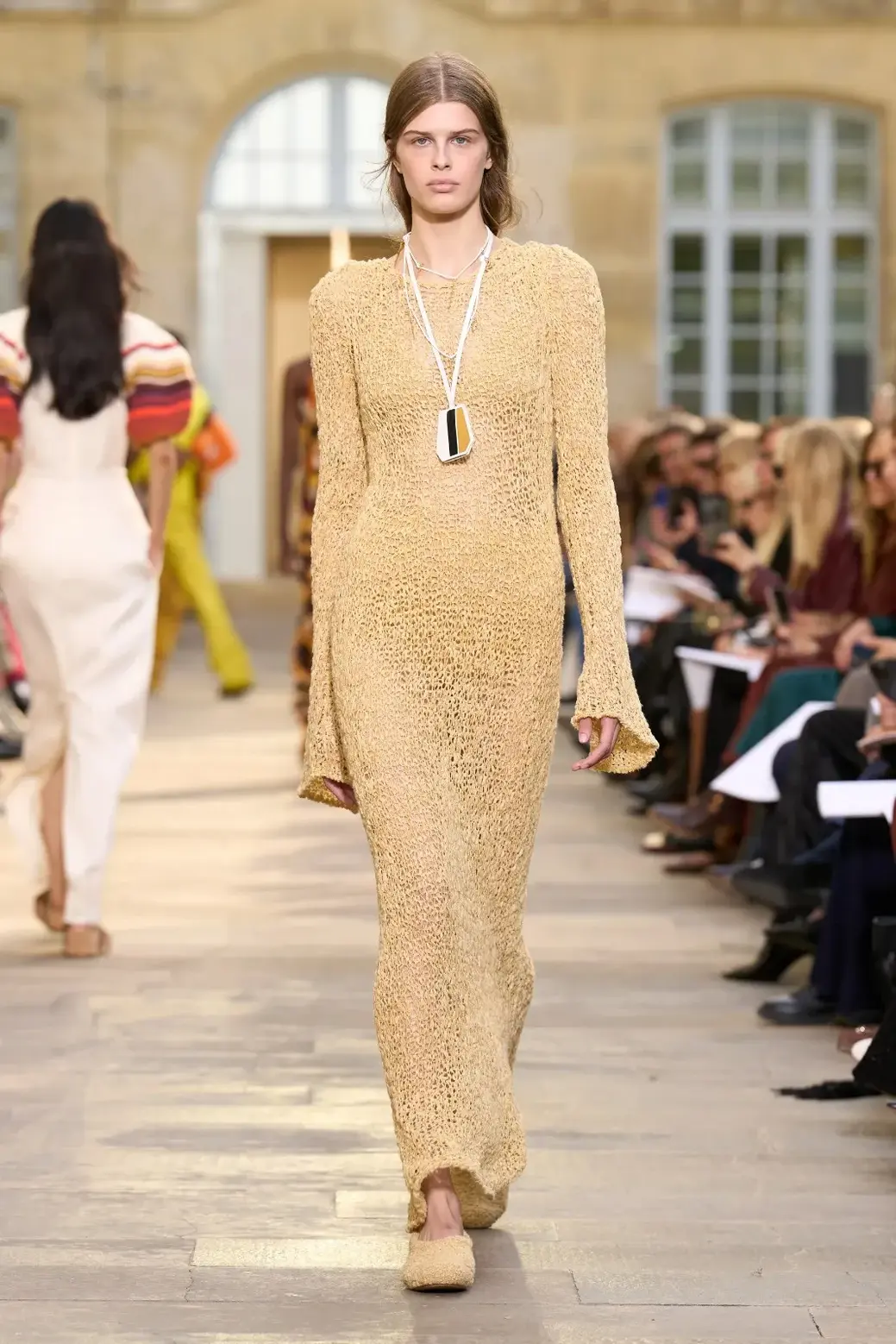
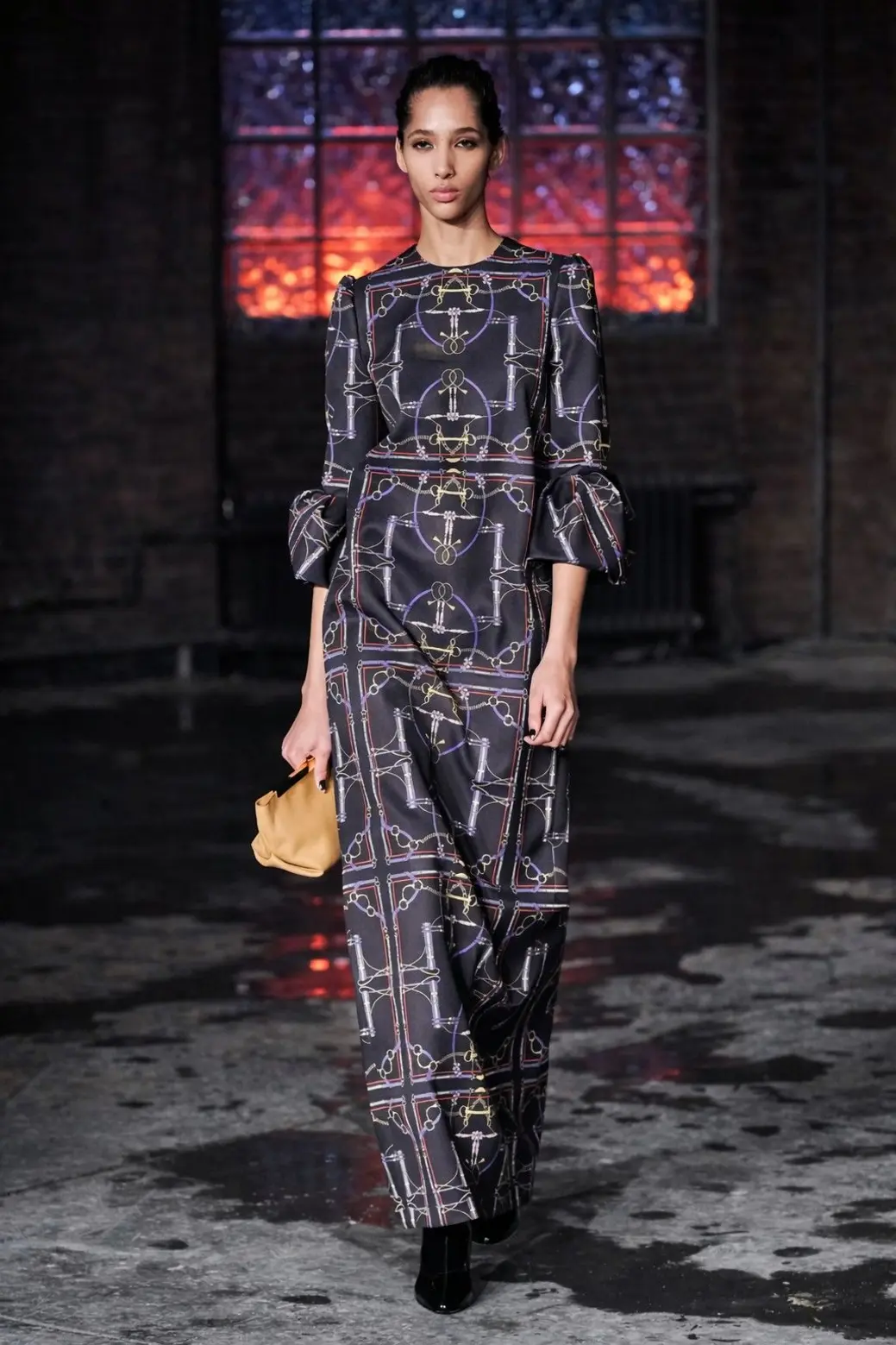
Today, in the 2020s, the H-line continues to adapt to contemporary tastes. Gabriela Hearst interprets it in lace, blending delicacy with modern structure, while Khaite experiments with prints that highlight the simplicity of the form while inviting individuality.
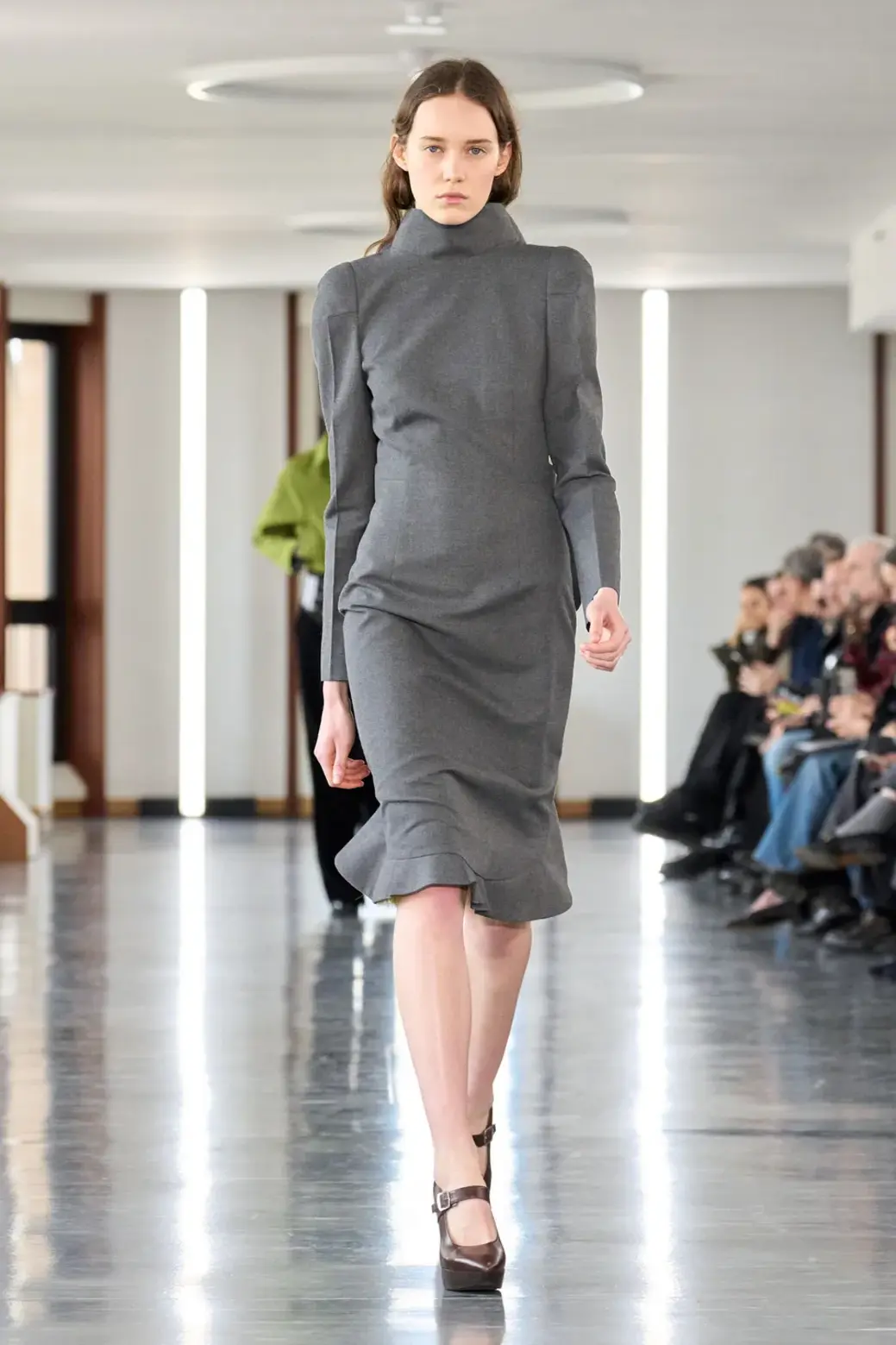
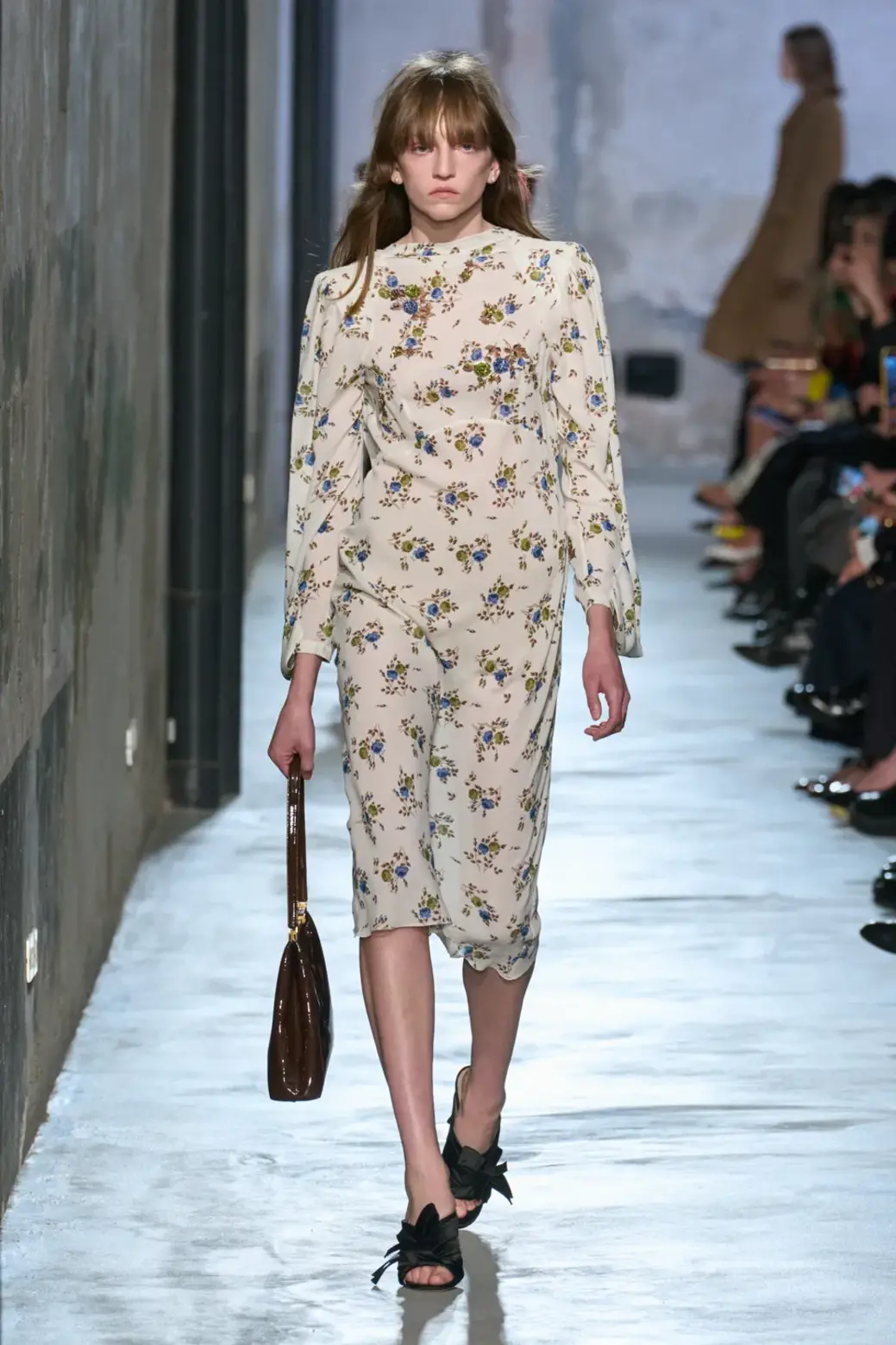
Through every material and era, the H-line remains a wardrobe essential, a shape that feels inherently modern, versatile, and capable of defining personal style without demanding it.
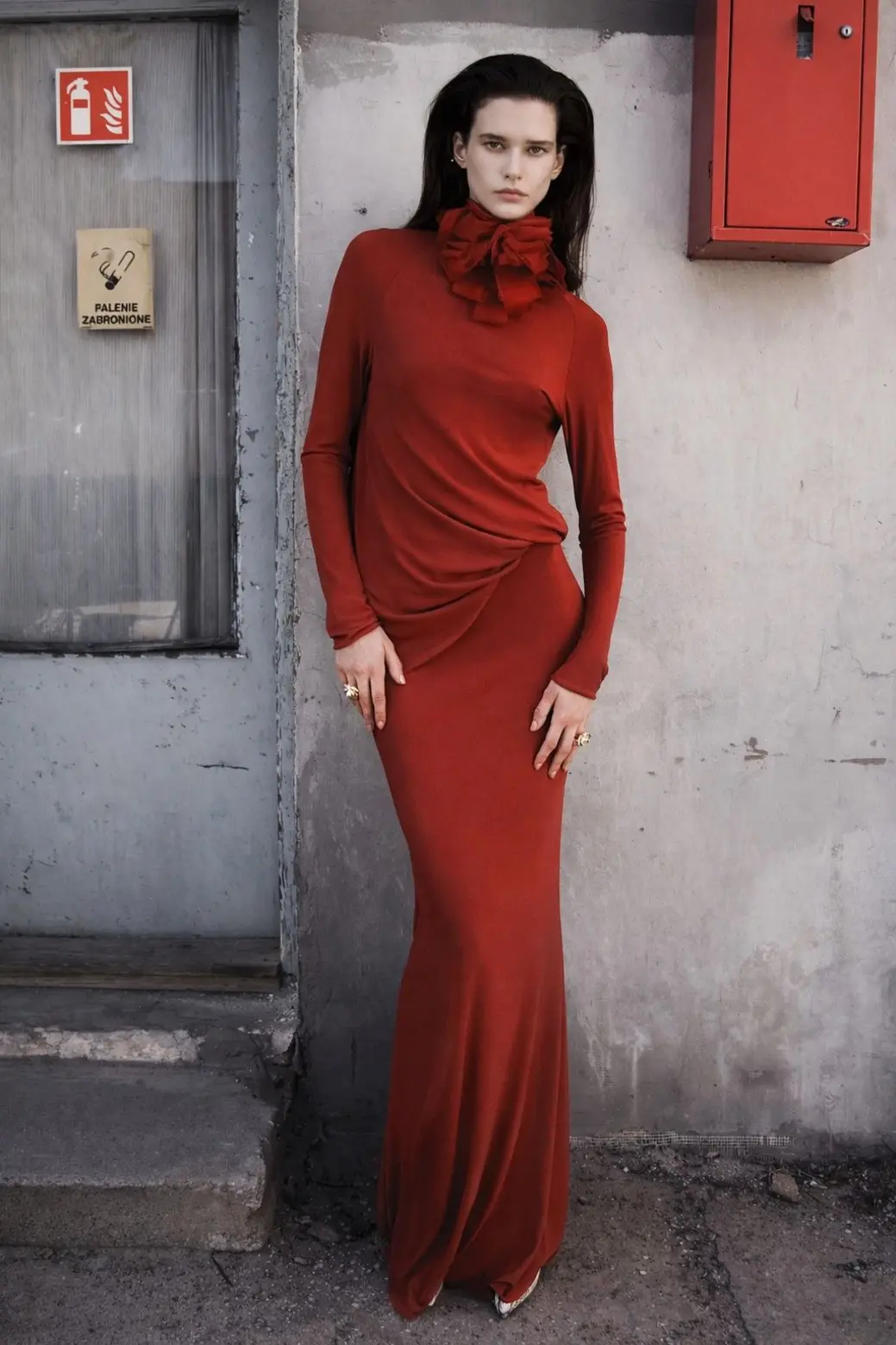
What unites all these interpretations is an underlying philosophy. The H-line shifts focus from anatomy to attitude. Its quiet symmetry demands precision: the exact shoulder width, the impeccable alignment of seams, the way the hemline hovers parallel to the ground. In design terms, it is one of the most difficult silhouettes to execute, precisely because it has nowhere to hide. There is no flare to distract, no pleat to soften, no curve to forgive an imbalance. The H-line tests a designer’s mastery of proportion, it reveals whether they understand the body’s architecture or only its decoration.
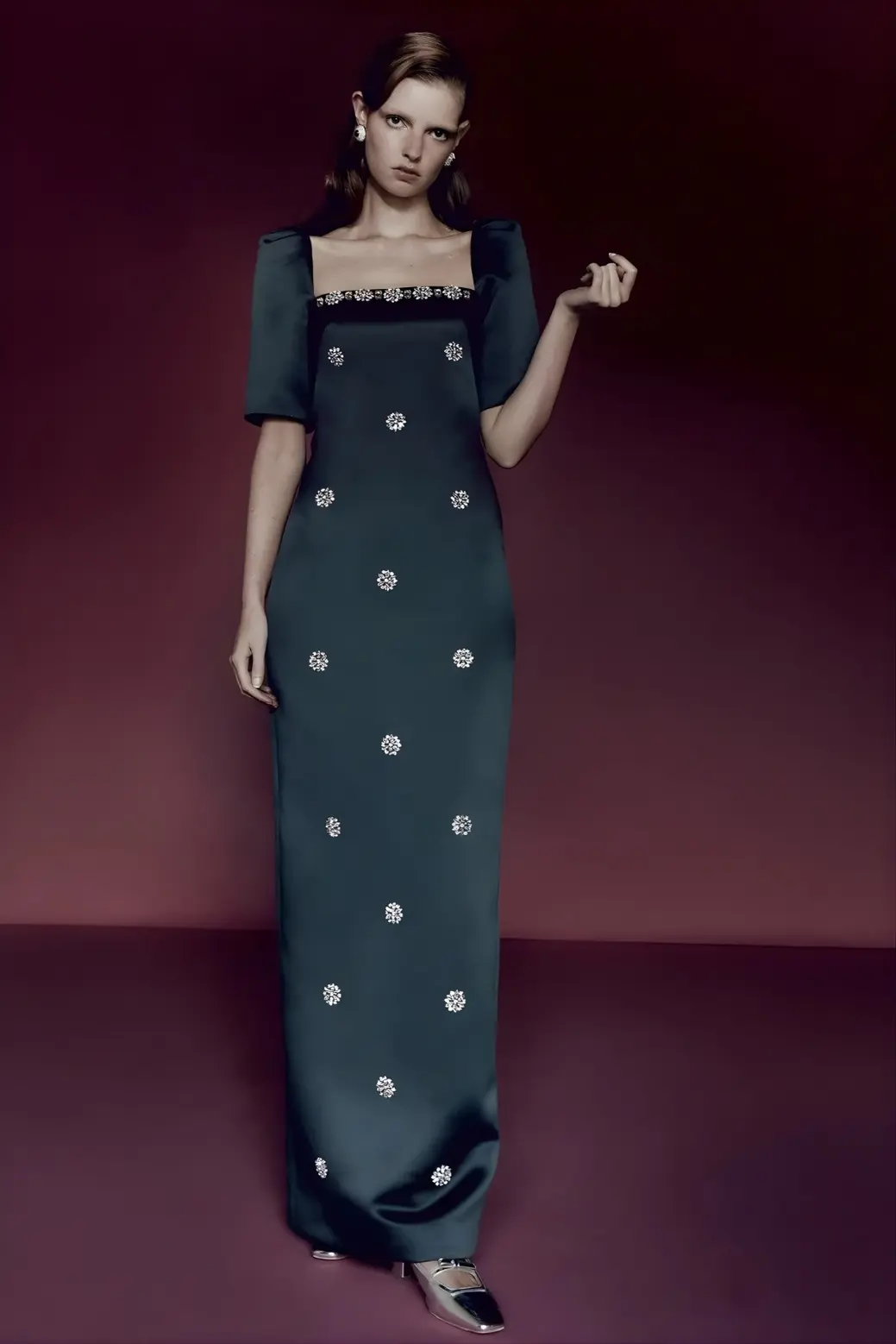
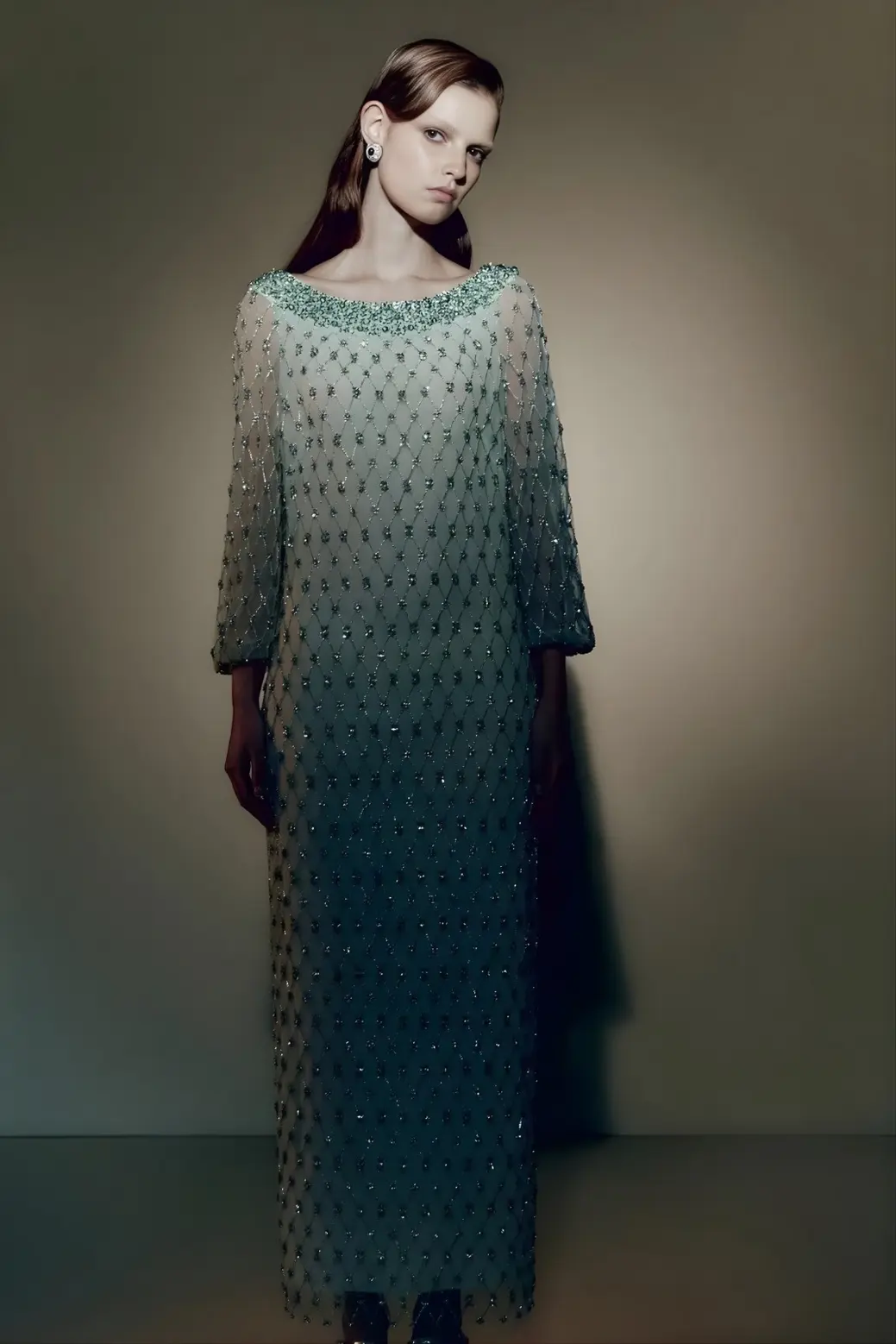
Philosophically, the H-line represents a deeper kind of freedom, the freedom not to exaggerate. On a glowing screen filled with noise, a straight black column dress reads like silence. It arrests attention precisely by refusing to demand it.
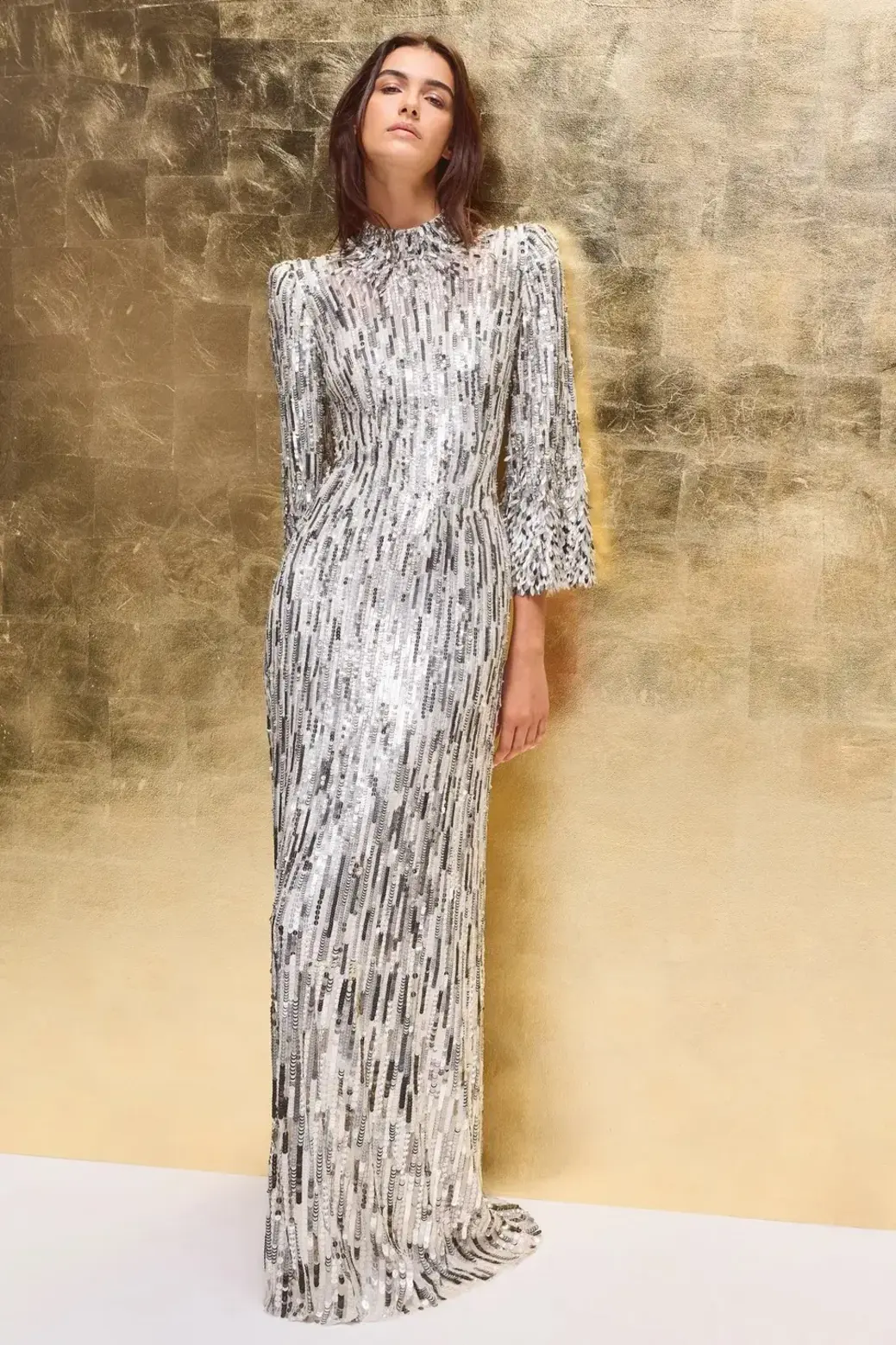
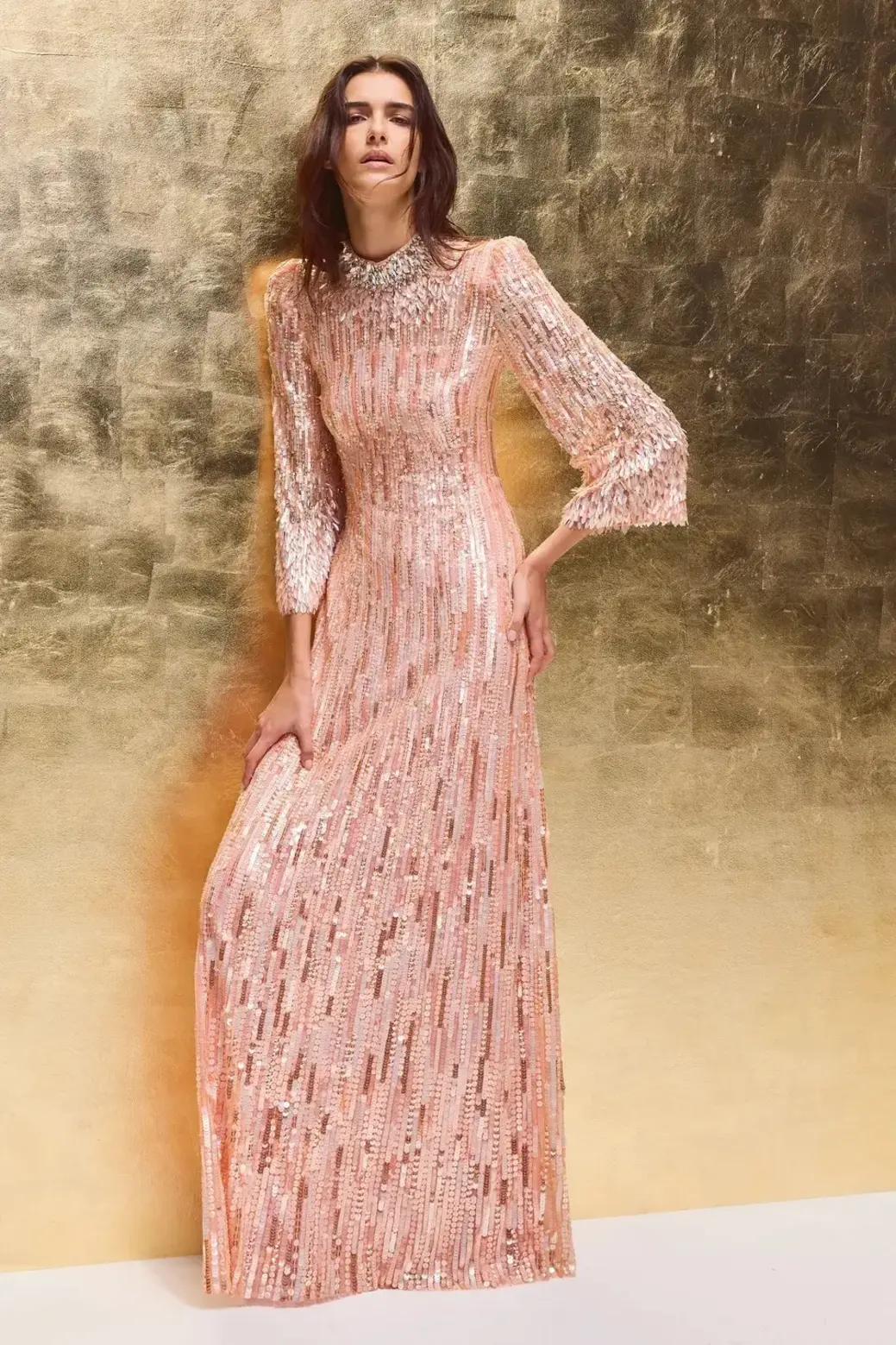
There is something inherently democratic in that stillness. Because the H-line does not depend on curves or constriction, it embraces diversity. It accommodates bodies instead of dictating them. It asks the wearer only for confidence, not conformity. In that sense, it anticipates the inclusive values of our time far better than most of its contemporaries. The simplicity of its cut becomes the space for individuality. You wear it, and it becomes you.
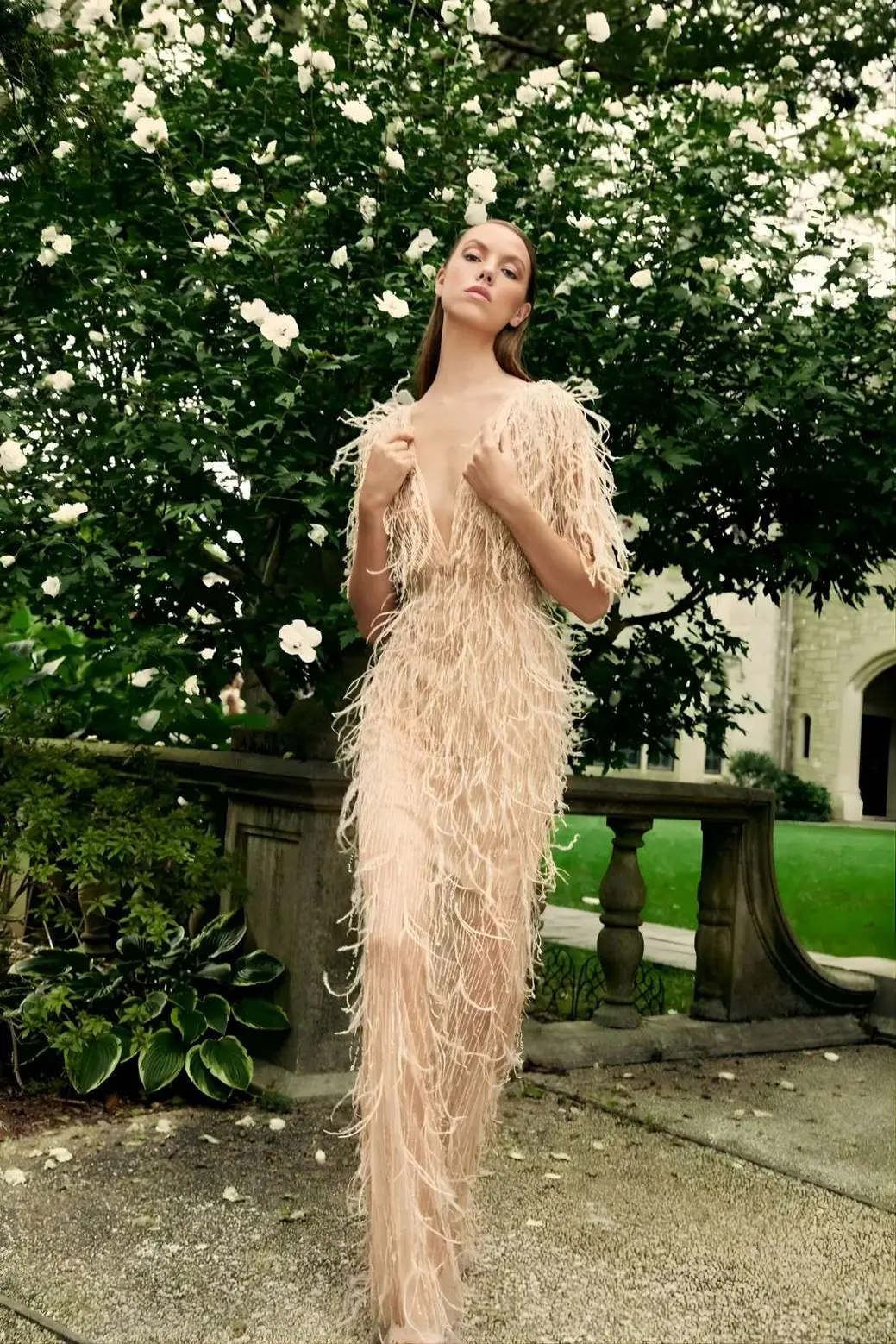
Beyond its visual purity, the H-line’s endurance reveals something profound about fashion’s cycles. Every few decades, when excess reaches saturation, the world rediscovers minimalism as salvation. The line returns as a moral correction, an aesthetic palate cleanser. What was once perceived as severe becomes soothing again. In that rhythm, the H-line serves as fashion’s conscience - a reminder that design is not about novelty, but about necessity.
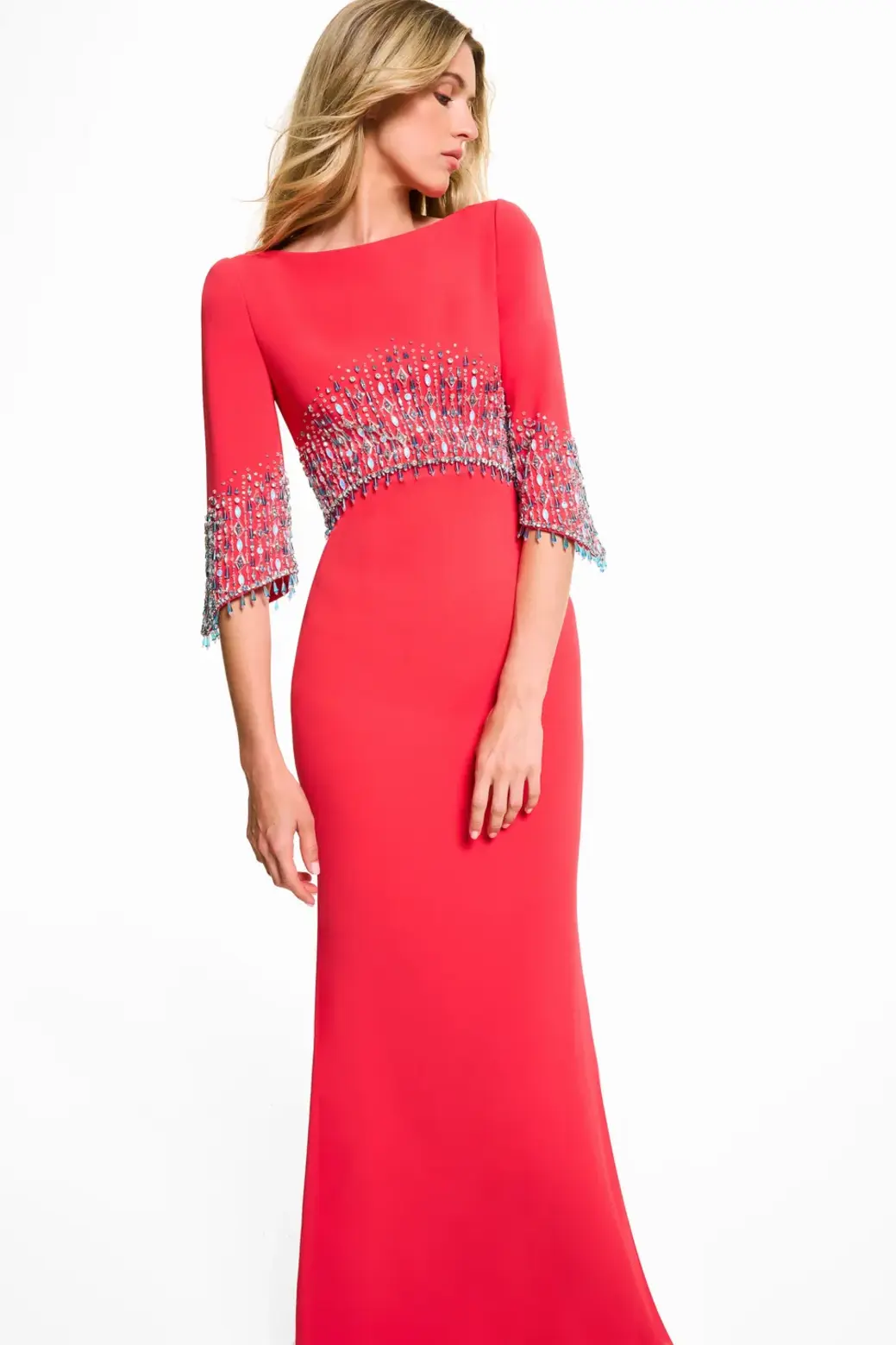
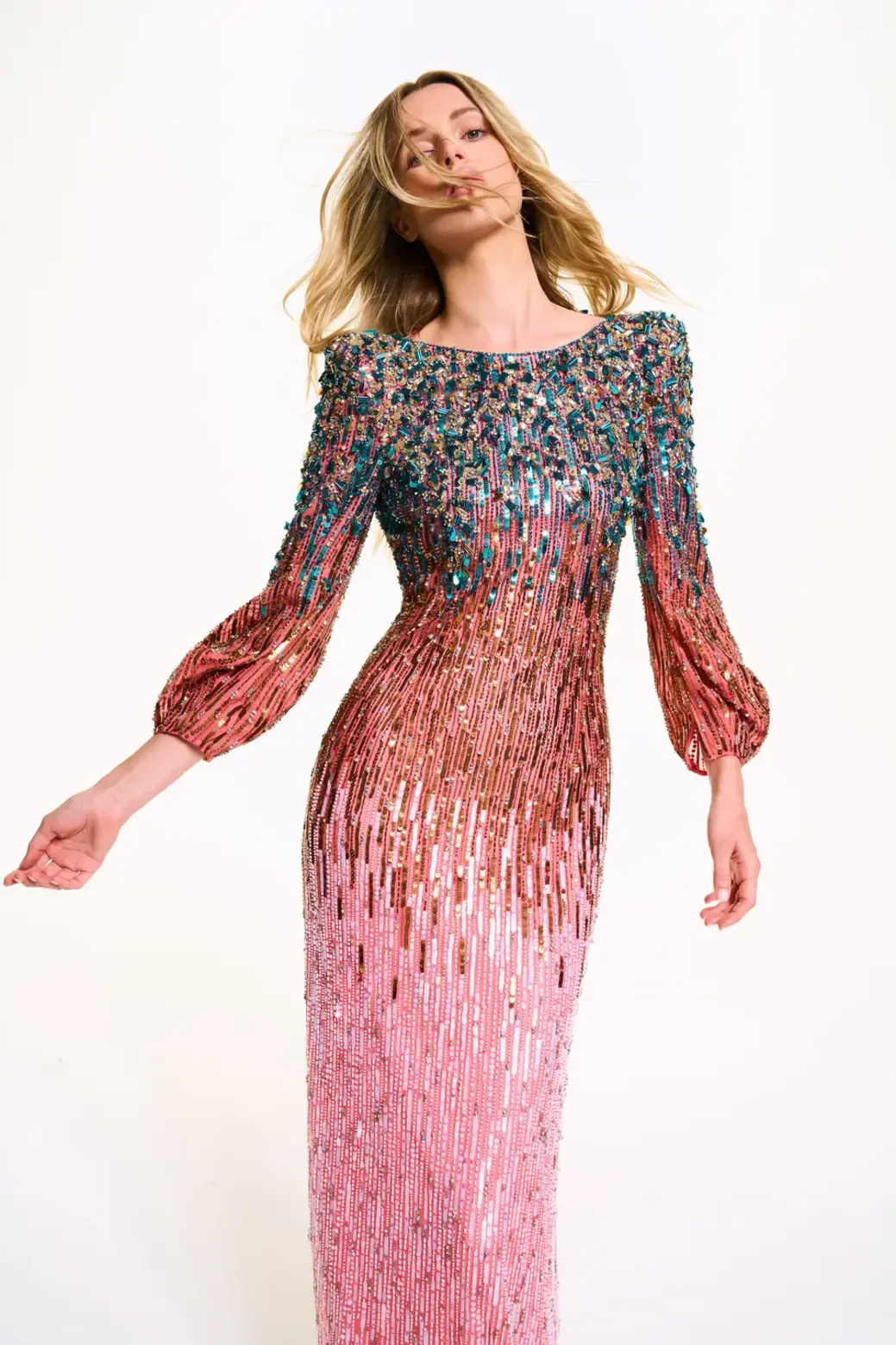
Perhaps that is why the H-line continues to inspire designers and thinkers alike. It reflects a universal truth about art: that simplicity is not the absence of complexity, but its mastery. Just as an architect must understand chaos before designing balance, the designer who cuts an H-line must understand the body’s intricacies to erase their traces. The result is not emptiness but essence.
In fashion’s endless dialogue between noise and nuance, the H-line remains its most articulate silence. It bridges decades, ideologies, and desires with the same straight line. And when we look back across the century, tracing fashion’s oscillations. The truest modernity is not always invention, but intention.
Advertisement