Thirty thousand years of flax use have left linen fabric with an intimate history: grown from the earth, worked by hand, worn against the skin and reshaped by every body inside it.
Linen Fabric: 30,000 Years of Human Touch
Thirty thousand years of flax use have left linen fabric with an intimate history: grown from the earth, worked by hand, worn against the skin and reshaped by every body inside it.
September 3, 2026
Advertisement
Advertisement
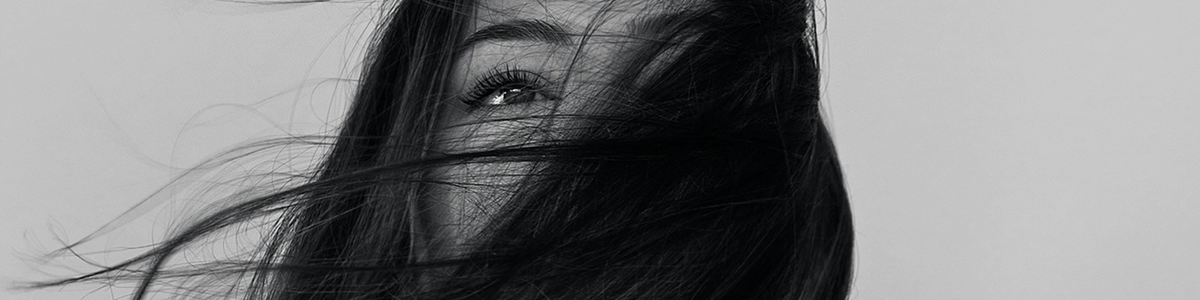


The beauty of linen is rarely found in stillness. It appears when the fabric shifts against skin, collapses into folds, catches light unevenly and begins to lose the strictness of its first press. Linen fabric becomes more itself the more it is touched.
What Is Linen Fabric?
Linen fabric is a textile made from fibres extracted from the stem of the flax plant, Linum usitatissimum. Flax refers to the plant and the raw fibre, while linen refers to the textile produced once those fibres have been processed, spun into yarn and turned into cloth.
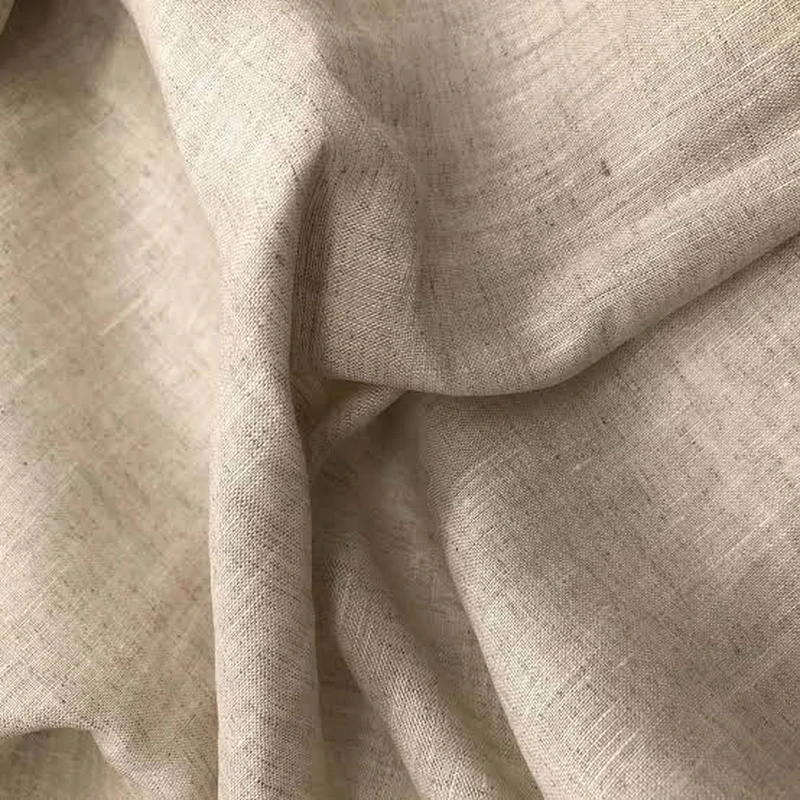
Flax belongs to the category of bast fibres, meaning its useful fibres are found in bundles running through the plant stem. Hemp and ramie belong to the same broad fibre family, although each produces textiles with different properties.
This fibre origin is what technically defines linen fabric. Satin, twill and crepe are more strongly associated with weave or surface construction, while linen can appear in many different textile structures. It may be woven as plain weave, twill, gauze or damask, or even knitted into jersey.
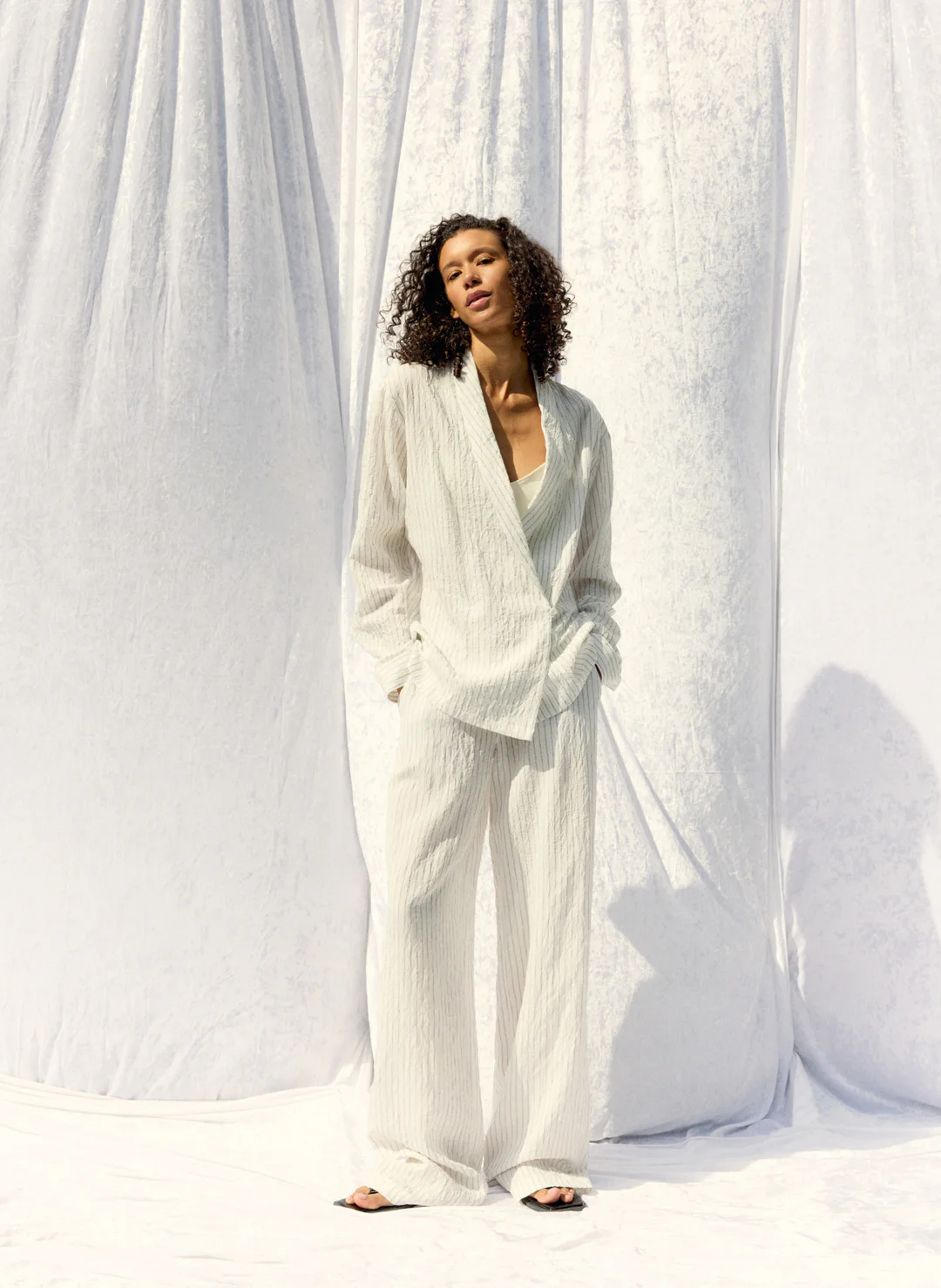
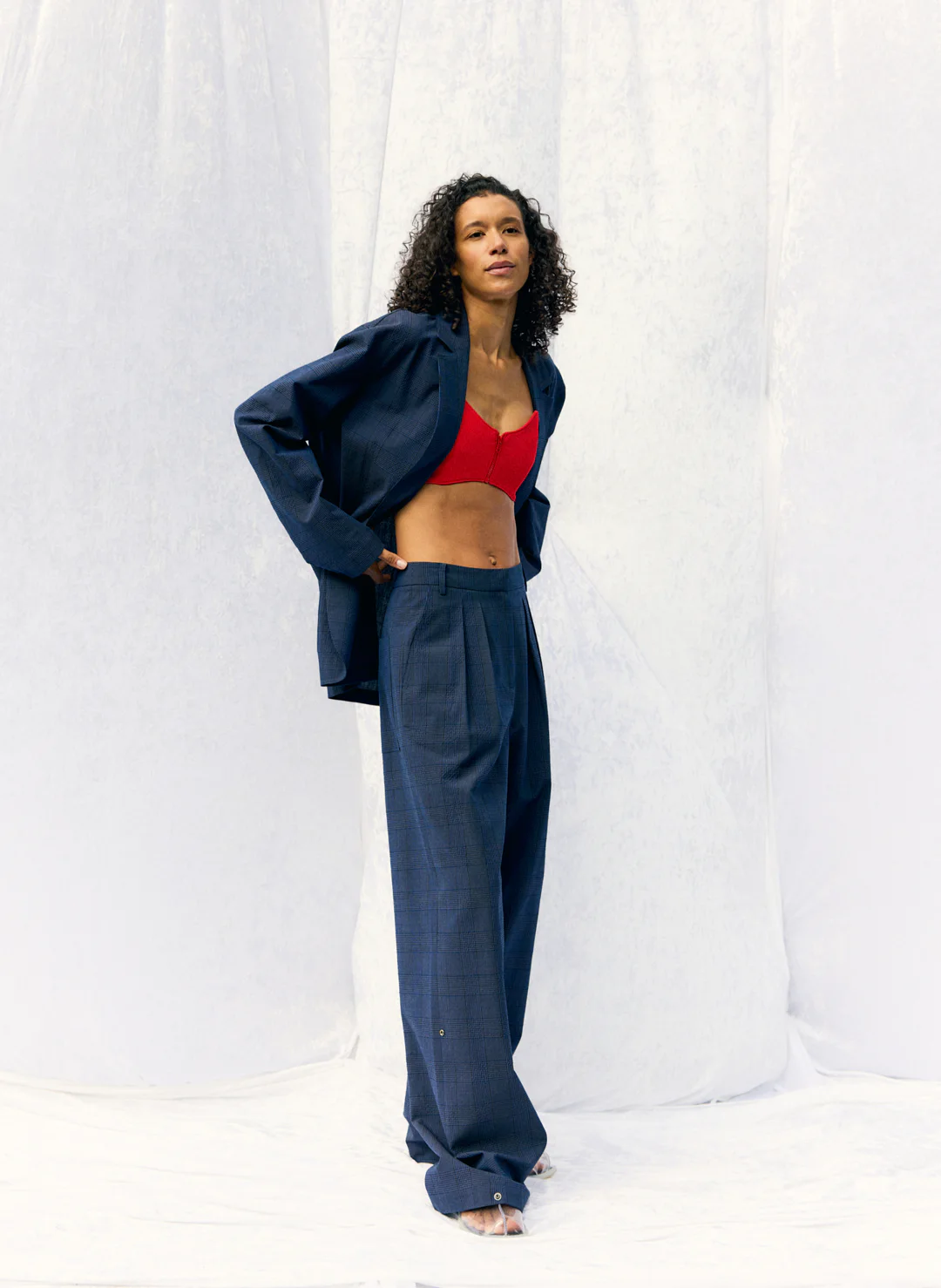
Despite this range, linen fabric has a recognizable physical vocabulary. It commonly has a dry, cool hand, a relatively crisp structure, subtle natural lustre, limited elasticity and a strong tendency to wrinkle. Depending on yarn fineness, weight and finishing, the surface may look deliberately irregular or remarkably smooth.
Small irregularities known as slubs often appear along linen yarn. These thicker points have become strongly associated with the modern image of natural linen, although slubs are not proof of superior quality. Exceptionally fine historical linen could be spun and woven with extraordinary smoothness and regularity.
What Makes Linen Fabric Different?
One of the most immediate characteristics of linen fabric is its cool, dry hand. It often feels noticeably cooler against the skin than many other textiles and lacks both the fuzzy surface of wool and the slippery sensation associated with glossy silk constructions. Its moisture and heat-transfer behaviour contributes strongly to this sensation.
Linen fabric performs particularly well in ventilation, water-vapour permeability and moisture movement. It can absorb moisture, distribute it across the textile and gradually release it, helping explain why linen frequently feels fresh in warm environments.
Breathability, however, never depends on fibre composition alone. Weave density, weight, and garment construction remain equally important. A sheer linen gauze will behave very differently from a densely woven linen jacket. Flax also produces relatively strong fibres. Historically, this strength allowed linen to extend far beyond clothing into household textiles, sailcloth, canvas, and other durable applications.
Fibre length plays an important role here. Longer flax fibres can generally support finer, stronger, and smoother yarns, while shorter fibres are more commonly associated with coarser yarns or blends. Another defining property of linen fabric is its low elasticity. Flax fibres can bend, yet they have a relatively limited ability to spring quickly back into their original position.
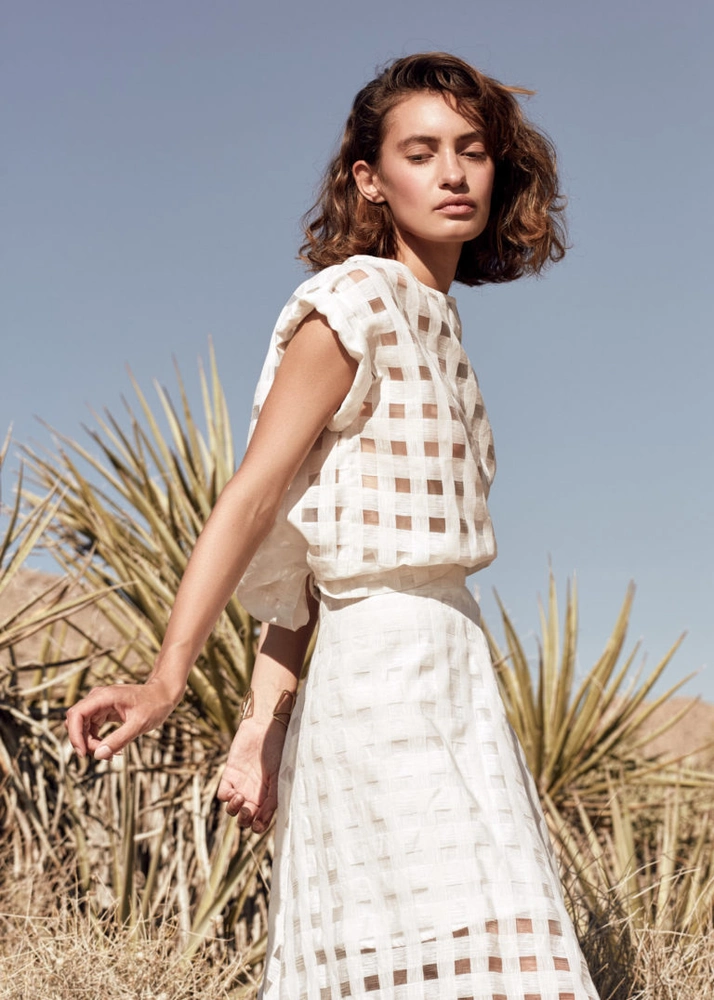
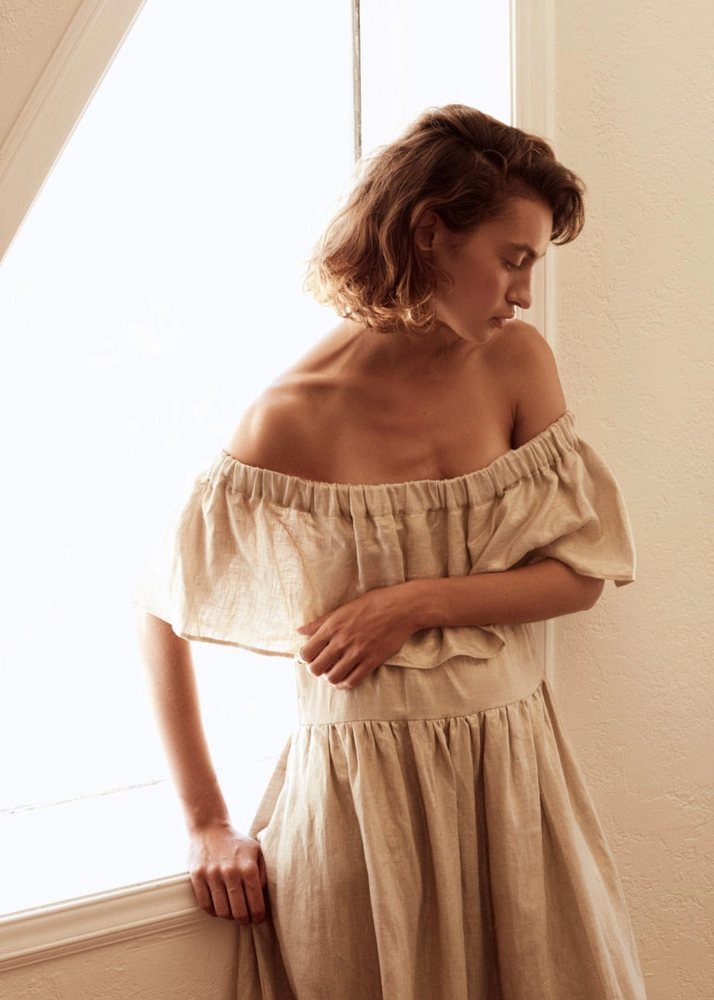
This quality contributes simultaneously to linen's crisp structure and its famous tendency to crease. When someone sits in linen trousers or bends an elbow inside a linen jacket, the fibres are temporarily forced into a new geometry. Because elastic recovery is limited, the crease remains visible. Wrinkling, therefore, does not automatically indicate low-quality linen fabric. It is one of the intrinsic behaviours of flax fibre.
Fine linen fabric also possesses a subtle natural lustre. Instead of creating the strong reflection associated with satin, linen often produces a softer luminosity. White and pale linen can appear especially luminous because light moves gently across the relatively smooth flax fibres.

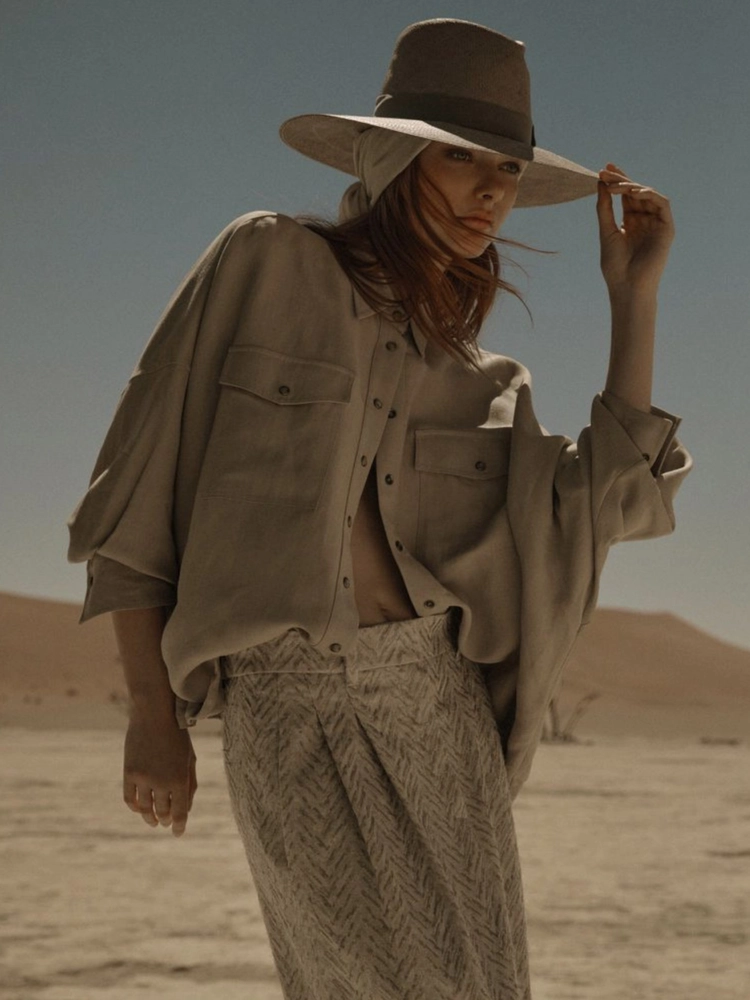
Repeated wear and washing gradually change the material as well. Linen commonly becomes softer with age while still retaining much of its structural personality. This ageing process can create a distinctive linen patina through softer hand, relaxed folds, subtle fading and increasing surface character. Older linen therefore often looks and feels different from freshly finished cloth without simply appearing worn out.
These properties also create practical limitations. Linen fabric creases strongly, has little inherent stretch, and may shrink depending on its finishing. Lightweight constructions can snag or distort, while some pure linen initially feels quite stiff. High-quality linen may also carry a higher price because transforming flax into refined textile requires numerous agricultural and mechanical stages.
How Linen Fabric Is Used in Fashion
Ancient Egyptian linen garments and European shirts, shifts and chemises demonstrate how consistently the fibre has been used in clothing. Historically, one of its strongest functions was as a washable textile worn directly against the body.
Shirting remains one of linen's most enduring fashion applications. Its cool touch, moisture handling and breathable constructions make it well suited to warm-weather shirts, while its natural crispness allows collars, cuffs and plackets to maintain visible structure.
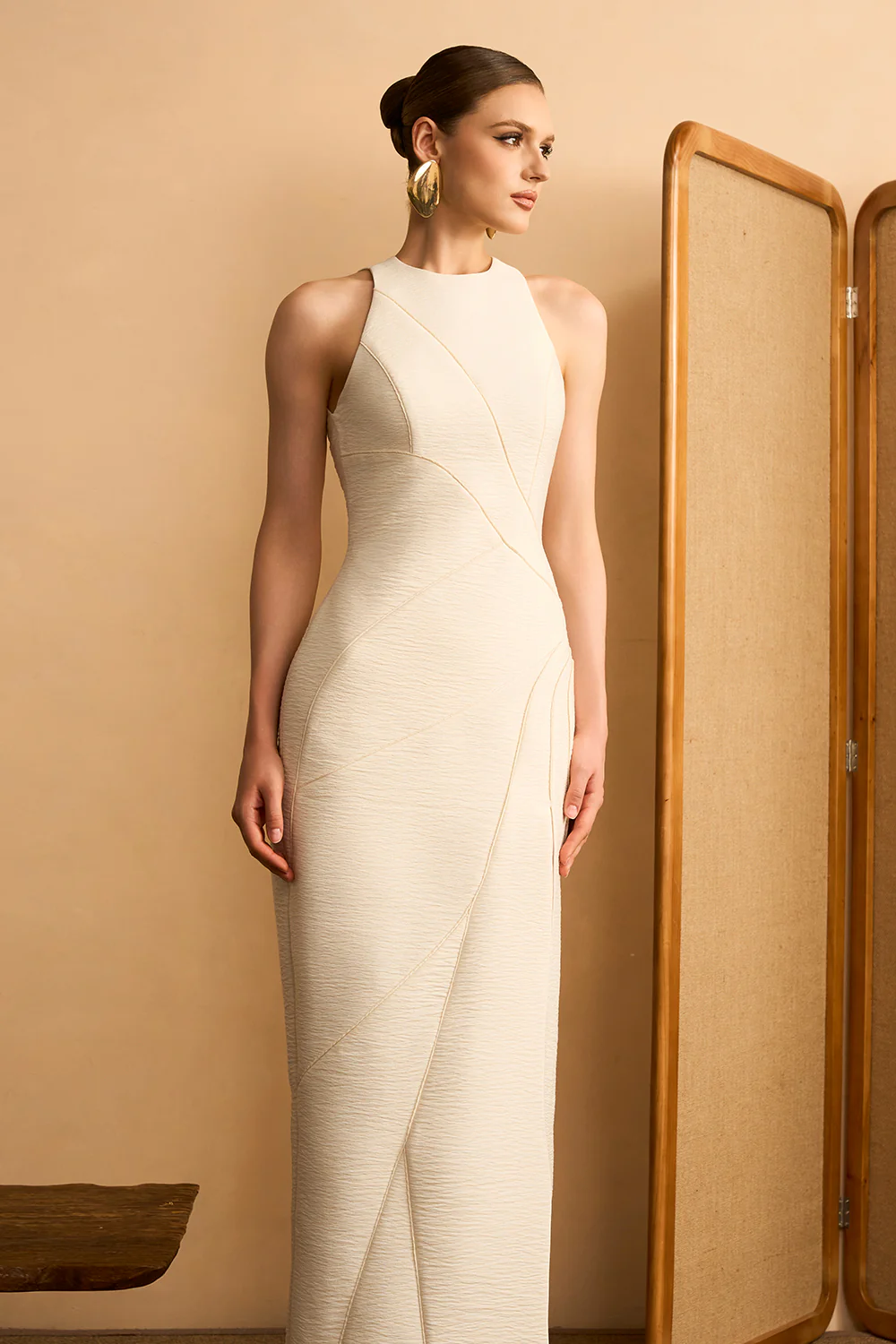
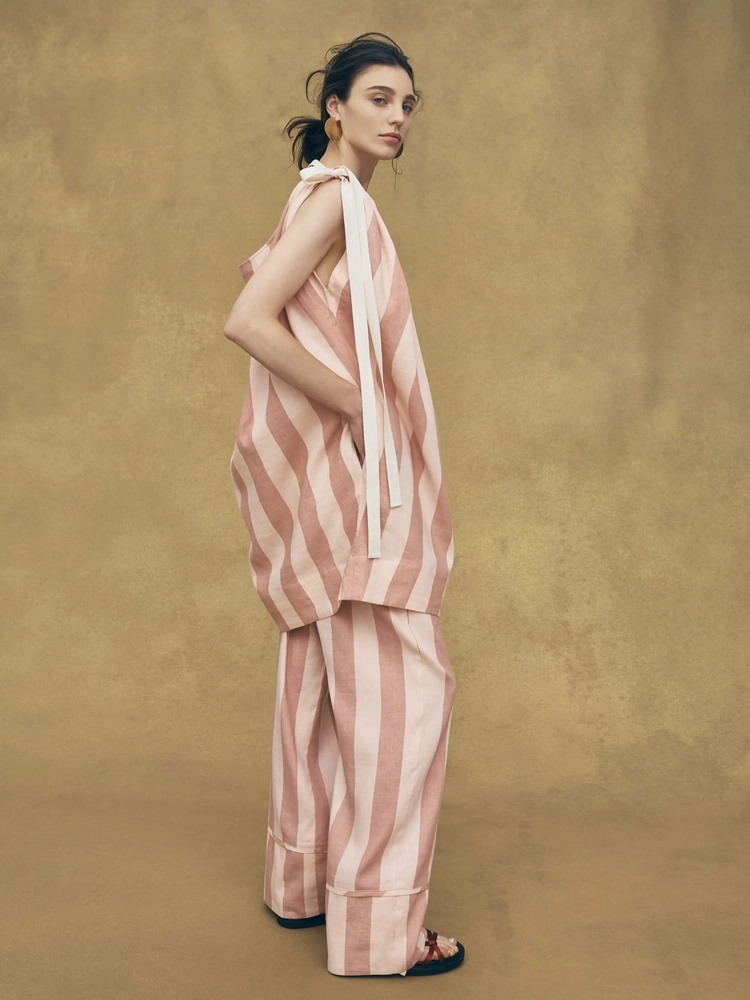
The material can move across a remarkable range of silhouettes, including column dresses, shirt dresses, loose resort styles, structured mini dresses and sheer summer layers. Fine linen can drape softly, while denser linen creates enough resistance to build sculptural volume.
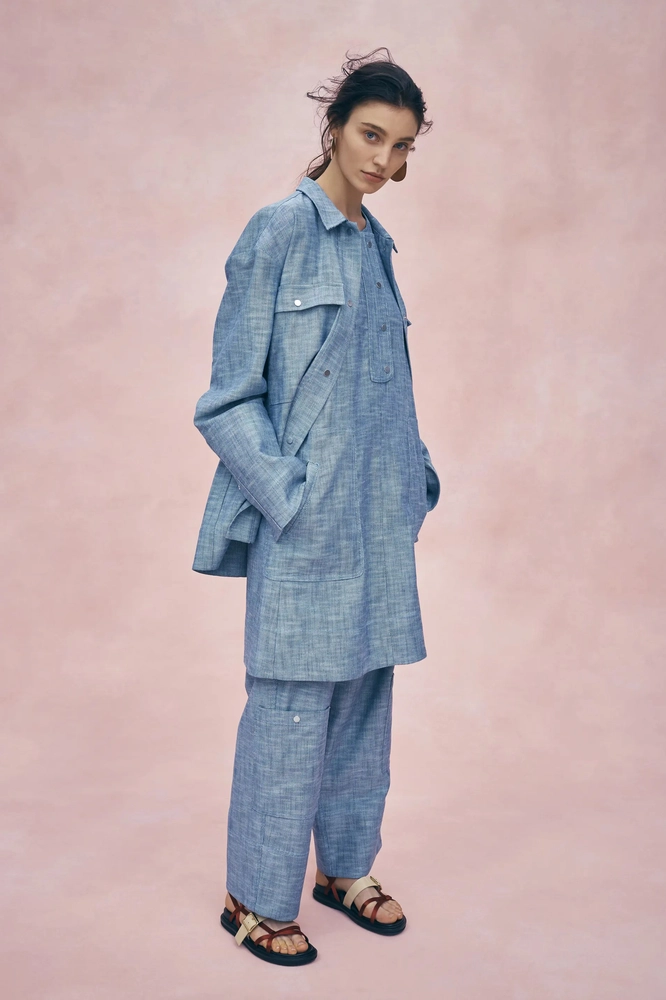
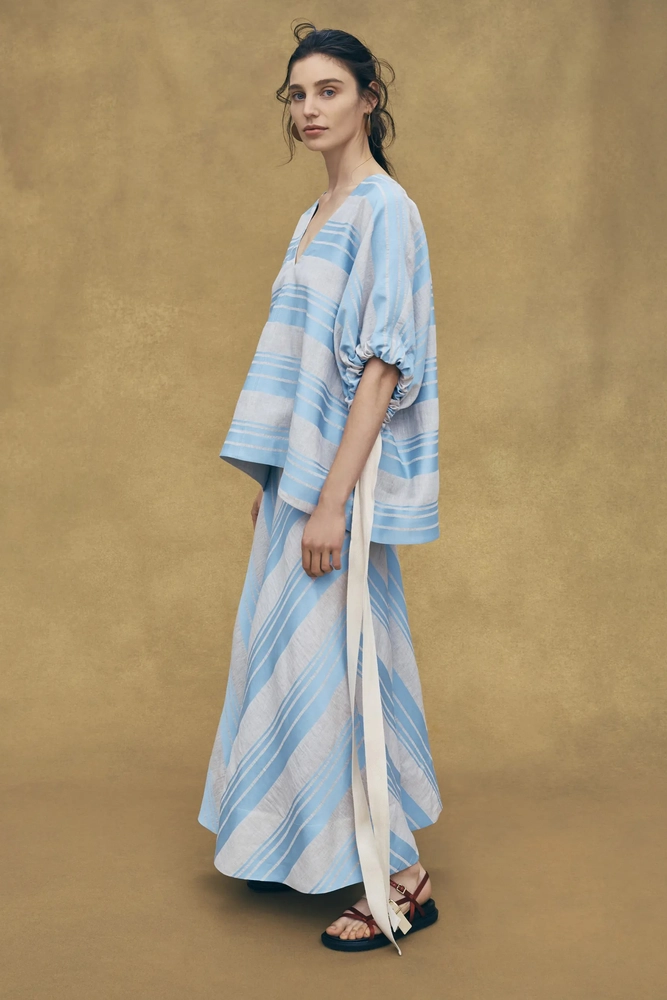
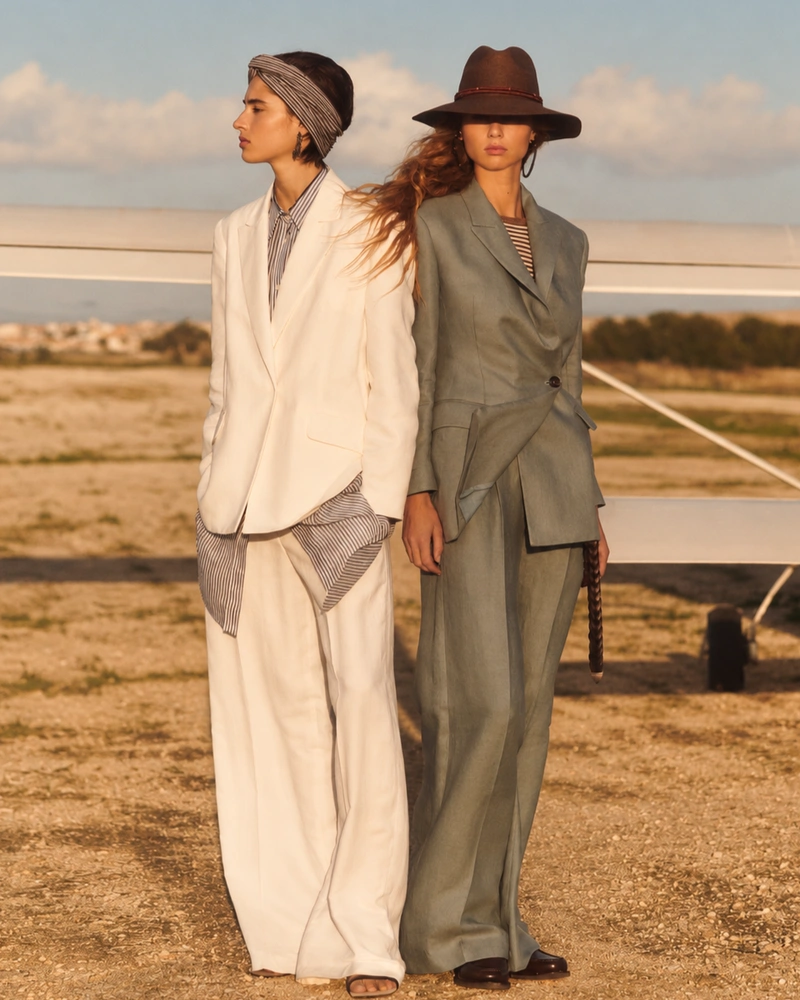
Blazers, trousers, waistcoats and full suits use the material's ability to combine lightness with visible structure. The resulting polish has a specific character because the surface evolves throughout the day. Creases gradually become integrated into the garment instead of remaining hidden.
Linen is frequently blended with other fibres to adjust the way the fabric drapes, stretches, recovers and feels against the skin. In tailoring especially, blends allow designers to preserve the dry character of linen while improving specific performance qualities.
Linen and wool work particularly well in transitional tailoring. Wool can improve recovery, softness and structure, helping jackets and trousers hold their shape while retaining linen’s breathable, textured surface.
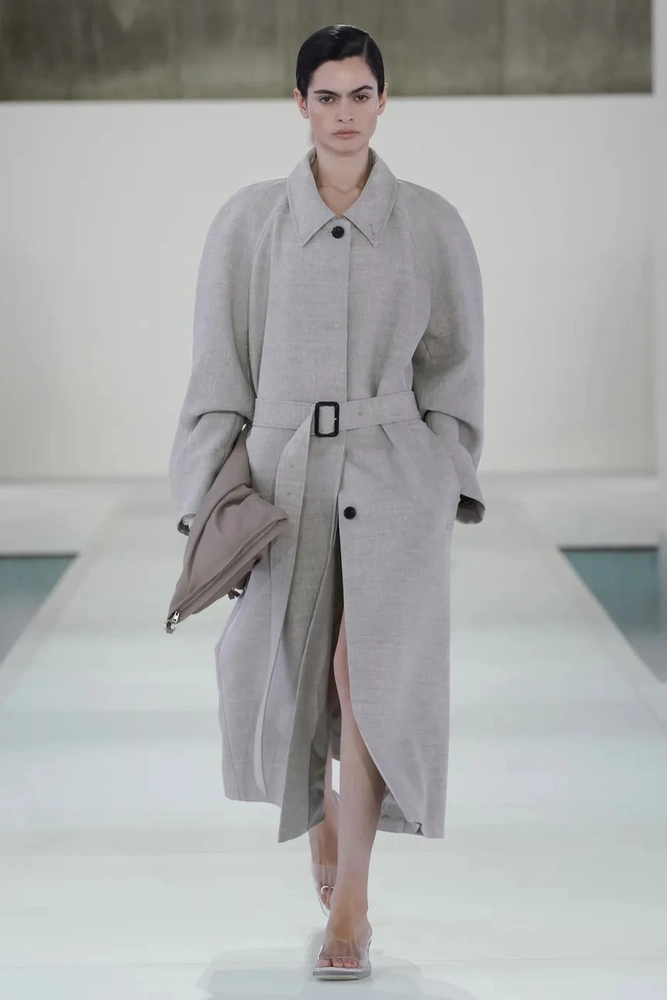
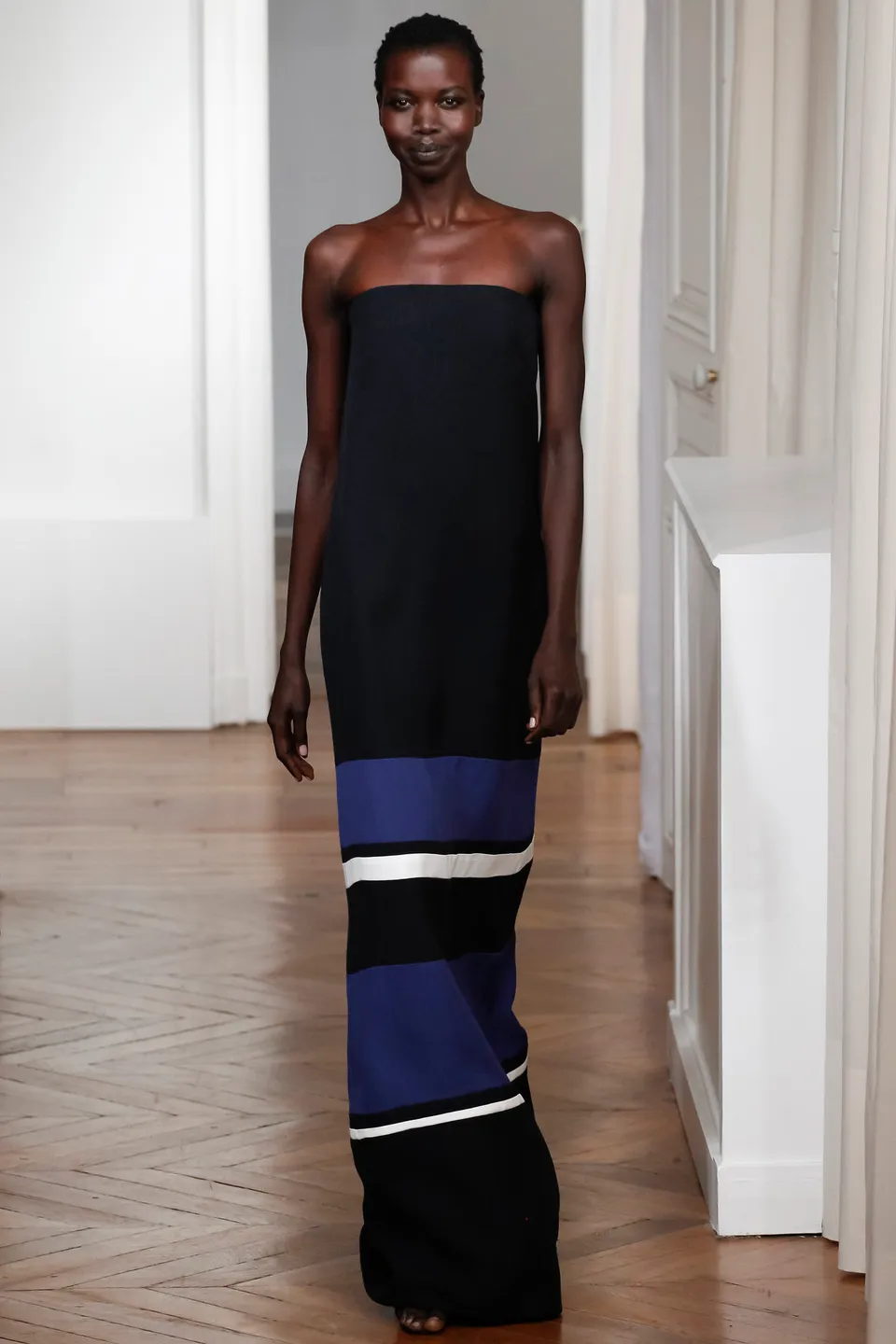
Linen and silk create a more refined fabric with softer drape and subtle lustre. The combination is often suited to dresses, fluid separates and elevated warm-weather tailoring.
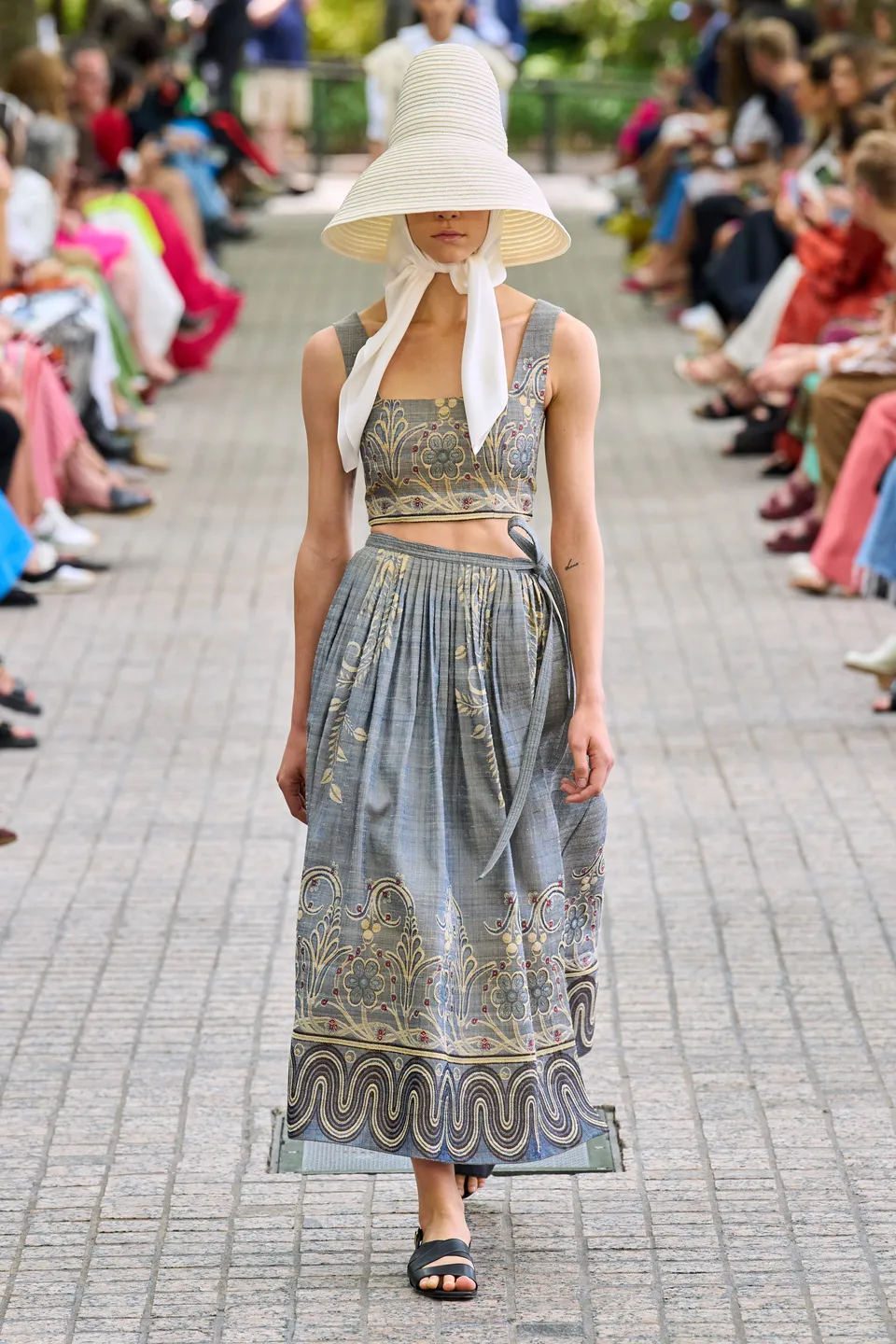

Linen and cotton usually produce a softer, more familiar hand. Cotton can moderate linen’s crispness and dryness, making the fabric easier to wear for shirts, trousers and everyday summer pieces.
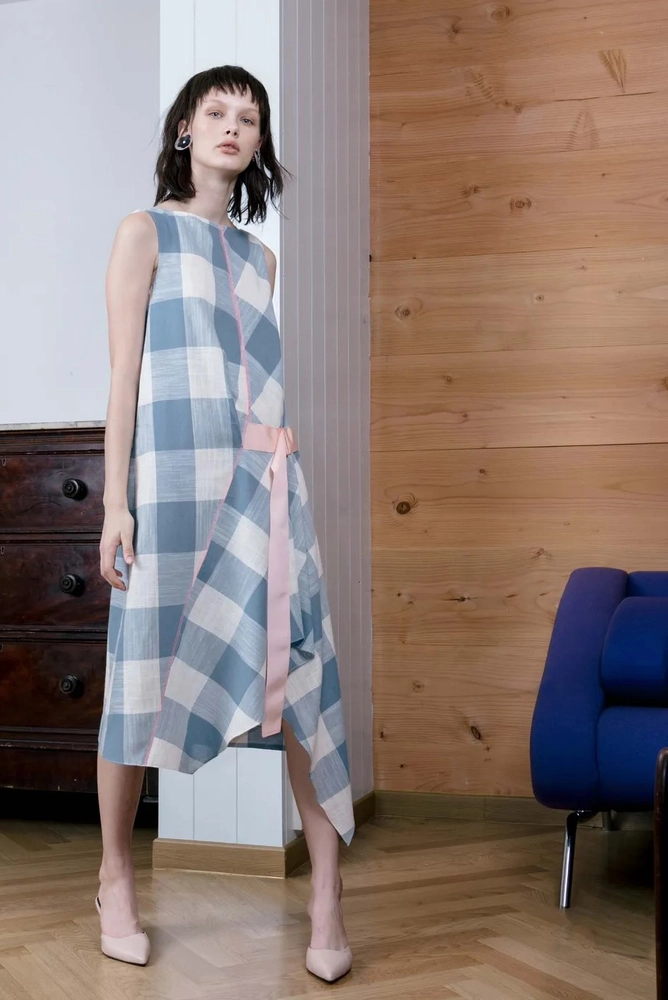
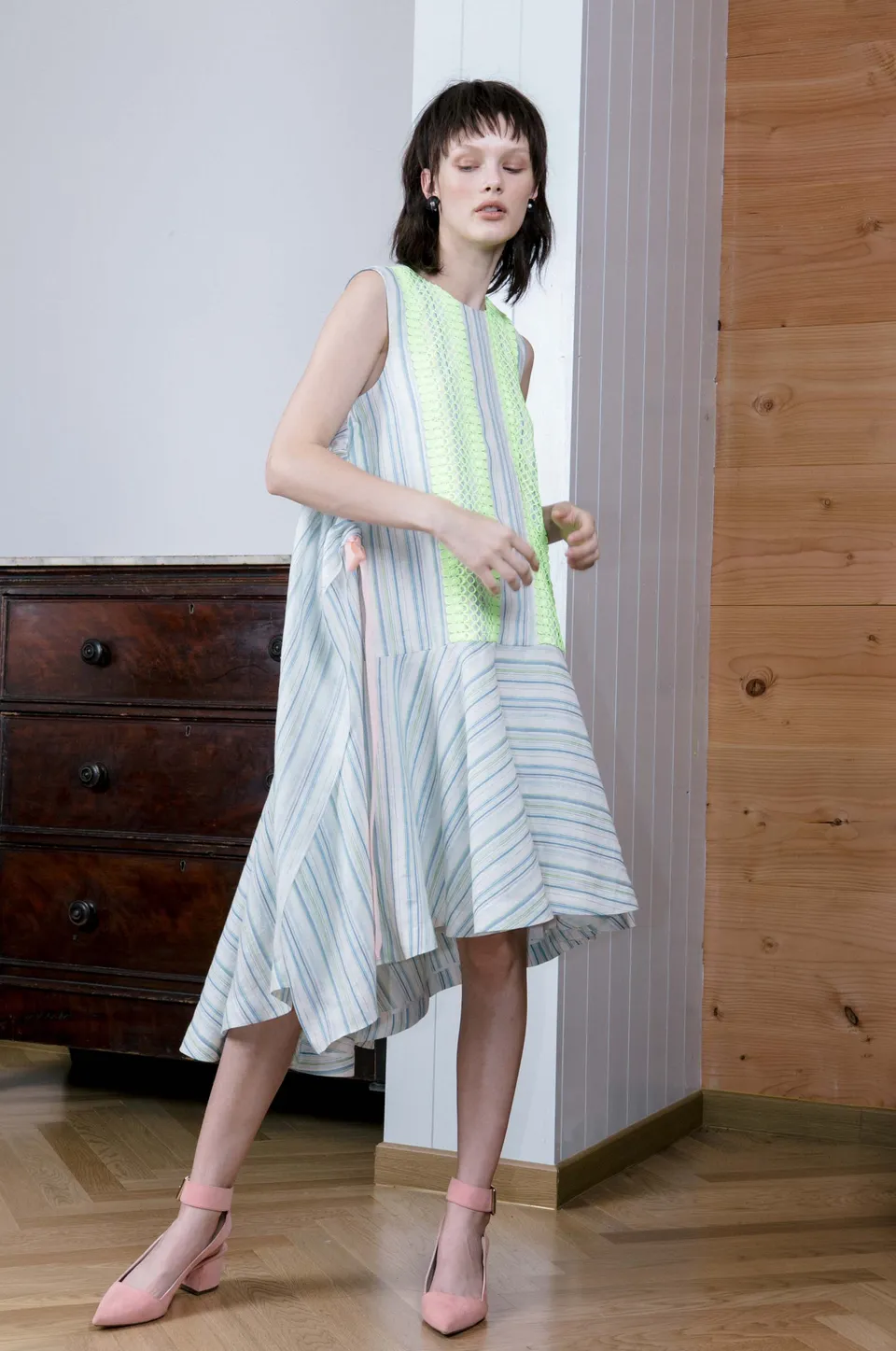
Linen and viscose generally become more fluid and supple. Viscose softens the structure of linen and increases drape, making the blend especially suitable for relaxed dresses and wide-leg trousers.
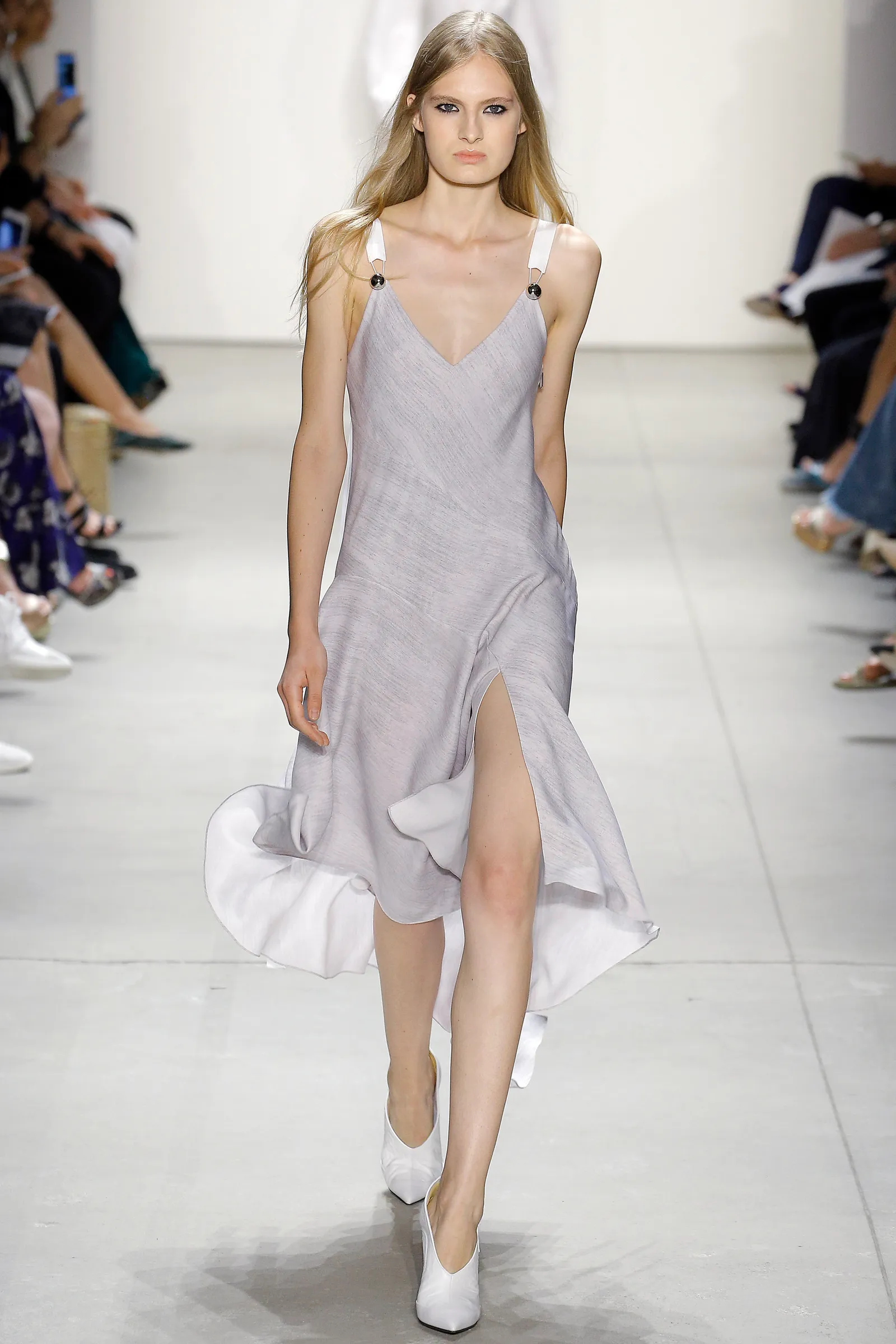
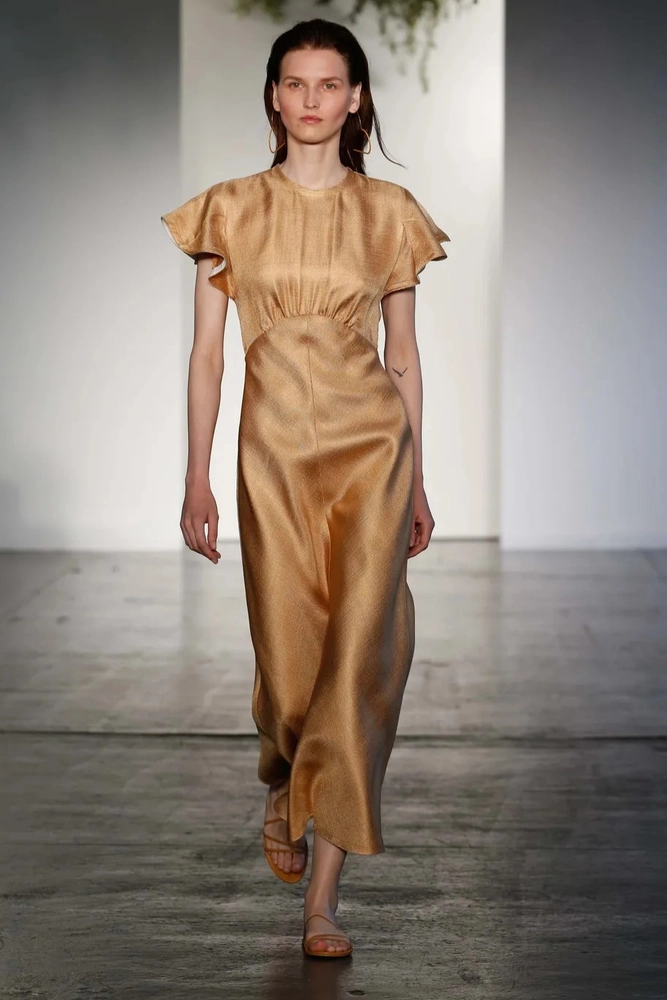
Beyond clothing, linen fabric appears in handbags, shoes, hats and numerous home-textile applications.
How to Identify, Buy and Care for Linen Fabric
The most reliable consumer-level method for identifying linen fabric is the fibre-composition label. A label reading “100% linen” confirms that the textile's fibre content comes from flax, while a linen blend should list the exact percentages of linen and accompanying fibres. Visual identification can provide clues, although it cannot guarantee authenticity.
Touch can provide additional clues as woven pure linen fabric often feels initially cool, relatively dry and crisp, with little natural stretch, yet these observations still cannot replace fibre-composition information.
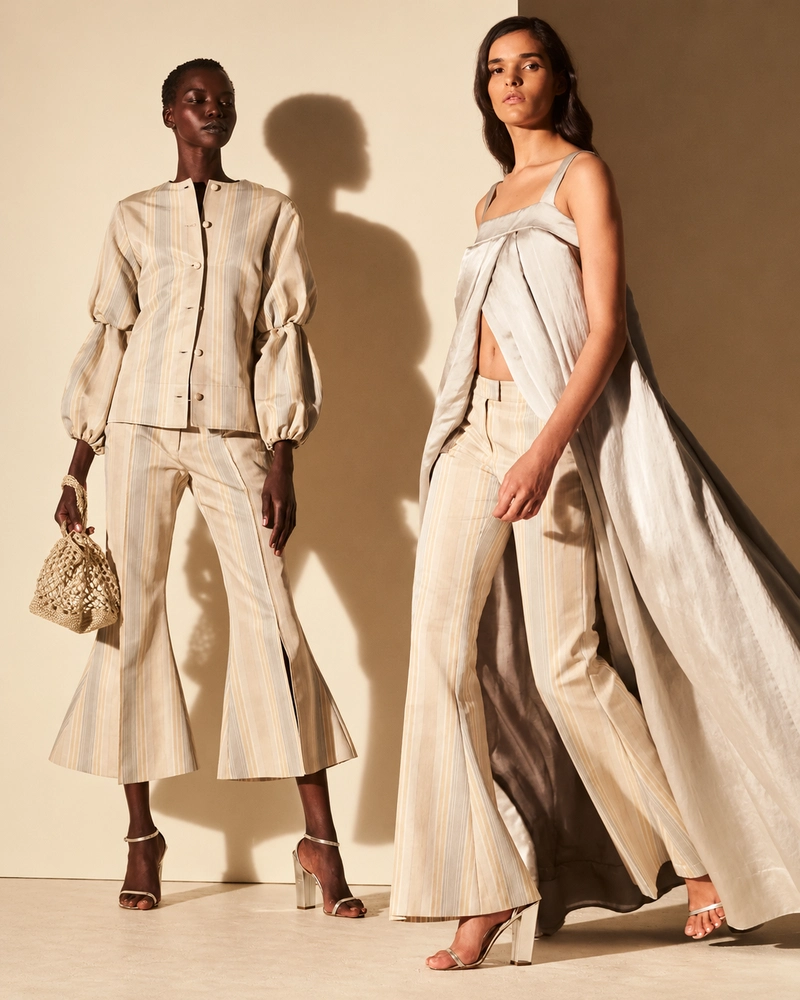
Pronounced slubs are frequently associated with linen because contemporary fashion often celebrates a visibly natural texture, though they do not automatically indicate authenticity, luxury or superior fibre quality. Some deliberately rustic linen uses obvious slubbing, while exceptionally fine linen may appear remarkably smooth and nearly transparent.
When buying linen fabric or a linen garment, composition should therefore be the first consideration, followed by fibre and yarn quality. The next questions are whether the yarn is fine and controlled or intentionally rustic, whether the weight suits the intended garment, and whether the textile is sufficiently opaque for trousers or dresses.
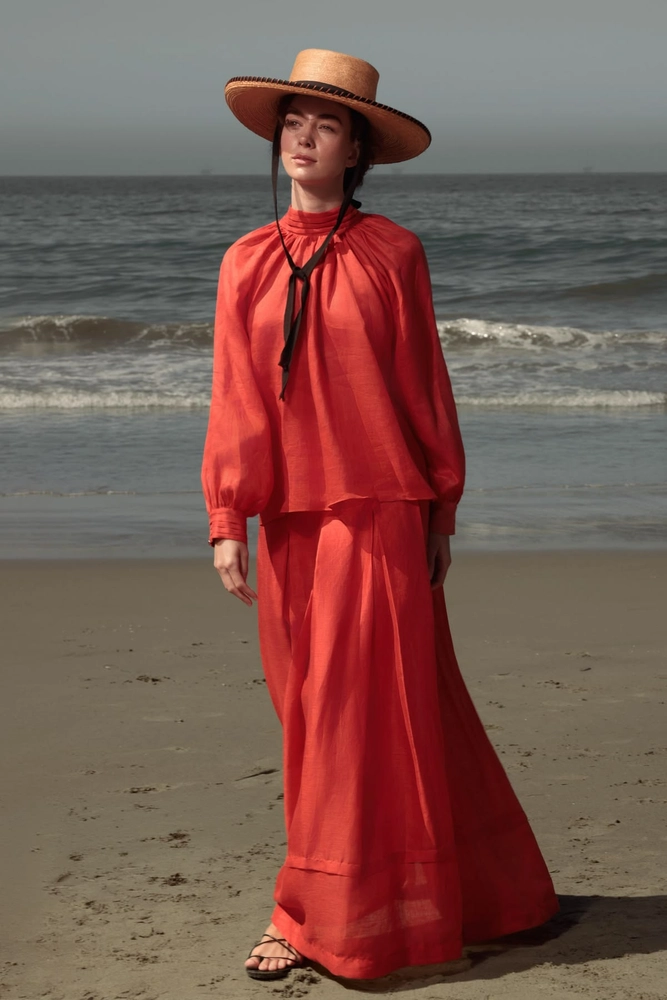
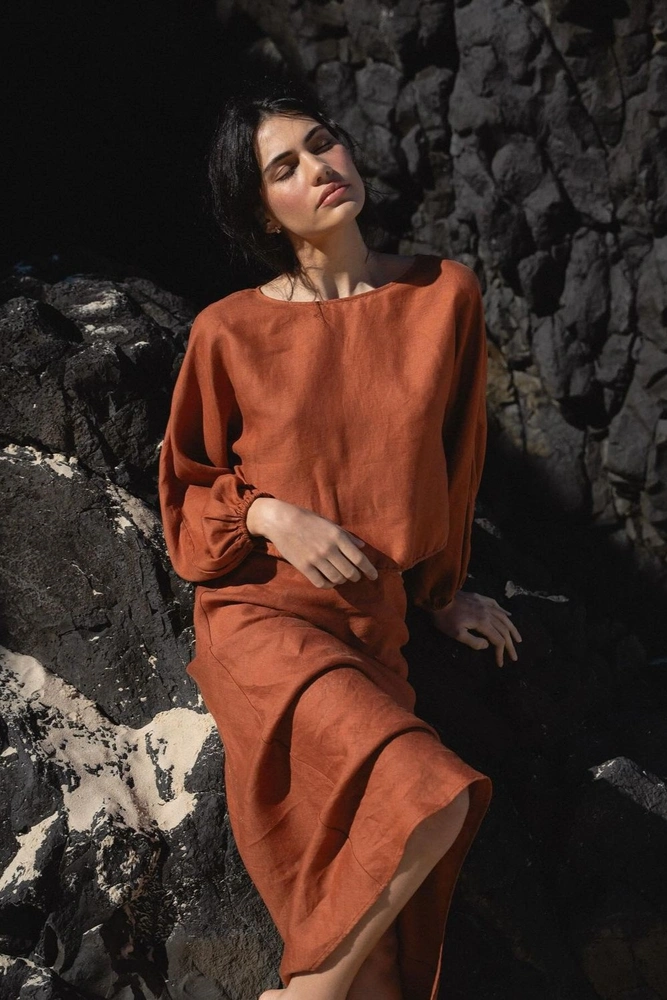
Care should always begin with the garment's own label because dyes, linings, interfacings and blends can alter what the finished piece can tolerate. Many washable linen garments can handle gentle machine washing, while moderate temperatures are often useful for limiting unnecessary shrinkage and fibre stress when permitted by the care instructions.
Overloading the washing machine can create hard creases because linen fabric becomes heavily compressed, and strongly coloured or heavily dyed garments may also require separate washing.
Air drying can reduce unnecessary heat exposure, while reshaping linen garments when damp helps preserve their intended silhouette. Excessive drying can make the textile temporarily stiff and intensify creasing. Linen is usually easiest to press while slightly damp, and pure linen can often tolerate relatively high ironing temperatures when the garment label allows them.
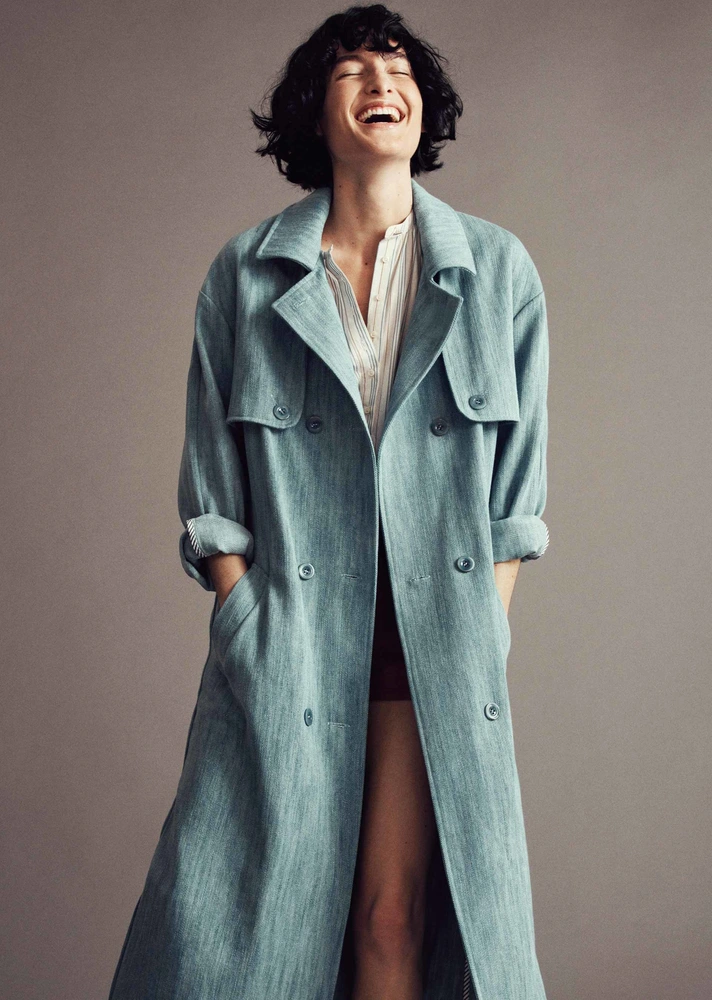

Pressing creates a crisp, controlled finish, while steaming or leaving natural creases visible produces a softer, more relaxed appearance. The decision therefore becomes partly aesthetic: pressed linen fabric communicates sharpness and precision, while naturally creased linen carries a more lived-in character.
Clean garments before long-term storage. Heavy linen should be folded carefully or hung with sufficient support, while garments should be kept in dry, ventilated conditions. Avoid leaving hard folds permanently compressed for extended periods.
The very quality once treated as linen's most inconvenient flaw has become one of the clearest reasons linen fabric remains instantly recognizable thousands of years after humans first learned how to work flax.
Advertisement