MENU
Close





The renewed relevance of independent retail suggests shoppers may be looking for something algorithms and endless inventories still struggle to provide: a convincing reason to choose.

The renewed relevance of independent retail suggests shoppers may be looking for something algorithms and endless inventories still struggle to provide: a convincing reason to choose.
August 28, 2026


Fashion spent decades promising access. Every collection, every label, every dress could eventually appear on the same glowing screen. Access succeeded so completely that it created another problem: somebody still has to decide what deserves attention. In 2026, independent retail is gaining relevance through that missing act of judgment.
E-commerce once carried a powerful proposition. Geography would lose its authority over taste. A woman in Austin, Bangkok or Copenhagen could shop the same designer within minutes. Huge multi-brand platforms pushed that promise further, building digital department stores where hundreds of labels could coexist under one search bar.
Fashion eventually reached abundance.
Abundance has its own cost. When fifty retailers carry similar luxury houses, repeat the same campaigns and reduce discovery to page after page of products, distribution stops producing distinction. The customer receives access while inheriting the labour of editing it.
That distinction helps explain why independent retail deserves serious attention in 2026. On Joor, one of fashion’s major wholesale platforms, independent retailers accounted for 62 percent of transaction volume in 2025, up from 49 percent in 2020. Joor data represents activity within its own wholesale ecosystem, so it cannot stand as a census of global retail. It does show a meaningful channel shift: specialty stores are taking a larger role inside a platform used extensively by fashion brands and buyers.
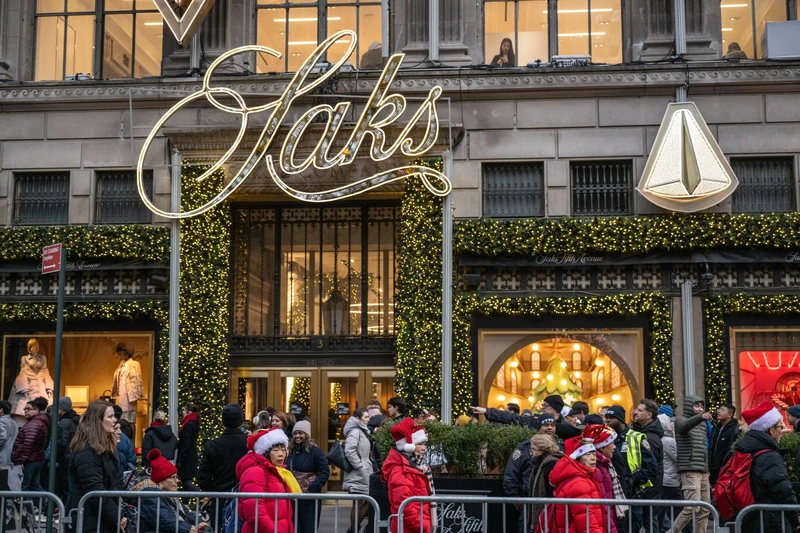
Multi-brand luxury has spent several years exposing the weakness of scale without discipline. MatchesFashion collapsed. Farfetch required a rescue. Saks Global entered Chapter 11 in January 2026 following years of financial strain and debt linked partly to its Neiman Marcus acquisition. It emerged on June 26 as Exemplar Luxury Group after reducing debt by nearly 75 percent.
Scale itself offers an incomplete explanation for these failures. A large retailer can still build authority, negotiate powerful terms and invest heavily in technology, logistics and service. The deeper vulnerability appears when size becomes the strategy. Every additional brand expands choice while diluting the retailer’s reason for choosing it. Inventory grows. Markdown exposure grows. Working capital gets trapped. The customer starts encountering a warehouse wearing the language of luxury.
Its buyer sees hundreds of collections and commits capital to a fraction of them. That act carries risk. A weak edit produces unsold inventory. A strong edit converts taste into sell-through. The customer pays for the garment while benefiting from thousands of buying decisions she never had to make herself.
Curation, in that sense, is hidden labour.
Handwritten cards and beautiful interiors have limited power beside bad buying. Independent retail earns its relevance when intimacy produces better inventory decisions.
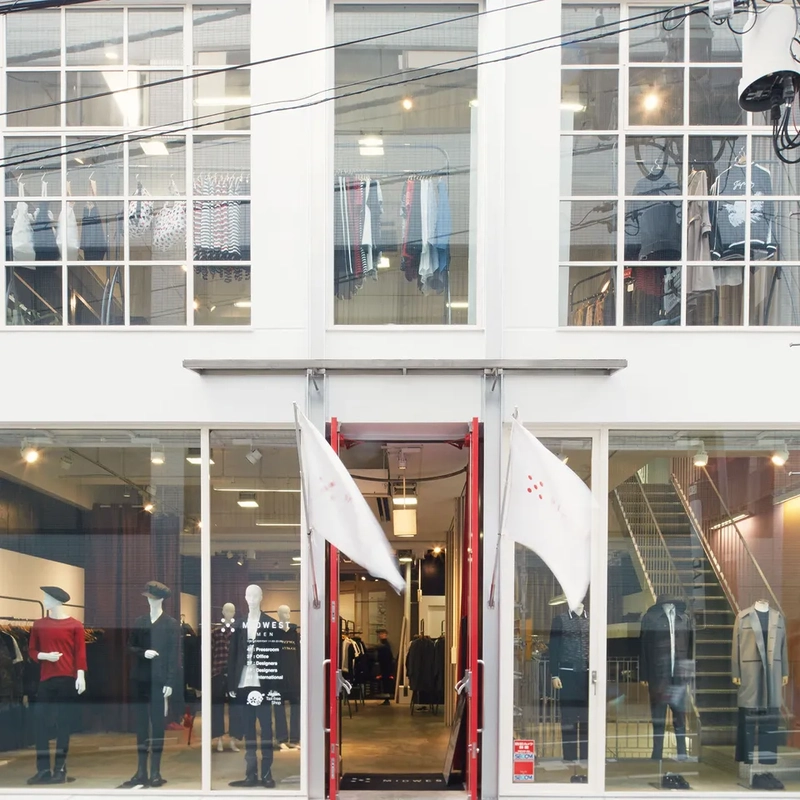
Japan’s Midwest provides a useful example. The independent select shop has maintained a business built around disciplined buying, domestic customers and strong full-price selling while expanding across Nagoya, Tokyo and Osaka. Its longevity suggests that cultural authority becomes economically useful when the buyer understands exactly whom the store serves.
Price has made that precision urgent.
Vogue’s survey of 13 independent American boutiques found women continuing to spend on fashion while scrutinising each purchase with unusual intent.
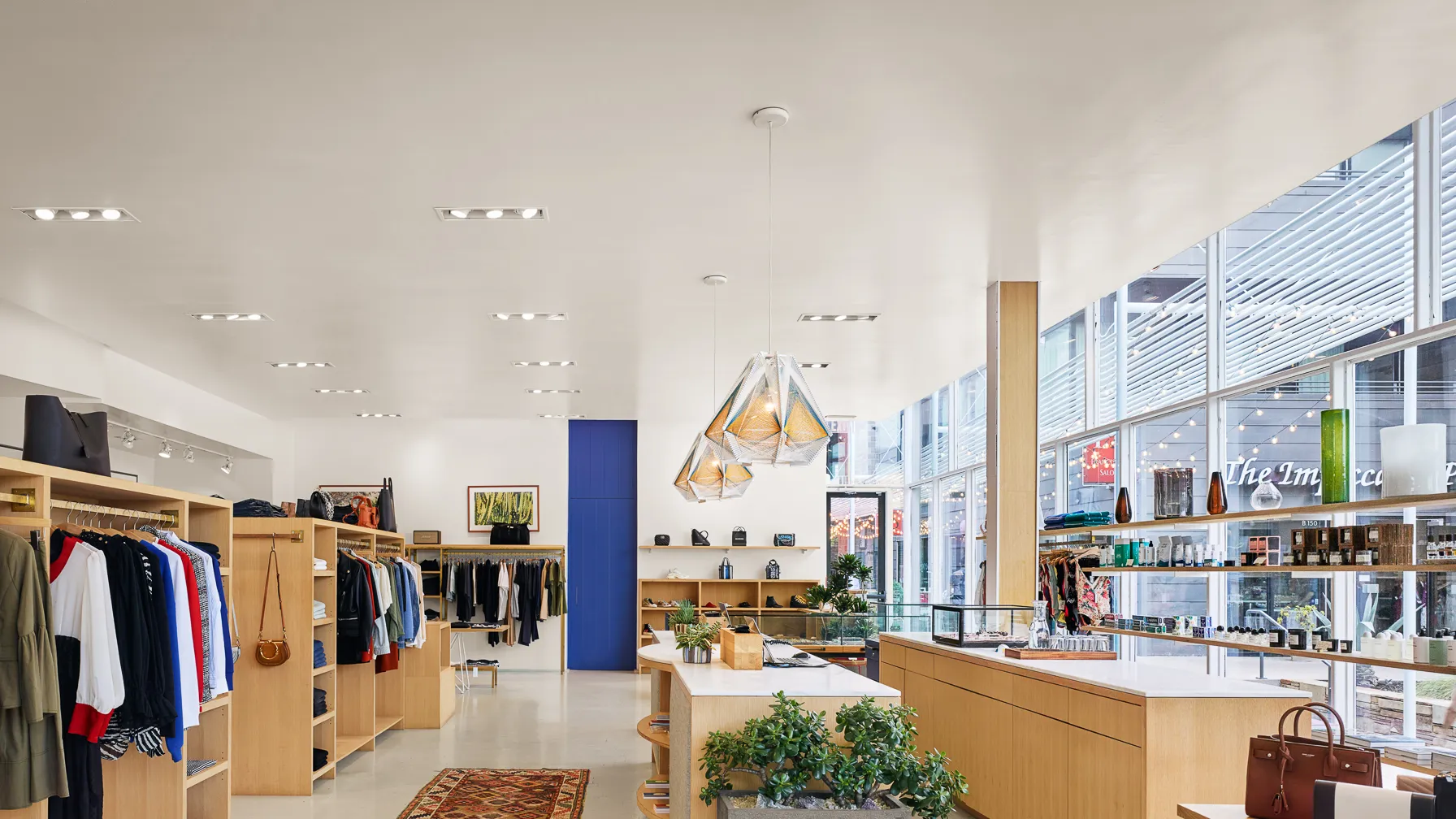
Across the stores, the recurring winners included well-cut tailoring, distinctive everyday clothes, strong fabrics and pieces capable of holding a meaningful place inside an existing wardrobe. At ByGeorge, customers were described as seeking garments with design integrity and a clear purpose. At McMullen, standout separates, outerwear, Diotima exclusives and Phoebe Philo accessories drew investment.
Kirna Zabête offers harder evidence. High Sport sales rose 151 percent year-on-year in 2025. Bottega Veneta grew 52 percent and Alaïa 33 percent at the retailer. The numbers complicate any neat story that luxury consumers have simply retreated from spending. Certain products still move aggressively when retailers position them inside a wardrobe logic their customers already trust.
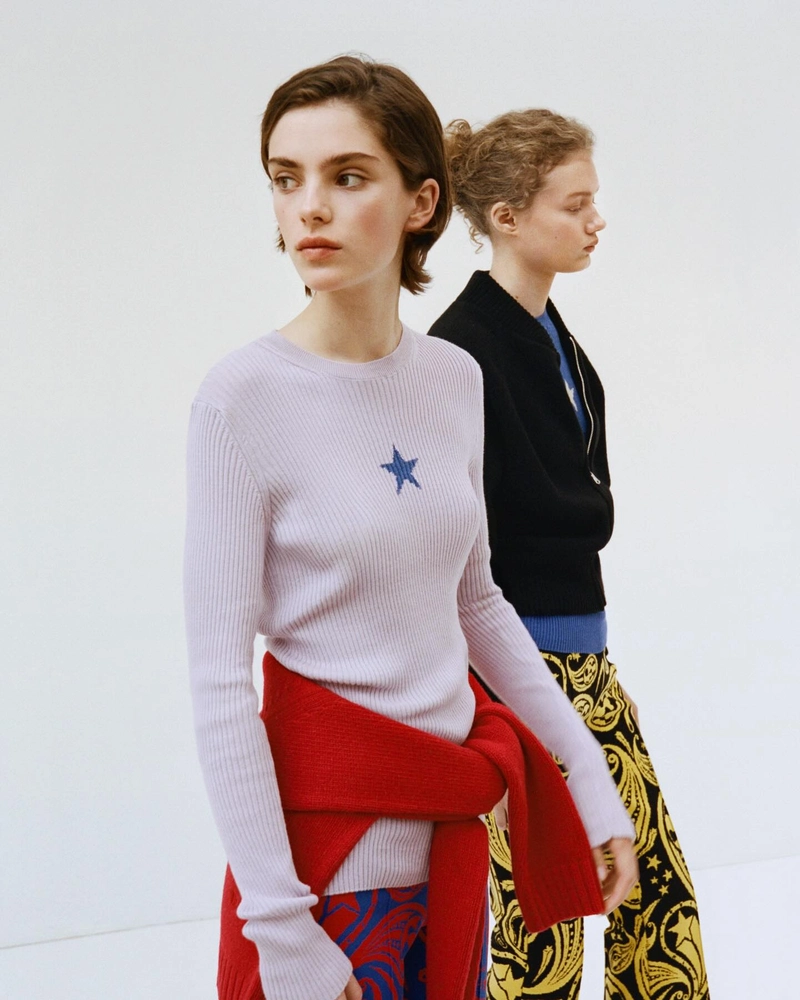
This is where independent retail begins performing a second job: price interpretation.
One retailer in Vogue’s survey described the current reality with the line, “$2,000 is the new $1,000.” Clients were asking why garments cost so much, prompting staff to explain labour, materials, shipping and tariffs.
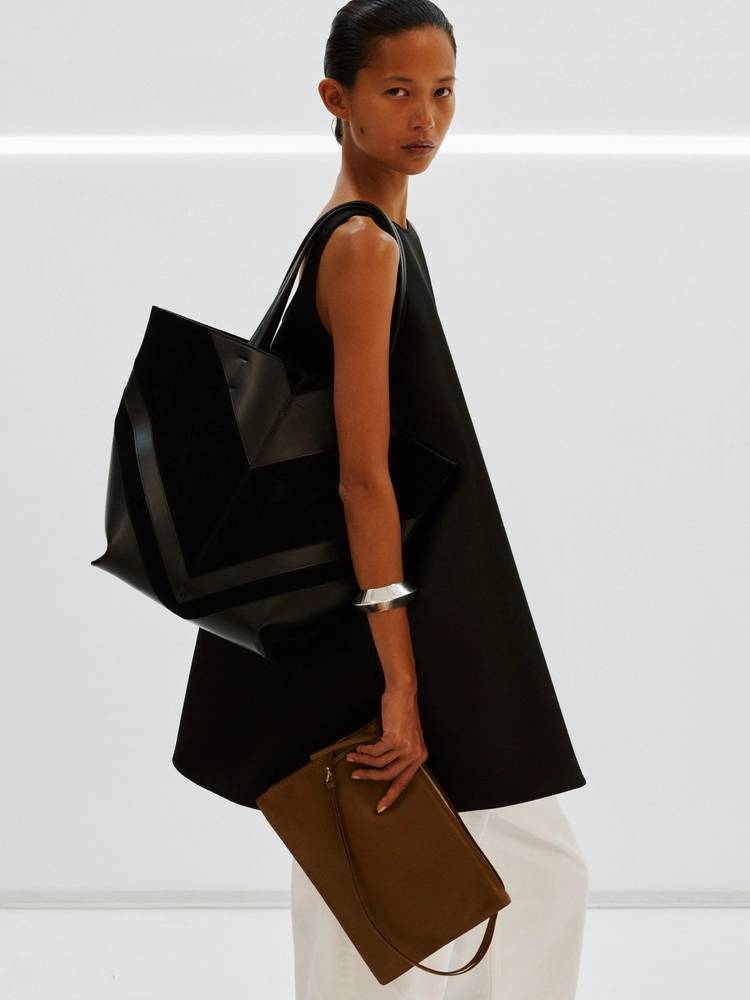
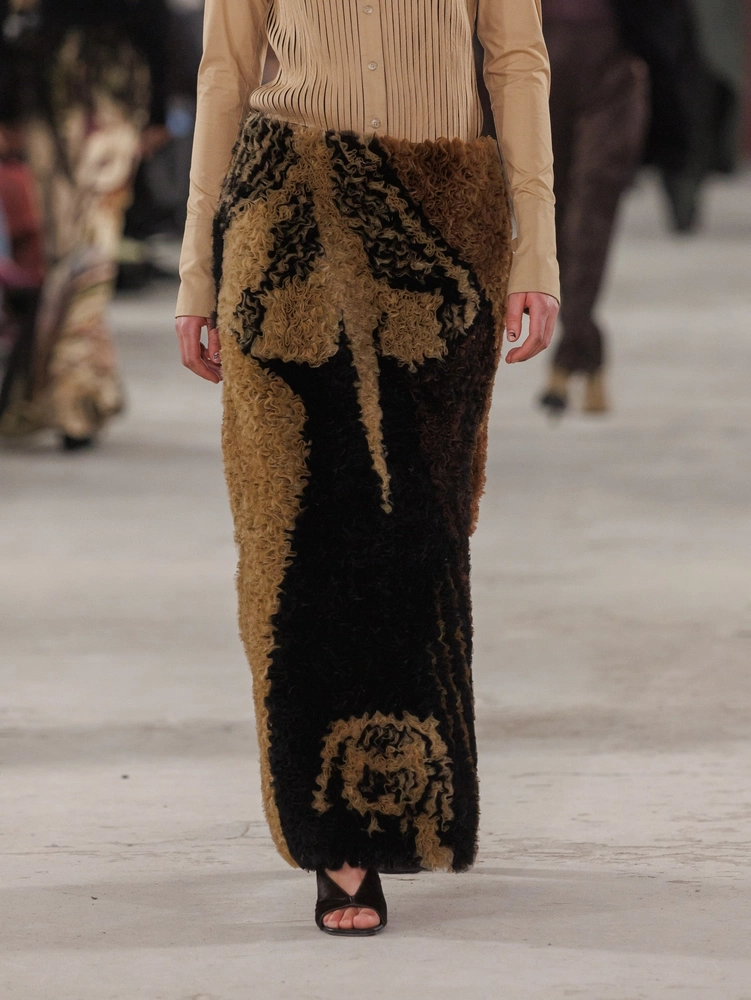
That conversation reveals a serious problem for contemporary luxury.
A four-figure price tag once drew support from brand mythology, status and scarcity. Those mechanisms still operate, yet their persuasive power faces pressure. McKinsey’s 2026 survey of over 2,000 luxury clients in the US and China found emotional connection ranking as a leading driver of desirability. In the US, 68 percent of respondents said newer or disruptive brands reflected their identity, while 63 percent said the same of established luxury houses. The report also found exclusivity increasingly linked to recognition, access and cultural distinctiveness.
A boutique can exploit that shift because it can explain specificity.
Why does this cashmere behave differently? Why did this designer cut the shoulder this way? Why does this dress deserve space beside the twenty dresses a client already owns?
Auralee reportedly ships garments with a blast of oxygen inside containers to preserve the hand of its fabrics. Bergfabel sends pieces with lavender grown in the designer’s garden. These details are memorable because they give material culture texture. They become commercially valuable when the garment itself sustains the story through fabric, cut, durability and wear. A charming anecdote attached to an ordinary product eventually becomes marketing overhead.

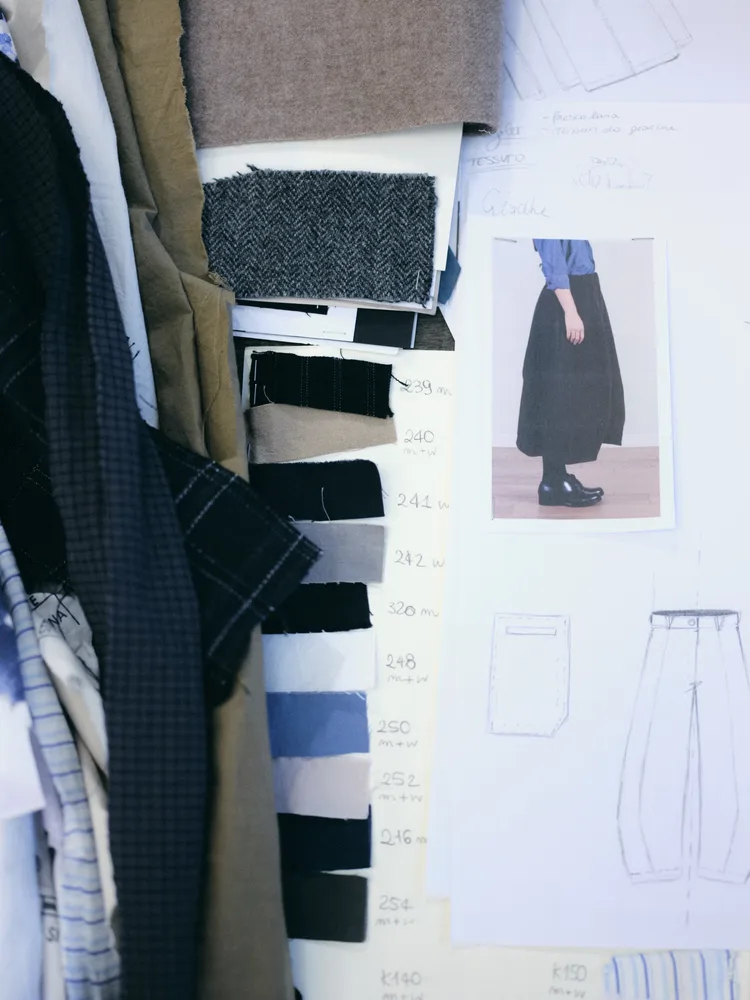
That same judgment matters upstream, particularly for independent designers.
Direct-to-consumer once promised liberation from wholesale. Instagram gave young labels their own publishing channel. E-commerce gave them their own store. The designer could theoretically reach customers directly.
The catch sits inside the word “reach.”
Publishing something and being discovered belong to different economic problems.
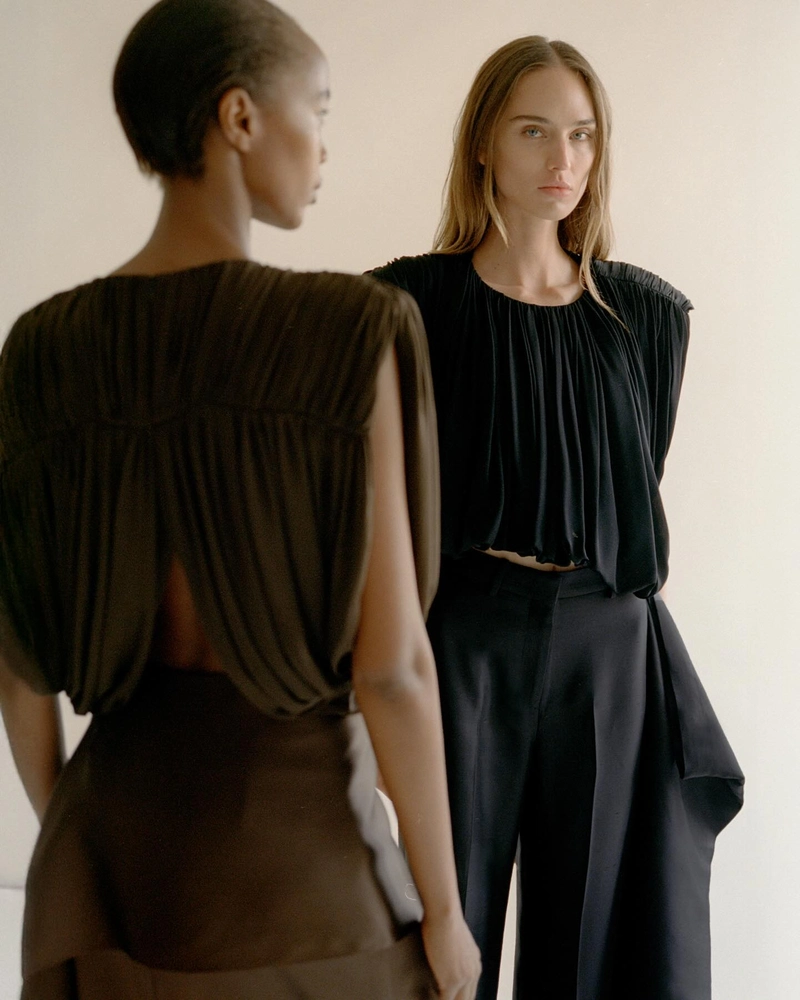
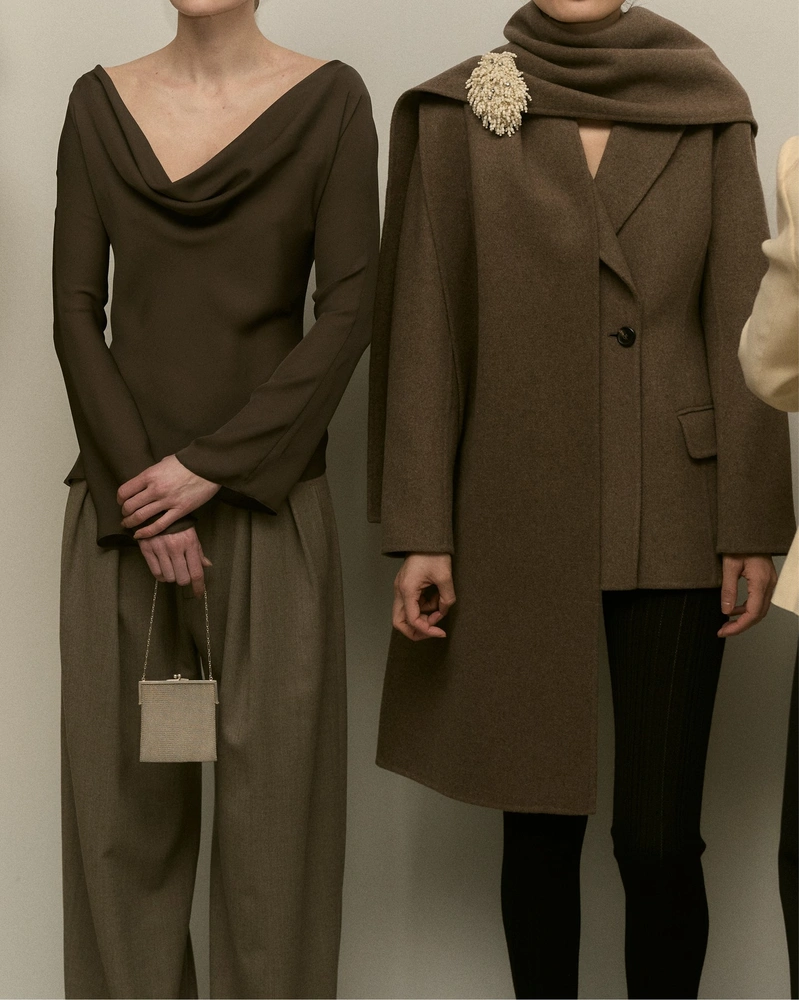
Designer Brooke Callahan told that Instagram had become so saturated that her brand needed a wholesaler’s edit again. Daniella Kallmeyer similarly described specialty retailers as a way to close the gap between a designer and the customer.
A designer appearing inside McMullen, Kirna Zabete or Elyse Walker gains something beyond floor space. She enters an existing system of trust. That trust functions as distribution capital.
Sherri McMullen’s model shows how it operates in womenswear. Her San Francisco business carries designers including Diotima, Heirlome and Zankov and is expanding with another location in 2026. McMullen describes successful buying as reading the client’s life alongside the merchandise. A customer may arrive searching for a dress and leave having discovered a designer she had never considered.
Calling this “community” can soften the commercial reality too much. The boutique is monetising knowledge.
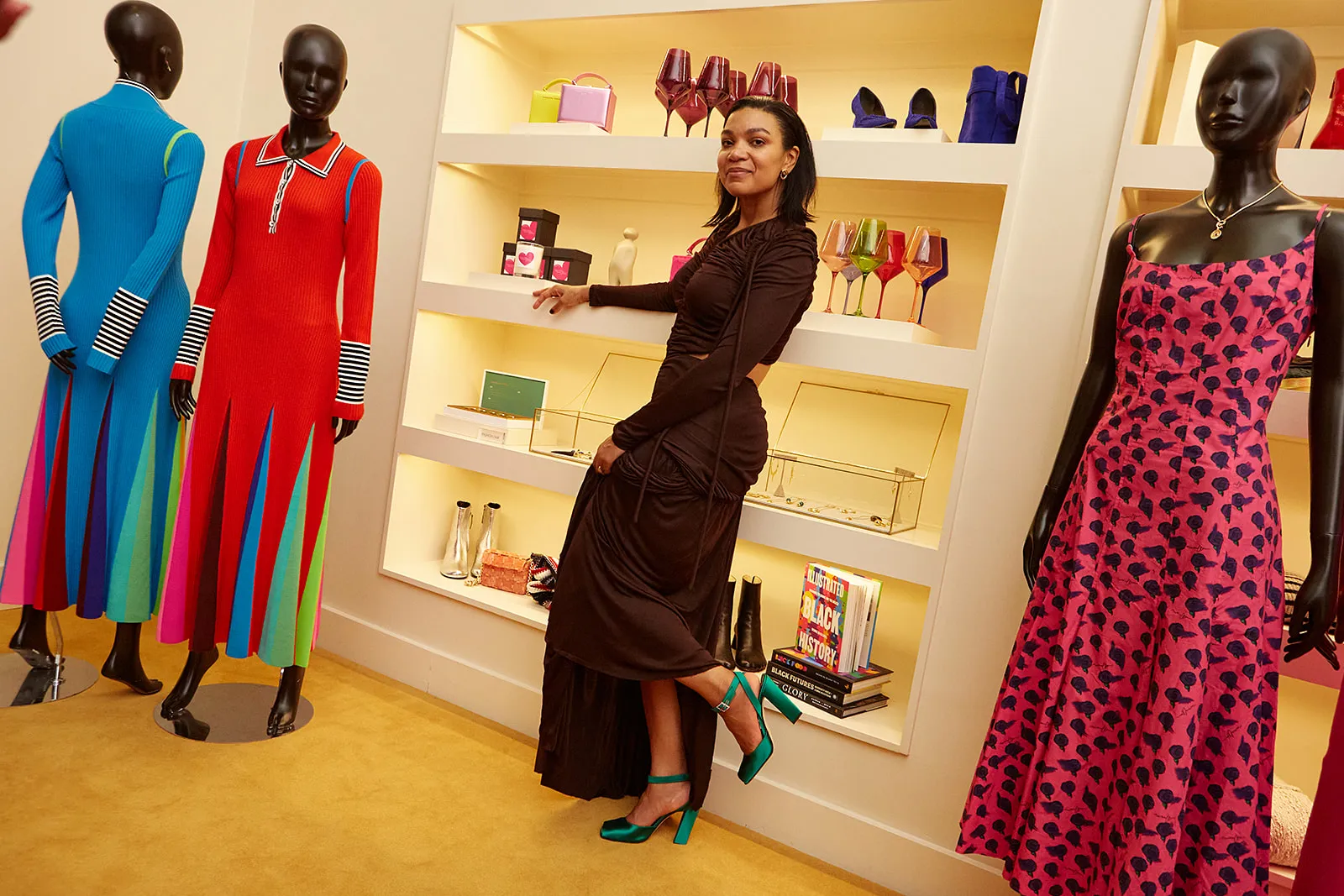
It knows which client travels constantly, which one collects emerging designers, which one needs tailoring for work, which one responds to handwork, which one will pay for rarity and which one has reached saturation with a particular silhouette. That information influences buying, styling, outreach and inventory movement.
Fashion technology tries to learn similar things through behavioural data. The independent retailer gathers them through relationships.
Neither system possesses automatic superiority. Human buyers carry biases, repeat familiar aesthetics and can create closed circles where the same customers and designers continually validate one another. Algorithms can surface products across enormous inventories and learn behavioural patterns at extraordinary speed. The useful distinction lies in accountability.
A buyer has capital attached to her judgment.
She orders the garment months before knowing exactly how customers will respond. She owns the consequences of her edit. Good taste becomes measurable when invoices arrive.
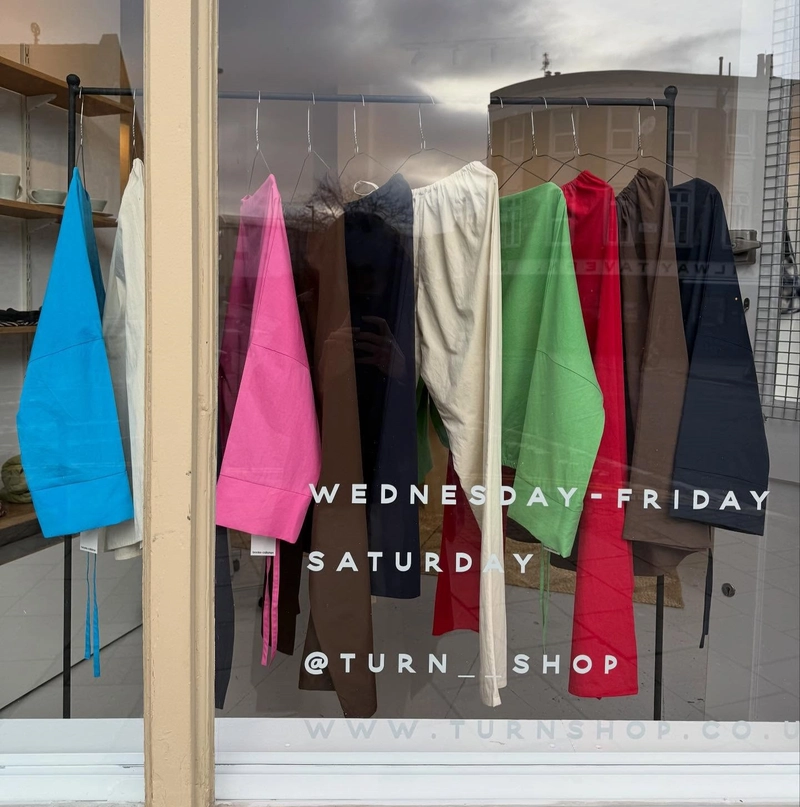
That explains why the future of independent retail should avoid nostalgia. The answer cannot be a sentimental return to the old shopkeeper while technology moves elsewhere. Garmentory, itself built around independent boutiques, has already invested in AI-led discovery. Cult Mia reportedly accepts around 10 percent of roughly 250 brand applications each month. Both models combine filtering with technology.
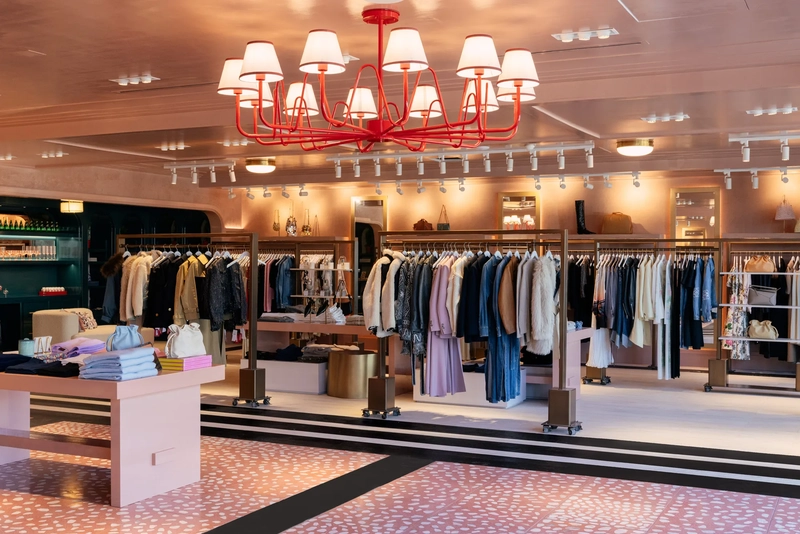
The strongest future likely belongs to retailers that understand the difference between access and authority.
Access can scale almost infinitely.
Authority has to be earned repeatedly.
That may be the most revealing part of Saks Global’s restructuring. When the company emerged from bankruptcy as Exemplar Luxury Group in June, its renewed strategy emphasised customer experience and a more focused luxury retail operation. A giant retailer entered its next chapter rediscovering principles that independent shops have long depended upon: sharper merchandise, stronger service and a customer relationship capable of surviving beyond the transaction.
Independent retail still carries fragile economics, concentrated inventory risk, limited purchasing power and dependence on customers whose loyalty can shift quickly. Their current momentum represents an opportunity, not immunity.