MENU
Close





The balance of fashion power is shifting. No longer confined to Paris’s gilded salons or New York’s lofts, the style conversation is now shaped by Tokyo, Seoul, Shanghai, and Copenhagen — cities where culture, commerce, and creativity are rewriting the rules of what it means to be a fashion capital.
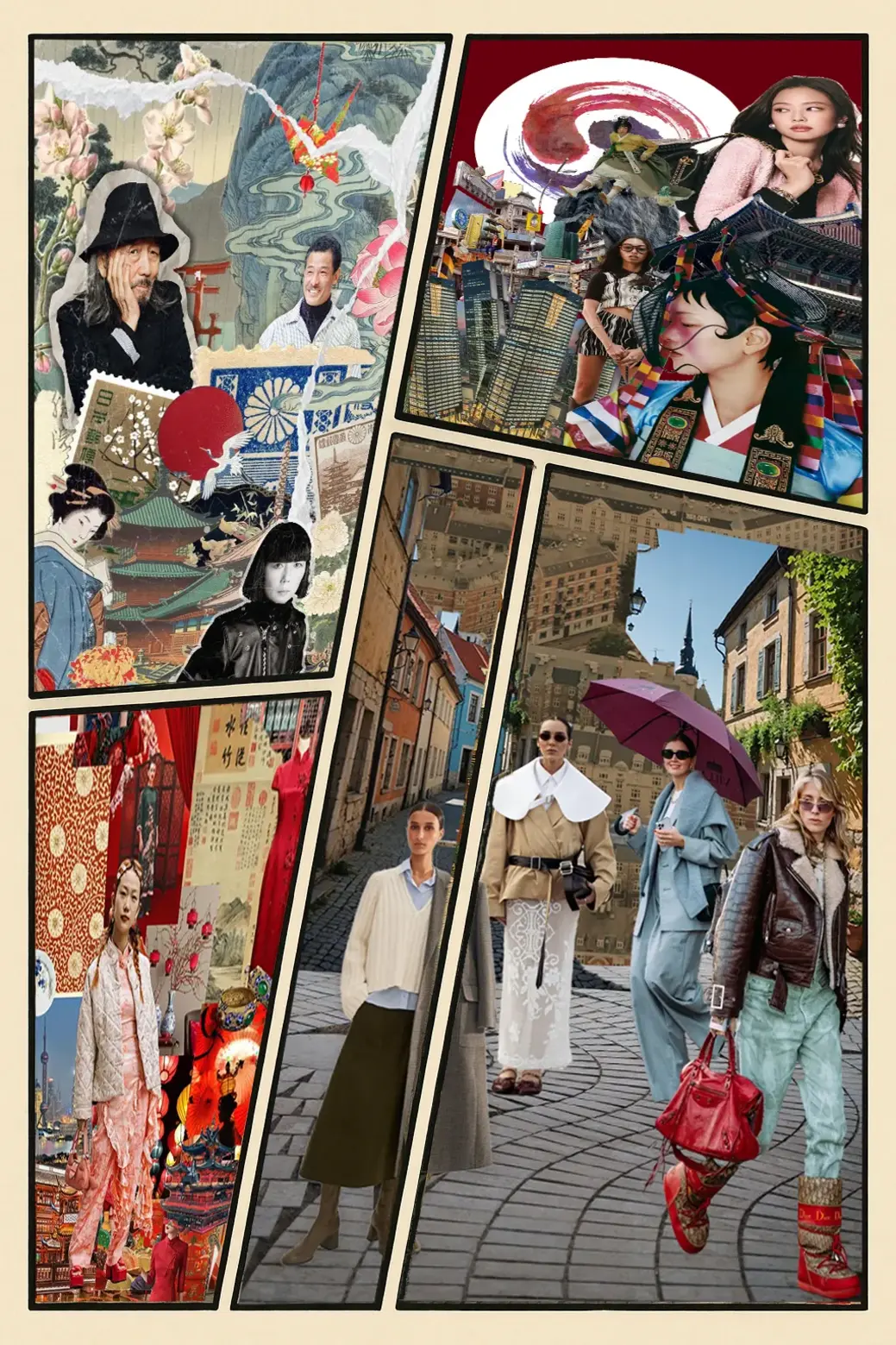
The balance of fashion power is shifting. No longer confined to Paris’s gilded salons or New York’s lofts, the style conversation is now shaped by Tokyo, Seoul, Shanghai, and Copenhagen — cities where culture, commerce, and creativity are rewriting the rules of what it means to be a fashion capital.
November 29, 2025
Advertisement

Advertisement



Fashion has always been a passport, crossing borders with ease and carrying ideas faster than any diplomat could. For decades, the “Big Four” — Paris, Milan, New York, London — ruled with imperial authority, dictating silhouettes, palettes, and even hemlines. But in 2025, the symphony sounds different. A new quartet has emerged, its tone sharper, bolder, and decidedly more global: Tokyo, Seoul, Shanghai, Copenhagen. These cities are not merely staging fashion weeks; they are reframing the narrative of style itself.

Tokyo does not simply join the fashion conversation — it disrupts it. Imagine a city dressed in contradiction: a geisha’s kimono paired with spiked boots, a samurai’s armor reimagined as architectural drapery. The revolution began in the 1980s, when Rei Kawakubo, Yohji Yamamoto, and Issey Miyake stormed Paris, dismantling the Western hourglass and replacing it with asymmetry and intellect. “I want girls to feel safe in Yohji clothes,” Yamamoto once said — and he meant it literally, offering garments as shields rather than seductions.
That rebellious spirit is still Tokyo’s heartbeat. Harajuku’s labyrinth of side streets is a living runway, where teens layer vintage Comme des Garçons with manga-inspired accessories, turning sidewalks into mood boards. Luxury houses are paying attention: Kering reports double-digit growth in Japan, even as other markets cool. The weak yen has lured global shoppers, and Tokyo’s legendary customer service — from private “gaisho” shopping salons to perfectly wrapped purchases — has turned the city into Asia’s most refined luxury destination.
Tokyo does not just follow fashion cycles; it bends them, proving that eccentricity can be both commercial and couture.
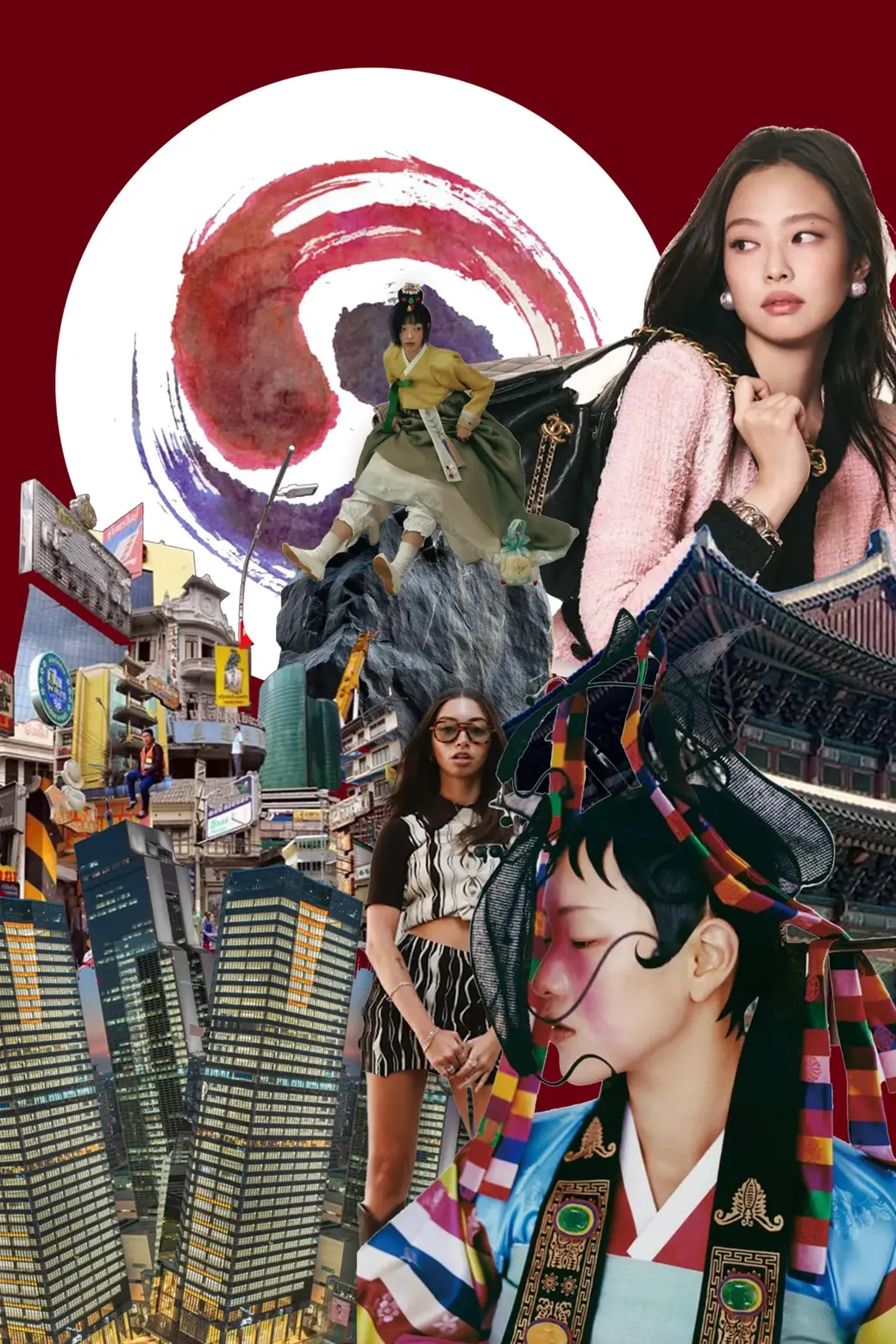
If Tokyo is the philosopher of fashion, Seoul is its pop star. Once a quiet consumer of Western trends, the city now exports them — amplified by the unstoppable force of the Korean Wave. BTS, Blackpink, and K-dramas have transformed hanbok silhouettes, streetwear codes, and even beauty rituals into global obsessions.
South Koreans are the world’s top per-capita luxury shoppers, and their influence is reshaping retail. When Dior staged its Fall/Winter 2022 show in Seoul, it was not just spectacle — it was strategy. The city has become a bellwether, where a look’s success on the runway is measured as much in Instagram posts as in sales figures.
Seoul’s fashion DNA is sleek and fearless: oversized coats, sculptural tailoring, neutral palettes punctuated by electric accents. Local brands like Low Classic, Andersson Bell, and Minju Kim are finding Western audiences eager for their polished minimalism. Even the retail landscape feels curated for discovery: Garosugil in Gangnam is lined with concept stores that merge fashion, art, and coffee culture, while Dongdaemun Design Plaza, Zaha Hadid’s gleaming landmark, serves as the city’s futuristic catwalk.
Seoul no longer borrows from fashion capitals — it sets the tempo.
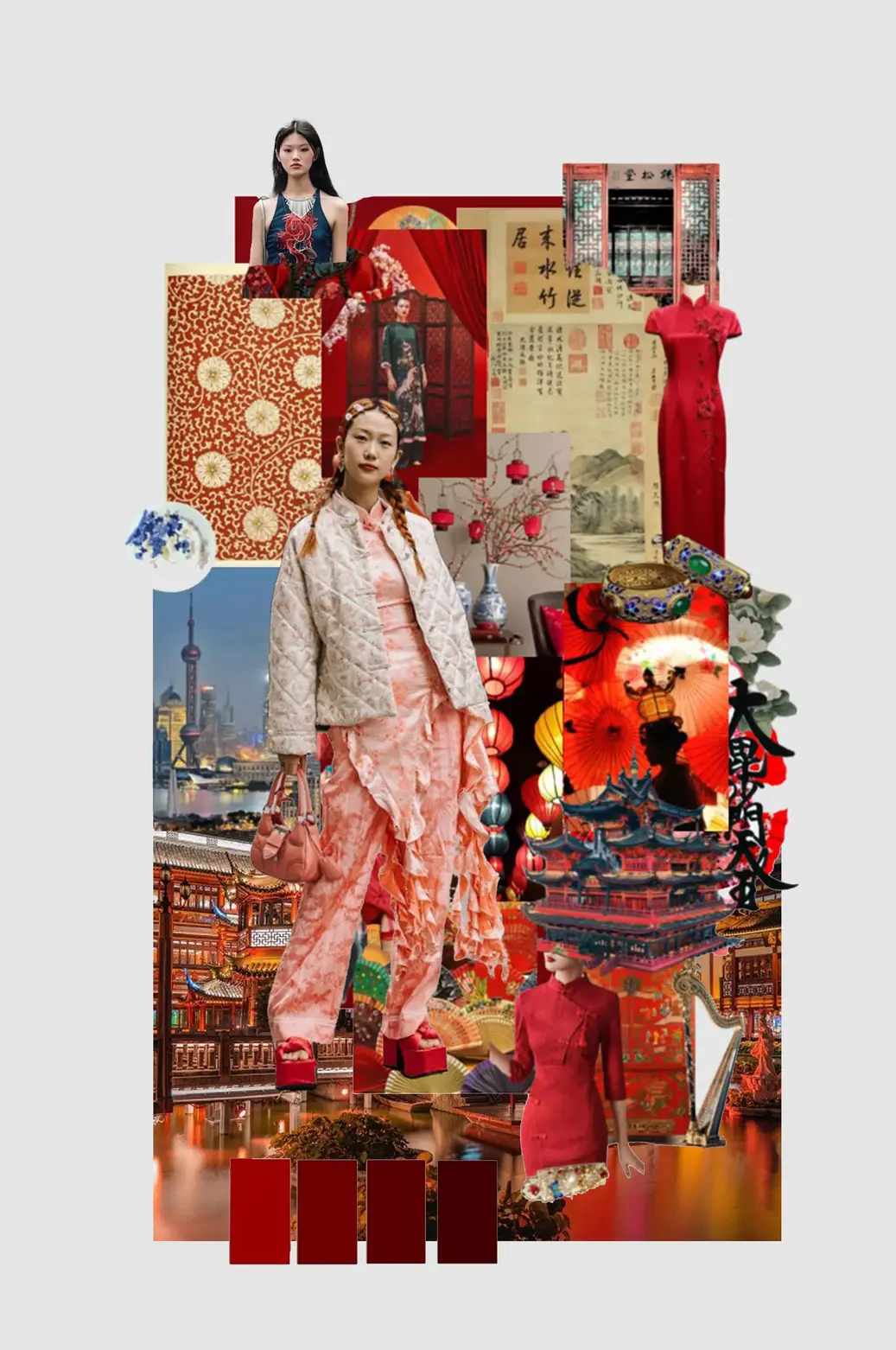
Shanghai is not subtle — and that is precisely its charm. The city that dazzled in the 1920s has reclaimed its title as China’s fashion capital with a vengeance. International brands are locked in a race to secure flagships along West Nanjing Road, where malls look more like cathedrals of luxury. Shanghai Fashion Week now draws millions of viewers online, a hybrid of couture spectacle and digital innovation.
Here, fashion is status, but it’s also performance art. Street style is high-octane: Balenciaga sneakers under cheongsam-inspired coats, Louis Vuitton trunks as casual props. Local designers — Ziggy Chen, Uma Wang, Samuel Guì Yang — are rising fast, offering collections that channel China’s cultural heritage with a contemporary edge.
“When I started attending shows abroad, people would dismiss me — ‘Oh, so you are from China,’” designer Lu Kun recalls. “Now they lean in.” Shanghai has flipped the narrative: no longer a market to conquer, but a stage the world must respect.

And then there’s Copenhagen, the quiet radical, which is signature of Scandi style. This Nordic capital has turned sustainability from a trend into a mandate. Since 2023, Copenhagen Fashion Week has required participating brands to meet 18 strict sustainability criteria — from material sourcing to inclusivity — making it the most progressive of the fashion weeks.
Its style is a study in contrast: practical yet playful, minimal yet romantic. Balloon trousers meet boxy blazers, sherbet-pink scarves brighten neutral trenches, and recycled fabrics are cut so precisely they feel couture. This is not virtue signaling - it is proof that ethics and aesthetics can coexist.
Retail reflects the same ethos: concept stores like Storm merge avant-garde fashion with art and design, while ILLUM curates global luxury with Scandinavian restraint. In Copenhagen, fashion feels less like a performance and more like a conversation about how we live - and how we will live tomorrow.
Together, Tokyo, Seoul, Shanghai, and Copenhagen are redrawing fashion’s map. They are proof that creativity no longer flows from a single Western fountain but from a constellation of global nodes, each with its own aesthetic grammar and cultural currency.
For Paris, Milan, New York, and London, the message is clear: the monopoly is over. The future of fashion is a dialogue — bold, diverse, and borderless. And if you listen closely, you can hear the rhythm of this new quartet, playing fashion’s next movement.
Advertisement