MENU
Close





The 1920s revival has returned with the restless energy of a party that never really ended.
The 1920s revival has returned with the restless energy of a party that never really ended.
August 30, 2026
Advertisement
Advertisement


The ballroom already feels half-remembered: mirrored walls, lacquered surfaces, champagne flashing beneath chandeliers, fringe trembling before anyone fully starts to dance. In 2026, the glamorous 1920s revival lands with surprising freshness, as though the room has been waiting a century for the music to catch up again.
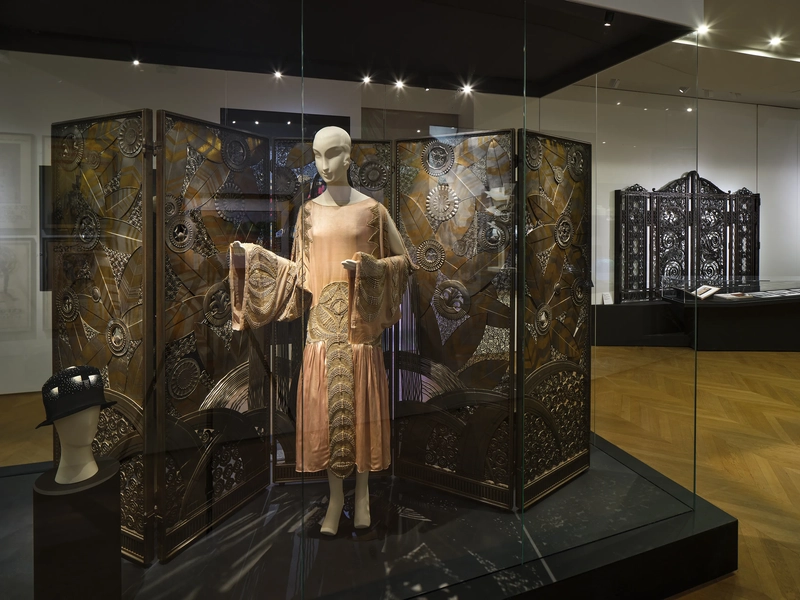
A century had passed since Paris staged the 1925 International Exhibition of Modern Decorative and Industrial Arts, the event that pushed Art Deco onto the global stage. The Musée des Arts Décoratifs carried that centenary into April 2026 with 1925–2025: One Hundred Years of Art Deco, gathering nearly 1,000 works across furniture, jewelry, graphics, architecture and fashion.
The 1920s revival has arrived during another cultural appetite for movement. Its strongest contemporary expressions carry the physicality of the Jazz Age.
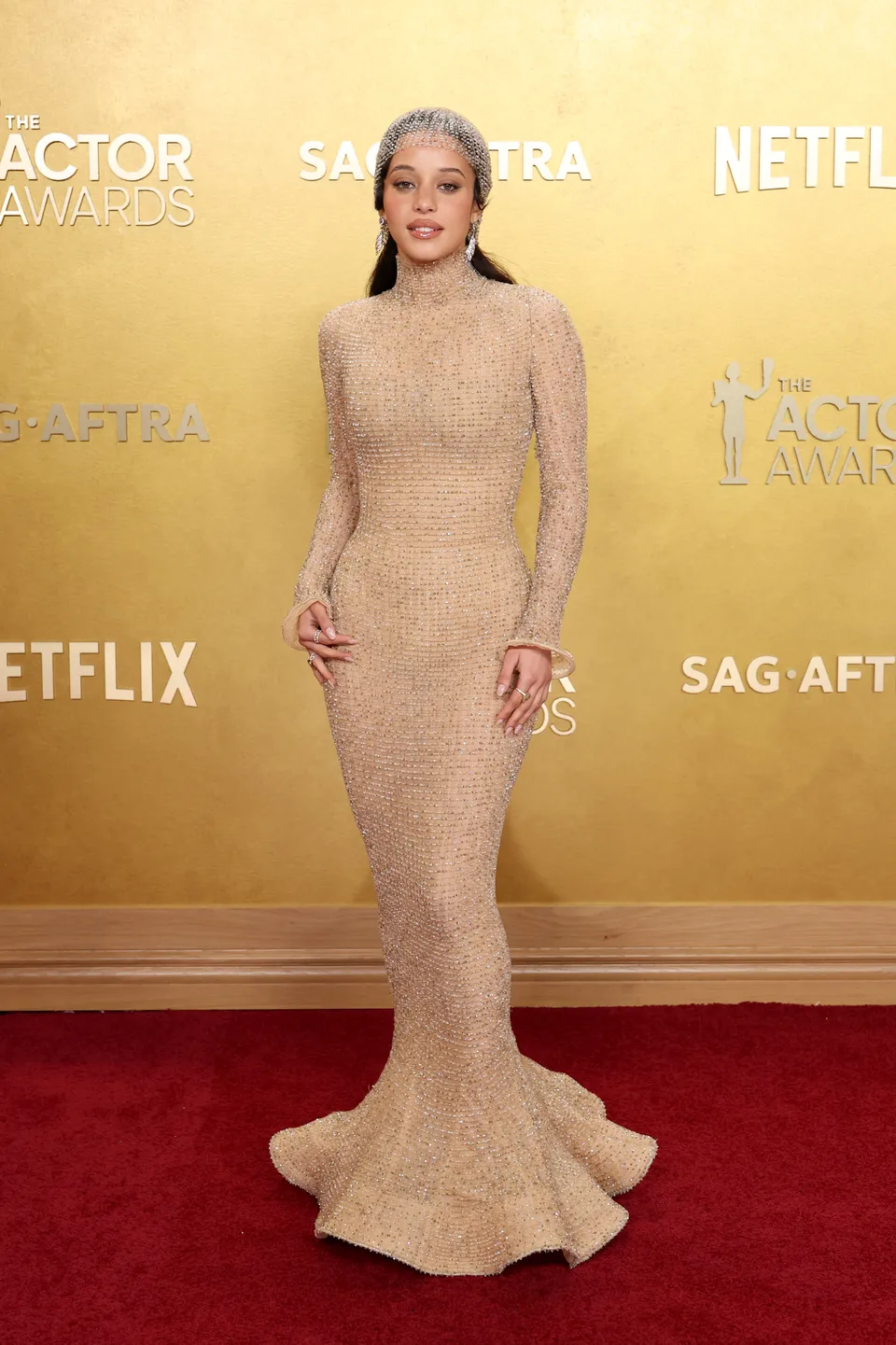
Chase Infiniti arrived in custom Louis Vuitton with a flapper-worthy crystal headpiece and a gown carrying approximately 92,000 crystals. The dress took around 300 hours to construct; the headpiece took another 40.
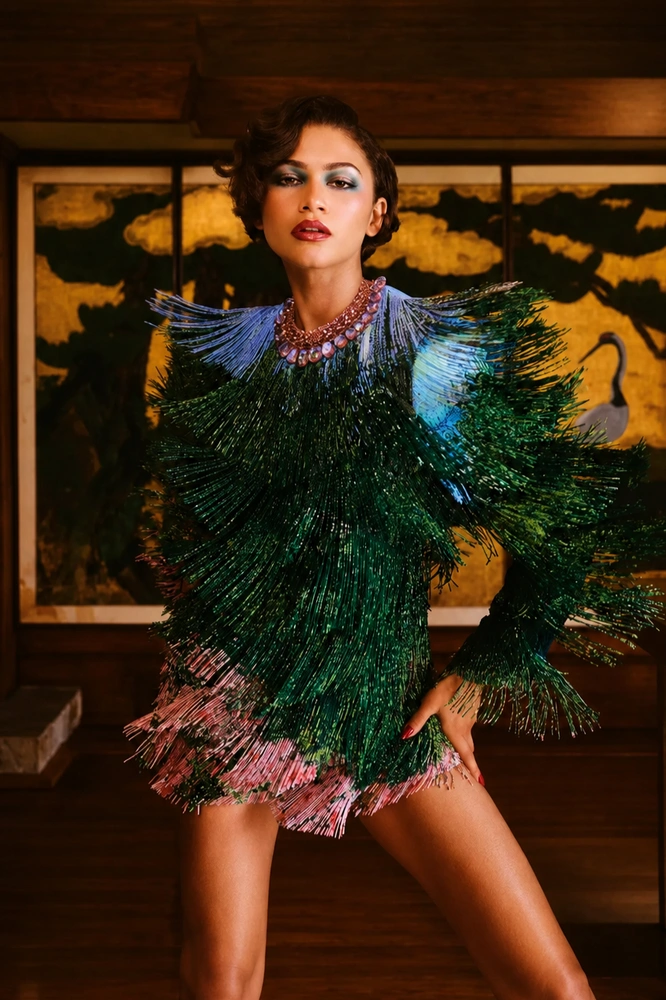
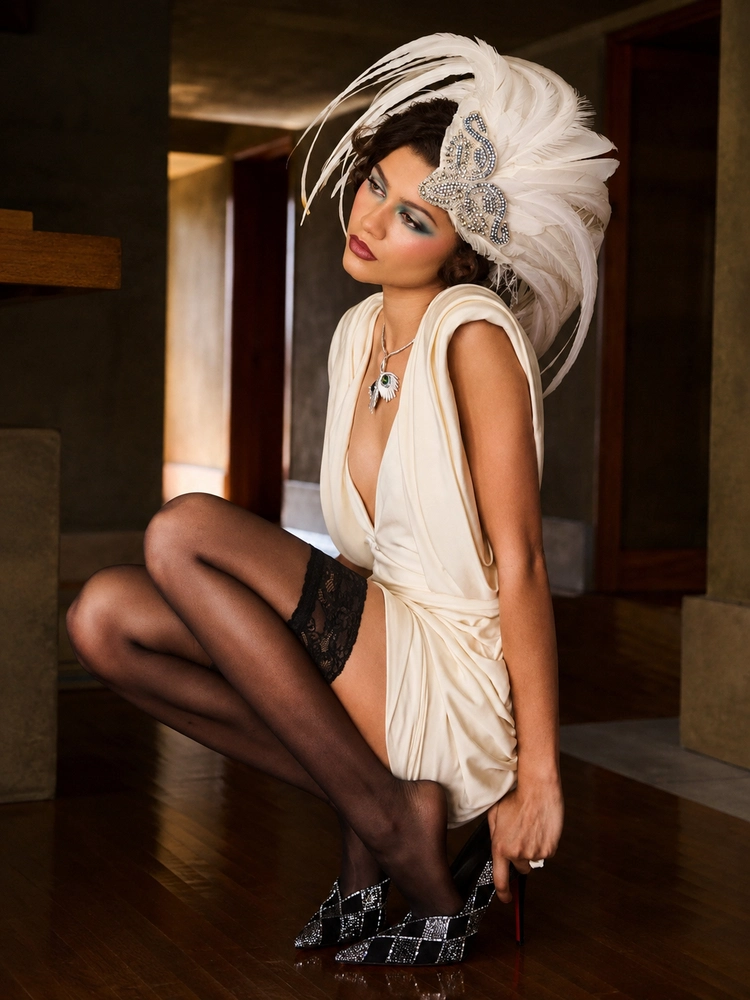
The same flapper current slipped into print in May, when Zendaya, photographed by Nicole Heiniger and styled by Law Roach for Vogue Brasil, wore fringe dresses that turned every movement into a cascade of Jazz Age texture, extending the 1920s revival beyond the red carpet and into fashion editorial.
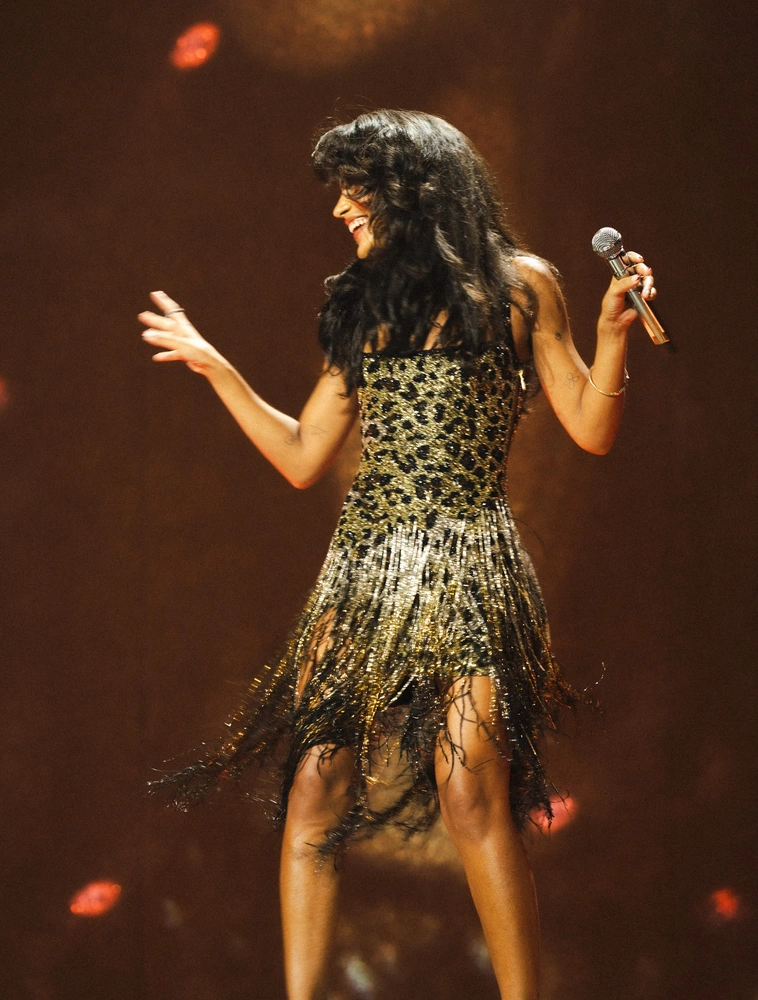
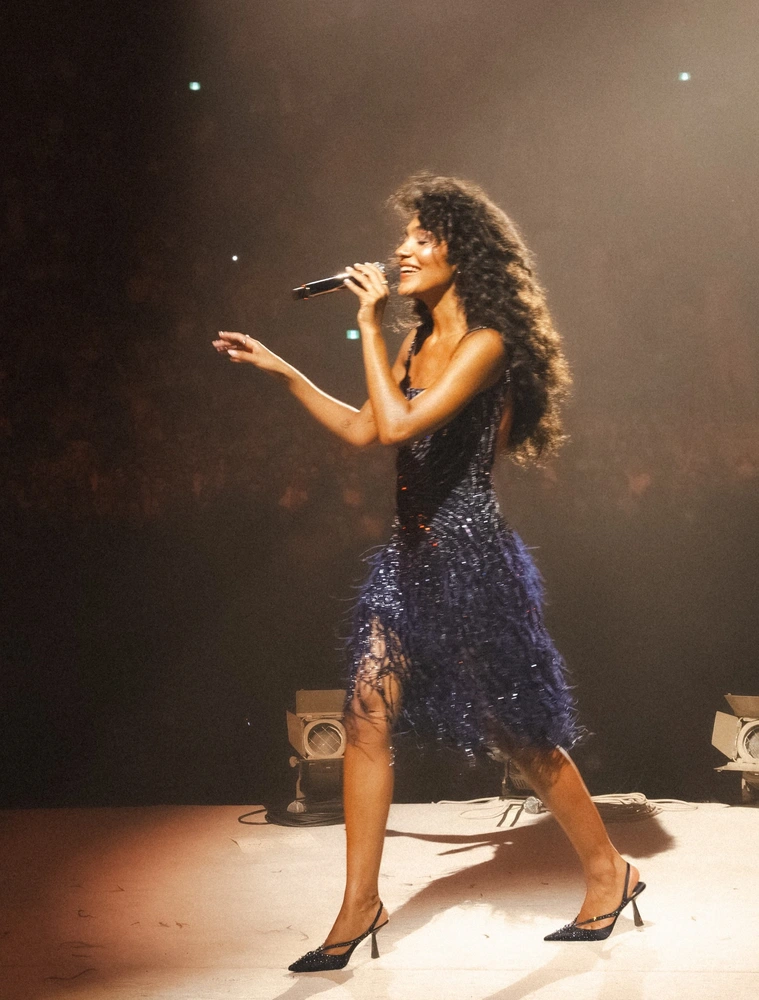
During her The Art of Loving arena tour, Olivia Dean performed in custom Clio Peppiatt minidresses covered in crystal Art Deco braid patterns, finished with fringe and feathers. Under stage lights, the decoration flickered as Dean moved through “Man I Need.”
That relationship between fashion and performance also runs through Erté, whose 2026 exhibition Style Is Everything at Labirinto della Masone gathers over 150 works spanning illustration, costume, theater and music hall. His elongated figures and sophisticated geometries helped construct the fantasy of interwar glamour through bodies designed to command a stage.
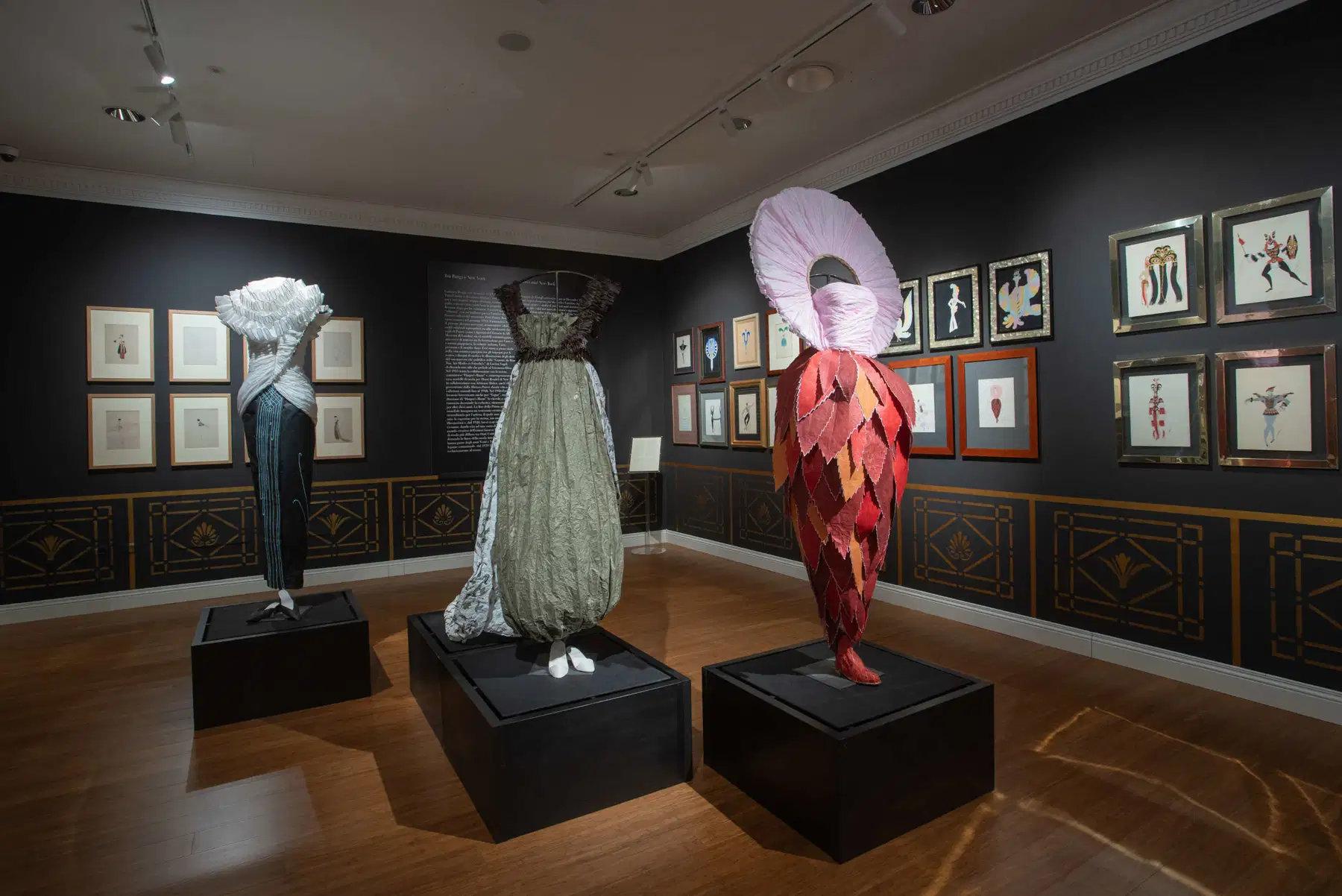
The 1920s revival therefore reaches beyond a fringed party dress. Museums are restoring the visual world. Hollywood has supplied the dress code. Olivia Dean has supplied the music.
For Fall 2026 and Resort 2027, Maximilian Davis returned directly to the 1920s, Ferragamo’s founding decade, drawing from Hollywood starlets, jazz, Surrealism, Cubism and the cultural energy surrounding them.
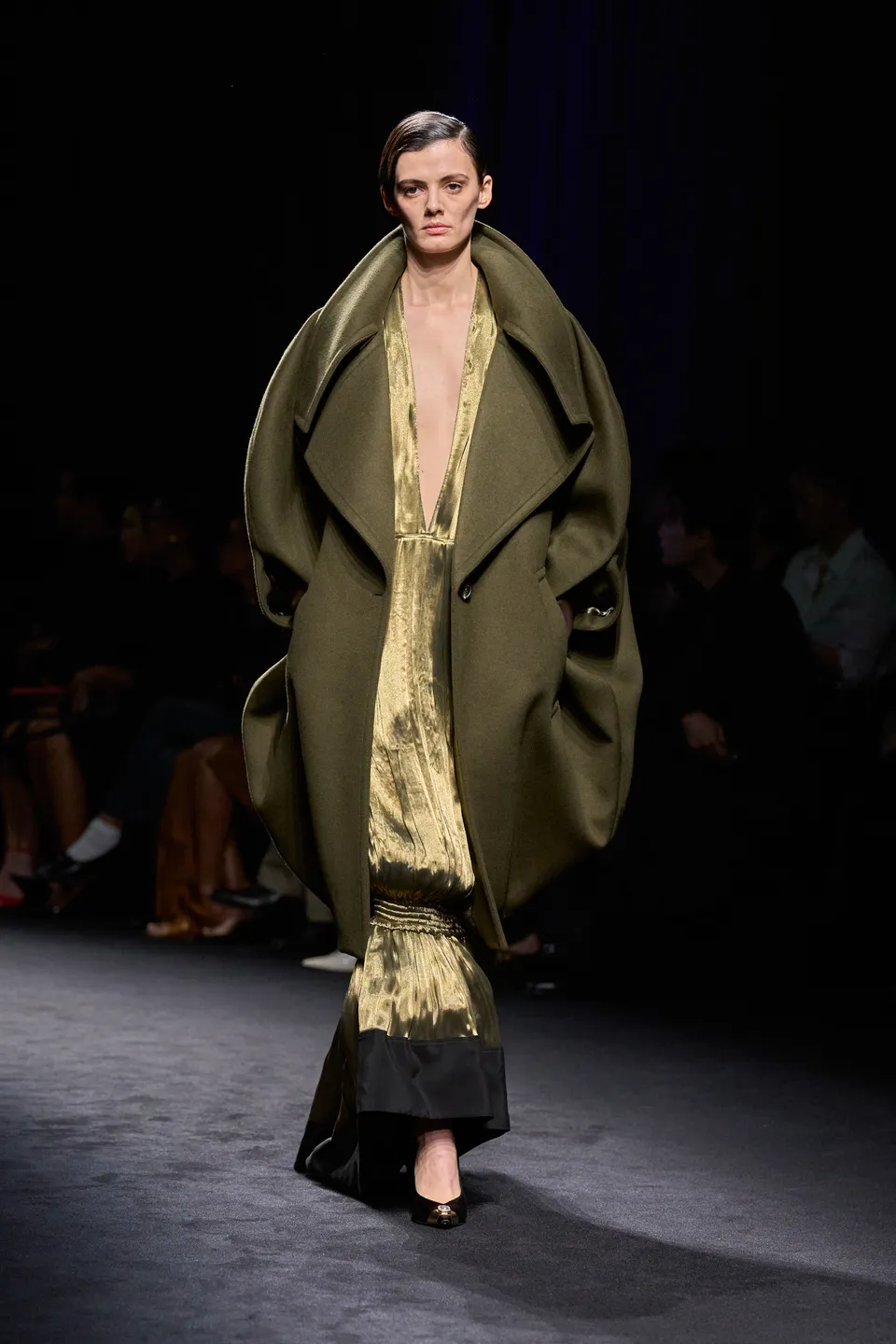
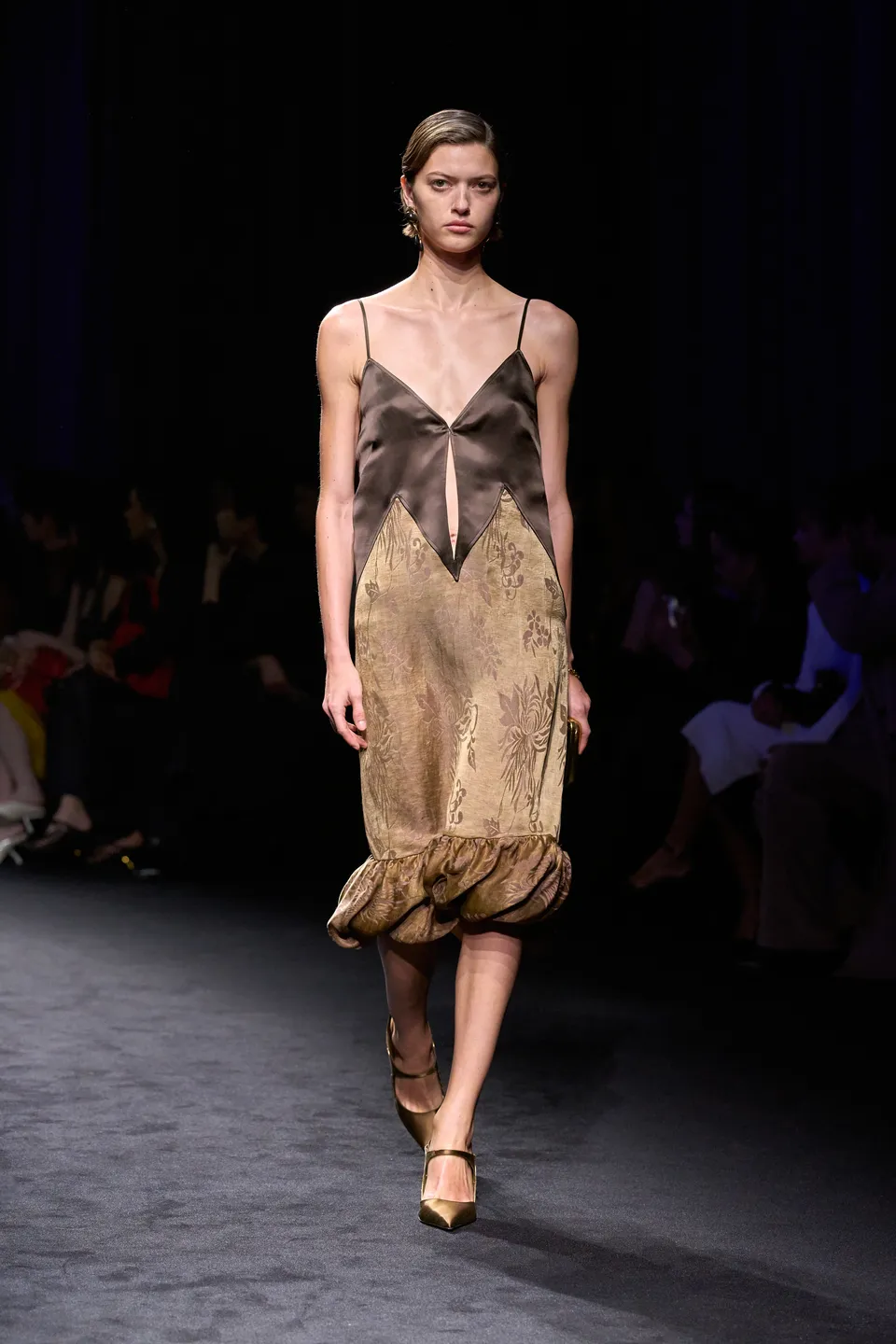
A dropped-waist chiffon dress flashed with panels of gold lamé while fluid silks carried graphic interventions and visible construction lines. Davis also explored the historical wardrobe of the decade through cocoon jackets, hobble silhouettes, stripes and badges.
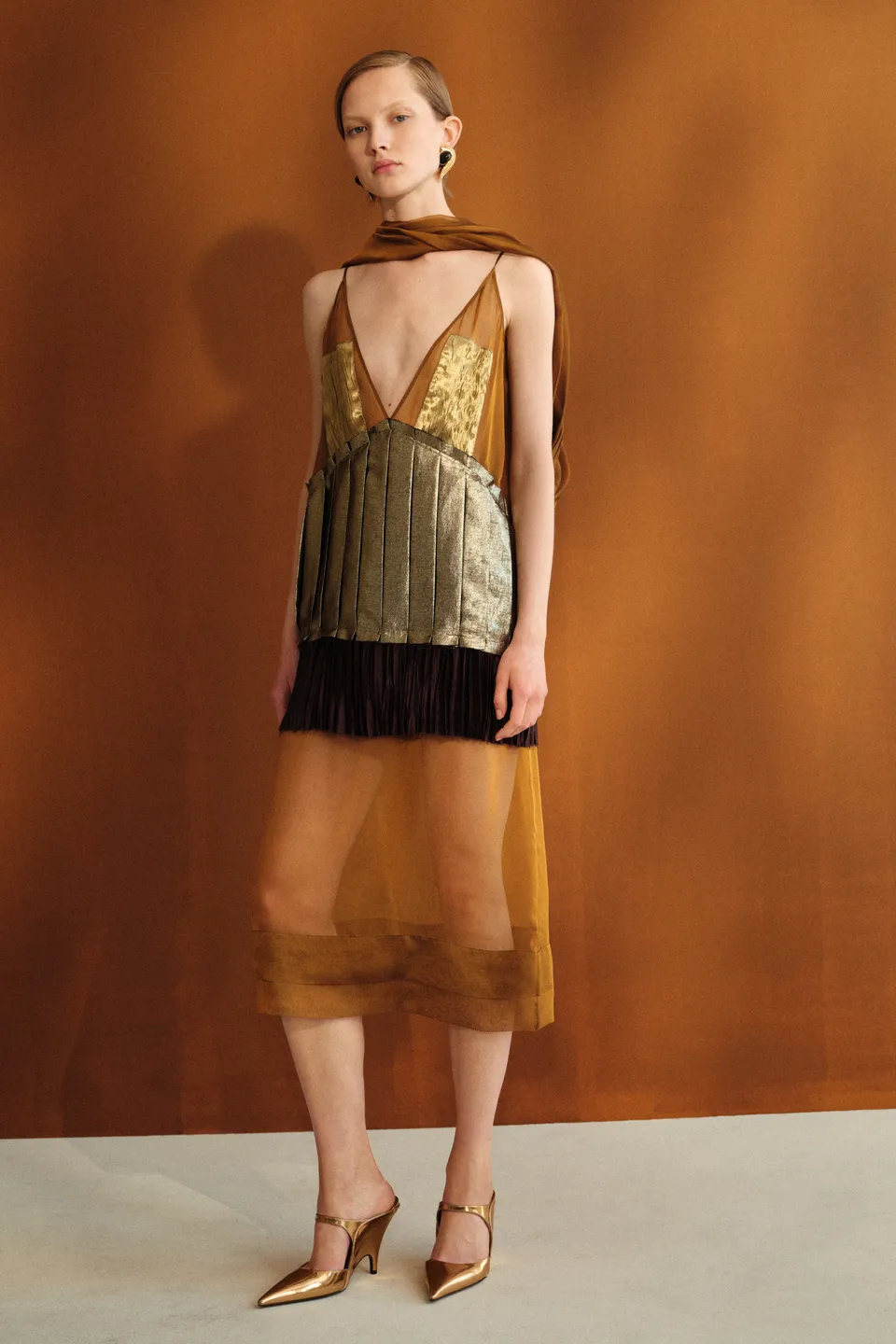
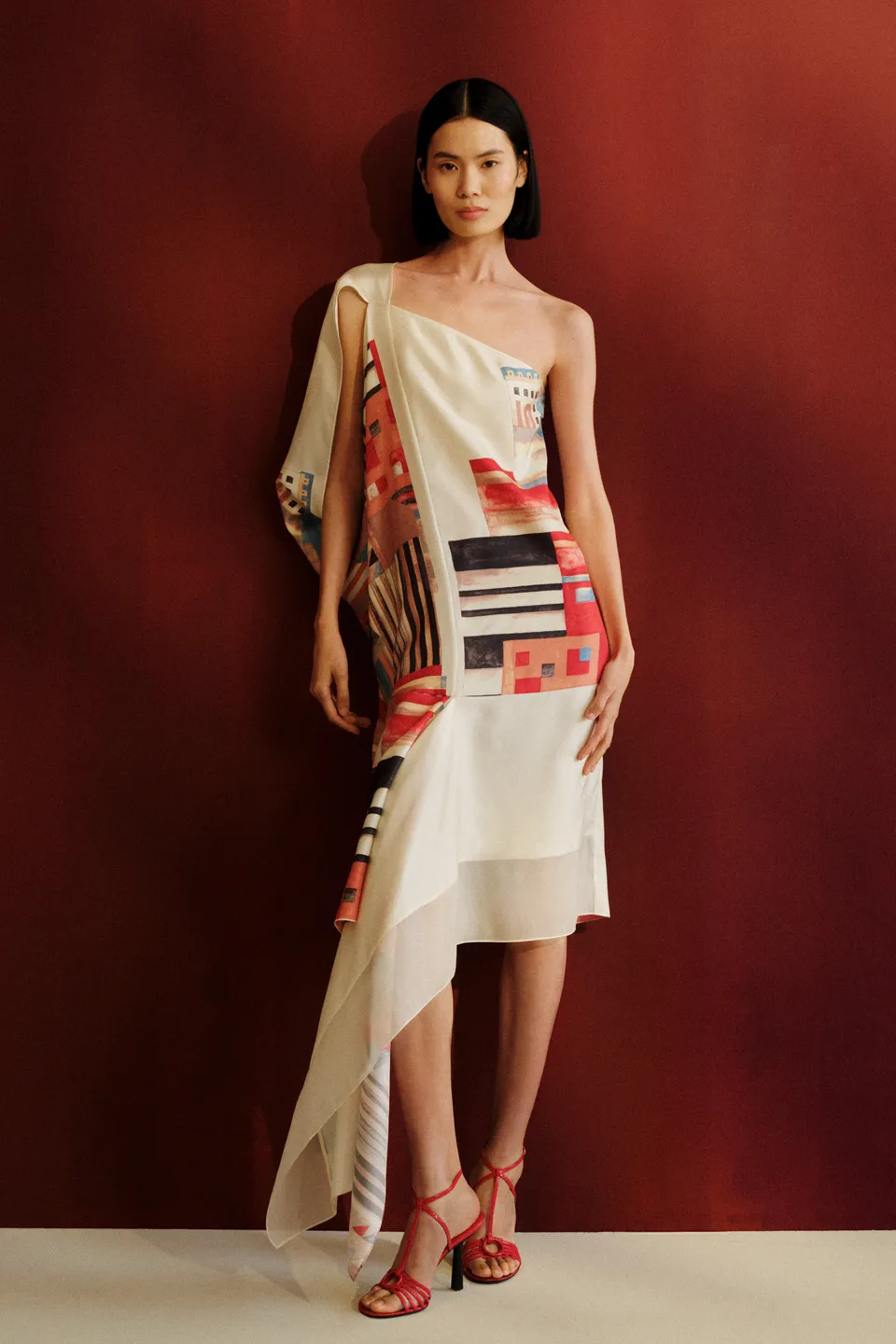
The significance sits inside the decade’s relationship with modern celebrity. Salvatore Ferragamo had worked in California before establishing his Florence company in 1927, building shoes for figures connected to cinema. Ferragamo’s 1920s revival taps the moment when the machinery began accelerating.
At Chanel, the decade sits even deeper in the architecture of the house.
For Fall 2026, Matthieu Blazy quoted Gabrielle Chanel’s belted drop-waist designs from the 1920s, elongating the torso through loose, flapper-inflected shapes. The line itself carries social history. The lowered waist accompanied a woman increasingly associated with movement, work, travel, sport and nightlife.
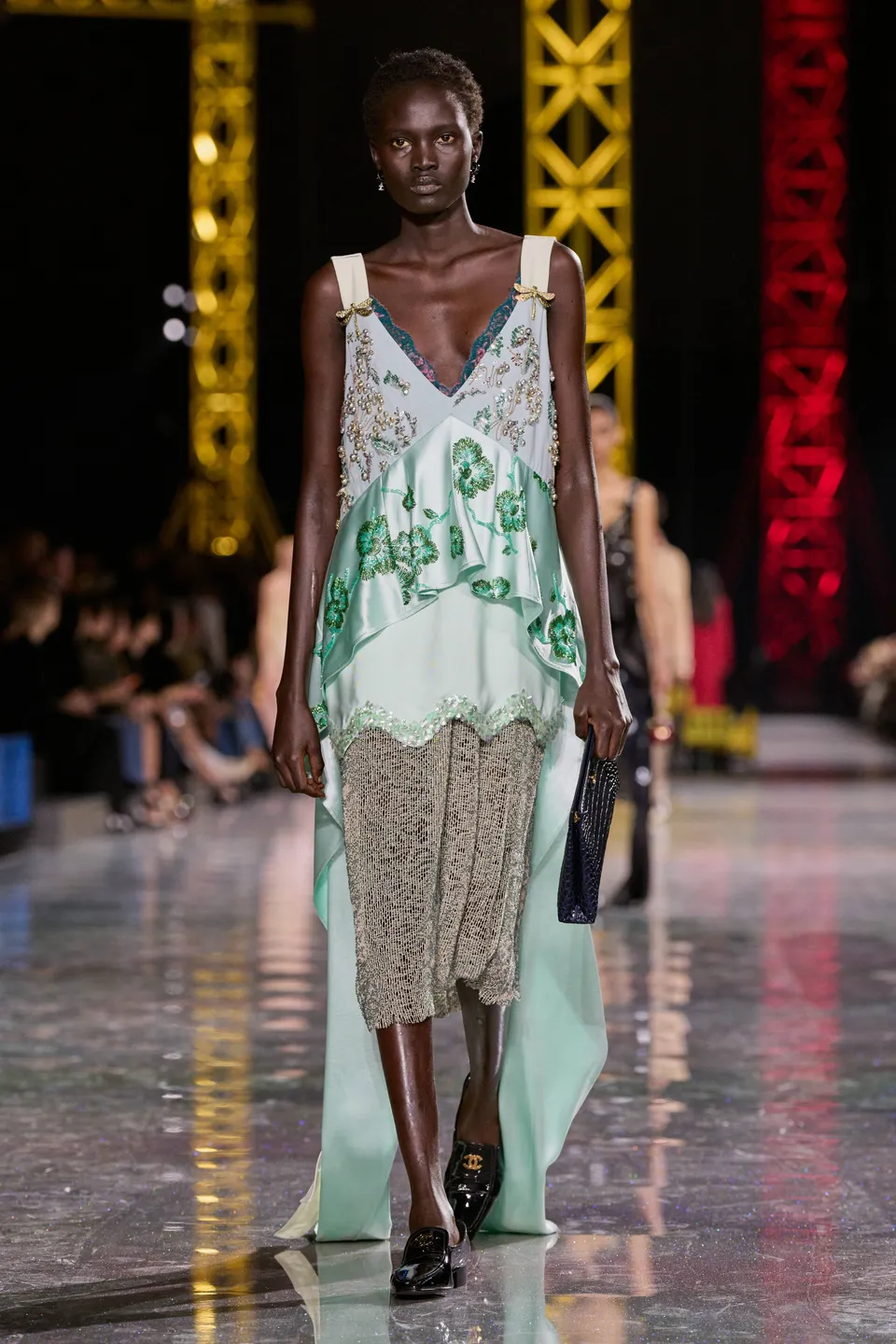
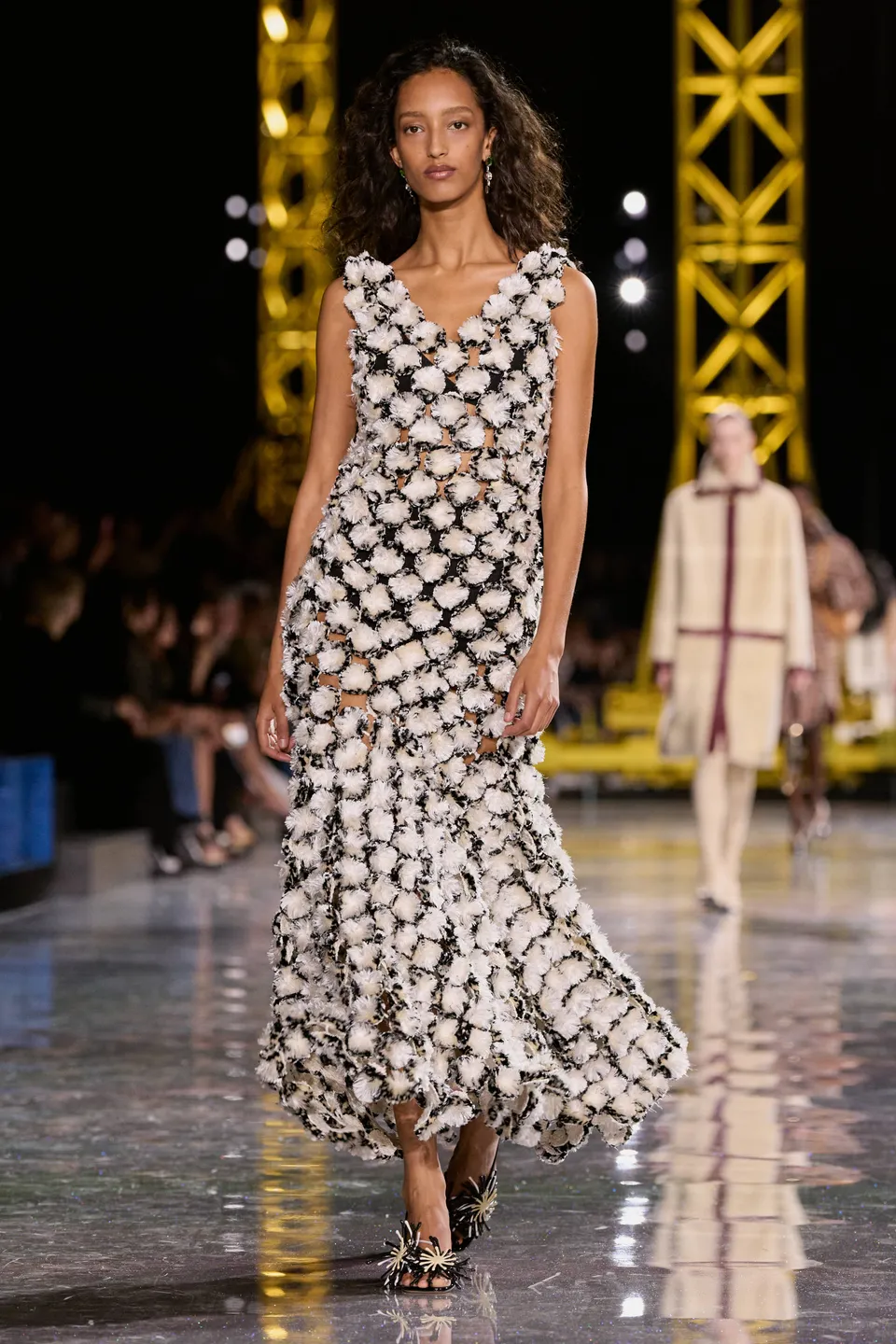
Lanvin gives the trend another form of authority because Jeanne Lanvin actually dressed women through the decade now supplying fashion with inspiration. Peter Copping has described the 1920s as a decisive period in the formation of modern dress, shaped by streamlined silhouettes, craftsmanship, graphic design and changing female freedoms. His work at Lanvin continues to examine Jeanne Lanvin’s embroidery, Art Deco interiors and archival silhouettes.
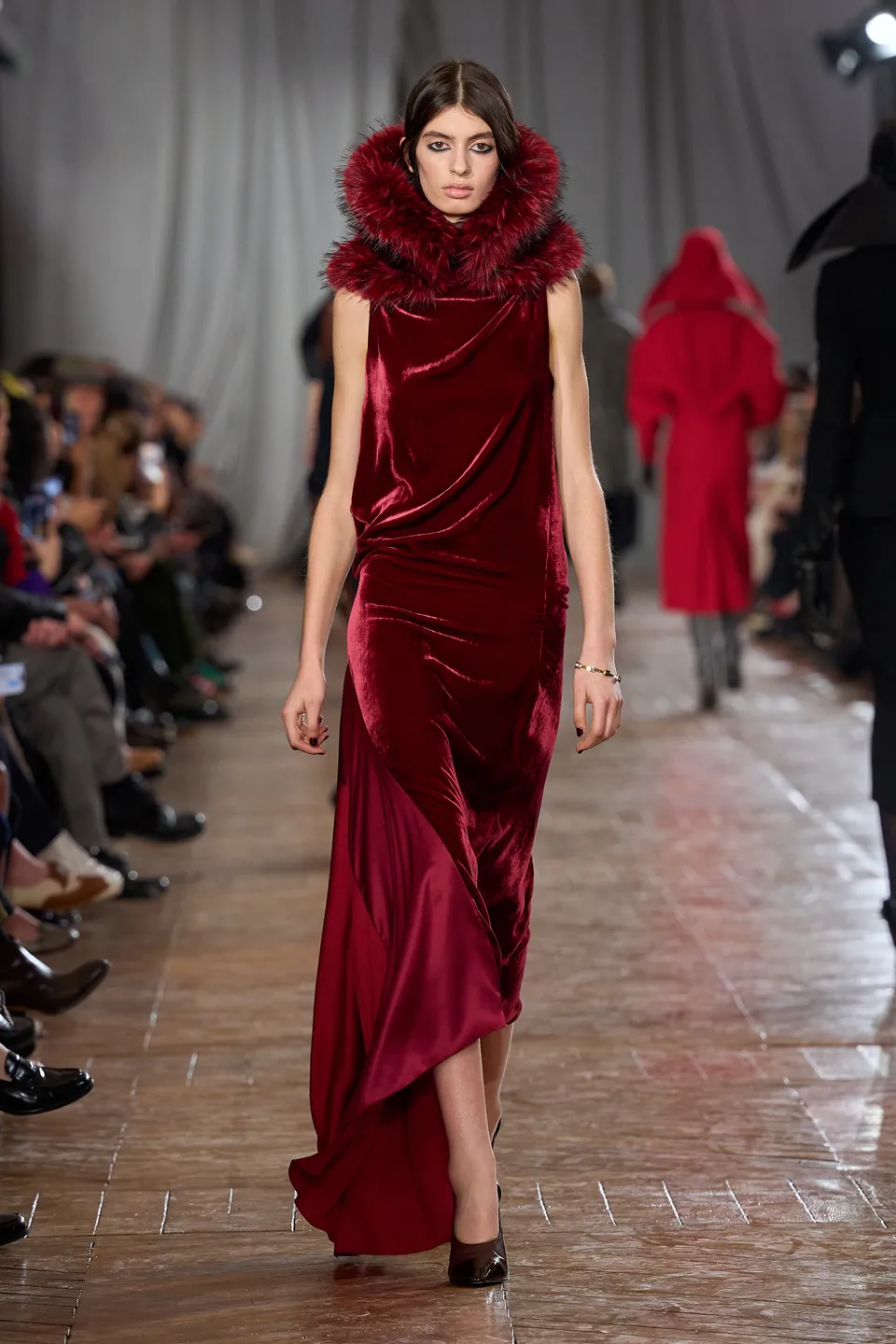
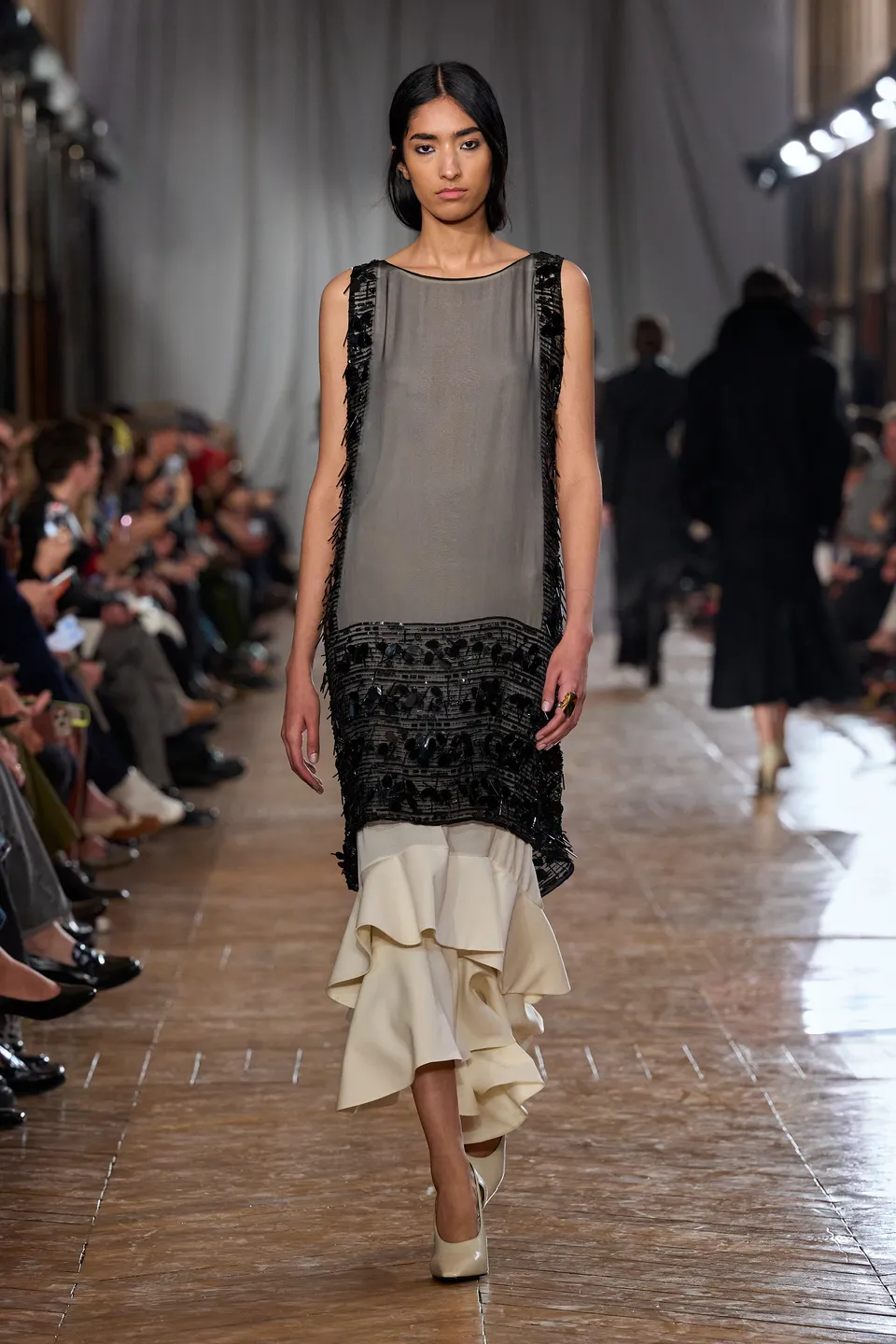
Jeanne Lanvin’s famous mid-1920s robe de style already embodied that creative tension, combining a dropped waist with broad panniered volume. Copping has continued working through those archival codes across recent collections, treating heritage as usable design vocabulary.
Then the rest of the party begins arriving.
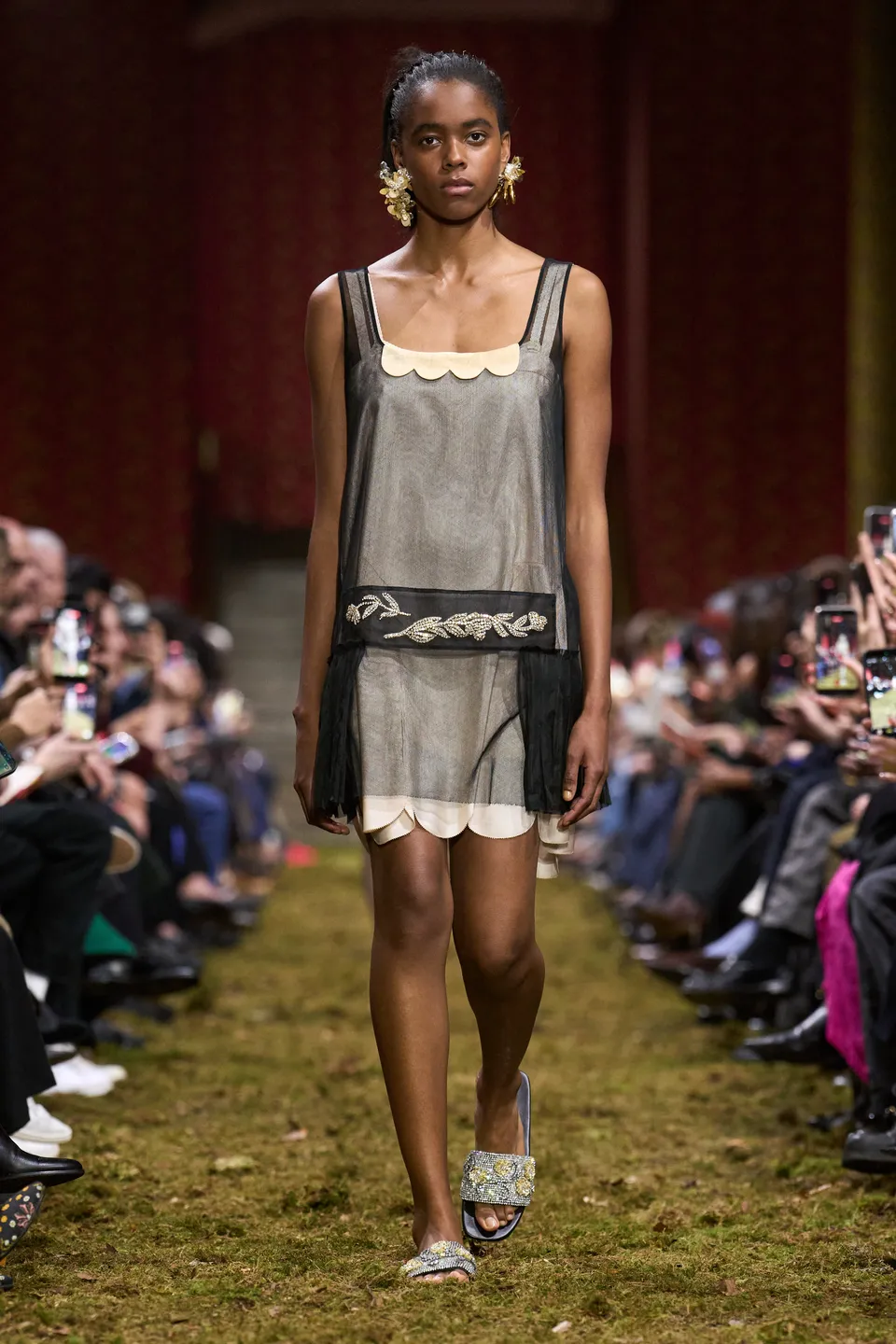
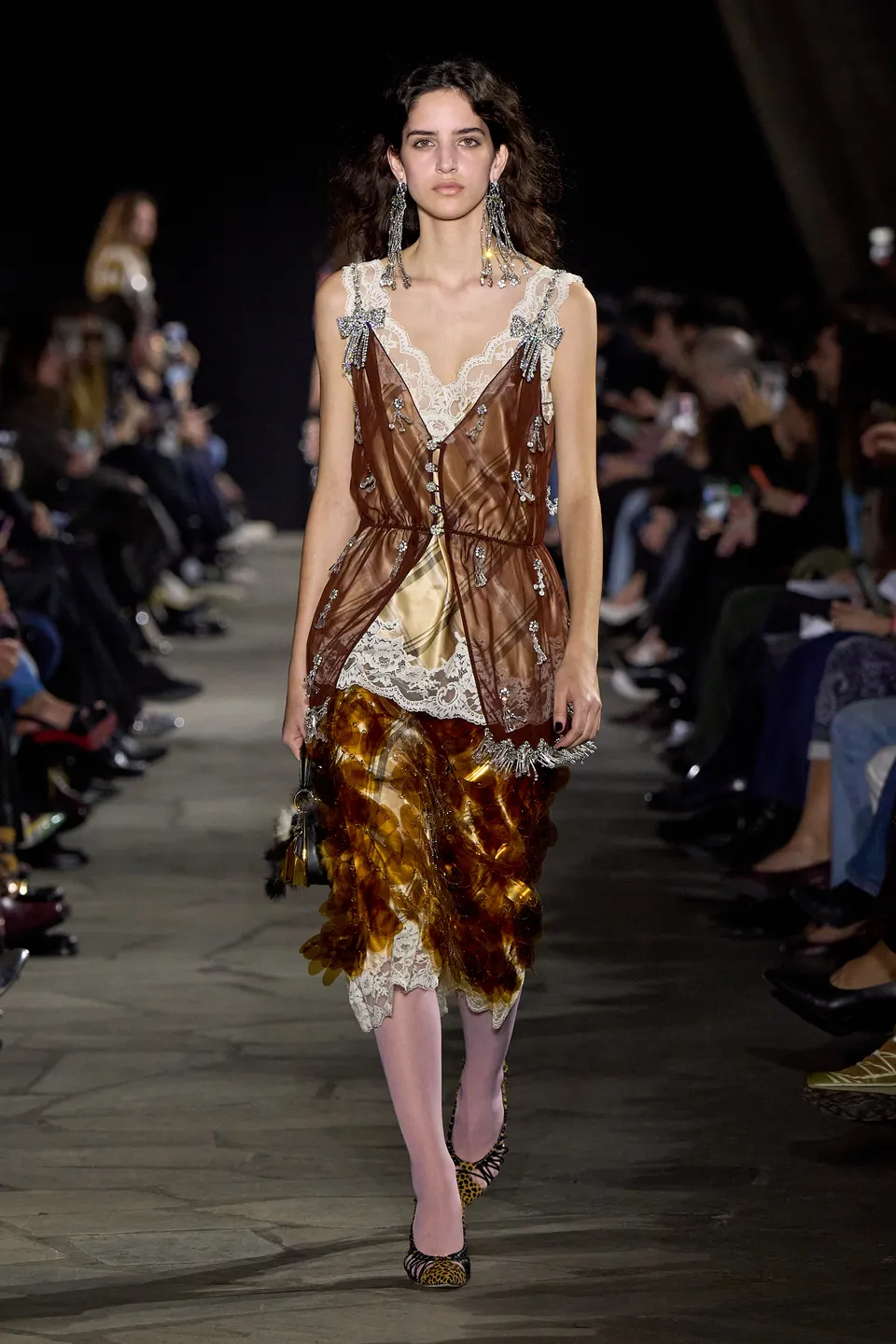
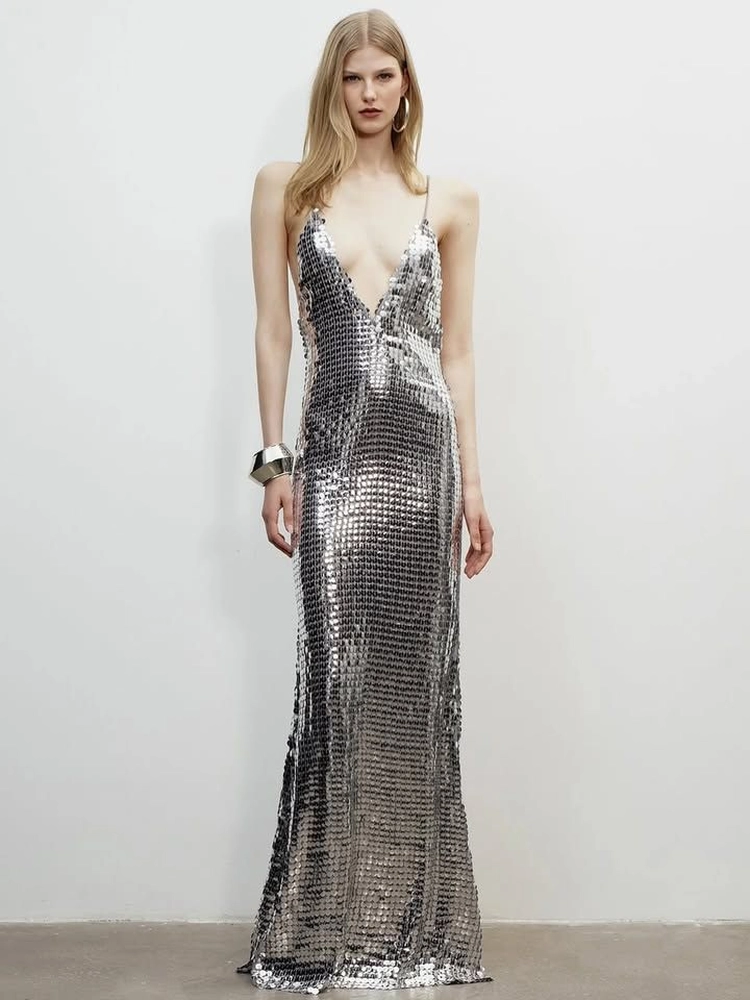
Rabanne sends Jazz Age Deco through zigzag beadwork, embroidered tulle and fringe, letting surface decoration carry the historical signal. Miu Miu closes with 1920s-inflected lingerie shifts, sparkle-embroidered chiffon and scalloped layers, turning the flapper into something intimate, slightly rumpled and poetic.
Emilia Wickstead builds her Fall 2026 collection around Fano Messan, the artist and actress who moved through 1920s Paris alongside Man Ray, Salvador Dalí and Luis Buñuel.
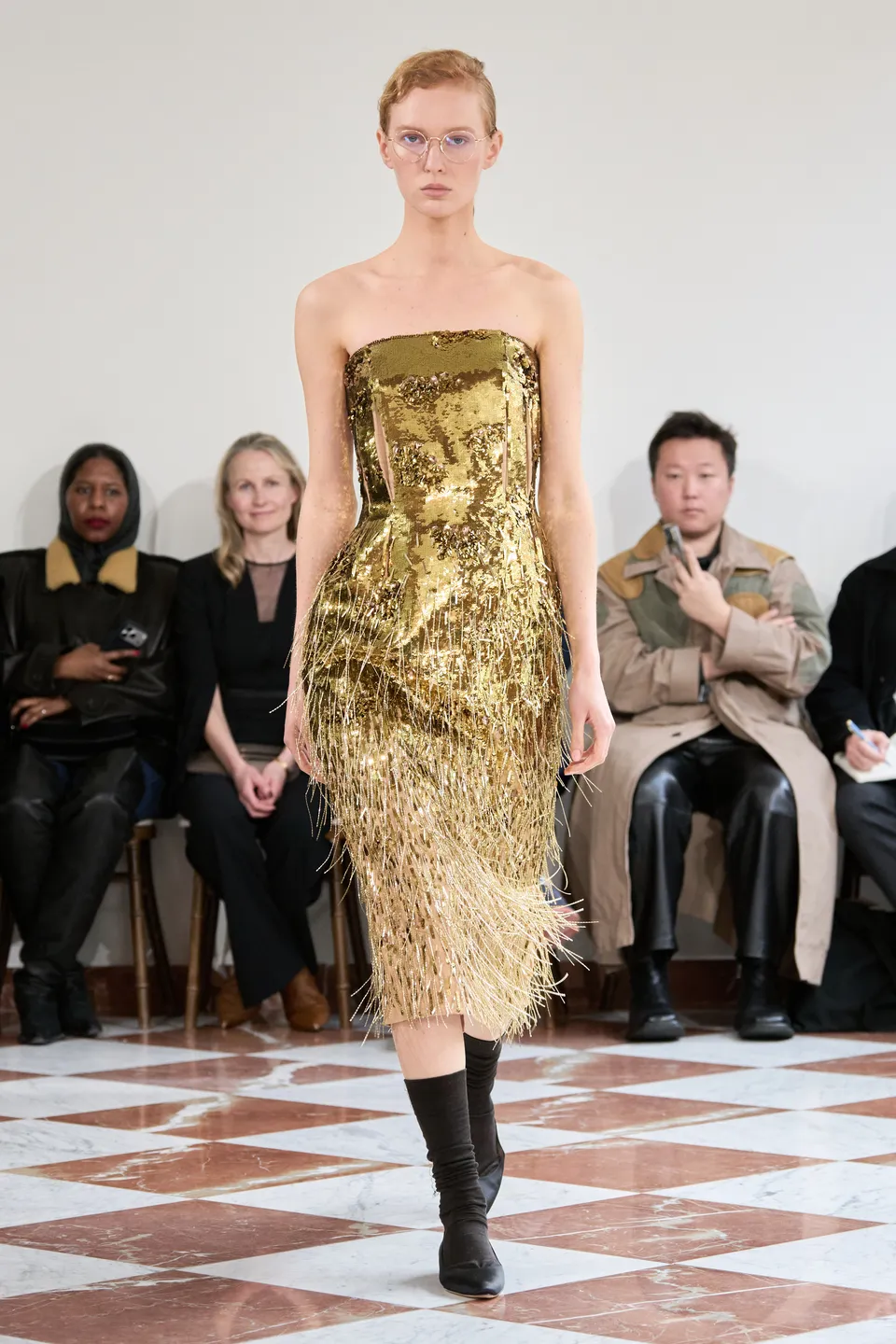
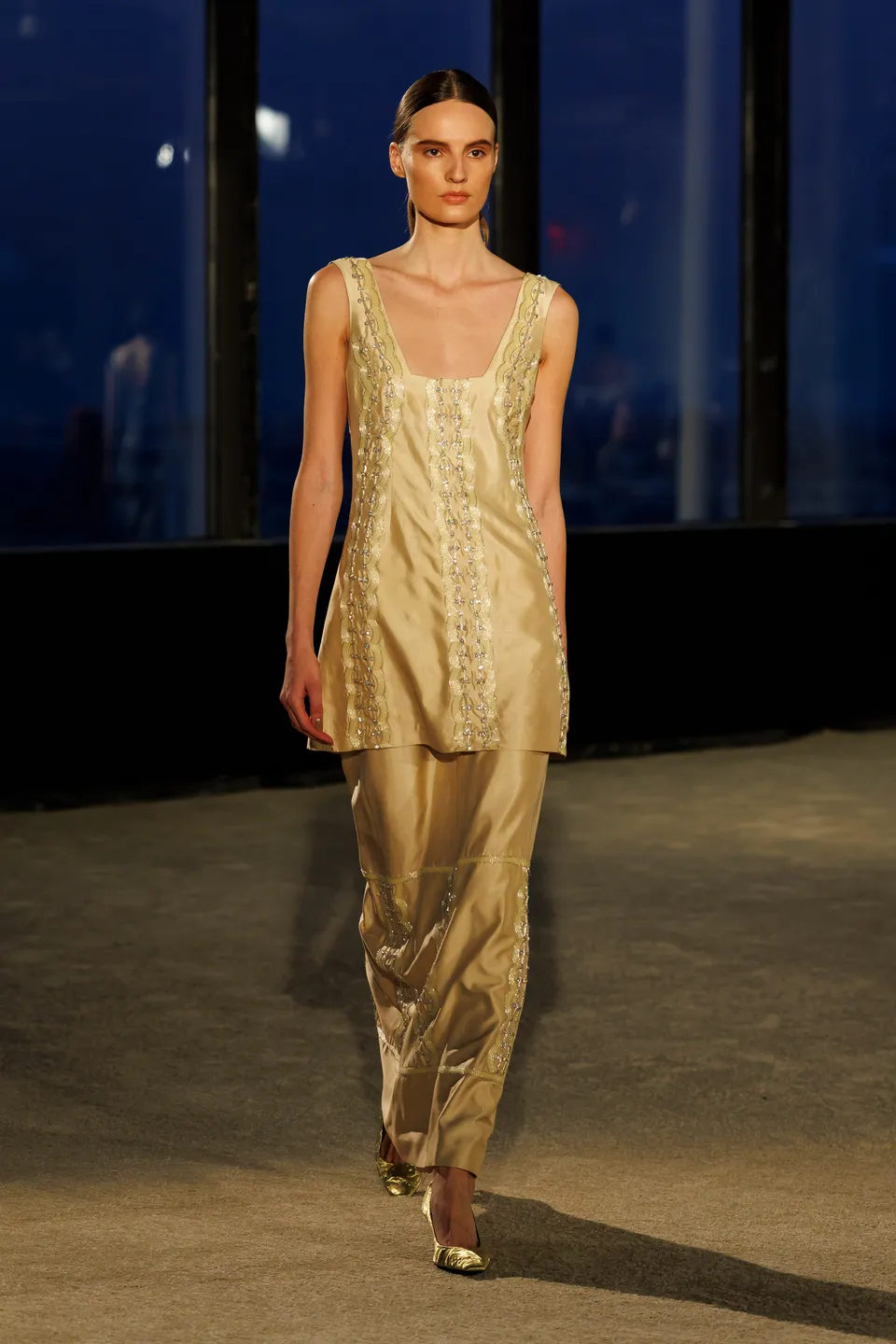
Daniella Kallmeyer imagines her woman inside an Art Deco apartment, translating angular buildings into diagonal seams and hand-stained bugle beads arranged as lattice embroidery across trousers and a flapper-like dress.
The jazz ball is reaching its final song. Glasses are emptying, beadwork is still trembling, and somebody has already lost a feather near the dance floor. The lights can come up whenever they like. The 1920s revival has already taught fashion how to move again.
Advertisement