MENU
Close





A wobble, a hobble, was the skirt a crown of power or fashion’s cruel jest upon women? It made every step a contessa’s glide, yet whispered of constraint disguised as allure. Each wobble carried not just elegance, but irony.
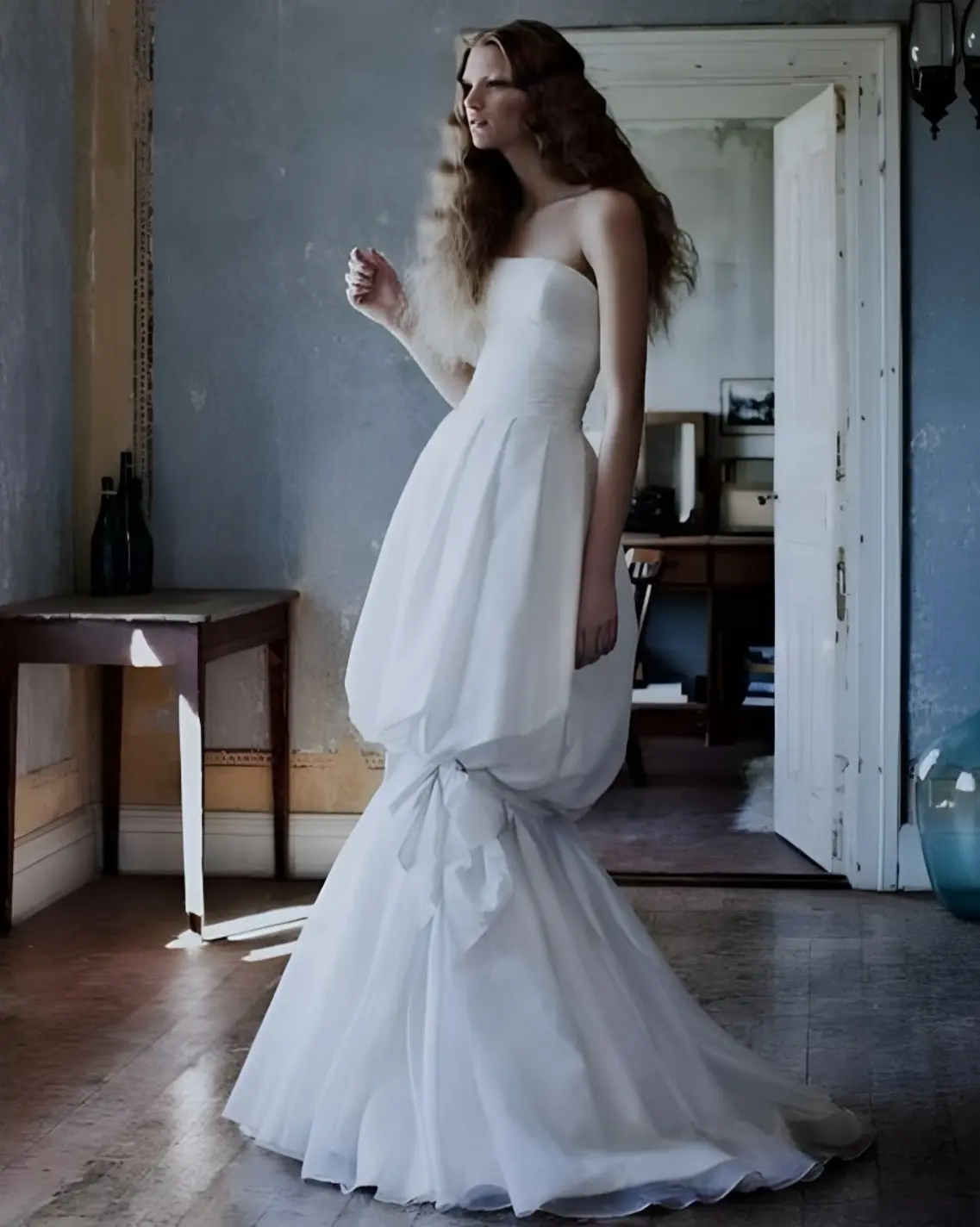
A wobble, a hobble, was the skirt a crown of power or fashion’s cruel jest upon women? It made every step a contessa’s glide, yet whispered of constraint disguised as allure. Each wobble carried not just elegance, but irony.
October 3, 2025
Advertisement

Advertisement



The hobble skirt appeared in the opening years of the 1910s, a period when the last traces of Victorian dress were giving way to the radical experimentation of early modern fashion. Its timeline is usually set between 1908 and 1914, a short but intense reign that left an enduring cultural imprint. Unlike the crinolines and bustles of the nineteenth century, the hobble skirt’s appeal lay in its extreme narrowness at the ankles. This silhouette forced women to walk with tiny, mincing steps, creating the visual impression of elegance but also of restriction—hence the term “hobble.”
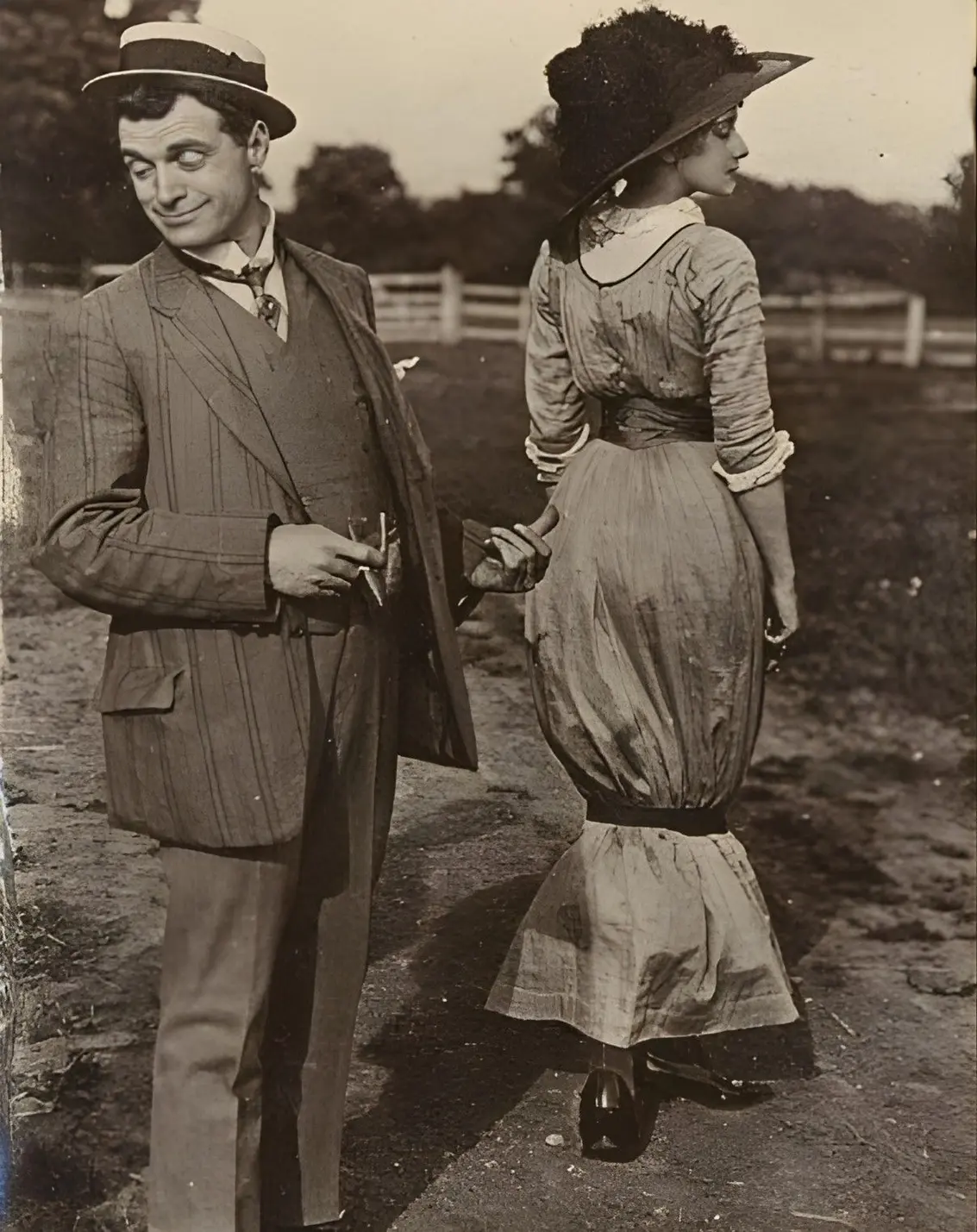
The garment’s precise origin remains contested, and this ambiguity itself has become part of its mythology. French couturier Paul Poiret often receives the credit. In 1910, Poiret, who was already famous for rejecting corsets and emphasizing fluid drapery inspired by Orientalism, introduced skirts that eliminated layers of petticoats and narrowed dramatically at the hem. His motto—“Yes, I freed the bust, but I shackled the legs”—captures the paradox at the core of the silhouette. He wanted to liberate women from one restriction, yet imposed another.
Another widely circulated story links the hobble skirt to aviation history. In 1908, at a Wright Brothers demonstration in France, Edith Ogilby Berg became the first American woman to fly as a passenger in an airplane. To prevent her full skirt from billowing dangerously, she tied a cord around her hem at the ankles. When she disembarked, observers noticed the unusual walking style forced by the tied skirt. Some say that this inspired French designers to imitate the look.
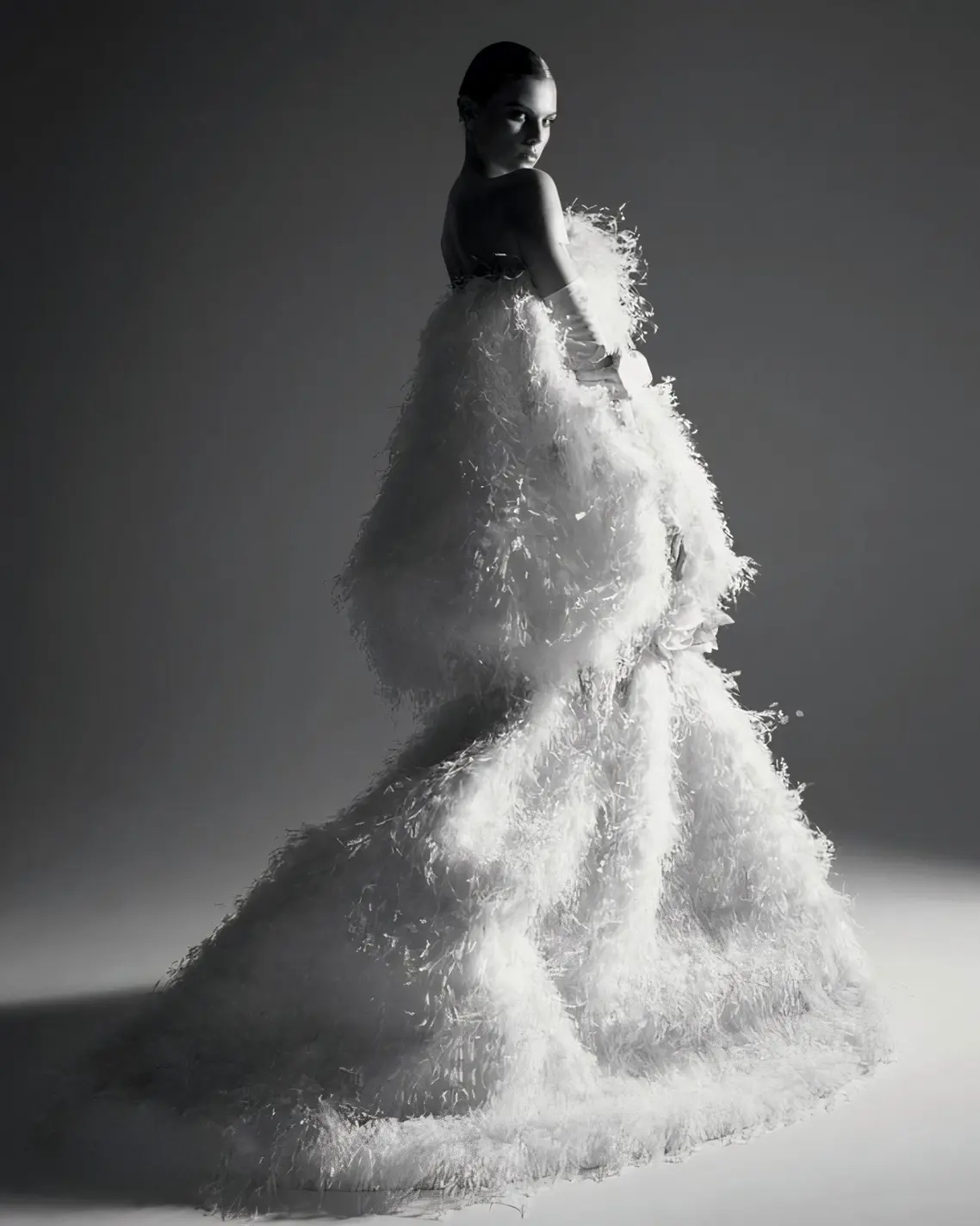
Whatever its true origin, the hobble skirt coincided with rapid social change. Women were entering universities in greater numbers, demanding suffrage, working in cities, and using new modes of transport such as trains and automobiles. At such a transitional moment, fashion was bound to absorb and dramatize the tension between modern freedom and traditional control. The hobble skirt was the perfect paradoxical garment for the age.
The hobble skirt immediately sparked both fascination and ridicule. Its striking silhouette could not be ignored: long, slim lines emphasized the hips and calves while constricting the ankles. But the impracticality was obvious, and contemporary newspapers, cartoonists, and critics had a field day mocking the garment.
Cartoons dubbed it the “speed-limit skirt,” suggesting that wearers could move no faster than a shuffle. Postcards and satirical sketches depicted women tripping over themselves while attempting to board trams or cross the street. Ministers denounced it as indecent or absurd; employers forbade female staff from wearing it. And yet, fashion magazines such as Vogue and Gazette du Bon Ton praised its chic modernity, celebrating its clean lines as a radical break from nineteenth-century excess.
In daily life, the hobble skirt truly reshaped mobility. Women found it difficult to climb stairs, enter vehicles, or walk at a normal pace.
Yet accidents did occur. Newspapers reported cases of women fatally stumbling in hobble skirts. These stories amplified criticism, fueling debates about whether fashion was endangering women in pursuit of frivolity.

But to many wearers, the skirt was worth the inconvenience. It offered a sleek elegance unavailable in any other garment, marking its wearer as daring, modern, and aligned with the Parisian avant-garde. It also highlighted shoes, ankles, and calves, features newly eroticized in Western fashion. If Victorian fashion fetishized the waist, the hobble skirt shifted attention downward, emphasizing movement, legs, and feet.
The impression the hobble skirt left, then, was dual: comedy and tragedy on one side, allure and innovation on the other.
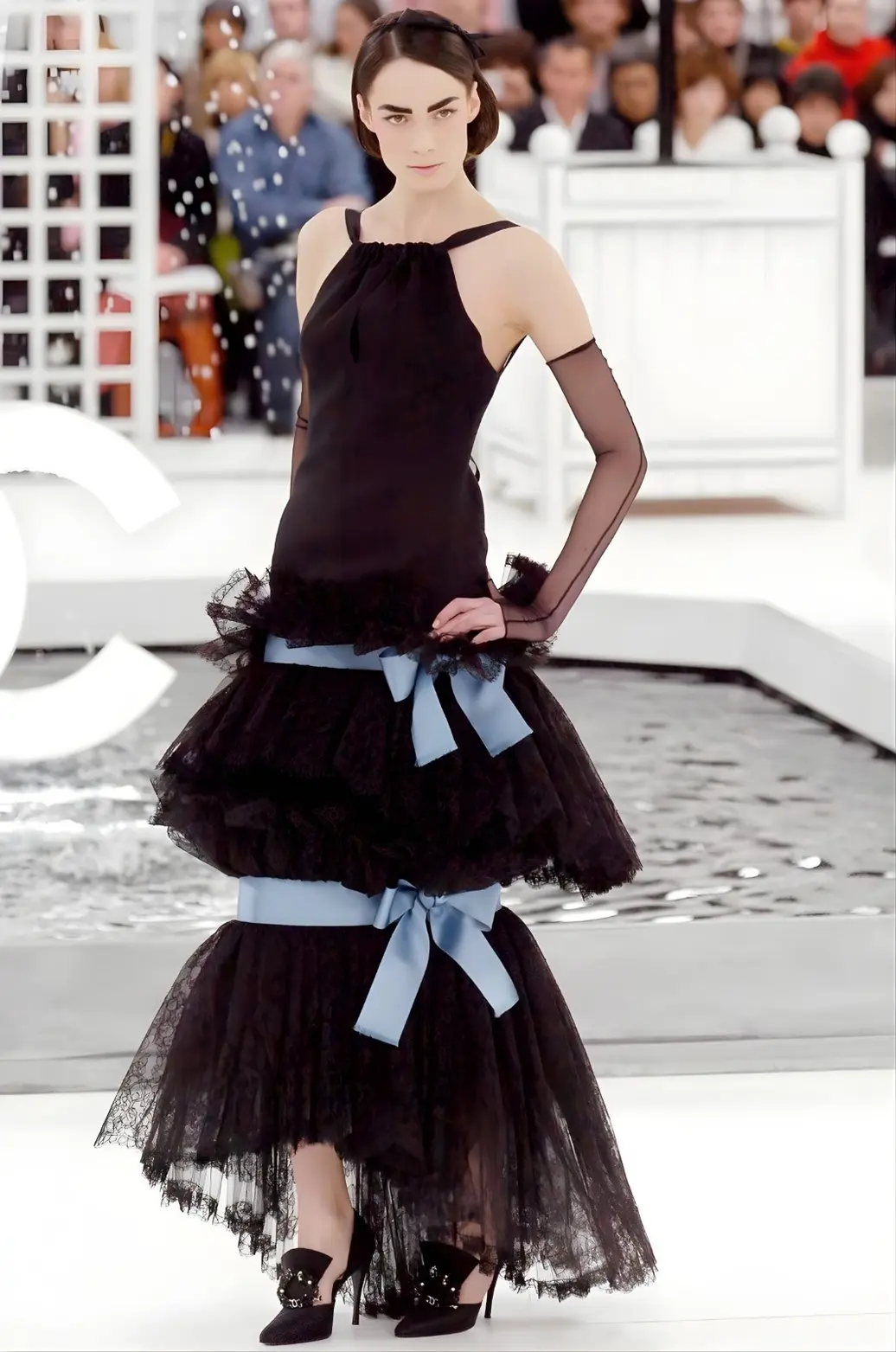
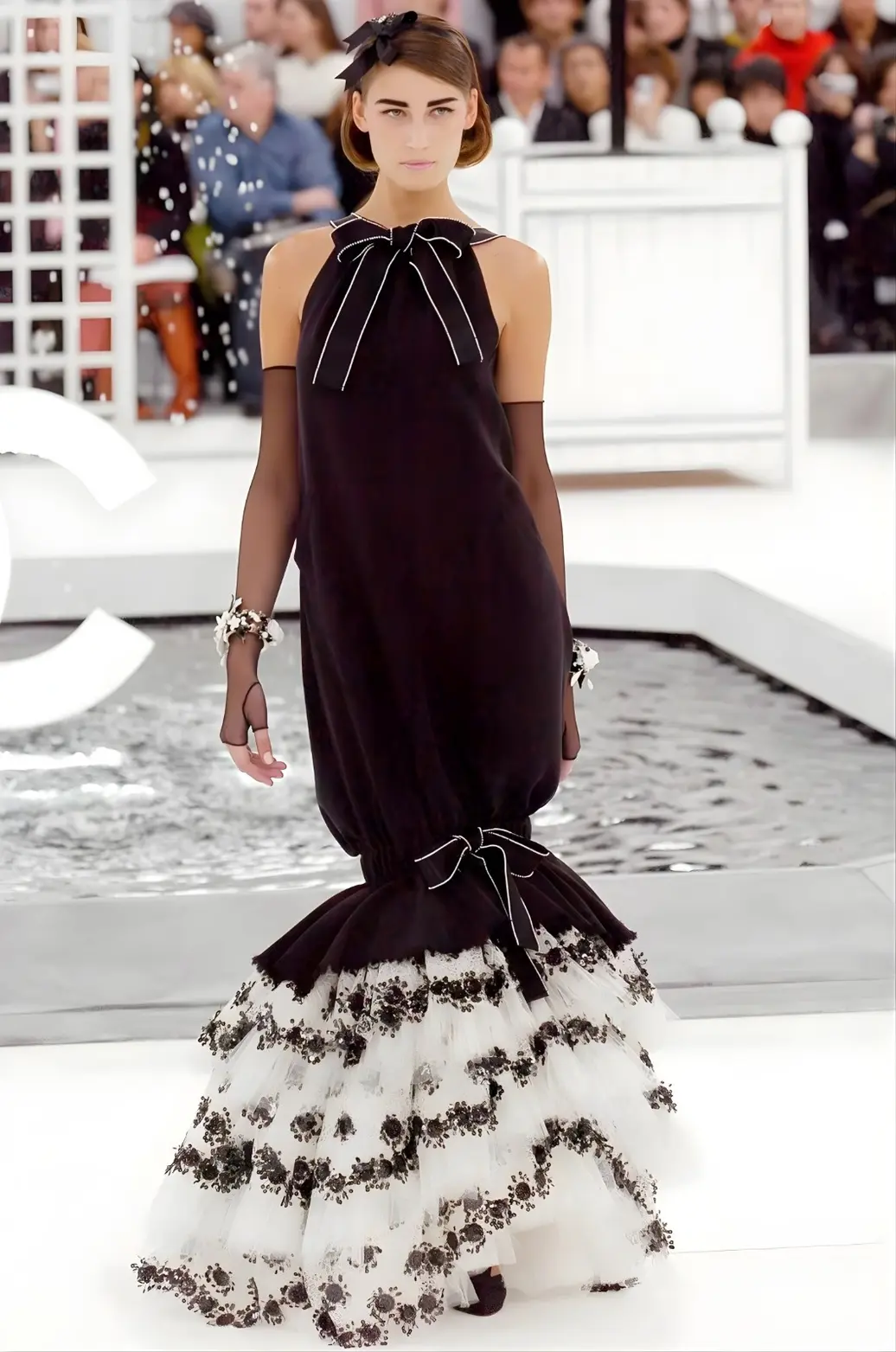
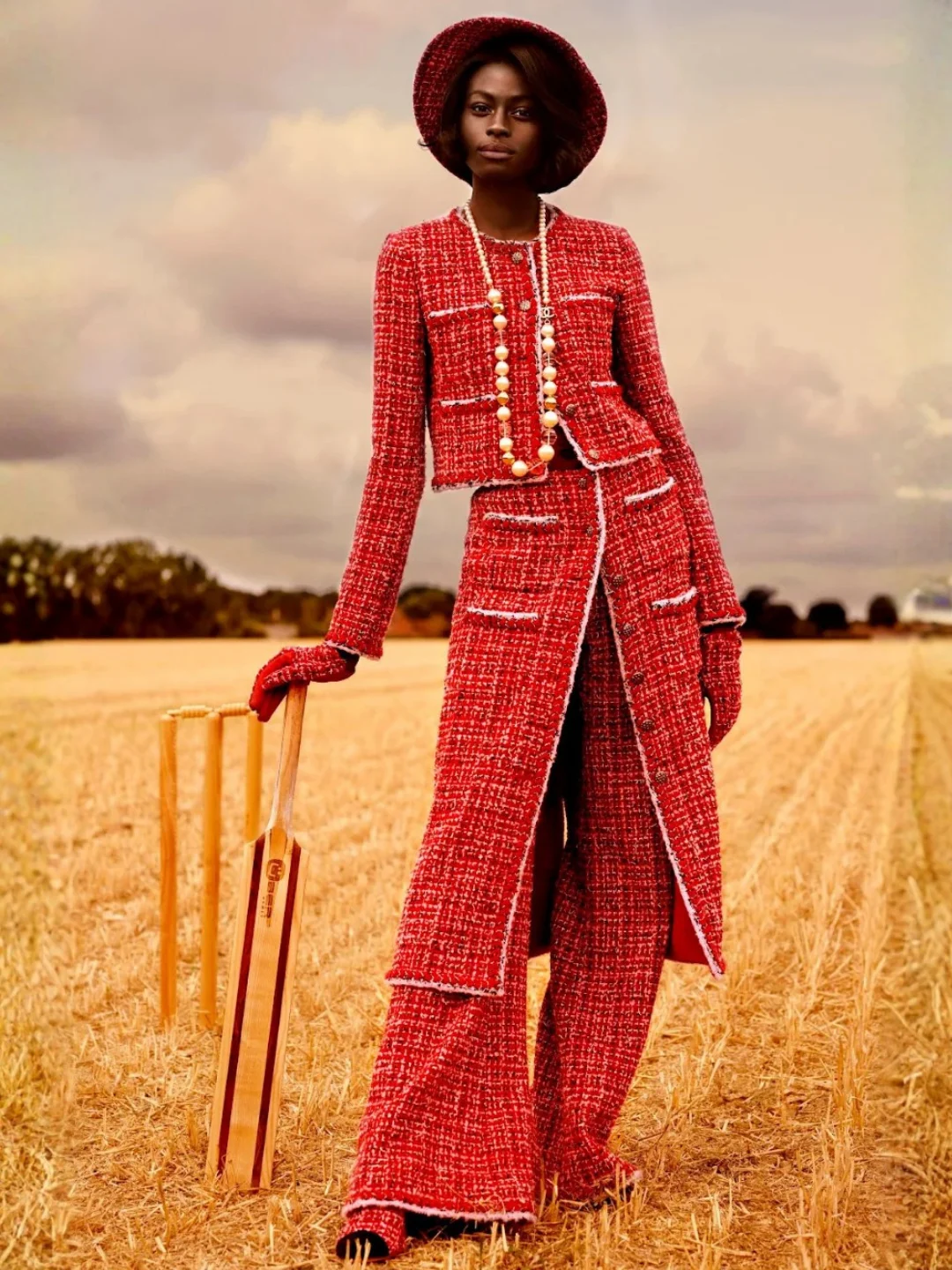
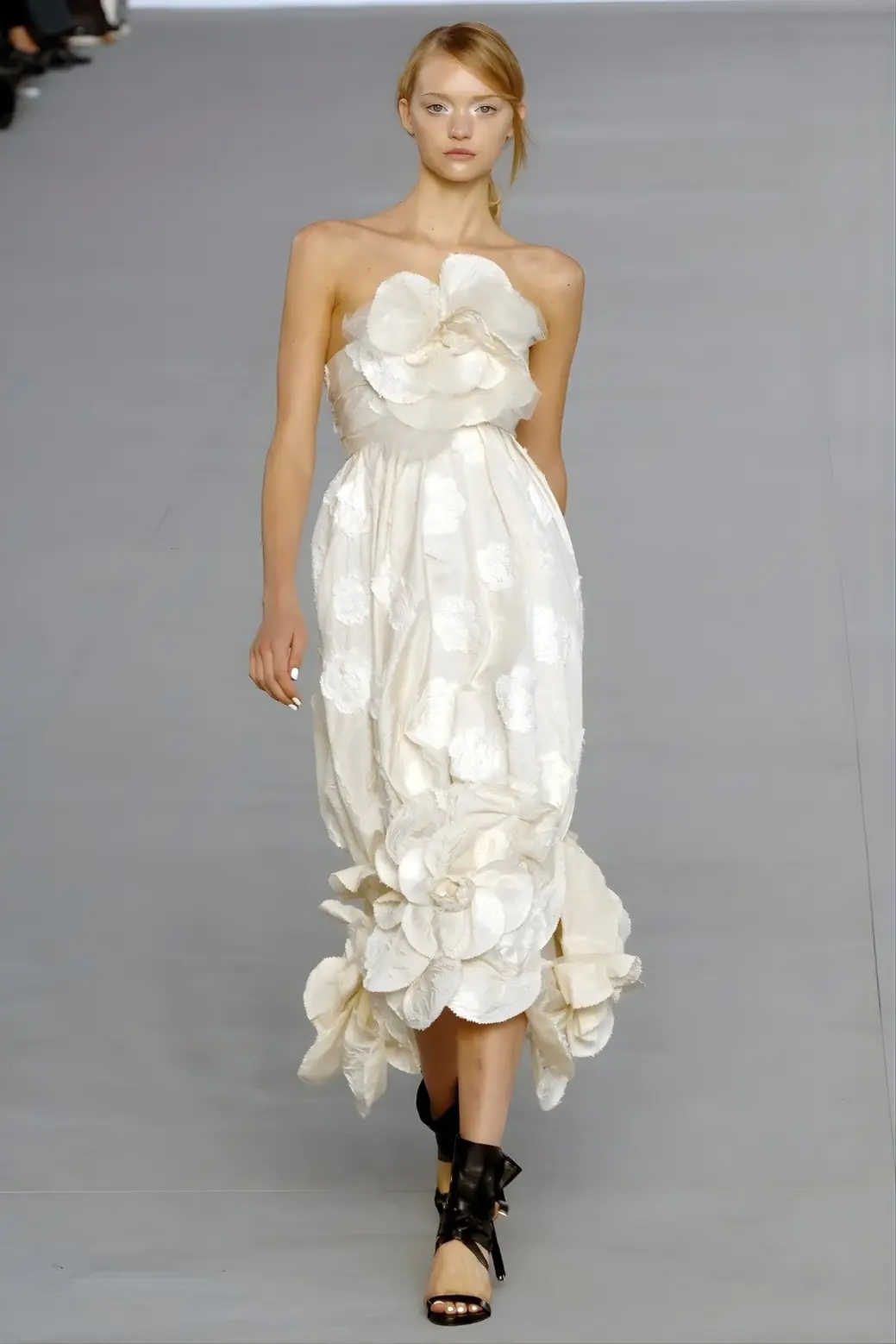
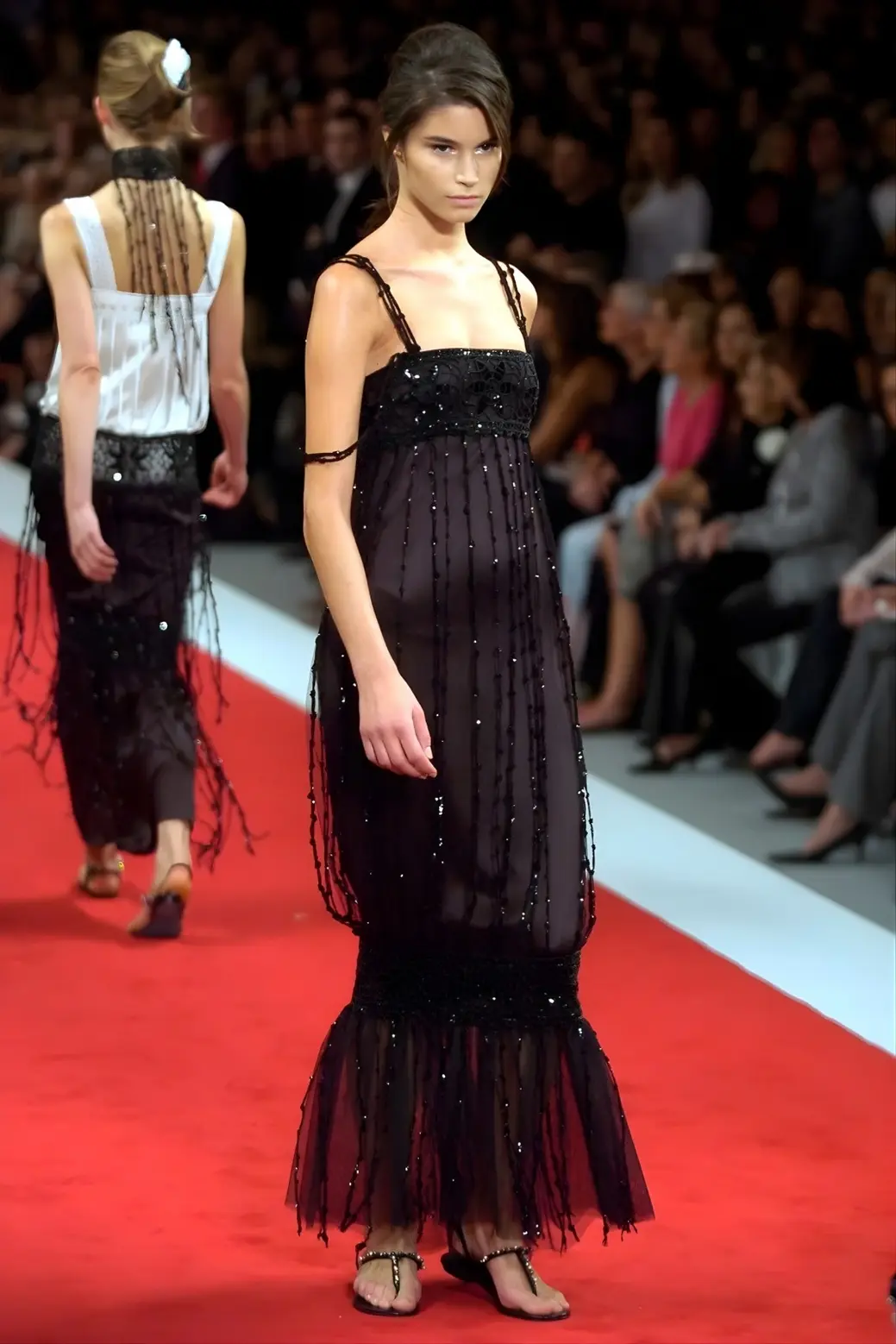
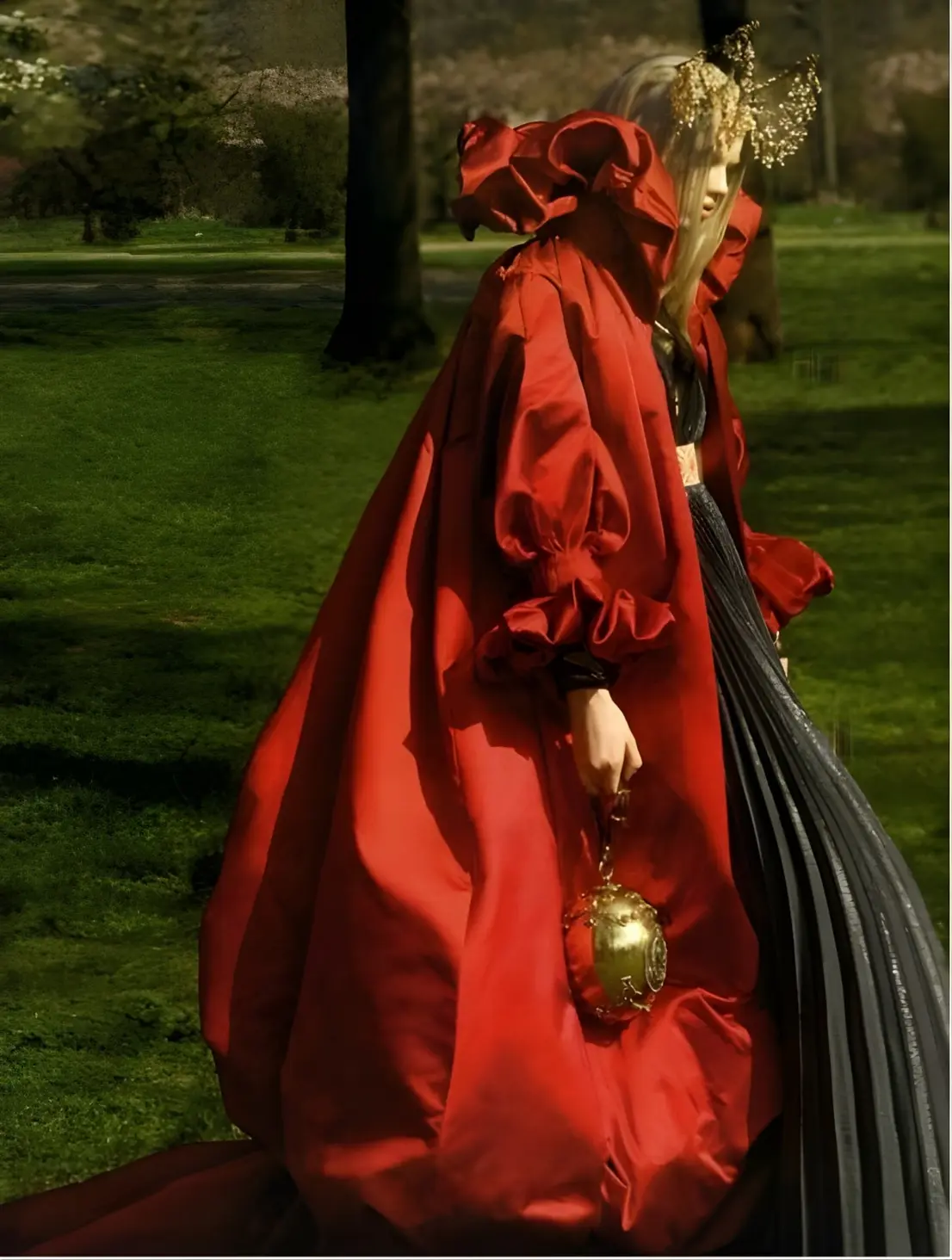
Among the great couturiers, Karl Lagerfeld at Chanel wove the hobble silhouette into a vocabulary of royal memory and sacred ritual.

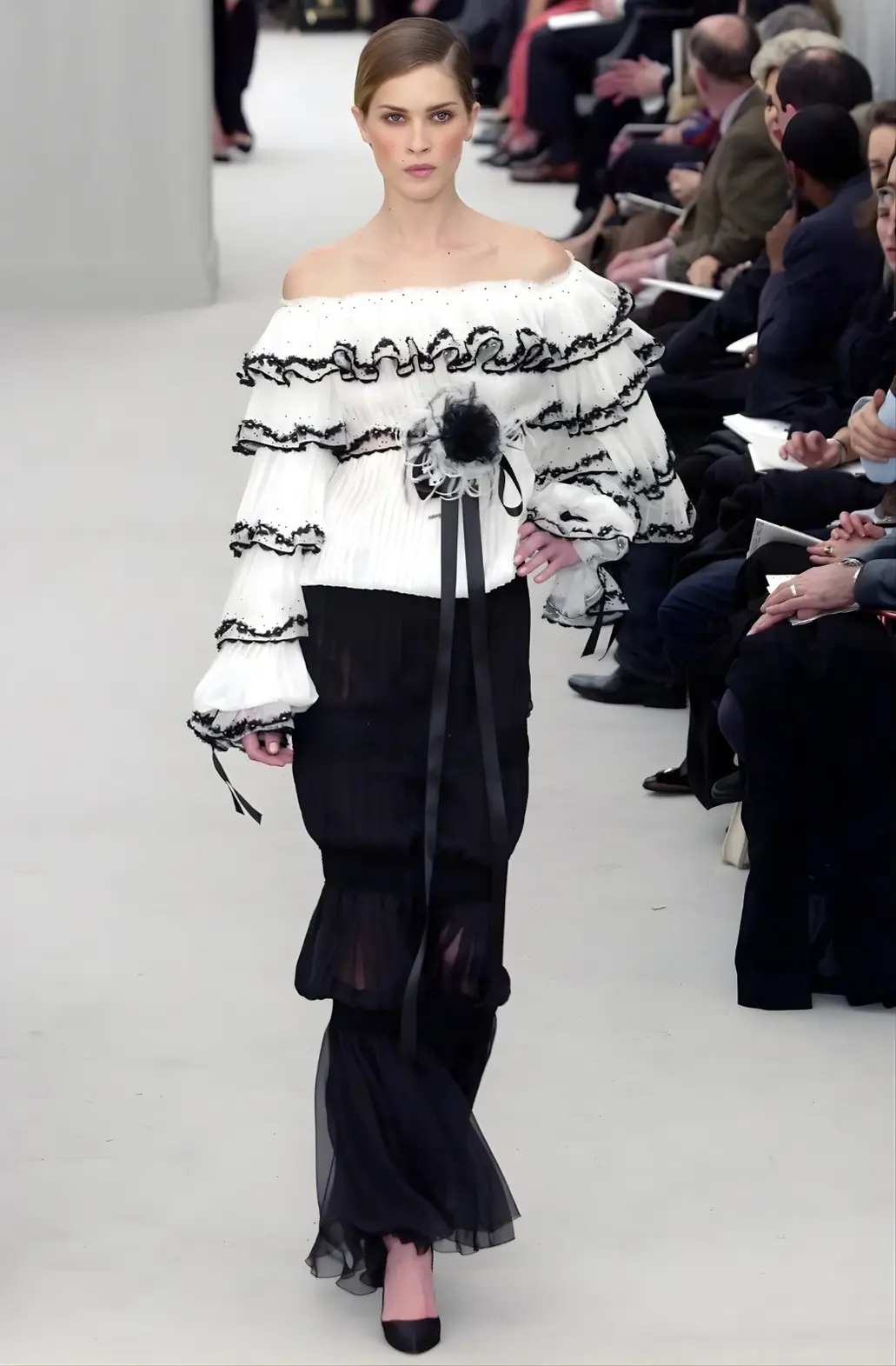
His versions did not merely recall the past; they carried the air of courtly procession, the measured step of a contessa draped in pearls and tweed, gliding through a Parisian salon with the dignity of an empress.
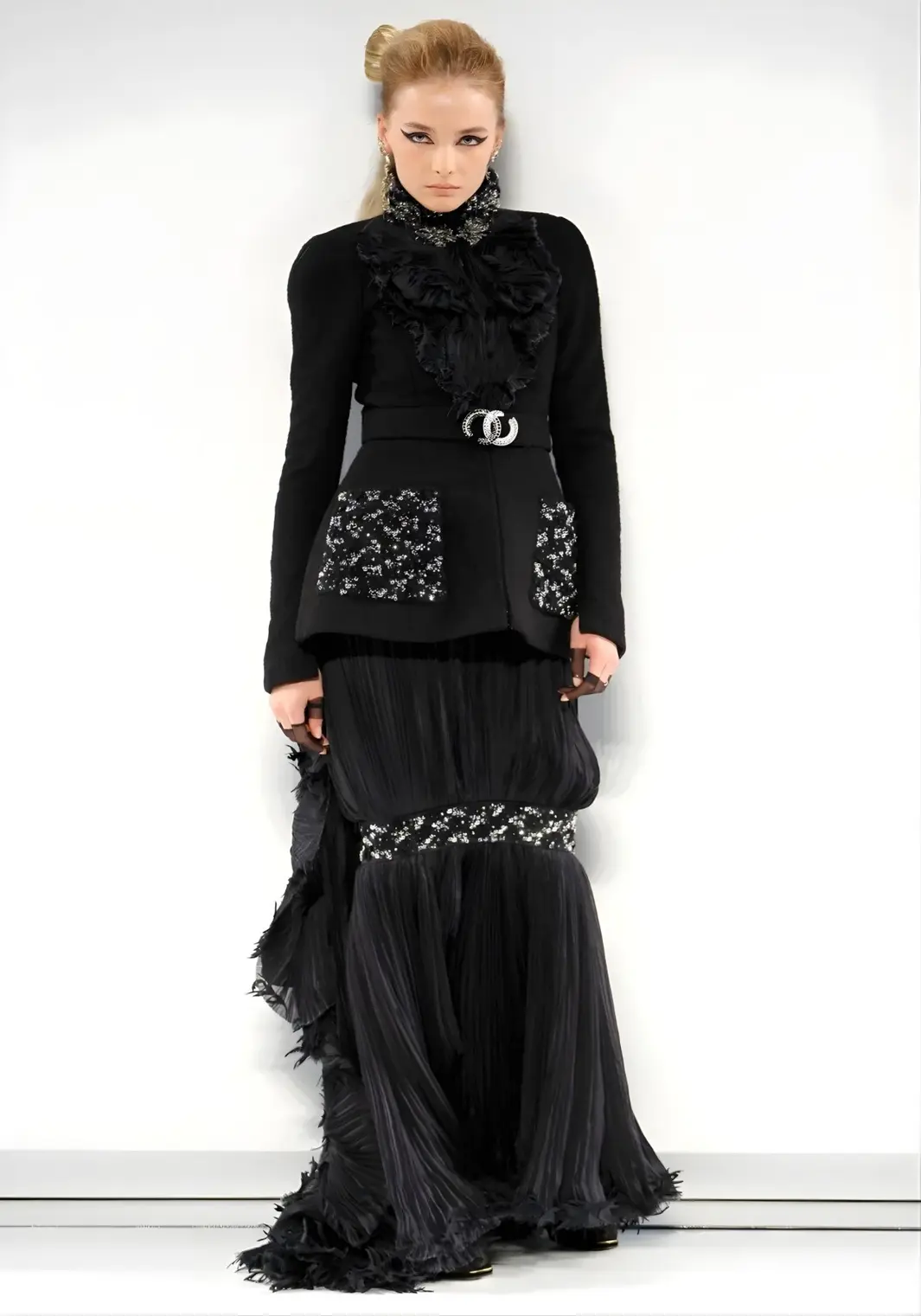
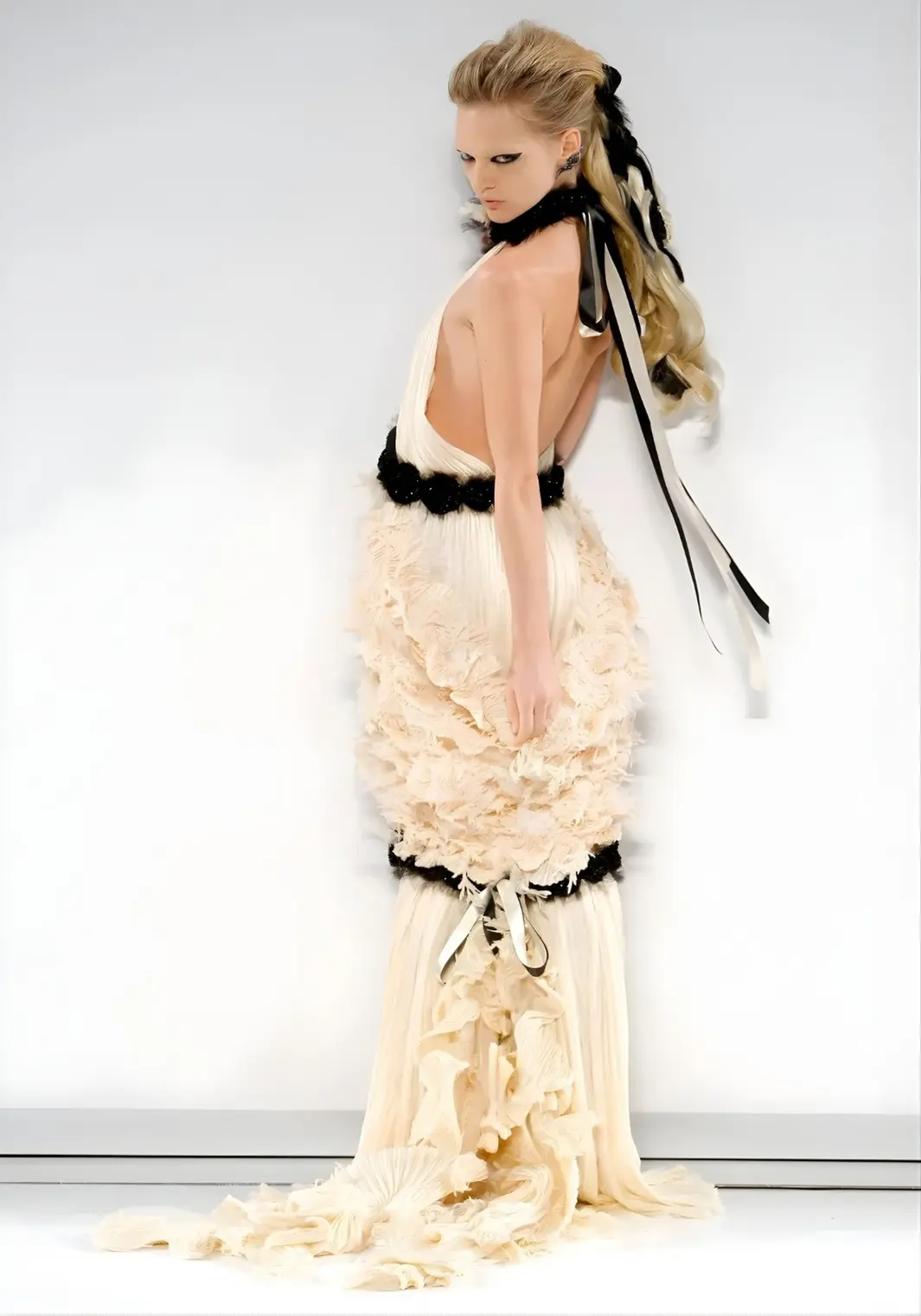
In Lagerfeld’s hands, the hobble became a crown for the body, a garment that whispered of archives yet spoke in the present tense, forever Chanel in its elegance.

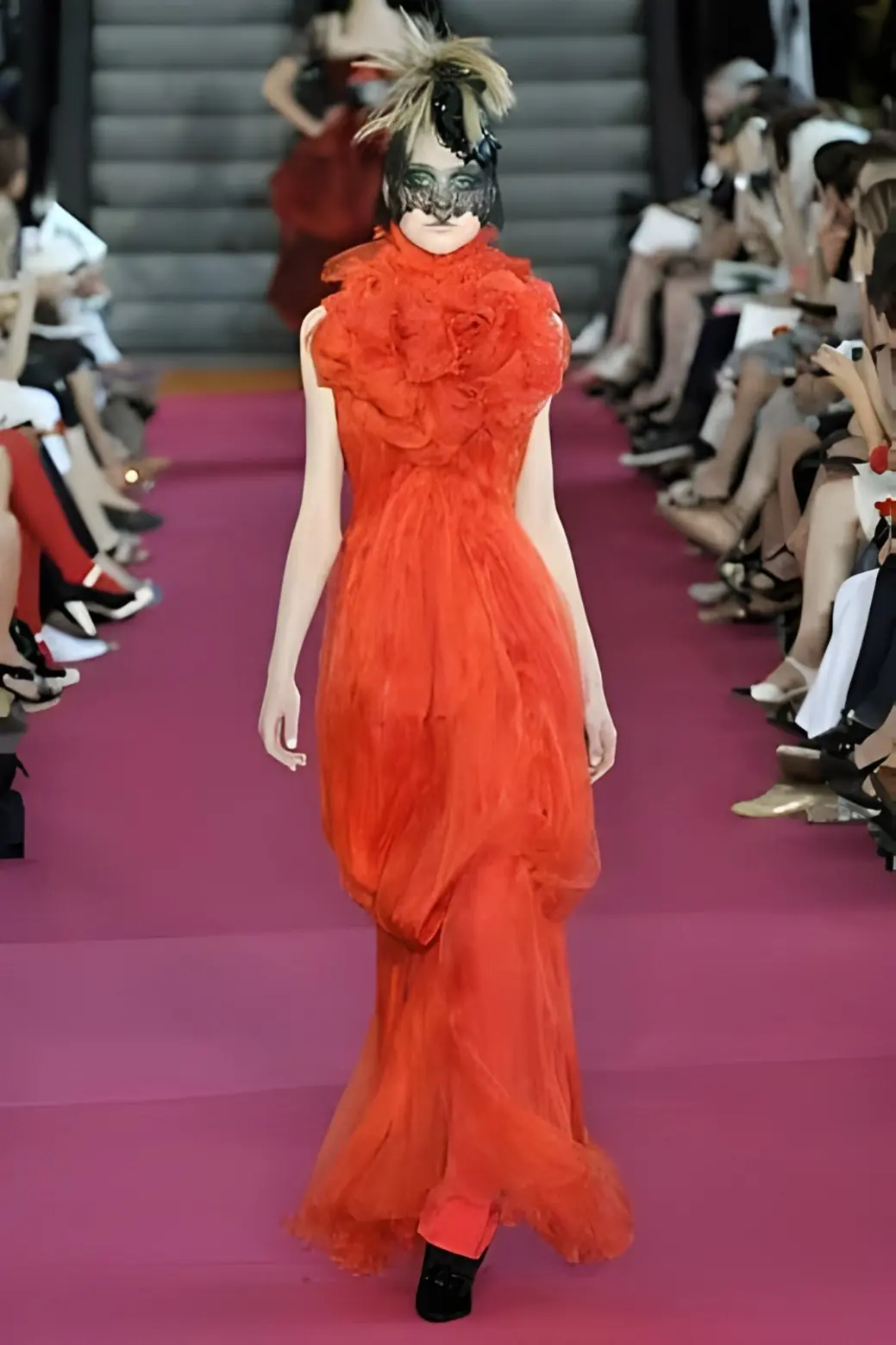
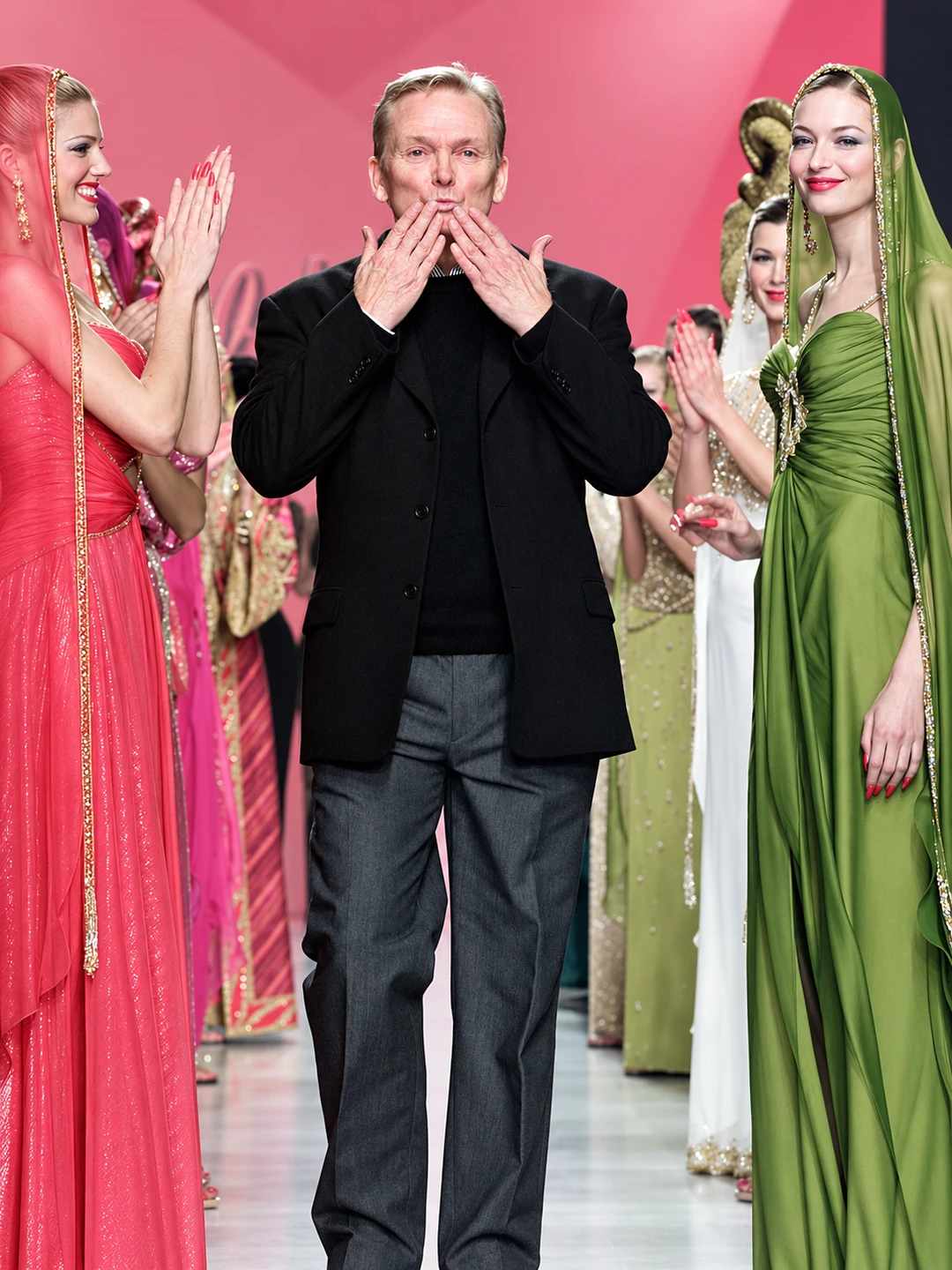
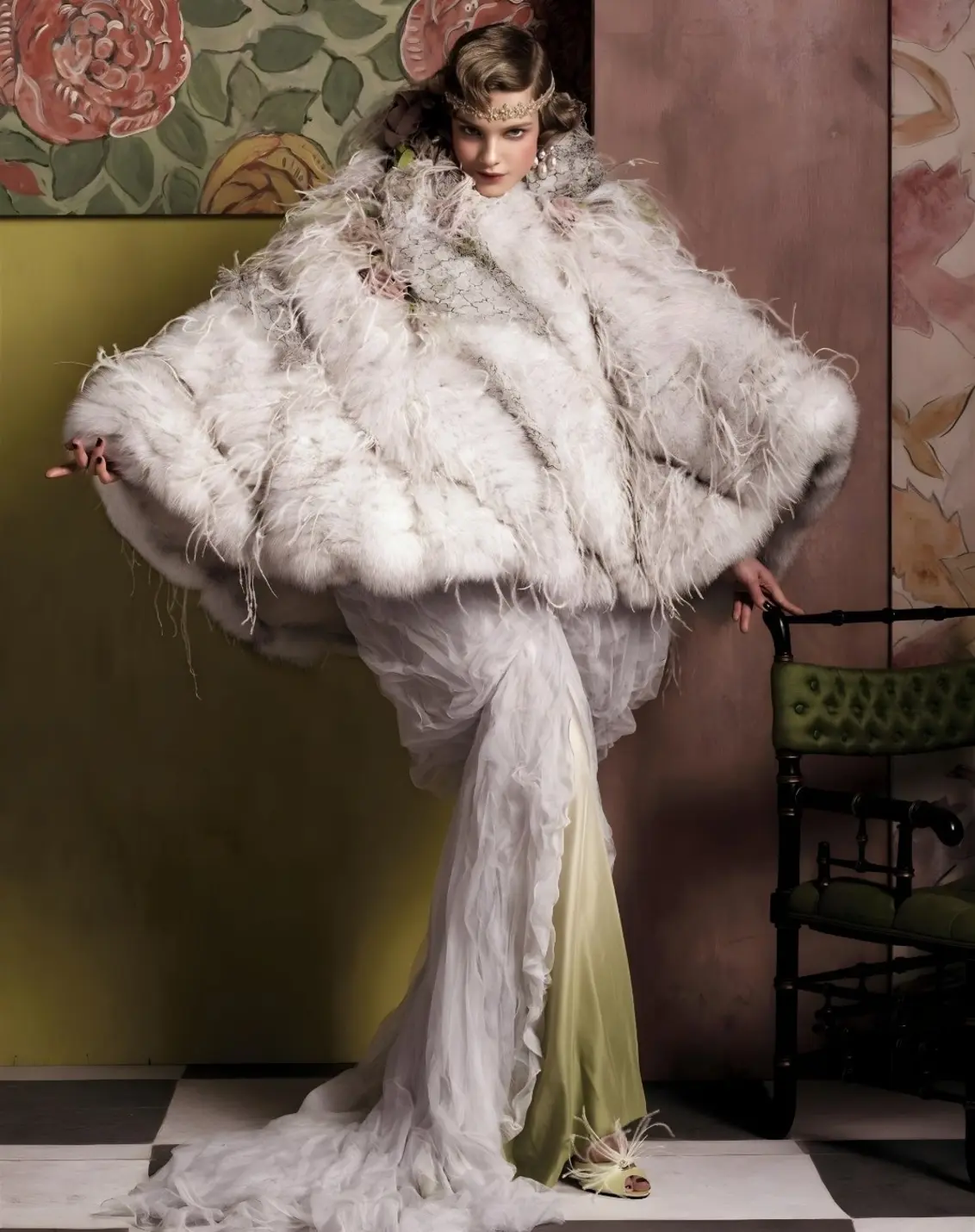
Beside this vision rose Christian Lacroix, who embraced the same silhouette but filled it with a different spirit. Where Chanel’s hobble evoked solemn grandeur, Lacroix turned it into a carnival of color, an opera of extravagance. His skirts shimmered with jewel tones, silks, and embroidery, celebrating exuberance as heritage.
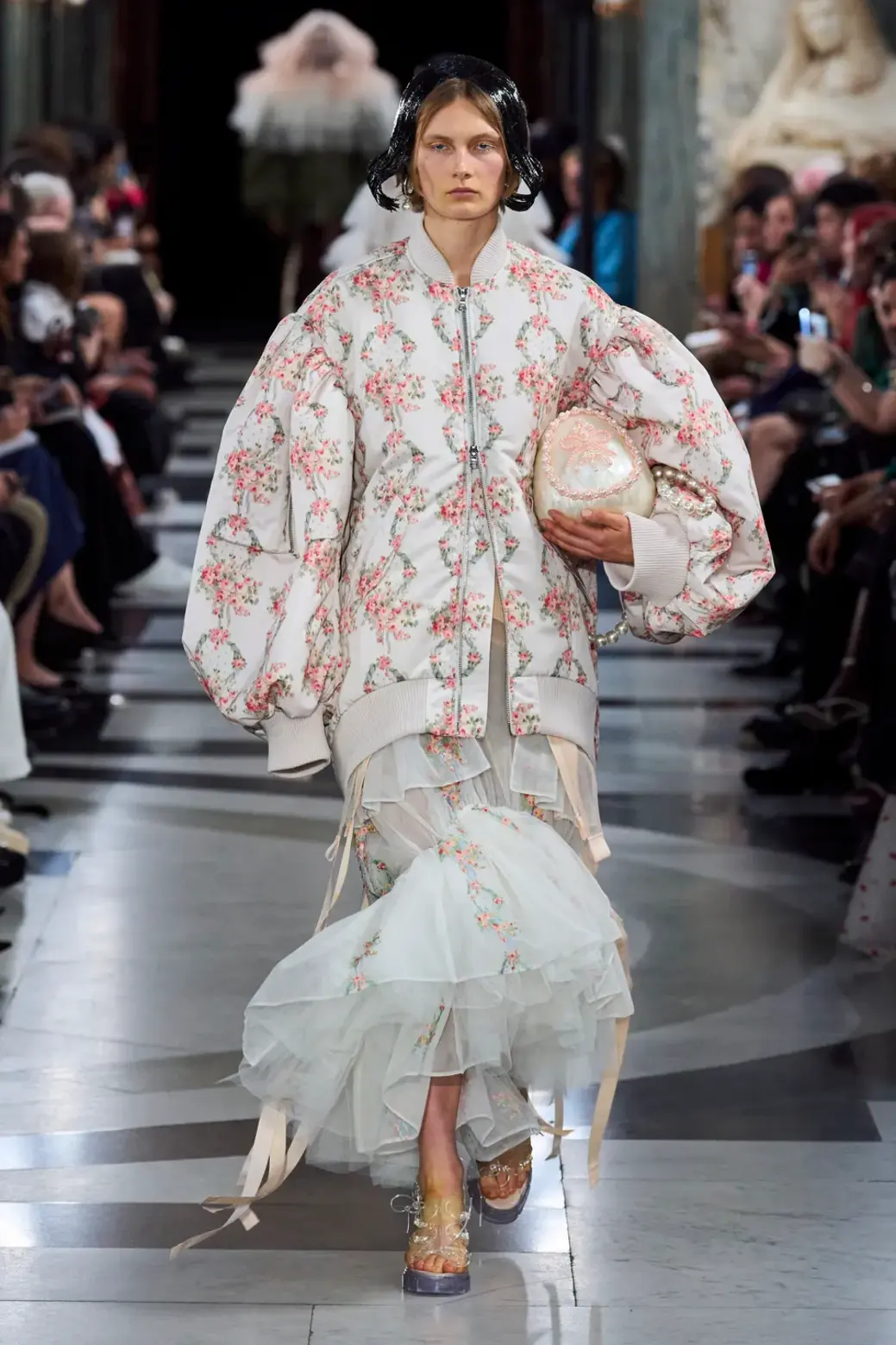
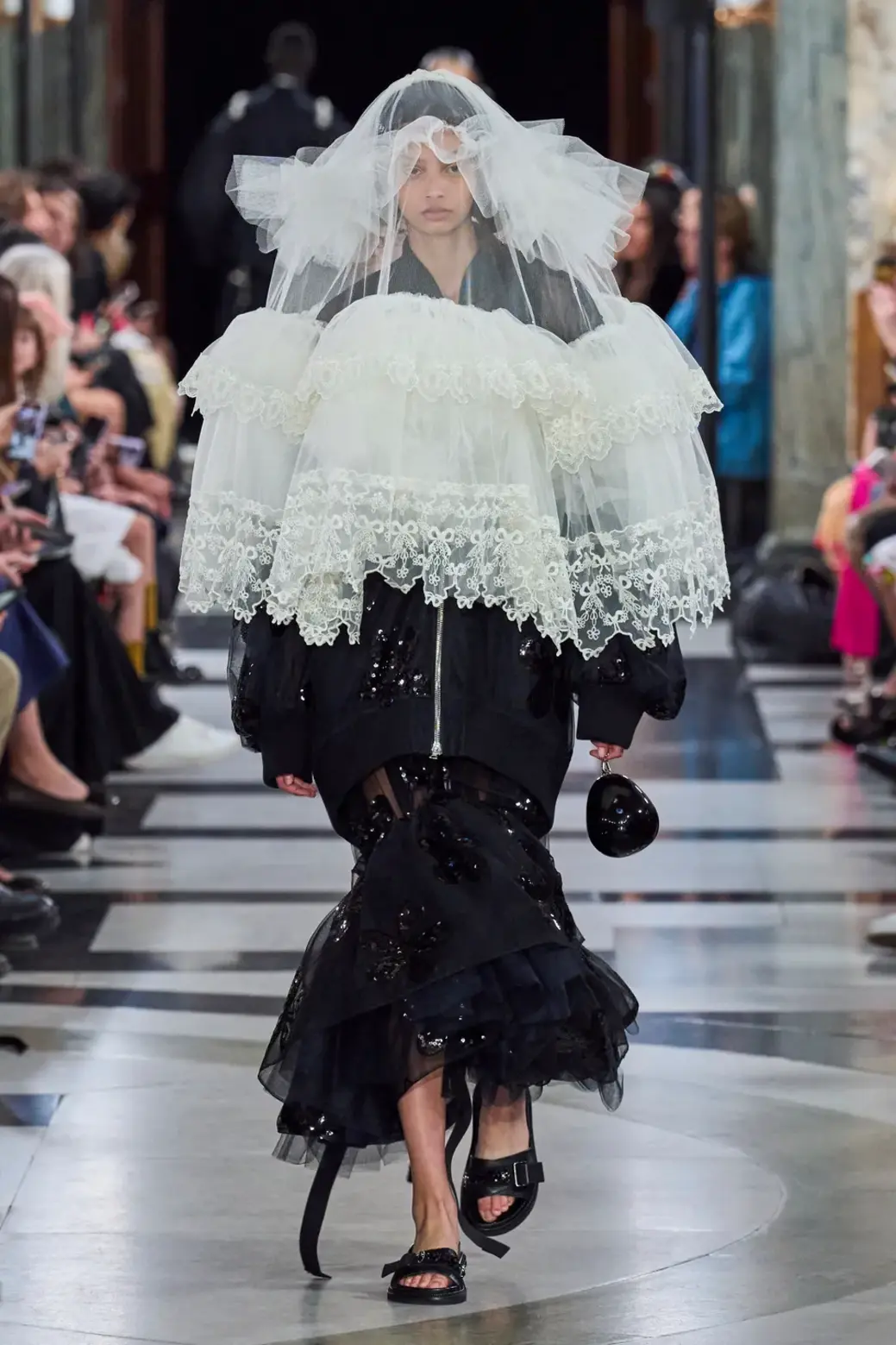
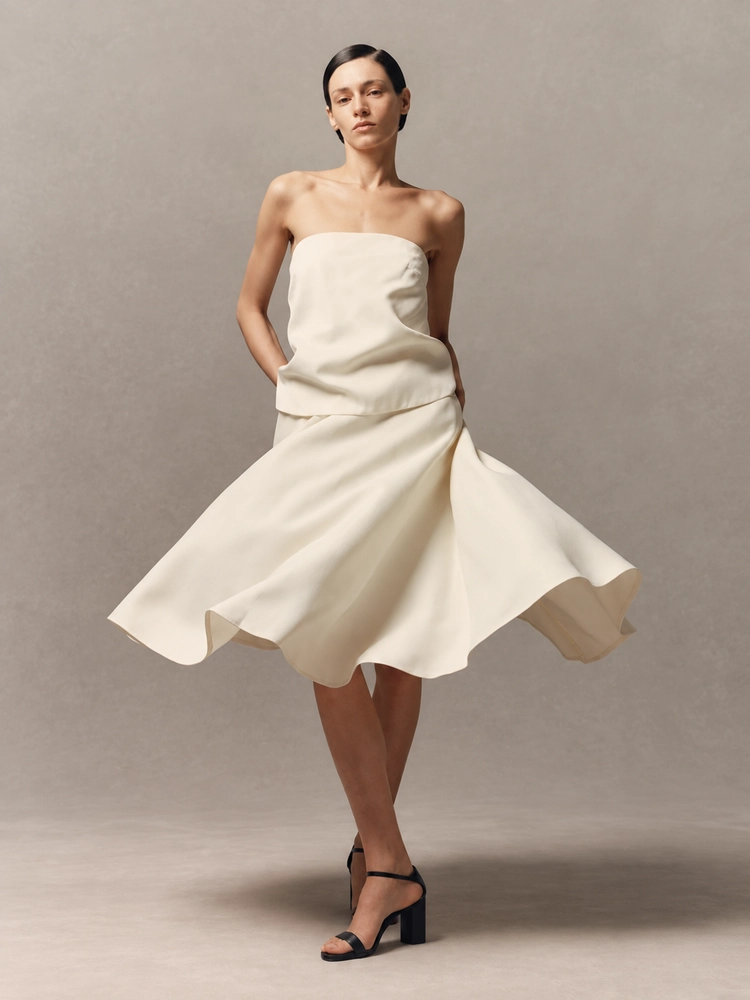
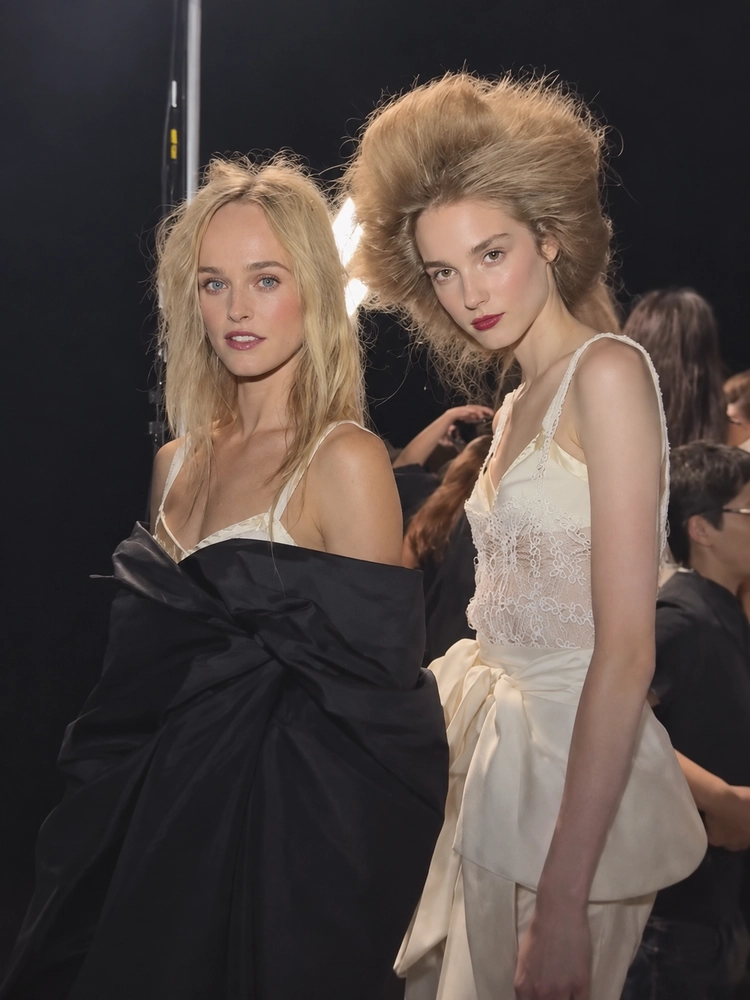
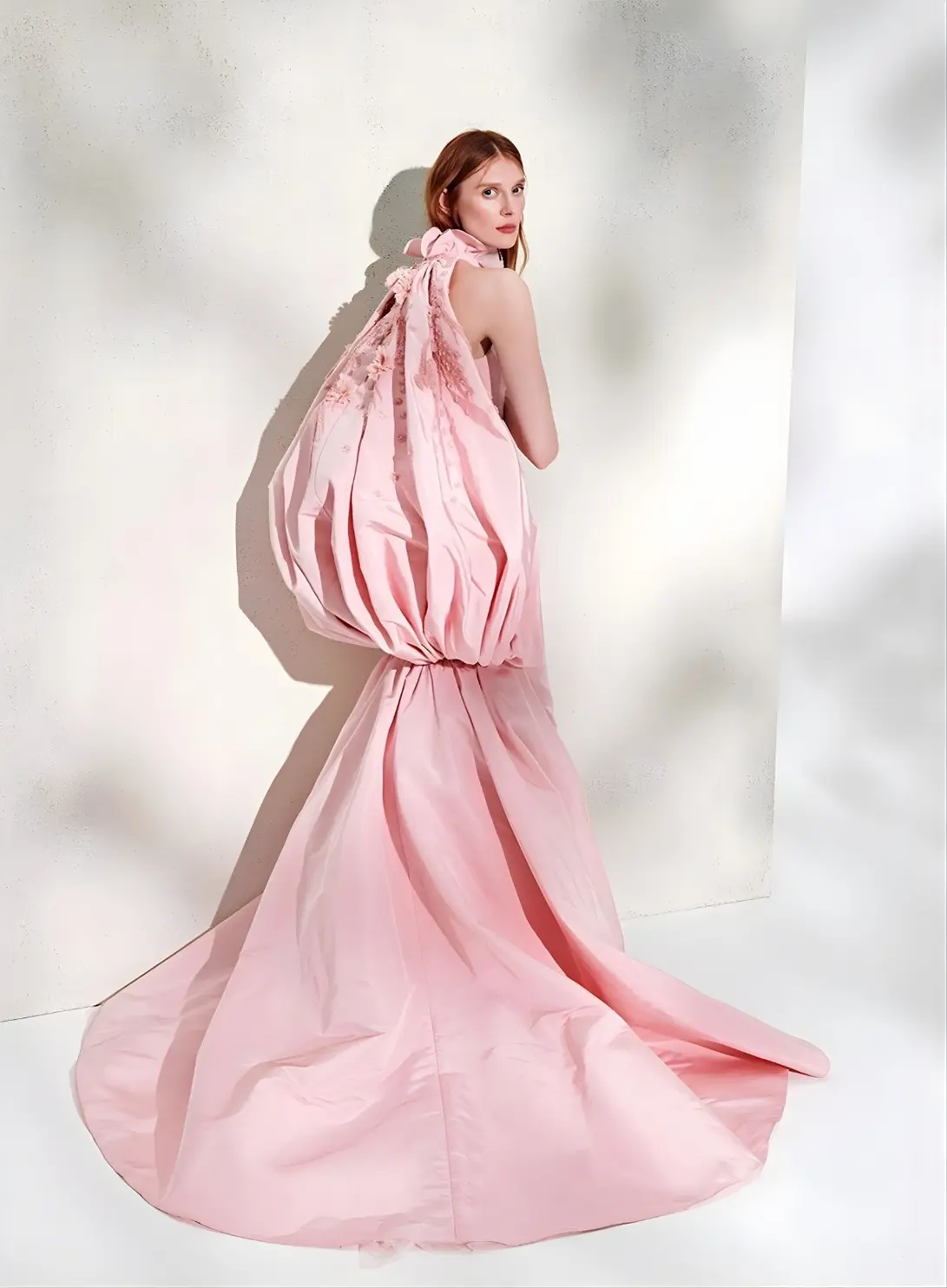
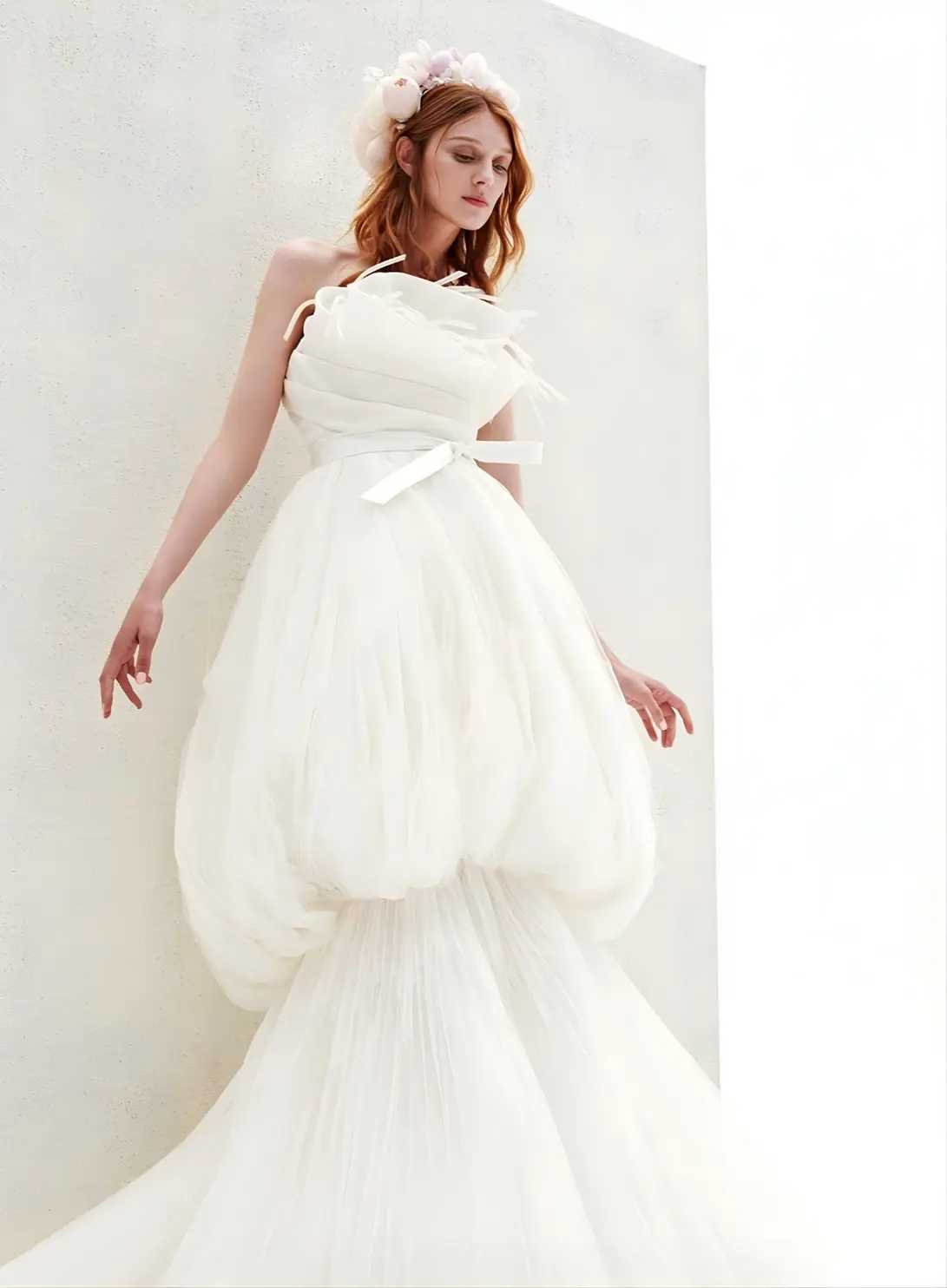
Fashion’s course moved toward silhouettes of ease and intimacy, yet the hobble remained alive in the imagination of Simone Rocha. With her romantic avant-garde sensibility, Rocha transforms the narrow hem into a gesture of poetry. She lets it appear in layers of lace, veils of tulle, and sculpted drapery, shaping a woman who seems both fragile and unyielding.

In her work, both within her own house and at Jean Paul Gaultier, the hobble returns as a spell — not a garment of practicality but a symbol of devotion, artistry, and dream.
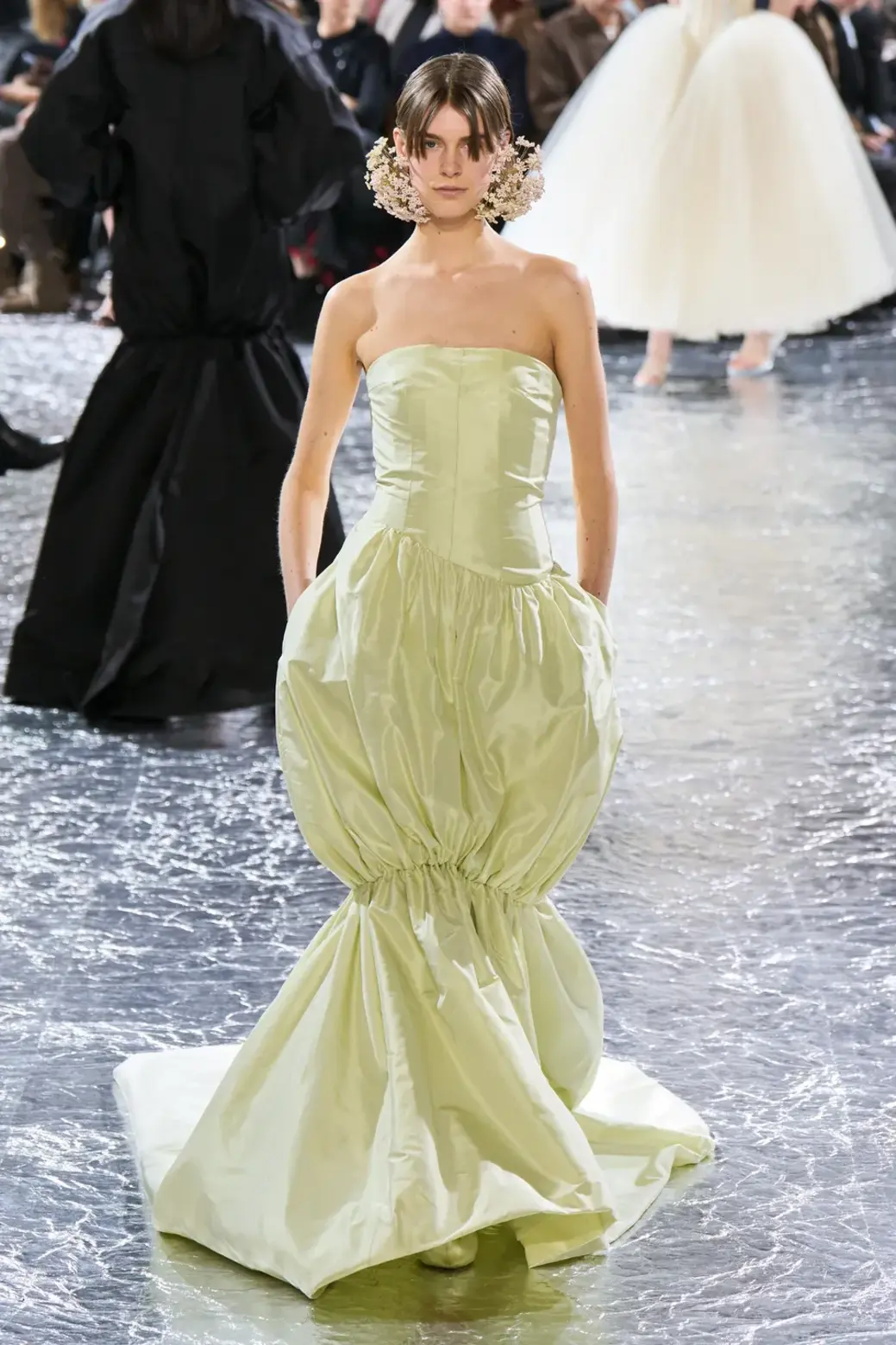
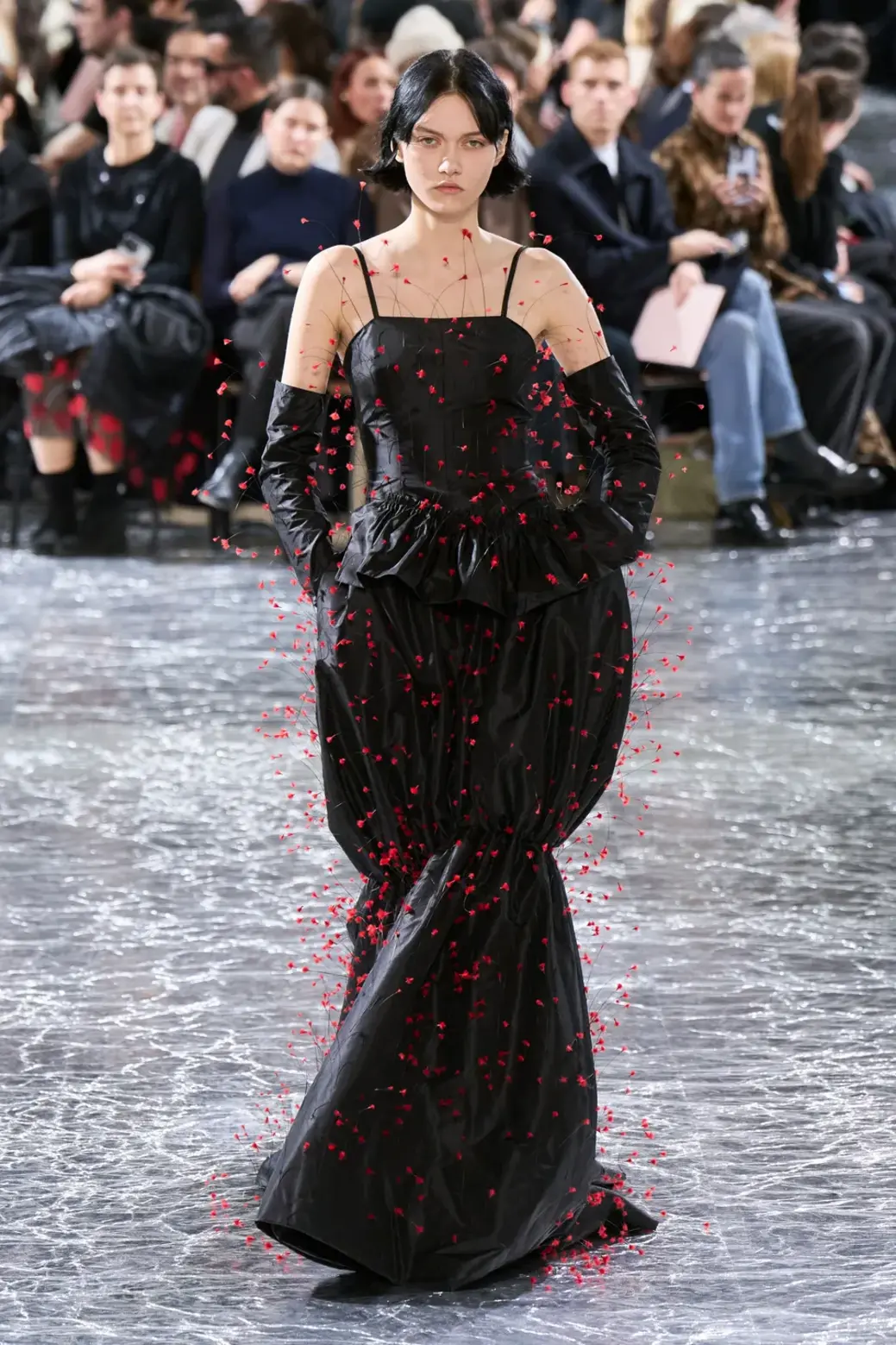
The hobble skirt has long fascinated historians because it embodies contradictions. On the surface, it appeared to restrict women, literally binding their legs. Critics saw this as symbolic regression: at the very moment women were campaigning for political equality, fashion placed them in sartorial shackles. Newspaper editorials gleefully connected the hobble skirt with the supposed absurdities of the suffrage cause.
But another reading sees the skirt as radical. By eliminating corsets and petticoats, it abandoned the heavy infrastructure that had dominated women’s fashion for centuries. Instead of constructing artificial volume, the hobble skirt revealed natural body lines. It offered a new, sleek silhouette that anticipated the tubular dresses of the 1920s. In this sense, it represented liberation, a rejection of Victorian excess and a step toward modern simplicity.
Finally, the hobble skirt embodied the transitional spirit of the pre–World War I years. It was daring yet impractical, progressive yet regressive, fashionable yet dangerous. It captured an era of experimentation, when old orders were breaking down and new ones not yet established.
Though its reign lasted less than a decade, the hobble skirt continues to inspire designers, artists, and cultural critics. Several reasons explain its enduring allure.
Few silhouettes capture paradox as vividly as the hobble skirt. It is both liberating and restrictive, elegant and absurd, empowering and dangerous. This tension provides endless room for reinterpretation. Designers love paradox because it stimulates creativity; historians love it because it reveals social tensions.
By stripping away layers of undergarments, the hobble skirt pioneered the slim, clean silhouettes that would dominate much of twentieth-century fashion. The pencil skirt of the 1940s and 1950s, the column dresses of the 1990s, and contemporary bodycon styles all owe a debt to the hobble’s focus on narrow form. Each revival of minimalist fashion echoes its lineage.
Because the hobble skirt forced a distinctive gait, it was inherently theatrical. Walking became choreography; public space became a stage. This performative element makes it endlessly attractive to contemporary designers who view fashion as art.
The hobble skirt continues to be used in feminist analysis as a metaphor for women’s ambivalent social position. Was it oppression disguised as elegance, or liberation disguised as frivolity? That ambiguity ensures its relevance in discussions of gender, power, and aesthetics.
Finally, the hobble skirt’s brief, intense reign gives it a romantic allure. It belongs to that shimmering moment before World War I when fashion, art, and society were on the cusp of modernity. It evokes images of suffragettes, Art Nouveau posters, early cinema, and daring Parisian couture. For designers and enthusiasts, it remains an inexhaustible source of nostalgia and reinvention.
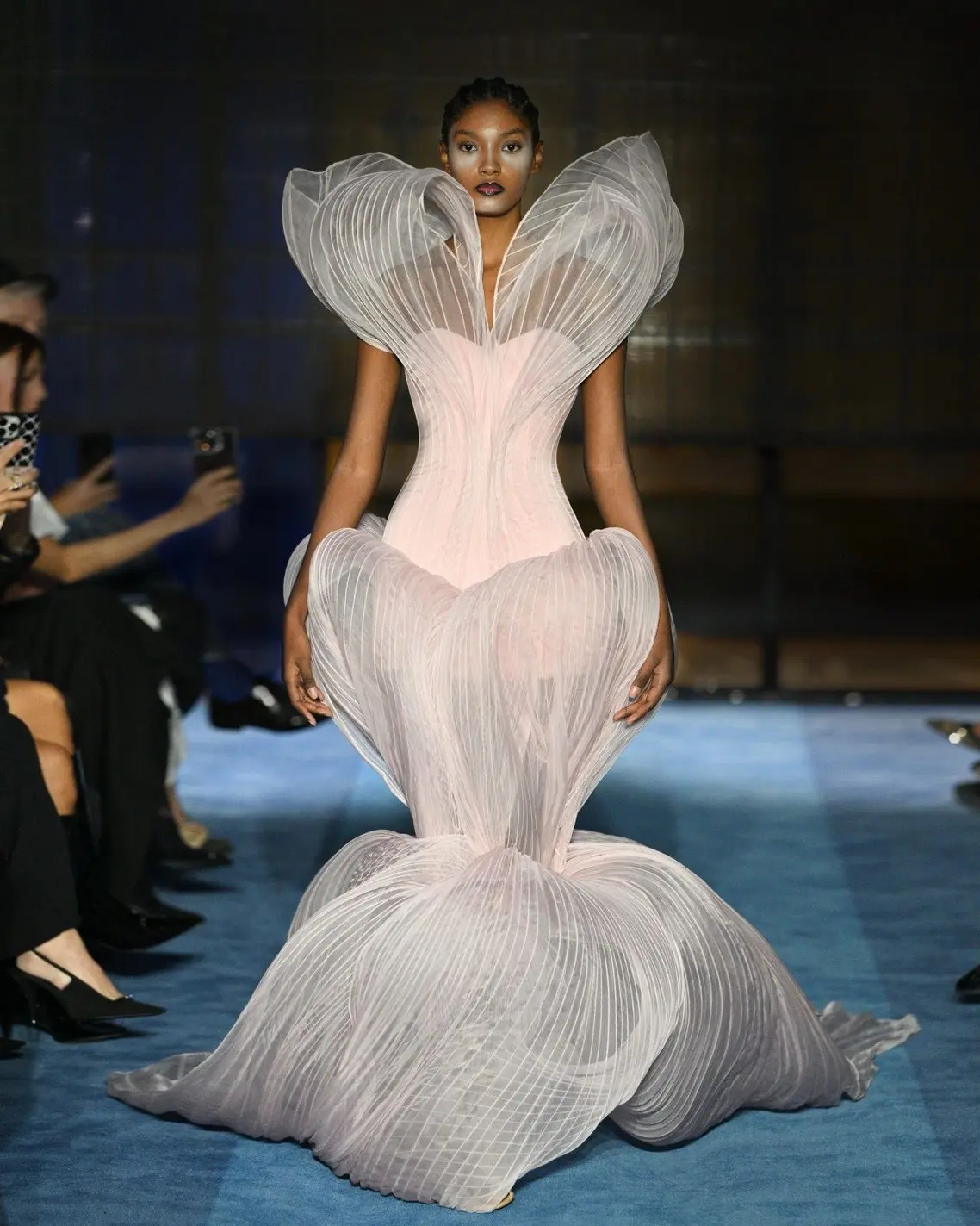
The hobble silhouette may have seemed a bizarre fad, yet its significance extends far beyond the few years it dominated women’s wardrobes. It was born out of a collision of Orientalist fantasy, technological accident, and avant-garde design. It shaped daily life, altered infrastructure, and provoked fierce cultural debates. It symbolized both the shackling of women and their liberation from older constraints. And it laid the groundwork for modern streamlined fashion.

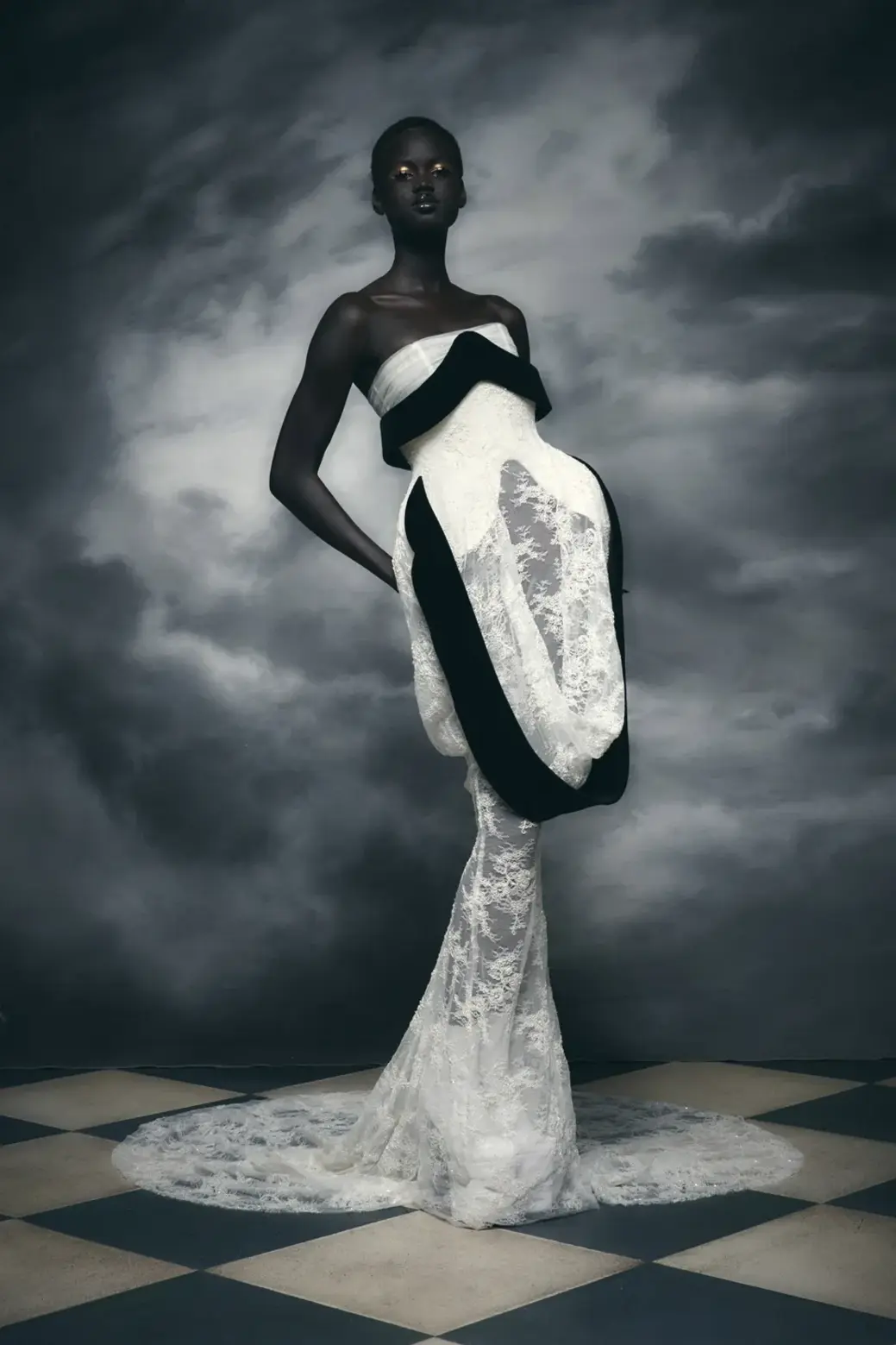
Its spirit lives on not because it was practical, it wasn’t, but because it was provocative. It dared to challenge norms, to turn walking into theatre, to embody contradictions.
The hobble skirt reminds us that fashion is never “just clothing.” It is a mirror of society’s struggles, a stage for performance, and a laboratory of ideas. A century later, it continues to inspire because it embodies the very essence of fashion itself: the power to provoke, to enchant, and to transform how we see the body in motion.
Advertisement