MENU
Close





In 2026, women of Surrealism have emerged as one of the art world’s most magnetic forces, moving from scholarly reappraisal to market power, institutional prestige, and cultural urgency.
In 2026, women of Surrealism have emerged as one of the art world’s most magnetic forces, moving from scholarly reappraisal to market power, institutional prestige, and cultural urgency.
March 20, 2026


The 2026 art market is witnessing a "K-shaped" recovery where historical Surrealism, particularly by women, is outperforming almost every other modern category.
What began as a niche academic reappraisal has crystallized into one of the art world’s most compelling and high-value movements. “Women in Surrealism” now commands serious market and institutional attention, driven by record-setting auction results, a broader spiritual turn in contemporary collecting, and a growing network of exhibitions extending far beyond Europe’s traditional centers.
That expansion carries deep historical roots: during World War II, Mexico City became a crucial second capital of Surrealism, where exiled artists such as Leonora Carrington and Remedios Varo, liberated from the shadow of the Parisian boys’ club, developed a more hybrid and communal visual language infused with Mexican folklore, mysticism, and alternative ways of seeing, popularly known as Mexican Surrealism.
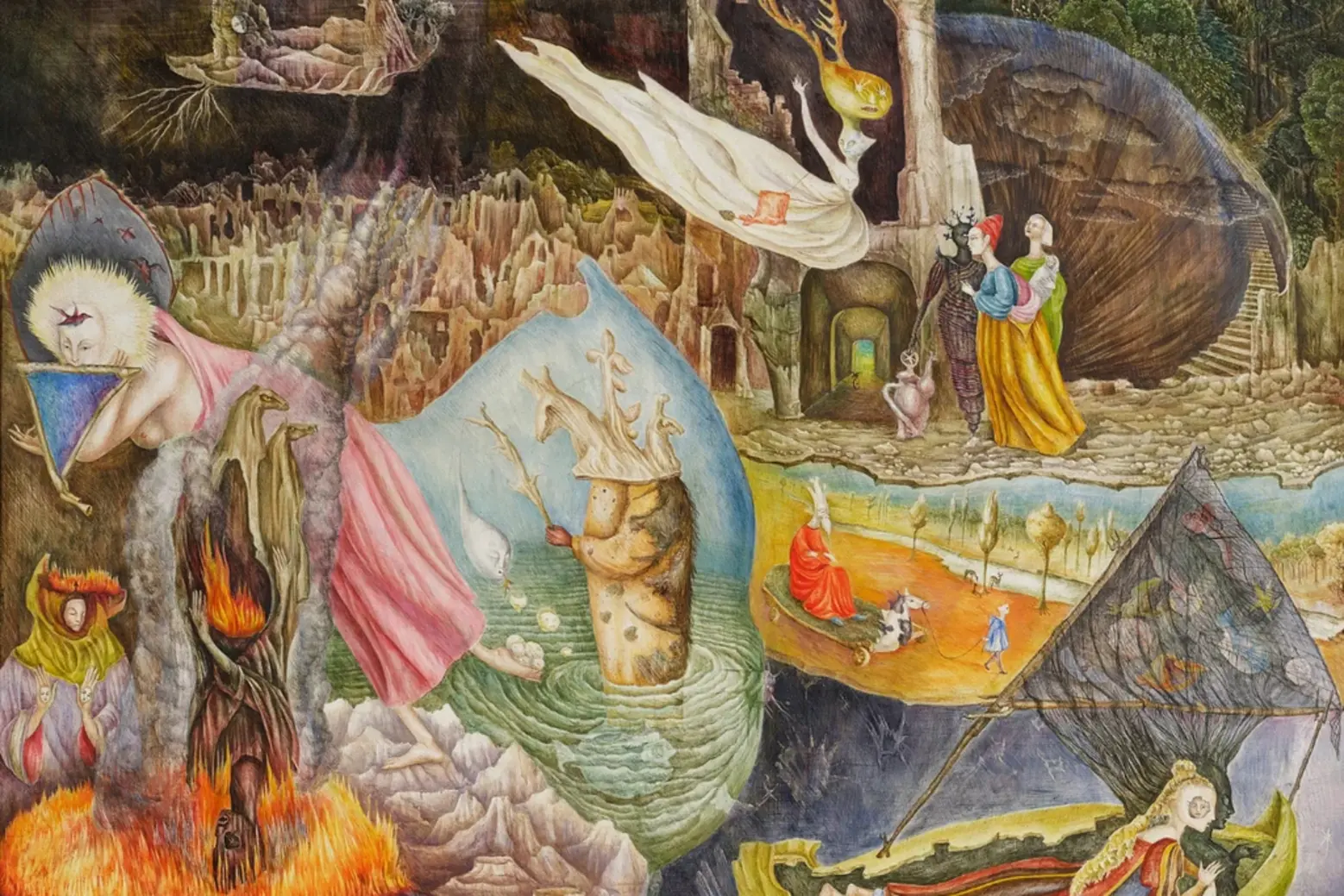
Sotheby’s x ArtTactic data cited by Observer shows auction sales for women Surrealists rose from $7.9 million in 2018 to $94.3 million in 2024, and the momentum has continued into 2026: Dorothea Tanning’s Children’s Games sold for £4.686 million ($6.26 million) at Christie’s London on 5 March and Leonora Carrington’s Les Distractions de Dagobert still glows as the category’s talisman after setting her $28.5 million record in 2024.
Yet the rise feels larger than price. It carries the atmosphere of a spiritual return. These artists are being reclaimed for the systems of knowledge hidden inside their images: alchemy, divination, dream logic, occult intelligence, female authorship, and the strange electricity of the domestic made cosmic.
Tate describes Ithell Colquhoun’s work as opening onto unseen spiritual planes, while the National Museum of Women in the Arts frames women’s uncanny imagery as a way of regaining agency from patriarchal traditions. NMWA also describes Remedios Varo’s art as a fusion of Surrealism with magic, alchemy, astrology, and psychology. One reason their work feels so urgent now seems almost obvious: In an era drawn toward polished surfaces and machine-made precision, these paintings return mystery, psychological density, and a more disobedient form of knowledge. These women were never muses drifting through someone else’s dream. They were intellectual architects of the subconscious, technical innovators of the marvelous, and builders of alternate cosmologies.
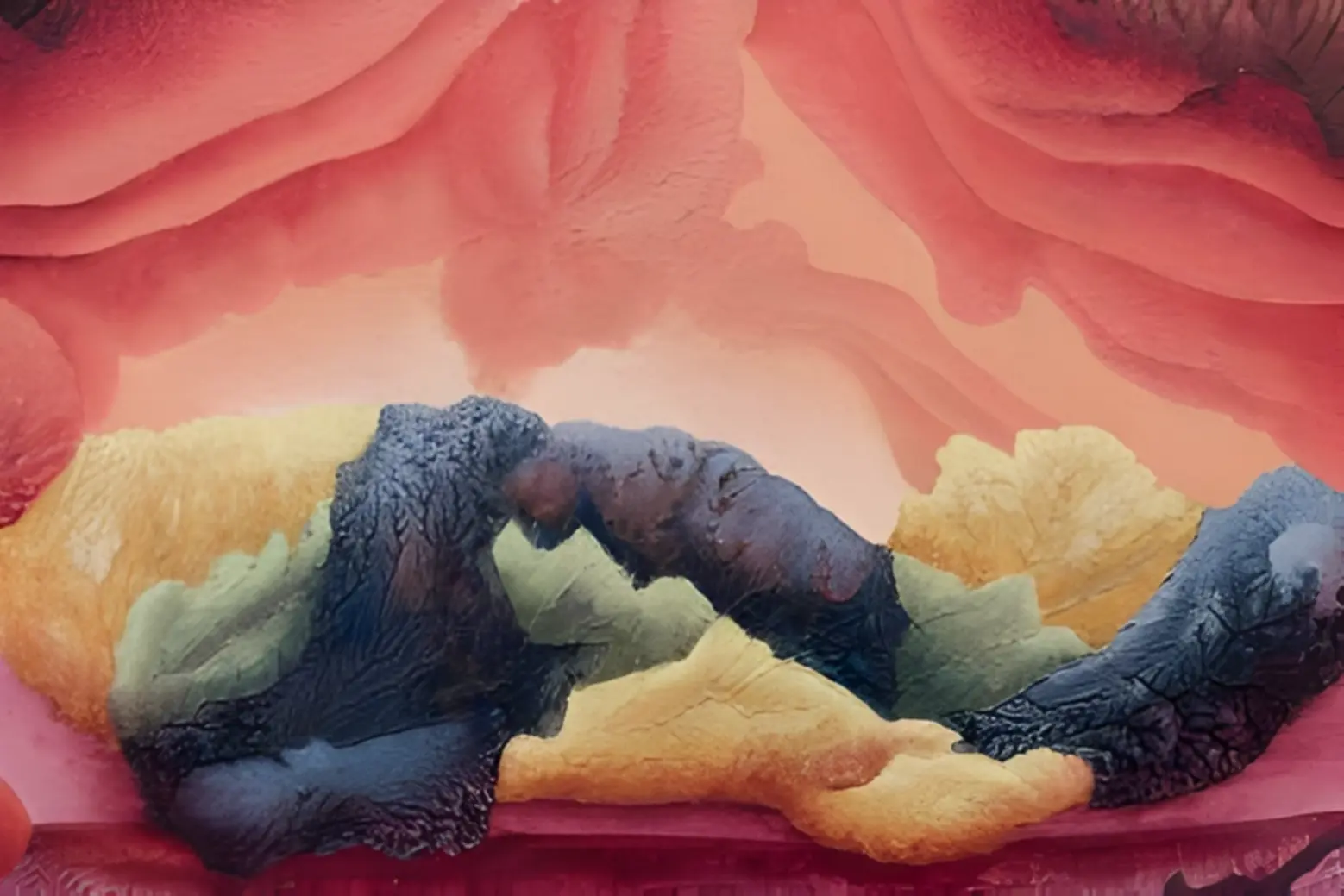
Rather than embracing the “Femme-Enfant” fantasy favored by many male Surrealists, the women of Surrealism redirected the movement toward far richer and more subversive territory. They turned the domestic sphere into a site of unease and revelation, transforming kitchens, bedrooms, and nurseries into uncanny psychological landscapes.
Through metamorphosis, they imagined human-animal hybrids and fluid identities that resisted patriarchal definition, while autobiography became a serious artistic tool, with the self-portrait serving less as ornament than as a form of psychoanalytic inquiry. Their work also drew deeply from the occult, using Tarot, alchemy, and witchcraft as alternative systems of knowledge that challenged Western rationalism. Together, these themes reshaped Surrealism from a theater of feminine projection into a language of female agency, interiority, and transformation.
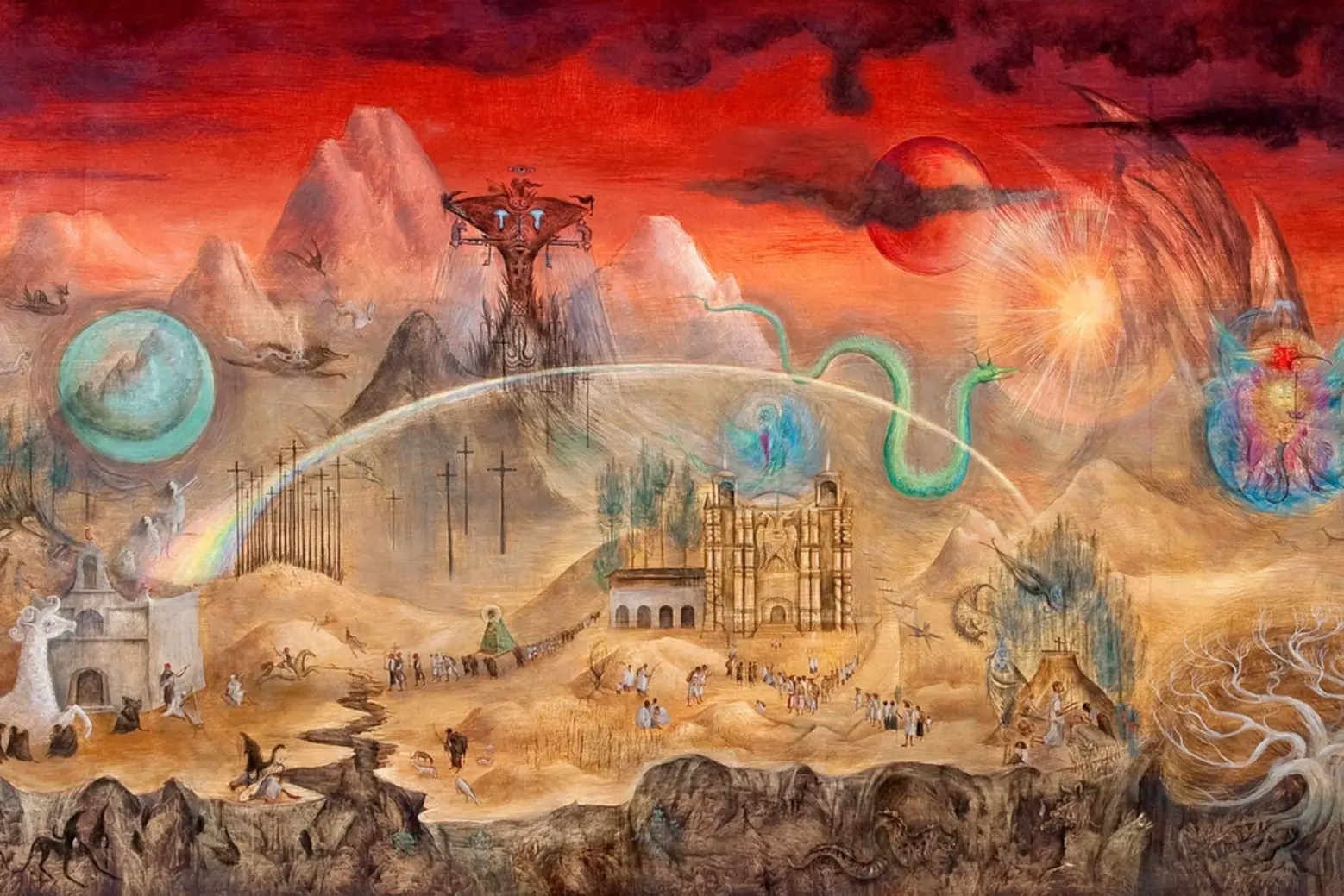
Beyond the traditional Parisian circle, the women of Surrealism remade the movement’s visual and philosophical language from the inside out. They shifted Surrealism away from the old script of the female muse and toward something far more radical. The female artist is the myth-maker, theorist, magician, and architect of alternate realities.
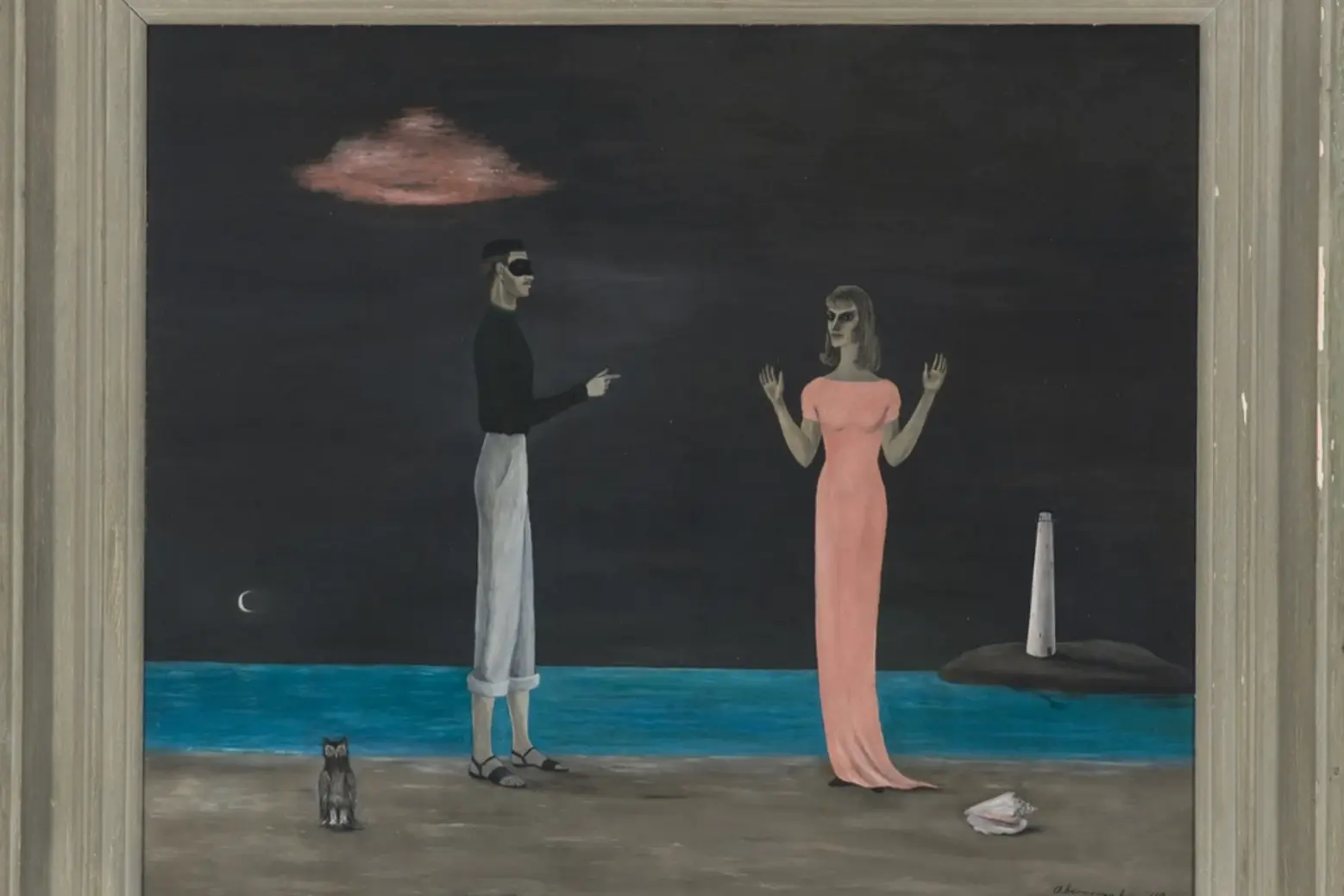
Leonora Carrington stands at the center of that transformation. British-born and later based in Mexico City, she built a private cosmology threaded with fairy tale, alchemy, and animal intelligence. In her Self-Portrait, the Metropolitan Museum notes that the white horse functions as her symbolic surrogate, a clue to how Carrington used animals less as decoration than as extensions of female consciousness and freedom. Carrington's recent retrospective at the Musée du Luxembourg, which includes 126 of her best works, was an attraction, proving Carrington's global recognition and success.
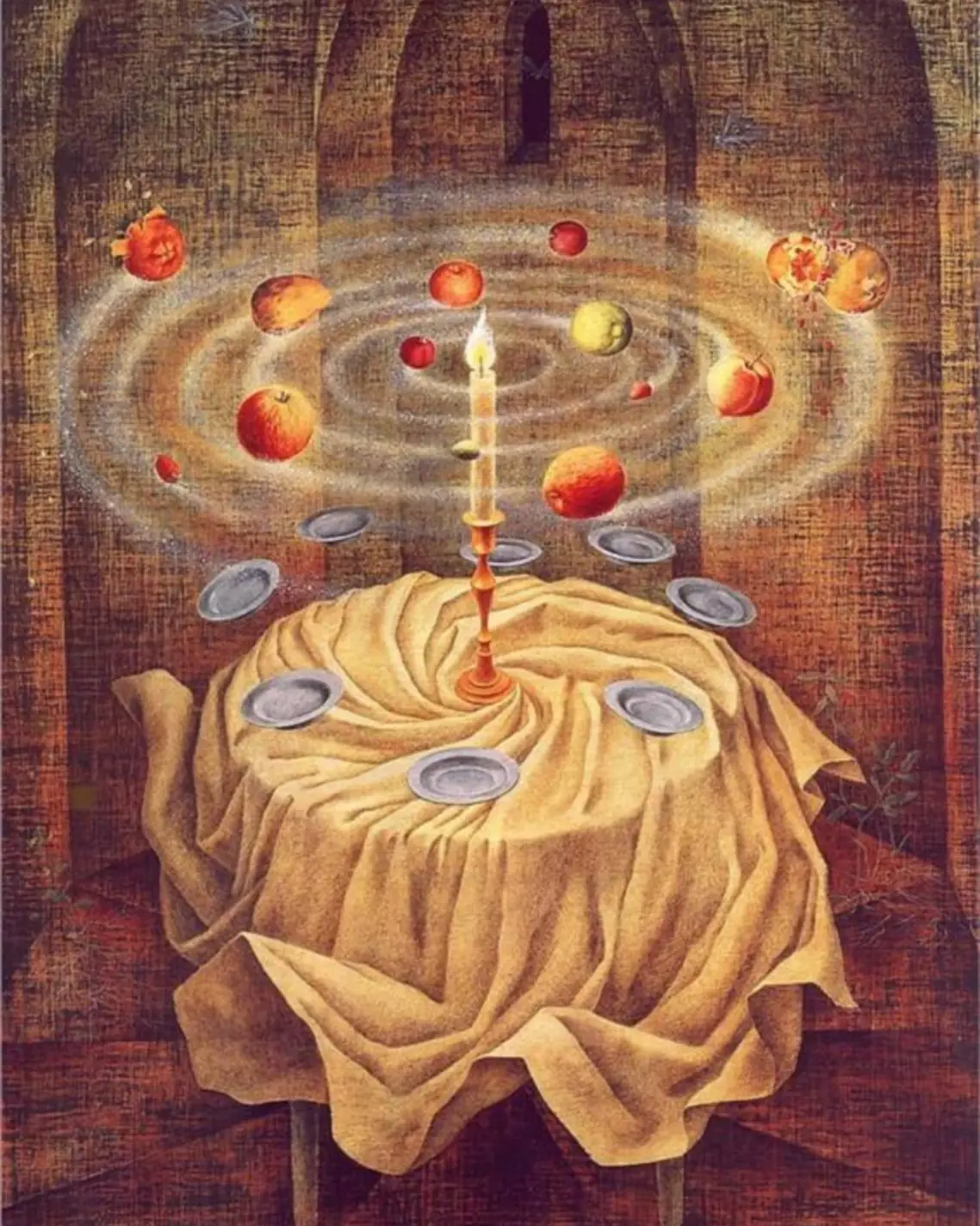
Remedios Varo, Carrington’s close friend and collaborator in Mexico, moved through a related yet more exacting universe. The National Museum of Women in the Arts describes her paintings as intricate puzzles linking Surrealism with magic, alchemy, astrology, and psychology, while the Art Institute of Chicago’s major Varo survey emphasized her mystical musicians and unconventional scientists, figures forever searching for hidden orders and unseen truths.
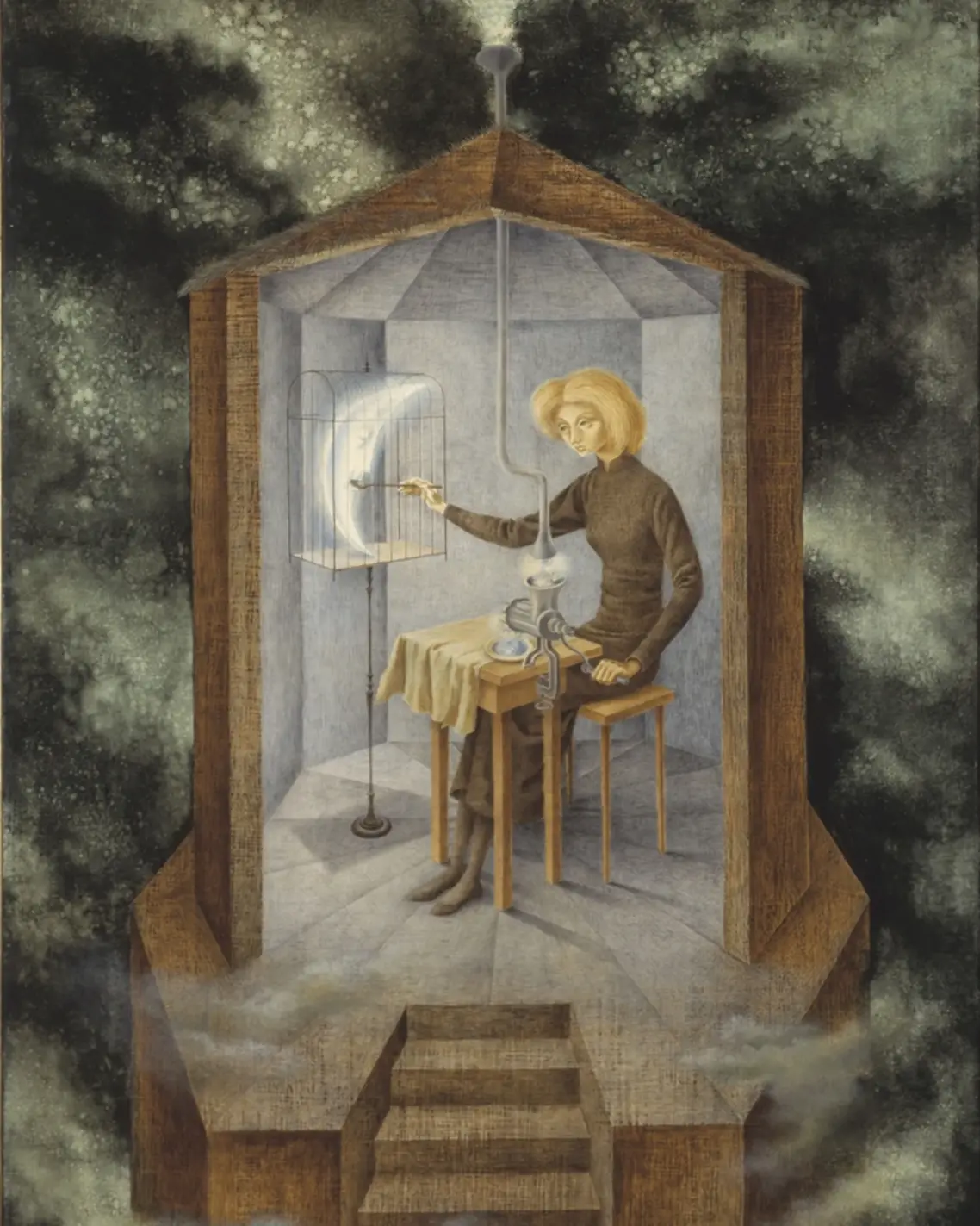
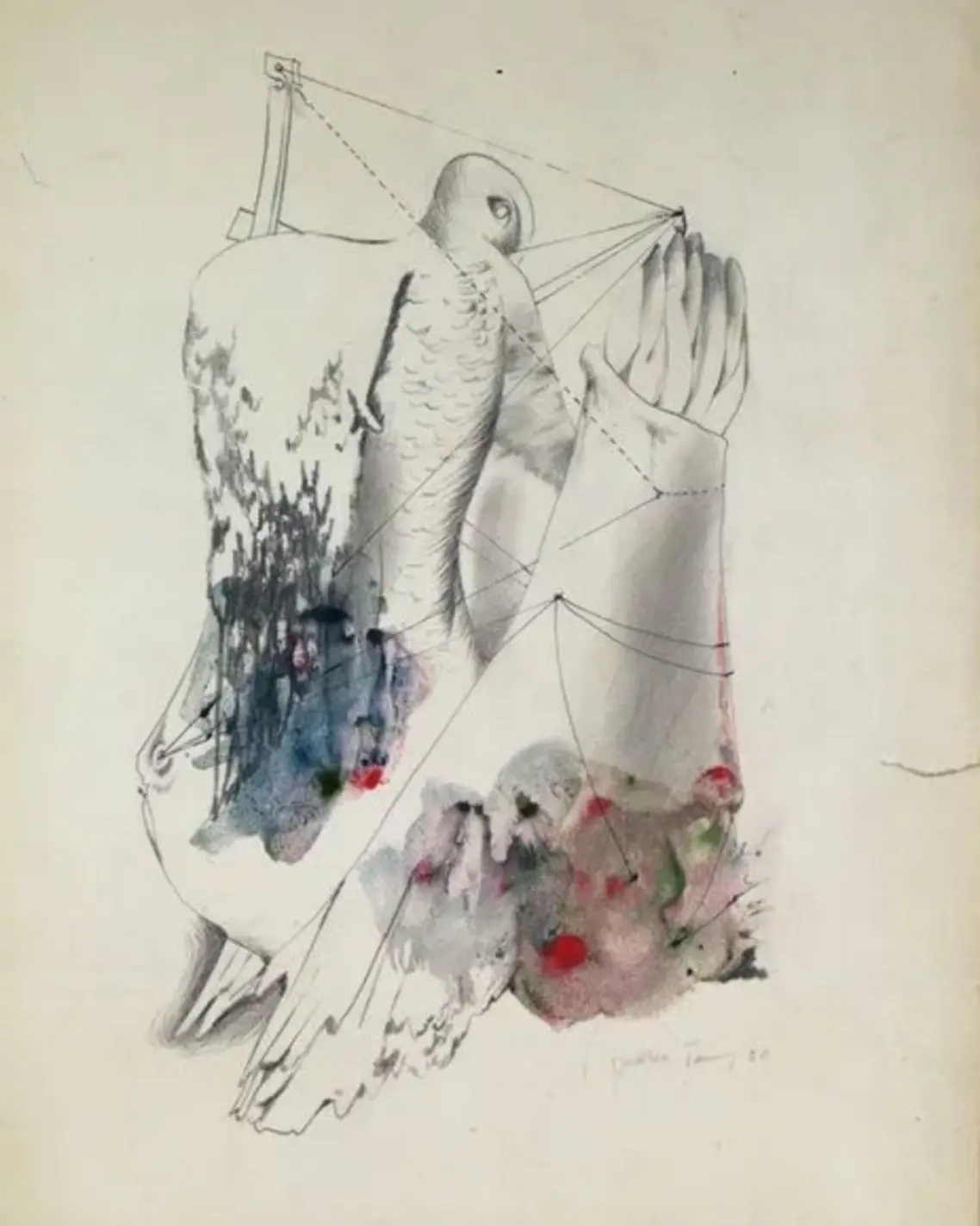
Dorothea Tanning brought the uncanny into the home. Her paintings turned doors, corridors, girls, and giant sunflowers into charged symbols of threshold, where the domestic interior becomes a stage for desire, metamorphosis, and psychic unrest.
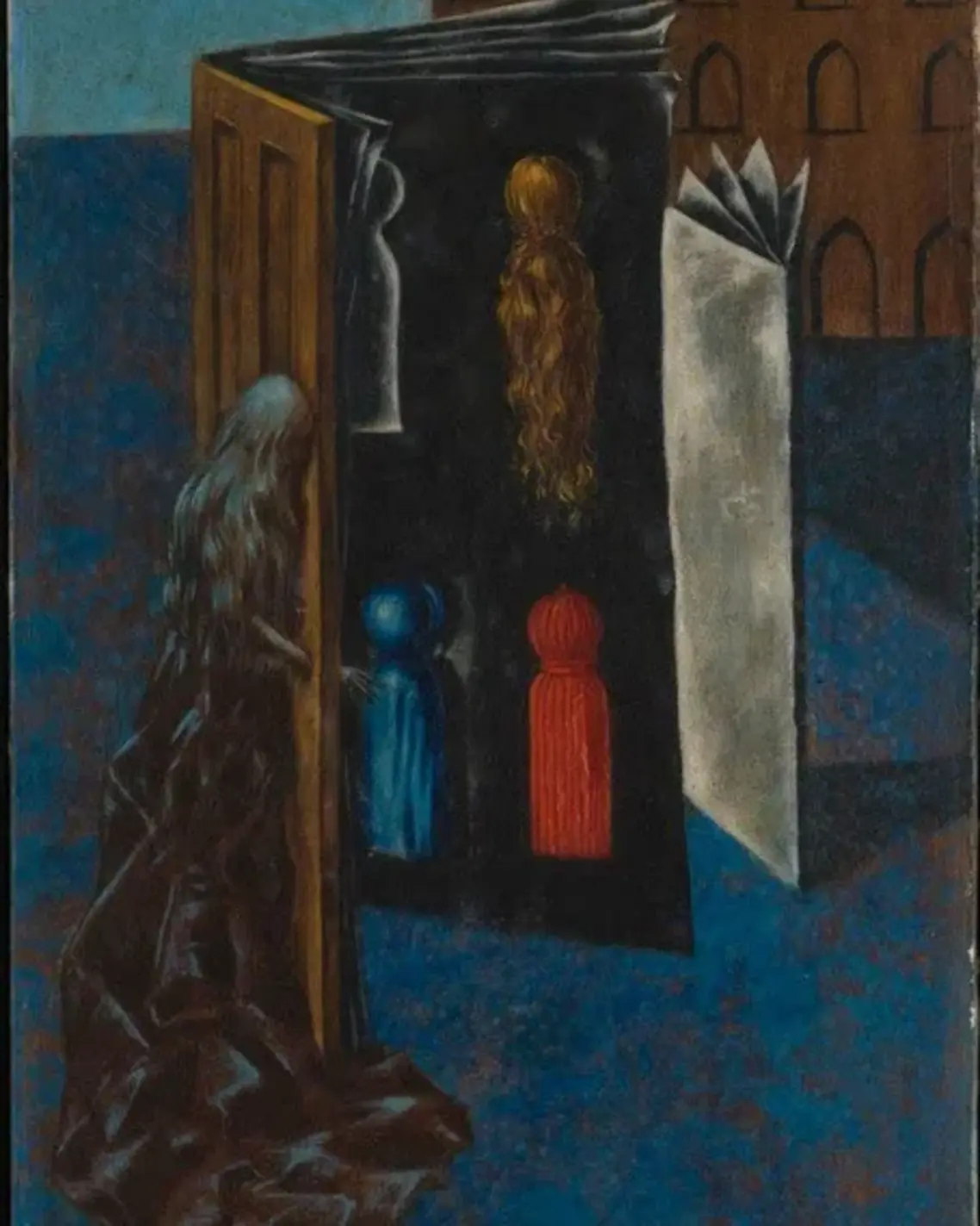
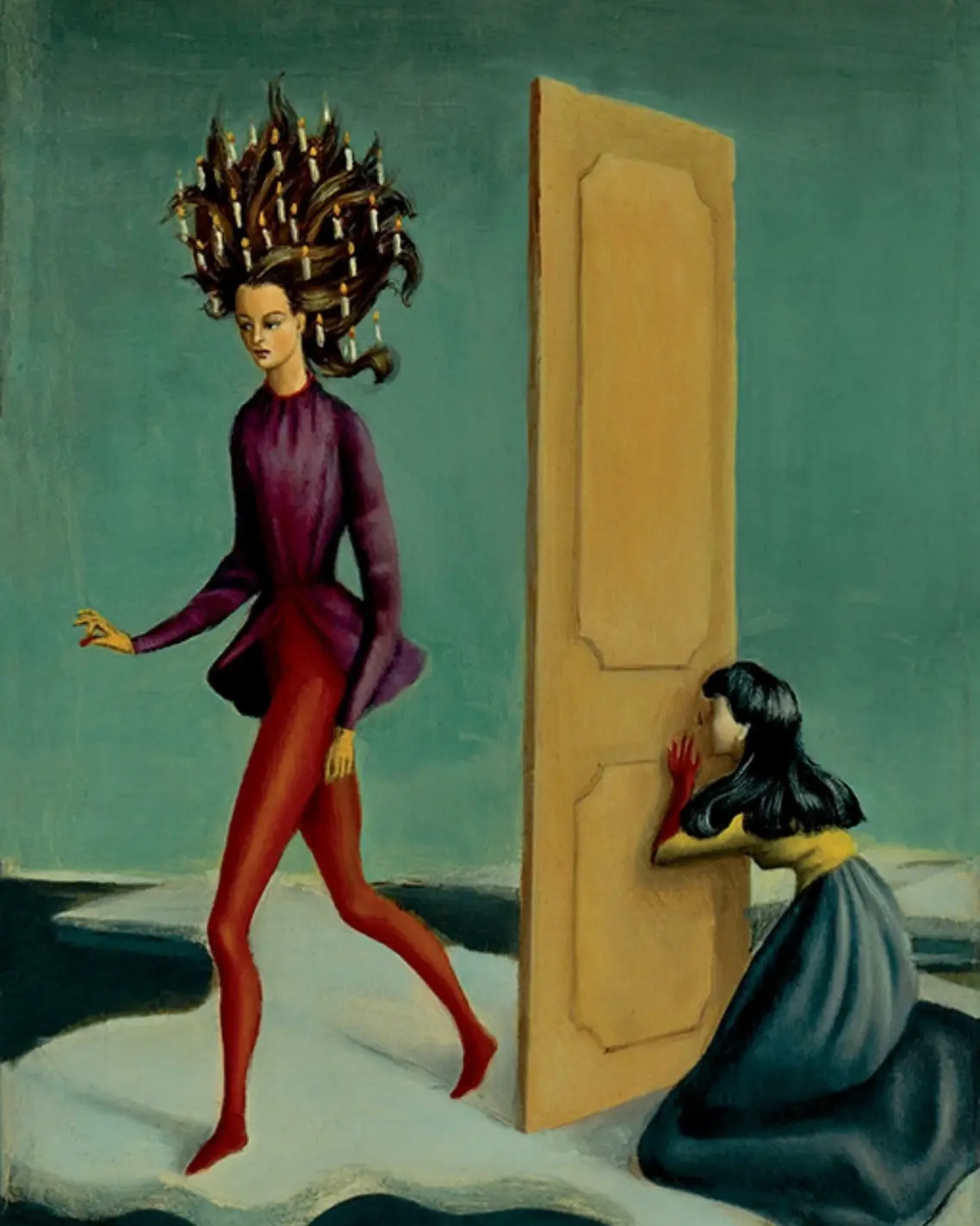
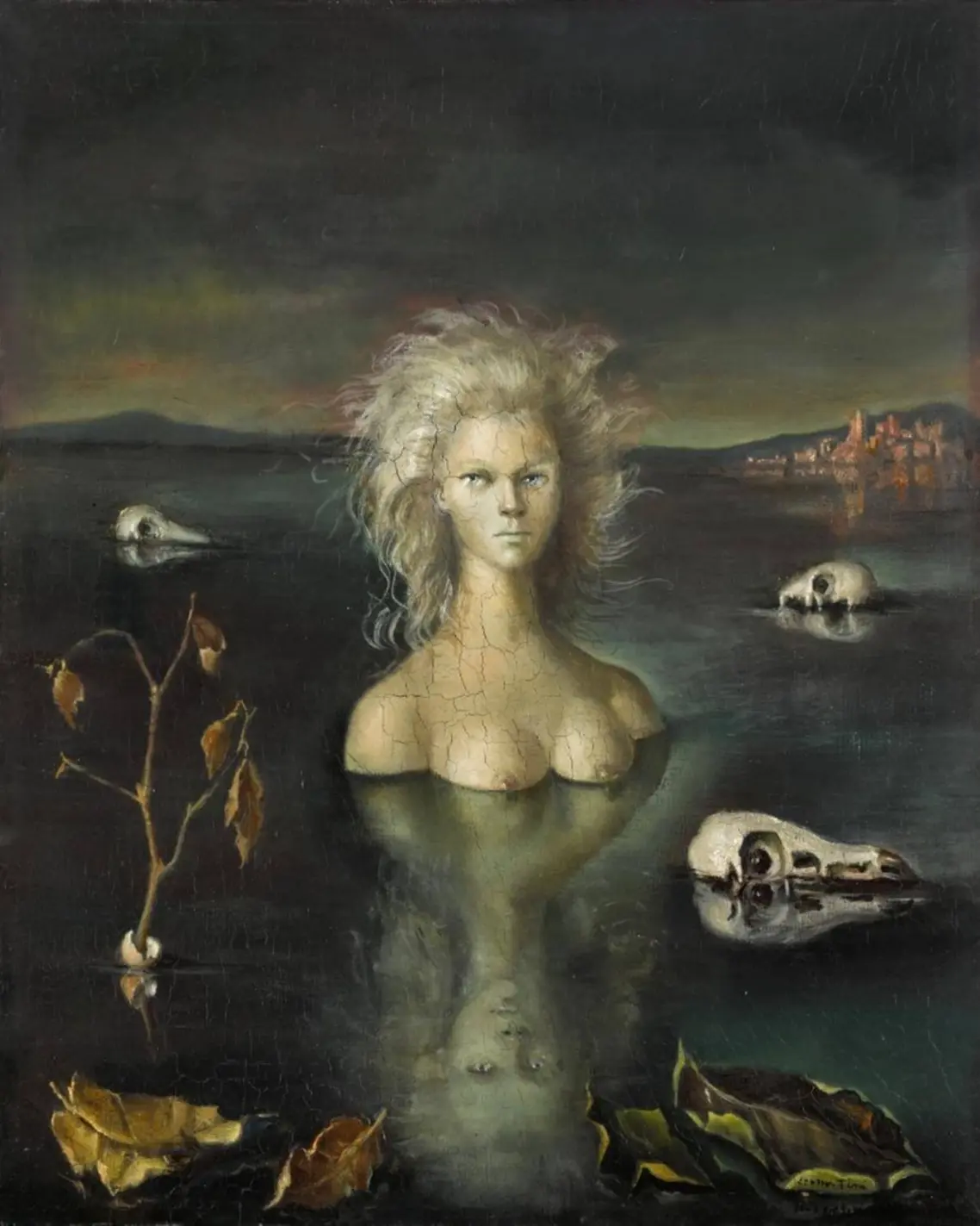
Leonor Fini, by contrast, guarded her independence fiercely. As the Peggy Guggenheim Collection notes, she never officially joined the Surrealist movement, even as she borrowed and bent its language for her own ends. Britannica identifies the sphinx as the signature emblem of her art, and that feels exactly right: in Fini’s paintings, women appear as sovereign, enigmatic, half-mythic beings, never passive, always in command of the riddle.
On the other side of the globe, Eileen Agar served as a vital bridge between British abstraction and Continental Surrealism. In 1936, Herbert Read and Roland Penrose selected her for the International Surrealist Exhibition in London, making her the only British woman in that landmark show. Around the same time, she developed her idea of “womb-magic,” a feminine mode of imagination rooted in the unconscious and shaped in response to Europe’s rising militarism. From that came an art of vivid, sensitive chaos, fusing nature, play, sensuality, and finding objects into a surreal language entirely her own.
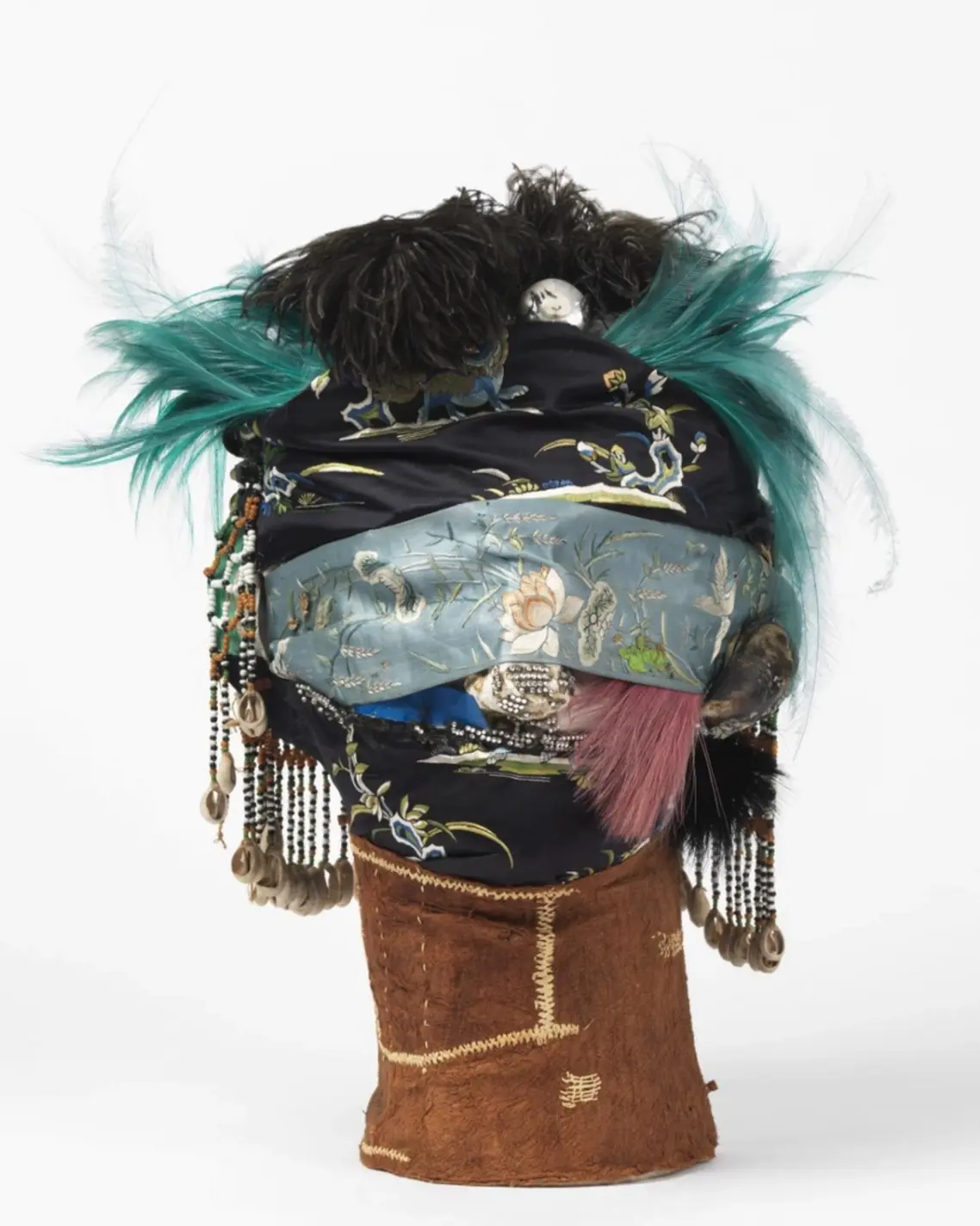
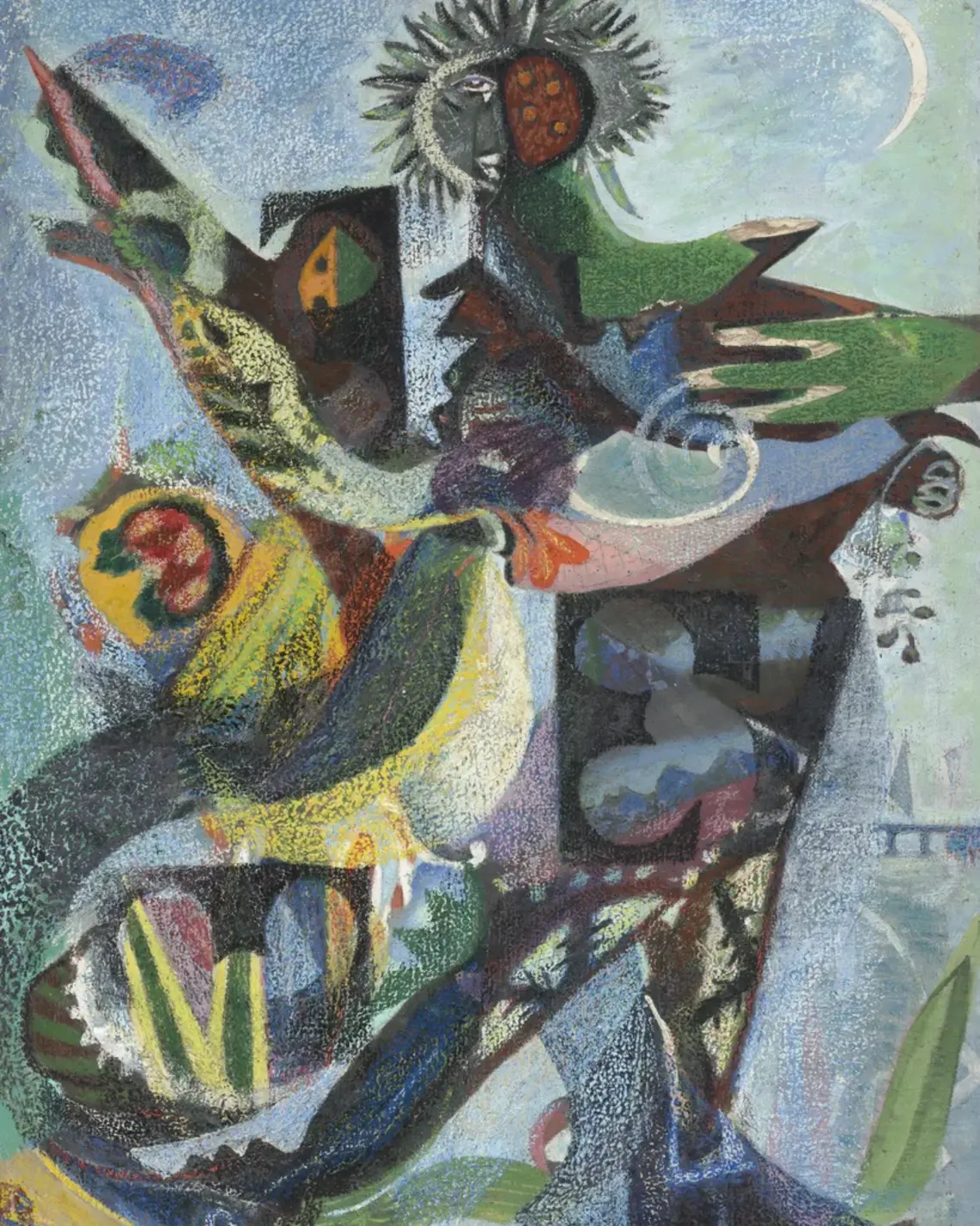
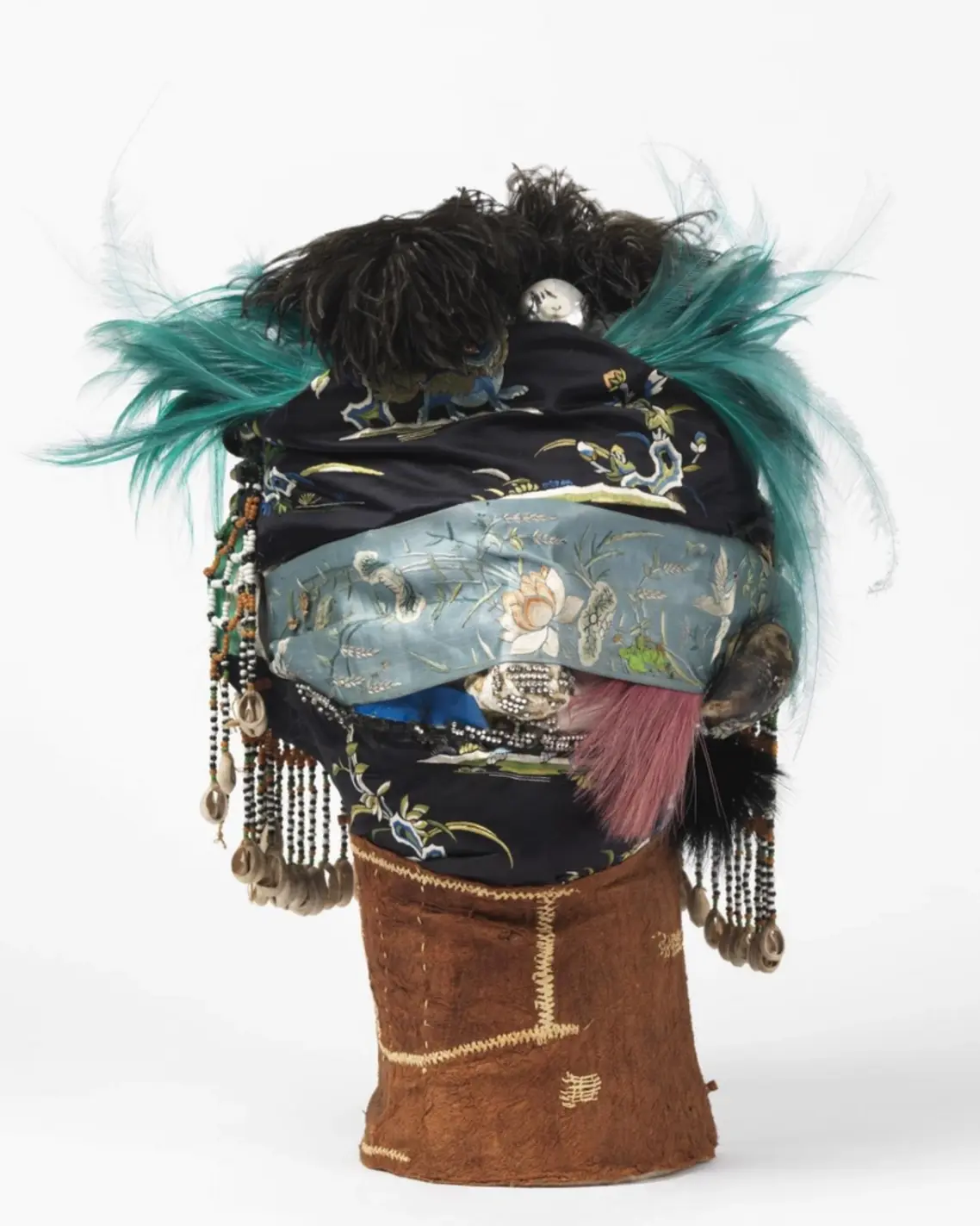
Agar’s key works give that philosophy form. Angel of Anarchy transforms a plaster head with fabric, shells, beads, feathers, and a blindfold into something both ritualistic and futuristic; Ceremonial Hat for Eating Bouillabaisse turns the body into a witty Surrealist object; and her Brittany photographs discover prehistoric monsters in seaside rock formations. Alongside Carrington, Varo, Tanning, and Fini, Agar pushed Surrealism far beyond its male mythology. Women of Surrealism did more than inhabit the movement; they rewrote its terms.
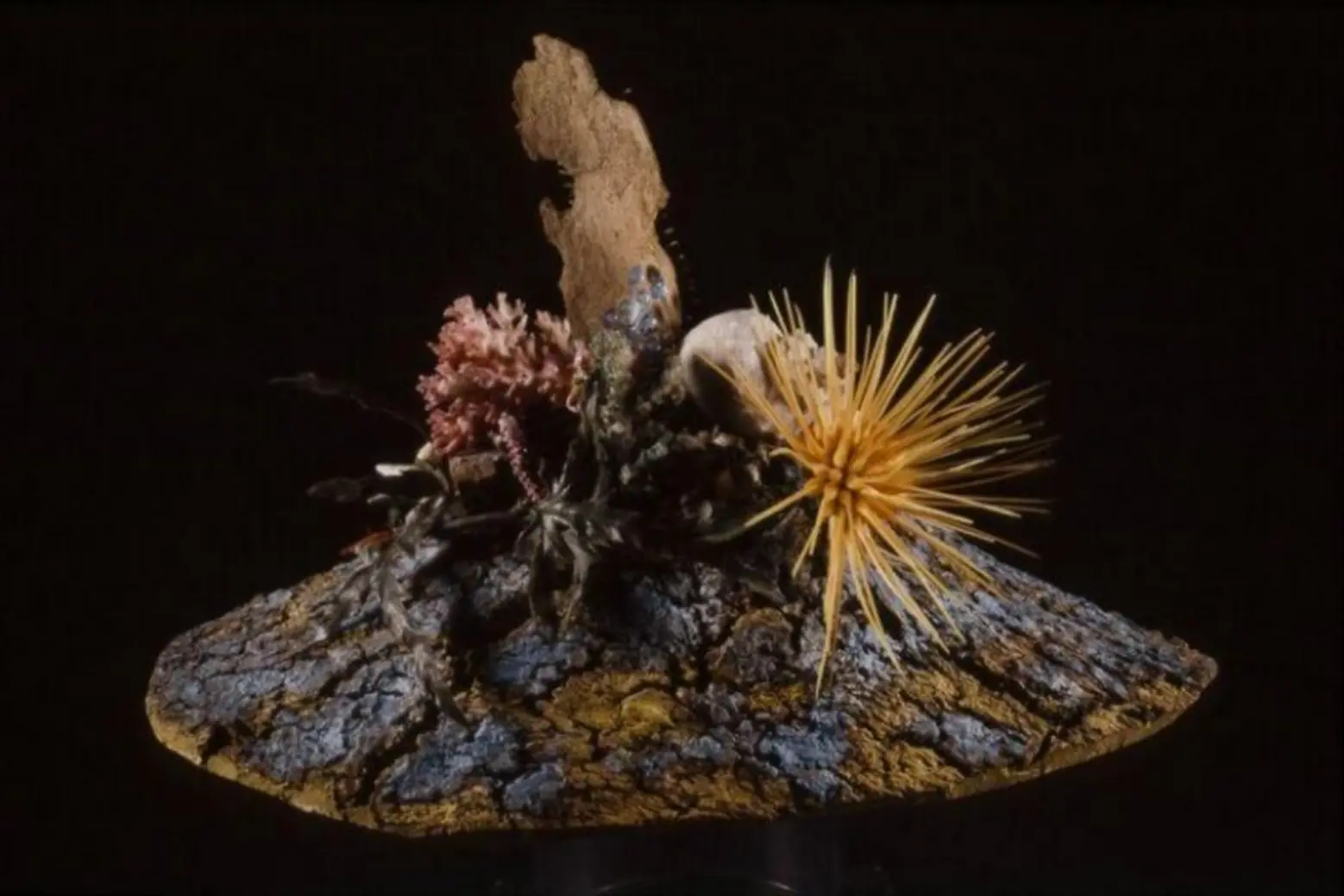
Surrealism’s expansion into photography and sculptural objects owed much to women artists who challenged the conventions of representation and the politics of the gaze.
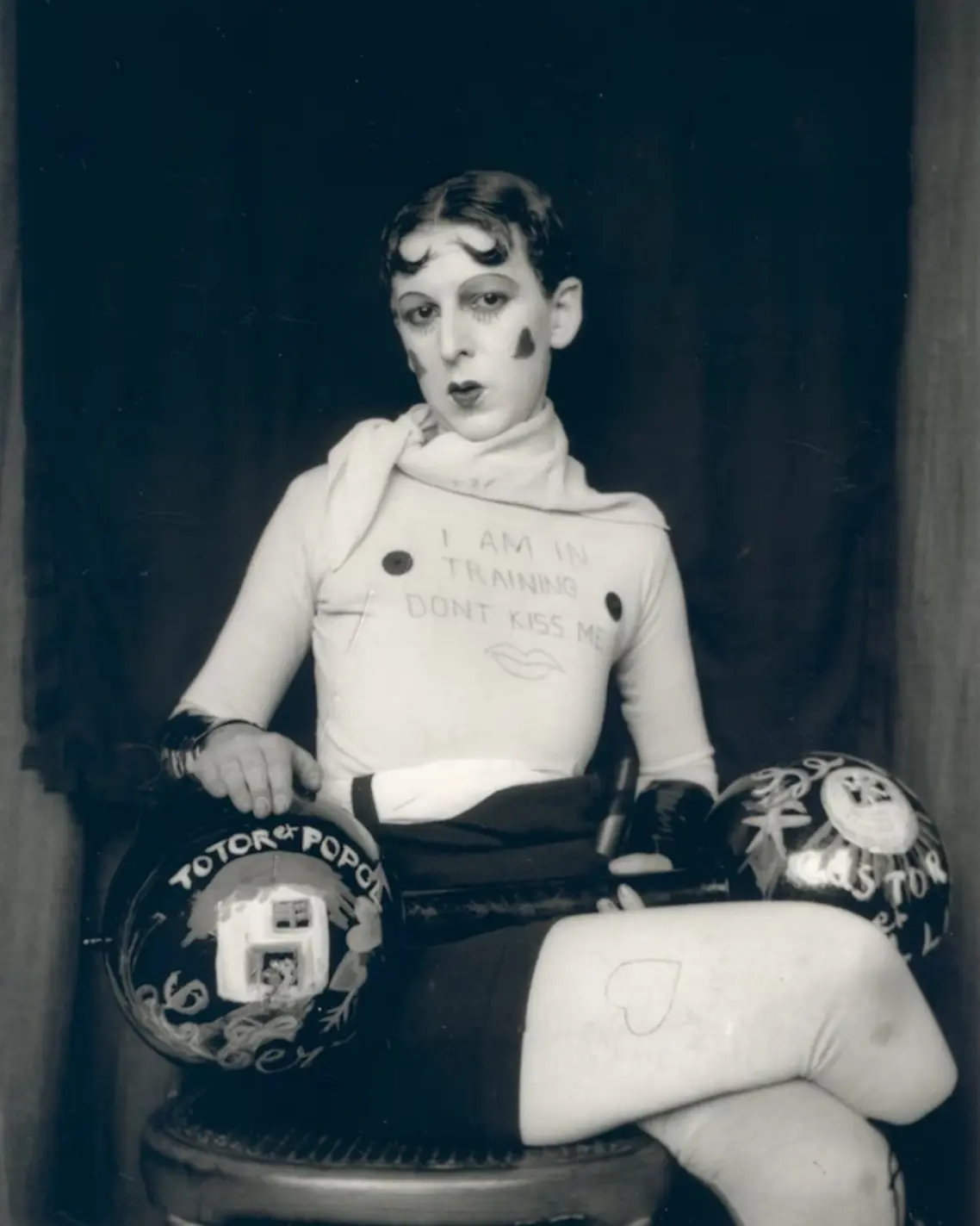
Claude Cahun stands as a radical pioneer in this shift, using self-portraiture to destabilize fixed ideas of identity through shaved heads, theatrical costumes, and deliberately ambiguous personae, anticipating later conversations around gender fluidity by decades.
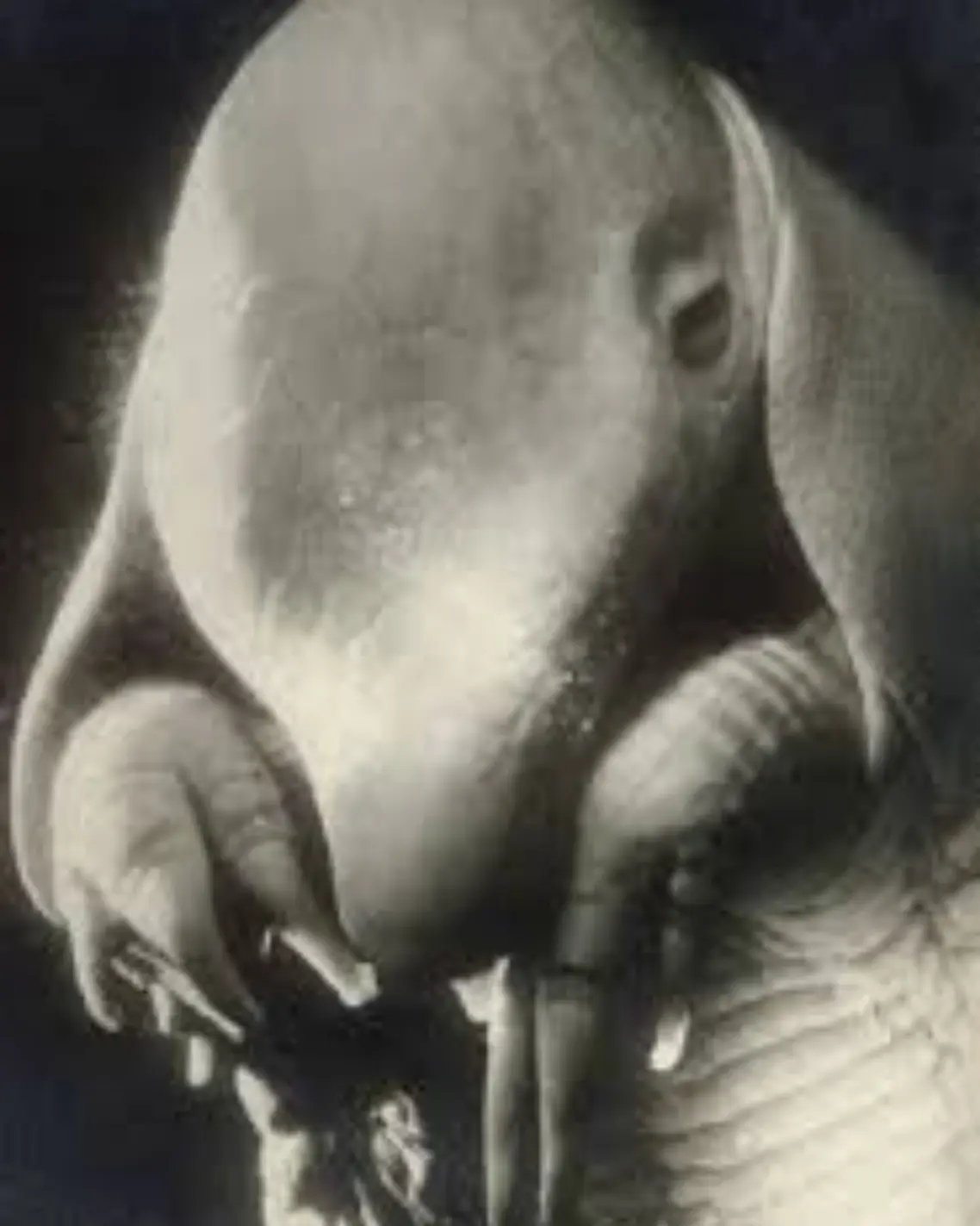
Dora Maar, meanwhile, extended Surrealism through photography with a practice far richer than her often-reduced role in Picasso’s orbit suggests. A powerful street photographer and darkroom experimenter, she brought an eerie psychological intensity to the medium, and works such as Portrait of Ubu remain defining examples of Surrealism’s fascination with the grotesque, the ambiguous, and the uncanny.
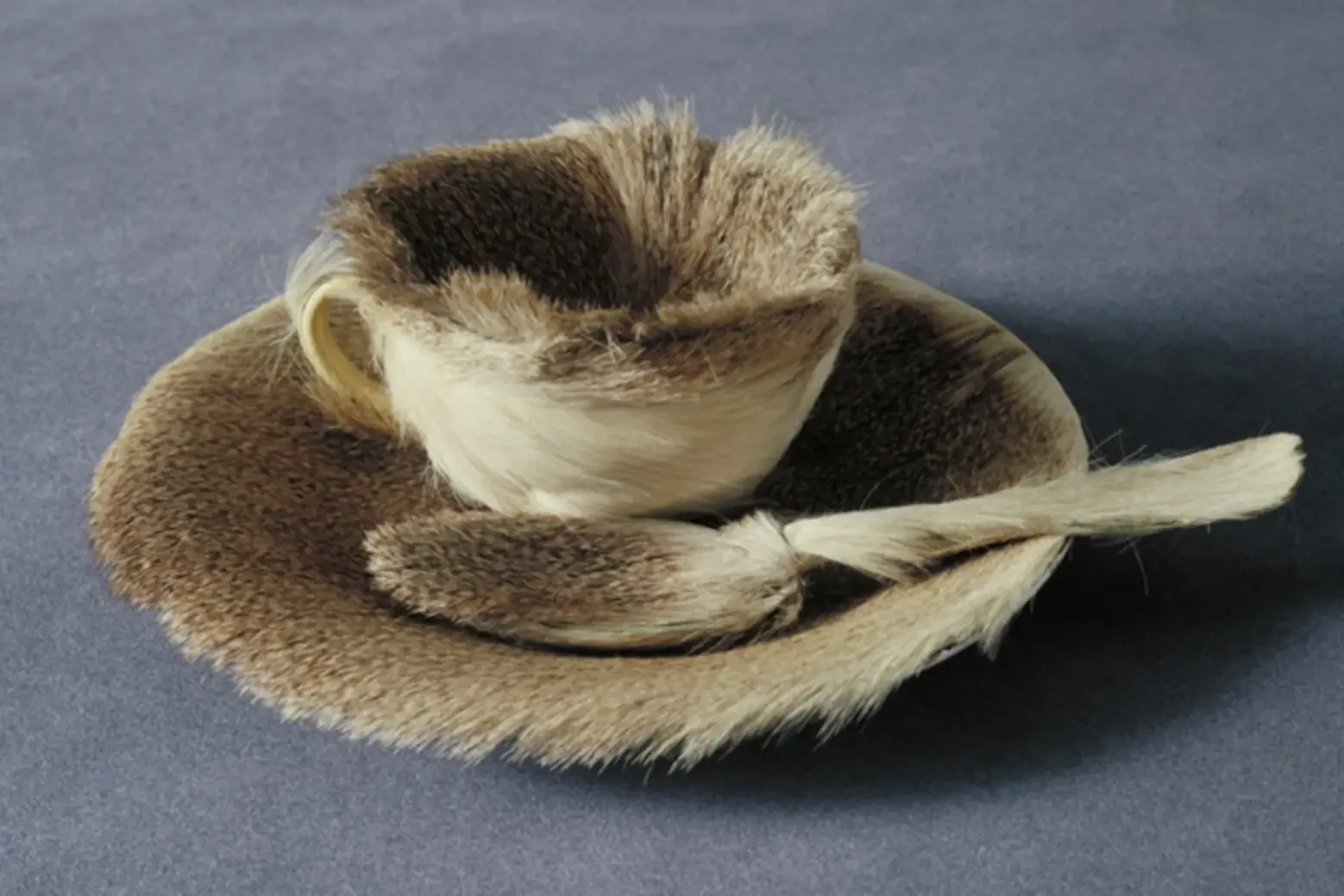
Meret Oppenheim pushed Surrealism into the realm of the object with Le Déjeuner en fourrure (Object), the now-iconic fur-lined teacup that transformed an ordinary domestic item into something tactile, irrational, and deeply unsettling, making “sensory displacement” one of the movement’s most memorable strategies.
The booming success of women of Surrealism marks far more than a market trend. It is a cultural correction and a deeper recognition of artists who transformed dream, myth, and mysticism into new visual languages of power. In 2026, Carrington, Varo, Tanning, Fini, Agar, Cahun, Oppenheim, and Maar stand not at the margins of Surrealism, but at its living, luminous center.