MENU
Close





At Milan Design Week 2026, the most desirable object was no longer a chair, lamp or sofa, but the thinking that made it possible.
At Milan Design Week 2026, the most desirable object was no longer a chair, lamp or sofa, but the thinking that made it possible.
April 28, 2026


For years, Milan Design Week has been a citywide theatre of chairs, lamps, kitchens, sofas, surfaces and objects polished into desire. But Milan Design Week 2026 felt like a turning point. The week still had beauty, spectacle and seduction, yet the real energy had shifted away from object-lust toward process, rarity and intellectual depth. Fuorisalone’s theme, “Be the Project” or “Essere Progetto,” captured this change with unusual clarity. Design was no longer presented simply as a finished thing to consume. It became a position to inhabit, a way of thinking through materials, responsibility, memory and human agency. Salone del Mobile.Milano, meanwhile, ran from April 21 to 26 at Fiera Milano Rho, introducing new formats including Salone Raritas, a collectible design section that confirmed how strongly the market is now leaning toward uniqueness, authorship and scarcity.
The 2026 edition of Milan Design Week serves as a critical inflection point, signaling the moment the "design bubble" began to recalibrate under the immense pressure of its own global dominance. This wasn't merely a week of logistical hurdles, but a profound identity crisis where the "Excess Problem" — a saturation of over 1,300 events, forced a move toward "Slow Circuits" and appointment-only viewings to rescue architectural dialogue from the noise of "Instagrammability." Simultaneously, a strategic contraction by "design-adjacent" giants in the automotive and fashion sectors revealed a shift from commercial land-grabs to intellectual curation. By trading sprawling hangars for intimate villa activations and "home collections" for philosophical libraries, brands like Jil Sander and Lexus signaled that in an era of unproductive excess, the ultimate luxury is no longer visibility, but the focused depth of a curated mindset.
The most important idea of Milan Design Week 2026 was not a dominant aesthetic, but a changed definition of design itself. “Be the Project” invited visitors to see design as a cultural process rather than a final product, asking brands, studios and audiences to think about how objects come into being and what relationships they build between people, places and systems.
There was no neat ruling color, no one sofa shape, no easy shorthand like bouclé minimalism or saturated retro glamour. Instead, the week felt fractured in the best sense: Intellectual, individualistic and materially restless. Some designers leaned into softness and oversized modular comfort. Others pursued glass, stone, textiles, books, scent, sound or architecture as tools for thought. The designer’s journey became as important as the object’s final silhouette.
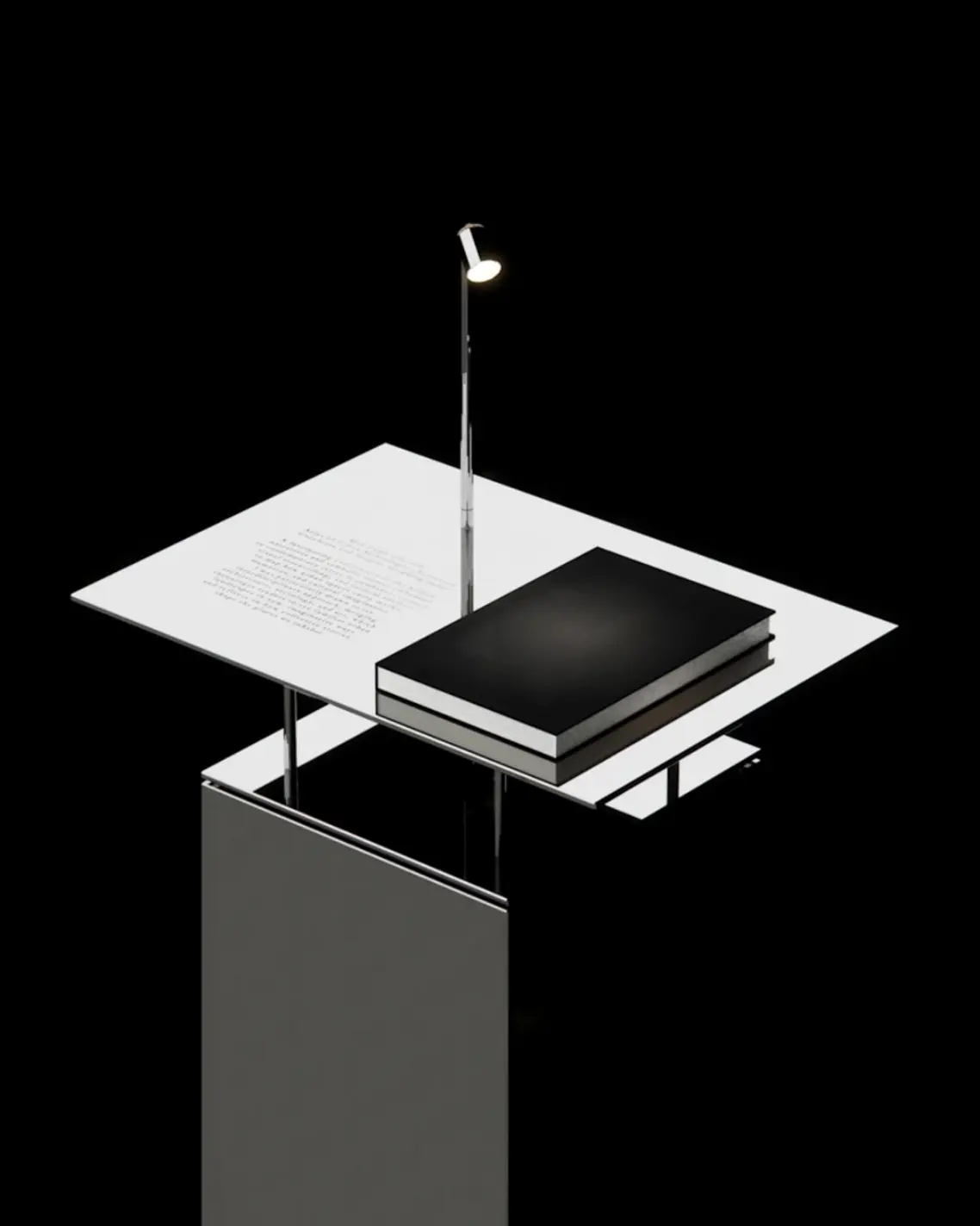
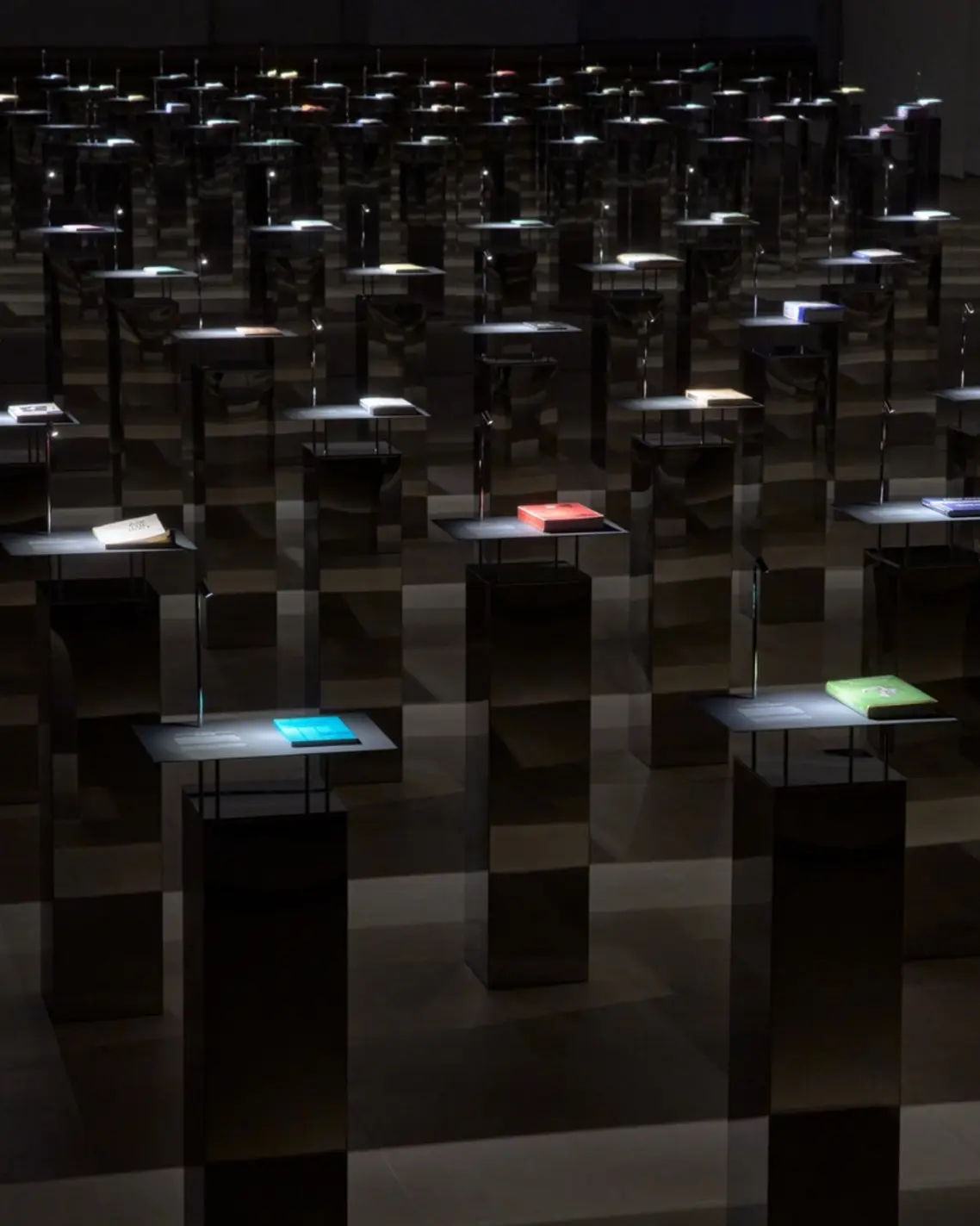
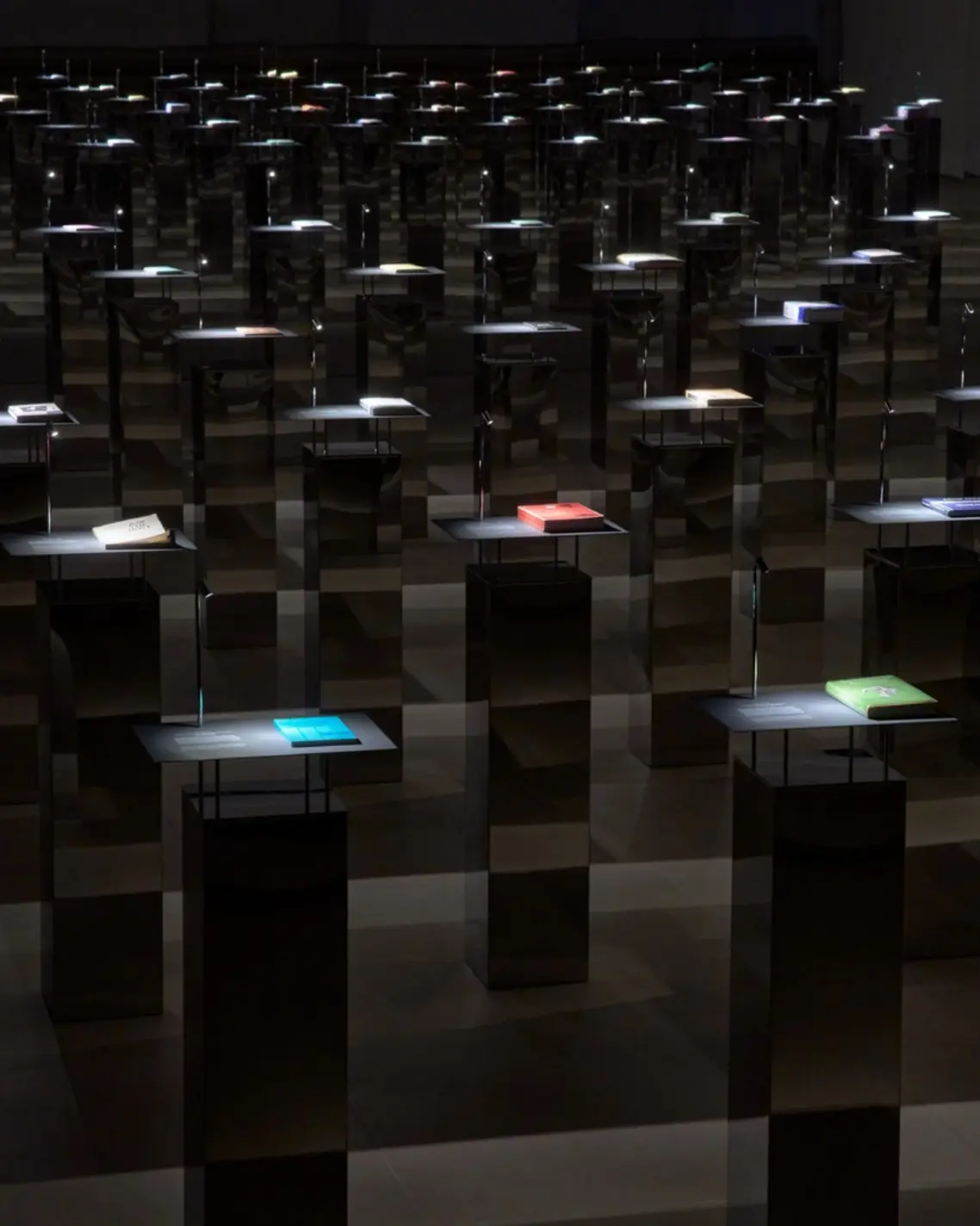
That intellectualization appeared most clearly in Jil Sander’s Reference Library, presented during Milan Design Week. Creative director Simone Bellotti staged 60 books chosen by 60 creatives close to the house, each placed on chrome lecterns with reading lamps. Visitors were given white gloves, turning reading into ritual and slowing the pace of consumption. It was a fashion-house activation, yes, but one that stepped away from spectacle and toward reference, study and interior life.
If there was one shared obsession at Milan Design Week 2026, it was materiality. But material was no longer treated only as finish, texture or luxury code. It became narrative. The 5VIE district made this explicit with “QoT – Qualia of Things,” a theme built around the subjective experience of perception: What an object feels like, not only what it does. In a design culture still fascinated by smart homes and invisible technology, 5VIE’s focus on qualia pushed back against efficiency as the highest value. It asked a more human question: can design protect sensation from becoming data?

This emphasis created a powerful counterpoint to the Kitchen and Bathroom biennials at Salone, where technology, wellness and domestic infrastructure remained central. The 2026 fair included EuroCucina, FTK – Technology For the Kitchen, and the International Bathroom Exhibition, alongside Workplace 3.0 and S.Project. These sectors showed how the home is becoming a sanctuary of hidden systems: induction surfaces disappearing into stone, water-efficient rituals becoming luxury, and wellness spaces borrowing language from spas rather than bathrooms.
The result was not a rejection of technology, but a demand that technology become quieter. The “smart sanctuary” of 2026 was not a house shouting about connectivity. It was a home where systems receded behind marble, water, scent and light. Comfort became padded, cocooning and almost bodily, while craft returned as a form of credibility. The most convincing objects were those that showed labor without over-explaining it.
Milan’s strongest design moments often happened away from the fairgrounds, where architecture gave objects a second life. Alcova 2026 continued its talent for reclaiming difficult, forgotten or inaccessible spaces, staging exhibitions across Villa Pestarini, a 1939 Franco Albini residence, and the Baggio Military Hospital, built between 1928 and 1931. With 131 exhibitors, Alcova used these sites as more than atmospheric backdrops. At Villa Pestarini, rationalist domestic space sharpened the dialogue between historic modernism and new design. At the semi-derelict hospital, courtyards, chapels and former service spaces turned exhibitions into site-specific encounters.
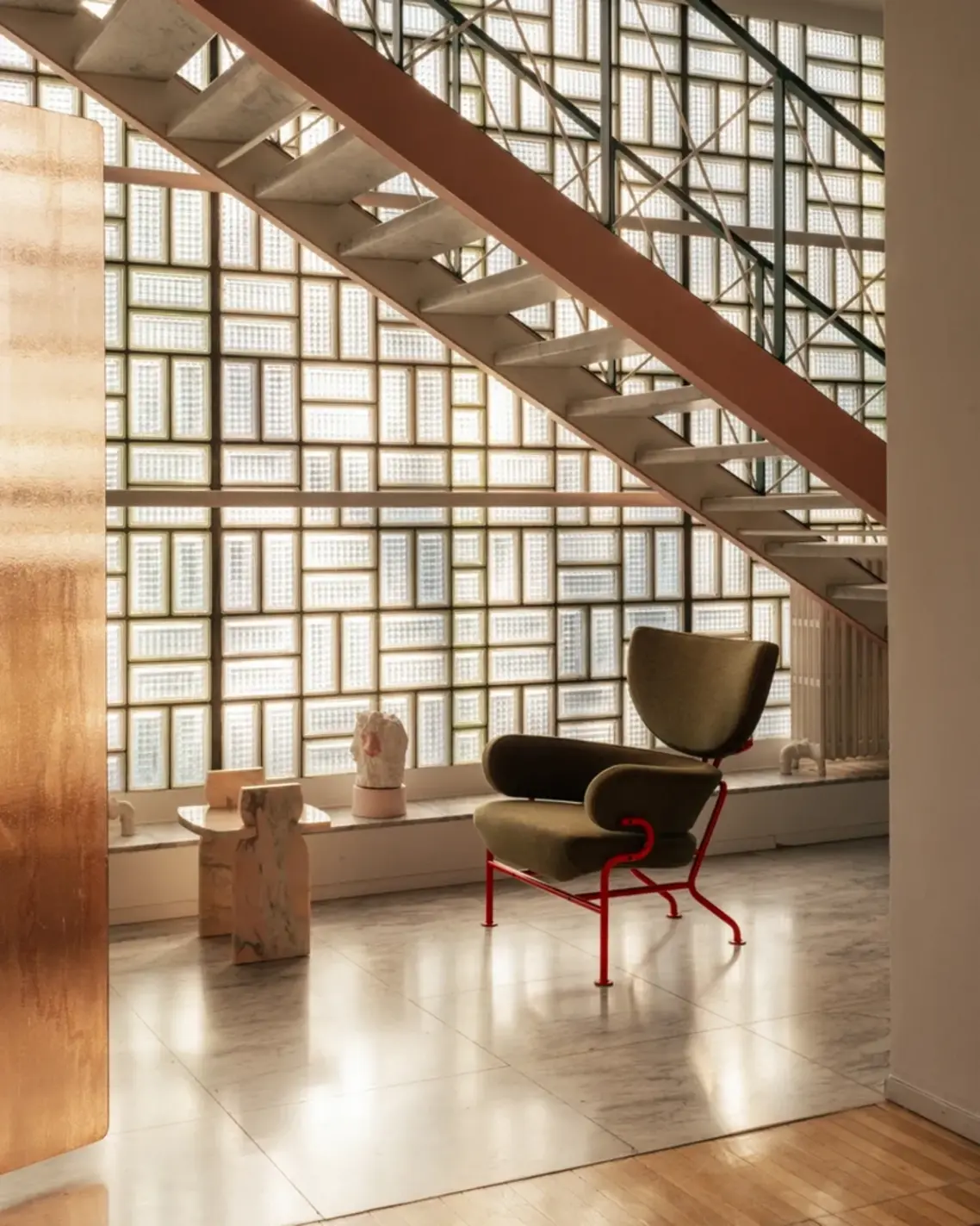
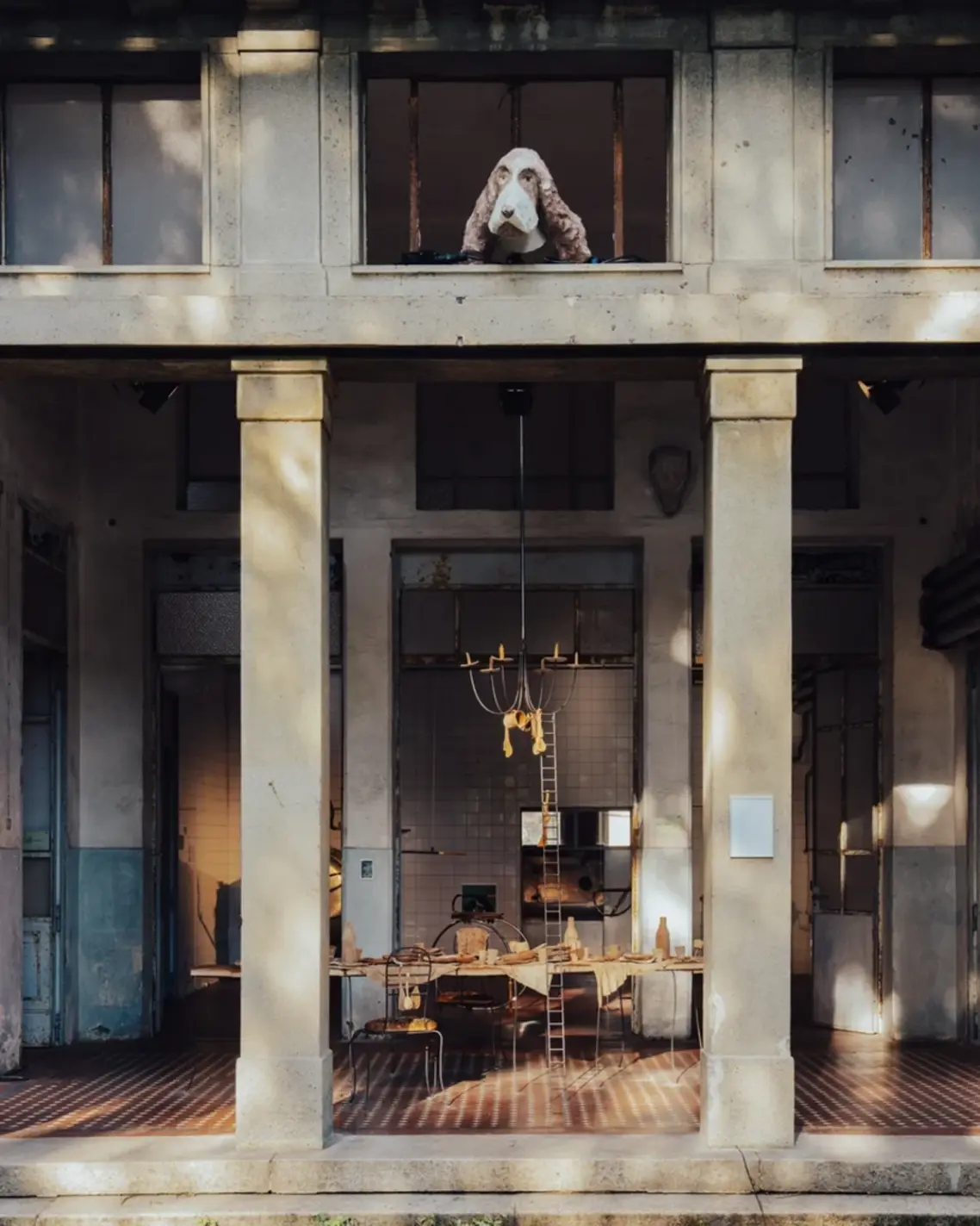
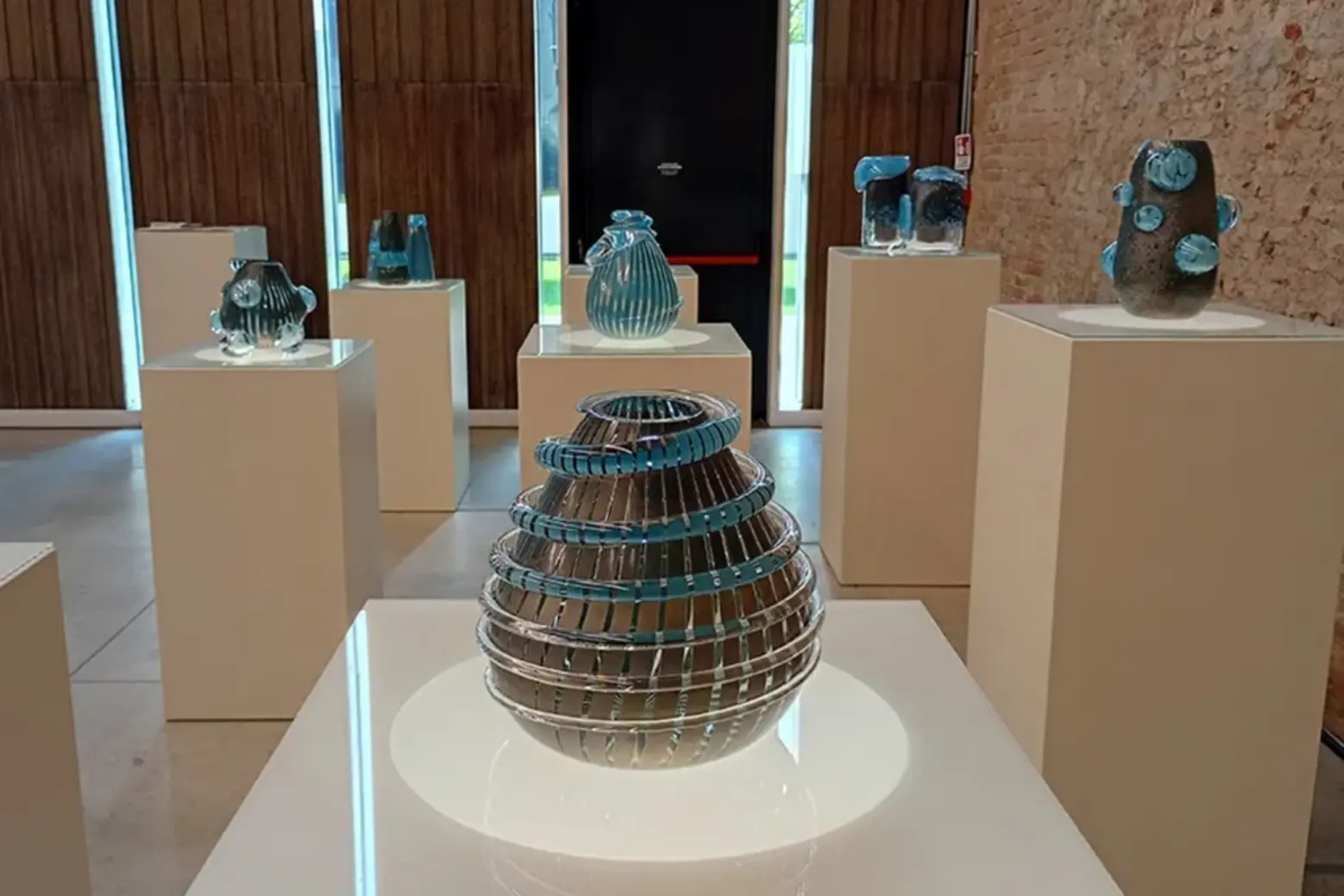
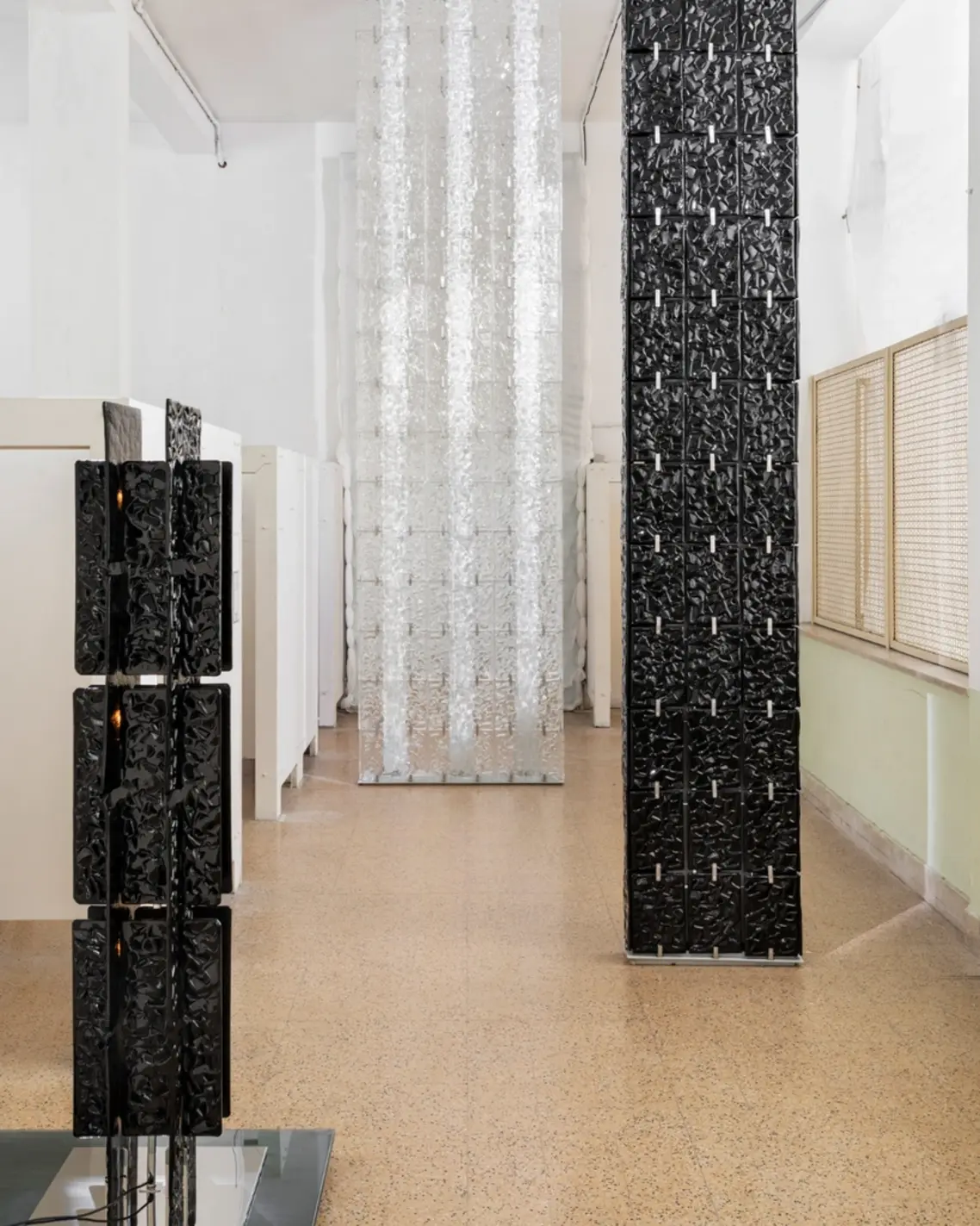
Elsewhere, 6:AM Glassworks brought OVER AND OVER AND OVER AND OVER to Centro Balneare Romano, a historic Milanese pool complex, from April 19 to 26. The project used the repetition of glassmaking and the geometry of the pool environment to frame glass as a living material shaped by gesture, rhythm and variation.
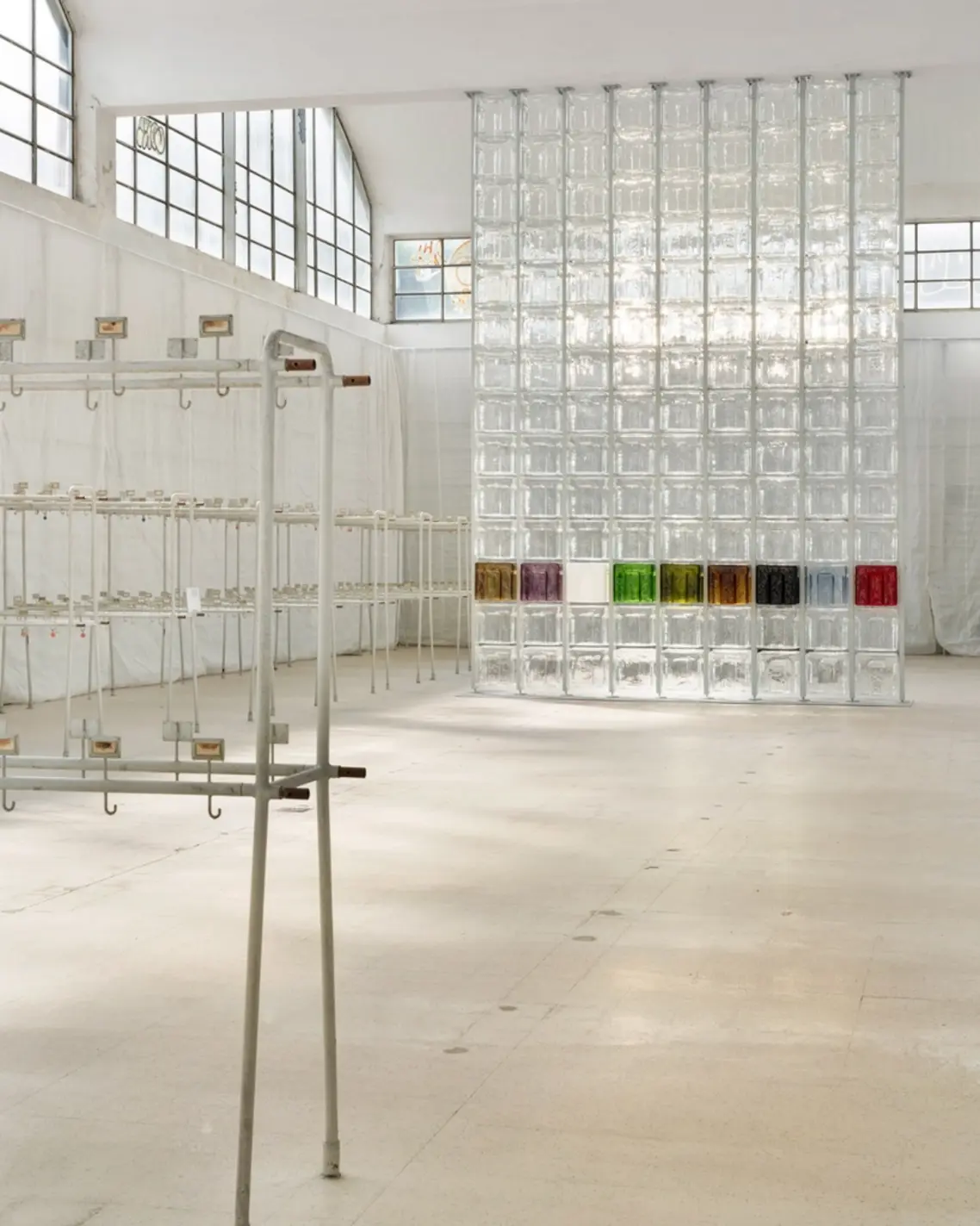
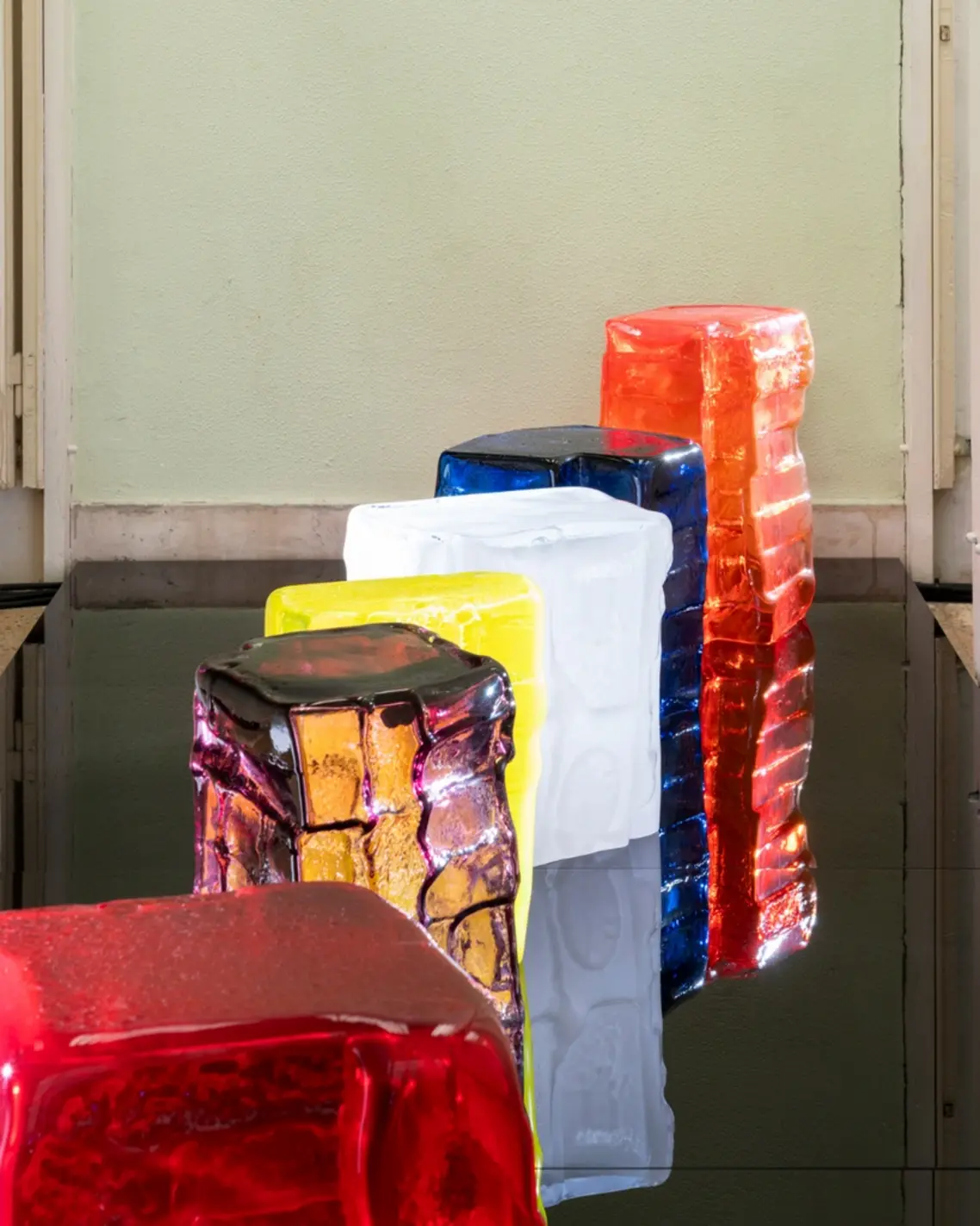
At Museo Bagatti Valsecchi, Harry Nuriev’s Transformism for Crosby Studios and Clive Christian turned the historic house museum into a life-size silver chessboard. The installation was designed as an environment to move through rather than an object to observe, placing scent, strategy and theatrical luxury into direct conversation with Milanese historic interiors.

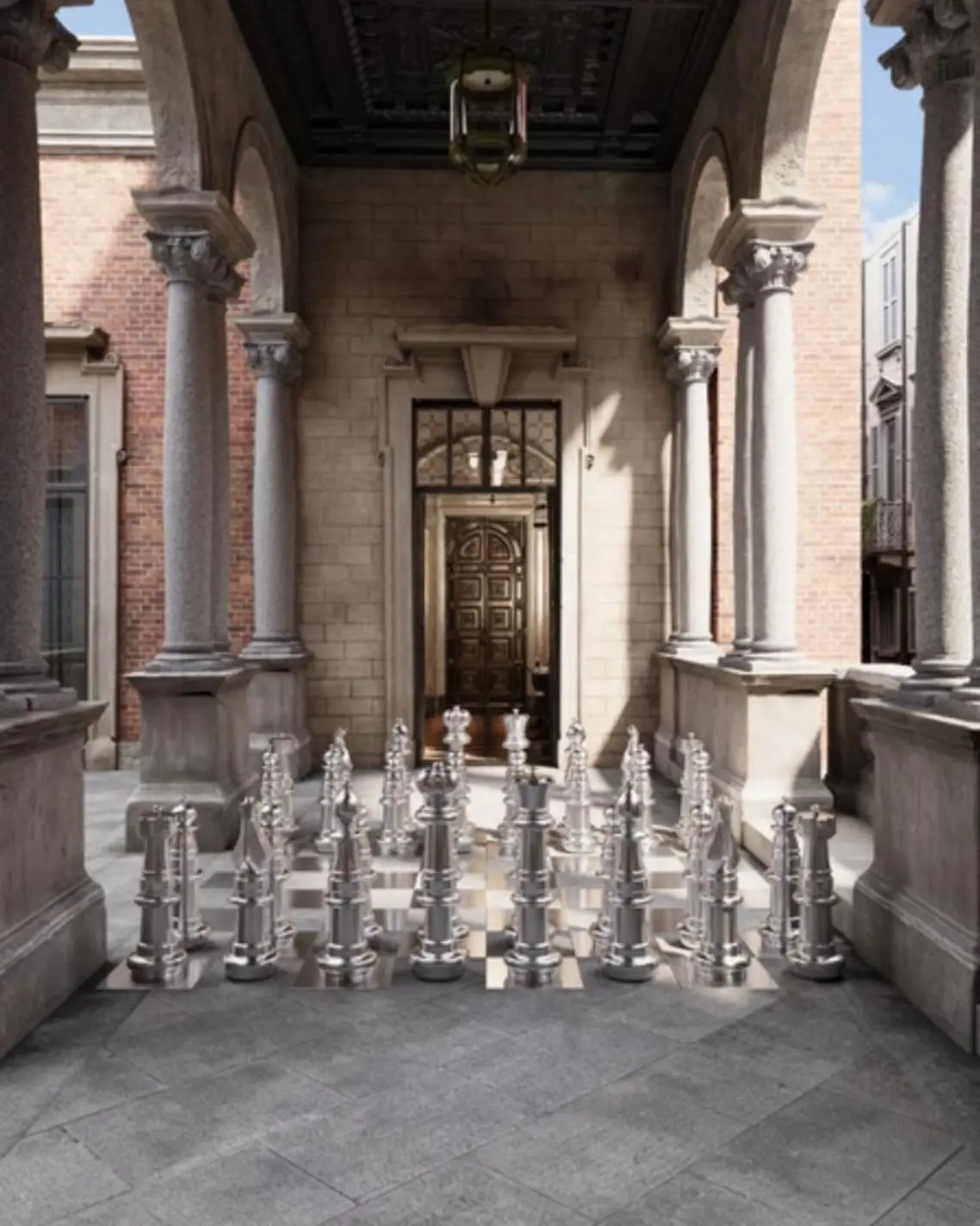
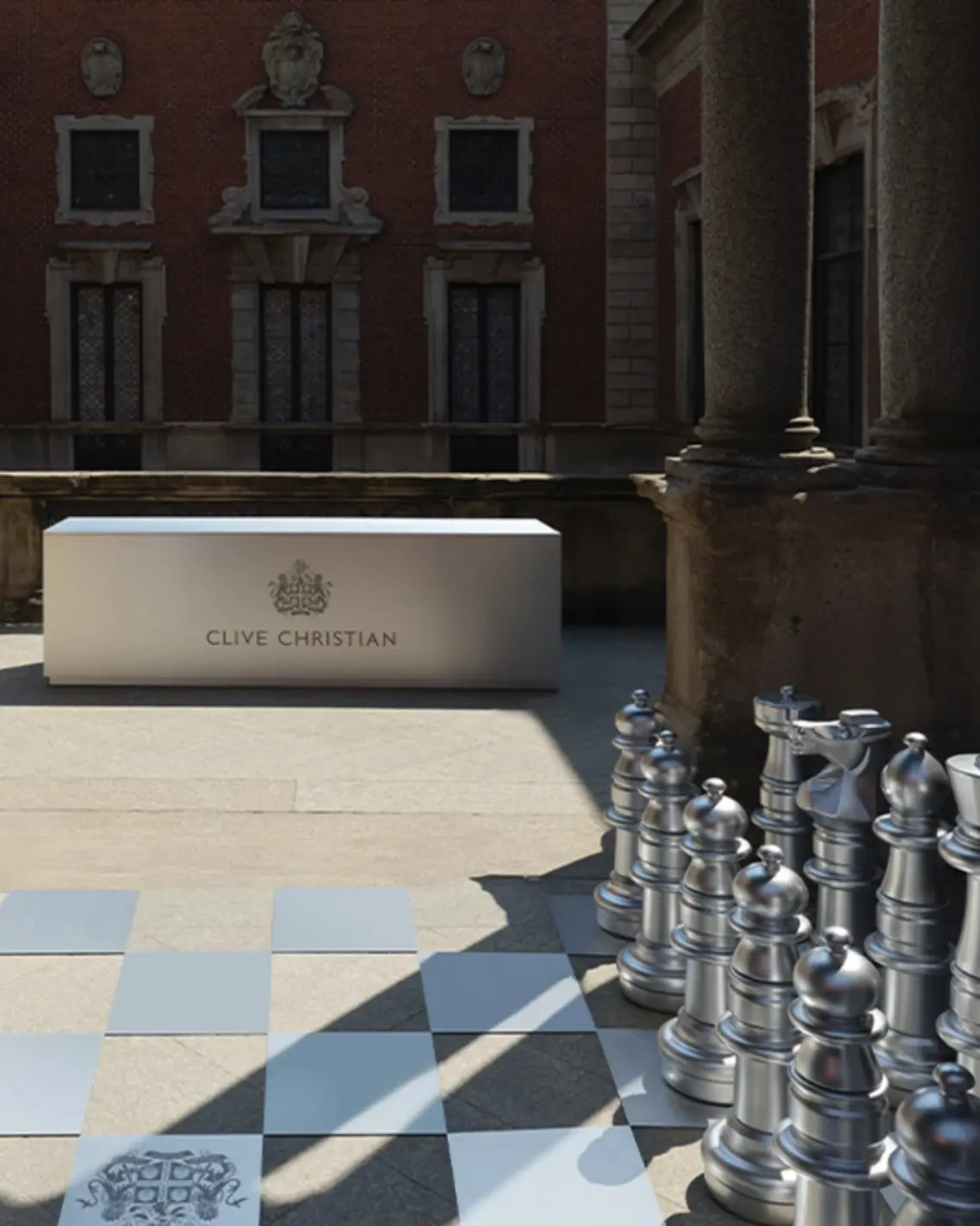
These projects explain why Milan Design Week remains unmatched. It is not only the quantity of exhibitions, but the way the city allows design to collide with palazzos, pools, hospitals, churches, courtyards and private homes. In 2026, the best installations understood architecture as an active collaborator.
The clearest market signal of Milan Design Week 2026 was the debut of Salone Raritas, Salone del Mobile.Milano’s new initiative dedicated to collectible design, limited editions, design antiques and high-end creative craftsmanship. Curated by Annalisa Rosso, with exhibition design by Formafantasma, the section occupied Pavilion 9 at Fiera Milano Rho from April 21 to 26. Salone’s official materials described it as a curatorial exhibition experience devoted to collectible design, giving limited, rare and author-led objects a formal platform inside the fair’s main machinery.
This is where the week’s biggest question emerges: Is collectable design a permanent evolution of the market, or a temporary refuge during economic uncertainty?
The answer is probably both, but the deeper shift feels permanent. In uncertain markets, collectors often move toward scarcity because rarity feels safer than trend. A limited-edition object, a one-off commission, an archive reissue or a craft-intensive piece carries the reassuring aura of value. It can be bought as furniture, but also argued as culture. That makes collectable design attractive in a volatile climate.
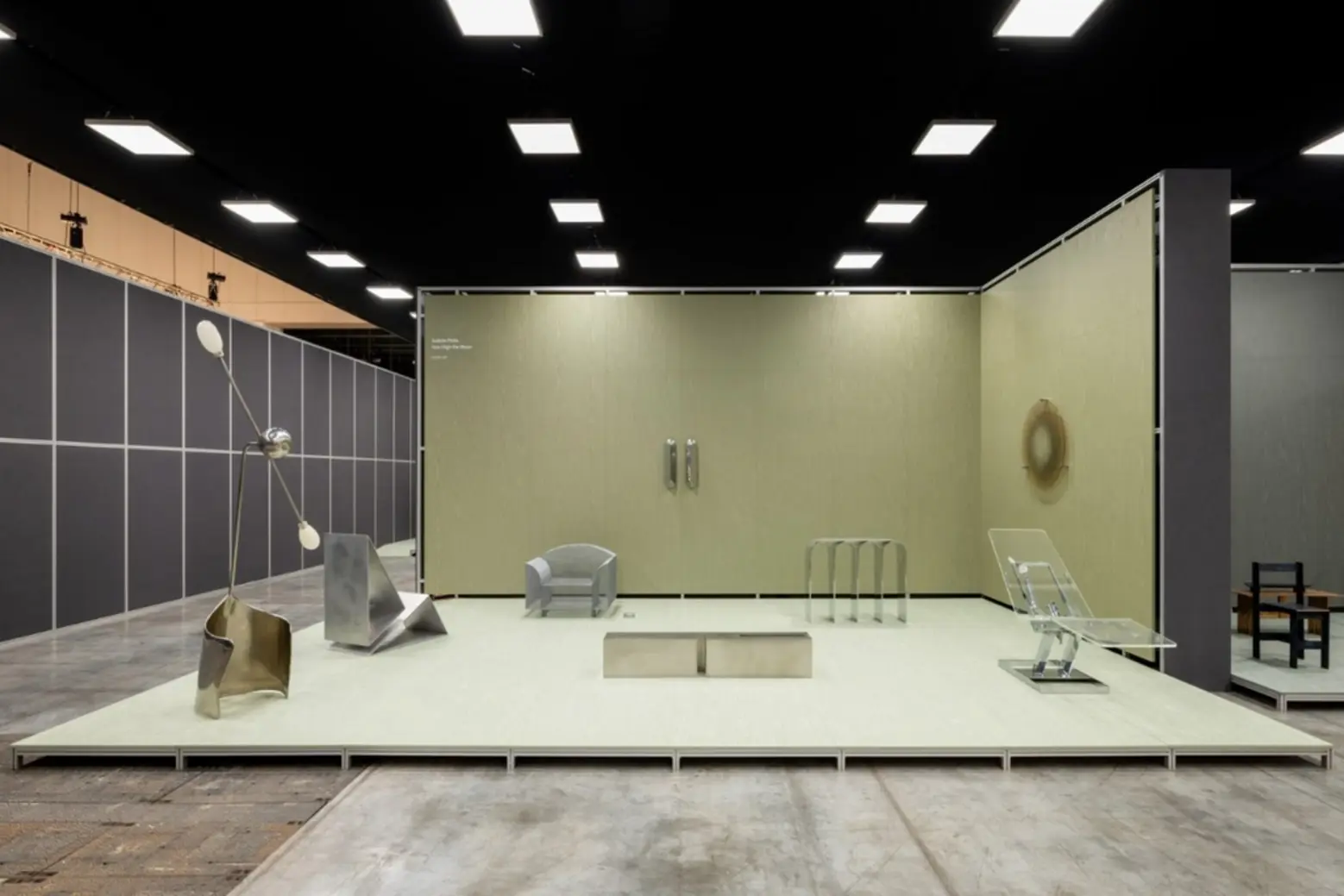
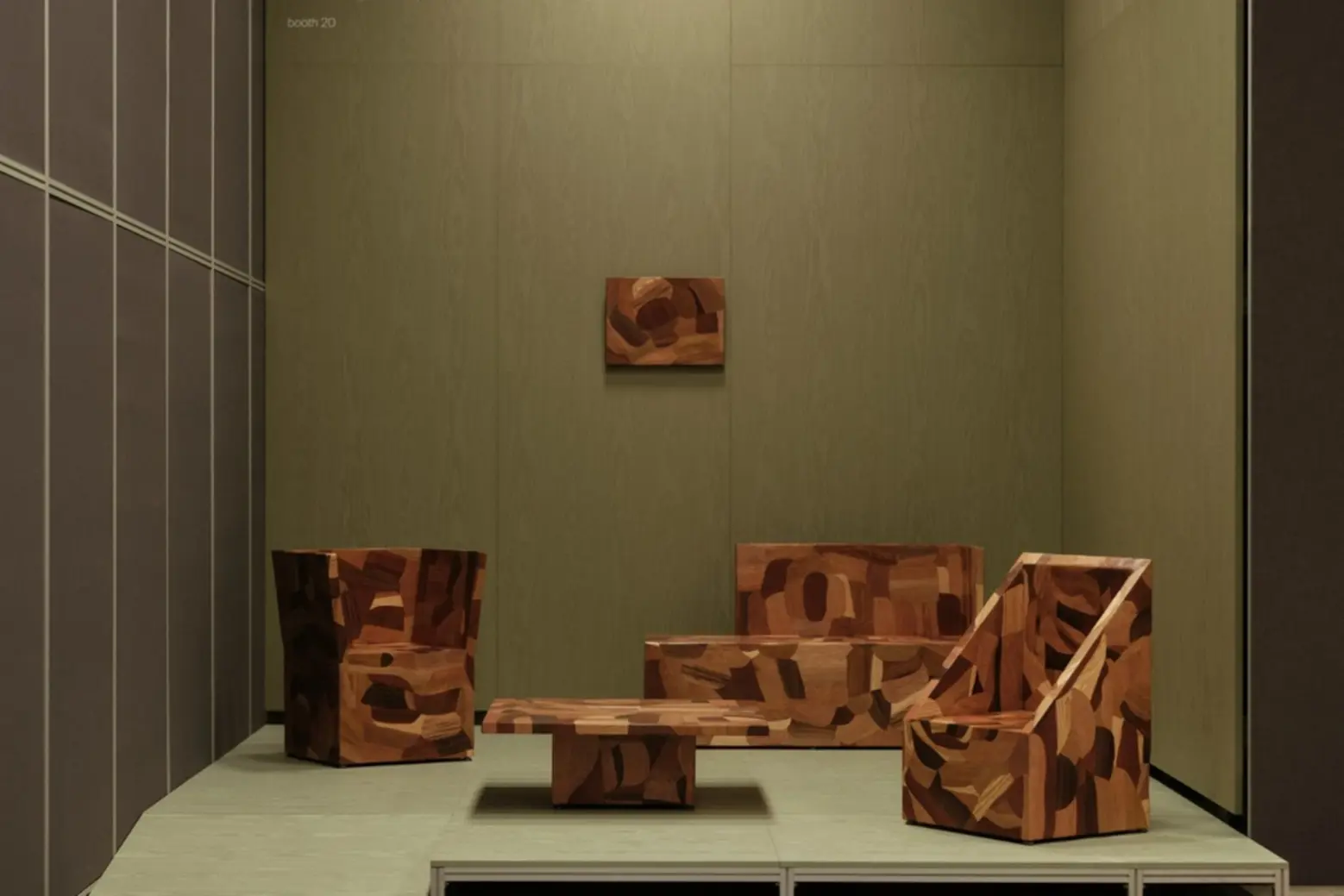
Yet Milan Design Week 2026 suggested something more durable than defensive buying. The rise of collectable design also reflects a fatigue with mass visibility. When every brand can produce an immersive installation, a social media moment or a highly polished object, rarity becomes a new form of silence. It gives design back its friction. It asks for provenance, authorship, material intelligence and time. In that sense, Salone Raritas did not feel like a side experiment. It felt like the fair admitting that the future of luxury design may depend less on volume and more on narrative depth.
Milan Design Week 2026 did not deliver one clean style, and that may be its most honest achievement. The week was fragmented, crowded, excessive and occasionally impossible to absorb, yet inside that overload was a serious cultural pivot. Design moved from possession toward participation, from object toward process, from finish toward feeling. The strongest projects were not always the loudest. They were the ones that made visitors slow down: a book on a chrome lectern, a glass object inside a swimming pool, a chair inside a rationalist villa, a silver chessboard in a museum, a rare object staged as cultural evidence.
So, is collectable design a temporary shelter from economic anxiety? Partly. But it is also the logical next chapter of a market saturated with sameness. When desire becomes too easy to manufacture, rarity becomes meaning. Milan’s 2026 lesson was clear: the future of design will still include beautiful objects, but beauty alone is no longer enough. The object now has to think.