MENU
Close





The bombardment of big brands at Milan Design Week 2026 gave some of us "big-brands-fatigue". The cure? Important voices from emerging artists.

The bombardment of big brands at Milan Design Week 2026 gave some of us "big-brands-fatigue". The cure? Important voices from emerging artists.
April 28, 2026


Young designers were no longer framed simply as the next generation waiting for market approval. They became the vanguard of the week’s most serious questions: How should things be made, what materials deserve a second life, how can digital tools support rather than erase craft, and why should the process of production matter as much as the final object? Fuorisalone’s theme, “Be the Project,” gave this shift a strong conceptual frame. The theme positioned the human being as an active agent of change and the design process as something continuously evolving between people, objects and environments. In that context, imperfection was no longer treated as a flaw. It became evidence of making, labor, experimentation and responsibility.
Now in its 27th year, SaloneSatellite remained the most important institutional platform for designers under 35 at Milan Design Week 2026. Its 2026 awards made the new mood especially visible: A return to tactile intelligence, but filtered through digital precision. The winning projects did not romanticize handcraft as nostalgia. They used technology to make material behavior more expressive, more responsible and more physically felt.
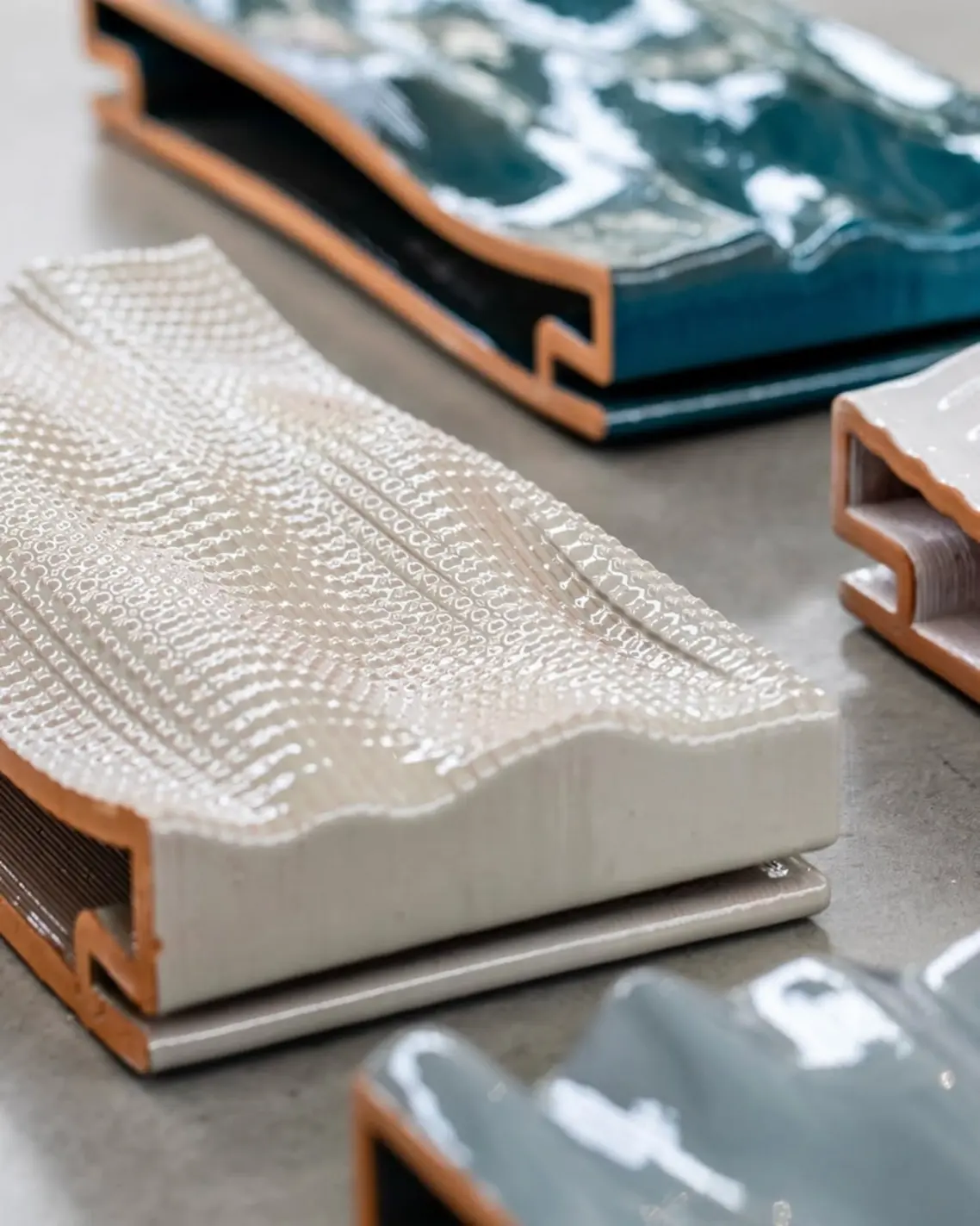
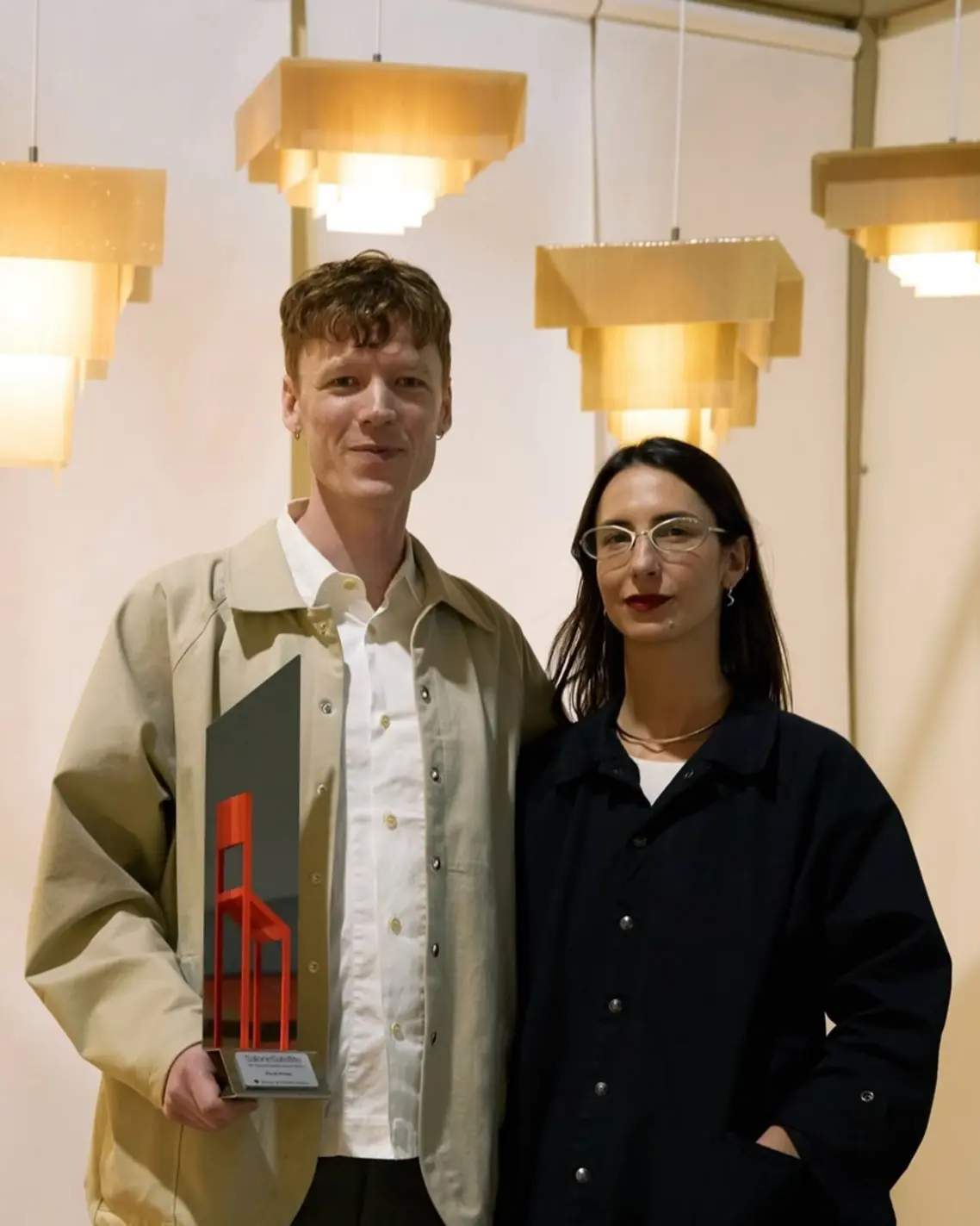
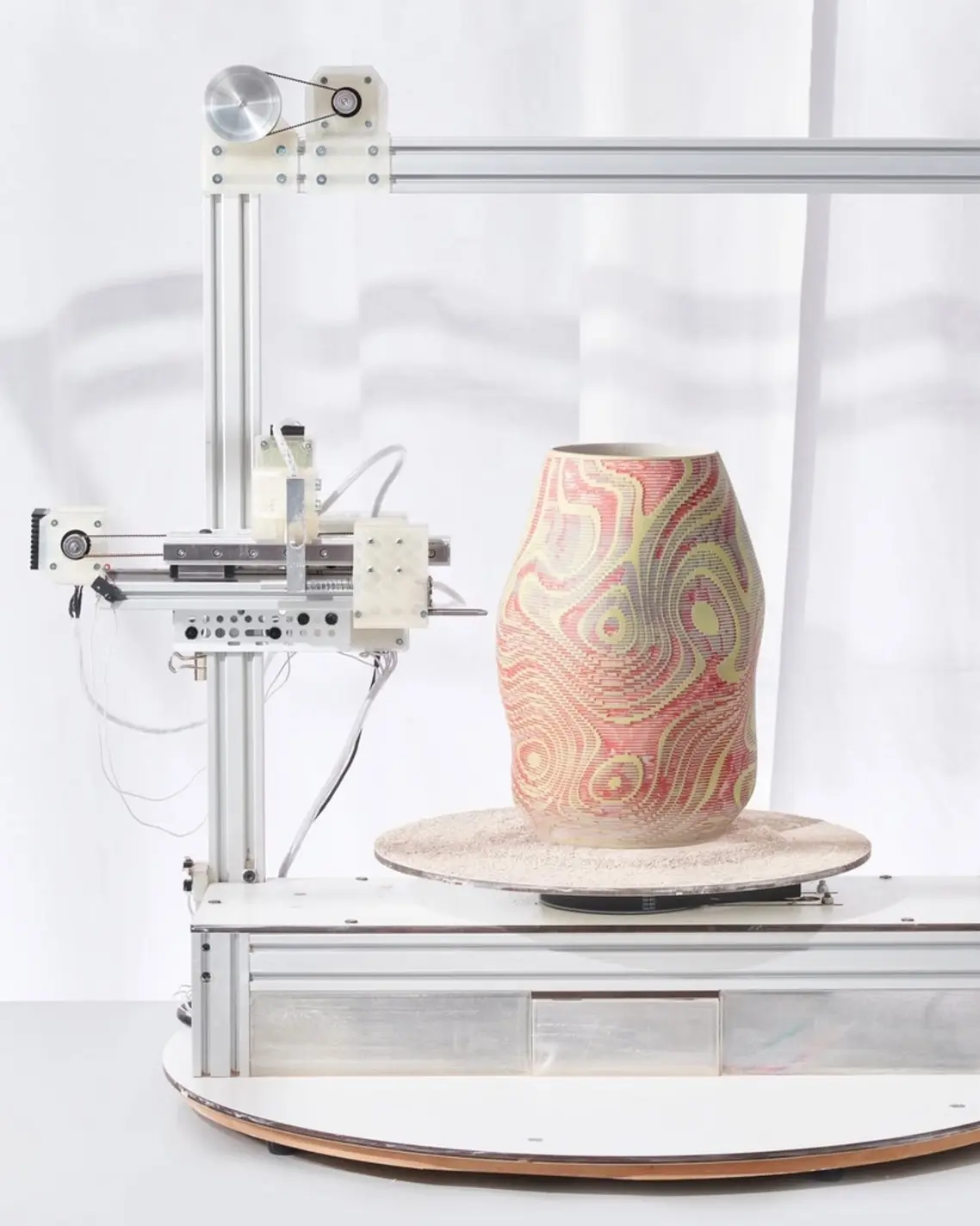
First prize went to Russo Betak (Søren Betak and Stefannia Russo) from Denmark for NIPPON – Arc Collection, a lamp made through a process that transforms recycled seashells into 3D-printed, paper-like structures. The material was shaped while still fresh, producing self-supporting layers that appeared delicate but structurally deliberate. Second prize went to IOUS Studio from the Netherlands for 3DP Ceramic Tiles, a project that brought computational control into dialogue with clay, rethinking ceramic cladding through experimental 3D-molding. Third prize went to Germany’s Jüngerkühn for Soft Touch, which reinterpreted craft practices through automated fabrication while prioritizing tactile sensitivity.
Together, the laureates made one argument clear: the future of design will not be won by technology alone. It will be shaped by designers who understand when to let machines calculate and when to let material resist. Seashells, clay and soft surfaces became more than media. They became ethical positions, each asking whether the next object can carry both precision and warmth.
If SaloneSatellite gave emerging designers institutional visibility, Alcova 2026 gave them spatial drama. This year, Alcova split its program between two radically different Milanese sites: Villa Pestarini, the 1939 rationalist house designed by Franco Albini, and the vast Baggio Military Hospital, a 1930s complex whose raw atmosphere made every intervention feel charged. Across 131 exhibitors, Alcova positioned independent and research-heavy design inside spaces where history, abandonment and architecture actively shaped the work.
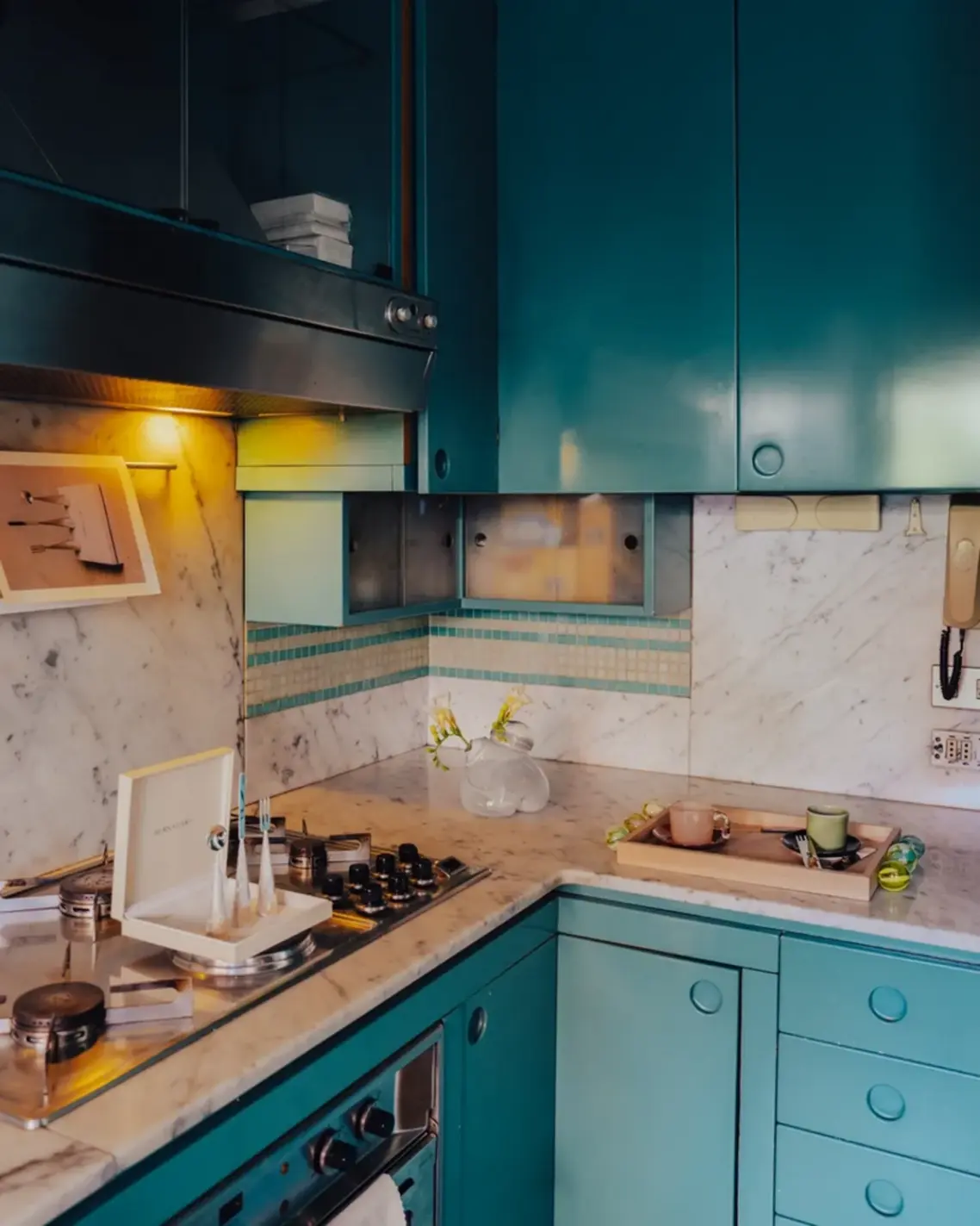
At Villa Pestarini, Alcova's interventions transform the space. The kitchen is filled with accessories and a striking hand-motif chair from Worn Studios, the bath and shower have become home to concrete forms by Elisa Uberti and the basement has been turned over to benches made from material offcuts, including pastel-toned marbles, by Atma.
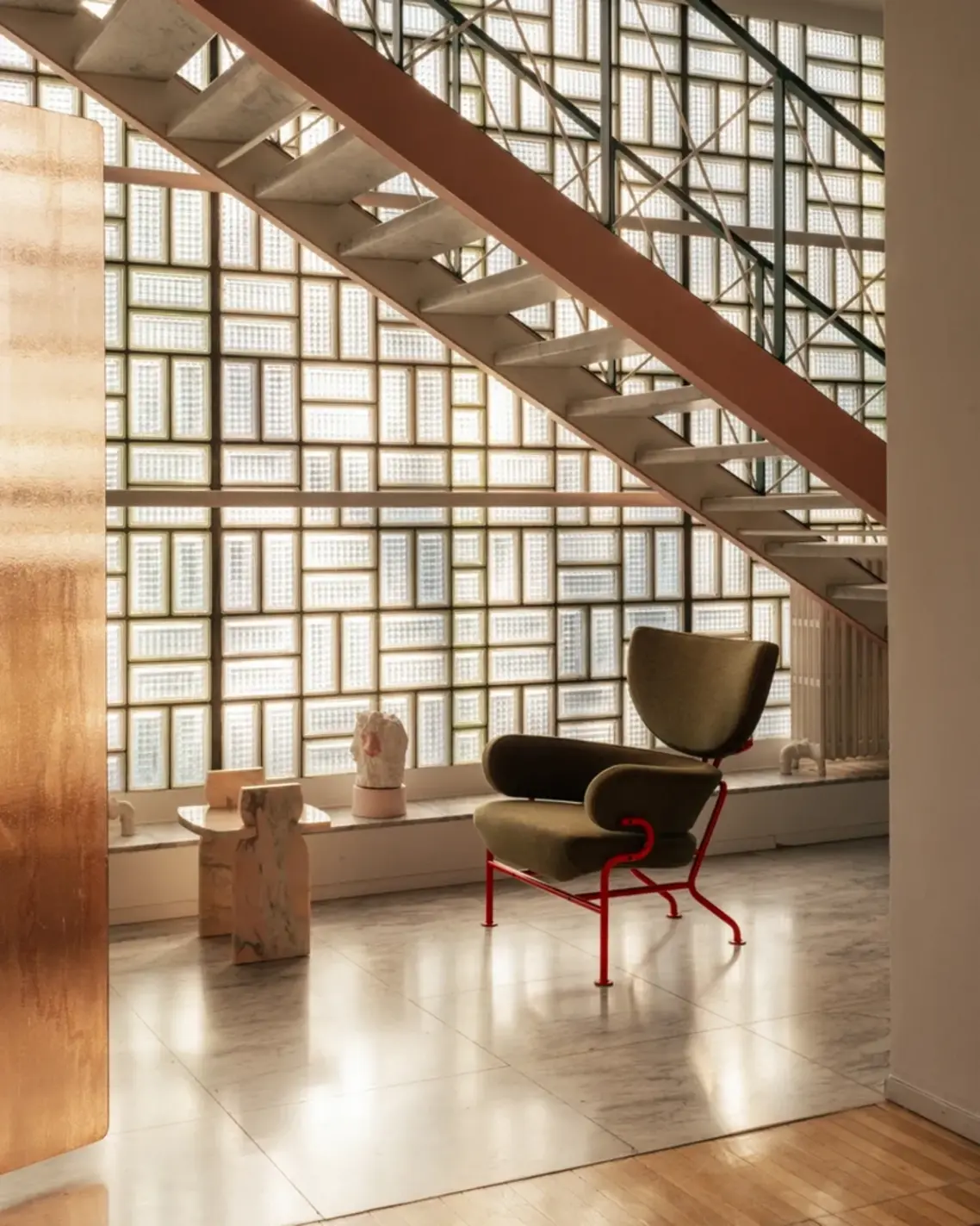
The ground floor is where the rationalist dream is most fully realised. Already a space of geometric proportions, flooded with light through walls of translucent glass. It is here that the week's standout intervention holds court: 'Albini in Present Tense', a collaboration between Patricia Urquiola and Haworth & Cassina, presenting Albini's furnishings reissued exclusively by the latter, including a previously unpublished 1947 armchair. In the basement, Boccamonte makes its furniture debut with a collection celebrating architect Luisa Castiglioni, herself a protégé of Albini.
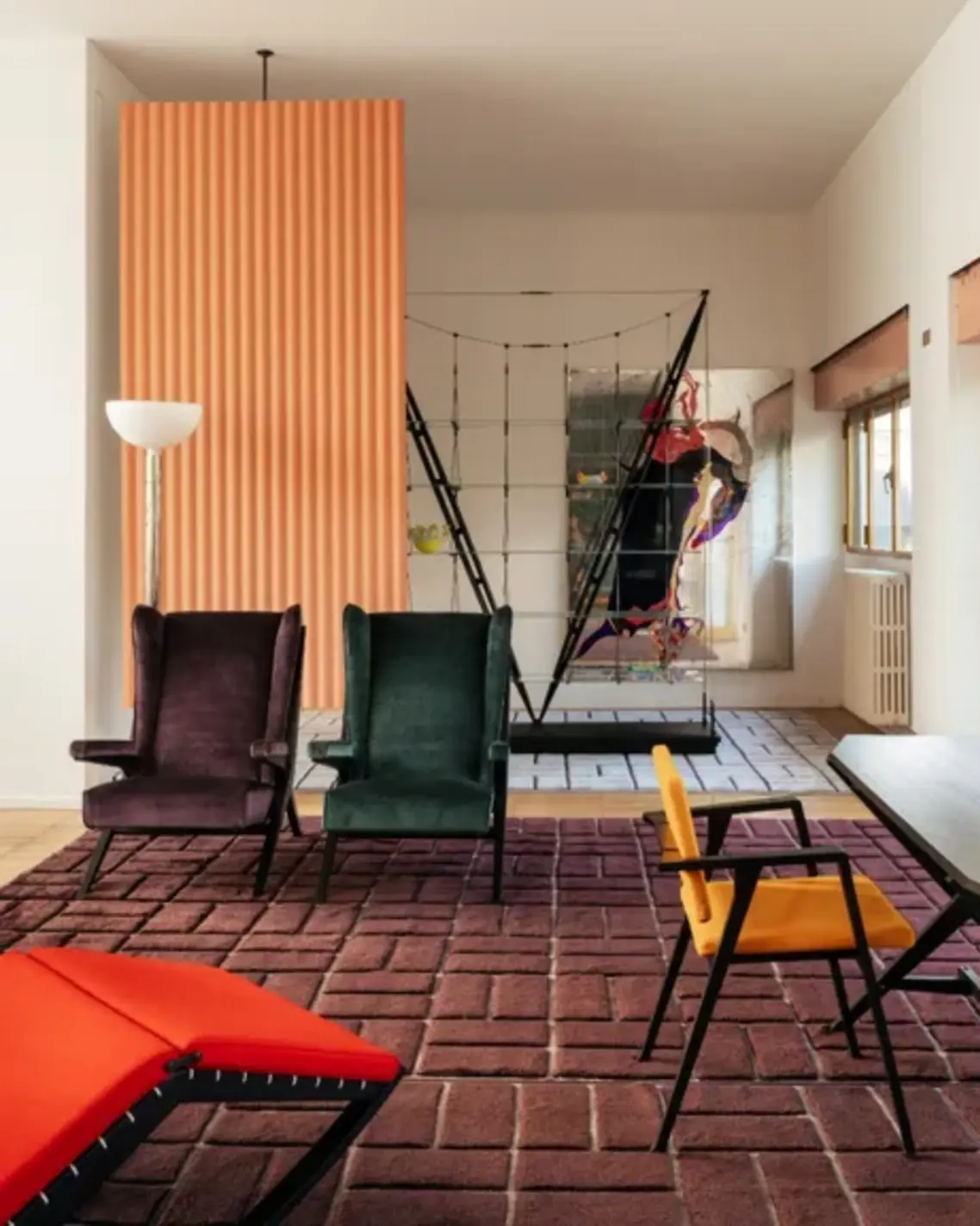
At the Baggio Military Hospital, the mood changed. The former institutional complex made emerging design feel less polished and more forensic. Works placed inside the old hospital carried the tension of repair, reuse and deviation. This is where Alcova was most powerful: it allowed design to appear unfinished in a productive way, as if the object was still negotiating with the building around it.
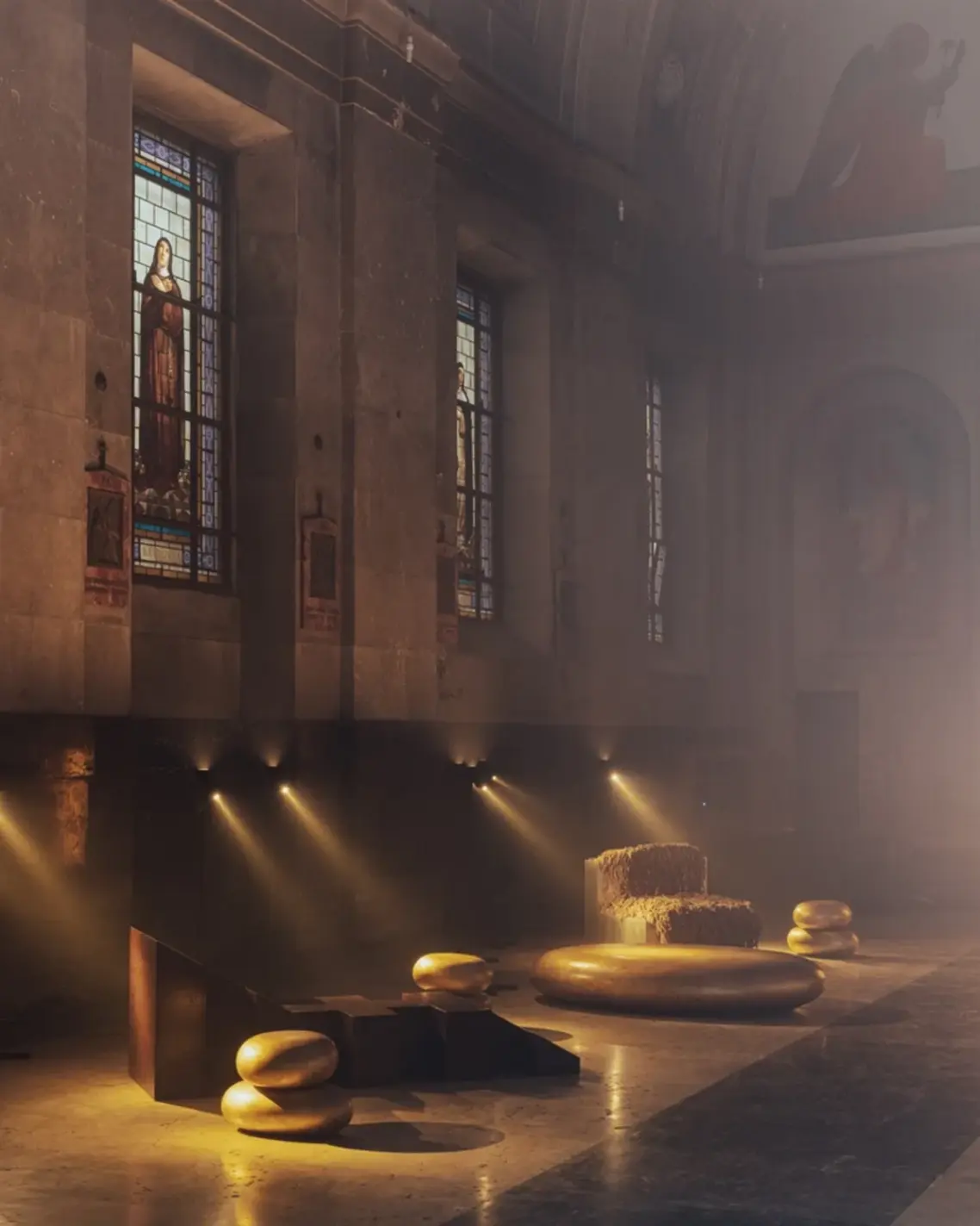
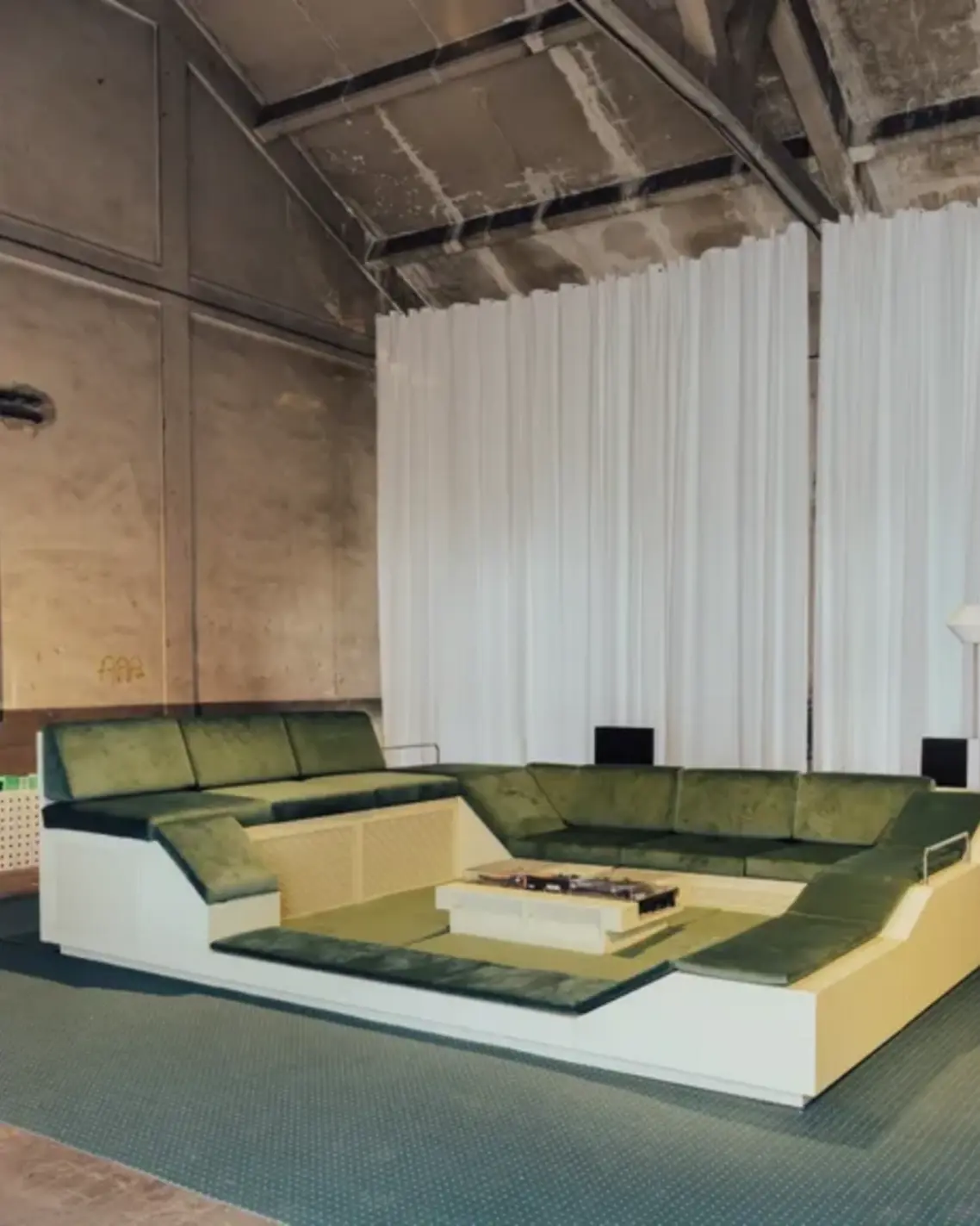
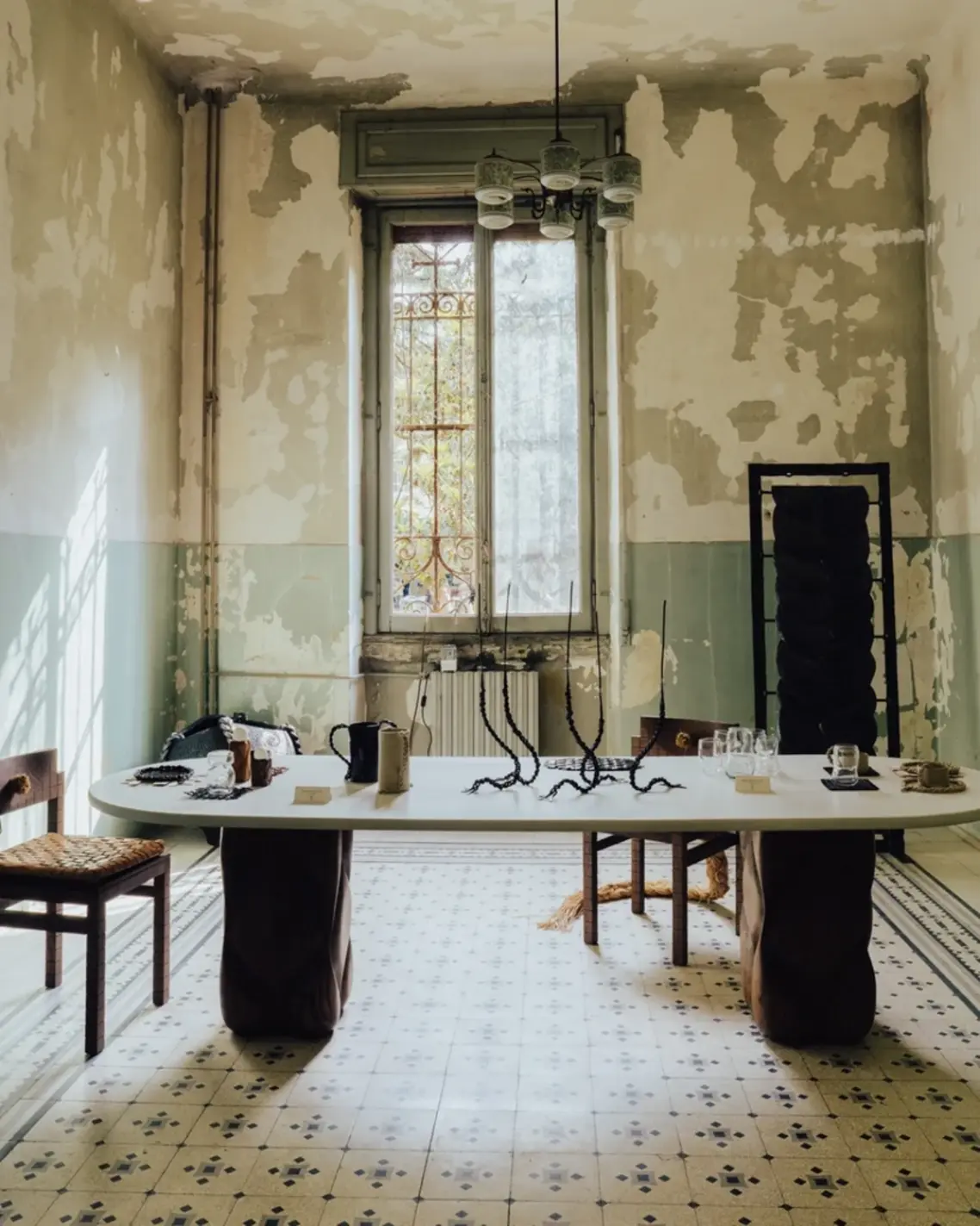
While Alcova worked through architecture, the 5VIE district gave the 2026 conversation a philosophical vocabulary. Its theme, “QoT – Qualia of Things,” focused on subjective experience: the sensation of seeing, touching, smelling, tasting or hearing, and the emotional charge that makes an object meaningful beyond function. In a year still saturated with smart-home narratives, this emphasis on qualia felt like a gentle rebellion. It suggested that design’s future should not be reduced to data, convenience or optimization.
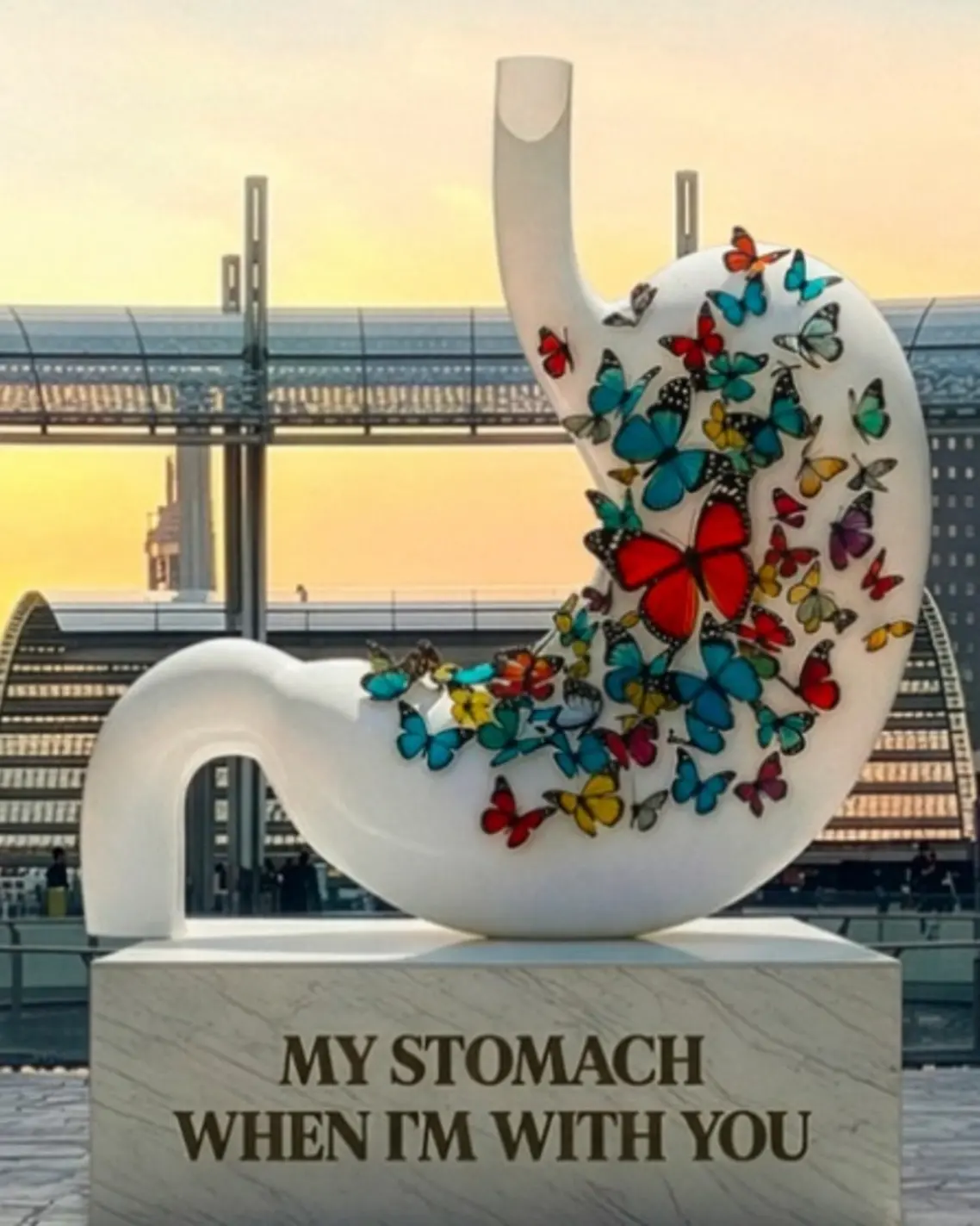
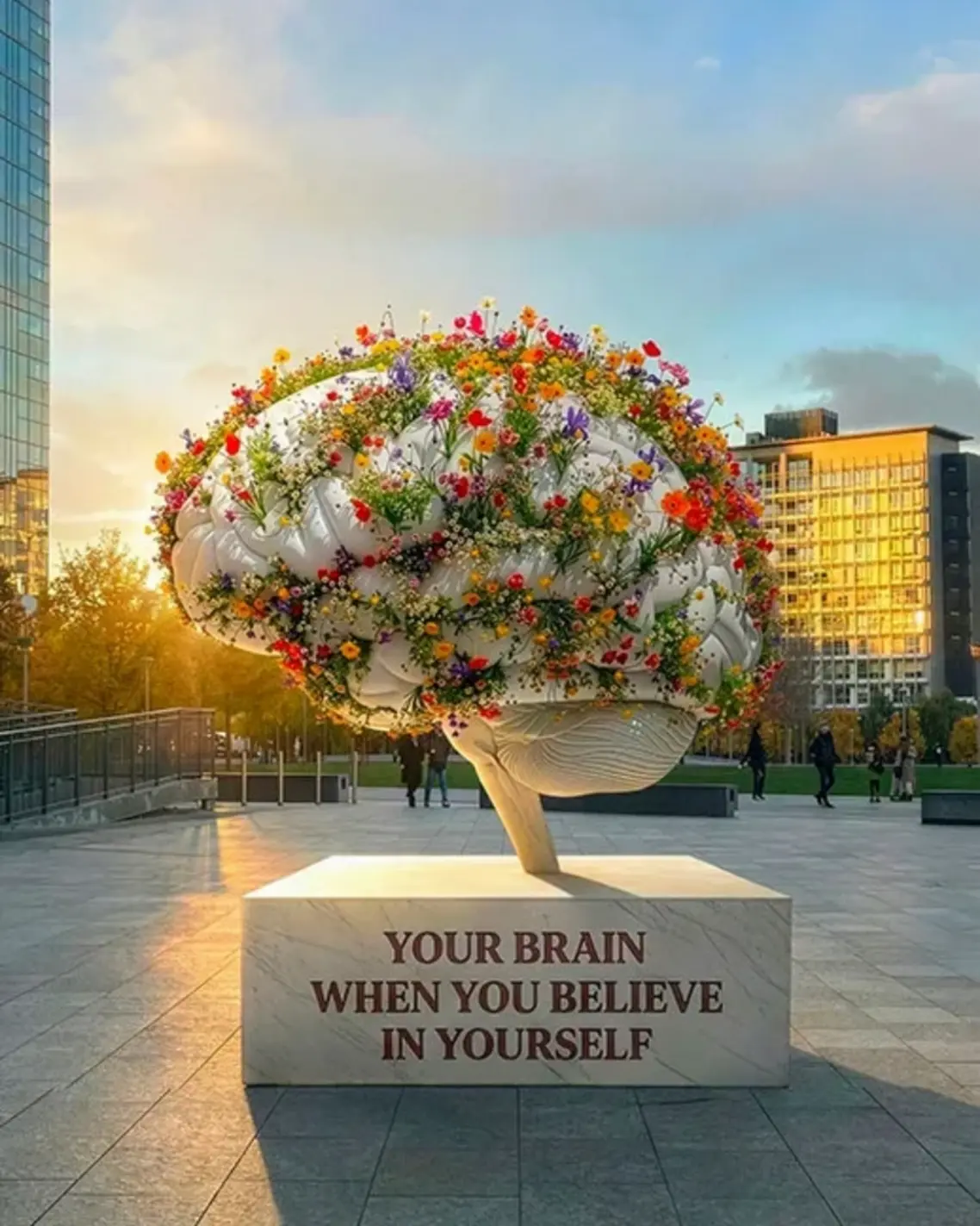
That idea connected strongly to Andrea Olivari’s “Blooming Imperfections – Relationships in Progress” in Porta Nuova. The project brought Olivari’s usually screen-based visual language into physical form through monumental installations linked to the heart, stomach and brain. Reports described the work as a translation of a poetic digital universe into matter, connecting technology, artificial intelligence and emotional symbolism. Visitors could interact with the work through digital extensions, making participation part of the piece rather than a secondary layer.
Olivari’s project was almost a literal manifestation of “Be the Project.” The work was not complete without the visitor’s presence, perception and interaction. It treated imperfection as relational rather than aesthetic. The heart, stomach and brain were not clean symbols; they were unstable organs of emotion, intuition and thought. In a design week packed with polished surfaces, that vulnerability mattered.
At its best, the Qualia movement reminded Milan that design begins before utility. Before a chair supports the body, it creates expectation. Before a lamp illuminates, it changes mood. Before a textile divides a room, it alters intimacy. Emerging designers seemed especially fluent in this emotional grammar.
Another important thread of Milan Design Week 2026 was the desire to recover physical presence from digital saturation. This did not mean rejecting technology. It meant asking technology to serve the body more sensitively. The most compelling emerging and experimental projects approached objects as living systems rather than inert products.
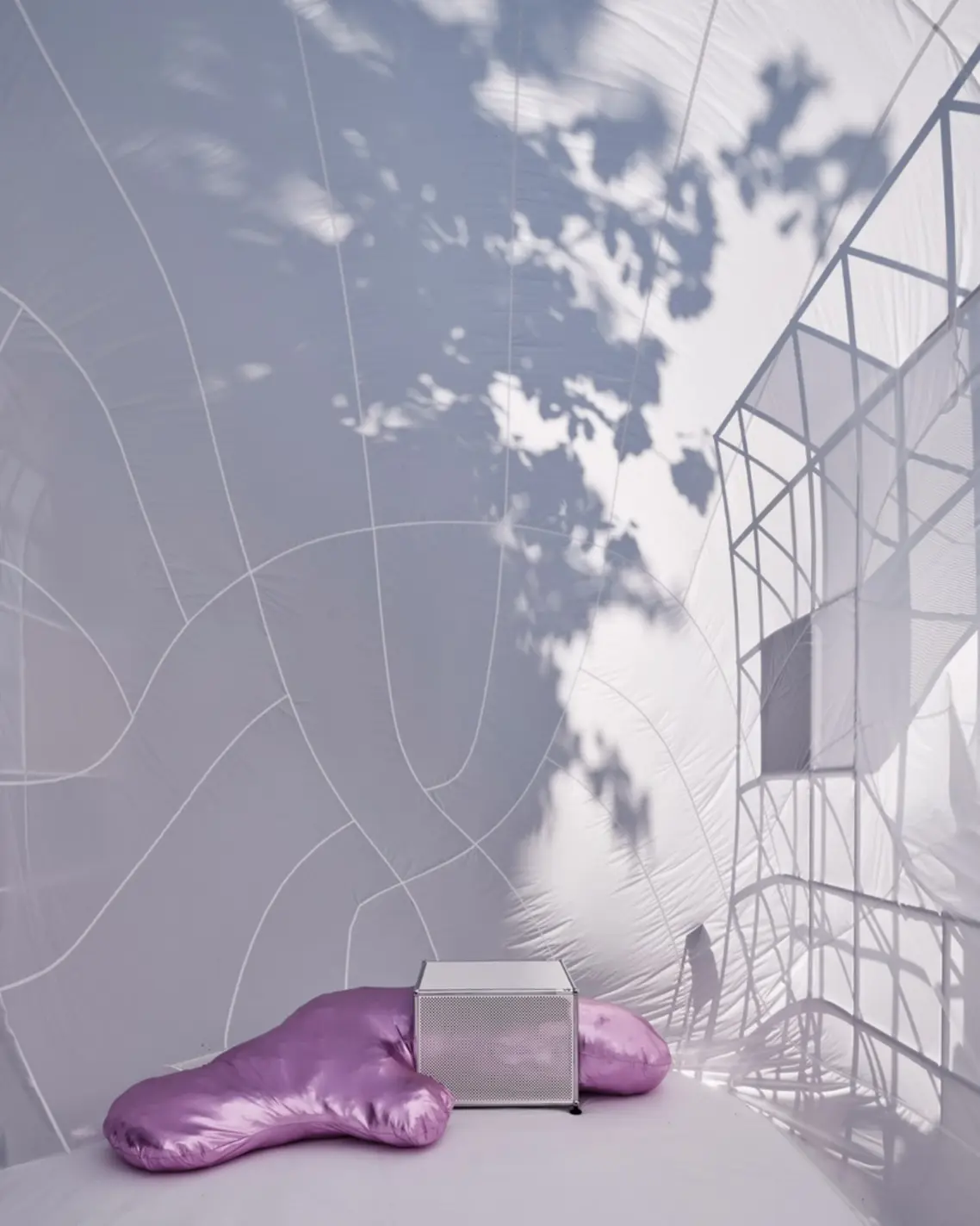
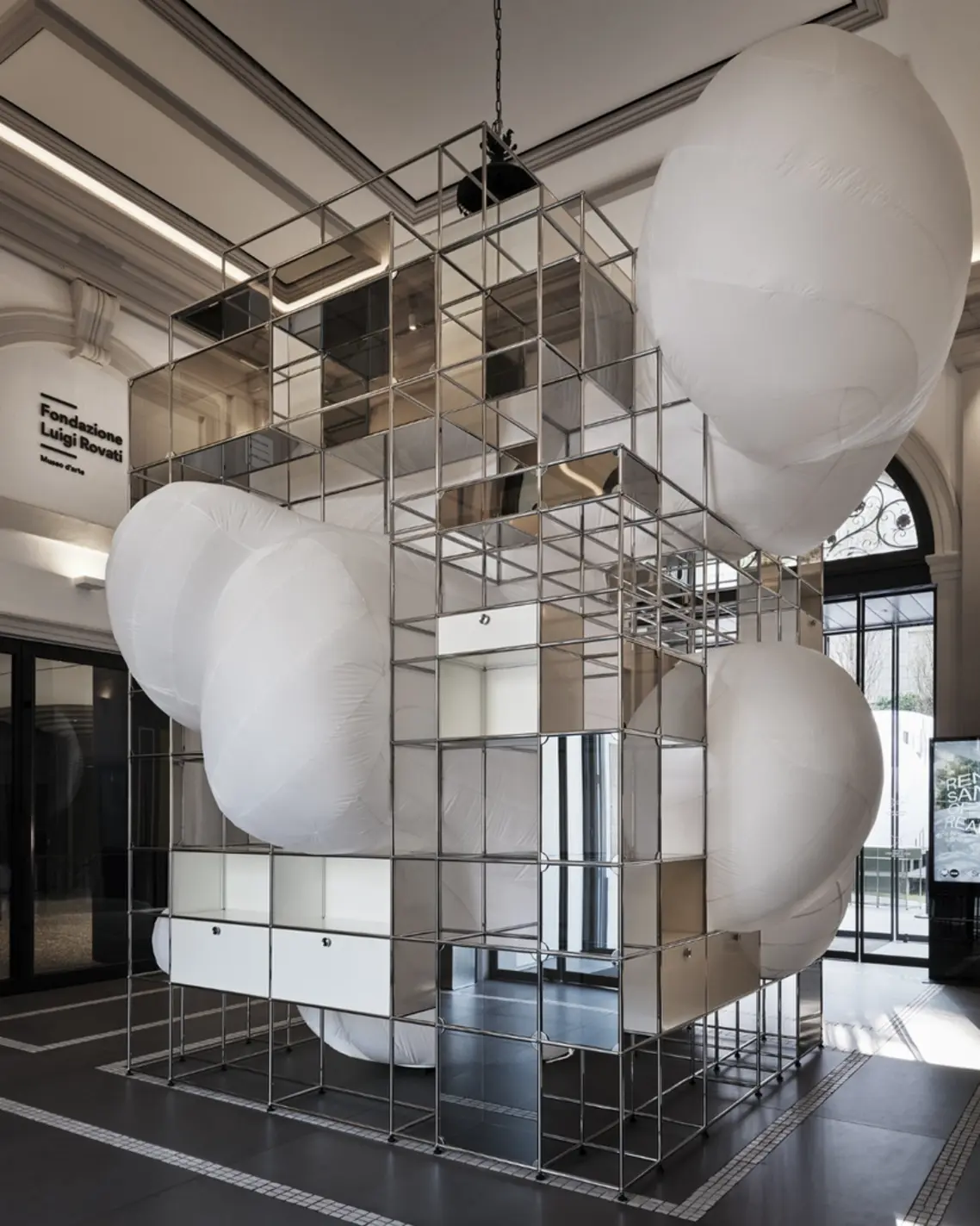
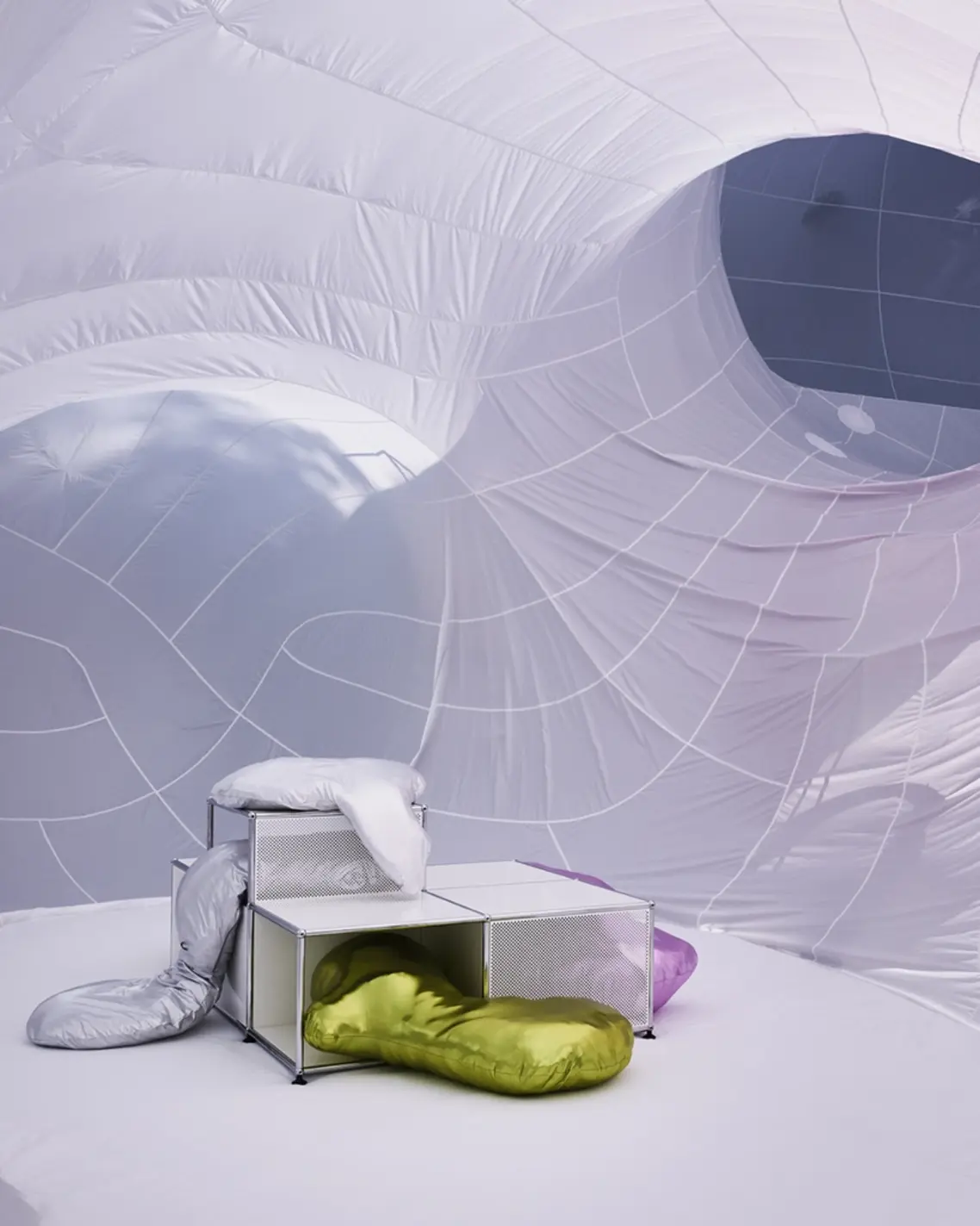
The example of USM Haller at Fondazione Luigi Rovati captured this well. The project, described through the idea of a “Renaissance of the Real,” used the modular logic of the USM Haller system as a kind of skeleton, softened through textile and sensory atmosphere. Daily vinyl listening sessions by Devon “OJAS” Turnbull added an analog layer, insisting that sound, slowness and physical vibration still matter in an era of frictionless streaming.
What sets emerging designers from many established brands is that their work often begins from constraints. Limited budgets, unstable materials, small studios and experimental methods force them to ask sharper questions. How can waste become structure? How can an algorithm make craft more intimate? How can an installation respond to a site rather than simply occupy it? In 2026, those questions felt more advanced than another perfect object.

The key takeaway from Milan Design Week 2026 is that the emerging designer is no longer defined by one look. There was no single young aesthetic. No shared color, silhouette or decorative code united the new generation. What connected them was a methodological stance.
That stance can be called situated materiality. It means that material is never neutral. Seashells carry ecological afterlives. Clay carries craft history. Marble carries geography, extraction, weight and cultural inheritance. Plant fiber carries agricultural memory and bodily softness. Aluminum, silk and pearls can unsettle the coldness of an industrial or institutional space. Even digital tools carry values, depending on whether they flatten the hand or extend it.
This is why the most interesting emerging work of 2026 cared as much about the “who” and “how” as the “what.” A lamp was not just a lamp if it was made from recycled seashells and shaped in a vulnerable fresh state. A tile was not just cladding if it reimagined ceramic history through computational molding. A textile was not just fabric if it behaved like architecture. A marble table was not just furniture if it translated Greek heritage into contemporary workspace logic.
In this sense, emerging designers were not chasing novelty. They were changing the prestige system. Instead of prestige being attached only to finish, rarity or brand name, prestige began to attach to process, ethics and material intelligence.
Milan Design Week 2026 made one thing clear: emerging talent is no longer the fair’s decorative future. It is its critical present. Under the theme “Be the Project,” young designers showed that the most urgent design questions are not solved at the level of style. They are solved through material decisions, production methods, site sensitivity and emotional intelligence.
The SaloneSatellite winners turned recycled shells, clay and automated fabrication into tactile propositions. Alcova transformed Villa Pestarini and the Baggio Military Hospital into laboratories of historical friction. 5VIE’s Qualia movement placed feeling back at the center of design. Projects like Andrea Olivari’s Blooming Imperfections and AtMa’s analog-inflected systems asked visitors to become participants rather than passive viewers.
The strongest emerging work of the week shared a quiet but radical belief: design should reveal how it comes into being. It should carry traces of labor, uncertainty, place and transformation. In a luxury landscape still tempted by polish and instant visibility, these designers argued for something more demanding. They showed that the future of design will belong not to the smoothest object, but to the most intelligent process.