MENU
Close





Nature's spirit has always been the most enduring muse of high jewelry, translated through gold, gemstones, and myth into objects of power, poetry, and permanence.
Nature's spirit has always been the most enduring muse of high jewelry, translated through gold, gemstones, and myth into objects of power, poetry, and permanence.
December 23, 2025


There exists a fascinating paradox at the pinnacle of human creation. We, in our ateliers and studios, strive for flawless perfection, for an ideal of beauty that is often abstract and refined. Yet, the most potent and enduring muse for this rarefied pursuit is, and has always been, the untamed, ungoverned glory of the natural world. From the sinuous stealth of a predator to the fragile wing of a butterfly, haute joaillerie has long engaged in a captivating dialogue with the wild. But this is no simple act of replication. It is a masterful process of alchemy - a translation of raw, elemental power into the exquisite grammar of gold, gemstones and narrative. The greatest houses do not merely mimic nature; they interpret, mythologise and, ultimately, transmute it, offering their devotees not a trophy, but a talisman.
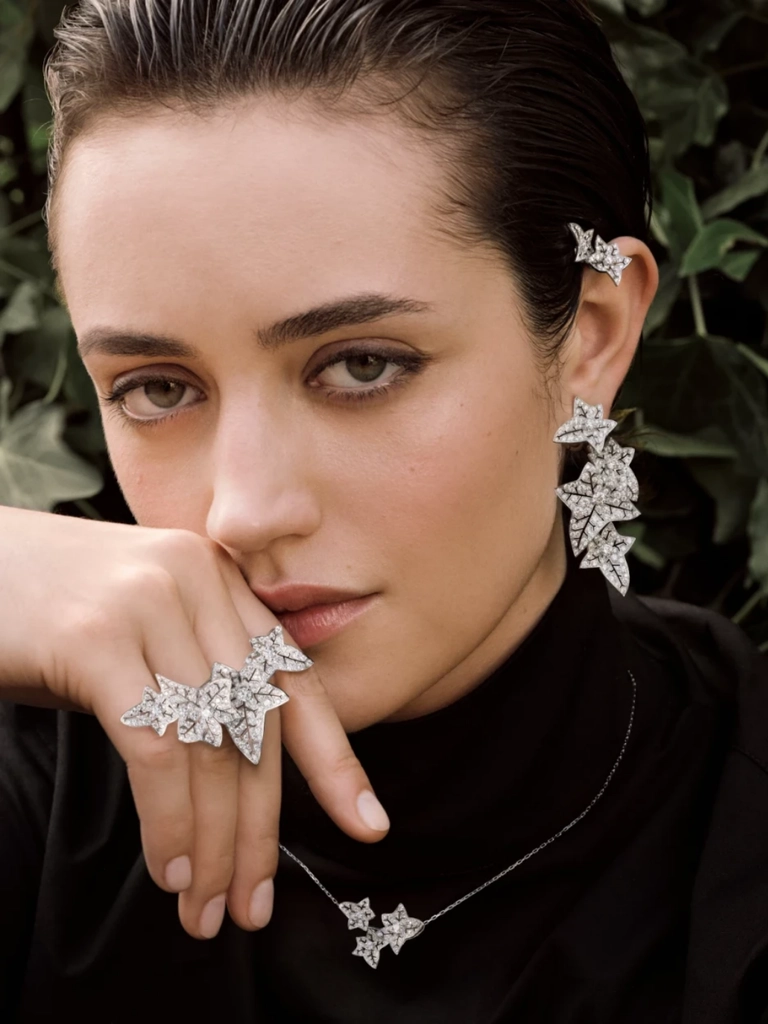
If one maison embodies the art of softening nature’s edges into pure lyricism, it is Van Cleef & Arpels. Here, the wild is not confronted but gently invited into a world of fairytale and rêverie. The house’s approach is less about capturing a creature’s spirit and more about distilling its most romantic essence. While their iconic automtons have long celebrated the delicate architecture of butterflies and hummingbirds, the narrative continually deepens. Consider the ‘Le Jardin’ series, where the inspiration shifts to a quieter, more botanical magic. A nascent leaf unfurling in diamonds and emeralds, an orchid of pearlescent mother-of-pearl with a heart of coral-each piece feels like a preserved moment from an enchanted grove.
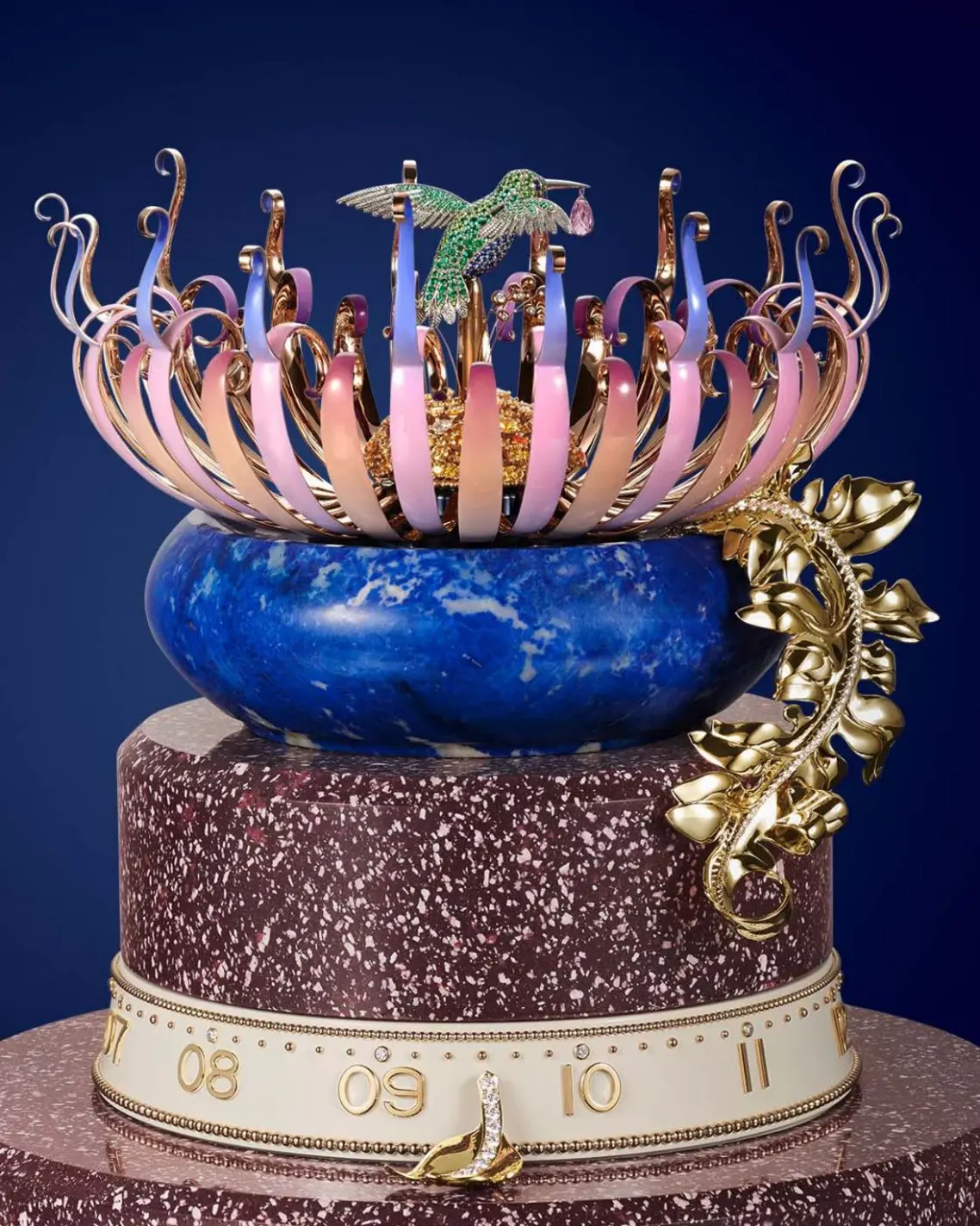
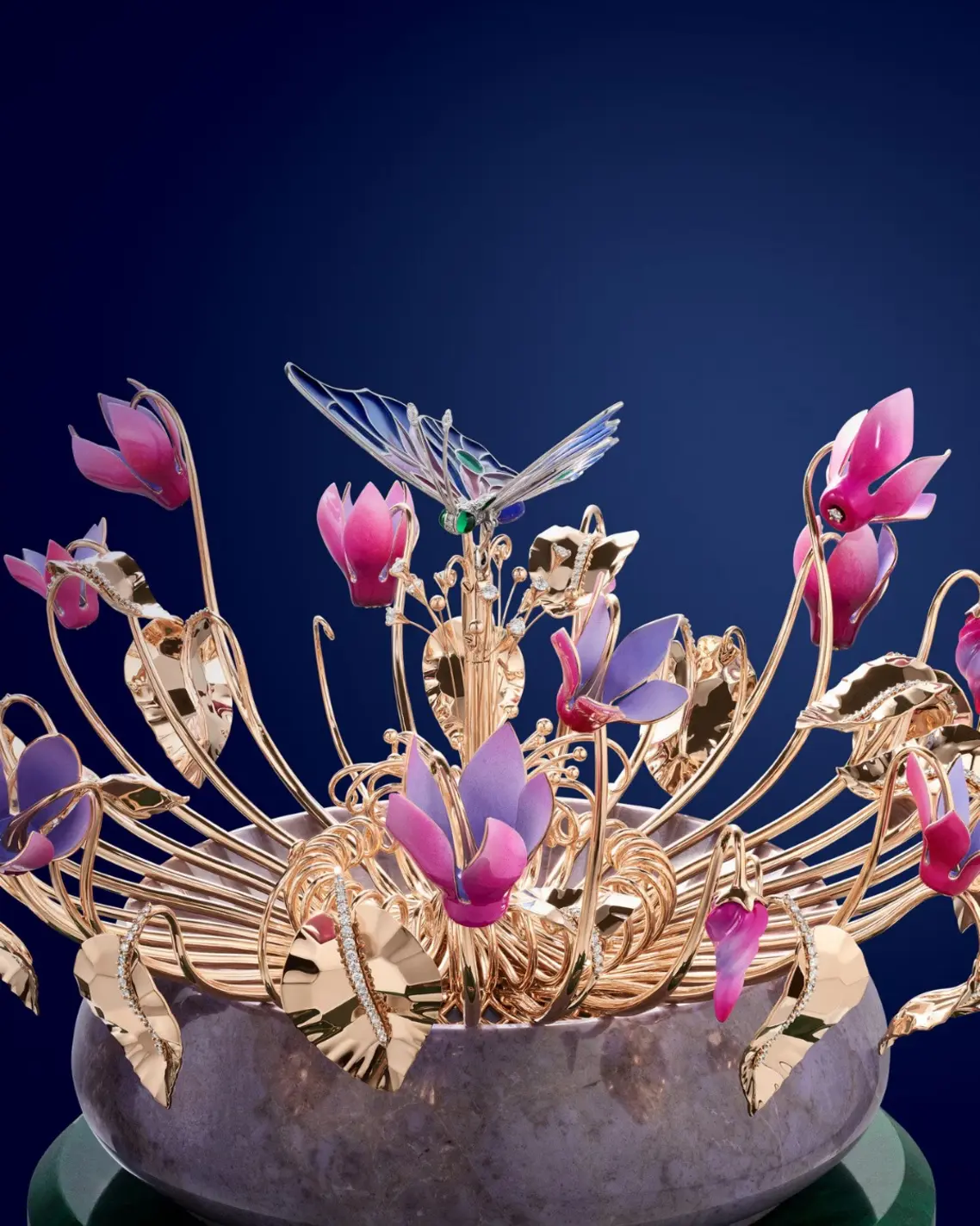
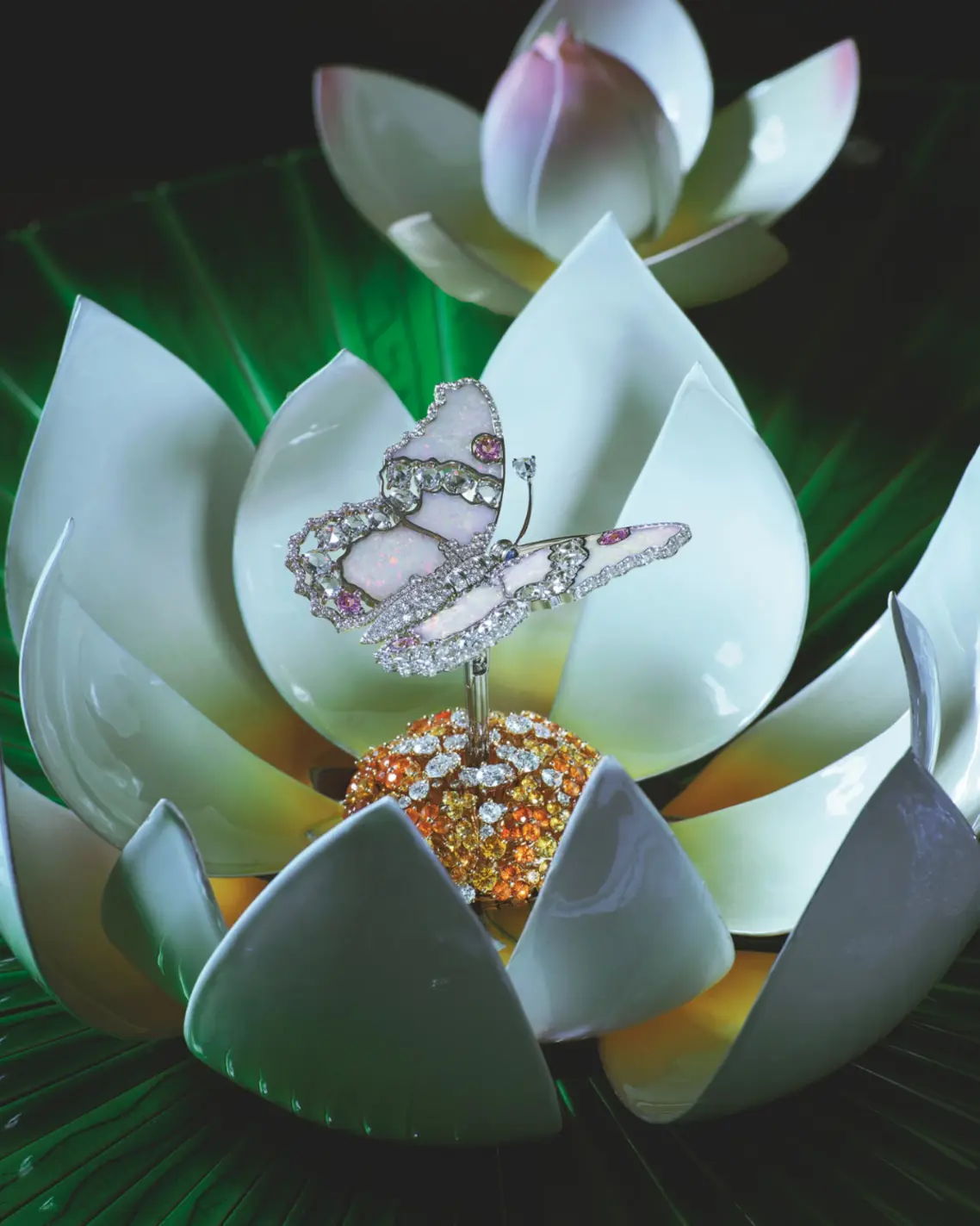
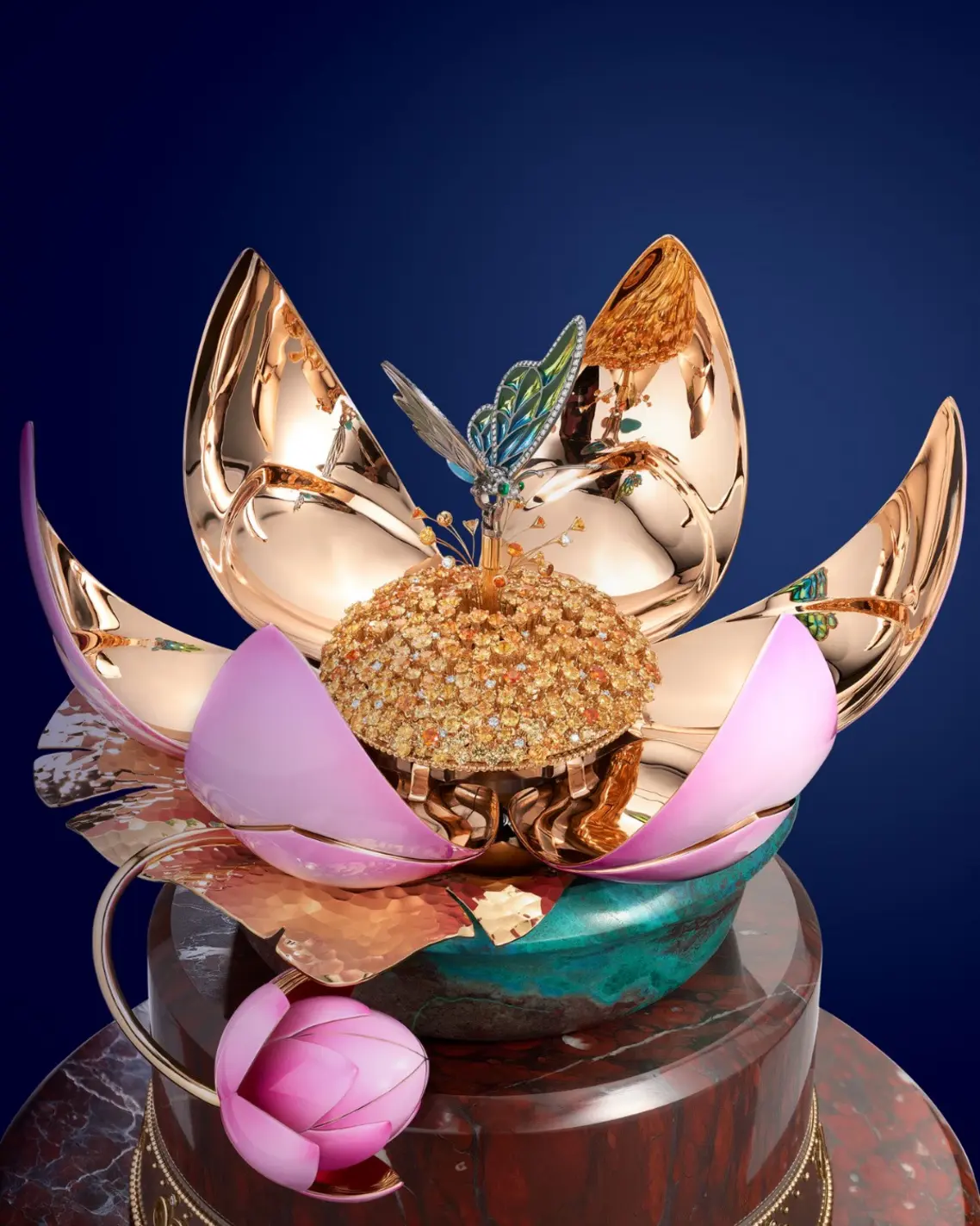
The technical sorcery that enables this is as important as the vision. The famed ‘Mystery Set’ technique, a jealously guarded secret, allows gemstones to be set without visible metal claws, creating fluid, velvety fields of colour that mimic the seamless beauty of a petal or a wing. It is a technology in service of emotion. The result is a universe where a bee is not an insect but a jewelled messenger, and a cluster of forget-me-nots is a token of eternal, stylised affection. In the hands of Van Cleef & Arpels, nature is not wild; it is wistful.
A short stroll across Place Vendôme leads to a house with a radically different temperament. Chaumet, the official jeweller to Napoleon Bonaparte, engages with nature not through the lens of poetry, but through that of power, empire, and symbolism. For Chaumet, natural motifs are a language of authority and intellect. Its historical legacy is woven with emblems of dominion: the sheaf of wheat for prosperity, the laurel wreath for victory, the bee for immortality. These were not decorative whims but political statements rendered in diamonds, destined for the diadems of empresses.
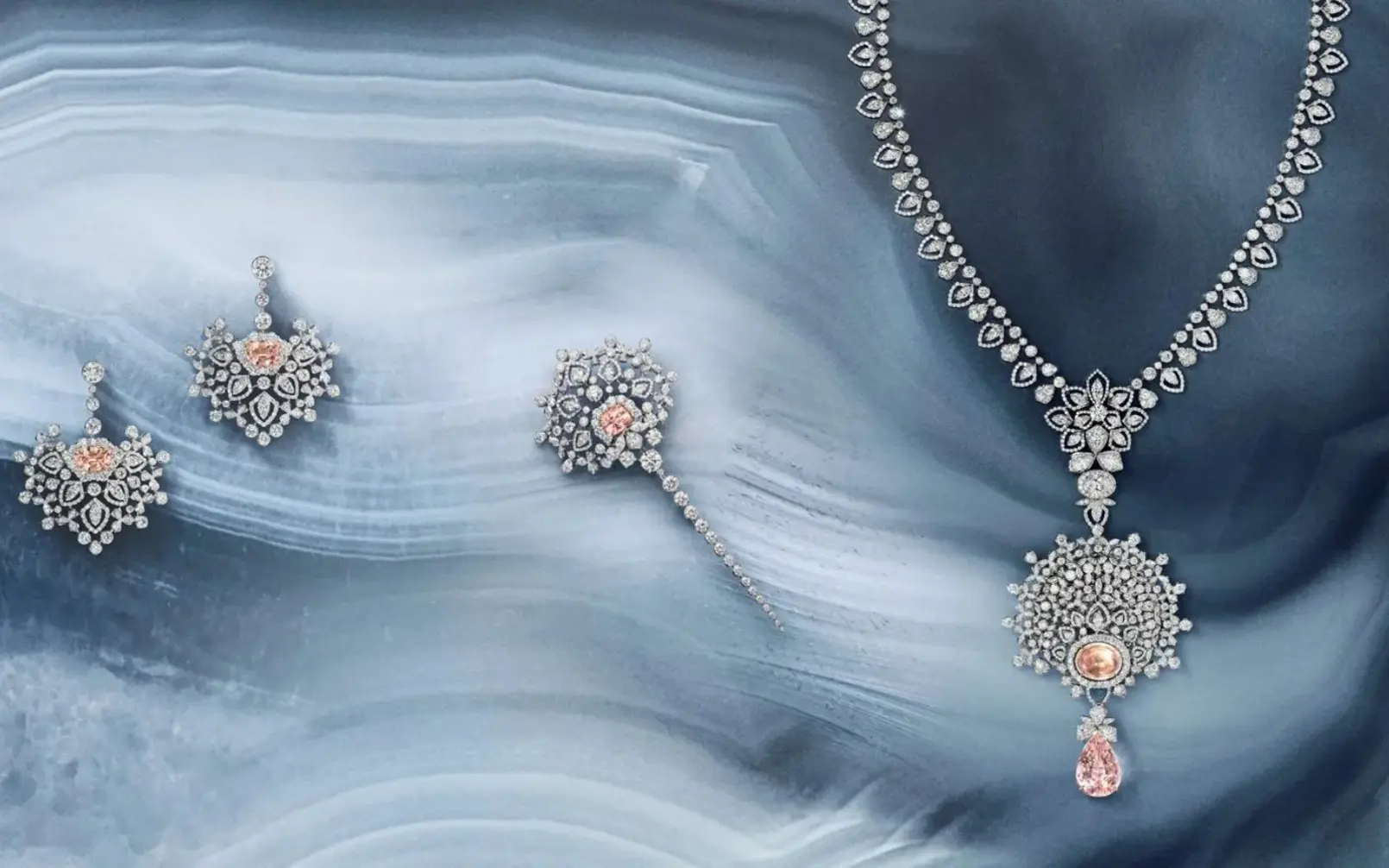
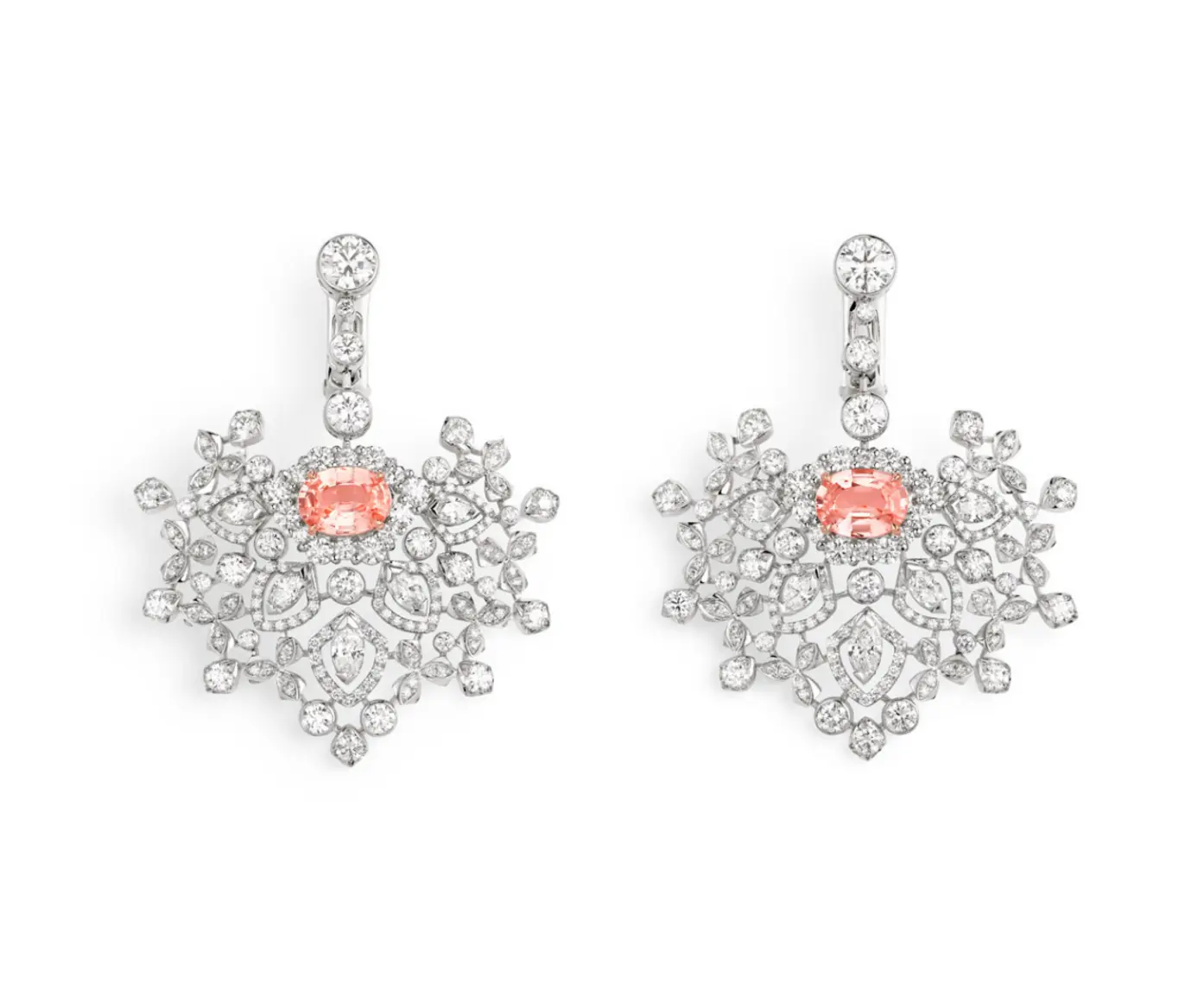
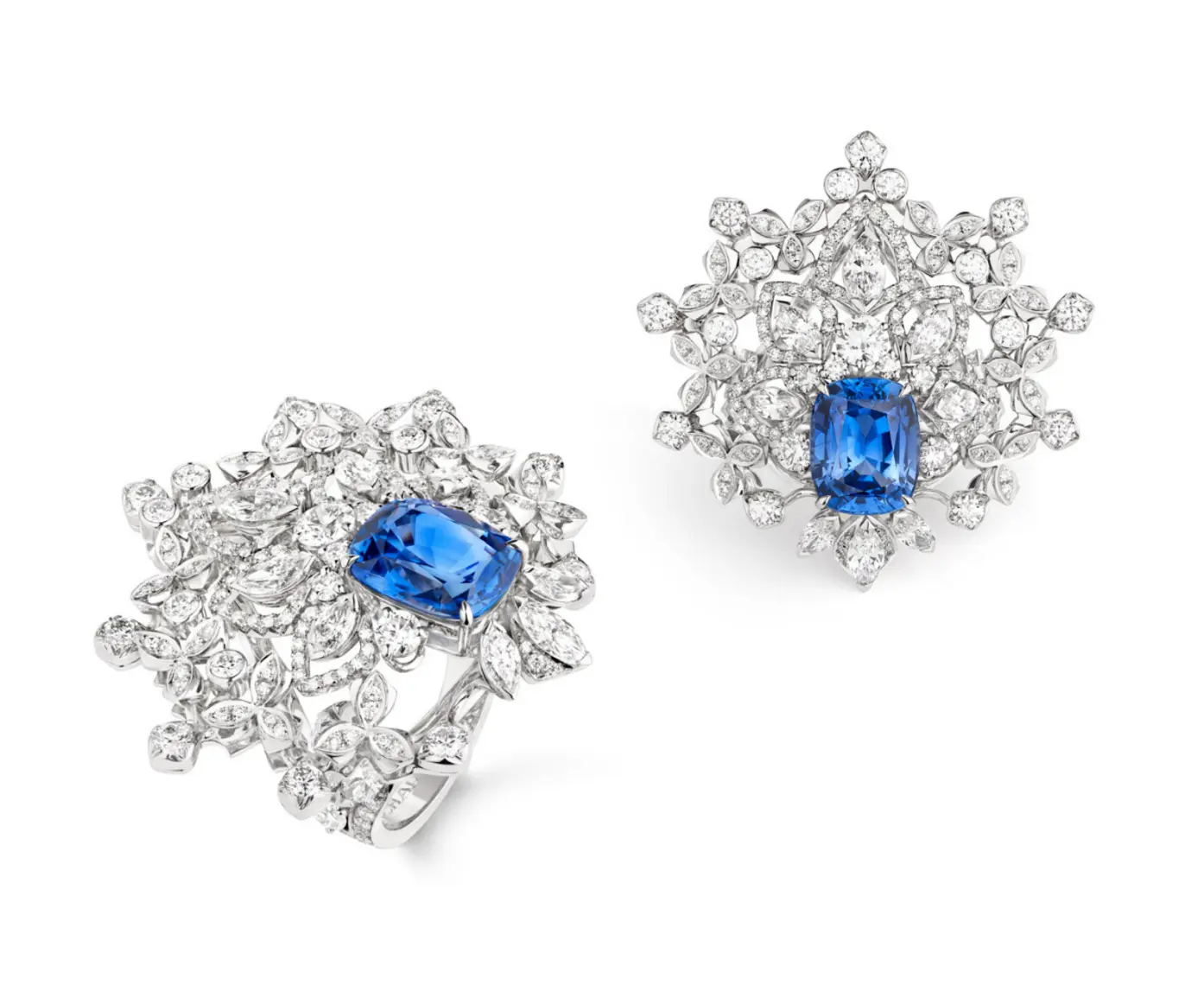
This philosophical weight carries seamlessly into the present. Chaumet’s contemporary collections treat nature as a subject for profound contemplation. The ‘Les Mondes de Chaumet’ initiative is less a single collection and more a curated journey of discovery, where each capsule - be it inspired by the resilient oak, the pure lotus, or the celestial moon, is accompanied by a narrative of almost poetic introspection. Similarly, the ‘Perspectives de Chaumet’ collection applies an architectural, almost geometric eye to natural forms. The spiral of a nautilus shell, the hexagonal lattice of a honeycomb, the refraction of light through water, these are deconstructed and reimagined into jewellery that is as much about structure and light as it is about beauty. Where Van Cleef & Arpels offers a dream, Chaumet proposes a thesis on the sublime order of the natural world. Across these houses, nature's spirit is neither copied nor controlled, but reshaped into a language of symbols, where instinct, order, and imagination coexist.
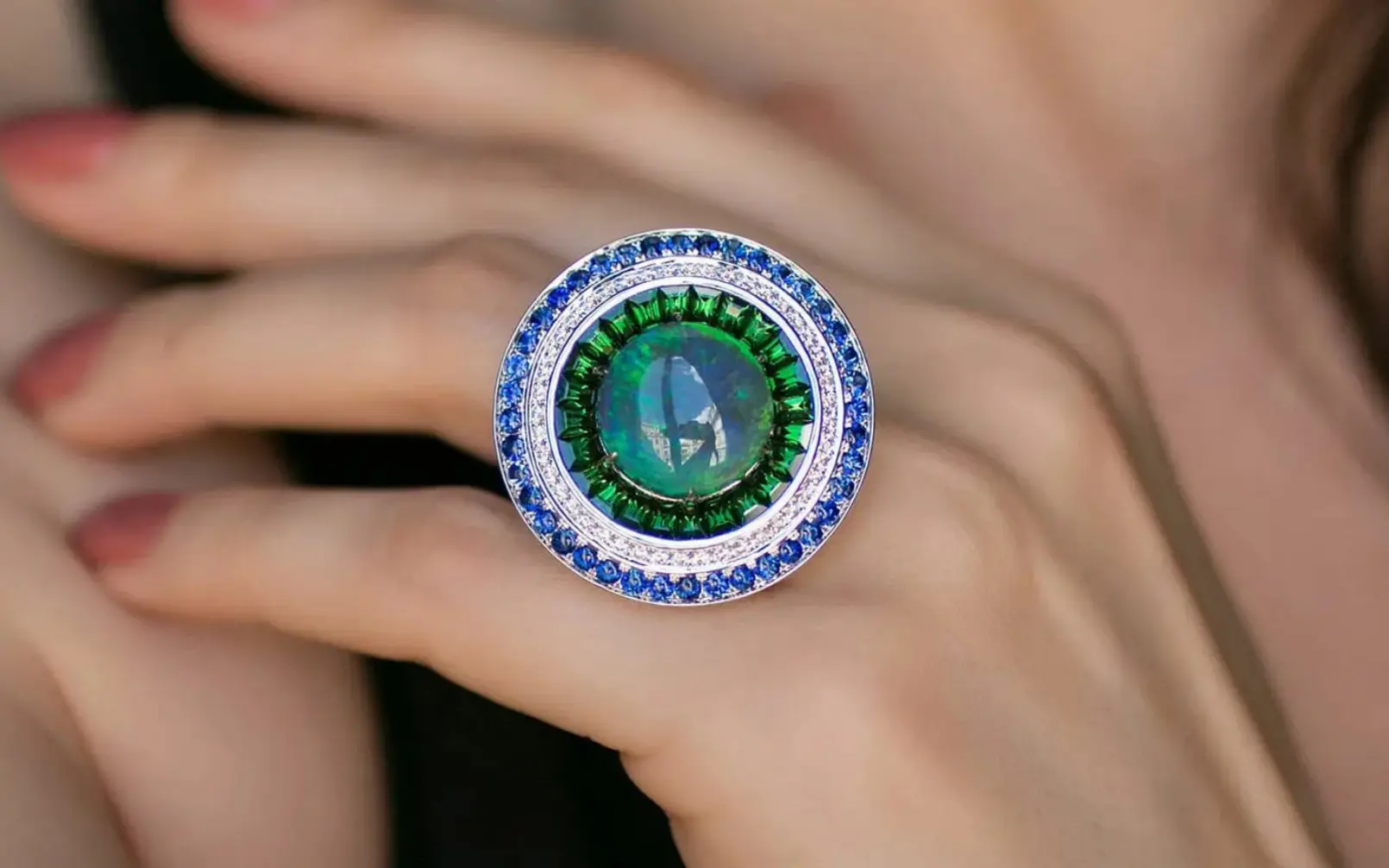
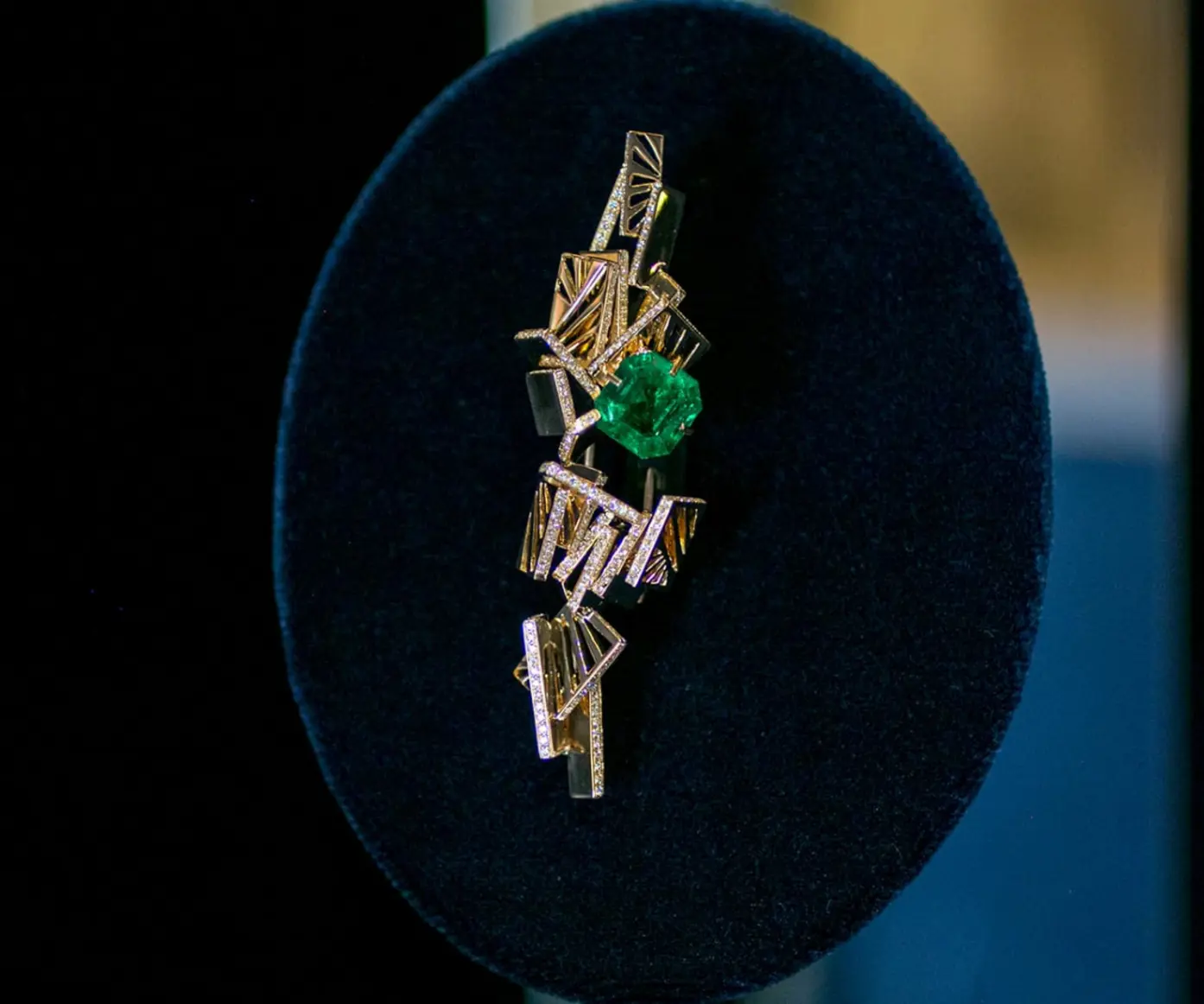
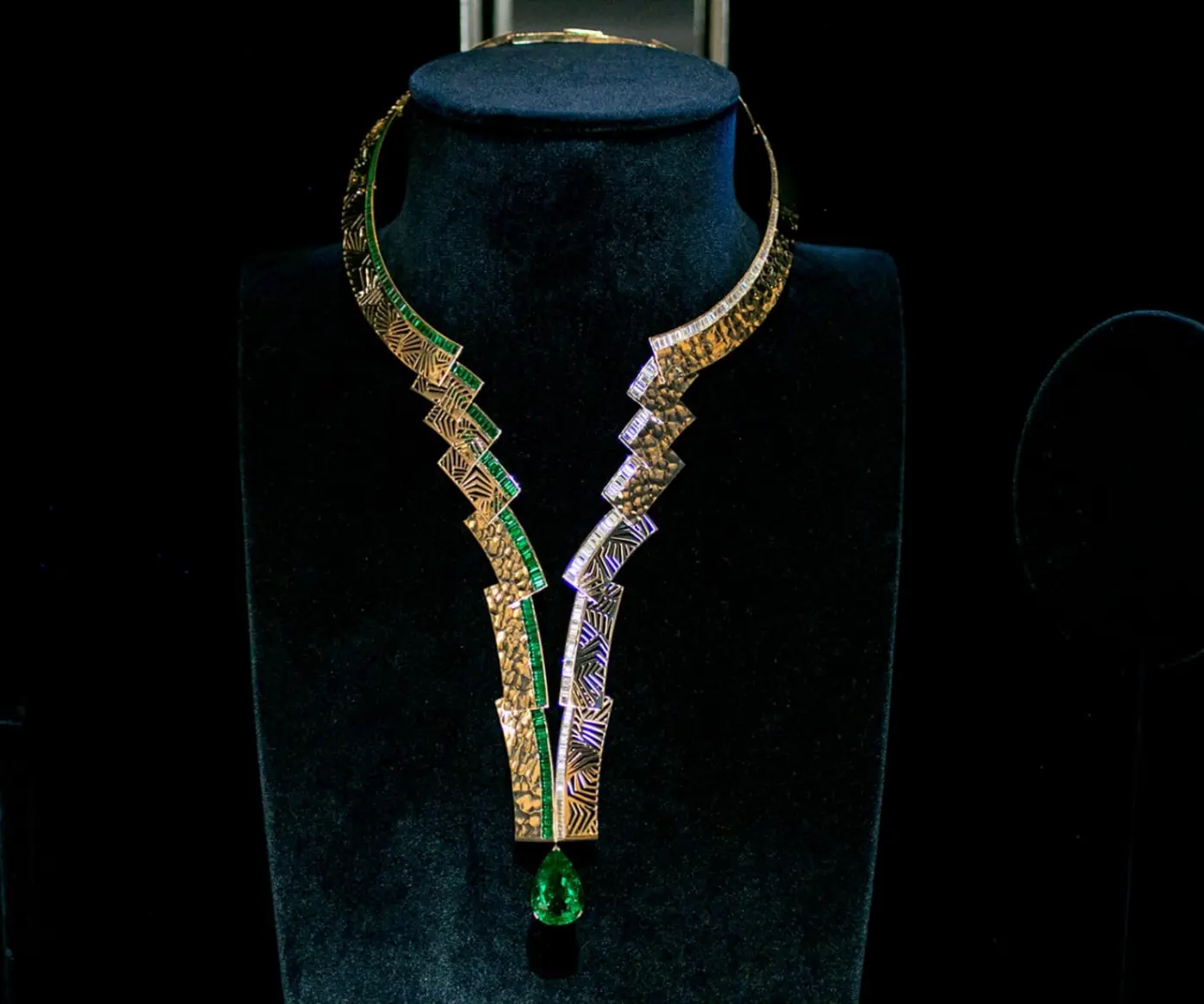
No conversation about nature in jewellery is complete without paying homage to the definitive predator. Cartier’s relationship with the wild is one of charismatic dominance, perfectly embodied by the Panthère. This is not a creature sweetened by fantasy; it is nature’s apex elegance frozen in an attitude of poised, gleaming power. The story of the Panthère is the story of Jeanne Toussaint, Cartier’s legendary creative director, whose fearless style earned her the nickname “La Panthère.” Under her direction, the animal shed its purely zoomorphic form to become an icon of seductive, feminine force.
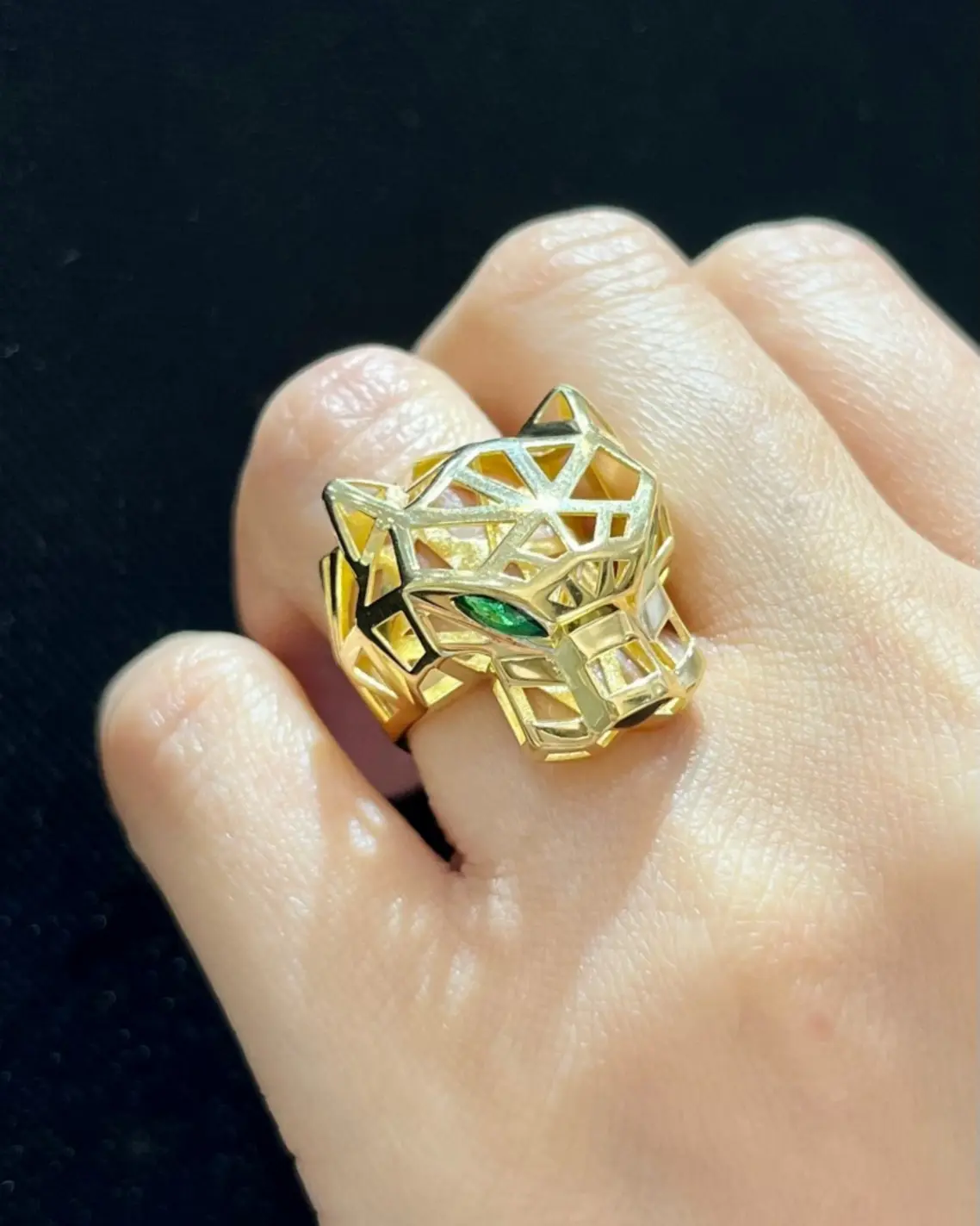
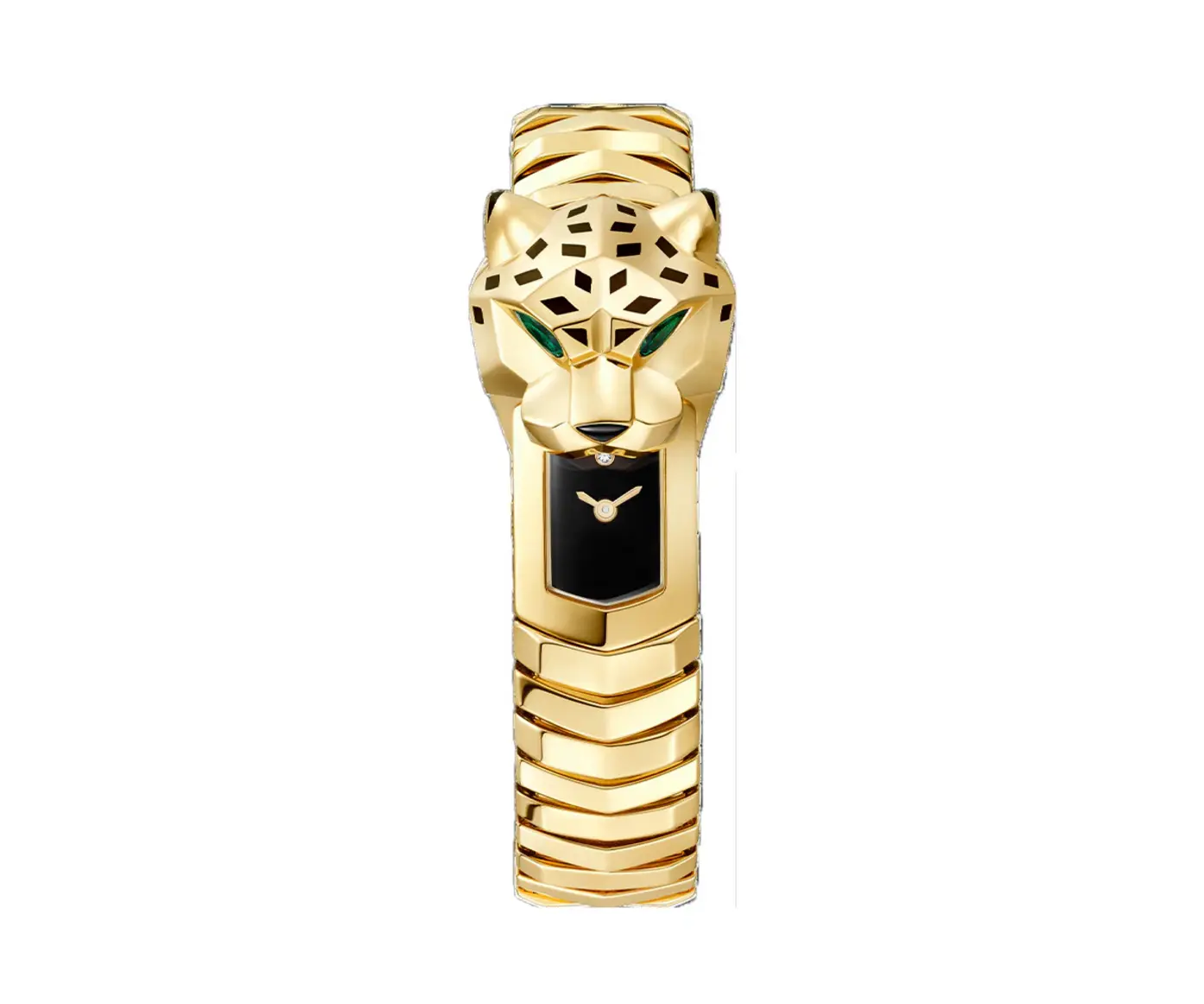
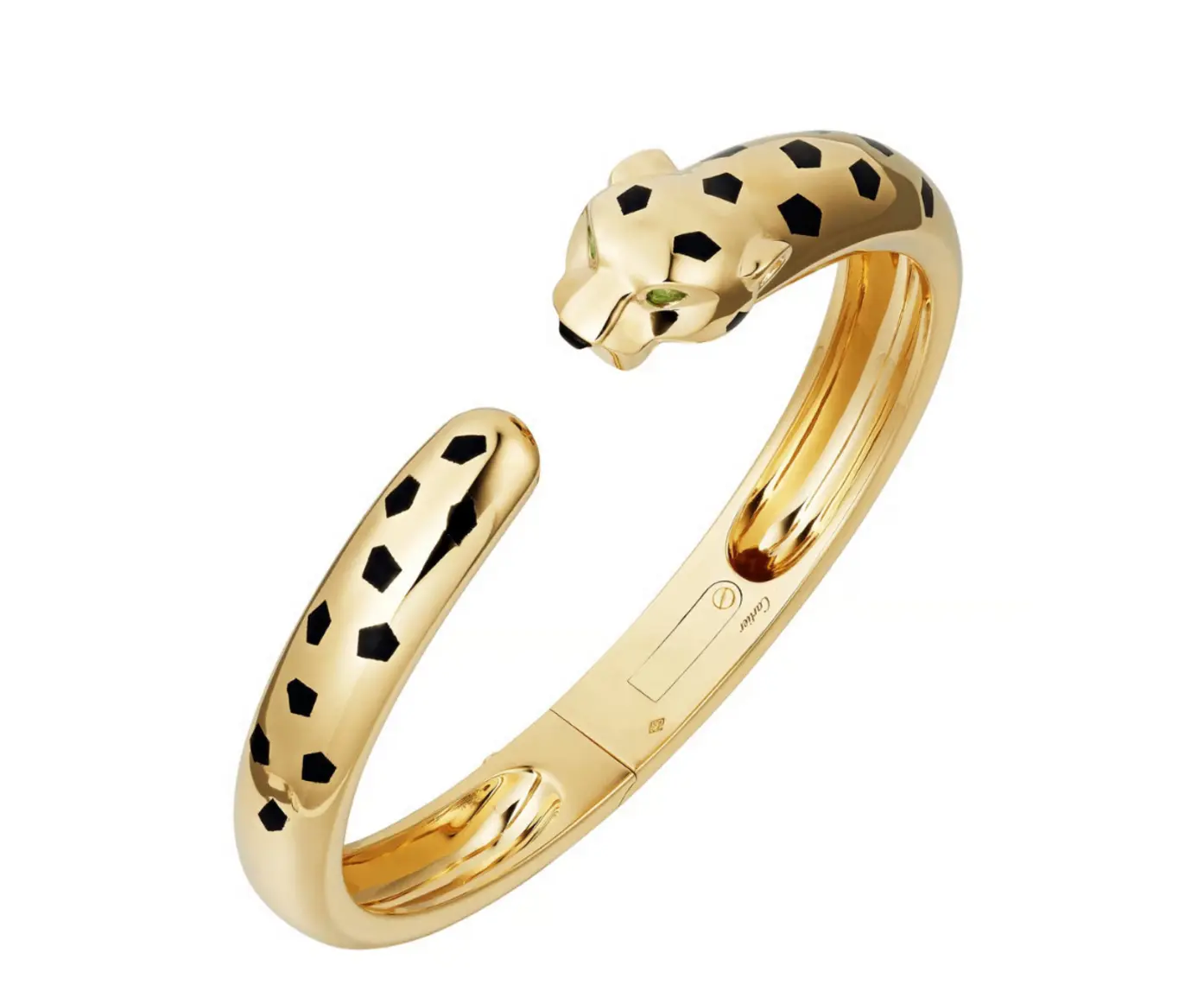
The panther’s domain is vast, from sinuous bracelets where onyx and diamonds define its spotted coat, to sleek watches where it lounges across the dial with proprietary arrogance. But Cartier’s bestiary is richly populated beyond its famed feline. The sinuous crocodile scales wrapping a watch, a flamboyance of flamingos in carved gemstones, a pair of playful parrots - each is executed with a naturalist’s eye for character and a jeweller’s mastery of volume and colour. Cartier doesn’t tame the wild; it collaborates with it, capturing its most glamorous and instinctive moments.
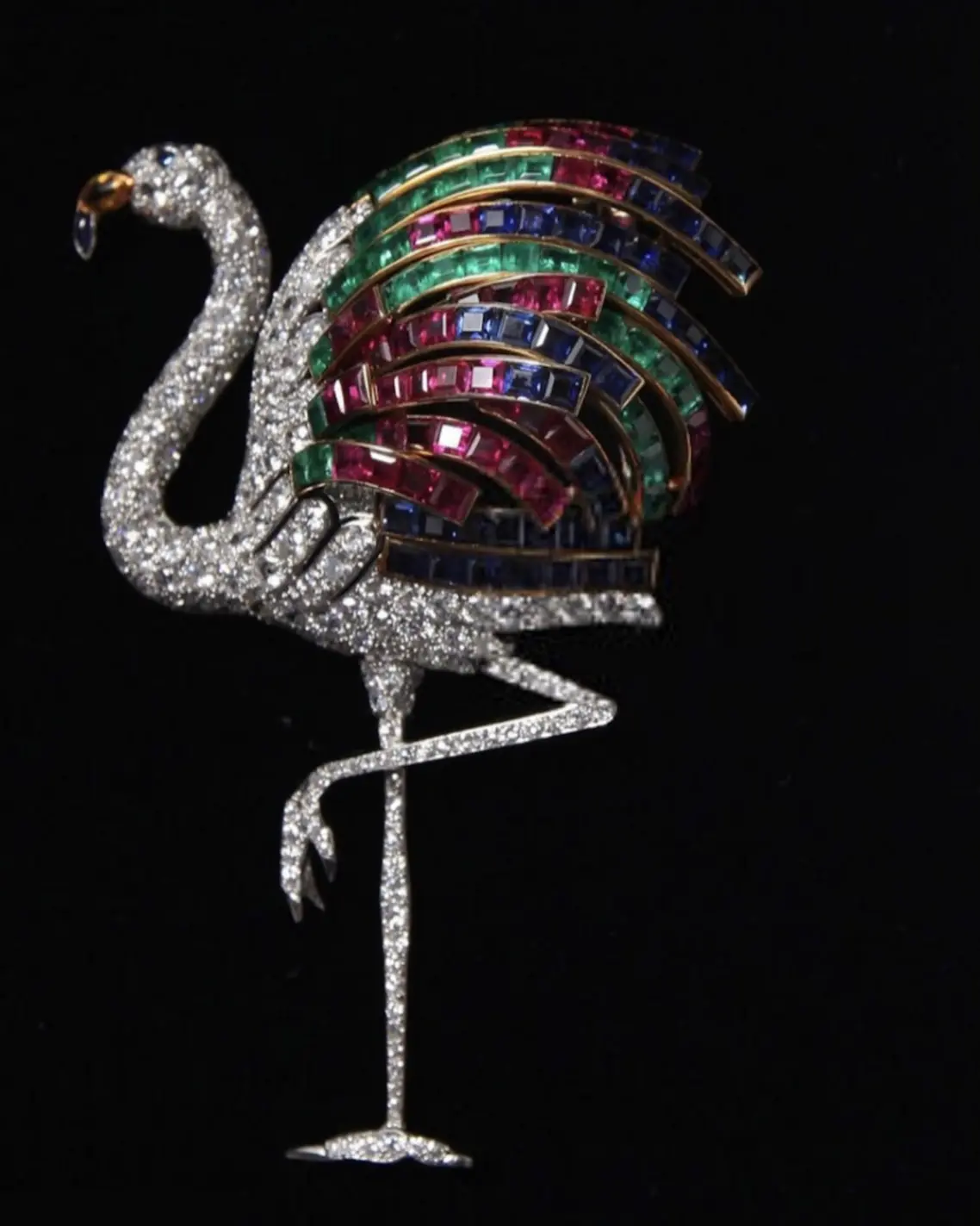

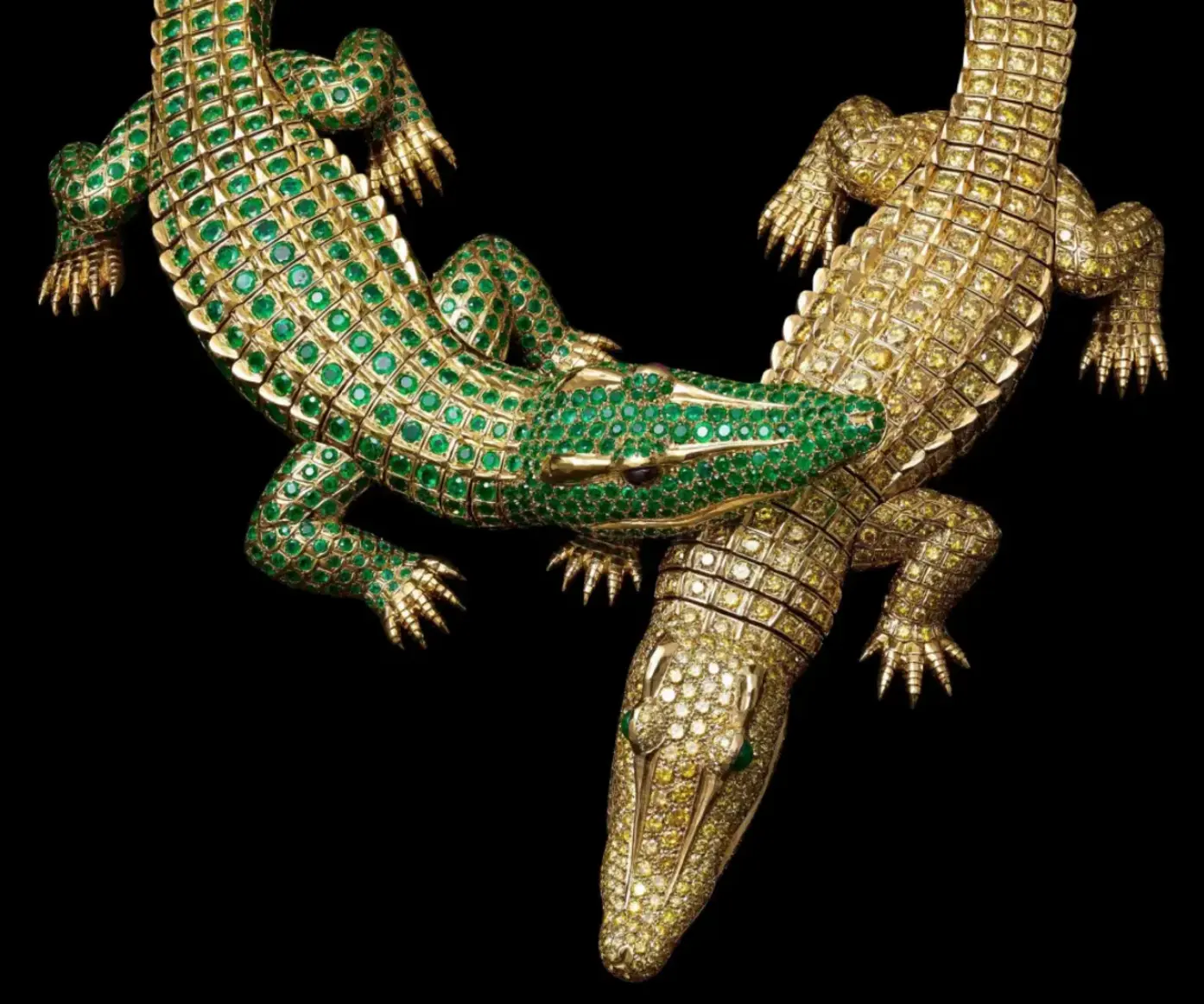
The impulse to channel nature’s vitality is a universal language among the great houses, each with its own distinctive accent.
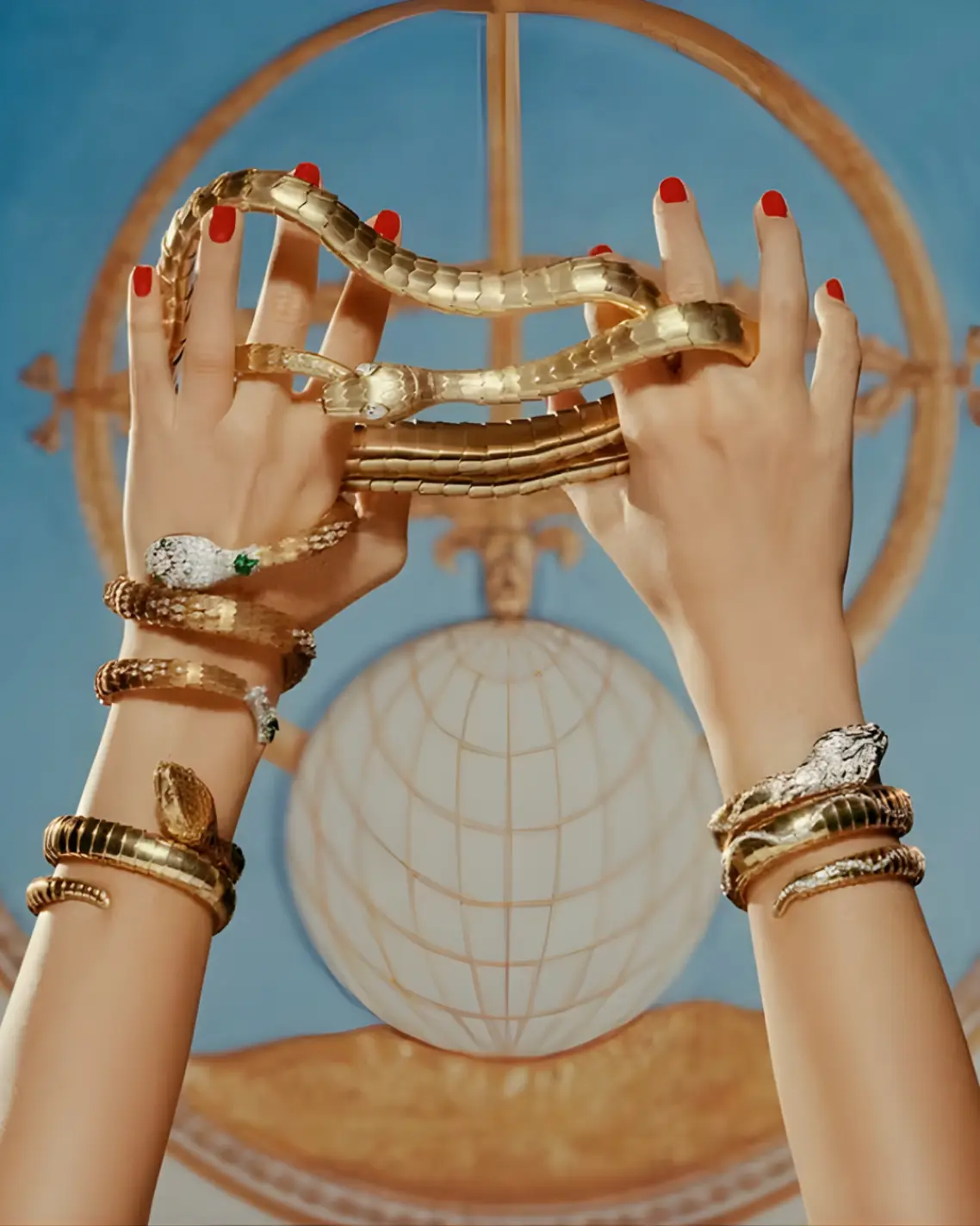
Bvlgari’s Serpenti: No creature embodies metamorphosis more than the serpent, and Bvlgari has made it its own. The Serpenti collection, with its coiled, flexible forms and hypnotic, scale-like tessellation, speaks of eternal renewal, wisdom, and seduction. It is a symbol that sloughs off the old with each new, audacious iteration, from tubogas watches to high jewellery headpieces.
Chanel’s Personal Iconography: For Chanel, the lion is a profoundly personal totem, reflecting the astrological sign of its founder, Gabrielle ‘Coco’ Chanel. It represents courage, majesty and independence. Appearing in the ‘Sous le Signe du Lion’ collections, the lion is rendered with a modern, almost graphic sensibility - a symbol of personal, rather than imperial, power, often intertwined with the familiar camellia.
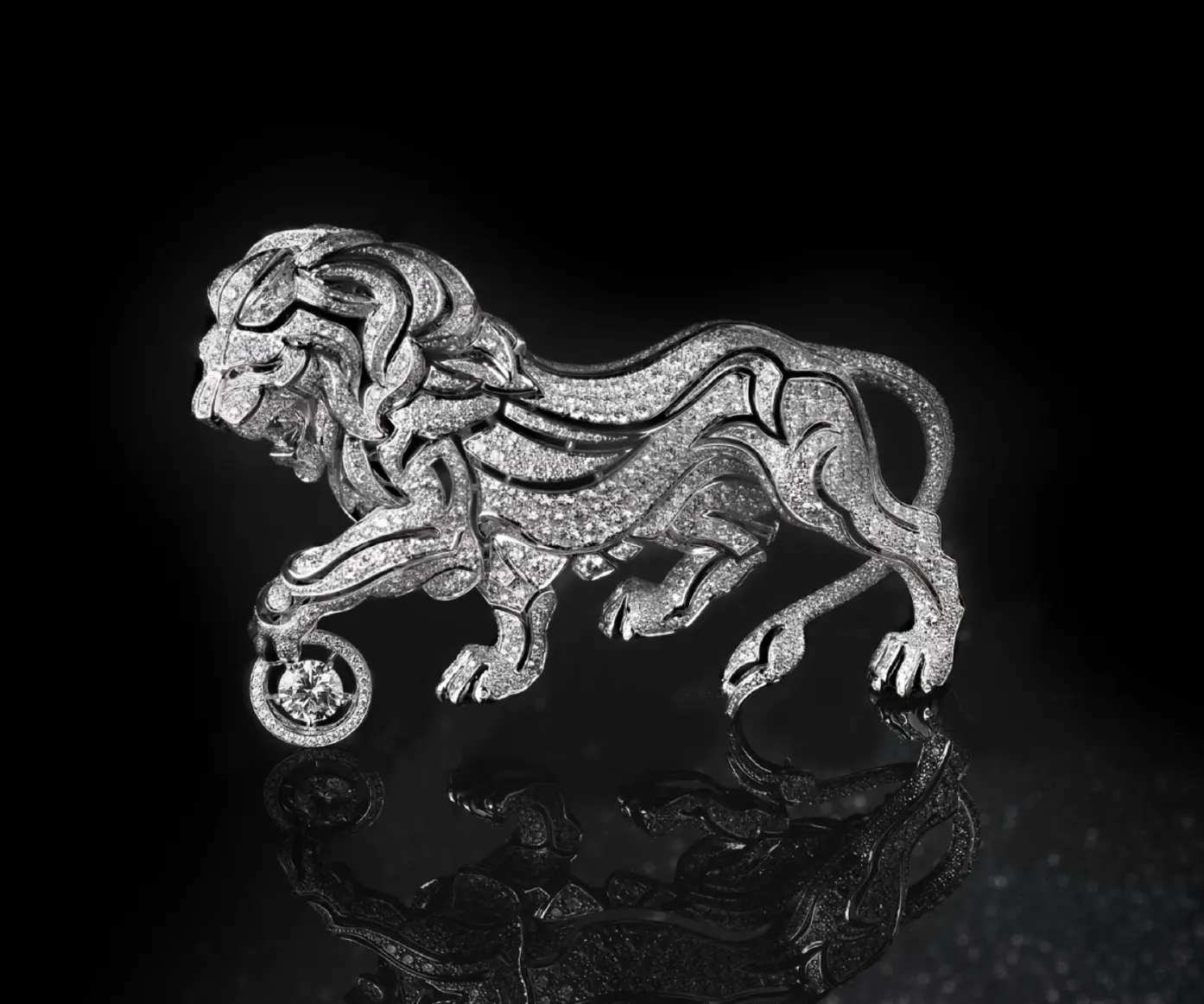
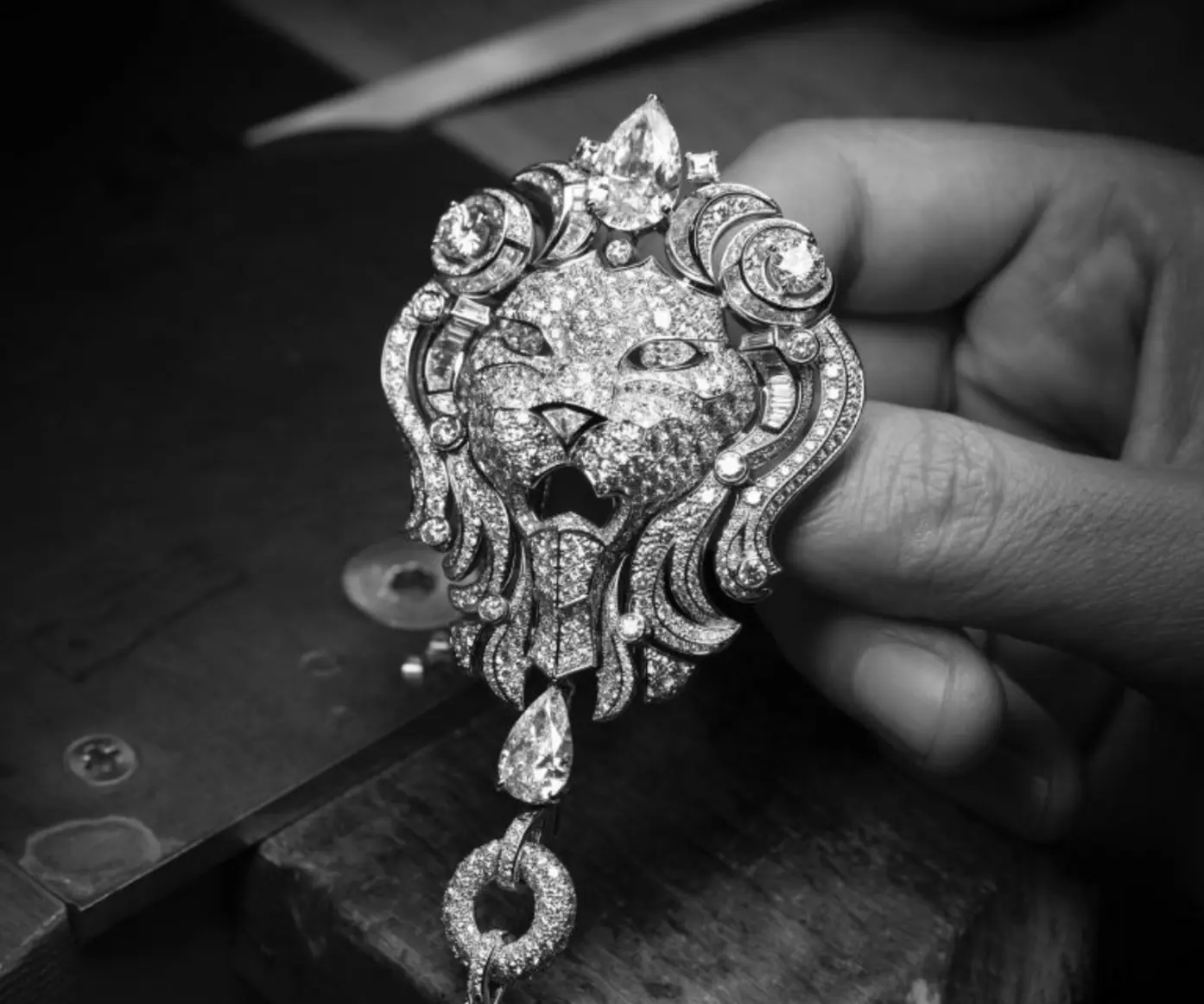
The Contemporary Naturalists: Other houses bring their unique vision. Piaget celebrates extreme craftsmanship with its ‘Extremely Piaget’ collections, where lifelike moths and hummingbirds are crafted with feather-light gold lacework and vivid enamels. Conversely, Dior Joaillerie, under Victoire de Castellane, delights in the whimsical and the unconventional, transforming praying mantises, ladybugs, and dragonflies into fantastical, pop-art confections of coloured gems and organic forms.
The question remains: why does this theme possess such inexhaustible resonance? The answer lies on multiple planes.
Firstly, narrative and emotional resonance. A jewel is an object, but a jewel in the form of a protective lion or a wise owl becomes a story, a companion, a amulet. It carries meaning that transcends its material value, connecting with the wearer’s identity or aspirations on a deeply personal level.
Secondly, it is the ultimate canvas for technical mastery. To render the softness of fur, the gleam in an eye, the iridescence of a wing, demands preternatural skill. Techniques like stone carving, serti mystérieux, micro-pavé, and plique-à-jour enamel are pushed to their limits. Each piece becomes a testament not just to beauty, but to the human ingenuity required to capture life itself in static form.
Finally, it taps into a primordial and universal connection. In an increasingly digital and abstract world, these jewels are tangible touchstones to the fundamental beauty and power of the earth. They are a way to carry a fragment of that sublime, untamed spirit with us - refined, reimagined, and resplendent, but forever wild at heart.
The journey of haute joaillerie with nature is a continuous dance between observation and imagination, between the raw and the refined. From the romantic idealism of Van Cleef & Arpels and the philosophical power of Chaumet to the iconic magnetism of Cartier and the personalised symbolism of Chanel, each house offers its own dialect in this beautiful language. They prove that the highest form of flattery is not imitation, but interpretation. In their hands, a fragment of the wilderness is not mounted, but magnified; not captured, but set free in a blaze of glory, destined to be passed down as heirlooms of not just wealth, but of wonder. What haute joaillerie ultimately preserves is not nature itself, but nature's spirit, distilled into form, myth, and permanence.