MENU
Close





For watch collectors, no complication compares to the minute repeater. In fact, at maisons like Patek Philippe or Vacheron Constantin, a minute repeater often represents the ultimate “holy grail”, not merely a timekeeping instrument, but a mechanical and acoustic masterpiece.
For watch collectors, no complication compares to the minute repeater. In fact, at maisons like Patek Philippe or Vacheron Constantin, a minute repeater often represents the ultimate “holy grail”, not merely a timekeeping instrument, but a mechanical and acoustic masterpiece.
November 29, 2025


Since ancient civilizations, humans have listened to time: from Greek and Roman bell towers to water clocks, and astronomical installations like the Su Song clock tower in China (completed in 1088), all relied on chimes to signal the hour.
In the 15th and 16th centuries, hour-striking table clocks and early alarm watches emerged, serving the practical need to tell time in darkness — before electricity and safety matches existed.
However, these clocks only chimed the hours, leaving limitations: users had to count the chimes, or risk mishearing them, to determine the precise time.
In the 17th century, two English inventors: Edward Barlow, a cleric, and Daniel Quare, filed competing patents for a “repeating” mechanism. King James II ultimately favored Quare because his design required only one push-piece to activate hour and quarter-hour chimes, rather than two. It was a critical evolution in usability.
Advancing further, Samuel Watson introduced a five-minute repeater in 1710, improving dramatically over the previous 15-minute error margin. Then, in 1741, French watchmaker Antoine Thiout unveiled a mechanism capable of striking time down to the minute. The race to perfect the acoustic measurement of time had begun, and watchmakers started asking: what would the ideal mechanical system for this complication look like?
Another milestone came from Thomas Mudge, who invented the slide integrated into the case flank. Sliding it activates the repeater mechanism, prompting tiny hammers to strike metal gongs inside the watch.
A traditional minute repeater features two gongs — one high-pitched, one low. At 2:35, for example, the watch would strike:
Two high notes (“ding, ding”) — for the hours
Two double chimes (“ding-dong, ding-dong”) — for 30 minutes (two quarter-hours)
Five high notes — for the remaining five minutes
This system is precise, delicate, and demands exceptional craftsmanship, especially in tuning and regulating sound.
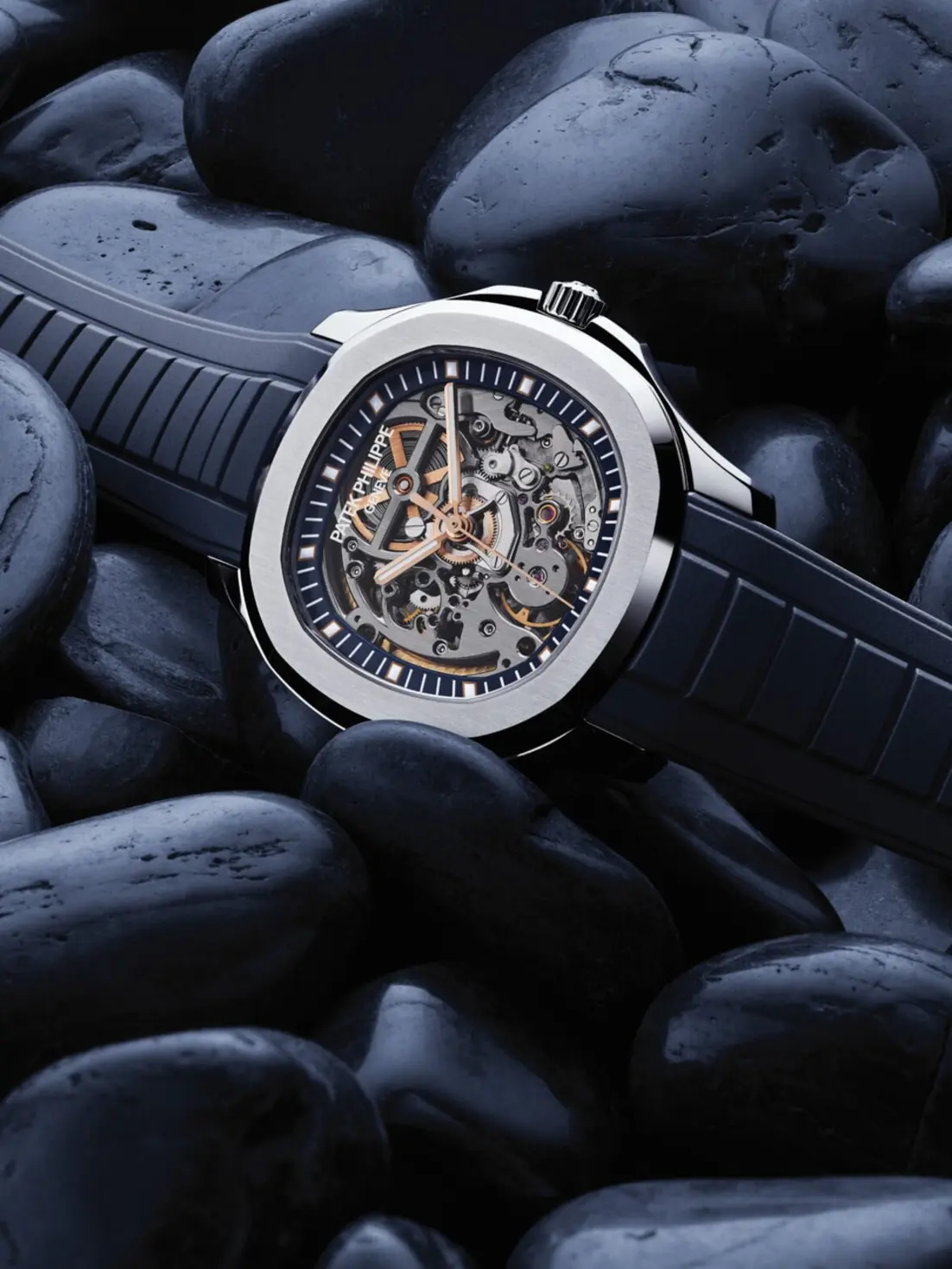
It is no exaggeration to say that the minute repeater is one of Patek Philippe’s three technical pillars, alongside World Time and the Perpetual Calendar–Chronograph. Patek produced its first minute repeater as early as 1845, while other maisons were still prioritizing chronographs or tourbillons.
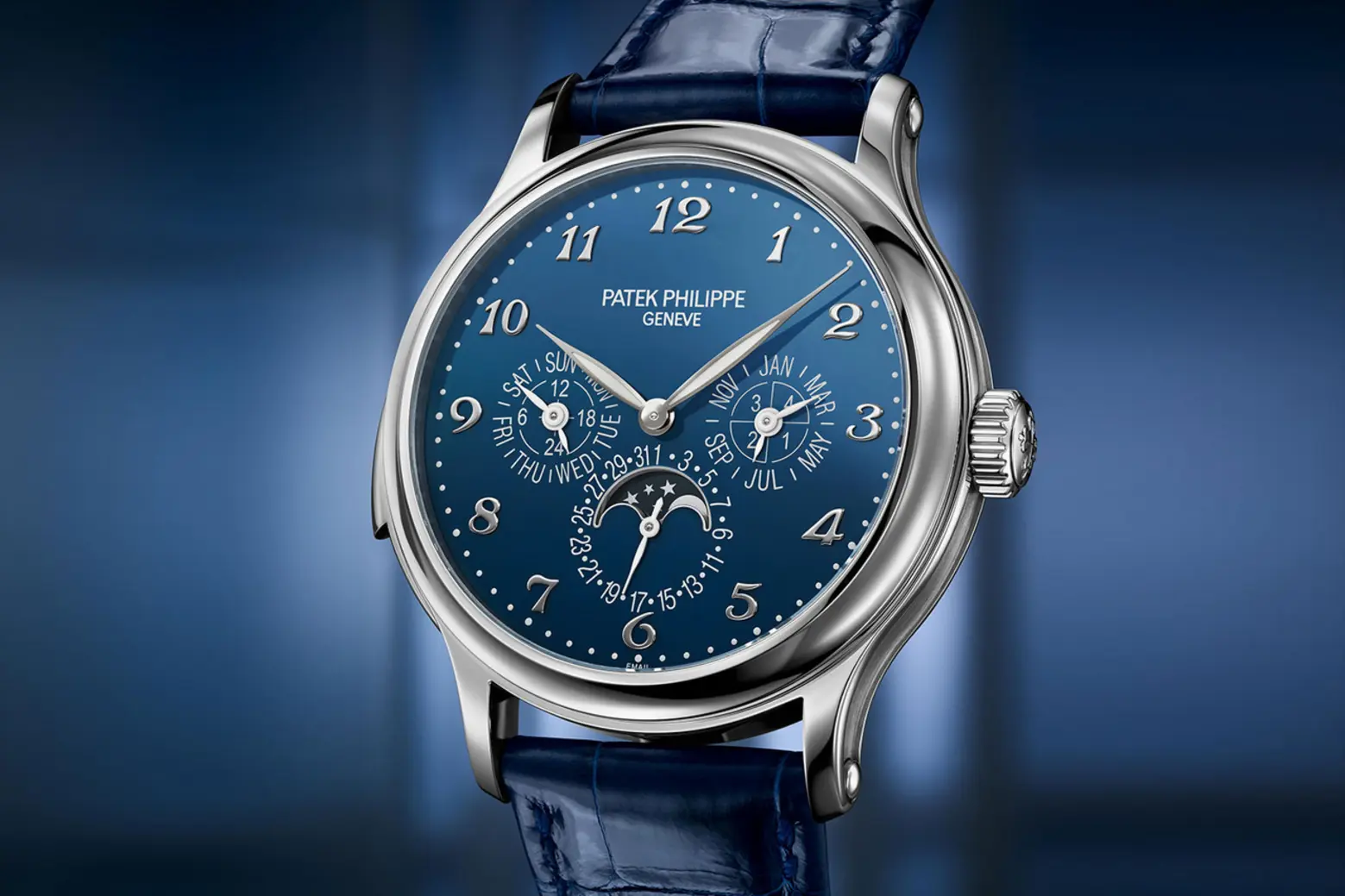


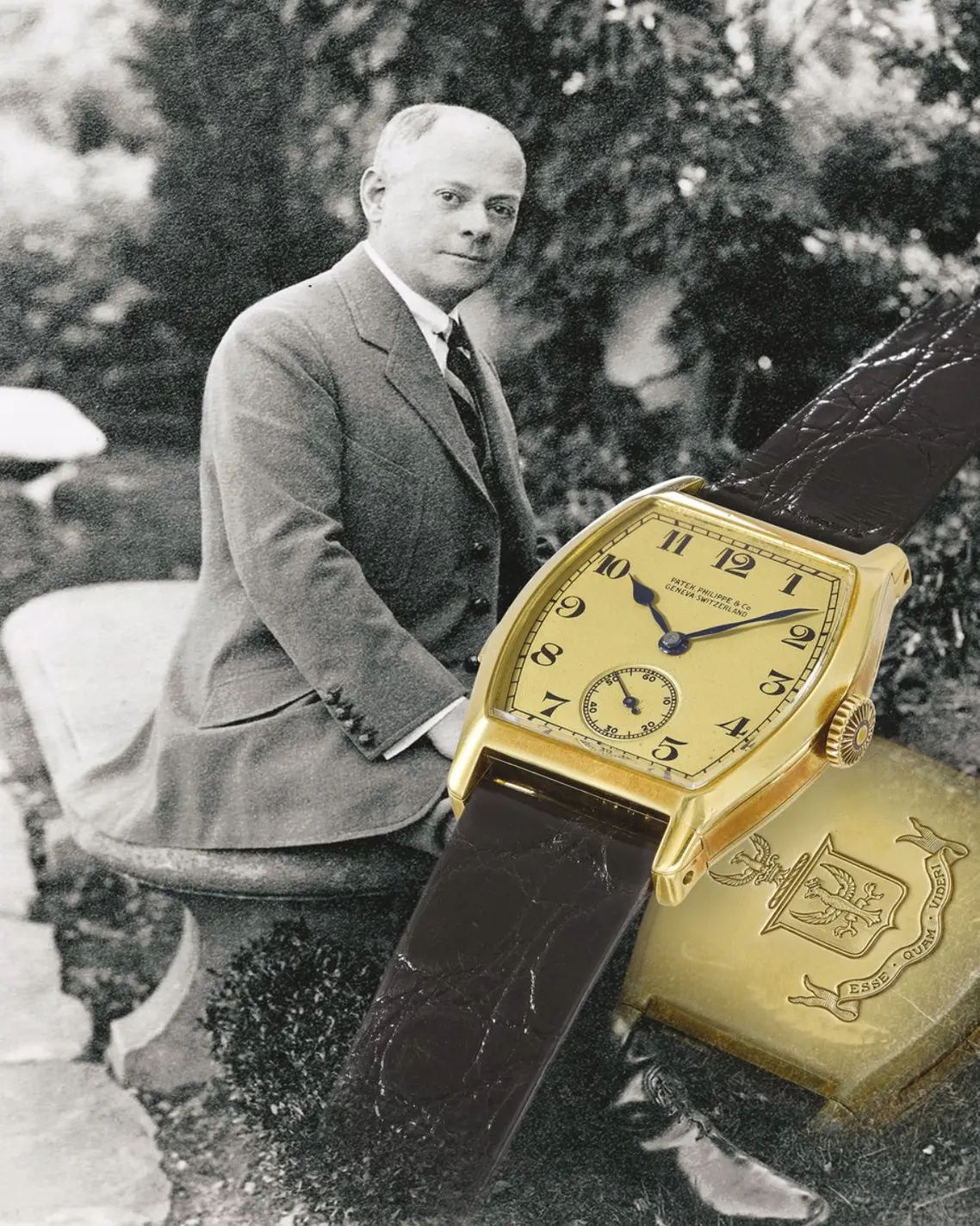
As a result, Patek’s striking watches have become collecting icons, rare references such as 3939A, 5016A, and 5208T have repeatedly set auction records (2011, 2015, 2017). Notably, the Henry Graves minute repeater sold for approximately CHF 24 million in 2014.

To create these pieces, Patek relies on immense resources and unmatched skill: only about five to six Swiss brands today maintain consistent minute repeater production. According to industry sources, Patek employs roughly 15 artisans fully dedicated to chiming mechanisms — an extraordinarily small but elite group.
The sound of a Patek repeater is not merely a chime, it's a chamber symphony. Hammer design, gong geometry, alloys, case construction, and attachment points all influence acoustic color. Some reports note that Patek’s gongs are extremely fine, around 0.48–0.6 mm in diameter. Exceptional models like the 5531R even mount the gongs directly to the caseband for optimal resonance.
One of Patek’s biggest challenges: despite differing metals (gold, steel, etc.), every repeater must still meet the distinctive tonal signature approved by Thierry Stern, Patek Philippe’s president. Their chime can reach approximately 60 decibels, with sustain lasting up to 18 seconds.
Each Patek minute repeater requires 200–300 hours of hand finishing and tuning by a single artisan. Before delivery, the watch undergoes a sound evaluation by a specialized internal department, and then a final personal assessment by Thierry Stern himself.
Vacheron Constantin, another member of haute horlogerie’s “Holy Trinity”, also holds a long chiming tradition. The maison produced its first striking watches in 1806. In 2013, it broke records with the Patrimony Contemporaine Ultra-Thin Calibre 1731, just 8.09 mm thick — still considered among the world’s thinnest minute repeaters.
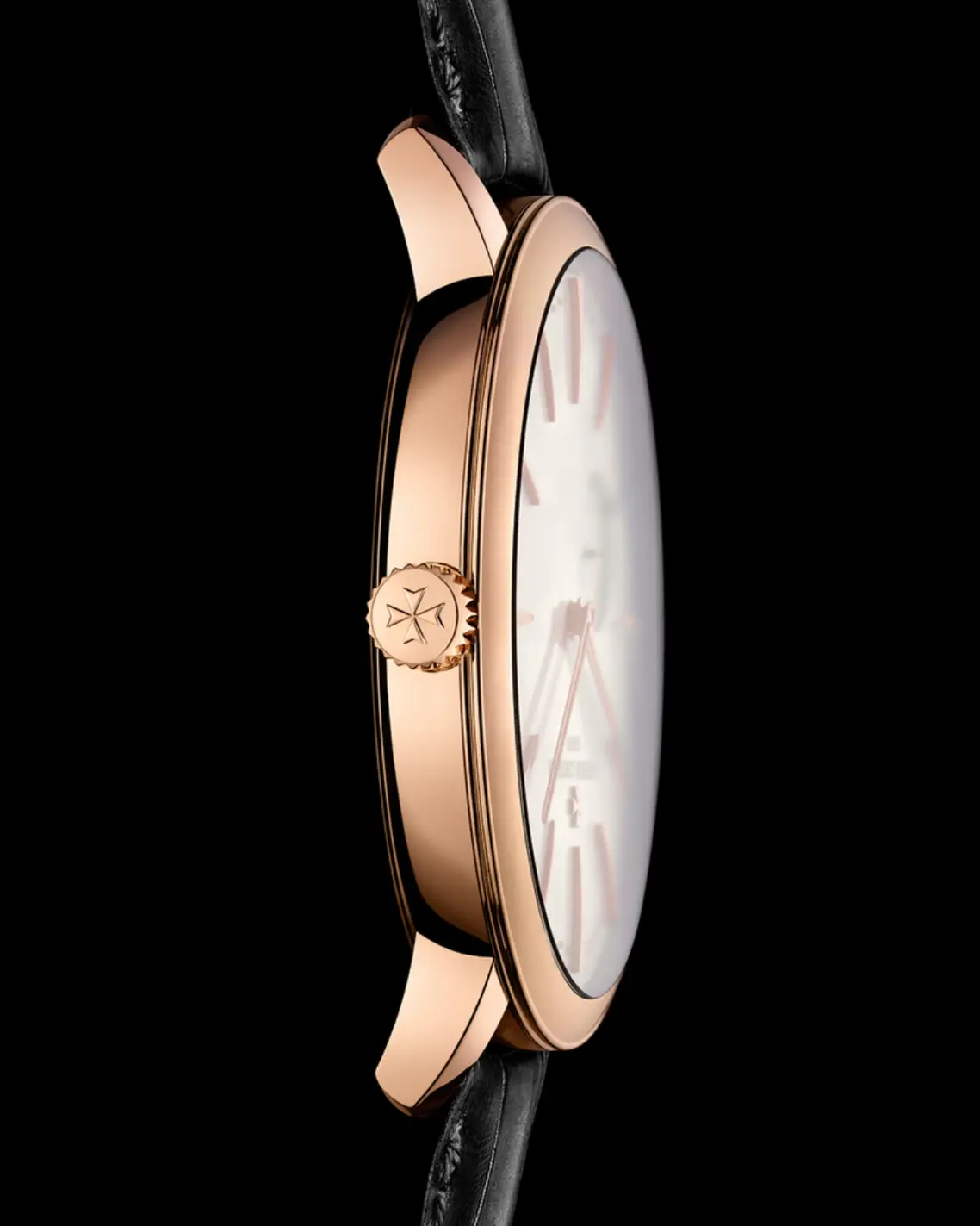
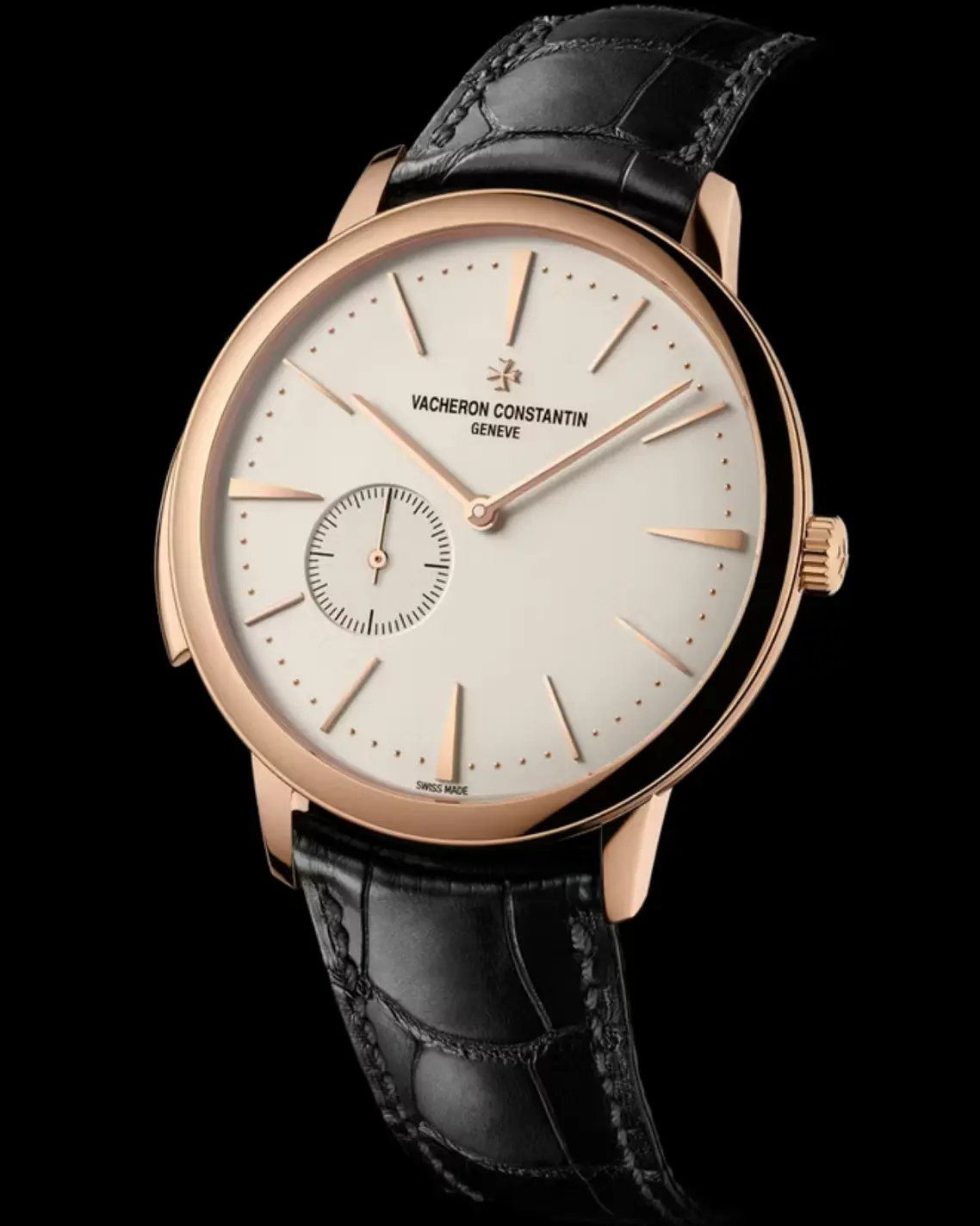
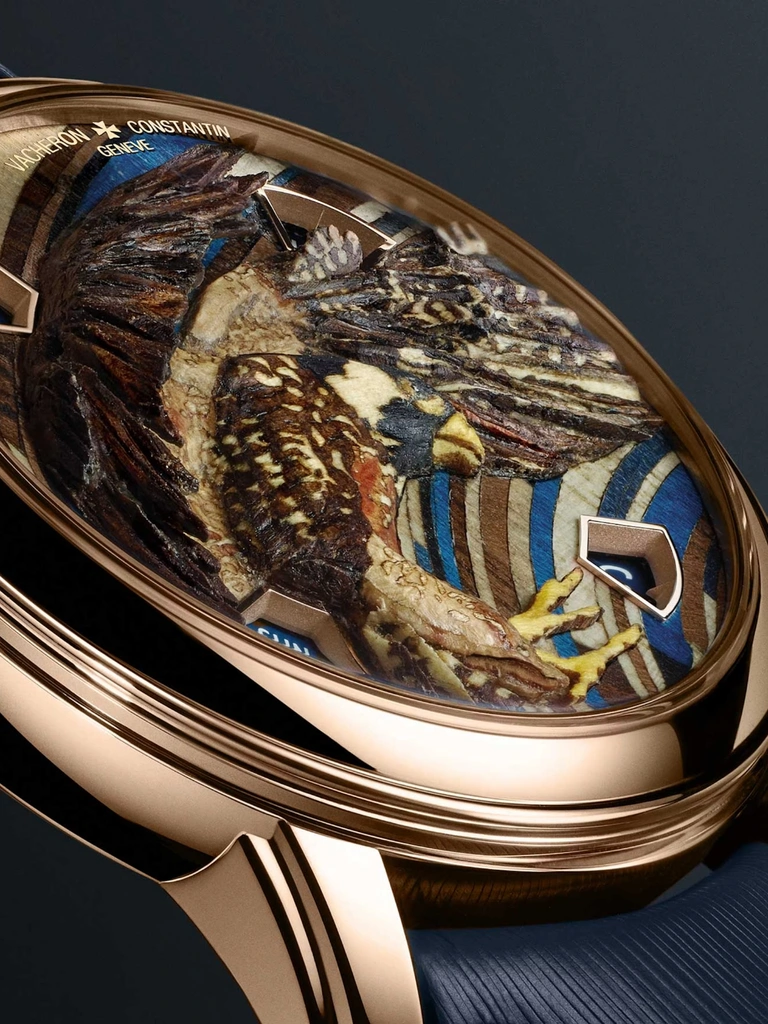
A recent highlight is Les Cabinotiers “La Musique du Temps” – Four Seasons, a quartet of unique pieces, each representing one season. The dials feature bas-relief engraving and champlevé enamel fired through 12–15 layers — an ode to artisanal métiers d’art. Inside beats Calibre 2755 TMR, composed of 471 parts with a 58-hour power reserve and a 2.5 Hz frequency.
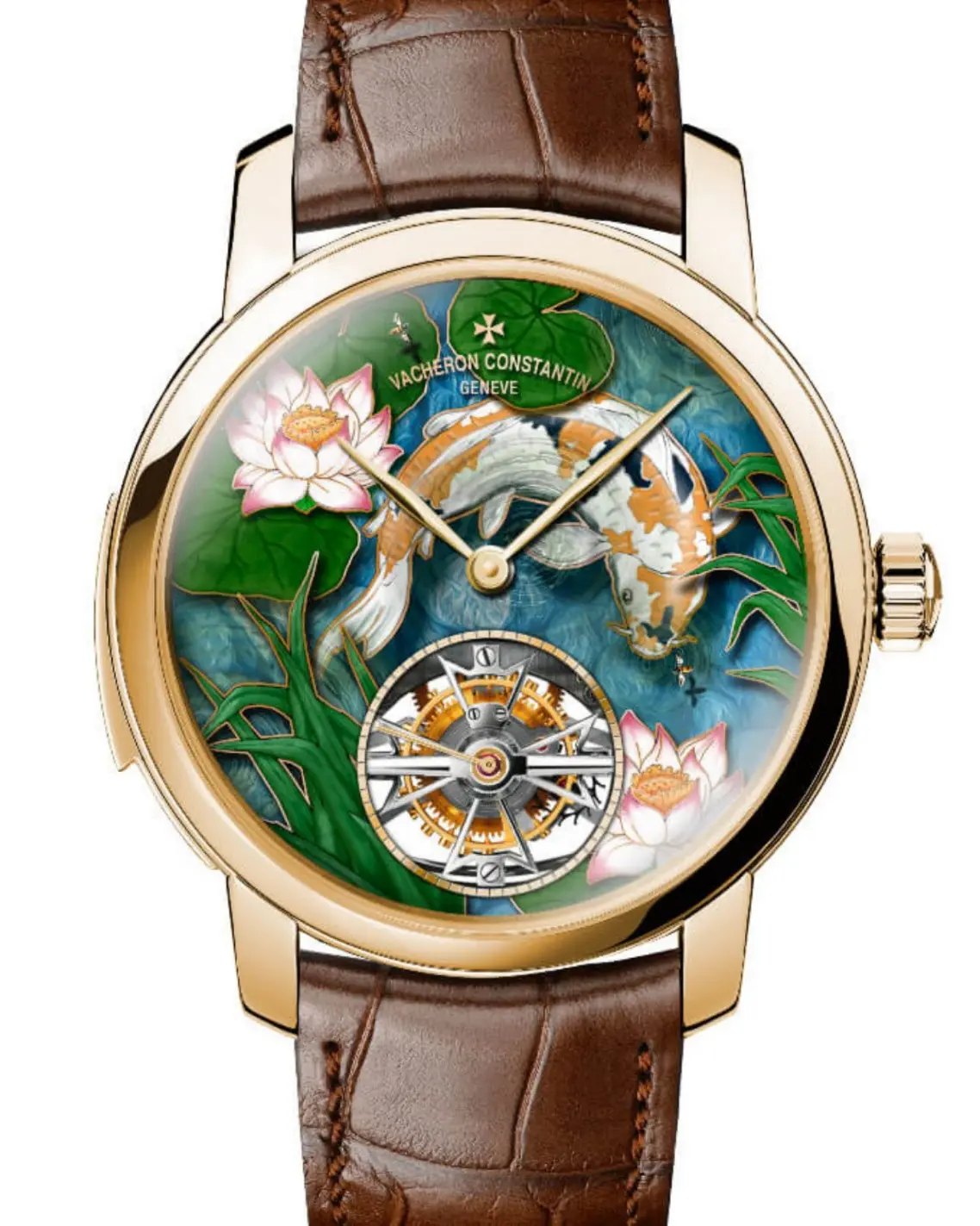
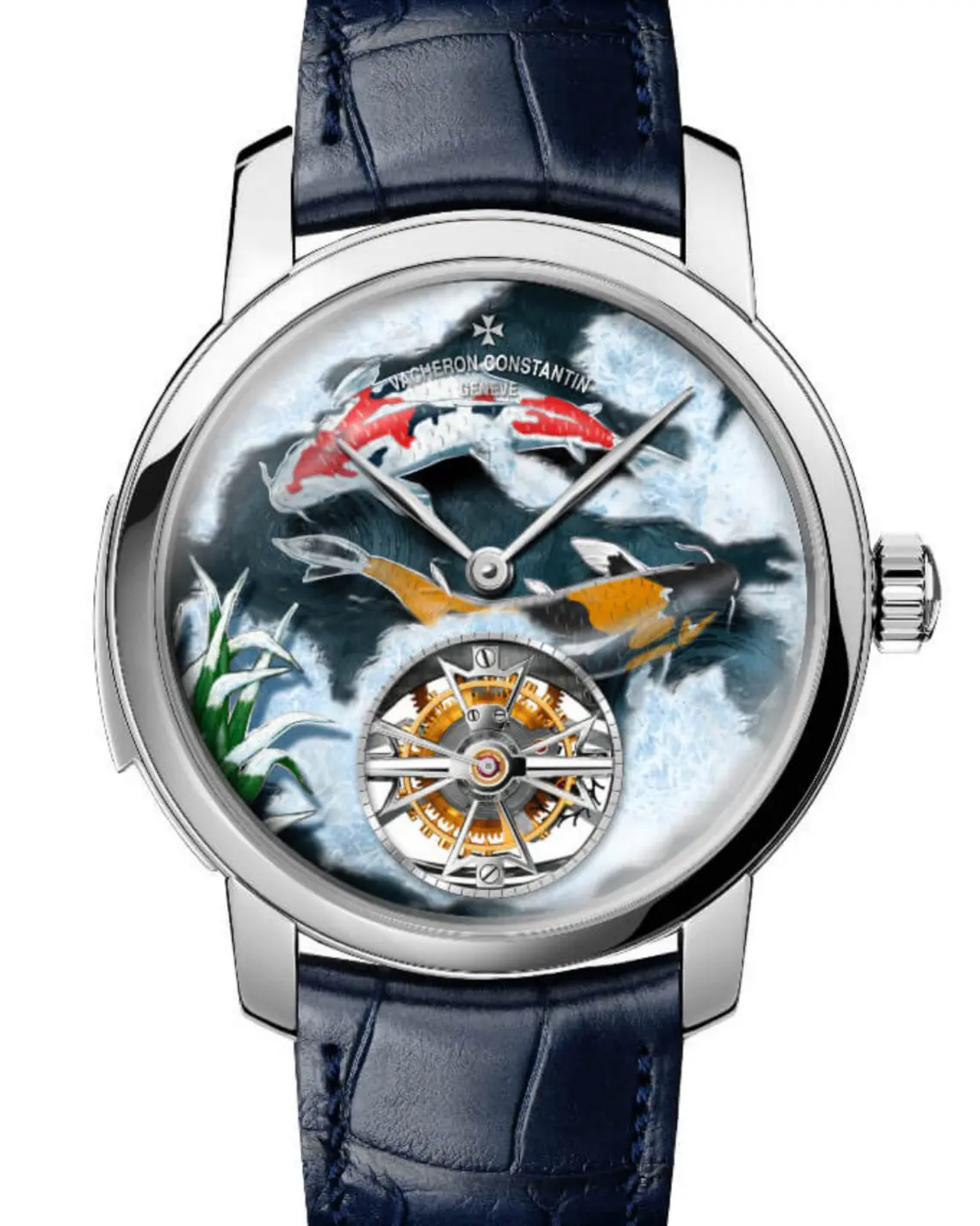
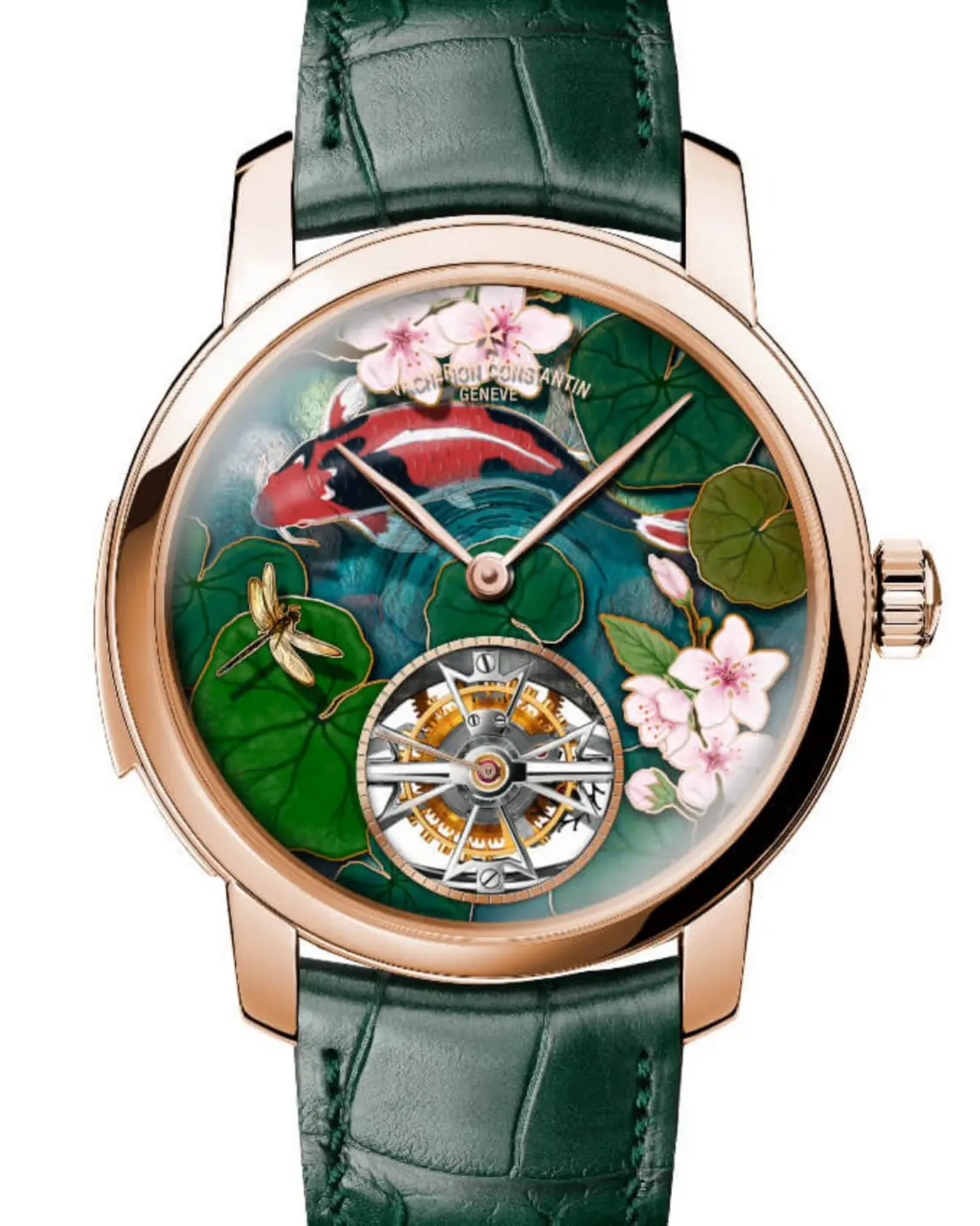
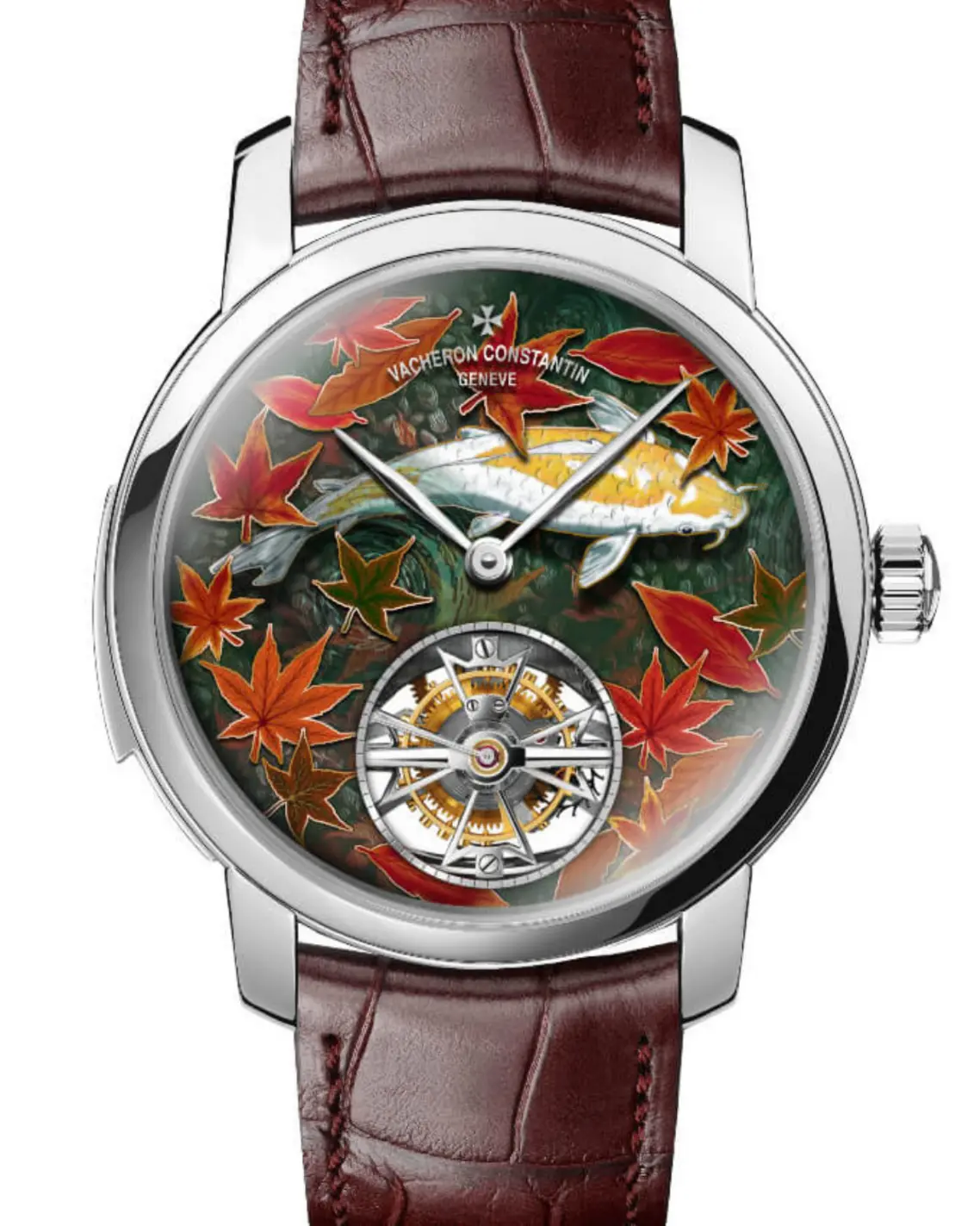
A remarkable detail: each watch is given its own certified sound “fingerprint,” recorded and archived by Abbey Road Studios, the legendary home of The Beatles, Adele, and Oasis.
Today, minute repeaters are not only collector items, but investment assets. Production remains extremely scarce, according to Sotheby’s, Patek Philippe produces only about 40–50 minute repeaters annually, each fully hand-assembled, individually tuned, and sound-approved by the company president.
However, the greatest threat is the declining pool of artisans. Gong-making, hammer adjustment, and acoustic finishing are rare crafts. Without preservation, this knowledge risks disappearing.
A minute repeater is not simply a device that measures hours, it is a mechanical concert, an acoustic legacy, and a testament to horological excellence. When you slide the repeater and hear the chimes resonate, you are not just checking time, you are listening to it.
Only Watch 2024 demonstrated the magnetic pull of chiming watches: the Patek Philippe 6301A-010 sold for CHF 15.7 million.
According to Phillips – Bacs & Russo, the Geneva Watch Auction XXI (May 10–11, 2025) featured a rare minute repeater: a platinum Vacheron Constantin Ref. 6448.
High-end auction appetite continues to draw collectors seeking the most complex mechanical expressions.