MENU
Close





Fall 2026 discovered the strange power of multiplication, repeating the ordinary until quantity itself became a form of craft.
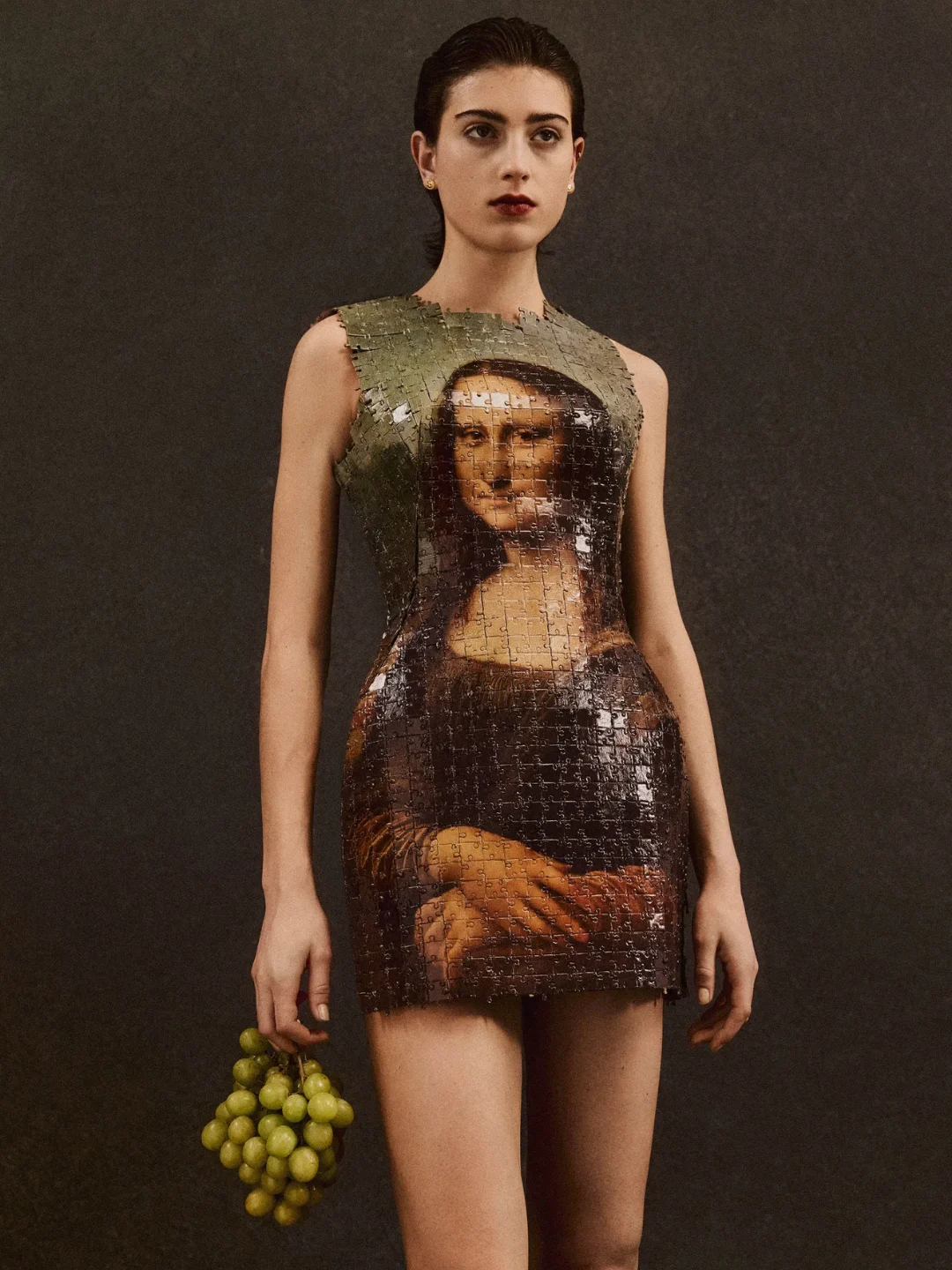
Fall 2026 discovered the strange power of multiplication, repeating the ordinary until quantity itself became a form of craft.
October 6, 2026
Advertisement

Advertisement



A Métro ticket, a button, a ceramic pot. Individually, they barely ask for attention. Repeated across the body, they begin to lose their original function and become surface, movement, even structure.
There is a point where repetition stops feeling repetitive. Ten buttons still look like buttons; by the hundredth, the eye starts reading rhythm instead of object. Fall 2026 kept circling that threshold, fascinated by the moment familiarity began to slip.
Multiplication keeps repeating the same unit and function gradually gives way to texture, movement and scale. The pleasure lies in watching something ordinary lose its name before your eyes.
The appeal sits in the moment when the eye stops counting. What begins as a collection of small units gradually reads as one larger form. Texture takes over, while the original object survives only as a clue.
For Fall 2026, repetition carries a slightly obsessive energy. It asks the viewer to look twice, first at the silhouette, then at what the silhouette is actually made from.
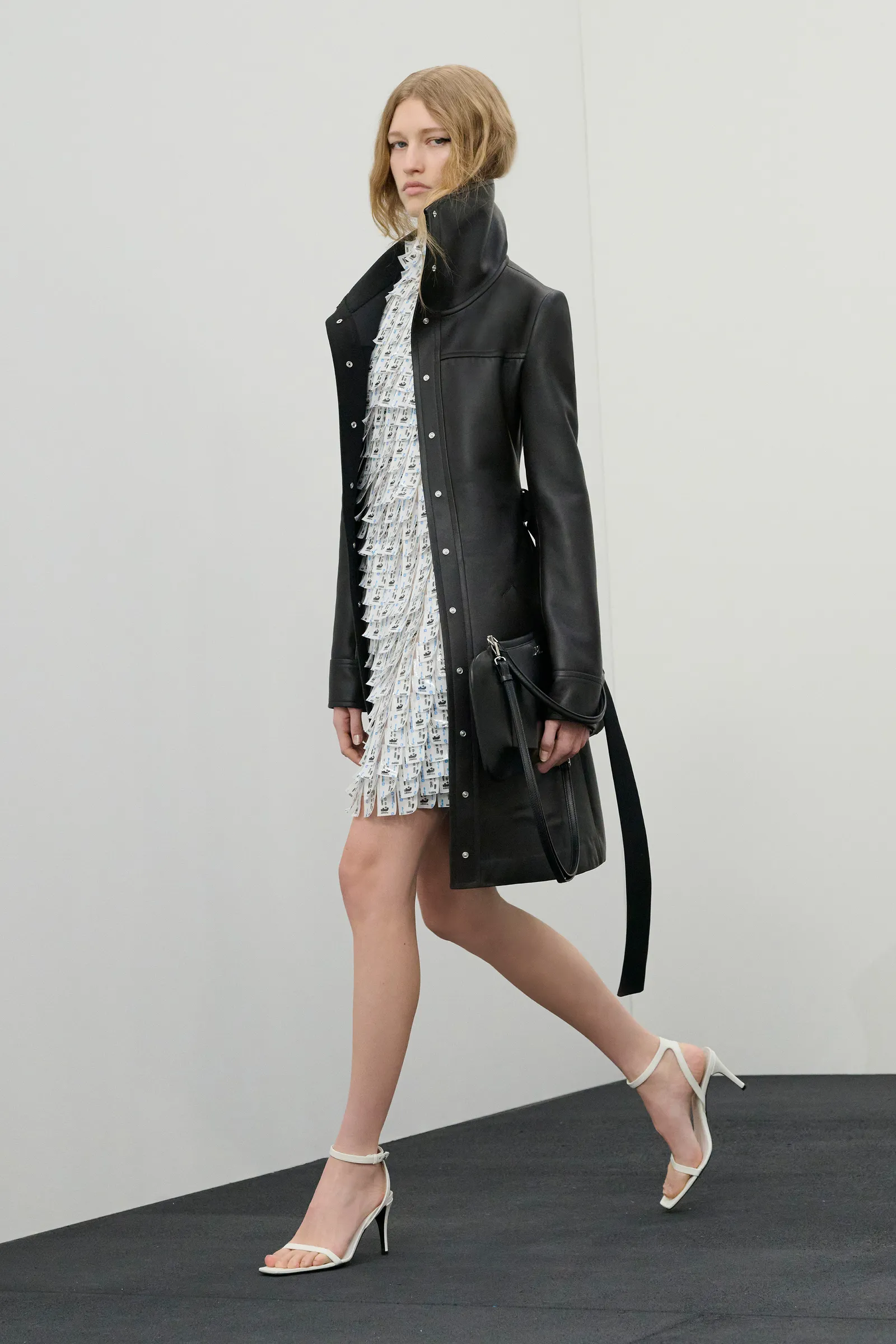
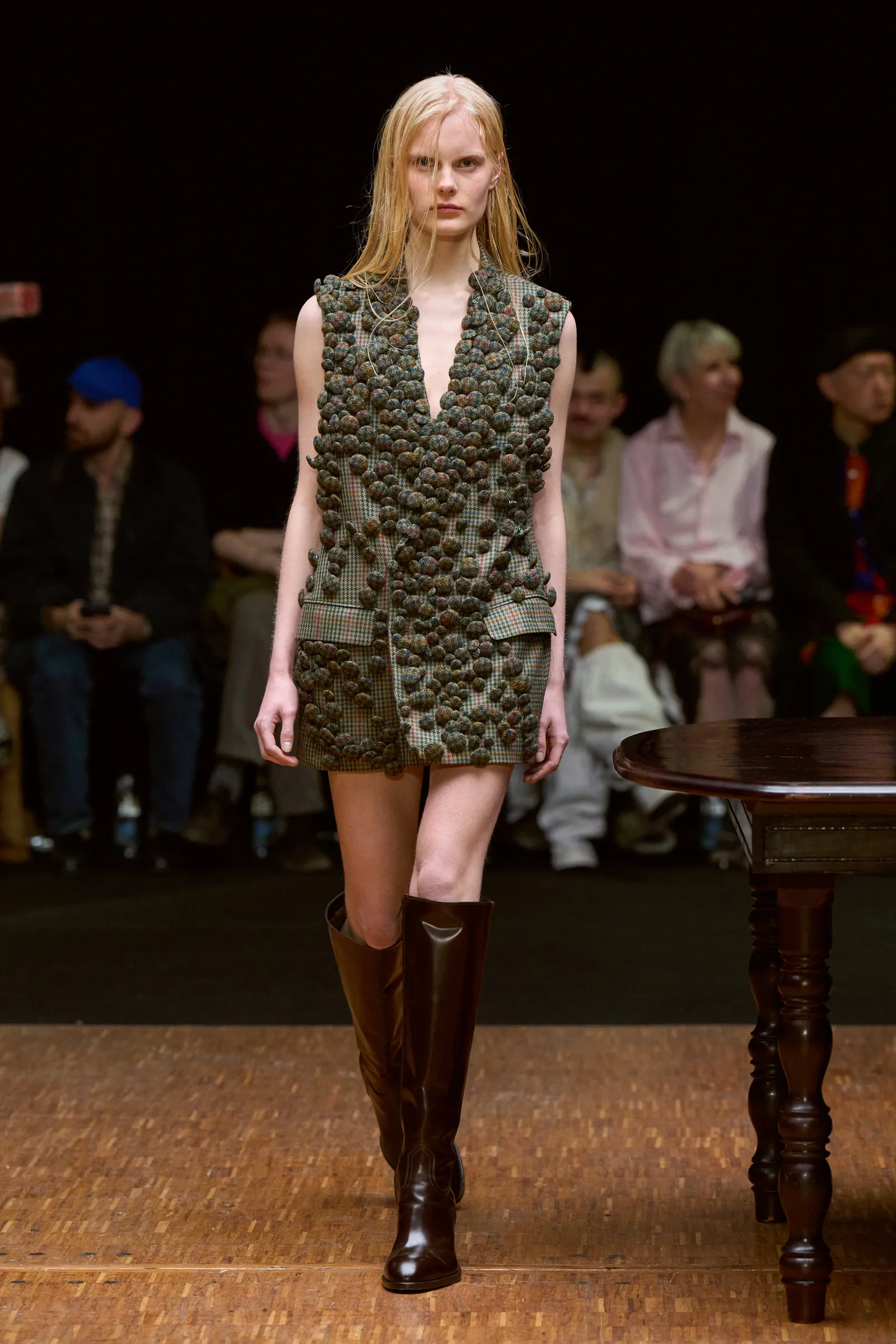
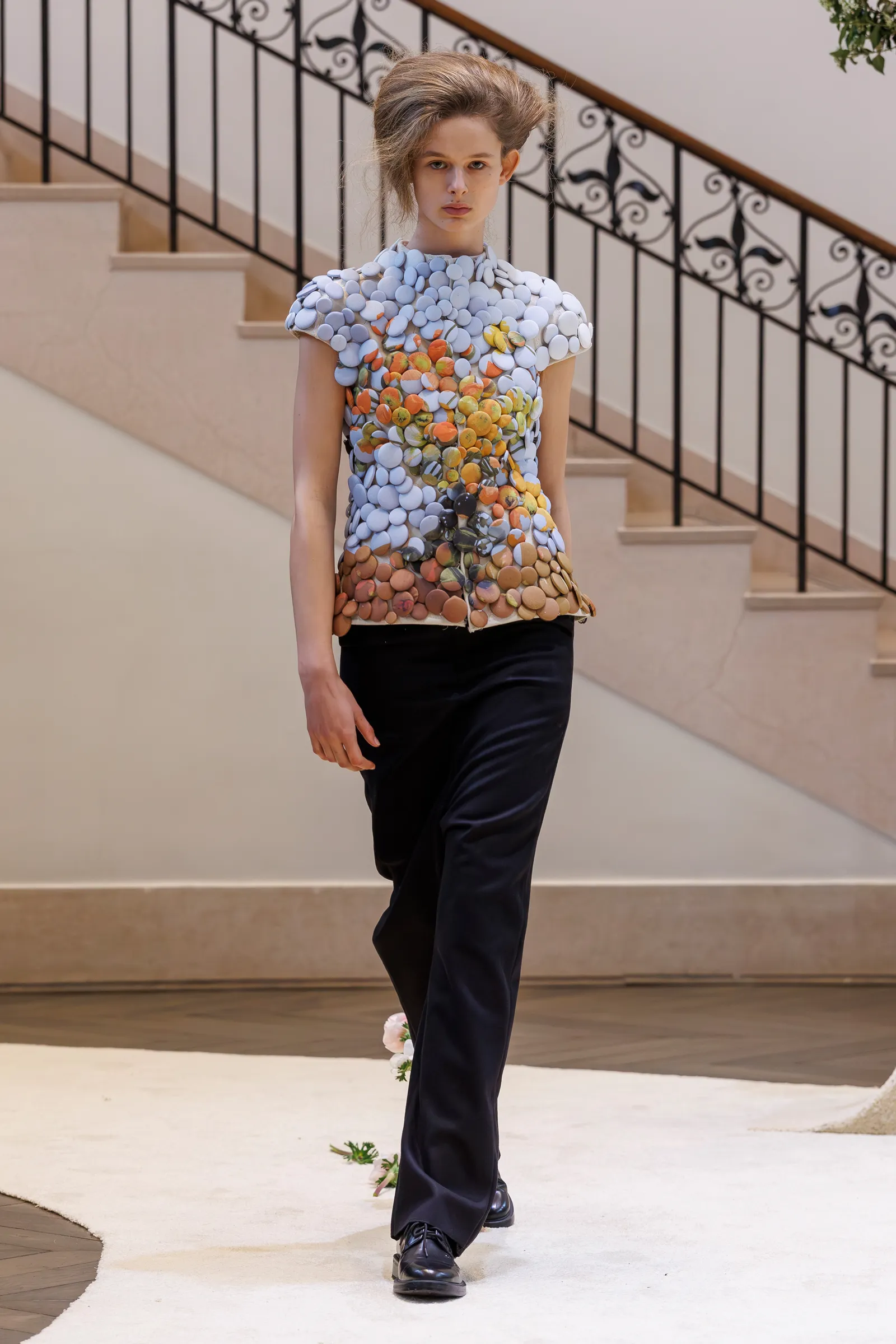
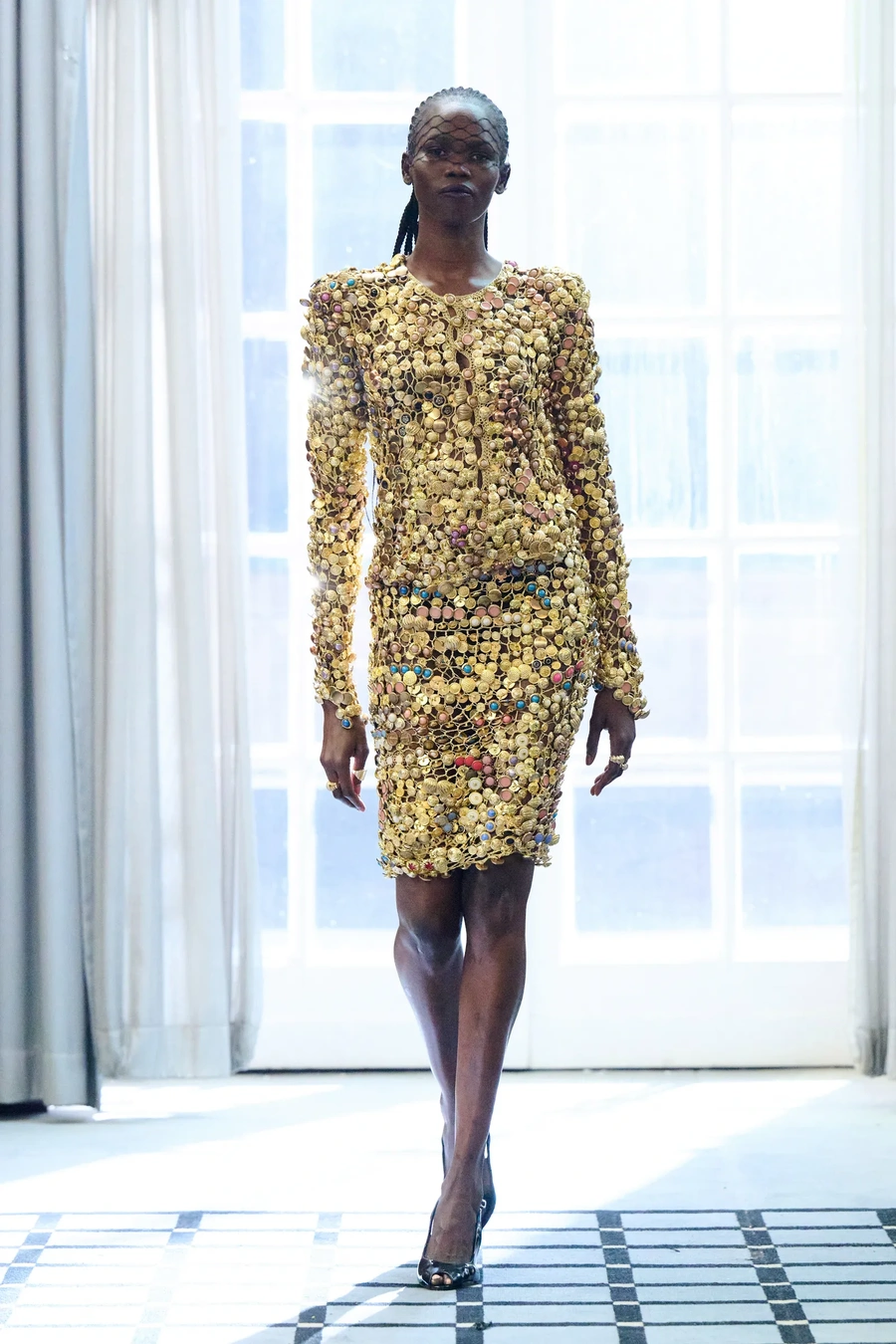
The same logic already exists in pieces designed to be worn beyond the runway. Hodakova’s Waistband Skirt Mini stacks repeated waistbands until a tailoring detail becomes the garment’s main structure. Rabanne takes another route: metallic discs lose their individuality once hundreds of them are linked together, producing movement almost like fabric.
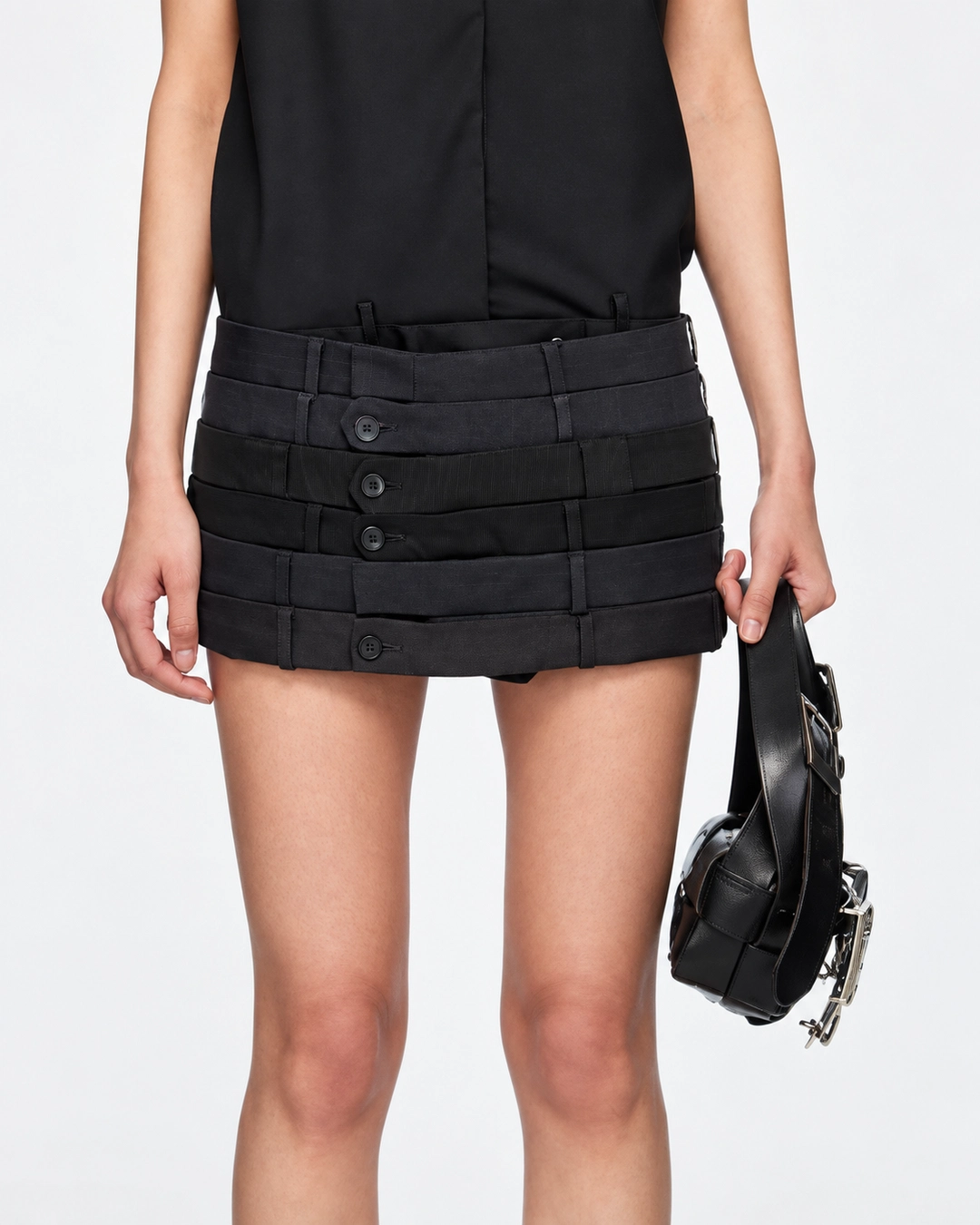
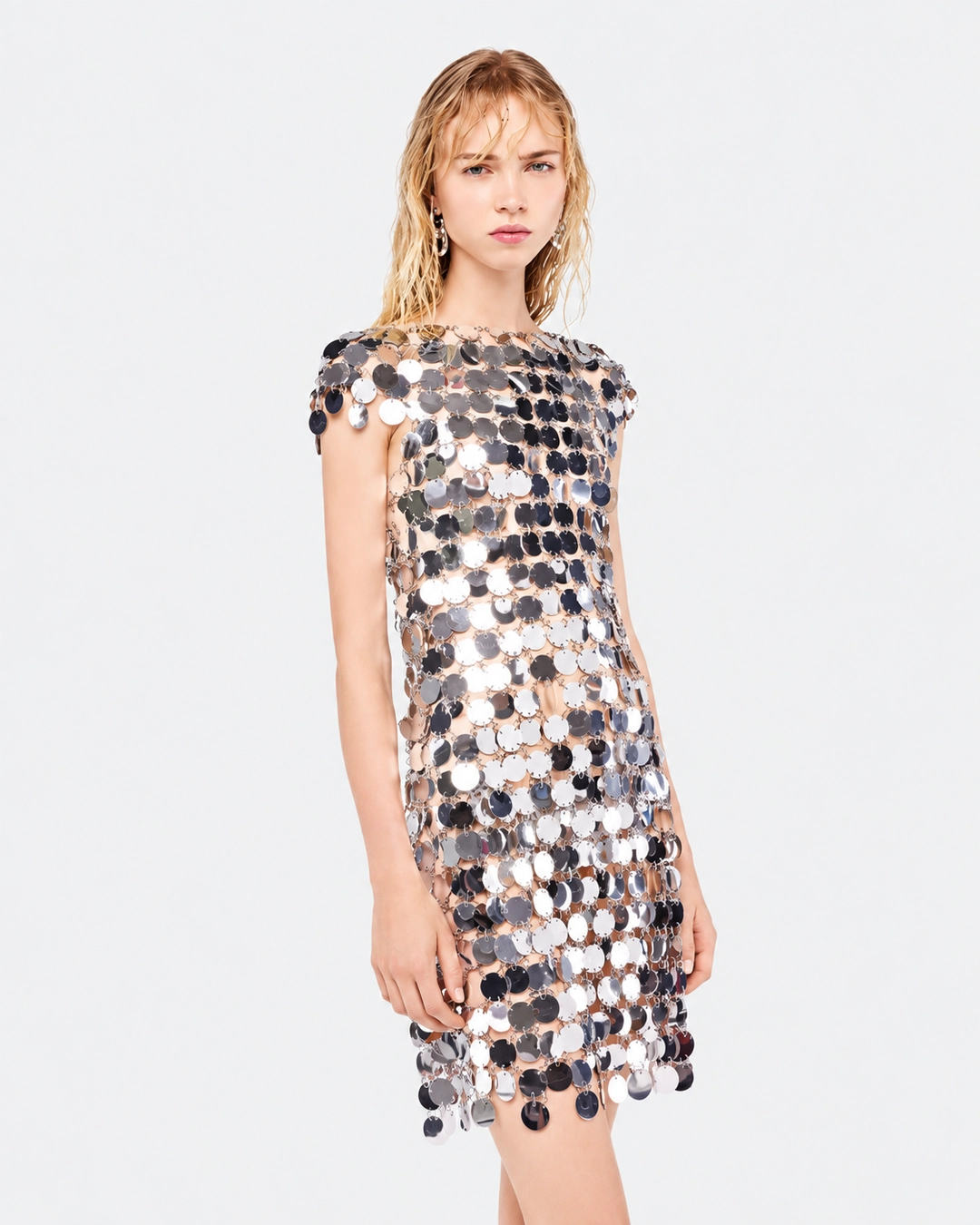
A button, stud or strip of leather hardly asks for attention on its own. Multiplication changes the scale. Cover enough of a surface with the same small unit and hardware starts behaving like texture, while fringe acquires volume and leather flowers turn almost architectural.
Accessories make the idea particularly literal because the object underneath remains familiar. A handbag can still be read immediately as a handbag even when buttons, beads or metal discs have almost swallowed its original surface.
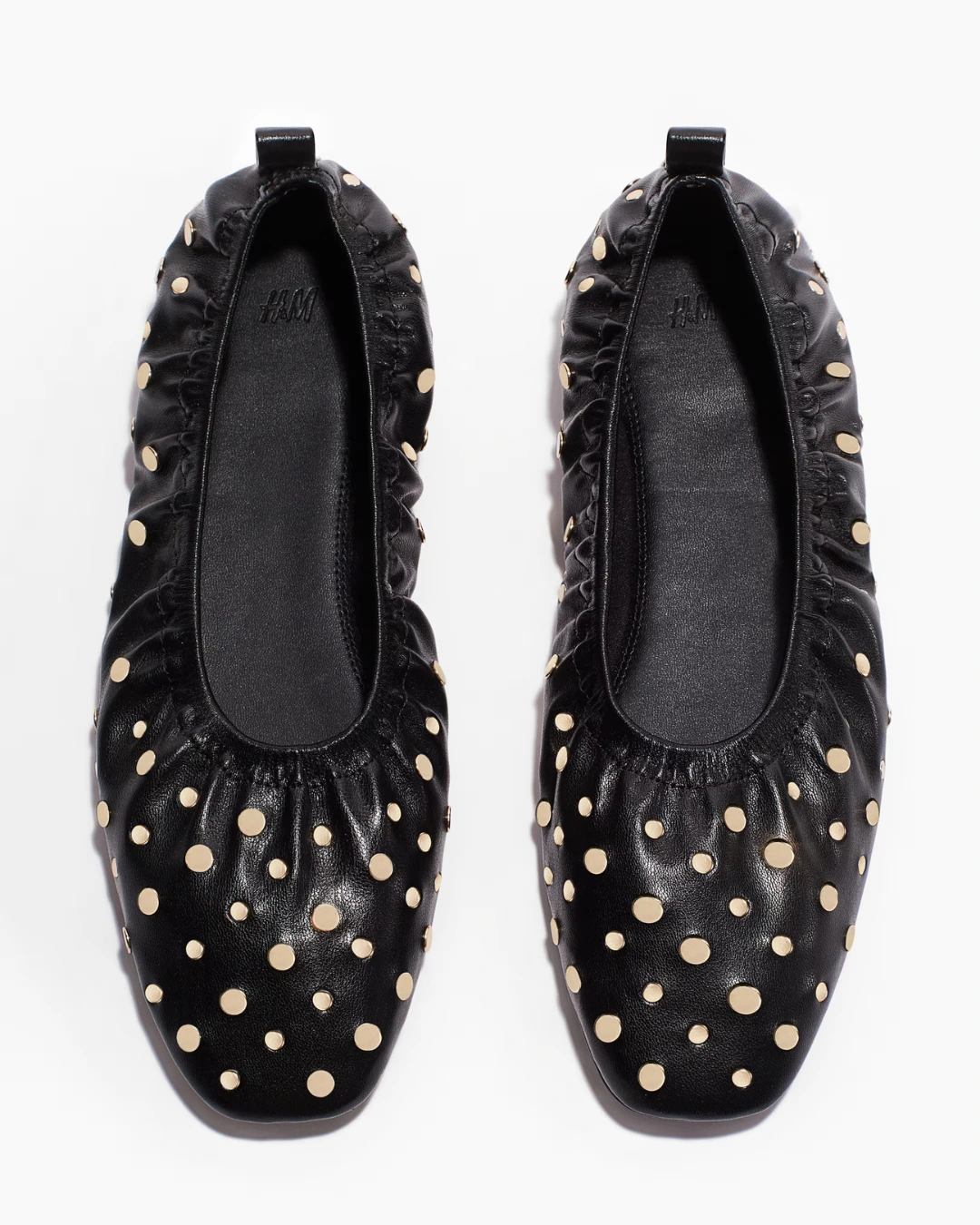
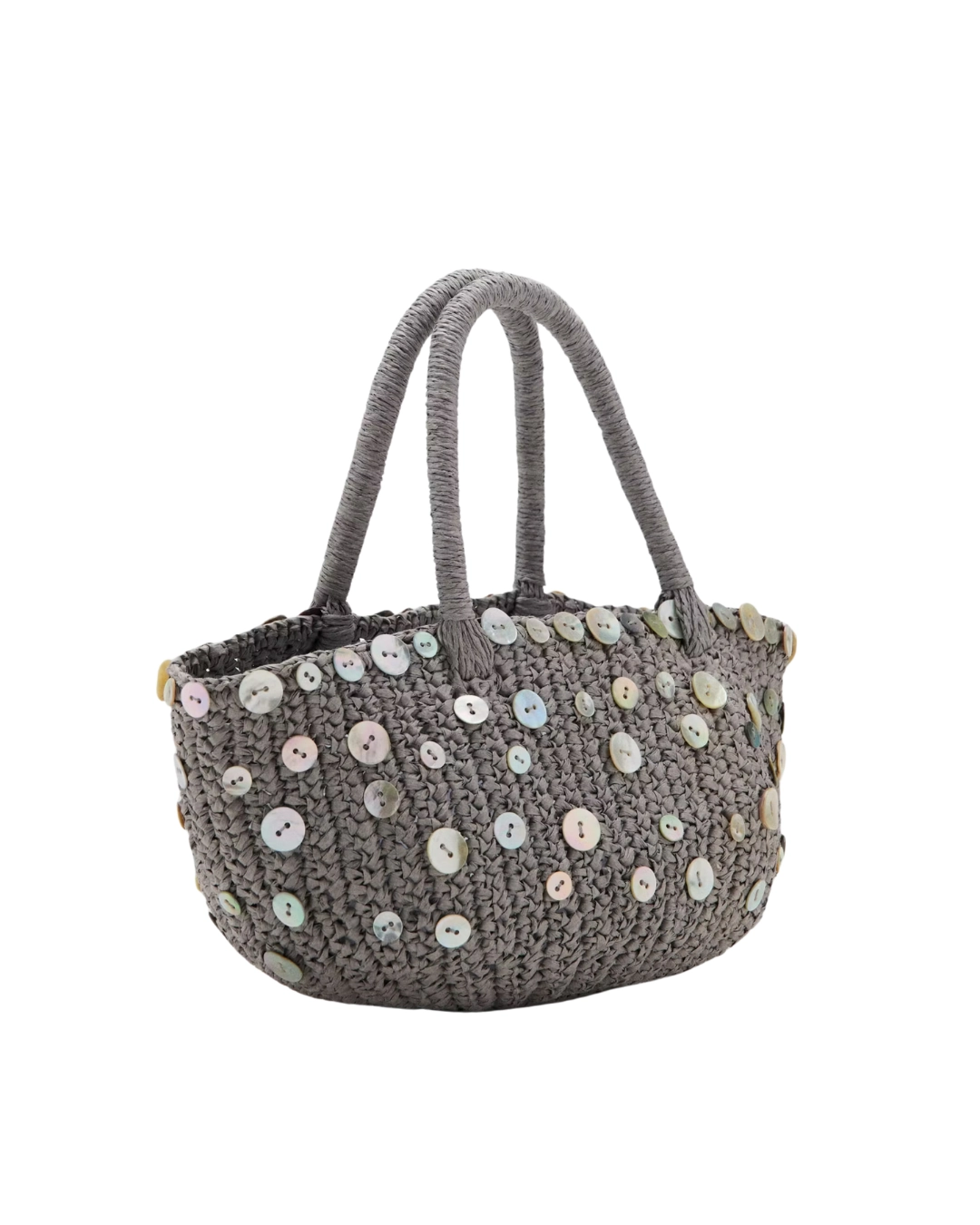
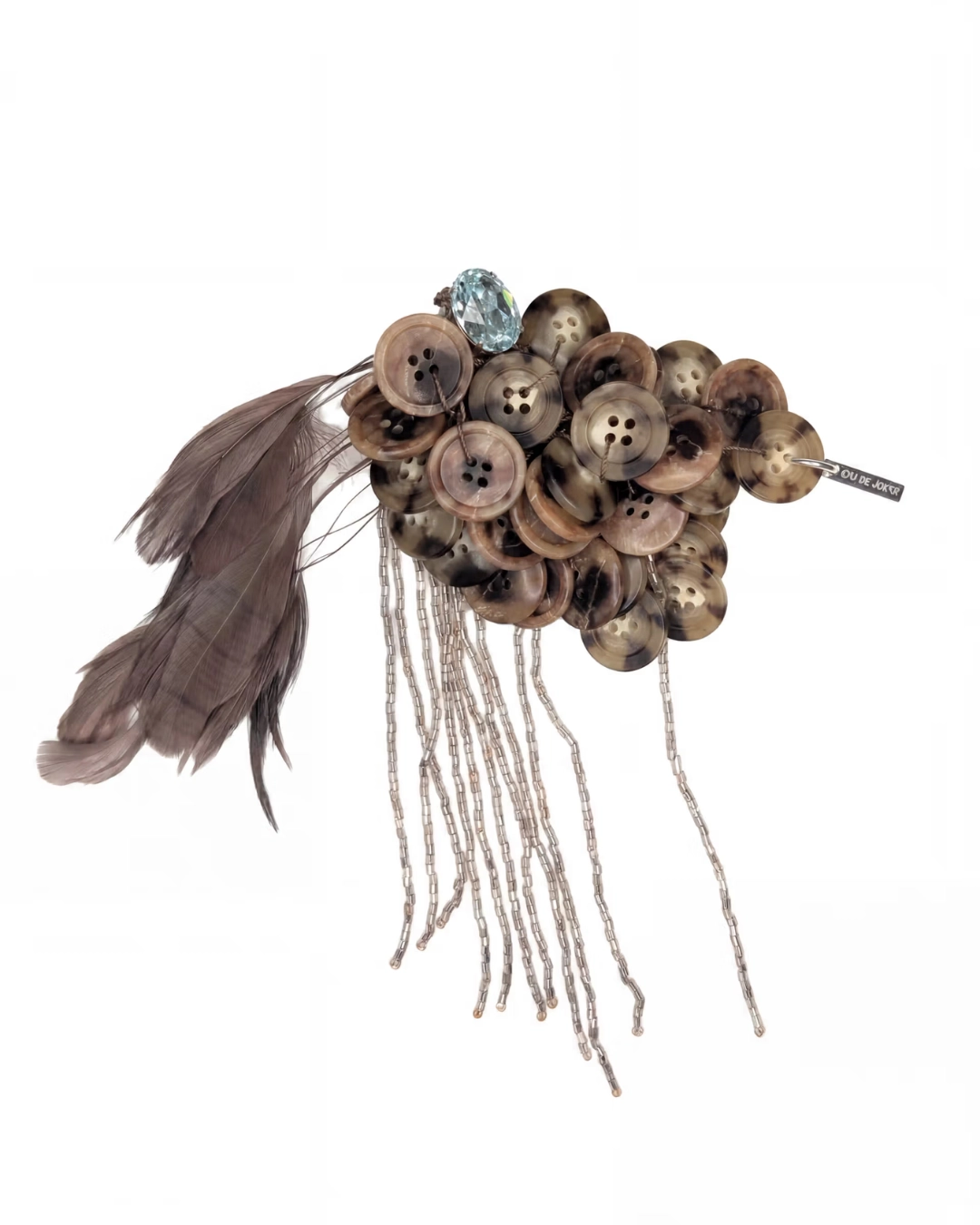
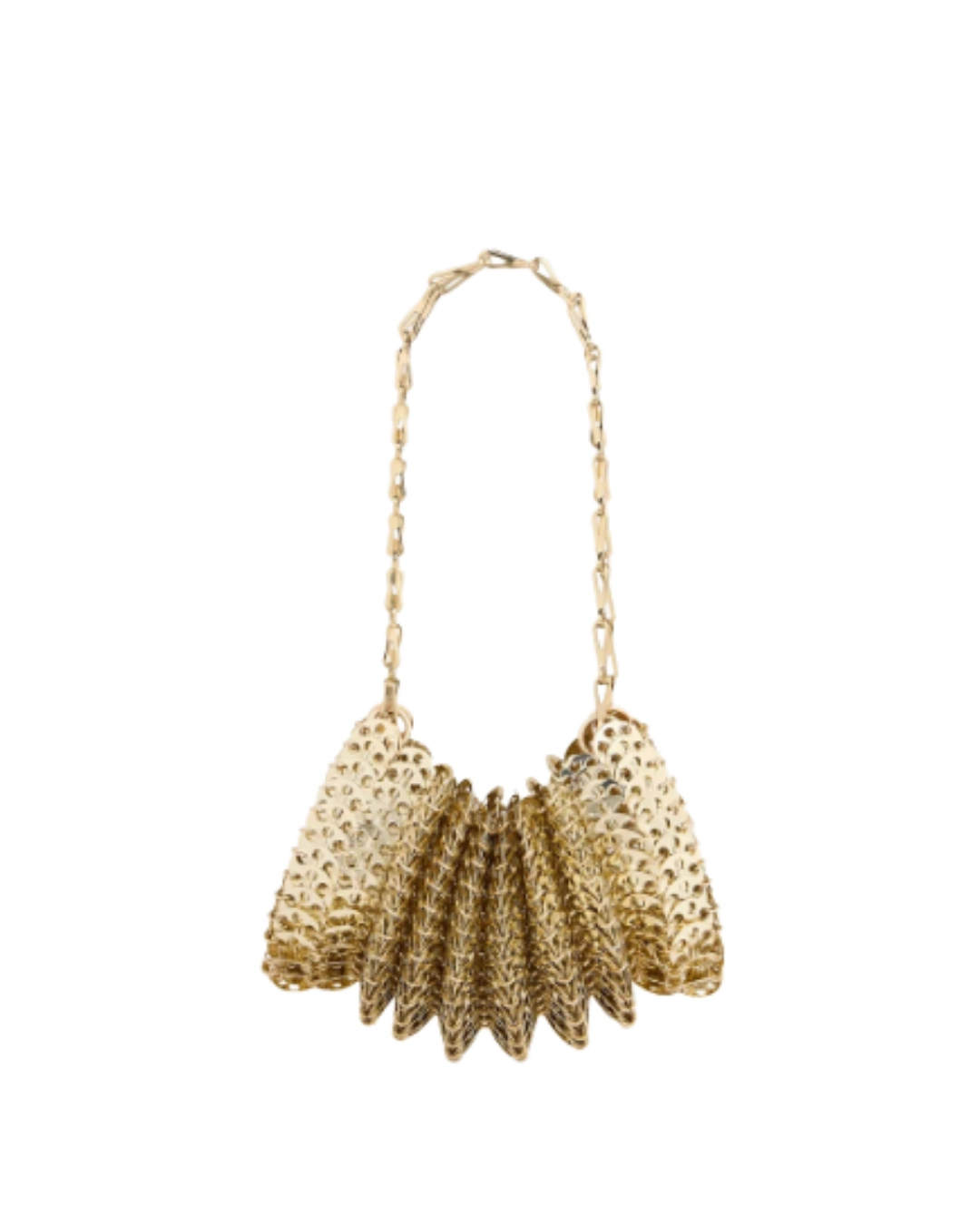
One disc is hardware. One waistband is construction. One button is almost invisible. Multiplication begins when the same gesture is repeated often enough to become the image itself.
Advertisement