MENU
Close





Salvador Dalí was more than a painter of melting clocks and impossible landscapes. He was a master image-maker who turned himself into a living artwork, building a career where technical brilliance, theatrical self-invention, and a relentless fascination with dreams all moved together with unnerving precision.
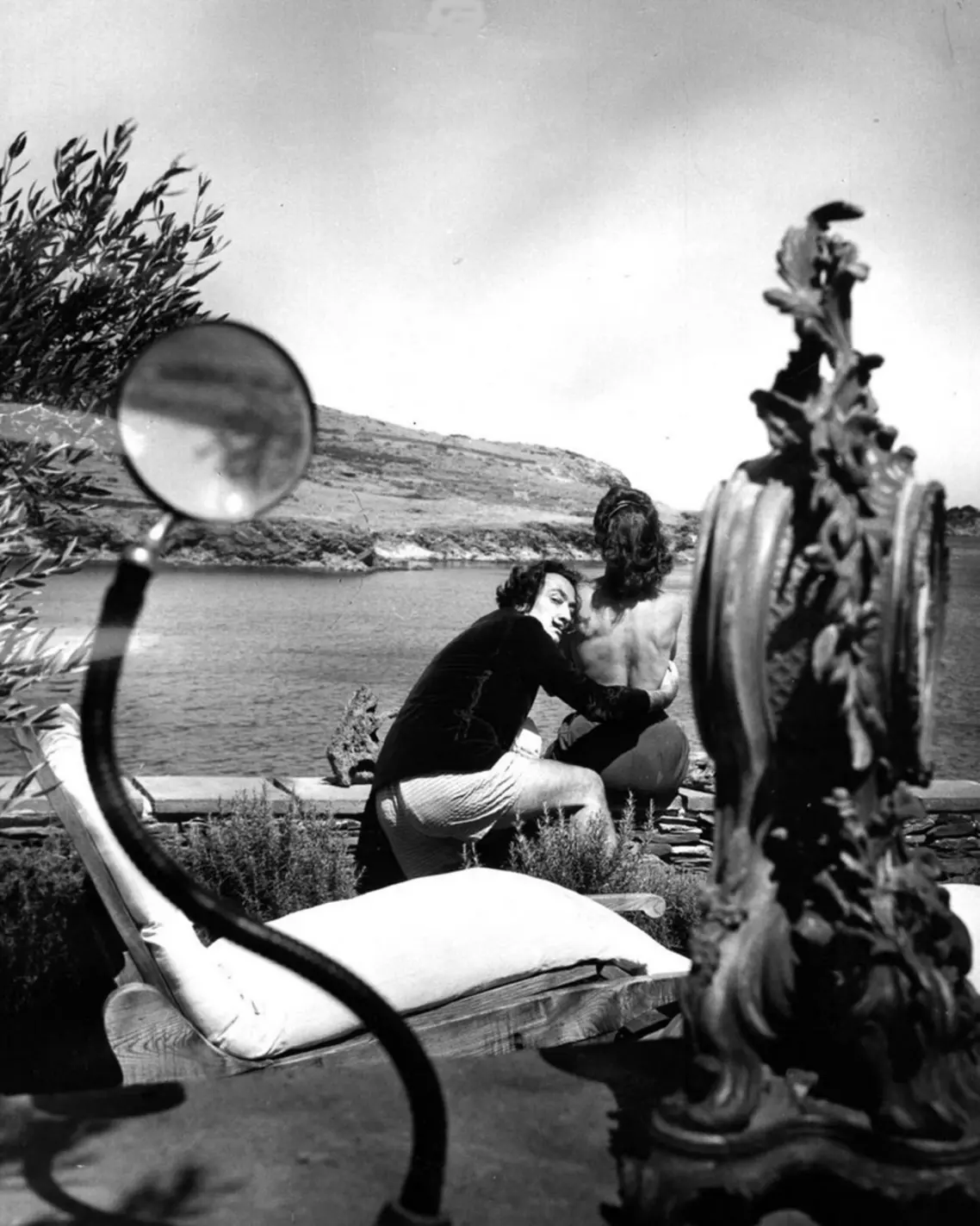
Salvador Dalí was more than a painter of melting clocks and impossible landscapes. He was a master image-maker who turned himself into a living artwork, building a career where technical brilliance, theatrical self-invention, and a relentless fascination with dreams all moved together with unnerving precision.
March 12, 2026


Salvador Dalí remains one of those rare 20th-century artists whose face entered popular culture almost as decisively as his paintings did. The mustache arrived first, naturally: sharp, theatrical, absurdly intentional. Then came the rolling eyes, the provocations, the cultivated air of genius slipping out of its leash. Yet the great trick of Dalí’s public performance is that it tempts people to stop at the costume. The costume was only the bait. Underneath it stood an artist of unnerving discipline, with formidable technical control, a deep grasp of European painting, and a talent for rendering irrational visions with the icy precision of a surgeon. He did not fling dreams onto canvas. He staged them, lit them, sharpened them, and sent them out dressed for impact.
Dalí knew early that ambition itself could be part of the spectacle. As The Dalí Museum notes, his autobiography opens with the line, “At the age of six I wanted to be a cook. At seven I wanted to be Napoleon.” It is an outrageous sentence, funny on first contact and strangely revealing on second. Even as a child, he imagined identity as something operatic. Ordinary scale never interested him. He wanted grandeur, performance, appetite, myth. In that sense, Salvador Dalí did not simply become famous. He composed fame as though it were another medium at his disposal.
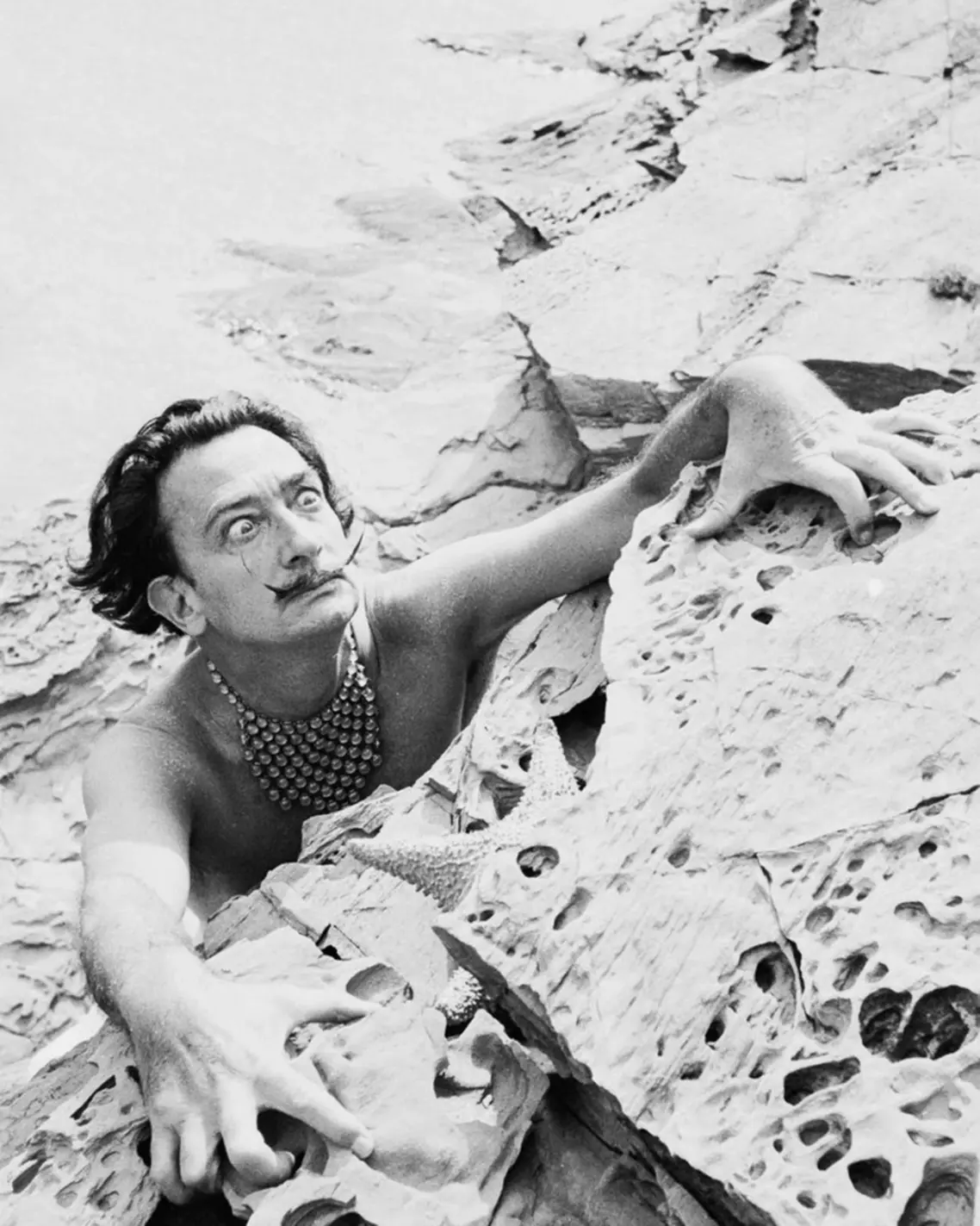
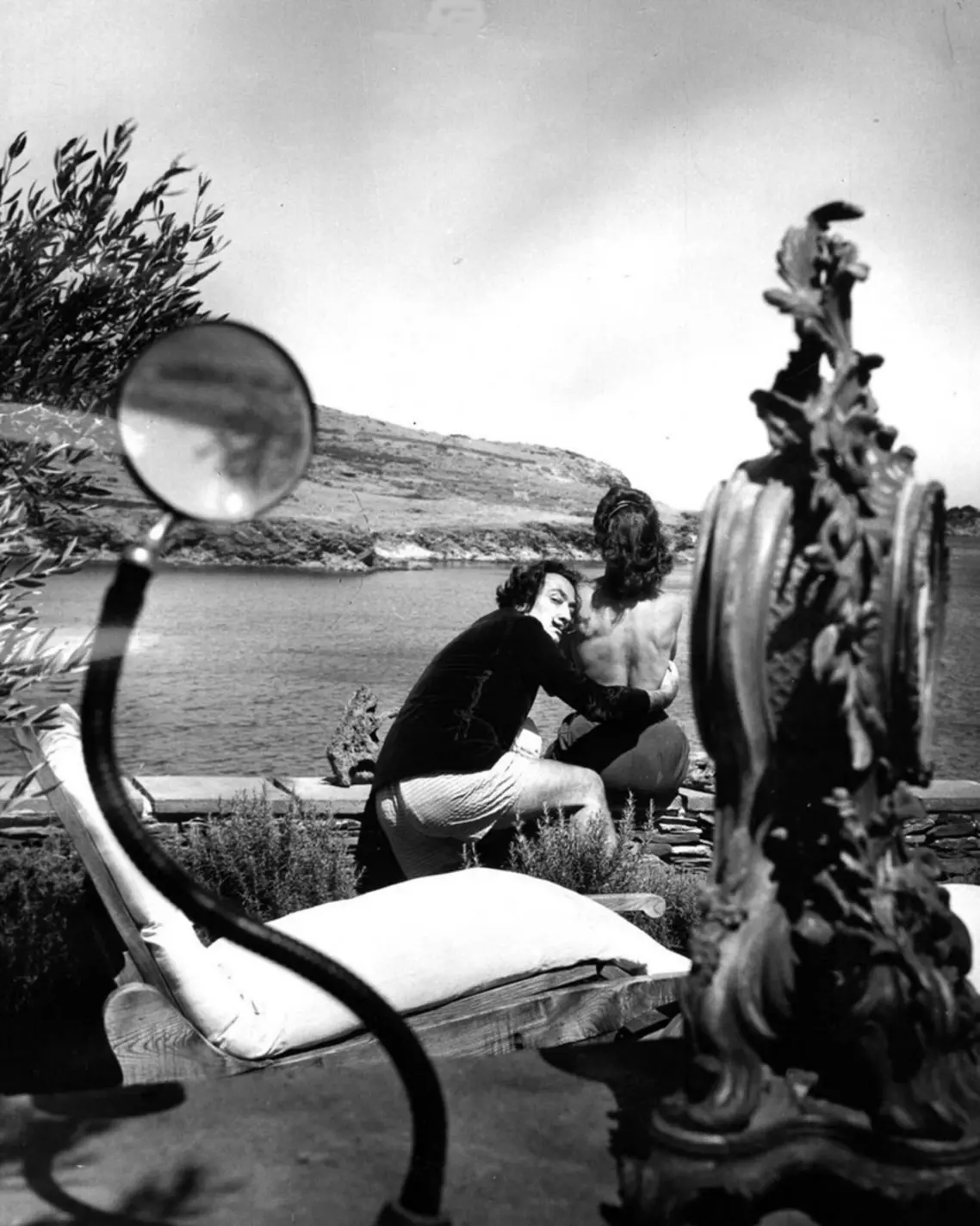
To understand the art of Salvador Dalí, contradiction is the whole point. He embraced Surrealism, Freud, hallucination, erotic anxiety, subconscious symbolism, and all the delicious instability of dream life, yet he painted with a finish so polished it often nodded toward older illusionist traditions, and later toward classicism and the Spanish Baroque. He loved psychic disorder, though only after putting it in immaculate tailoring. That friction is where the voltage lives. Dalí gives you delirium with impeccable grooming. He makes madness arrive looking freshly pressed.
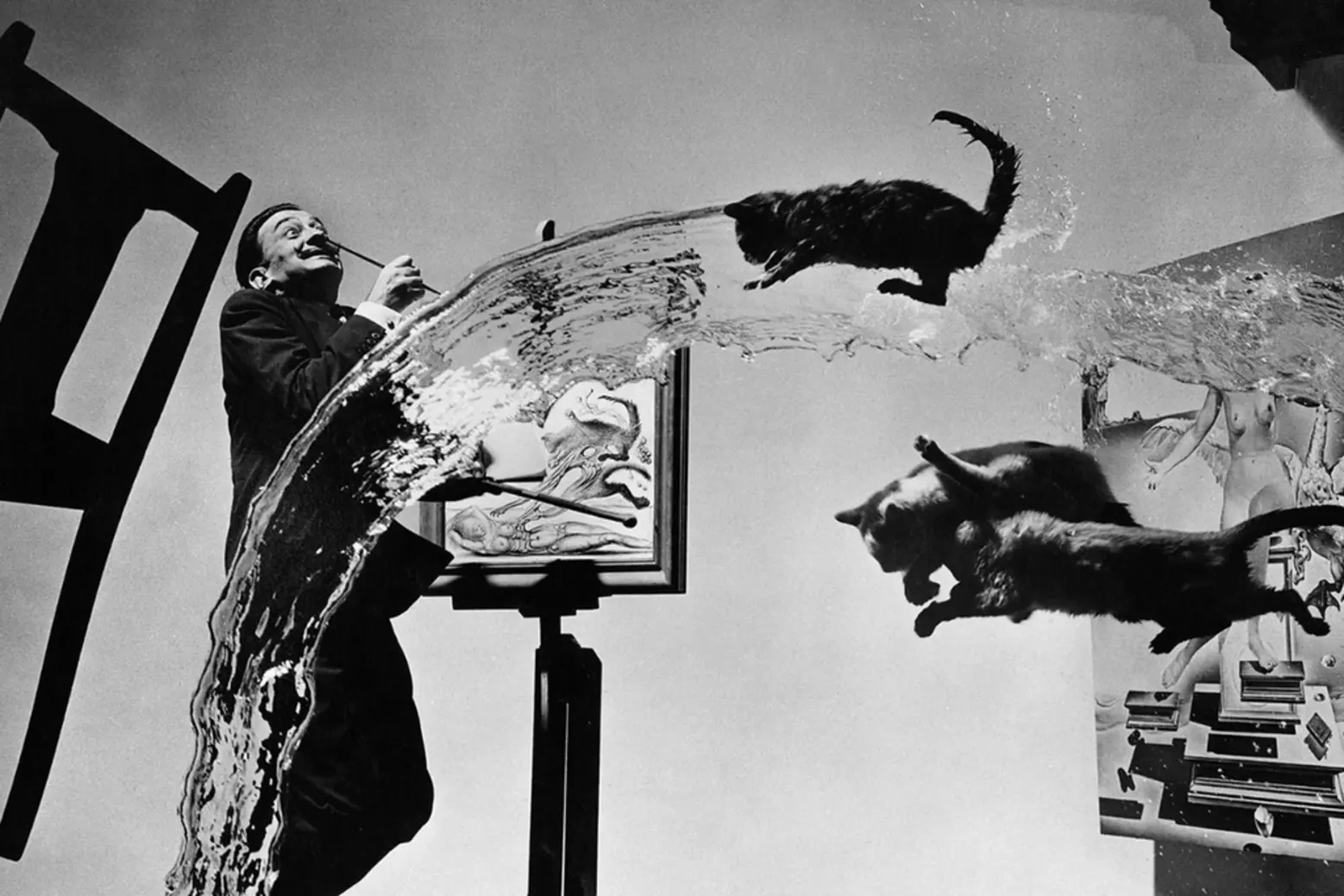
His own language for the work says everything. MoMA notes that he frequently described his pictures as “hand-painted dream photographs,” while The Dalí Museum cites his 1935 description of painting as “instantaneous color photography done by hand.” Those two phrases are practically a manifesto in miniature. Dalí wanted the irrational to look exact. He wanted fantasy to arrive with the authority of evidence. That is why his best images disturb so effectively: the forms behave with total confidence while meaning quietly begins to dissolve under your feet. Clocks soften, bodies sprout drawers, faces mutate, landscapes turn theatrical, and the whole scene keeps smiling as reality slips its shoes off.
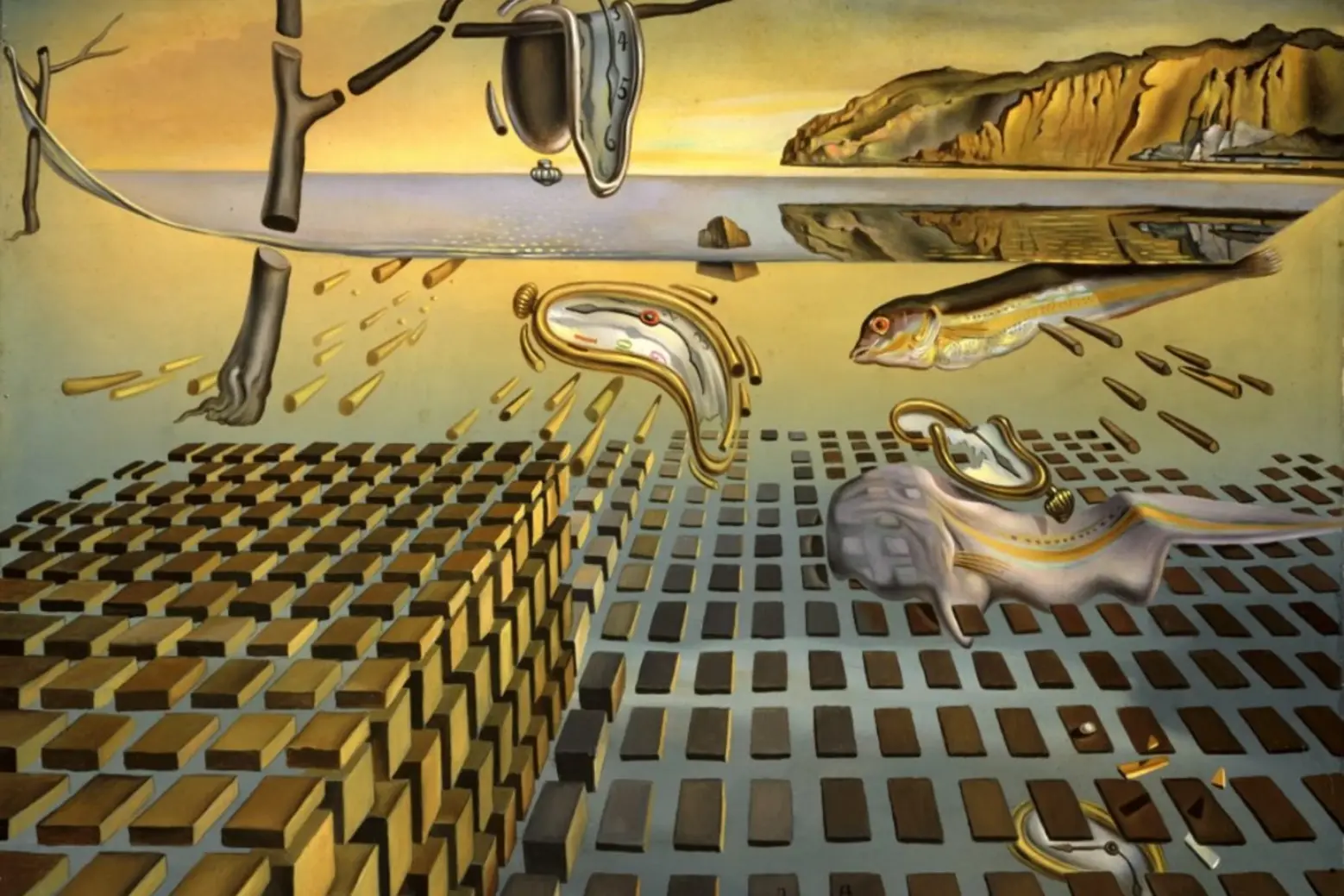
This is also why Salvador Dalí still feels weirdly modern. He understood an image becomes dangerous when it appears perfectly composed and faintly impossible at the same time. Long before social media perfected the glamour of unreality, Dalí had already mastered the trick. He knew fantasy works best when it arrives with excellent lighting and impeccable cheekbones.
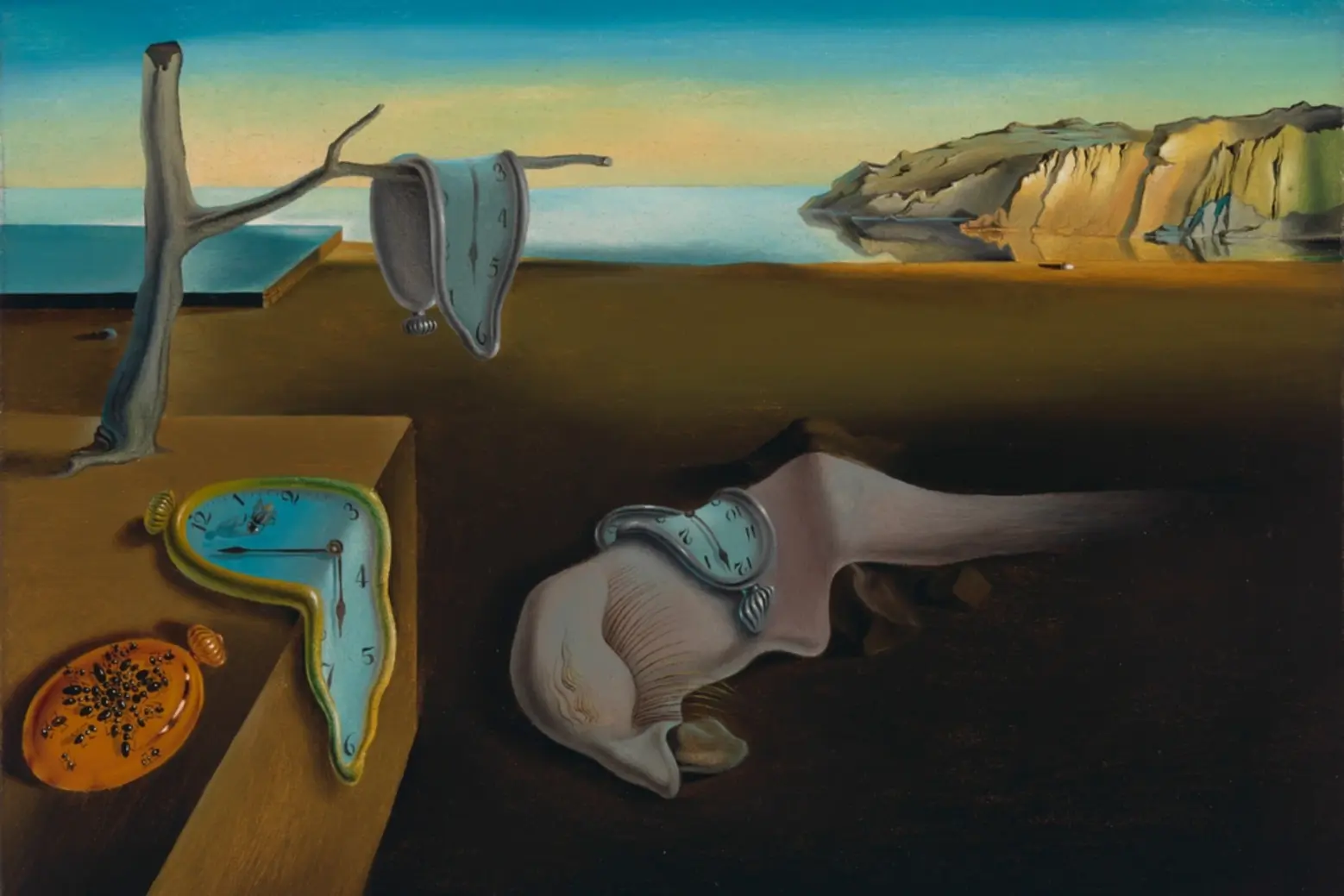
The Persistence of Memory remains the great jewel-box icon of Surrealism because it does something very few famous paintings manage after endless reproduction: it still feels eerie. The image is small, almost quiet, almost polite, and then the whole thing starts to rot in front of you. Time in Dalí’s hands does not march, tick, or triumph. It slumps. It sags. It behaves like cheese left out too long at an especially philosophical dinner party. In your draft, the brilliance lies in how clearly you frame the painting’s balance of emptiness and unease. The scene looks still, yet every object seems to have lost faith in its own solidity. Time does not simply pass here. It droops into vulnerability.
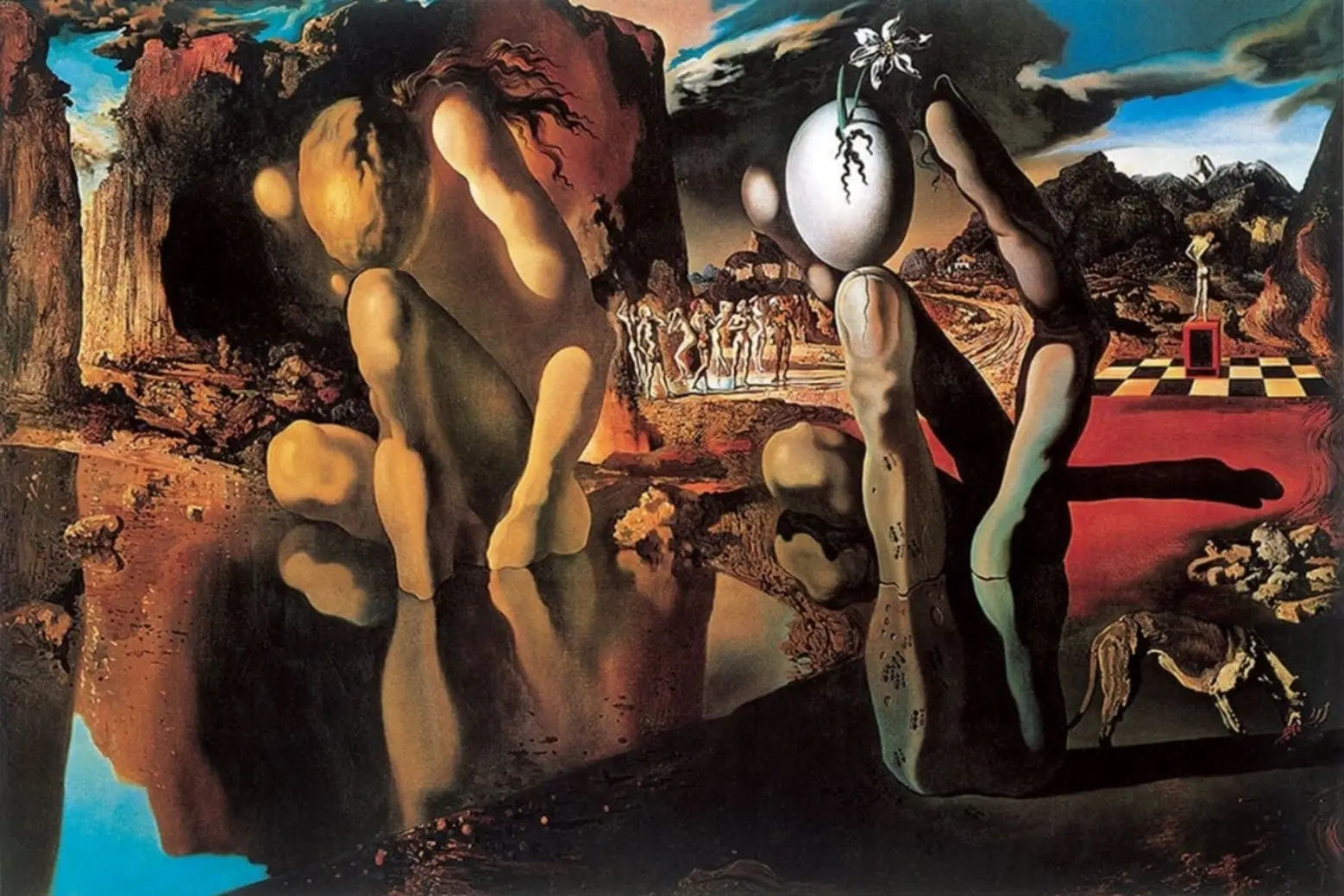
Metamorphosis of Narcissus pushes Salvador Dalí into a more conceptually rigorous register. Here he does not merely paint a myth; he performs transformation through structure itself. The crouching figure and the stone-like hand form a visual echo so exact it becomes almost argumentative. Flesh hardens into stone, self-regard curdles into fossil, and from that strange little tomb emerges a narcissus flower, because Salvador Dalí never met a symbolic flourish he could resist improving. Myth, desire, and psychological theater all get folded into one image with the precision of a magic trick performed by someone who also read Freud too closely and enjoyed it far too much.
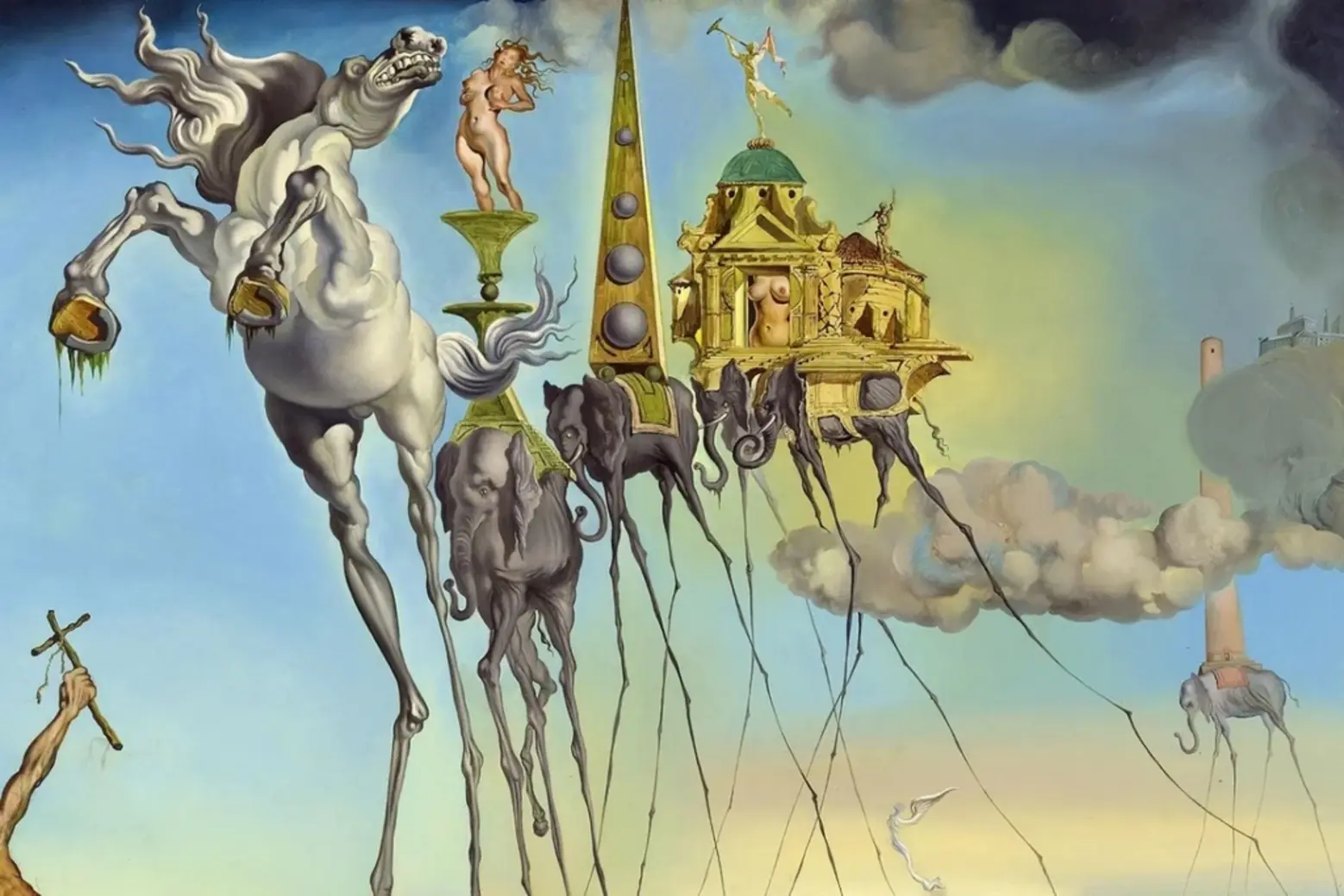
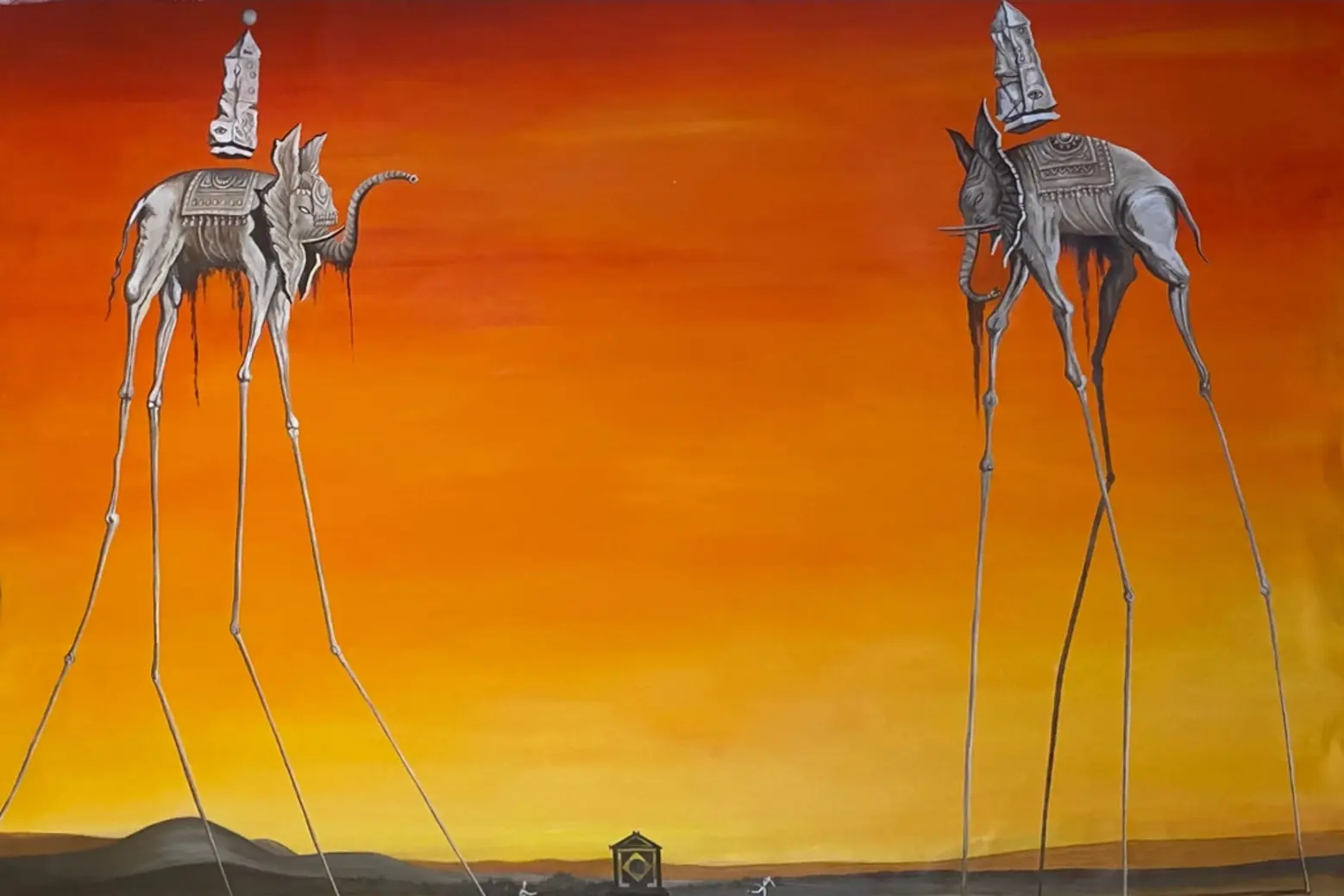
Then come The Elephants, one of Dalí’s most delicious acts of sabotage. Elephants should mean mass, force, dynastic confidence, imperial swagger. Salvador Dalí keeps the grandeur and steals the engineering. He places them on spidery, impossible legs, as though power itself had suddenly developed vertigo. It is a marvelous image of instability in ceremonial dress. That was one of Dalí’s slyest gifts: he understood that majesty often becomes most seductive precisely when it looks one gust away from collapse.
Salvador Dalí’s legacy stretches so far beyond painting because he grasped something many artists only learned much later: The modern artist does not merely make objects, but circulates as an image, a story, a signature, a repeatable spectacle. He could occupy the million-dollar auction room and the candy aisle with suspicious ease, which in his case feels less like a contradiction than a punchline he would have adored. Trophy acquisition and mass visibility were both part of the same empire.
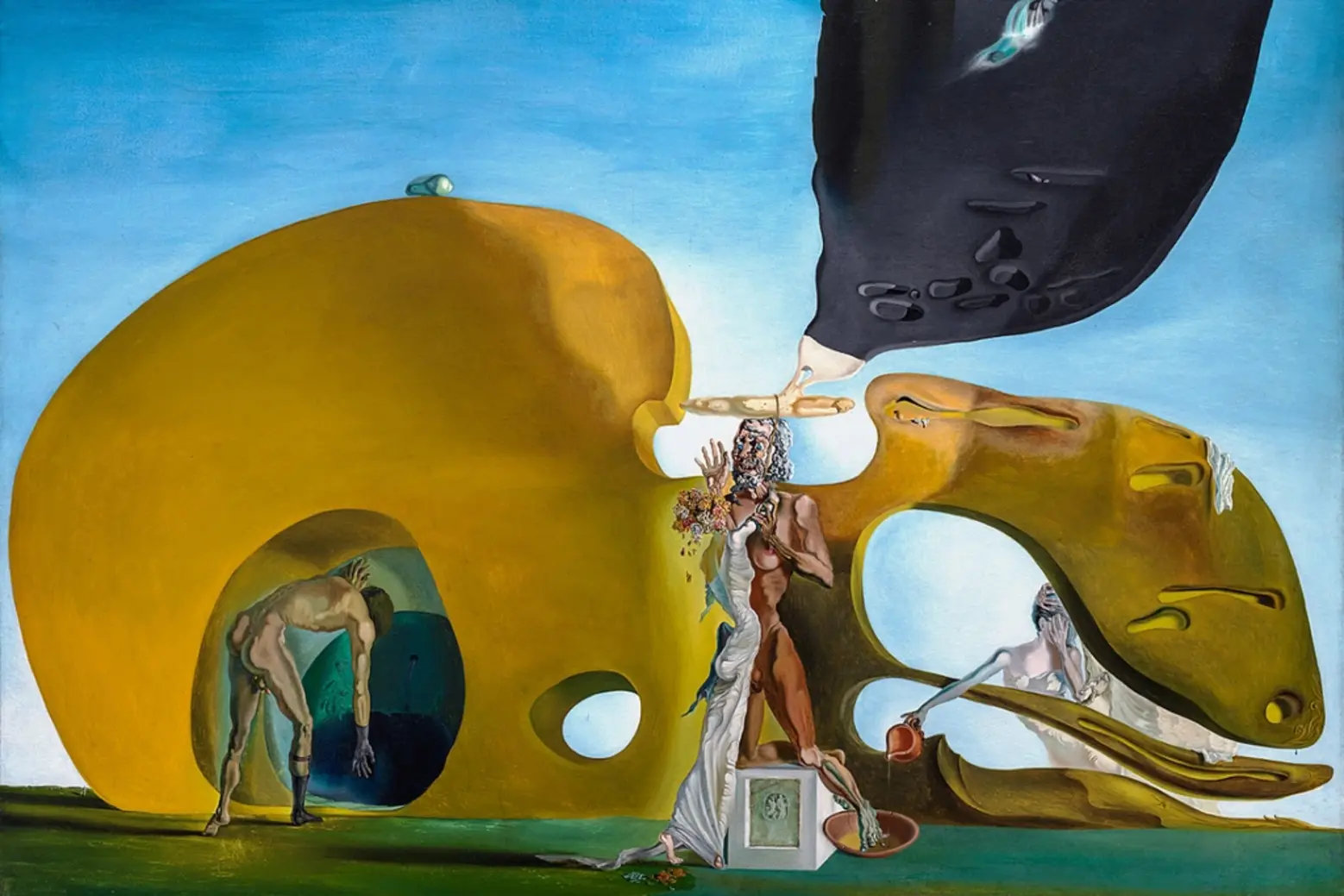
He also seemed to understand, with wicked self-awareness, that explanation itself could be theatrical. In an essay hosted by The Dalí Museum, he is quoted as saying that the explanation of his paintings had to be “either extremely longwinded or totally non-existent.” Perfect Dalí. Even interpretation had to choose between opera and vanishing act. That instinct helps explain why he still feels so current. He did not just paint the subconscious. He packaged mystery. He branded enigma. He made strangeness legible, seductive, and marketable without draining it of menace.
That is why Salvador Dalí endures. Plenty of artists were strange. Dalí made strangeness unforgettable. He gave dreams the polish of Old Master painting and gave self-mythology the efficiency of modern media. He was a surrealist, certainly, but he was also something uncannily contemporary: a master of the perfectly staged impossibility. In the age of image, persona, spectacle, and endless self-invention, Dalí feels less like a relic from the past than like a man who arrived embarrassingly early and had the nerve to call it style.