MENU
Close





For nearly five decades, Cindy Sherman has turned the camera into a stage where identity slips, hardens, fractures, and reforms. Using herself as the model, she proved that every face can become a mask.

For nearly five decades, Cindy Sherman has turned the camera into a stage where identity slips, hardens, fractures, and reforms. Using herself as the model, she proved that every face can become a mask.
May 2, 2026


Long before the era of digital filters and curated social media personas, Cindy Sherman was already dismantling the myth of a fixed identity, transforming her own body into a limitless gallery of cultural archetypes.
Her "aesthetic of the artificial" has since become the definitive blueprint for modern pop icons who treat fame as a form of high-concept performance art. From Madonna — the "Queen of Reinvention" who used Cindy Sherman’s Untitled Film Stills to anchor her own chameleonic shifts in the 1990s — to Lady Gaga, whose career-long metamorphosis from prosthetic "monsters" to jazz-age elegance mirrors Sherman’s core belief that there is no singular "real" self, only a continuous series of staged spectacles.
By making the artifice visible, Cindy Sherman provided the visual vocabulary for a generation of artists to reclaim control over their own public narratives through the power of the mask.
Sherman’s style begins with transformation, though transformation in her hands is never about glamour alone. Wigs, prosthetics, padded bodies, makeup, theatrical costume, awkward postures, artificial backdrops, and carefully tuned lighting become tools for dismantling the fantasy of a stable self. She does not photograph identity as essence. She photographs it as fabrication. That is why her images feel so immediate and so unsettling at once. Every woman she stages seems familiar, yet none of them resolves into a full person. They are types, codes, projections, and cultural leftovers, assembled just enough for us to recognize the role before we realize how flimsy the role really is.
One of Sherman’s sharpest inventions is the blank gaze. Even in her most elaborately staged works, the expression often feels withheld, distracted, or emptied out. Rather than offering emotional access, the face becomes a screen onto which the viewer projects story, desire, anxiety, class, and judgment. This is where her work slips past portraiture and into conceptual performance. She uses the grammar of photography, but she thinks like a dramatist and a painter, arranging surface, gesture, and atmosphere to expose the fiction inside representation itself. Sherman once moved away from painting because the camera allowed her to put time into an idea. That choice shaped an entire career.
Her imagery also borrows from cinema, fashion, advertising, and art history with equal fluency. The framing of B-movies, the tension of noir, the polish of magazines, and the prestige of Old Master portraiture all pass through her work, only to come out estranged. She creates what might be called artificial familiarity: pictures that feel already known because they echo the image-bank of modern culture. Cindy Sherman’s genius lies in understanding that visual clichés are never innocent. They tell us who gets looked at, who gets desired, who gets dismissed, and who gets turned into spectacle.
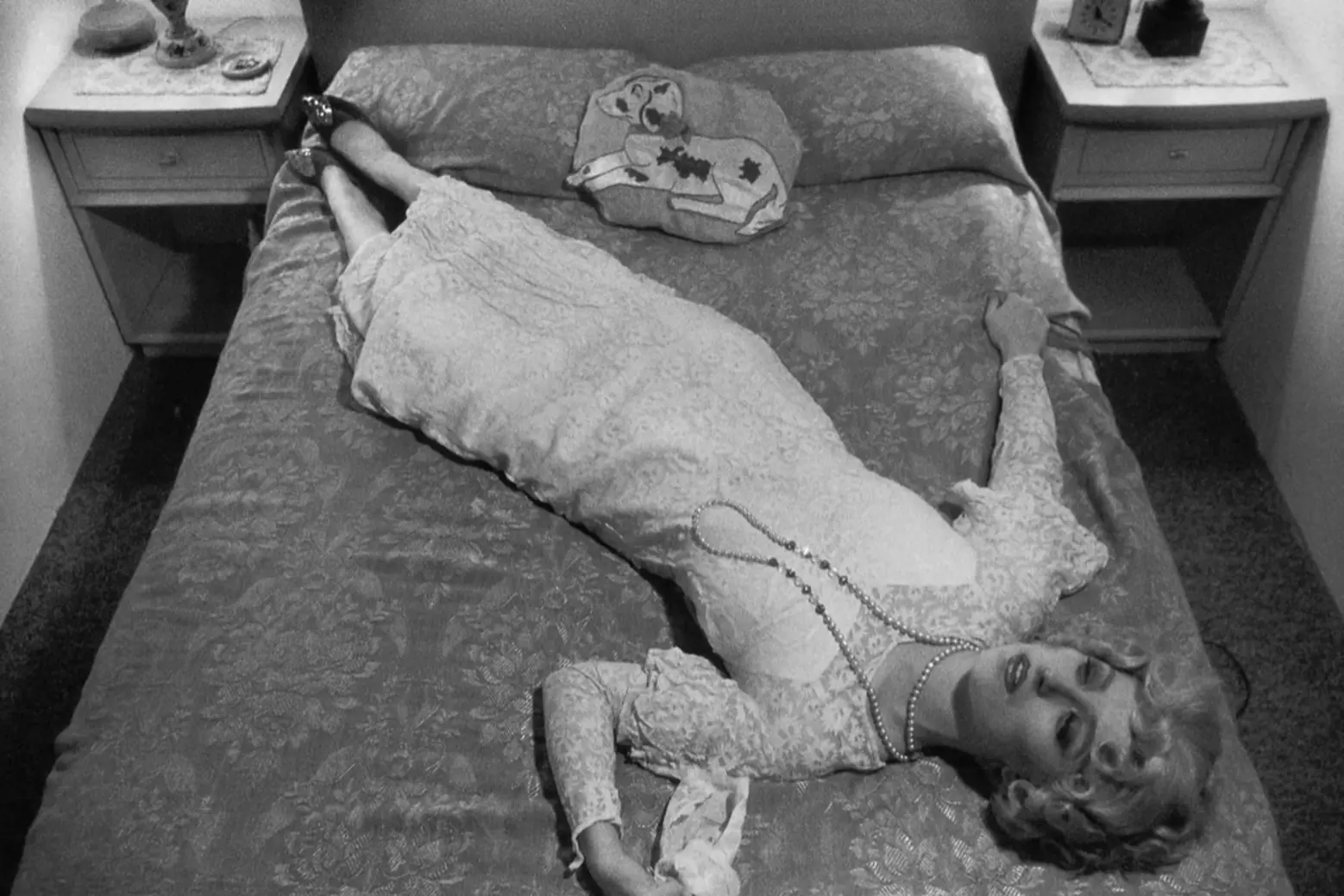
Sherman’s landmark breakthrough came with Untitled Film Stills, the series MoMA describes as 69 black-and-white photographs made between 1977 and 1980 and acquired in full by the museum in 1995. In these images, Sherman appears as archetypes drawn from the visual language of postwar cinema: the ingénue, the city girl, the lonely woman, the suspicious blonde, the figure paused inside some half-finished plot. The brilliance of the series is that no actual films exist. Sherman invented the memory of them. She showed how femininity in mass media often arrives prepackaged as a sequence of standardized roles, each one legible in an instant.
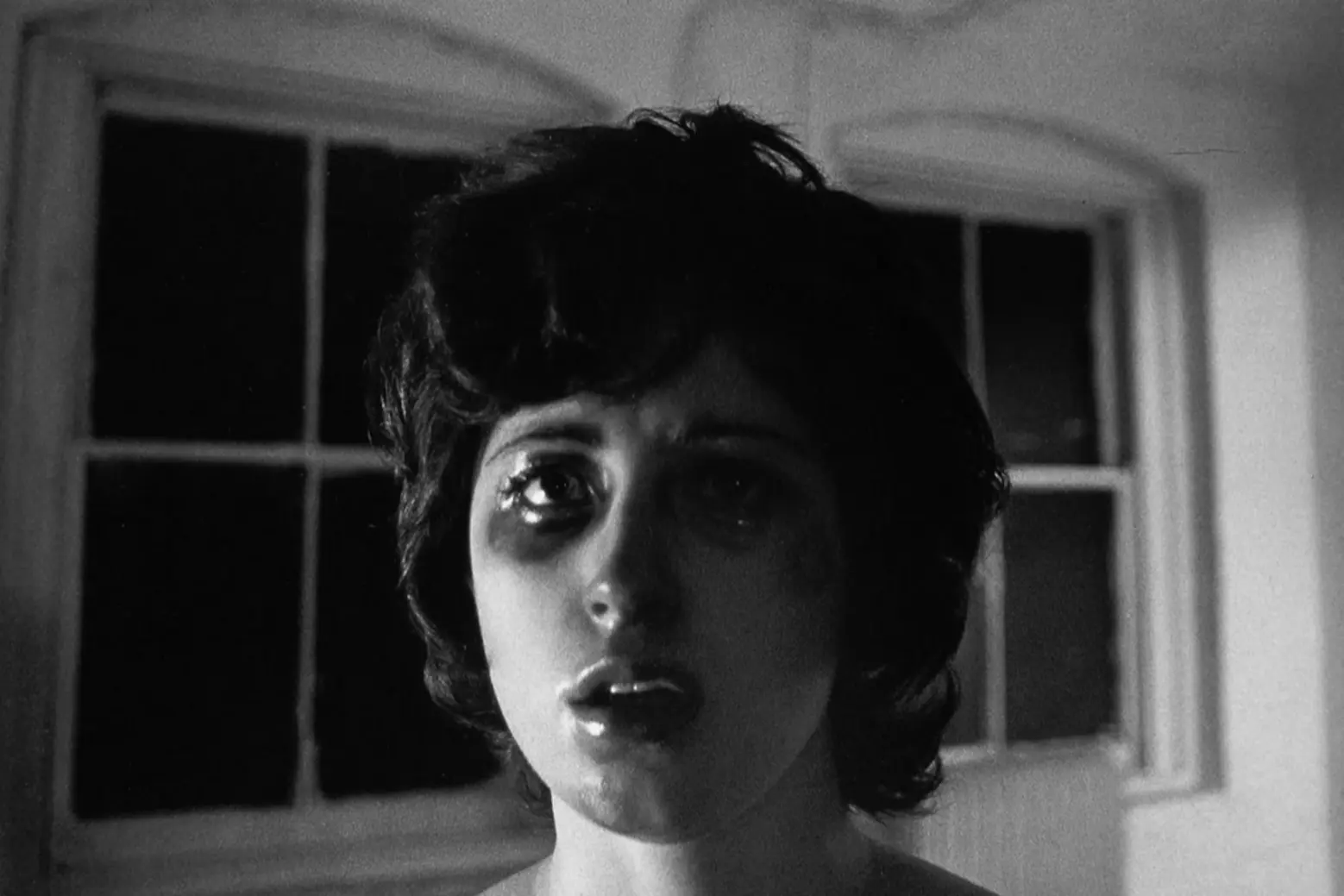
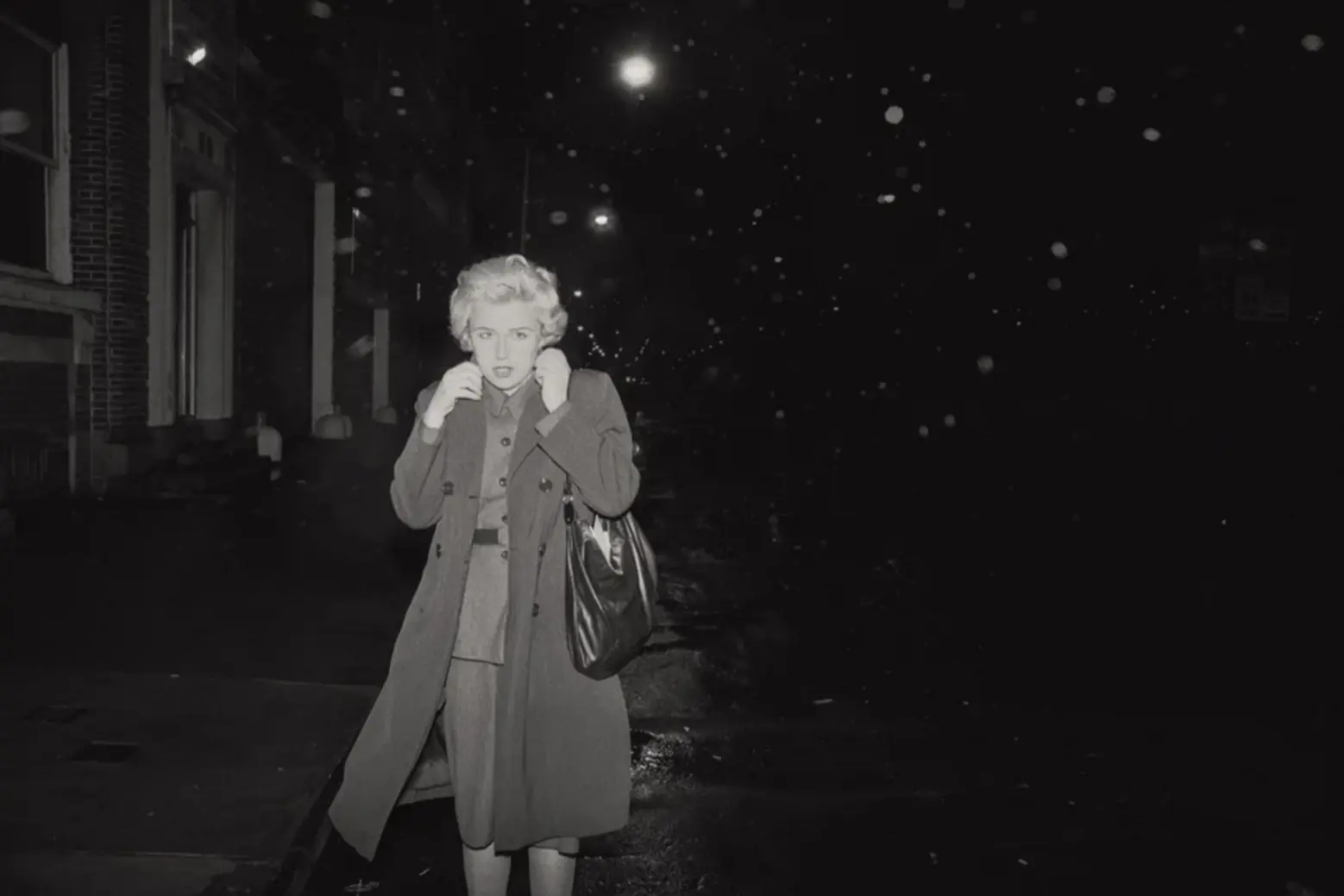
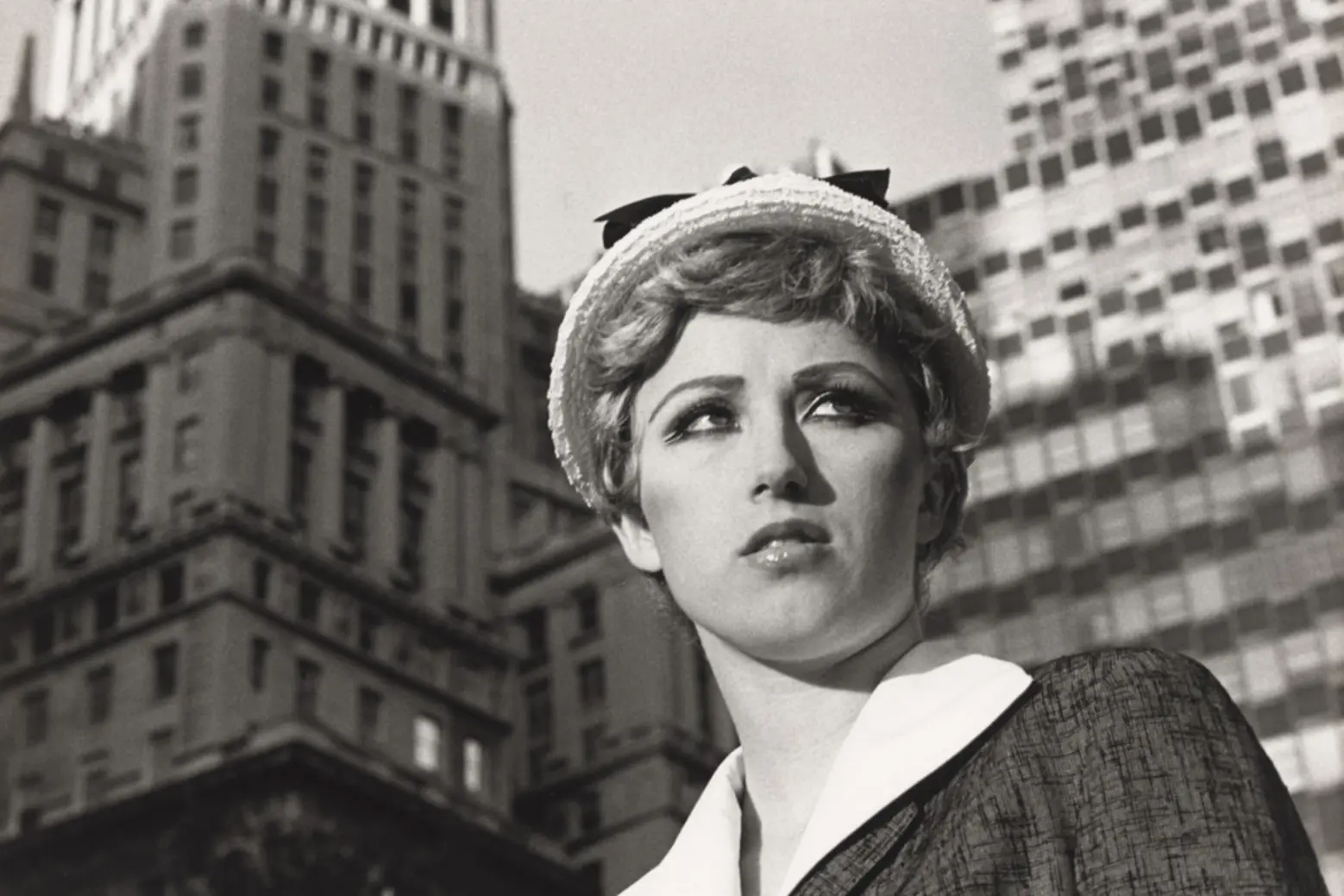
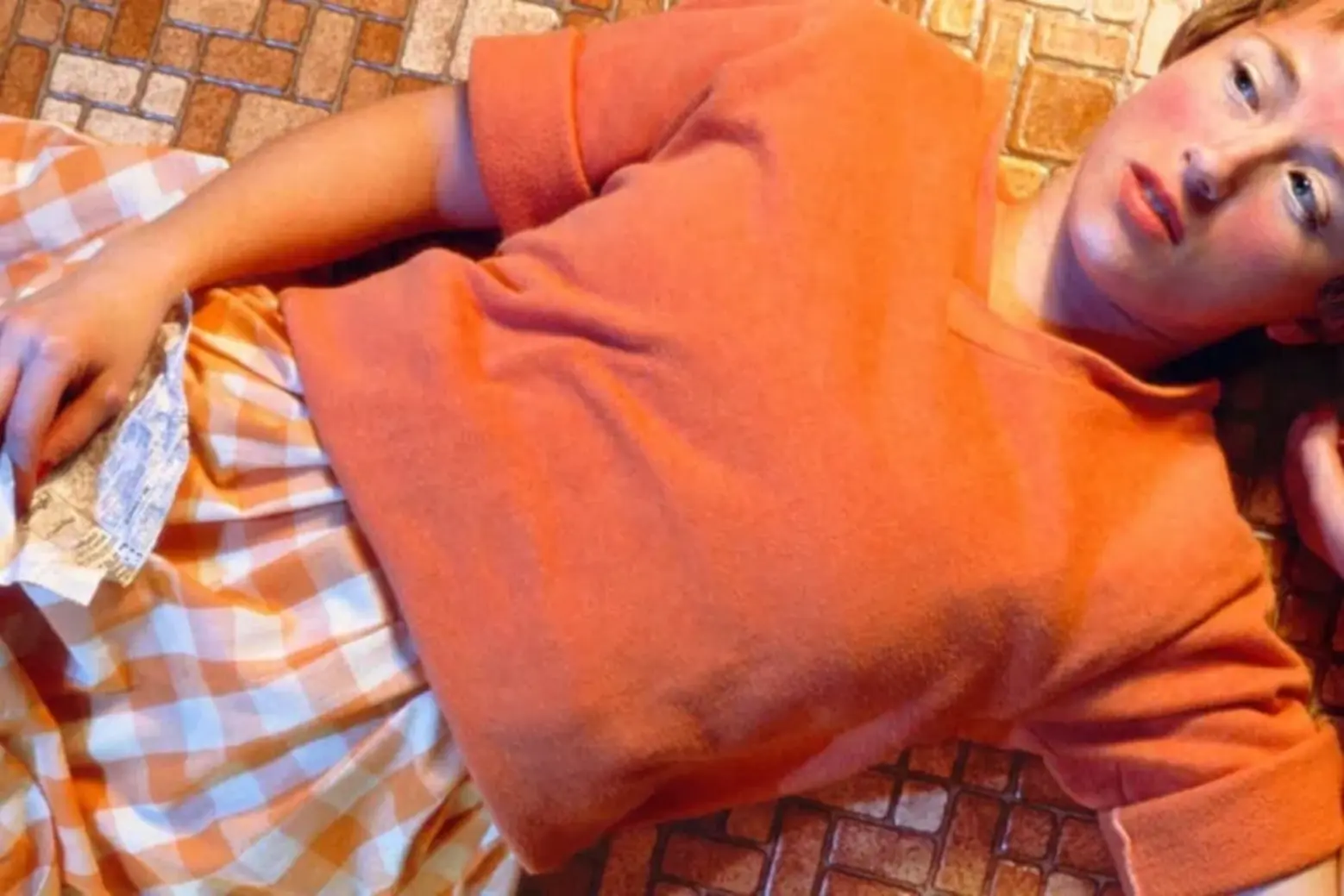
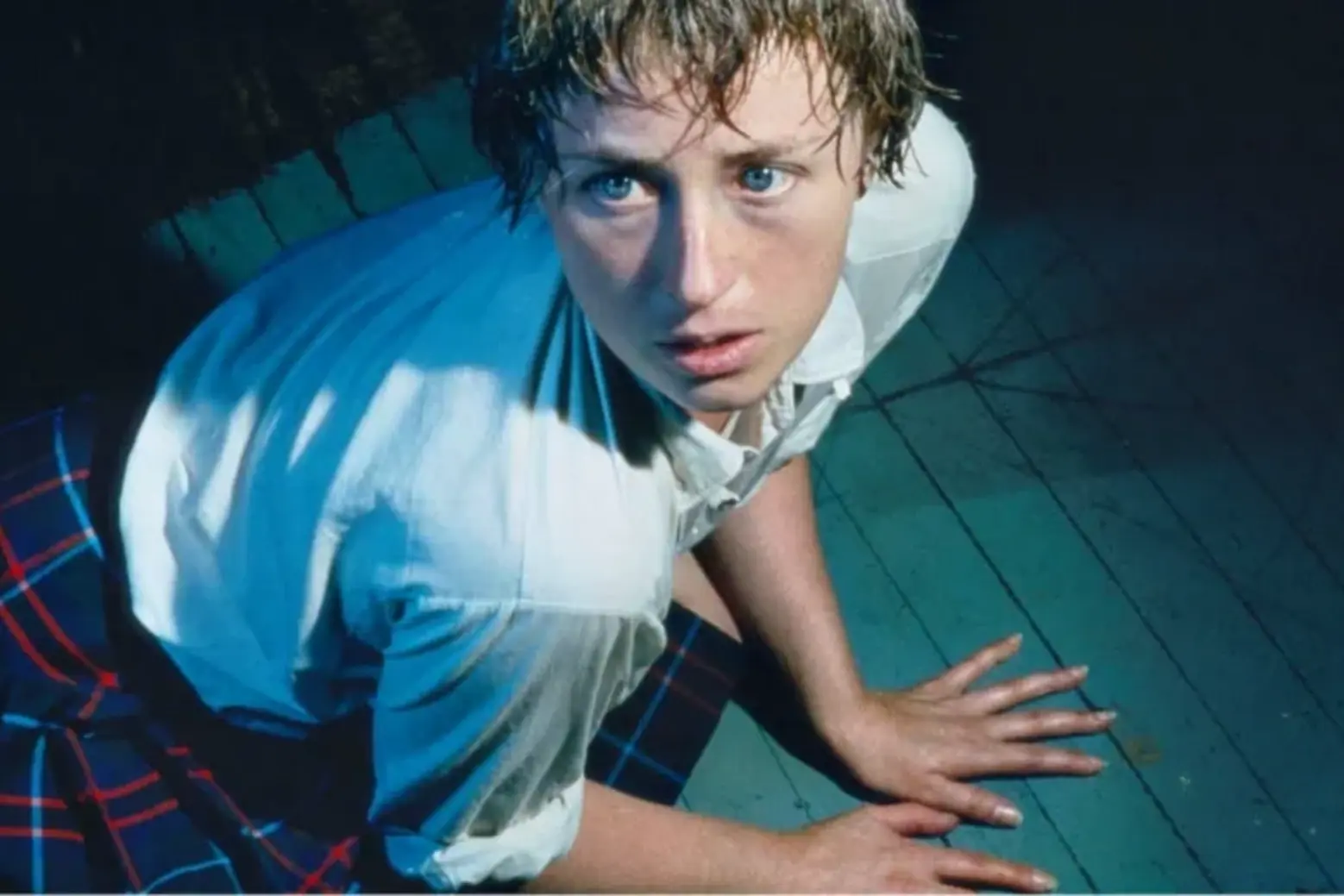
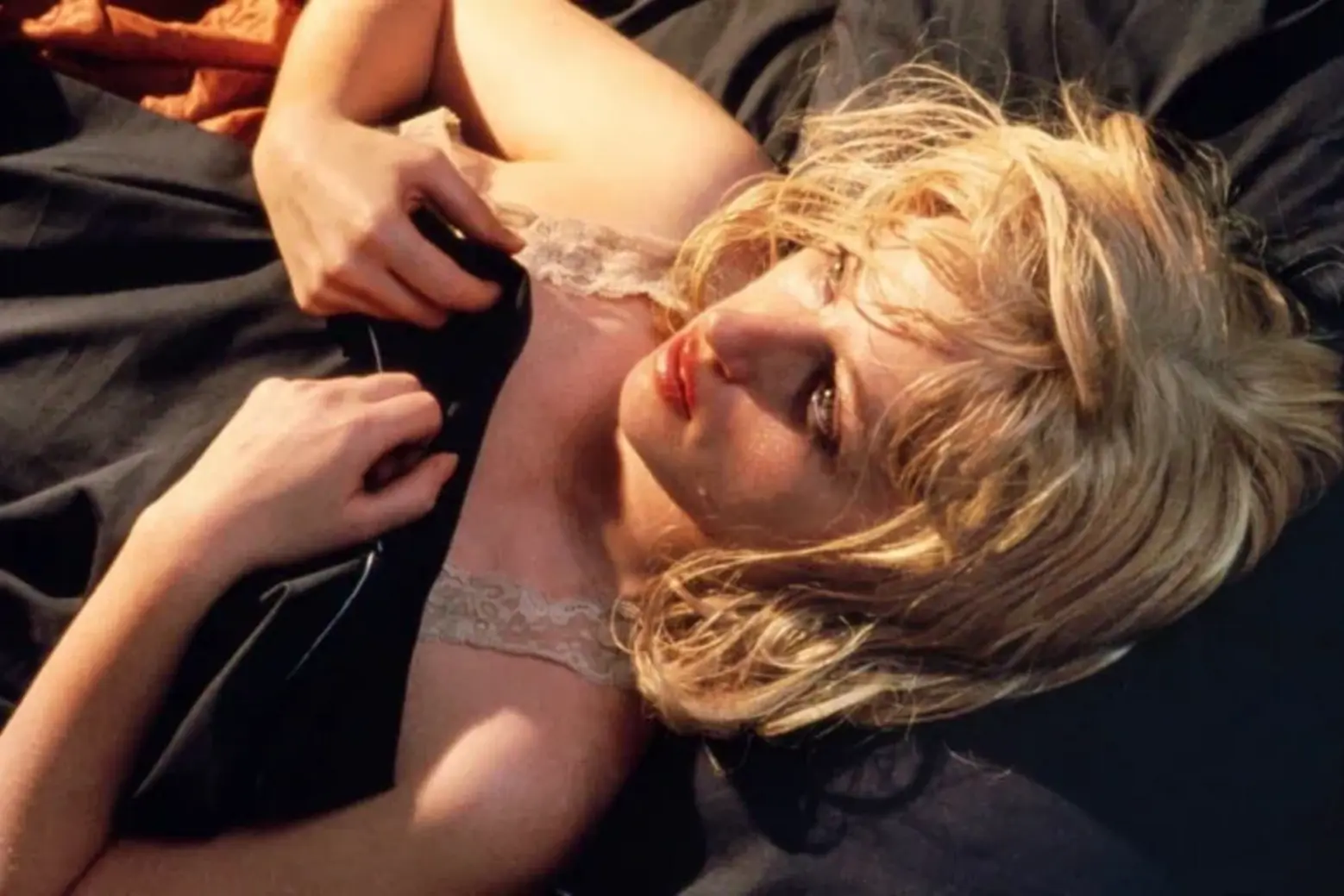
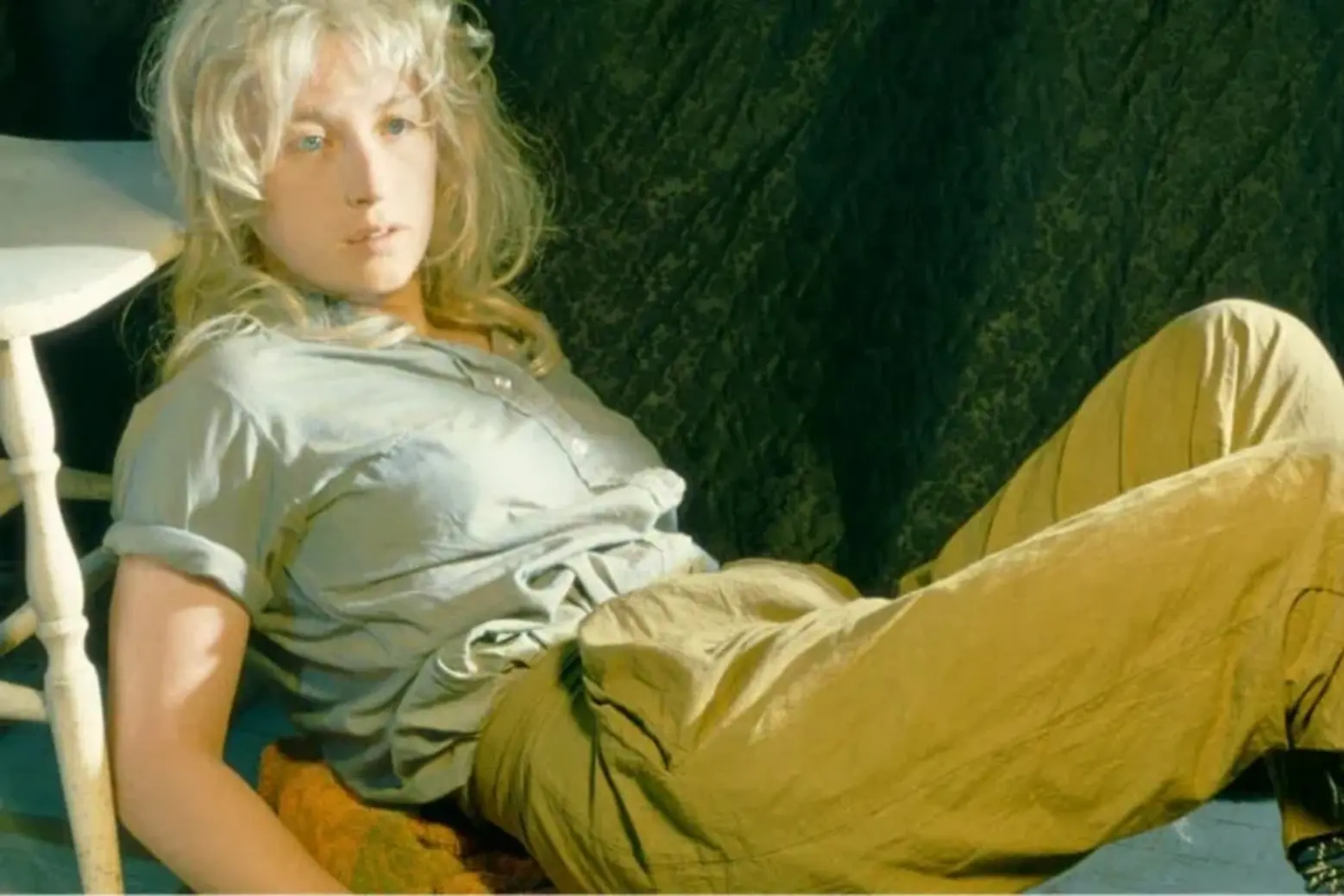
In 1981, Cindy Sherman pushed this critique further with the Centerfolds. Commissioned by Artforum, the series was ultimately rejected because its images of women in vulnerable or ambiguous poses could be misunderstood. That refusal only sharpened the work’s legacy. The pictures stage the mechanics of voyeurism while denying easy erotic satisfaction. Their scale, color, and horizontal composition invoke magazine seduction, yet the women appear psychologically elsewhere, withdrawn from the viewer’s claim on them. Sherman was already demonstrating that representation can critique the very appetite it appears to serve.
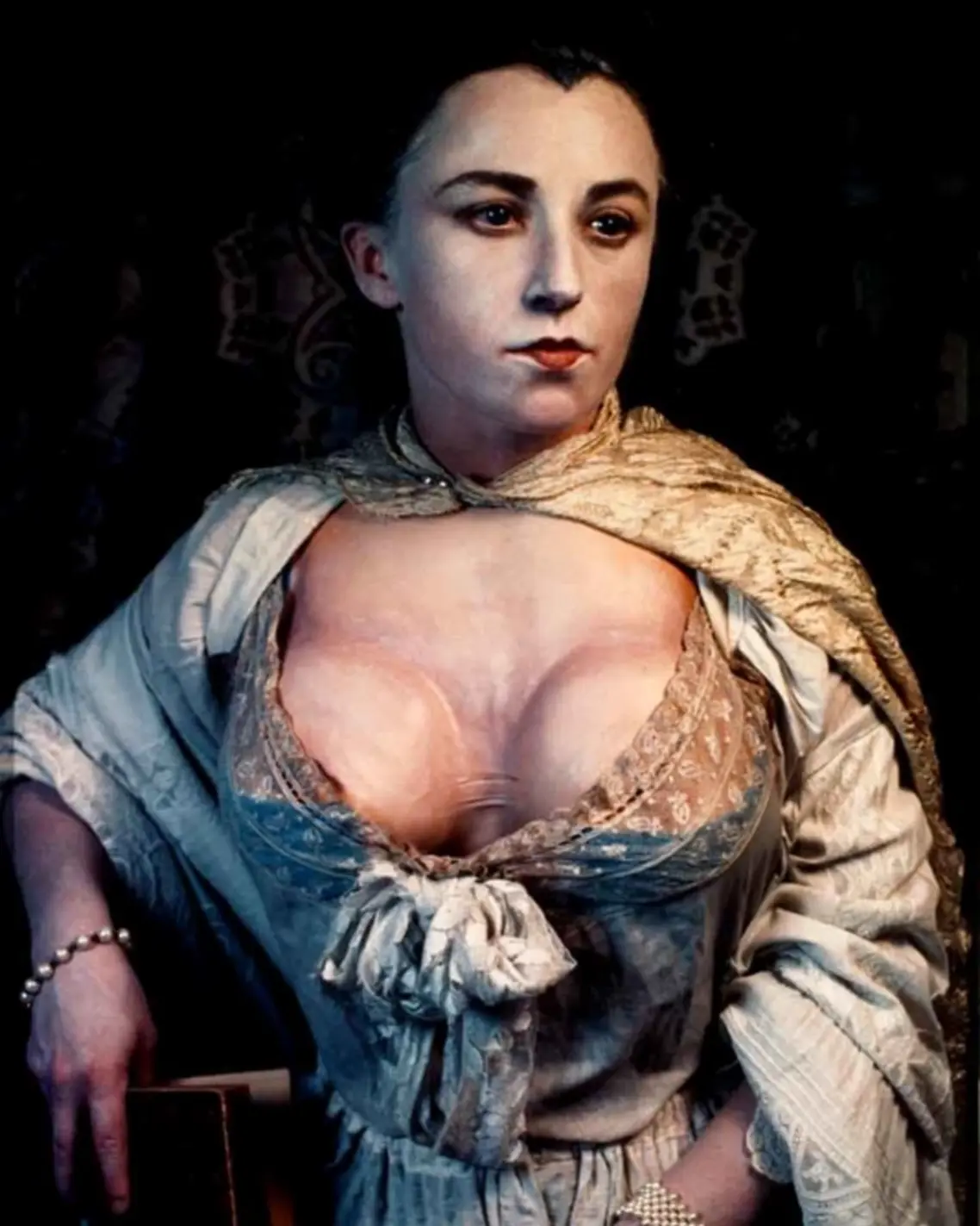
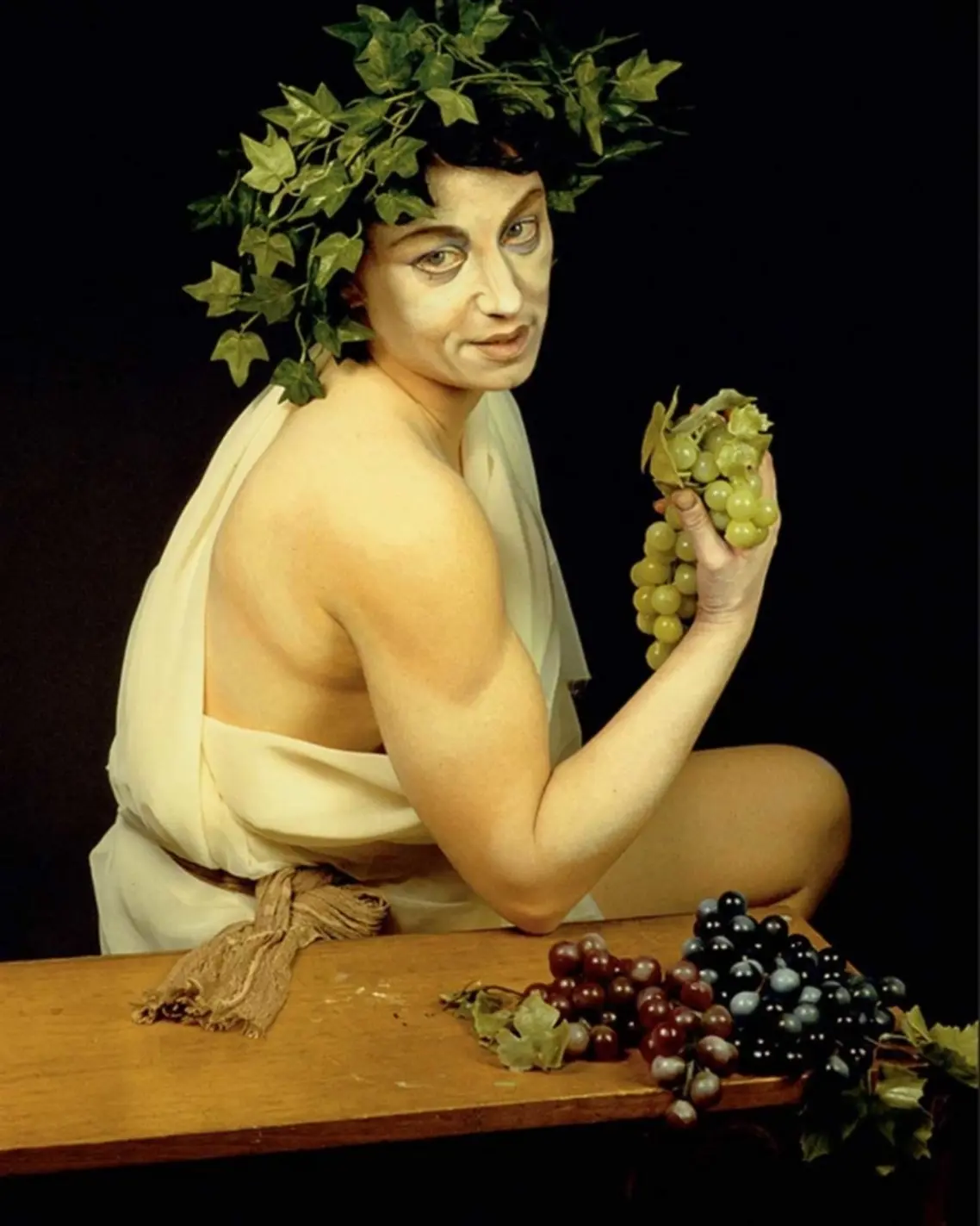
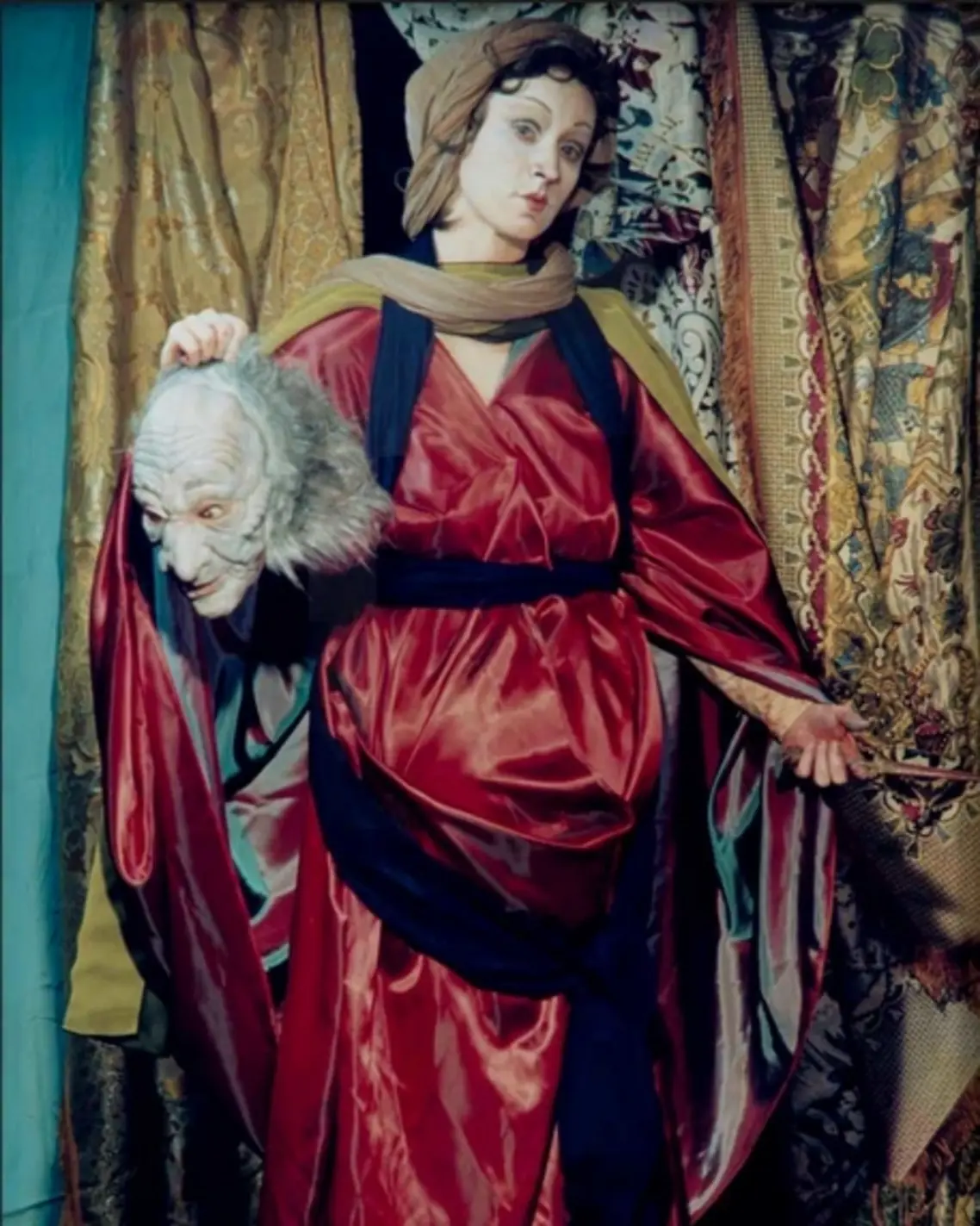
By the late 1980s, the History Portraits opened another front. Cindy Sherman restaged the aura of European painting using fake noses, prosthetic breasts, exaggerated bellies, bad wigs, and visibly theatrical artifice. The result was wickedly intelligent. These pictures do not simply parody the Old Masters. They reveal how prestige itself is staged, how class, beauty, nobility, and legitimacy are all costumes with better lighting. MoMA dates the series to 1988 to 1990, and it remains one of the clearest examples of Sherman turning the museum gaze back onto itself.
Her later career never settled into repetition. A 2020 Fondation Louis Vuitton retrospective brought together around 170 works spanning 1975 to 2020 and emphasized how consistently Sherman has revised her own visual language. More recently, Hauser & Wirth presented approximately 30 new works in New York in 2024, confirming that her practice continues to move rather than calcify. From physical disguise to digitally manipulated faces circulated through the logic of app culture, Sherman has remained alert to the technologies that shape how identity is performed in public. Her move into filtered and distorted online personas did not mark a break from her earlier work. It revealed how prophetic that earlier work already was.
Cindy Sherman’s influence stretches far beyond the museum, shaping the visual language of pop music, cinema, and today’s filter-saturated internet culture. In a deeply Shermanesque tradition, artists such as Madonna, Lady Gaga, and Billie Eilish have used their bodies as mutable stages for persona, performance, and disruption.
Madonna, an early admirer who sponsored Sherman’s 1997 MoMA retrospective, echoed the logic of Untitled Film Stills through her constant reinvention across the 1980s and 1990s, while Gaga pushed that lineage further with a career built on metamorphosis, from The Fame Monster to the prosthetic theatrics of Born This Way and the polished glamour of her jazz era.
Billie Eilish, in turn, brought Sherman’s taste for the grotesque and psychologically unsettling into a younger pop landscape, using disturbing visual codes to resist the hyper-sexualized script often imposed on female stars.
Cinema has also absorbed Cindy Sherman’s vocabulary. Though her only feature film, Office Killer (1997), remained a cult object rather than a commercial success, its saturated unease, feminist dread, and grotesque humor feel like one of her photographs unfolding in motion. Beyond that singular project, her sensibility lingers in the atmospheric disquiet of David Lynch and in Sofia Coppola’s ability to frame women as both visible and emotionally unreachable, suspended inside beautiful but restrictive worlds. In the social media era, Sherman feels even more prophetic.
Long before selfies, filters, and FaceTune culture, she was already manually editing identity through costume costume, makeup, lighting, and pose. Her recent digital manipulations and hyper-distorted avatars only sharpen that relevance, turning her into a key reference point for a culture obsessed with perfected surfaces, uncanny faces, and the endless performance of self.
One of the most compelling facts about Cindy Sherman is also one of the simplest: she prefers to work alone. As MoMA notes, she often assumes the roles of photographer, model, makeup artist, hairdresser, stylist, and wardrobe mistress herself. That solitary method matters because it keeps authorship concentrated. Every wig, smudge, pose, and facial vacancy belongs to the same controlling intelligence. The image may depict instability, but its construction is exacting. Sherman does not stumble into her characters. She engineers them.
She has also long resisted overexplaining the work, often leaving pieces untitled so the viewer cannot lean too quickly on a prescribed narrative. This refusal is not coyness. It is structural. Sherman understands that labels can close down ambiguity, and ambiguity is where her images do their deepest work. The viewer must confront their own habits of reading women, beauty, age, theatricality, class, and disgust. In that sense, Cindy Sherman’s art is less about disguise than exposure. The mask does not hide truth. It reveals how badly we want appearances to deliver certainty.
Her influence now extends far beyond the gallery wall. You can see traces of Sherman in staged photography, fashion editorials, celebrity image control, persona-building in pop culture, and the everyday performance of oneself on social media. Long before filters, face editing, or influencer aesthetics became part of ordinary life, Sherman understood that modern identity would be produced through repetition, stylization, and visual rehearsal. She saw, earlier than most, that the self was becoming a set.
Cindy Sherman’s lasting achievement is that she turned reinvention into method without ever reducing it to novelty. Each new face in her work feels like a test of culture itself: What does this image ask a woman to become, and who benefits when she agrees to the role? Across five decades, Sherman has shown that identity is never simply expressed. It is staged, edited, consumed, and revised. Cindy Sherman does not offer the comfort of authenticity as a final answer. She offers something sharper: the recognition that the mask is one of modern life’s most truthful forms.