MENU
Close





Paulo Mendes da Rocha made concrete feel civic, intelligent, and strangely tender, turning structure into a language of public life that still feels radical today.

Paulo Mendes da Rocha made concrete feel civic, intelligent, and strangely tender, turning structure into a language of public life that still feels radical today.
April 27, 2026


Paulo Mendes da Rocha, an architect veteran of six decades before his death in 2021, emerged in São Paulo as a central figure of the “Paulist brutalist” avant-garde alongside with Lina Bo Bardi.
If Oscar Niemeyer gave Brazilian modernism its lyrical curve, Mendes da Rocha gave it weight, span, shadow, and civic resolve.
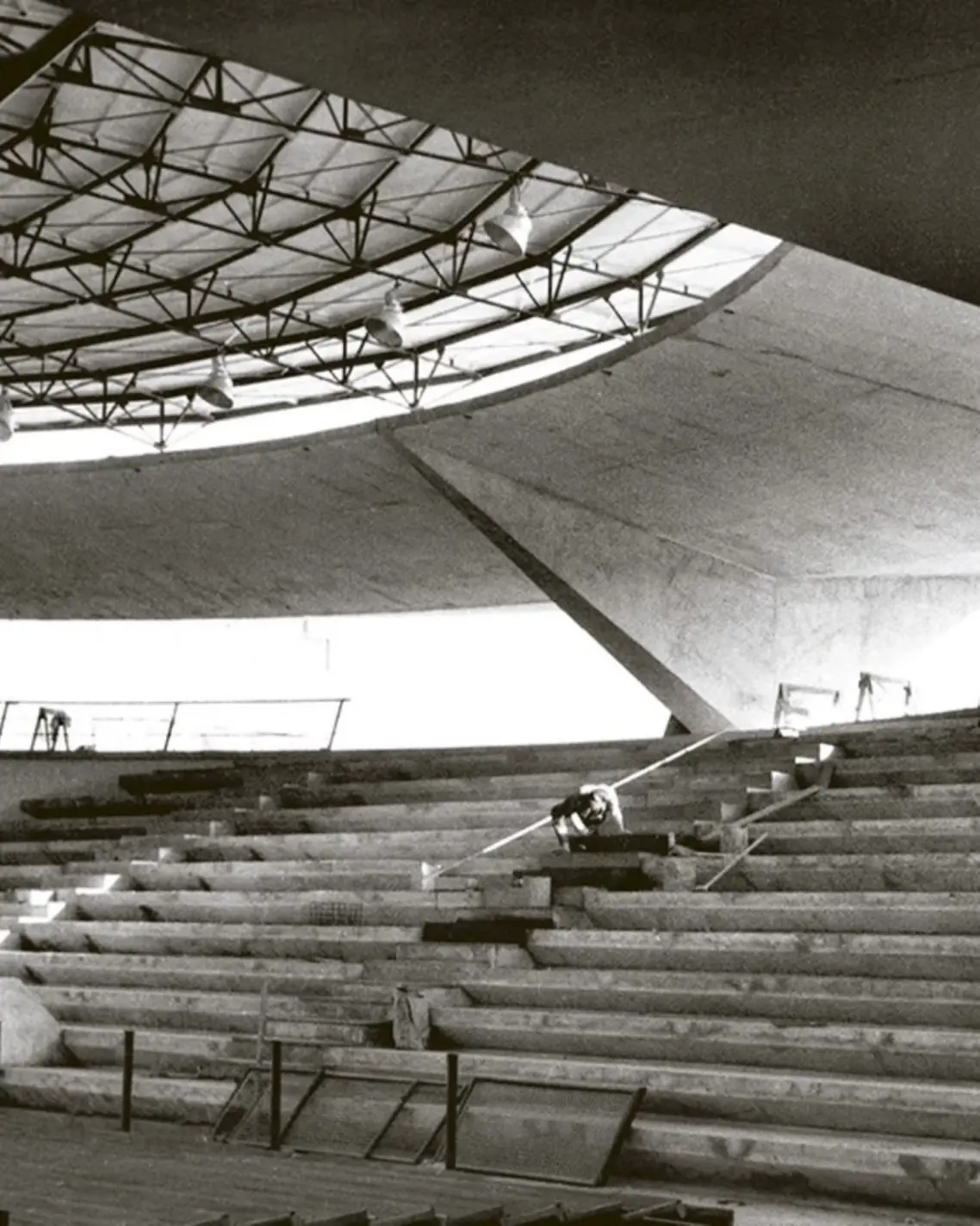
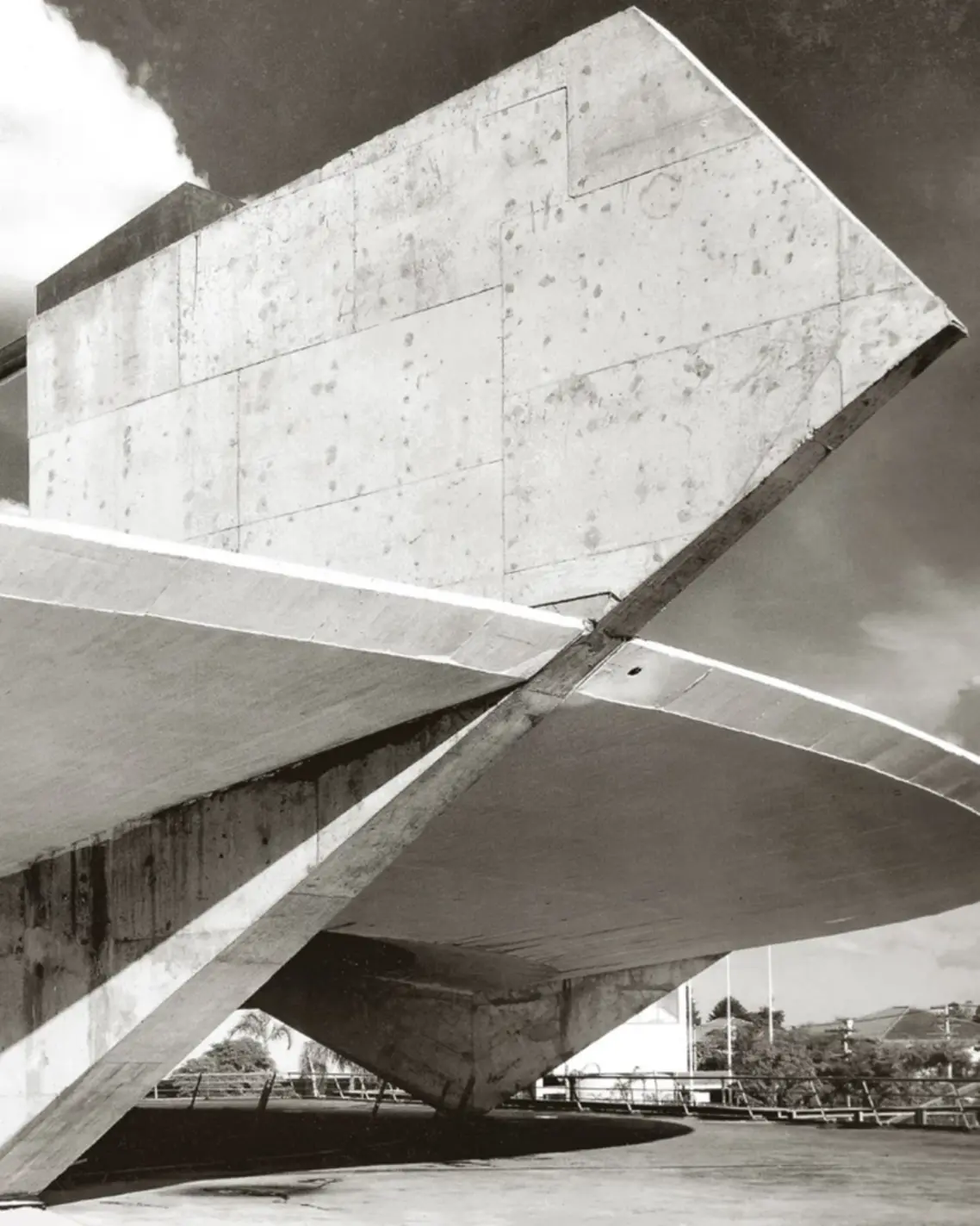
This is the project where the Mendes da Rocha language arrives almost fully formed. The building as a suspended platform carrying six slender concrete blades, which in turn support a remarkably light circular roof, with cables attached to a steel cap above. What matters is not just the spectacle of the roof, but the clarity of the forces: Support, tension, suspension, and balance are all legible at once. The building does not hide how it stands. It makes equilibrium visible. That is one of Mendes da Rocha’s great themes: Beauty comes from structural inevitability rather than decorative finish.
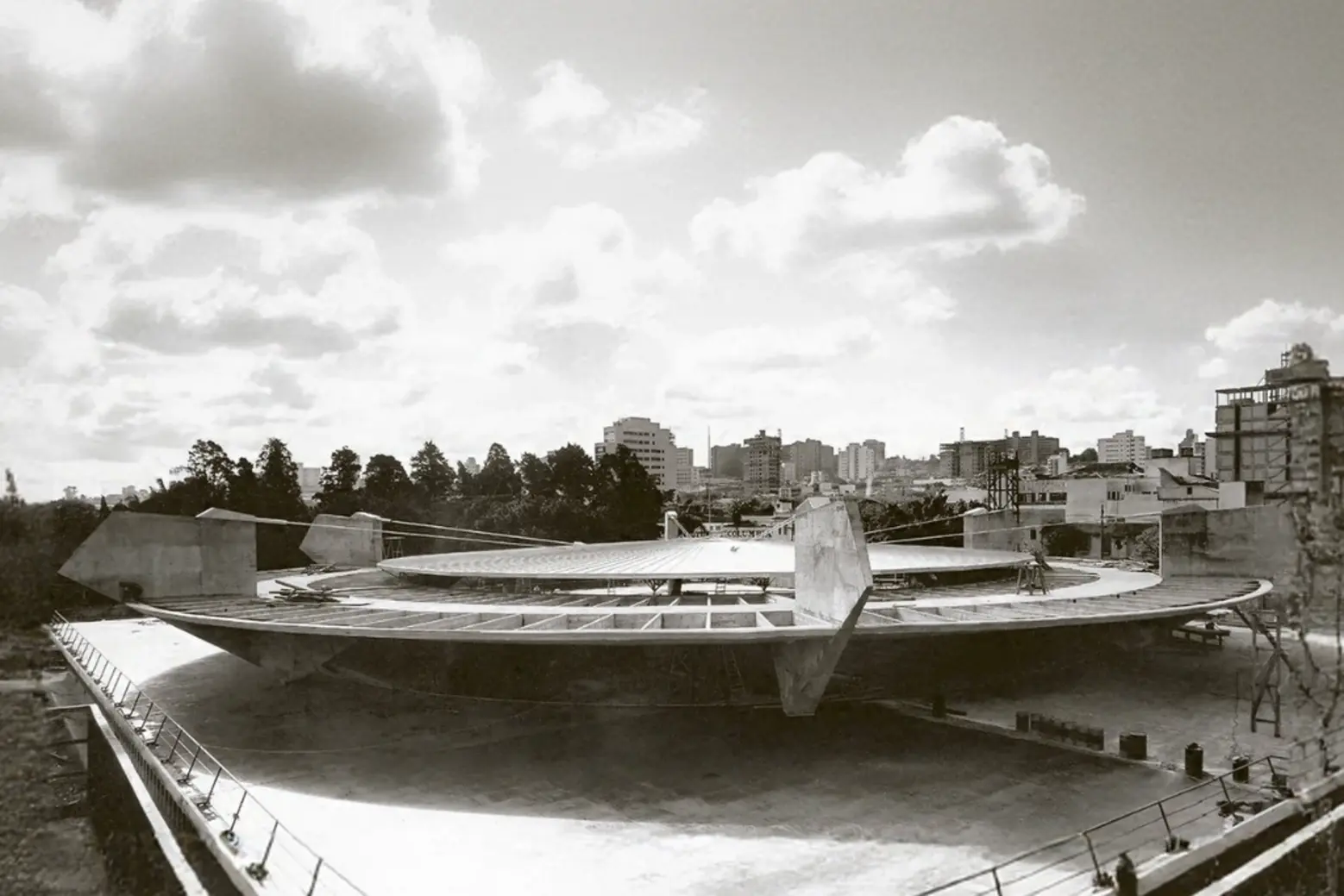
What makes the gymnasium so powerful is its compression. Many architects would have turned a sports venue into an expressive shell, Mendes da Rocha turns it into a concentrated structural argument. The six supports are not just columns, they are shaped blades, almost diagrammatic elements, reducing the building to a few essential moves. The result feels both primitive and futuristic. It also announces nearly everything that comes later: the fascination with cantilever and suspension, the confidence that concrete can feel light, and the idea that architecture should act as a public artifact rather than a private object.
His own house in Butantã is one of the best keys to his thinking because it translates his public ideas into domestic form. Arquitectura Viva notes that the twin houses were conceived with a strictly modular structure. Four set-back pillars support the main floor, which is formed by a ribbed slab and cross beams cantilevering in both directions. That raised volume creates a shaded ground level for access, while the bedrooms sit in the center of the upper floor and are top-lit, the perimeter is left freer for communal living, and the partition walls stop short of the ceiling to improve ventilation.
That arrangement is radical because it reverses the usual hierarchy of the house. Instead of putting the formal rooms at the center and treating the edges as boundary, Mendes da Rocha pulls domestic life toward the perimeter and turns the house into a kind of inhabited platform. The building behaves less like a sealed box than like a suspended field of living.
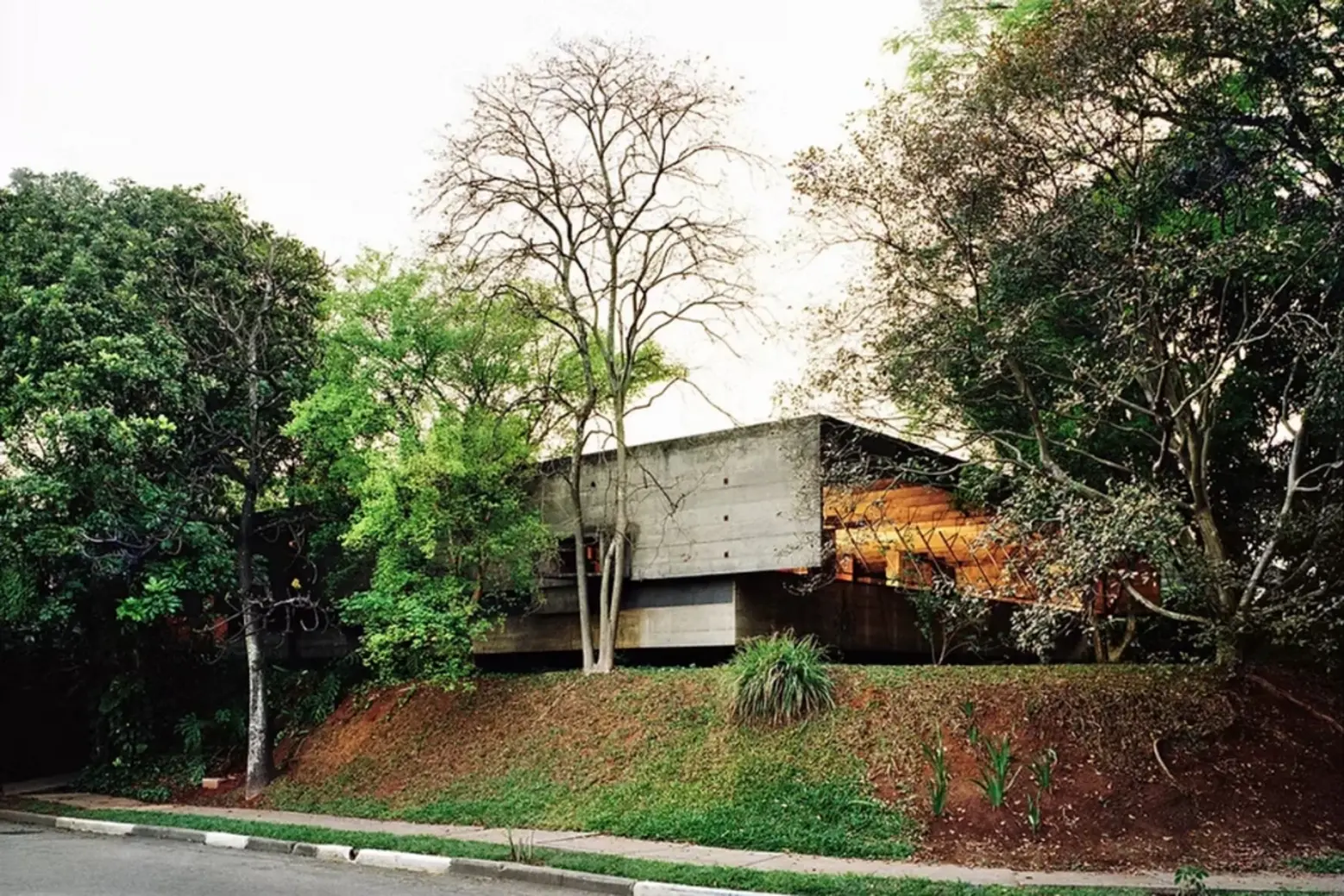
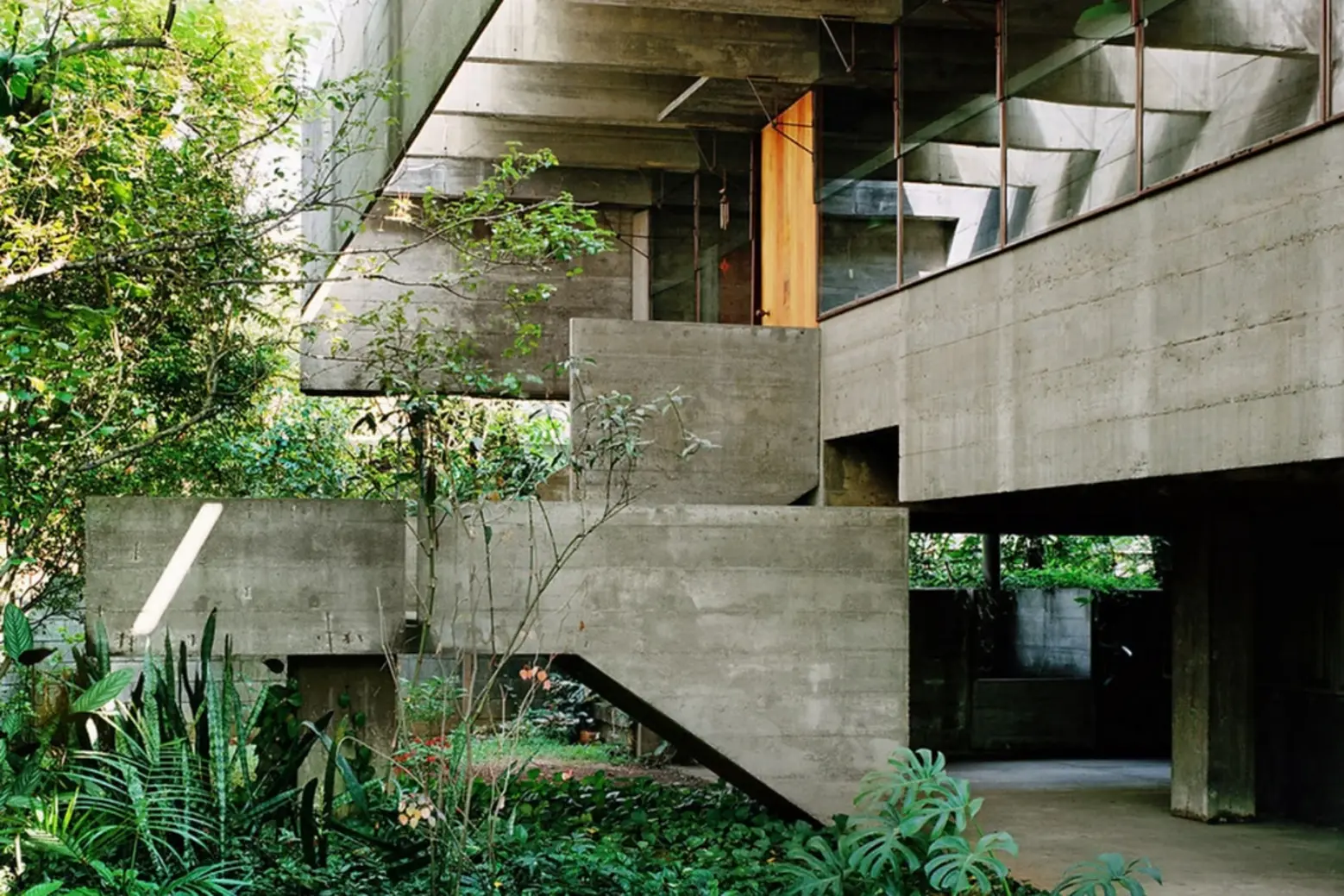
Even on the scale of a home, Mendes da Rocha preserves a civic instinct, giving the ground over openness, passage, and climate. In his best residential work, privacy is achieved by section and placement, not by heaviness or enclosure.
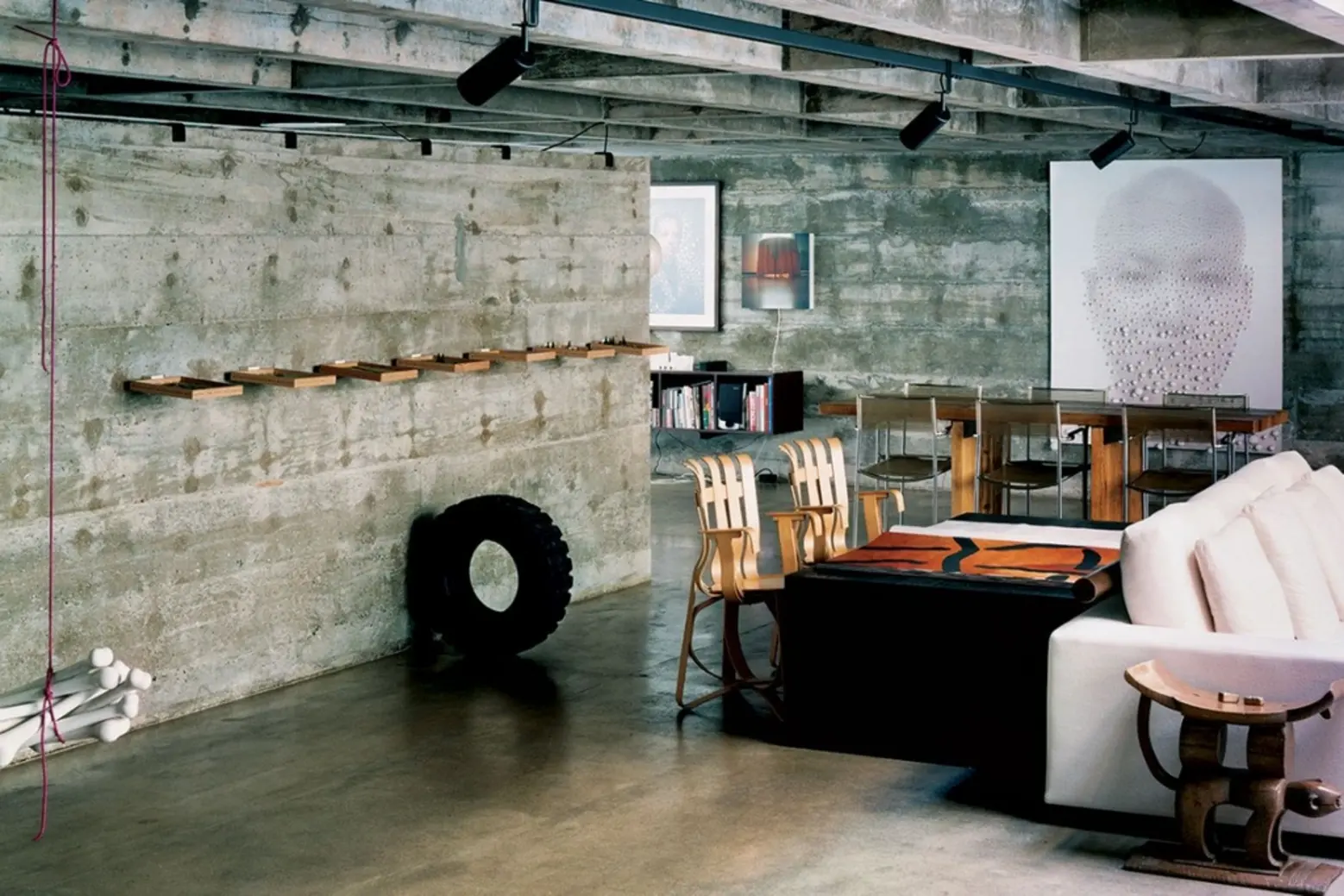
MuBE may be his most brilliant project because it is a museum built through subtraction. It as a non-traditional museum partly nestled underground, marked by a giant concrete beam that traverses the site, while MuBE’s own materials call the building a landmark of world architecture and note Roberto Burle Marx’s landscape design.
The genius of MuBE lies in section. Mendes da Rocha refuses the conventional museum typology of object-building, façade, and enclosed galleries. Instead, he makes the most memorable architectural element a horizontal concrete span over open air, while much of the program sinks into the ground. That means the museum’s strongest gesture is not occupation but framing: It creates shade, horizon, and an urban room. The famous beam is monumental, but the real achievement is that it protects emptiness. The plaza becomes as important as the galleries, and sculpture is experienced in a continuum between landscape and institution.
There is also an extraordinary discipline in the way the project handles presence. The beam is huge, yet the museum does not dominate the neighborhood like an opaque block. Because so much of the program is buried, the architecture keeps the skyline low and lets the city continue across it. Mendes da Rocha turns concrete into infrastructure rather than monument in the usual sense. The project feels luxurious, but its luxury comes from spatial generosity, shadow, and calm, not polish.

The Pinacoteca is one of the clearest examples of how Mendes da Rocha could work with history without becoming nostalgic. The renovation did not try to restore the building to some imaginary purity. Instead, it reorganized how the museum is used and understood. One of the decisive moves was the rotation of the main axis of visitation through bridges crossing the inner courtyards, changing the building’s relationship with the city. The project also introduced metallic footbridges, new halls, and a circulation system that created what the text calls a “new spatiality” throughout the museum.
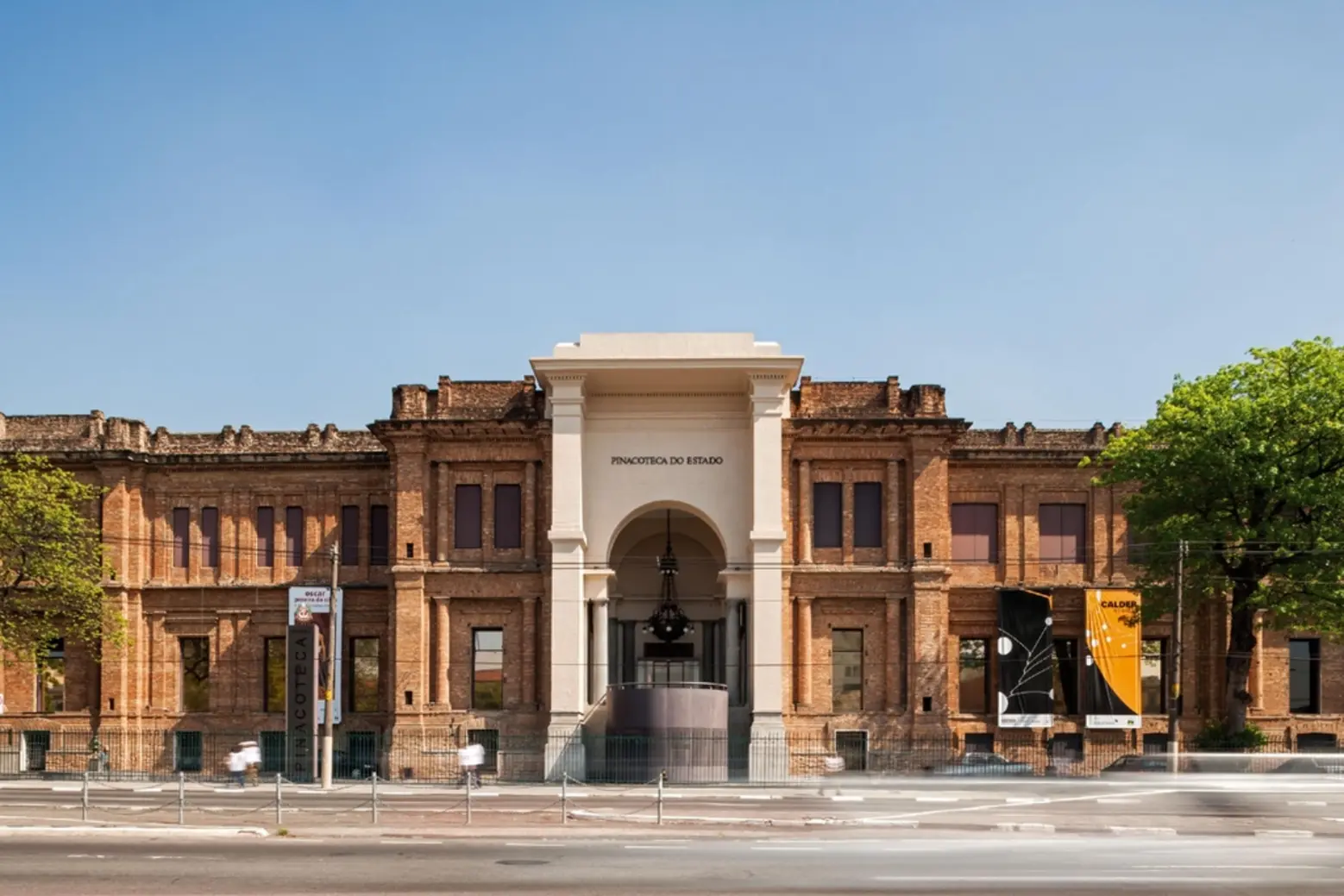
That is why the project feels so intelligent. The Pinacoteca do Estado is really a work of circulation before it is a work of image. Mendes da Rocha reads the old structure not as a fragile relic, but as a robust framework capable of new movement. He keeps the brick walls, preserves traces of age and earlier interventions, and inserts steel elements that are deliberately legible as new. Rather than camouflage the intervention, he stages a dialogue between heavy masonry and light metal.
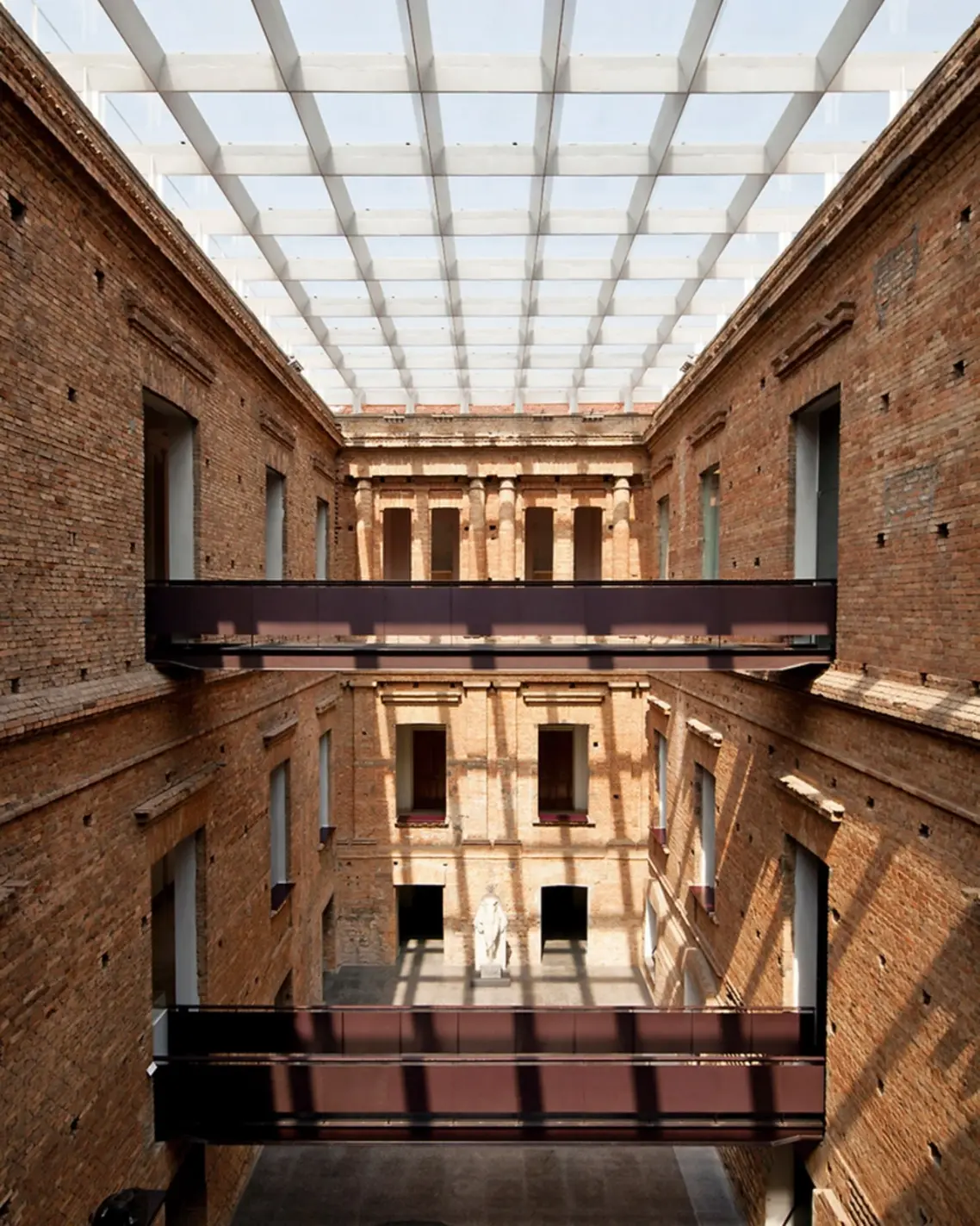
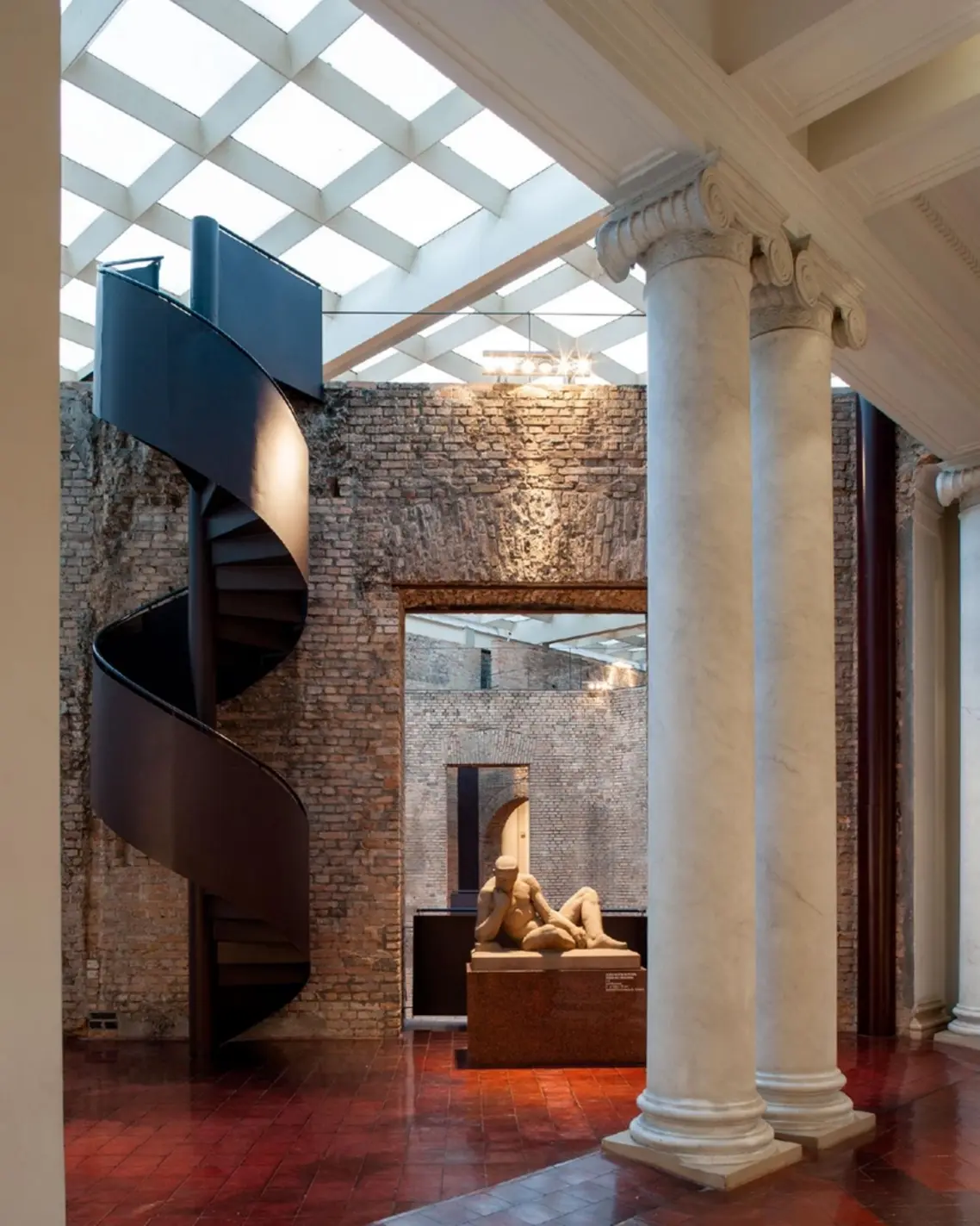
What is most impressive is how light becomes architectural rather than merely atmospheric. The project uses open spans, skylights, and bridges to transform the old structure into a luminous promenade. Mendes da Rocha is often described as a brutalist, but the Pinacoteca do Estado shows how refined he could be in modulating brightness, rhythm, and pause. This is brutalism edited into precision.
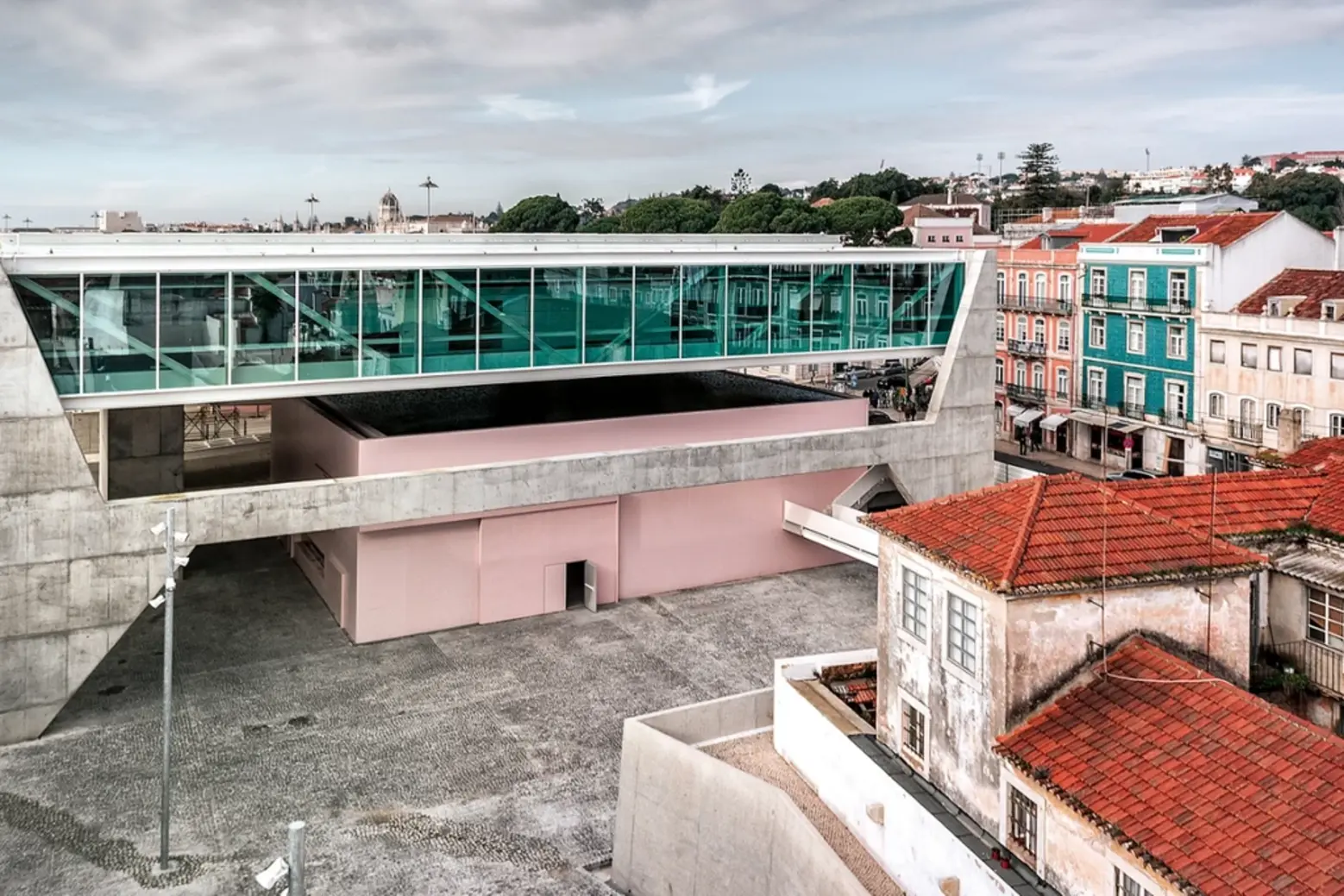
The National Coach Museum is one of his strongest late works because it shows how his ideas scale up internationally without losing their core. The museum is an urban infrastructure that offers public space to Lisbon. The project was shaped by two questions at once, museology and urbanism. Just like Frank Gehry with the Guggenheim Bilbao, Mendes da Rocha is never satisfied with solving display alone. He wants the building to alter the city around it.
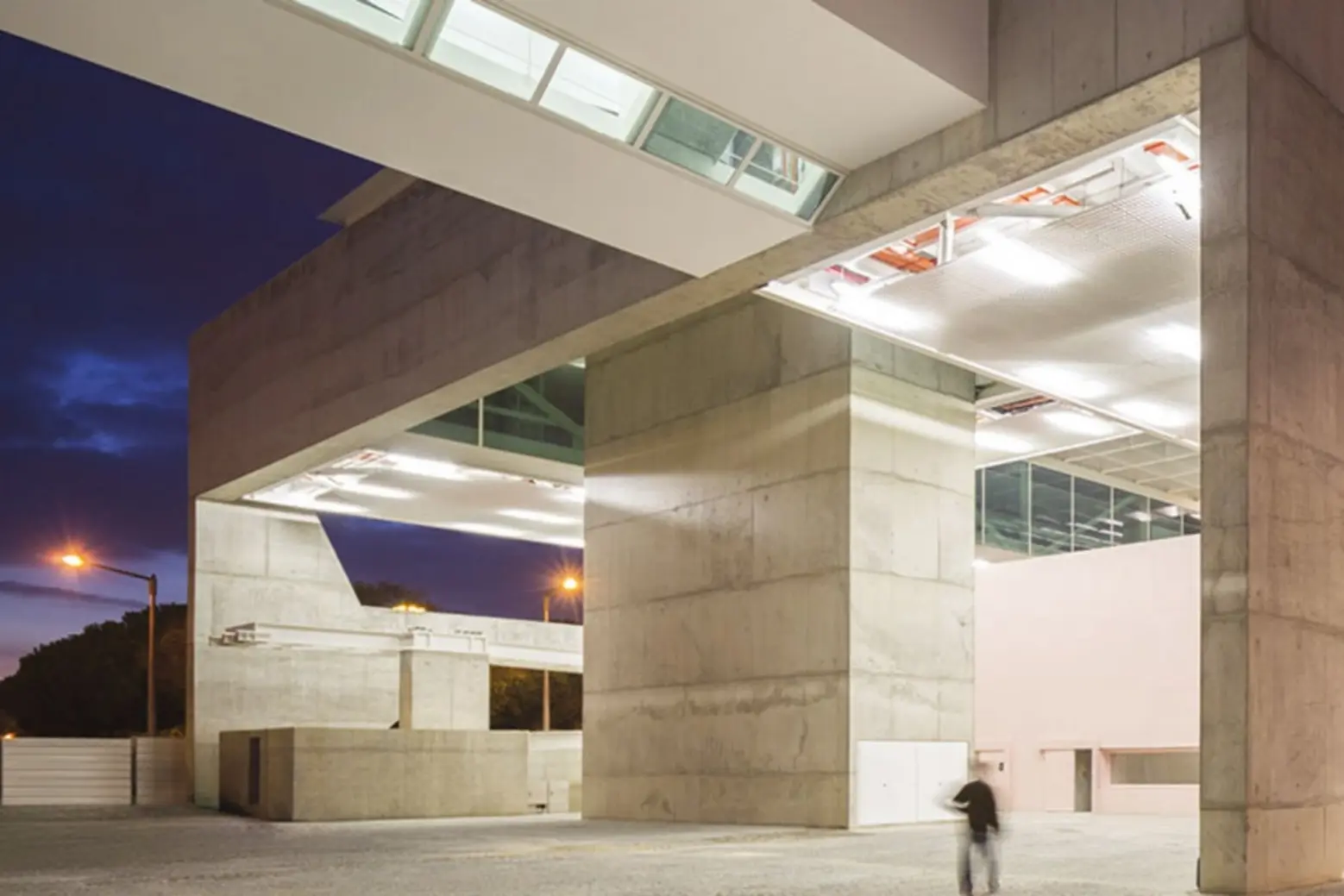
Formally, the project is a mature version of a familiar move in his work: The elevated volume and the liberated ground plane. The raised mass gives the museum a monumental profile, yet the underside and surrounding voids work as sheltered urban territory. The building behaves like a giant covered square as much as a container for objects. In that sense, the project feels less like a museum-building than a civic device that happens to house a collection. The exhibition halls matter, but the spatial argument begins outside, in the way the building frames passage, shade, and connection.
As one of the great masters of Paulist Brutalism, Mendes da Rocha pursued profound social engagement and deep understanding of the poetics of space The result is a kind of invisible luxury: Monumental spaces that carry gravitas without shutting people out, and raw materials arranged with such intelligence that roughness begins to feel refined. Mendes da Rocha understood that public generosity is its own form of grandeur.