MENU
Close





Beyond the Brutalist label, Bo Bardi’s work remains a poetic masterclass in "Arquitetura Povera" and the art of radical inclusion.

Beyond the Brutalist label, Bo Bardi’s work remains a poetic masterclass in "Arquitetura Povera" and the art of radical inclusion.
April 25, 2026


Born in Rome in 1914, Achillina Bo belonged from the beginning to a rare and formidable generation, becoming one of the very few women to graduate from the Rome School of Architecture in 1940. She then moved to Milan, where she worked alongside Gio Ponti, one of the Italian giants, and helped shape the editorial voice of Domus. Together, Bo and Ponti are often hailed as "the last humanists" of design, united by a philosophy that places people, culture, and everyday life at the center of modernism. Then came rupture.
In 1943, Allied bombing destroyed her office, and within the charged political atmosphere of post-war Italy, her convictions, resistance ties, and restless intelligence drew her and her husband, Pietro Maria Bardi, toward a new horizon in Brazil in 1946. What awaited her there felt less like exile, more like renewal.
"I was born in Italy, but I am Brazilian."
The name "Achillina" was left behind. Lina Bo Bardi became a naturalized Brazilian citizen in 1951.
The refugee became the shaper of the city.
Lina Bo Bardi's journey from war-torn Italy to becoming the soul of Brazilian Modernism is a masterclass in resilience and poetic functionalism. Her style, often termed Arquitetura Povera was a radical departure from European "white cube" sterility, favoring anthropological modernism that celebrated local crafts and unpolished materials.
Though she is celebrated as one of the great figures of Brazilian Brutalism and the Paulista School, her version of Brutalism carried an uncommon tenderness. She embraced béton brut and monumental concrete volumes, yet avoided the cold, bunker-like severity often associated with its European counterparts. Instead, she paired concrete with vast planes of glass, creating a floating transparency that welcomed landscape, light, and life into the structure. For Bo Bardi, concrete was never merely an aesthetic choice. It was democratic material, strong enough to hold the full vitality of the public and generous enough to serve as a stage for collective life.
For Bo Bardi, architecture was never a finished product until it was lived in. She famously refused to photograph her work in its pristine, vacant state, insisting instead that her buildings be teeming with the vibrant clutter of humanity — children, laundry, and crowds, because life itself was the ultimate blueprint.
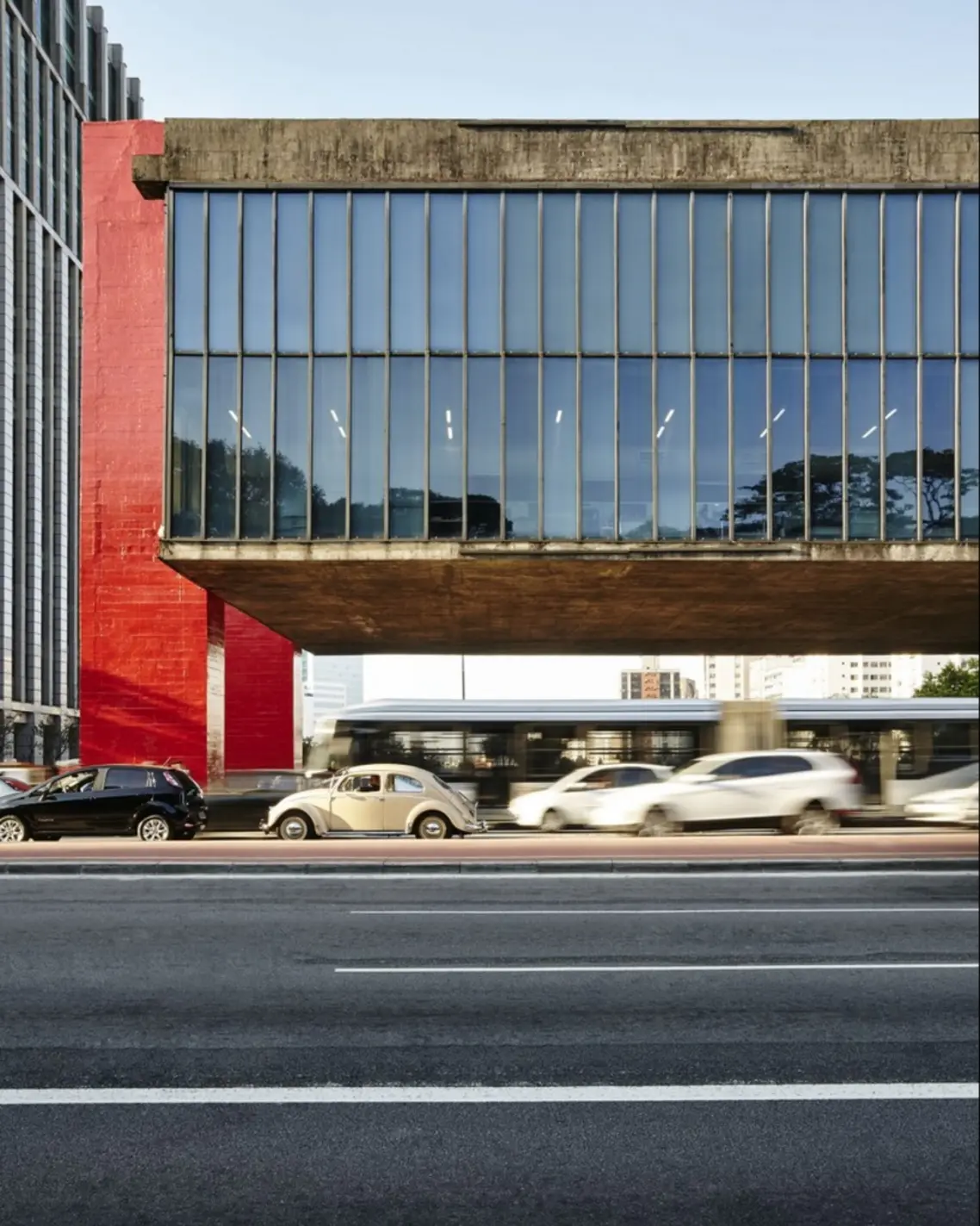
The Museum of Art of São Paulo is a 74-meter breath of fresh air suspended in red.
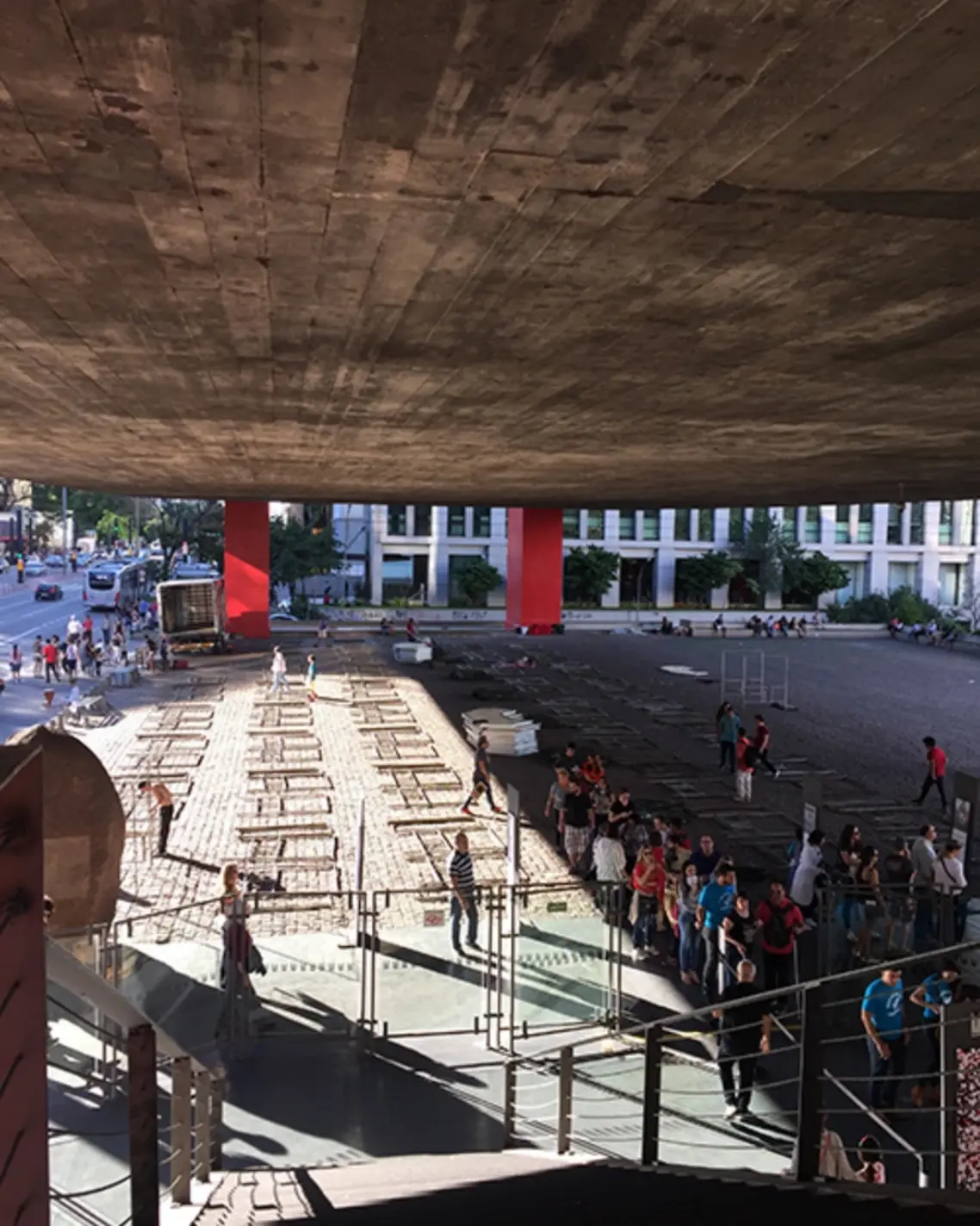
Conceived less as a conventional building than as a vast vão livre, the MASP is a free span that turned restriction into revelation. Faced with the requirement to preserve the view across the city center, she answered with one of modern architecture’s boldest gestures: A 74-meter breath of fresh air suspended in red, the museum’s 10,000-ton body hovering eight meters above the ground and held aloft by colossal lateral beams painted a fiercely memorable red.
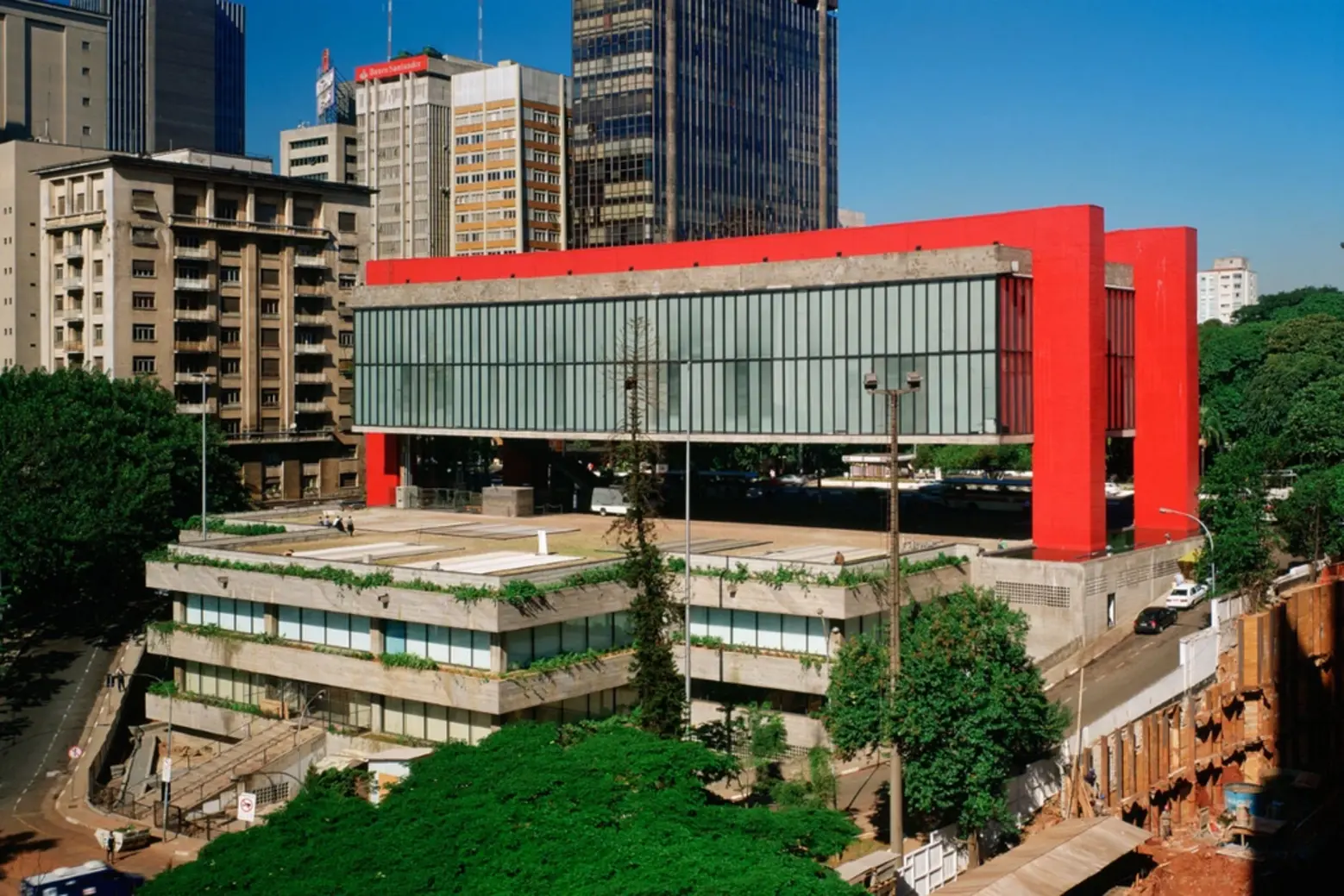
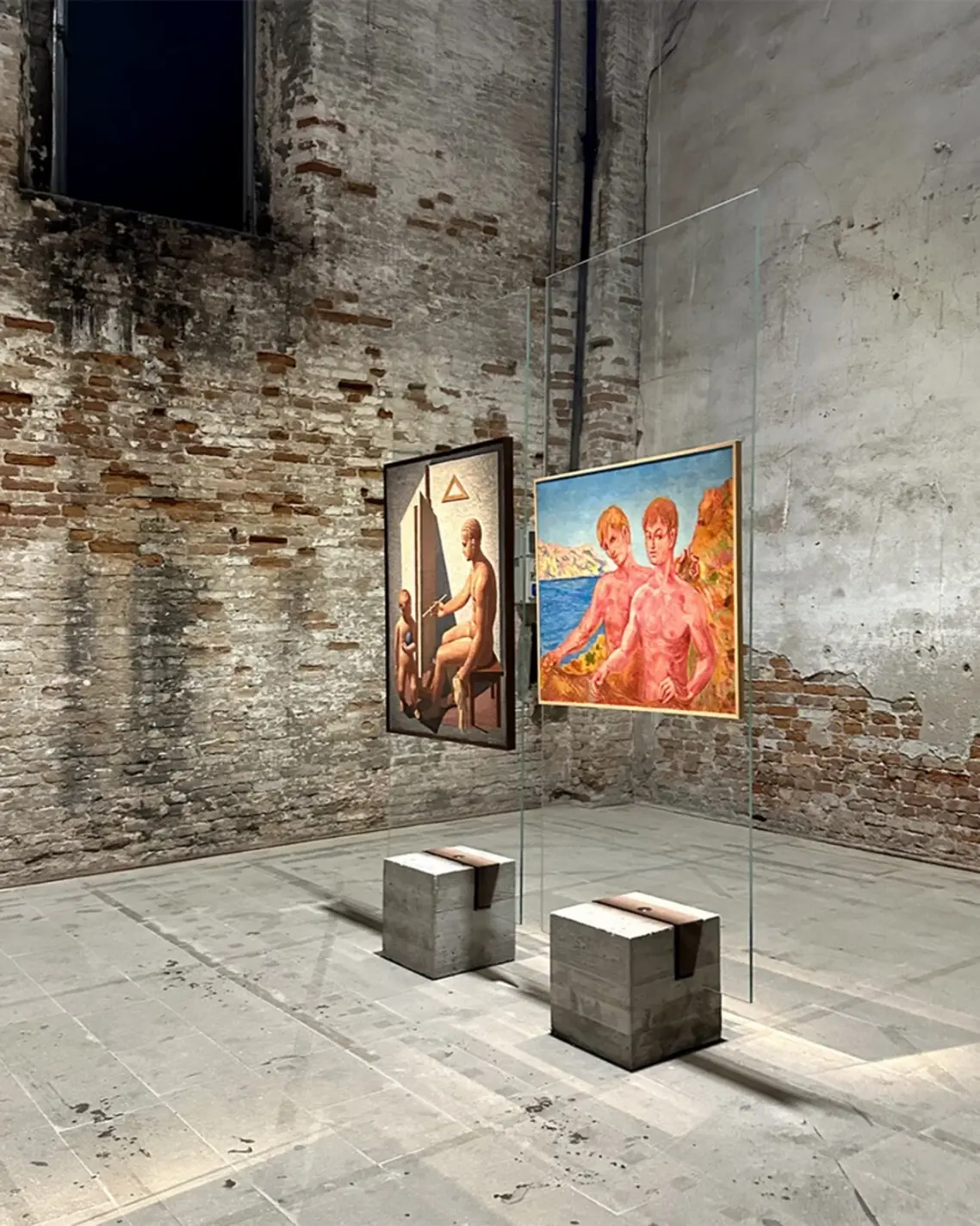
That act of suspension gave São Paulo more than an icon of transparency, it returned the ground itself to the people, transforming the space beneath into a civic stage for markets, protests, gatherings, and play. Inside, her radicalism grew even more intimate. With her crystal easels, paintings stood in glass sheets anchored by concrete blocks rather than hanging obediently on walls, allowing visitors to move among masterpieces as though walking through a living crowd. The result was a museum stripped of ceremonies and hierarchy, where art met the public without barriers. If modernism ever found its cathedral for the people, it was here.
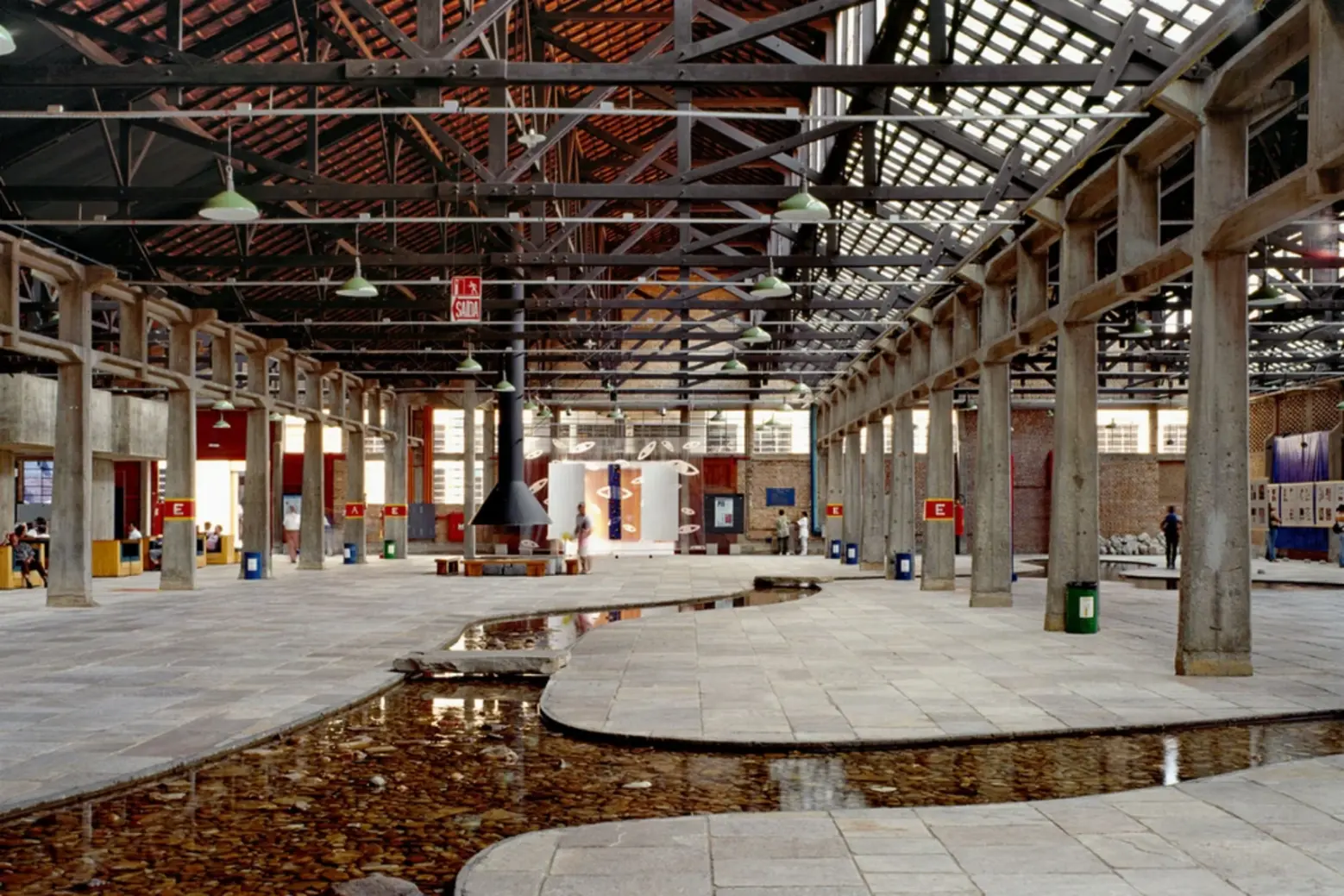
The povera spirit of Lina Bo Bardi reaches its fullest expression in this extraordinary transformation of a former drum factory, where the polished clarity of early modernism gives way to something rougher, warmer, and far more alive. Rather than erase the site’s industrial past or disguise it beneath decorative refinement, she chose to let the building’s history breathe, embracing its weathered surfaces, raw concrete, and working-class memory as part of the architecture itself. This was the essence of her Arquitetura Povera: An architecture of honesty, where beauty emerges through use, texture, and human presence.
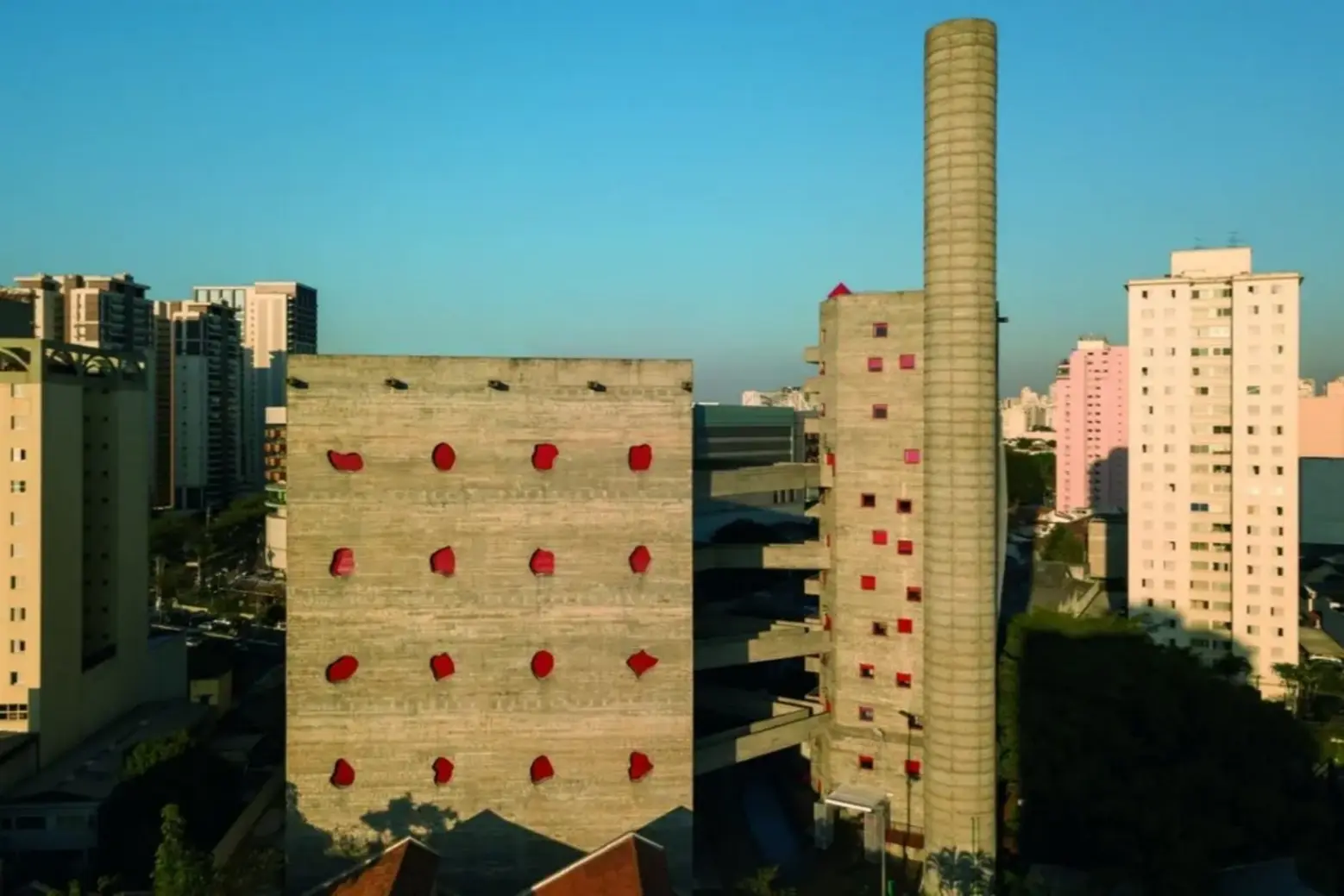
To the existing factory, she added powerful concrete towers containing sports courts and a swimming pool, then linked them with striking zigzag bridges that leap across the non-buildable sewage strip with a sense of sculptural drama. Even the windows refused convention, appearing instead as irregular porthole-like openings cut into the concrete, inviting air, light, and fragments of the city into the space like living compositions.
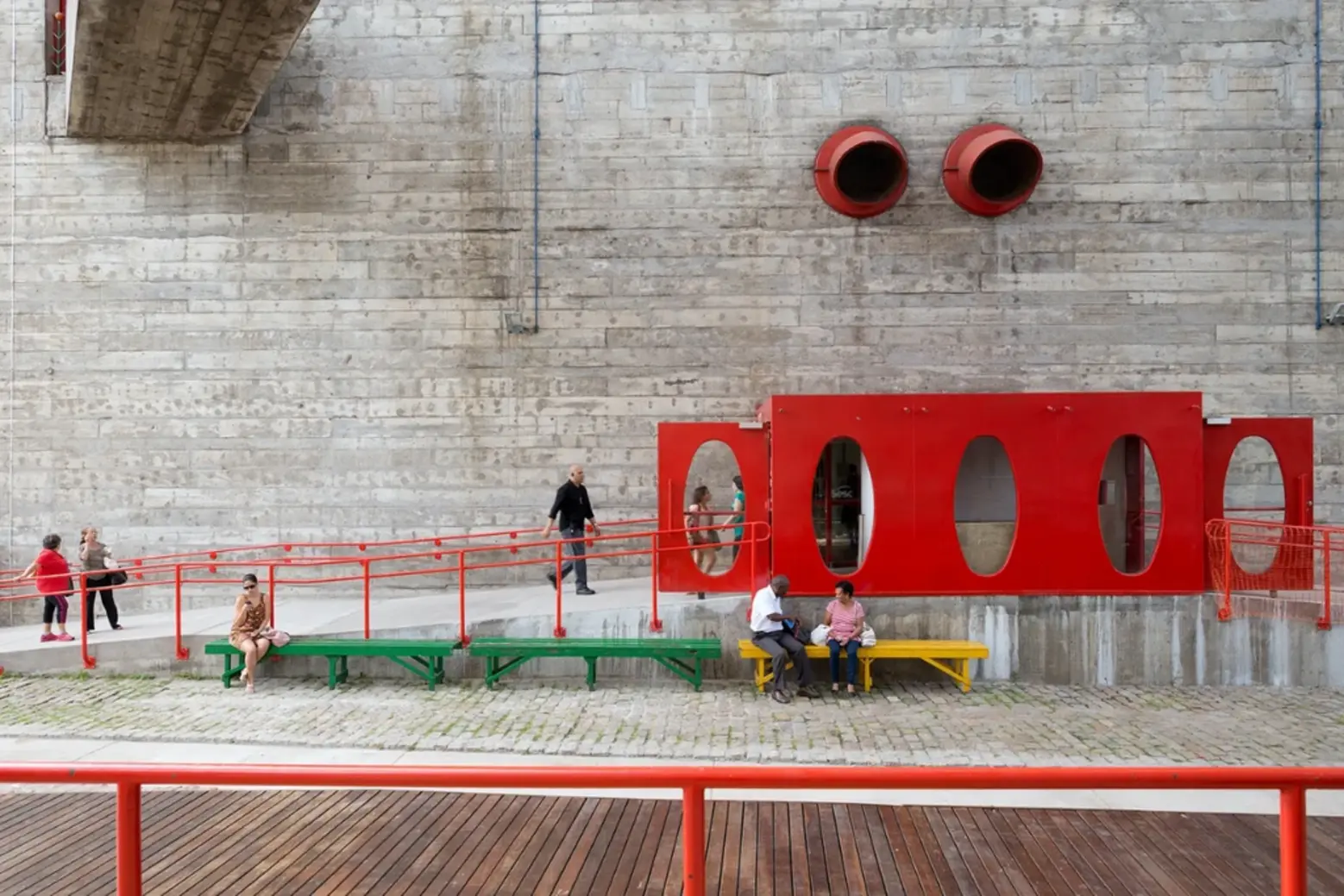
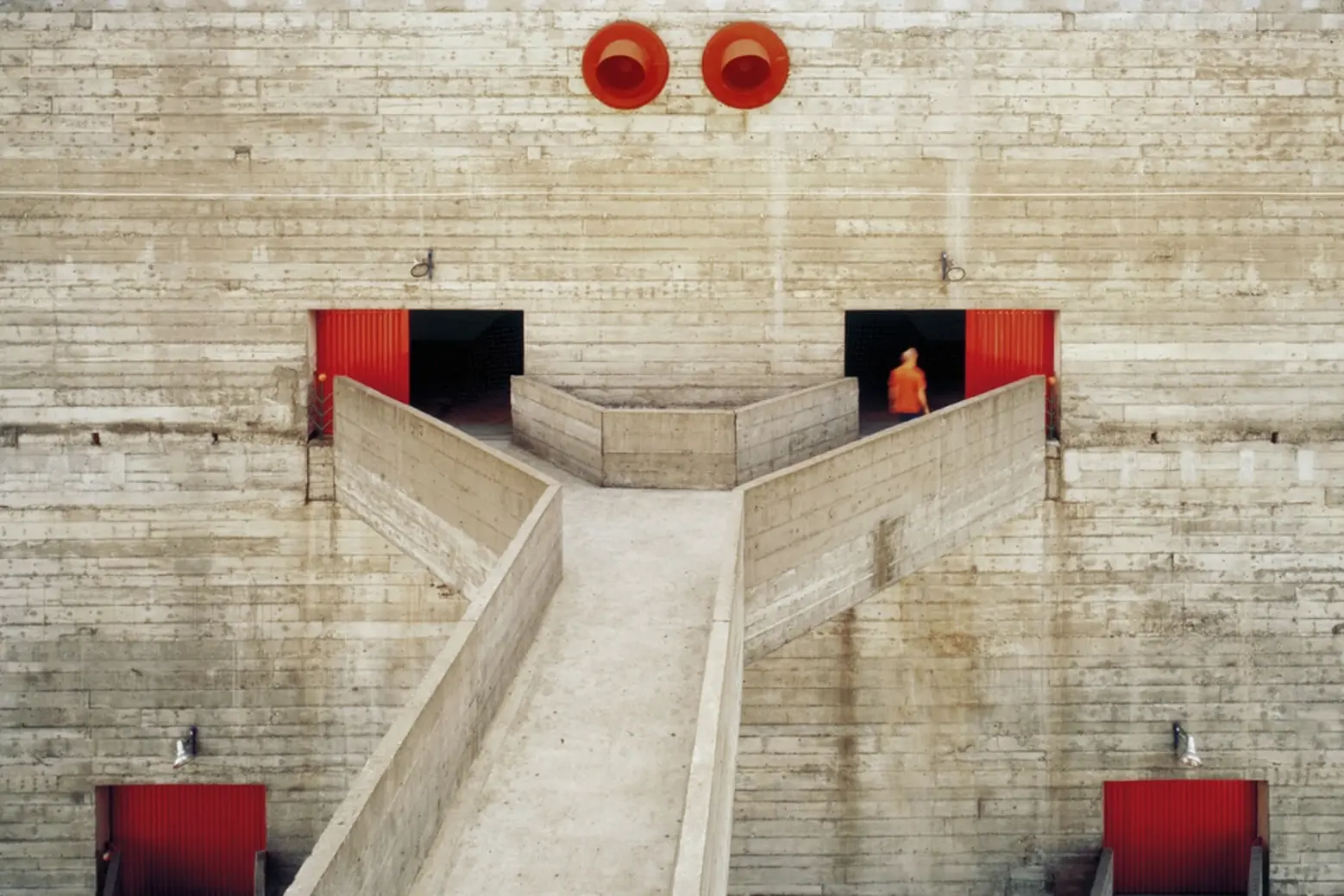
Inside, the old factory was softened by social imagination, most memorably through the shallow indoor water feature often described as a concrete river, where people could gather, sit, and talk. What might have remained a relic of industry became, in her hands, a democratic living room for thousands, a place where architecture held space for sport, leisure, conversation, and collective life.
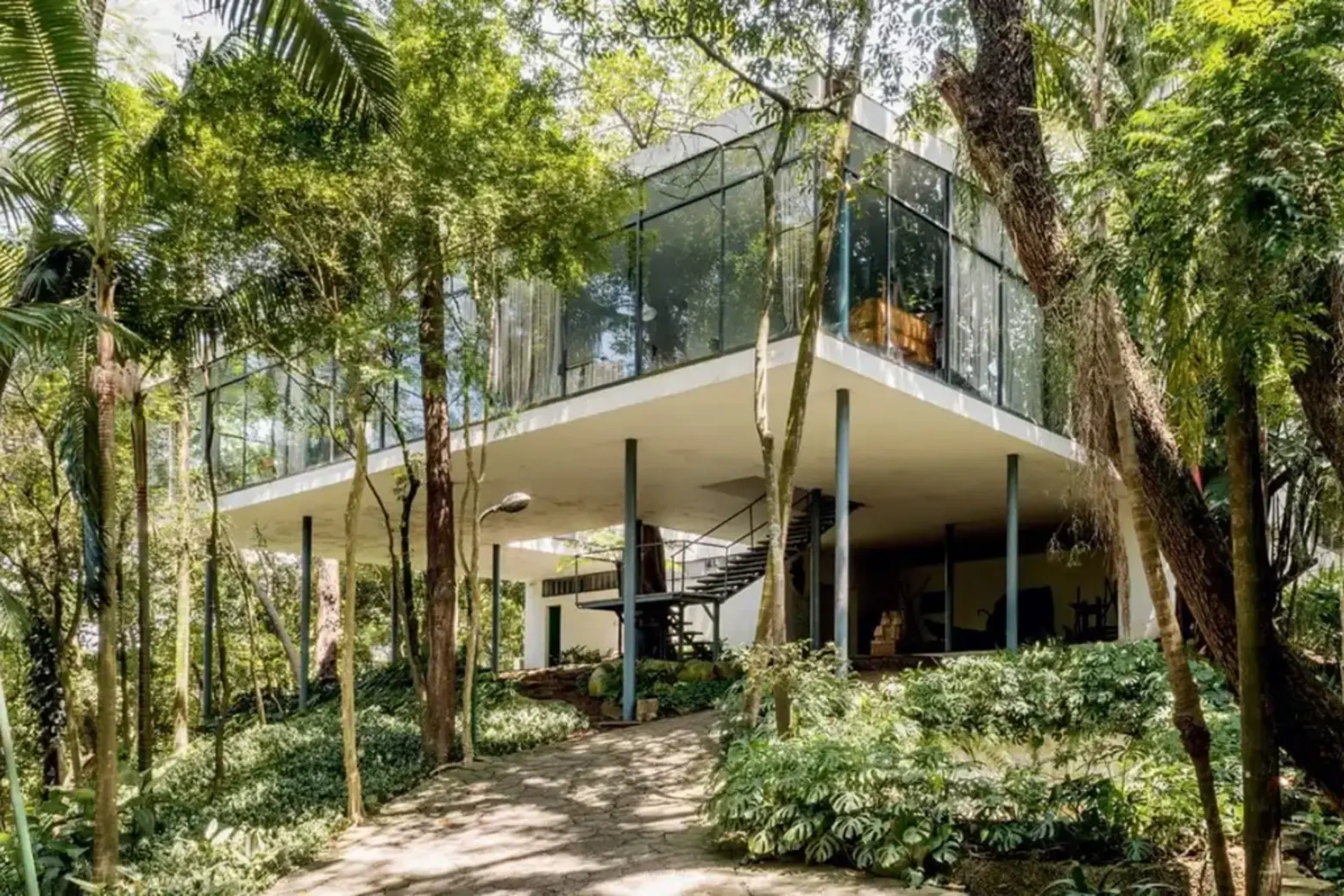
In Lina Bo Bardi’s world, glass was never merely a material, it was a way of dissolving boundaries between object, architecture, landscape, and life itself. Nowhere is this more vivid than in Casa de Vidro, her own residence in Morumbi, where the front of the house rises as a transparent pavilion poised on slender pale-blue pilotis, making the inhabitants feel suspended within the treetops, while the rear settles into the hillside with a denser masonry weight that recalls a more Mediterranean sense of shelter. Over time, the surrounding vegetation pressed back around and beneath the structure, softening its industrial clarity and confirming her belief that architecture should live with nature rather than triumph over it.
That same language of floating lightness appears in her furniture, especially the 1951 Bowl Chair, whose generous curved form invites an almost psychological freedom, can curl inward into a kind of curated isolation or turn outward toward conversation, allowing posture itself to shape the social mood. Its combination of leather, steel, and wood reflects the duality of her identity, carrying the refinement of Italian modernism into dialogue with the tactile warmth and directness of Brazil.
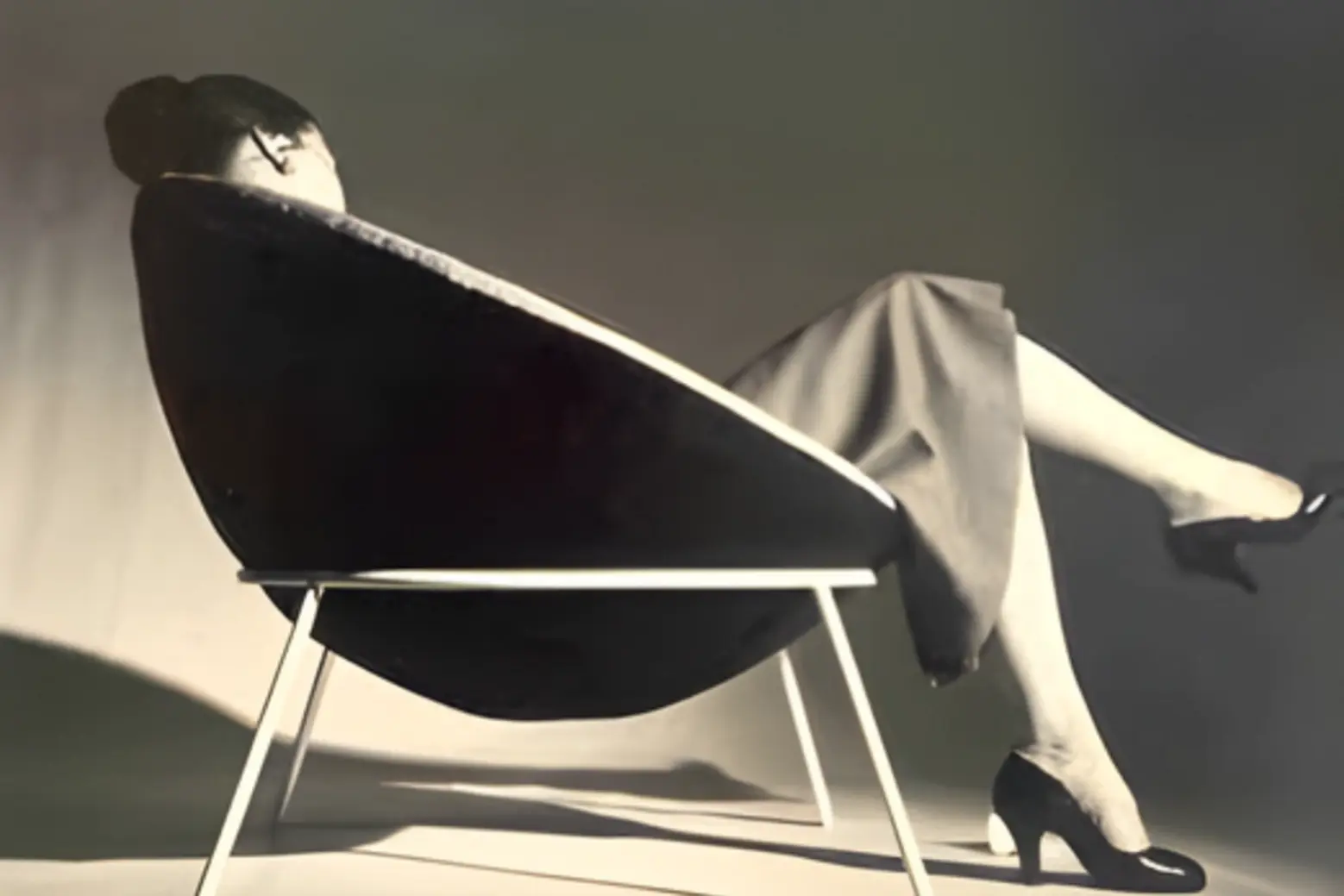
Across the house, chair, and museum, Bo Bardi treated glass as an instrument of openness, turning solidity into suspension and design into a living, breathing exchange between people and place.
Lina Bo Bardi’s story carries the particular beauty of a late bloom, the kind that unfolds with even greater force because it arrives through patience, conviction, and time. Though she remained intellectually and creatively active throughout her life, many of her most celebrated works, including SESC Pompéia, came fully into view only when she was in her 60s and 70s, giving her legacy a rare sense of ripeness rather than haste. That delayed recognition continued even after her death, culminating in 2021 when she became the first woman to receive the Golden Lion for Lifetime Achievement at the Venice Architecture Biennale, almost three decades after she was gone.
It felt less like a rediscovery than a belated alignment between her vision and the world that had finally caught up to it. Her final word still resonates with astonishing clarity: “Until man duplicates a blade of grass, Nature can laugh...” In that line, Bo Bardi reveals herself as far more than a brutalist icon or modernist thinker. She emerges as an early prophet of sustainable, human-centered design, someone who understands that architecture reaches its highest form when it works with life, with people, and with the quiet intelligence of the natural world.