MENU
Close





Willem De Kooning turned painting into a site of struggle, appetite, and revision, where flesh, motion, and abstraction never settled into easy harmony.

Willem De Kooning turned painting into a site of struggle, appetite, and revision, where flesh, motion, and abstraction never settled into easy harmony.
May 2, 2026


Willem De Kooning occupies a singular place in twentieth-century art because he refused the clean break that so many histories try to impose. While Abstract Expressionism is often told as a march toward pure nonrepresentation, De Kooning kept dragging the body back into the room.
“Flesh is the reason oil paint was invented,” he famously said.
Willem De Kooning painted with the energy of a restless explorer. For him, a canvas was never a fixed destination. It was a site of struggle, revision, and return. While many artists pursued a finished image, De Kooning treated painting as something alive, always capable of being pushed further.
This approach was central to his famous soak-and-scrape method. He could work on a painting for months, sometimes years, only to scrape it down and begin again. Each revision left traces of what came before, creating surfaces that feel layered, ghostly, and almost archaeological. His abstractions often sit between body and machine, filled with slippery brushstrokes that suggest elbows, mouths, knees, and other fragments of flesh without ever settling into full description.
"You have to change to stay the same"
Is his personal motto. In the 1980s, his paintings shifted from dense, aggressive layers into sweeping ribbons of color and wide fields of white. Critics once questioned these late works, yet they are now widely seen as a distilled continuation of his lifelong fascination with movement, flesh, and transformation.
De Kooning remains one of the rare artists whose market appears almost recession-proof, making him a household name in the luxury art collecting circle. His name carries extraordinary weight across private collections, auction houses, and institutional exhibitions, making him one of the most durable figures in modern art.
That endurance became especially visible in 2015, when his 1955 painting Interchange sold privately for $300 million to Ken Griffin, securing its place among the most expensive paintings ever sold. Even beyond headline-making masterpieces, the market for De Kooning has shown unusual consistency. Mid-range works on newspaper, paper, or board have continued to appreciate, with collectors treating them as stable assets even during periods of uncertainty.

Institutional support has further strengthened his standing. Recent exhibitions, including Gagosian’s Endless Painting in 2025 and 2026, have drawn renewed attention to his late-career production. Those once-undervalued works from the 1980s are now undergoing a major reassessment, with collectors increasingly recognizing them as essential to their legacy rather than peripheral to it.
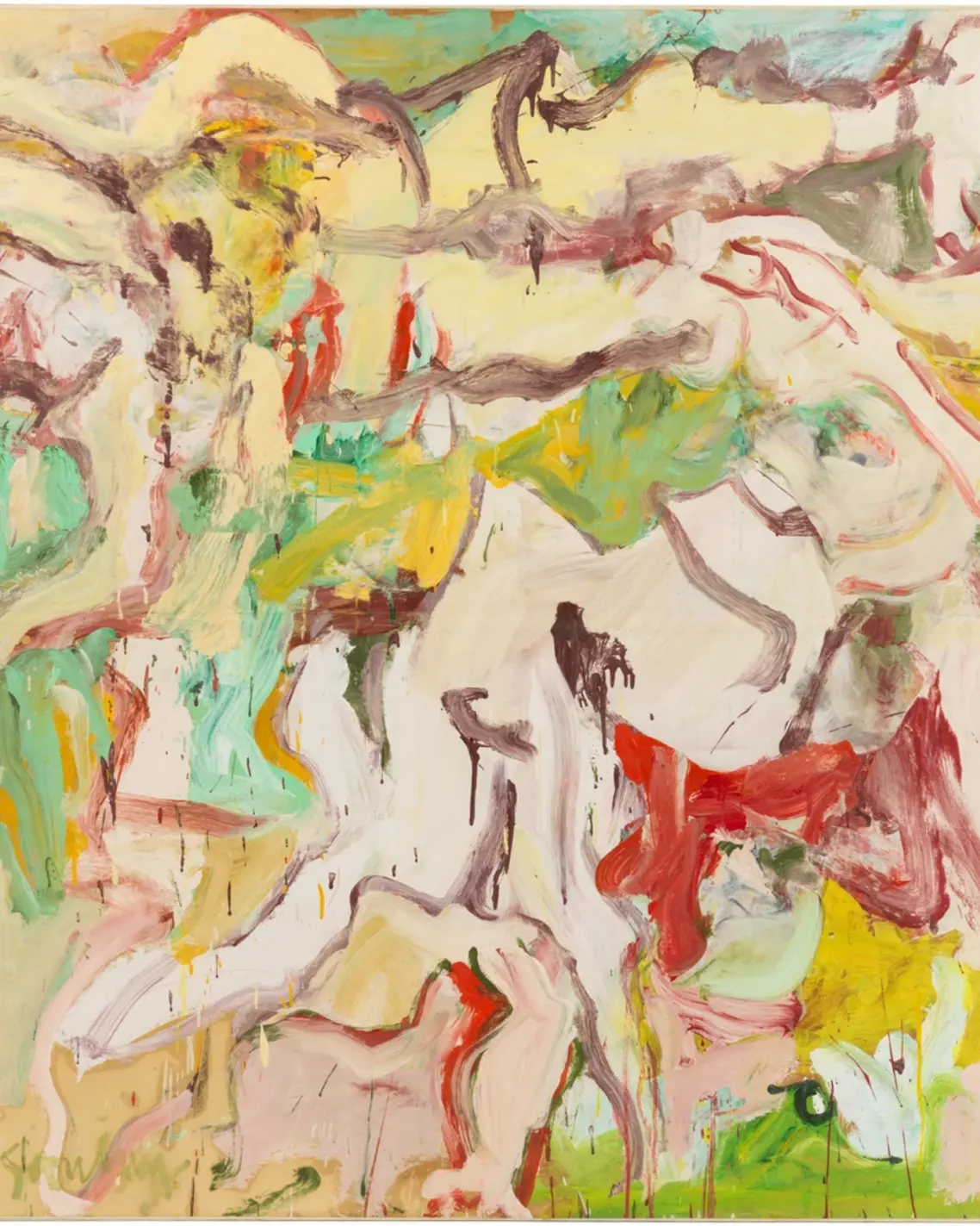
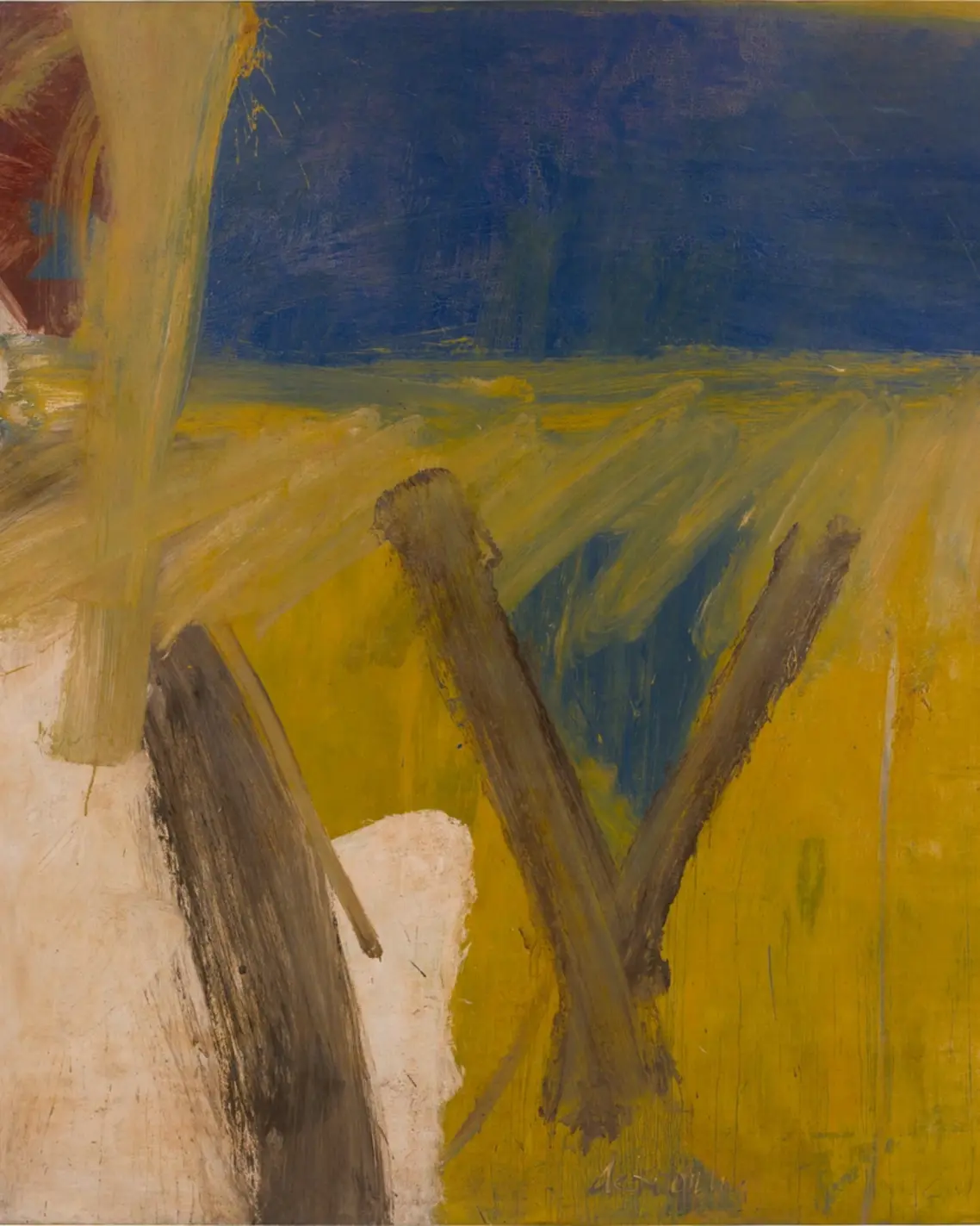
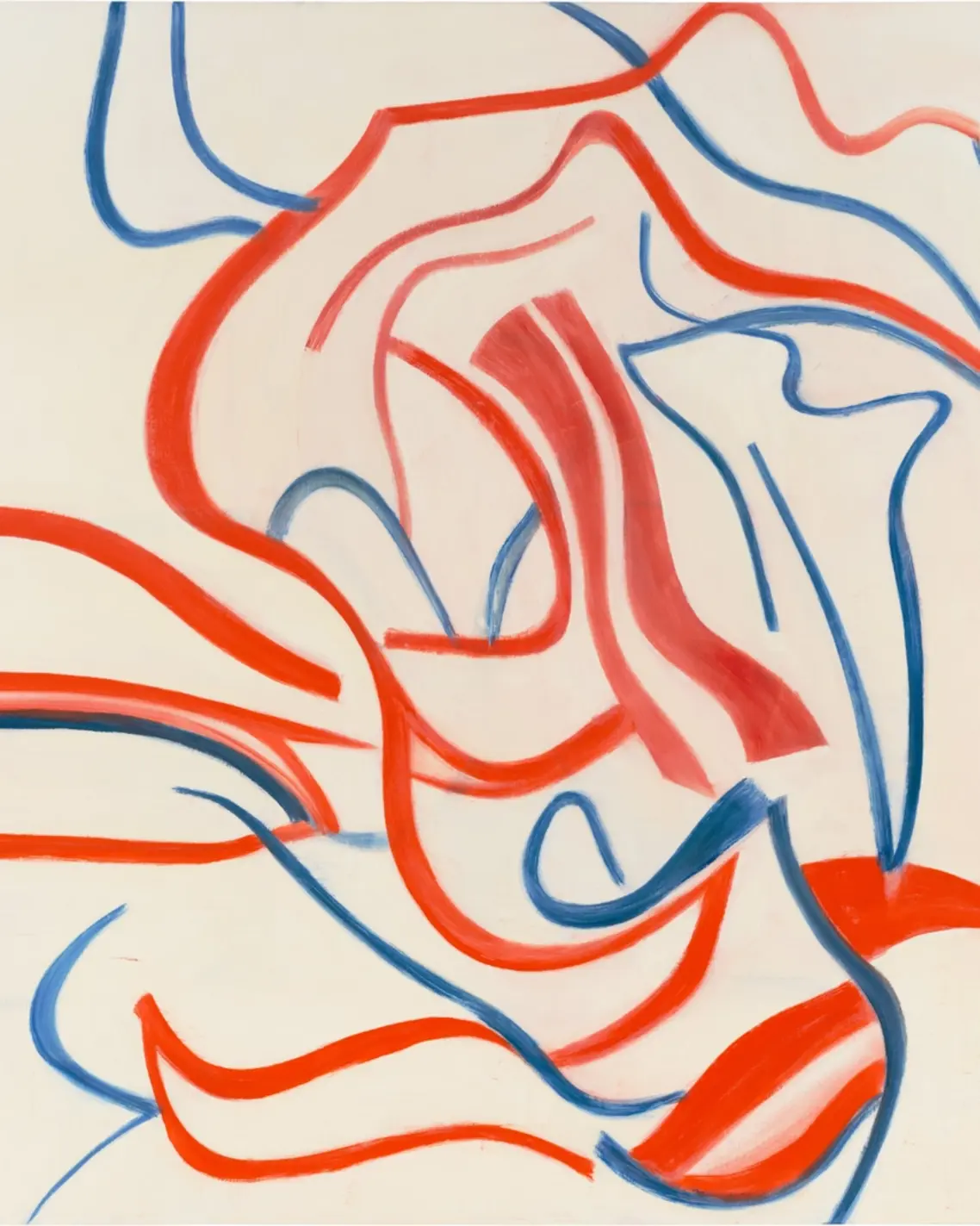
Certain paintings reveal the full range of De Kooning’s achievement. Excavation (1950) represents the pinnacle of his "Action Painting" phase, capturing the frantic, claustrophobic energy of post-war New York City on a monumental scale. The work serves as a physical record of intense labor and technical complexity; de Kooning spent months engaged in an alla prima struggle, repeatedly applying and scraping back wet paint to leave behind a "ghostly" palimpsest of previous marks. Its dominant parchment-like beige palette is punctured by flashes of primary colors — electric yellows and fleshy pinks, that appear to be literally excavated from beneath the surface, held together by a calligraphic, skeletal structure of black lines. Influenced by the swarming movement of Italian Neorealist films like Bitter Rice, the painting functions as a labyrinth without a central focal point, forcing the viewer to navigate the canvas like a pedestrian on a crowded street. As a cornerstone of the Art Institute of Chicago, Excavation remains a historical pivot. Its recent re-contextualization in 2026 exhibitions at the Princeton University Art Museum underscores the intellectual rigor of this period, which originally launched de Kooning’s rivalry with Jackson Pollock for the crown of Abstract Expressionism.

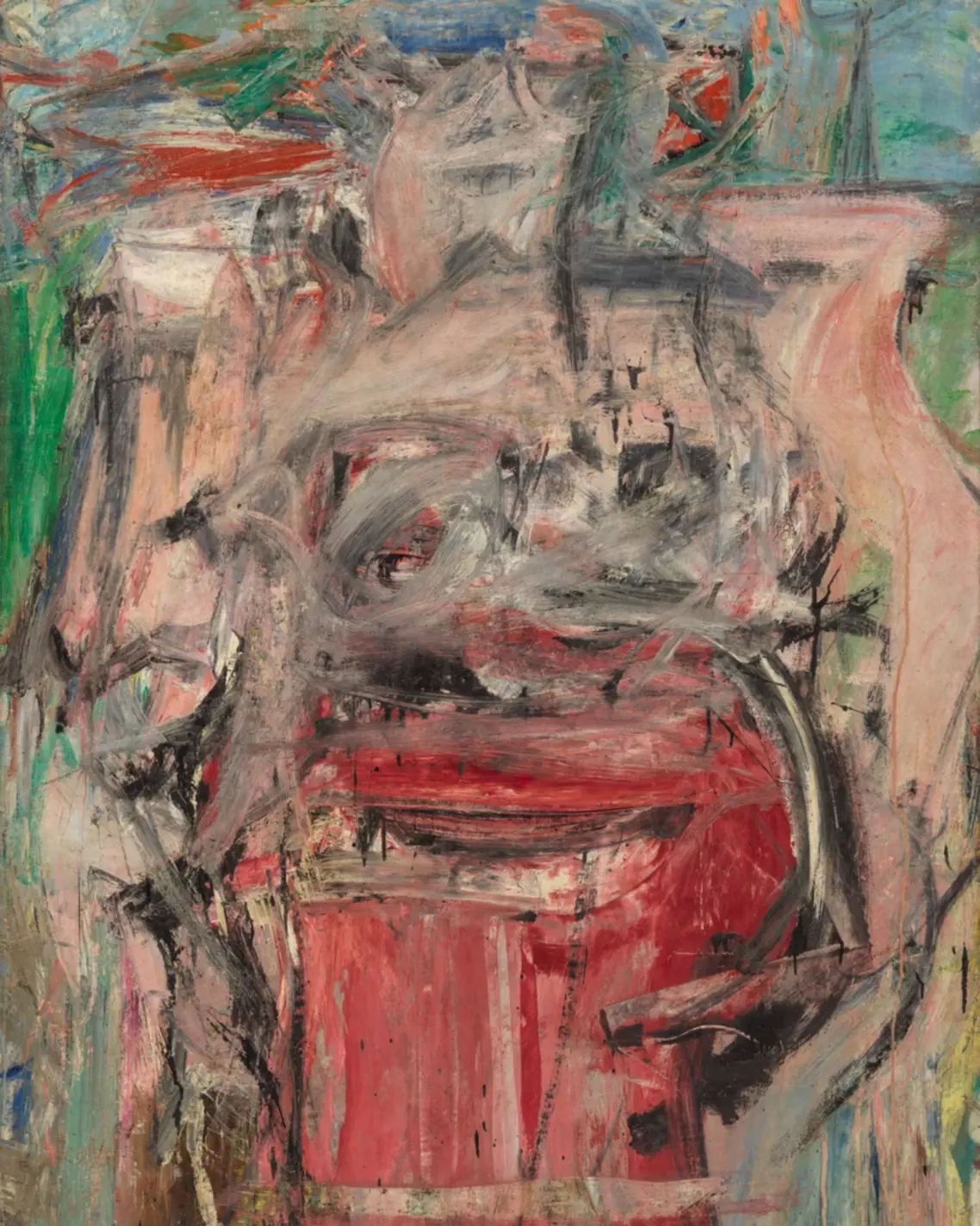
Woman I (1950–1952) stands as a controversial icon that bridged the high-art tradition of the seated female figure with the "vulgar" energy of contemporary pin-ups and billboards. De Kooning famously grappled with this single canvas for two years, discarding and reviving it several times before finally completing it under the encouragement of fellow artist Meyer Schapiro. The work’s aggressive aesthetic divided critics, who vacillated between viewing it as a misogynistic assault and a powerful, "earth mother" archetype reclaiming human presence from the sterile world of cold abstraction. The "slashing" brushstrokes and the subject's jagged, "grinning" mouth — a feature de Kooning famously clipped from a Camel cigarette advertisement—exemplify his career-long fascination with the grotesque and the physical limits of his medium.

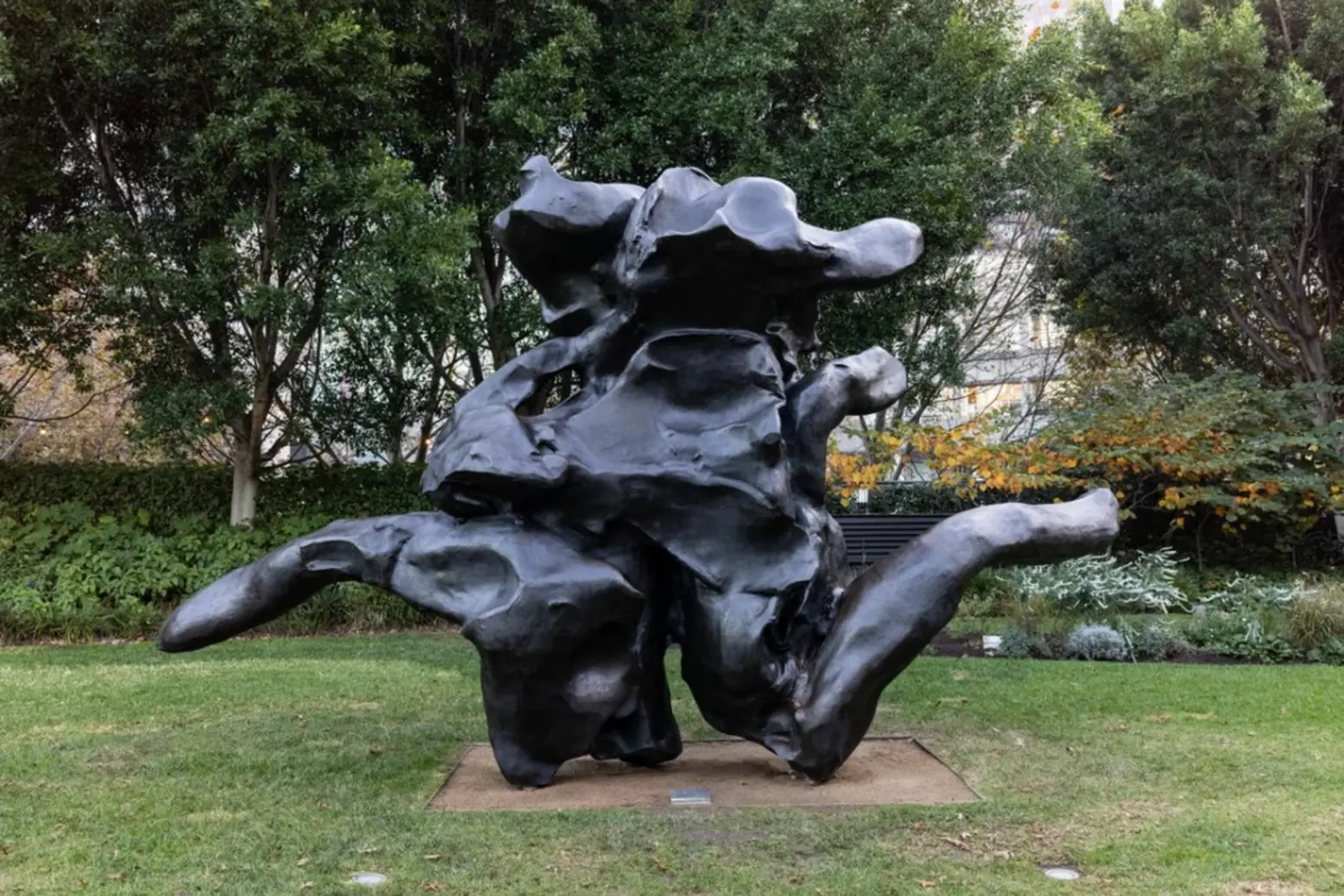
In his 1986 masterpiece Untitled XIV, Willem de Kooning achieves a state of "lyrical reduction" that defines the final, serene chapter of his career and marks a radical departure from the agitation of his earlier periods. He replaced the frantic scraping and heavy impasto of the 1950s with smooth, calligraphic lines of red, blue, and yellow that undulate across a vast, airy field of white. While appearing purely abstract, these curves are now recognized — notably in the 2026 Endless Painting exhibition, as an elegant distillation of the body's essential geometry, mirroring the outspread limbs of his bronze sculptures. He utilized a sanding technique to create a porcelain-like surface that allows brushstrokes to "float" without the interference of texture. By using vellum to trace and re-orient shapes from his sixty-year career, de Kooning created a rhythmic "visual rhyme" that prioritizes the freshness of the mark over the complexity of the layer.

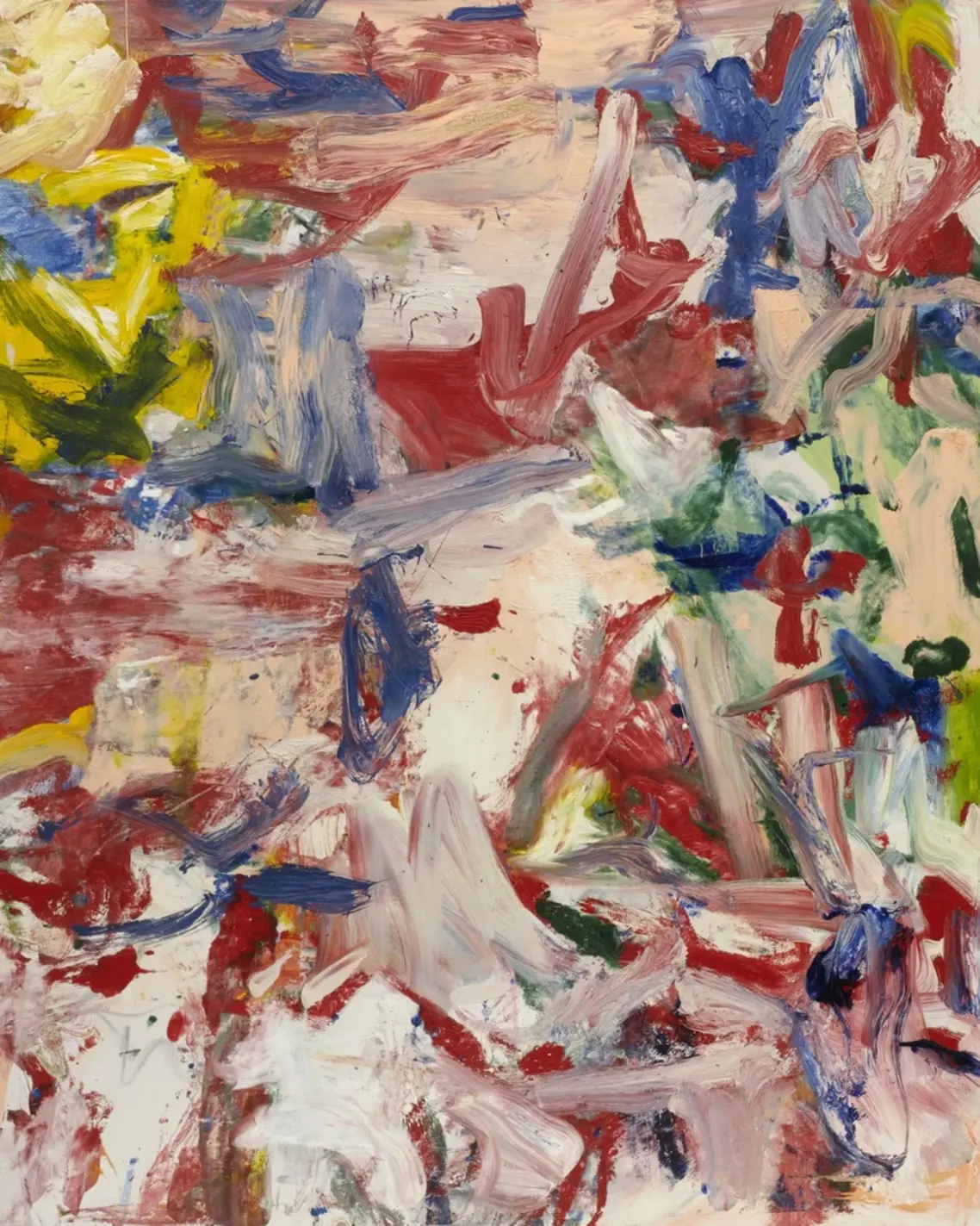
In his late-1970s masterpiece Untitled XIX, Willem de Kooning transitioned from the aggressive, distorted figuration of his earlier years into what are now celebrated as his "slippery" landscapes. Following a permanent move to East Hampton, the artist’s palette underwent a radical shift, capturing the luminous, atmospheric quality of Long Island’s coastal light and water. The previous violence of his Woman series is replaced here by a fluid, sensory exploration of space, where watery blues, fleshy pinks, and vibrant reds bleed into one another with a rhythmic, organic grace. To achieve this effect, De Kooning utilized a sophisticated technique involving high concentrations of safflower oil and water. This kept the pigment wet for extended periods, granting him the freedom to pull his brush across the canvas with a distinctive "slickness" that perfectly mimics the ebb and flow of the Atlantic tide.
De Kooning’s life was as dramatic as his paintings. He arrived in the United States from the Netherlands in 1926 as a stowaway, entering the country illegally before finding work as a house painter in Hoboken. That early labor stayed with him, shaping his lifelong sensitivity to the material reality of paint, brushes, and surfaces.
One of the most famous stories surrounding him involves Robert Rauschenberg. In 1953, the younger artist asked De Kooning for a drawing specifically so he could erase it. Rather than refusing, De Kooning carefully selected one that would be difficult to erase, turning the gesture into an act of strange generosity and mentorship. Even disappearance, in his hands, became part of creation.
In later years, living in East Hampton, he developed a friendship with Paul McCartney, who admired his freedom and spontaneity and was inspired to paint himself. De Kooning’s working process was equally physical and legendary. He moved canvases around the studio, turned them upside down, pinned newspaper onto wet paint to keep it workable, and returned again and again to the same image. That constant struggle is why his legacy still feels so alive. In De Kooning’s world, painting was never a static object. It was a living act of revision.