MENU
Close





Alexander Calder turned engineering into lyric form, transforming sculpture from something fixed and weighty into something that could sway, hover, tilt, and breathe with the air.

Alexander Calder turned engineering into lyric form, transforming sculpture from something fixed and weighty into something that could sway, hover, tilt, and breathe with the air.
May 2, 2026


Alexander Calder, affectionately known as Sandy, is the bridge between the machine age and a more fluid modern imagination, one in which art could move, improvise, and remain alive to its surroundings. For Calder, art as an event in space, activated by gravity, air currents, suspension, and the viewer’s own awareness of balance. His work feels playful on first encounter, yet beneath that lightness lies a mind shaped by mechanics, structure, and exact calculation.
Alexander Calder’s story begins with mechanical engineering at Stevens Institute of Technology, a foundation that would become central to his art rather than incidental to it. When he later developed the mobile, he was not simply making elegant abstract forms. He was solving problems of leverage, counterweight, span, and equilibrium. The grace of an Alexander Calder work comes from this exact marriage of poetry and physics. Even the most delicate suspended element depends on a precise understanding of centers of gravity and the distribution of force across a structure.
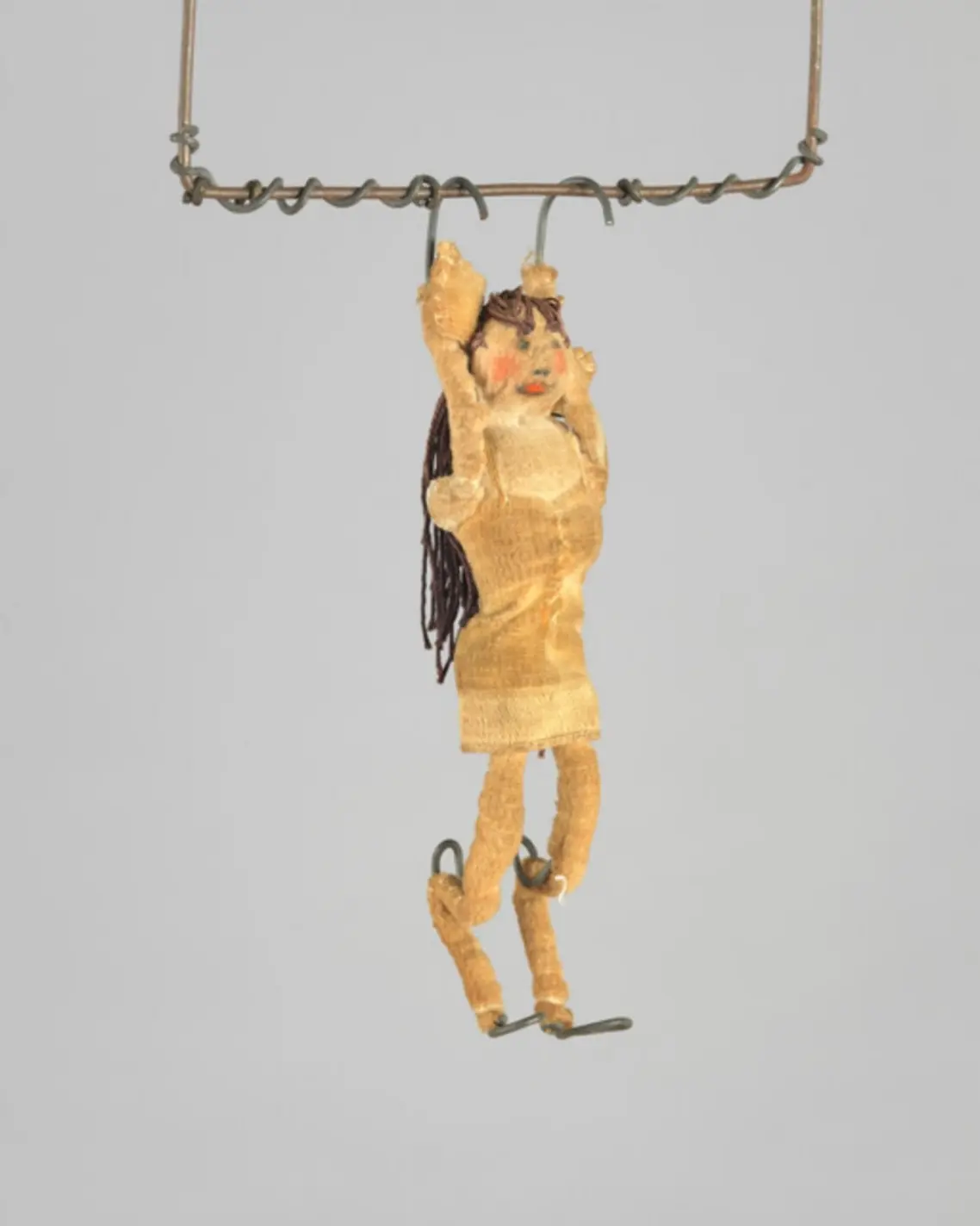
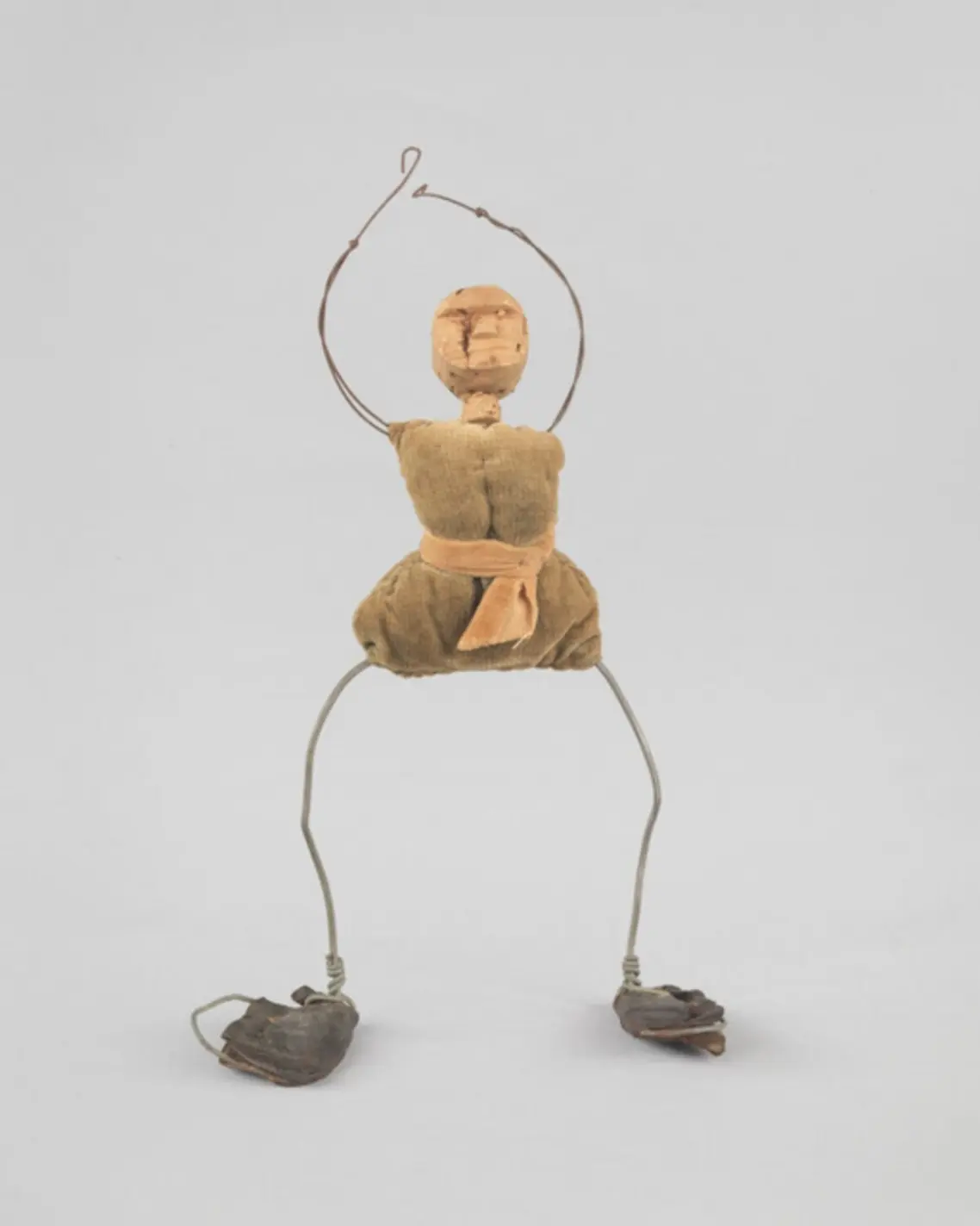
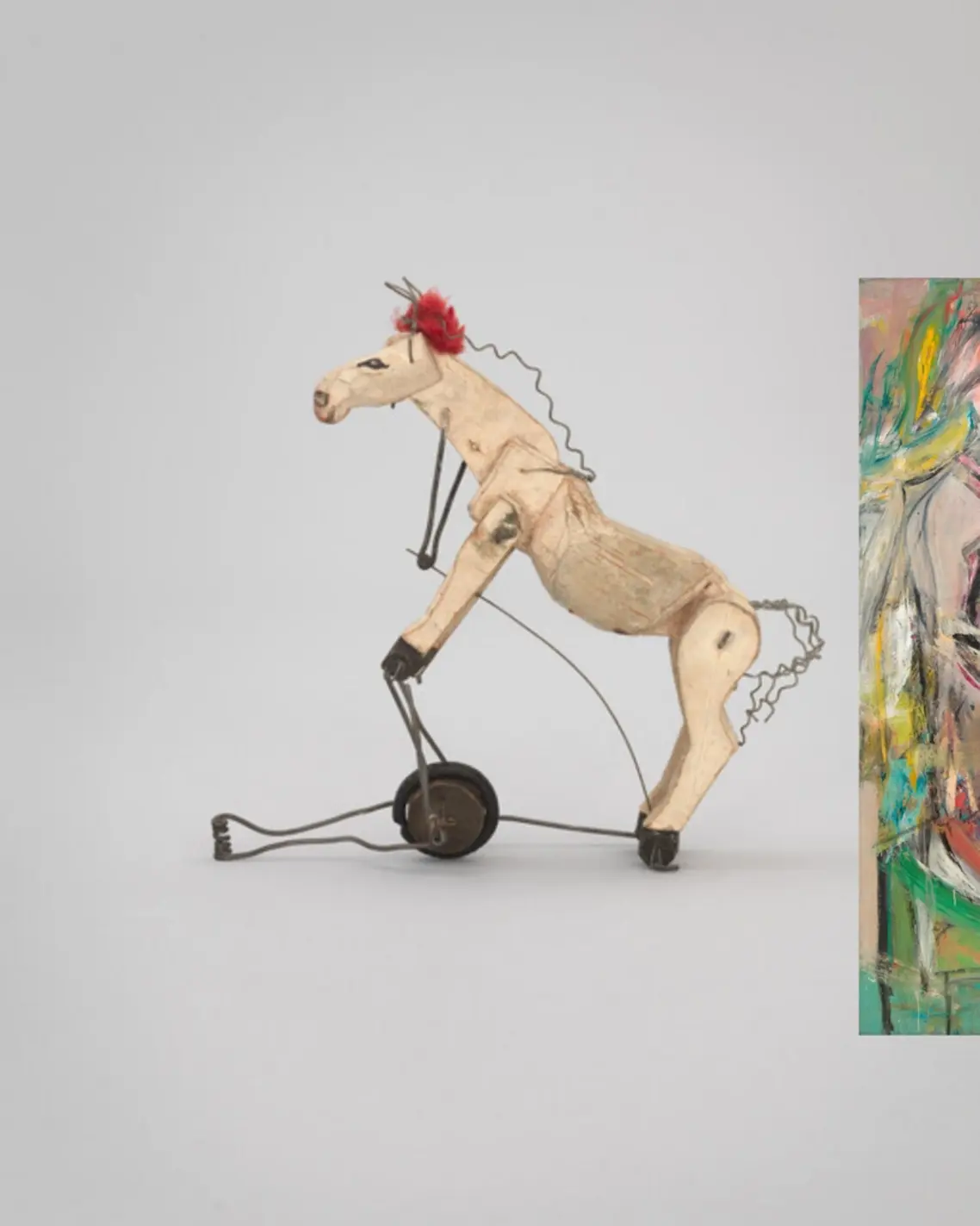
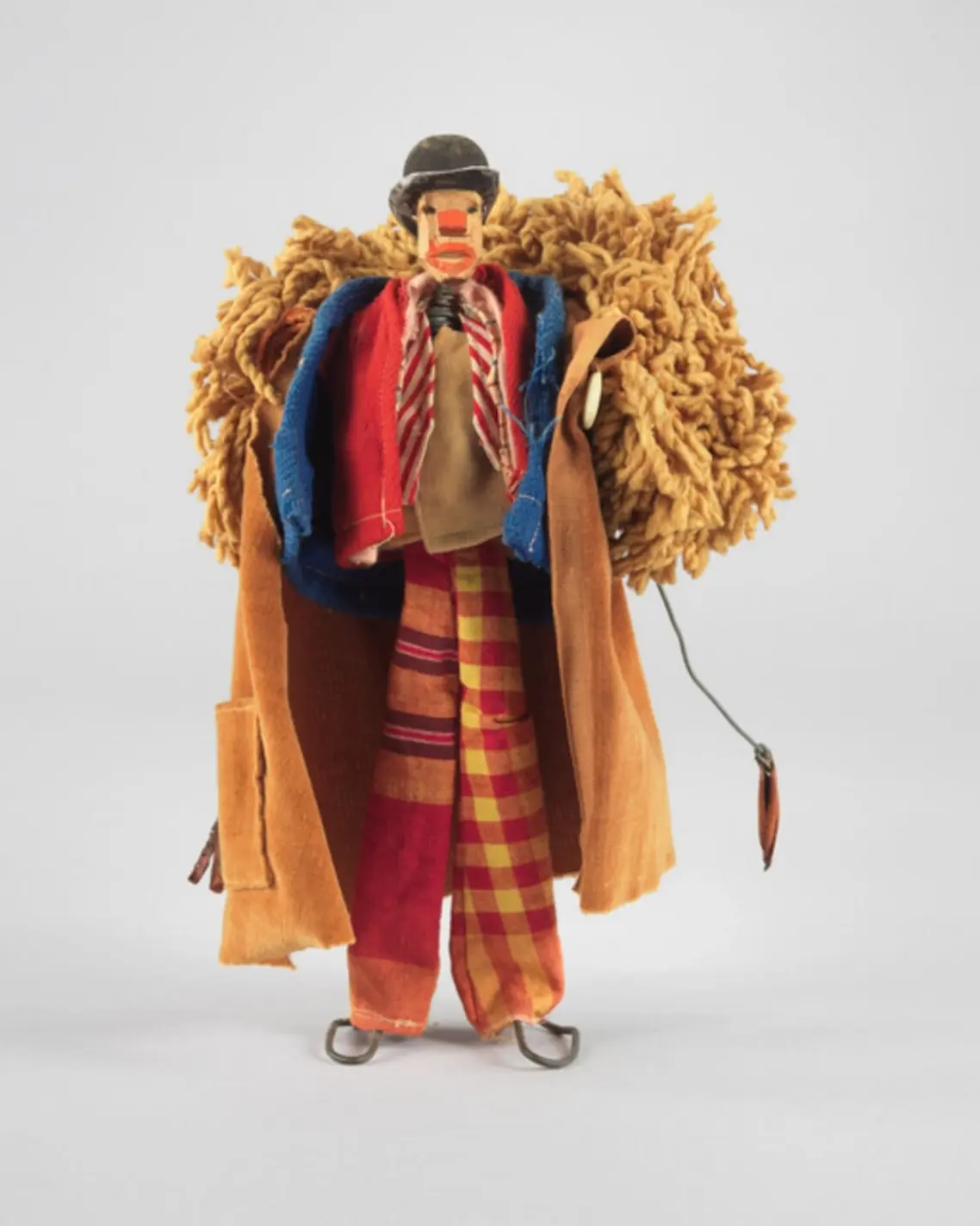
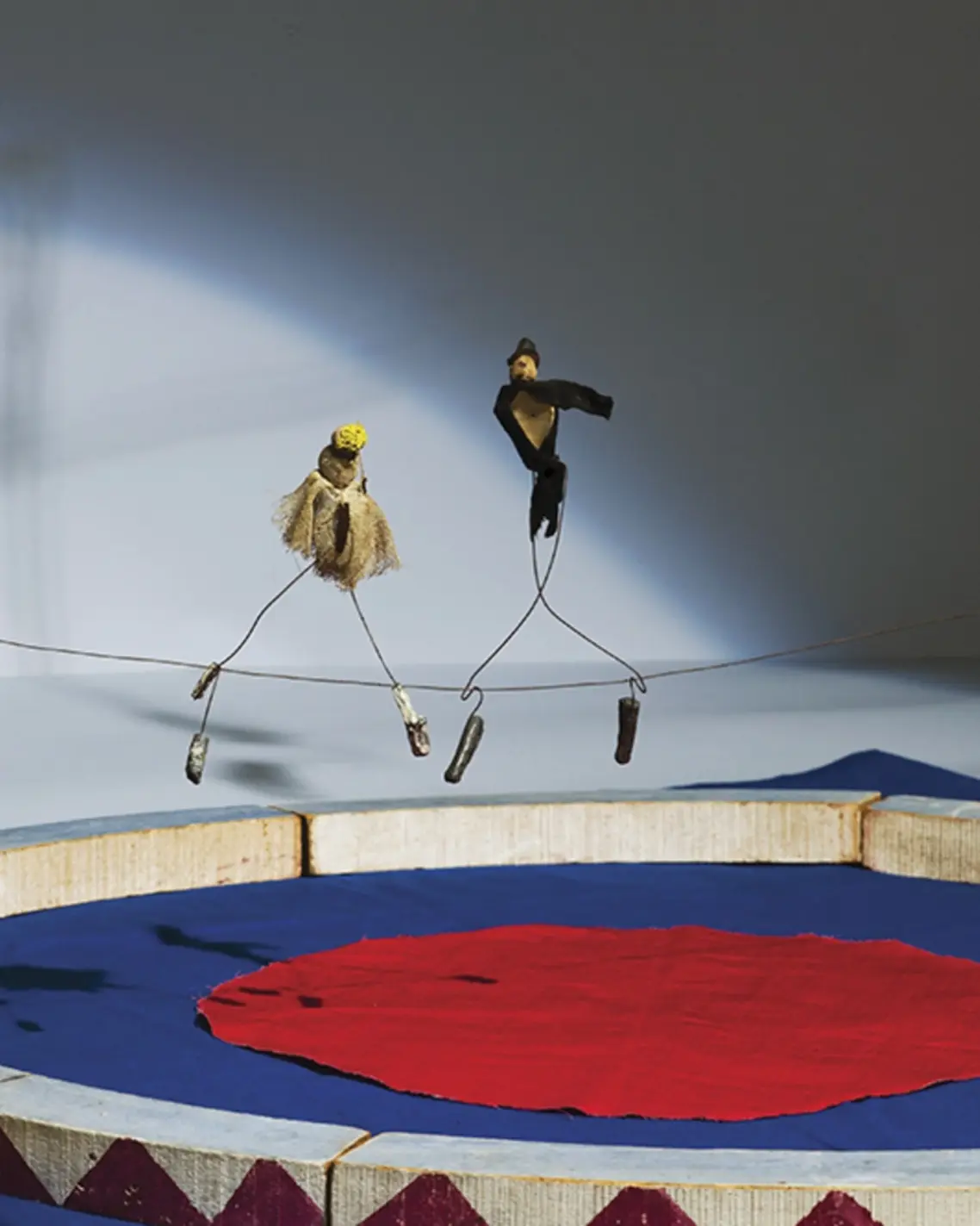
His earliest breakthrough came through wire. Alexander Calder treated wire as line released from paper, a way of drawing directly into the air. By bending and twisting it into portraits, animals, and figures, he transformed draftsmanship into sculpture and gave modern art one of its most original new languages. Later writers and institutions would repeatedly describe these works as “drawings in space,” a phrase that remains the clearest way to understand his innovation. Wire allowed him to think sculpturally without heaviness. It let him make form feel immediate, almost improvised, while still carrying the intelligence of a carefully engineered armature. In Calder’s hands, the line stopped describing the world and began inhabiting it.
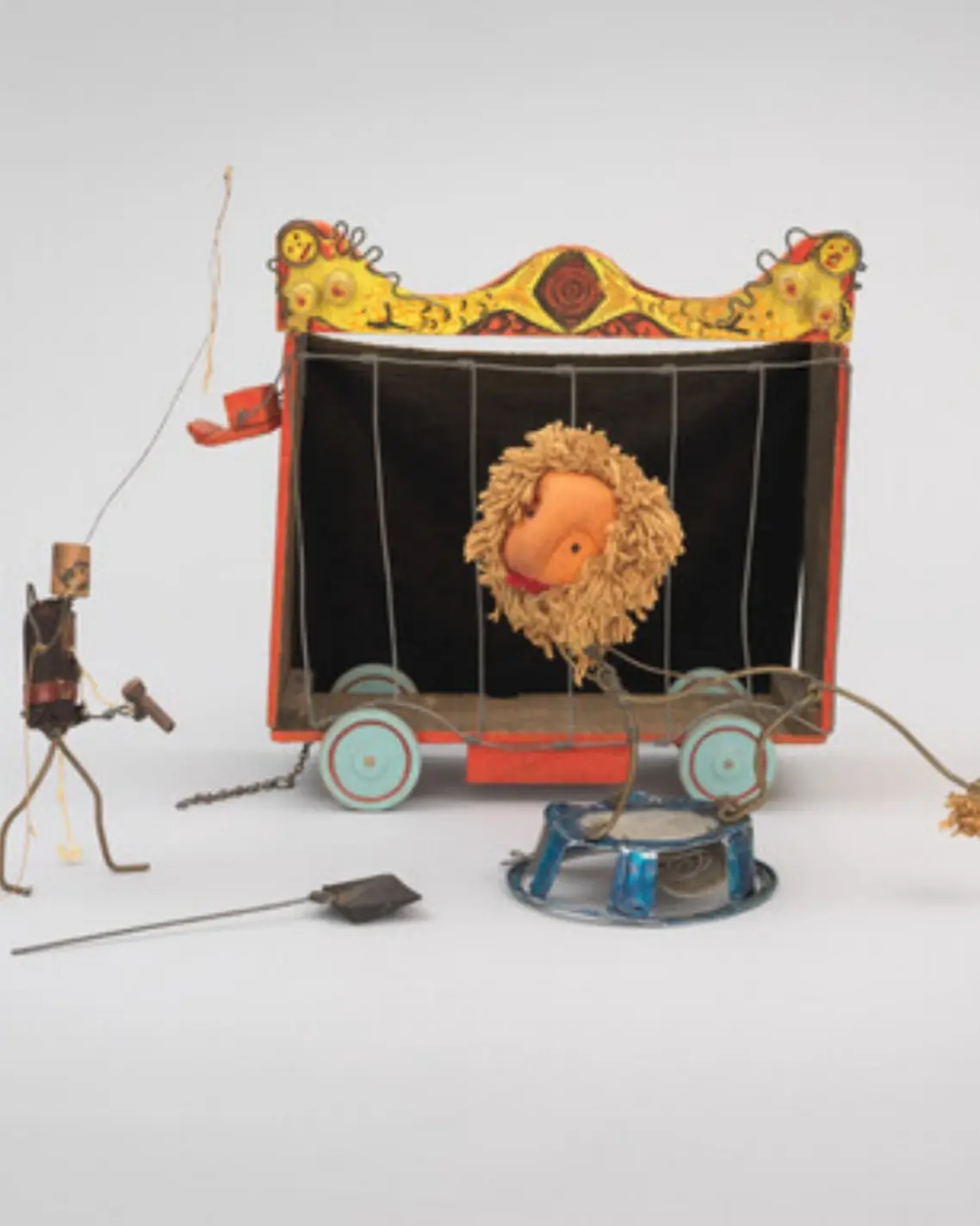
Between 1926 and 1931, Calder created the work that most clearly announced his imagination in full: Cirque Calder. Begun while he was living in Paris, the miniature circus was made from wire, fabric, cork, wood, string, and found objects, with a cast that included acrobats, animals, clowns, a sword swallower, and ringmasters. Calder packed the whole ensemble into suitcases and performed it live for friends and members of the Paris avant-garde. These performances were humorous, intricate, and theatrical, yet they also carried a serious artistic proposition. Calder was already turning sculpture into time-based experience, combining object, motion, narrative, and audience into a single work. Long before performance art became a recognized category, he had already built one of its most enchanting prototypes.

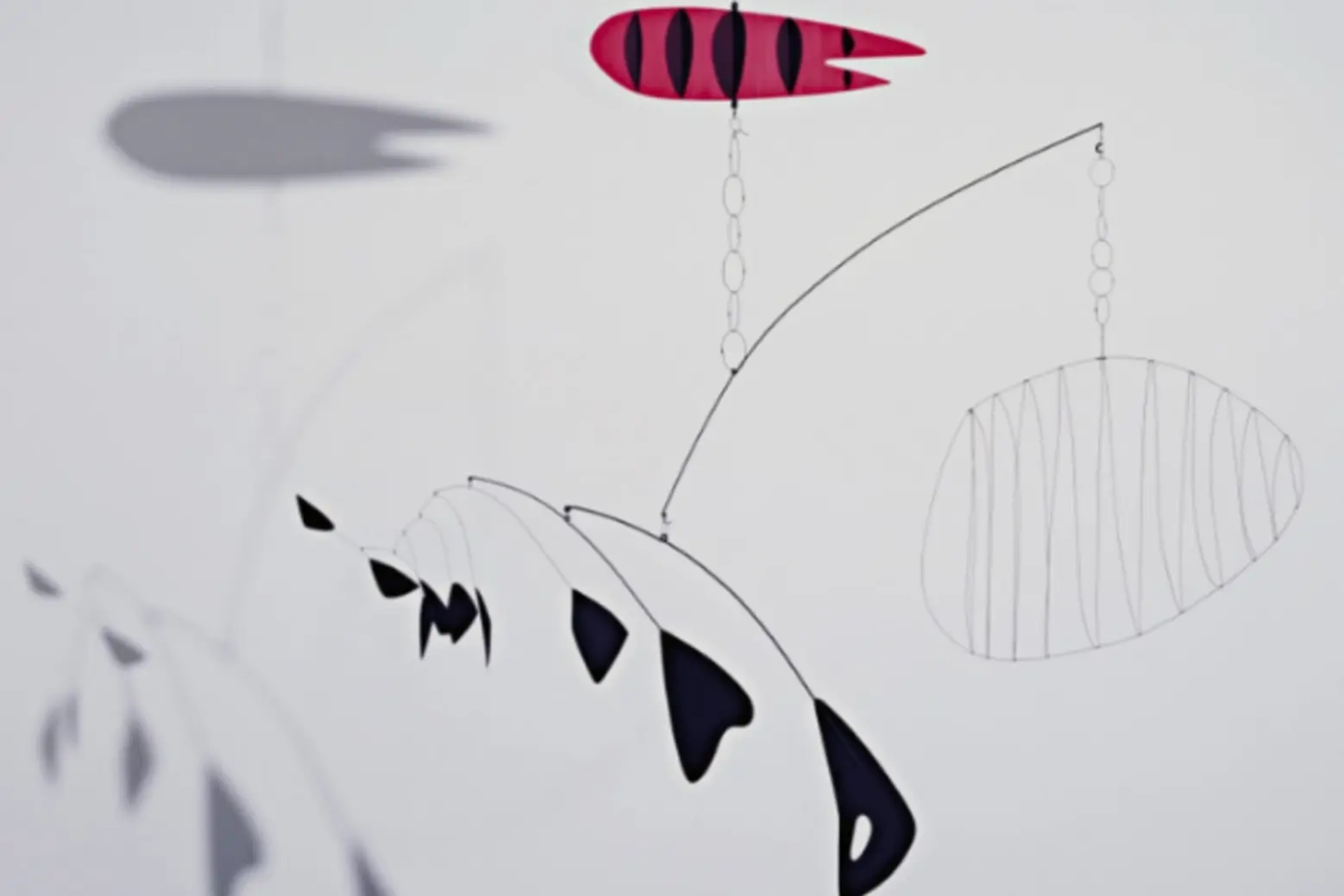
A decisive shift came after Calder’s 1930 visit to Piet Mondrian’s studio in Paris. This encounter prompted him to move away from observing the visible world toward creating an abstract world of his own. Soon afterward he developed the form for which he became most famous: The mobile. Marcel Duchamp coined the term in 1931, and the word held a double resonance in French, suggesting both motion and motive. Alexander Calder’s suspended sculptures no longer relied on fixed frontal viewpoints. They unfolded through time, changing with currents of air and with the movement of the viewer beneath them. Sculpture, in Calder’s hands, became relational. It could hover between stillness and motion, never quite repeating itself.
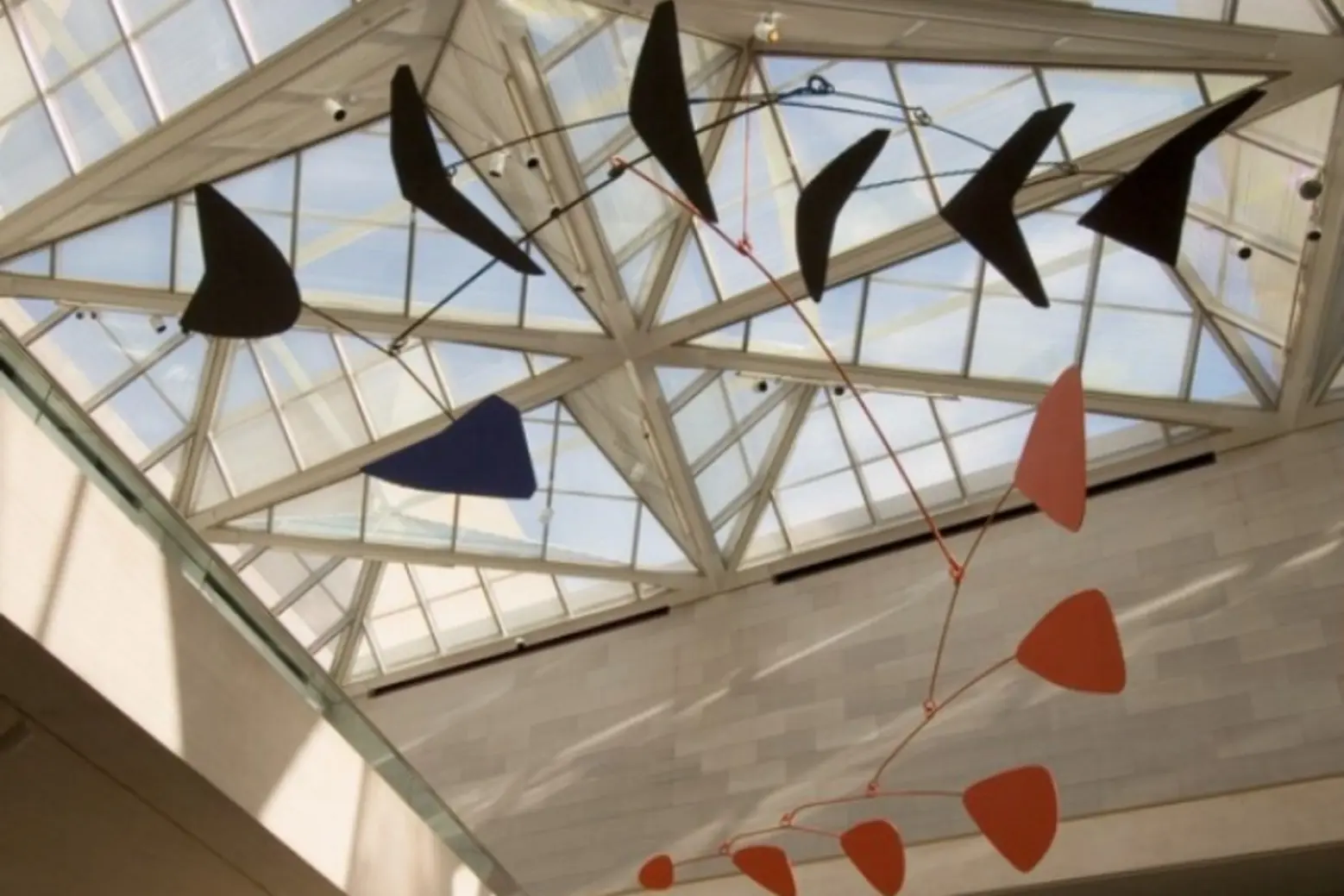
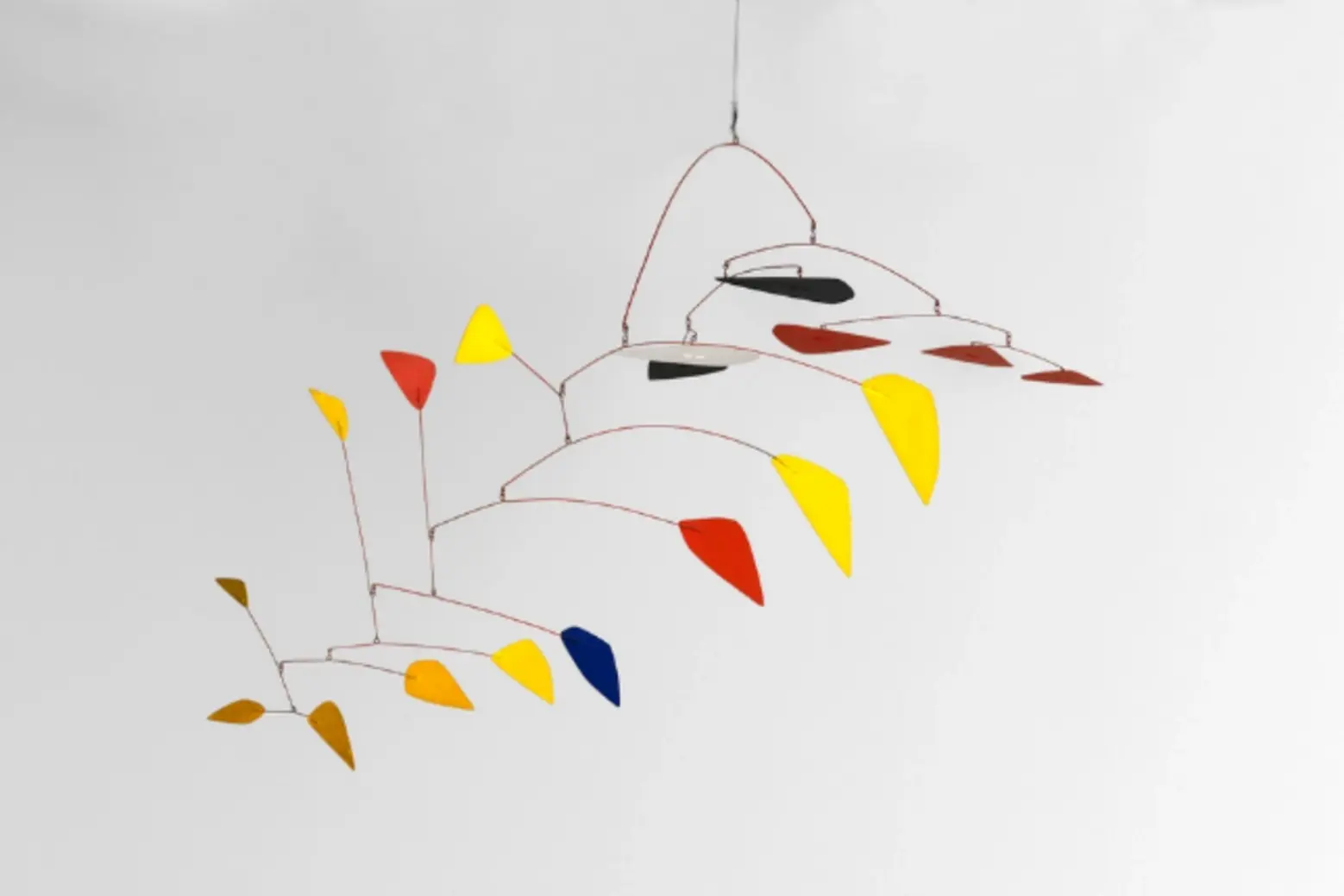
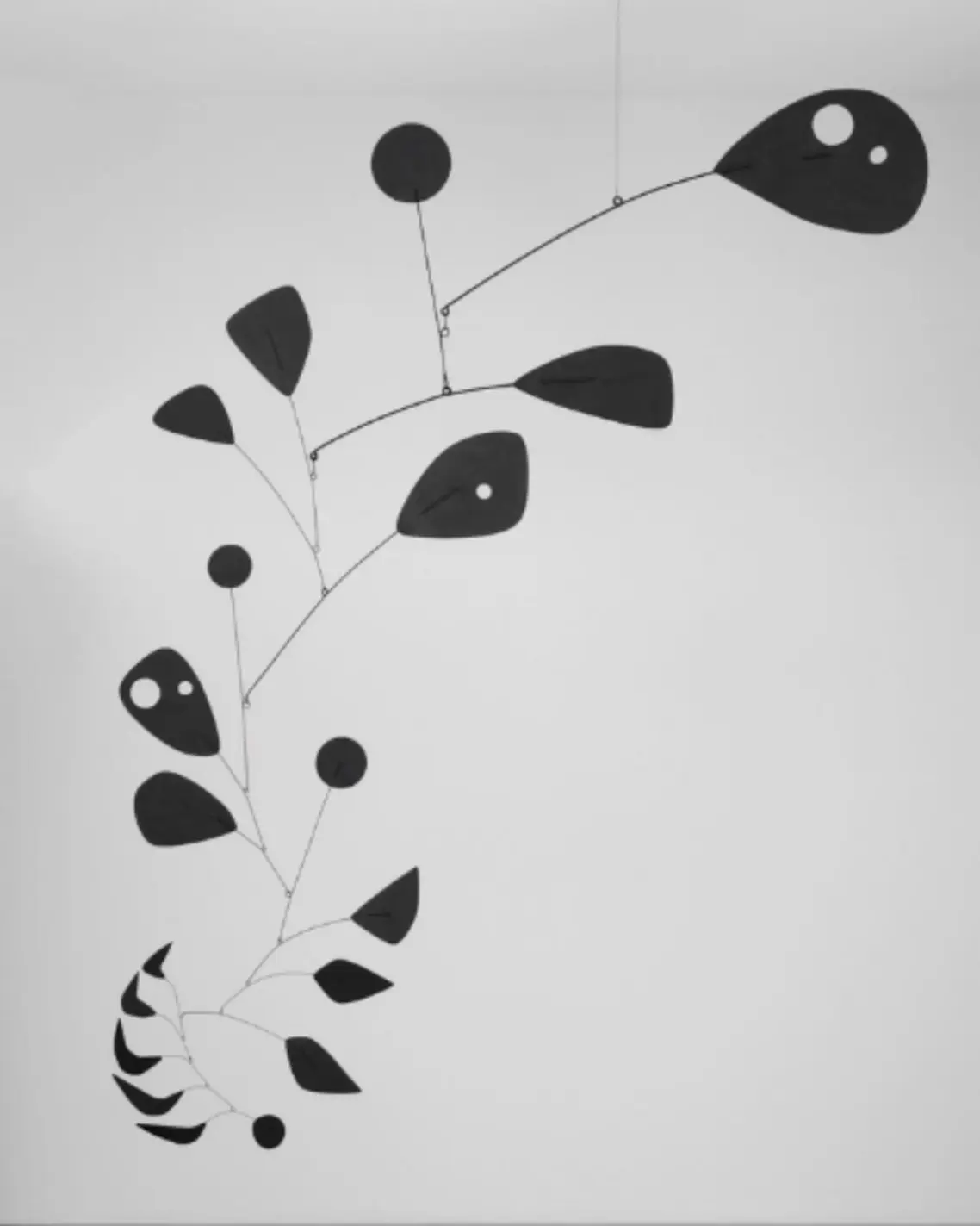
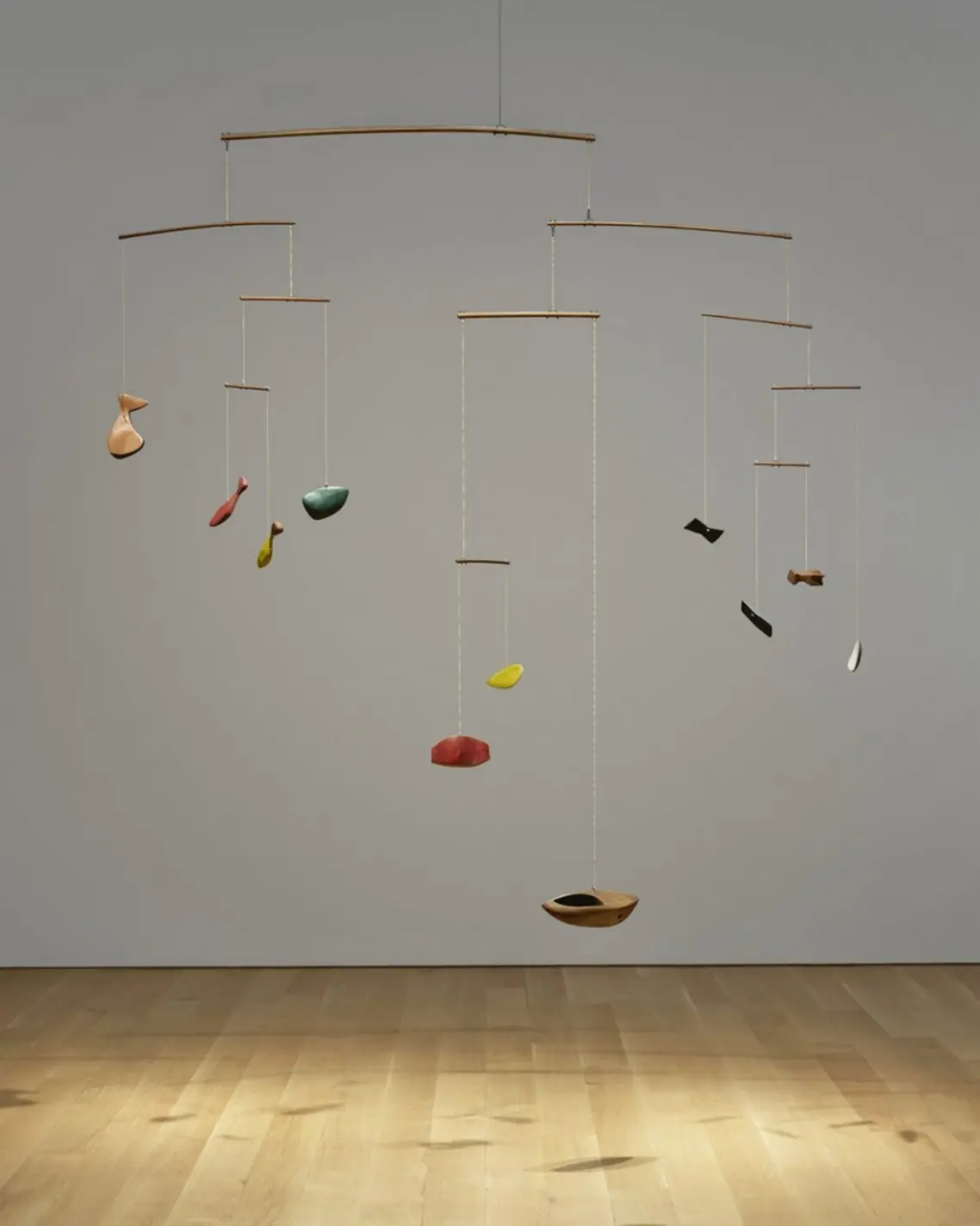
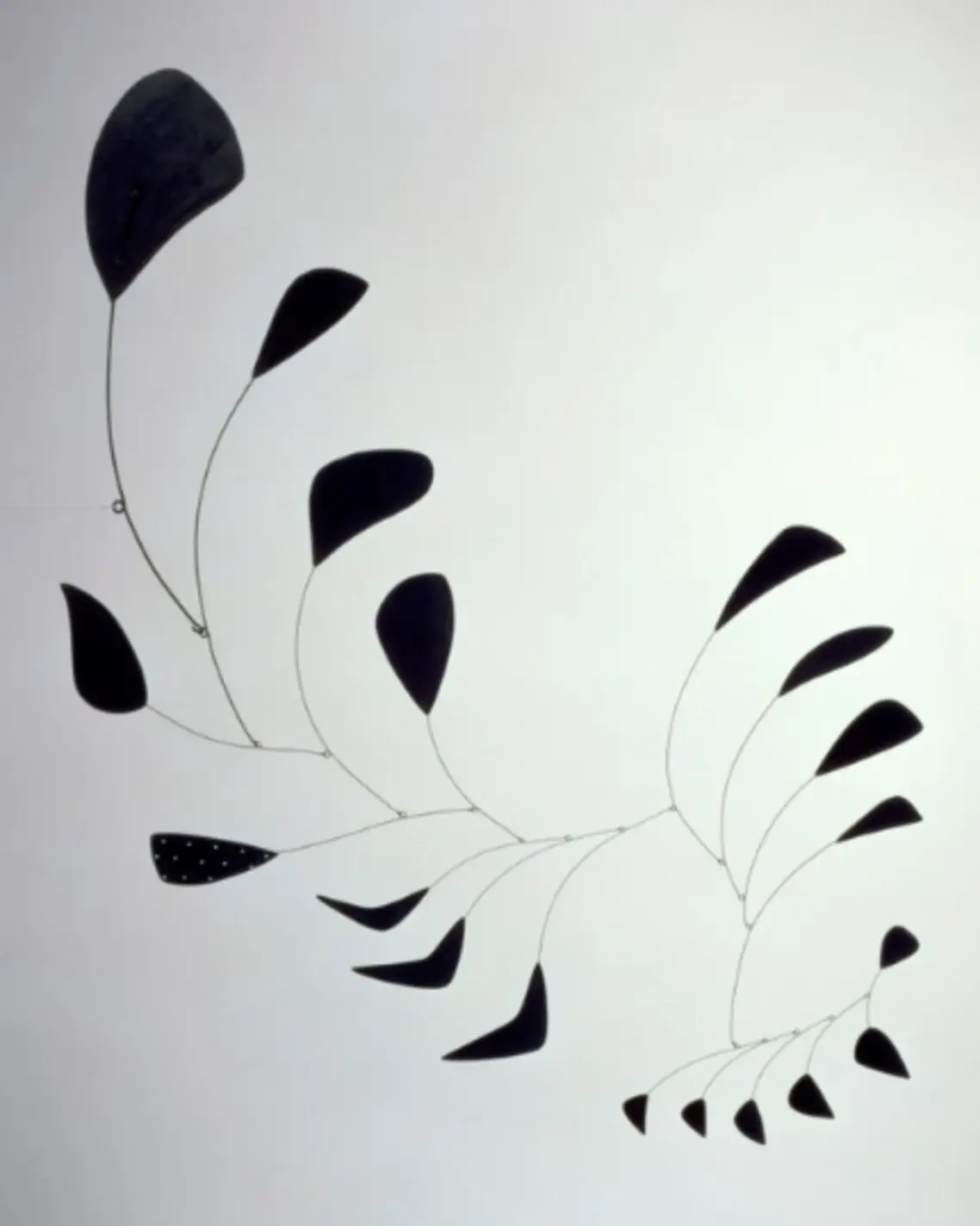
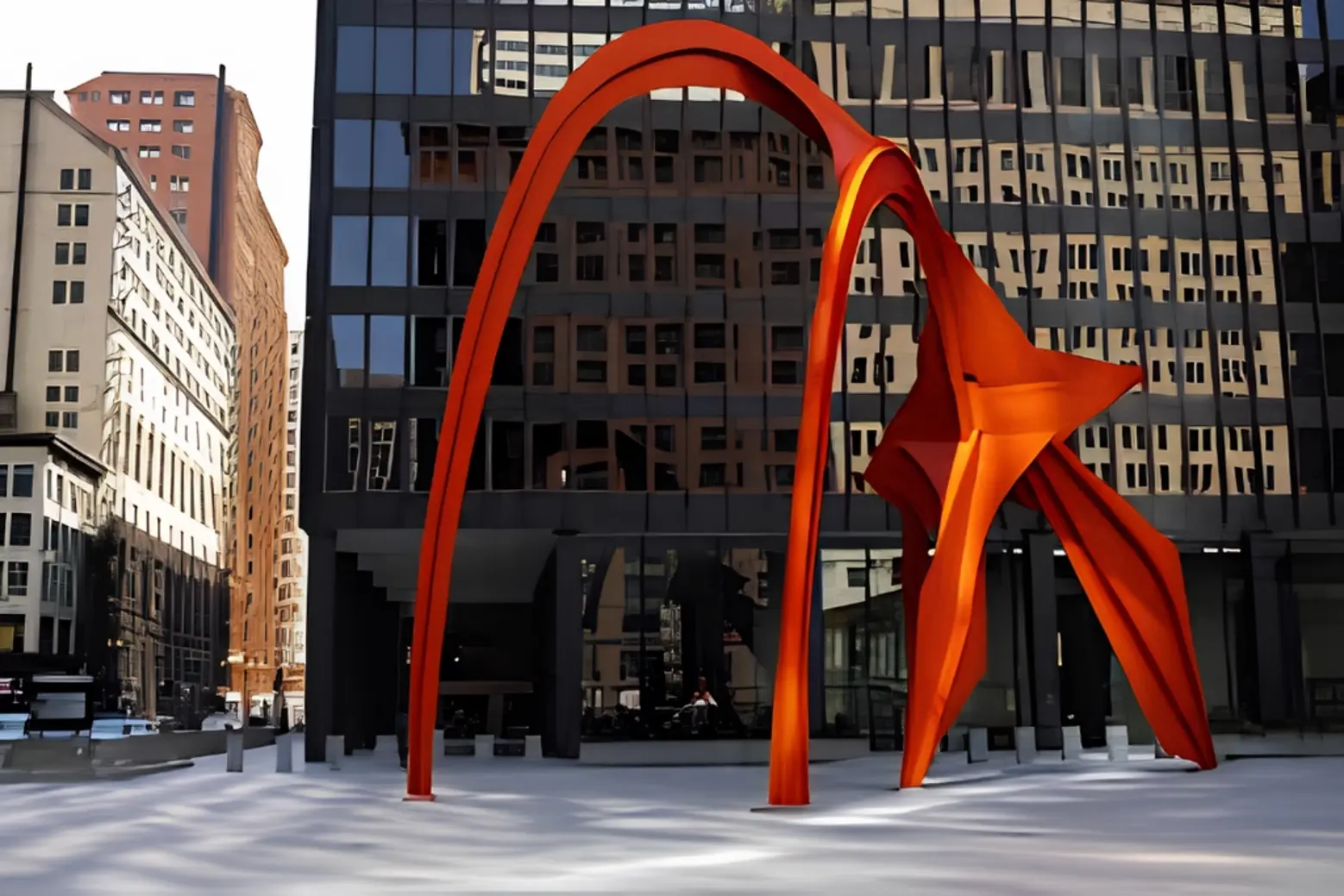
The companion term followed quickly. Jean Arp gave Calder’s stationary abstract works the name “stabiles,” and the contrast between the two categories helped define one of modern art’s most recognizable vocabularies. Yet the distinction is less rigid than it first appears. Calder’s stabiles may stand still, but they still carry the memory of movement in their arcs, tensions, cutouts, and sweeping directional thrust. His monumental Flamingo in Chicago, completed in 1973 and unveiled in Federal Plaza in 1974, shows how powerfully a stationary structure can animate urban space. Its huge red steel legs frame the plaza with both weight and lift, turning a business district into something more theatrical, more open, and more alive to the body moving through it. Calder did not simply place sculpture in public space. He taught public space how to move around sculpture.
Alexander Calder’s move into monumental public sculpture changed the terms of how a city could be experienced. If the early mobiles brought a kind of mechanical poetry into museums and private interiors, the great stabiles carried that intelligence into the street, turning plazas, civic centers, and business districts into places of encounter rather than mere passage. Their stillness was never inert. Calder designed them so that mass, curve, void, and angle would shift as a pedestrian moved around them, making public space feel less fixed and more theatrical.
A decisive early example is La Grande Vitesse in Grand Rapids, dedicated in 1969. The Calder Foundation identifies it as the first sculpture funded by the National Endowment for the Arts’ public art program, while the NEA has also described it as the initial project of that initiative and linked it directly to the revitalization of the city’s ailing downtown. A huge red abstract stabile placed at the center of an American downtown announced that public art could participate in urban renewal, identity, and ambition. Over time, the gamble paid off so thoroughly that the NEA now describes La Grande Vitesse as the ubiquitous symbol of Grand Rapids, appearing on everything from city letterhead to garbage trucks. Calder’s sculpture ceased to be an installation and became part of the city’s visual DNA.

That same logic reaches a monumental refinement in Flamingo at Chicago’s Federal Center Plaza. Calder created the painted steel work in 1973, and federal records note its installation in 1974. It is the first artwork commissioned under its Art in Architecture Program. At 53 feet high and 60 feet long, Flamingo does more than decorate a plaza. It enters into dialogue with the black, rectilinear severity of the surrounding modernist complex, setting Calder’s sweeping red curves against the disciplined geometry of Mies van der Rohe’s architecture. Its soaring legs and open arches invite people to walk through and under it, so that the negative space becomes as important as the steel itself. The work breaks the distance that often separates monument from public life and instead asks the body to participate in the sculpture’s meaning.
What Calder ultimately invented in these public works was a new vocabulary of site-specificity.
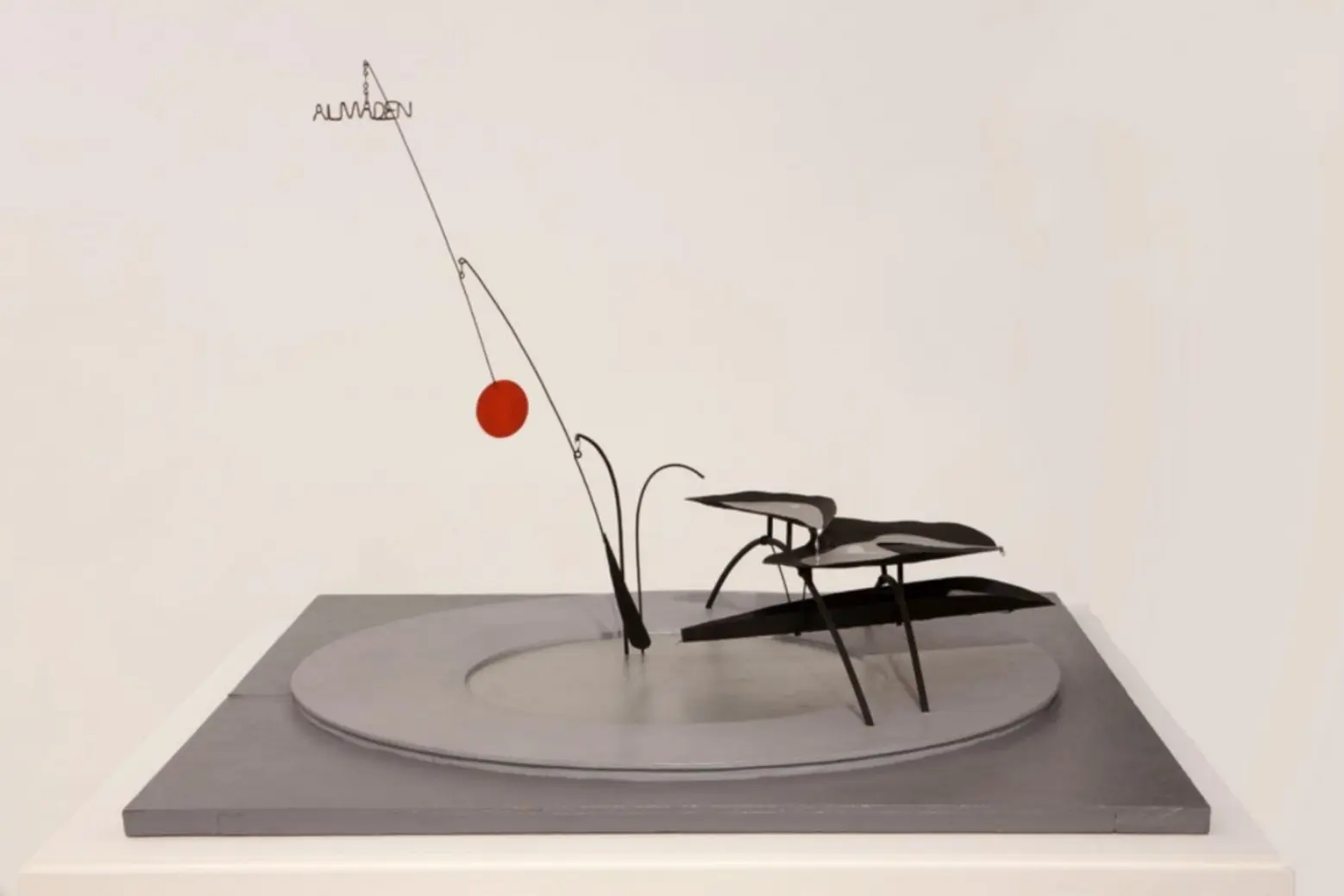
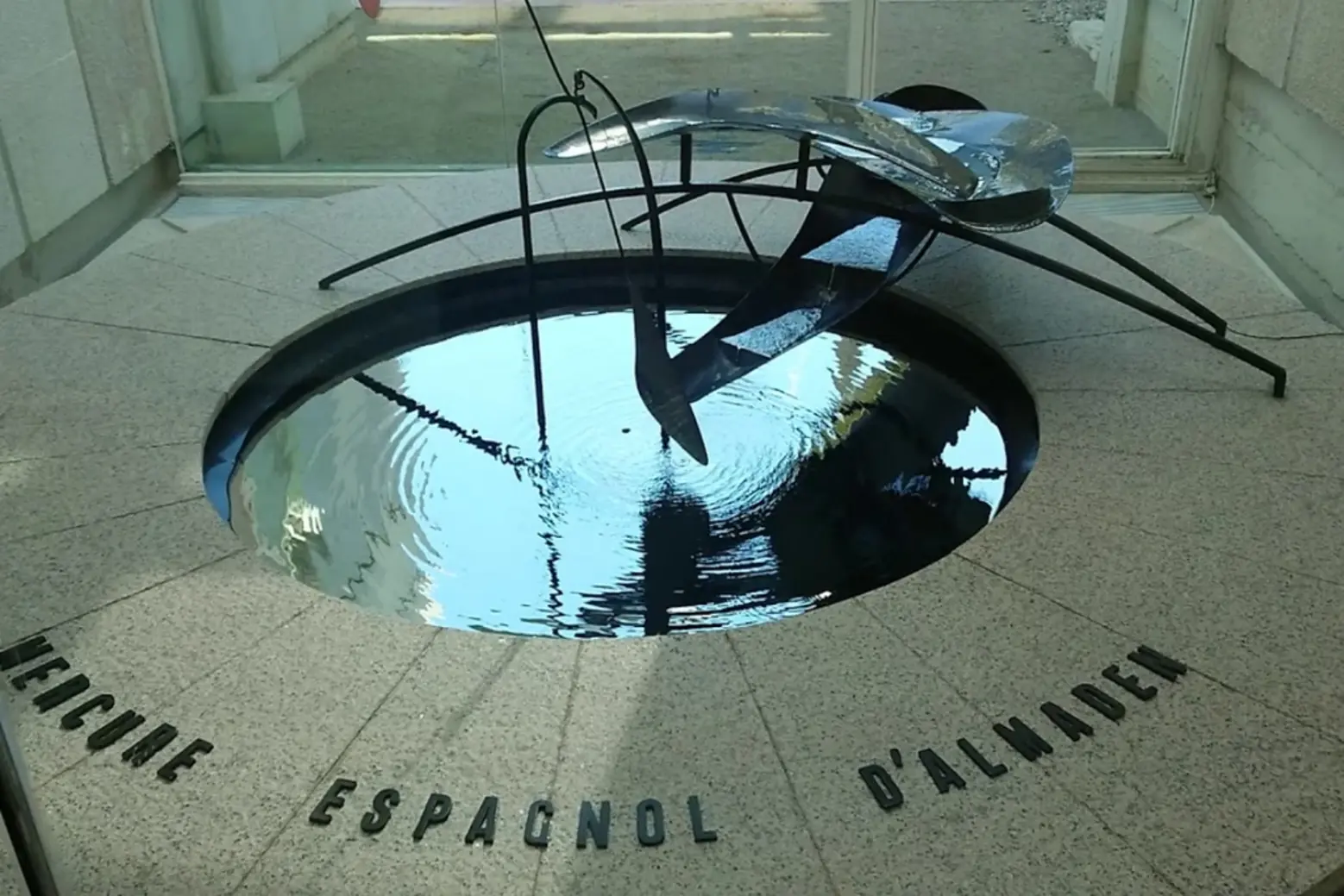
Part of Calder’s genius lies in his refusal to stay in a single scale. He moved from tabletop experiments to civic landmarks, from playful wire figures to major public commissions, without losing formal clarity. One of the most extraordinary examples is Mercury Fountain, created for the Spanish Pavilion at the 1937 Paris World’s Fair. Rather than using water, Calder made the fountain run with liquid mercury in tribute to the mercury mines of Almadén during the Spanish Civil War. The work is now housed at the Fundació Joan Miró in Barcelona, where its materials require protective display. It remains one of the strangest and most haunting demonstrations of Calder’s ability to make motion political, material, and unforgettable at once.
His life also carried a remarkable sense of inheritance and extension. Calder was born into a family of artists. His father, Alexander Stirling Calder, was a sculptor, his mother, Nanette Lederer Calder, was a painter, and his grandfather, Alexander Milne Calder, created the William Penn statue atop Philadelphia City Hall. Where the earlier Calder legacy was rooted in figuration and civic monuments, Sandy brought industrial materials, abstraction, and kinetic thought into the lineage.
That legacy remains vividly present now. MoMA has emphasized Calder’s unusually deep, long-running relationship with the museum, while newer institutions continue to reinterpret his place in modern culture. In Philadelphia, Calder Gardens opened to the public in September 2025 as a dedicated site for experiencing his art through the interplay of architecture, landscape, and contemplation. In Paris, the Fondation Louis Vuitton is presenting Calder. Rêver en équilibre from April to August 2026, marking both the centenary of his arrival in France and fifty years since his death. These projects make clear that Calder’s art still feels current because it speaks to something larger than style. It offers a way of imagining structure without rigidity and movement without chaos.
Alexander Calder’s career is one of modern art’s most persuasive fresh-start stories. He began with engineering, entered art through wire, transformed sculpture through motion, and then expanded that language across circus performance, monumental public works, jewelry, and abstraction.