MENU
Close





The word “emerging” sounds patient. The business reality is anything but. Colleen Allen shows how quickly young designers are now expected to turn attention into infrastructure.

The word “emerging” sounds patient. The business reality is anything but. Colleen Allen shows how quickly young designers are now expected to turn attention into infrastructure.
September 3, 2026
Advertisement

Advertisement



The word “emerging” has started to describe an increasingly compressed phase of a designer’s career. A young label can move from private appointments to major retailers, celebrity dressing, international prizes and global press within a handful of seasons, while the company behind that visibility is still learning how to finance production, manage wholesale, forecast demand and build a repeat customer base.
Colleen Allen makes that compression unusually visible.
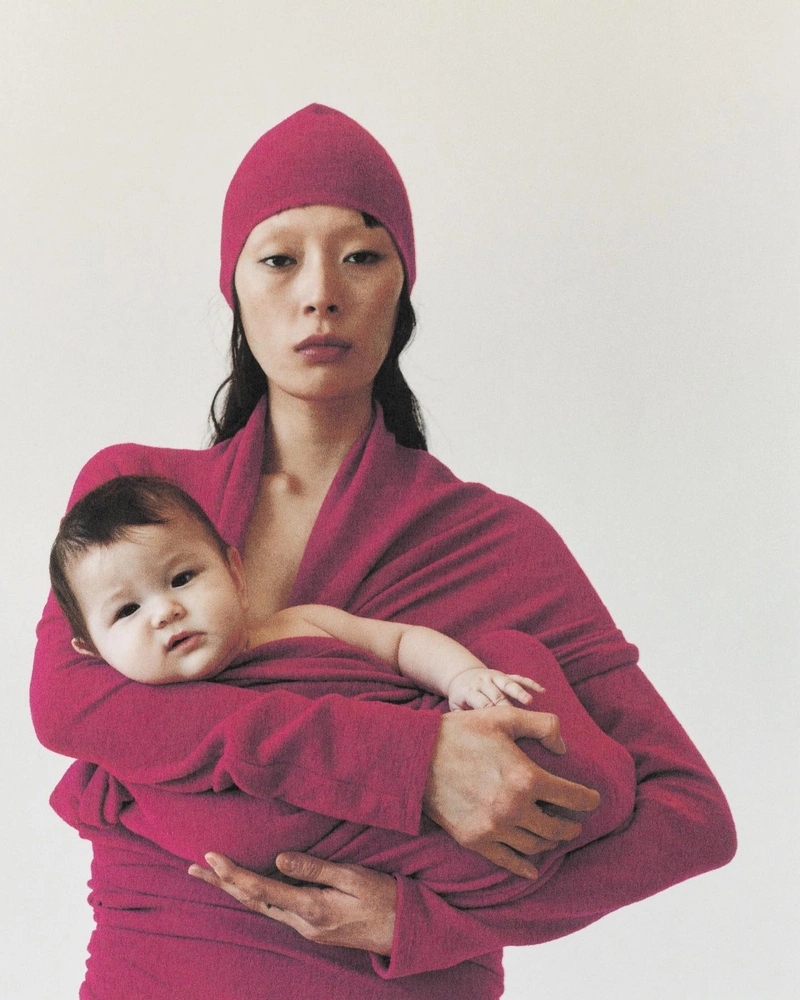
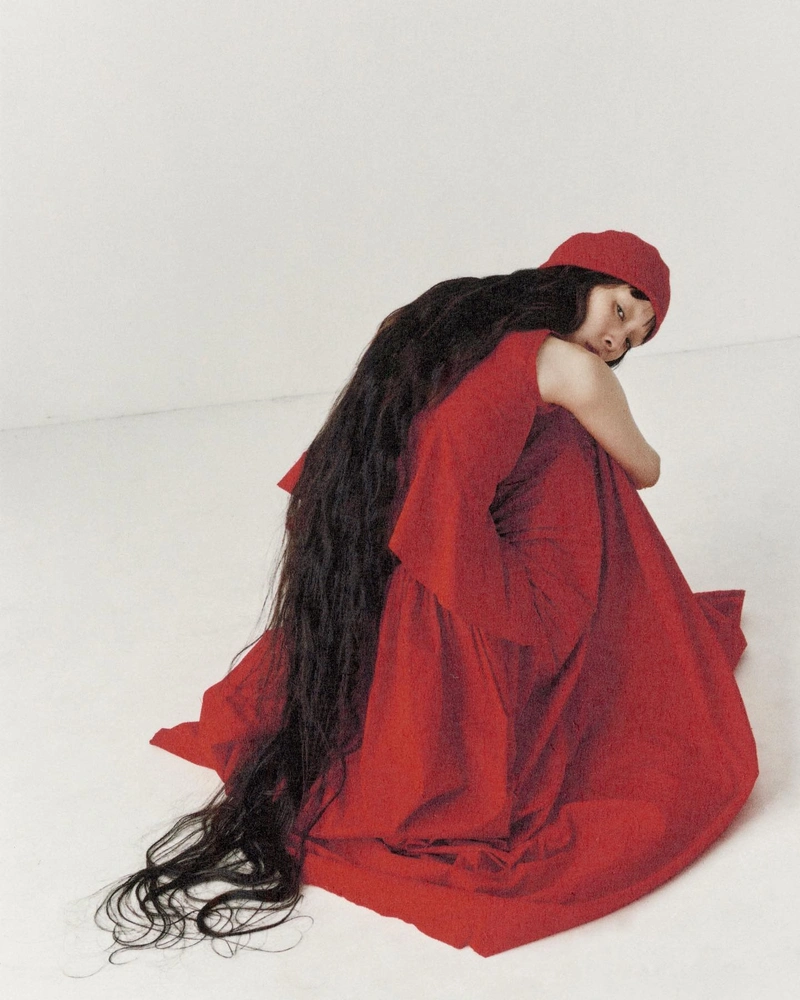
She launched her womenswear label in 2024. By the following year, Colleen Allen had become one of New York’s most closely watched young designers, earning a nomination for the CFDA’s 2025 Emerging Designer of the Year award. By 2026, she had reached the final nine of the LVMH Prize from a pool of more than 2,400 applicants. The finalist group was selected after 20 semifinalists presented to an expert committee of more than 80 industry figures.
Discovery now moves at extraordinary speed. Company-building still happens through slower mechanisms: supplier relationships, margins, delivery histories, working capital and the gradual accumulation of customer trust.
The tension between those two clocks may be one of the defining business issues facing a new generation of American designers.
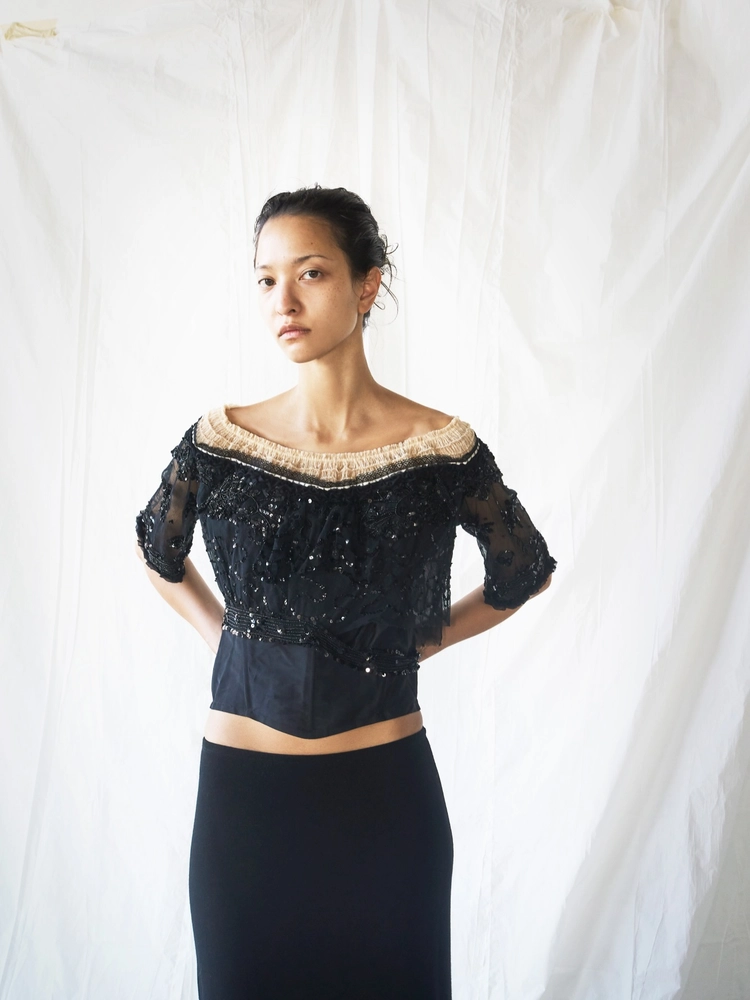
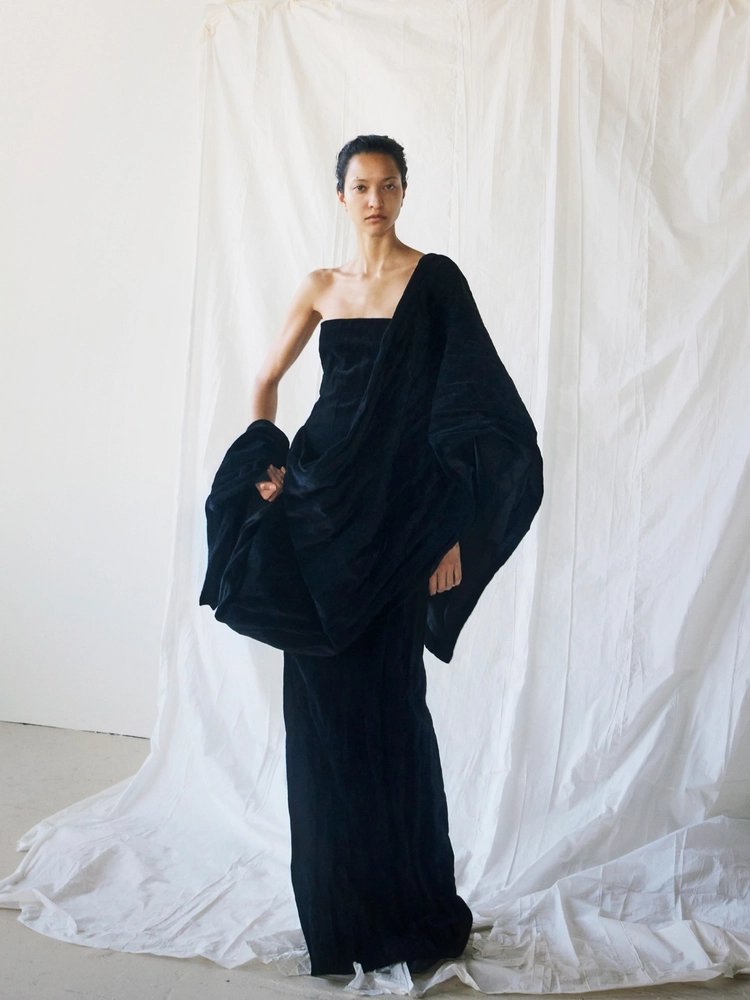
Allen’s rapid recognition also comes from a design language that became legible remarkably early. Trained in menswear before moving into womenswear, Colleen Allen approaches clothing through construction, flat pattern-cutting, and tailoring, then draws heavily on historical female dress: Victorian jackets, bustles, corsetry, bloomers, lingerie slips, and column gowns recur as structural references. Her version of those codes is frequently softened through fleece, tulle, muslin, velvet, and fluid draping, turning historically rigid underpinnings into pliable forms around the body.
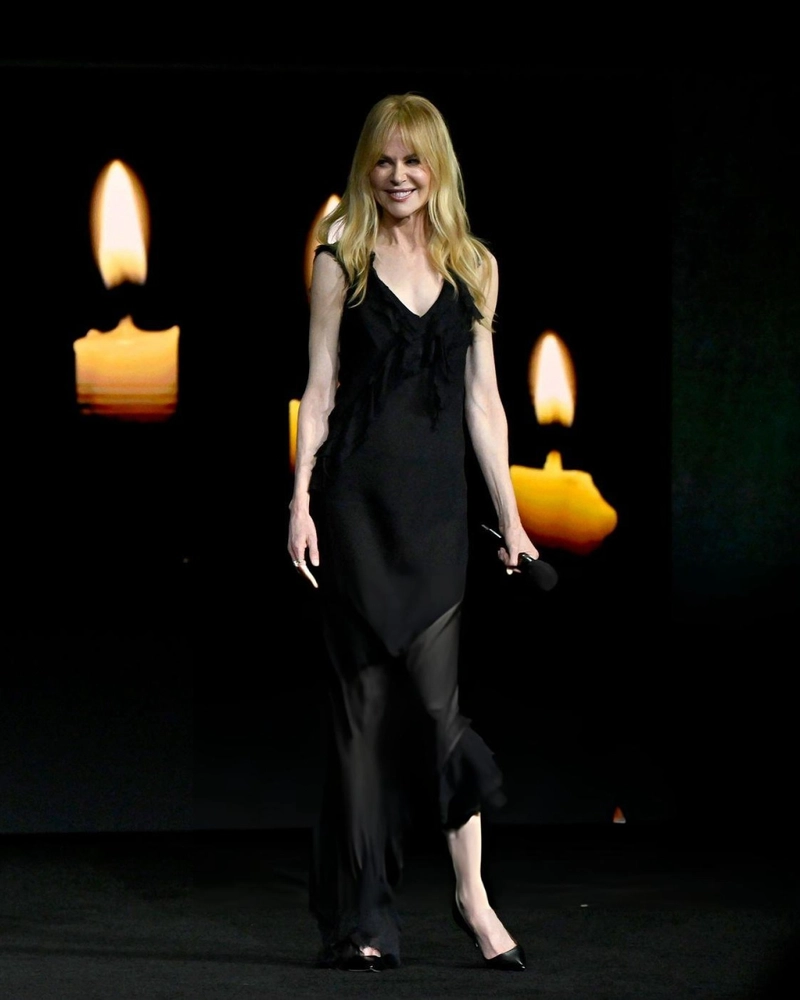
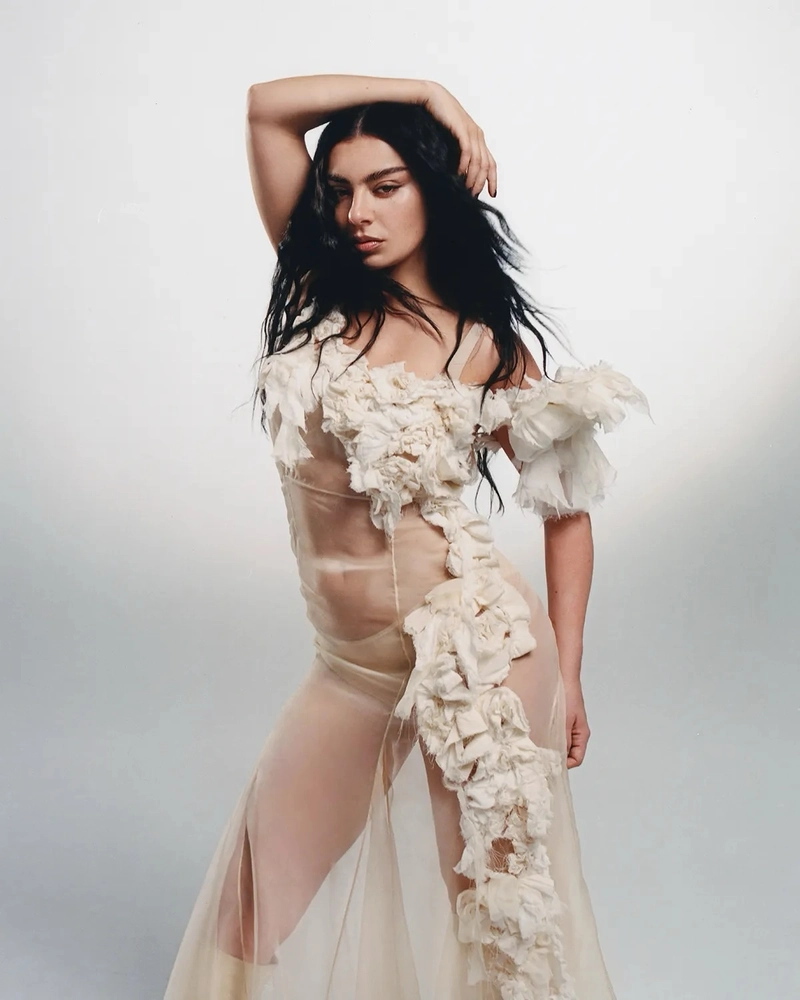
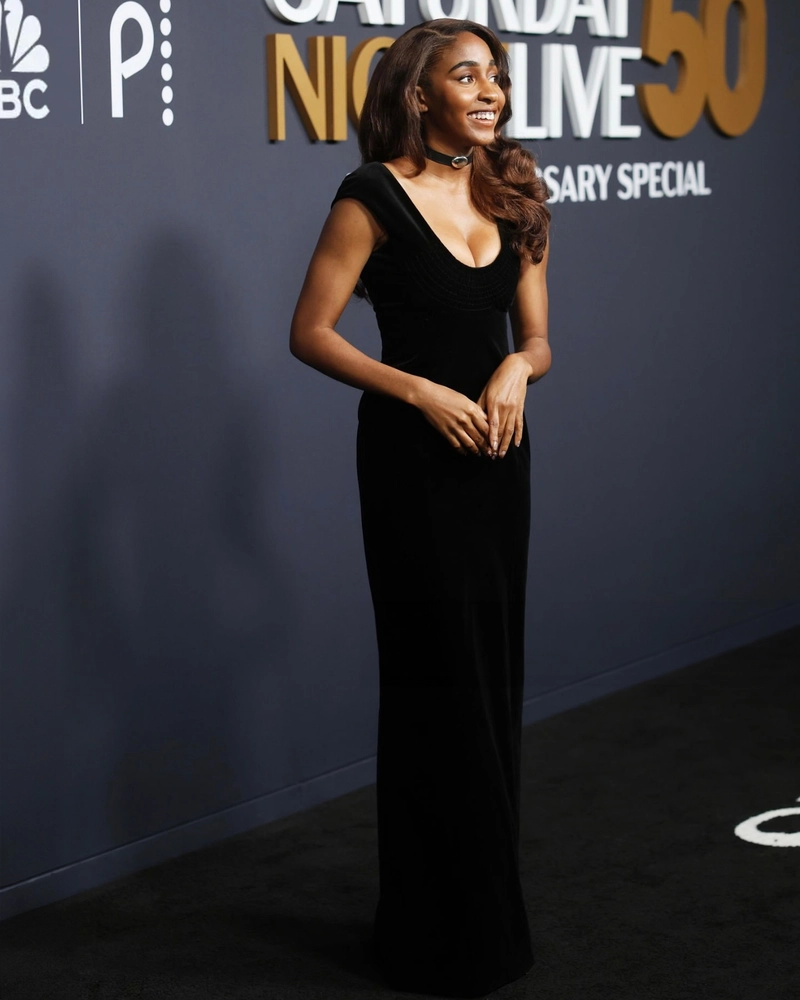
Across the collections, that vocabulary has attracted women including Nicole Kidman, Lily Allen, Saoirse Ronan, Ayo Edebiri, Charli XCX, Ethel Cain and Greta Lee; Allen also created five custom looks for Charli XCX’s Brat tour. The celebrity adoption shows how quickly a coherent visual identity can become culturally readable outside the showroom.

The 2026 LVMH Prize carries a top award of €400,000 plus one year of tailored mentorship. Its structure combines cultural validation with explicit business development. The money can finance growth, while the mentorship addresses the far less visible work required to turn a promising creative project into a functioning company.
American fashion has developed a similar support system. Since the CFDA/Vogue Fashion Fund was established after 9/11, 200 designers have received more than $8 million in funding and mentorship. The 2026 winner will receive $300,000, while two runners-up will receive $100,000 each. Eligibility itself reveals the stage at which fashion now considers institutional support necessary: applicants must have operated for at least two years, employ no more than 30 full-time staff and generate less than $10 million in annual revenue.
These programmes are routinely discussed as prizes. In practice, they increasingly resemble a form of fashion-specific acceleration.


They provide cash, executive access, mentoring, publicity and industry credibility at the precise moment when a young designer begins encountering responsibilities that extend far beyond design.
Colleen Allen gained recognition quickly because the industry could identify a distinctive point of view and circulate it efficiently.
The important question begins after recognition. A designer who receives global attention in season three is immediately expected to behave with the consistency of a company several stages further along.
McKinsey estimates that global luxury growth will run at only 1% to 3% annually between 2024 and 2027, following a period in which personal luxury goods expanded at roughly a 5% compound annual rate from 2019 to 2023. More strikingly, more than 80% of luxury growth during that earlier boom came from price increases, which means brands now enter a market where the easiest growth lever has already been pushed hard.
That slowdown changes what retailers and investors reward. During a high-growth cycle, a compelling aesthetic and early demand can buy a young brand time. In a slower market, every additional SKU, wholesale account, and hire is examined through inventory turns, cash conversion, and margin discipline.


The private-capital environment is sending the same signal. Global venture funding rebounded to $425 billion in 2025, up 30% year on year, yet almost 60% of that capital went to just 629 companies raising rounds of $100 million or more. In North America, funding climbed 46% to $280 billion while the number of deals fell around 16%. Capital is abundant in aggregate and highly concentrated in practice.
For a fashion founder, that creates an awkward environment. Investors have money, yet they are allocating it into fewer companies with clearer proof of scale, stronger resilience and sharper unit economics. PitchBook described 2025 as a year of tighter dealmaking and increased concentration around mature, scaled businesses, especially across female-founded companies in the US and Europe.
This is where the emerging-designer job description becomes almost absurdly broad.
A young label is expected to deliver a recognizable design language while also demonstrating who its customer is, how often that customer returns, what categories drive margin, how much inventory remains unsold, how expensive customer acquisition is, how quickly production cash returns to the business, and whether international growth can happen without destroying gross margin.

Retail creates another layer of pressure because a wholesale order can look like growth long before it behaves like cash.
Saks Global’s recent vendor terms showed how extreme that gap can become. In 2025, suppliers were moved toward net-90 payment terms, meaning payment could arrive 90 days after merchandise was received. By 2026, after restructuring, some brands pushed successfully for net-30 or payment upon delivery, while factoring firms imposed exposure limits on individual retailers to protect themselves from concentration risk.
For a young label, the arithmetic is brutal. Fabric deposits, sampling, production labour, freight and showroom commissions may all leave the bank account months before wholesale revenue returns.
That means a prestigious purchase order can increase reported sales while simultaneously tightening liquidity.
The result is a strange new standard for “emerging.” Fashion culture still discovers a designer through silhouette, casting, references and image. The capital system evaluates that same designer through inventory exposure, payment cycles, reorder rates and customer economics.
The market itself is also becoming more selective about what creates desire. McKinsey’s 2026 survey of more than 2,000 luxury clients in the US and China found that 68% of US luxury consumers felt newer or disruptive brands reflected their identity, while 63% said the same of established houses. Emotional connection now ranks among the strongest drivers of desirability, ahead of several traditional luxury cues.
This is where Colleen Allen becomes a useful case study.
Her rise demonstrates how efficiently contemporary fashion can identify a compelling point of view and move it into international conversation. The harder part begins once cultural relevance produces commercial expectation.
At that stage, the designer is being judged simultaneously as an author, a merchant and a capital allocator.
That may be the real shift in the emerging-designer economy: fashion still celebrates the romance of discovery, while the market increasingly expects the person being discovered to already know how to run the institution they might someday become.
Within roughly two years of launch, her stockist network had expanded across major international markets. The commercial significance lies in what follows that achievement. International wholesale introduces delivery schedules, price architecture, production planning, currency exposure, freight, returns and seasonal inventory commitments. Each new account adds legitimacy and operational complexity at the same time.
The emerging designer therefore faces a strange form of success: every sign of external confidence increases the internal standard the business must meet.
The language surrounding young designers has failed to keep pace with the responsibilities attached to them.
A label can remain “emerging” while being expected to sell internationally, manage global wholesale, dress major public figures, compete for institutional funding, maintain an editorial identity, develop direct-to-consumer sales, and plan several seasons of production.

The creative system still speaks about “young talent.” The business system increasingly evaluates customer economics, inventory discipline, retail productivity, international scalability and capital efficiency. Perhaps that explains why modern fashion prizes now pair money with mentorship, why industry institutions provide structured business education and why young designers increasingly need sophisticated commercial advice almost from launch.
Colleen Allen illustrates the contradiction clearly because her career has moved through those stages with unusual speed. Her 2026 LVMH Prize final places her within one of fashion’s most influential young-designer institutions only two years after launching her company. The emerging stage has become less of a protected period and more of an accelerated test. The remarkable part of the current system is how quickly talent can become visible. The more consequential question is whether fashion has created enough time and infrastructure for that visibility to mature into an institution.
Advertisement