MENU
Close





Organized through five functional zones, the best luxury kitchen essentials disappear into architecture until the exact moment they are needed.
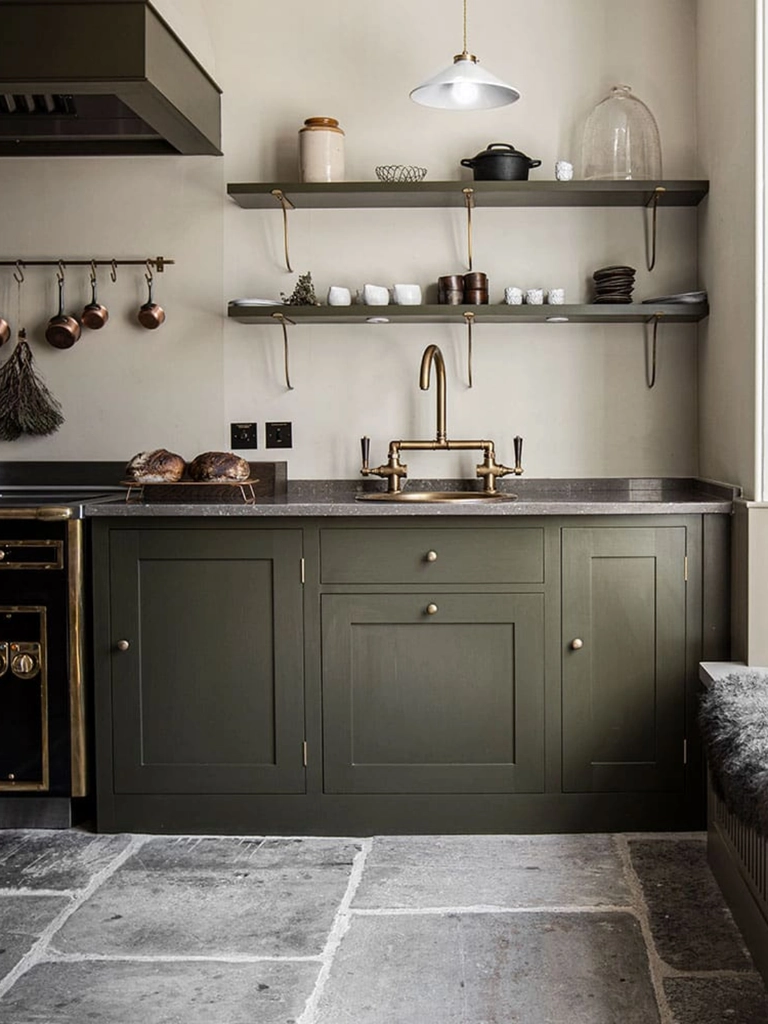
Organized through five functional zones, the best luxury kitchen essentials disappear into architecture until the exact moment they are needed.
September 11, 2026


No matter how aesthetically-pleasing a kitchen looks, you will still feel the pain when having to walk across the room for the chopping board. Poor planning shows, so make sure you understand the anatomy of a well-designed kitchen before decorating.
Now, let's dive into the must-have luxury kitchen essentials for your upcoming renovation project.
Food storage is the first stop for ingredients entering the kitchen, so refrigerators, freezers and pantry storage should work as a single system.
Integrated refrigeration columns are among the most transformative luxury kitchen essentials. Full-height, panel-ready refrigerator and freezer columns eliminate the visual disruption of freestanding appliances by integrating flush behind continuous architectural millwork. Dual compressors and independent evaporators isolate airflow between compartments, maintaining high humidity for produce while preventing frost build-up and odor transfer in the freezer.
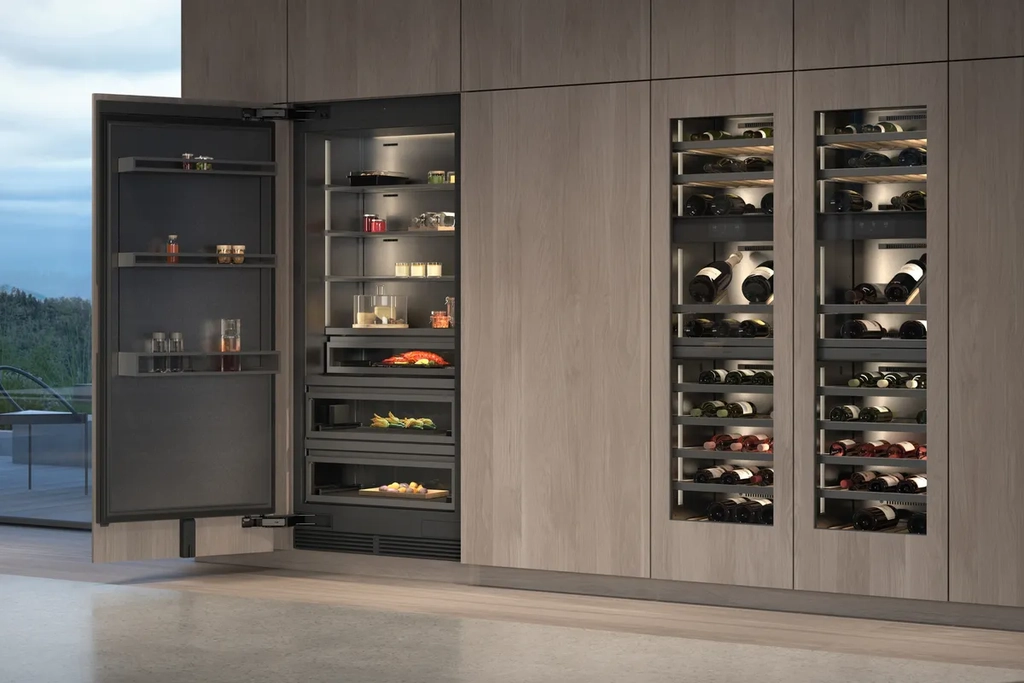
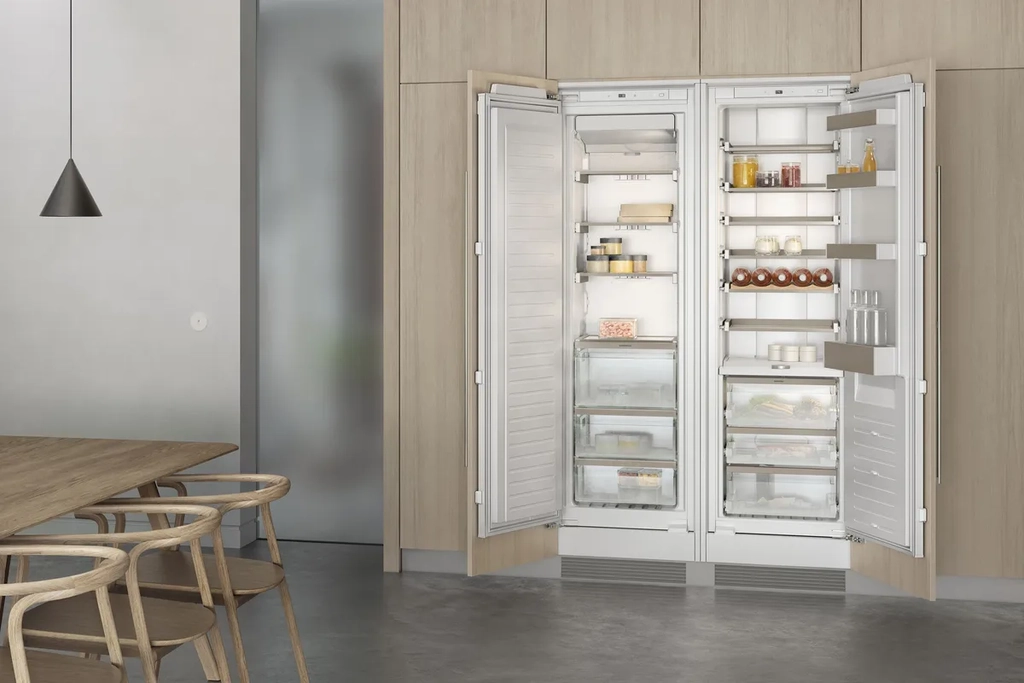
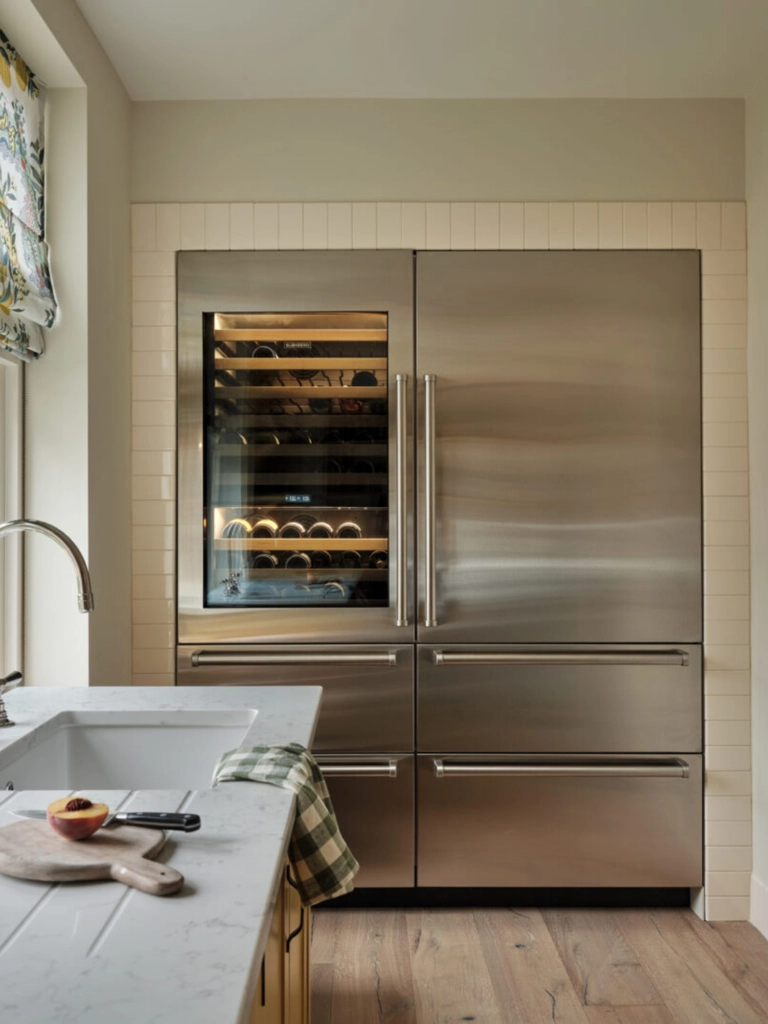
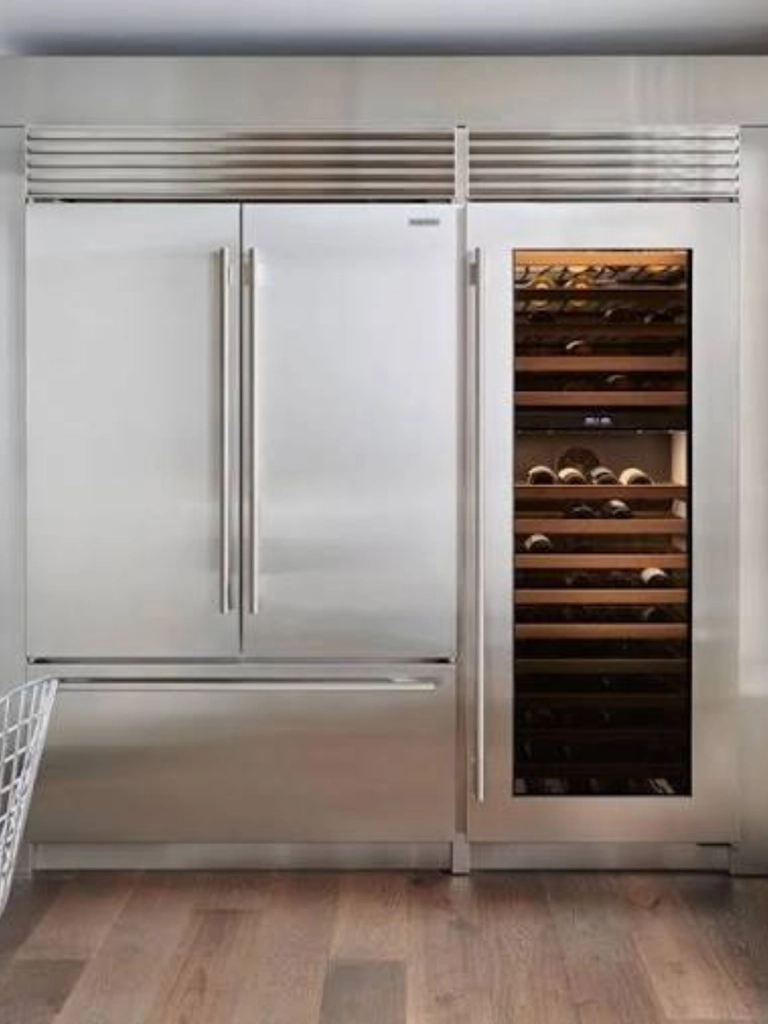
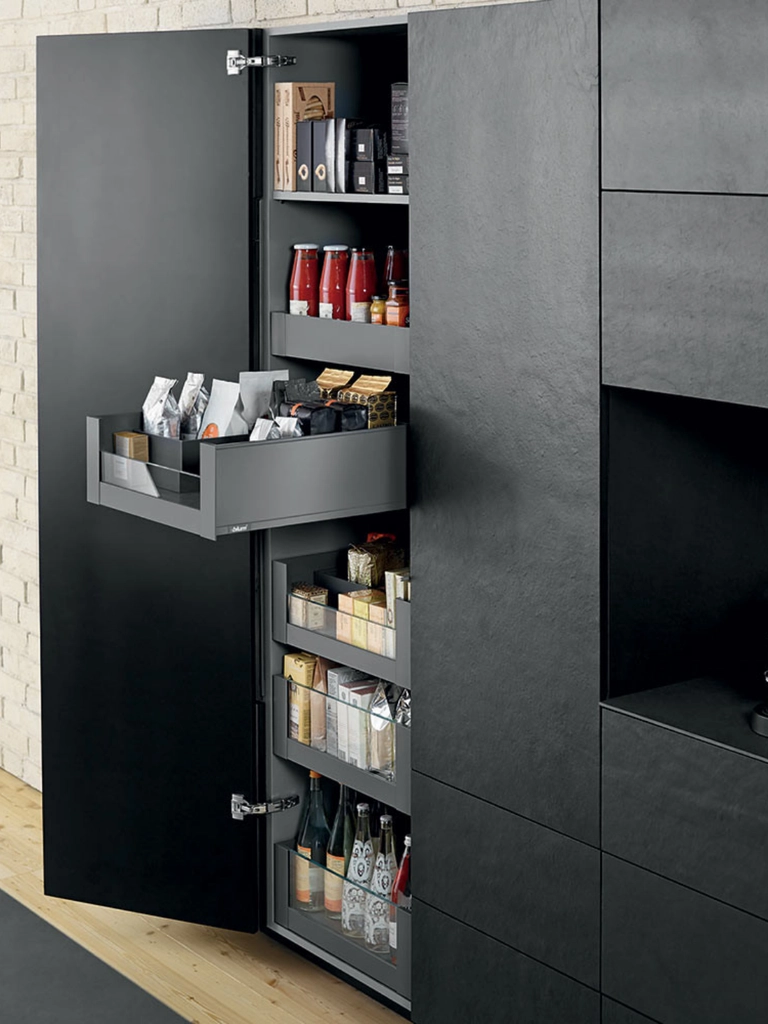
Modern pantries replace deep, static shelving with full-extension, soft-close pull-out tall units and internal drawers that bring stored items into clear view. Integrated vertical LED strip lighting activates upon opening, while custom-milled hardwood dividers organize dry goods, oils, and spices.
Dedicated multi-zone wine columns protect wine investments using independent temperature zones for reds, whites, and champagne. Low-vibration variable-speed compressors prevent sediment disturbance, tinted UV-resistant glass shields bottles from light degradation, and internal humidity control preserves natural corks. Auxiliary under-counter beverage drawers handle everyday drinks to eliminate traffic at the primary refrigeration column.
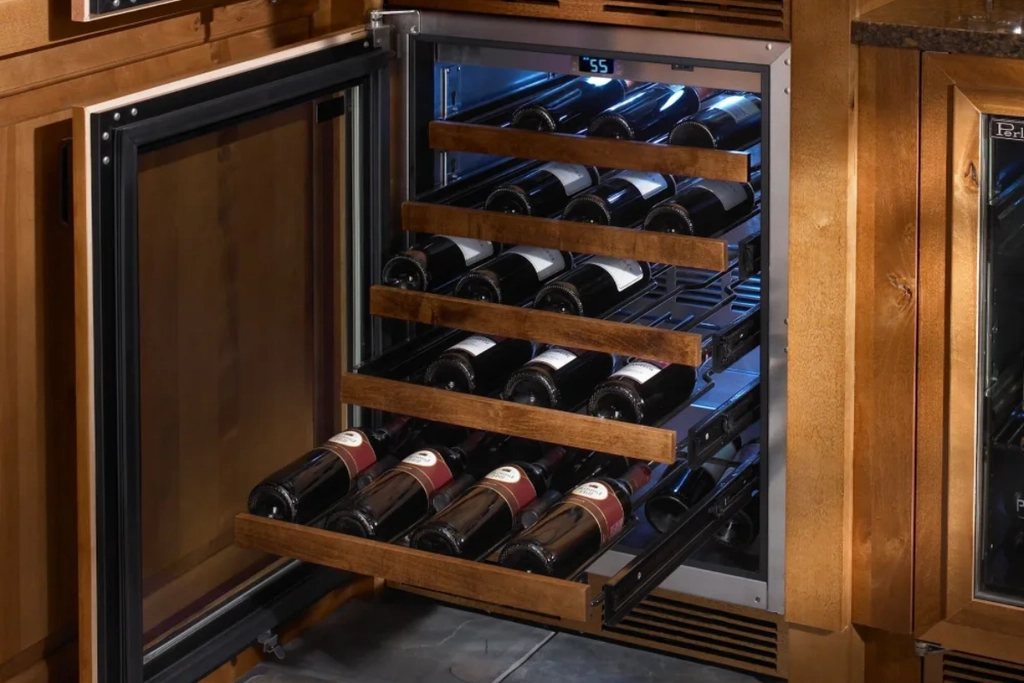
The luxury here is organization: the main refrigerator no longer has to perform every task.
Positioning non-consumable storage between food preparation and dining areas streamlines everyday circulation. Dishes move seamlessly from dishwasher to storage, then to table, without disrupting primary cooking paths.
Deep, full-extension drawers eliminate the vertical lifting and heavy stacking inherent to conventional upper cabinets. Heavy porcelain and fine china remain visible from above and fully accessible without reaching over lower items.
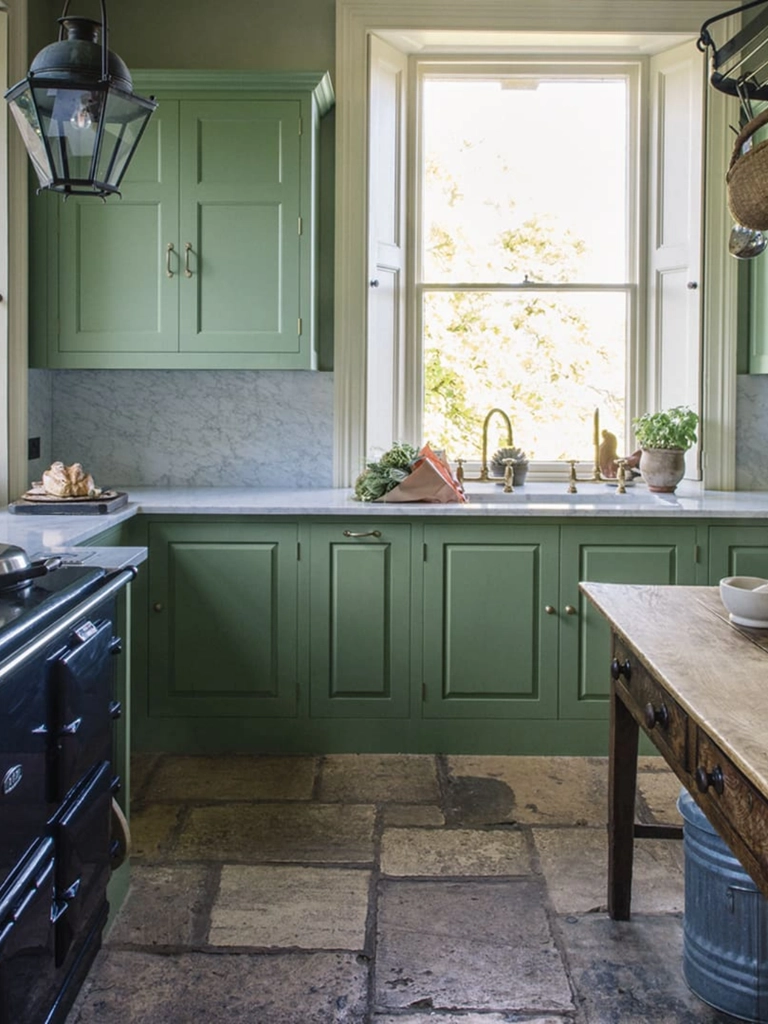
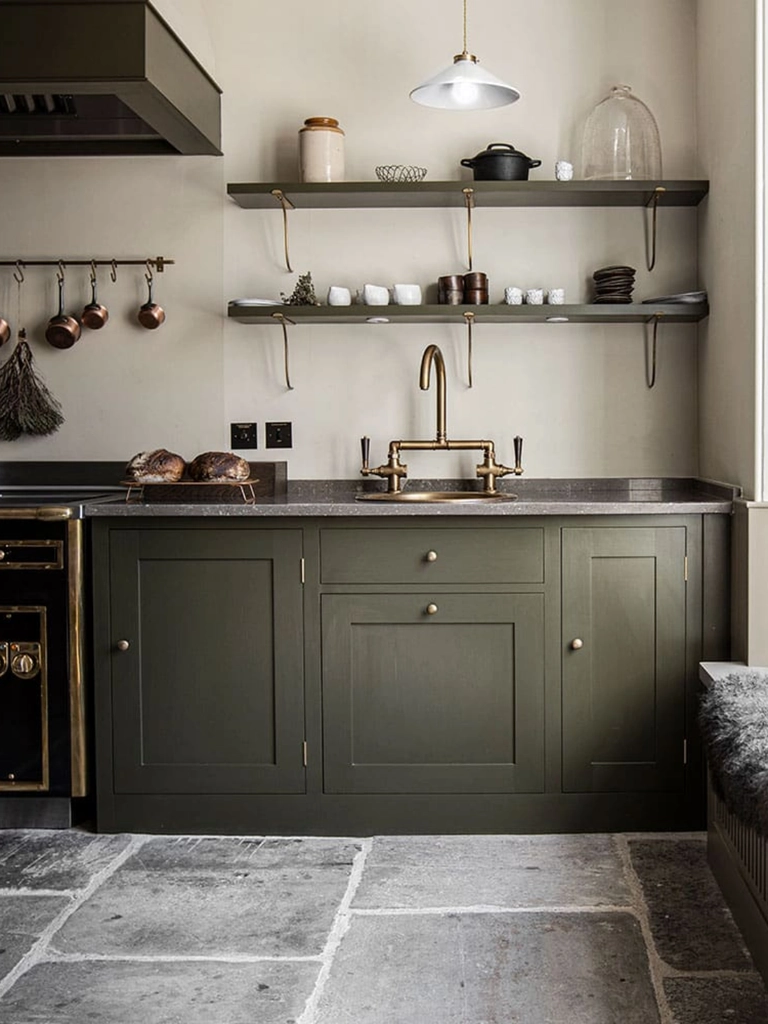
Stemware requires more delicacy. Felt-lined drawers, padded dividers and dedicated glassware cabinets can protect crystal while avoiding the precarious rows often created in ordinary upper cupboards.
Touch-activated electronic lift mechanisms open upper cabinetry doors vertically upward rather than swinging outward, preserving open head clearance during prep and maintaining a seamless, flush façade when closed.
These features may appear indulgent until they are used daily. Good storage reduces handling, and reduced handling is particularly valuable when the objects being stored are fragile, heavy or expensive.
The sink is one of the hardest-working points in any kitchen, yet it is frequently treated as a basin with a tap attached. A more sophisticated cleaning zone turns it into an integrated workstation.
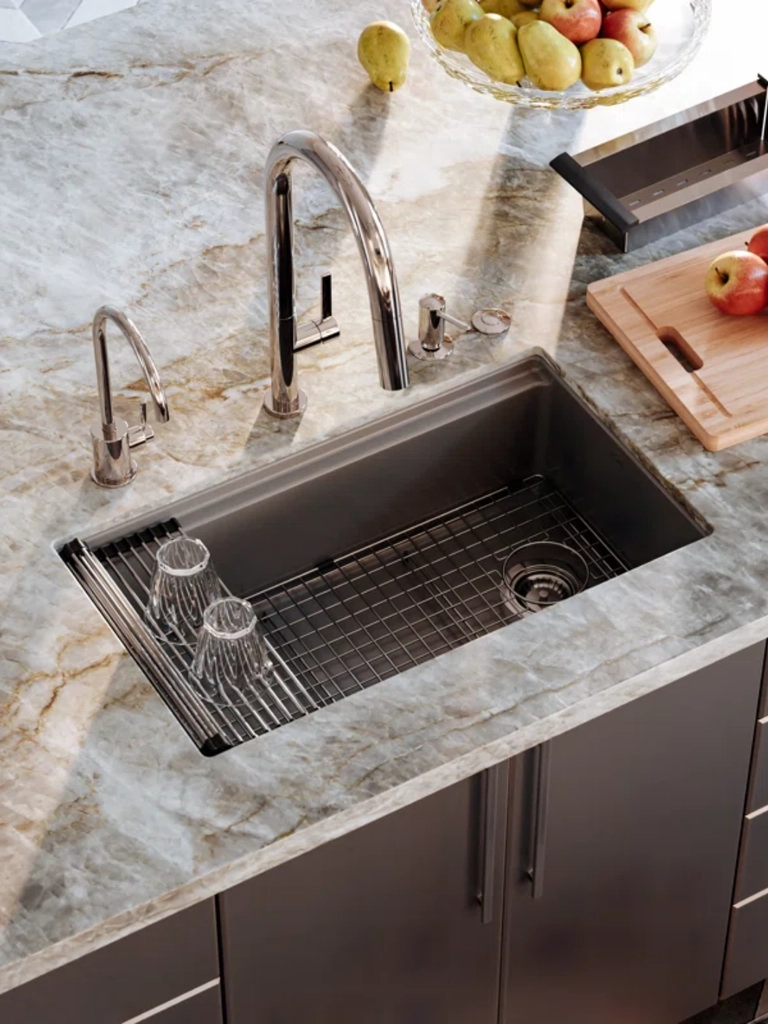
Large undermount sinks featuring built-in interior ledges accommodate sliding cutting boards, colanders, and roll-up drying racks. This configuration consolidates washing, trimming, and prep within a single footprint, shielding surrounding countertops from moisture and debris while expanding usable workspace.
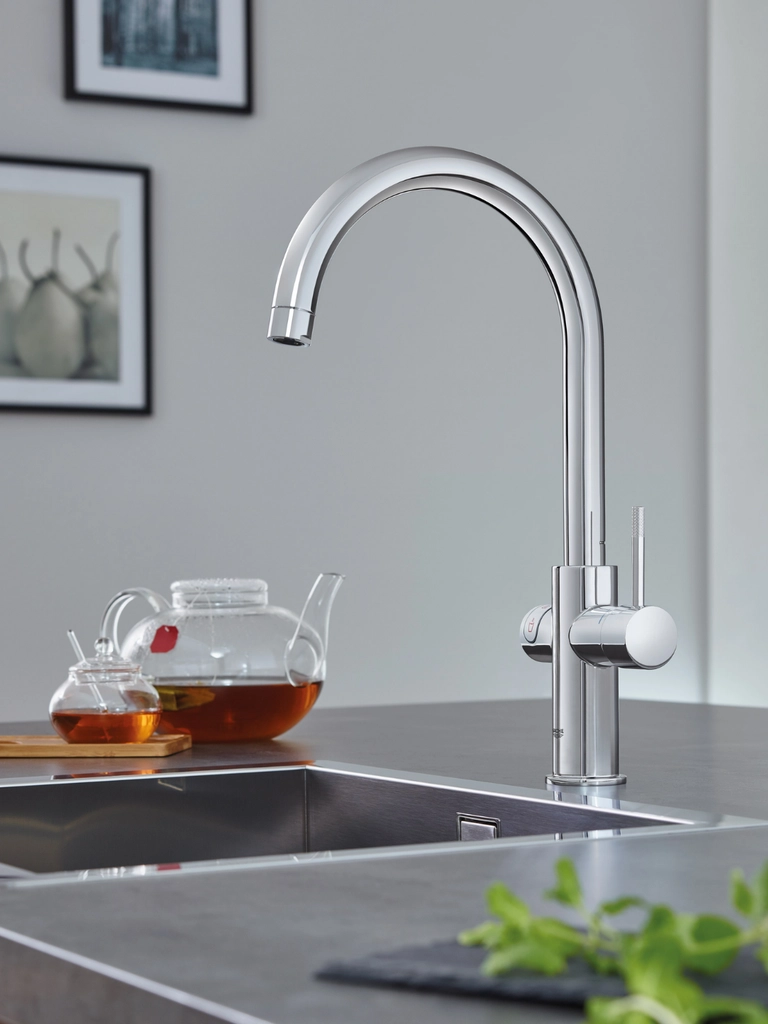
Water systems are changing this zone even further. Under-counter filtration units can supply filtered chilled, boiling or sparkling water through a single tap, removing kettles, bottled water and countertop filtration devices from view.
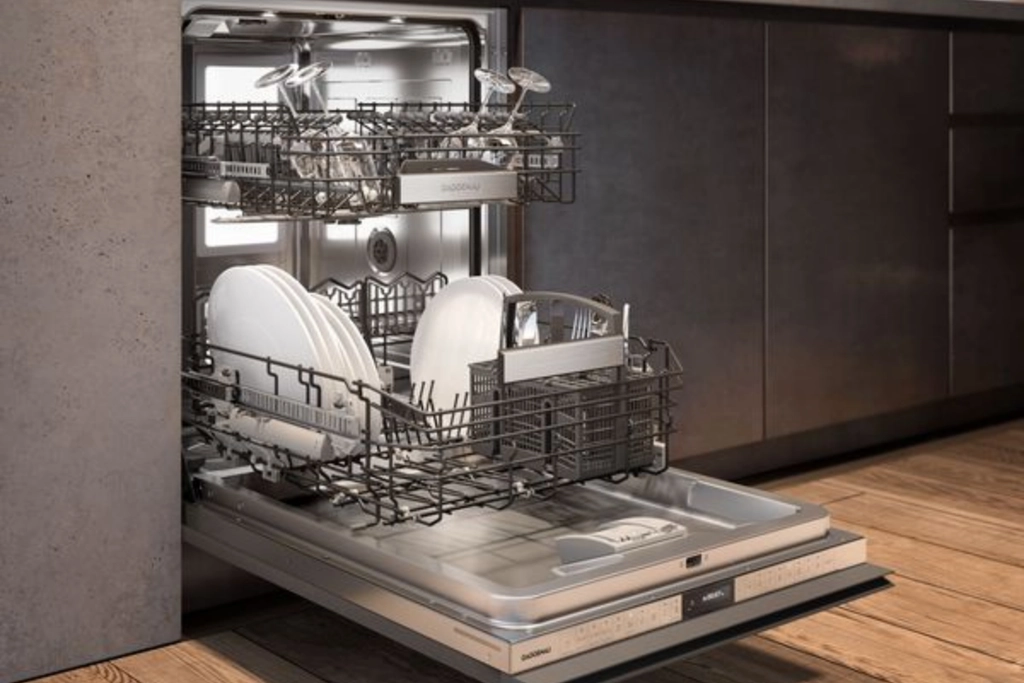
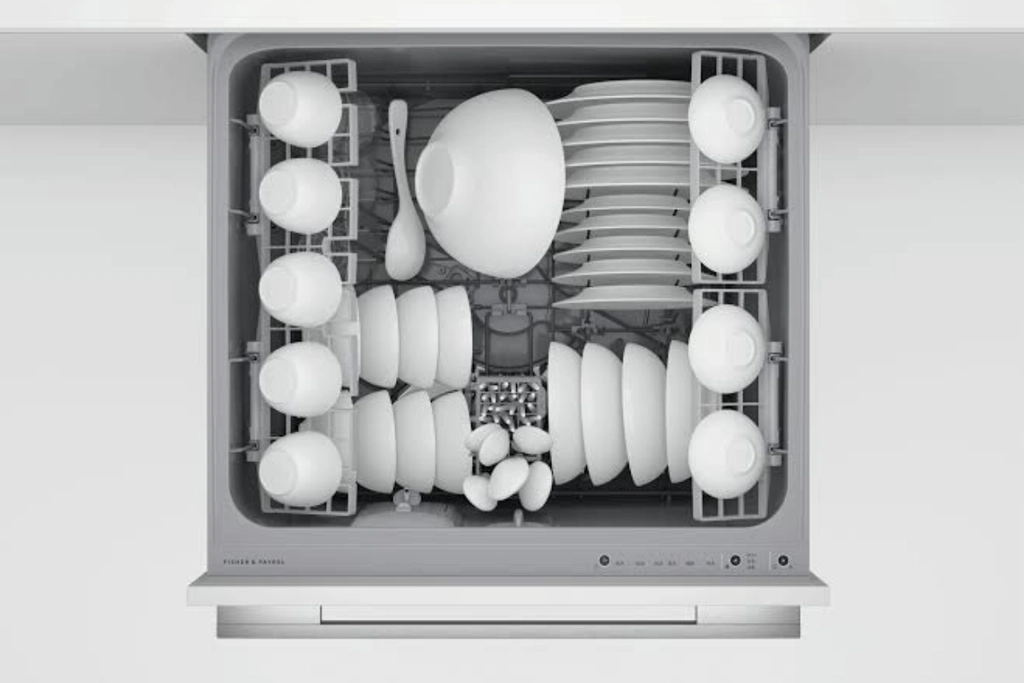
Dishwashing can also be divided according to use. Two dishwasher drawers or separate dishwashers allow delicate glassware to run independently from heavily soiled cookware. During entertaining, one can operate while the other continues receiving dishes.
Waste storage deserves the same attention. Pull-out recycling systems keep different streams separated, while enclosed bins and carbon filtration can reduce odor. Hands-free opening is particularly useful when both hands are occupied with food preparation.
Among all luxury kitchen essentials, these systems are some of the least glamorous to photograph and some of the most satisfying to live with.
The most valuable feature of a preparation zone may simply be uninterrupted surface area.
Continuous slabs of quartzite, porcelain or other durable materials create a generous working plane and reduce visual fragmentation. Extending the same material vertically across the backsplash can further quiet the room, allowing ingredients and cookware to become the temporary visual focus during use.
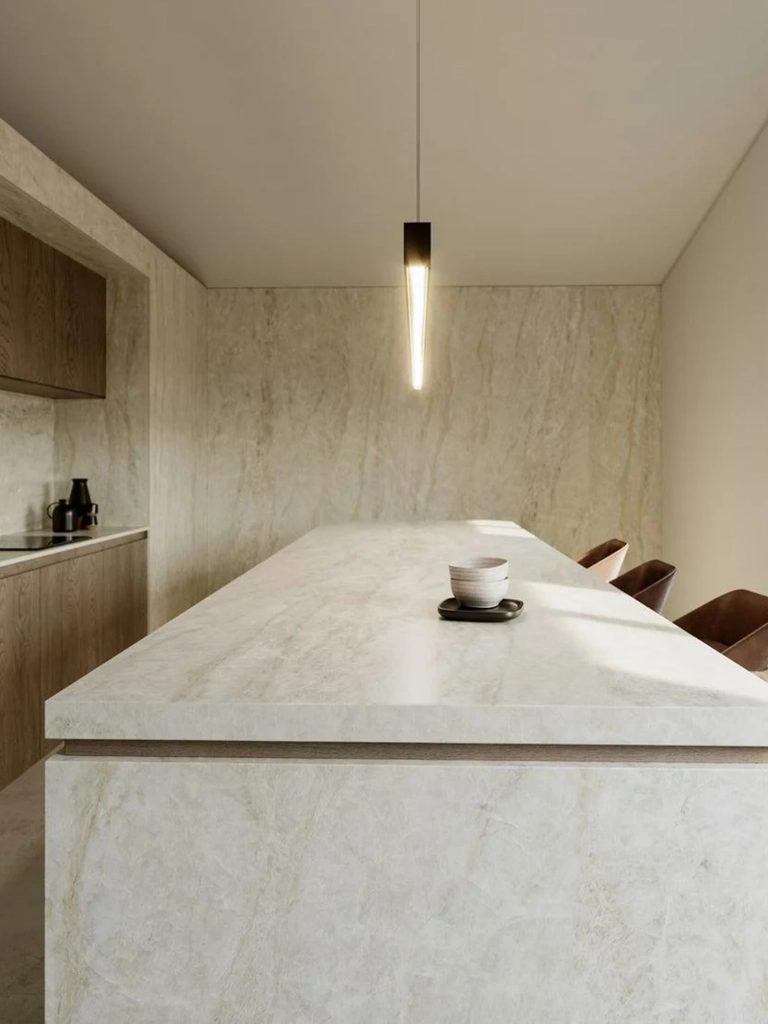
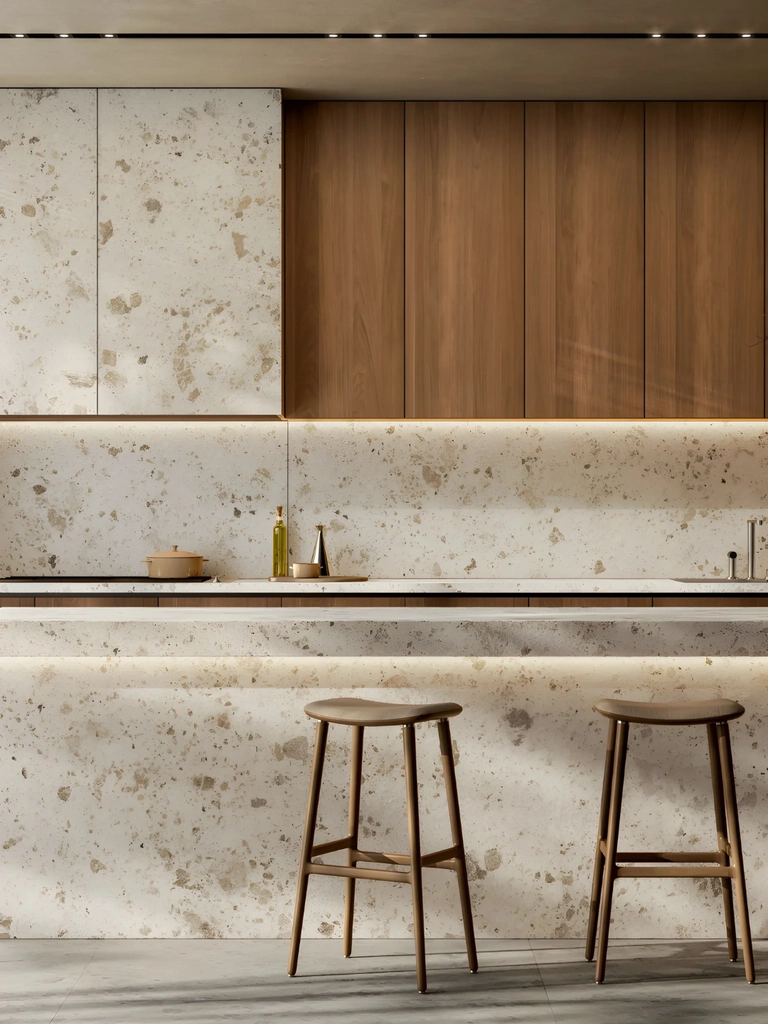
Countertops often become cluttered with small appliances. Retractable pocket doors allow everyday appliances — such as espresso machines and food processors, to remain plugged in and operational while hiding away when not in use.
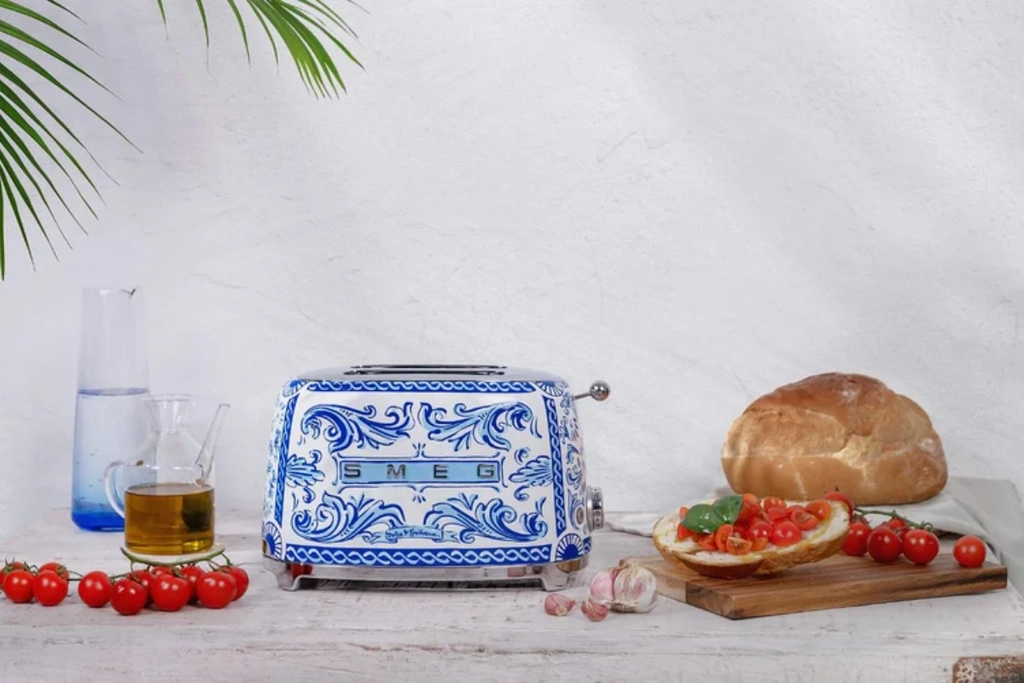
When small appliances do remain on display, high-profile design collaborations turn countertop equipment into sculptural accents rather than functional clutter. Collectible pieces such as the limited-edition Ducatti coffee machine would make wonderful accents.
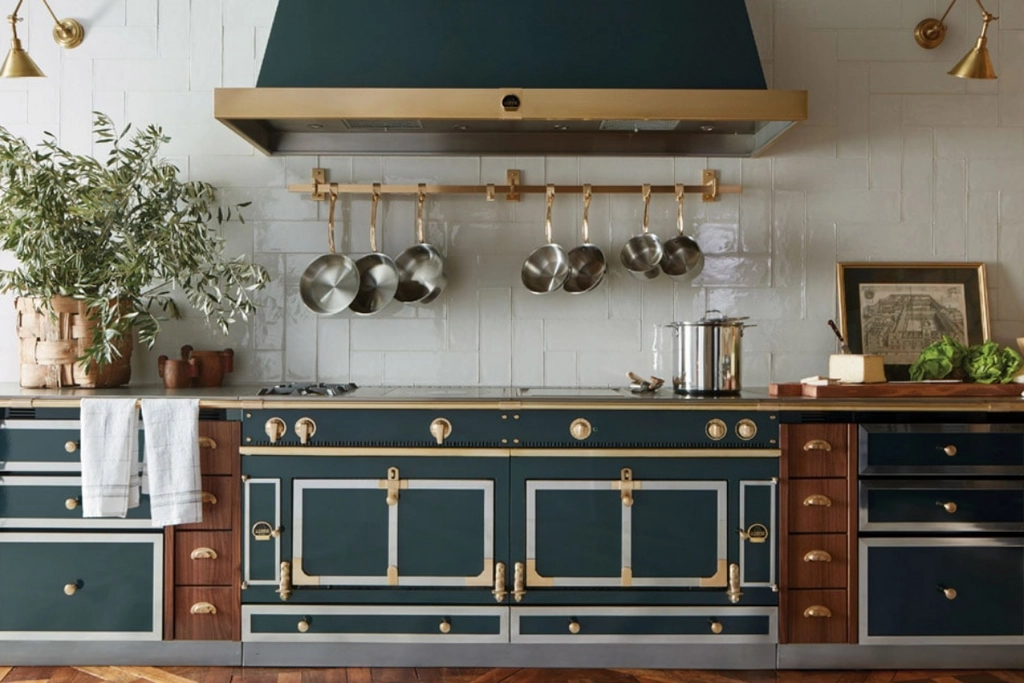
Professional-style gas ranges offer tactile responsiveness and open-flame control, while full-surface flex-induction cooktops deliver pinpoint temperature regulation across seamless glass surfaces. Hybrid setups combine both media into a single cooking plane, reserving high-BTU gas burners for open-flame searing while utilizing induction for delicate simmering.
Effective ventilation depends on duct size, duct routing, and adequate CFM airflow capacity. Utilizing remote inline or exterior blowers moves the motor away from the kitchen interior to eliminate operating noise. Custom hood enclosures wrapped in hand-burnished brass, stainless steel, plaster, or zinc transform essential exhaust hardware into a central architectural centerpiece.
Modern wall-oven configurations stack specialized units to handle specific cooking methods rather than relying on a single conventional oven chamber. Combi-steam ovens inject controlled moisture alongside convection heat to preserve humidity in fish, meats, and breads, while speed ovens pair microwave energy with convection heating for accelerated cook times.
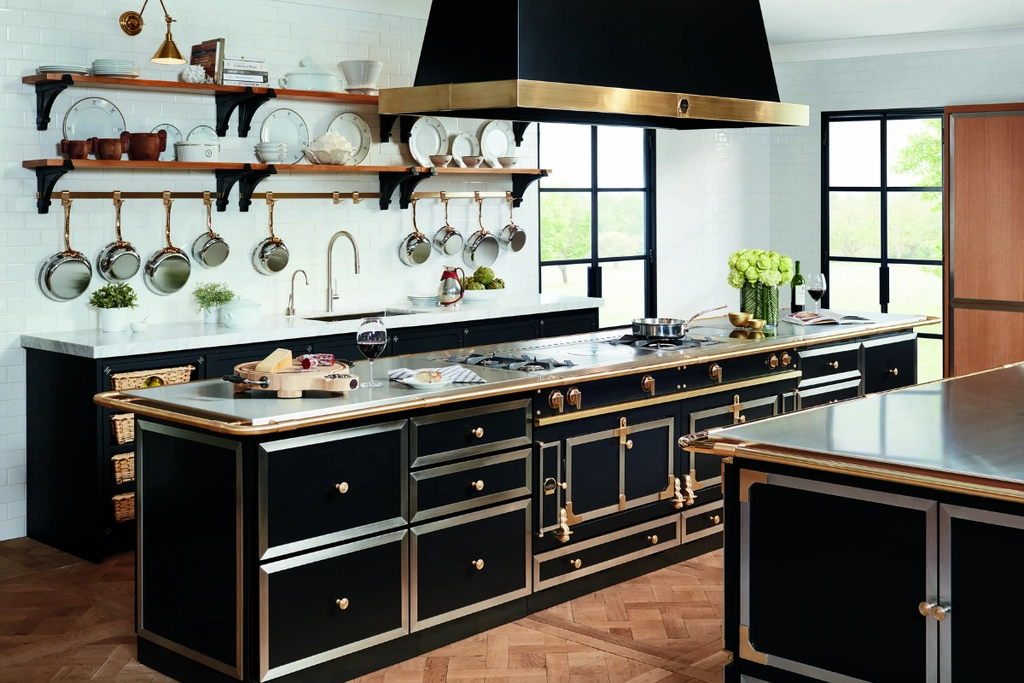
No single appliance makes a kitchen luxurious.
A Gaggenau oven beside a poorly placed refrigerator will not fix an inefficient layout. A marble island cannot compensate for insufficient counter space. Motorized cabinetry becomes gimmicky if the objects inside are difficult to organize.
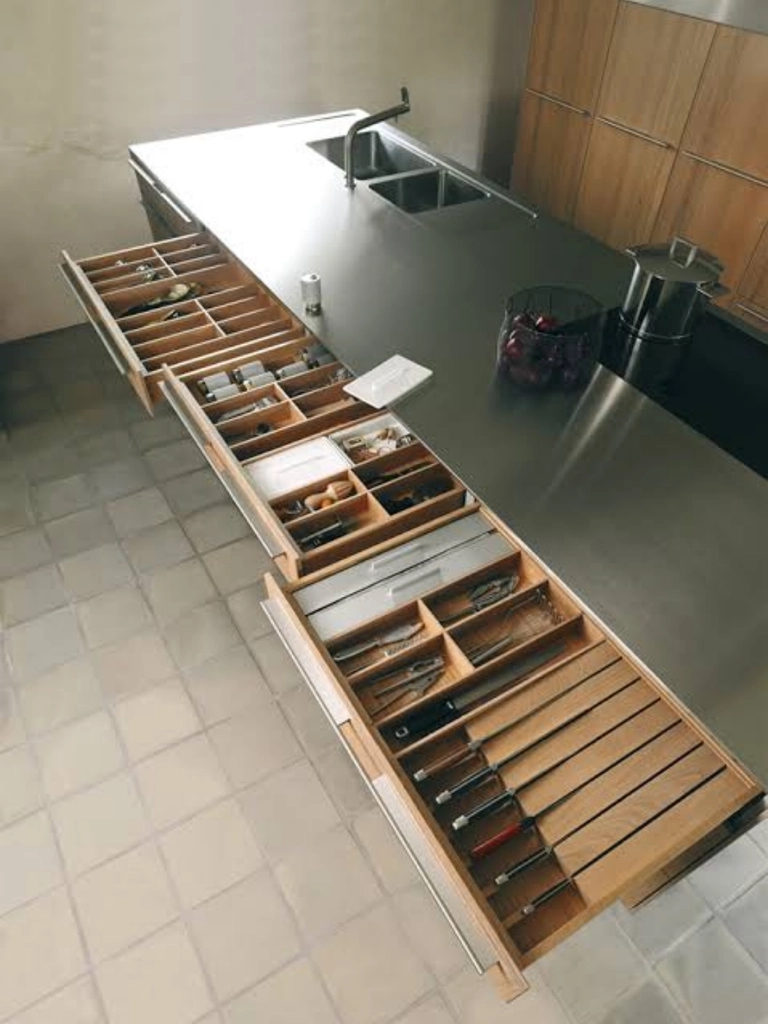
The best kitchens feel expensive because every decision appears related to the next. Food enters near refrigeration. Plates sit close to the dishwasher and dining area. Knives belong beside the prep surface. Ventilation responds to the power of the cooktop. Water arrives exactly where it is needed.
Technology should support that sequence quietly. That is also why the most useful luxury kitchen essentials often disappear behind panels, inside drawers or beneath counters. Integrated refrigeration becomes cabinetry. Filtered water comes through one tap. Charging ports vanish into the work surface. Dishwashers sit behind matching fronts.