MENU
Close





Once tucked quietly inside soothing formulas, Beta-Glucan is now becoming a hero ingredient across the products shaping 2026 barrier care.
Once tucked quietly inside soothing formulas, Beta-Glucan is now becoming a hero ingredient across the products shaping 2026 barrier care.
September 14, 2026
Advertisement

Advertisement



Beta-Glucan is a family of naturally occurring polysaccharides made from chains of glucose, commonly sourced for skincare from oats, yeast, mushrooms, and other fungi. On skin, it is valued for attracting and retaining water while supporting a calmer, more resilient barrier, which explains why it frequently appears in formulas designed for dryness, sensitivity, and recovery after more intensive actives.
Its exact structure varies according to its source, giving formulators several versions to work with, while oats remain one of its most recognizable connections to traditional soothing skincare.
In 2026, that familiar science has found perfect timing. Spate now lists Beta-Glucan among the fast-growing ingredients shaping beauty demand this year, alongside names such as PDRN, Volufiline, and peptides, while its wider consumer analysis shows shoppers increasingly researching specific actives before choosing products. At the same time, Google Trends data cited by Cosmetics Business shows searches for “skin barrier repair” up around 30% over the past year, strengthening demand for soothing, moisture-retaining ingredients associated with sensitive and compromised skin.
Few brands have committed to Beta-Glucan with the enthusiasm of iUNIK, whose Power Moisture Serum has already moved roughly 14,700 units through TikTok Shop, while third-party Amazon analytics estimated around 10,000 units during July 2026, representing approximately 66.7% month-over-month growth.
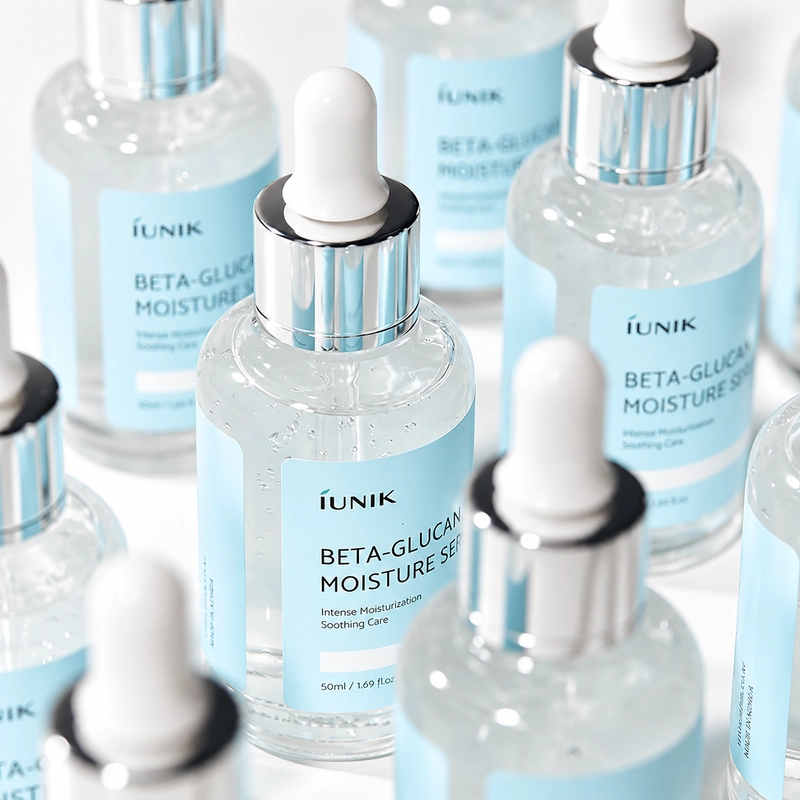
The serum also became the foundation for an entire beta-glucan family spanning a milk essence, daily moisturizer, 3X Barrier Cream, sunscreen, lotion, cleanser, and masks, effectively turning one hydrating ingredient into a complete skincare wardrobe.
Dr.Althea’s 345 Relief Cream gives beta-glucan an entirely different kind of visibility, with its official U.S. TikTok Shop listing moving roughly 132,500 units while the ingredient works inside a broader calming formula featuring niacinamide, panthenol, ceramide NP, resveratrol, and Centella.
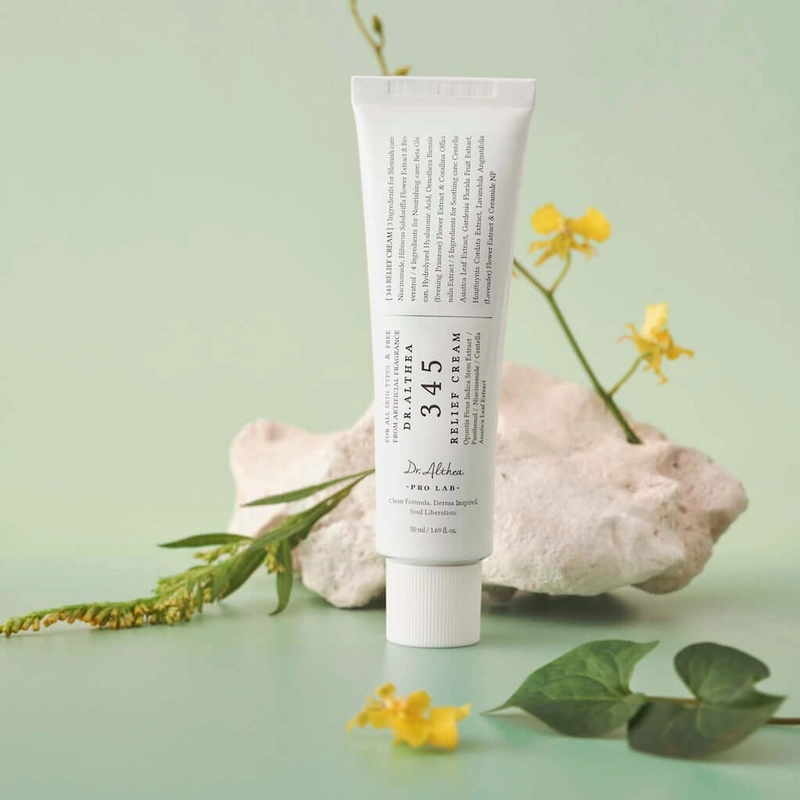
The product became famous through the language of barrier repair and soothing care, which makes its beta-glucan content particularly revealing because consumers were already buying the ingredient at significant scale before its name became one of 2026’s skincare talking points.
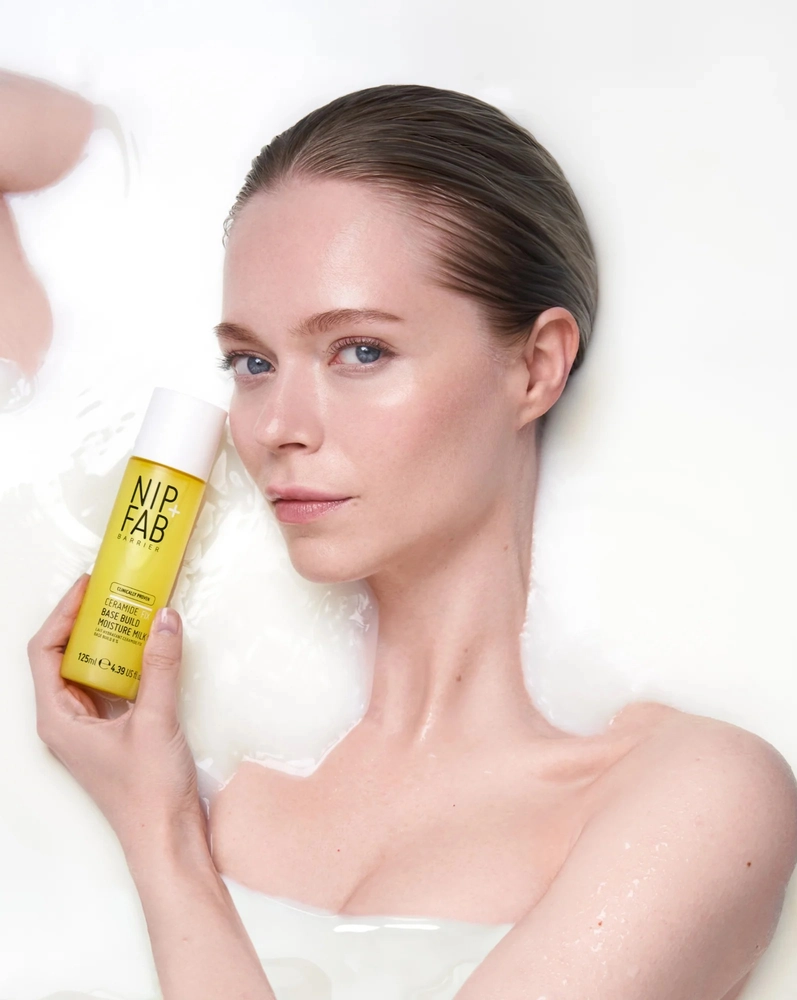
Hailey Bieber helped turn glazed skin into one of beauty’s most recognizable visual codes, and Beta-Glucan sits inside one of the products created to deliver that signature finish. Rhode’s Glazing Milk combines beta-glucan with a three-ceramide complex in a milky essence Bieber once described as a “hydrating bath” for skin, and the product has since moved roughly 30,900 units through TikTok Shop.
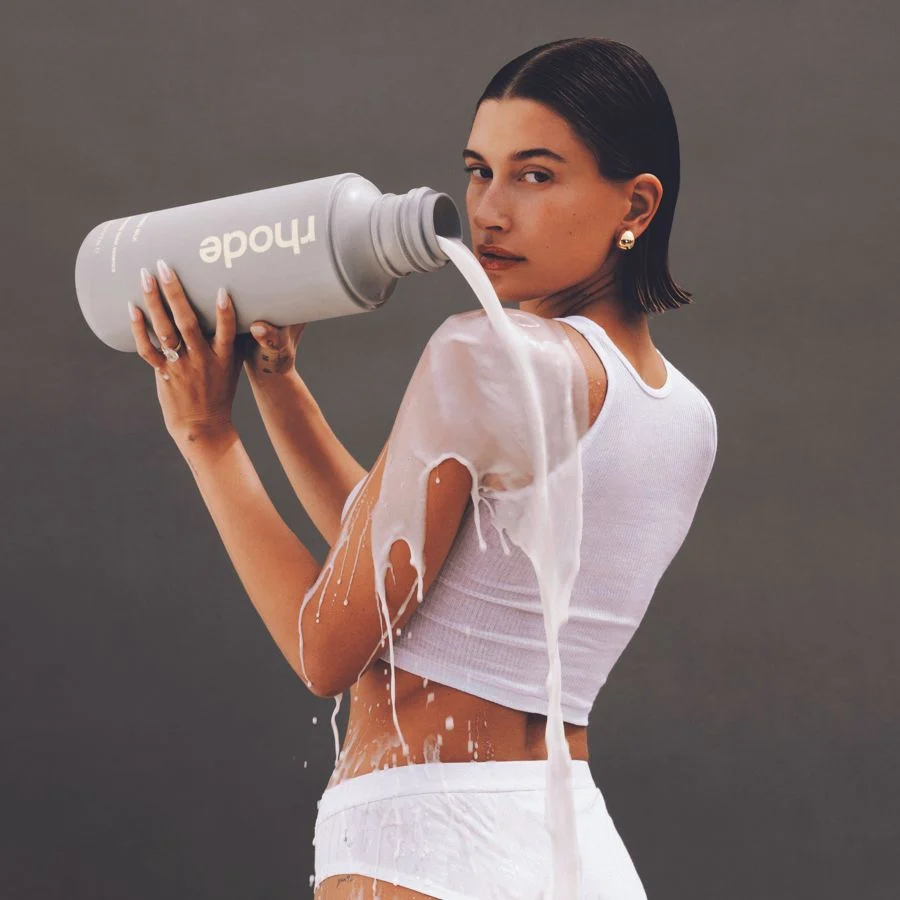
Previous e-commerce analysis also estimated around $179,000 in average weekly online revenue during one measured period, giving the formula substantial commercial weight within Rhode’s tightly edited assortment.
Anua’s Azelaic Acid 10 Hyaluron Redness Soothing Serum places beta-glucan inside one of 2026’s busiest active combinations, where it supports 10% azelaic acid alongside hyaluronic acid and soothing ingredients. TikTok Shop has moved over 25,000 units, while recent Amazon reporting placed monthly purchases above 90,000, giving the serum considerable momentum across two major beauty-shopping ecosystems.
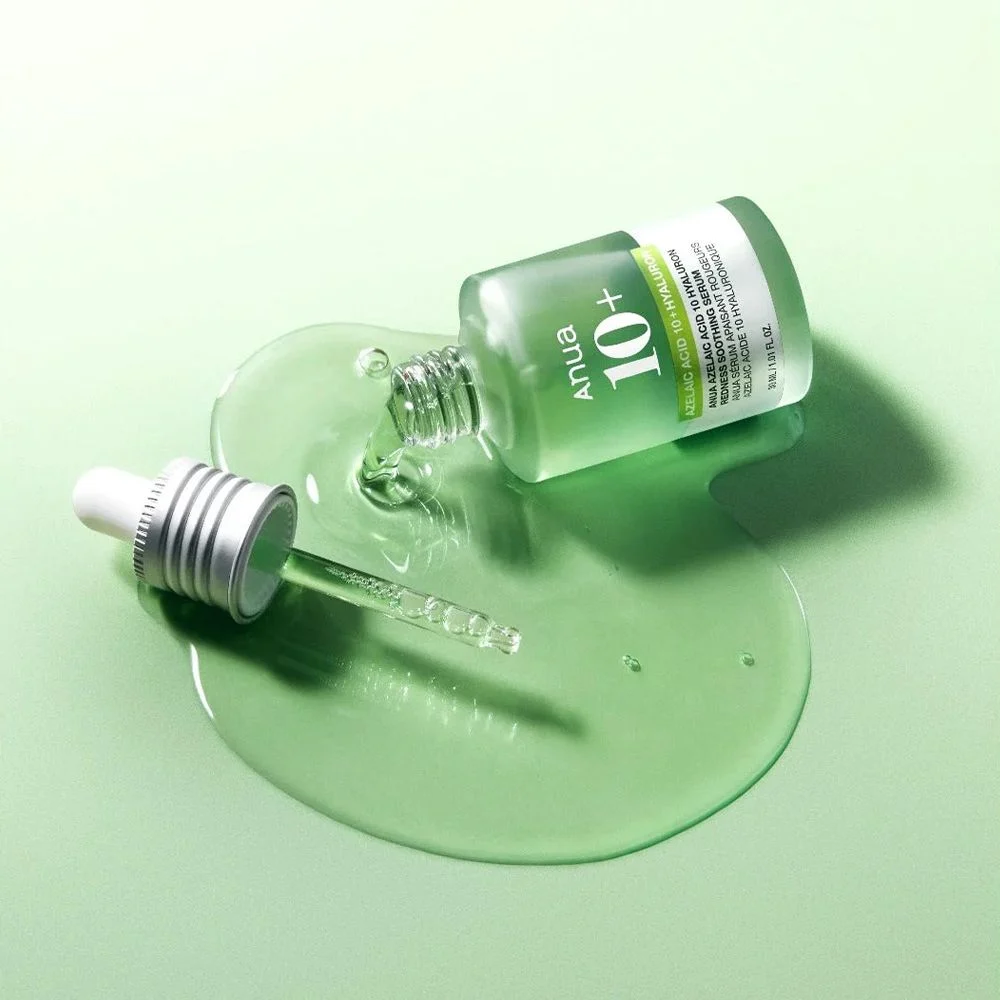
The celebrity connection arrived through Kendall Jenner, Anua’s first global ambassador, who publicly identified the serum among the products she reaches for when her skin feels irritated or blemish-prone.
PURITO’s Oat-In Calming Gel Cream makes beta-glucan feel especially at home because the formula contains 77% oat seed water alongside beta-glucan, squalane, and panthenol, while its official TikTok Shop listing has crossed roughly 12,000 sales.
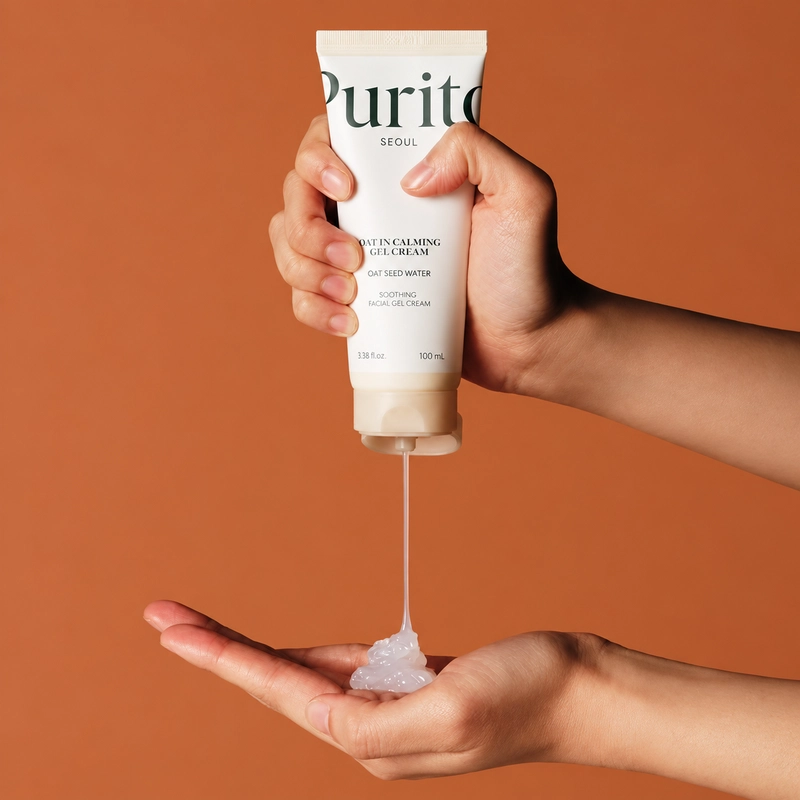
Oats have carried a long reputation for comforting delicate skin, and the current interest in beta-glucan gives that familiar ingredient history a fresh technical vocabulary. The formula turns a simple cereal grain into a modern barrier-care story built around oat water, oat-derived components and soothing lipids, creating one of the clearest examples of how a heritage skincare material can suddenly feel contemporary again.
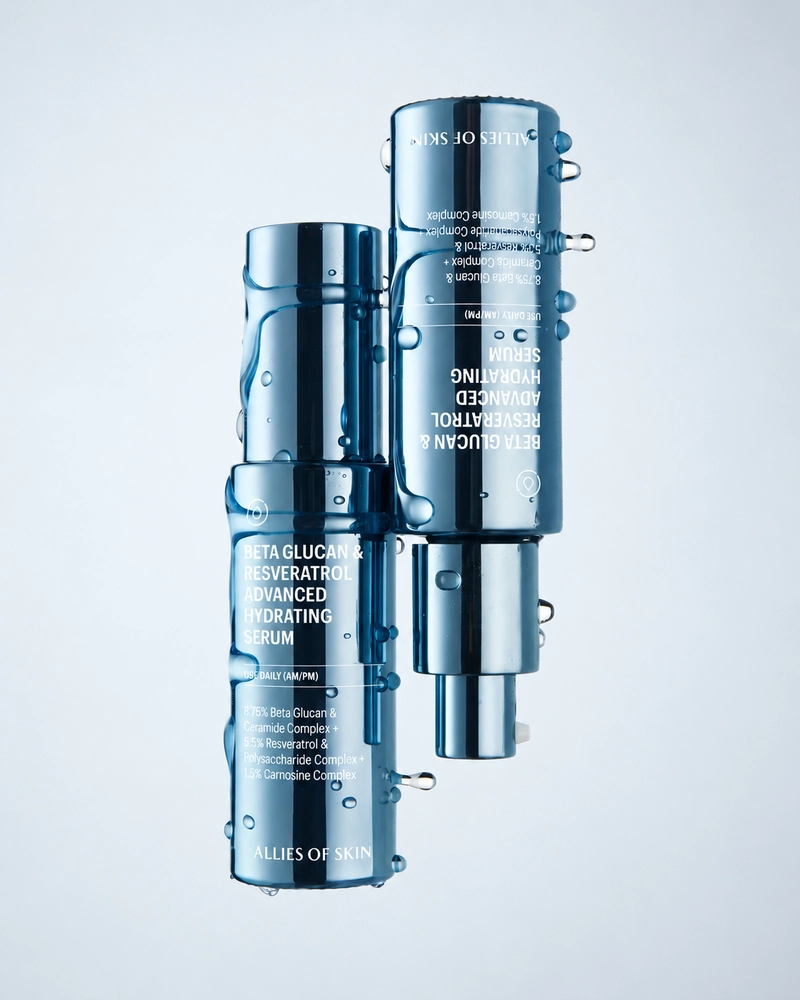
Allies of Skin gives beta-glucan a distinctly prestige treatment with its Advanced Hydrating Serum, which centers an 8.75% beta-glucan and ceramide complex alongside resveratrol, polysaccharides and carnosine. Founder Nicolas Travis has explained that he wanted the serum’s hydration story to revolve around beta-glucan, giving the ingredient a starring role inside one of the brand’s most technically ambitious formulas.
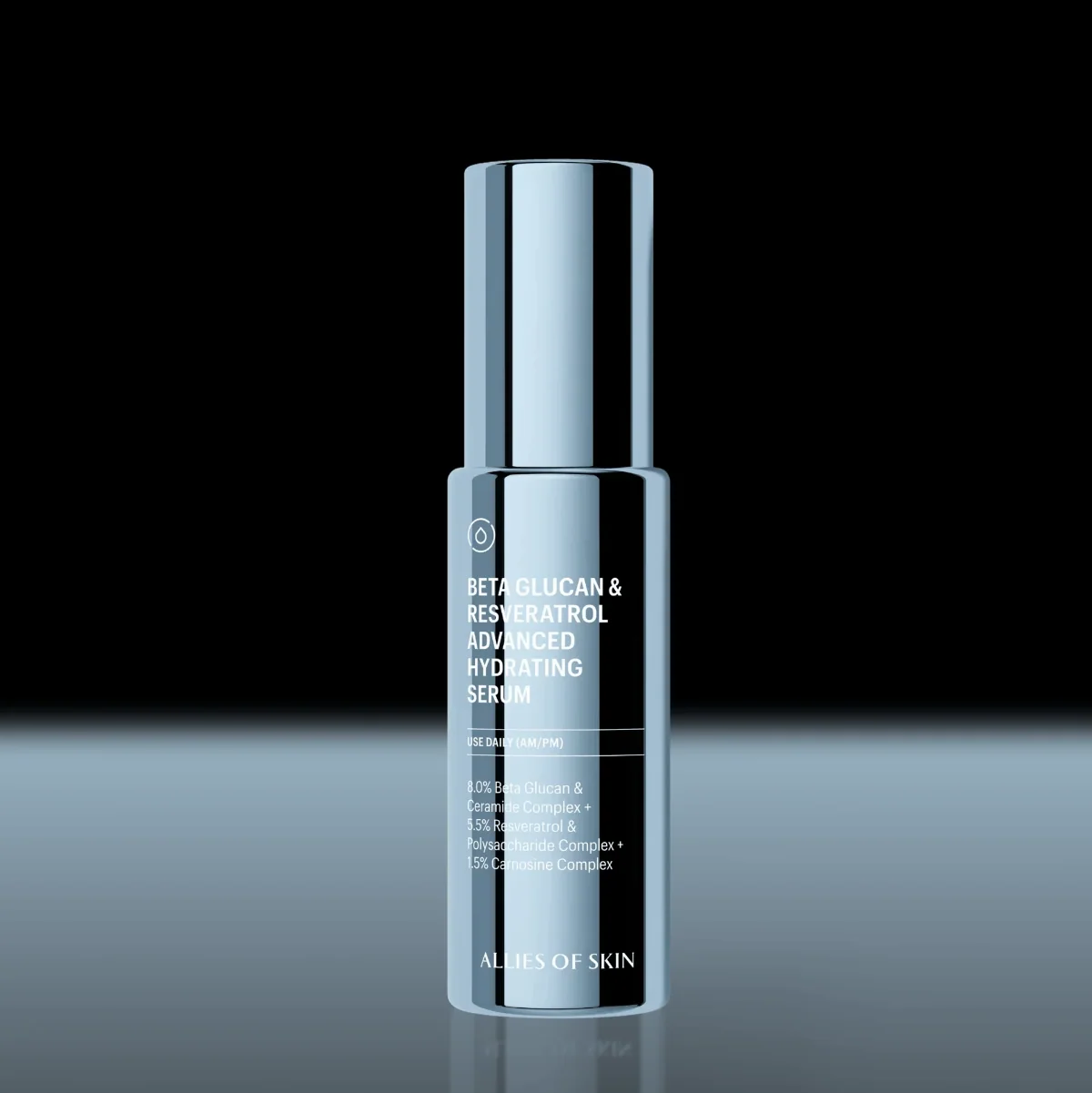
The brand also reports an instant 124% increase in hydration in instrumental testing of the finished serum, helping position beta-glucan as an ingredient capable of carrying an entire product concept through moisture retention, barrier support and skin comfort.
Cocokind’s Electrolyte Water Cream takes beta-glucan into a skincare concept inspired by hydration chemistry, pairing it with magnesium, sodium, zinc and manganese PCA in a lightweight moisturizer built around electrolyte language.
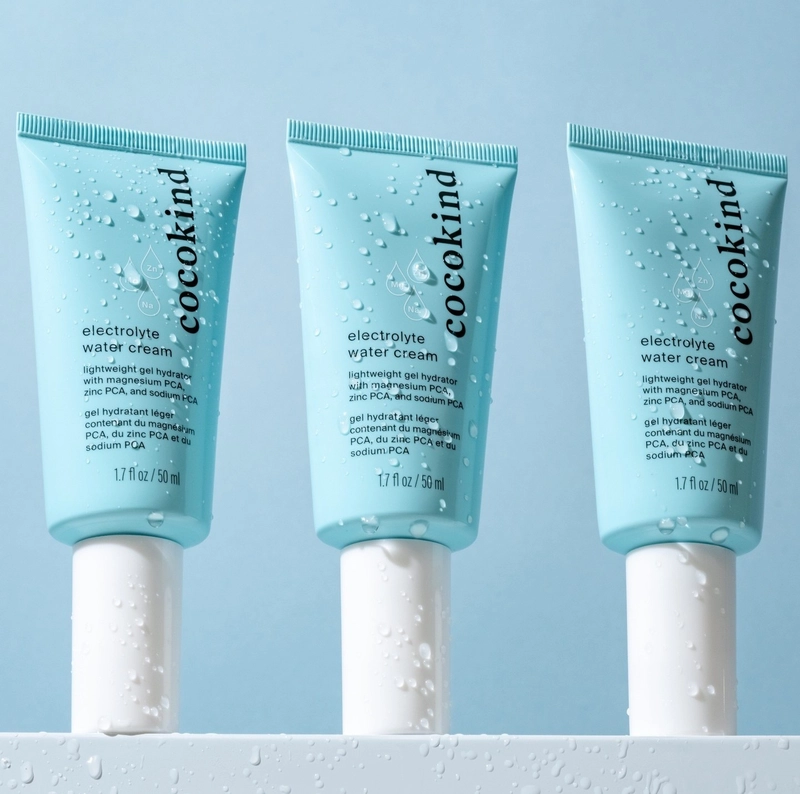
The most memorable fact sits outside the formula, because Cocokind publishes an estimated carbon footprint of approximately 3.9 grams of emissions per use, with the company breaking that footprint across manufacturing, production, distribution, and end-of-life.
Across these seven products, Beta-Glucan appears as a dedicated serum, a viral barrier cream, a celebrity-founded milky essence, an azelaic-acid companion, an oat-based moisturizer, a prestige hydration treatment, and an electrolyte cream with its own carbon calculation. That breadth explains why the ingredient feels especially relevant in 2026, because its rise comes through multiple skincare worlds at once, each finding a different reason to place beta-glucan closer to the center of the formula.
Advertisement