MENU
Close





Would you swap the syringe for a serum if skincare could give your face a little more cushion? Volufiline is the ingredient making that question feel suddenly relevant.
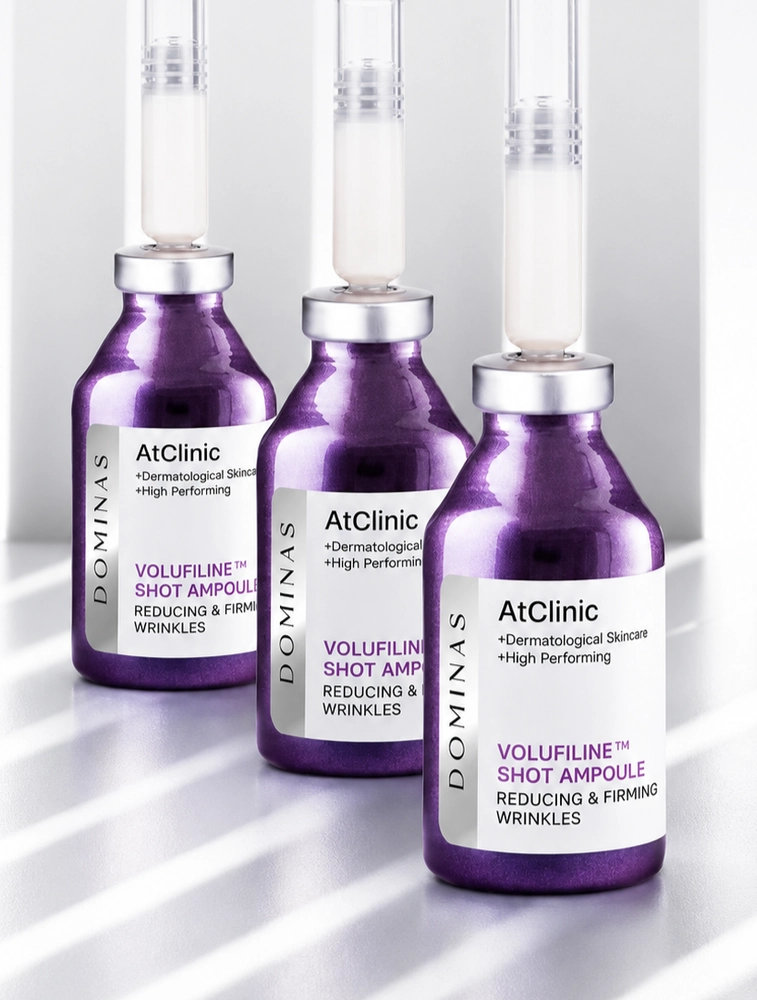
Would you swap the syringe for a serum if skincare could give your face a little more cushion? Volufiline is the ingredient making that question feel suddenly relevant.
August 24, 2026
Advertisement

Advertisement



A few drops under the eyes, a little around the smile lines, perhaps some across the cheeks, and suddenly skincare is promising something beauty once expected from a syringe. Volufiline has become one of 2026’s most talked-about ingredients because it enters a particularly sensitive conversation: what happens when the face starts losing its softness, cushioning and volume?
Volufiline arrived long before TikTok gave it a nickname.
The ingredient was originally developed by French cosmetic ingredient company Sederma, now part of Croda International. Its formula centers on an extract from Anemarrhena asphodeloides, a plant known in traditional Chinese medicine as Zhi Mu, carried in an oil-soluble base. One of its key botanical compounds is sarsasapogenin.
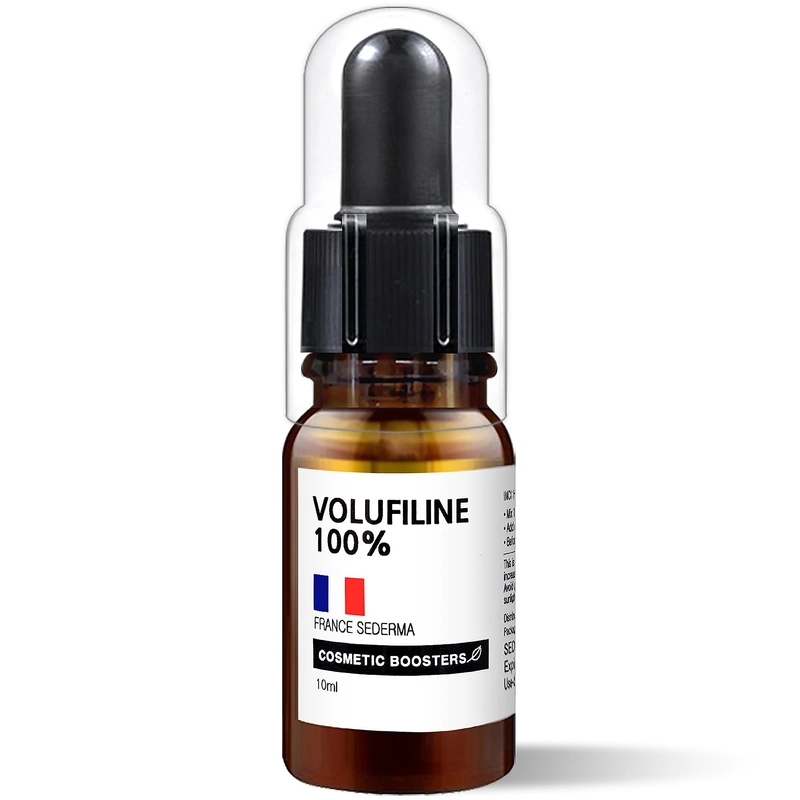
It belongs to topical cosmetics, yet its central promise concerns volume, an area beauty consumers usually associate with injectable fillers, fat transfer and facial anatomy.
Croda now describes Volufiline as a skin-plumping active and has actively repositioned the ingredient around concerns about facial hollowing. In its 2026 half-year results, the company specifically connected the renewed interest to facial volume loss and the growing discussion around GLP-1-related facial hollowing.
Fat cells, called adipocytes, store lipids. Sederma developed Volufiline around sarsasapogenin’s ability to encourage processes associated with adipocyte differentiation and lipid storage. In the company’s laboratory testing, Volufiline increased markers connected with pre-adipocyte differentiation and lipid accumulation.
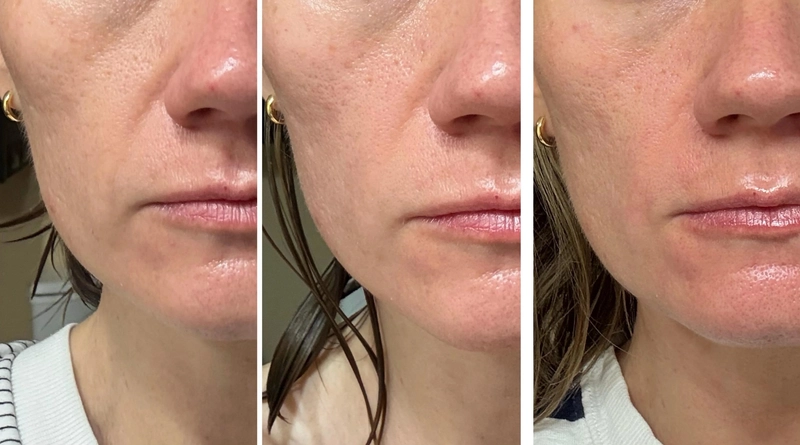
For beauty consumers, that mechanism translates into a simpler promise: areas that look hollow or deflated may develop a fuller appearance.
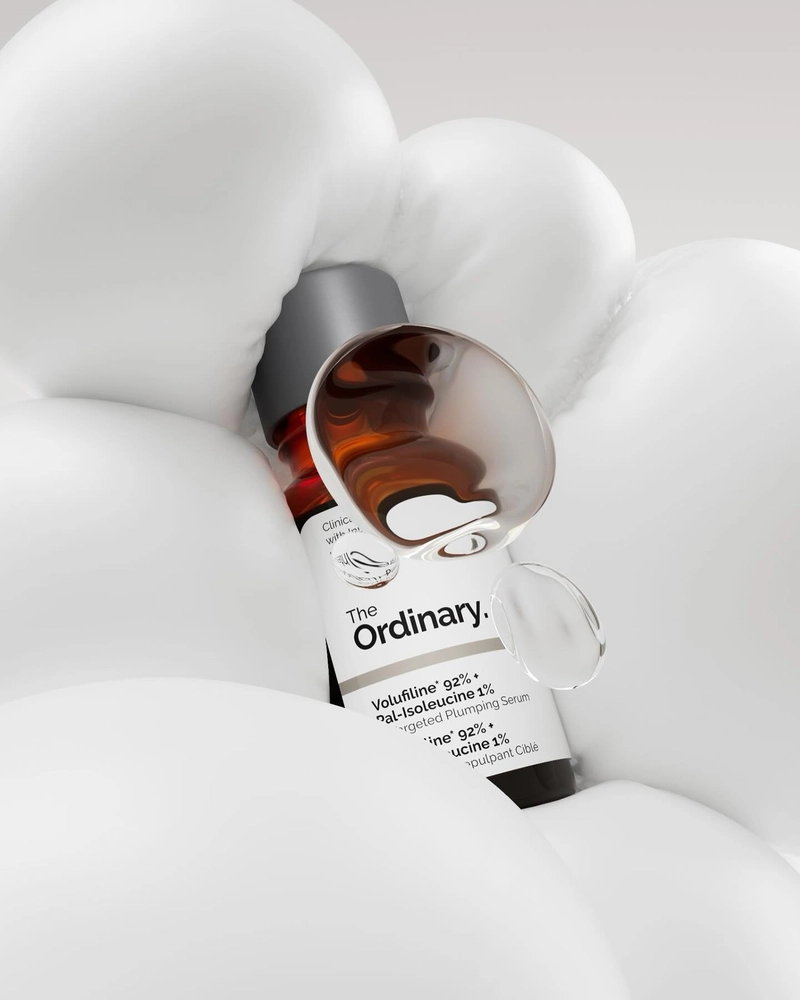
This explains why Volufiline now appears in formulas aimed at under-eye hollows, cheeks, temples and smile lines. The Ordinary, for example, directs its Volufiline serum toward precisely those areas and describes it as a targeted product for visible volume loss and skin plumpness.
The most frequently cited evidence comes from Sederma’s own development testing. Thirty women aged 18 to 35 applied a cream containing 5 percent Volufiline to one breast twice daily for 56 days. Sederma measured an average volume increase of 1.4 percent after 28 days and 2.2 percent after 56 days on the treated side. The strongest quarter of participants reached an 8.4 percent increase at day 56.
The test examined breast tissue. Facial hollows involve their own anatomy, skin thickness, and fat compartments. The sample was small, and the testing came from the ingredient supplier itself.
In its July 2026 investor presentation, Croda reported that #Volufiline videos generated over 200 million views on the U.S. TikTok Shop between May 2025 and April 2026. Croda called Volufiline TikTok’s new “it” skincare ingredient and highlighted the ingredient as an example of how an older cosmetic technology could find an entirely new commercial life.
The company also said customer requests to use Croda beauty trademarks had tripled over the previous year, showing that consumers increasingly recognize active-ingredient names themselves.
For years, consumers learned names such as retinol, niacinamide and hyaluronic acid. Now ingredient literacy has moved toward highly specific promises. Peptides imply firmness. PDRN suggests regeneration. Volufiline has become shorthand for volume.
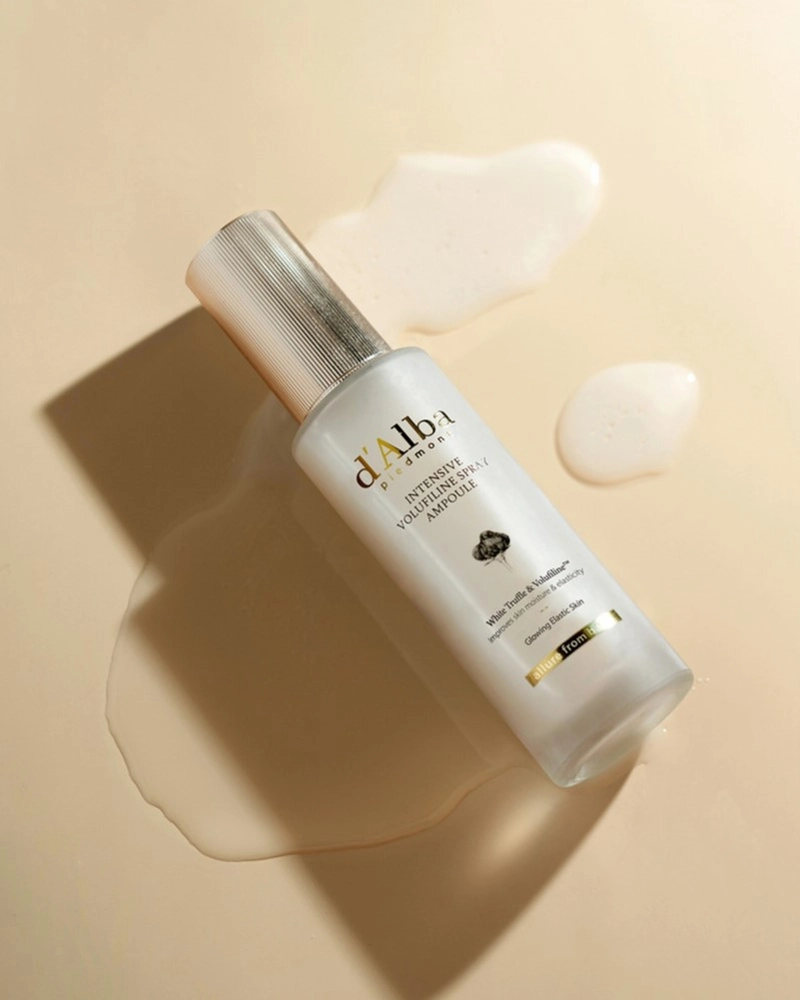
Croda helped push that transition by repositioning Volufiline around facial hollowing and encouraging facial applications for an ingredient once associated heavily with body-contouring products.
The Volufiline 92% + Pal-Isoleucine 1% Plumping Serum from The Ordinary made the ingredient almost impossible to miss.
Priced at $21.40 in the U.S., the 15 mL serum puts Volufiline directly in its name and describes itself as a targeted treatment for areas that appear sunken or hollow, including the temples, eye hollows, cheeks and smile lines.
It refers to 92 percent of the trademarked Volufiline ingredient blend, whose ingredient list contains hydrogenated polyisobutene and Anemarrhena asphodeloides root extract among its components. It represents a highly concentrated inclusion of Sederma’s supplied ingredient system, while sarsasapogenin forms only one element within that system.
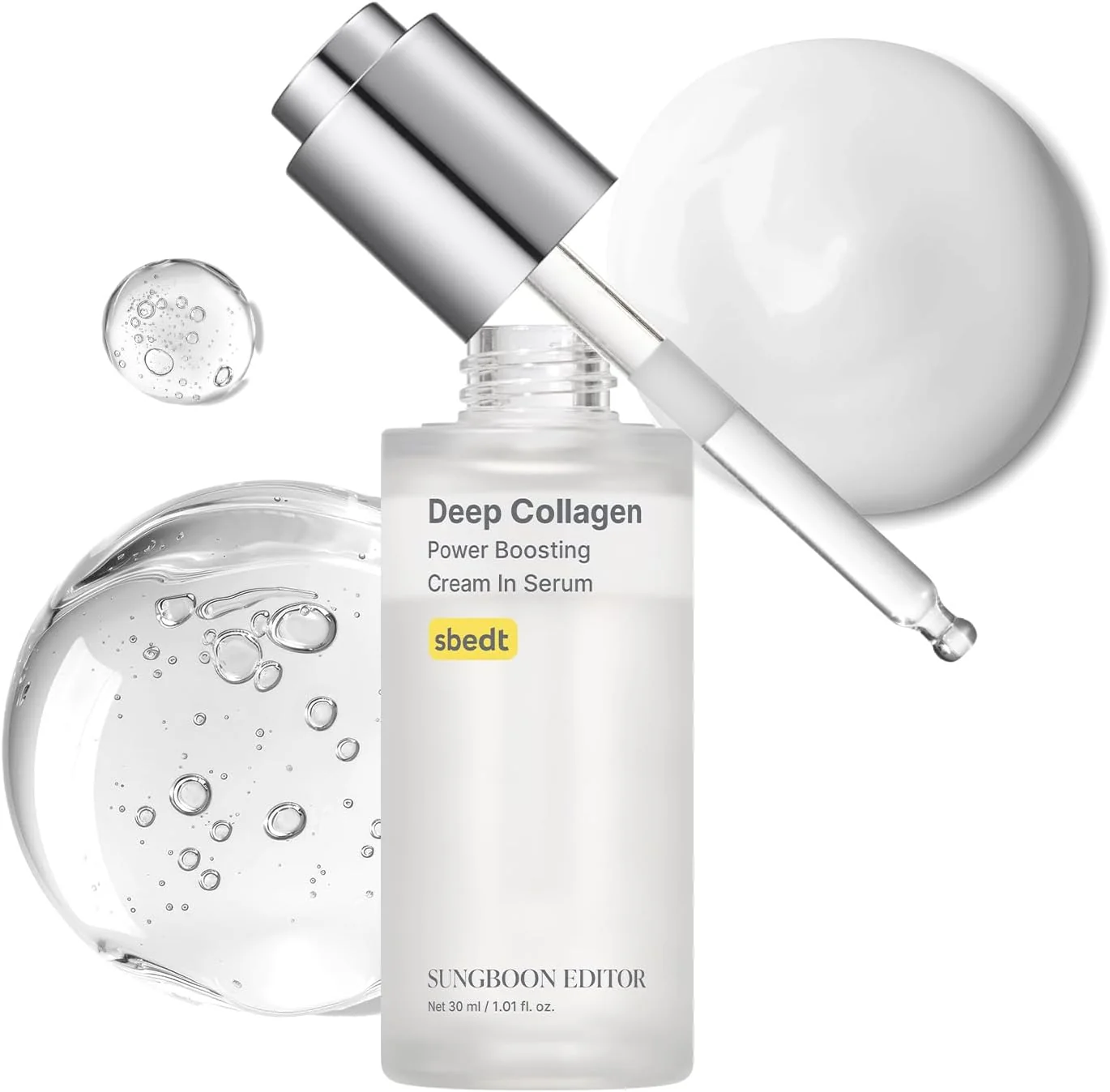
Kris Jenner publicly featured Sungboon Editor Deep Collagen Power Boosting Cream in Serum, a formula containing 5 percent Volufiline, during her nighttime skincare routine. She concentrated the serum under her eyes and around her smile lines, precisely where Volufiline’s plumping promise has become most culturally appealing. Bethenny Frankel has also publicly praised the Sungboon Editor serum, describing the plumping effect enthusiastically across her social beauty recommendations.
Advertisement