MENU
Close





Caramel is having one of fragrance’s sweetest years, yet the note inside the bottle is pure illusion: cooked sugar rebuilt through chemistry, memory, texture, and a growing appetite for edible scent.

Caramel is having one of fragrance’s sweetest years, yet the note inside the bottle is pure illusion: cooked sugar rebuilt through chemistry, memory, texture, and a growing appetite for edible scent.
September 14, 2026
Advertisement
Advertisement



There is something slightly mischievous about caramel becoming one of 2026’s hottest perfume notes, because the caramel inside a fragrance bottle was never sitting in a saucepan. Spate’s 2026 fragrance data gives the obsession serious scale: caramel reached a 497,900 popularity index across U.S. Google, TikTok and Instagram, gaining 440,300 points and surging 764.7% year over year. Only a handful of fragrance notes produced growth on that level, placing burnt sugar beside pistachio and honey at the center of this year’s edible-scent appetite.
Across Europe, Circana has also documented shoppers reaching for beauty as a source of “mini moments of bliss,” with food-inspired beauty drawing particularly strongly on memory and sensory pleasure.
So yes, people apparently want to smell like dessert. The interesting part starts once perfumers enter the kitchen.
Real caramel is created when sugar is heated until its molecules break down and reorganize into hundreds of aromatic compounds, producing everything from toasted sweetness to nutty, smoky, and slightly bitter facets. Food chemistry identifies molecules including cyclotene and furaneol among the important contributors to caramel aroma.
A perfume bottle has a very different recipe. Stable caramelized sugar extract is unsuitable as a conventional fragrance raw material, so perfumers reconstruct the sensation as an accord, layering aroma molecules until the nose reads the combination as caramel. Maltol can smell sweet, caramelized, slightly jammy, and bready; ethyl maltol pushes the effect toward cotton candy, burnt sugar and strawberry jam; furaneol can suggest brown sugar, maple, and caramelized fruit.
Ethyl maltol is particularly powerful. Ingredient references recommend smelling it in diluted form because of its high odor strength, and its profile can swing between caramel, candy floss, jam and strawberry depending on concentration and surrounding materials. Pair it with vanilla and the illusion becomes creamy; add woods or resins and caramel suddenly feels darker; bring in lactonic materials and the nose starts imagining caramel milk or melted white chocolate.
Even salted caramel contains a clever sensory trick. Sodium chloride itself is nonvolatile and essentially odorless, so the smell of “salted caramel” has to be suggested through context and surrounding aromatic effects. The sweet caramel accord establishes the dessert, while mineral, marine or savory impressions persuade the imagination to sprinkle salt across it.
Caramel’s modern story also leads straight to one of perfumery’s most important disruptions.
When Thierry Mugler launched Angel in 1992, perfumer Olivier Cresp built the fragrance around an unusually prominent dose of ethyl maltol with patchouli, chocolate, honey, and red fruits.
Mugler had asked for something mouthwatering that evoked childhood memories of fairs, cotton candy, cakes, chocolate, and caramel. The process reportedly took 630 trials, and the final fragrance helped establish what the industry now recognizes as the modern gourmand family.
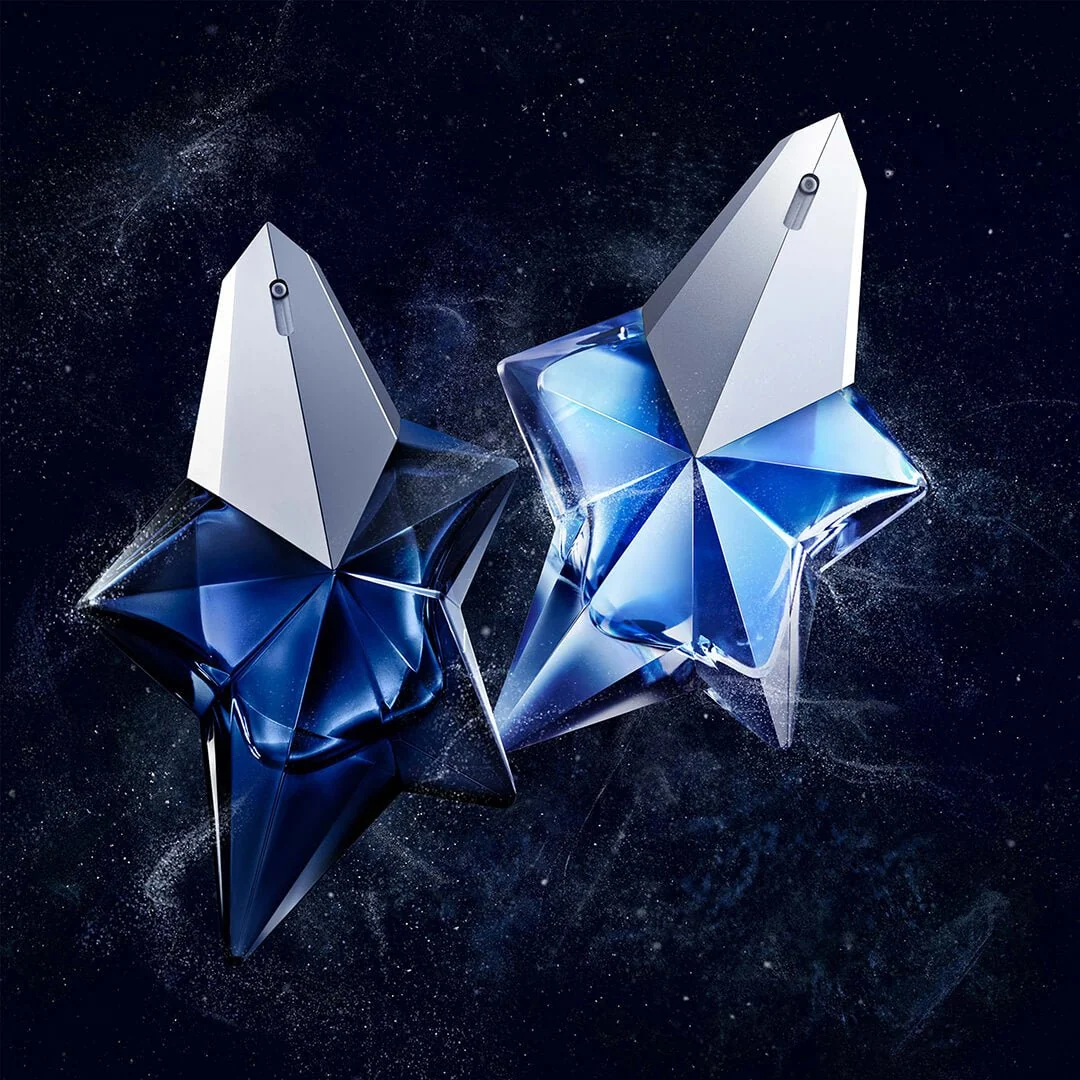
The funny part is that luxury buyers initially struggled with the idea. A perfume centered on something so unapologetically edible had little precedent in fine fragrance, yet Angel eventually grew into one of the defining scents of its era and gave later perfumers permission to make dessert smell expensive.
Caramel had officially graduated from funfair to fashion house.
Then Mona Kattan decided one caramel was insufficient.
Kayali Boujee Kitty Caramel Milk | 22, launched globally in July 2026, uses a “triple-dose” concept built around salted caramel, caramel milk, and caramel santal, supported by coconut, white chocolate, vanilla caviar, marshmallow fluff, and musk. The number 22 marks the 22 formulation rounds required to finalize the perfume.
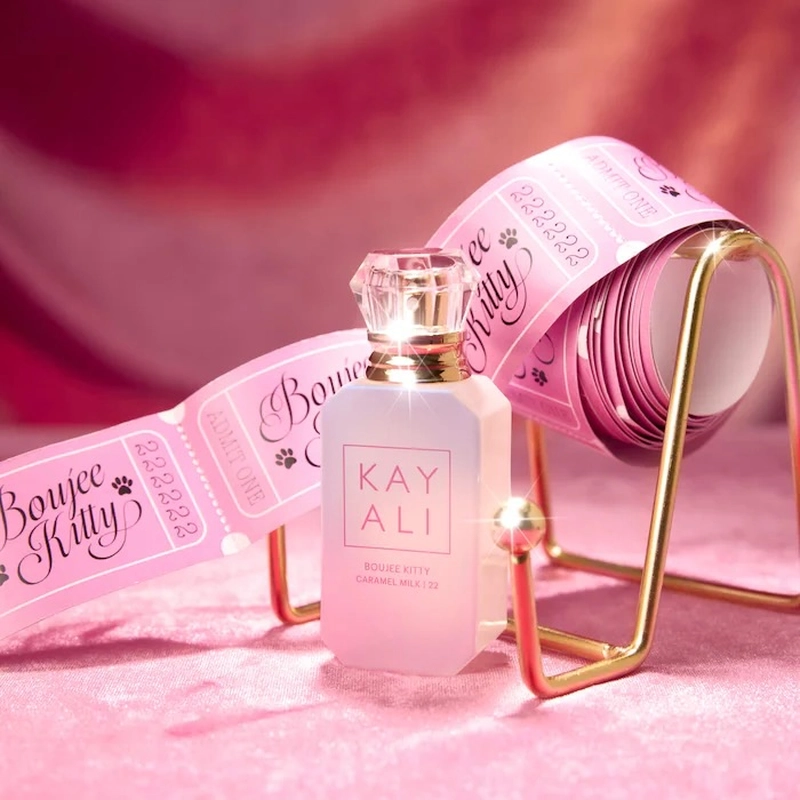
Boujee Kitty started as an April Fool’s concept in 2025. The audience response became so enthusiastic that Kayali turned the joke into a real fragrance, developed with dsm-firmenich perfumers Gabriela Chelariu and Clément Gavarry. Mona Kattan has also said the positive reaction to the White Caramel facet in Vanilla Candy Rock Sugar helped inspire the project.
Caramel is also spreading across price points with remarkable ease. Current TikTok Shop search results show Al-Rehab Caramello at roughly 2,000-plus units sold, while caramel-vanilla mists and bakery-style perfumes have moved several thousand units through individual listings. This is a scent idea traveling simultaneously through prestige perfumery, Middle Eastern fragrance, body sprays and inexpensive viral bottles.
Kerosene’s Followed, created by founder-perfumer John Pegg, pushes caramel through coffee, cocoa, vanilla, and amber with famously enormous projection. Pegg originally had little intention of making a continuation to his earlier coffee fragrance Follow, yet the second chapter developed into a composition heavy with cocoa and caramel.
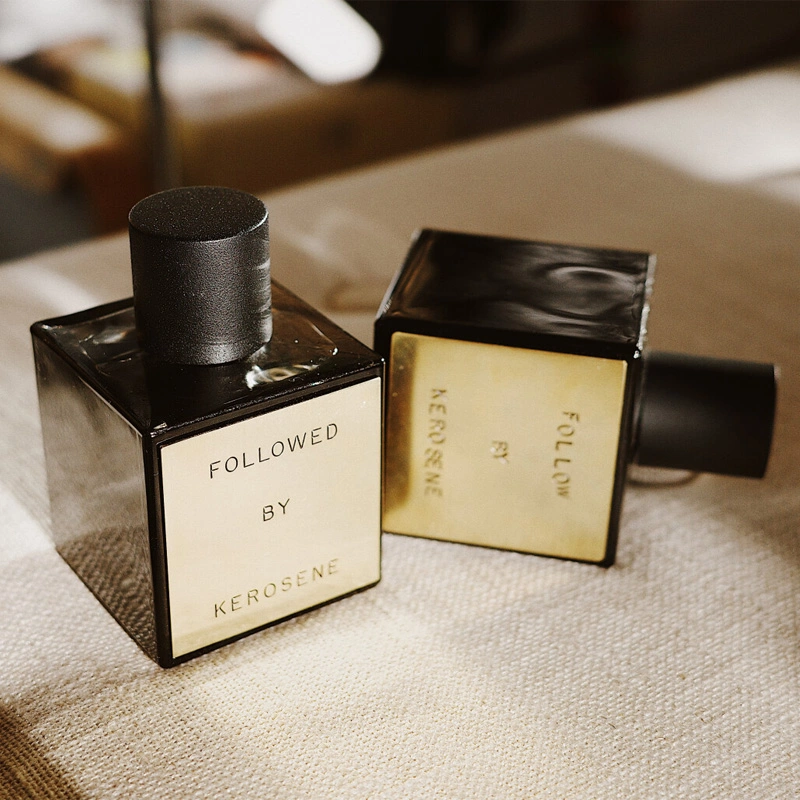
That darker direction explains why caramel works far beyond straightforward candy perfumes. Cook sugar lightly, and the imagination finds syrup; push the idea further, and it becomes toasted, smoky, almost bitter. Add coffee, and it recalls the browned edge of a café dessert. Add tobacco, woods, or amber, and caramel turns shadowy. Perfumery can essentially control the imaginary temperature of the sugar.
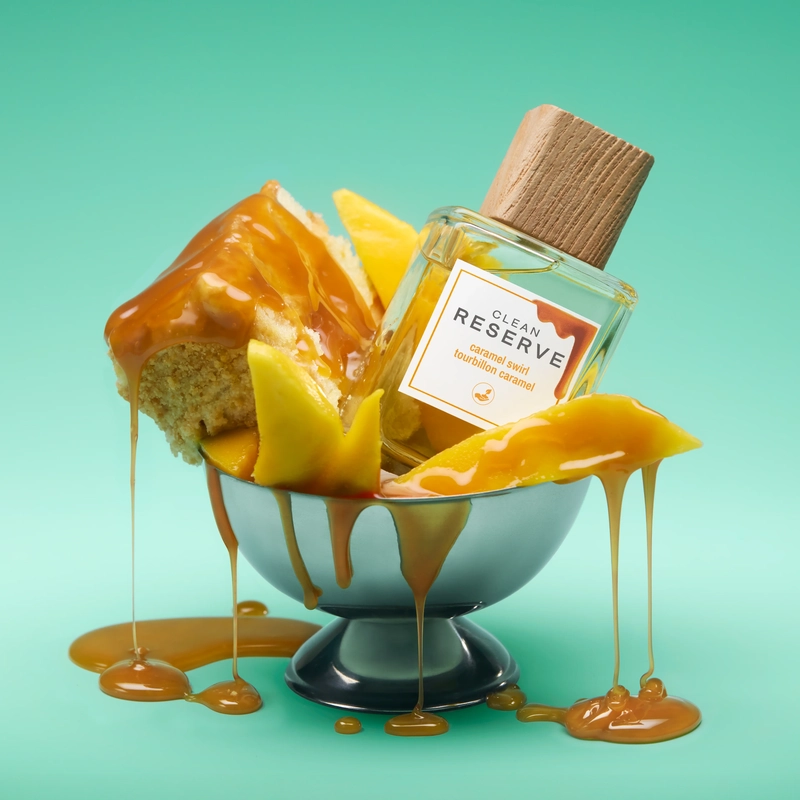
Even the latest launches keep stretching the recipe. Jérôme Epinette’s 2026 Clean Caramel Swirl sends caramel through coconut, citrus, mango, white chocolate, whipped cream, musk, and sandalwood, treating the note almost like a tropical dessert cart.
Kristie Lewis, senior vice president of merchandising at Bath & Body Works, connects that appetite for comforting scents to periods of social volatility, when familiar sensory pleasures can feel especially reassuring. Caramel fits almost perfectly into that psychology: warm sugar, childhood sweets, baked desserts, and the smell of something browning slowly in a kitchen all live inside its olfactory vocabulary.
And perhaps that explains why caramel feels so right for 2026. Fragrance consumers are asking scent to provide comfort, personality, entertainment, and a little edible fantasy all at once, and caramel happens to be exceptionally good at playing every part. The bottle contains alcohol, aroma molecules, and some very clever perfumery. Your nose supplies the saucepan.
Advertisement