MENU
Close





Tiny, resilient, and biologically clever, ectoin was built by microorganisms to cope with stressful environments.
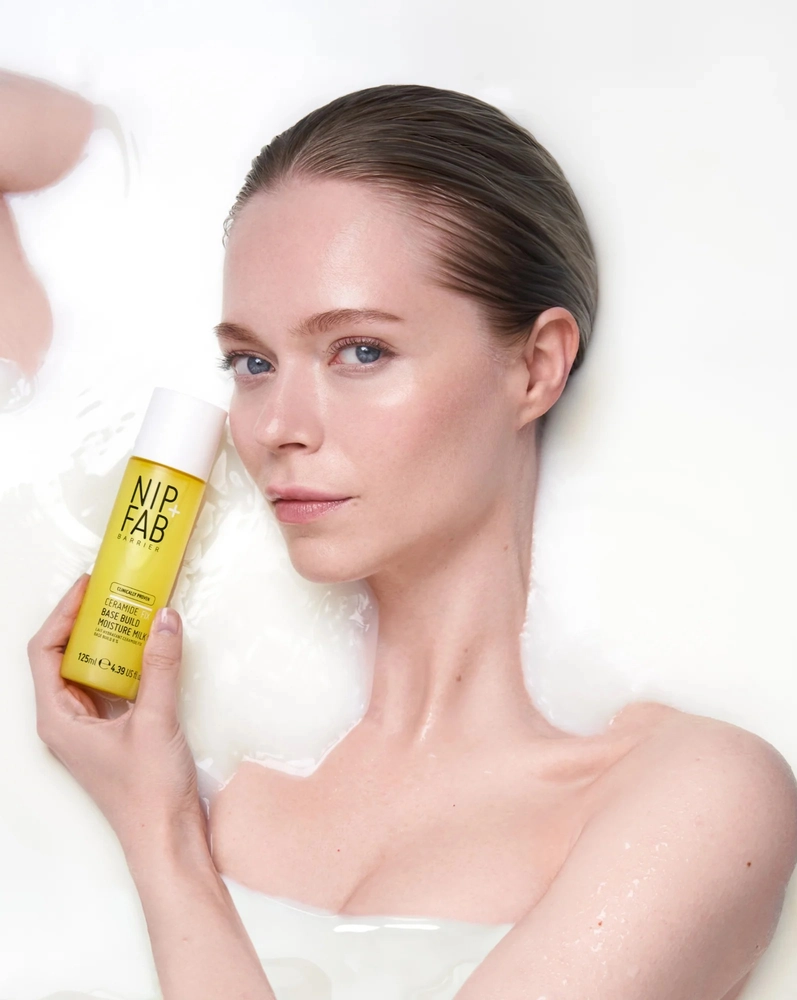
Tiny, resilient, and biologically clever, ectoin was built by microorganisms to cope with stressful environments.
September 14, 2026
Advertisement

Advertisement



First identified by researchers in the 1980s while studying salt-loving microorganisms, ectoin belongs to a family of substances called compatible solutes, or osmolytes. These molecules help organisms maintain the delicate water balance required for proteins, membranes, and cellular machinery to function.
For skincare, that biological history has become the key to understanding ectoin’s personality: hydration, protection, and comfort are all rooted in the molecule’s original survival role.
The ectoin story traces back to microorganisms capable of living in hypersaline environments. Researchers Galinski, Pfeiffer and Trüper identified the molecule while studying Ectothiorhodospira bacteria and published their findings in 1985. Its name came directly from that bacterial genus.
These microorganisms face an unusual physical challenge. High concentrations of salt influence the movement of water around their cells, creating constant pressure on proteins and membranes. The microbes respond by accumulating ectoin inside themselves.
Ectoin acts as a cellular bodyguard with a talent for water management. It supports an organized hydration environment around biological structures, helping proteins and membranes maintain their functional shape during environmental stress.
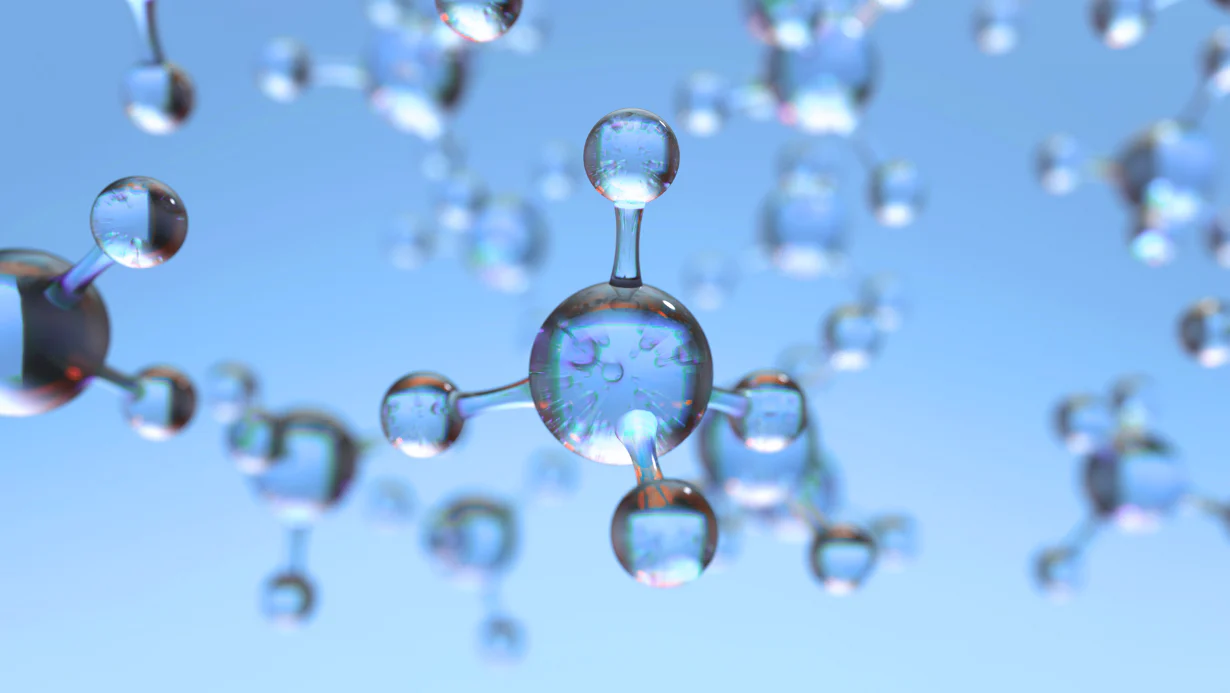
That origin gives ectoin one of skincare’s most memorable biographies. A moisturizing ingredient might sound ordinary on a label. A molecule developed by microorganisms as part of their survival equipment carries an entirely different energy.
As ectoin attracted commercial interest, researchers developed a biotechnology process, famously known as “bacterial milking.” The method used the salt-loving bacterium Halomonas elongata.
Scientists cultivated the bacteria under highly saline conditions, encouraging them to manufacture and store ectoin. The surrounding salt concentration was then rapidly lowered. This osmotic shift prompted the microorganisms to release the compatible solutes they had accumulated.
The bacteria could subsequently return to salty conditions and begin producing ectoin again.
The process essentially transformed microscopic organisms into tiny renewable ectoin factories.
Modern industrial manufacturing relies heavily on controlled fermentation, and biotechnology continues to refine the process through specialized microbial strains and efficient production systems.
Skincare language often reduces hydration ingredients to one familiar idea: attracting water. Ectoin has a broader biological role.
Scientists have studied the way ectoin influences water molecules surrounding proteins and other biological structures. This process is frequently described through preferential hydration. Ectoin encourages an environment in which water remains closely associated with vulnerable molecular surfaces.
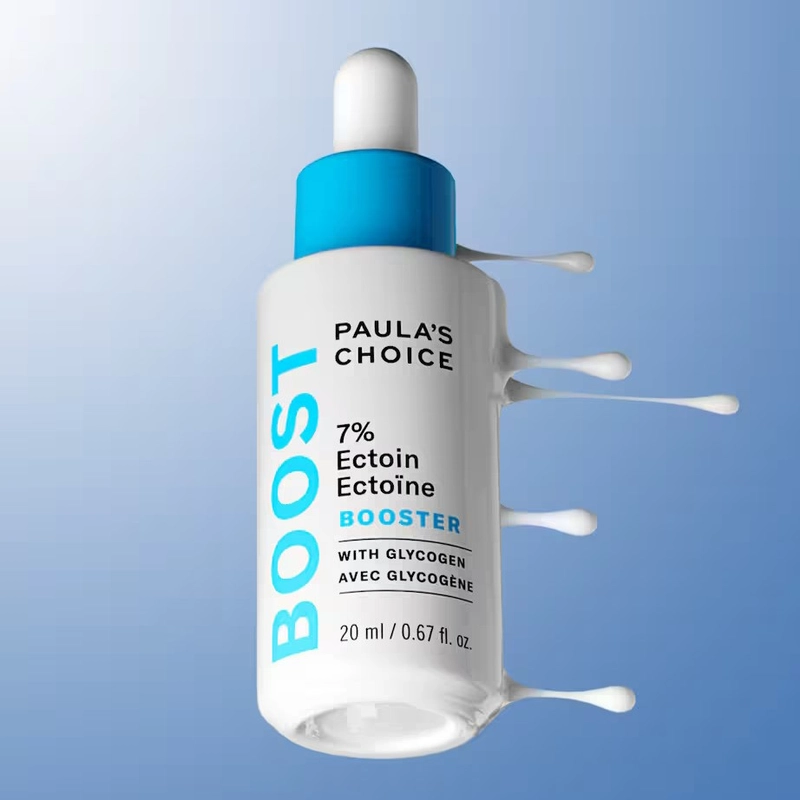
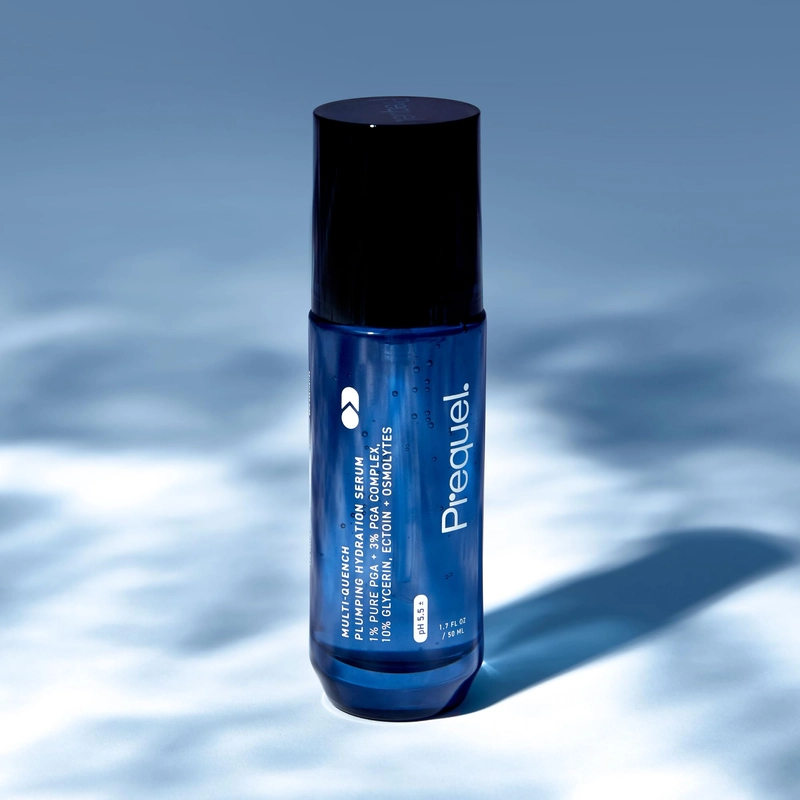
Imagine microscopic structures wrapped in a carefully maintained hydration environment. That image captures ectoin’s function far better than treating it purely as another moisturizing ingredient.
On human skin, this characteristic becomes particularly relevant to the stratum corneum, the outer layer responsible for maintaining hydration and protecting the tissue underneath.
Research examining ectoin and keratin found changes in hydration behavior within stratum-corneum material.
Hydration has some of the clearest human evidence behind ectoin.
A randomized, double-blind cosmetic study involving 104 women examined a topical formula containing 2% ectoin. Researchers observed improvements associated with skin moisturization, surface structure and elasticity during the study period.
Its usefulness extends into stressed-skin research as well. A systematic review of topical ectoin studies examined applications involving atopic dermatitis, dry skin symptoms and retinoid-associated dermatitis. Across the reviewed studies, ectoin-containing preparations were associated with improvements in several measures of dryness, irritation and skin condition.
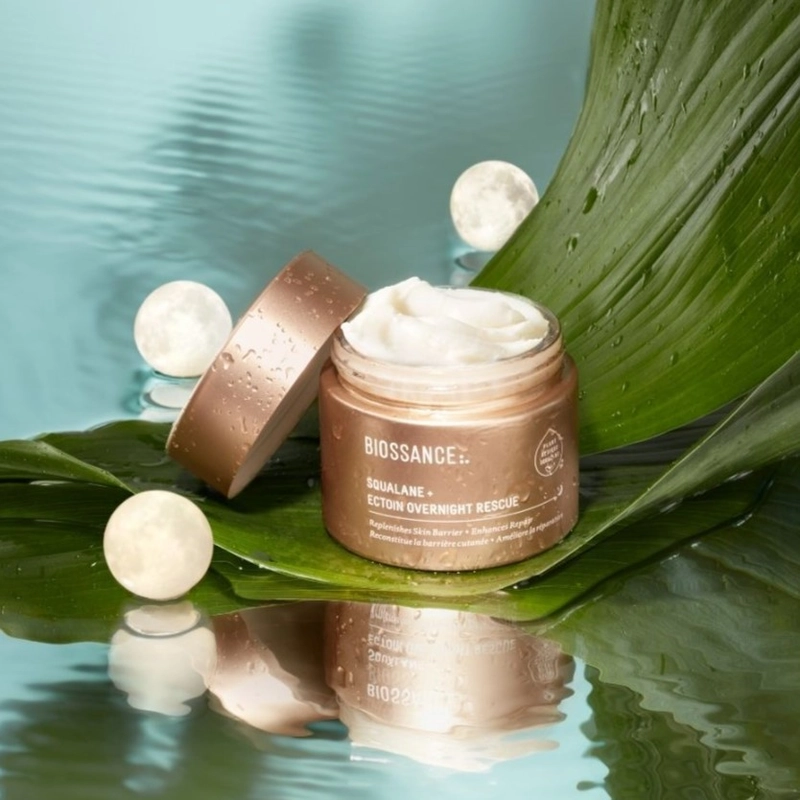
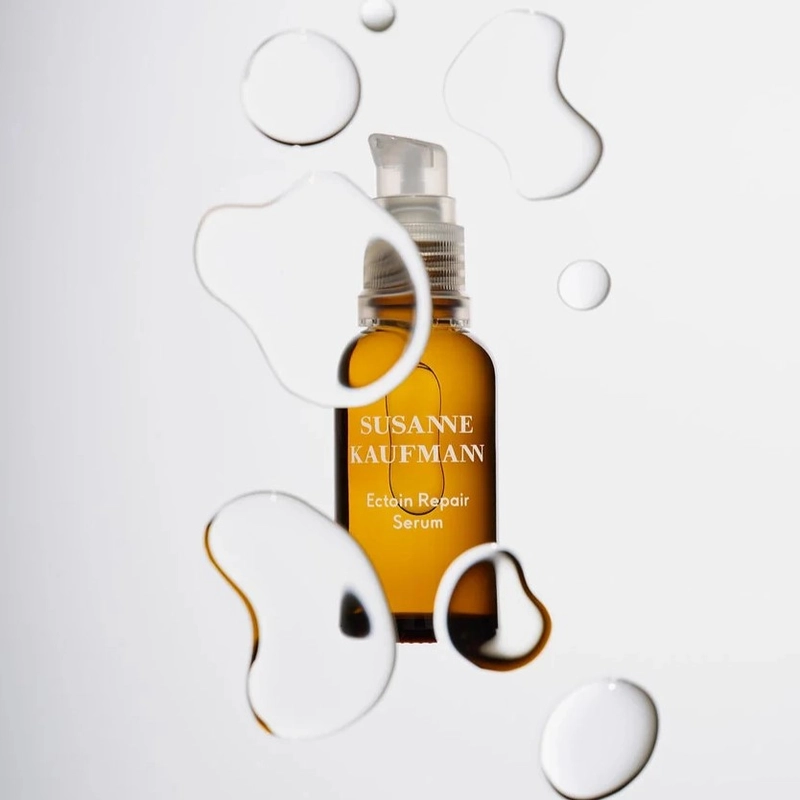
This gives ectoin a particularly logical place inside routines built around ingredients such as retinoids, where maintaining hydration and barrier comfort becomes an important part of the overall regimen.
Ectoin also happens to be remarkably sociable inside a formula.
It frequently appears beside hyaluronic acid, where both ingredients contribute to hydration through distinct mechanisms. Ceramides make another natural partner, supplying lipids involved in barrier structure, while ectoin contributes hydration and stress-supporting properties.
Retinoid formulas and recovery products offer another fitting environment. Skincare routines built around potent actives frequently benefit from ingredients focused on comfort and moisture retention.
Formulators appreciate ectoin for practical reasons too. Commercial ectoin raw materials offer strong water solubility, stability across a wide pH range, and compatibility with many cosmetic formats. This flexibility allows the ingredient to travel easily through serums, moisturizers, cleansers, eye creams, and sun-care formulas.
Ectoin even has a fascinating molecular relative. Some microorganisms convert ectoin into 5-hydroxyectoine, another compatible solute involved in protection during environmental stress. Both molecules appear in biotechnology research, and some skincare formulas already use them together.
It is a small detail, yet it reveals something important about this ingredient family. These molecules emerged from highly specialized microbial survival strategies, and scientists are still exploring the full range of functions they can perform.
From hypersaline microbes to bacterial milking, hydration shells and modern barrier formulas, ectoin carries its original purpose all the way into the skincare bottle: helping living systems manage stress while keeping precious water exactly where it matters.
Advertisement