Retinol has little left to prove, yet its newest generation is getting increasingly ambitious, while finding increasingly clever ways around the irritation that once made people abandon it.
Retinol has little left to prove, yet its newest generation is getting increasingly ambitious, while finding increasingly clever ways around the irritation that once made people abandon it.
September 10, 2026
Advertisement
Advertisement



Retinol has spent years at the top of anti-aging skincare because vitamin A derivatives can encourage cell turnover, support collagen and improve wrinkles, pigmentation and texture. In 2026, simply putting retinol into a serum feels almost ordinary. The interesting competition now sits in how brands deliver it. Retinal offers a shorter conversion pathway to retinoic acid, newer retinoid derivatives promise greater tolerability, and encapsulation technologies attempt to control how quickly vitamin A reaches the skin. These launches show just how inventive one of skincare's oldest hero ingredients has become.
Best for intensive wrinkle correction
Noble Panacea treats retinol almost like a ten-night luxury intervention. The $240 RetiNAD+ Renewal Booster contains three forms of vitamin A released sequentially through the brand's patented OSMV technology: a marine bio-retinoid first, retinol next, and retinal last. NAD+ runs throughout the sequence, while niacinamide comes later to support comfort and the barrier.
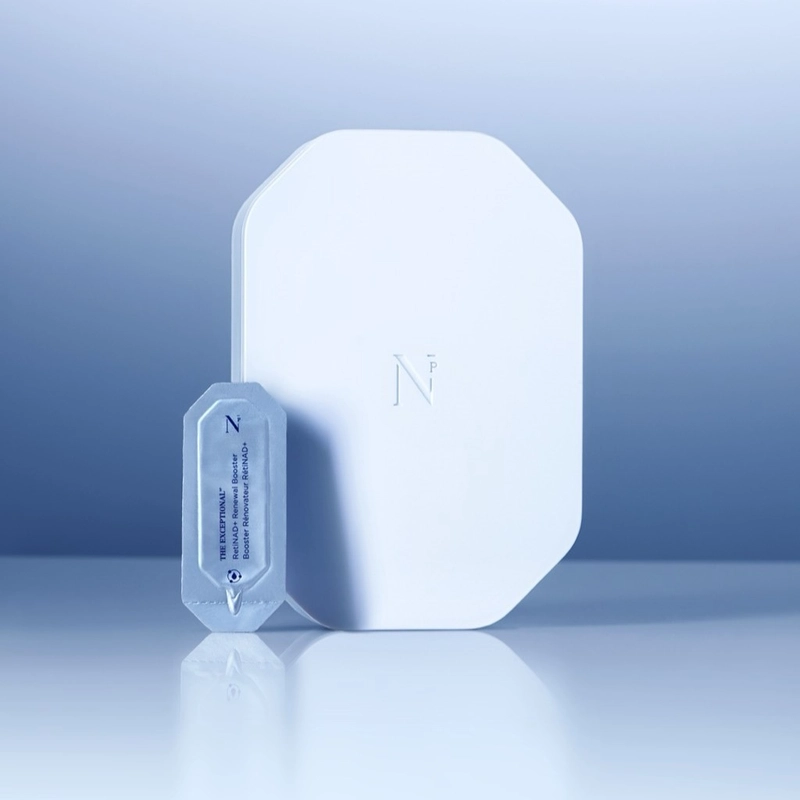
After ten days, Noble Panacea reports an 18% reduction in wrinkle volume, with 93% reporting calm skin without redness or irritation.
The science pedigree is equally unusual. Noble Panacea grew from molecular technology developed by Nobel Prize-winning chemist Sir Fraser Stoddart, giving its ten tiny active doses considerably more chemistry history than the average retinol bottle.
Best for sensitive and eczema-prone skin
Dieux chose an unusual challenge for its first retinal serum: making vitamin A easier for skin that tends to protest.
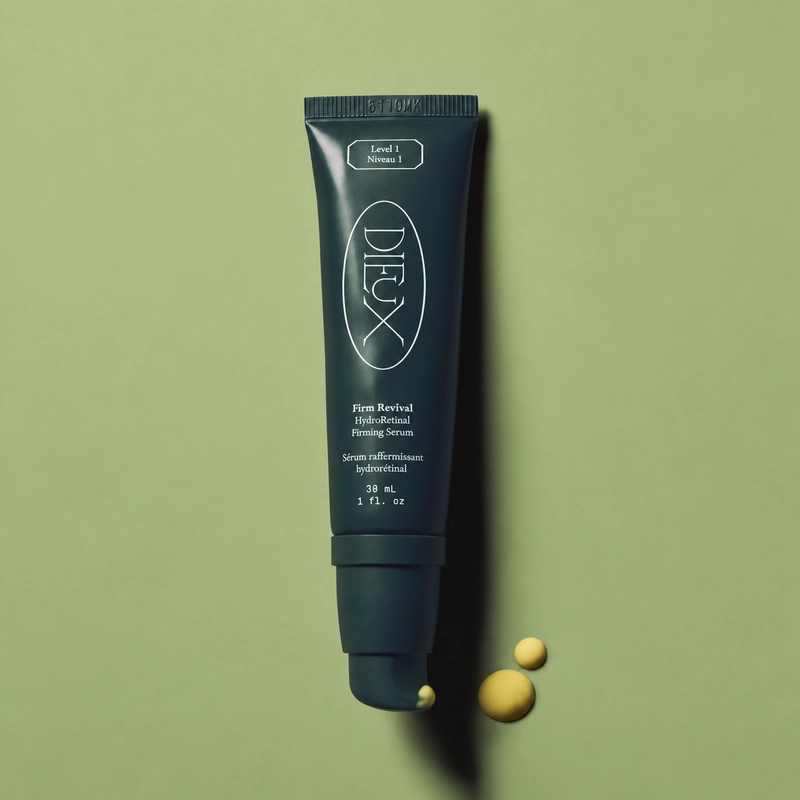
Firm Revival contains 0.05% retinal, a 2% algae-derived retinoid booster and a hefty 16% Hydro-Calming Blend of glycerin, snow mushroom, panthenol, bisabolol and allantoin. After four weeks, the brand measured significant fine-line and wrinkle reduction in 90% of users and improved visible firmness in 100%. After eight weeks, dark spots had improved in 90%.
Its more unusual credential is the National Eczema Association Seal of Acceptance.
Best for skin that previously gave up on retinol
Indian skincare brand d'you spent close to three years developing Embrace, a dual-retinoid serum containing 0.05% retinaldehyde and 0.3% retinyl propionate.
After 56 days, dermatologist-supervised measurements showed 25.85% smoother skin, 11.82% greater tone evenness and a 9.22% reduction in crow's feet, alongside zero reported itching, burning or discomfort.
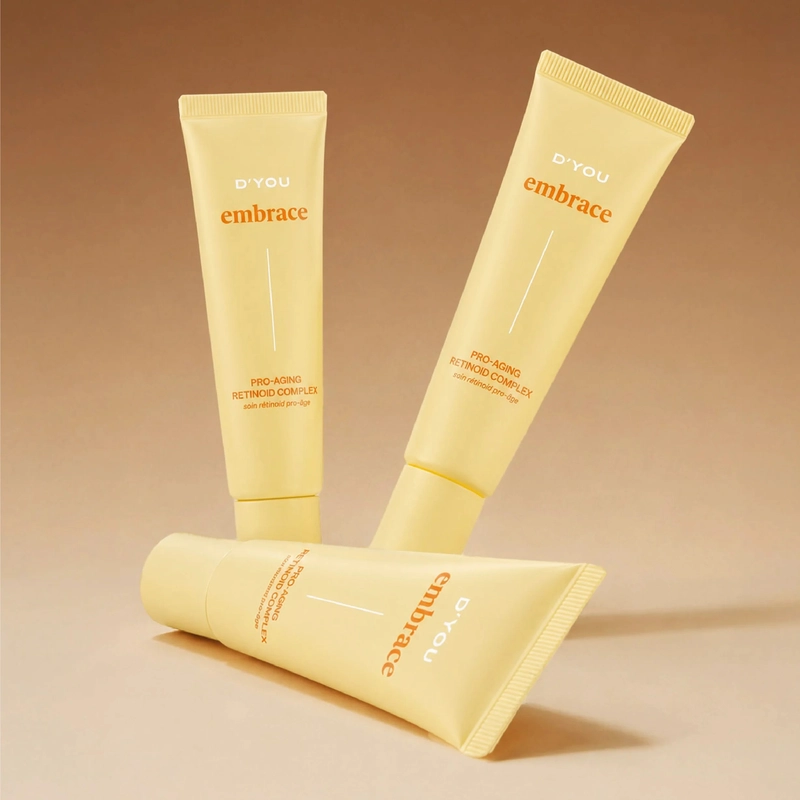
D'you introduced the formula after more than 500 days without a new product launch and cast actor and author Lisa Ray in a campaign centered on “pro-aging.” Retinol suddenly became less about declaring war on age and more about keeping skin functioning beautifully as it changes.
Best for experienced retinol users
Caroline Hirons built Skin Rocks Retinoid 3 for people whose skin already knows vitamin A very well.
The advanced serum contains 0.21% retinal plus 0.5% Adapinoid, sitting at the top of the brand's three-stage retinoid system. Skin Rocks reports 81% firmer-feeling skin after two weeks, 91% visibly reduced fine lines and wrinkles after eight weeks and 89% reduced wrinkle depth.
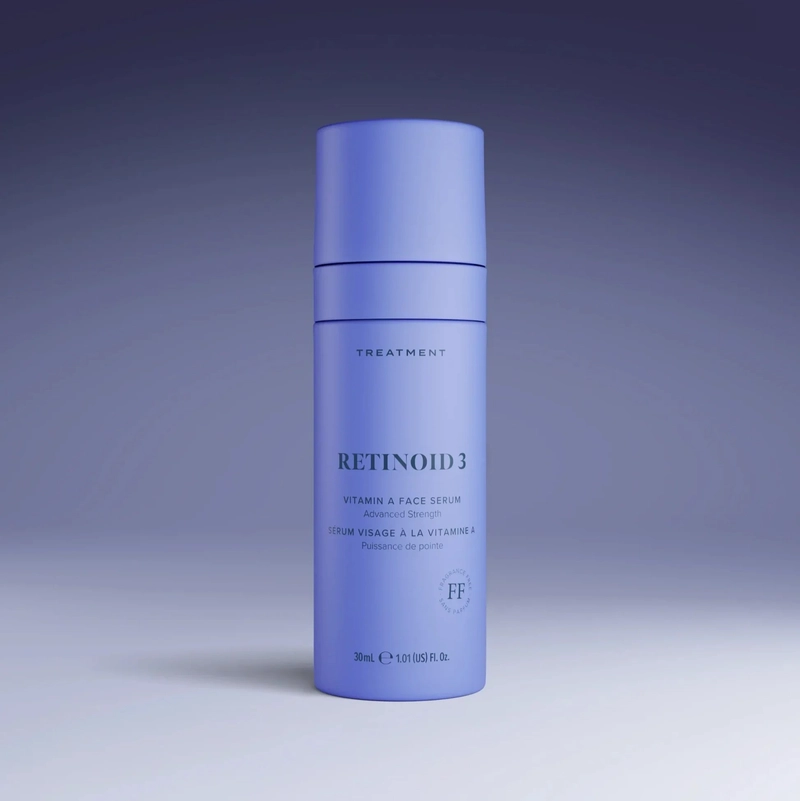
Its smartest idea may simply be acknowledging experience levels. Retinoid 1 introduces vitamin A, Retinoid 2 increases intensity, and Retinoid 3 is reserved for seasoned users. Retinol finally gets a difficulty setting.
Best for sagging and dry mature skin
Plastic surgeons Dr. John Layke and Dr. Payman Danielpour entered the 2026 retinol race with an unusual combination: biomimetic exosomes and three retinoids engineered to release at different speeds.
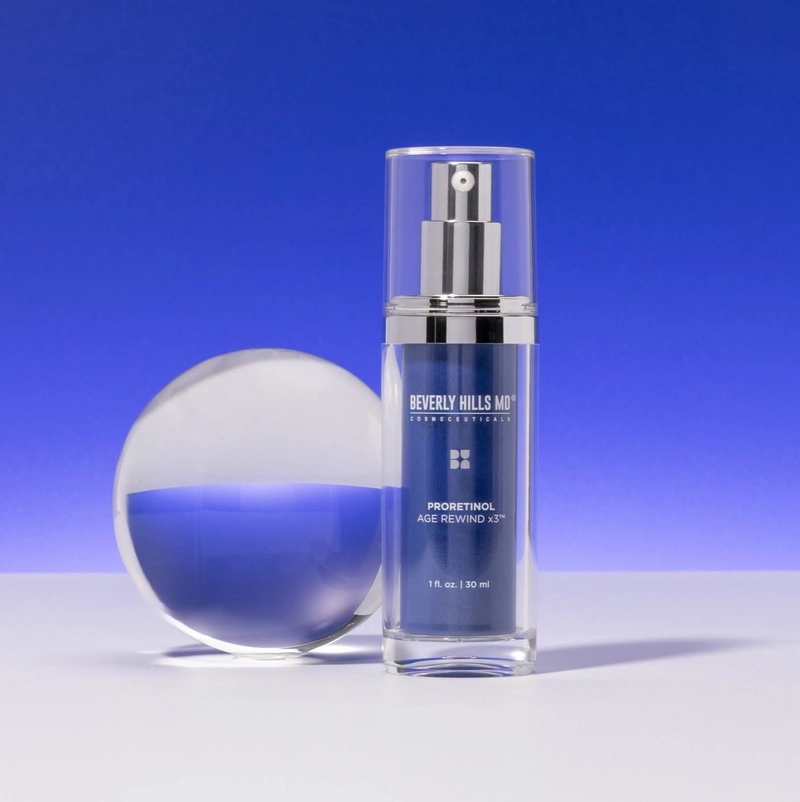
ProRetinol Age Rewind x3 also incorporates Reneseed, an Australian botanical aimed at plumpness and elasticity. The multiple-release system targets wrinkles, uneven tone and texture while giving the skin more time to adapt between retinoid exposures.
Best for dry, mature skin
At 84, Martha Stewart has become one of 2026's most persuasive retinoid advertisements.
Stewart co-created Elm Biosciences with her longtime dermatologist Dr. Dhaval Bhanusali, and their January launch uses trifarotenyl caprylate, a newer selective retinoid derivative, alongside ectoin, carnosine, and Elm's A3O complex.
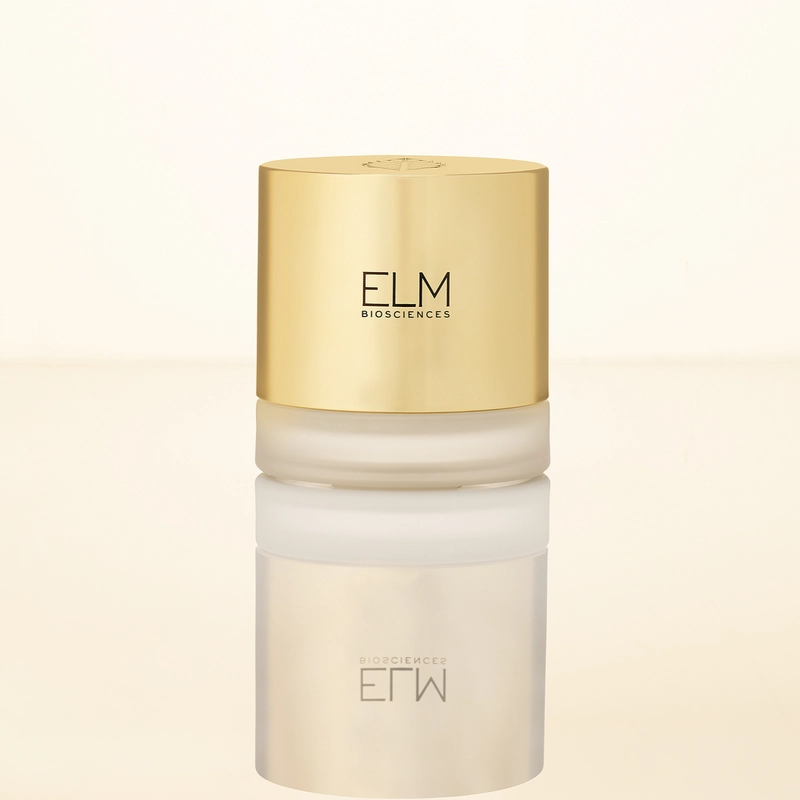
Elm reports 100% improved skin texture, 100% intense hydration and 97% stronger skin resilience after eight weeks. Stewart has publicly credited the cream with making her skin look fresh, clear and plump, while Helena Christensen fronts its campaign.
Best for pigmentation and rough texture
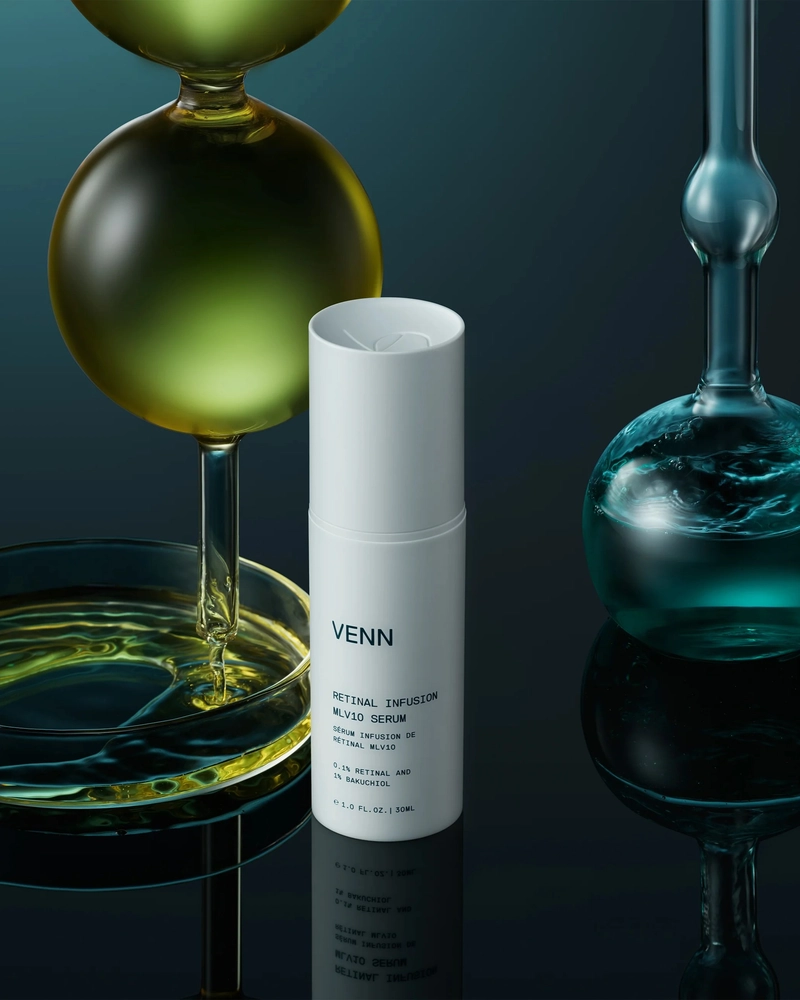
VENN's $155 serum brings together several ingredients currently fighting for skincare's attention: 0.05% pure retinal, 1% bakuchiol, and Centella asiatica exosomes.
The strange-looking “MLV5” name actually refers to its 5% multi-lamellar liposome system, created to stabilize and deliver retinal while keeping hydration and comfort intact.
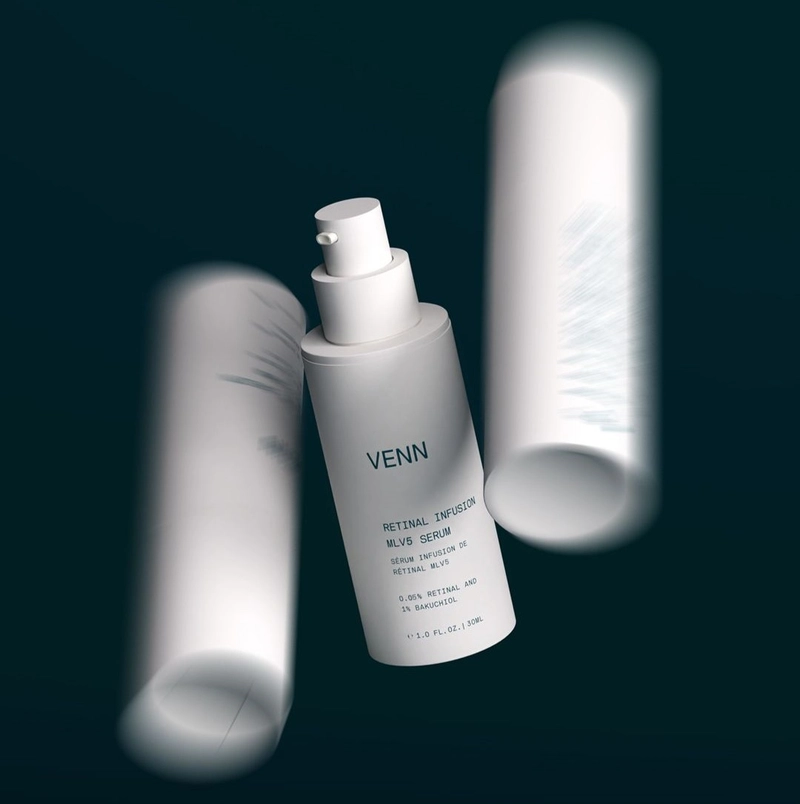
VENN positions the formula around wrinkles, uneven pigmentation and rough texture, making it one of the more interesting choices for someone whose retinol goal extends beyond fine lines. It also shows how far K-beauty has travelled into prestige territory. A retinal serum now comfortably carries a $155 price tag.
Best for retinol beginners
Beauty of Joseon discovered people were already spreading its famous Revive Eye Serum far beyond their eyes, so it created a full-face retinol moisturizer.
The January release contains a 1% fermented-retinol complex that supplies 0.01% pure retinol, supported by ginseng, ceramide, squalane, and nourishing oils. The intentionally low strength makes it particularly approachable for retinol beginners.
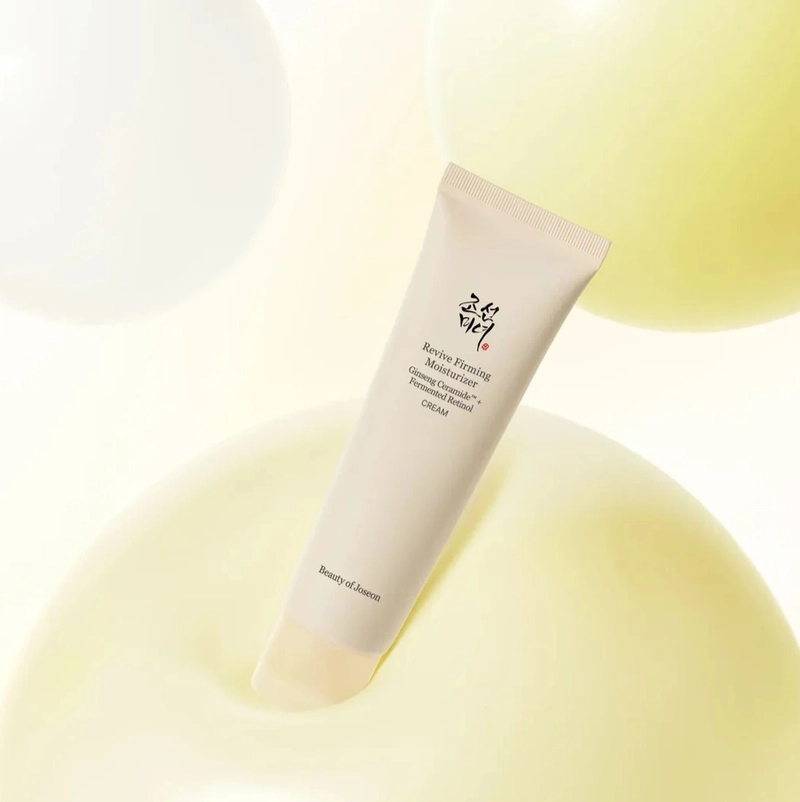
After four weeks, Beauty of Joseon reports 19.69% improved lifting, 11.85% improvement in fine wrinkles and 9.01% smoother texture.
Retinol entered an interesting phase in 2026. Retinol still has decades of evidence behind its reputation. Now brands are competing over who can make people actually enjoy using it long enough to reap the benefits.
Advertisement