MENU
Close





Pack your bags and leave a little room in the suitcase for Olive Young. Beauty tourism in South Korea now means landing with few clinic reservations, and the very real possibility of flying home with a whole new beauty routine.
Pack your bags and leave a little room in the suitcase for Olive Young. Beauty tourism in South Korea now means landing with few clinic reservations, and the very real possibility of flying home with a whole new beauty routine.
August 20, 2026
Advertisement

Advertisement



A flight lands at Incheon with an unusual itinerary waiting inside someone’s phone: Rejuran, skin laser, scalp analysis, color consultation, Olive Young, dinner. Somewhere between the clinic chair and the café table, beauty tourism has slipped naturally into the rhythm of a Seoul holiday. The question now feels irresistible: how did crossing a continent for better skin become part of the Korean travel fantasy?
Korea began seducing the world long before the first appointment was booked.
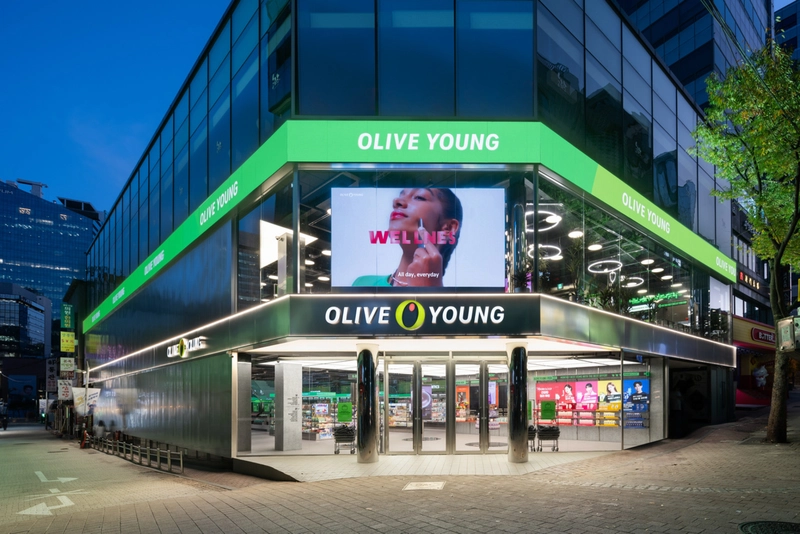
K-pop placed Korean faces across stadium screens. K-dramas carried Seoul apartments, restaurants and beauty rituals into living rooms thousands of kilometres away. Korean skincare bottles followed, bringing essences, sunscreens, cushions and sheet masks into bathrooms around the world. In 2025, South Korea even overtook France as the leading cosmetics exporter to the United States, according to data by Bloomberg. The cultural journey had reached an intriguing point: after years of receiving Korean beauty abroad, consumers started wanting to meet it at the source.
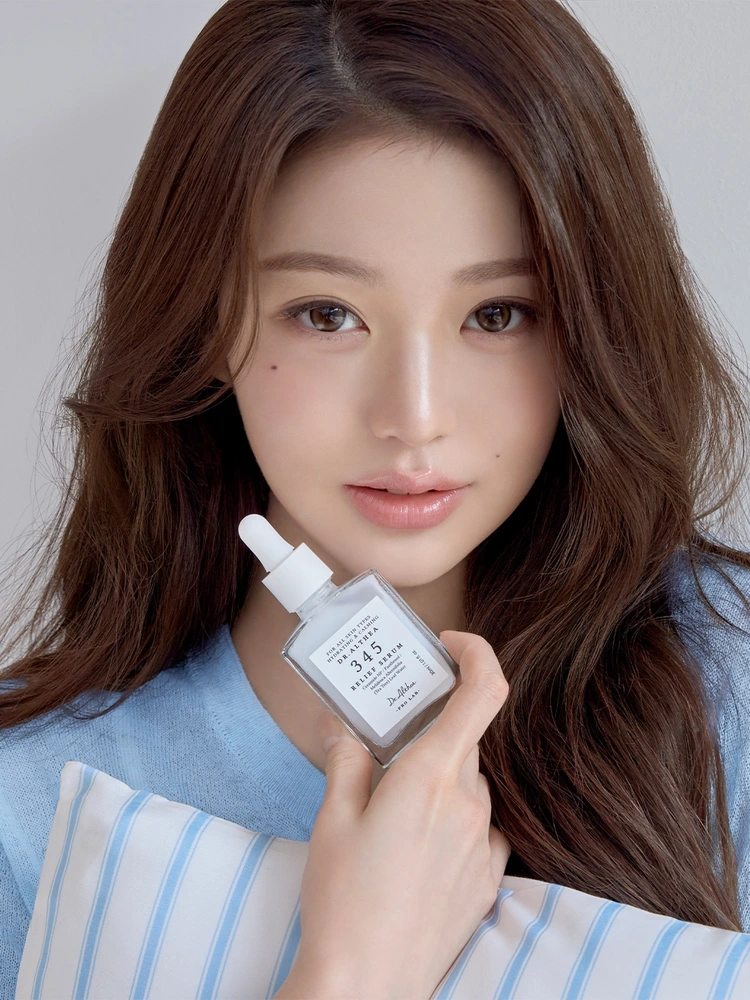
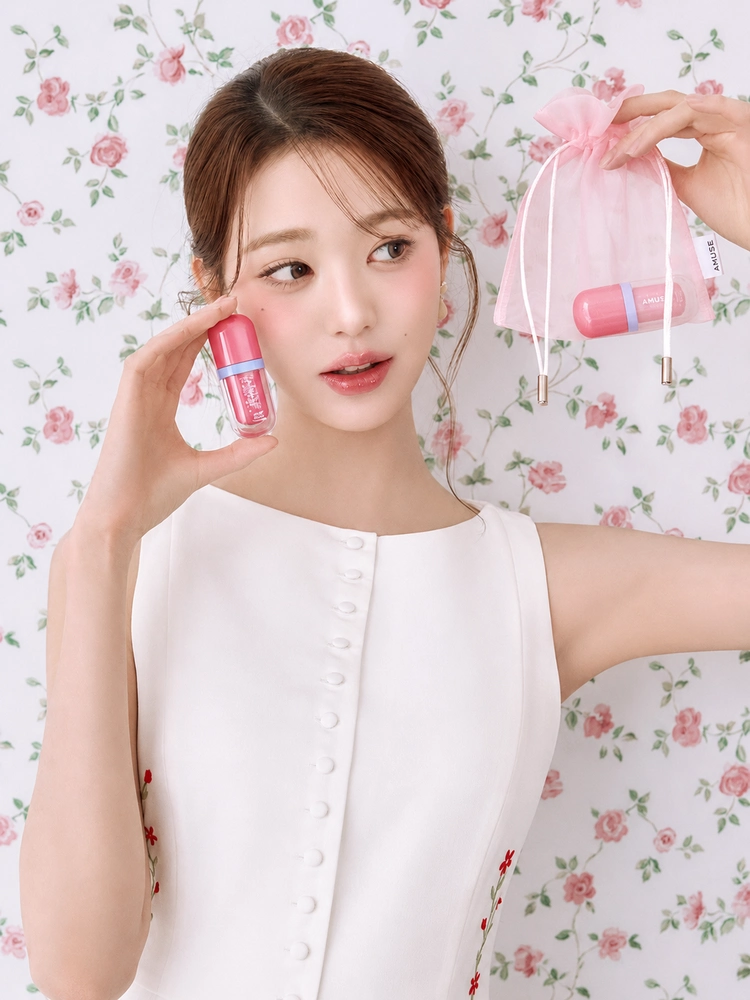
The movement can now be measured in millions. South Korea recorded 1.17 million foreign medical patients in 2024. In 2025, the figure reached 2.01 million. China accounted for 30.8 percent, Japan 29.8 percent, Taiwan 9.2 percent and the United States 8.6 percent. American patient numbers reached about 173,000 during 2025, carrying a 70.4 percent annual growth rate.
Those figures reveal a beauty pilgrimage operating at industrial scale.
Gangnam built an international reputation around cosmetic surgery. Double-eyelid procedures, rhinoplasty, and facial contouring shaped the early global imagination of Korean medical aesthetics. The current beauty tourism economy is gathering around a different object of desire: skin.
Of South Korea’s foreign medical patients in 2025, around 1.31 million visited dermatology, giving the specialty a 62.9 percent share. Plastic surgery accounted for 11.2 percent, while internal medicine represented 9.2 percent. Dermatology had already claimed the leading position among international patients from 2023 onward, following a rise from 6,015 foreign dermatology patients in 2009 to 705,044 in 2024.
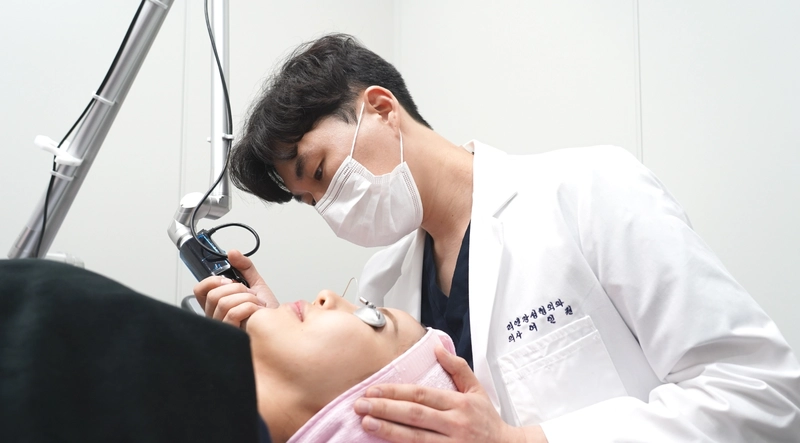
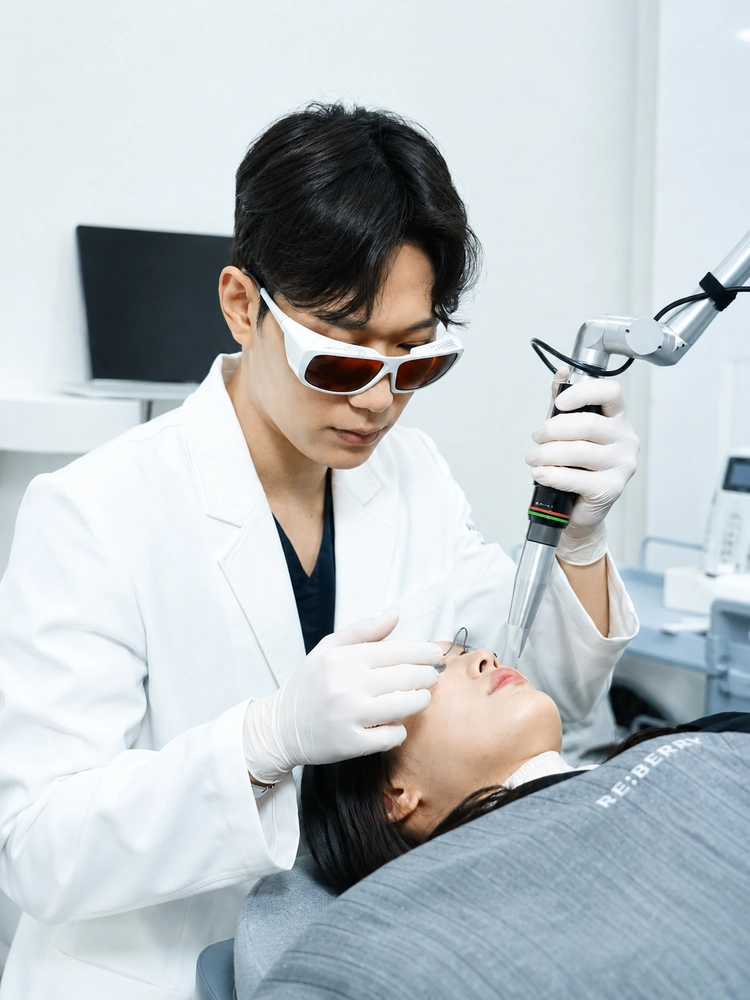
A surgical journey revolves around one transformative event and its recovery. Skin treatments create a rhythm of maintenance. Botox, red-light therapy, ultrasound lifting, lasers, facial-firming treatments, and injectable skin boosters can sit inside a travel schedule with restaurants, shopping, and sightseeing. Reuters found clinics such as Lienjang in Gangnam serving around 100 foreign patients each day, illustrating how aesthetic medicine has begun operating with the tempo of tourism.
Rejuran has become especially symbolic of this new Korean glow economy. The treatment uses polynucleotides and has developed international recognition around skin texture, hydration, and collagen-focused rejuvenation.
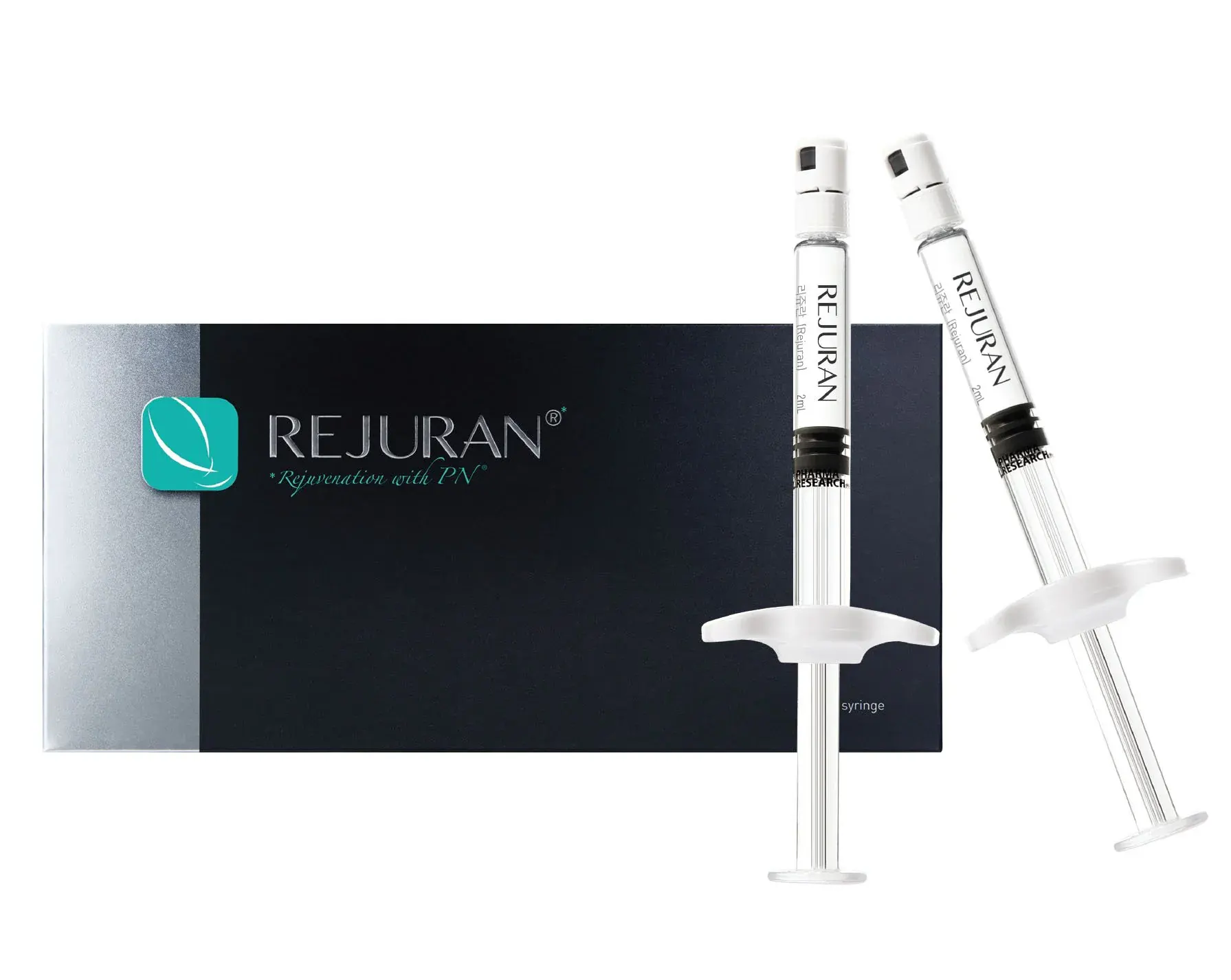
The psychological threshold changes when beauty maintenance becomes part of a holiday. A visitor can book a facial device treatment after breakfast, walk through Seongsu in the afternoon, and continue the evening with dinner. Medical aesthetics begins occupying a curious cultural space between healthcare, beauty ritual and travel experience.
That permeability expands beauty tourism far beyond the clinic.
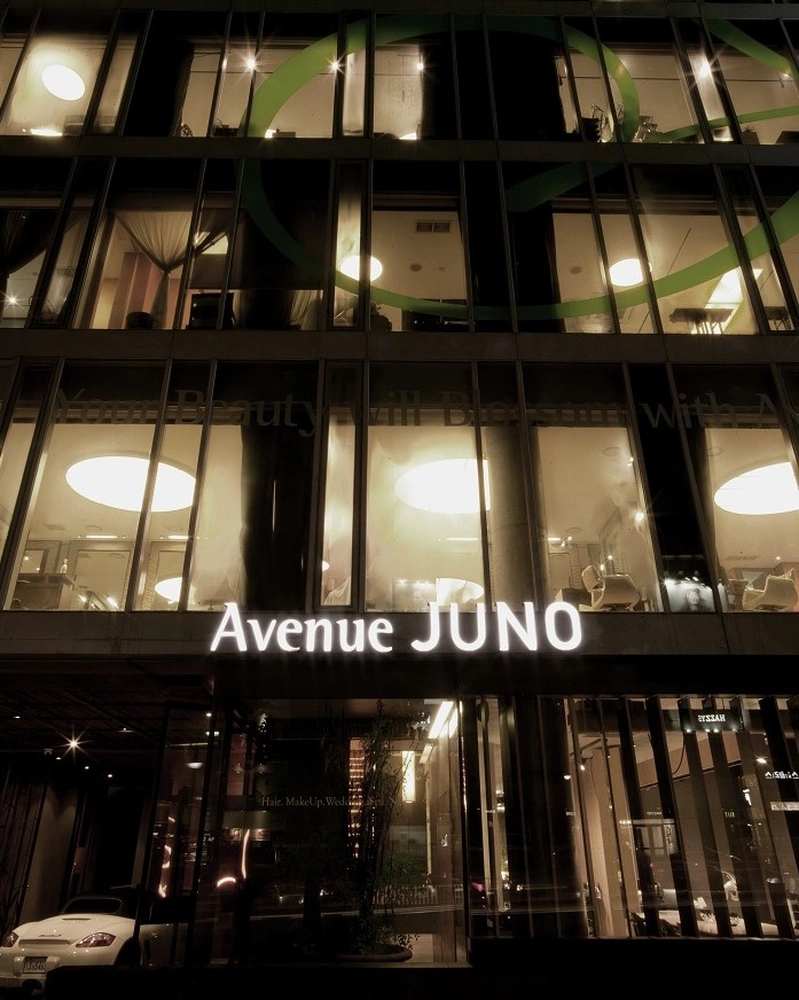
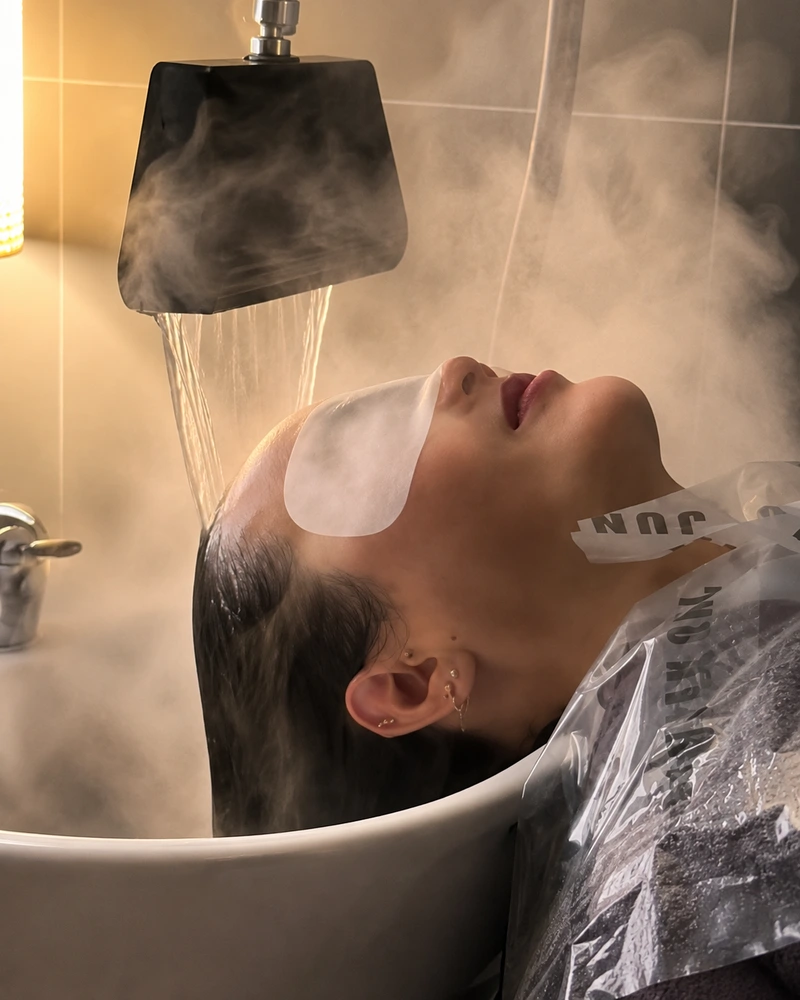
At Amore Seongsu, AI-driven analysis can guide personalized skincare and cosmetic formulation. Cocory turns skin tone and personal color into an analytical experience. Juno Hair builds scalp care around microscopy, exfoliation, steam, cleansing, and massage. K-pop makeovers, head spas, jjimjilbang rituals, and personalized beauty experiences allow visitors with widely different budgets to participate in the same Korean beauty pilgrimage.
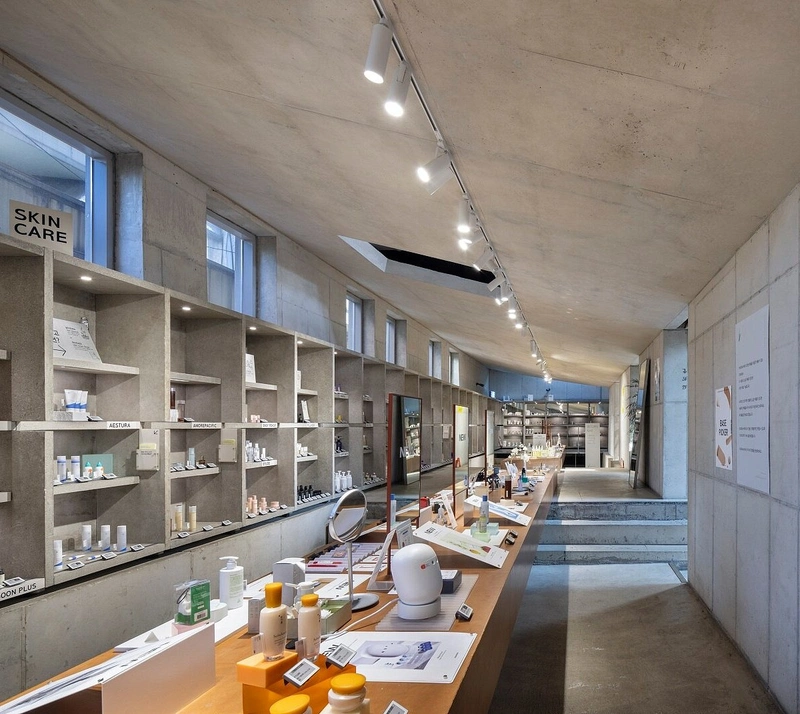
A city earns beauty authority when knowledge begins to cluster.
Reuters places the number of Korean clinics offering skincare treatments at roughly 15,000. Inside such density, devices, treatment protocols, injectables and service models circulate through an intensely competitive marketplace. Clinics refine specialties because the patient can choose among extraordinary numbers of providers.
Shin Young Park, Chief Executive Officer of Skin Angella Clinic, told National Geographic that Seoul’s reputation rests on advanced expertise, rapid technology adoption, and strong results at attractive price points. Jennifer Seo, founder of beauty concierge service Aneue, points toward specialization as another defining force: clinics differentiate themselves through particular doctors, technologies, and treatment strengths.
This concentration creates a self-reinforcing beauty economy.
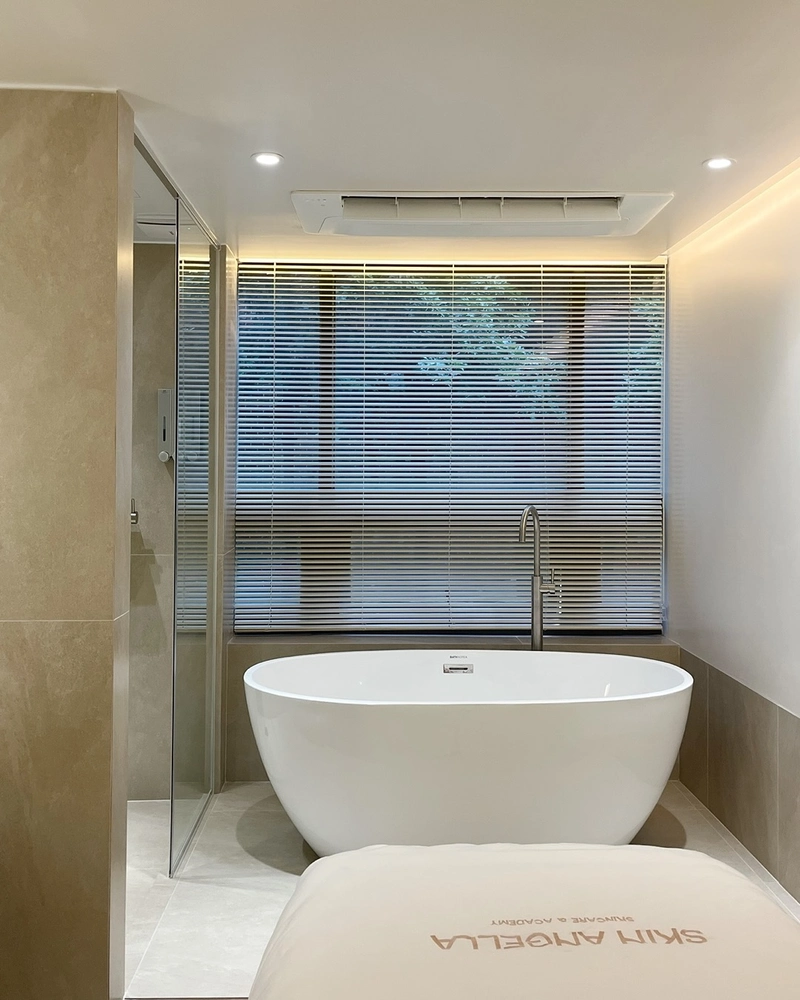
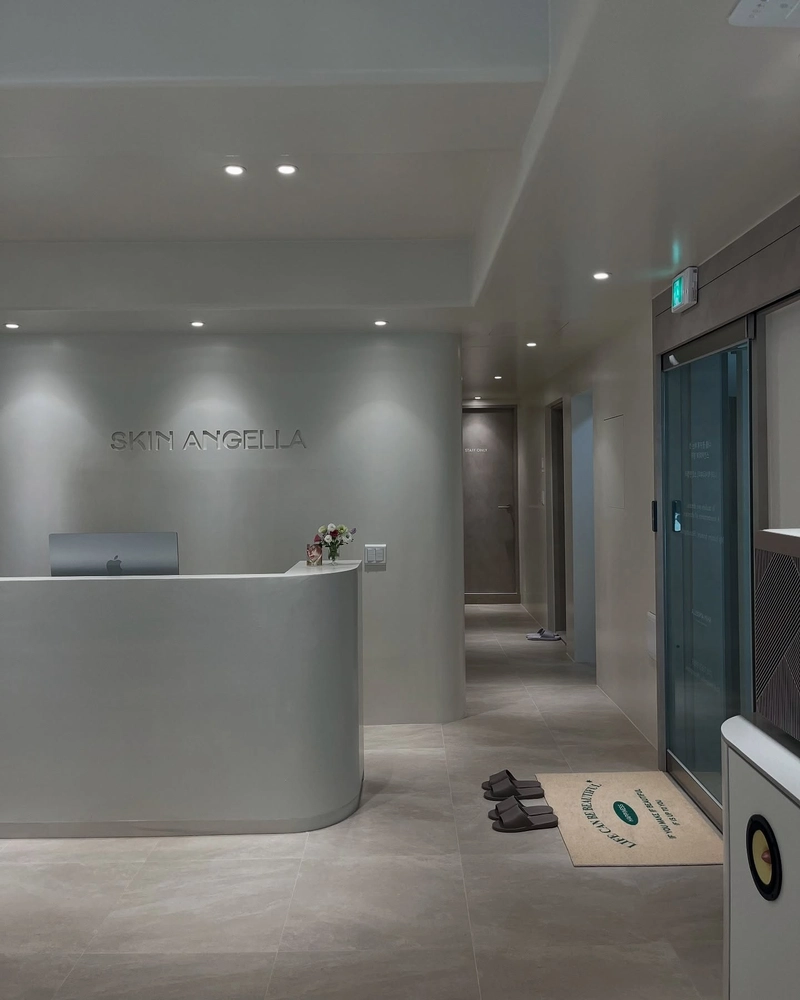
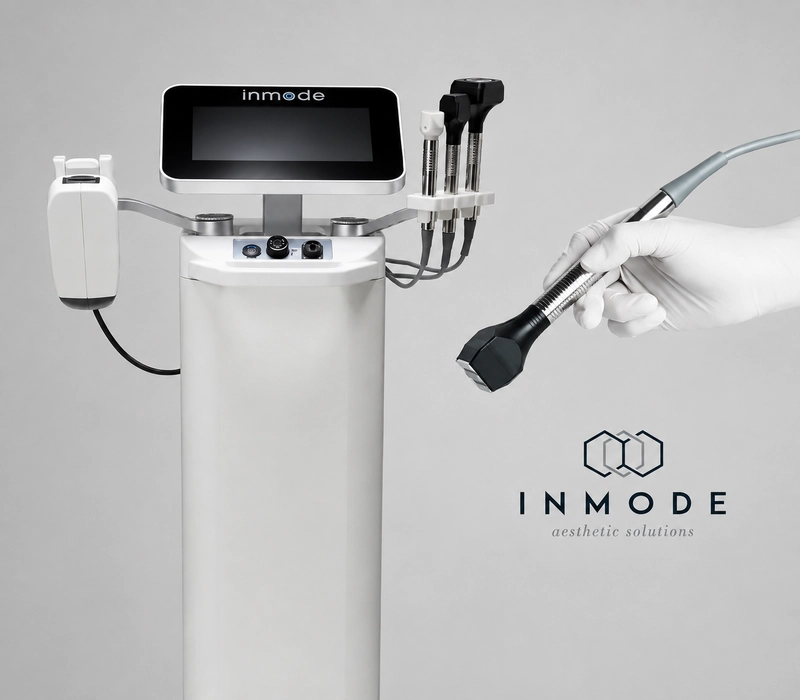
Korean consumers sustain a sophisticated domestic market. Clinics compete for them. Device makers respond to clinics. Cosmetic companies translate scientific language into retail products. K-pop and K-drama amplify the resulting beauty ideals. Social media converts procedures into searchable names. International visitors arrive already asking for Rejuran, InMode, or the newest beauty machines.
The patient increasingly behaves like an informed beauty shopper.
TikTok has accelerated that behavior through the rise of the “Korea Glow Up List.” Travelers arrive with tightly scheduled bundles containing Botox, skin boosters, contouring procedures, and surgery. A medical intervention can now enter a saved social-media itinerary beside cafés, shopping destinations, and restaurants.
When consumers know the treatment name before meeting the physician, the clinic enters a relationship already shaped by algorithmic discovery. Beauty tourism begins functioning through the same anticipation economy that drives fashion drops and restaurant bookings: people research, save, compare, reserve and document.
Seoul itself is responding to that behavior.
The Seoul Metropolitan Government announced plans in March 2026 to expand its medical interpretation coordinator pool from 108 to 1,000, covering English, Japanese, Chinese, Russian, Arabic, and additional languages. An integrated medical tourism platform is also being developed to connect hospital information, visas, accommodation and tourism, alongside a program identifying “Medical-Friendly Accommodations.”
This infrastructure changes the scale of the proposition. A visitor can move through airport arrival, consultation, treatment, recovery, accommodation and leisure as parts of one organized journey.
The money moving through that journey reaches far beyond the treatment room.
Foreign medical tourists and their companions spent an estimated ₩12.5 trillion in Korea during 2025, including ₩3.3 trillion in medical expenditure. The wider economic effect was calculated at ₩22.8 trillion. Seoul claimed 87.2 percent of foreign medical patients that year, concentrating the glow economy inside one urban destination.
By the first half of 2026, Seoul was already placing medical tourism alongside MICE and luxury travel as a high-value tourism sector within its broader visitor strategy.
Convenience acquires unusual power once medicine enters the itinerary.
A foreign visitor may encounter a beauty-tourism agency before encountering a physician. Agencies can organize clinic recommendations, quotations, appointments, flights, accommodation, airport transportation, translation, recovery support, and even food delivery.
Eugenia Hwang, General Manager of Docfinderkorea, estimated that a manager or translator can influence around 50 percent of a patient’s final treatment decision. She described a role extending deeply into explanation, expectation management, and emotional support throughout consultation and recovery. Korean agencies and clinics currently require linguistic ability from translators while formal translator certification operates outside the standard entry requirement described in the report.
Here, the glow-up economy reaches its most consequential tension.
The same human being can become translator, cultural guide, emotional anchor and pathway toward a commercial treatment. Their influence may shape how a patient understands medical terminology, pricing, realistic outcomes, and procedure recommendations.
That makes literacy part of the modern beauty pilgrimage. The sophisticated beauty tourism consumer needs to understand the physician’s credentials, the clinic’s specialization, the technology being offered, possible side effects, recovery requirements and the commercial relationships surrounding a recommendation.
The slickness of the experience makes that knowledge especially valuable.
A bottle of Korean sunscreen can travel almost anywhere. The ecosystem that created its cultural authority remains rooted in place.
That may explain the magnetism of South Korean beauty tourism. Visitors arrive seeking proximity to the source: the clinics where techniques circulate quickly, the stores where new formulations appear first, the domestic customers who already understand the language of treatments, and the city where skincare can occupy an entire afternoon without feeling extraordinary.
The traveler may eventually fly home with smoother skin, an Olive Young bag pressed into her suitcase and another list already saved for Seoul. Skin keeps changing. Treatments become rituals. Rituals create reasons to return.
And South Korea has learned how to turn that return flight into the beating heart of beauty tourism.
Advertisement