MENU
Close





Is buccal fat removal simply a refined contouring procedure, or does it open a deeper conversation about which parts of the face we are taught to preserve, reduce, or reconsider?

Is buccal fat removal simply a refined contouring procedure, or does it open a deeper conversation about which parts of the face we are taught to preserve, reduce, or reconsider?
June 19, 2026
Advertisement

Advertisement



We are living in an era where facial features are swapped, scrutinized, and selected with the same casual discernment one might apply to a seasonal wardrobe change. Currently, the collective gaze of the beauty and fashion world has hyper-fixated on the lower quadrant of the face. If you have spent any time navigating the endless, algorithmic scroll of TikTok or Instagram over the past year, you have undoubtedly encountered the phenomenon of buccal fat removal. It is a surgical procedure that has quietly transitioned from the secretive, hushed corridors of elite plastic surgery to the glaringly bright ring lights of the internet, amassing well over 125.5 million views under its dedicated hashtag.
Buccal fat removal is not a new invention, but its sudden explosion into the mainstream vernacular tells a fascinating story about modern beauty standards. Once considered a lesser-known, highly specific tweak, it has become the topic of relentless digital speculation.
To be clear from the outset, we are not here to speculate on which starlet has partaken in the procedure. Many possess the exact type of striking, angular bone structure naturally that others are suddenly willing to pay thousands of dollars to replicate. More importantly, we must establish a gentle, fundamental truth: buccal fat, and indeed, facial fat of any kind, is entirely normal. It is the plush, natural padding of human existence. No specific bone structure, whether soft and cherubic or sharp and skeletal, is inherently superior to another.
However, the reality remains that trends drive desires, and the desire for a sculpted lower face is currently at a fever pitch. If you are standing before your mirror, pressing your fingers into your cheeks and debating whether to alter your natural architecture, you deserve more than a sixty-second video explanation. You deserve a comprehensive, analytical, and honest exploration of what this procedure entails. To demystify the trend, we must look beyond the viral before-and-after photos and consult the medical artists who actually wield the scalpels.
Before we can understand the surgery, we must understand the canvas. The word "buccal", pronounced delicately like "buckle", refers to the cheek area that flanks the mouth. Anatomically, the buccal fat pad is a specialized, deep pocket of fat that stretches from the temple down to the cheek. Unlike subcutaneous fat, which sits just beneath the skin and fluctuates with our overall body weight, buccal fat is remarkably stubborn. It is deep-seated, encapsulated, and largely unaffected by the latest fad diet or rigorous Pilates routine.
"The buccal fat pad is a deep pocket from temple to cheek that exerts a tremendous amount of impact on the shape of the face," explains Babak Azizzadeh, MD, a highly esteemed, board-certified facial plastic surgeon based in Beverly Hills.
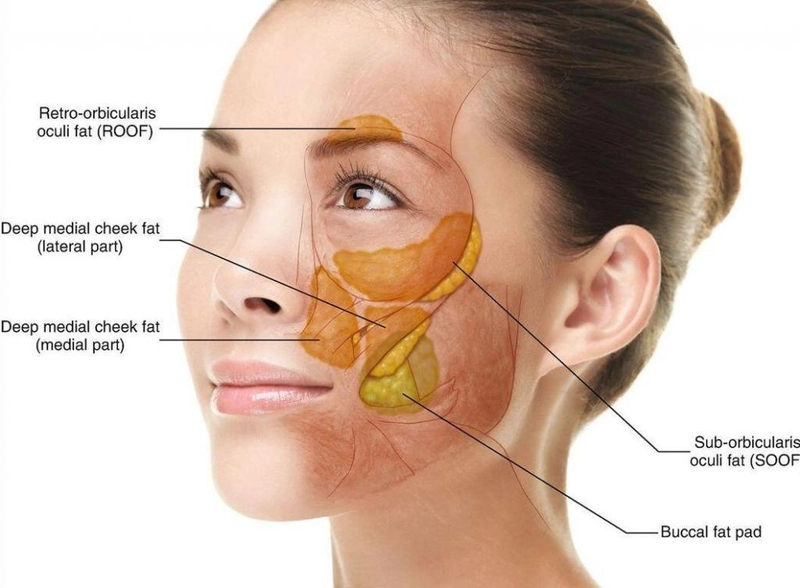
To view this procedurally through a fashion lens, one must appreciate the irony of modern cosmetic demands. In the upper echelons of the face, namely, the cheekbones and under-eye areas, we are obsessed with adding volume. Dermatologists' chairs are filled with patients requesting hyaluronic acid-based dermal fillers to plump and lift the upper cheeks. Yet, just an inch or two lower, there is a desperate scramble to remove volume. The ultimate aesthetic goal is contrast: high, light-catching, voluminous cheekbones juxtaposed against a shadowed, slim, and tapered lower face.
Dr. Azizzadeh notes that whether due to natural genetic anatomy or the inevitable gravitational pull of the aging process, a prominent buccal fat pad can make the lower part of the face appear wider, rounder, or bottom-heavy. For those chasing the sharply tailored, contoured aesthetic of a high-fashion editorial, this natural roundness can feel like an obstacle.
"Buccal fat removal can help reduce full, rounded cheeks, leaving patients with a slightly more chiseled look," adds Andrew Jacono, MD, a premier board-certified facial plastic surgeon operating in New York City. But he is quick to offer a critical distinction that many laypeople misunderstand: this is not liposuction. "The buccal fat cannot be accessed with simple liposuction because it exists under the facial muscles and nerves, which could be damaged."
The sheer popularity of buccal fat removal can be partially attributed to its relative swiftness. In an era where downtime is a luxury few can afford, the idea of a "lunchtime lift" holds immense appeal. However, applying casual terminology to a surgical operation can be a dangerous game.
"It is a quick and simple procedure," Dr. Jacono confirms. "The entire procedure takes approximately 30 minutes and can be done under twilight or local anesthesia."
Yet, any procedure that requires anesthesia and incisions is a serious medical undertaking. Chicago-based board-certified plastic surgeon Michael Horn, MD, issues a vital warning for anyone assuming this is as simple as getting a facial. "A skilled plastic surgeon knows, in terms of safety, that there are ducts and nerves enmeshed with the buccal fat, so the surgeon has to be very cautious not to damage them," he explains. The surgery is strictly an outpatient procedure, meaning no overnight hospital stays, but it must be executed in a licensed ambulatory setting or a highly regulated in-office operating room.
The elegance of the surgery lies in its invisibility. There are no external scars to betray your cosmetic choices to the world. Instead, a small incision is made completely inside the mouth, slipping behind the curtain of the cheek.
Once the artistic adjustments are complete, whether reduced, contoured, or repositioned, the internal canvas is sewn back together. "The sutures are typically absorbable," notes Dr. Horn, sparing the patient the discomfort of stitch removal, though he adds that individual surgeon techniques may vary.
We live in an age of instant gratification, but cosmetic surgery demands patience. While the operation itself is fleeting, the biological healing process requires a quiet grace period. Thankfully, compared to heavy-duty structural surgeries like rhinoplasties or full facelifts, the downtime for buccal fat extraction is relatively merciful.
"Many of my patients will only take three days off from work or do it on a Friday and go back to work Monday," Dr. Jacono shares.
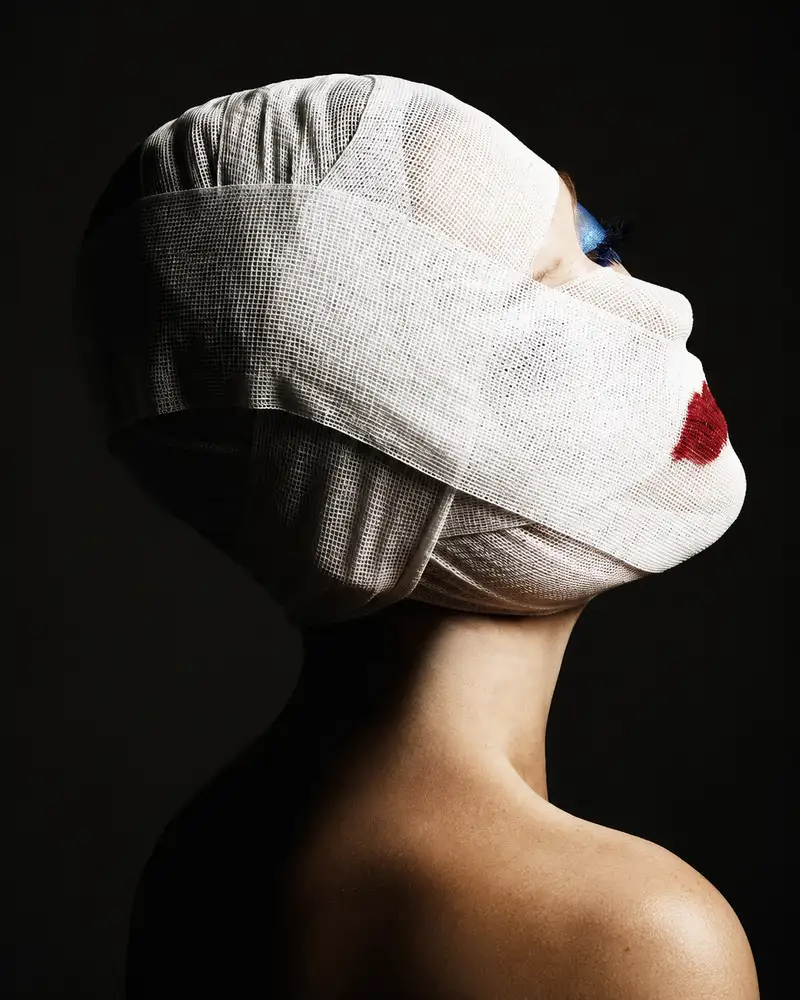
However, "going back to work" does not mean returning looking like a freshly sculpted supermodel. Both Dr. Azizzadeh and Dr. Horn caution patients to brace for one to two weeks of localized swelling. Your cheeks will puff outwards before they sink inwards, a temporary irony that requires a good sense of humor and a steady supply of ice packs.
To navigate the immediate postoperative phase, patients must adhere to a strict protocol:
For those who wish to keep their beauty investments private, the mild bruising and swelling present a slight social hurdle. Dr. Jacono offers a brilliant, tried-and-true piece of camouflage for his discreet clientele: "If it persists, I instruct my patients to tell friends and colleagues that they just had their wisdom teeth removed."
Ultimately, the grand reveal requires the luxury of time. "A final result should be visible in three months or less, as the swelling needs to fully subside," Dr. Jacono states. You must wait for the waters to clear before you can see the new shape of the riverbed.
Because the algorithmic hype surrounding buccal fat removal is so deafening, an unprecedented number of patients are arriving at clinics demanding the procedure. They come armed with heavily filtered reference photos, seeking an immediate remedy to a perceived lack of cheekbones. Here is where the analytical, gentle truth must intervene: this surgery is absolutely not for everyone. In fact, for many, it is an anatomical mistake.
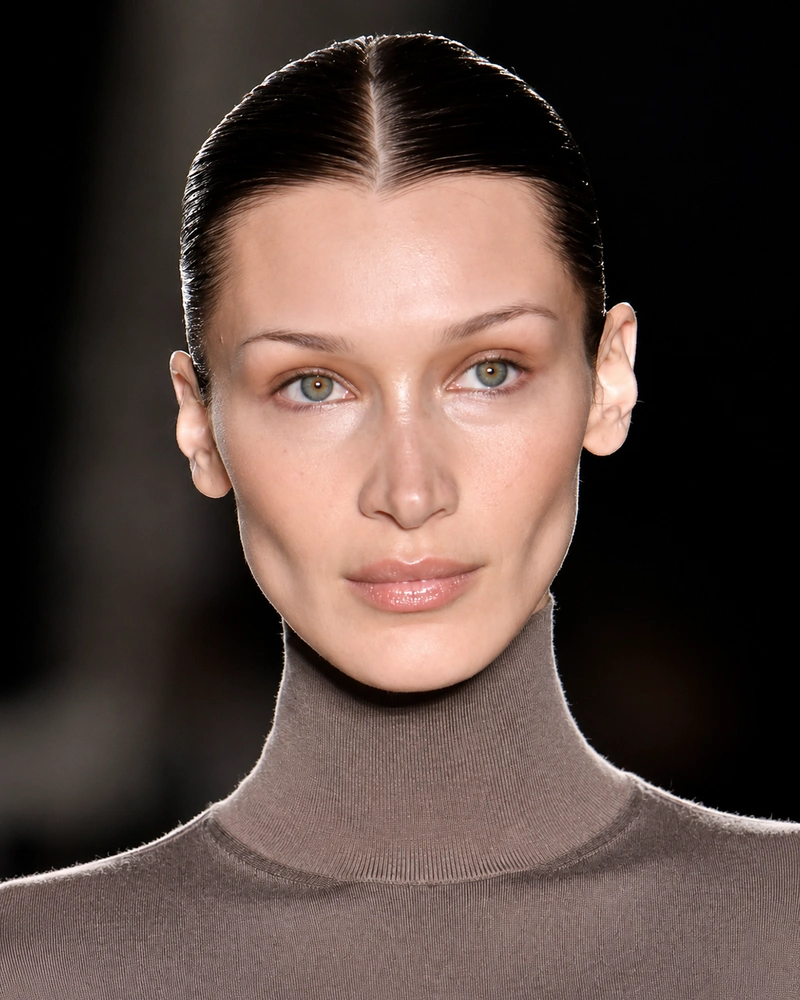
One of the most concerning trends within this space is the demographic shift. "Sometimes, I have prospective patients in their twenties who ask for this procedure, even though they don’t have particularly round cheeks, because they’ve read that this can give them an even more sculpted look and higher cheekbones," laments Dr. Jacono.
This presents a profound philosophical and medical dilemma. Facial fat is the currency of youth. When we are young, our faces are naturally plump, hydrated, and full. As we transition into our thirties, forties, and beyond, we naturally begin to lose this facial volume. Our fat pads shrink and descend. "I tell them that it's not a good idea as they might be very sorry in a decade or so when their facial fat naturally starts to lessen," Dr. Jacono warns. Stealing fat from a twenty-year-old face to look like a mature fashion muse today is a fast track to looking prematurely aged, tired, and gaunt tomorrow.
So, who actually passes the mirror test?
"Not everyone has the fat pad in the wrong place, most have it in the right place in their face," states Dr. Azizzadeh, grounding the conversation in biological reality. "Taking it out when it's correctly located is not good." A responsible, ethical surgeon will turn away a patient with a naturally lean or slightly hollow face, knowing that subtracting further volume will leave them looking skeletal rather than chic.
When we discuss the "snatched" aesthetic casually over brunch, we often gloss over the permanence of the knife. Cosmetic surgery is a lifelong commitment disguised as a quick fix.
The most immediate aesthetic risk of an ill-advised buccal fat removal is the "skeletal effect." If too much fat is excised, or if the patient was a poor candidate to begin with, the results can be harshly aging. This excessive hollowness might not reveal itself immediately; it may lie dormant, waiting to dramatically emerge years down the line as natural aging compounds the surgical loss. Dr. Horn also points out that if a patient undergoes significant cardiovascular weight loss after having their buccal fat removed, their face may collapse into a severe, gaunt hollow.
If you find yourself on the wrong side of this aesthetic gamble, turning back the clock is complicated and costly. "Buccal fat removal is a permanent procedure," Dr. Jacono reminds us. If excessive fat is taken, the only recourse is restorative fat grafting, a secondary surgery where fat cells are harvested via liposuction from your abdomen or thighs, processed, and meticulously injected back into the depleted cheek cavities. It is an expensive, arduous way to buy back what you paid to throw away.
Beyond aesthetics, there are genuine physiological risks. Dr. Azizzadeh highlights three critical technical elements that separate masterful surgical outcomes from tragic complications:
And then, there is the literal price of perfection. High-end aesthetic tailoring is never cheap. Depending on the pedigree of the surgeon, the geographical location of the clinic (a Beverly Hills zip code will naturally command a higher premium than a suburban practice), and the specifics of the anesthesia utilized, buccal fat removal ranges widely from $5,000 to $20,000.
As we evaluate the sweeping rise of buccal fat removal, it serves as a poignant reminder to step back and assess our motivations. Are we seeking surgical intervention because it aligns with our deep-seated vision of our own identity, or are we simply trying to keep pace with a relentlessly rotating carousel of digital trends? The sculpted, razor-sharp cheekbones currently dominating our social media feeds are undoubtedly striking, offering a moody, cinematic geometry to the face. However, the soft, curved, and plush cheek is equally beautiful, historically revered, and undeniably youthful. Before you book a consultation, ask yourself if you are willing to permanently alter your anatomy for an aesthetic that may shift by the next fashion cycle. If you possess the natural fullness that makes you an ideal candidate, and you desire a subtle refinement, the procedure, in the hands of a masterful, conservative surgeon, can yield exquisite, confidence-boosting results. But if you are a twenty-something chasing an algorithmic ghost, hold tightly to your youth. Protect your facial volume as the precious commodity it is. True style, after all, is not about carving your face to fit the current moment; it is about recognizing that your unique, natural architecture is already a masterpiece.
Advertisement