Multi-masking reads your face like a map and sends every formula exactly where it belongs.
Multi-Masking Gives Combination Skin a Game Plan
Multi-masking reads your face like a map and sends every formula exactly where it belongs.
July 27, 2026


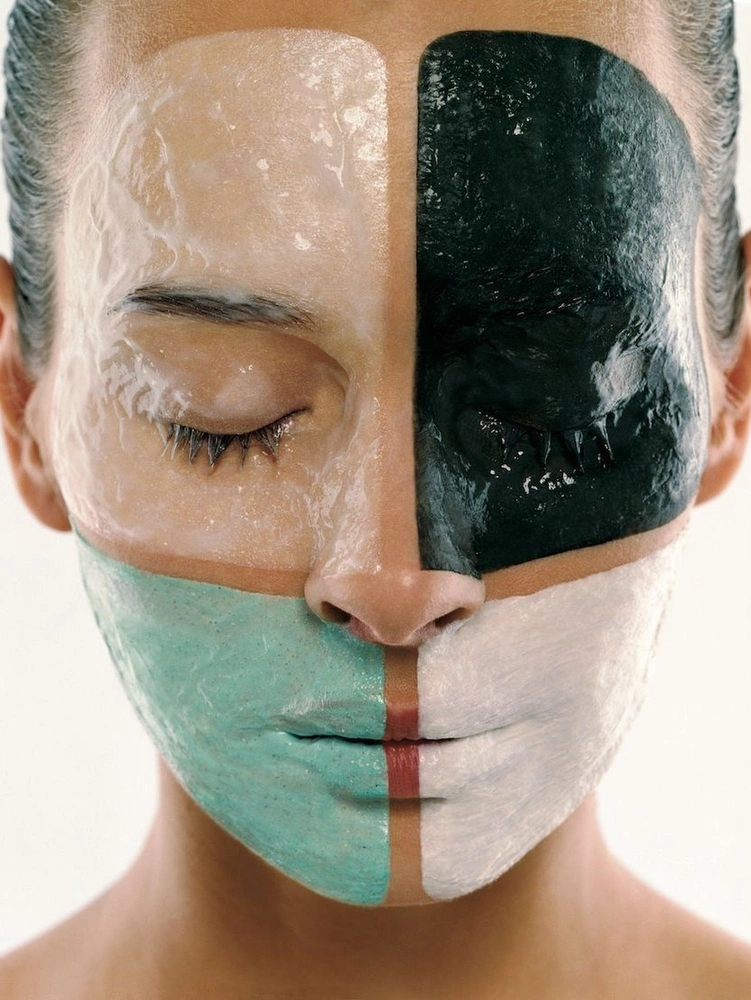
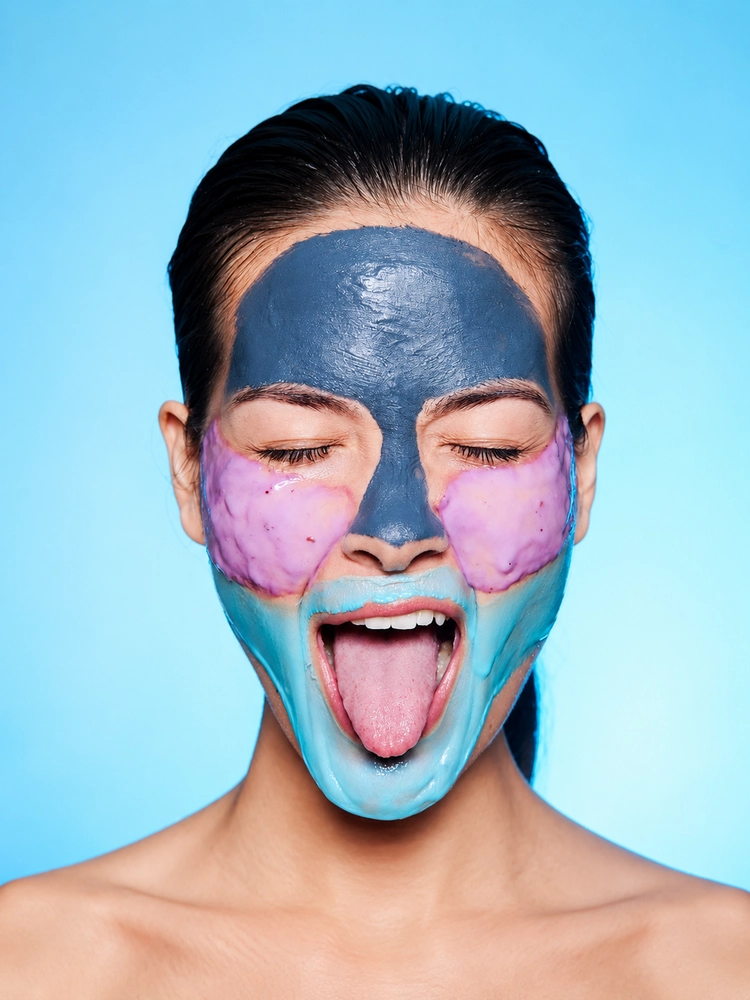
Picture a face transformed into a mosaic of contrasting textures and vivid hues: dark clay defining the T-zone, a velvety cream softening the cheeks, and shimmering hydrogel patches resting underneath the eyes. What originated as playful visual content on social platforms now signals a profound evolution in modern skincare philosophy.
Multi-masking approaches the human complexion as a dynamic map, honoring the simultaneous coexistence of oiliness, dryness, congestion, sensitivity, and surface dehydration.
Multi-Masking Turns One Face Into Several Skin Zones
Multi-masking defines the practice of applying several distinct formulas across distinct regions of the face simultaneously. The underlying logic remains simple: the forehead, nose, cheeks, jawline, and orbital area possess unique biological profiles shaped by sebum production, barrier strength, environmental stressors, and daily habits.
This technique directly challenges the conventional single-product method. Applying a uniform purifying clay mask across the entire canvas often satisfies an oily nose while simultaneously stripping essential moisture from delicate cheeks. Conversely, an opulent hydrating cream offers comfort to dry zones while overwhelming congested pores elsewhere.
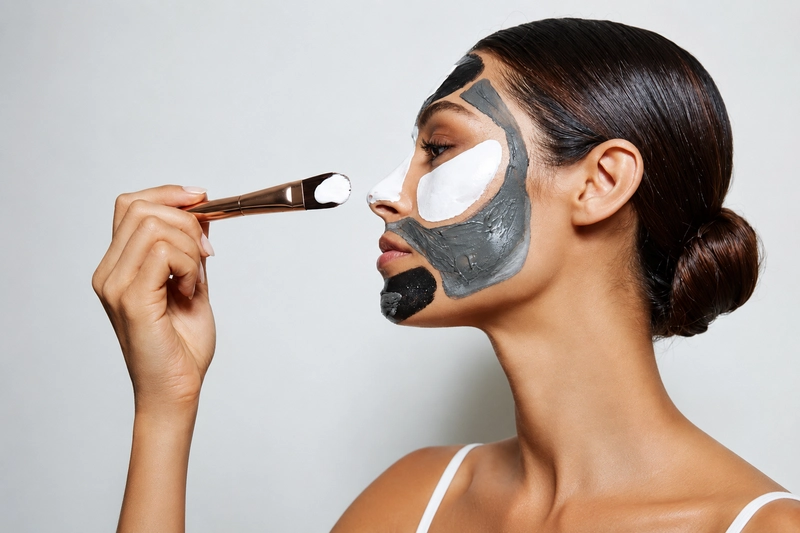
Multi-masking introduces geographical precision to daily rituals through facial zoning. Under this framework, the T-zone receives clarifying formulas, the cheeks benefit from soothing botanicals, and delicate eye contours gain targeted hydration from dedicated patches.
Beyond its obvious visual theater, the enduring power of multi-masking stems from intuitive recognition. Most individuals experience shifting skin states, seasonal fluctuations, and localized imbalances. Multi-masking renders this internal reality visible. Ultimately, the methodology encourages a shift away from rigid skin classifications, recognizing that a single complexion encompasses multiple fluid conditions that evolve from week to week.
Why Multi-Masking Has Returned to the Beauty Conversation
Several cultural shifts explain the resurgence of multi-masking in modern skincare dialogue. First, consumer culture now prioritizes hyper-personalization. Modern enthusiasts analyze ingredient lists, barrier integrity, and micro-climate responses with sophisticated attention. Multi-masking aligns smoothly with this analytical mindset, favoring attentive daily observation over uniform application.
Second, the aesthetic nature of the technique thrives within digital environments. Contrasting colors and diverse textures transform a routine treatment into a striking visual composition. The face becomes a living graphic canvas: vibrant charcoal across the nose, rose-tinted cream spanning the cheeks, and translucent hydrogel beneath the eyes. This theatrical dimension renders the ritual inherently expressive and instantly memorable.
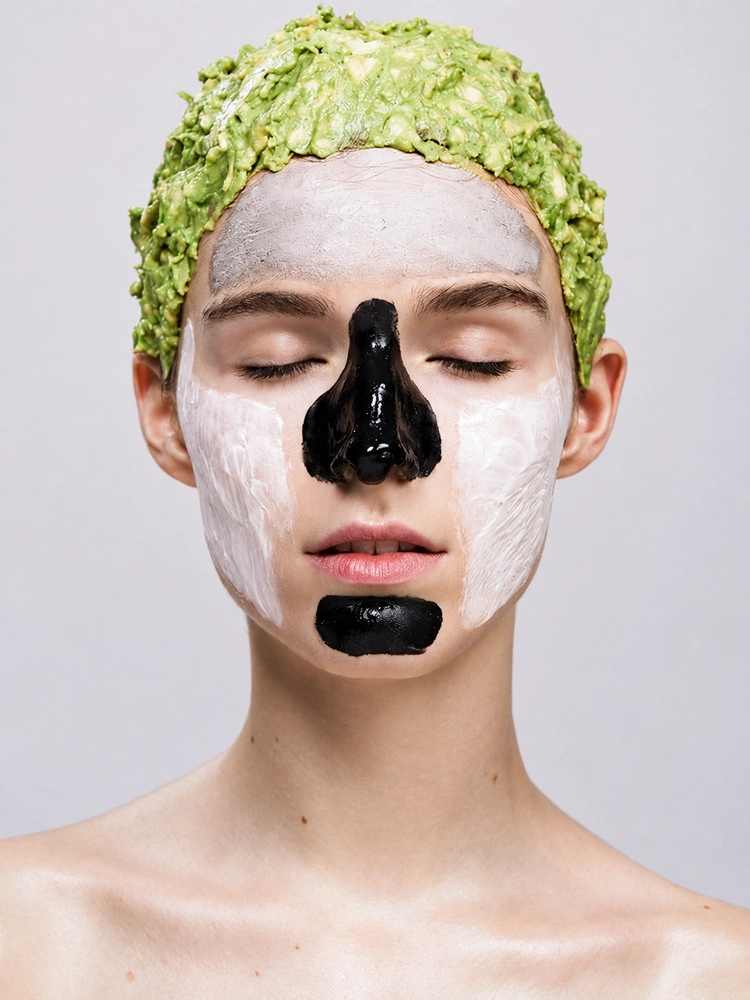
Third, the format has expanded far beyond traditional clay jars. Today’s practitioners combine targeted toner pads, specialized hydrogel sheets, leave-on balms, and spot treatments into a modular system. This modern iteration resembles building an adaptable skincare wardrobe where each texture performs a specific role.
This trend reveals a deeper psychological motivation: the human desire for active agency. Spreading a single cream across the face feels passive. In contrast, mapping distinct formulas across precise zones turns a quiet moment into an act of diagnosis, decision-making, and strategic control. This sense of clinical precision drives the trend's immense popularity, even during moments when the visual complexity exceeds the actual physical needs of the skin barrier.
Masks Recommendations
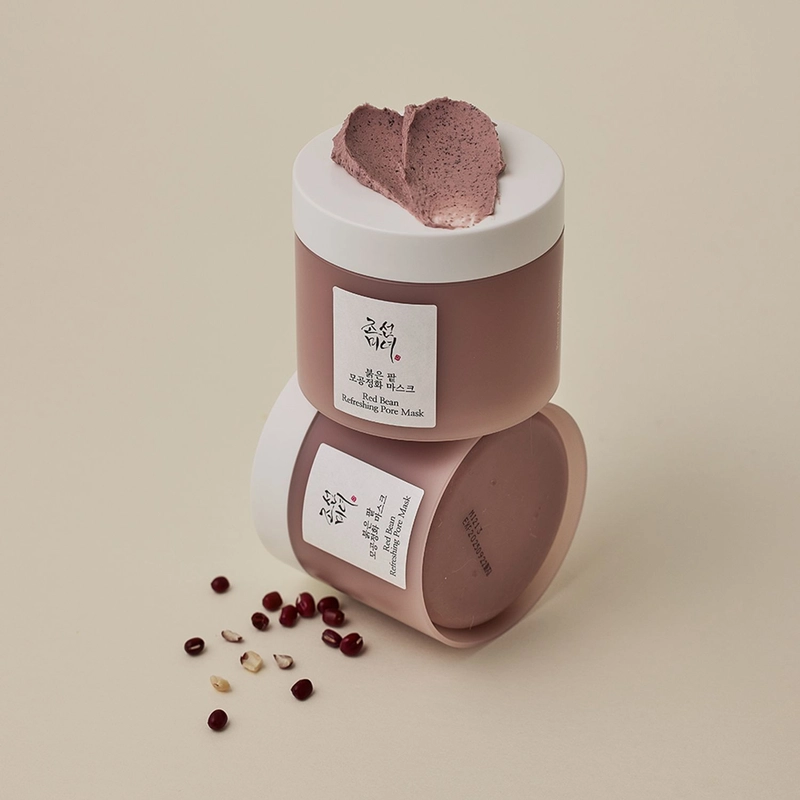
Beauty of Joseon Red Bean Refreshing Pore Mask
Apply this creamy kaolin and red bean mask across the forehead, nose, and chin, where excess sebum and visible congestion commonly collect. It works especially well as the clarifying zone within a multi-masking routine, while richer formulas care for drier areas.
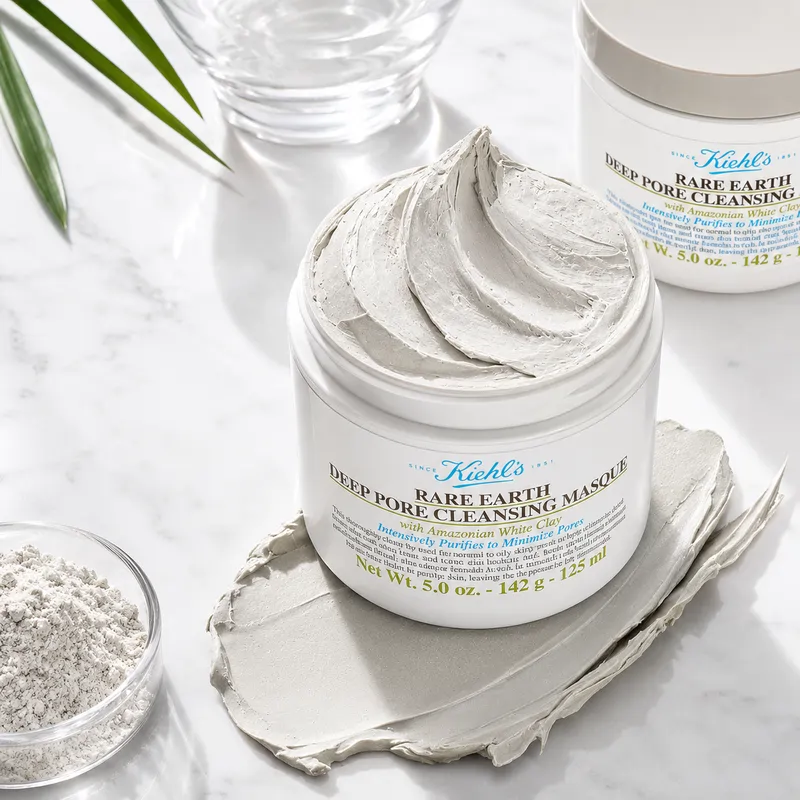
Kiehl’s Ultra Facial Overnight Rehydrating Mask
Use this squalane-rich mask over dry cheeks, around the mouth, and anywhere that feels tight or depleted. Its cushioning texture offers a moisture-focused contrast to clay masks placed across the T-zone.
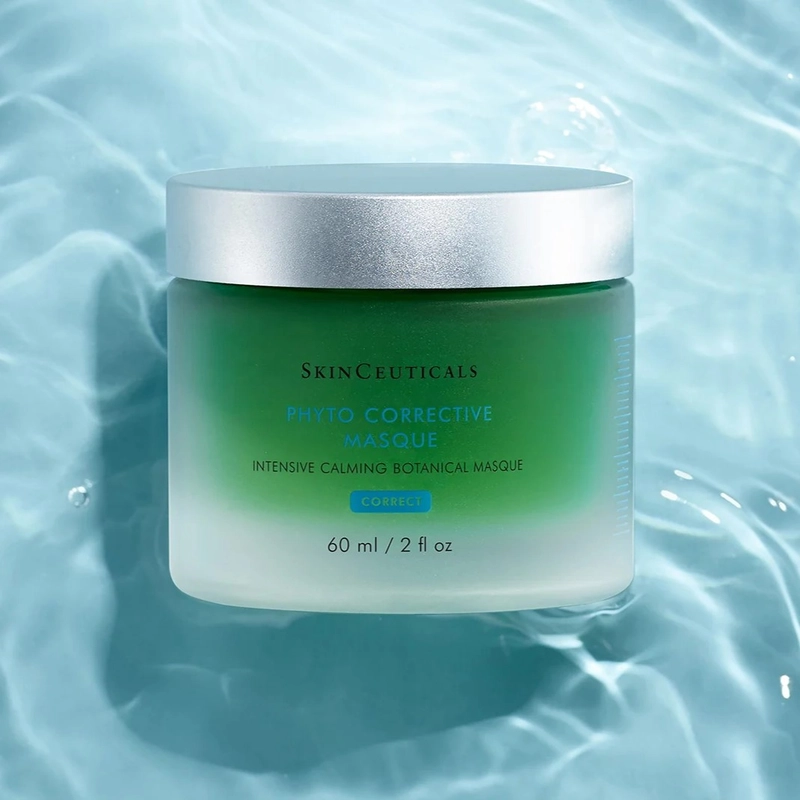
SkinCeuticals Phyto Corrective Masque
This soothing formula belongs on redness-prone cheeks, temples, and the jawline, particularly when the skin feels warm, reactive, or dehydrated. It gives multi-masking a calming element while oilier areas receive more purifying care.
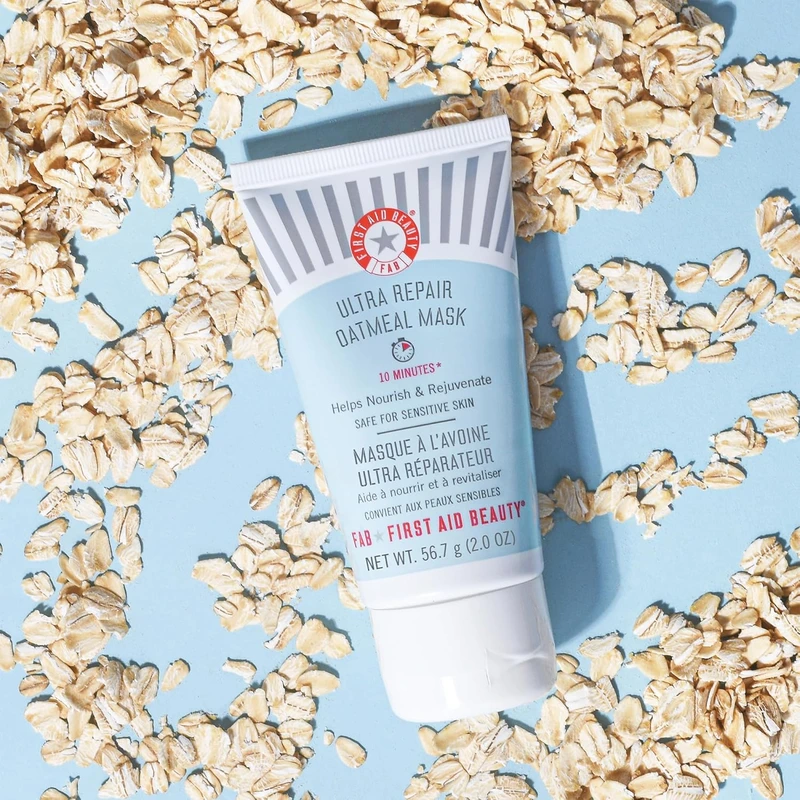
First Aid Beauty Ultra Repair Instant Oatmeal Mask
Place this creamy oatmeal mask across dry, sensitive, or temporarily uncomfortable areas, especially the cheeks and skin around the mouth. Its comforting texture helps balance stronger treatments used elsewhere on the face.
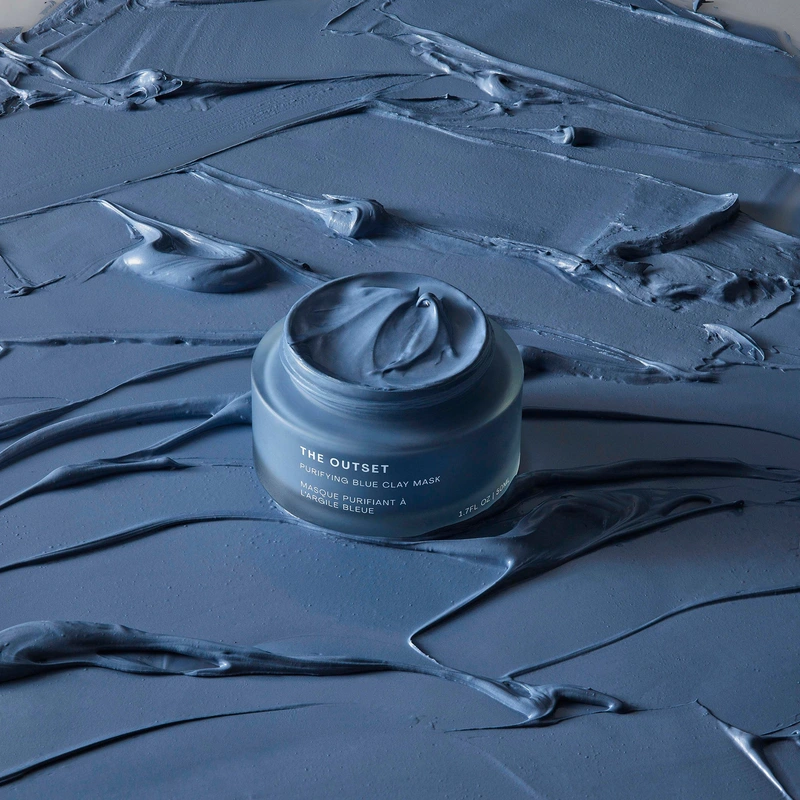
The Outset Purifying Blue Clay Mask
Reserve this blue clay and salicylic acid formula for the nose, centre of the forehead, and chin, where pores and shine may appear more prominent. It acts as the concentrated purifying step rather than an all-over treatment.
The Trend’s Intelligence Depends on Restraint
The true utility of multi-masking rests entirely upon intentional restraint. The method offers genuine value when each selected formula serves a clear physiological purpose. Conversely, the concept loses credibility when dividing the complexion serves primarily as an excuse to display excess product. True efficacy requires accurate self-diagnosis and thoughtful recognition of transient skin states.
A significant risk lies in confusing personalized care with cumulative over-treatment. Modern masks frequently contain potent exfoliants, active enzymes, retinoids, or aromatic compounds. Layering multiple active treatments simultaneously creates potential stress for the skin barrier, turning a restorative ritual into an overwhelming chemical environment.
Furthermore, facial zones remain deeply interconnected. Excess oil production near the nose frequently signals underlying hydration deficits, while cheek sensitivity often stems from aggressive cleansing elsewhere. The face operates as an integrated biological ecosystem despite visual division.
The ultimate wisdom of multi-masking favors simplicity and clear intent. Deploying two well-chosen treatments demonstrates far greater skincare intelligence than applying five competing formulas. As a symbol of modern beauty, multi-masking encourages thoughtful observation, adaptive responses, and a healthy skepticism toward universal solutions.