K-pop and Vietnamese fashion now meet under the brightest possible lights. A single-stage look can push a young label across millions of screens overnight. Yet once the reposts fade, a harder test begins: can visibility become stockists, repeat orders, and a business strong enough to grow beyond the celebrity moment?
K-pop and Vietnamese Fashion: Can Attention Become Revenue?
K-pop and Vietnamese fashion now meet under the brightest possible lights. A single-stage look can push a young label across millions of screens overnight. Yet once the reposts fade, a harder test begins: can visibility become stockists, repeat orders, and a business strong enough to grow beyond the celebrity moment?
July 21, 2026


A K-pop star can place a dress by a Vietnamese label in front of millions of screens overnight. Within seconds onstage, on a red carpet or in a music video, a design can cross borders, enter the feeds of international fans and generate what most emerging brands desire most: attention.
On 9 July 2026, Vogue Business published K-Pop Stars Are Fueling the Rise of Vietnamese Fashion, documenting the growing presence of Vietnamese labels in the wardrobes of Katseye, Blackpink, Aespa, Twice and Babymonster. La Lune, Fanci Club, Công Trí and LSOUL were placed within a broader narrative of Vietnam’s transition from a manufacturing centre into a recognised source of fashion creativity.
That movement is real. International stylists are seeking out Vietnamese designers. The country’s capacity for rapid sample development and production enables small teams to respond to urgent requests. Social media then amplifies a single stage appearance into a level of recognition that a young label would struggle to purchase through conventional advertising.
K-pop has opened a valuable media door.
The next question, however, belongs to business: how many customers, points of sale and repeat orders exist on the other side?
A Dress Seen Is Not Yet a Dress Sold
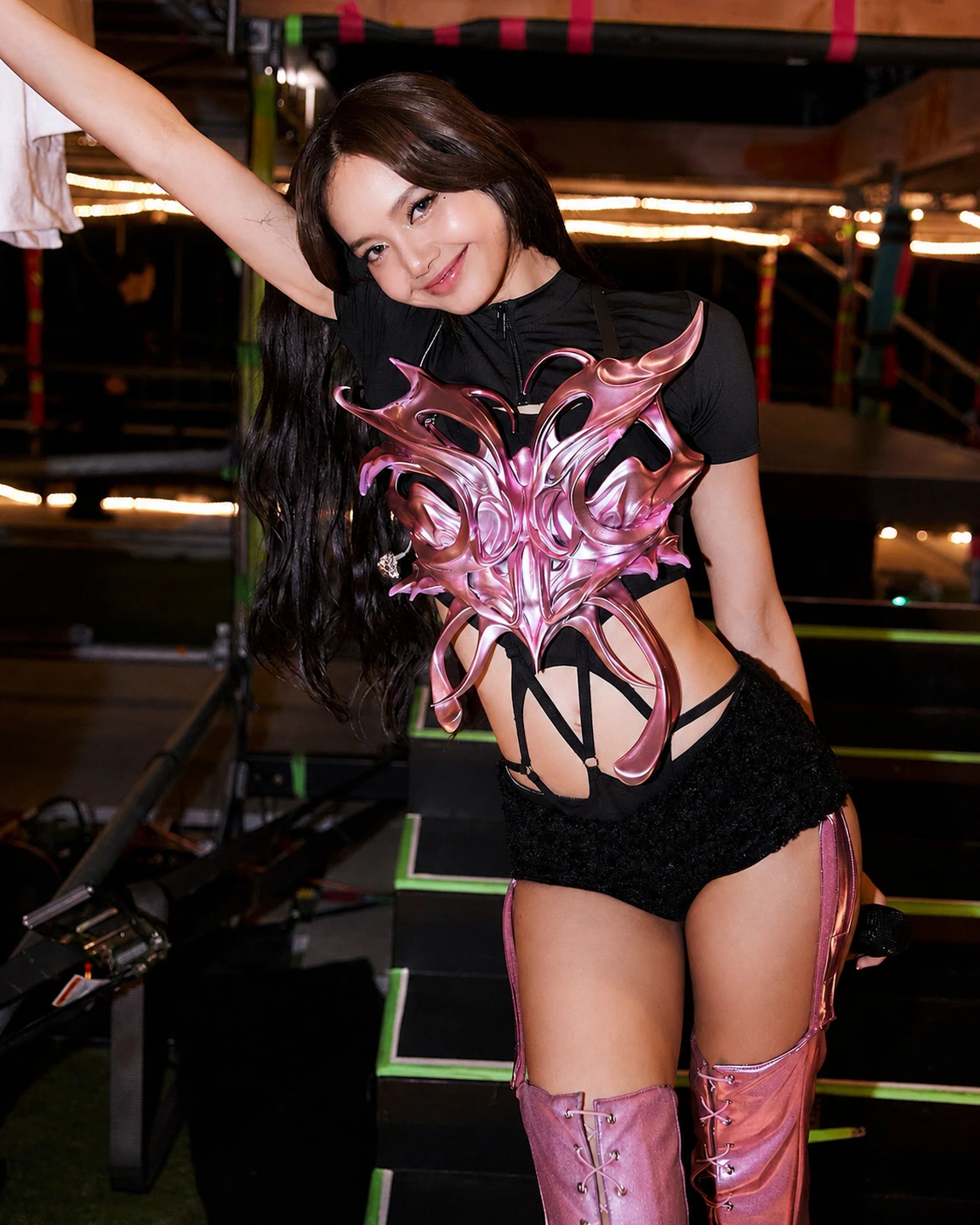
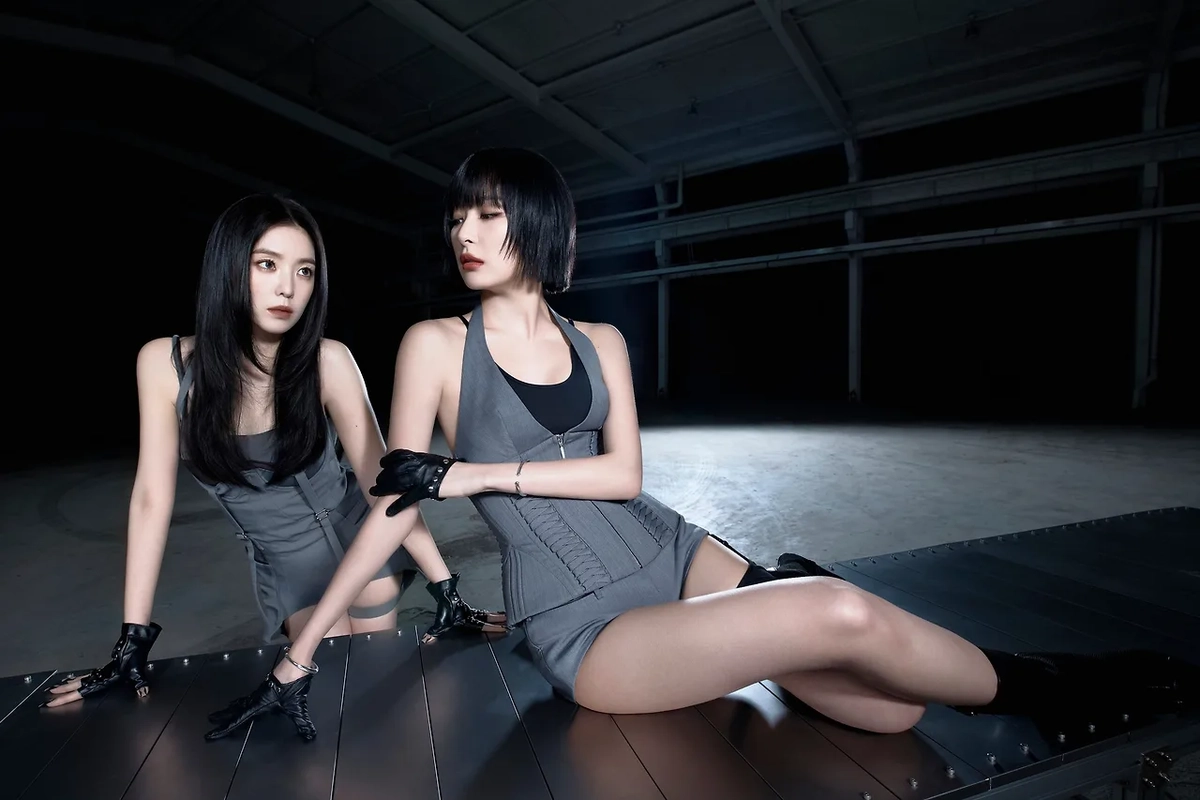
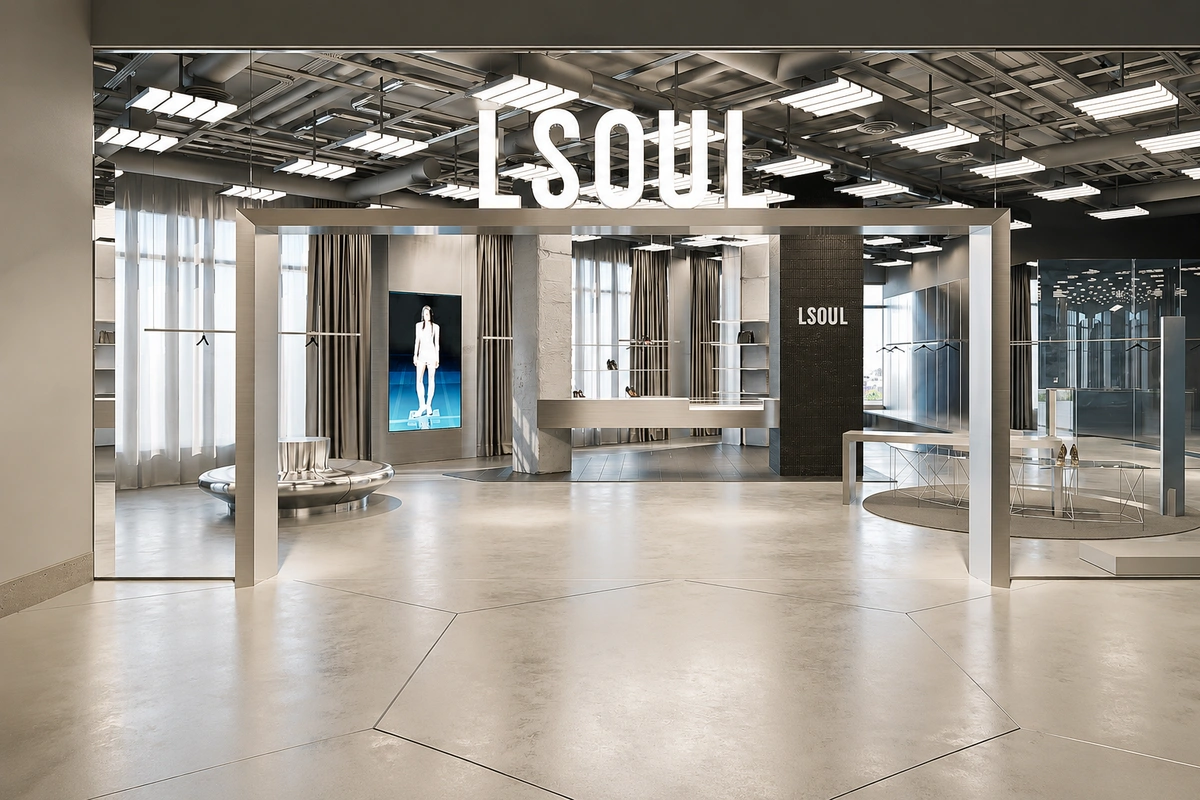
La Lune has appeared on Katseye, Blackpink and Aespa. Fancì Club has been worn by Olivia Rodrigo, Doja Cat, Dua Lipa and Bella Hadid. Công Trí has built a substantial history on international red carpets. LSOUL has dressed Blackpink, Twice and Babymonster.
Such a celebrity roster creates the impression that Vietnamese fashion is suddenly everywhere. Visibility and commercial traction, however, remain two different forms of value.
A performance look may be custom-made for an artist, sent as a sample, loaned or completed within an unusually short timeframe at a stylist’s request. It can become a brand’s most widely circulated image of the season without ever entering commercial production. Even when the product is available, the number of people attracted to the image will almost always exceed the number able or willing to buy that exact piece.

From a media perspective, an idol wearing a dress is evidence of desirability. For a brand owner, it is only the top of the funnel.
Celebrity placement can drive a sharp increase in traffic. The brand still needs to know how much of that traffic converted into orders, which products customers purchased, the average order value and how many customers returned after their first purchase. Only after production, PR, logistics, returns and rush-delivery costs have been deducted does the remaining revenue begin to reflect the brand’s true health.
A dress seen is not yet sold. And a dress sold once does not necessarily create a business.
When Attention Meets Wholesale
International sales figures are always appealing, but they need to be considered alongside absolute scale.
Fancì Club has stated that 30 per cent of its sales come from Vietnam, 20 per cent from the rest of Asia, 20 per cent from Australia and the remainder from other markets. This distribution suggests that the brand has reached a relatively diverse international customer base.
Geographic percentages, however, reveal where customers are located. They do not show how large the business has become.
Thirty per cent could represent a substantial operation. It could also be a large share of relatively modest revenue. Understanding the scale requires more information: total revenue, the balance between direct-to-consumer and wholesale, repeat-customer rates, average order value and the margin remaining after logistics and returns.

In fashion, particularly for emerging labels, growth does not simply mean appearing in more countries. It means understanding which markets genuinely generate revenue, which channels attract valuable customers and which products can continue selling across multiple seasons.
Wholesale is where the distance between presence and scale becomes clearer.
Based on the writer’s direct experience working with international showrooms and buyers, an order for an emerging label commonly ranges from approximately $5,000 to $20,000 per buyer account. Under current market conditions, a $20,000 order can already be considered substantial for a young brand.
Buyer spending is not fixed. It shifts in response to economic conditions, geopolitics, tourism, consumer confidence and the performance of individual markets. When the retail environment becomes unstable, buyers tend to begin with a tightly edited selection, monitor customer response and only then decide whether to reorder or expand the assortment.

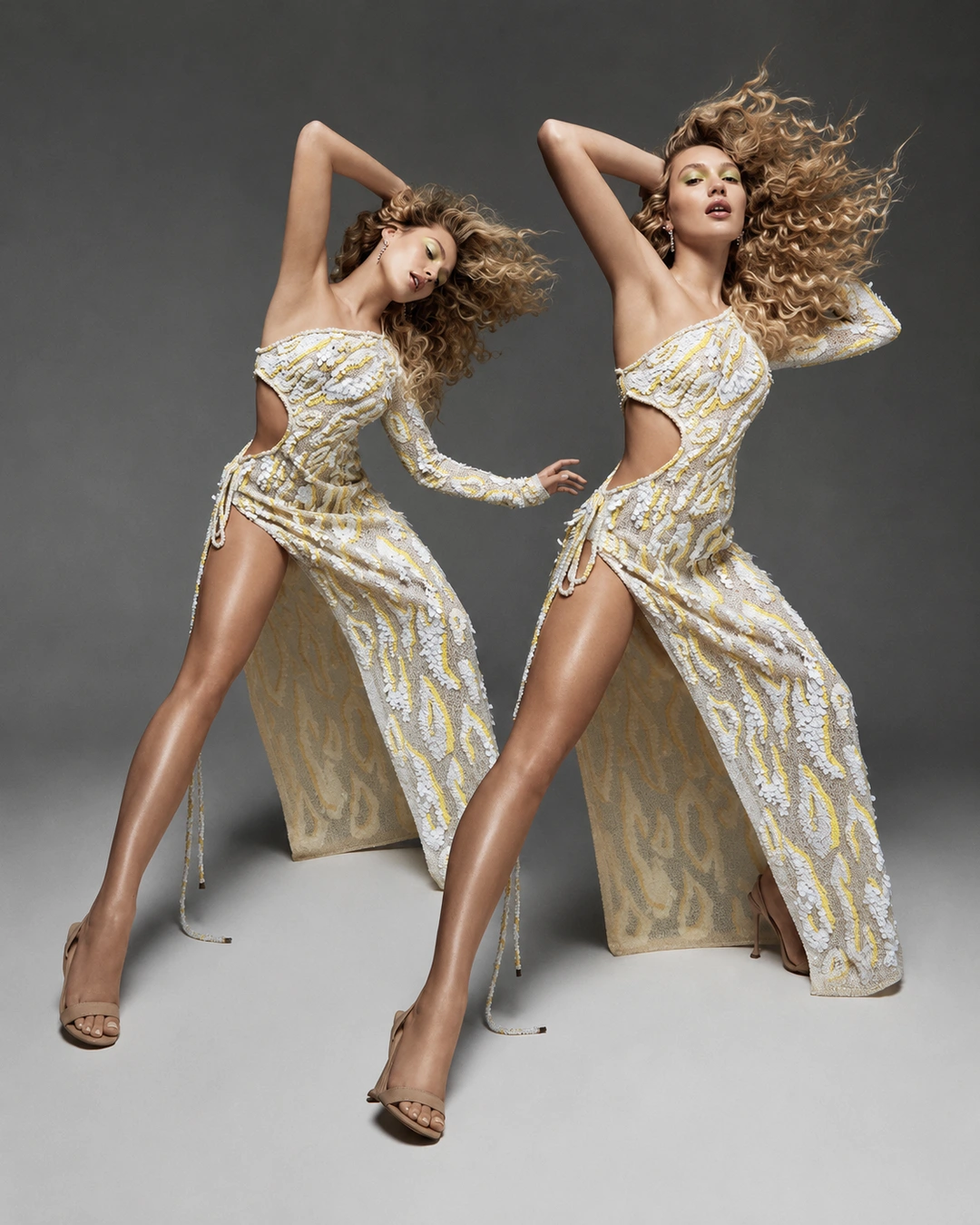
For an occasionwear label without the recognition and distribution infrastructure of a mature brand, maintaining 20 to 25 buyer accounts in a single season is already an exceptional result.
Twenty to 25 accounts are more than names in a spreadsheet. In the simplest scenario, they may correspond to 20 to 25 stores or shop-in-shops distributed across several countries. A buyer working for a department store or retail group may also purchase for multiple doors, making the actual footprint larger than the number of accounts suggests.
Based on the writer’s experience, a well-matched store may maintain a relevant customer base of approximately 1,000 to 3,000 people. If a brand is carried in 20 to 25 points of sale, it could be placed before a potential retail audience of roughly 20,000 to 75,000 people.
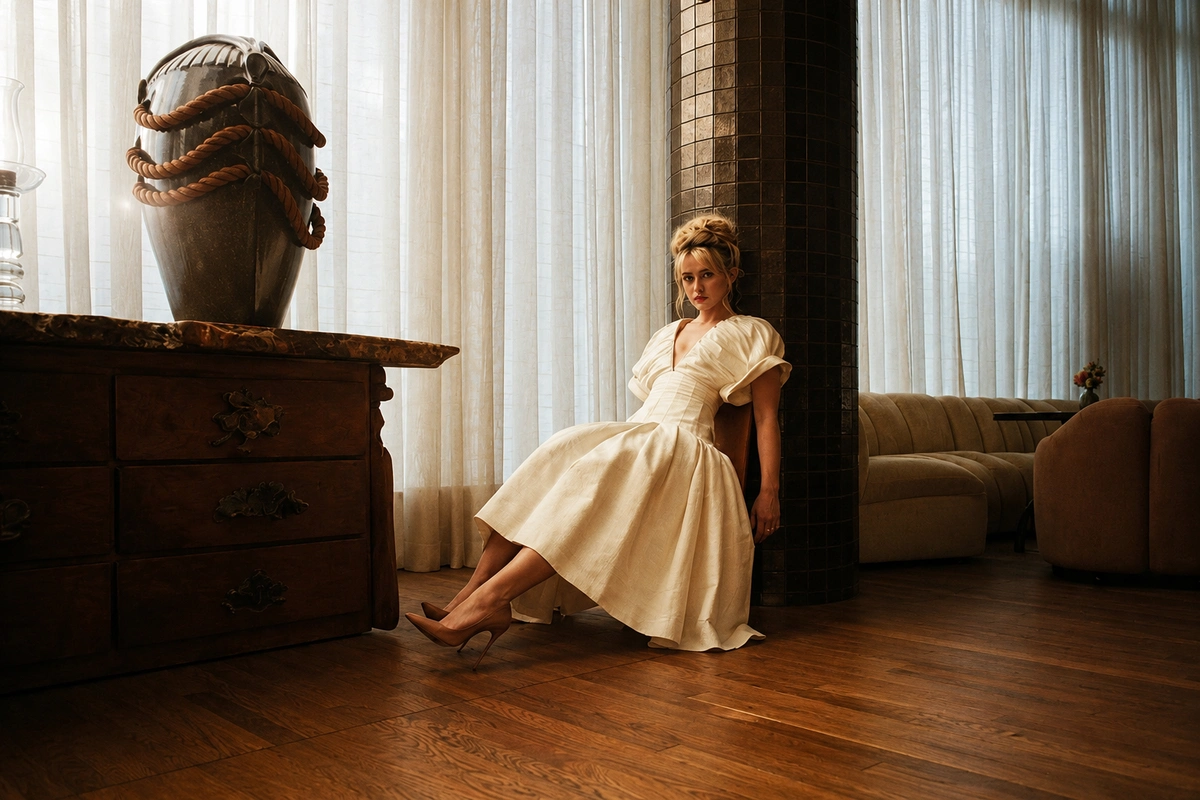
This is an indicative estimate rather than a count of unique customers who have purchased the product. Customer databases may overlap, and levels of activity vary between stores. It nevertheless illustrates a form of reach that differs significantly from social media reach.
One million views can disappear within days. A store with the right customers creates opportunities for fittings, personal service, alterations, repeat purchases and word of mouth across multiple seasons.
Sell-through Turns Curiosity Into Commitment
Securing a buyer is difficult. Keeping one is harder.
A buyer may place a $5,000 or $10,000 order in the first season to test customer response. They return when the product sells, deliveries arrive on time, production quality matches the sample, sizing generates few returns and the brand handles problems professionally.
A label may enter its first season with 25 accounts and lose most of them the following season because its initial success was driven by novelty. A brand that retains most of its buyers, replaces the accounts that leave and gradually increases order values is building a wholesale business with genuine resilience.
Mirer offers a notable example of buyer confidence being built on the sales floor rather than in front of the camera.
According to sales information shared with the writer by sources with direct knowledge of several accounts, Mirer products achieved sell-through of approximately 80 per cent at specific points of sale. That performance led at least one buyer to deepen their commitment and order the brand’s full collection for the following season.
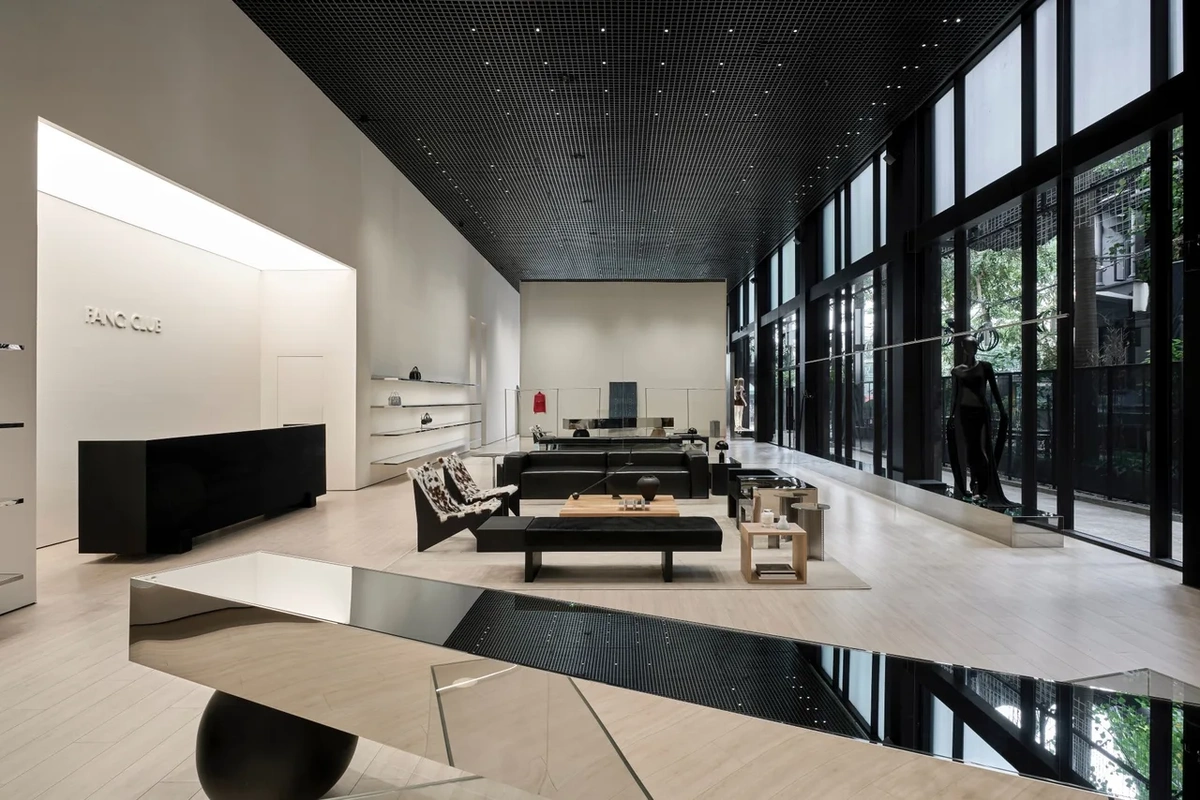
This figure does not represent every Mirer retailer and should not be read as the overall performance of the entire business. It does, however, reveal how a genuine wholesale relationship can develop.
A buyer may enter a showroom out of curiosity, following an agent’s recommendation or because a brand has gained momentum. They only increase their order after the end customer proves that the product can move off the rail.
An 80 per cent sell-through rate is no longer a story about imagery. It indicates that product selection, pricing, aesthetics and the store’s customer base have aligned at the point of sale.
The number of stockists therefore tells only half the story. The rest lies in reorder rates, sell-through, average order value, the number of doors added and whether buyers continue returning when the next collection arrives.
Celebrity placement is a moment.
Buyer retention is a business history.
Influence Is Not the Same as a Market
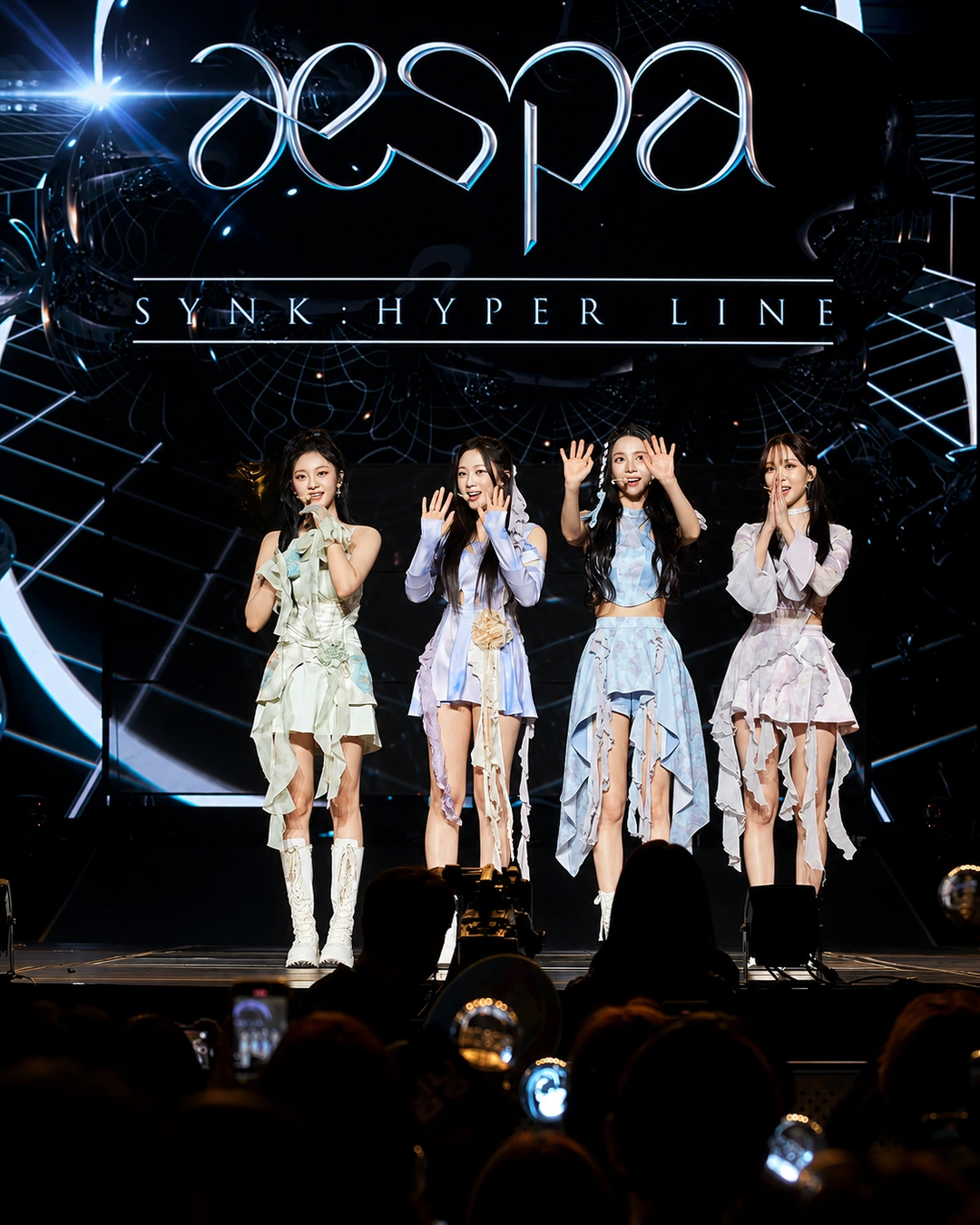
South Korea’s cultural power has turned K-pop into one of contemporary fashion’s most effective image-distribution systems. An idol can make the name of a young label the subject of global searches within hours.
South Korea, however, is not only a source of influence. It is also a market with its own structure.
Korean consumers already have domestic designer labels, department stores, select shops, marketplaces, rapid delivery and Korean-language return services. They continue to buy international brands, but those brands usually require local distribution to convert awareness into real orders.
An idol wearing La Lune resolves only the recognition stage. Customers still need to know where the product is sold, whether the size chart will work for them, which costs are included in the final price, how long delivery will take and how returns will be managed if the garment does not fit.
A dress priced attractively in Vietnam cannot arrive on a rail in Seoul at the same price while preserving the same margin. Agent and distributor fees, marketplace commissions, warehousing, Korean-language marketing, local customer service, shipping, returns and retailer margins must all be incorporated into the final price.
This is also why the way emerging labels use K-pop cannot be compared directly with the strategies of global luxury houses.
When Louis Vuitton, Dior, Chanel, Celine or Saint Laurent work with Korean stars, they already have stores, inventory, client advisors, CRM systems, after-sales services and decades of brand equity. The celebrity does not create a market from nothing. The celebrity makes an existing sales system feel more relevant to local culture and consumers.
Luxury houses also do not need to sell the exact jacket or dress worn by the idol. The aspiration can be converted into handbags, shoes, eyewear, fragrance, cosmetics or other more accessible products.
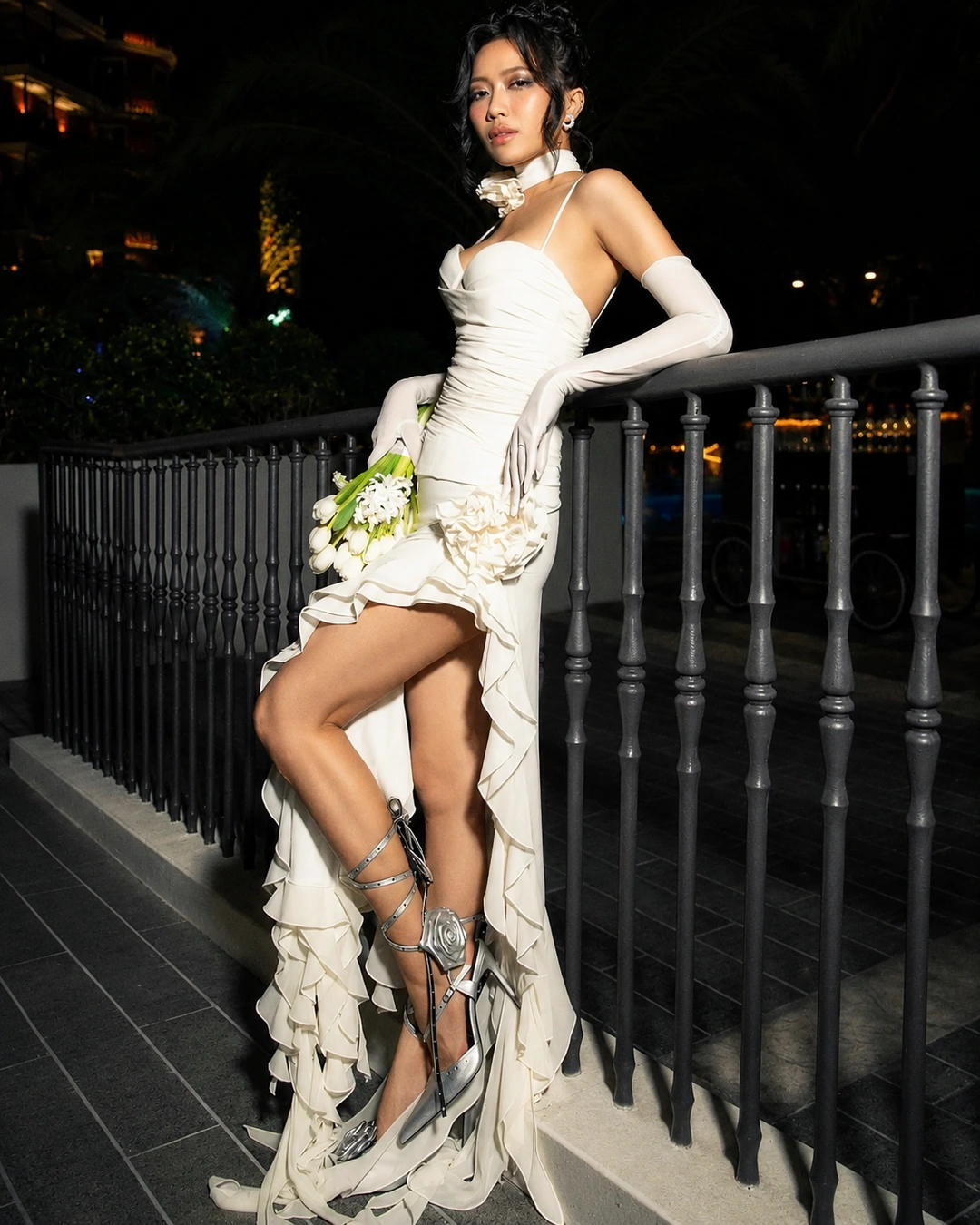

Many emerging labels, by contrast, depend on garment-specific desire. The audience wants that exact dress, silhouette or look. If the product is difficult to buy, unavailable through a local stockist, inconvenient to return or poorly suited to everyday life, attention can dissipate rapidly.
Luxury houses use celebrity to amplify a sales system that already exists.
Emerging brands need to avoid expecting celebrity visibility to replace a sales system that has not yet been built.
Celebrity placement is not a go-to-market strategy. It is an amplifier. An amplifier only works when there is already a system to amplify.
This distinction also matters when assessing the effect of K-pop within Vietnam itself.
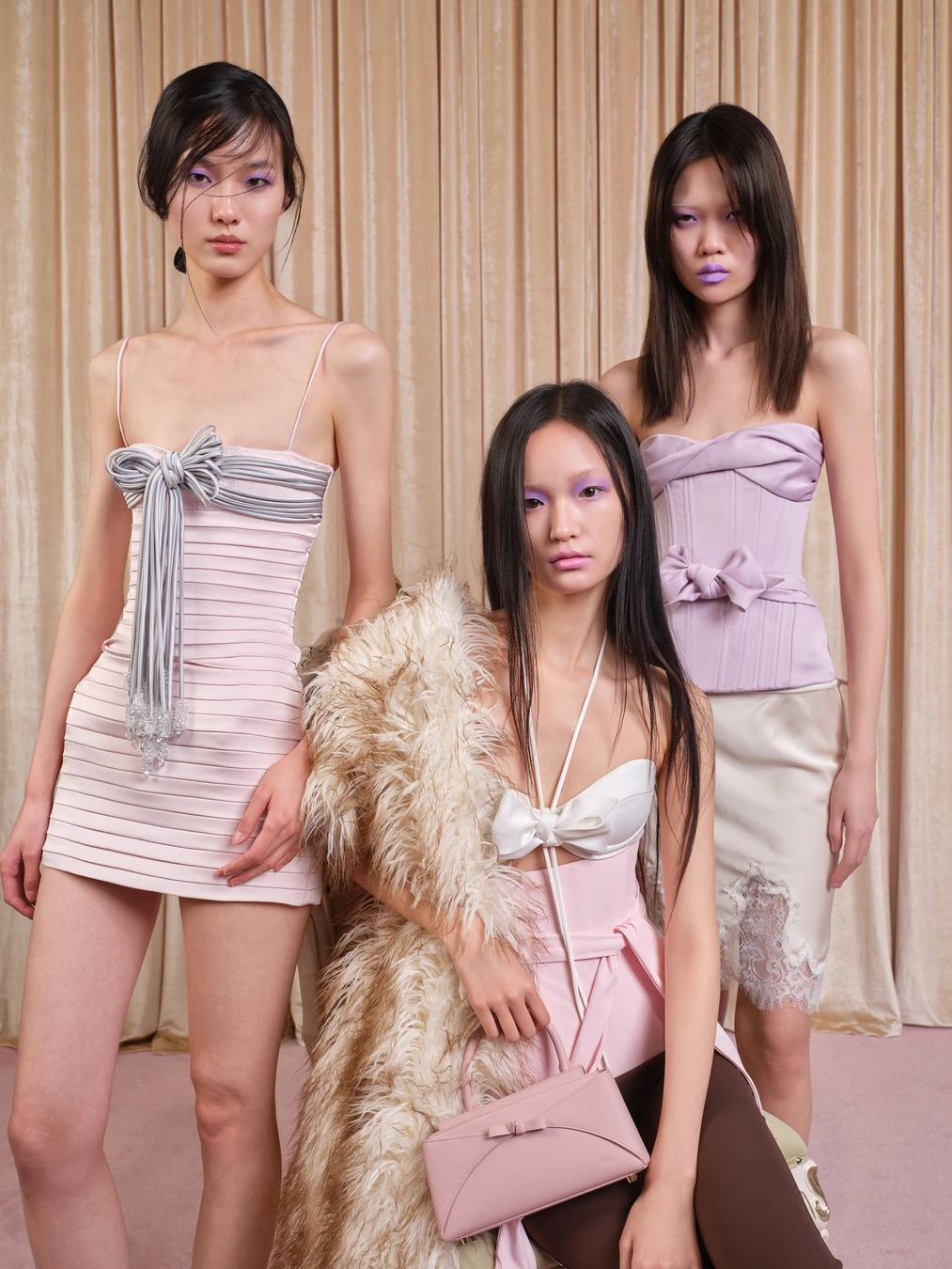
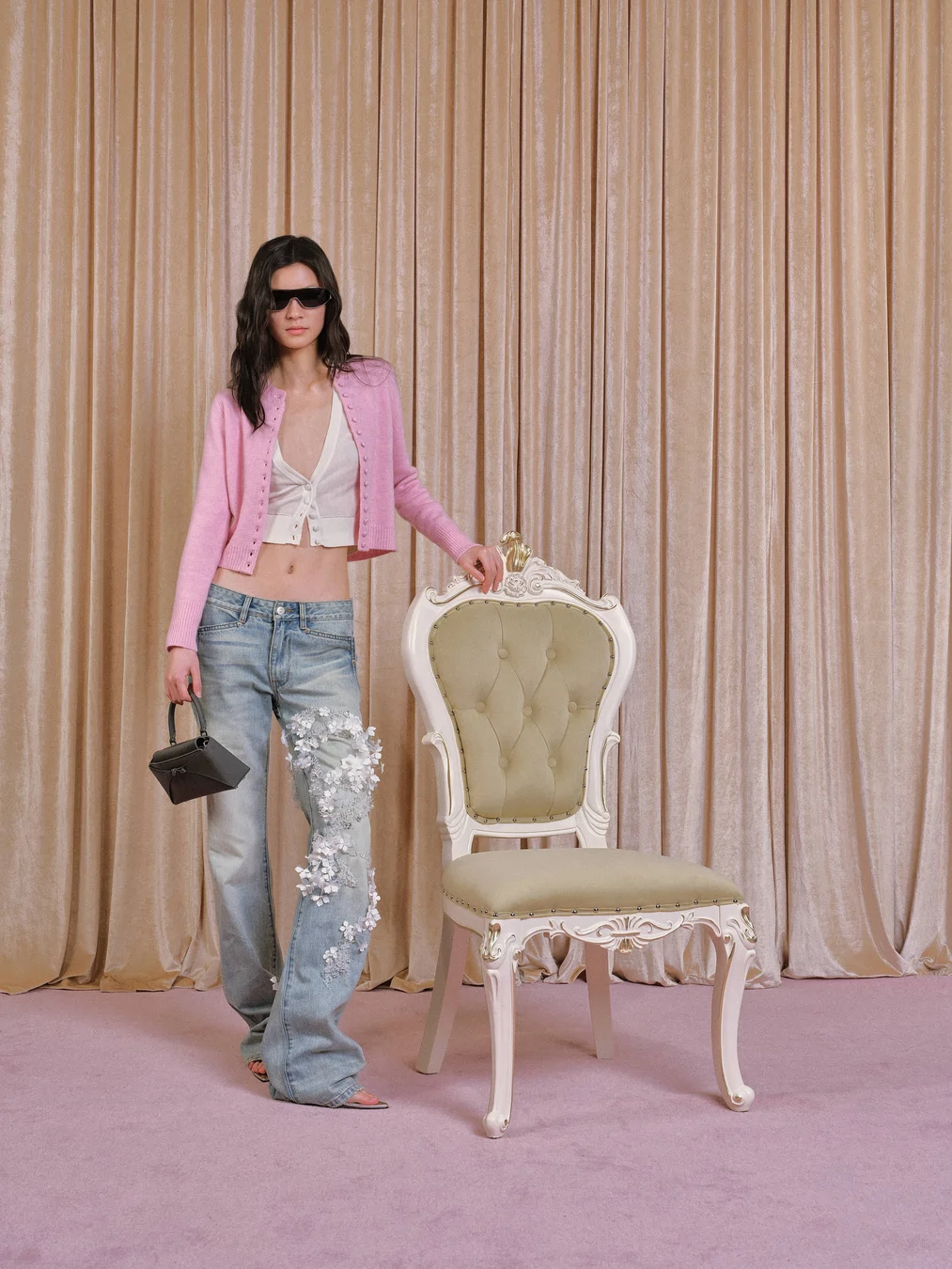
If a Vietnamese label uses celebrity visibility to secure stockists in Seoul, Dubai, Shanghai, London or New York, that represents measurable international growth. The brand gains overseas revenue, customer data, buyer relationships and the possibility of repeat orders.
If the effect primarily persuades Vietnamese consumers to buy a Vietnamese product in Vietnam because it has been endorsed by a Korean star, the result may still generate valuable revenue. It primarily demonstrates marketing effectiveness in the domestic market, however, rather than directly proving that the brand has established demand outside Vietnam.
Both outcomes can be valuable to the business. They should not be described as the same kind of growth.
Real Demand May Exist Beyond the K-pop Stage
The global fashion market does not operate according to a single aesthetic standard.
Mini dresses, corsets, cut-outs and bodysuits can create a powerful effect onstage. Performance fashion, however, is different from wardrobe fashion. An outfit that makes an artist stand out under stage lighting may not suit the daily lives, social rituals or dress requirements of high-spending customer groups.
Some Orthodox Jewish communities have particular expectations regarding length, sleeves, necklines and levels of coverage. Gulf markets also contain many distinct customer groups, with different needs for public dressing, family occasions and private events.
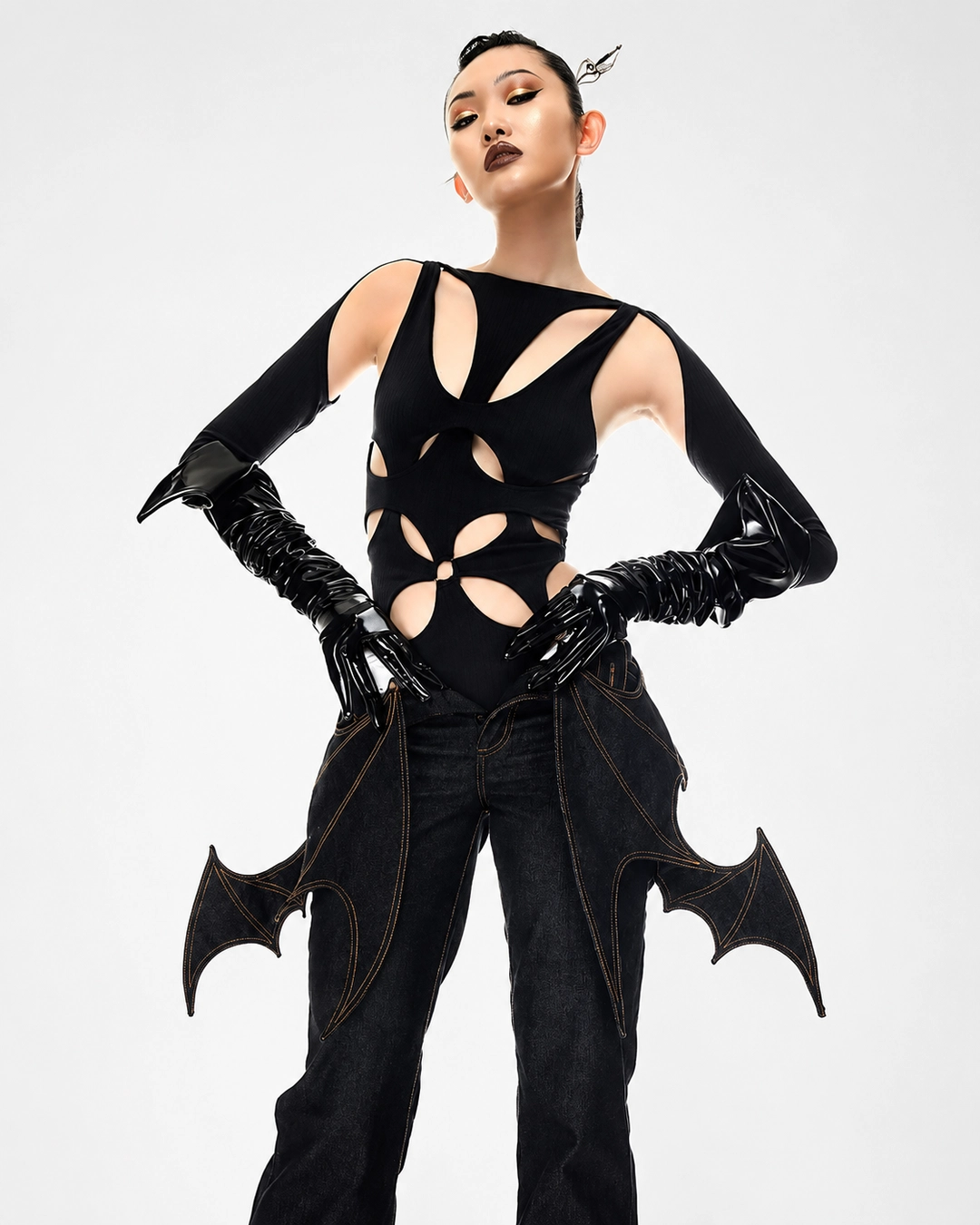
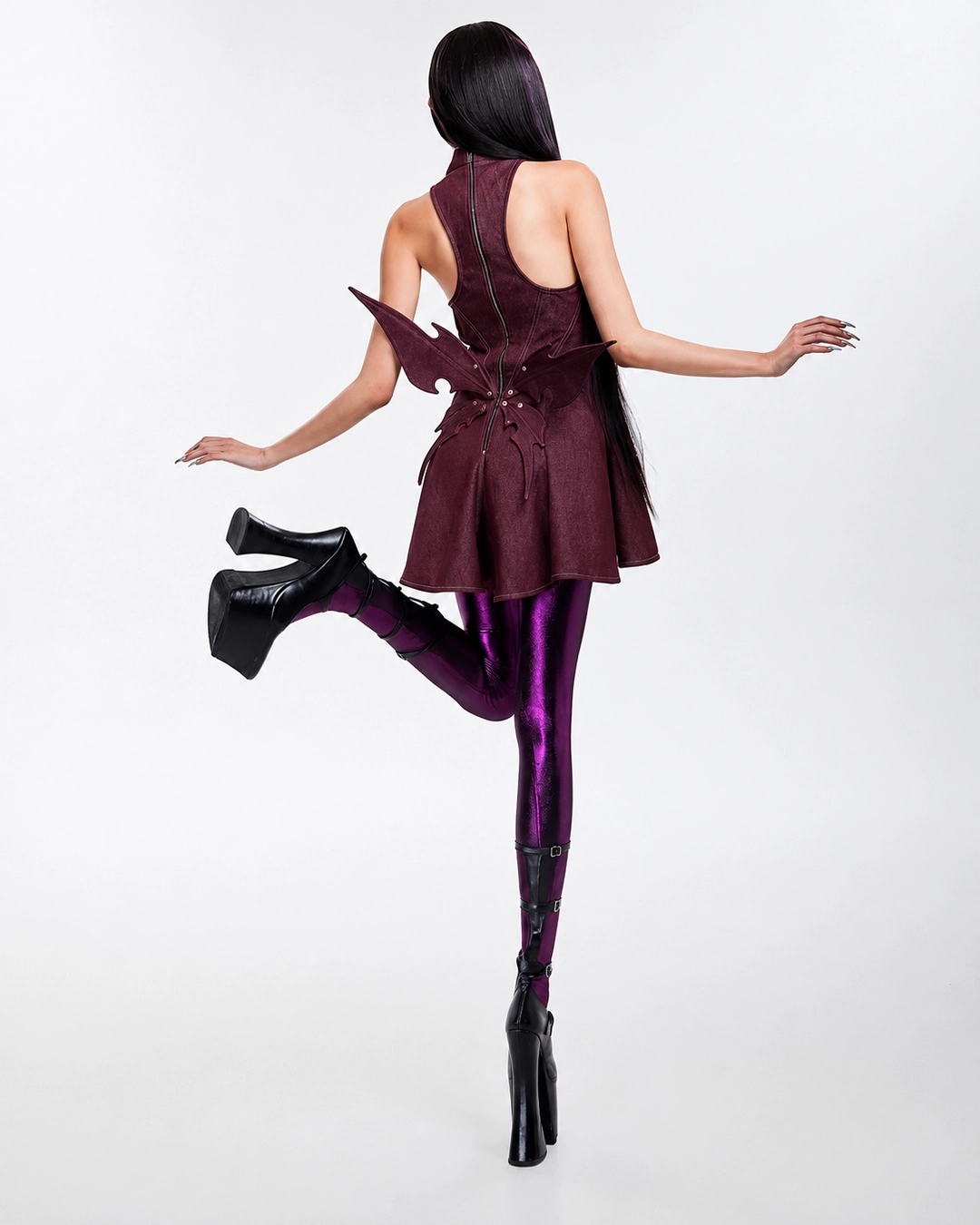
A woman in Dubai may choose fitted eveningwear for a private event while wearing a more covered design in public. Customers in Riyadh, Doha, Kuwait City or Abu Dhabi may prioritise length, lining, sleeves, fabric and alteration possibilities.
For Vietnamese labels, the strategic question is therefore larger than which celebrity might wear the product. The more important issue is whether the collection suits customers with clearly defined needs and the ability to generate meaningful order values.
Can the length be adjusted? Can sleeves or lining be added while preserving the design identity? Does the brand offer made-to-order services, alterations and private appointments? Can it connect with boutiques and buyers who understand these markets?
From this perspective, the map of Vietnamese fashion is broader than celebrity dressing.
Mirer demonstrates the value of sell-through at the point of sale. Montsand represents a route towards institutional positioning and a broader wholesale footprint. CHATS suggests the potential of structured occasionwear designed around more covered forms of dressing.
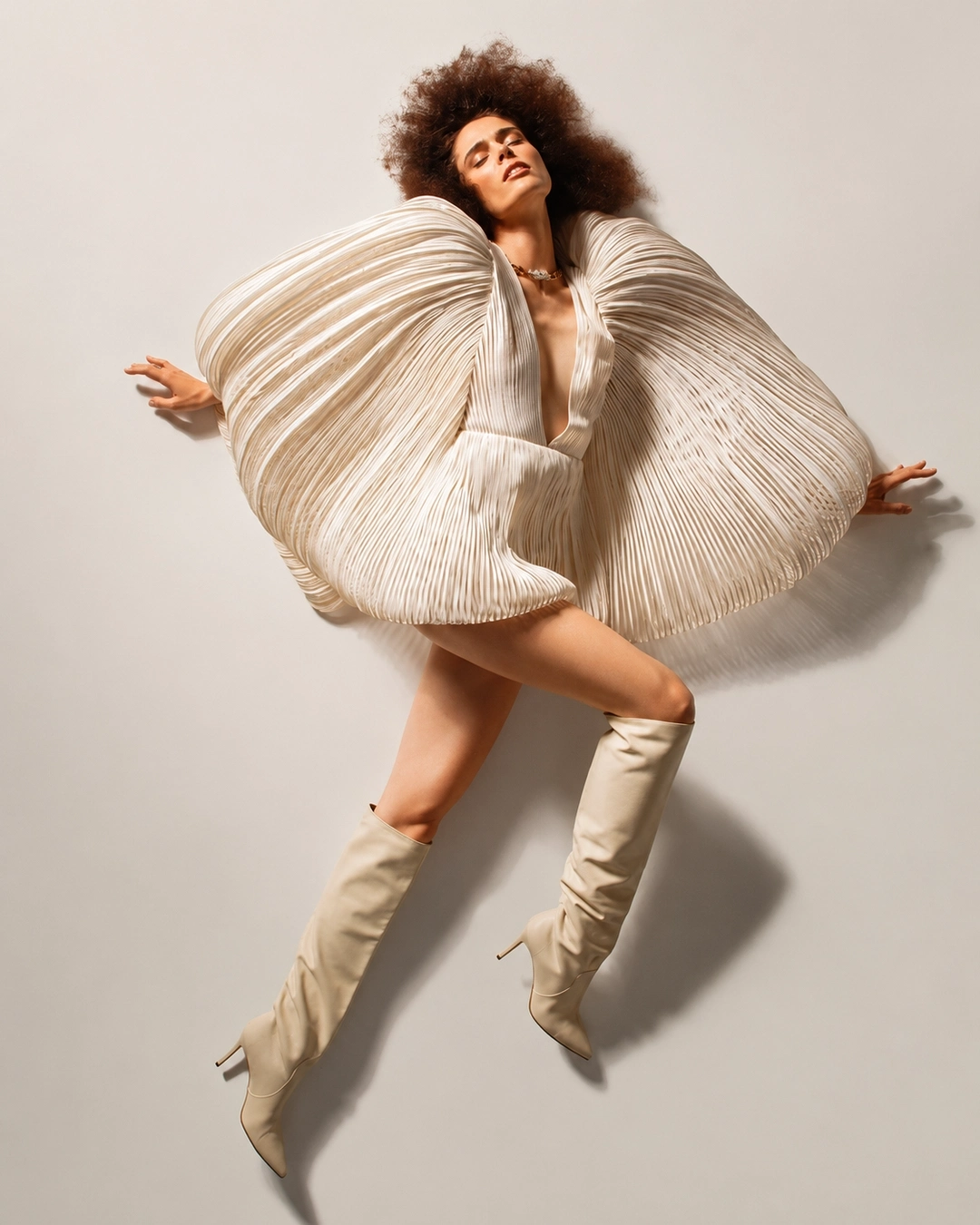
Buyers do not evaluate a single hero's look. They assess the entire collection, its price architecture, sample quality, size range, delivery window and the ability of multiple products to coexist on the sales floor.
China presents a different question.
K-pop continues to command a significant fan base in the country. Its influence, however, is shaped by political relations, the media environment and the growing strength of Chinese domestic brands.
A Chinese consumer may discover a Vietnamese label through Blackpink. The reasons a buyer ultimately commits money may instead include design, quality, pricing, delivery capability and the brand’s international profile.
In a conversation with the writer, a Chinese business owner said they became interested in purchasing from a Vietnamese label after seeing it participate in a Paris showroom. For this buyer, Paris made the label appear as a business with a seriously organised collection, professional processes and clear international ambition.
This is a personal observation and does not represent the entire Chinese market. It does, however, demonstrate that buyers may interpret Paris as a signal of commercial readiness.
During Paris Fashion Week, the city becomes a temporary marketplace for the global fashion industry. Buyers from the US, China, Japan, South Korea and the Middle East arrive to review collections, visit showrooms and build order books for the following season.
The different forms of appearance in Paris must be distinguished. A brand may be included on the official calendar, organise an independent presentation, participate in a showroom sales campaign or hire an agency to stage an off-calendar show. Each format carries a different level of recognition.
A serious showroom nevertheless demands elements that celebrity dressing cannot test: a sample collection, line sheets, wholesale prices, minimum-order requirements, delivery windows, size runs and the capacity to fulfil orders.
Montsand currently has a profile on the official London Fashion Week platform, where the brand describes itself as an occasionwear label producing four collections annually, with 27 stockists and end customers across 50 countries. These are brand-supplied figures, but they demonstrate a route towards institutional positioning and a wholesale footprint that differs from celebrity placement.
The value of such a step lies beyond runway imagery. It comes from bringing the brand closer to buyers, line-sheet requests, orders and relationships that can continue across multiple seasons.
From Visibility to Repeat Orders
K-pop has delivered real value to Vietnamese fashion. It has placed designers before an international audience and helped the world view Vietnam as a source of creativity, rather than only as a manufacturing centre.
Awareness, however, is only the first layer of growth.
After appearing onstage, a brand must still determine where its buyers live, how much they can spend, whether the product suits their lives and cultures, whether it is available in their market and whether the final price remains competitive after logistics, agent fees and retail margins.
A Korean star can make millions of people see a Vietnamese dress.
The person who turns that dress into a business may be a Chinese buyer who meets the brand in Paris, a Gulf boutique seeking eveningwear suited to its customers, a London department store that believes in the label’s profile or a private client who has never listened to a Blackpink song.
Vietnamese fashion does not need to move away from K-pop. It needs to place K-pop in the correct position within a broader system.
Celebrity creates recognition.
A showroom creates a meeting.
A buyer creates the order.
A point of sale creates access to real customers.
Sell-through determines whether the buyer returns.
And it is repeat orders across multiple seasons, more than any viral moment, that reveal whether a Vietnamese label is merely being seen or is genuinely growing.