MENU
Close





A black canvas crossed by narrow stripes, 120 firebricks on a gallery floor, fluorescent tubes fixed directly to a wall. Minimalism is a radical act, or could a five-year-old have done it?
A black canvas crossed by narrow stripes, 120 firebricks on a gallery floor, fluorescent tubes fixed directly to a wall. Minimalism is a radical act, or could a five-year-old have done it?
August 27, 2026


The recent major auction sales of Abstract Expressionism artworks, including Pollock's and Rothko's, shed light on the movement's major influence on art history.
Abstract Expressionism pushed drama to the extreme, so much so that inspired an art movement that completely removes drama.
Abstract Expressionism gave birth to its antithesis: Minimalism.
Minimalism was developing in the late 1950s and early 1960s primarily in New York around artists who reduced objects to geometry, repetition and material presence. A rectangle could remain a rectangle. Steel could stay recognizably industrial. Fluorescent light did not need to imitate sunlight or symbolize transcendence.
Frank Stella compressed the attitude into one of modern art's most persistent declarations:
“What you see is what you see.”
The sentence aggressively simple. That was the point.
Minimalist work resisted the expectation that every surface concealed an emotional confession. Meaning could emerge from dimensions, materials, repetition and the viewer's physical relationship with the object.
Yet this apparent neutrality carried its own radicalism. Removing expression forced viewers to confront how much interpretation they normally projected onto art.
The clean lines of the 1960s did not appear from an empty room.
Earlier European avant-garde movements had already challenged representation through radical abstraction. Russian Constructivism brought industrial materials and geometric structures into contact with modern life. Suprematism pushed reduction toward almost elemental forms, most famously through Kazimir Malevich's Black Square. Bauhaus functionalism further explored the relationship between form, material and purpose.
Minimalist artists inherited that visual vocabulary while shifting its context.
Their work rarely shared Constructivism's political ambitions or Bauhaus's emphasis on functional objects. Geometry became increasingly self-contained.
The language itself took time to settle.
In 1965, British philosopher Robert Wollheim published an essay discussing works with “minimal art-content.” The phrase helped establish a name for tendencies that were already visible across American art.
A year later, the Primary Structures exhibition in New York provided something closer to a public declaration.
Industrial surfaces, modular arrangements and large geometric forms filled the gallery. The exhibition helped establish a generation of sculptors whose work looked far removed from bronze monuments or hand-modeled clay.
Factory fabrication suddenly belonged inside fine art.
Frank Stella's early paintings look almost severe from a distance.
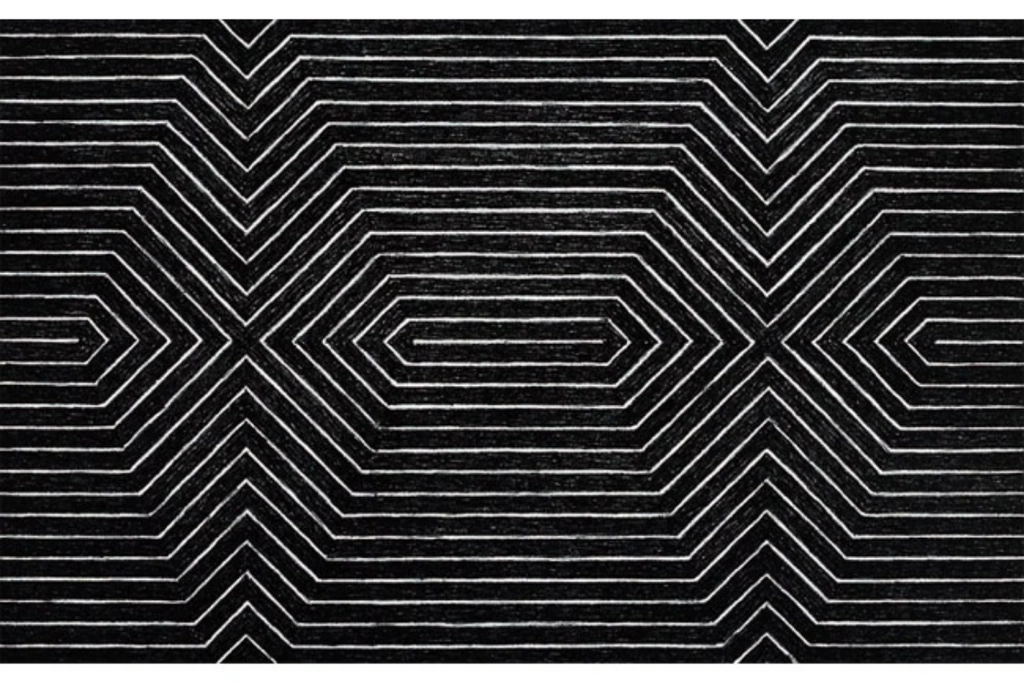
His Black Paintings of the late 1950s replaced painterly gesture with repeated bands of commercial black enamel separated by narrow lines of exposed canvas. The patterns followed the shape of the support, giving composition an architectural logic.
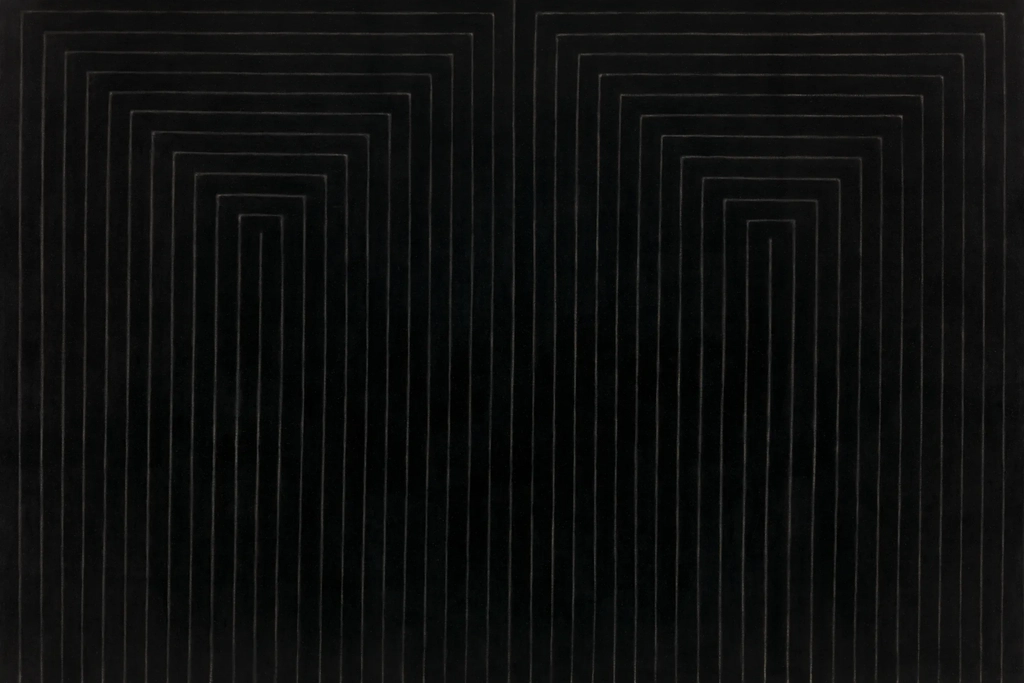
Die Fahne Hoch! from 1959 became one of the defining examples.
Its geometry appears controlled and impersonal. The title creates a more disturbing tension. Translating roughly as “Raise High the Flag!”, the phrase references the opening words of a Nazi anthem.
Stella frequently gave works titles with provocative historical or geographical associations, creating friction between emotionally loaded language and surfaces that refused to illustrate those subjects.
That contradiction makes the paintings more complicated than their visual austerity initially suggests.
The canvas says almost nothing.
The title refuses to stay quiet.
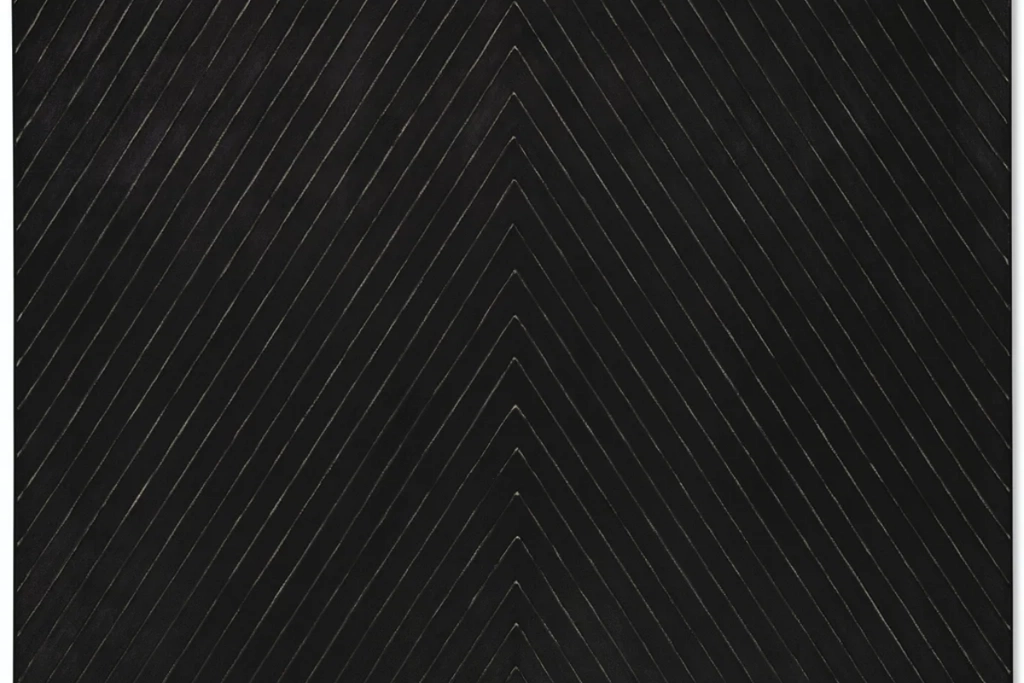
In 2019, Stella's Point of Pines from 1959 sold for approximately $28.08 million, demonstrating how works once associated with radical reduction entered the highest levels of the art market.
A polished metal box attached to a wall creates an awkward categorization problem.
Is it sculpture?
Architecture?
An object?
Donald Judd increasingly rejected the need to answer.
He used the term “Specific Objects” for works that occupied territory outside conventional painting and sculpture. His famous vertical stacks consist of identical rectangular units mounted at mathematically precise intervals.
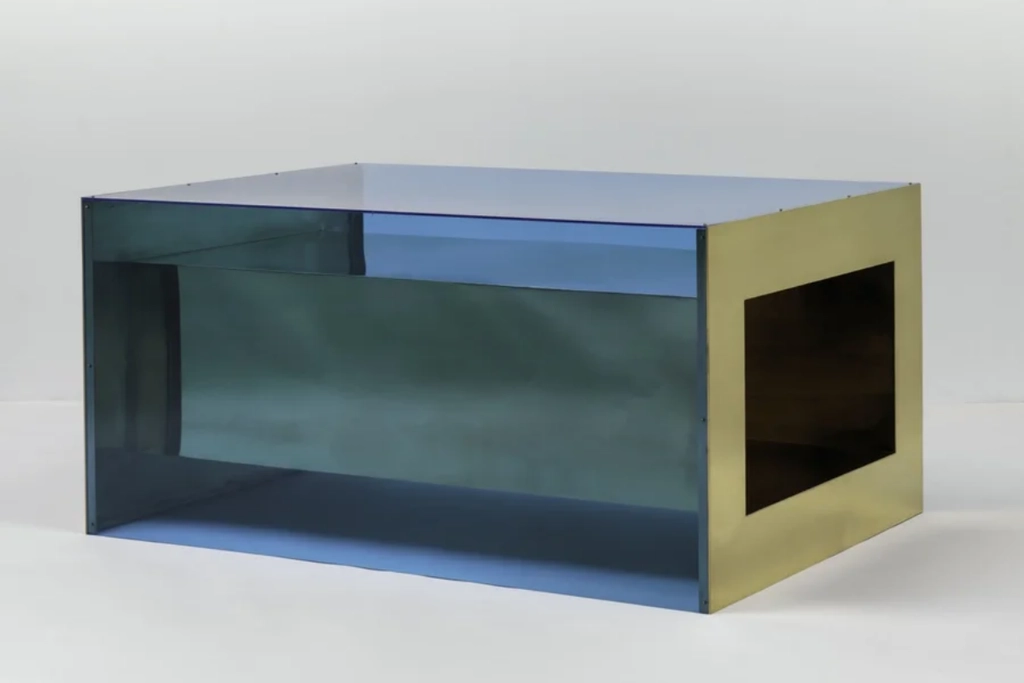
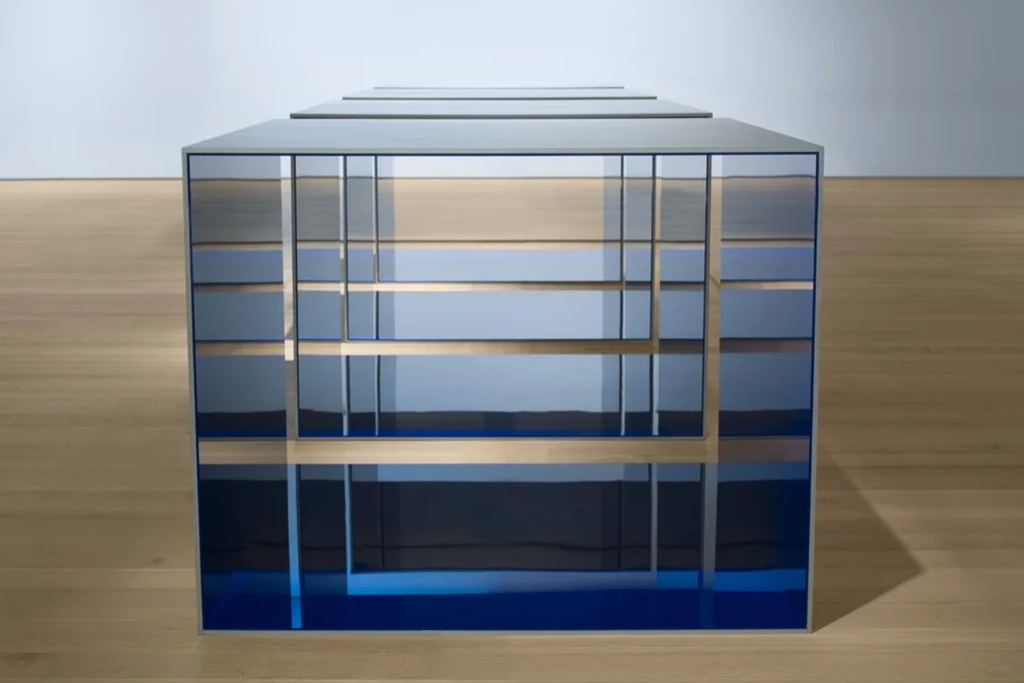
Repetition eliminates the traditional compositional hierarchy of sculpture. No single box becomes the protagonist. Every unit carries equal visual weight.
Manufacturing was equally significant.
Judd frequently supplied precise specifications to professional industrial fabricators, who produced objects in materials such as aluminum, galvanized iron and Plexiglas.
The artist's hand disappeared further.
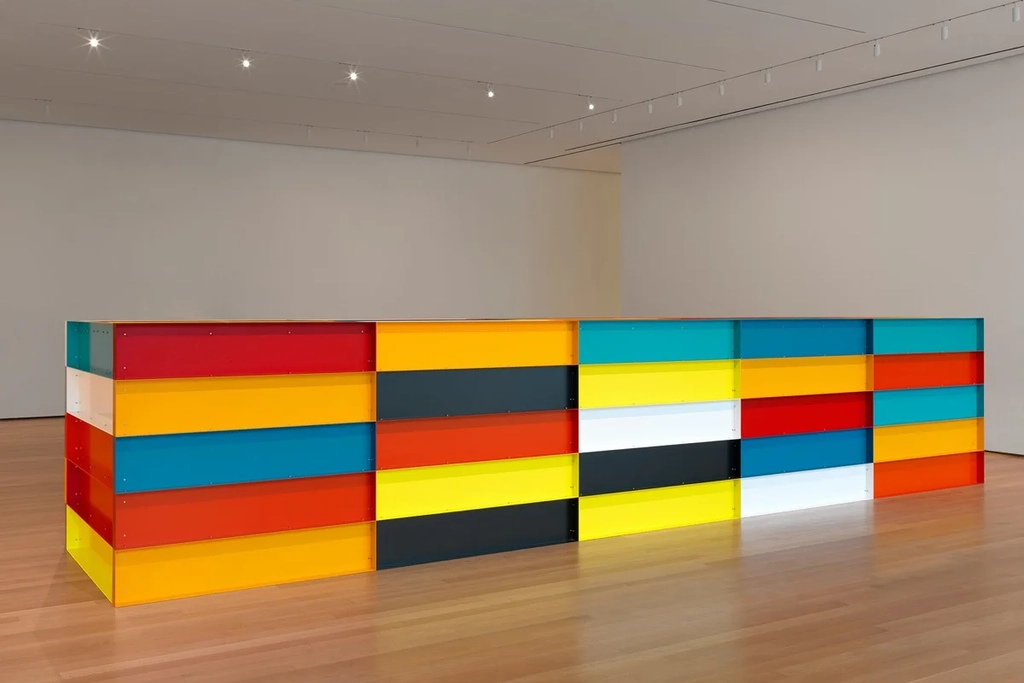
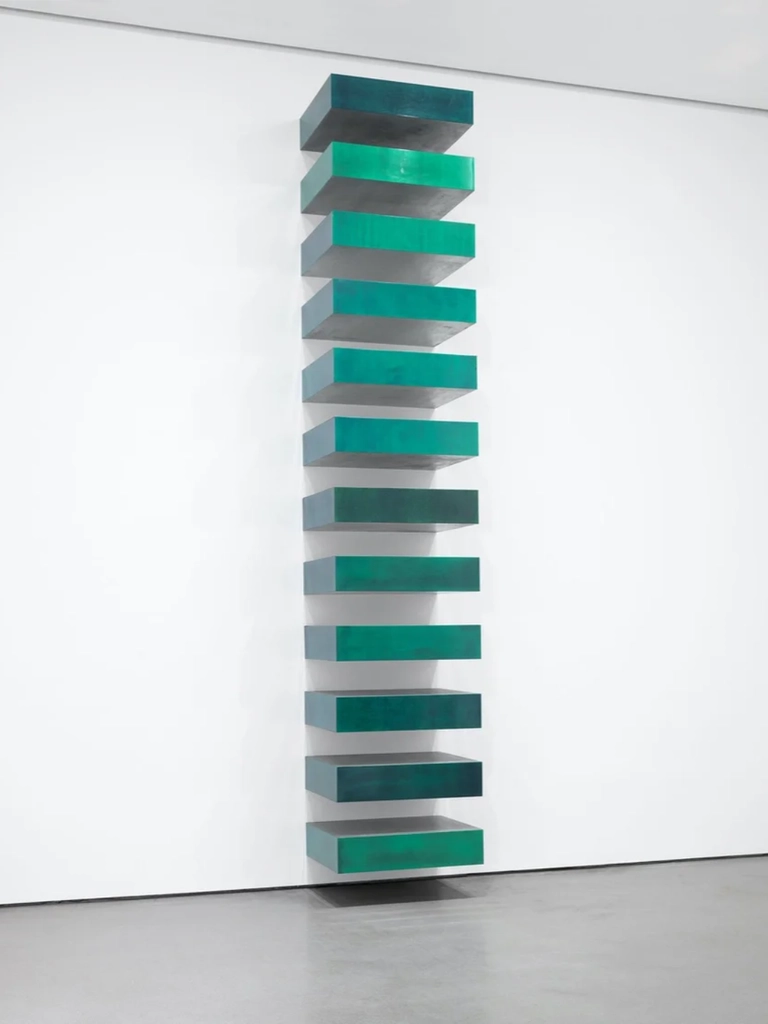
For critics accustomed to equating artistic authenticity with personal craftsmanship, outsourcing production raised uncomfortable questions. If an artist conceived an object but another person manufactured it, where exactly did authorship reside?
Contemporary art still lives with that question.
Judd's market has followed his historical influence. Untitled (DSS 42) from 1963 sold for approximately $14.16 million in 2013.
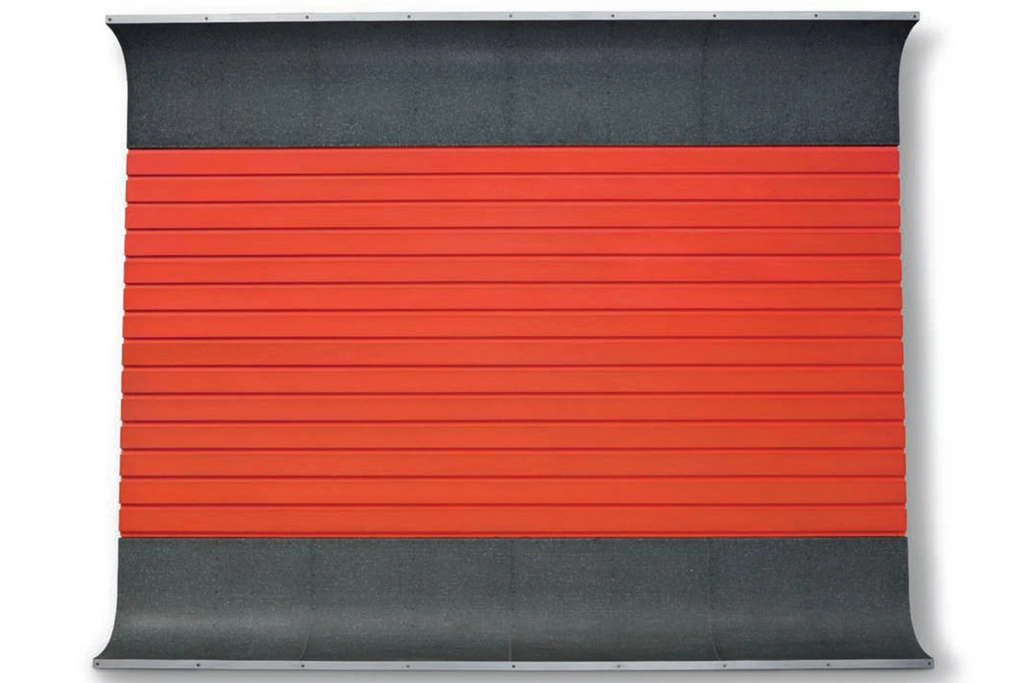
Industrial fabrication had become museum history and, eventually, an asset worth eight figures.
Agnes Martin complicates any easy definition of Minimalism.
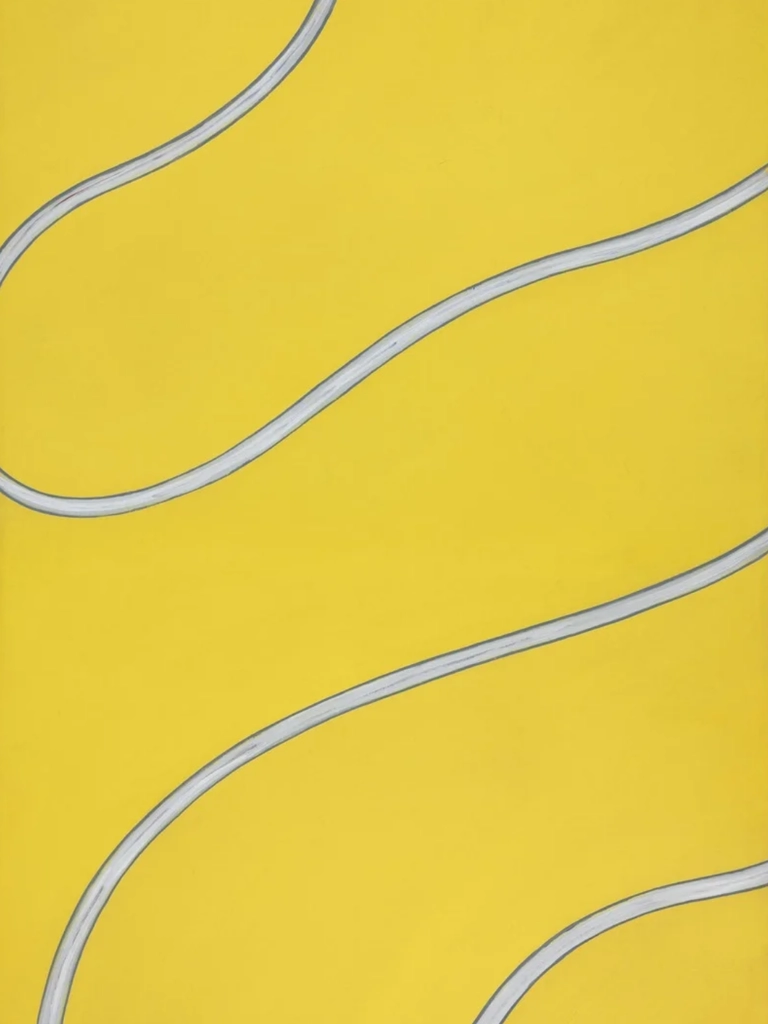
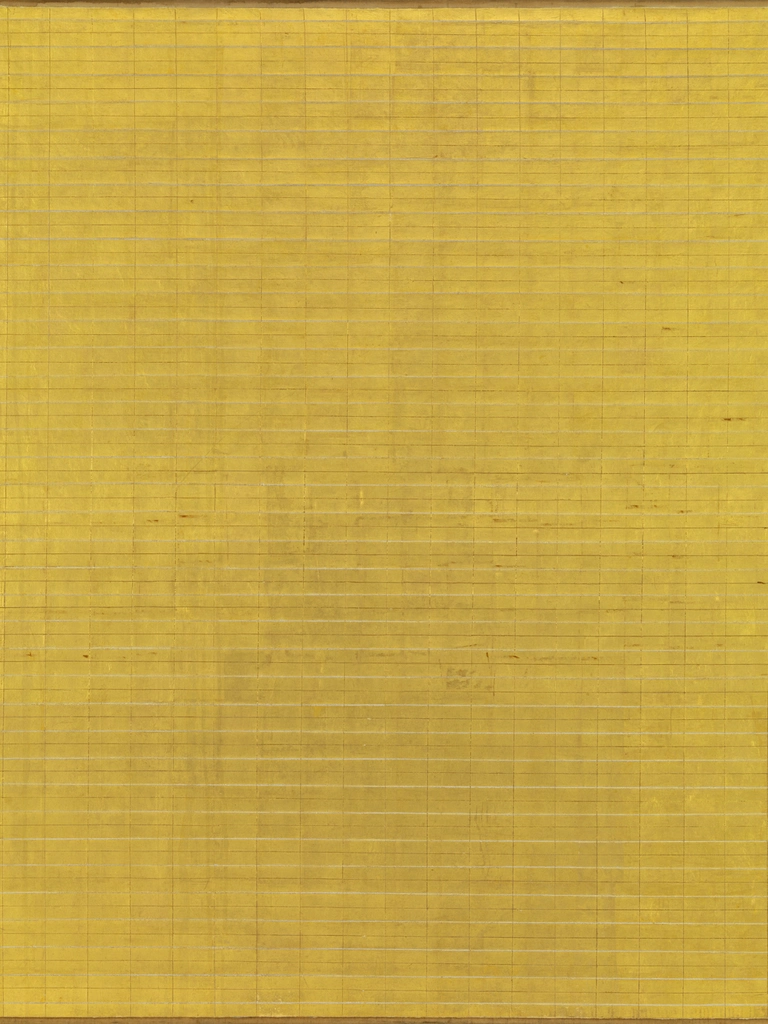
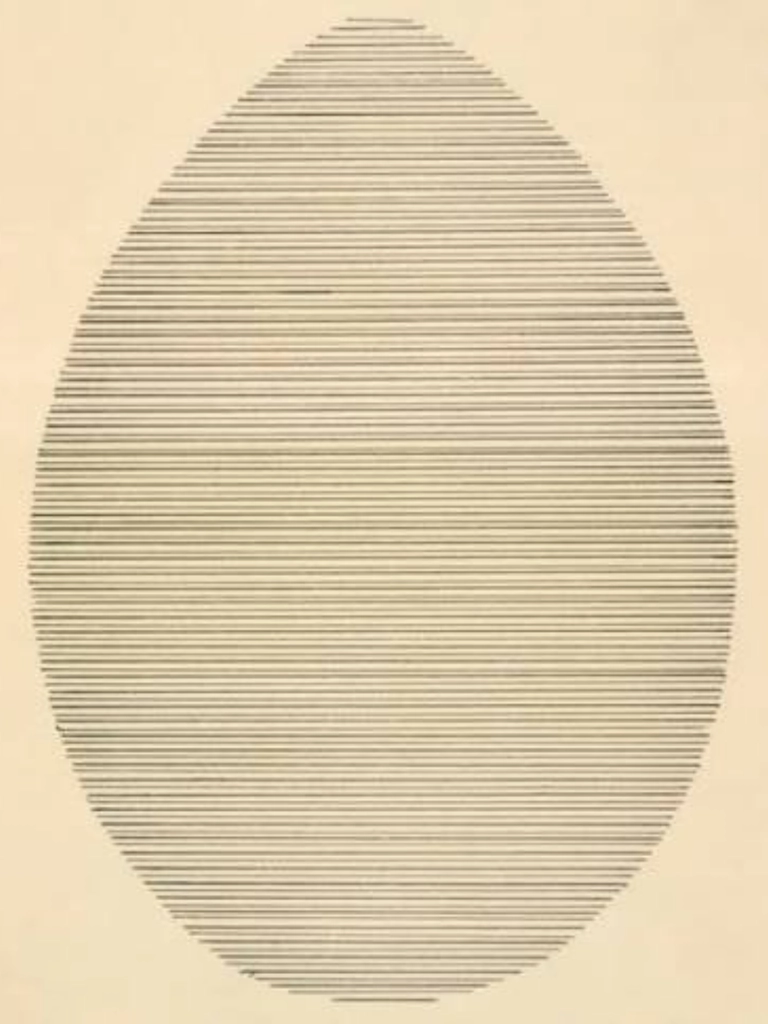
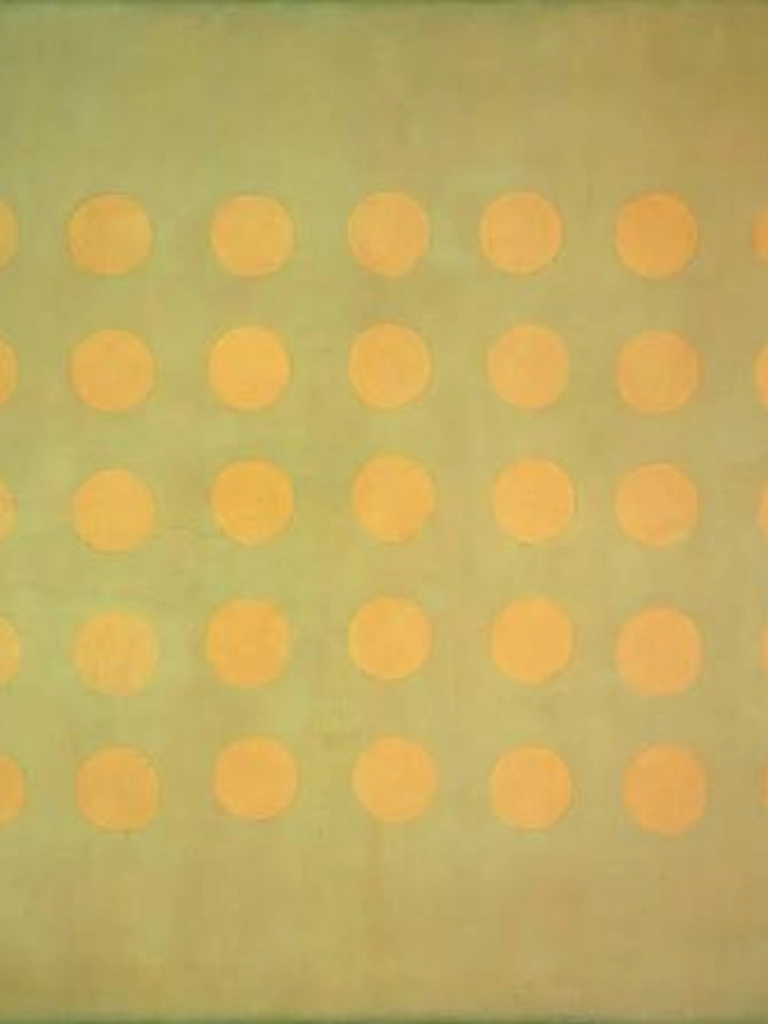
Her paintings use grids, repeated lines and restrained geometry, yet their atmosphere can feel unusually intimate. Pencil marks remain delicate. Pale color washes hover close to disappearance. Precision coexists with tiny variations left by the human hand.
Where Judd often embraced industrial fabrication, Martin preserved vulnerability.
Grey Stone II from 1961 demonstrates that tension through its pencil grid and delicate use of gold leaf. The work is methodical without becoming mechanically cold.
Martin frequently associated her practice with states of perception, beauty and inner experience, introducing a spiritual dimension into a movement popularly remembered for rejecting emotional expression.
That apparent contradiction has become central to her importance.
Minimal visual language can produce enormous emotional space.
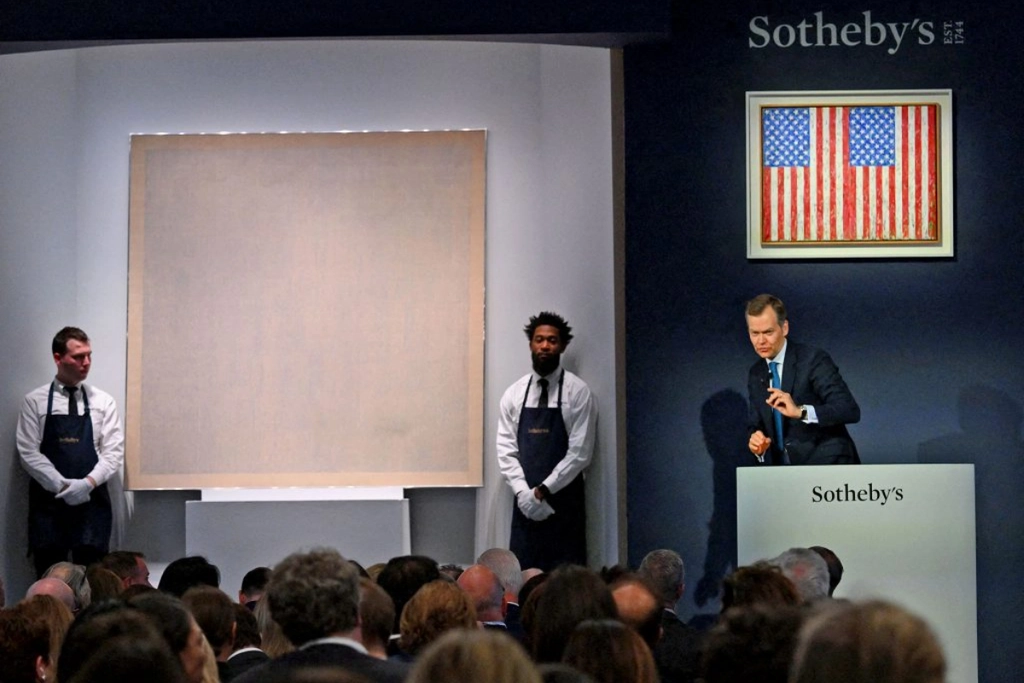
In November 2023, Grey Stone II realized approximately $18.72 million at auction, marking the extraordinary market reassessment of an artist whose work once seemed almost deliberately resistant to spectacle.
Pedestals traditionally tell viewers when something has become art.
Carl Andre removed them.
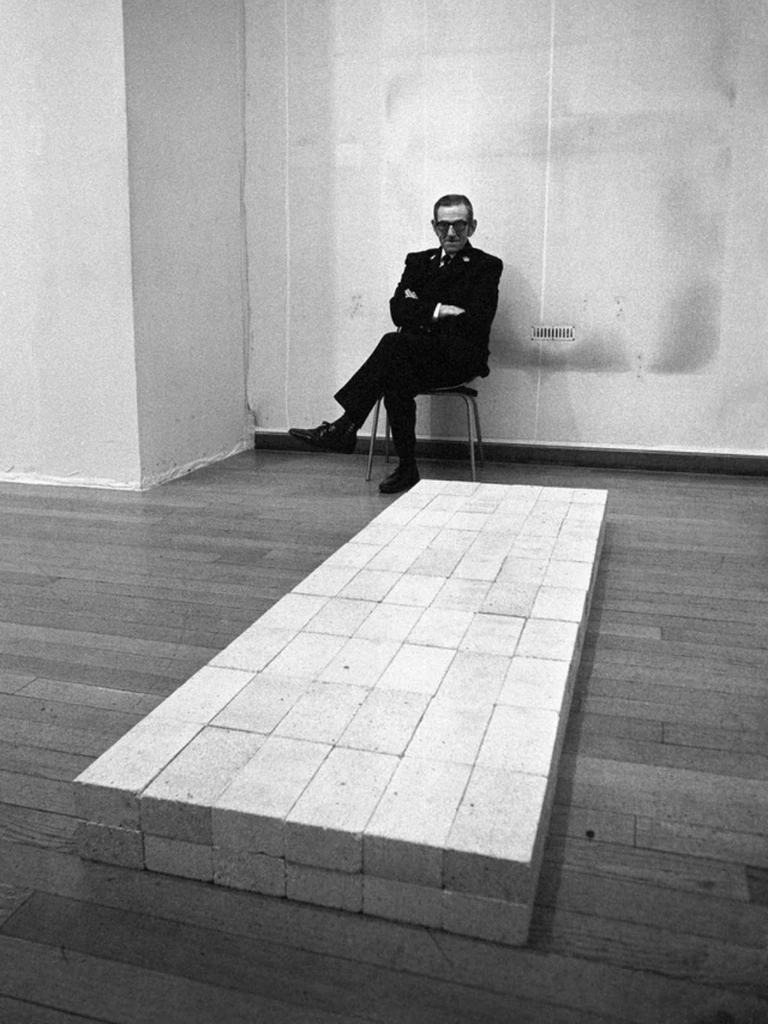
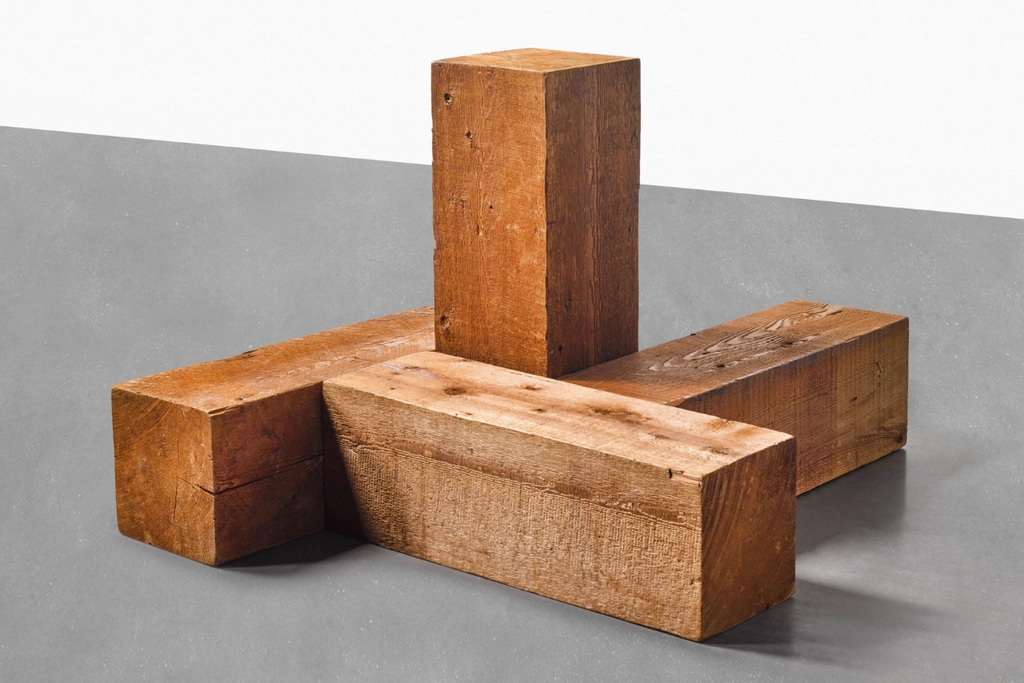
His sculptures use standardized materials including metal plates, timber and bricks arranged directly on gallery floors. Visitors encounter work at the same level as their own bodies and, in some installations, can physically walk across it.
Equivalent VIII from 1966 became the most infamous example.
The work consists of 120 firebricks arranged into a low rectangular formation. Its apparent simplicity became explosive after the Tate acquired it in 1972.
British newspapers attacked the purchase, framing the acquisition as public money spent on little more than a pile of bricks.
The controversy created one of the great popular confrontations with Minimalist art.
If an identical brick could be purchased from a supplier, what made these bricks art?
Context became part of the answer.
Andre changed the arrangement, environment and relationship between industrial material and viewer. The bricks remained bricks, yet their function had shifted completely.
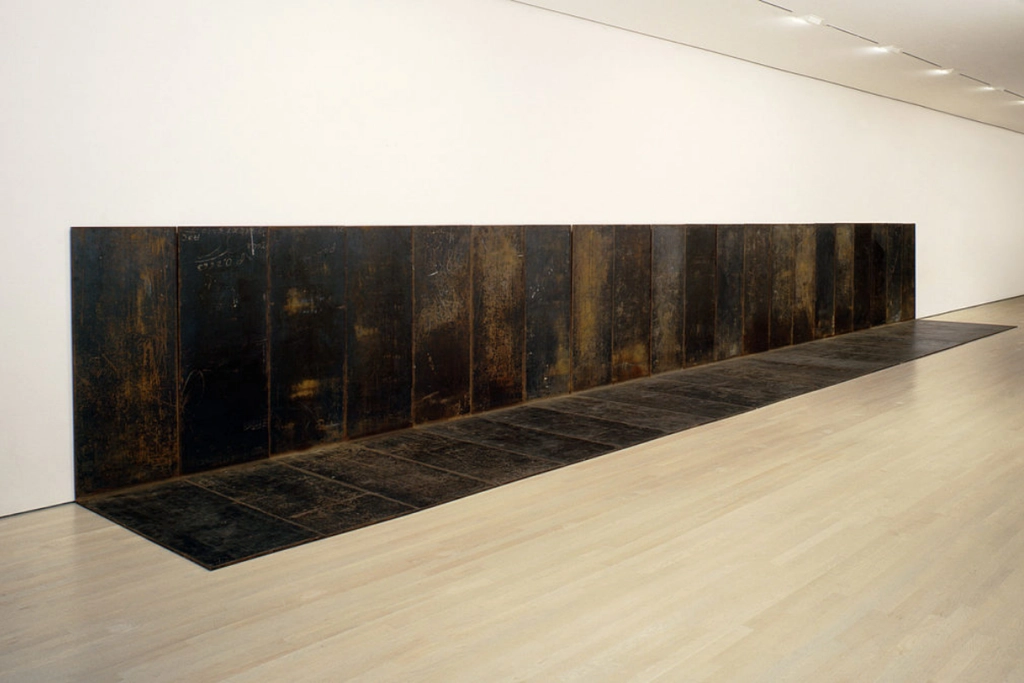
The scandal accidentally demonstrated Minimalism's intellectual power. People who claimed the work contained nothing still found themselves debating it decades later.
Dan Flavin found one of Minimalism's most recognizable materials in ordinary fluorescent lighting.
Commercial tubes were already standardized, mass-produced and associated with offices, factories and shops. Flavin placed them directly into galleries.
Light changed the room.
His ongoing “Monuments” for V. Tatlin series, developed between 1964 and 1990, used fluorescent tubes arranged into geometric structures referencing Russian Constructivist Vladimir Tatlin.
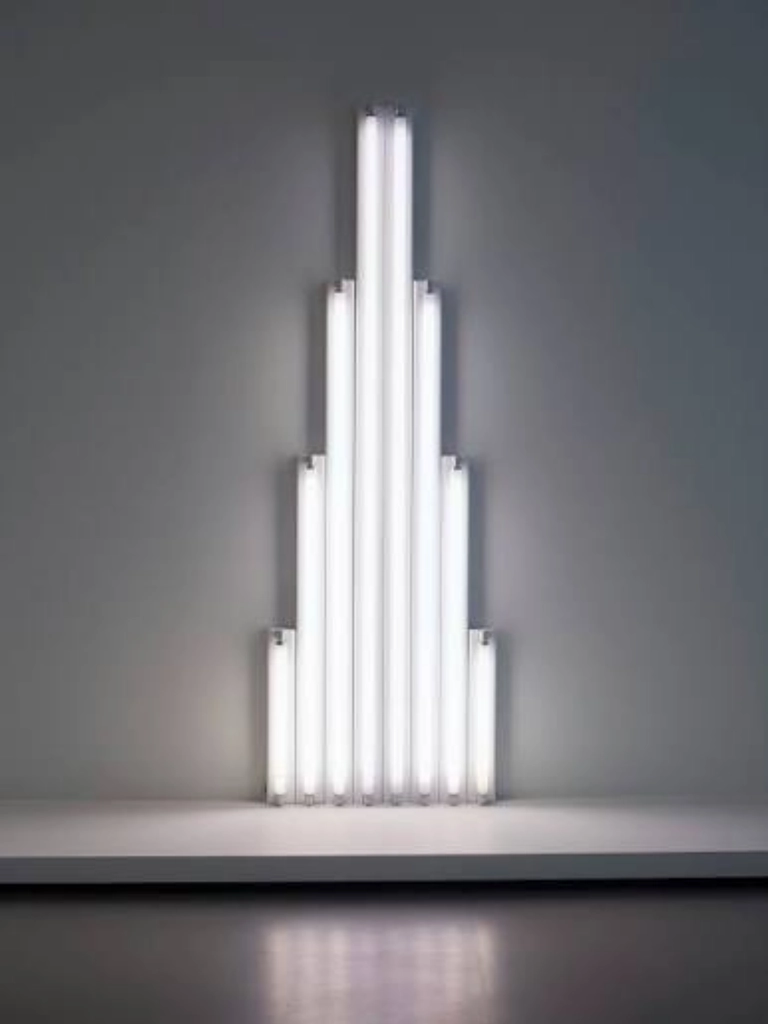
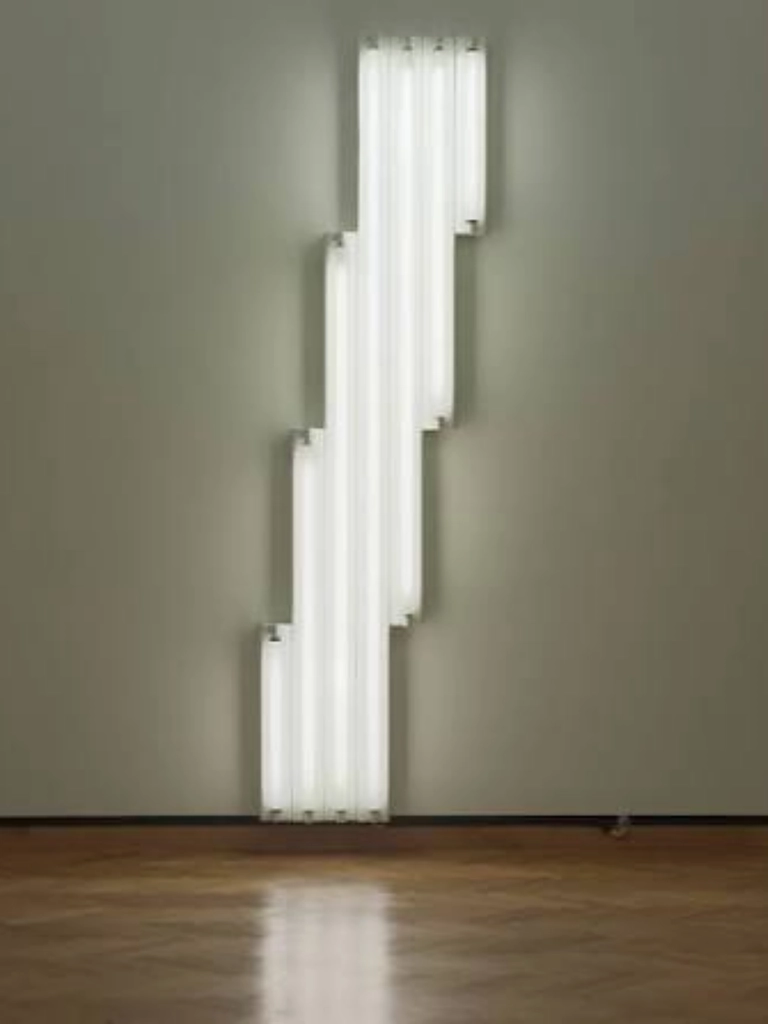
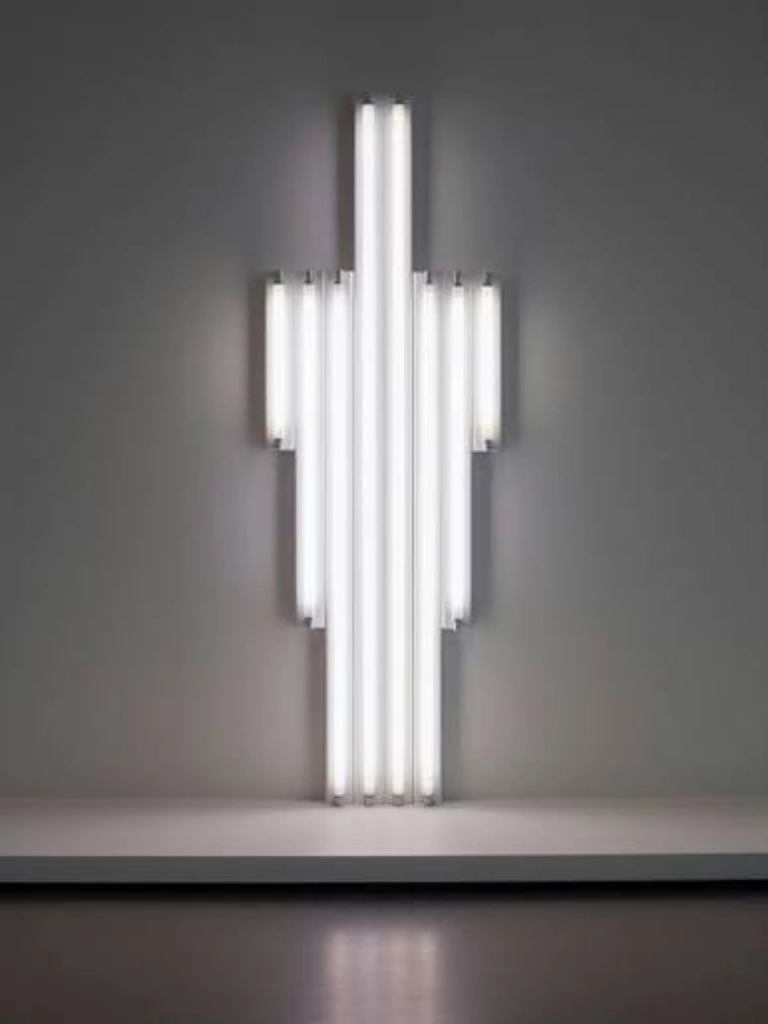
The fixtures remained commercially recognizable.
Yet illumination dissolved their physical boundaries. Color spread across walls. Shadows altered surrounding architecture. A standardized industrial object generated an experience that could never be contained within the tube itself.
Minimalism had discovered an unusual paradox.
The object could become simpler while its effect on space became larger.
By the end of the 20th century, the word “minimalist” had travelled far beyond art history.
Architects adopted exposed structures, restrained materials and uncluttered interiors. With Tadao Ando, minimalism in architecture achieved zen.
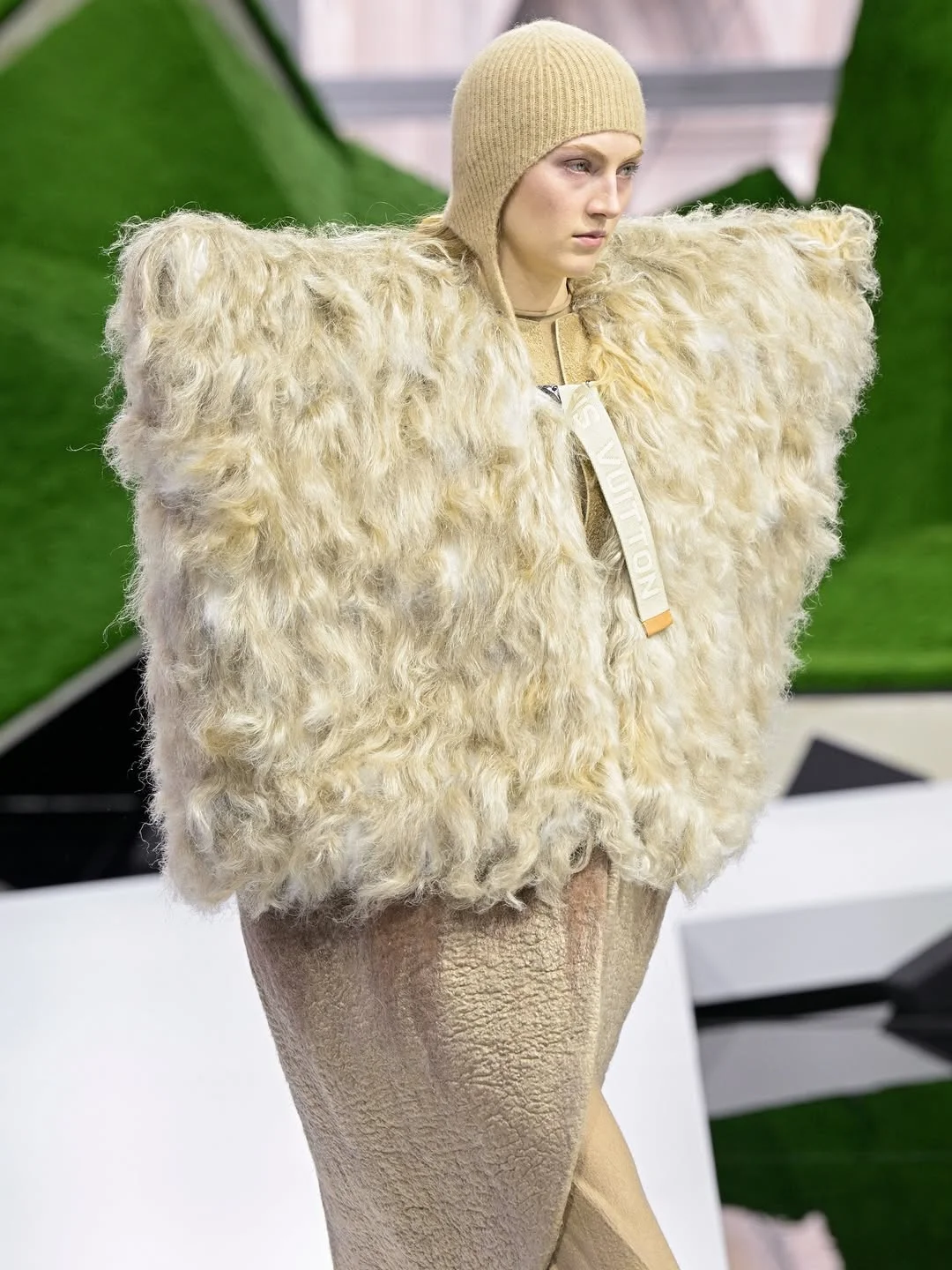
Minimalism migrated to fashion as the returning to the sacred bare, and to luxe in the form of simple talisman jewelry. Various jewelry houses, including the chic Jean Dinh-Van, have adapted minimalism as the philosophy of their everyday collections.
The migration changed the term.
Artistic Minimalism originally questioned composition, authorship, illusion and the status of objects. Lifestyle minimalism, often focuses on visual cleanliness or reducing possessions.
They share an attraction to removal, yet their ambitions differ considerably.
The artists of the 1960s were hardly telling people to tidy their apartments.
They were stripping art down until viewers had nowhere else to look. A brick remained a brick. A fluorescent tube remained a fluorescent tube. A black stripe refused to disguise itself as anything else.
And somehow, after almost everything had been removed, there was still plenty left to argue about. How ironic (or genius), that minimalism, criticized for its "lack of substance", is still providing plenty of substance to this day.