MENU
Close





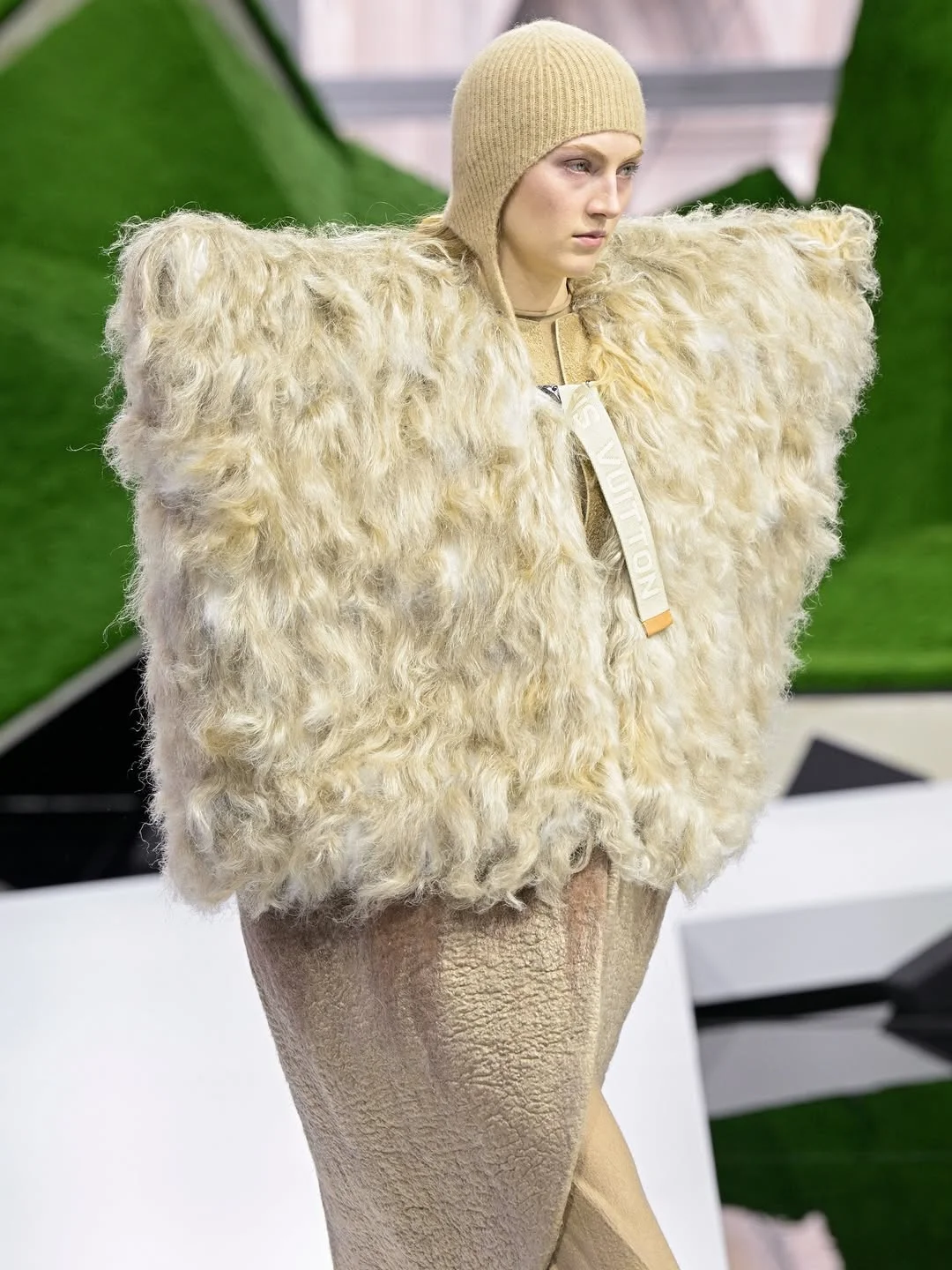
Next-gen fur is arriving just as shaggy textures are everywhere again, bringing a new question to the surface: what should all that fluff actually be made from?
Next-gen fur is arriving just as shaggy textures are everywhere again, bringing a new question to the surface: what should all that fluff actually be made from?
October 5, 2026
Advertisement

Advertisement



Fur is everywhere again. Oversized coats, fuzzy collars, long-haired trims, shaggy sleeves and animal-like surfaces have moved through runway collections and street style throughout 2026. The RealReal recorded a 191% year-on-year rise in searches for “vintage fur coats,” while demand for faux-fur products increased 118%, confirming a renewed appetite for texture, volume and pile.
At the same time, the material infrastructure surrounding fur is shifting. The CFDA introduced a fur policy for the official New York Fashion Week schedule beginning with the September 2026 season, covering fur sourced from animals raised or trapped specifically for pelts. In March, the organisation devoted an industry session to BioFluff, Savian and other biomaterial technologies, describing the current wave as part of a “biomaterial revolution.”
That intersection has created one of the year’s sharpest material trends. Next-gen fur aims to preserve fur’s visual and physical vocabulary, while rebuilding its fibre system.
A fur-effect textile has two basic structures: a backing that stabilises the material and a pile, the fibres projecting from its surface. By changing fibre length, density, curl, direction and finishing, manufacturers can create surfaces associated with mink, shearling, rabbit, fox or long-haired Mongolian lamb.
Conventional synthetic fur commonly uses polyester, acrylic and modacrylic fibres. The manufacturing infrastructure is mature, allowing mills to produce consistent colours, pile heights and densities at industrial quantities.
The new material sector is experimenting with the same architecture using a different feedstock.
Savian, developed by BioFluff, works with natural fibres sourced in Europe and manufacturing in Italy. Its material platform explores fibres including flax, hemp and nettle, manipulating their natural structures into fur, fleece and shearling-style textiles. BioFluff says its process delivers a 40% to 90% reduction in CO₂ emissions, depending on the specific material configuration.
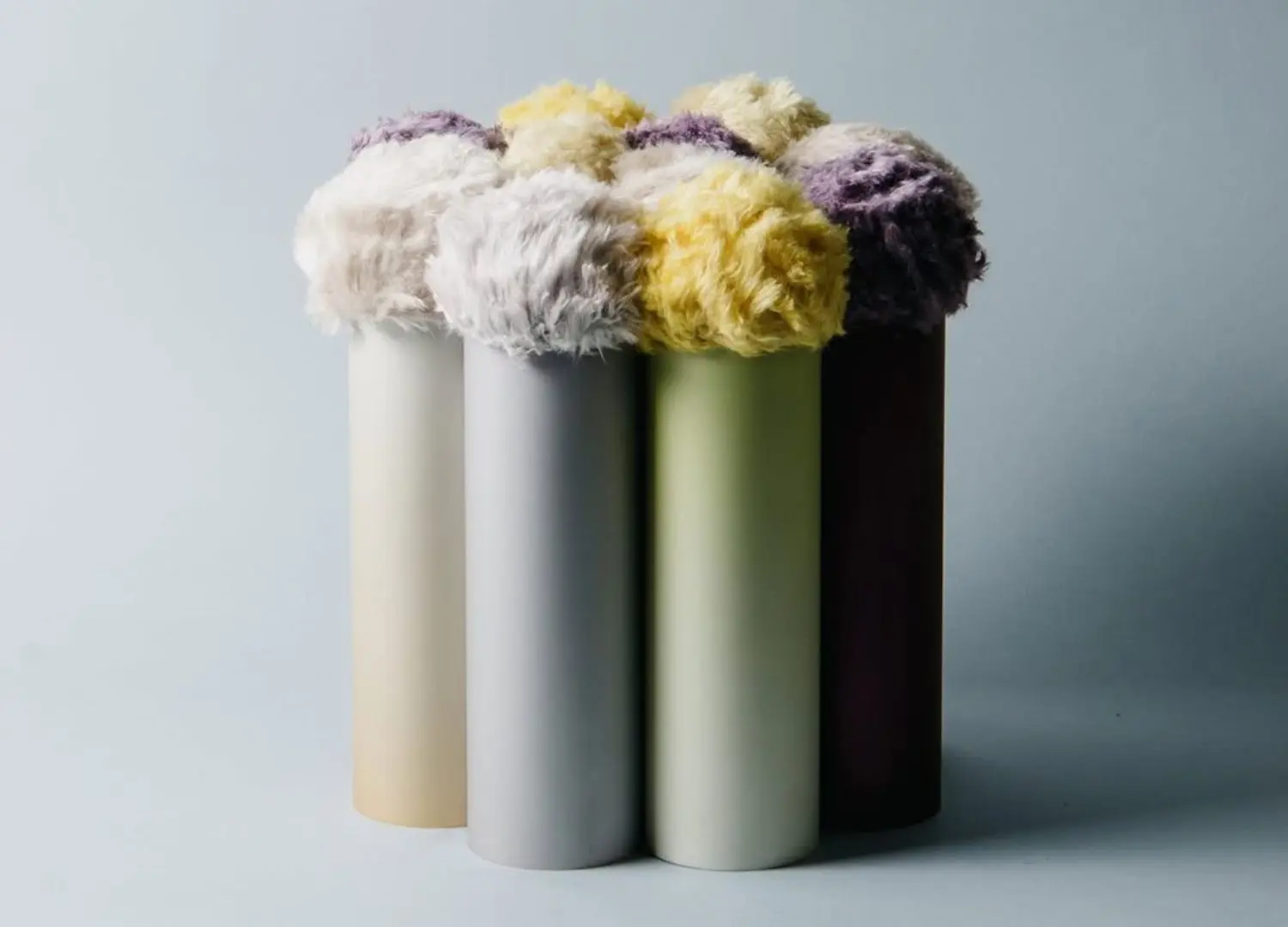
Pile height can also be engineered extensively. BioFluff has developed surfaces ranging from approximately 0.2 centimetres for its short Cavallino texture to eight centimetres for its long Fluff construction, alongside straight and curly versions. Water-based dye systems provide another variable for colour development.
Another approach begins with bio-based polymers. BIOFUR works with lactide derived from renewable corn feedstock. That material is converted into PLA polymer, processed into yarn, then knitted or constructed into pile textiles. Current BIOFUR fabrics contain 98% bio-based polymers, and the company develops textures including bunny, shearling and long-pile effects.
These technologies explain why the term next-gen fur covers several distinct material routes. Natural plant fibres form one route. Bio-based polymers form another. Recycled synthetic pile supplies another system again.
Hillary Taymour gave BioFluff one of its clearest fashion tests in Collina Strada’s The World Is a Vampire. The collection used a biodegradable fur material made from recycled hemp, viscose and Tencel, translated into shaggy outerwear and accessories.
The process extended beyond receiving finished yardage. Taymour described sewing, gathering and physically stress-testing Savian in the studio to assess how it behaved during ordinary garment construction.
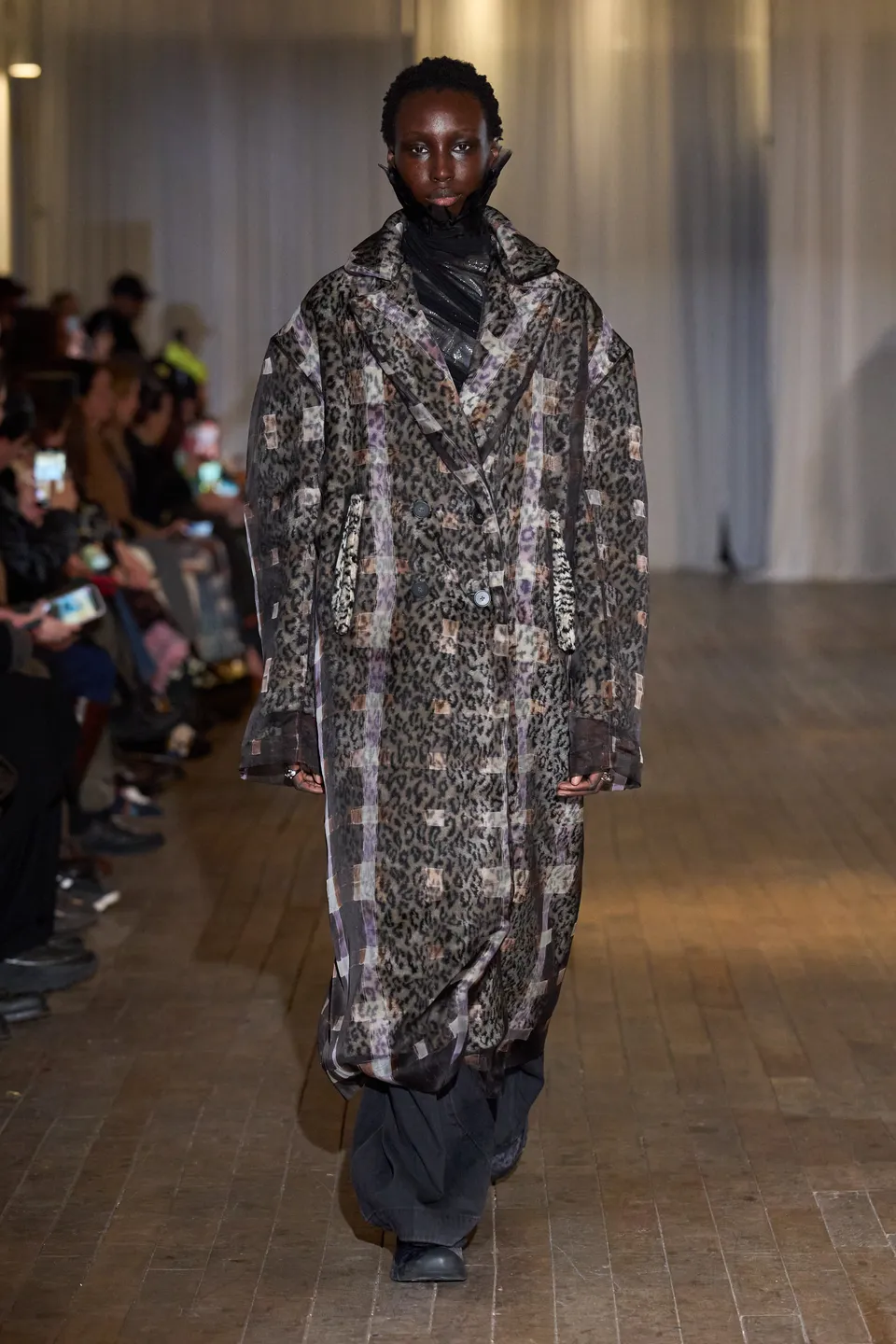
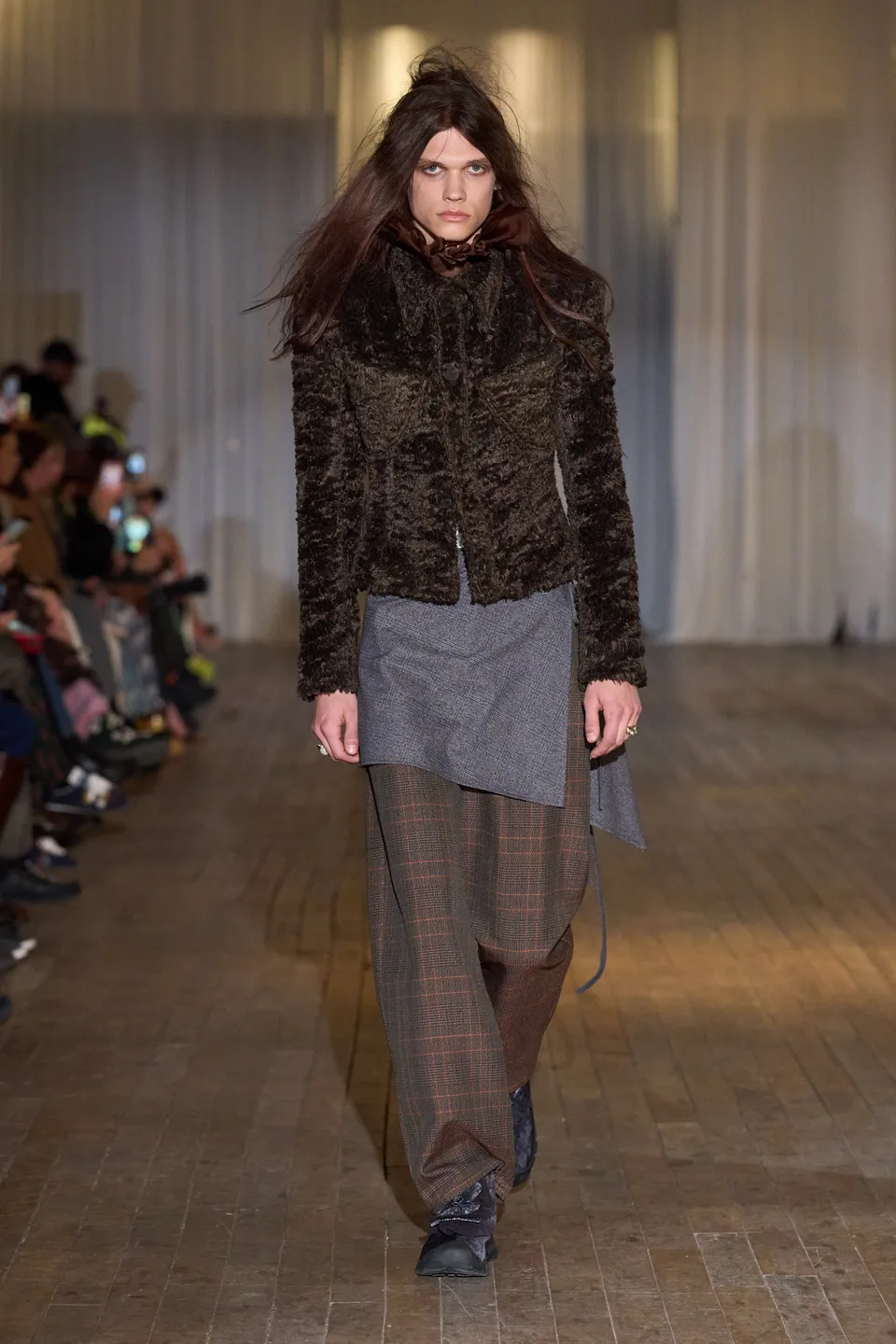
The resulting commercial pieces included a $400 hood, $540 muff-bag, $1,080 shawl and $1,350 jacket made with the brown Wolfy texture. A snow-leopard-effect Paw Paw coat using another Savian finish reached $2,700. Standard Savian material was reported at roughly $20 to $53 per metre.
This is significant for next-gen fur because it tests the full chain: material sampling, cutting, sewing, gathering, runway use, product development and retail pricing.
At Louis Vuitton FW26, Nicolas Ghesquière’s Super Nature collection built an entire wardrobe around interpretations of landscape, flora and fauna. Alongside animal-patterned canvas, mineral-like buttons and wood-effect leather, LVMH specifically identified “vegetal furs” as one of the collection’s material developments.
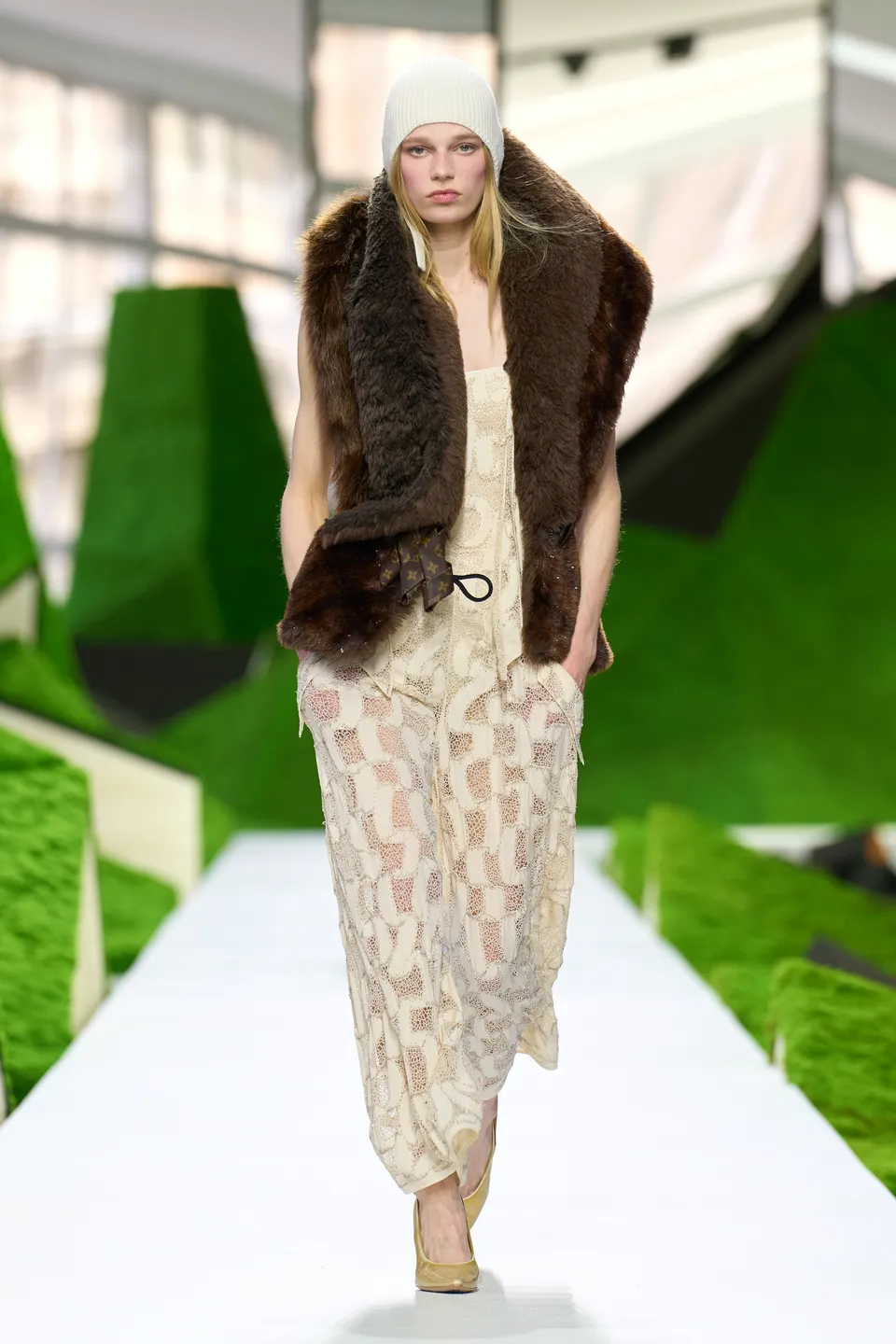
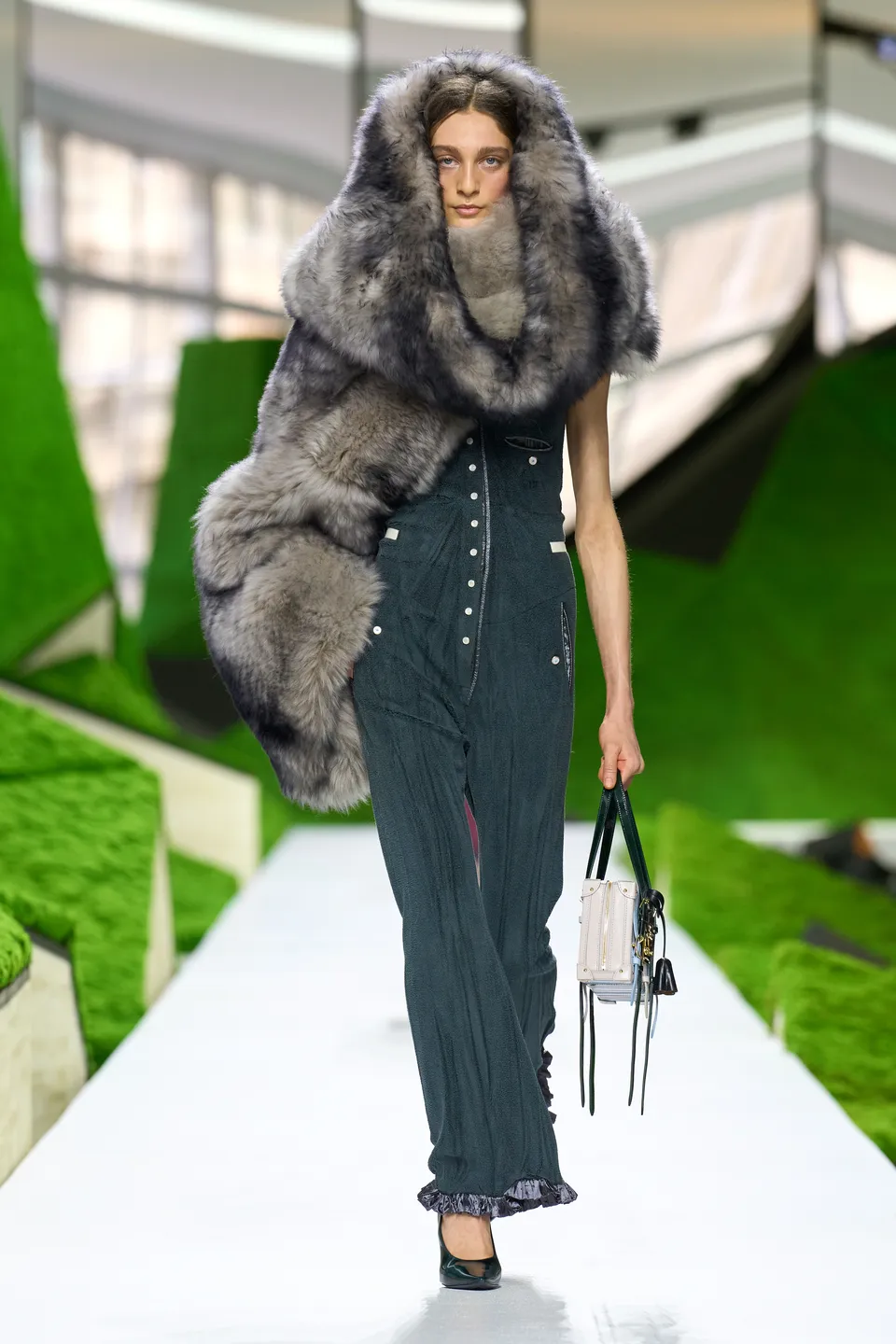
The house used Savian’s Wolfy texture on a vest, placing the technology inside one of luxury fashion’s largest design and production ecosystems.
The importance of the project sits in material validation. A textile developed by an independent biomaterial company now has to satisfy luxury-level requirements around colour, hand feel, cutting behaviour, finishing, styling and presentation.
Martine Rose approached Savian through application diversity.
For her 2026 collection, the designer incorporated the material into knitwear, denim, footwear and outerwear, including detachable collars and cherry-coloured “Mongolian” party sleeves. BioFluff developed the Mongolian texture to create the curled, irregular movement associated with long-haired pile.
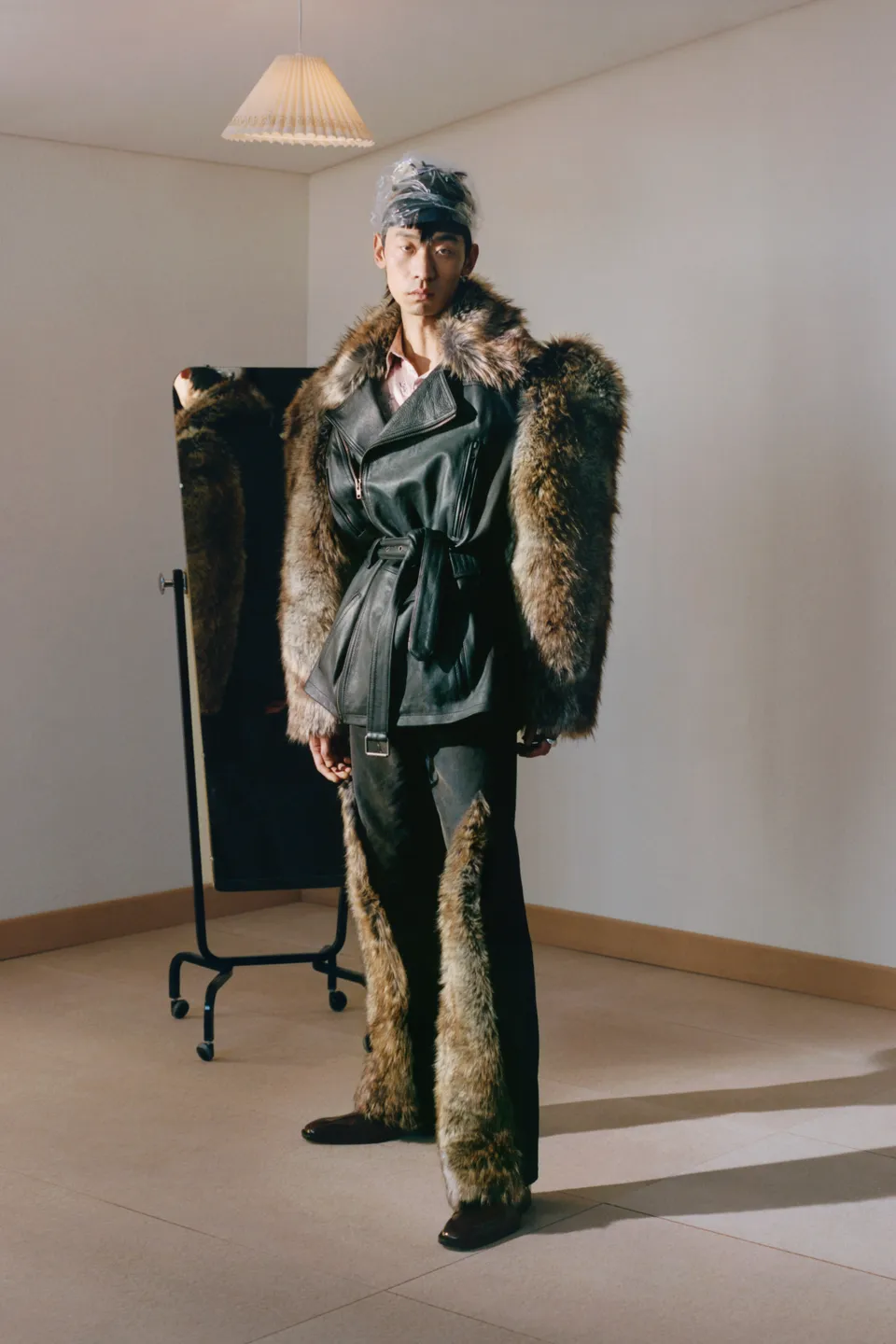
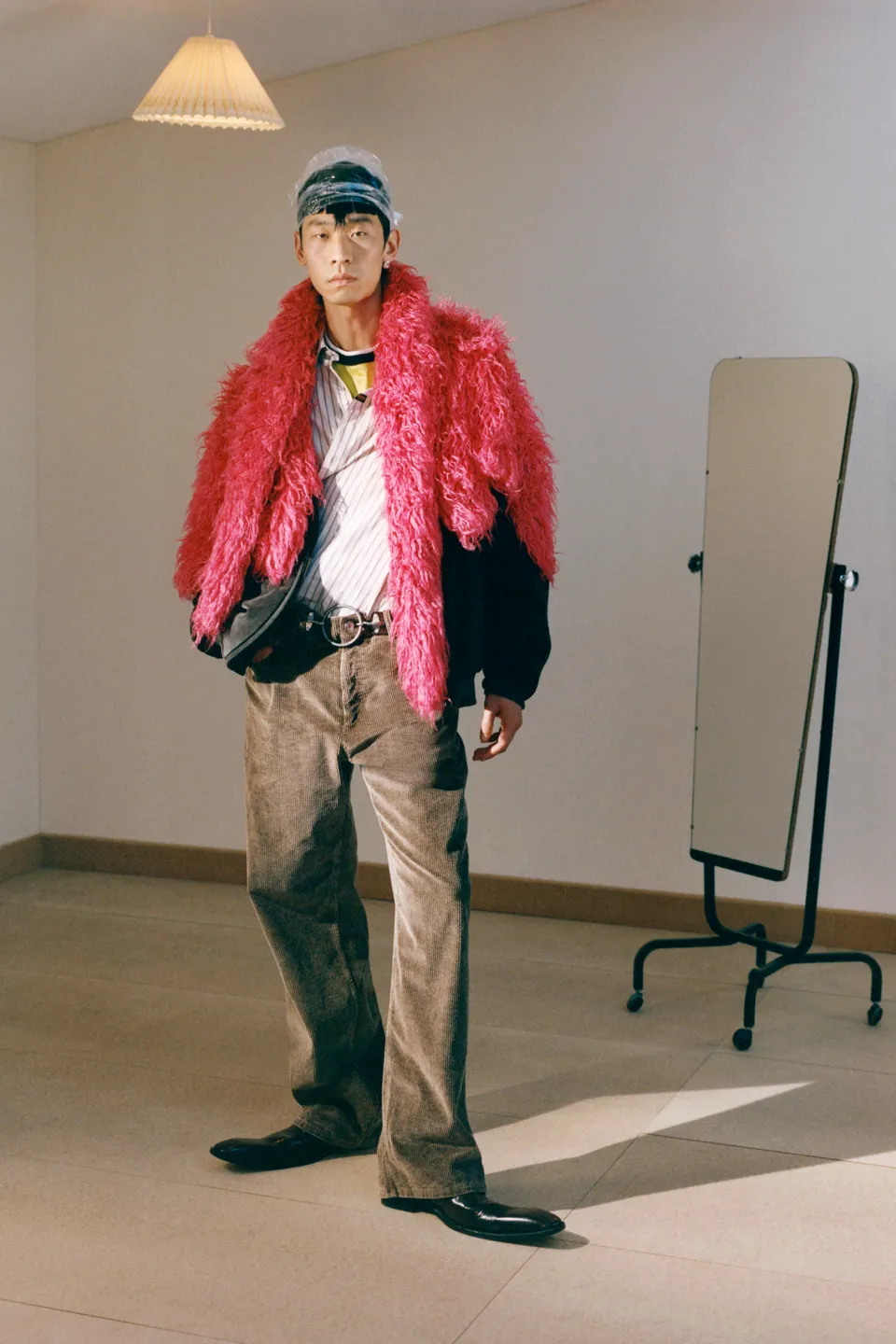
This reveals another stage in the evolution of next-gen fur. A fur textile can function as an entire outer shell, a collar, a cuff, a detachable component or a small-area surface treatment.
Material efficiency changes with those applications as well. A full coat demands substantial yardage and consistent pile across large panels. A collar or sleeve allows designers to work with concentrated sections while retaining the tactile impact.
Peruvian designer Genaro Rivas expanded the idea through A Glass to Break, a 26-look collection presented during London Fashion Week.
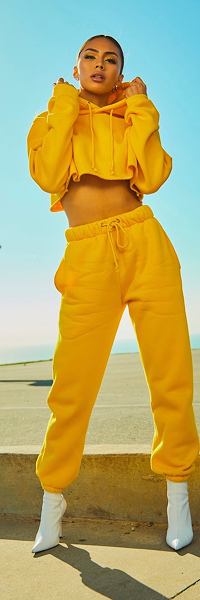
Savian appeared across six looks, including padded outerwear and a vivid yellow coat, while the collection also incorporated Ponda BioPuff insulation, reclaimed ocean-sourced nylon and Banofi’s banana-derived leather alternative.

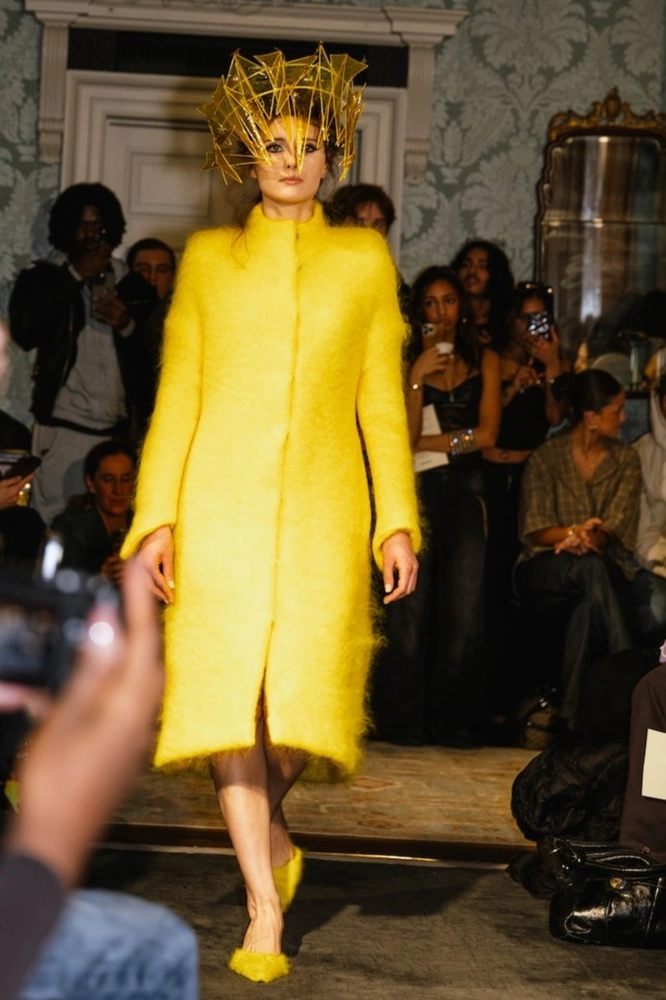
The construction is useful because fur represents one layer inside a larger garment system. Ponda supplies insulation for padded pieces. Regenerated nylon creates outer shells. Savian contributes visible pile and tactile volume. Banofi supplies structured surface material for sculptural garments.
Next-gen fur therefore belongs to a growing ecosystem of specialist suppliers, each solving a different material function inside a single collection.
Lithuanian label Balsais offers one of the clearest commercial examples from a cold-weather market.
Its AW2026 Volume 1 introduced coats, jackets and accessories using Savian flax-origin fur, based on flax cultivated in Europe. The brand placed the material directly into its e-commerce offer alongside plant-derived textiles made from olive waste, banana fibre and other renewable feedstocks.
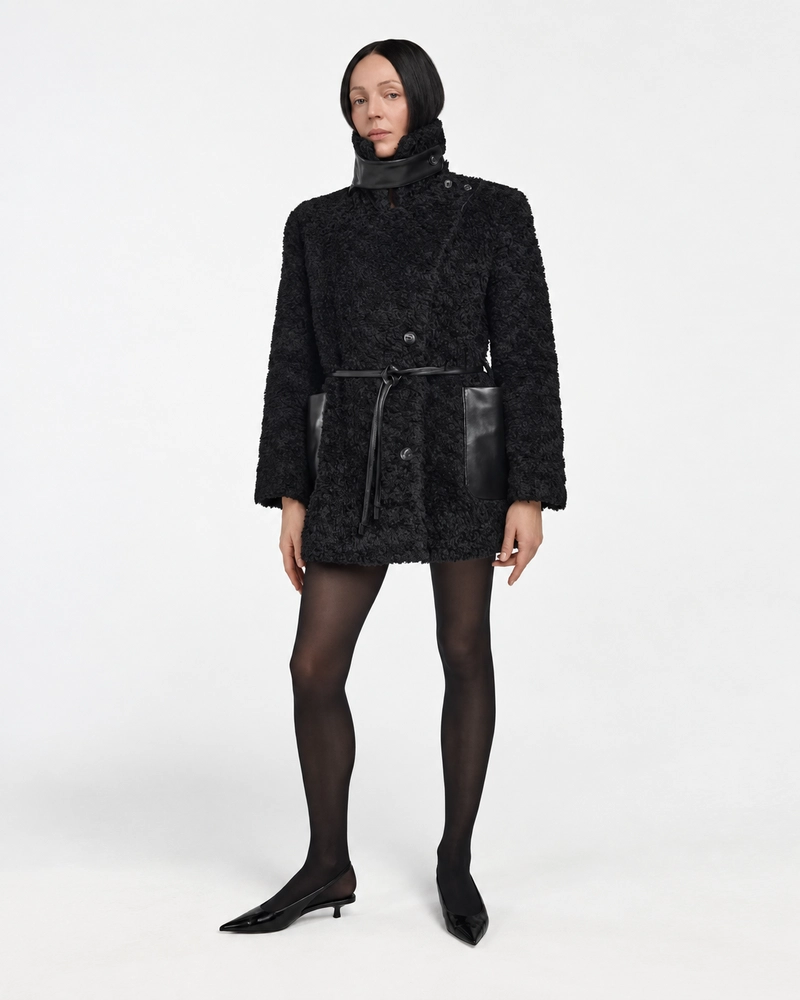
Here, next-gen fur operates as functional outerwear material as well as runway texture. The collection positions plant-derived pile within garments designed around seasonal layering and winter dressing, moving the innovation toward daily use.
China provides another stage of commercialisation through Croquis, the menswear label within JNBY Group.
In January 2026, Croquis released a limited-edition sleeveless jacket made with Savian Naturals Wolfy Grey. The product reached online retail and selected physical stores, with production handled through BioFluff’s partners in Italy.
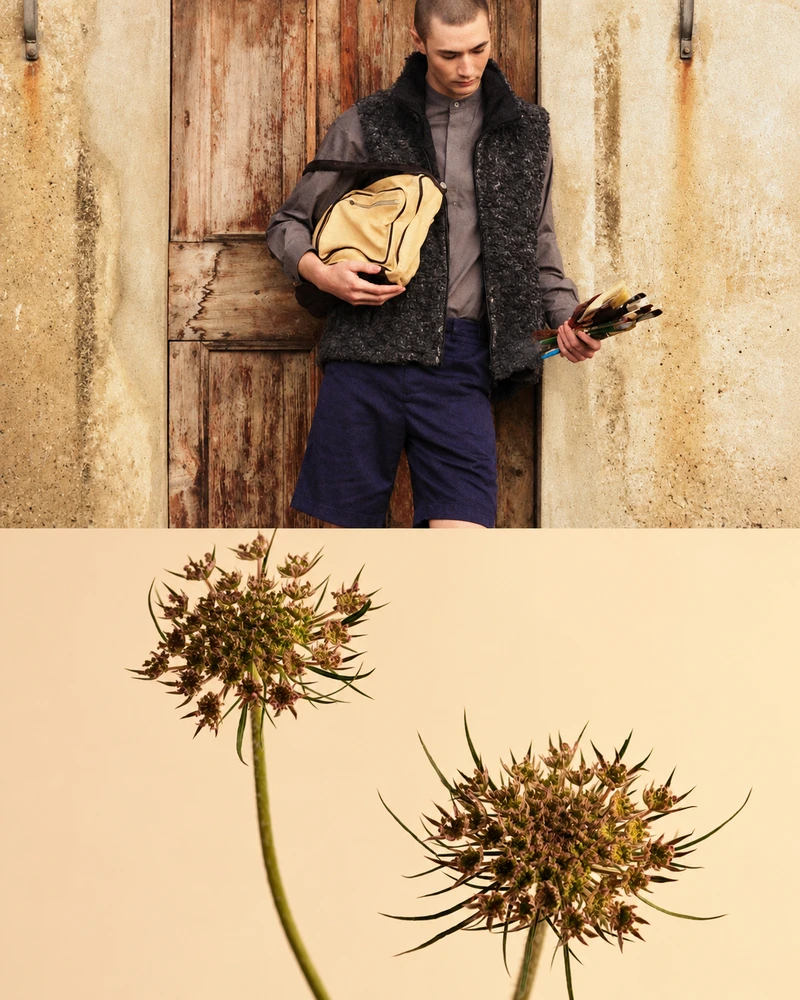
The project is important because it links a European material supply chain with a major Asian fashion group and an established store network. Here, next-gen fur moves through conventional retail infrastructure as a finished menswear product.
Material invention forms only one part of the process. Fur-effect textiles demand a specific combination of technical properties.
Pile density determines visual richness. Fibre length controls movement. Curl affects whether the textile reads as shearling, mink, fox or Mongolian fur. Backing stability influences cutting and sewing. Fibre anchoring governs shedding. Dye affinity controls colour consistency. Abrasion resistance affects areas such as cuffs, collars and bag surfaces.
Thermal behaviour becomes especially relevant for winter outerwear, while cleaning performance and drying time influence daily use.
BIOFUR’s development illustrates the manufacturing challenge clearly. Its team worked with Senbis Polymer Innovations in the Netherlands, mill partner Nice Gain in China and U.S.-based textile developer Concept III to ensure that its bio-based yarn could move through existing textile machinery. Existing equipment allows a new polymer to enter industrial production through familiar spinning, knitting and finishing systems.
Material science research in 2026 continues to identify cost, scalability and performance as central areas for bio-based polymer development.
That is where the next phase of next-gen fur will be decided. The industry now has to turn those experiments into repeatable textiles that mills can manufacture, ateliers can sew and customers can wear season after season.
Advertisement