MENU
Close





Everyone still arrives in Paris when couture week begins. At Fall 2026 Couture, though, some of the most distinct creative languages had travelled much further before reaching the runway.
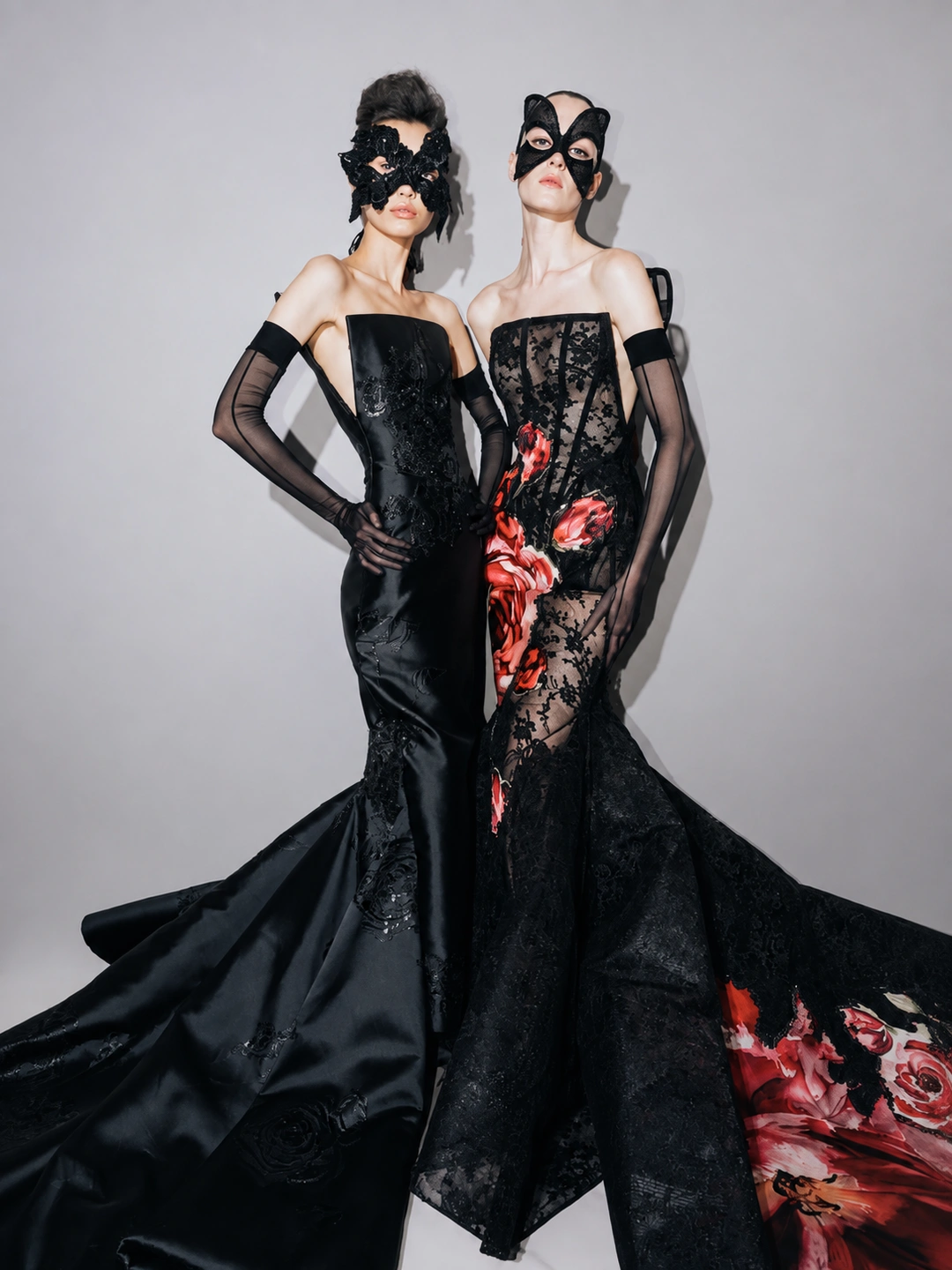
Everyone still arrives in Paris when couture week begins. At Fall 2026 Couture, though, some of the most distinct creative languages had travelled much further before reaching the runway.
August 26, 2026
Advertisement

Advertisement



For four days in July, the ritual remained concentrated in one city. The official calendar gathered established Paris houses beside designers whose ateliers, cultural references and creative histories were formed elsewhere, creating a season whose geography extended well beyond the addresses printed on its invitations.
That wider map rarely announced itself through a single aesthetic. It appeared through the particular worlds designers carried with them, sometimes through craft and cultural memory, sometimes simply through a point of view developed far from the traditional centre of couture.
Paris still provides something difficult to reproduce: concentration. The calendar brings clients, designers, ateliers and attention into the same few days, giving couture a shared stage even as the houses occupying it increasingly come from different creative geographies.
The distinction became unusually visible this season. Rahul Mishra arrived with Devi from a practice deeply connected to Indian handcraft communities. Manish Malhotra made his Paris couture debut after decades spent developing a visual world through Mumbai and Indian cinema. Elie Saab, Georges Hobeika and Zuhair Murad brought three established Lebanese voices into the week, while Mohammed Ashi continued building Ashi Studio through a perspective formed across Saudi Arabia, Beirut and Paris.
The common destination matters less here than the distance between their starting points. Paris gathered the season, but it did not generate every language appearing inside it.
The stone figures behind Rahul Mishra’s Devi already carried centuries of visual memory before they entered fashion. Temple sculpture became a starting point for garments built through accumulation, with hand embroidery creating surfaces conceived to appear carved instead of stitched. The house describes an artisanal network supporting more than 1,000 craftspeople, making the communities behind that work part of the collection’s creative structure as much as its technical execution.
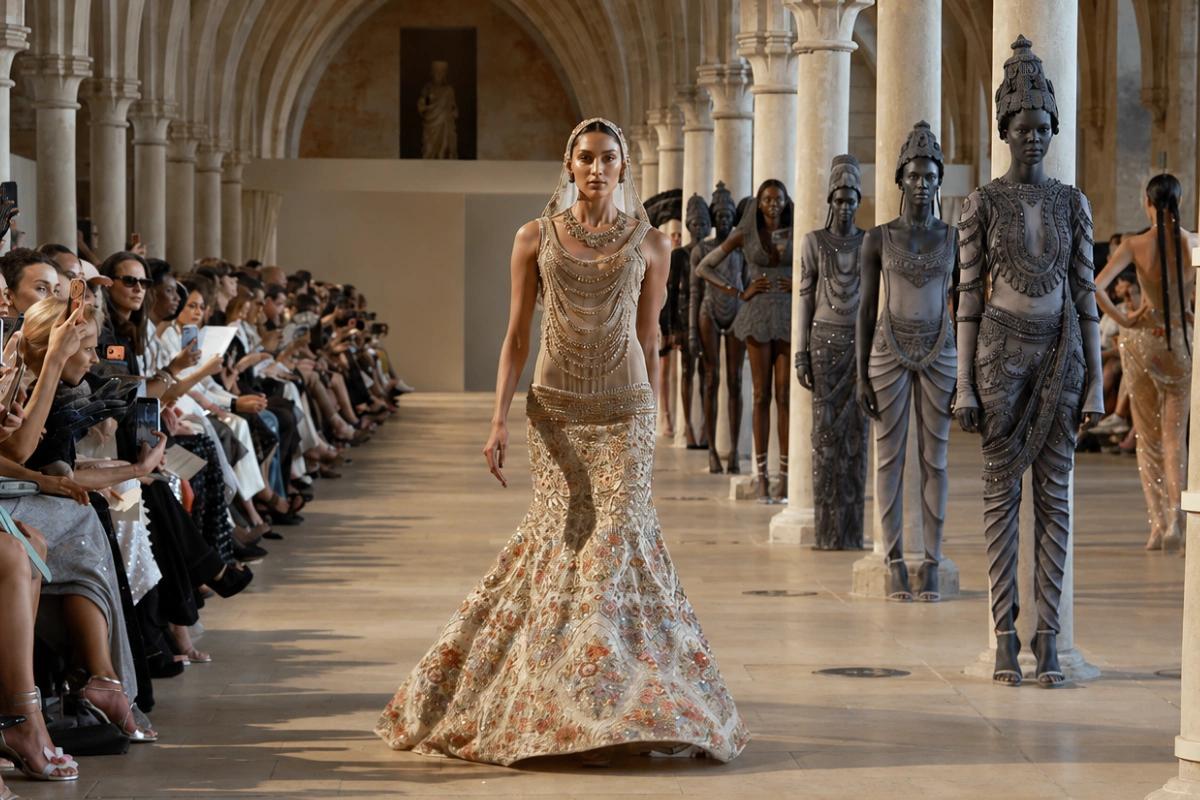
Yet Mishra’s India never became a template for what came next.
Manish Malhotra entered the same couture week from a world shaped by cinema, celebrity and the heightened emotional register of Indian occasion dressing. Maa, his Paris debut, emerged from a Mumbai operation with roughly 300 in-house embroiderers, but the result carried Malhotra’s own instinct for spectacle. Rounded volumes, lavish surfaces and references to his mother turned craft toward something more cinematic and personal.
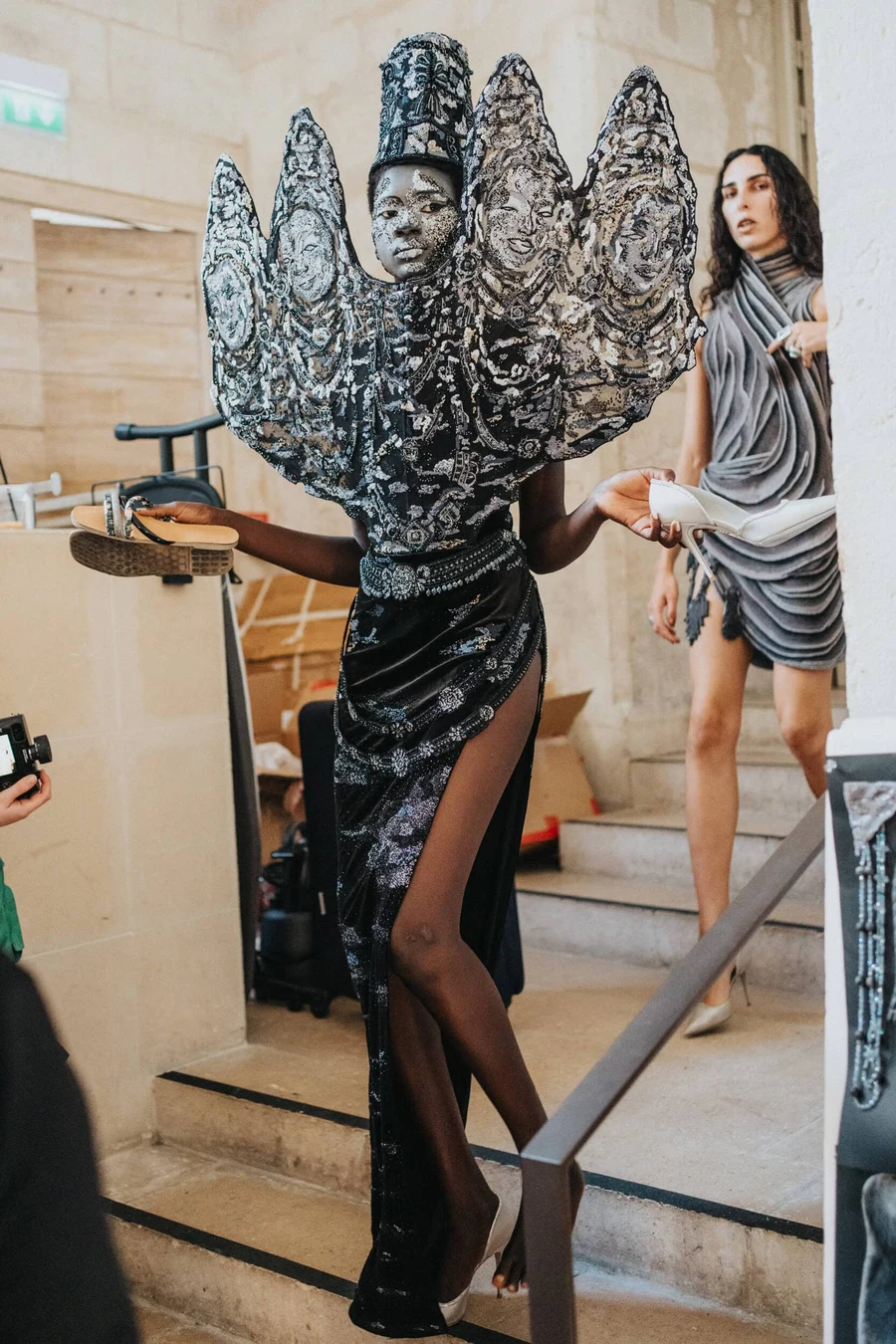
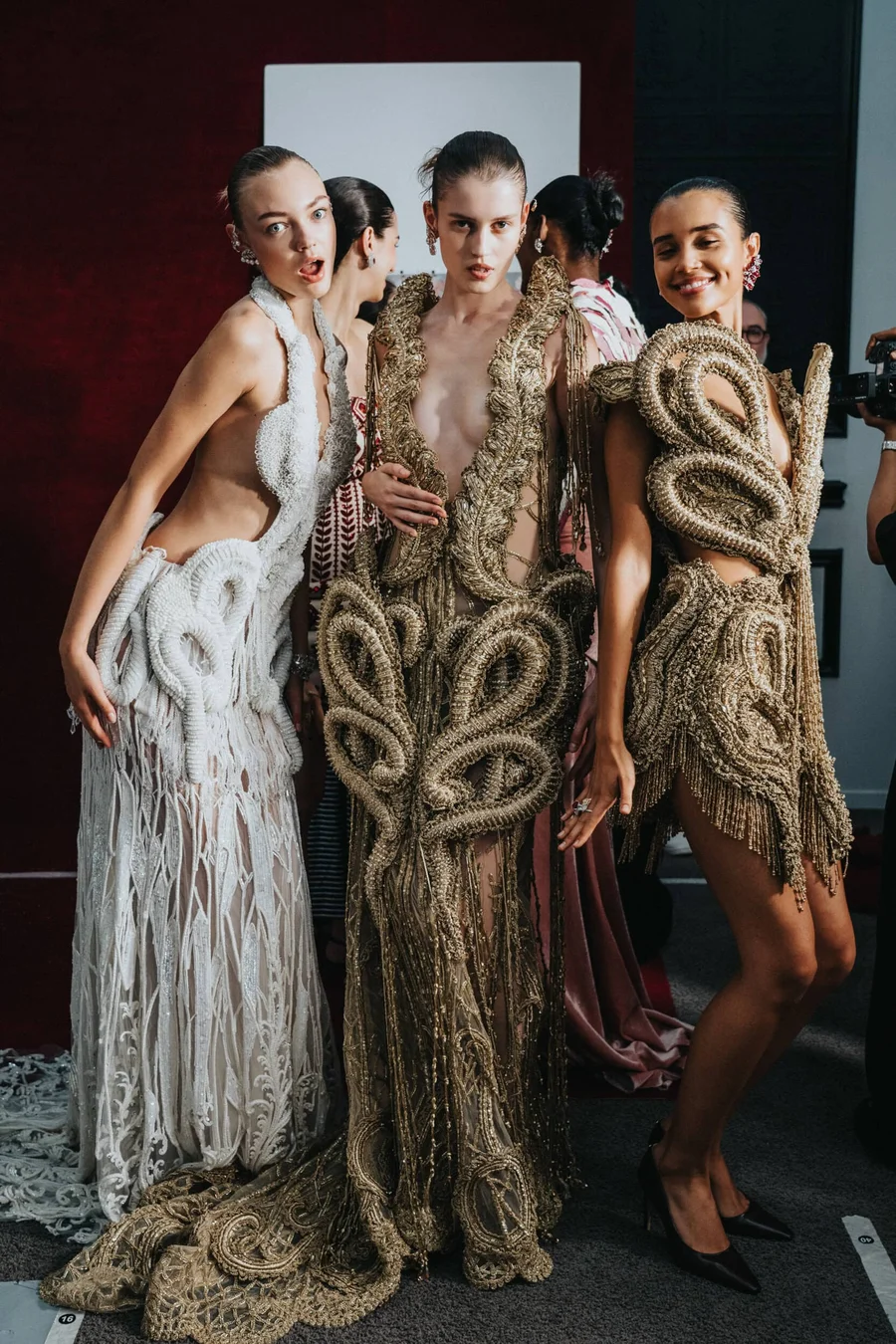
Their proximity made the season richer precisely because the resemblance stopped at geography. Mishra could make Indian craftsmanship contemplative and almost archaeological; Malhotra could let it glow with the scale of screen fantasy. Fall 2026 Couture gave both approaches the same Paris stage without asking either to stand in for an entire country.
Beirut entered the week with a different kind of familiarity. Its presence in couture has been developing for decades, long enough for several houses from the city to acquire signatures that need little geographical explanation.
Elie Saab began his house in Beirut in 1982, and his headquarters there still includes couture workshops and studios. His language has become identifiable through the way elaborate handwork seems to disappear into luminosity, allowing embroidery and crystal surfaces to serve a highly polished idea of femininity.
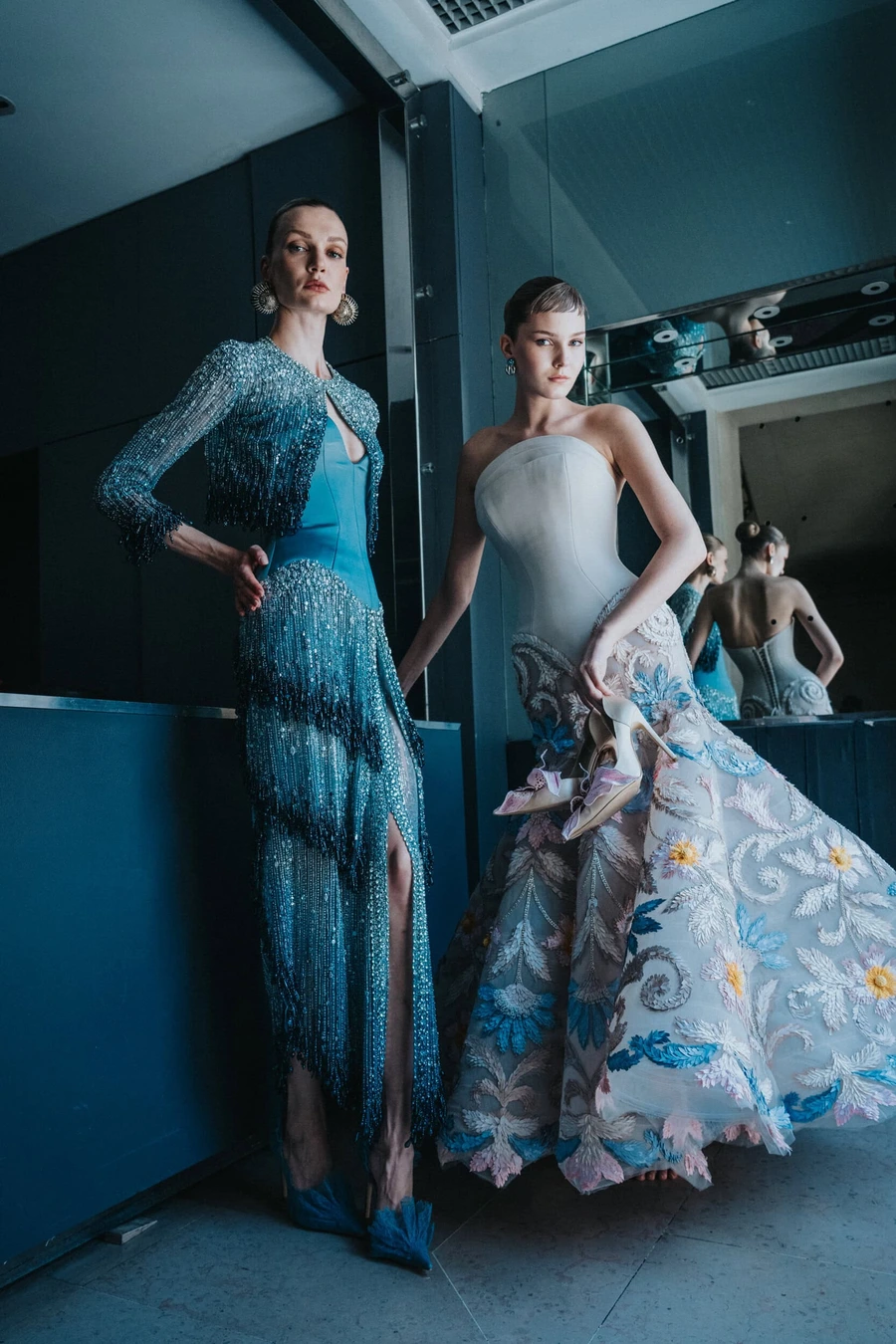
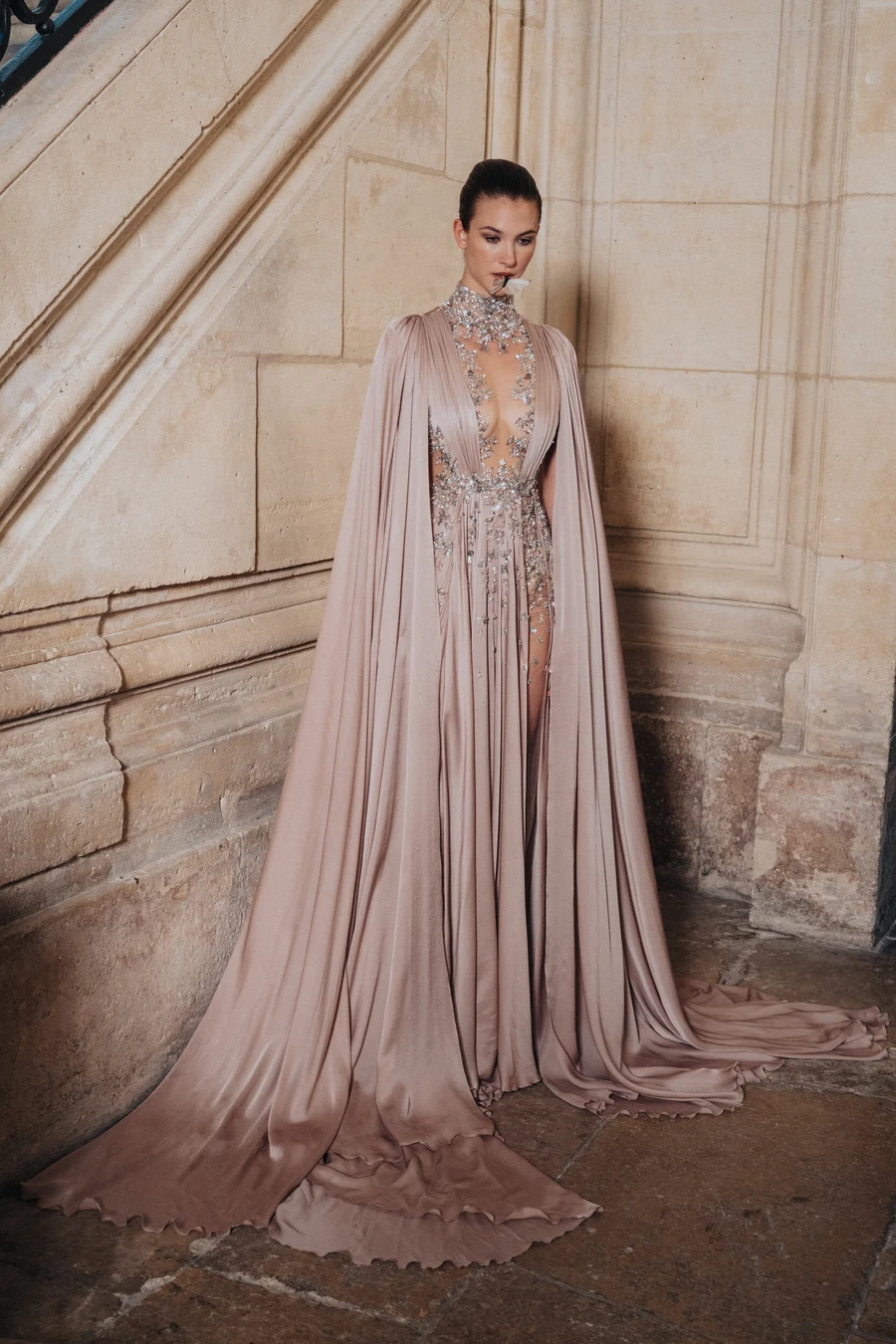
Georges Hobeika has followed his own dialogue between Beirut and Paris since opening his atelier in 1995 and presenting couture in Paris from 2001. Embroidery remains central to the maison, yet the visual effect often carries a lighter, buoyant refinement, with colour and floral work maintaining a sense of ease even at their most intricate.
Zuhair Murad brings another emotional temperature again. Founded between Beirut and Paris in 1997, the house has built its identity around meticulous craft, glamour and reverie, pushing romance toward a darker sensuality where highly worked surfaces can become almost theatrical.
Sharing Beirut never required these maisons to share a definition of glamour. Their presence in Fall 2026 Couture made that plurality far more interesting than any broad regional label could.
A cultural point of view does not always arrive wrapped in an obvious cultural motif.
Mohammed Ashi makes that distinction particularly useful. Ashi Studio entered Fall 2026 with A Different Skin, a collection of altered bodies, sculptural volume and surfaces that could move between fragility and severity. The house describes its vocabulary through an interplay of baroque and minimalist impulses, with Mohammed Ashi’s control of volume remaining central to its identity.
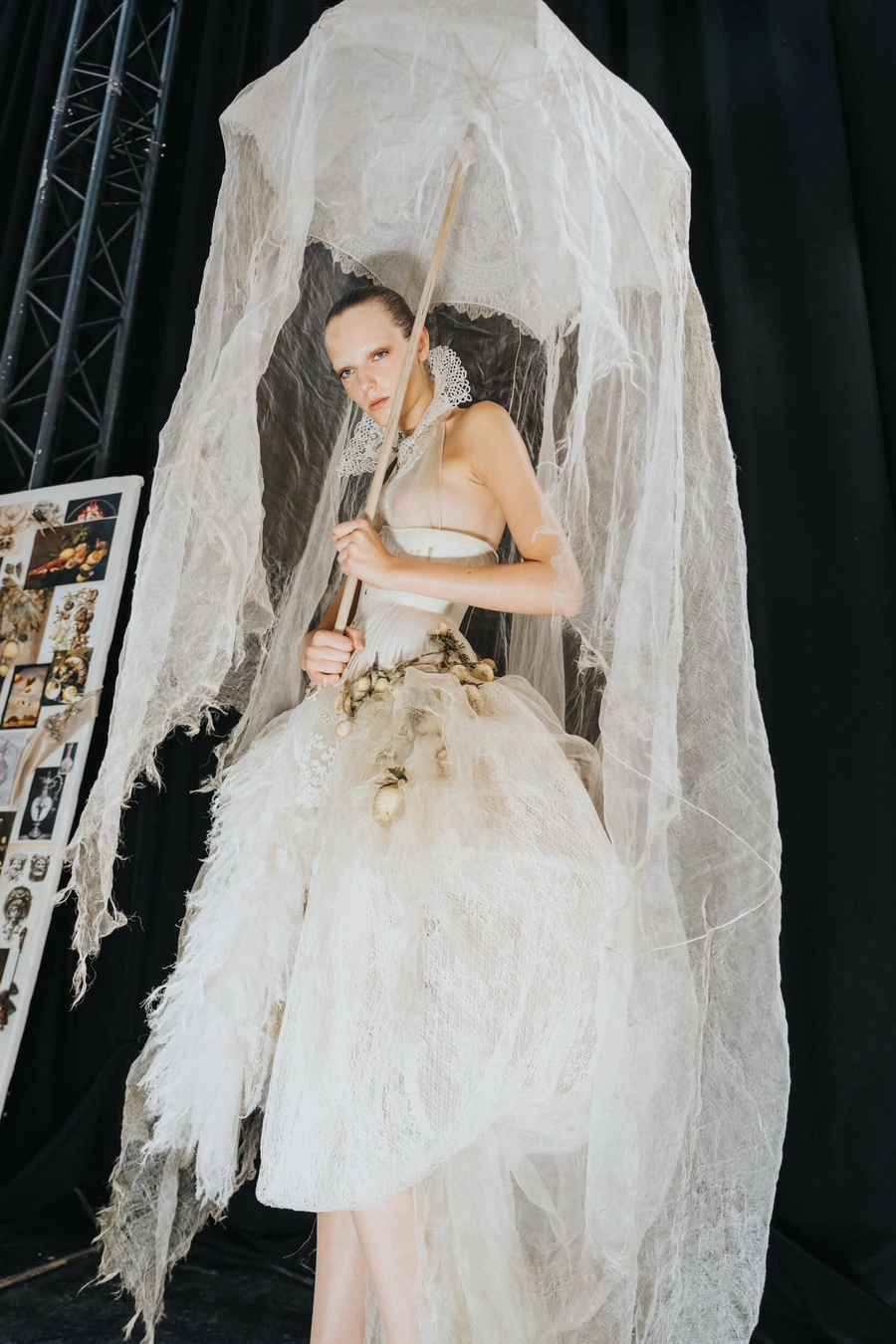
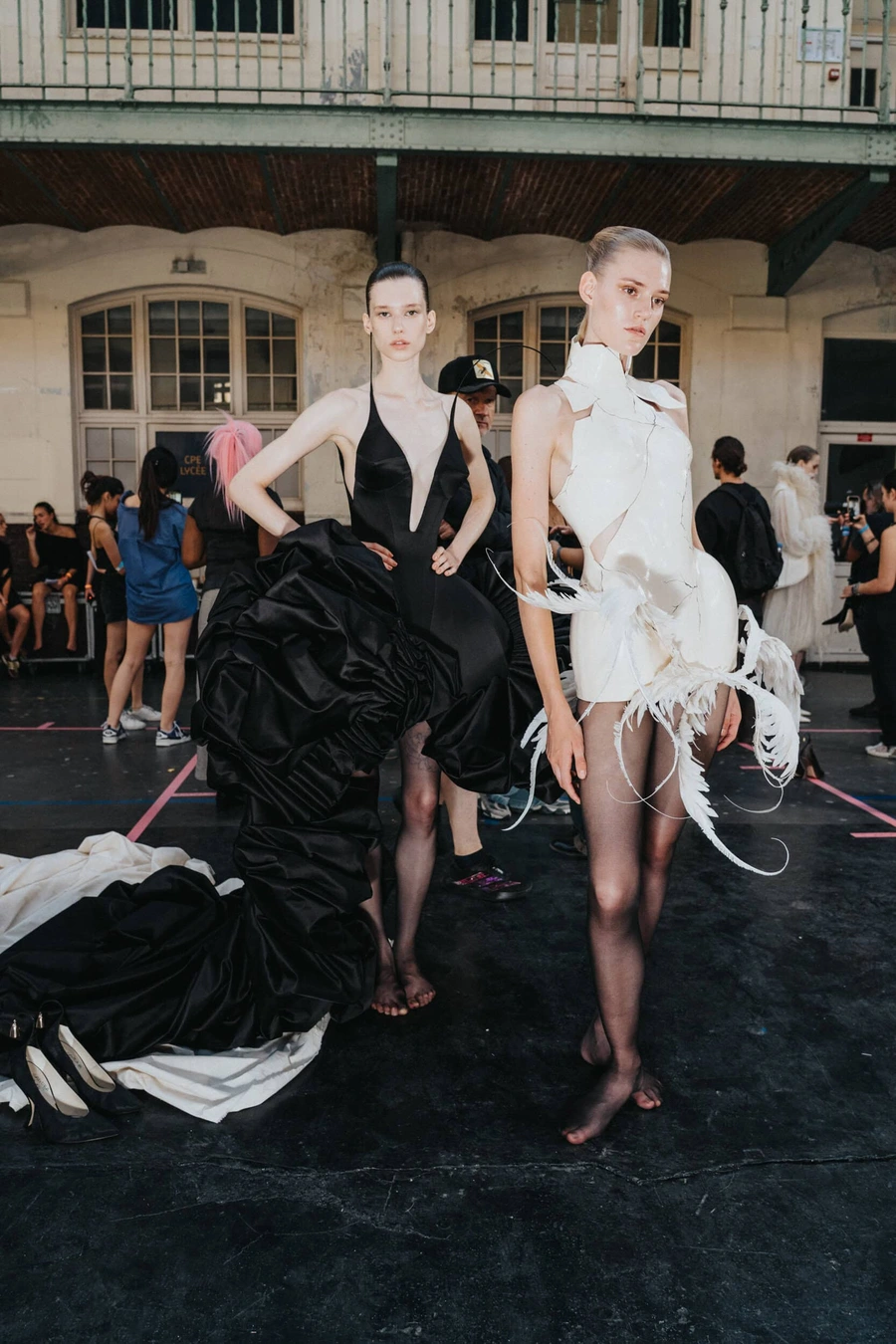
Nothing in that language requires a garment to visually announce Saudi Arabia. His authorship already changes the geography of the week by allowing a Saudi designer to participate through a personal aesthetic whose references have accumulated across different cities, experiences and creative obsessions.
That freedom is important. A more global couture calendar becomes genuinely interesting when designers can bring where they come from without being reduced to where they come from.
Couture’s commercial map had crossed borders long before its creative map became this visible.
The clientele itself is tiny. British Vogue estimated around 4,000 active haute couture clients worldwide in 2025, a remarkable contraction from roughly 200,000 in the 1950s. Their importance reaches far beyond their numbers. The same report noted that the top two per cent of luxury customers can account for approximately 40 per cent of global luxury sales, helping explain why maisons invest so intensely in private fittings, re-sees and highly personalised relationships with their most valuable patrons.
Couture houses have long adapted the ritual itself to clients living elsewhere. Some maintain mannequins built to an individual customer’s measurements so repeated fittings can happen without constant travel to France, while others take garments directly to clients abroad. In 2025, one American couture collector described arranging a Jean Paul Gaultier fitting in New York after selecting pieces in Paris, with the house travelling to her instead.
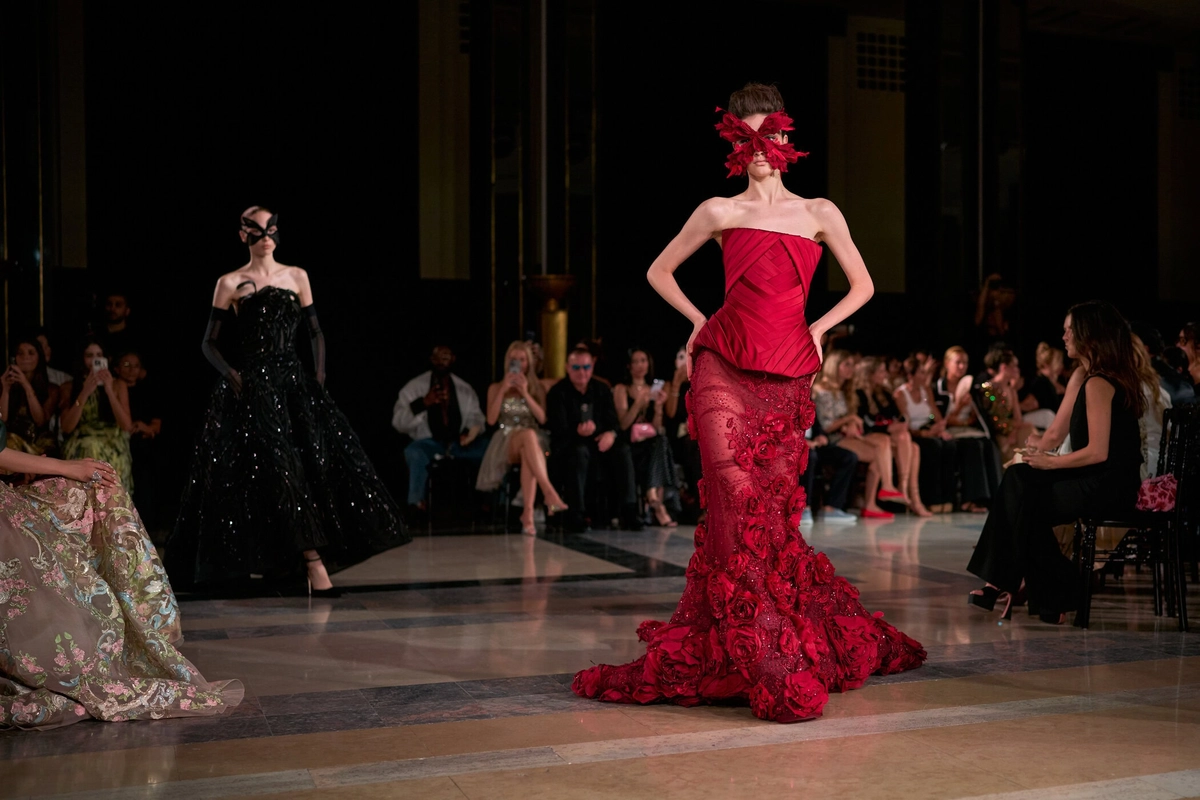
The Gulf offers an even clearer example of how international this economy became. An academic study of Lebanon’s creative industries, citing Dubai Design and Fashion Council figures, reported that roughly one-third of the global haute couture clientele came from the Middle East, while the Gulf accounted for about 40 per cent of Lebanese haute couture exports at the time. The exact couture-client breakdown remains notoriously private and that estimate predates the current season, but the broader luxury market continues to show the region’s buying power. Chalhoub Group valued GCC personal luxury spending at $12.8 billion in 2024, up 6 per cent year on year, with fashion alone representing $5.5 billion, the market’s largest category.
Fall 2026 Couture arrived after years of international buying, private fittings across continents and maisons cultivating clients far beyond France. The runway was catching up with geography the business had already understood. This time, the shift was visible in who was shaping couture’s image, not simply who was buying it.
What increasingly travels in the opposite direction is authorship.
A client in Riyadh, Doha, Mumbai or New York no longer feels unusual within couture’s commercial geography. What stood out this season was seeing more designers arrive in Paris from outside its traditional creative centre with fully developed languages of their own. The market had become international long before the runway made internationalism quite so visible.
Paris remains powerful because everyone still wants to enter the same room.
The city concentrates attention, gives the season its ritual and places radically different couture practices beside one another. Its significance does not shrink as the creative map expands. The gathering becomes more revealing because the ideas entering it have travelled further.
Couture could remain rooted in Paris as an institution while becoming harder to contain as a cultural language. The city supplied the stage; the imagination arriving on it increasingly carried memories of other places.
The world had long travelled to Paris to encounter couture. This time, more of the world seemed to arrive with its own idea of what couture could become, widening the creative map of Fall 2026 Couture.
Advertisement