MENU
Close





Long before Paris called his name, a mother had already recognized the designer within him. Manish Malhotra’s debut entered through the womb of memory, transforming her permission into an offering of farewell.
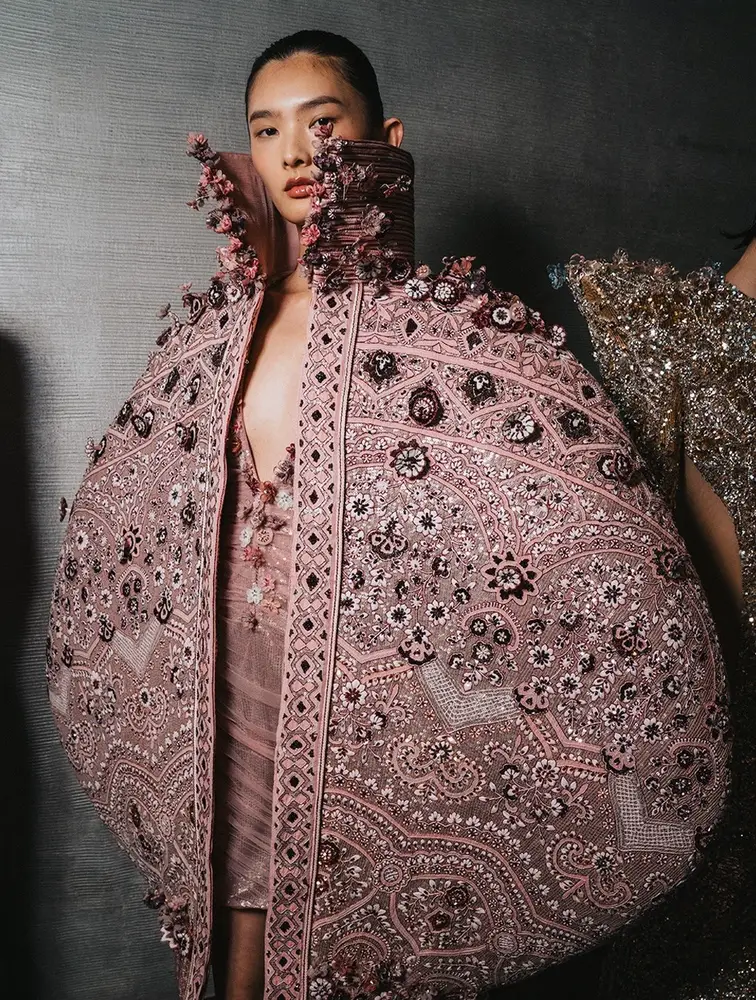
Long before Paris called his name, a mother had already recognized the designer within him. Manish Malhotra’s debut entered through the womb of memory, transforming her permission into an offering of farewell.
July 12, 2026
Advertisement

Advertisement



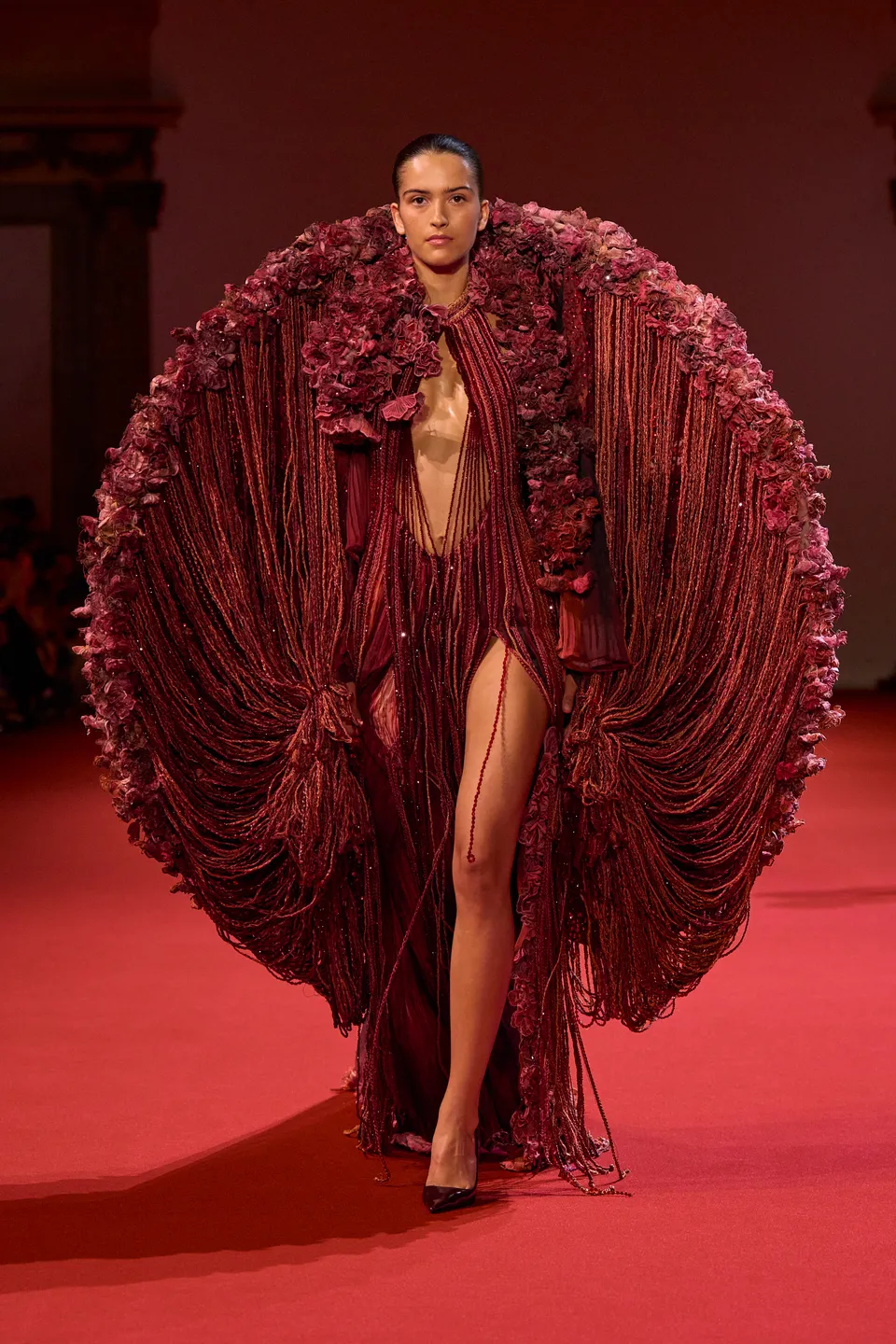
The experience begins with the primal rhythm of a heartbeat, a sound that fills the grand halls of the Pavillon Cambon as the space glows in a deep, pulsating red, closely resembling the intimate interior of a human body. As the theatrical lights shift and focus, the first silhouette emerges inside a profoundly rounded volume, appearing thoroughly protected, safely enclosed, and intrinsically attached to the world that originally created her.
This mesmerizing, atmospheric tableau introduces Maa, with Manish Malhotra’s debut in Paris couture standing as a devoted, loving tribute to his late mother. She was the remarkable woman who recognized his early creativity, actively encouraging his artistic inclinations and generously offering him her own saree to experiment with during his formative years.
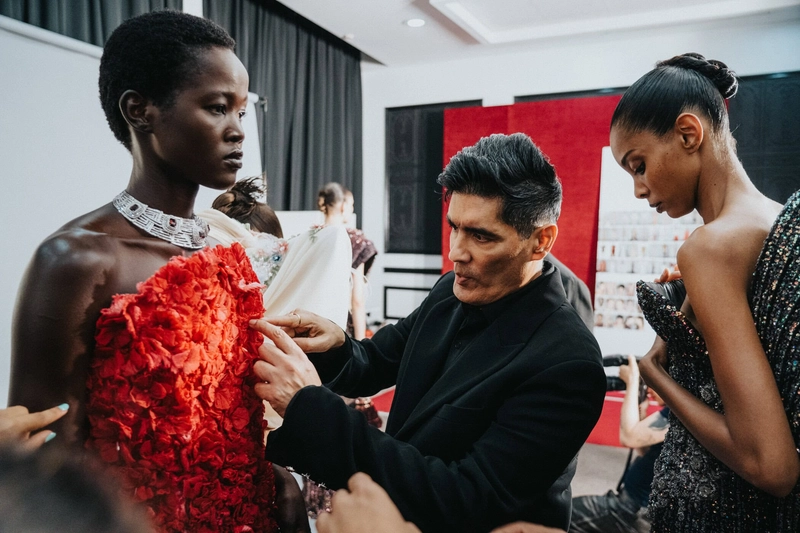
By choosing this deeply personal narrative for his Paris chapter, Malhotra returns to his most private origin, anchoring his international ambition in absolute intimacy and familial devotion. This deliberate choice establishes a compelling central question for the audience, buyers, and critics alike.
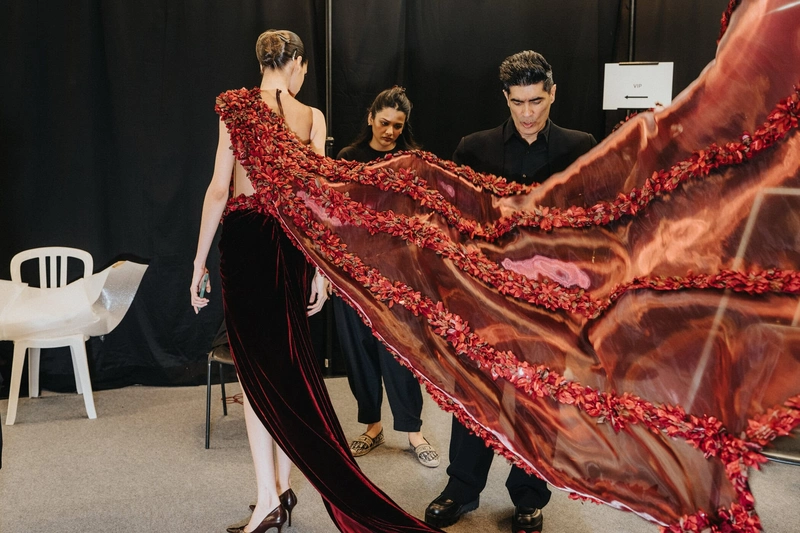
The conceptual discussion of this collection demands a concentrated focus on its singular, sweeping emotional movement. Malhotra structures the presentation through four official chapters, Cocoon, Bond, Becoming, and Abundance, which flow seamlessly from the initial state of protection toward a fully realized identity and inherited legacy.
The crimson environment enveloping the runway radiates several layered meanings simultaneously. It directly evokes the womb and the life force of blood, signaling birth and an eternal maternal connection. Within the rich tapestry of Indian culture, this specific shade of red universally symbolizes deep love, sacred marriage vows, and pure auspiciousness.
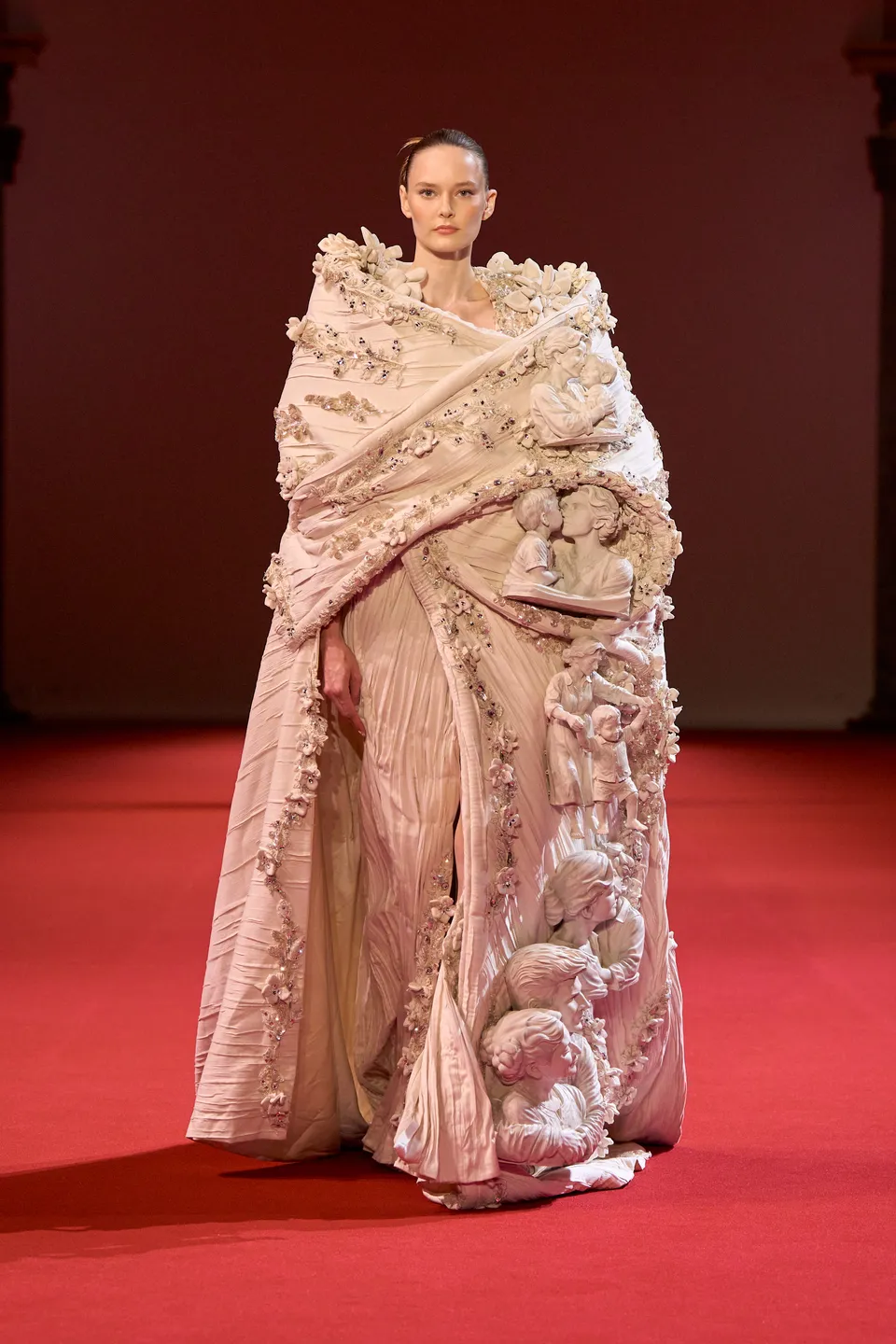
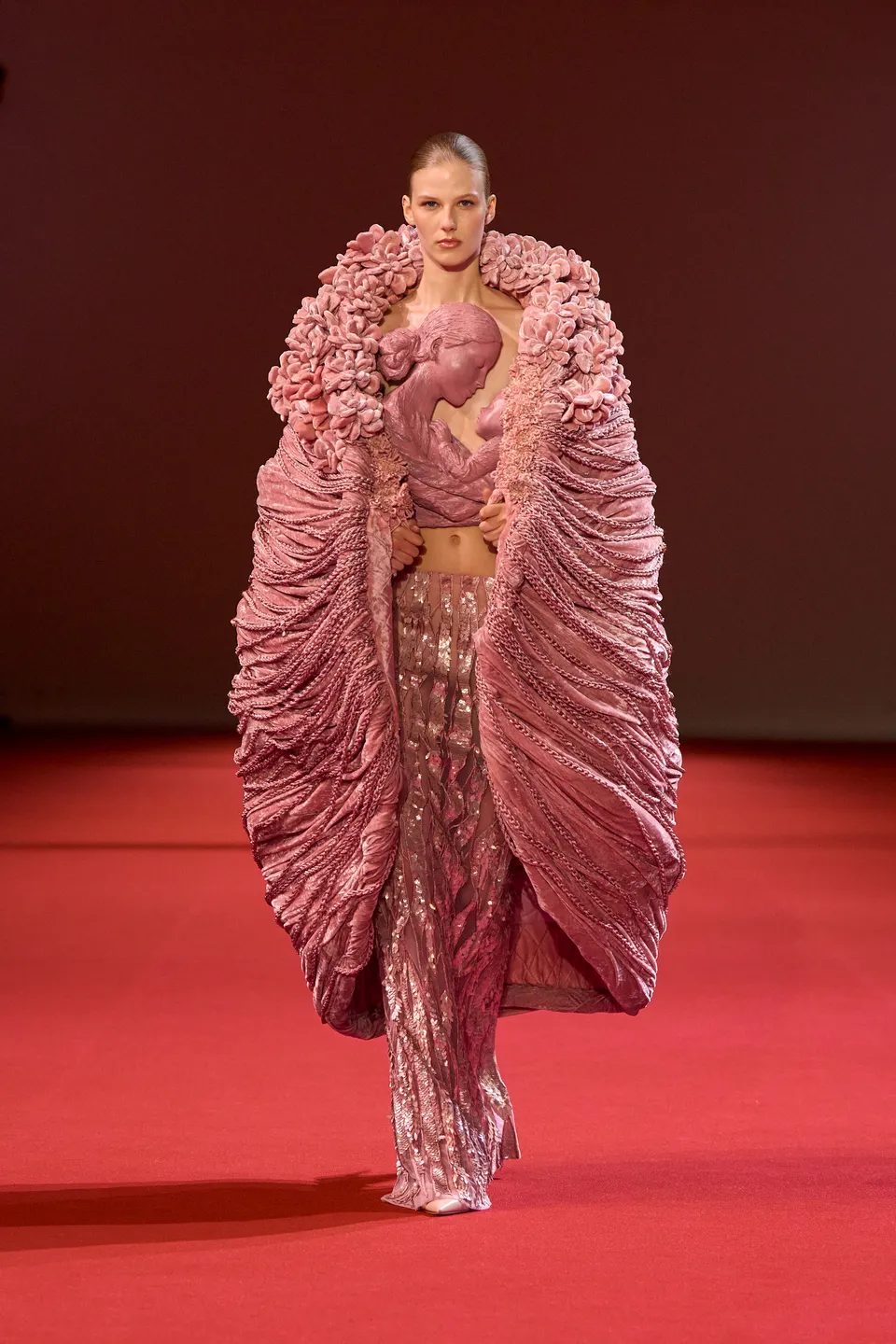
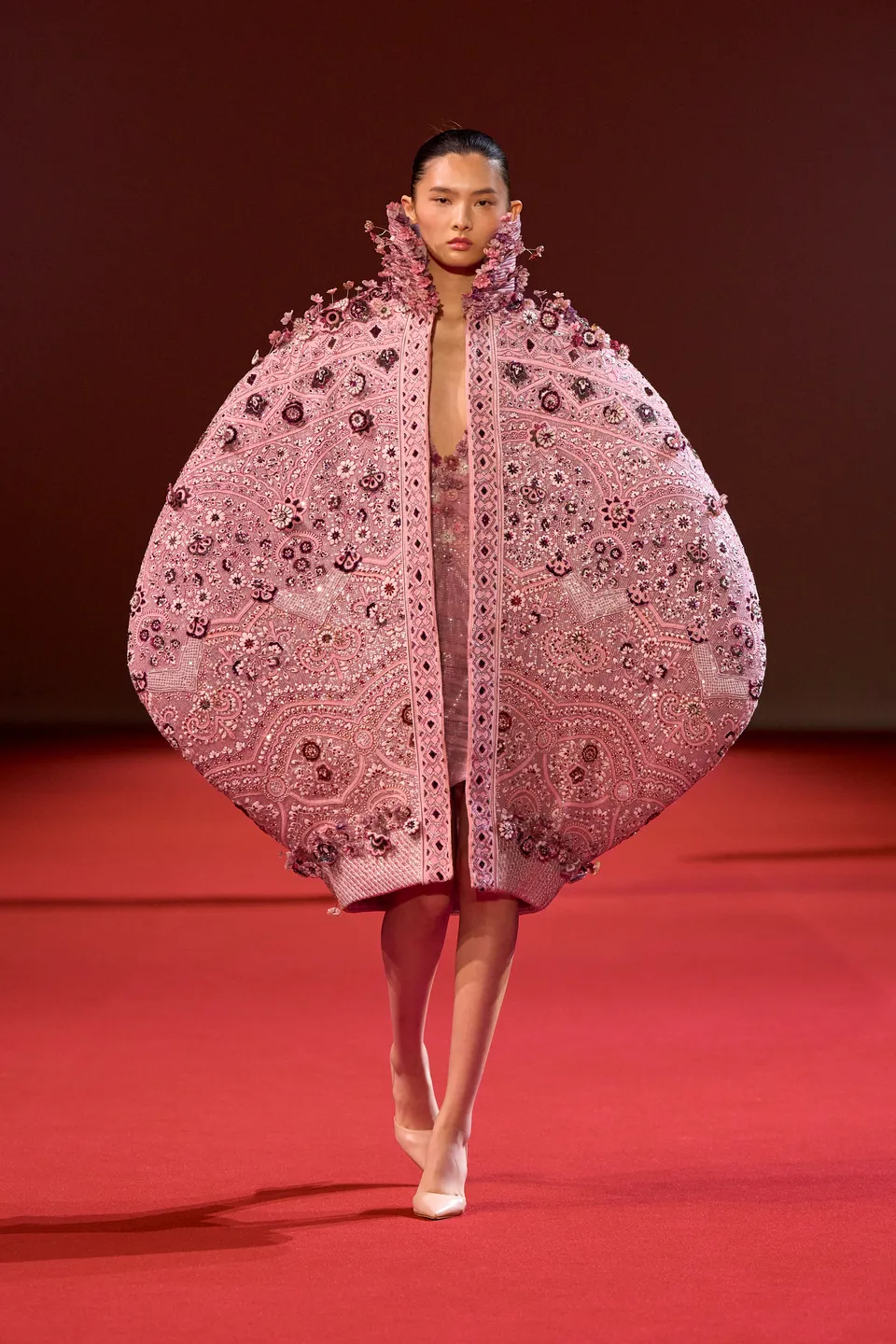
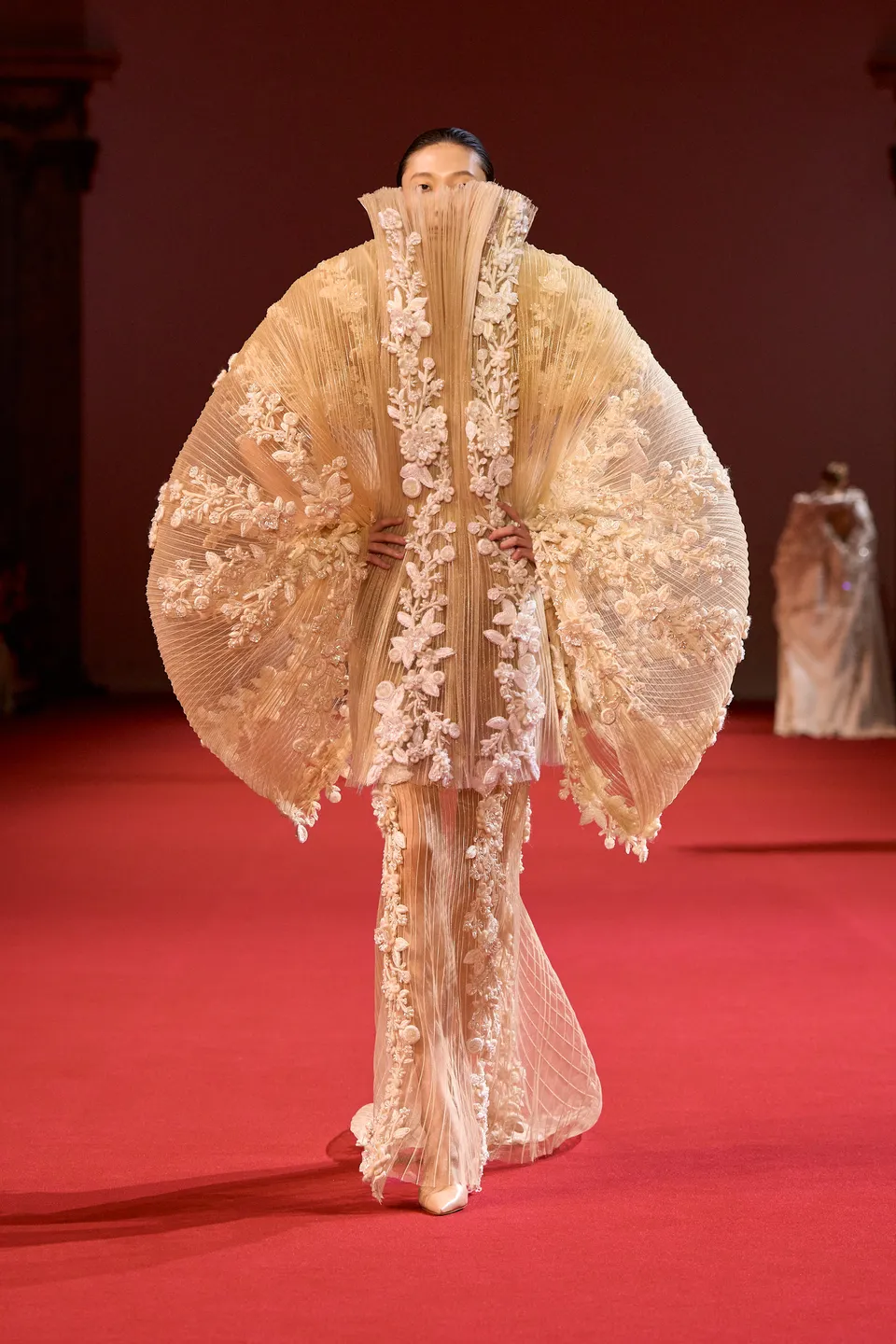
Furthermore, the staging echoes the cinematic drama and grand storytelling Malhotra inherited from his celebrated Bollywood career. The steady, thumping heartbeat soundtrack makes the entire show feel completely pre-verbal, effectively returning the designer to a pristine, innocent moment preceding fashion, celebrity, and public recognition. Paris transforms into a sacred room where he tenderly carries the woman who believed in his vision first.
As Manish Malhotra’s debut moves him from the world of costume design and Indian cinema to the prestigious official couture calendar, he insists on carrying his history proudly to enrich the European stage. His profound instinct for raw emotion, the slow, deliberate reveal, and highly dramatic staging remains entirely central to his aesthetic. A fascinating tension builds within this conceptual framework, as the mother functions as a perfect sanctuary, while her memory simultaneously creates an enormous, towering symbolic burden for the garments to shoulder gracefully on the global stage.
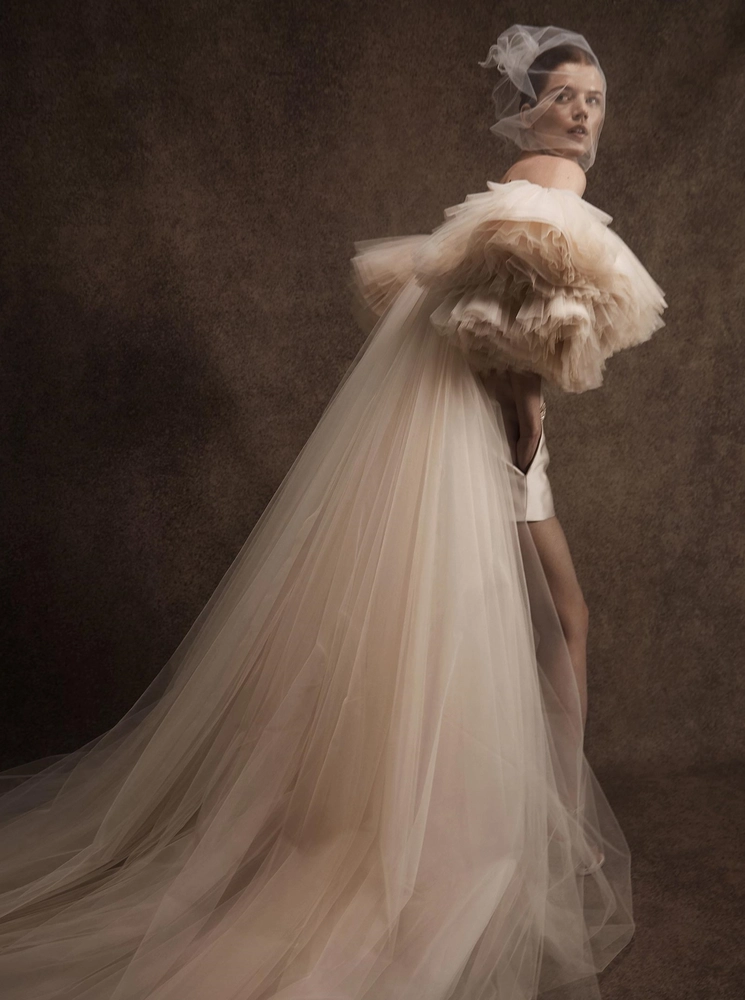
The principal silhouette of the collection opens with boldly rounded forms that immediately command the eye. Enlarged shoulders, cocoon coats, oval and spherical volumes, safely enclosed necklines, and architectural skirts pushed firmly away from the body work together to translate maternal protection into tangible physical space. These initial shapes appear to hold and cradle the wearer. Occasionally, their monumental scale makes this protection resemble a beautiful, secure fortress of fabric.
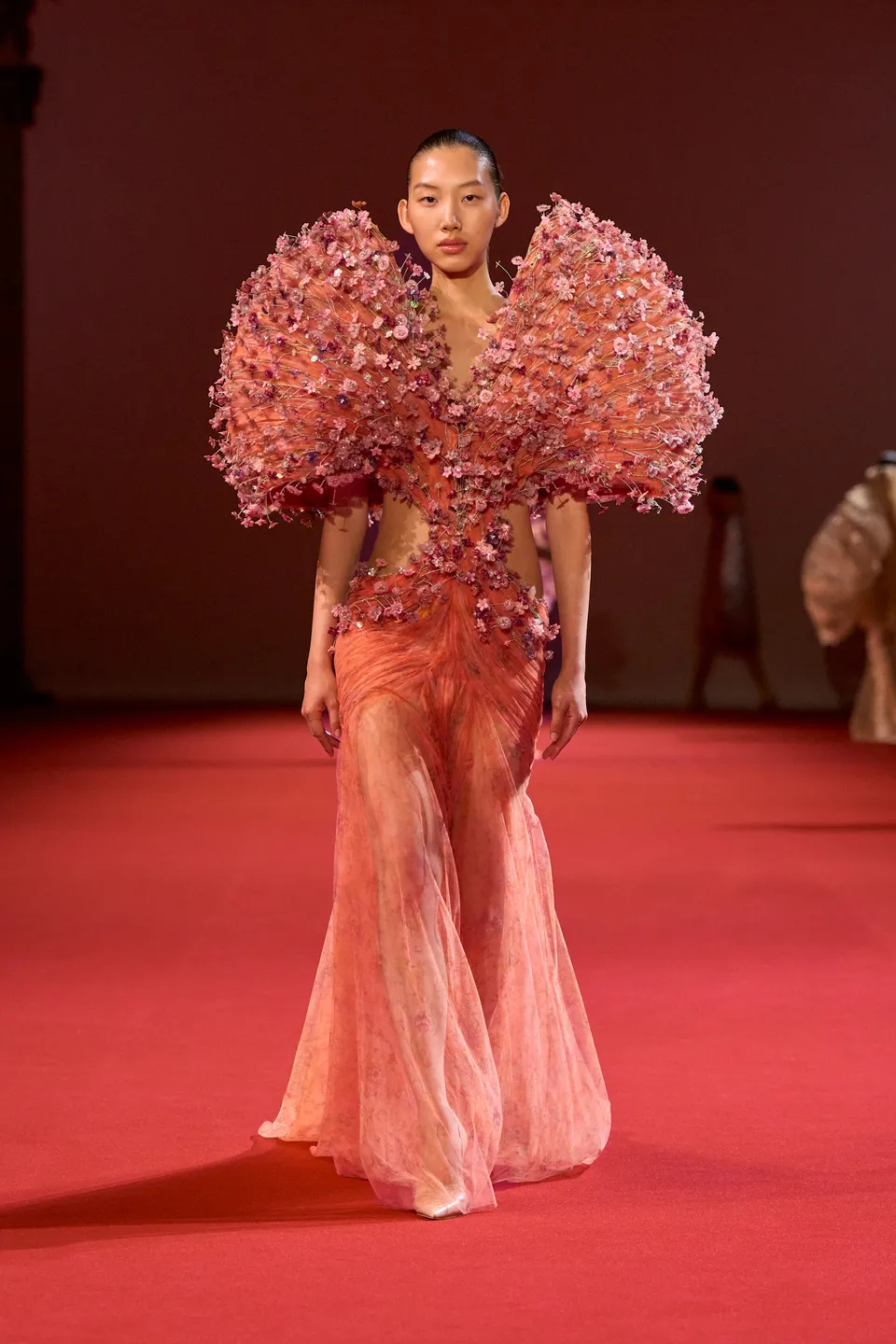
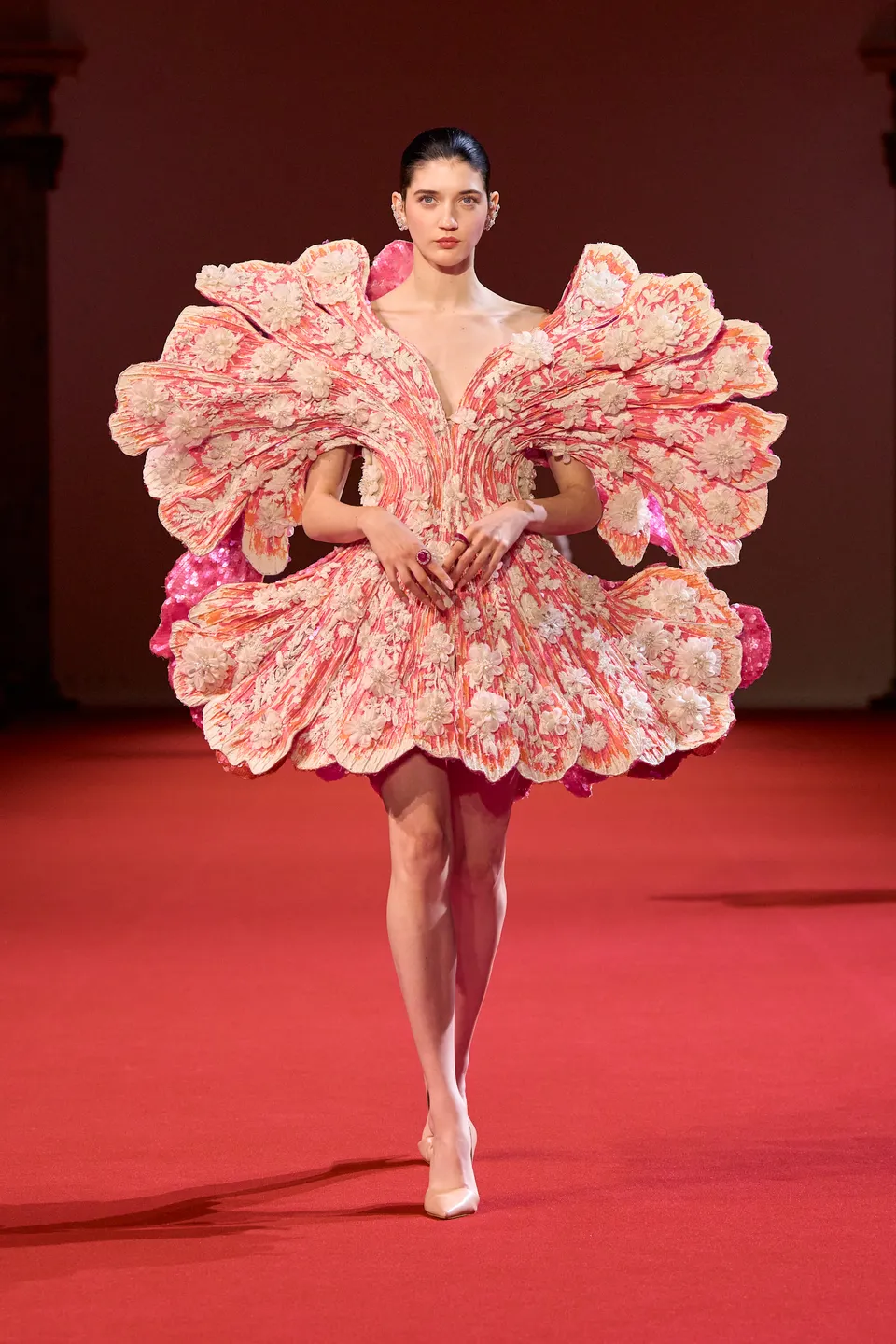
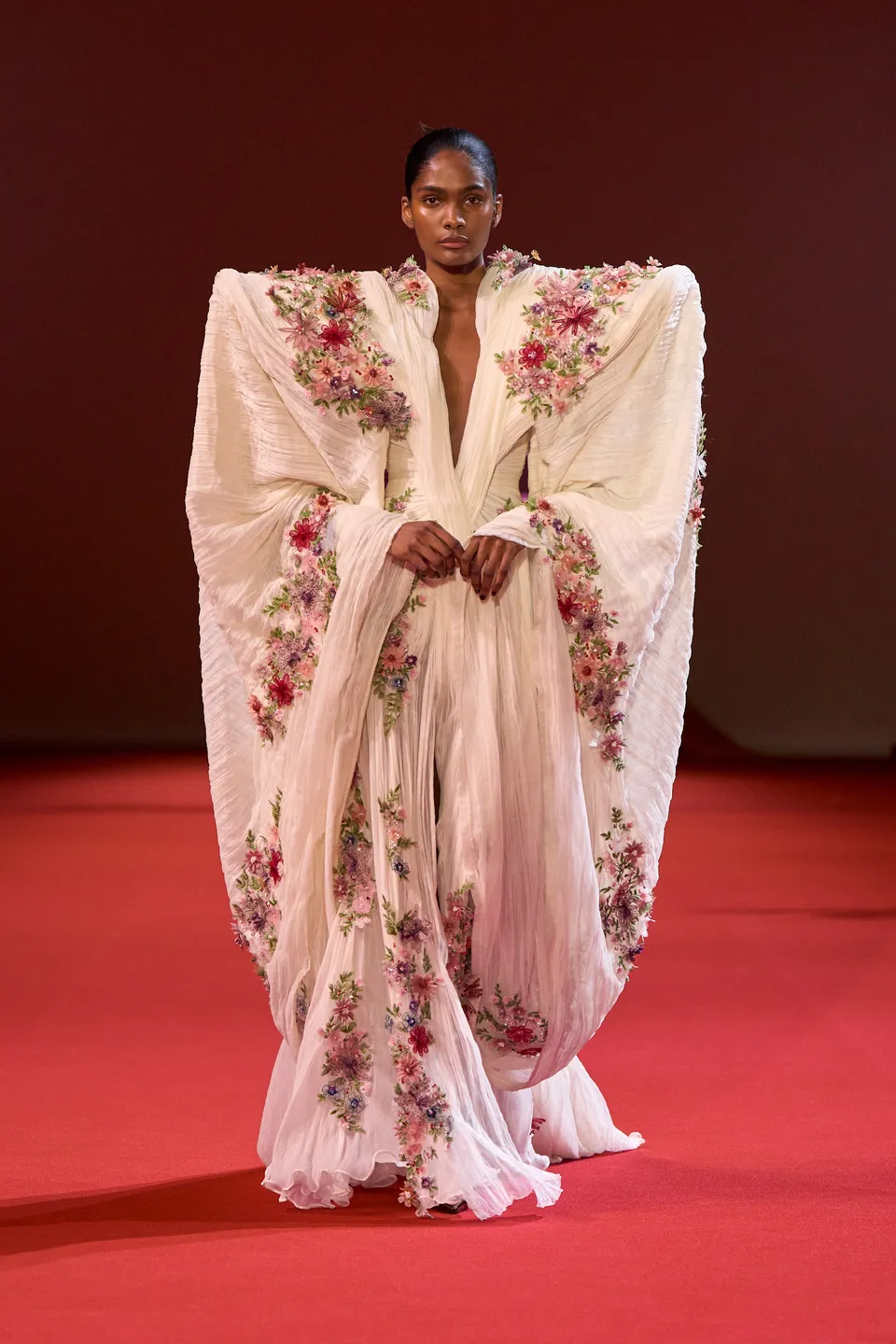
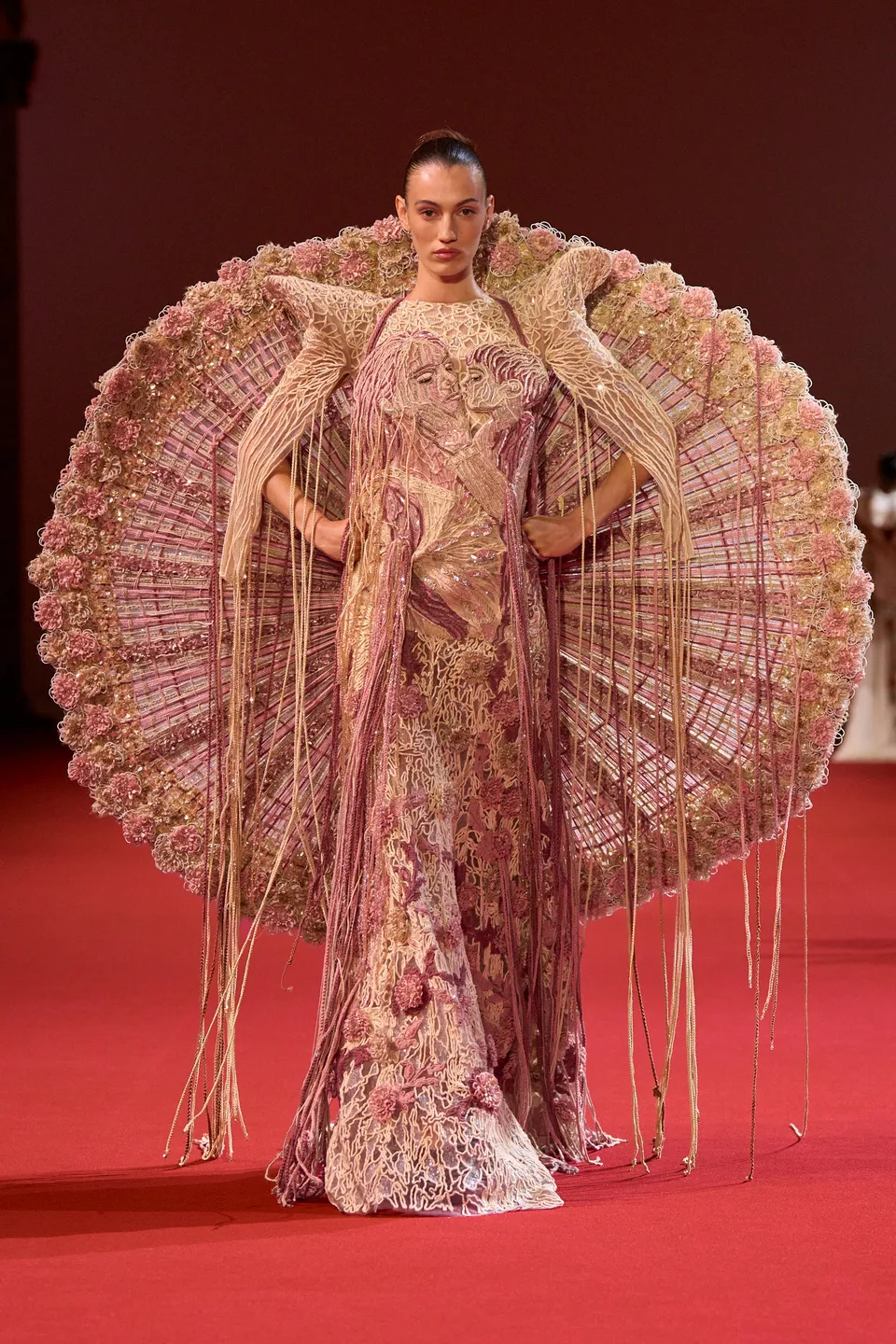
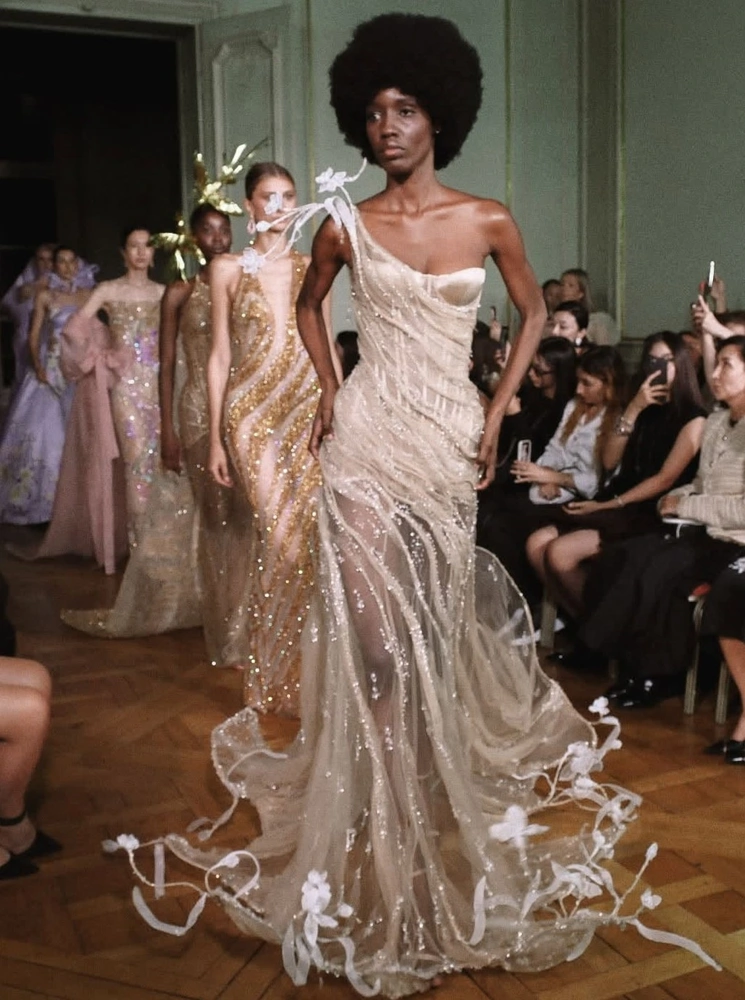
The collection then glides gracefully into a softer middle section, where the rigid enclosure loosens its grip through expertly manipulated diagonal draping, richly gathered fabric, structured corsetry, and sweeping, extended trains. A striking gold gown featuring serpentine knots of love embroidery perfectly illustrates maternal attachment as something both overwhelmingly beautiful and highly intricate to separate. The sartorial progression continues steadily toward individual identity, showcasing sculpted corsets, sharply narrow waists, precisely tailored jackets, fluid evening columns, and shawls paired with capes adorned with increasingly visible floral embroidery.
Within Manish Malhotra’s debut, traditional lehenga-derived skirts are meticulously modified in scale, styling, and proportion, allowing them to enter the Parisian context while retaining their rich Indian vocabulary and cultural essence. The final monumental gowns translate motherhood into pure abundance and heavy inheritance through their vast, sweeping skirts, dense floral appliqués, and majestic jewellery. The strongest looks in this sequence allow the woman to carry the memory elegantly and powerfully, while other pieces let the wearer fade softly beneath the sheer, staggering volume of the tribute.
Throughout the collection, intimate personal references transform directly into exquisite physical structure. His mother’s beloved bangles reappear reconstructed as striking circular forms, while fragments of vintage brocade saris find new, glorious life within modern, architectural silhouettes. Delicate rose and blush shades wash over the garments, specifically recalling her favourite flowers, and lush floral carpets evolve into magnificent gowns and enveloping shawls.

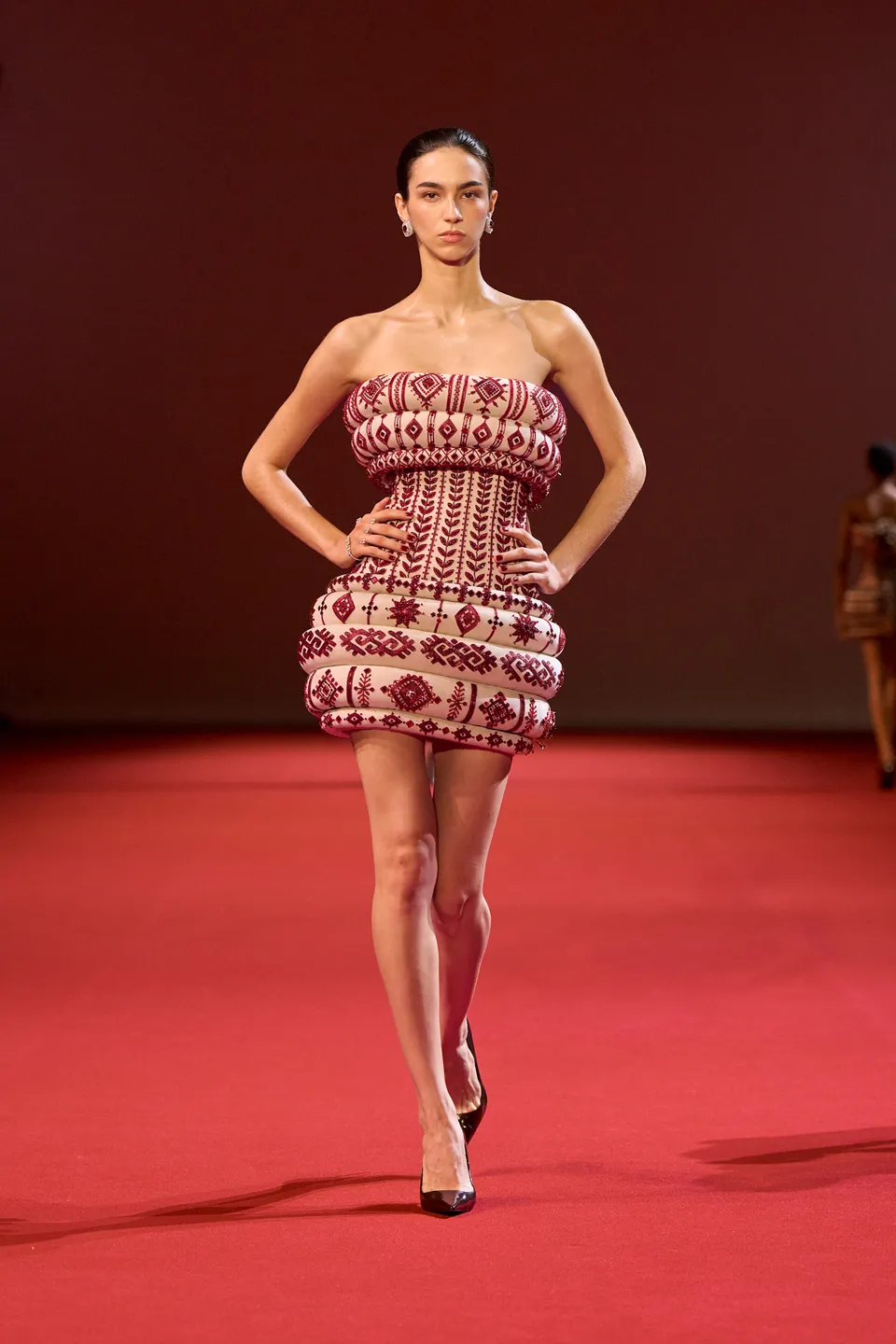
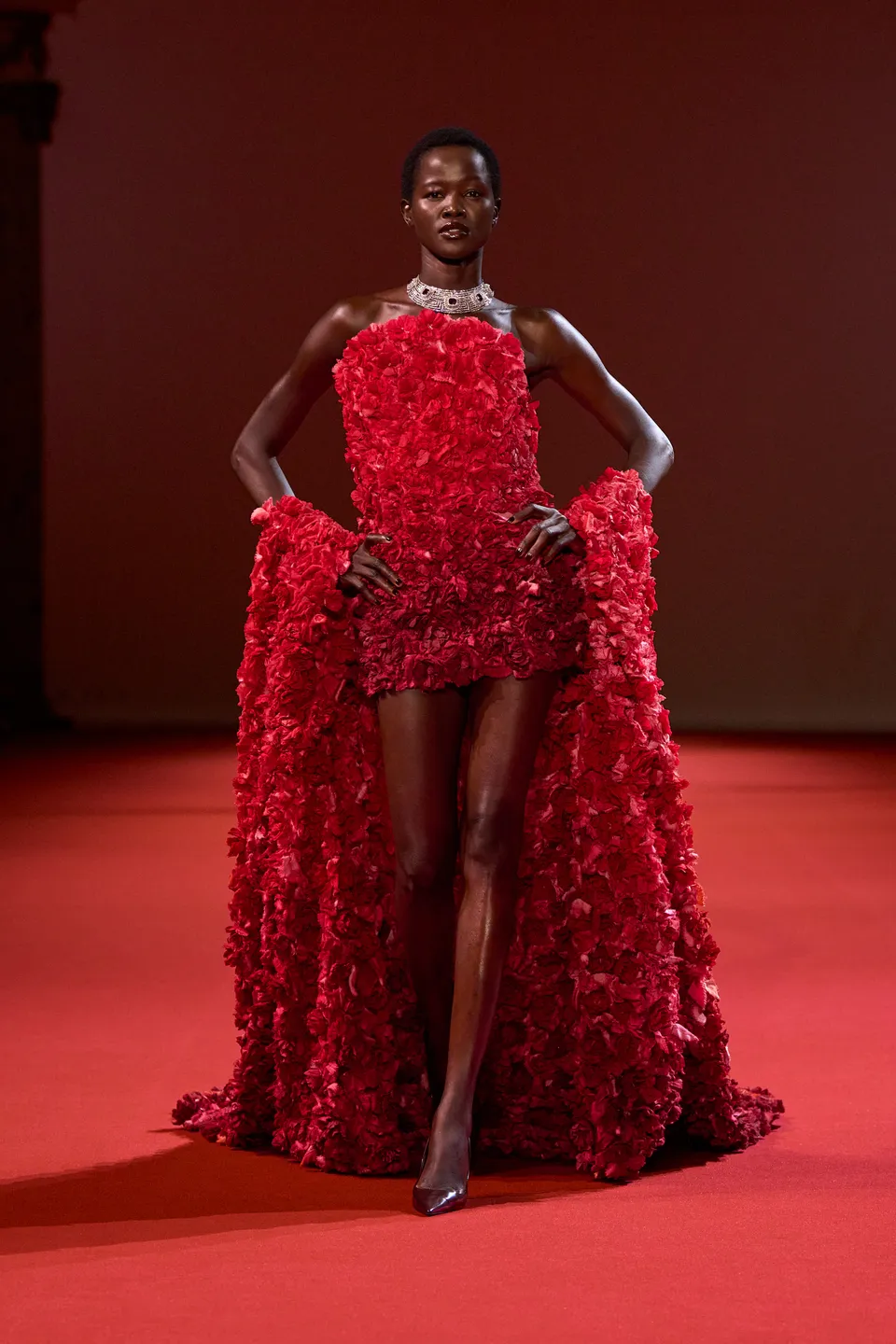
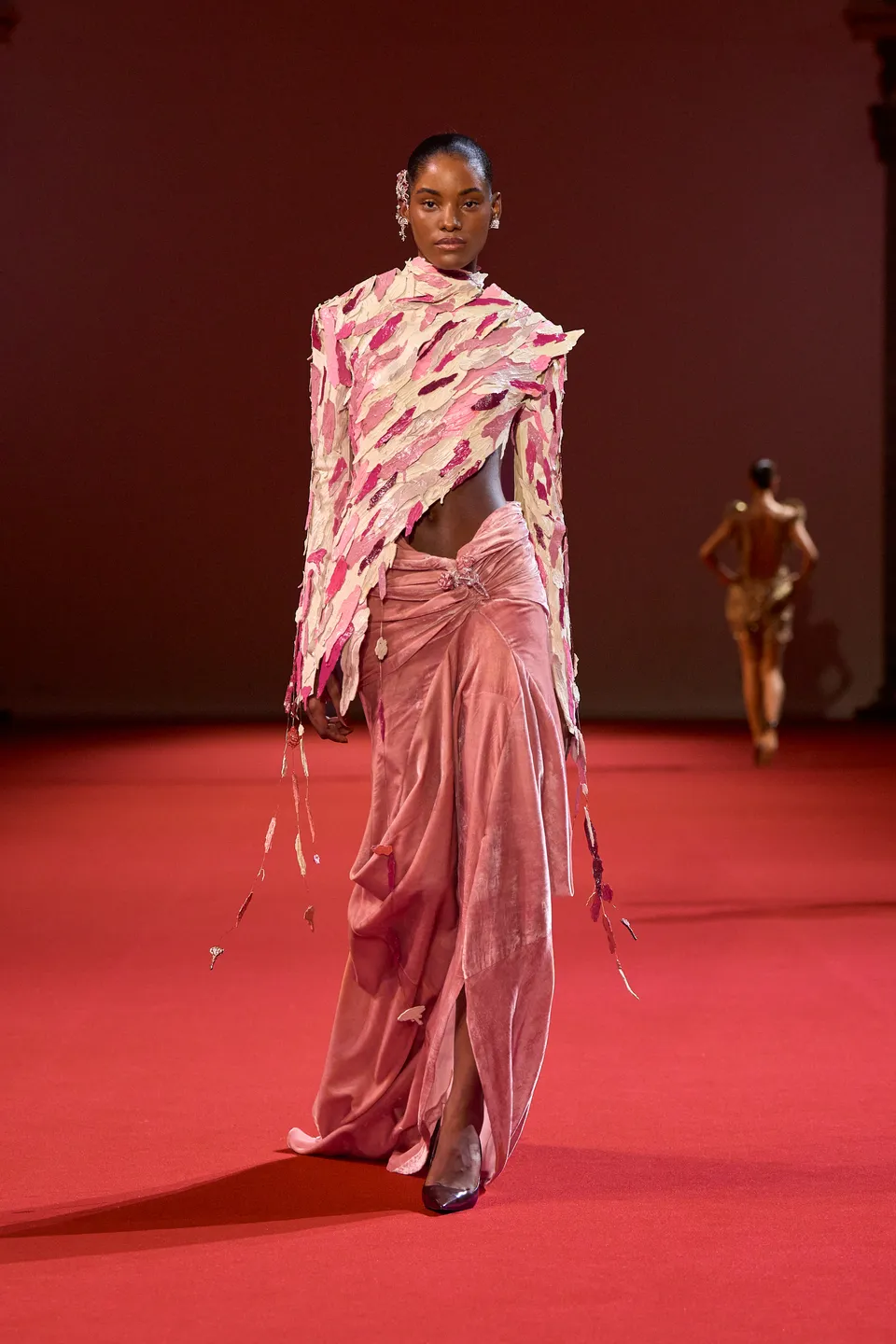
The bangle motif holds an exceptionally special meaning in this context; bangles traditionally create a distinct, musical sound through human movement. In the silent stillness of Maa, their remembered music becomes vividly visible through rhythmic repetition and bold sculptural form.
The core craft vocabulary of Manish Malhotra’s debut tells its own deeply layered story. Salli embroidery adds a beautifully aged metallic shimmer and substantial weight to the garments, while taban sequins create a mesmerizing reflective depth that catches the runway lights. Zardozi techniques bring a raised, highly sculptural richness, contrasting brilliantly with the resham threadwork, which offers a soothing softness and delicate, painterly detail.
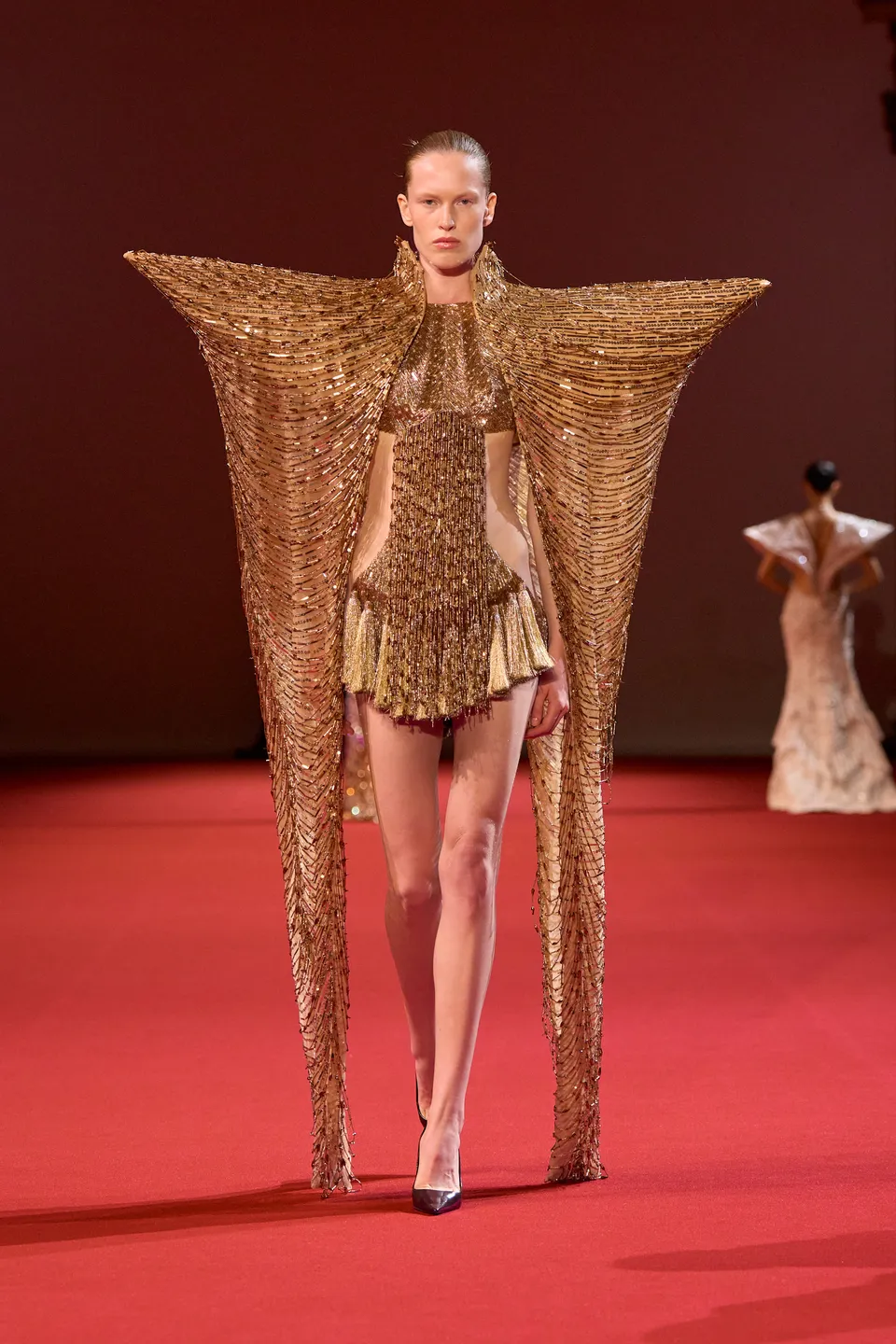
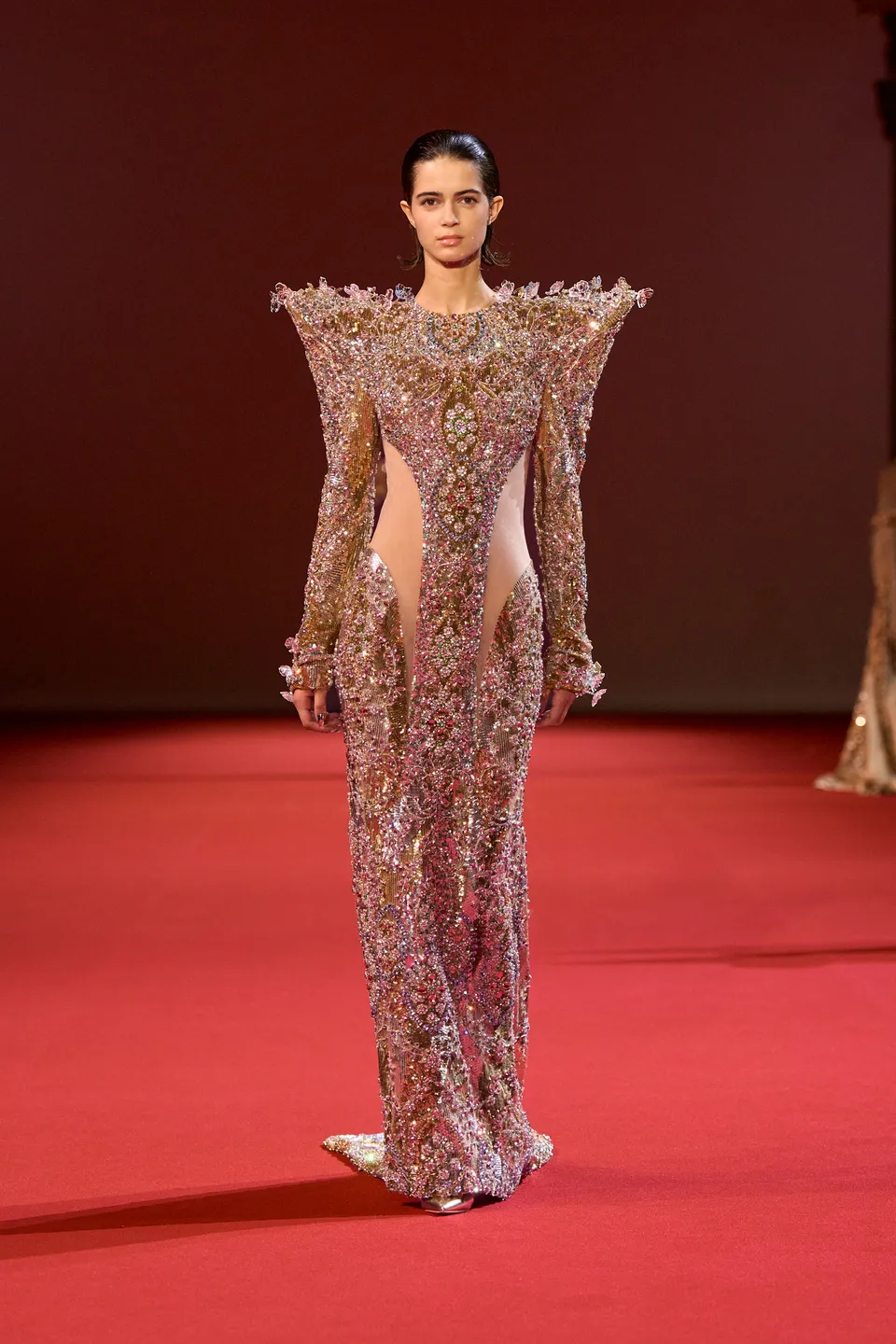
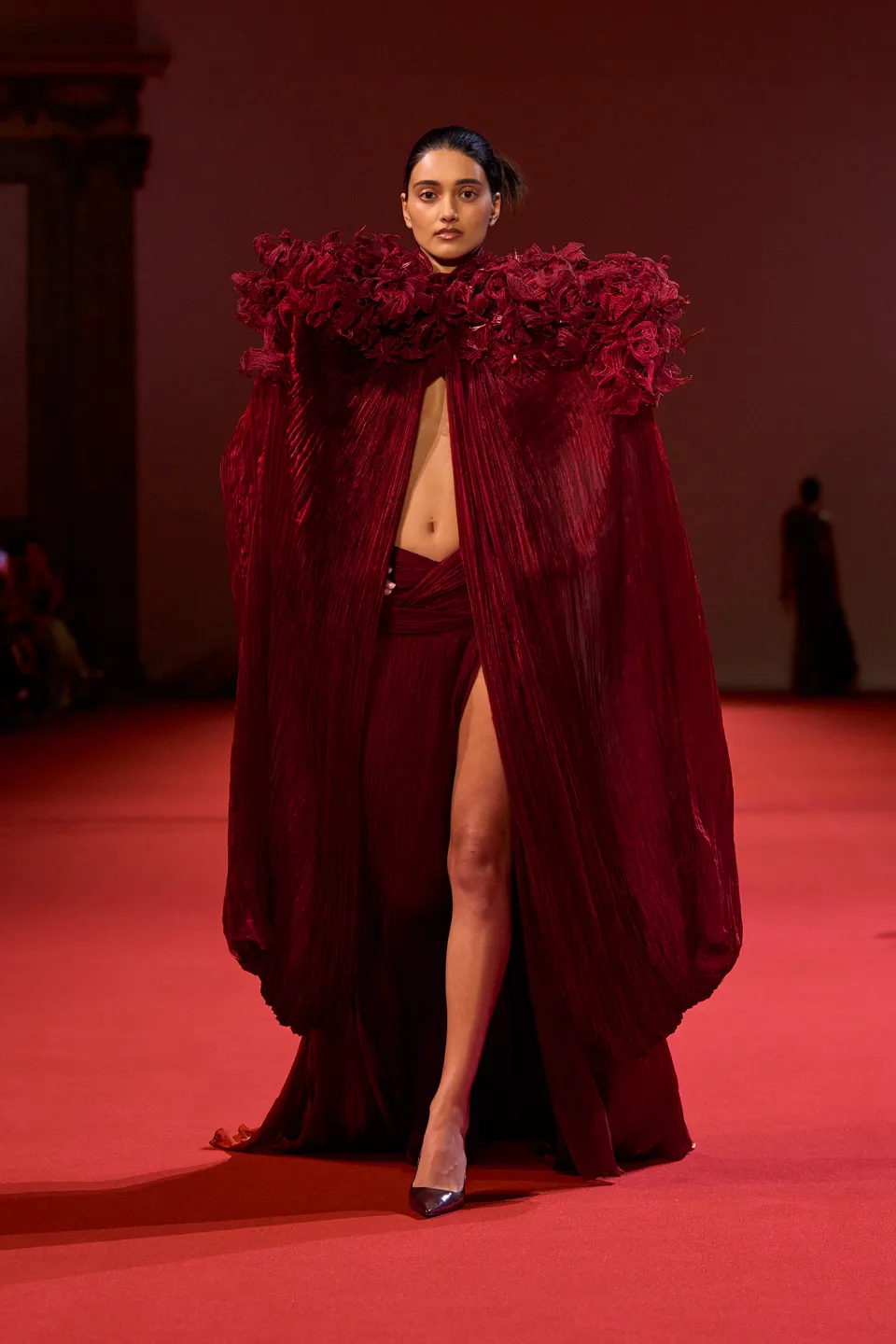
Carefully placed crystals and precious stones provide brilliant, sudden flashes of light, and dimensional, crafted flowers invade the surrounding spatial environment. The inclusion of vintage brocade serves to ground the collection firmly in memory and the physical body. Accompanying high jewellery, resplendent in diamonds, rubies, sapphires, kunzites, and rubellites, turns this inheritance into wearable architecture, illuminating the powerful commercial ecosystem supporting the emotional tribute.
Indian artisans have historically created the most exquisite embellishments for European luxury houses. With Manish Malhotra’s debut, Paris now witnesses a monumental shift, observing the arrival of an Indian designer publicly claiming authorship and absolute ownership over this extraordinary heritage.
Sincere grief demands the most precise couture execution, as profound emotions require absolute mastery to translate into garments. Because Maa stands as a deeply intimate tribute to a departed parent, evaluating its garments requires profound respect and careful analytical thought.
We question if each monumental form deepens the core idea of maternal protection. We examine if every dense layer of embroidery clarifies the specific memory it aims to represent. We consider if sheer abundance holds the power to replace rigorous editing, and we evaluate if the clothes possess genuine emotional power entirely apart from the provided show notes.
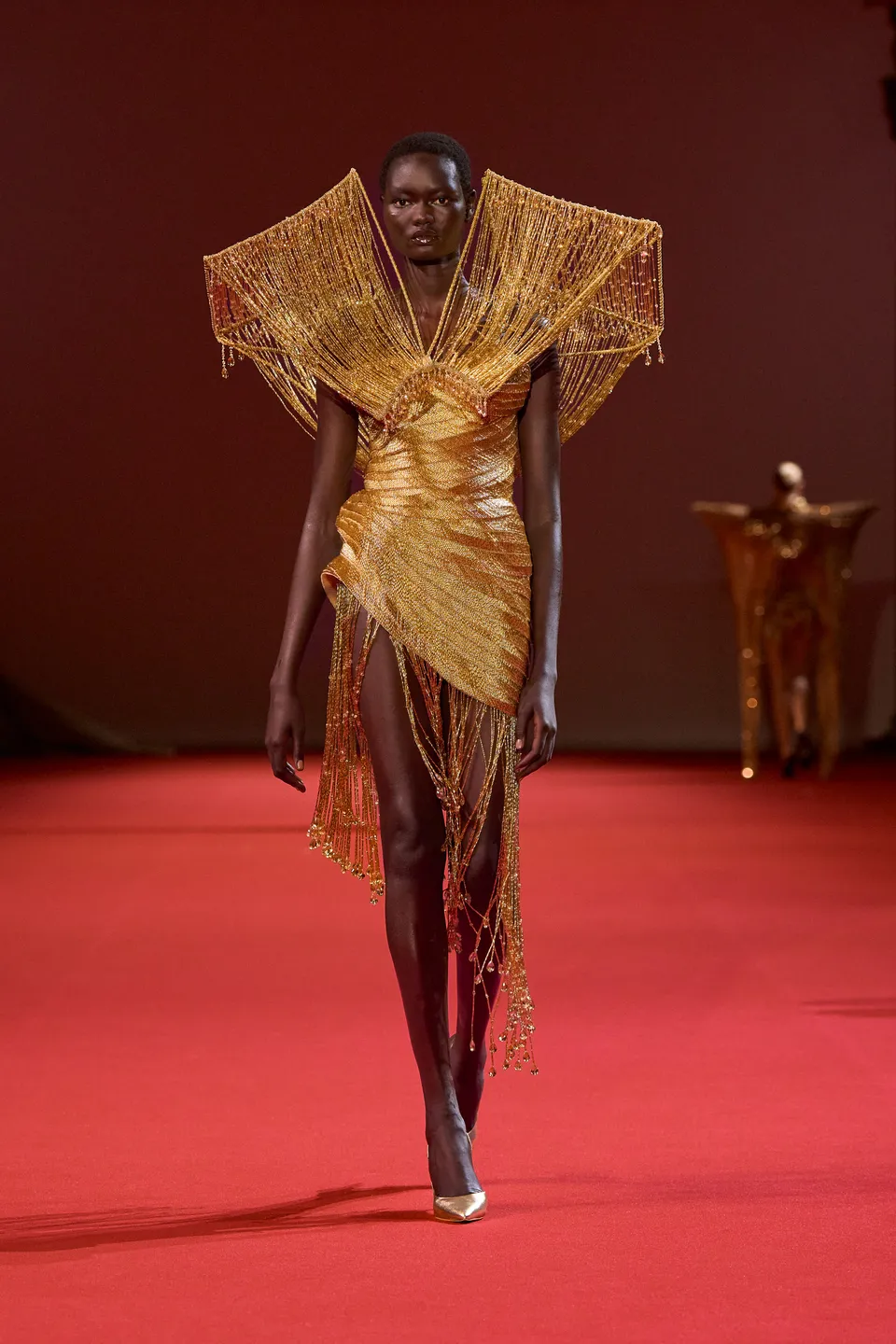
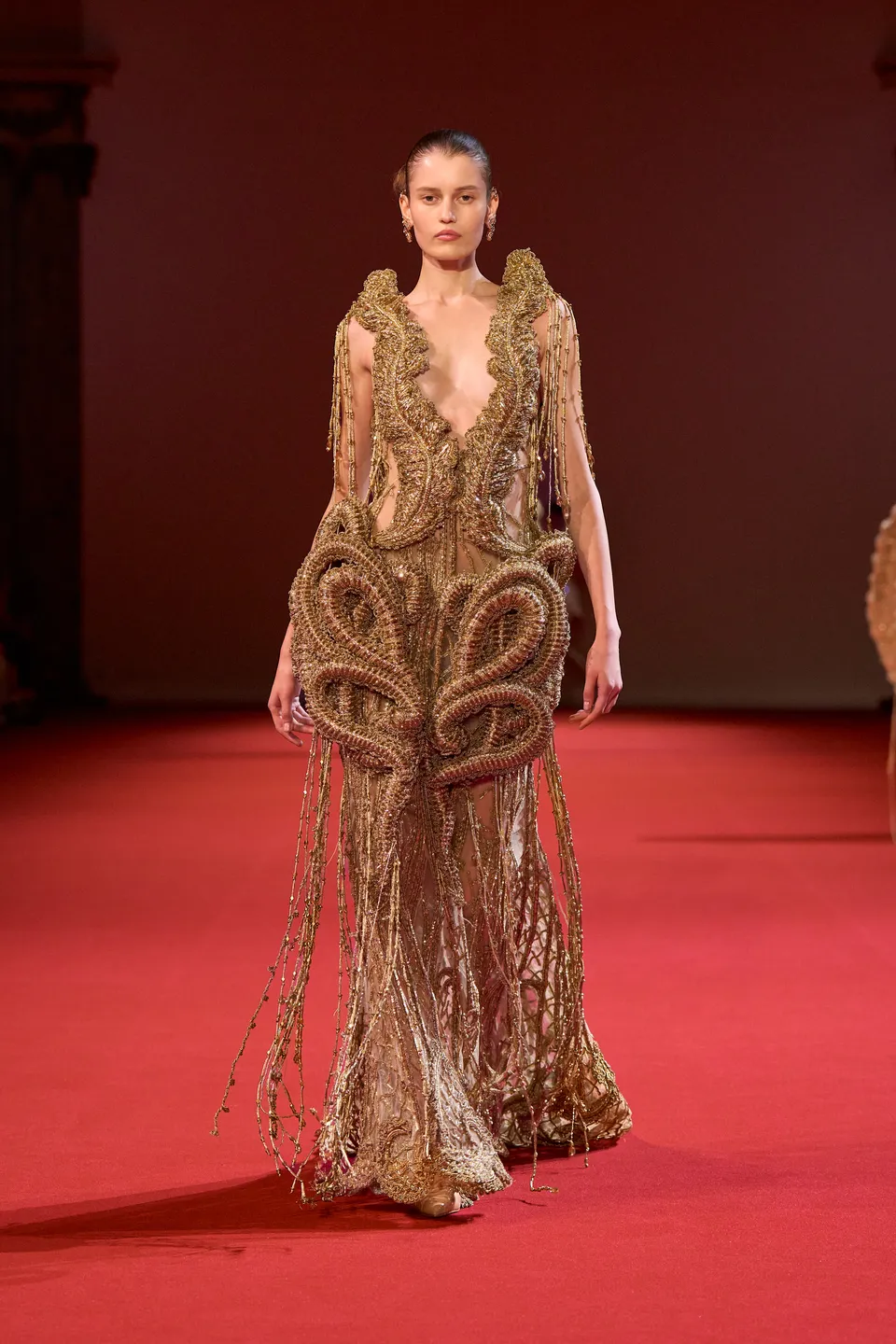
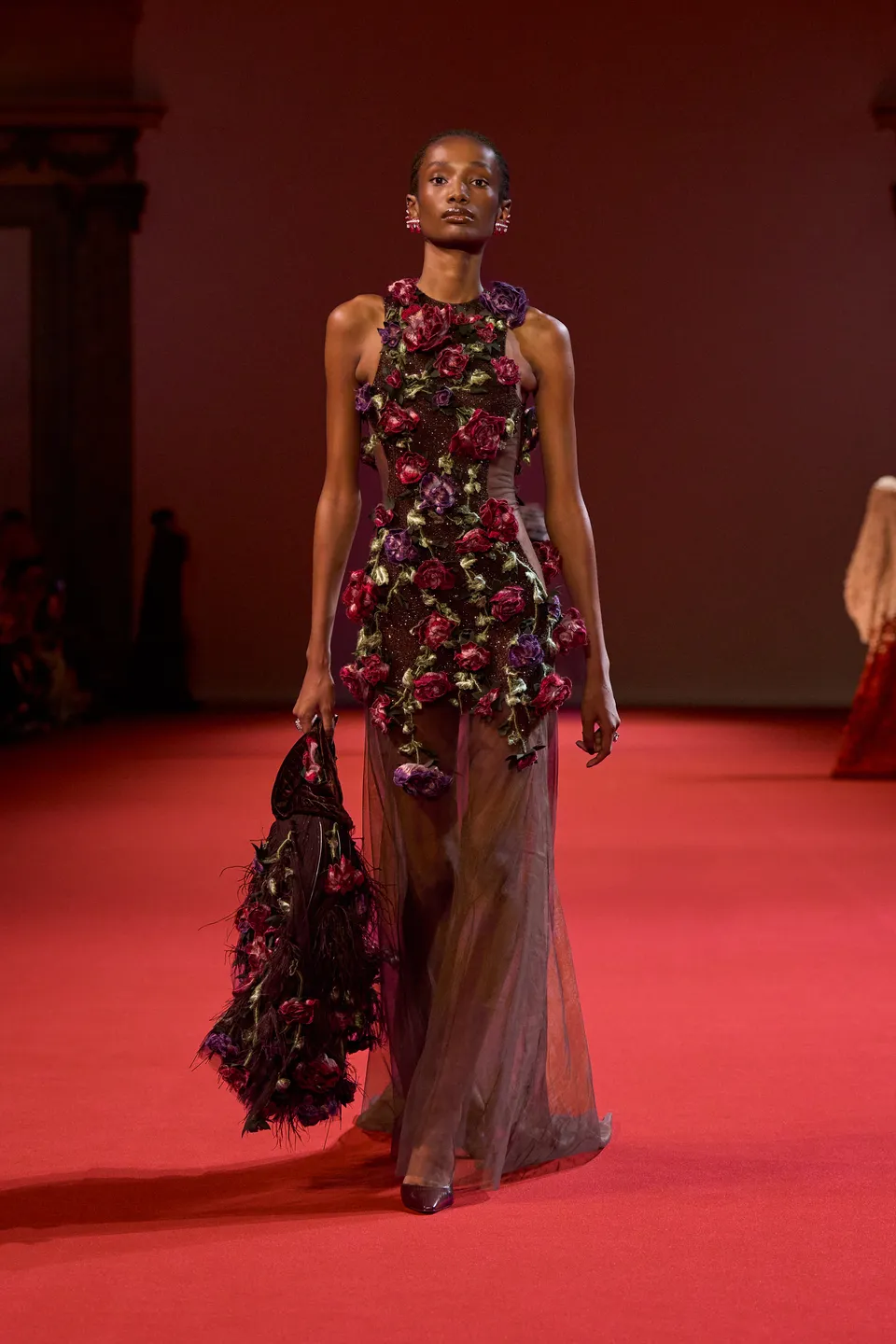
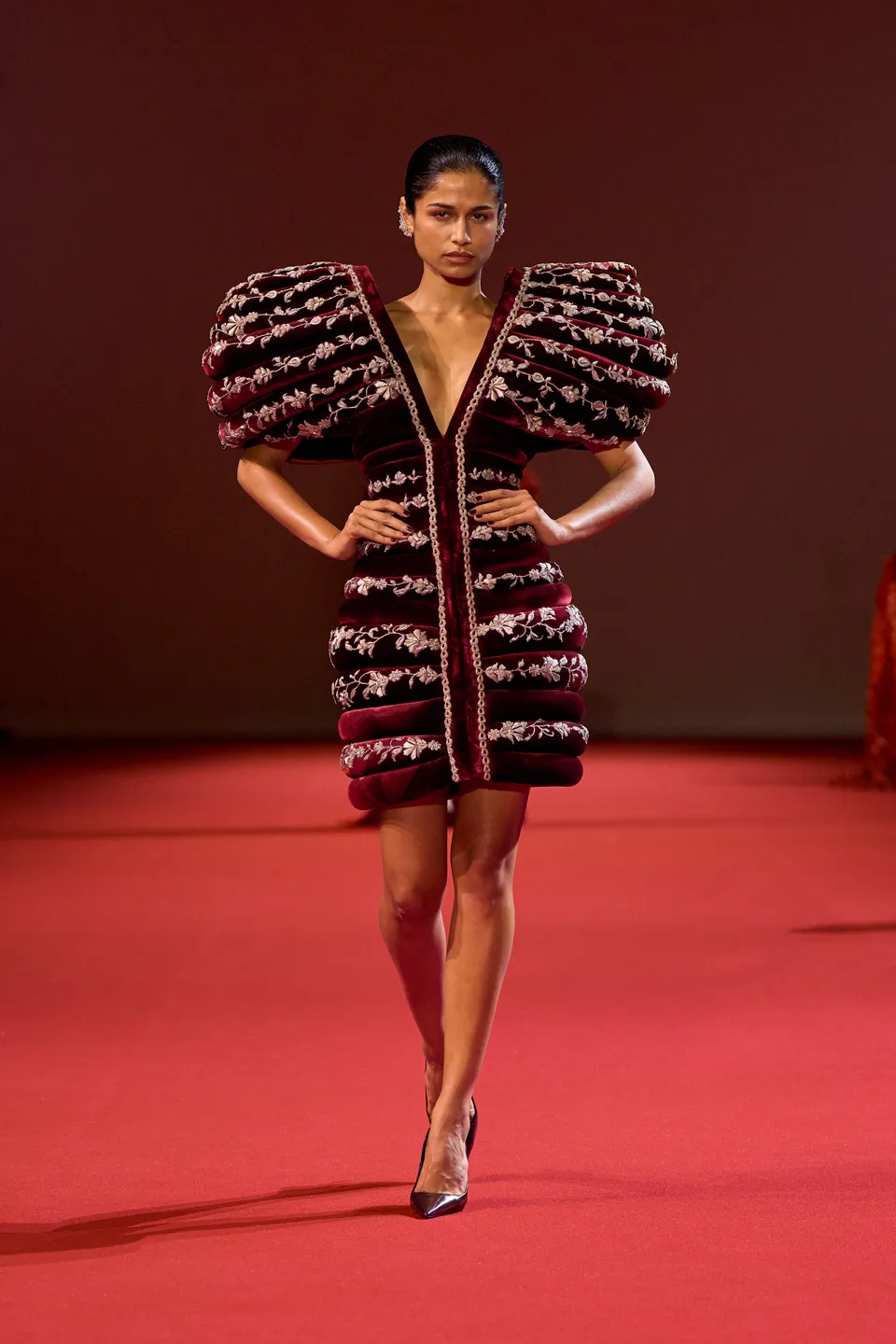
Malhotra’s extensive cinematic background gives him an absolute command over drama, character development, and sweeping visual impact. The rich world of Bollywood offers a spectacular, vibrant foundation for haute couture, providing endless inspiration for narrative storytelling. Theatrical scale must always flatter human proportion, bodily movement, and the living woman inside the garment to succeed on a Parisian runway.
European maximalism often enjoys the protective language of heritage, baroque fantasy, or celebrated theatricality, while Indian maximalism frequently faces restrictive, limiting labels like bridal, decorative, or excessive. Manish Malhotra’s debut defends this Indian abundance by demanding that construction, intricate ornament, and immense volume work together harmoniously to elevate the silhouette to the highest echelons of art.
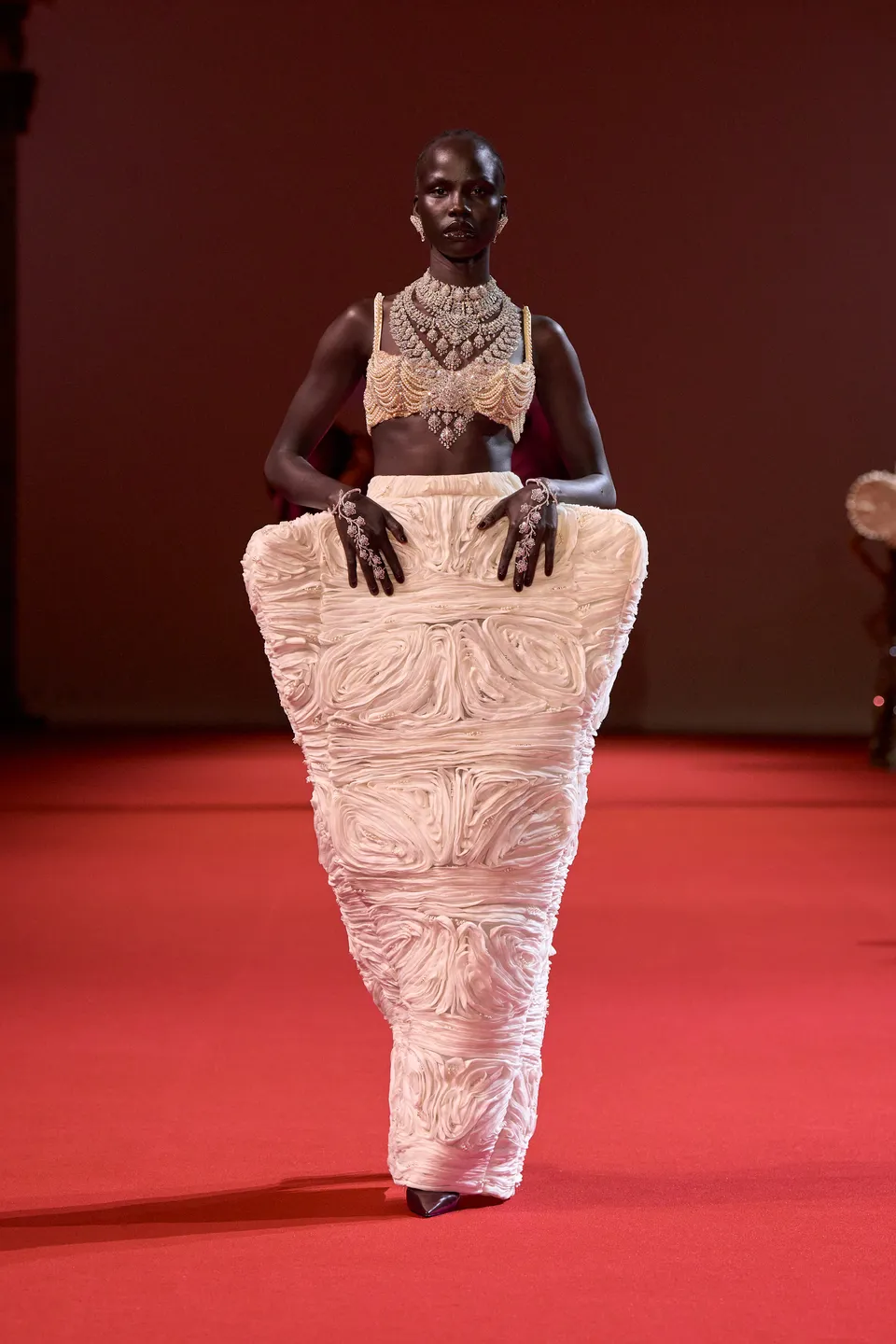
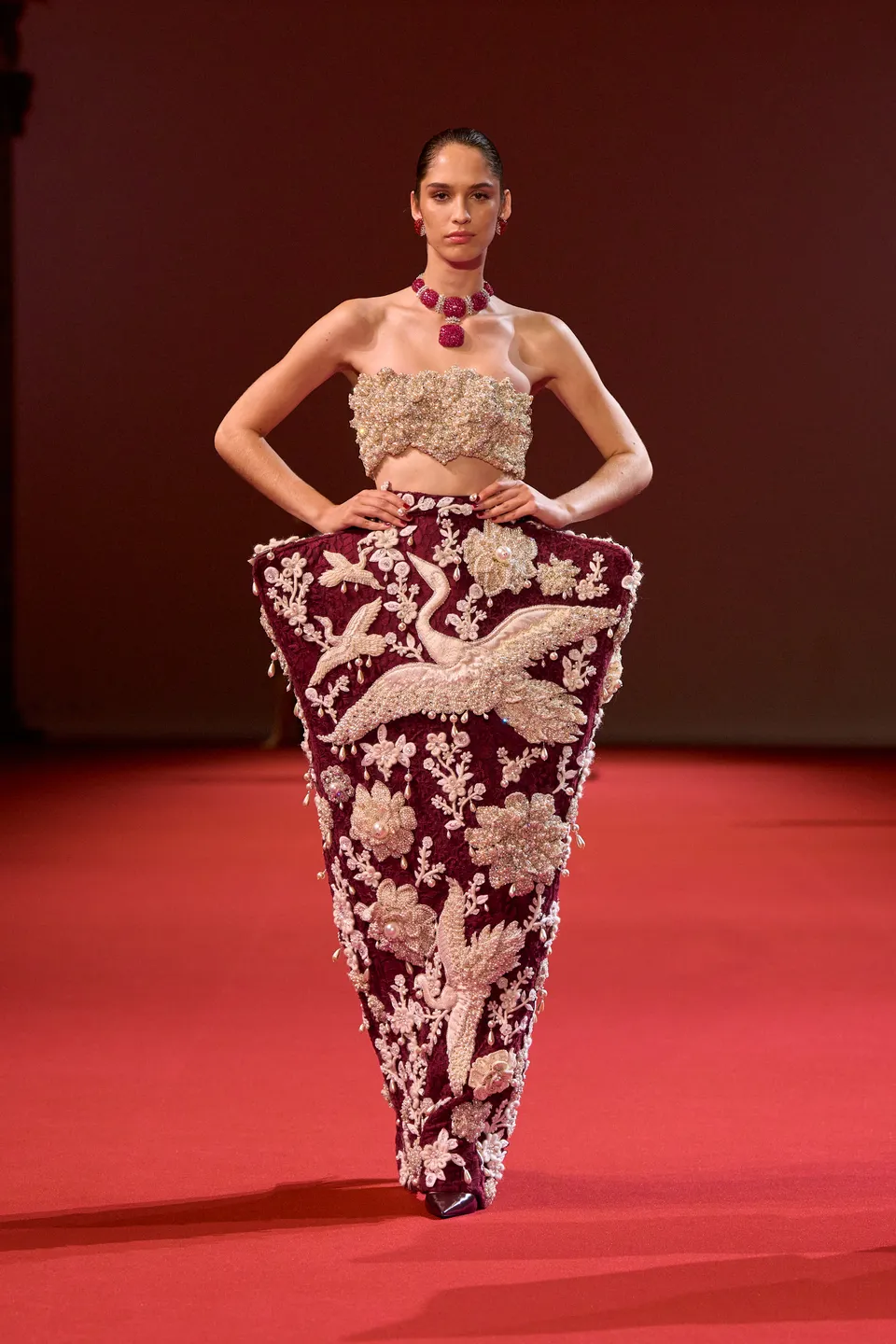
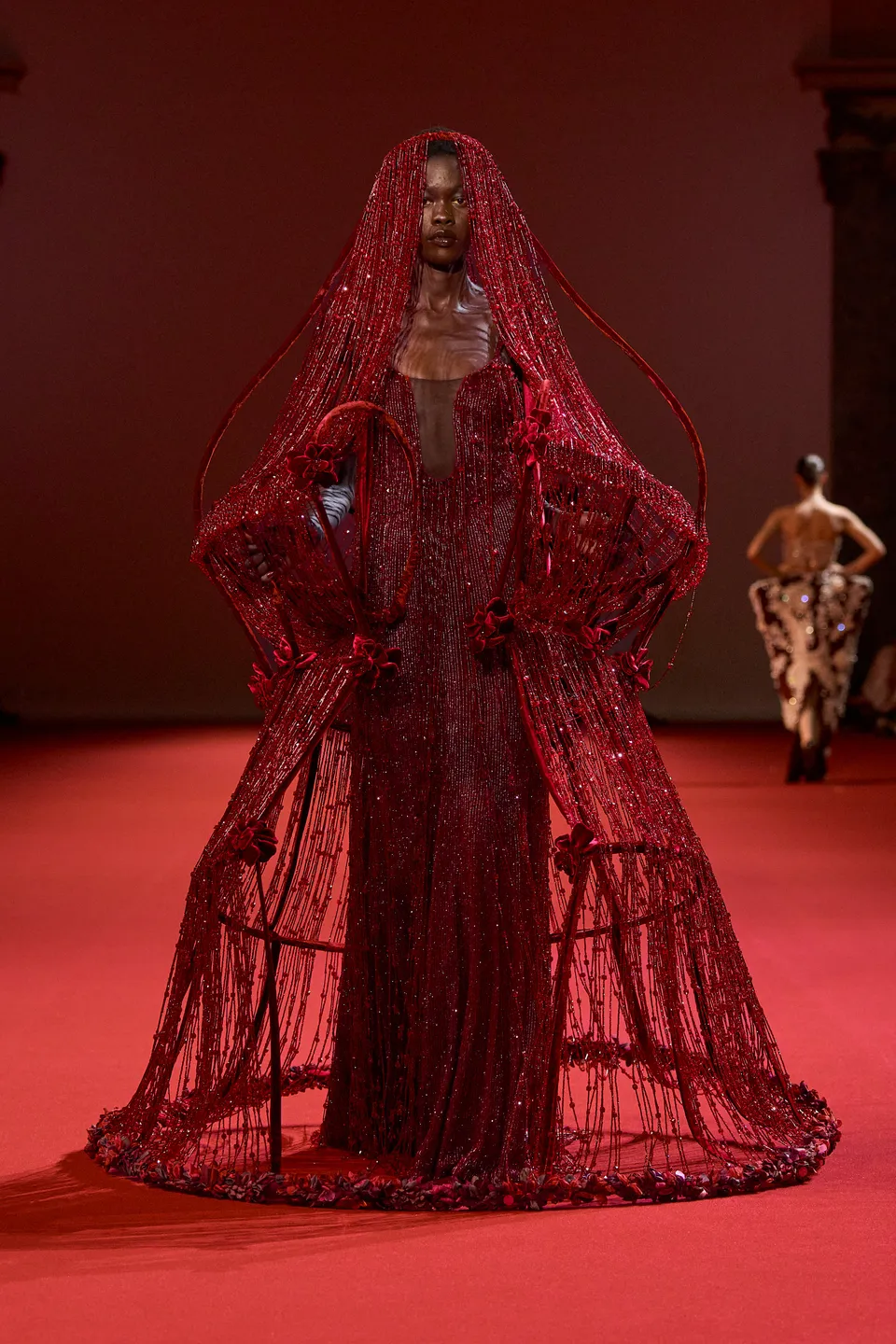
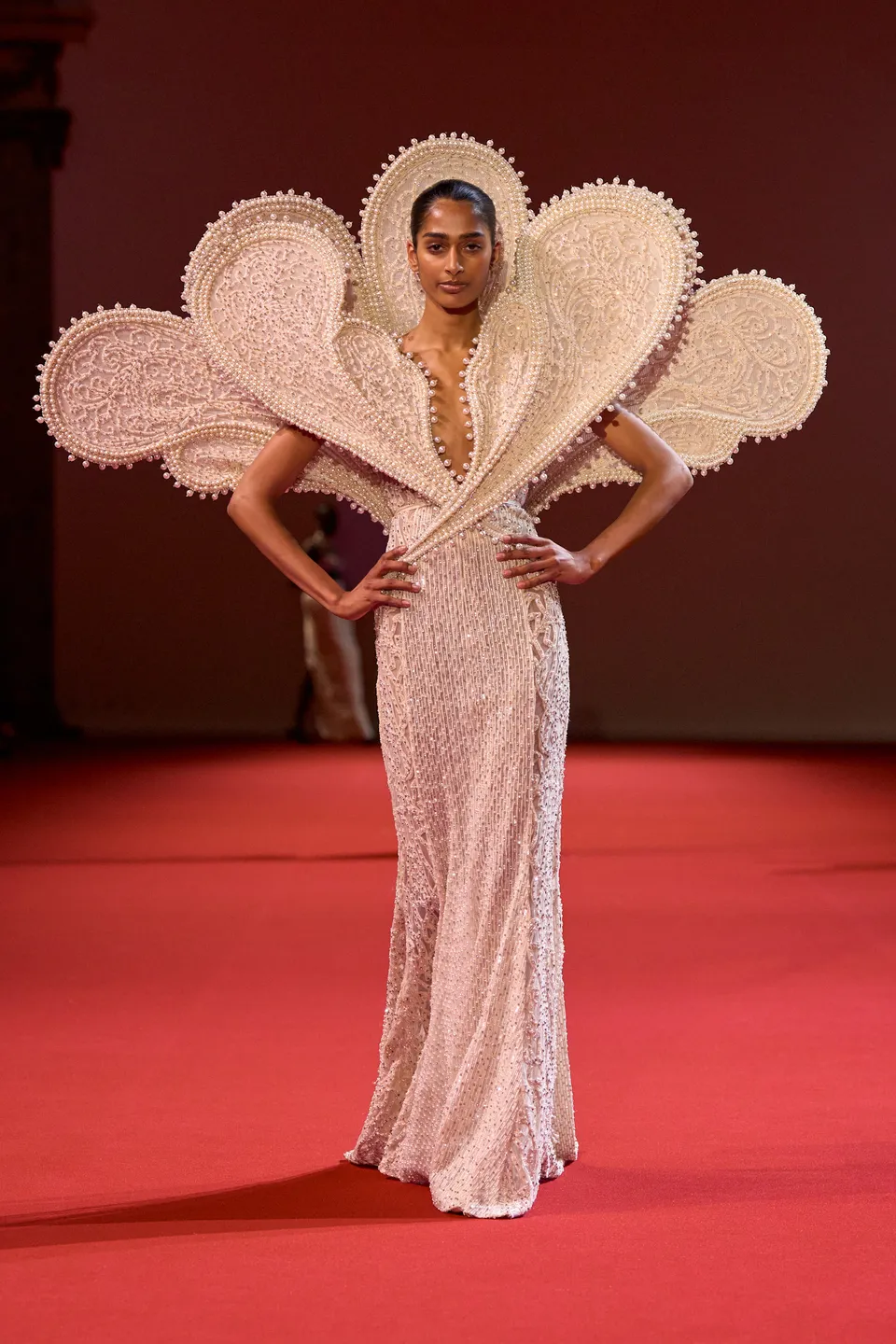
Backed by the immense resources of Reliance and influenced by the strategic vision of Isha Ambani, Malhotra enters Paris equipped with global celebrity, immense capital, and serious commercial power. Manish Malhotra’s debut represents cultural recognition and strategic luxury expansion operating simultaneously on a massive scale.
Maa remains historically meaningful, emotionally sincere, and technically rich in its execution. Its absolute best pieces successfully transform private memory into striking silhouette and breathtaking surface. Its heaviest pieces allow monumentality and heavy symbolism to overpower the underlying design. Malhotra’s future on this stage demands editing his beloved abundance until every surviving detail feels completely essential and perfectly placed.
We return quietly to the smallest, most intimate image rather than the grandest, most elaborate gown. Long before Paris, the expansive empire, and the blinding flashes of celebrities, there was a quiet woman who placed raw fabric in her young son’s hands and granted him the beautiful permission to imagine.
Beyond the historic importance of Manish Malhotra’s debut, Maa remains most beautiful when its intricate embroidery remembers that quiet, sacred permission. The poignant tragedy emerges during moments when Manish Malhotra loves her so enormously that the clothes bear the immense, heavy weight of a final farewell.
Advertisement