MENU
Close





The Y-Line gives glamour a spine, a shoulder, and a sly sense of humor, turning posture into seduction and structure into pure social sport.
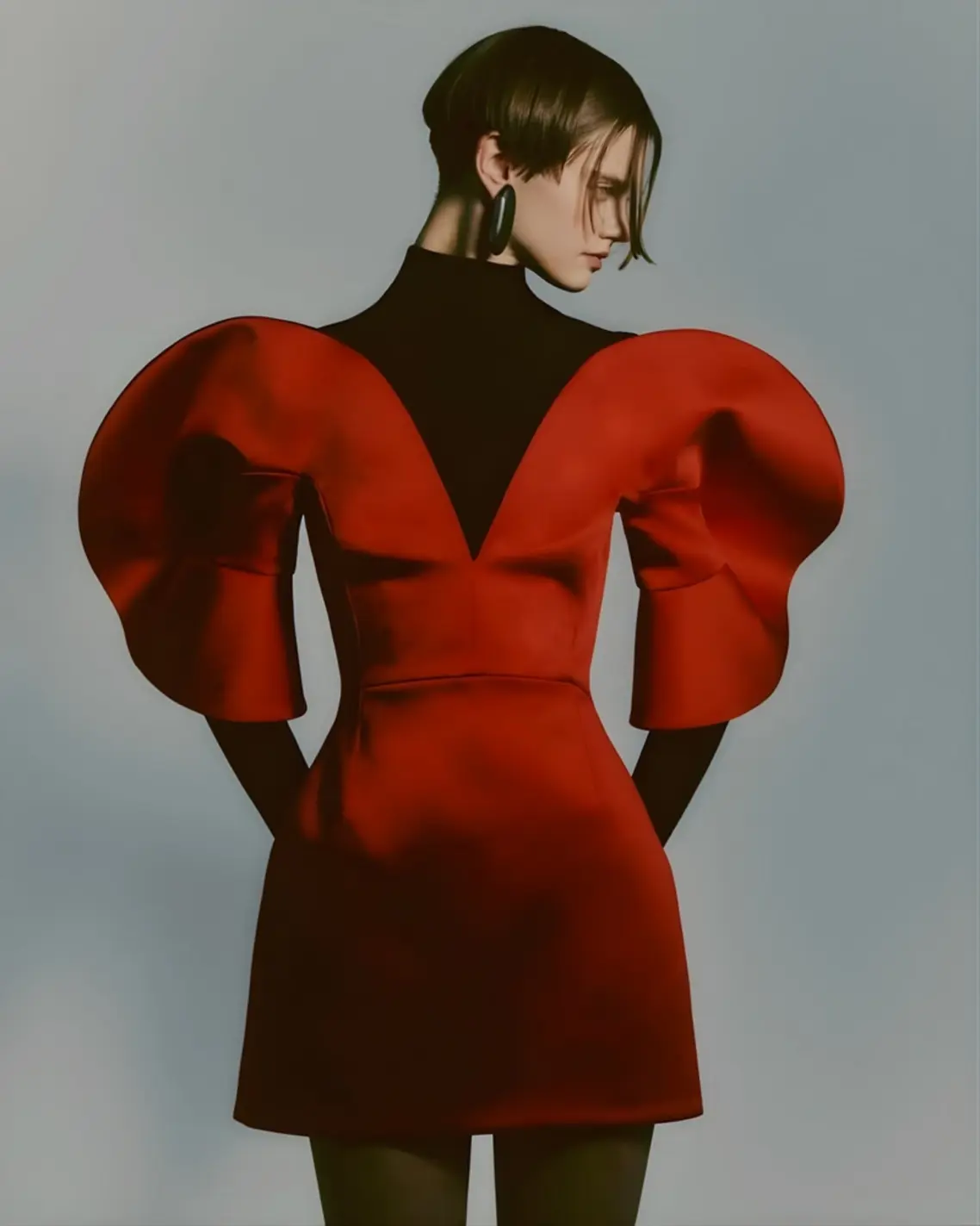
The Y-Line gives glamour a spine, a shoulder, and a sly sense of humor, turning posture into seduction and structure into pure social sport.
April 14, 2026
Advertisement
Advertisement
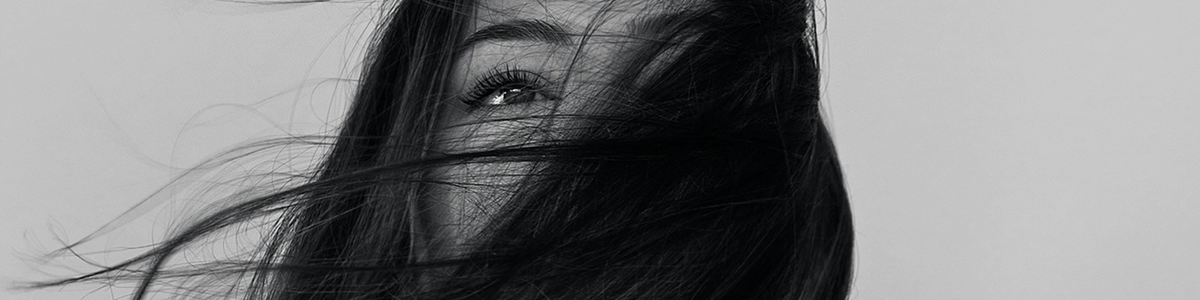


The Y-Line silhouette commands space with a choreographed elegance, its structural integrity radiating an air of deliberate, high-gloss intent. Within the vast lexicon of sartorial arrangements, this specific geometry prioritizes a vertical surge, drawing the gaze toward a triumphant crescendo at the upper torso. Vision migrates upward, anchoring upon the shoulders, tracing the architectural sweep of the collarbone, and presenting the visage as a curated masterpiece within a textile frame. From this apex, the form tapers through a rigorous, sculpted midsection before melting into a tranquil, streamlined lower half.
Beyond its technical rigor, the Y-Line possesses a razor-sharp social wit, navigating the nuances of public perception with the cold precision of an aristocrat. It recognizes the shoulder as a site of profound allure, treats the collar as a formal proclamation, and utilizes the sleeve to transform the individual into an autonomous gallery. This silhouette steers fashion toward a deliberate, tempered strength, abandoning aimless fluidity for a structure that vibrates with inner light. It offers a version of glamour reinforced by a metallic spine, presenting a vision of poise that pulses with an unmistakable, sharp-edged vitality.
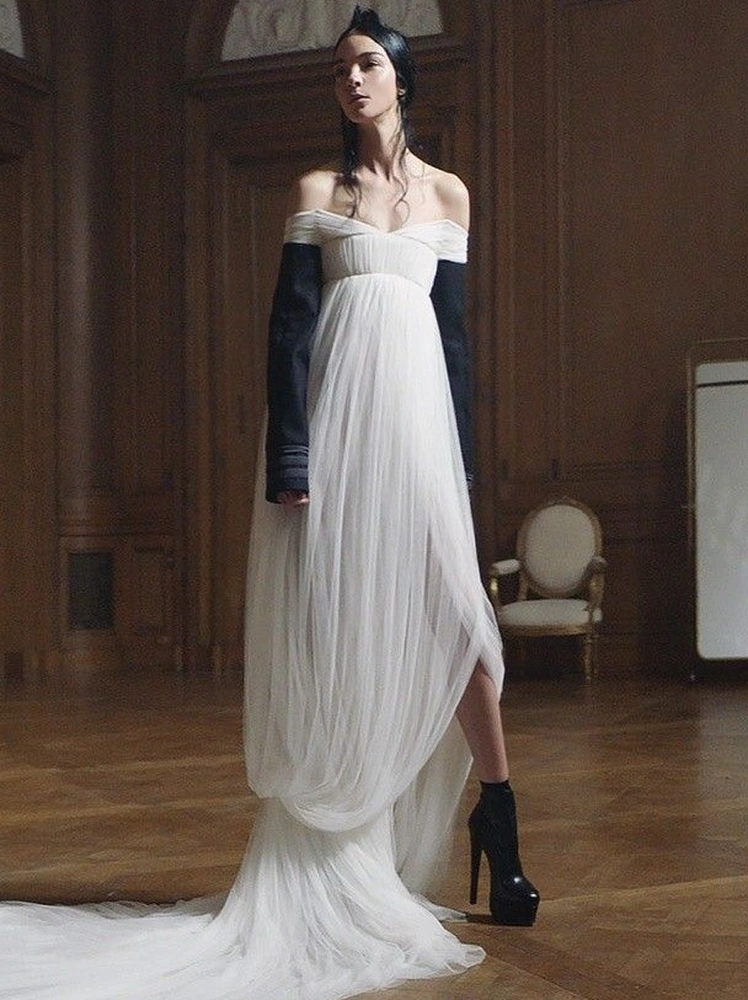
The Y-Line silhouette exists as a triumphant upward surge, a structural manifesto prioritizing the architecture of the superior torso. Within this geometry, the shoulders, throat, and bust emerge as focal points of a deliberate, heightened drama. Elements such as the abbreviated bolero, the sculptural stole, and the expansive neckline conspire to elevate the viewer’s gaze, anchoring the visual narrative at the apex of the frame. The waist acts as a singular point of convergence, a definitive pivot where the initial exuberance of the upper body refines itself into a singular, sharp coherence. Below this junction, the skirt executes a disciplined retreat, descending in a streamlined column or a narrow sheath that grants the upper-body arrangement its rightful, unchallenged dominance. Dior’s inaugural 1955 iterations exemplified this logic, utilizing collars that haloed the face and inverted pleats that maintained a lean profile, ensuring the lower half remained a quiet, supporting pillar to the theatre occurring above.
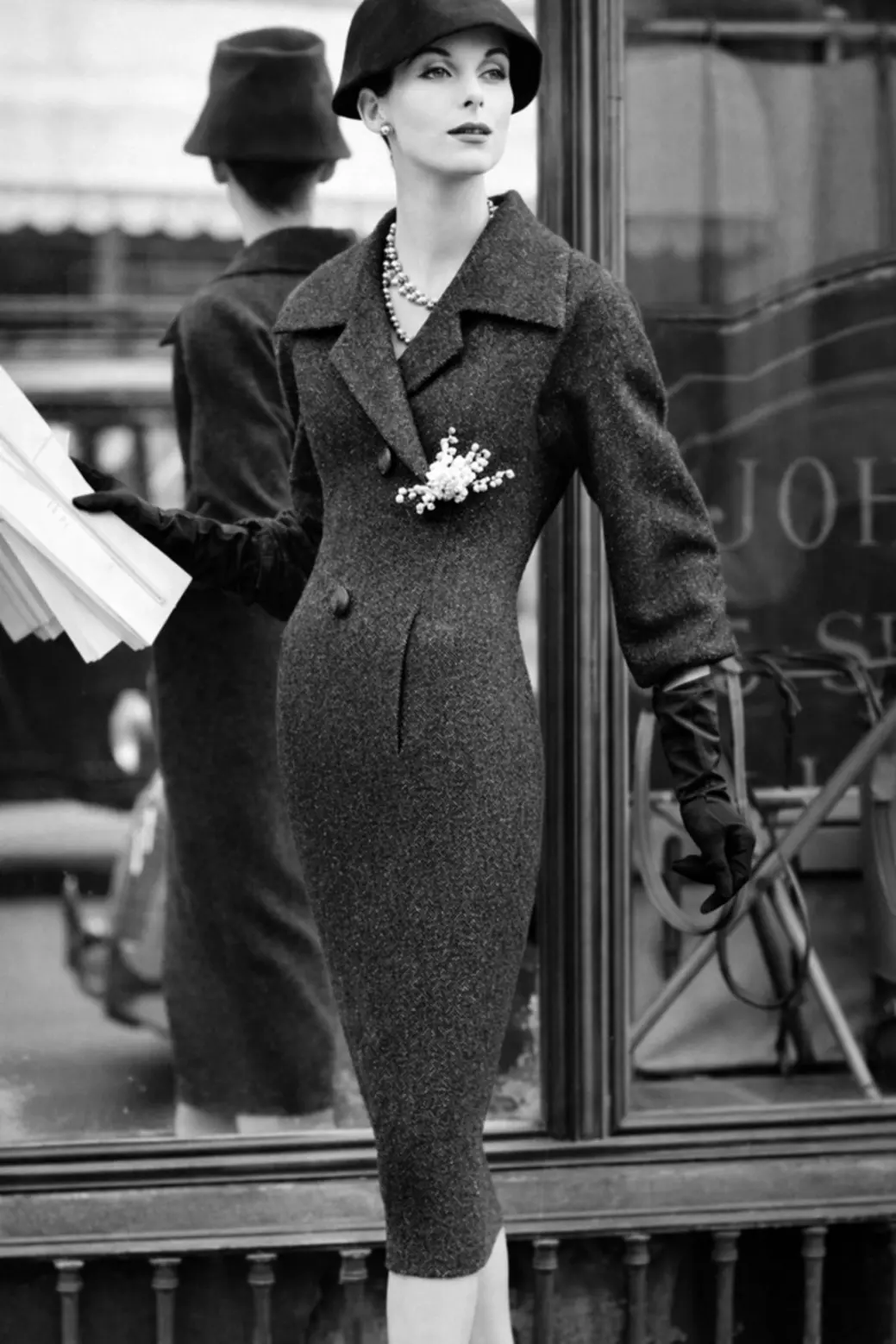
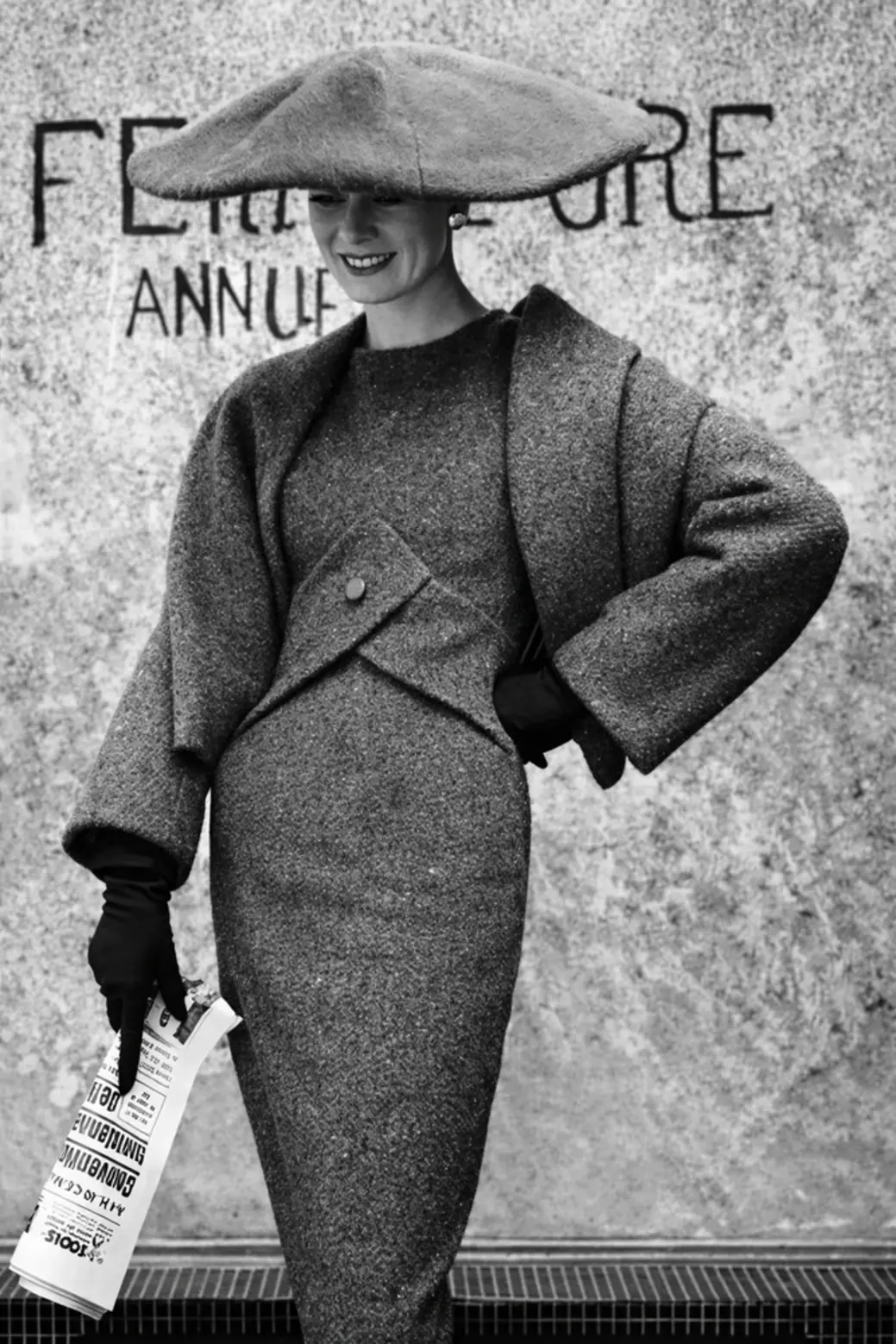
This sartorial blueprint demands absolute proportional mastery, where every millimeter of textile must justify its placement. Expansion at the shoulder occurs through calculated volume, padding, dense draping, or the precise edge of a jacket cropped to sit at the highest point of the ribcage. The neckline operates as a tool of spatial illusion, widening the horizontal axis through depth and curve to maximize the "Y" effect. The waist then captures this kinetic energy, distilling it into a razor-thin intersection of form and function. From this meridian, the lower garment behaves with monastic restraint; whether expressed as a pencil skirt or a gentle column, it serves as a pedestal for the ascending line. The eye remains loyal to the superior hemisphere, seduced by a silhouette that values the authority of the shoulder as the ultimate site of elegance.
Beneath the surface of the Y-Line lies a hidden lexicon of couture intelligence, a world of invisible engineering that sustains the external grace. Dior’s mastery manifests in fabric tucked and pleated into a trompe l’oeil knot at the collar, lending a sharp, masculine inflection to the portraiture of the face. The internal mechanics of the suit, hidden inverted pleats, a silk peplum nestled within the bodice to maintain a glass-smooth midsection, and vertical darts spaced with mathematical precision, ensure the garment clings and releases with total control.
The Y-Line debuted for the Fall/Winter 1955 season as a crystalline exercise in graphic audacity, a collection anchored to a singular geometric truth with the absolute conviction of a visual manifesto. Dior approached the silhouette as a comprehensive ecosystem, introducing the Y-Line with a startling clarity that redirected the sartorial focus to the intersection of portraiture and social presence: the superior torso. This emergence was timed with a surgical precision. Postwar couture had already transcended the initial, voluptuous ceremonies of the New Look, transitioning into a era of agile, linear exploration. Following the A-Line’s smooth, hip-centric descent, the Y-Line pivoted the visual center of gravity, hoisting the viewer’s gaze toward the shoulders and throat. In this rhythmic progression, fashion functioned as a sequence of spatial propositions, where one season’s widening base gave way to the next season’s architectural peak.
The daywear of this era radiates an educated severity, a high-frequency elegance that remains electric decades later. Within the Virevolte suit, Dior translated the rigid codes of masculine tailoring into a feminine vernacular, utilizing an austere palette and a clever, twisted collar detail to infuse the garment with a sly, kinetic energy. The name itself, suggesting a sudden twirl or dance, bestows the suit with a hidden levity. This duality defines the Y-Line ethos: a rigorous discipline in the blade of the cut paired with a romantic flourish in the execution. It is a silhouette of profound intellectual restraint, where a subtle flirtation glimmers at the very periphery of total sartorial control.
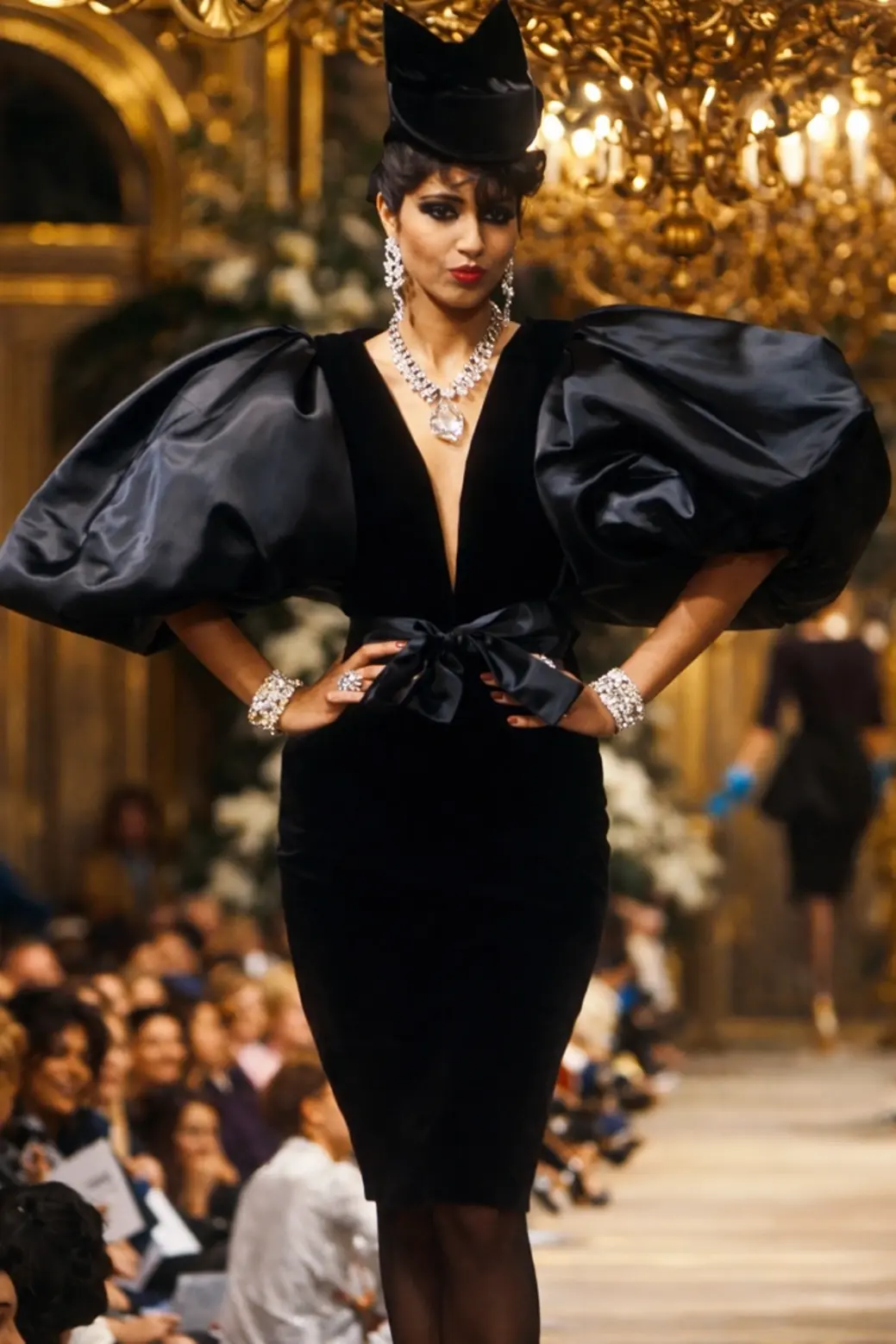
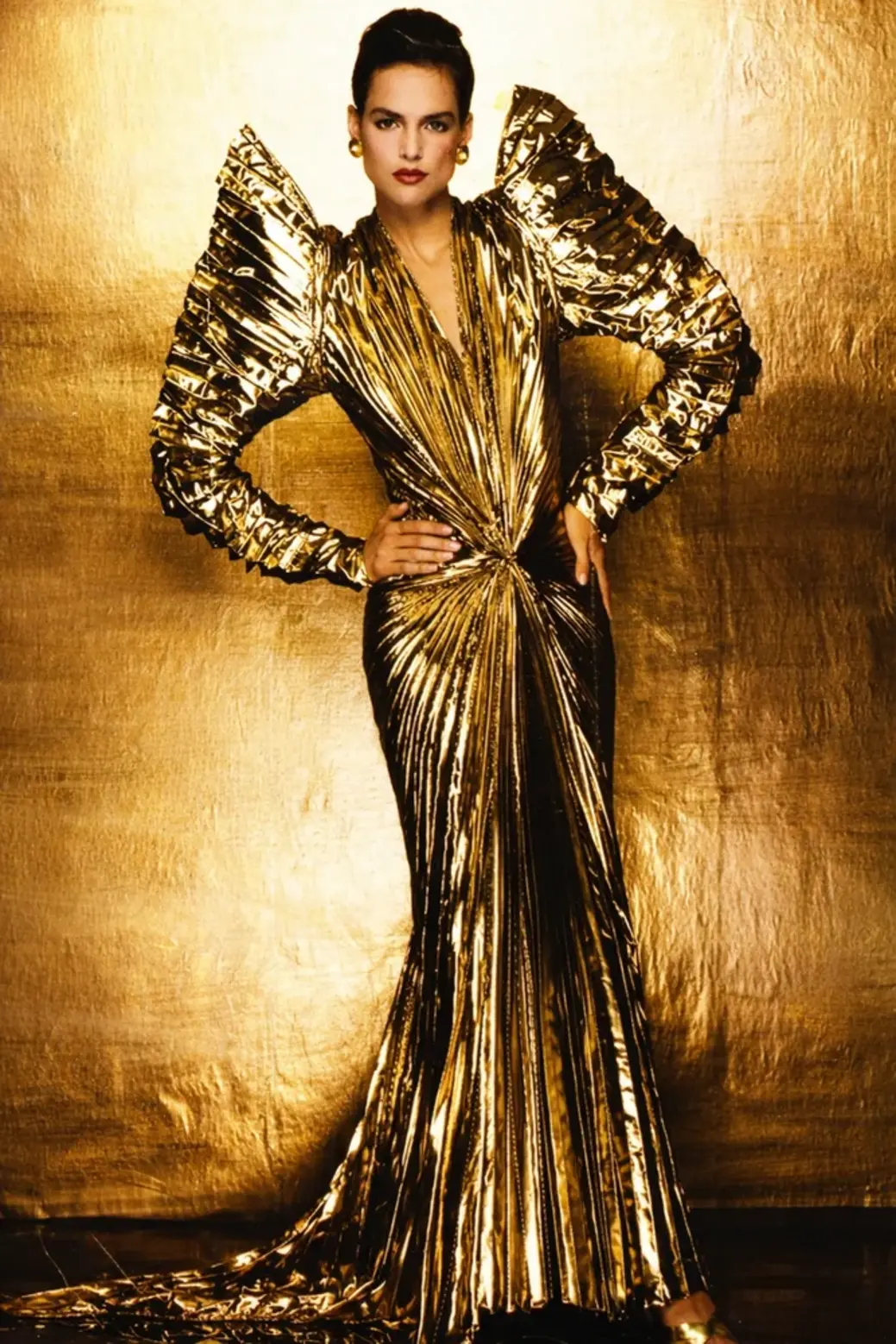
The Y-Line thus established a permanent legacy, evolving far beyond its 1955 origins to influence the structural vocabulary of the late twentieth century. By the 1980s, this concept attained a new, metallic voltage; designers like Thierry Mugler and Yves Saint Laurent weaponized the silhouette, deploying exaggerated padding and double-breasted armature to grant the wearer a thrilling, armored aura. The original couture line had successfully migrated from the salon to the boardroom, trading its quiet grace for a sharp, urban pulse.
The Y-Line silhouette radiates absolute command, bestowing upon the wearer an immediate aura of sculptural intent. It organizes the human form for the profound theater of public life, treating every dinner, every staircase, and every shutter-click as a high-stakes ceremony of presence. This authority derives from a deliberate verticality, a curated ascent that dictates exactly where the observer’s gaze must anchor. By hoisting visual interest toward the face and transforming the shoulders into sites of heraldic importance, the line elevates the body into a realm of curated significance. It is a geometry of the superior torso, where the physical frame becomes a pedestal for the intellect and the identity.
This upward surge remains the silhouette’s most intoxicating seduction. While other sartorial languages rely upon the kinetic sway of a hem or the horizontal sweep of a train, the Y-Line speaks through the power of the stance. It concentrates the dramatic weight at the apex, allowing the wearer to feel framed from within, as if the garment itself were a proscenium arch. The face occupies its own stage; the throat becomes a focal pillar of attention; the power shoulders assume a social rank of their own. The waist then arrives as a sharp, elegant punctuation mark, completing a visual sentence written in the most sophisticated of scripts.
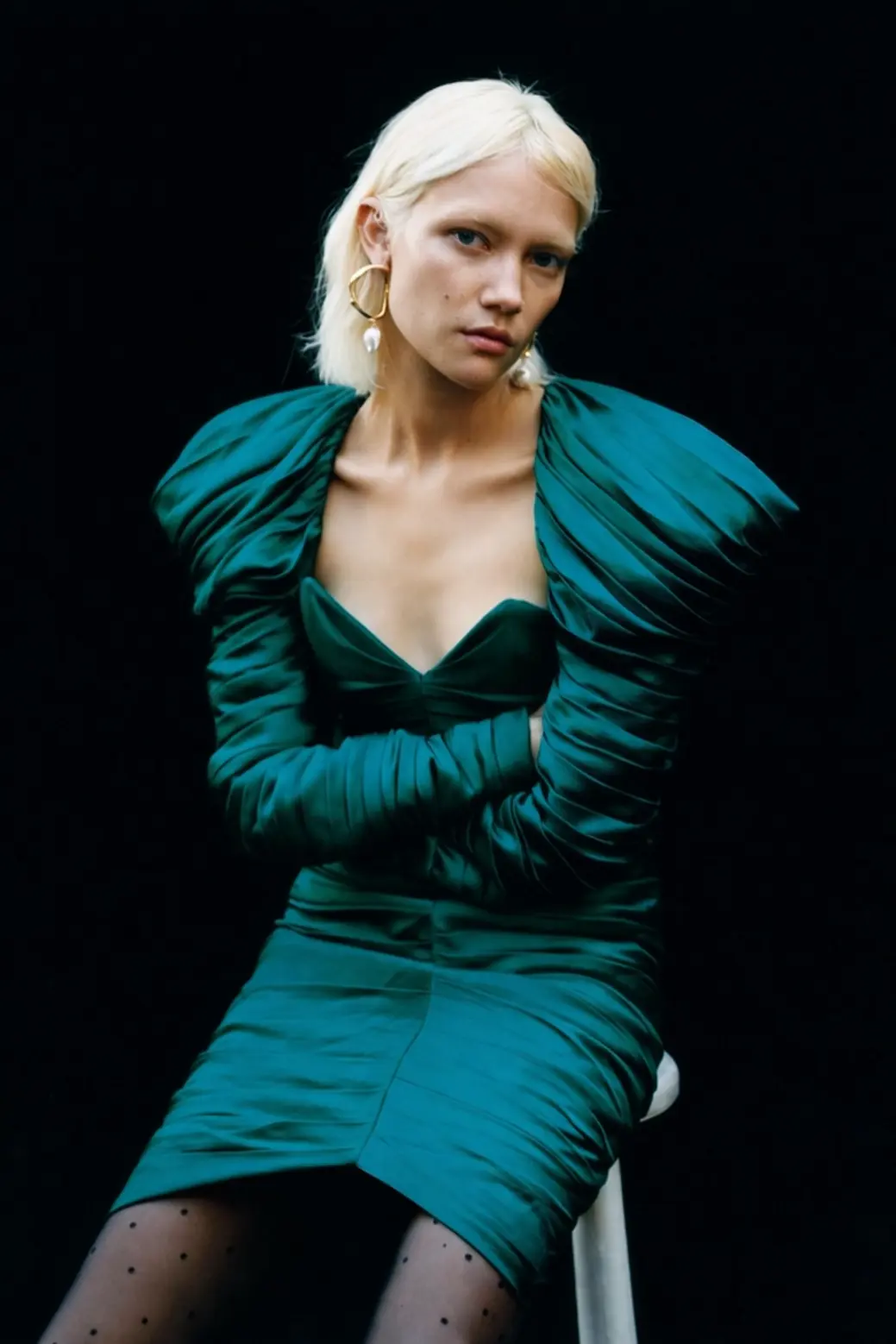
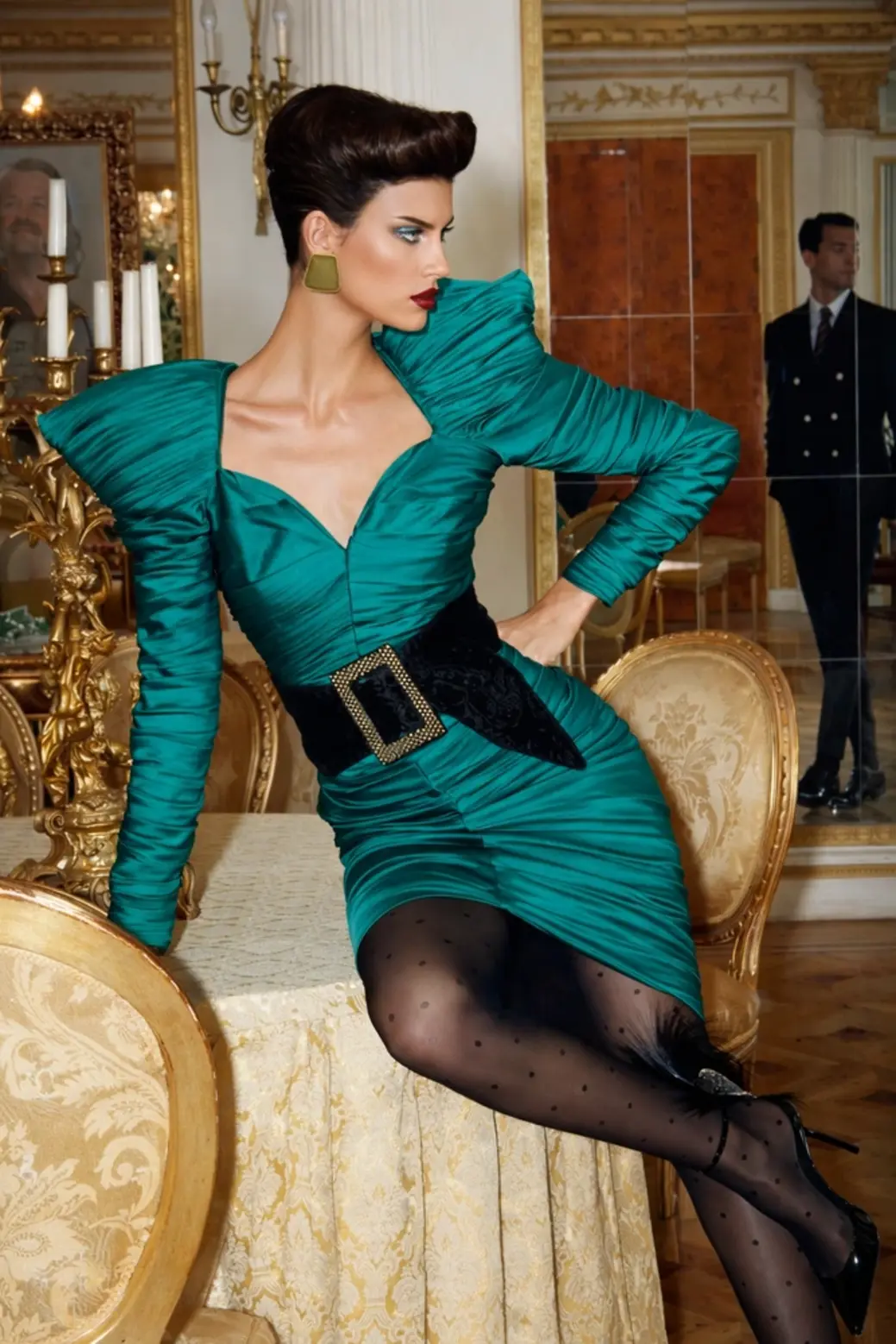
A profound kinship exists between this architecture and the timeless wisdom of portraiture. Master painters have long exploited the psychological climate of the upper body, the angle of a shoulder shifting the emotional weather of a canvas, a collar articulating rank, a neckline signaling either icy reserve or a sharp, commanding invitation. The Y-Line absorbs this pictorial strategy, translating the static power of the gallery into the fluid medium of dressmaking. It provides the individual with a structural border, a gilded frame that celebrates the very essence of their persona.
Within this line, ceremony finds its natural home. The silhouette suggests a state of constant readiness, an affinity for formal spaces and the polished codes of high-society ritual. It accommodates the monastic restraint of an aristocrat, the surgical exactitude of an editor, or the tactical wit of a socialite with equal ease, precisely because it belongs to the ancient rite of appearance. The structure issues a silent decree: the shoulders are poised, the midsection is anchored, and the room may now proceed with its business.
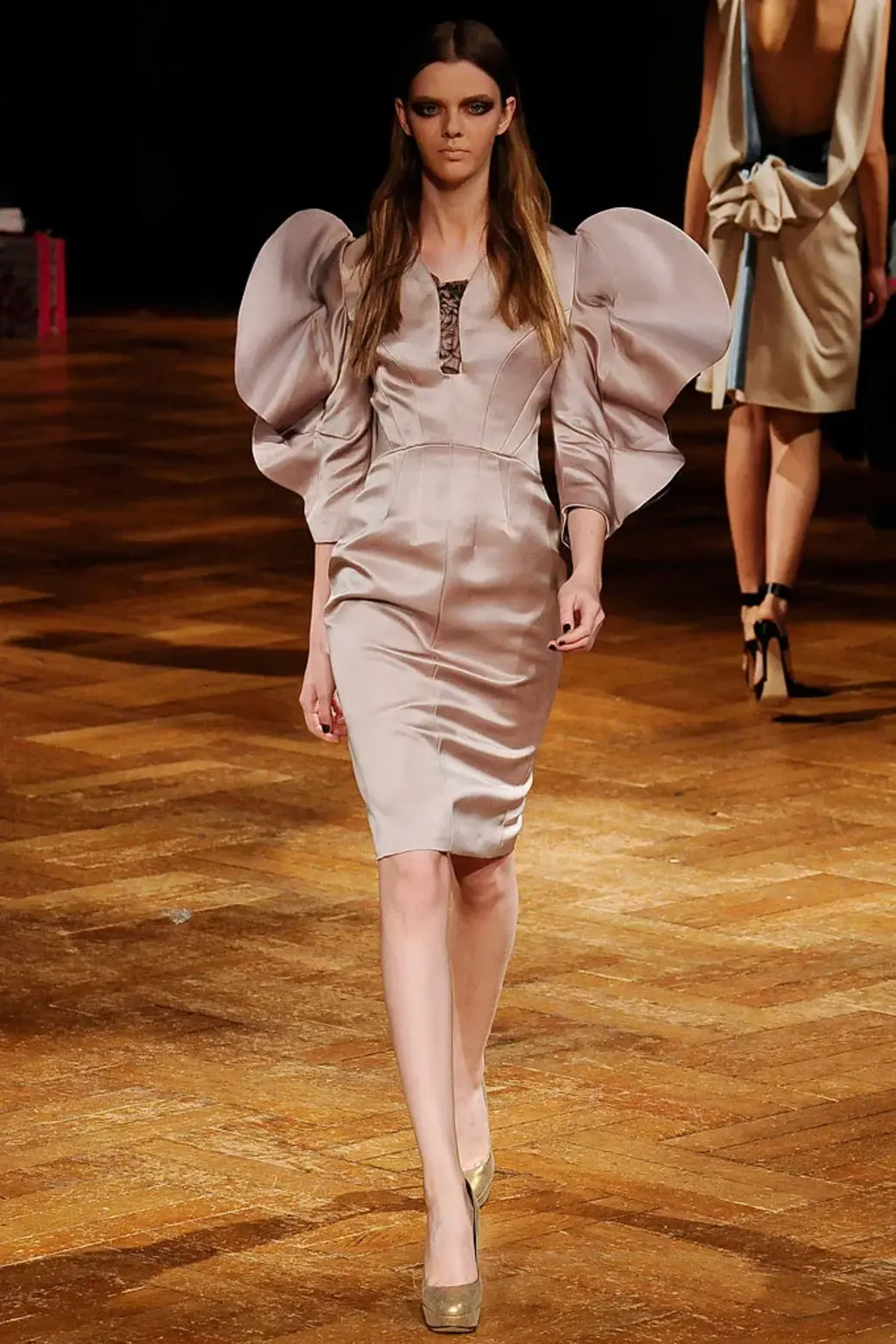
On the runway, the Y-line keeps returning through houses that understand the authority of the upper frame.
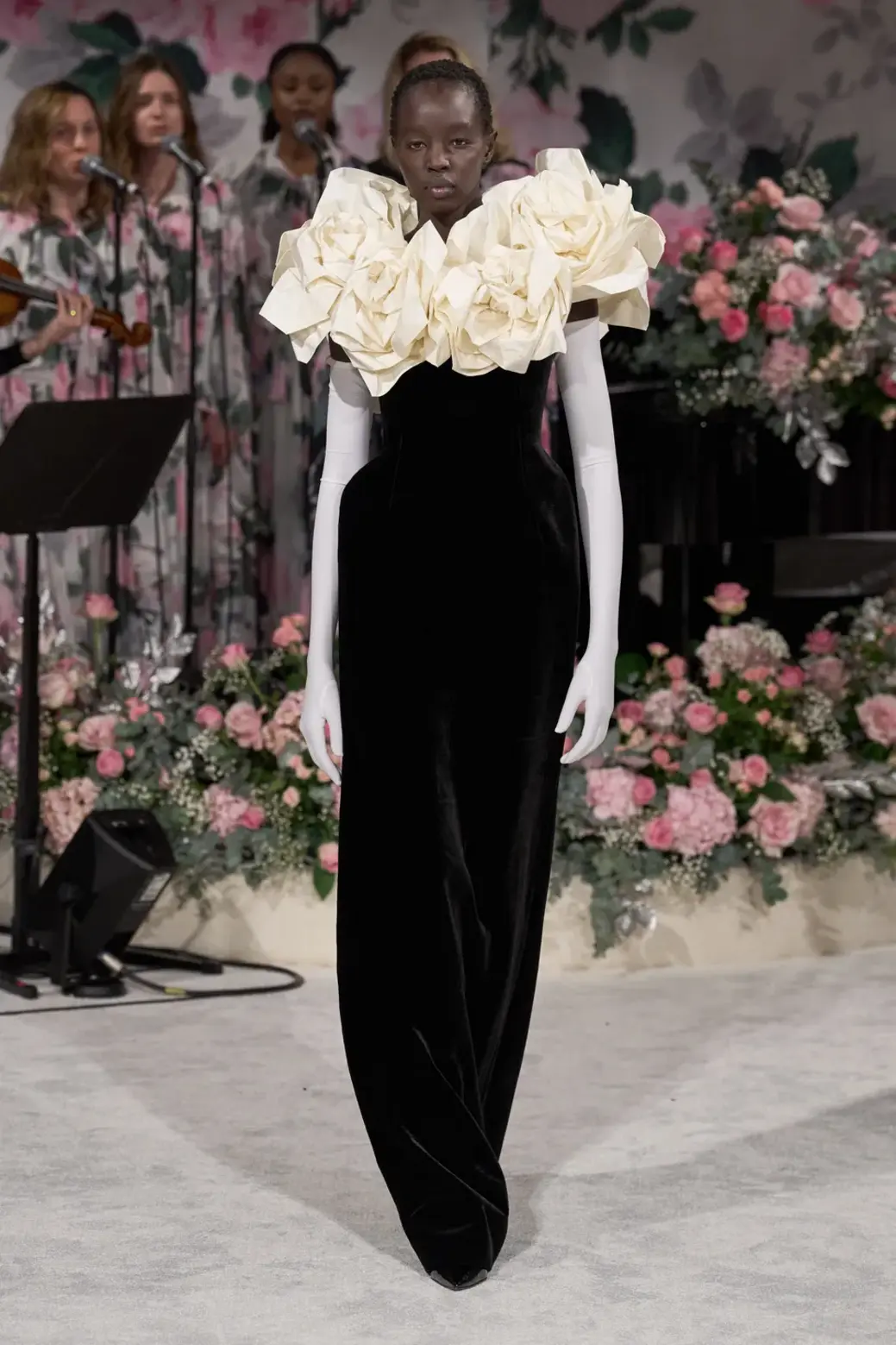
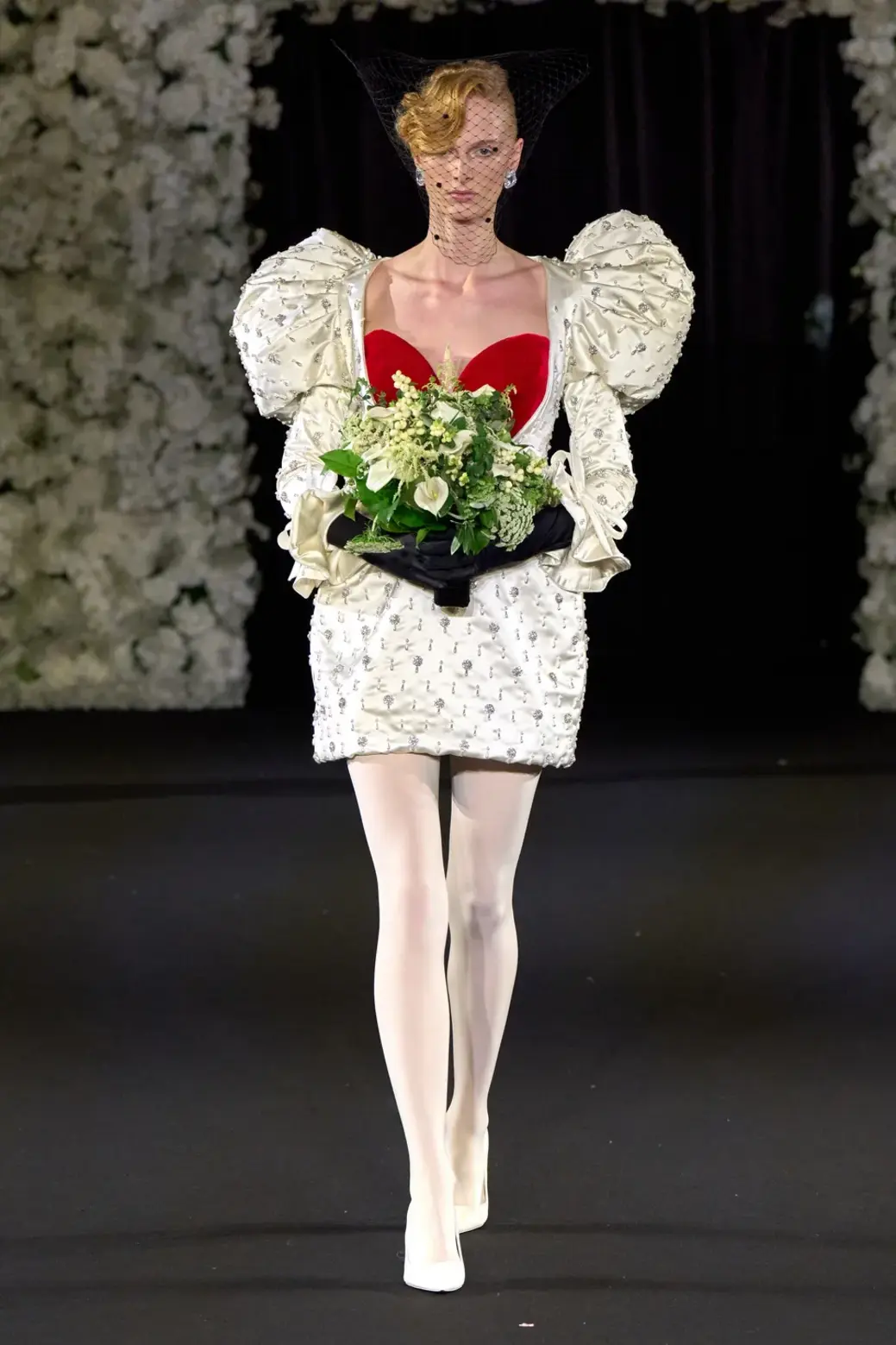
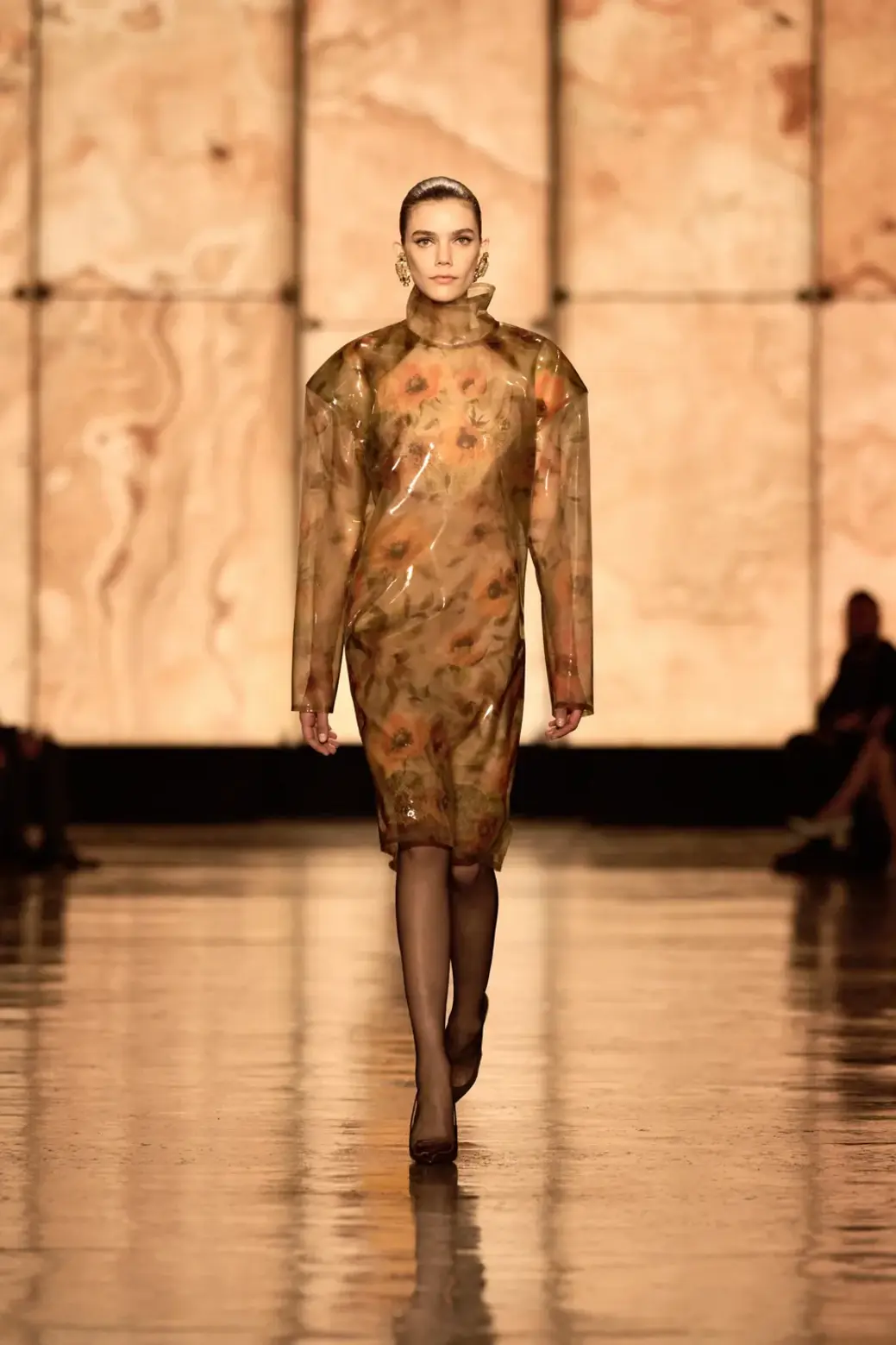
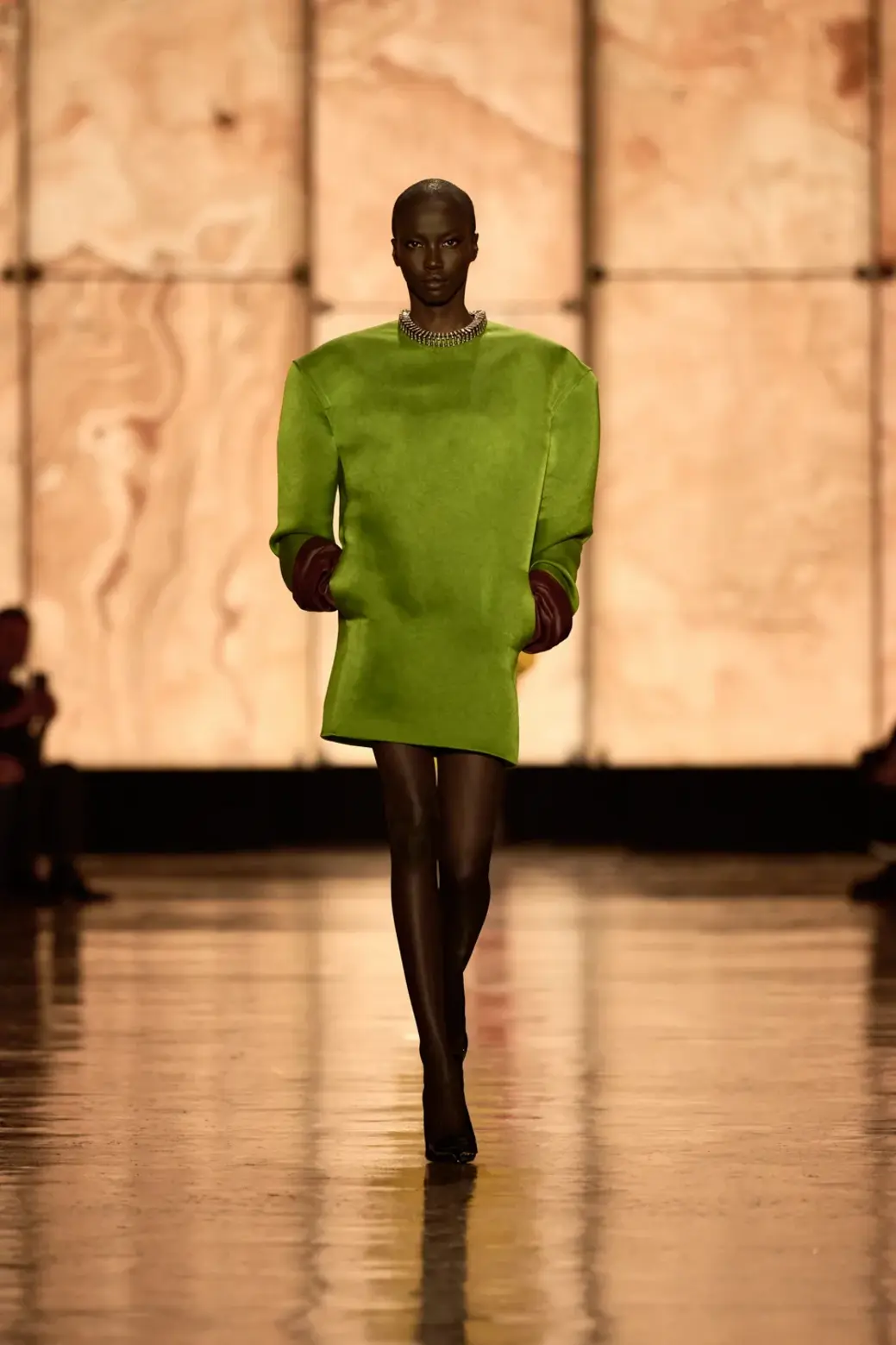
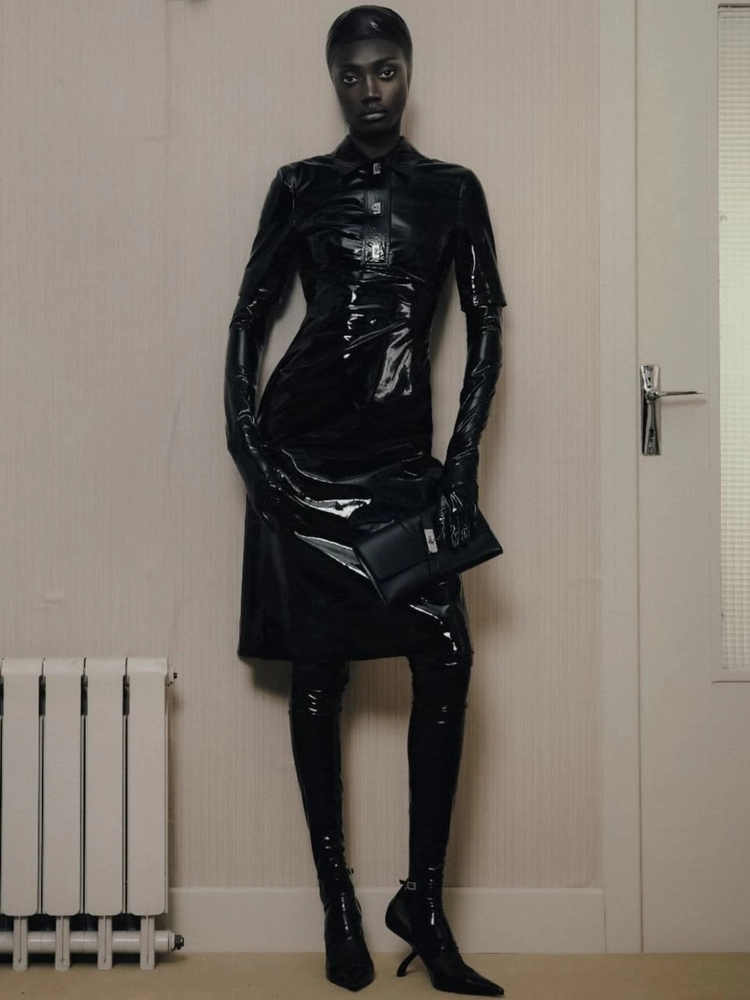
At Saint Laurent, it appears with razor-sharp shoulders and disciplined skirts, creating a silhouette that feels sleek, commanding, and almost editorial in its precision.
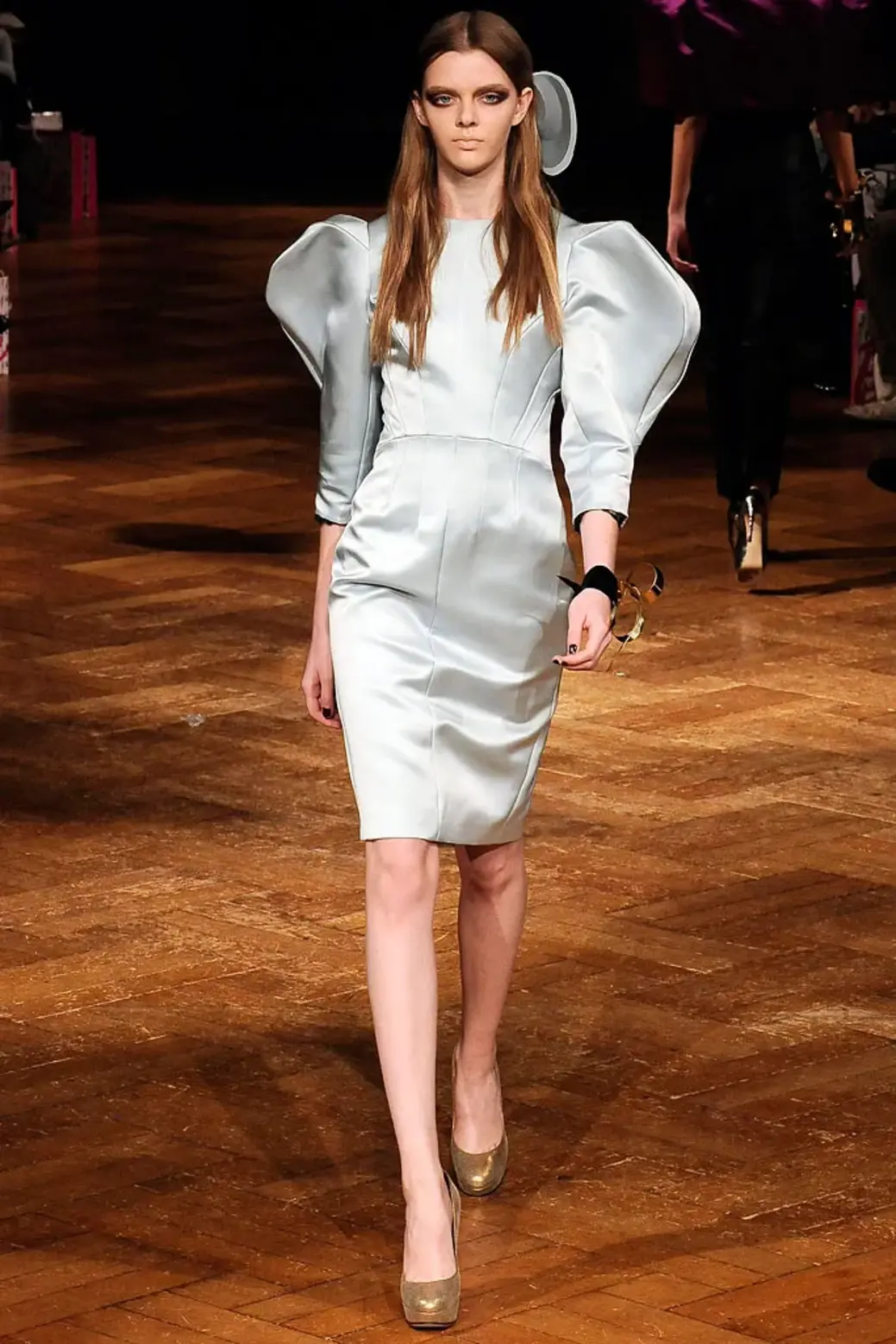
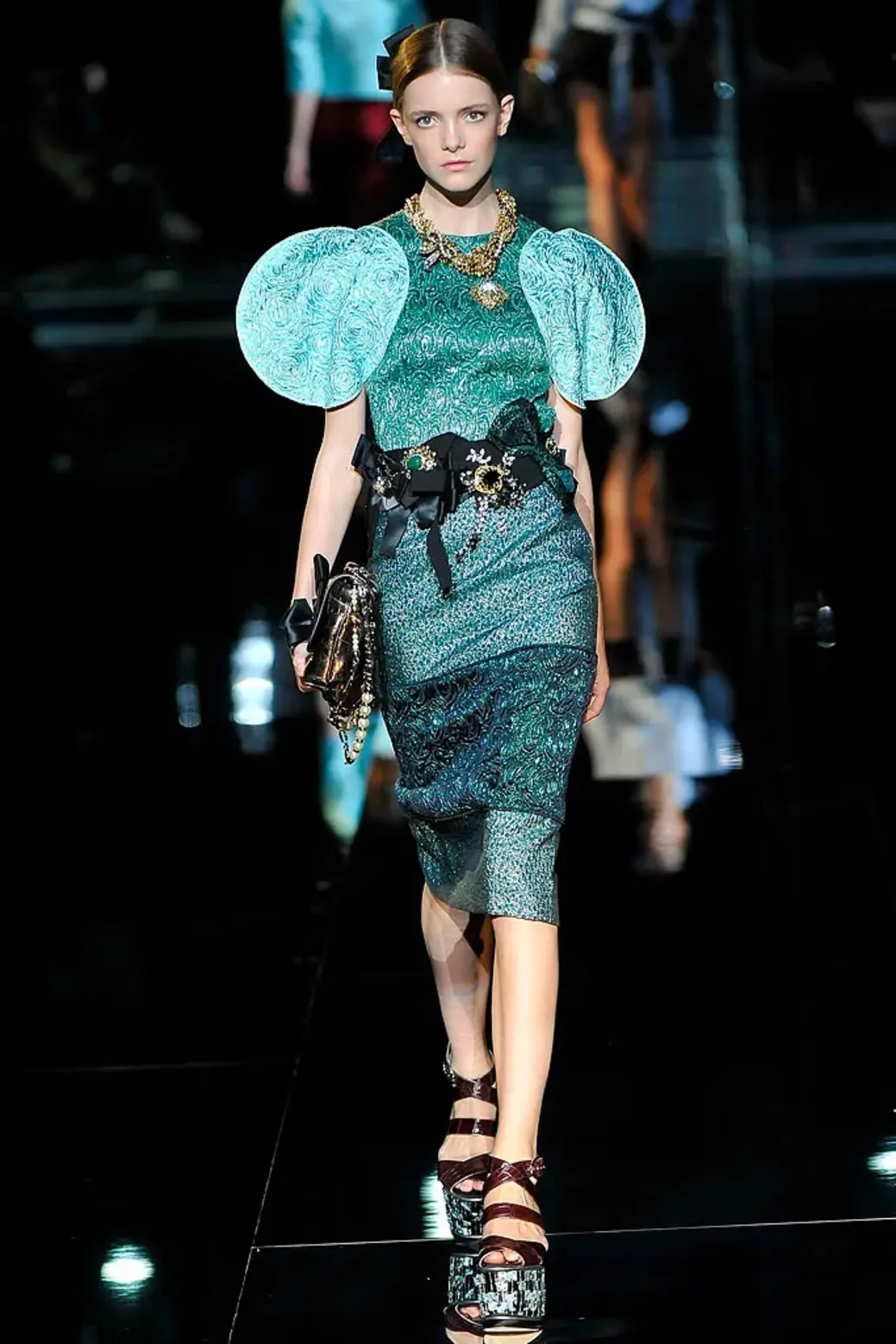
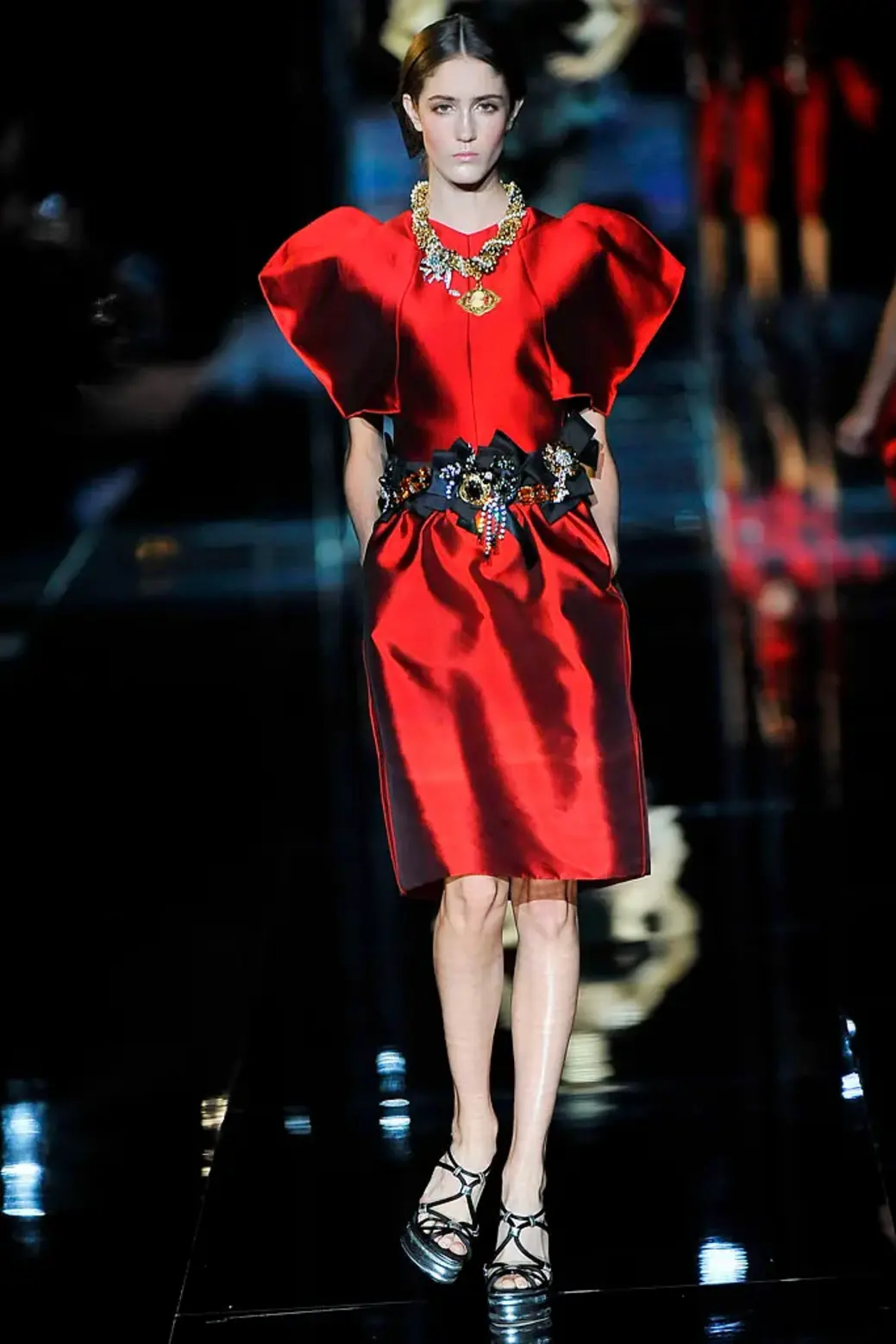
At Dolce & Gabbana, the Y-line turns more playful and theatrical, with exaggerated sleeves and bold upper-body drama giving the look a brighter, more flirtatious energy.
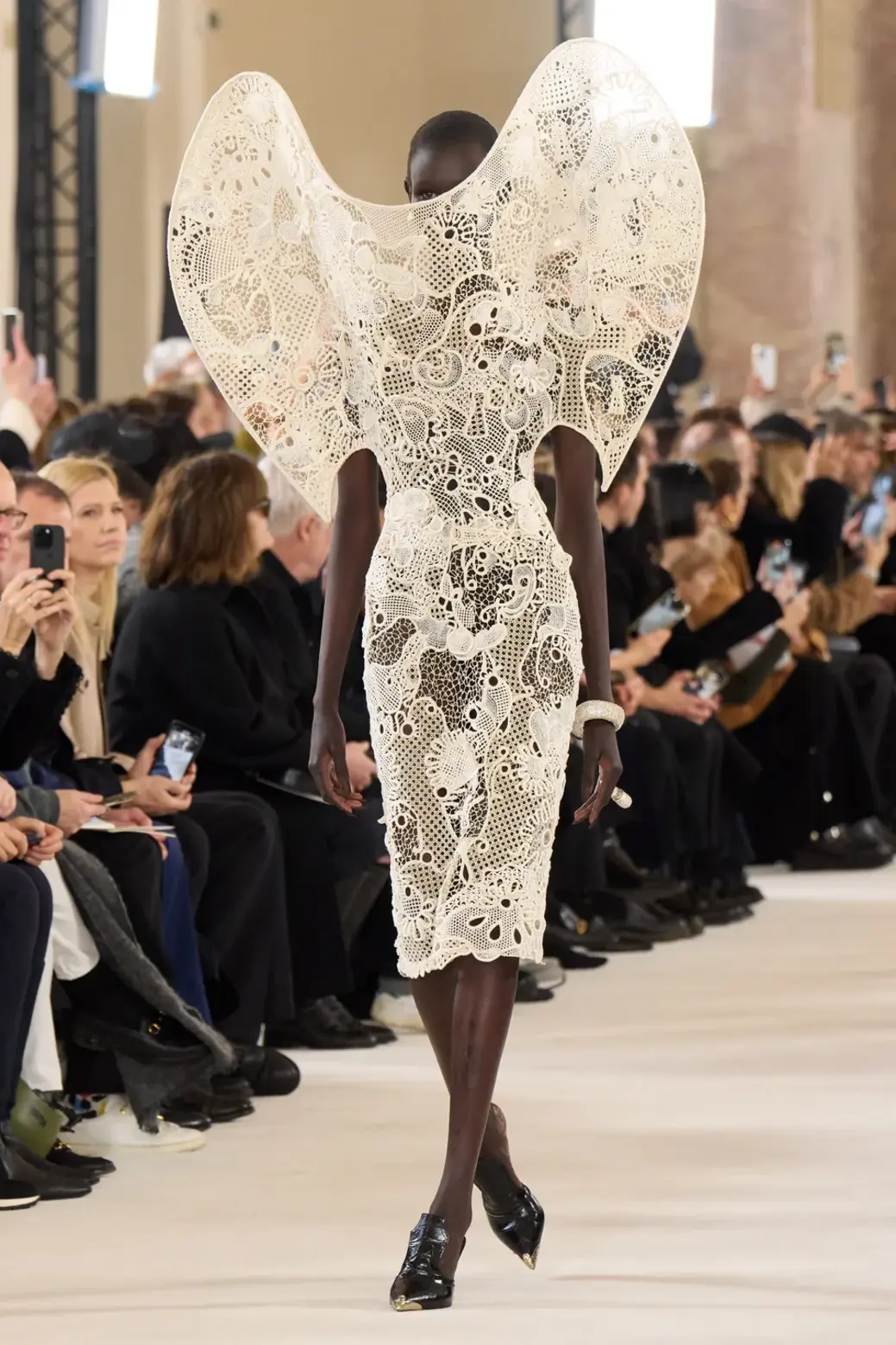
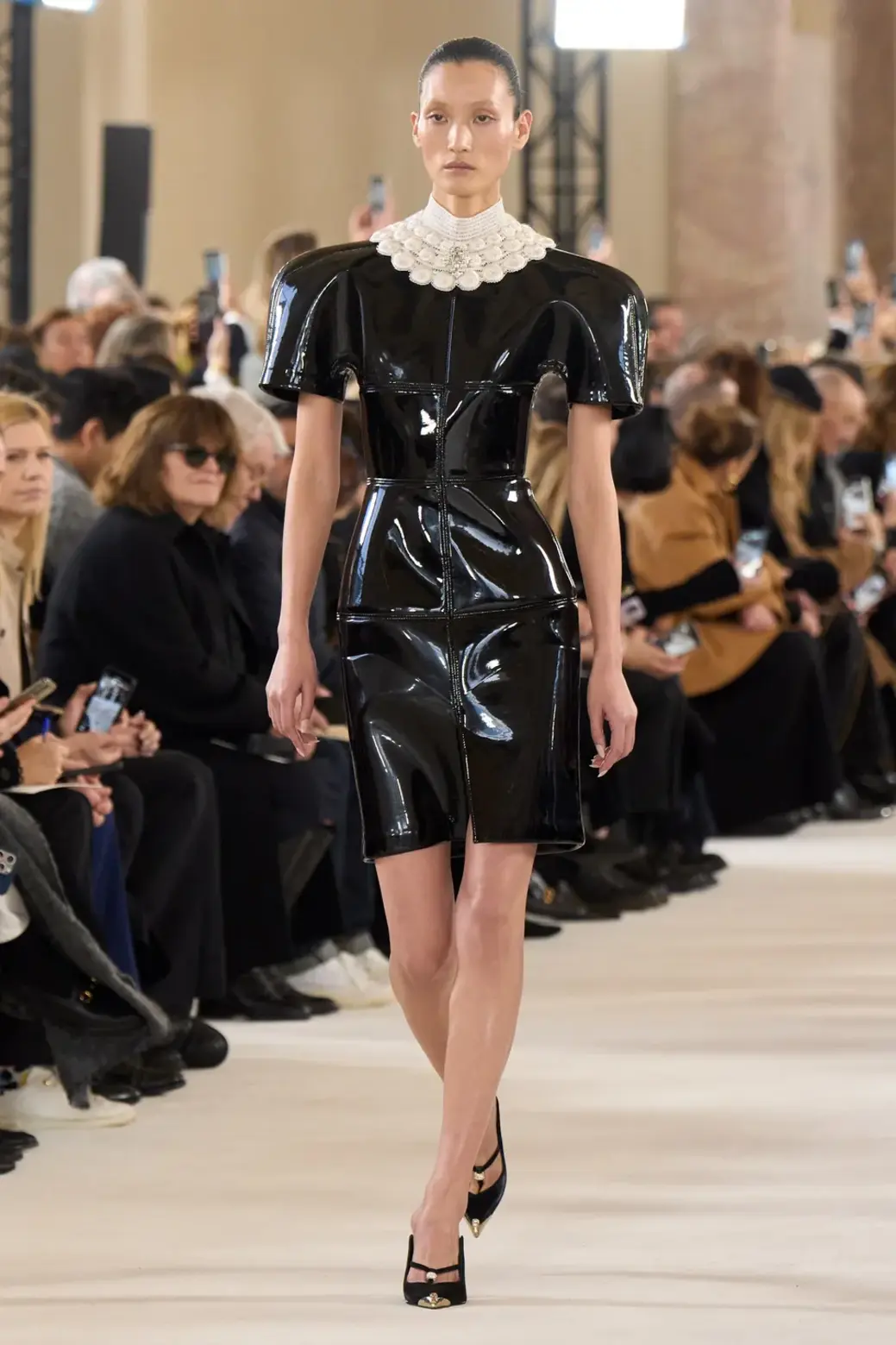
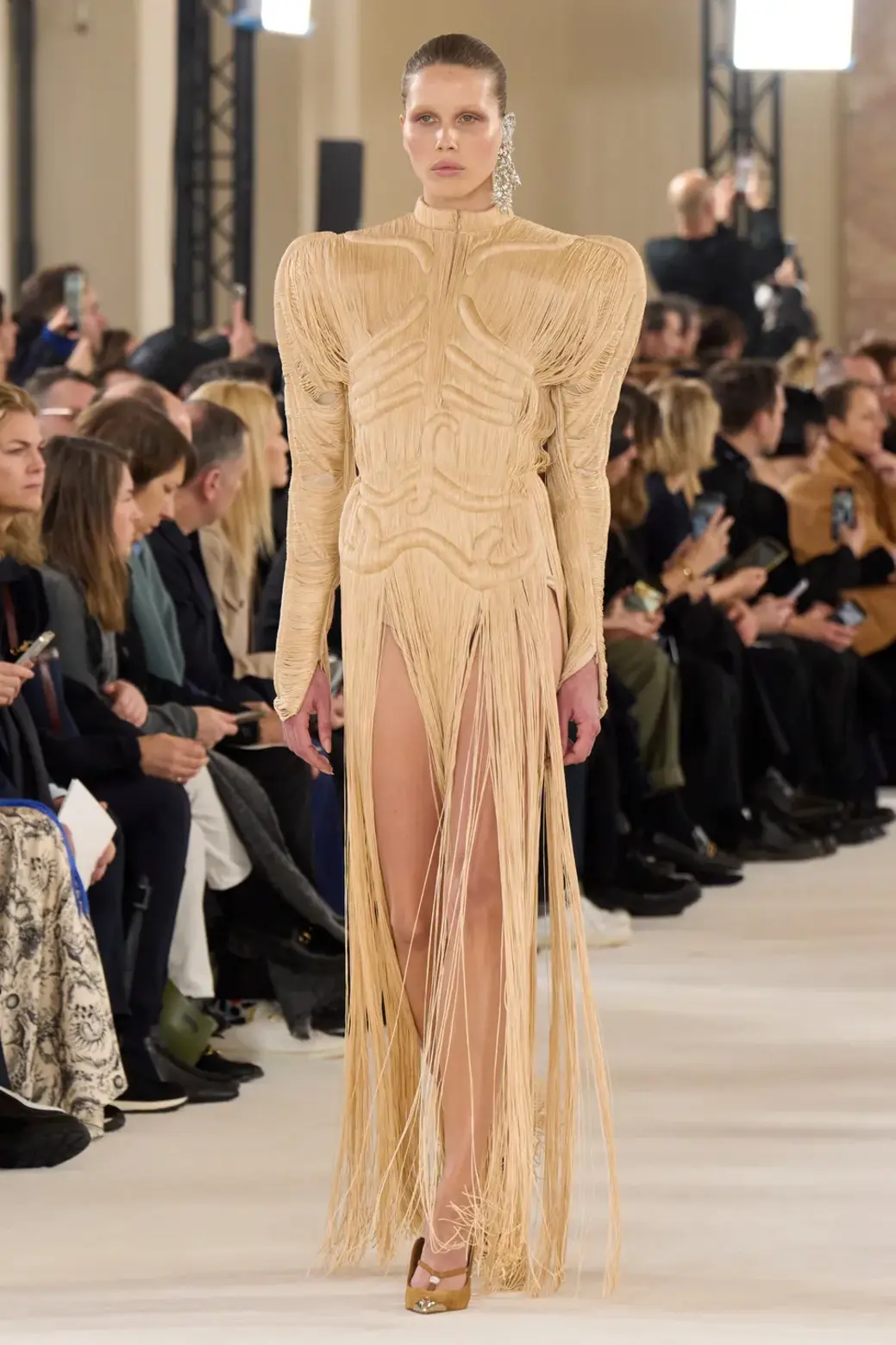
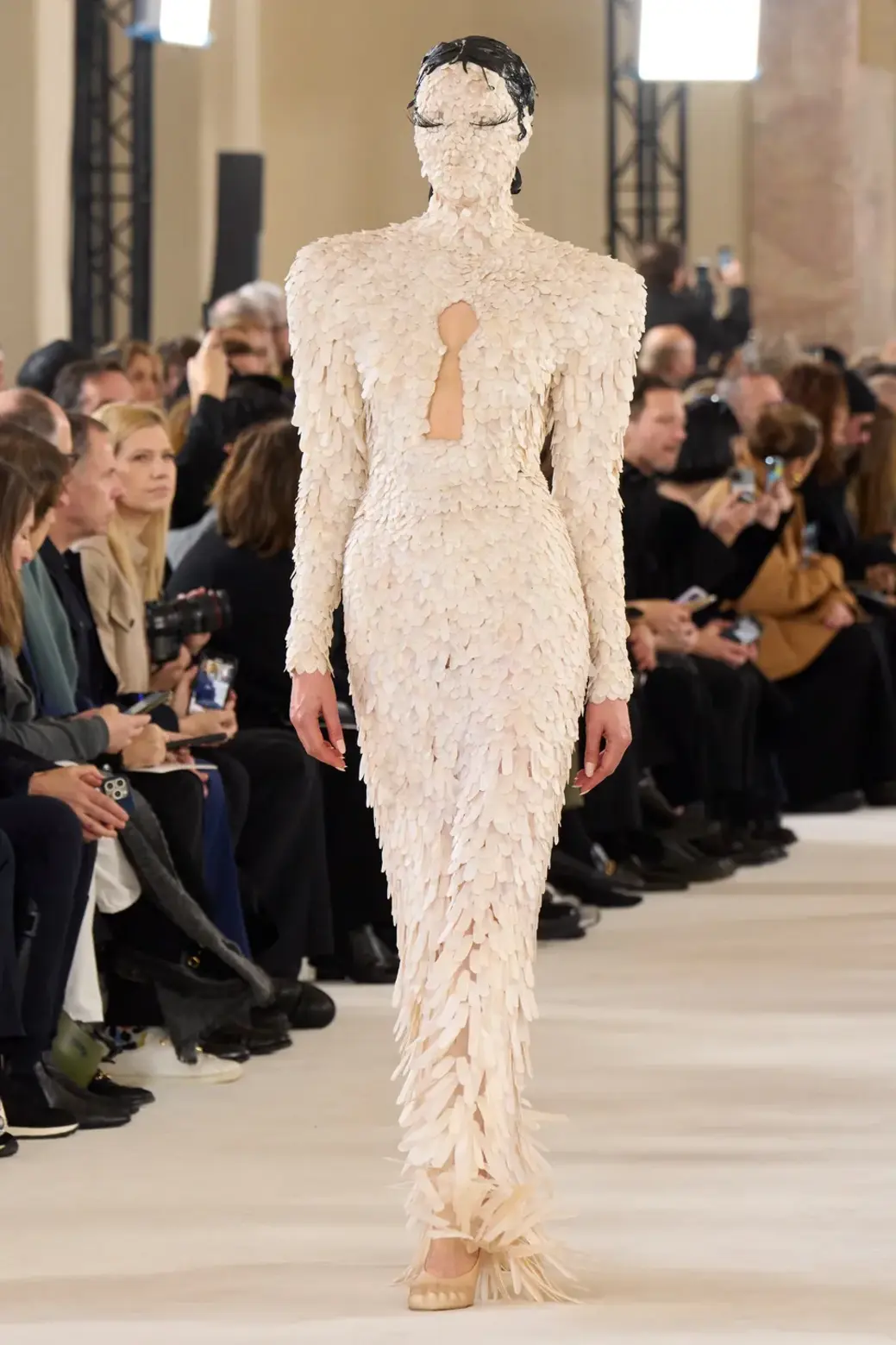
At Schiaparelli, the Y-line becomes sculptural and surreal, where the shoulders and bodice rise into statement forms that feel part couture armor, part fantasy object.
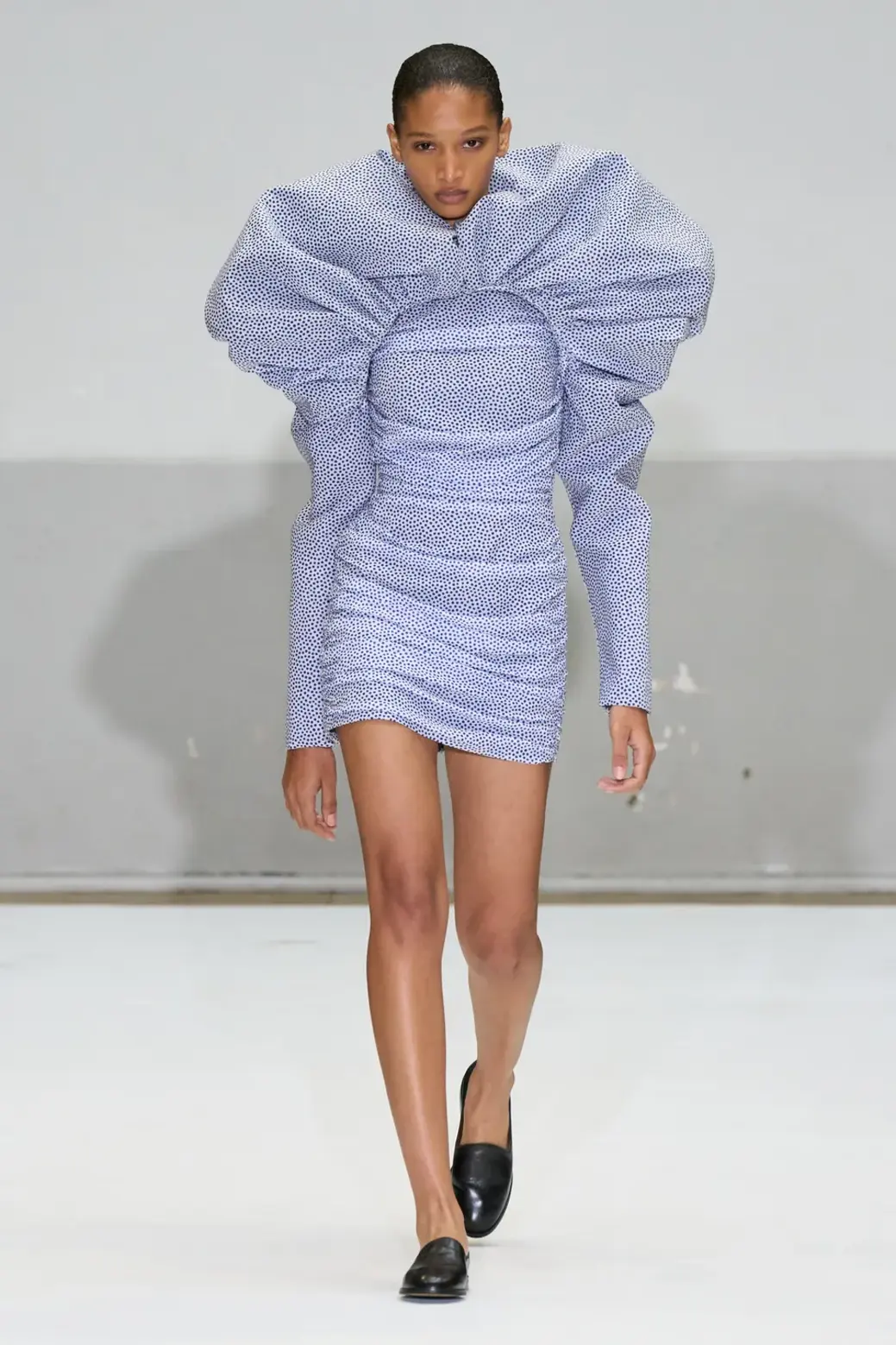
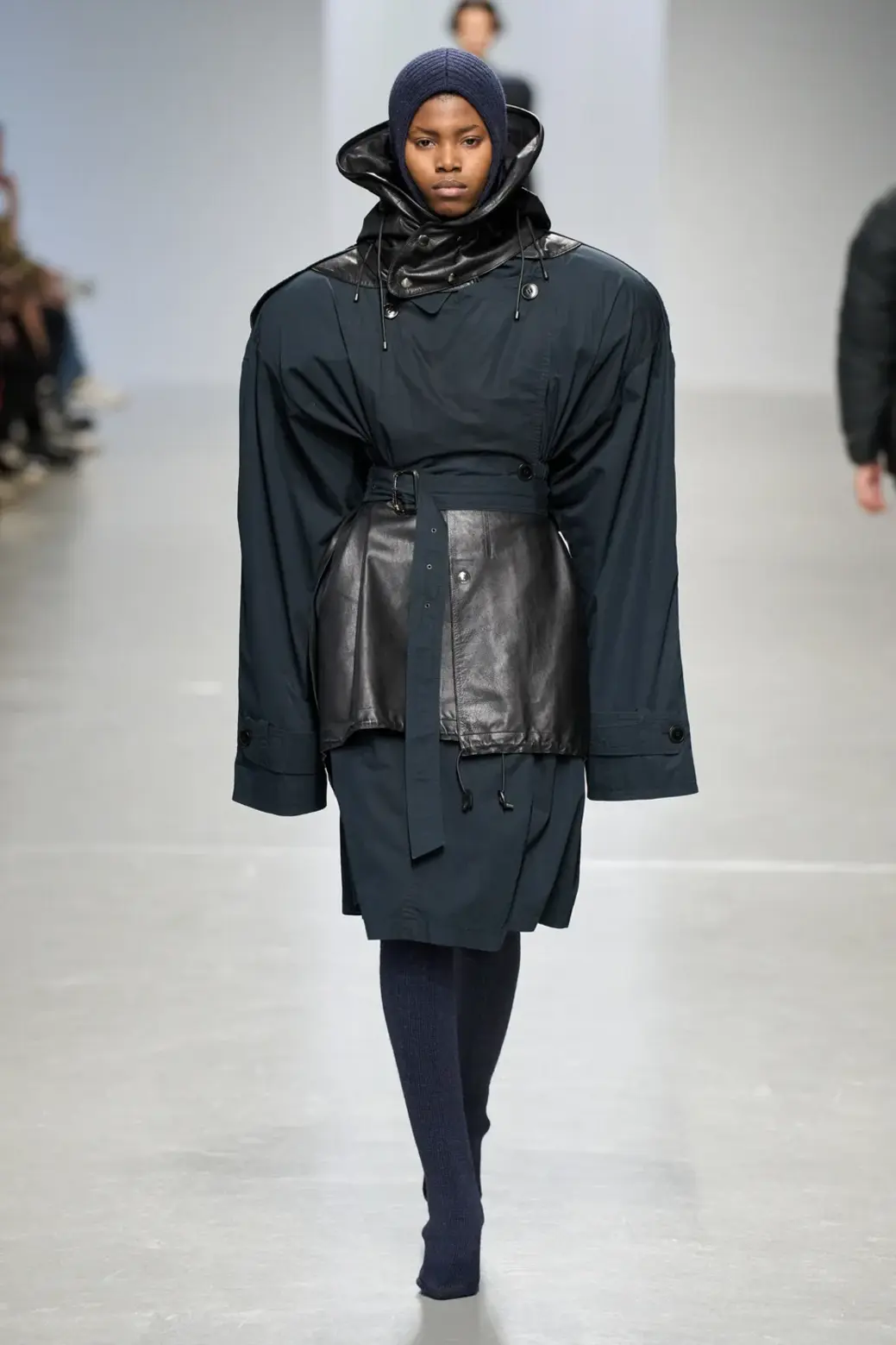
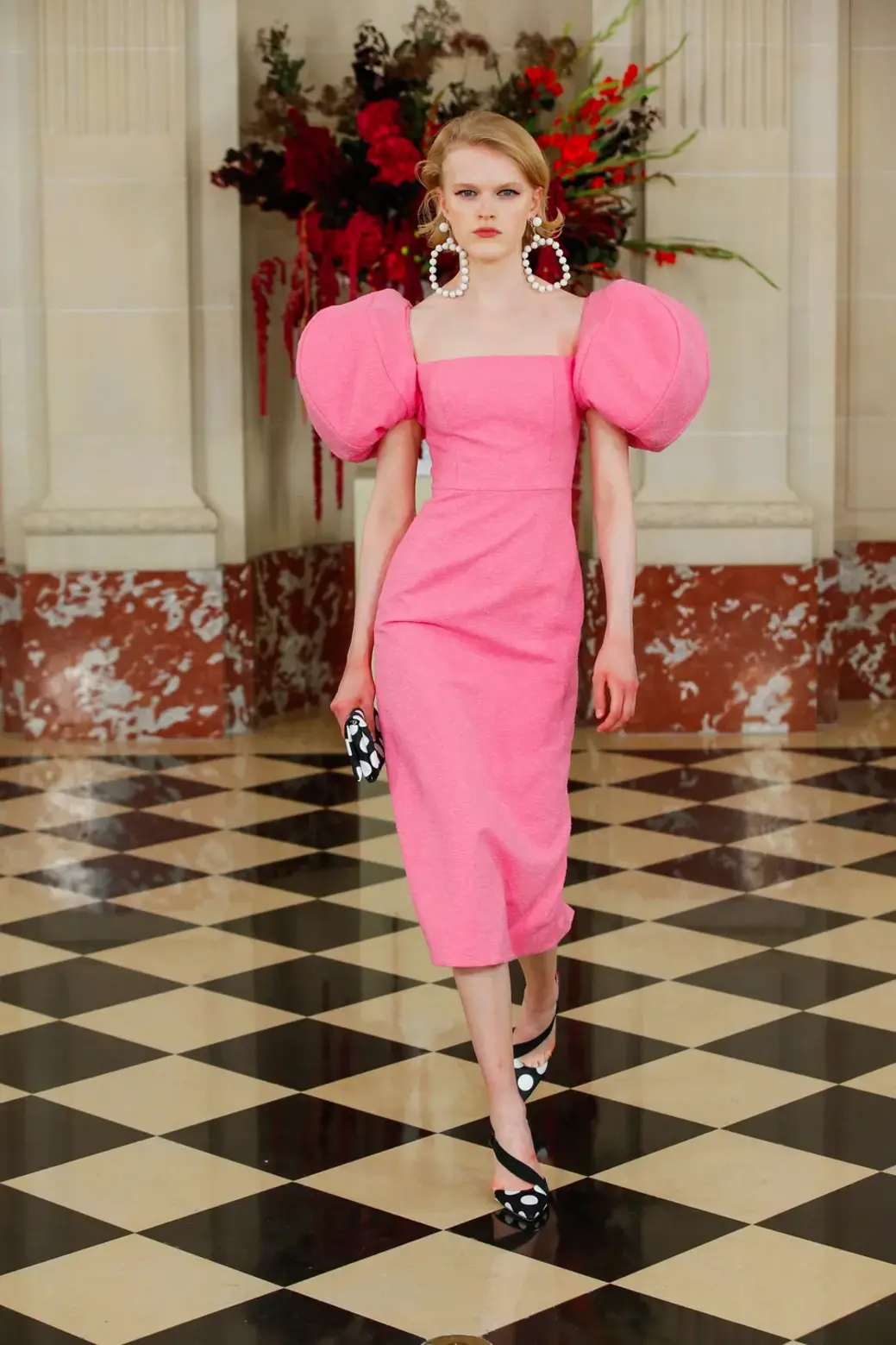
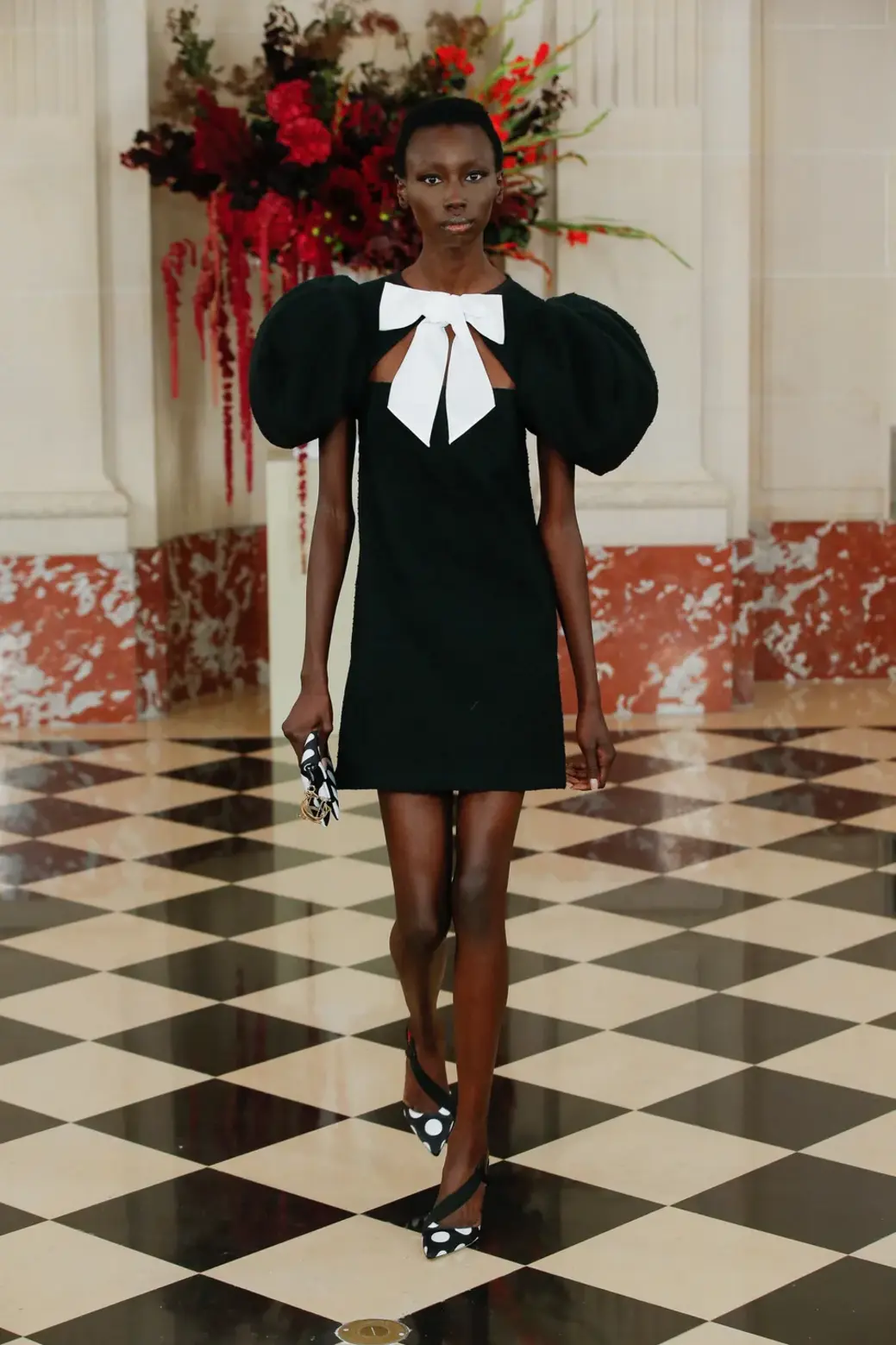
At Carolina Herrera, the Y-line often arrives with polished elegance, using strong shoulders, refined waists, and clean skirt lines to give the body a poised, society-ready grandeur. Each house bends the silhouette to its own mood, though the message stays deliciously clear: the shoulders speak first, and the whole room listens.
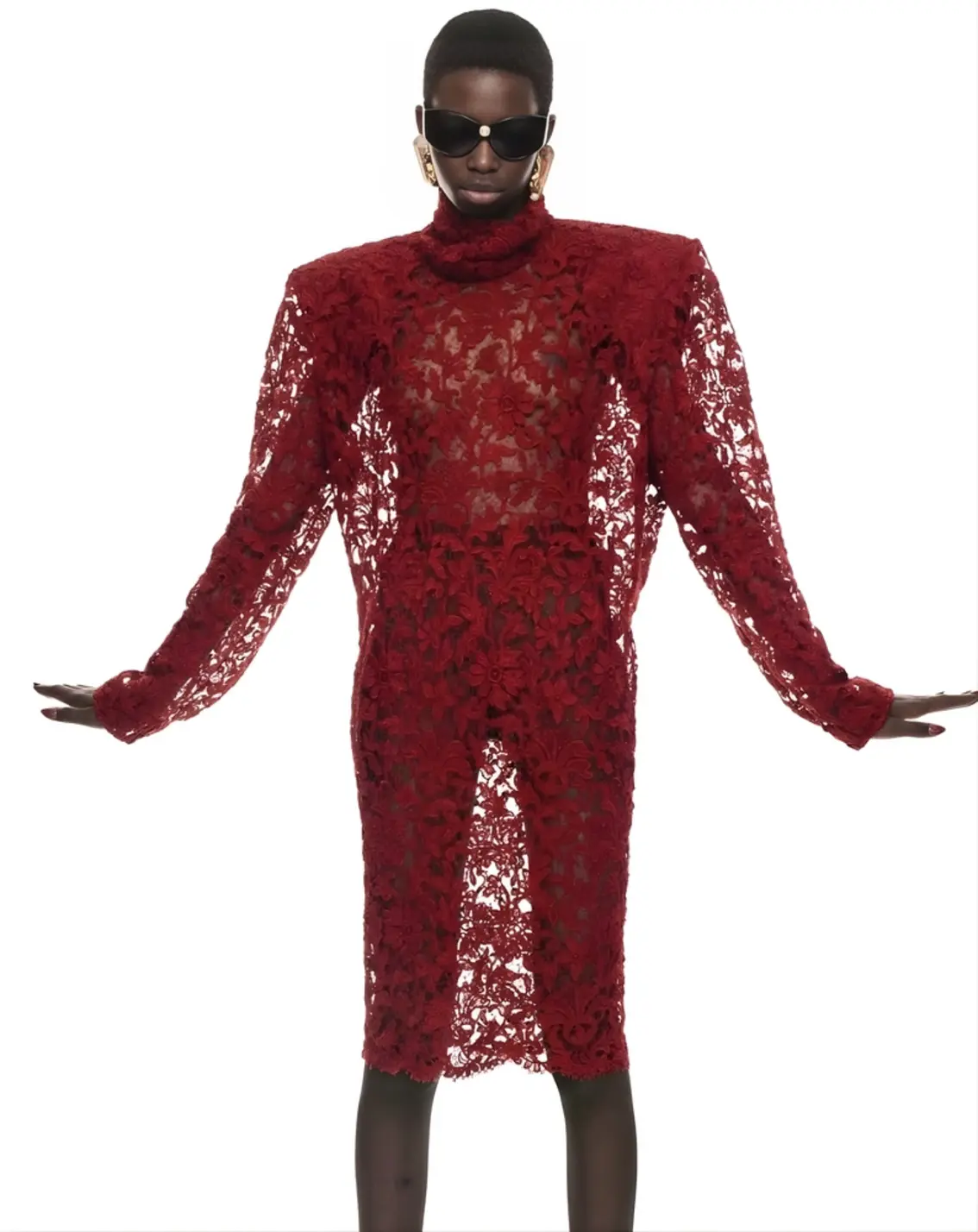
The Y-Line stands as a supreme manifestation of sartorial intelligence, a structural decree that compels the eye to migrate upward while the body maintains a state of serene, curated poise. Its potency originates in a crystalline lucidity; the shoulders expand with heraldic significance, the waist anchors the form into a rigorous order, and the skirt descends with a practiced, fluid grace. Every element of the garment executes a specific, choreographed role, culminating in a profile that feels simultaneously prepared for the stillness of a portrait and the kinetic demands of a live performance.
The profound allure of the Y-Line resides in this seamless fusion of discipline and delight. It embodies the classic couture conviction that architecture can amplify aesthetic truth, that proportion possesses the power to summon glamour, that a neckline functions as a form of silent rhetoric, and that a single shoulder can dictate the social atmosphere of an entire room. Christian Dior codified this particular geometry in 1955, launching a legacy that would ripple through the decades, informing the sharp-edged power dressing of the eighties, the bravado of mid-century cocktail attire, and the high-gloss polish of the contemporary runway.
Even now, the line maintains its upward surge, its relevance undiminished by the passage of time. A figure materializes in a doorway, framed by a collar that highlights the visage like a masterpiece, shoulders that command the surrounding air, and a waist that provides the definitive seal to the composition. The skirt flows toward the floor with a quiet, exquisite calm, allowing the room to absorb the total impact of the silhouette in one breathless instant. This is the Y-Line in its most potent form: a masterclass in structural authority and timeless, elevated grace.
Advertisement