MENU
Close





Are women choosing breast implant removal because their bodies changed, because beauty ideals changed, or because both happened at exactly the same time?
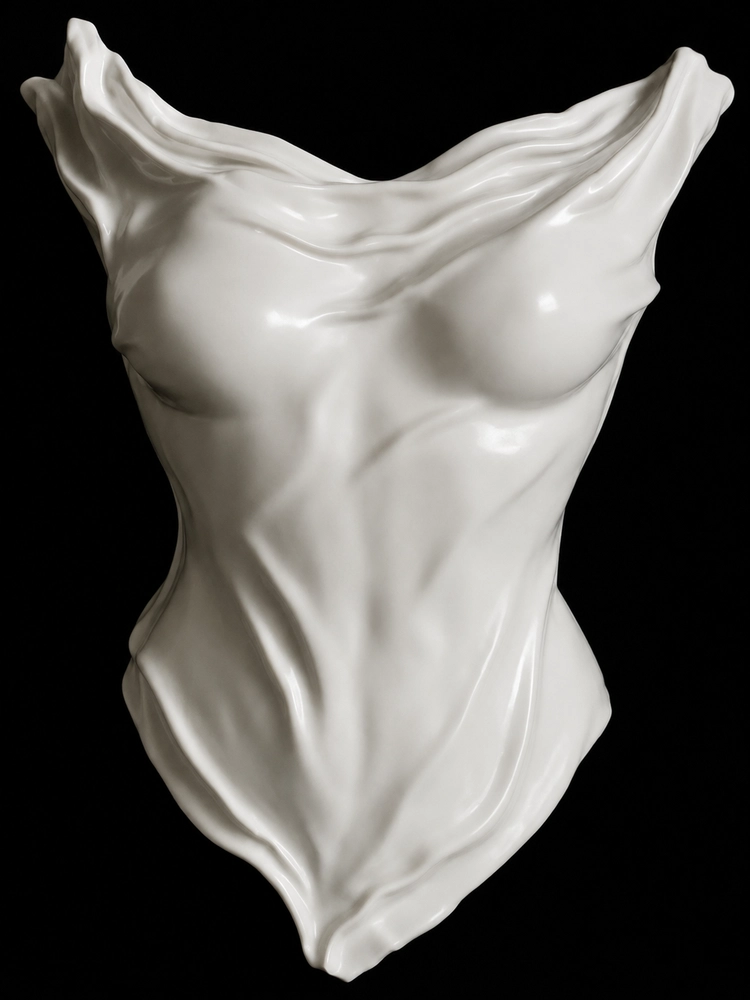
Are women choosing breast implant removal because their bodies changed, because beauty ideals changed, or because both happened at exactly the same time?
August 26, 2026
Advertisement
Advertisement


What happens when the body you paid for at 22 begins to feel like somebody else’s decision at 42?
Beauty has always carried a peculiar relationship with permanence. Hair grows back. Lipstick disappears at dinner. An implant settles beneath the body and travels through years of relationships, pregnancies, weight changes, wardrobes and identities.
That passage of time has become central to breast implant removal.
National Geographic devoted an investigation to the growing popularity of explant surgery. Around the same moment, the American Society of Plastic Surgeons was discussing another phrase entering aesthetic vocabulary: the “ballerina breast,” a compact, proportionate breast shaped around an athletic frame.
The British Association of Aesthetic Plastic Surgeons reported that breast augmentations declined 8 percent during 2025, while breast reductions and implant removals together surpassed enlargements among its members for the first time. RealSelf recorded another pulse from the consumer side: interest in breast implant revision jumped 89 percent quarter over quarter in the first three months of 2026.
Every beauty era creates a body capable of carrying its clothes.
The Baywatch fantasy celebrated projection beneath swimsuits and tight dresses. The Playboy years attached abundance to an aggressively polished femininity. Later, the hyper-hourglass brought breasts, waist and hips into one highly engineered silhouette.
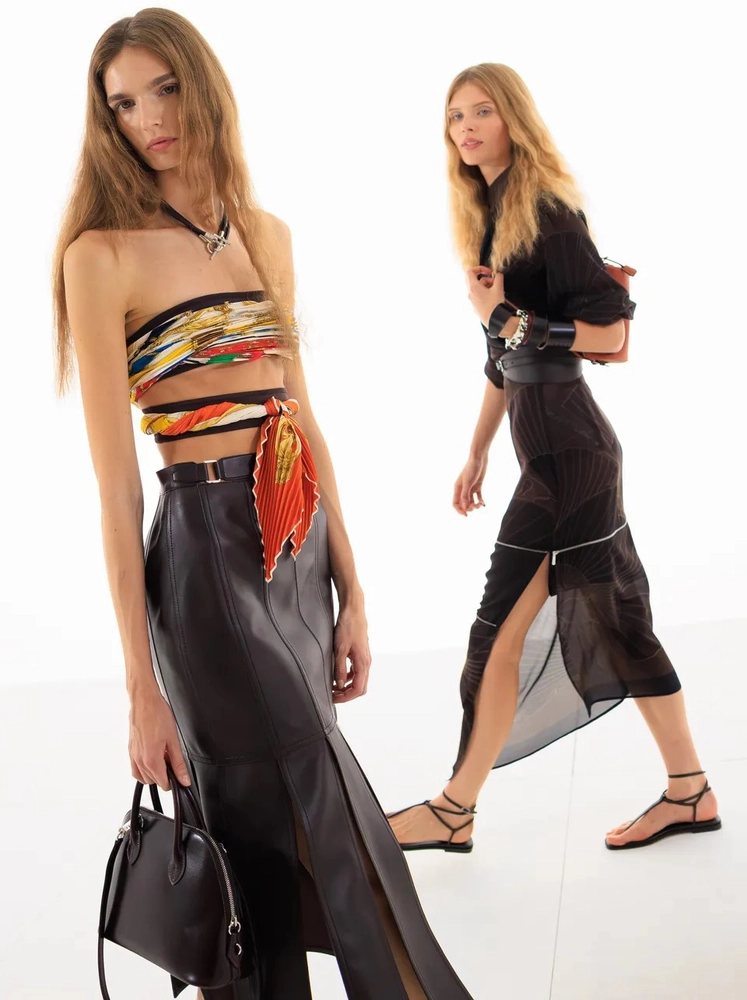
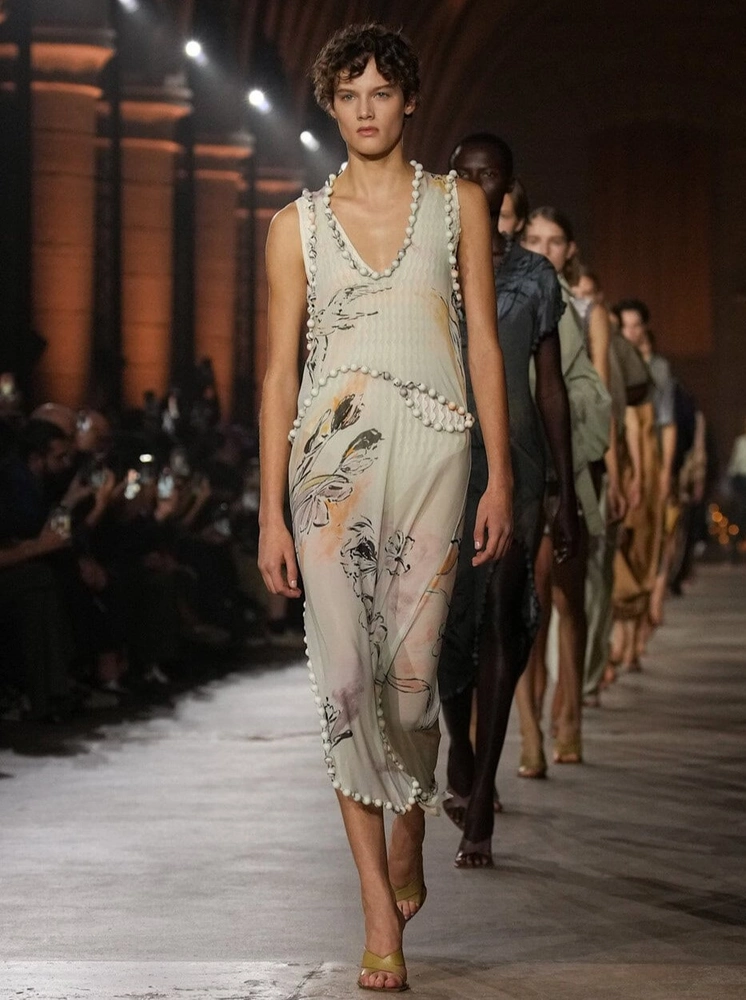
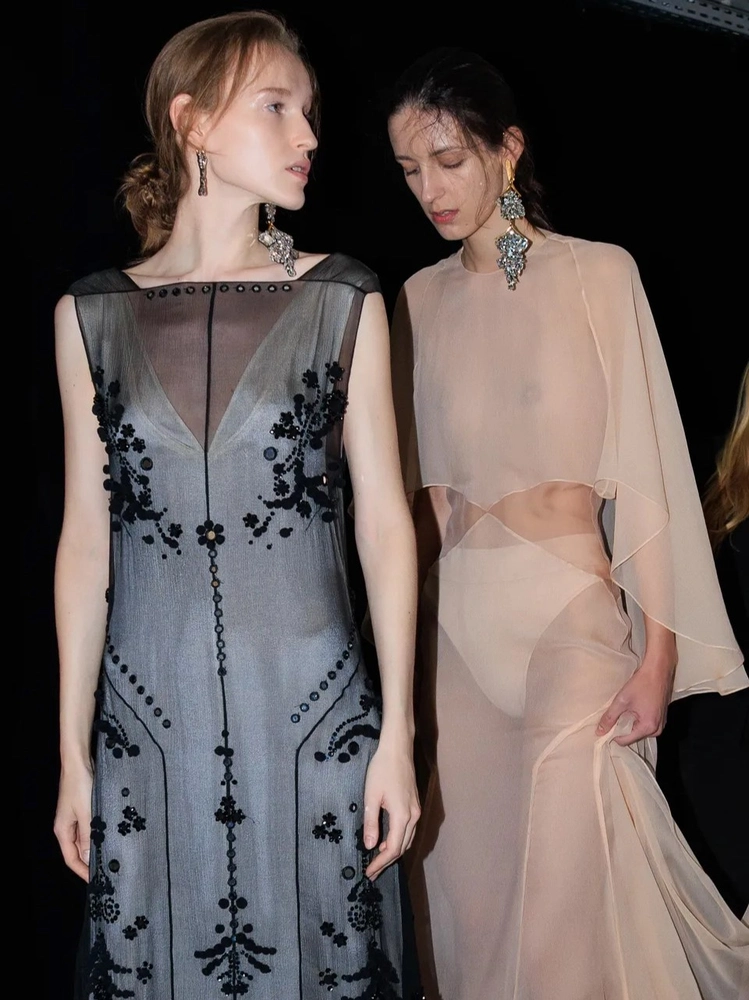
Pilates culture has moved sports bras and fitted tanks into everyday fashion. Fine knits skim the torso. Sheer dresses reveal anatomy through transparency. Ballet references favor elongated lines. Athleisure treats ease of movement as part of personal style. A breast can now participate in the overall rhythm of a body that stretches, runs, layers clothes and moves through a wellness-conscious life.
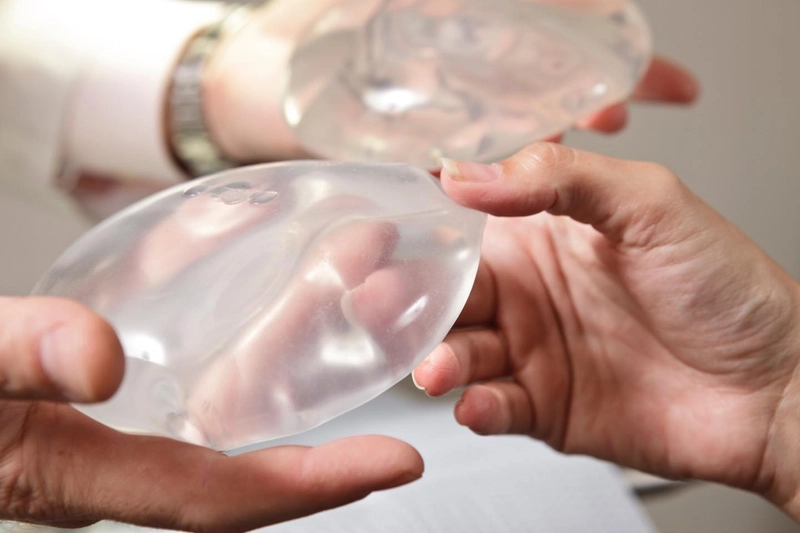
British Association of Aesthetic Plastic Surgeons President Nora Nugent has connected the current shift toward smaller breasts with comfort, active lifestyles, athleisure, and subtler proportions. Across the Atlantic, plastic surgeons Noël Natoli and Gene Lee told the American Society of Plastic Surgeons in July 2026 that patients were increasingly interested in smaller implants, downsizing, explantation, mastopexy, and fat grafting.
The “ballerina breast” gives that aesthetic a memorable name. Its appeal revolves around proportion, mobility, and anatomy, qualities that sit naturally beside contemporary wellness culture.
A woman who chooses augmentation in her twenties may meet her implants again in middle age with a completely different relationship to her body.
Pregnancy can reshape breast tissue. Weight fluctuation can alter volume. Menopause can change the surrounding anatomy. Exercise habits evolve. Personal style matures. The breast carrying an implant at 45 lives inside a different biological and emotional landscape from the one that received it decades earlier.
A 2026 study by plastic surgeon Ted Eisenberg and colleagues gives this story unusually concrete weight. Across their twenty-year clinical experience, explant procedures rose 382.9 percent between 2016 and 2024. The leading reason patients gave for removal was weight gain accompanied by breasts that had become too large. Implant deflation followed among the common motivations.
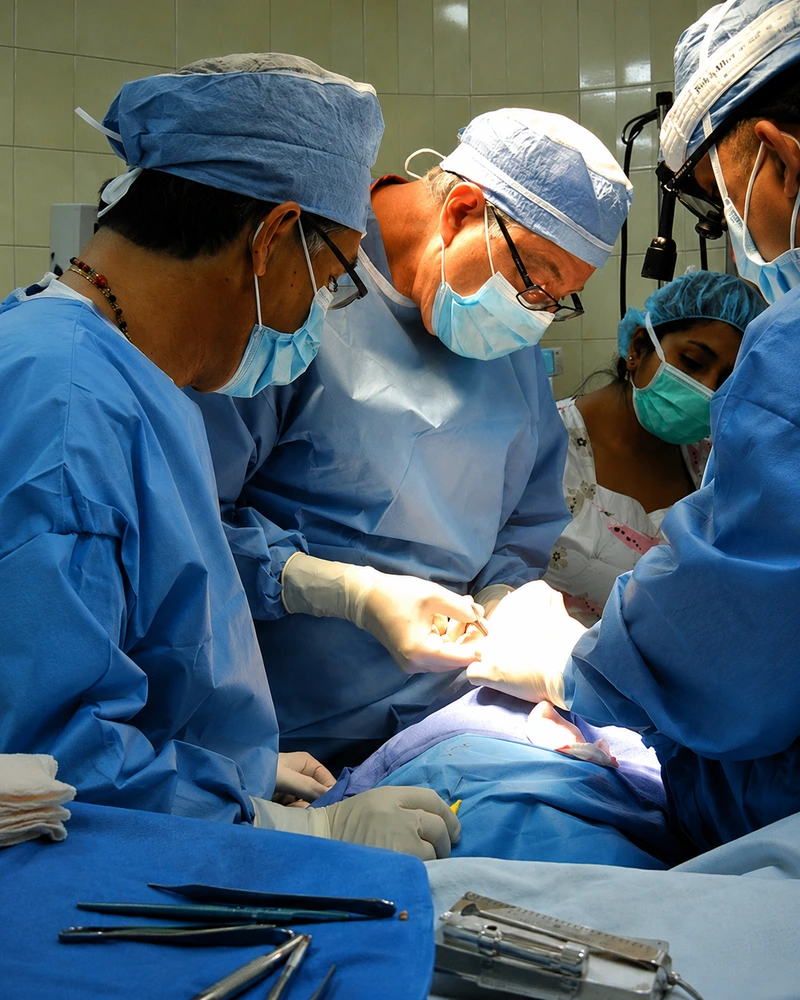
Some women arrive through aesthetics. Some through discomfort. Some through changes in weight and proportion. Some encounter rupture or capsular contracture. Some simply reach a stage where an earlier decision has completed its role in their life.
The question surrounding surgery changes with age as well. Youth can make appearance feel immediate. Time invites questions about comfort, maintenance and the body one hopes to inhabit through the decades ahead. For many patients, breast implant removal becomes a revision of biography as much as anatomy.
Another powerful force has developed around breast implant illness, commonly abbreviated BII.
Patients using the term describe clusters of systemic symptoms including fatigue, brain fog, joint discomfort, hair changes and disturbances across general wellbeing that they associate with breast implants. Social media communities have given these experiences visibility, vocabulary and an enormous archive of personal testimony.
A 2026 prospective study by Agostino Bruno and Riccardo Foti followed women with suspected breast implant illness for two years after breast implant removal and documented significant improvements across the symptom groups measured in the study.
A 2026 systematic review and meta-analysis in JPRAS Open also found symptom improvement across parts of the existing literature while emphasizing substantial variation in study design, diagnostic definitions and proposed mechanisms.
Patient experience can generate a cultural movement while medical research continues constructing the framework capable of explaining it. Thousands of personal accounts may influence surgical demand, online communities may create their own language around recovery, and clinicians must still determine how symptoms connect biologically with implants across different patients.
Breast implant removal, therefore, lives at an unusual intersection of lived experience, medical uncertainty, and digital health culture.
Private revision becomes cultural language when famous women speak about it.
Alyssa Milano has discussed removing her implants as part of a broader relationship with bodily autonomy. Michelle Visage publicly documented her explant journey after years of health concerns. Chrissy Teigen shared her decision to remove implants after living with them for around a decade.
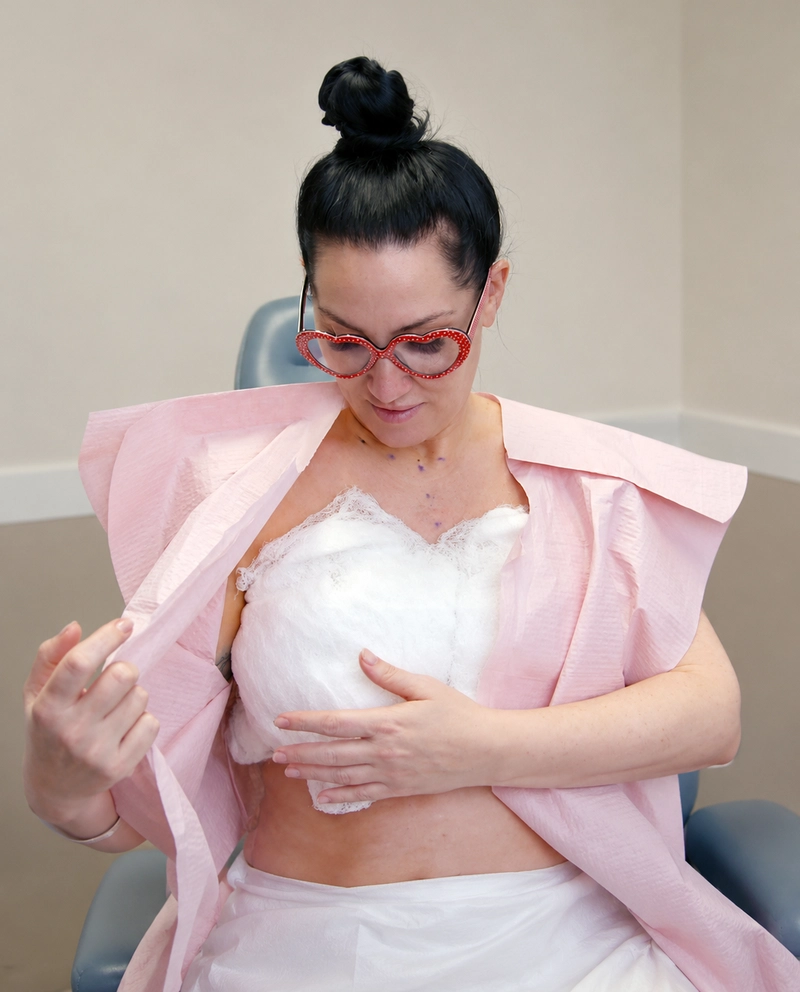
Brandi Glanville underwent explant surgery in February after damaged implants were discovered. Reports surrounding her procedure described leakage in one implant and rupture in the other, turning her case into a reminder that explantation can arise from a direct medical complication.
Megan Walerius, known from Love Is Blind, brought a different story into the conversation. In June 2026, she spoke about receiving implants at 21, later increasing their size and eventually pursuing breast implant removal as yoga, holistic wellness, and a different relationship with her body became central to her adult life.
Skin has stretched. Natural breast tissue has aged. Pregnancy and weight changes may have altered volume. Years of implant pressure can leave a breast requiring careful reshaping.
This reality has created an entire aesthetic vocabulary around breast implant removal.
Explantation can be paired with mastopexy, or breast lift surgery, to reposition tissue, and remove excess skin. Auto-augmentation can reorganize a patient’s existing breast tissue to create shape. Fat grafting can transfer the patient’s own fat into selected areas to restore subtle volume.
A beauty industry that built decades of business around augmentation now possesses an expanding market in revision. Removal can lead into lifting. Downsizing can lead into implant exchange. Explantation can lead into fat transfer. The aesthetic economy adapts elegantly whenever the ideal body changes direction.
The “ballerina breast” gives the new preference a name, a silhouette and an aspirational identity. That is where breast implant removal becomes culturally complicated.
Advertisement