Retinol may already be familiar with skincare shelves and social feeds, yet retinal with an A, has become a trusted favorite among skincare professionals and dermatologists.

Retinal With an A: A Complete Guide
Retinol may already be familiar with skincare shelves and social feeds, yet retinal with an A, has become a trusted favorite among skincare professionals and dermatologists.
July 21, 2026
Advertisement

Advertisement



So, how does retinal differ from its better-known counterpart, retinol, and could it be the right choice for your skin?
Martina Trabacchi, pharmacist and ISDIN Medical Communication Specialist, helps clarify the science behind retinal and its skincare benefits. She also explains how this active ingredient works to address the visible signs of skin aging.
What Are the Skincare Benefits of Retinal?
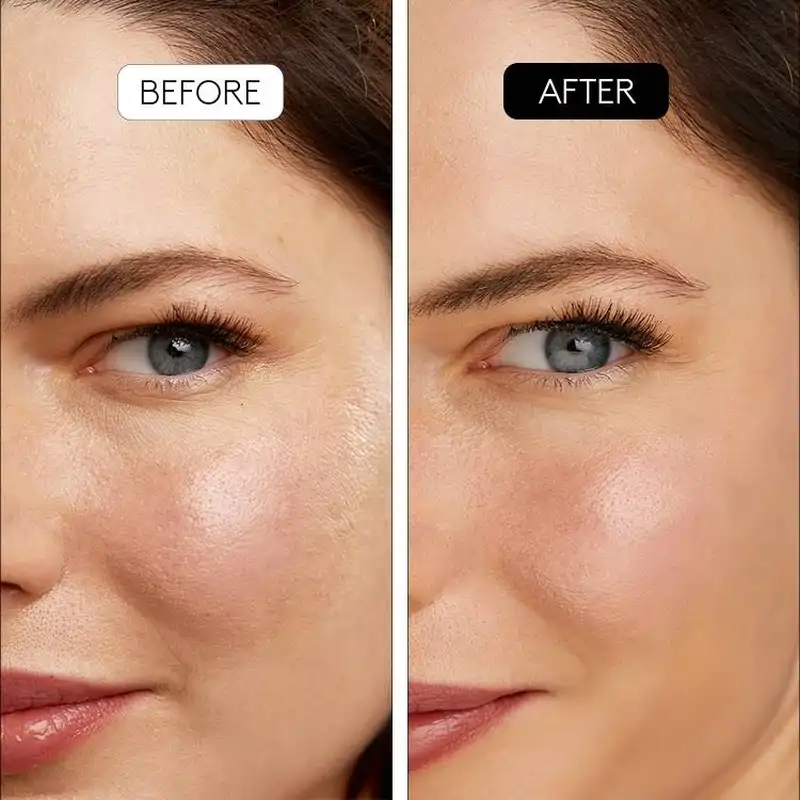
Retinal is widely recognized for its wrinkle-fighting capacity, although its ability to accelerate the skin’s natural renewal process allows it to support several concerns at once.
Retinal can help with:
- Reducing the appearance of fine lines and wrinkles
- Promoting skin tightness and elasticity
- Supporting skin’s collagen for a firmer, plumper look
- Unifying skin tone
Retinal, Retinol, and Retinoids: What Is the Difference?
The terminology can become confusing quickly, especially when several ingredients share similar names. Martina helps clarify how each one functions so you can choose the most suitable option for your skin.
Retinal vs. Retinoids
Martina explains that retinoid is the umbrella term for a group of age-defying ingredients derived from vitamin A. Vitamin A plays an essential role in skin health, yet the skin does not naturally produce it, so it must come from diet or topical skincare.
Retinoids help support the skin’s collagen, contributing to a smoother and more rejuvenated appearance. Retinaldehyde, commonly known as retinal, belongs to this family, alongside retinol and tretinoin.
Retinal vs. Retinol
Both retinal and retinol are retinoids, and both are widely available in cosmetic products. Before either can begin working in the skin, the body must convert them into retinoic acid, the active form of vitamin A responsible for rejuvenating activity.
The central difference lies in the number of conversion steps required. As Martina explains, retinol must pass through two stages before becoming retinoic acid, while retinal needs only one. This allows retinal to reach its active form more quickly.
Retinal vs. Tretinoin
Retinol and retinal both require conversion into retinoic acid. Tretinoin, however, already is retinoic acid, which gives it greater potency. It is also available only by prescription.
For people beginning their journey with retinoids, Martina suggests that retinal may offer a more accessible and beginner-friendly choice while still delivering a results-focused approach.
What Is Retinization?
When you begin using a retinoid, your skin may require an adjustment phase known as the retinization period. Retinal accelerates skin turnover, and as the skin renews itself more quickly, additional texture may temporarily rise to the surface. This stage is sometimes described as purging and may involve flaking or light peeling.
These effects usually fade as the skin adapts. Martina explains that using retinal can require patience, while the long-term goal remains smoother, more youthful-looking skin. With steady use, visible improvement may begin to appear within a few weeks.
How Should I Get Started With Retinal?
Introduce retinal gradually and allow your skin time to build tolerance. Apply the formula at night as the third step in your evening skincare routine, following cleansing and eye cream.
Application frequency should follow your dermatologist’s guidance and the directions on the product label. A gradual starting schedule may look like this:
- Week 1: 2–3 nights
- Week 2: 3–4 nights
- Week 3: 5–7 nights
Pay close attention to how your skin responds. Martina advises taking a break when the routine begins to feel excessive. Persistent stinging, pain, or discomfort calls for pausing application and consulting a dermatologist.
During the day, apply a high-SPF, broad-spectrum sunscreen, especially on mornings after retinal use. Retinoids can increase overall skin sensitivity during the early adjustment stage, making consistent sun protection especially important.
Your Retinal Skincare Routine, Step by Step
Step 1: Use a Gentle Oil Cleanser
Begin with an oil formula that dissolves the buildup collected throughout the day. A cleansing oil binds to excess oil, makeup, and sunscreen, helping lift them from the skin while contributing hydration and antioxidant support. A thorough cleanse also prepares the complexion to receive the products that follow more effectively.

Step 2: Apply a Revitalizing Eye Contour Cream
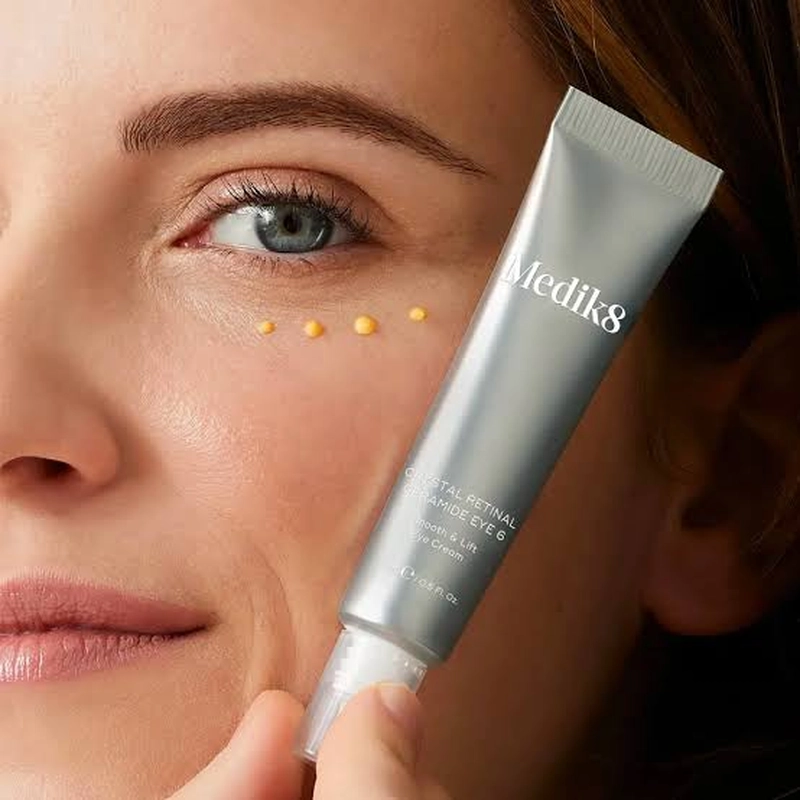
The skin around the eyes is the thinnest area of the face, which allows visible signs of skin aging to appear there earlier. Choose an eye cream formulated with reparative melatonin and energizing caffeine. Together, these ingredients help reinforce the skin’s antioxidant defenses throughout the night.
For more targeted care beneath the eyes, speak with a skincare specialist about a retinal eye serum designed to deliver youth-boosting action in a formula suited to the delicate eye area.
Step 3: Turn to a Powerful Retinal Serum
A retinaldehyde serum can help soften the appearance of wrinkles and fine lines while supporting smoother, more even, younger-looking skin. Look for a formula that pairs retinaldehyde with soothing ingredients to maintain comfort as the skin renews.
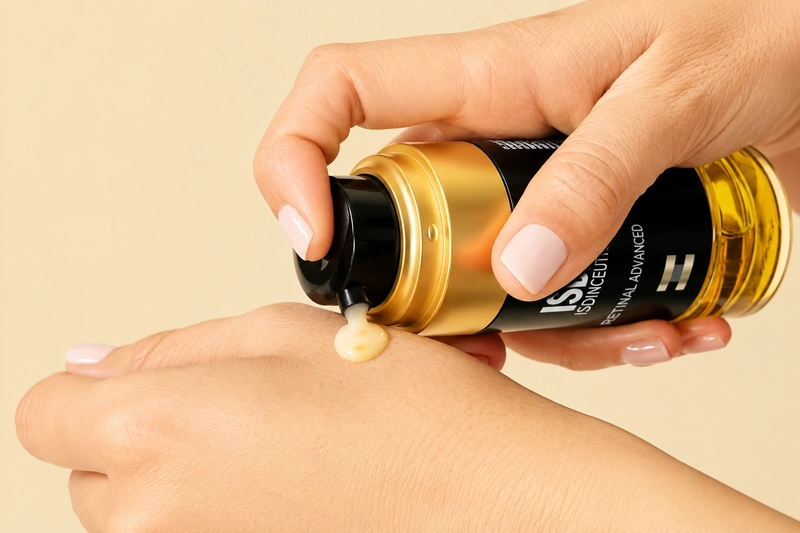
Retinal Advanced combines retinaldehyde, plant-based bakuchiol, and melatonin in a formula designed to produce visible improvement in as little as four weeks. Allure has also recognized it among the best retinal serums, highlighting its ability to support skin that appears firmer, brighter, and more even with consistent use.
Step 4: Reach for a Rejuvenating Night Cream
After applying your retinal serum, follow with a moisturizer that helps seal in the treatment while nourishing, calming, and firming the skin. A night cream rich in antioxidants and amino acids such as carnosine can offer additional support.
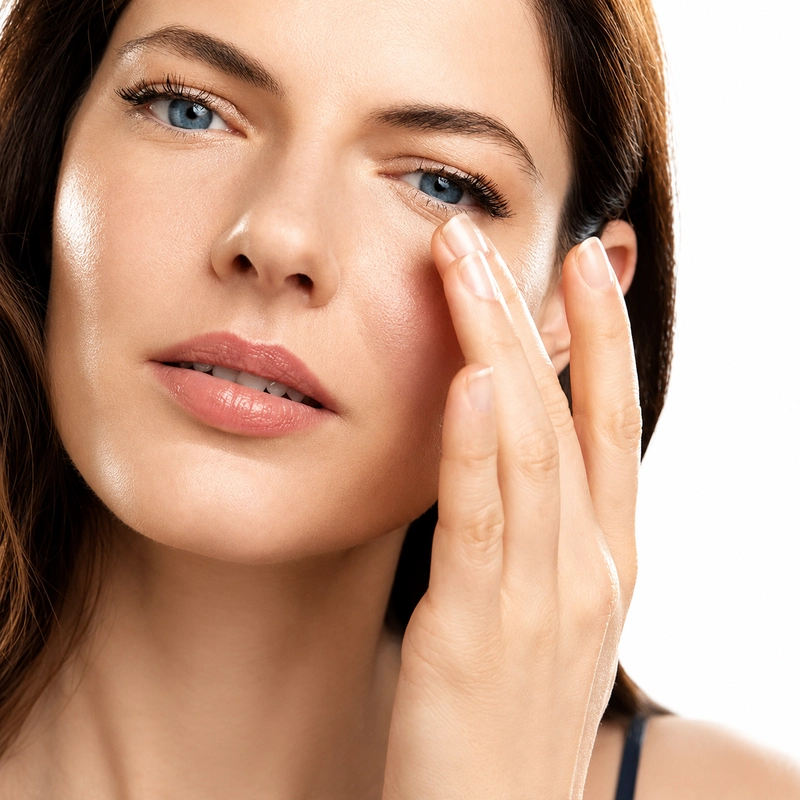
Carnosine helps address glycation, a natural process associated with the gradual loss of skin firmness over time.
The Next Day: Sunscreen
Every morning and throughout every season, complete your skincare routine with a high-SPF, broad-spectrum sunscreen. Reapply it at least every two hours during the day. Consistent sun protection becomes especially important while using retinal, as the skin may experience greater sensitivity during treatment.
Your Most Frequent Retinal Questions, Answered
Is It Good to Use Retinal Every Day?
Daily retinal use may suit some routines when supported by guidance from a dermatologist, a formula appropriate for your skin type, and consistent sunscreen application. Begin gradually and choose well-formulated retinal skincare products containing skin-soothing ingredients to help maintain comfort during use.
Excessive application may lead to burning or peeling that extends beyond the usual retinization process. Giving the skin a temporary break generally allows these reactions to settle before retinal is introduced again at a gentler frequency.
What Happens When Retinoids Are Exposed to the Sun?
Retinal itself is sun-sensitive, meaning direct light can affect its stability and reduce its effectiveness. Store retinal products away from sunlight and keep their application within the evening skincare routine.

Retinal can also make the skin more sensitive overall, especially during the early adjustment period. Careful sun protection therefore becomes essential. Apply a high-SPF, broad-spectrum sunscreen every morning and reapply it correctly throughout the day.
What Is More Effective for Wrinkles: Hyaluronic Acid or Retinal?
Both hyaluronic acid and retinal can support skin that appears smooth, plump, and healthy, although they address different concerns.
Retinal offers a more targeted approach for the visible signs of wrinkles and uneven skin tone by encouraging skin renewal. Hyaluronic acid primarily supports hydration, making it especially valuable for dry or dehydrated skin. Many routines benefit from using both ingredients together, with hyaluronic acid helping maintain moisture as retinal supports renewal.
Make Way for Dreamy Skin
For visibly smoother and more radiant skin, retinal, with an A, stands out as a powerful yet approachable retinoid. Its efficient activity and strong reputation among dermatologists have placed this ingredient firmly in the beauty spotlight.
Whether you are beginning with retinoids or advancing an established routine, a retinal formula can support the skin’s natural renewal process night after night. Introduce retinal gradually, remain consistent, use sunscreen every morning, and care for your skin with the same attention at every stage of the journey.
Advertisement