MENU
Close





Australian Fashion Week 2026 found its new home by the harbour, but the real story was the personality shift happening on the runway.
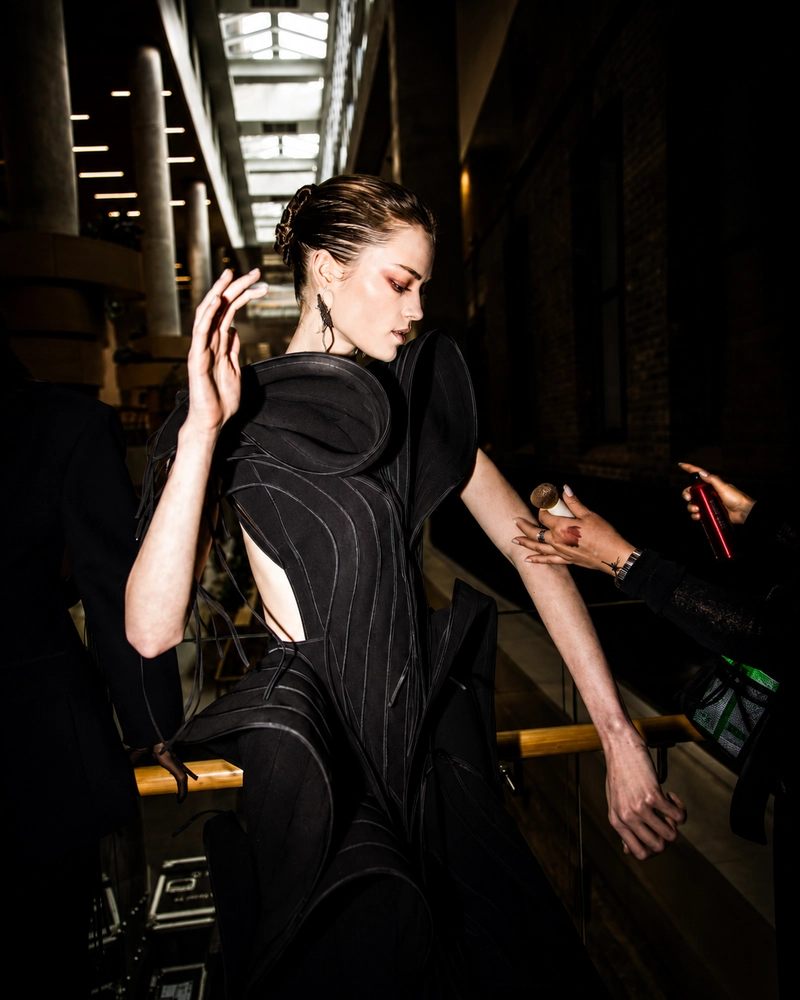
Australian Fashion Week 2026 found its new home by the harbour, but the real story was the personality shift happening on the runway.
June 11, 2026
Advertisement
Advertisement


Australian Fashion Week 2026 is at a turning point, it seems. In 2024, IMG, the longtime sponsor of the event, pulled out of the Sydney fashion market entirely, leaving the future of the country’s independent and emerging designers in a bit of a lurch. After much uncertainty about the future of Australian fashion, the week returned in 2025 with official backing from the NSW Government, thanks to the efforts of the Australian Fashion Council. Now, on the week’s 30th anniversary, the resort 2027 collections have settled into a new routine, finding a new home and a slightly newer look.
Many of the shows at Australian Fashion Week 2026 were anchored in and around the city’s Museum of Contemporary Art, which boasts a newly minted runway space on the ground floor (Think: Spring Studios without the terrible elevator wait). Its central location elicited plenty of remarks from industry attendees who were excited that no one had to trek out to the former show space at Carriageworks. With such uncertainty in recent years, operations had a smoother flow this year.
Here is the analytical diary of the standout moments, delicate details, and shifting silhouettes from Australian Fashion Week 2026 Days One and Two.
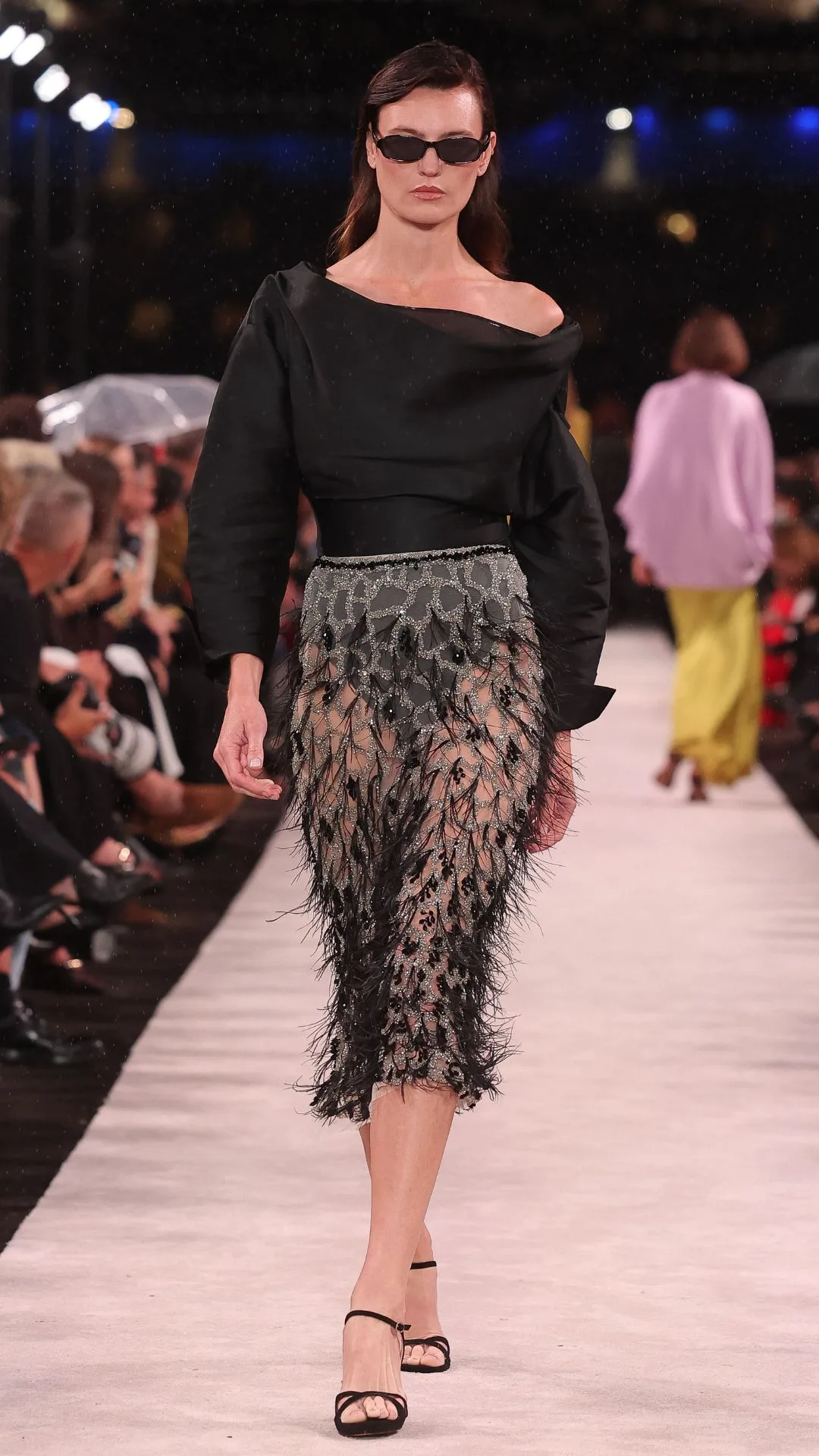
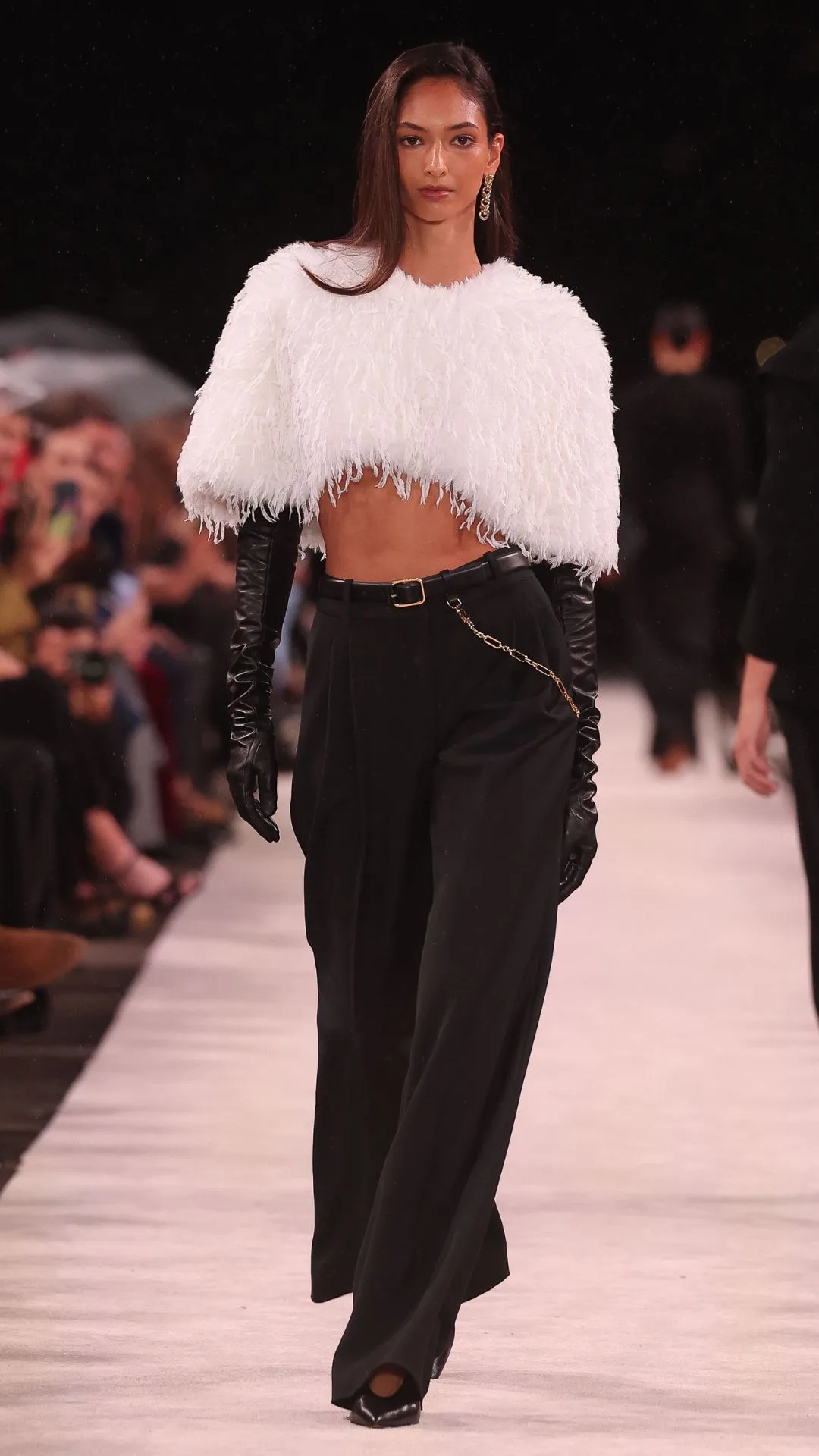
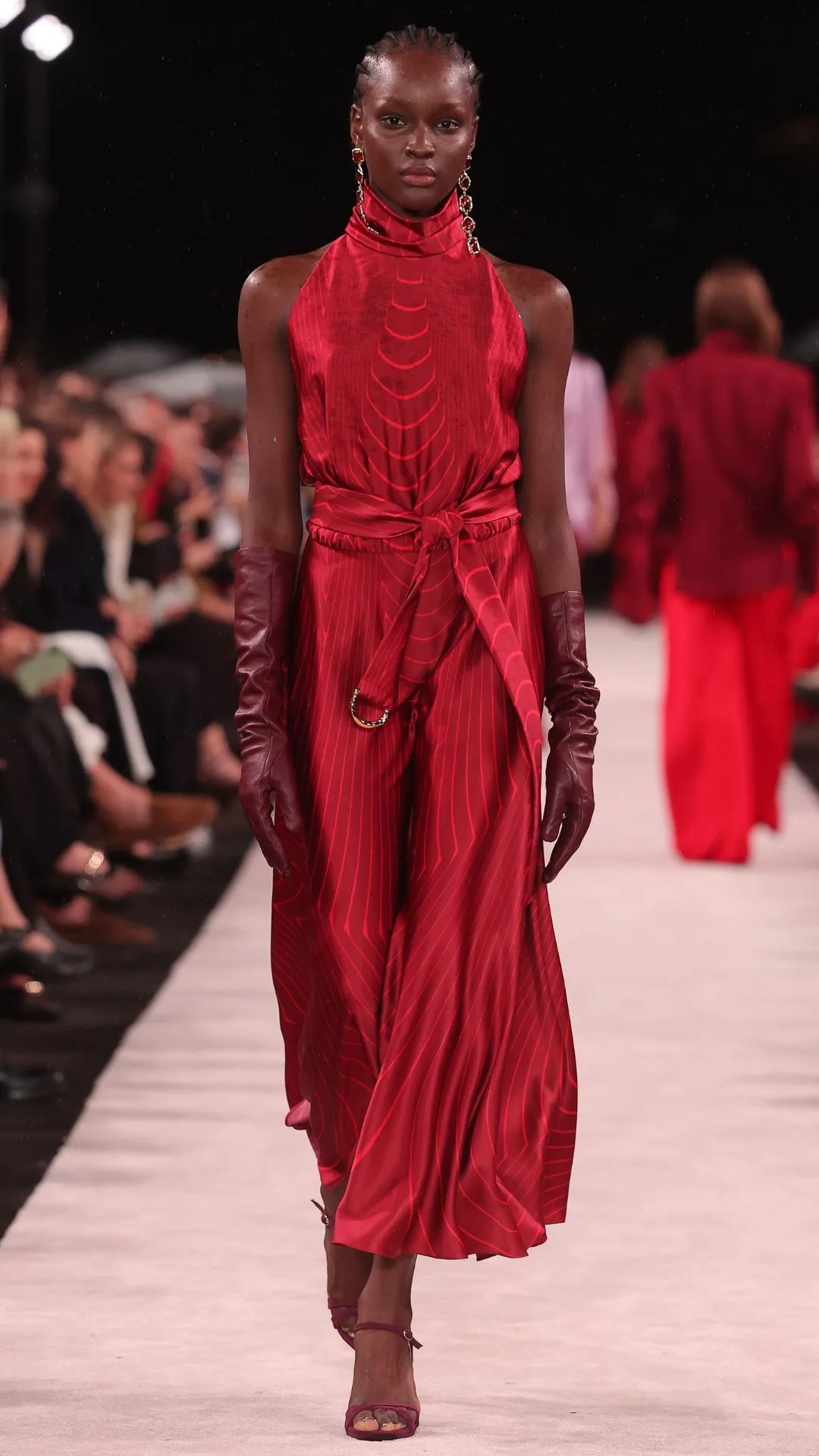
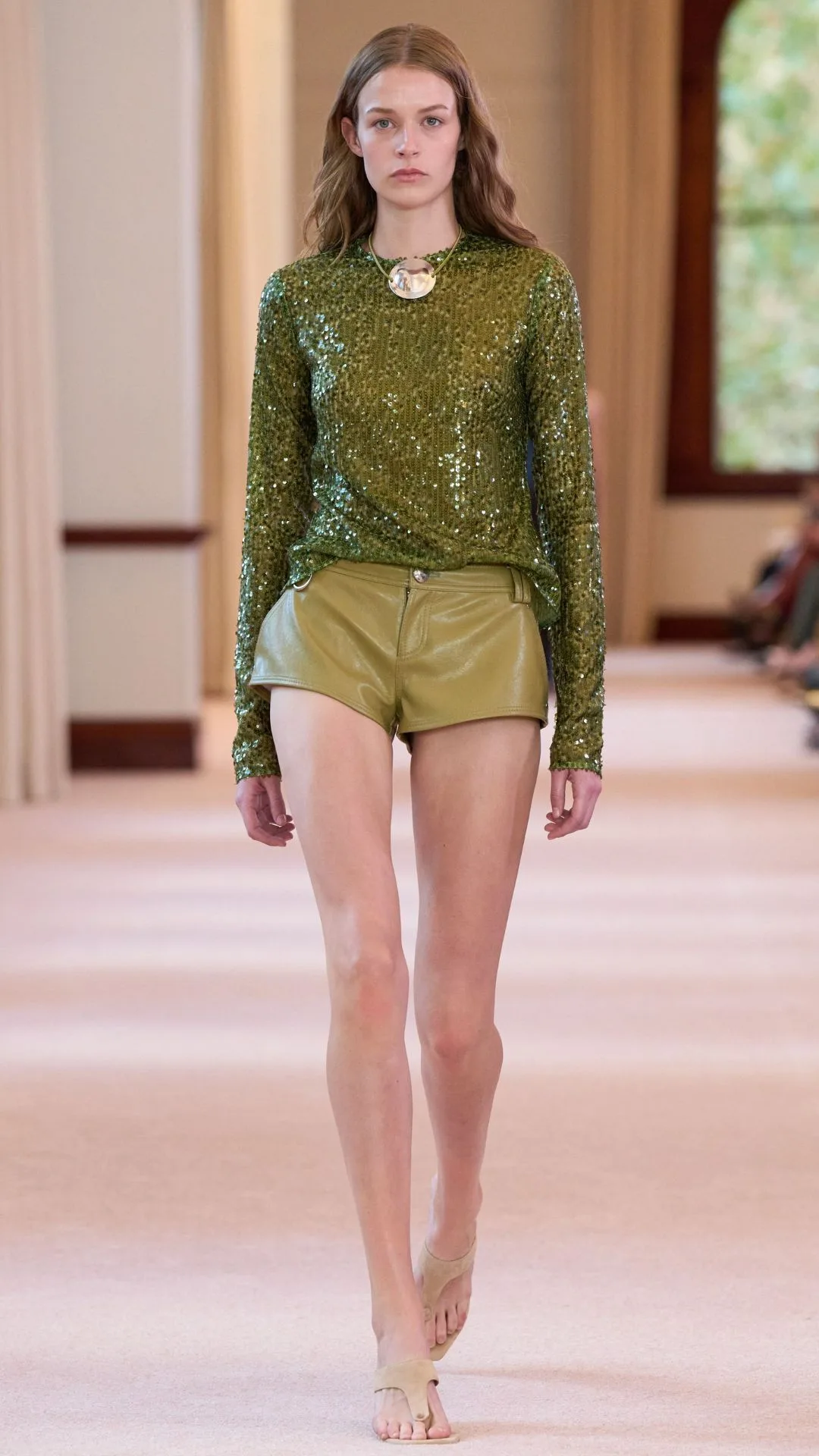
Tanya Eamon Beattie approached her sophomore collection as an exercise in reimagined heritage, a fitting tribute for the brand’s 60th anniversary aligning with Australian Fashion Week 2026 and its 30th edition. Presented against the dramatic, rain-slicked backdrop of the Sydney Opera House, the 45-look collection felt both reverent and delightfully rebellious. When Shanina Shaik opened the show, it became clear that Beattie is steering the classic Zampatti woman toward a more club-ready future. The brand’s signature monochromatic elegance was disrupted by jewel-toned flashes of chartreuse and deep red, hand-applied glass beadwork, and tactical leather accents. It was a masterclass in textural balancing, pairing delicate feathers with utilitarian cargo pants, proving that a legacy brand can honor its past while dancing firmly in the present.
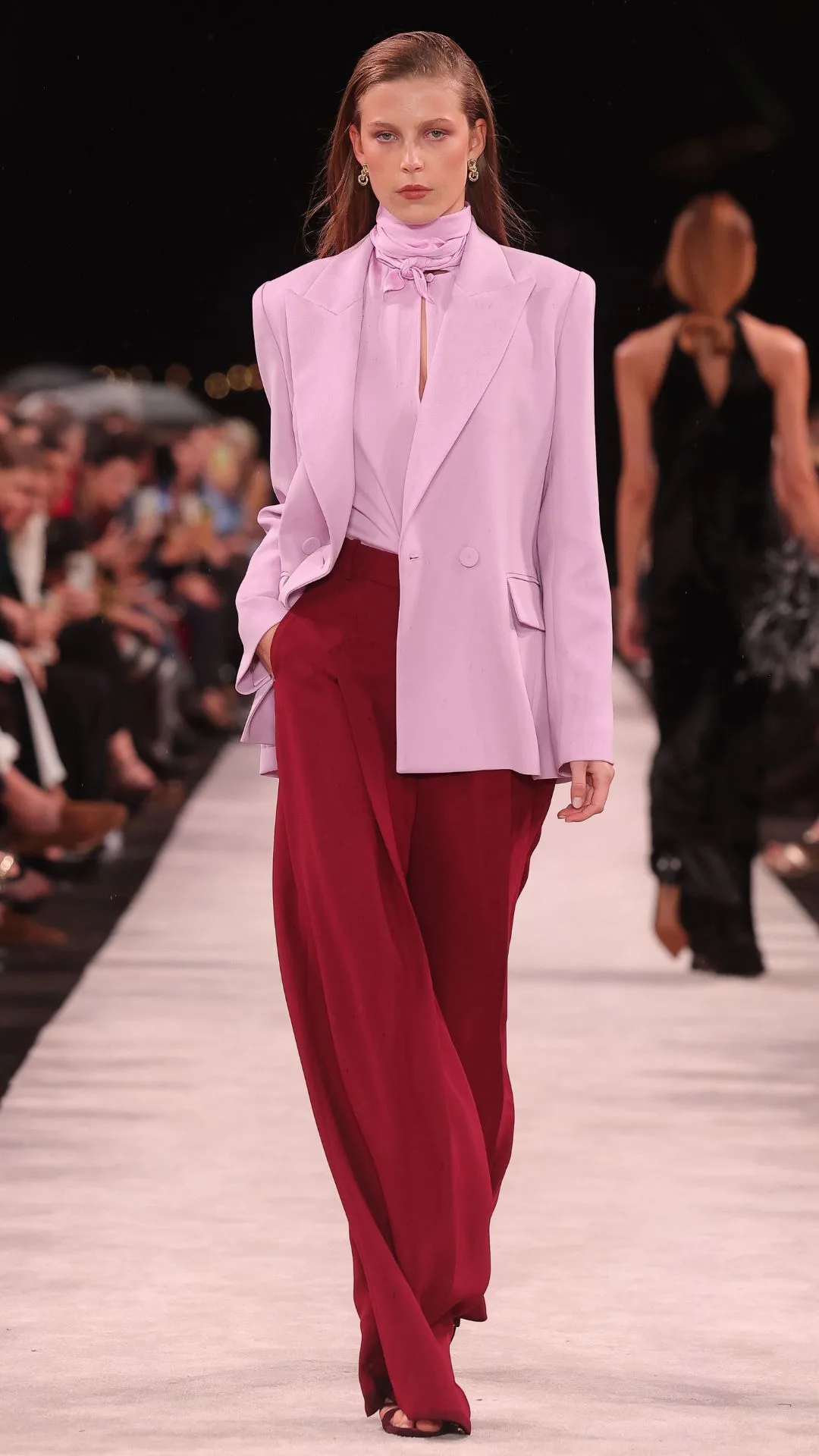
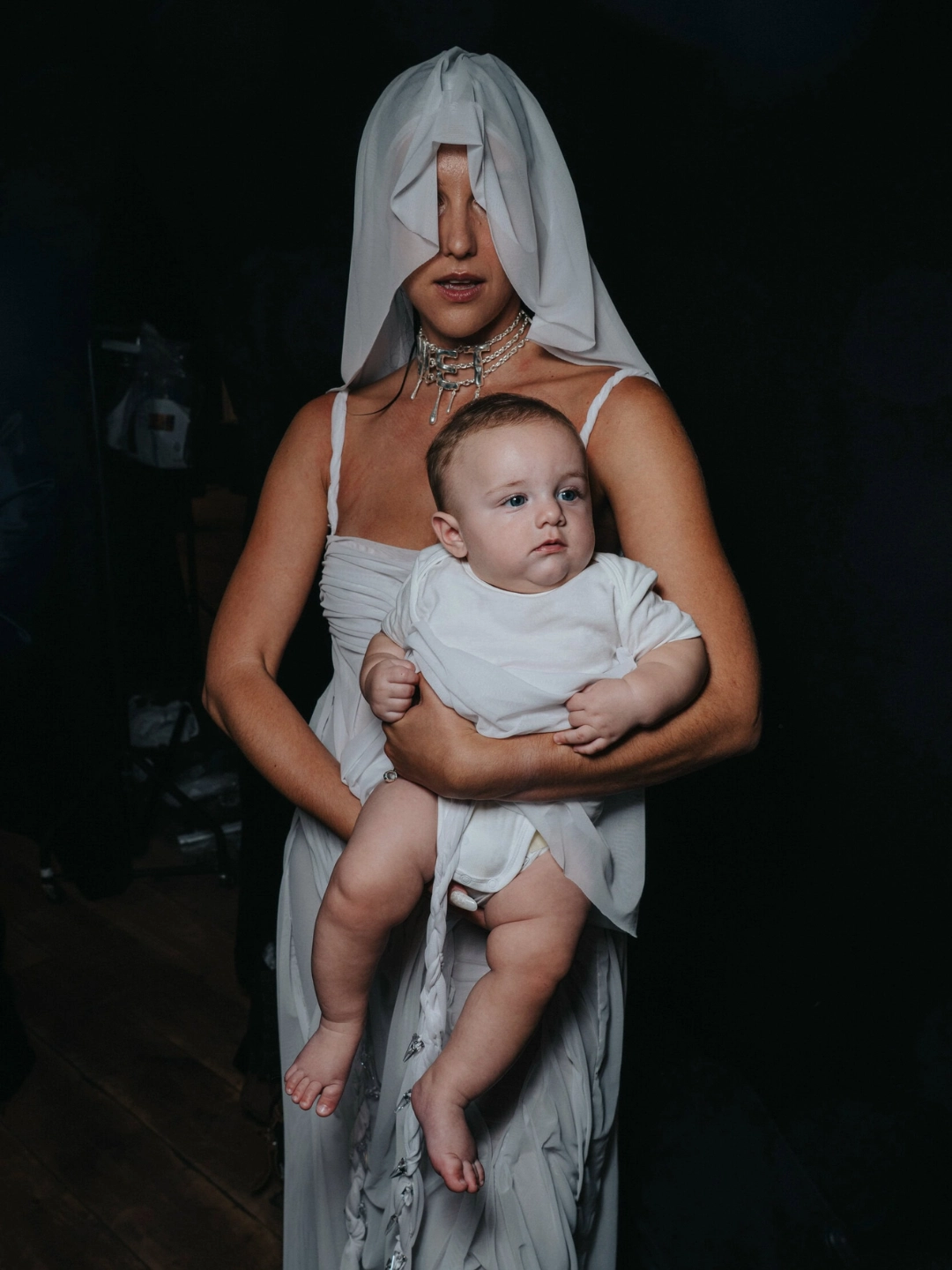
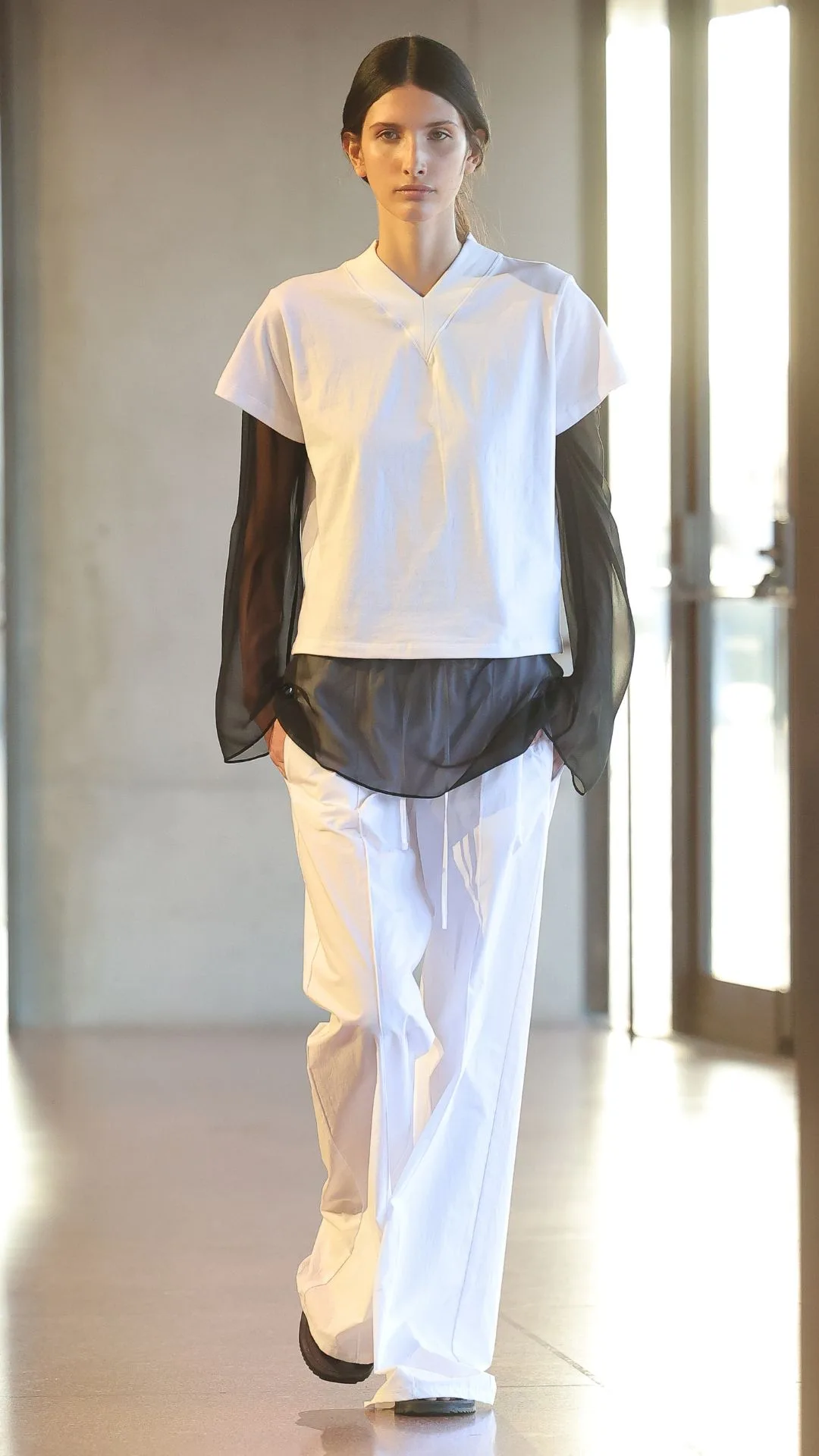
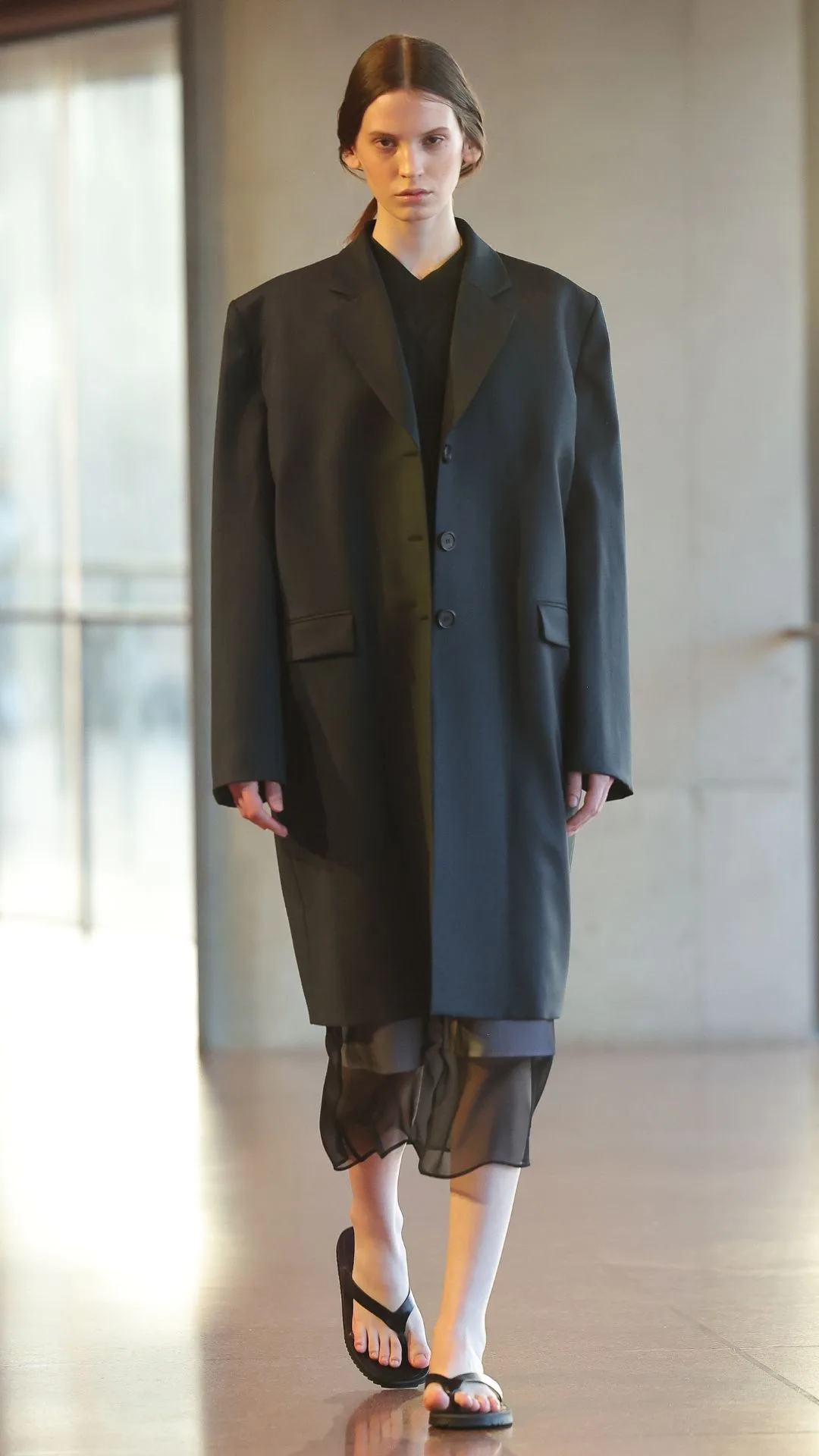
Gabriella Pereira’s Pre-Fall ’26 collection for Beare Park felt like a long, reassuring exhale. Conceived during a period of profound personal shift, culminating in Pereira taking her bow with her first child in her arms, the collection was a study in tenderness as a form of resolve. Inspired by Sinead O’Connor’s ‘In This Heart’, the garments offered a quiet, disciplined luxury. Elongated, architectural tailoring was gently subverted by fluid draping, while shifting metallic dupion silks and sheer layers spoke to a vulnerability that never felt fragile. By contrasting sensible tobacco coats with low-rise trousers and crisp ivory shirting, Pereira cemented her status as a purveyor of effortless, instinctive cool.
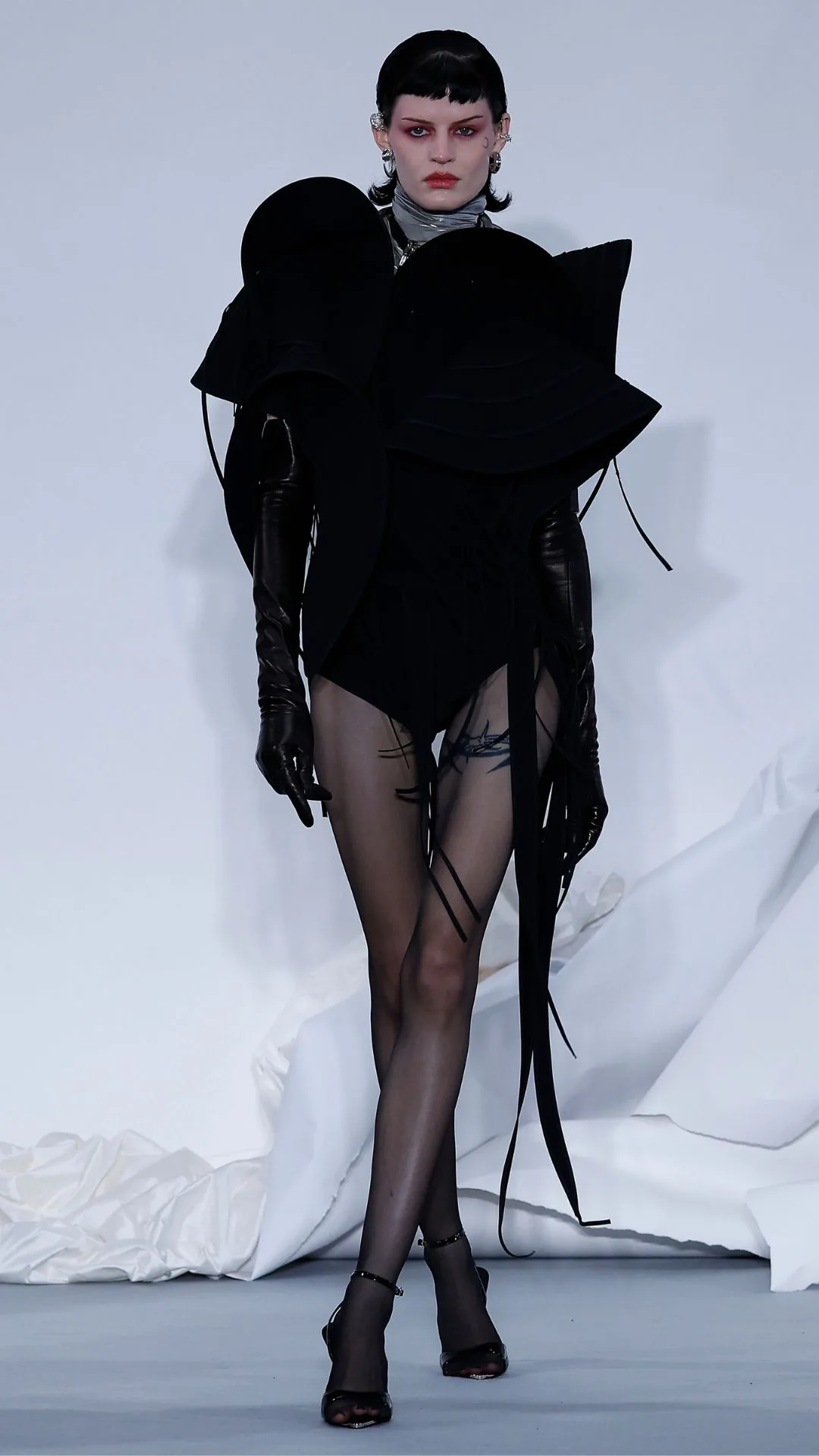
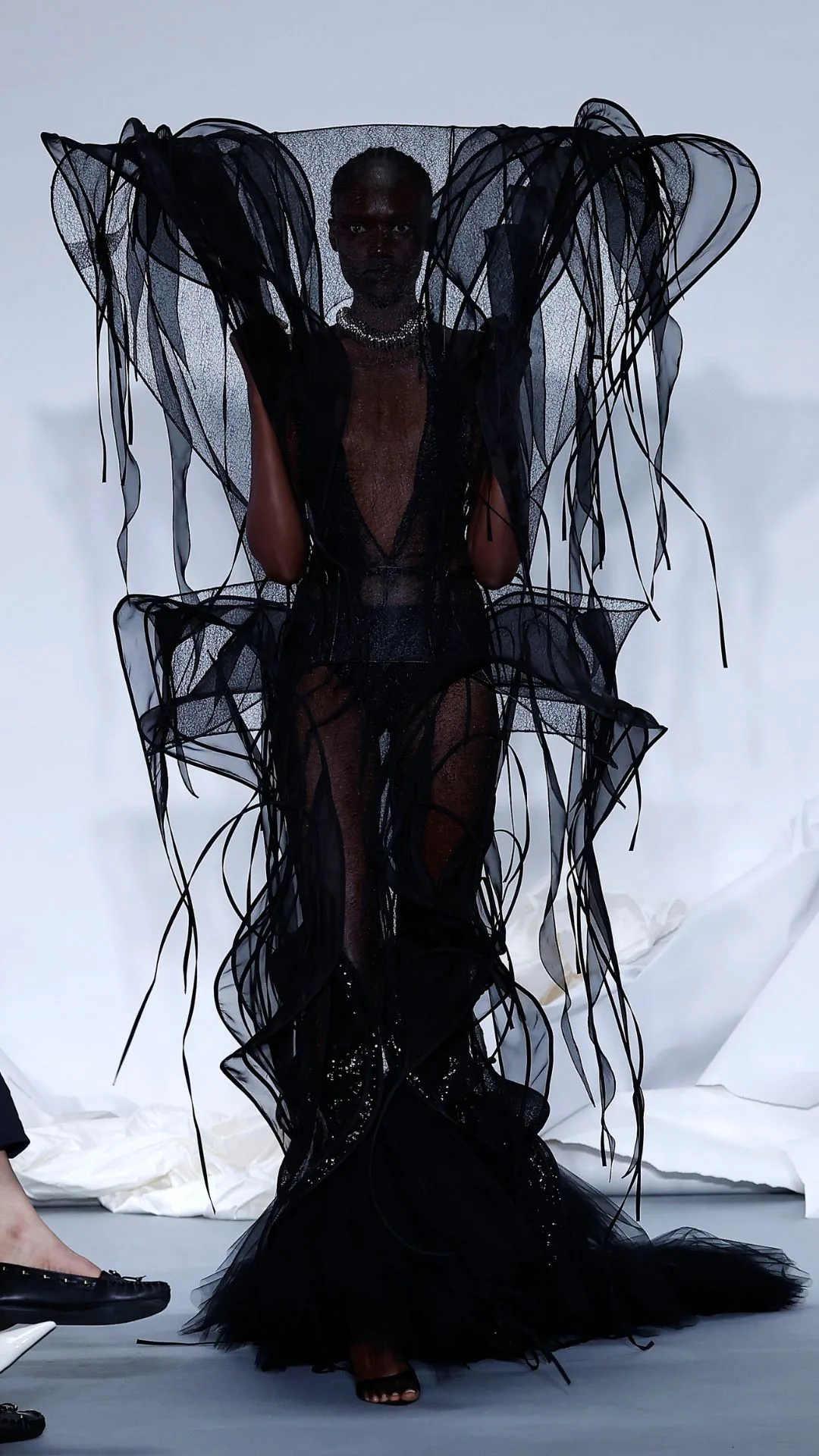
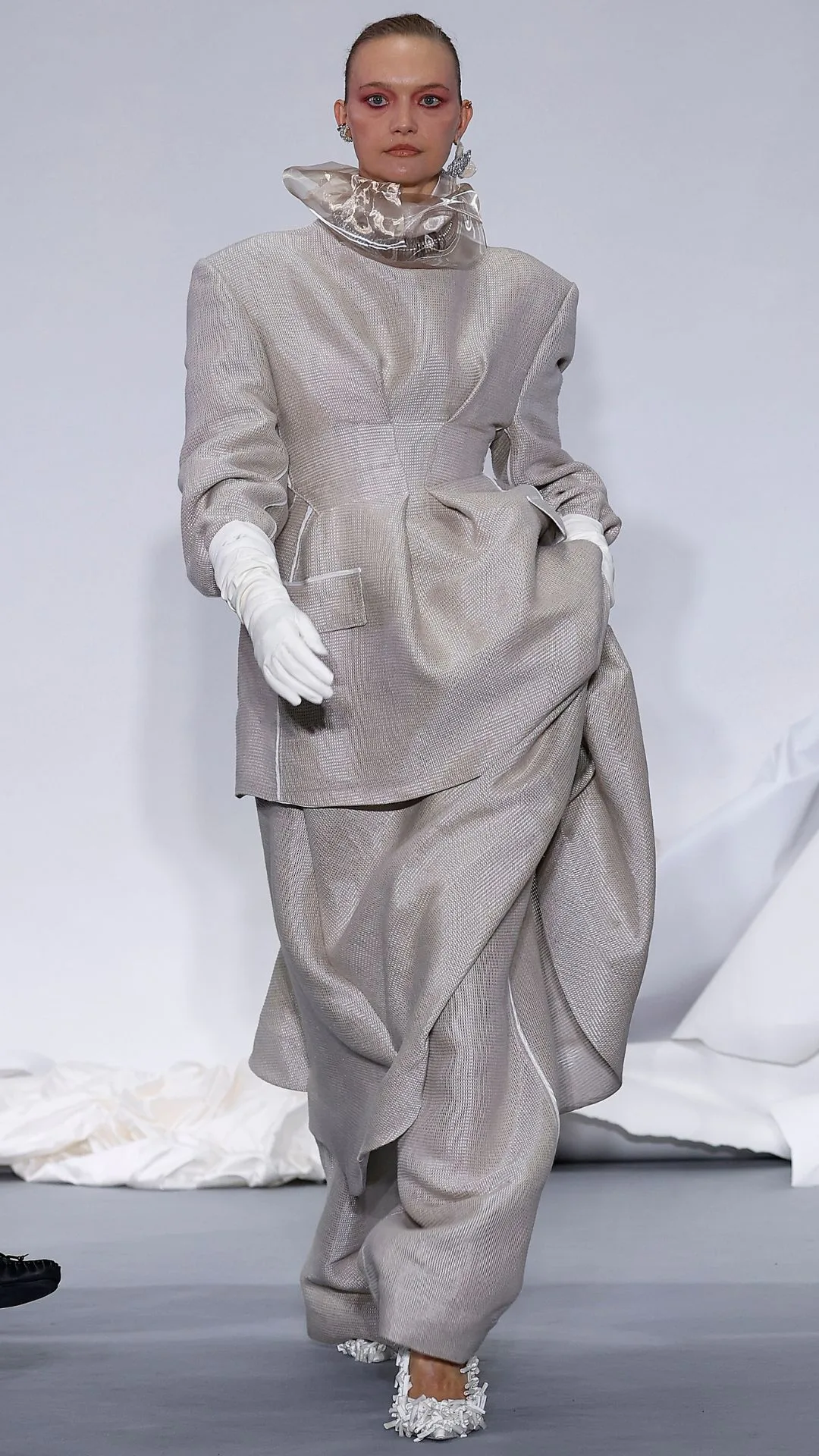
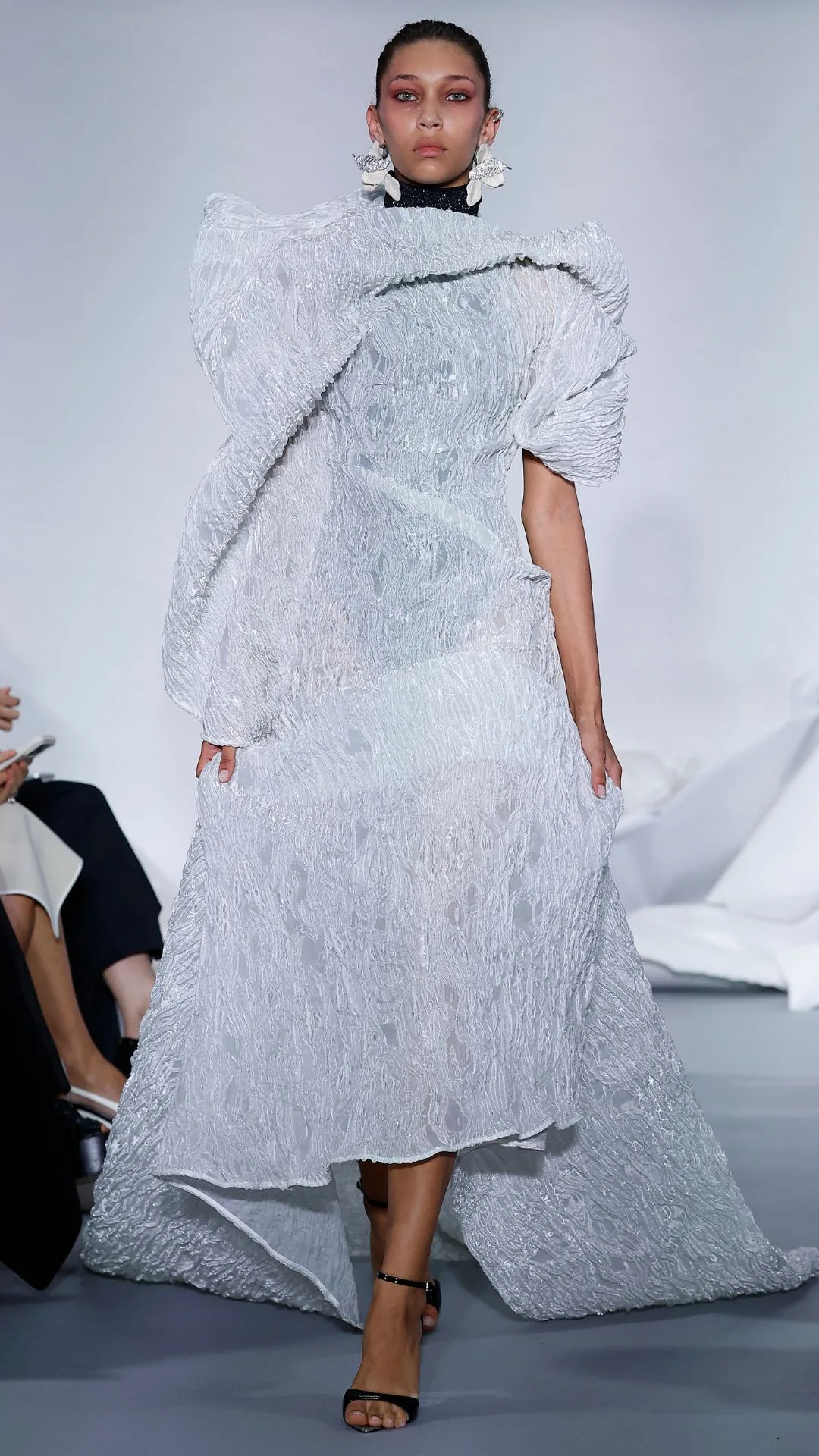
Toni Maticevski’s return was arguably the most anticipated moment of Australian Fashion Week 2026, marking his first AFW show since 2019. Unfolding at The Collider, the Winter ’26 presentation was nothing short of haunting. When Gemma Ward opened the show, navigating the stark white space in a luminous, armor-like construction, she set the tone for a collection obsessed with the tension between protection and exposure. Sculptural gowns in opalescent silks and leathers asked the audience a lingering question: are these garments cages, or are they armor? The incorporation of delicate fringing and Dr. Lisa Cooper’s lush floral sculptures added an otherworldly, ethereal quality, softening the imposing, exaggerated pannier cages that closed the show. It was a triumphant, gothic drama.
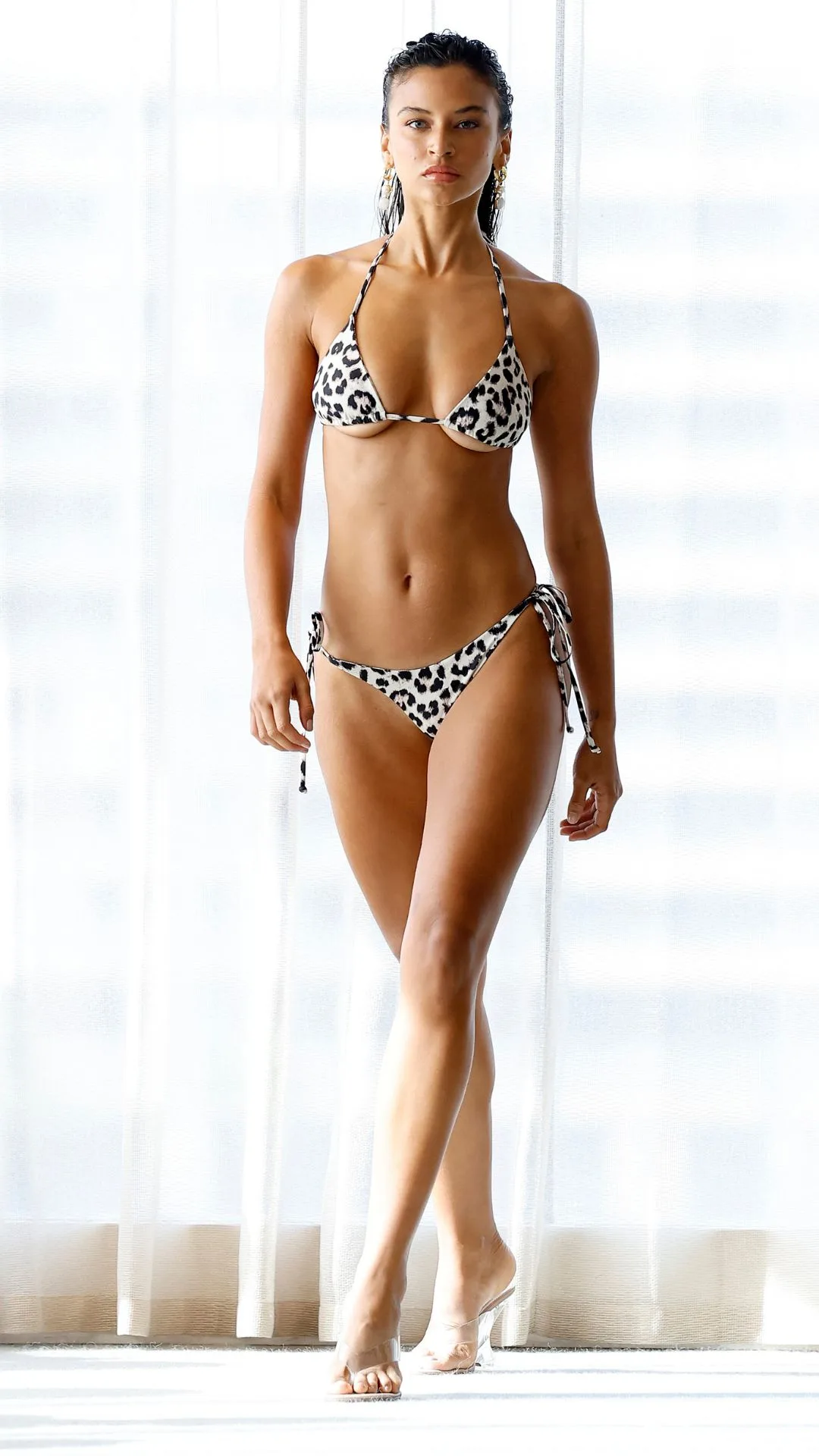
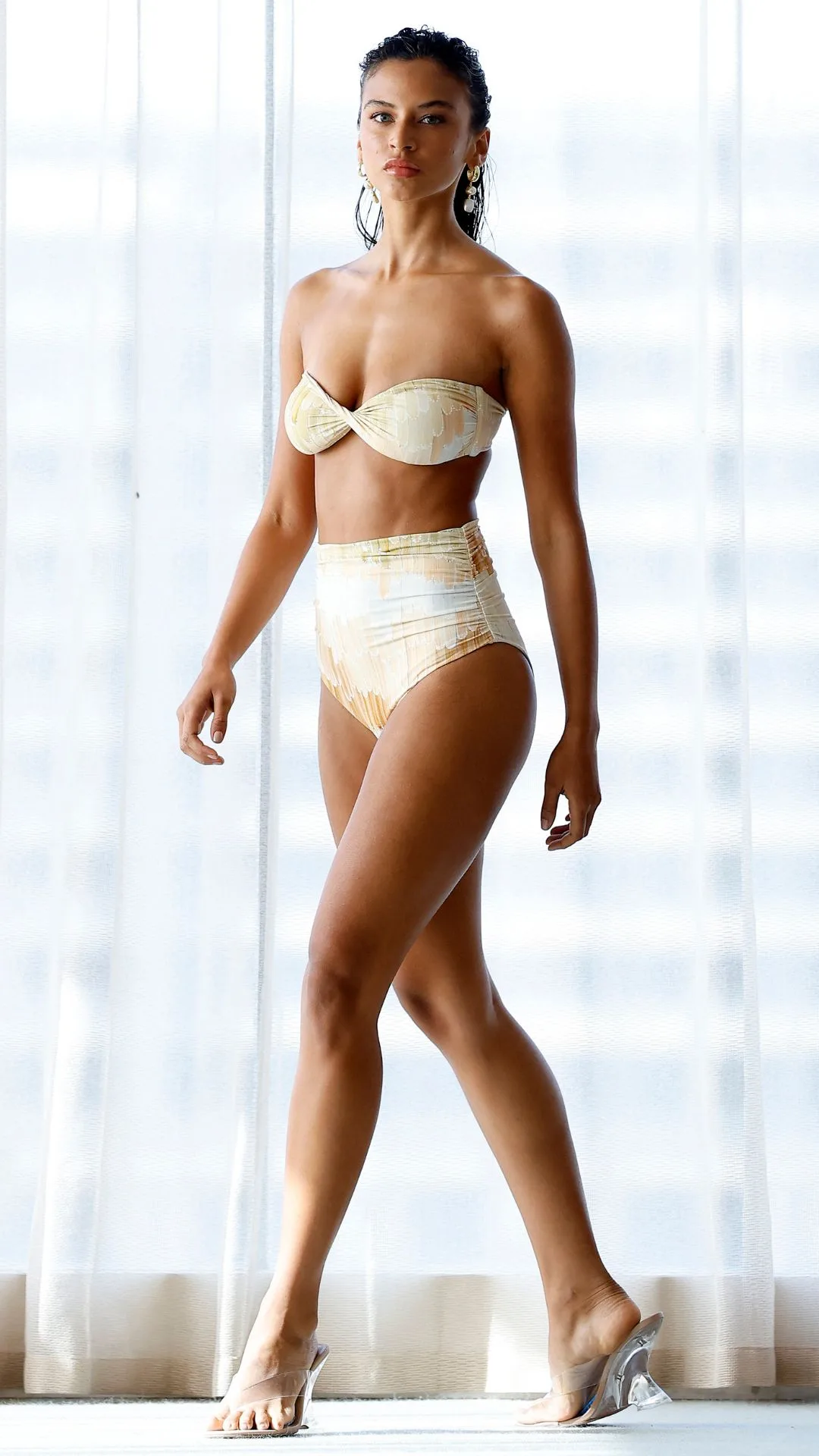
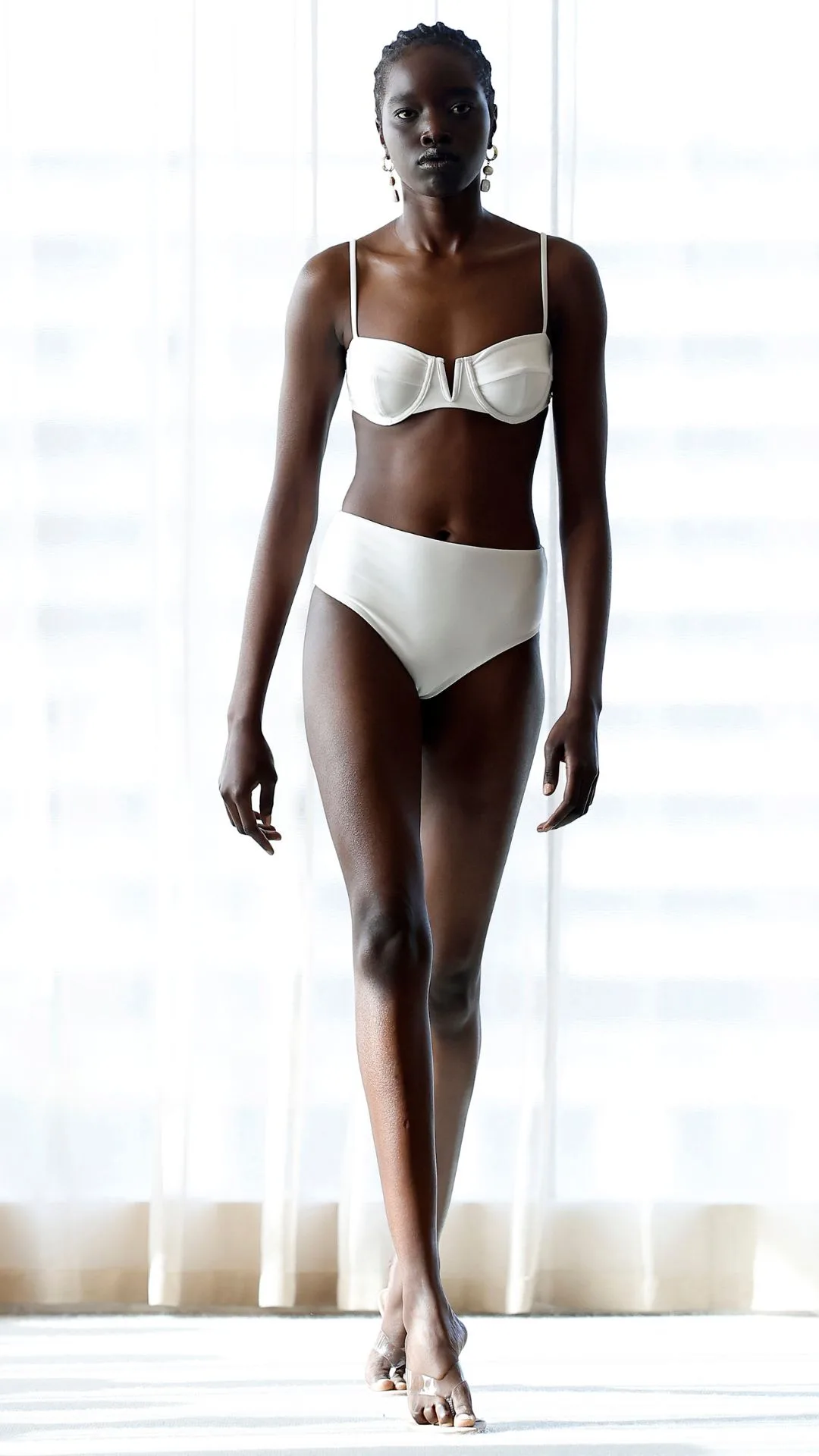
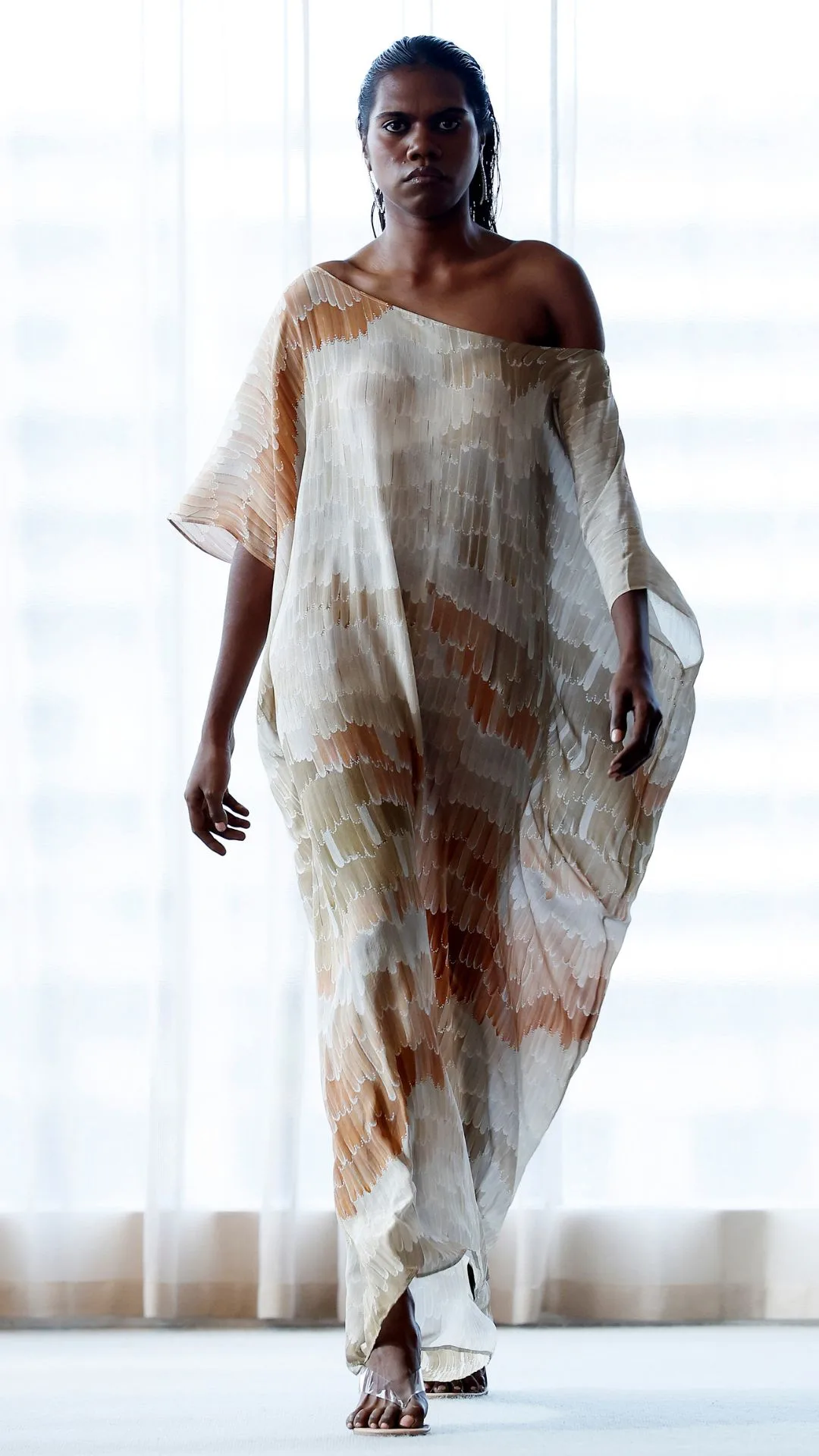
Making a powerful debut at Australian Fashion Week 2026, luxury swim and resort wear label Van Ermel Scherer offered a collection that was as emotionally resonant as it was beautiful. Founded by Larrakia woman Verity van Ermel Scherer, the brand is rooted in the memory of her late grandmother, a Stolen Generation survivor. Opening with an audio testimony from her grandmother and a walk by her own mother, the presentation transformed the runway into a space of profound mourning and vibrant reclamation. Collaborating with artist Lizzy Stageman, the garments, ranging from precision-constructed wetsuit styles to weightless, 100% silk crêpe de chine kaftans, spoke perfectly to Australian coastal life while refusing to let the industry look away from the deep, complex history embedded in the land.
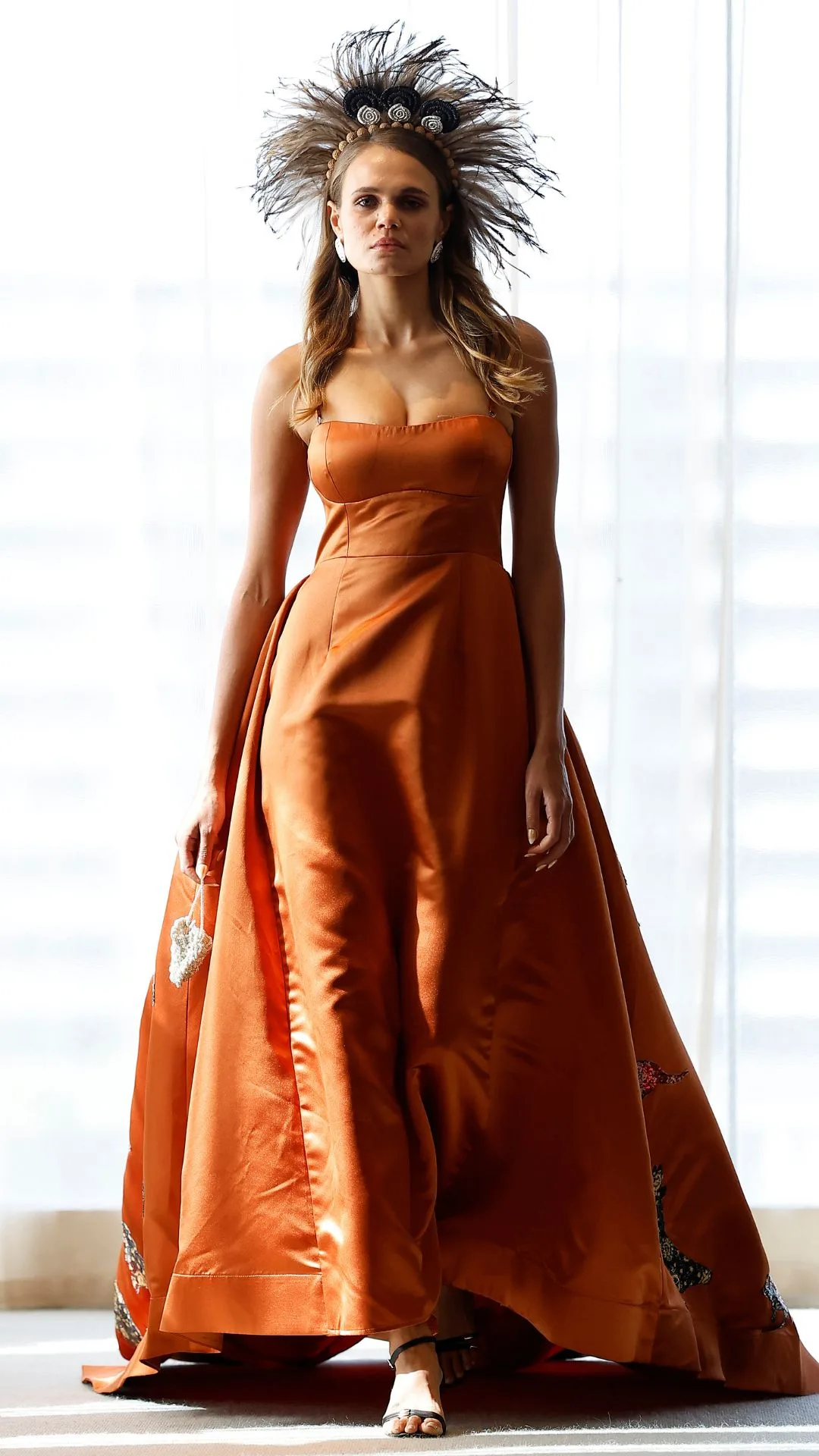
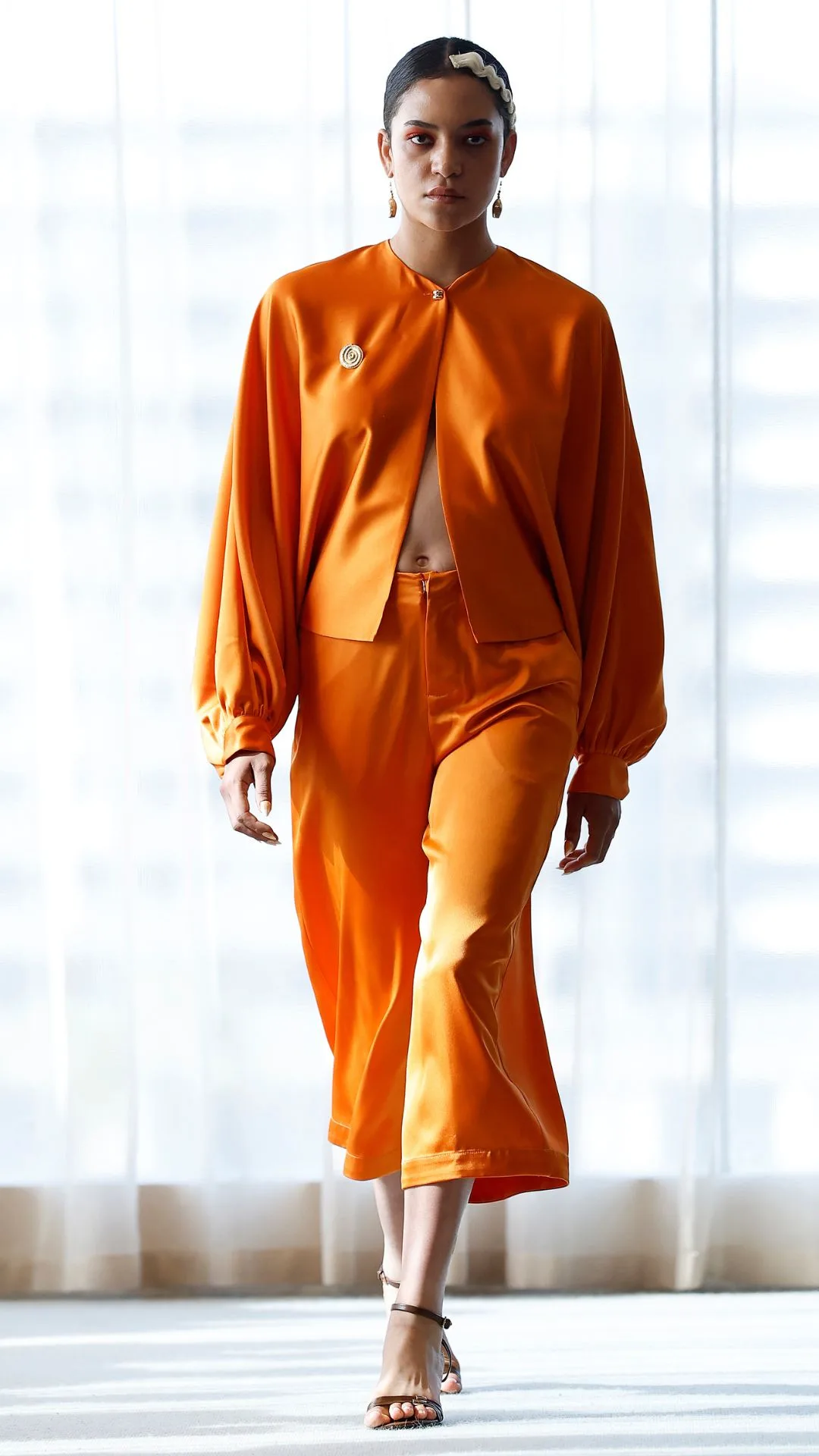
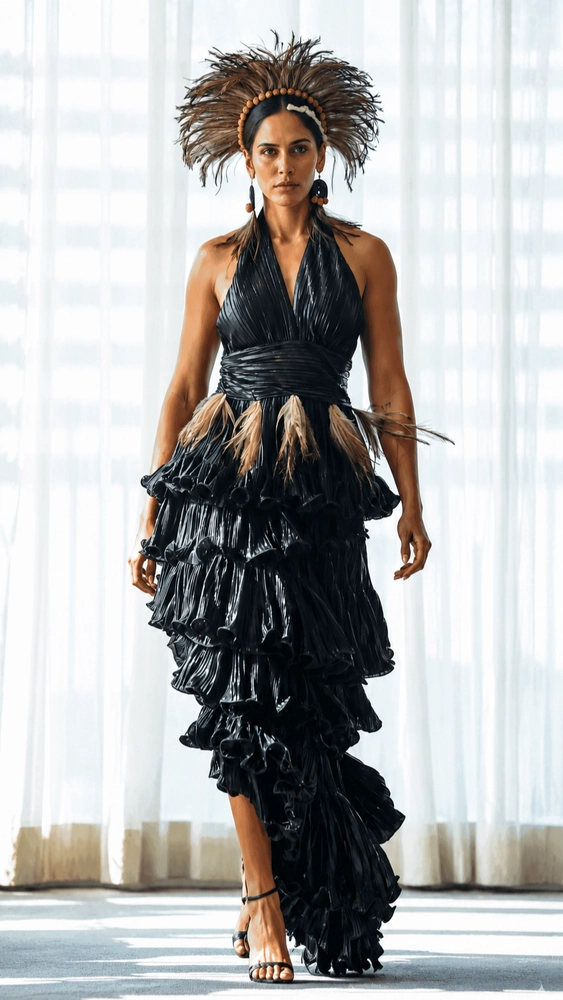
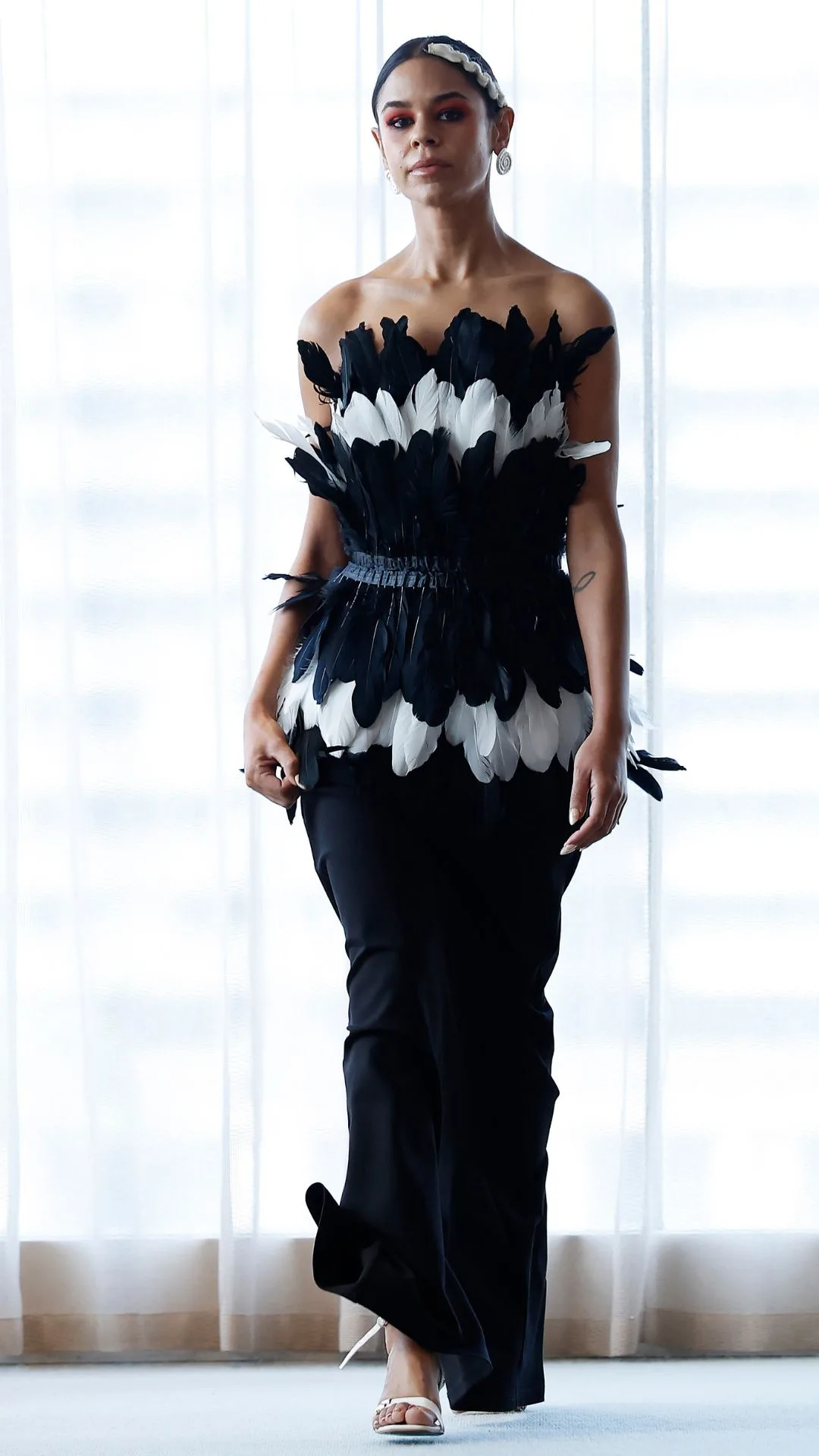
Colleen Tighe Johnson’s Love from Gamilaraay was an exquisite act of cultural revival. Drawing from Gamilaraay culture, language, and country, Johnson transformed Gomeroi artworks into brilliant textile prints. The color story was a direct translation of the landscape, shifting from deep umber and burnt ochre to brilliant sunshine yellow. When Billie-Jean Hamlet stepped onto the runway in a strapless gown the color of a scorched sky, its train embroidered with sequined emus and kangaroos, the room shifted. From louche cigarette trousers to a dramatic, black-and-white feathered column gown, the collection balanced relaxed resort ease with a potent, dark evening glamour.
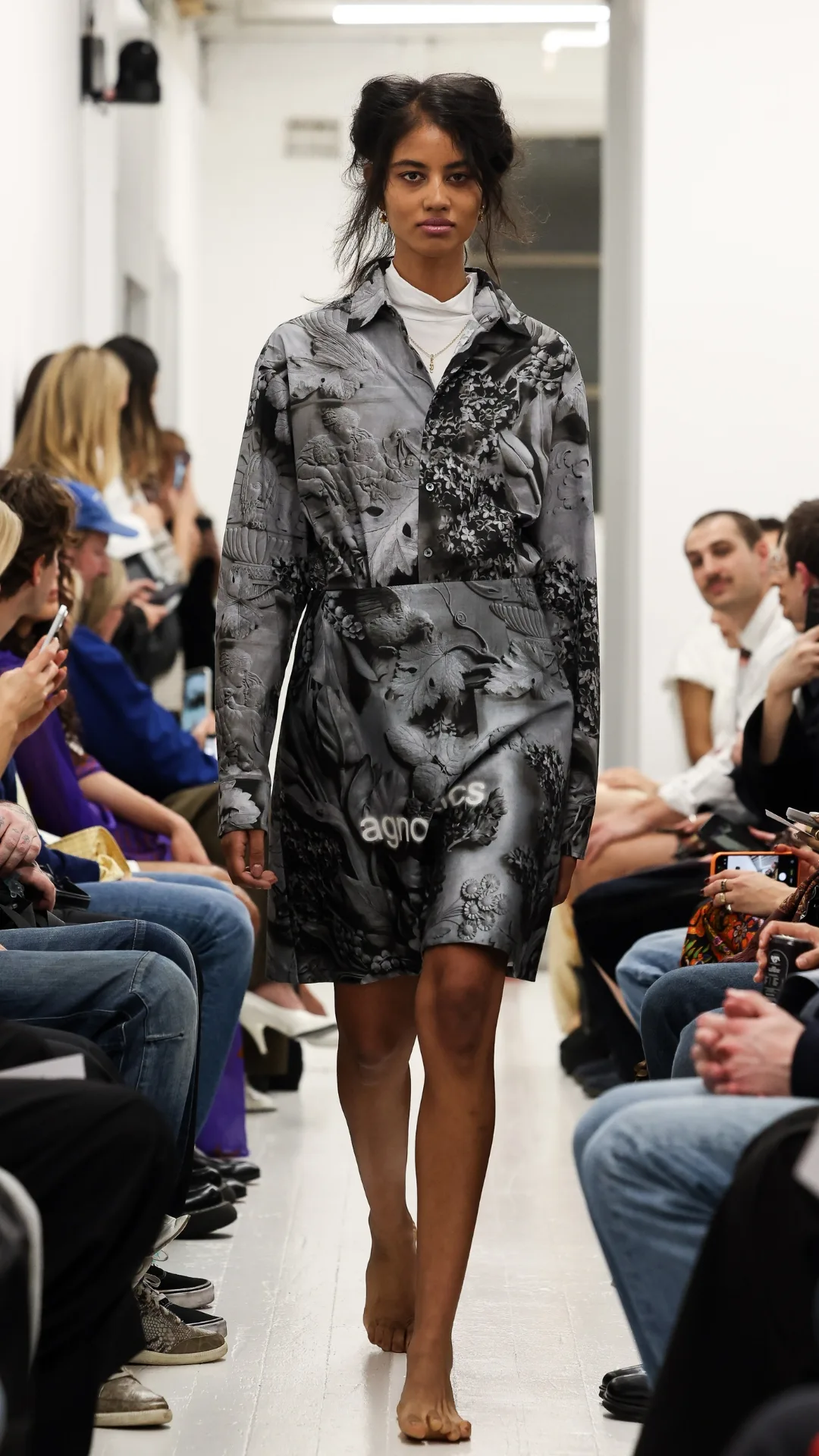
Alix Higgins understands the hyper-specific nostalgia of his audience better than almost anyone else working today. Crammed into the China Heights Gallery, the Australian Fashion Week 2026 crowd witnessed a 30-look collection that collaged archaic technology with natural motifs. Using prints developed with Daniel Faust, reconstructing reality via video game rendering, and floral elements sourced from vintage porcelain, Higgins captured the current cultural unease surrounding technology's encroachment on human artistry.
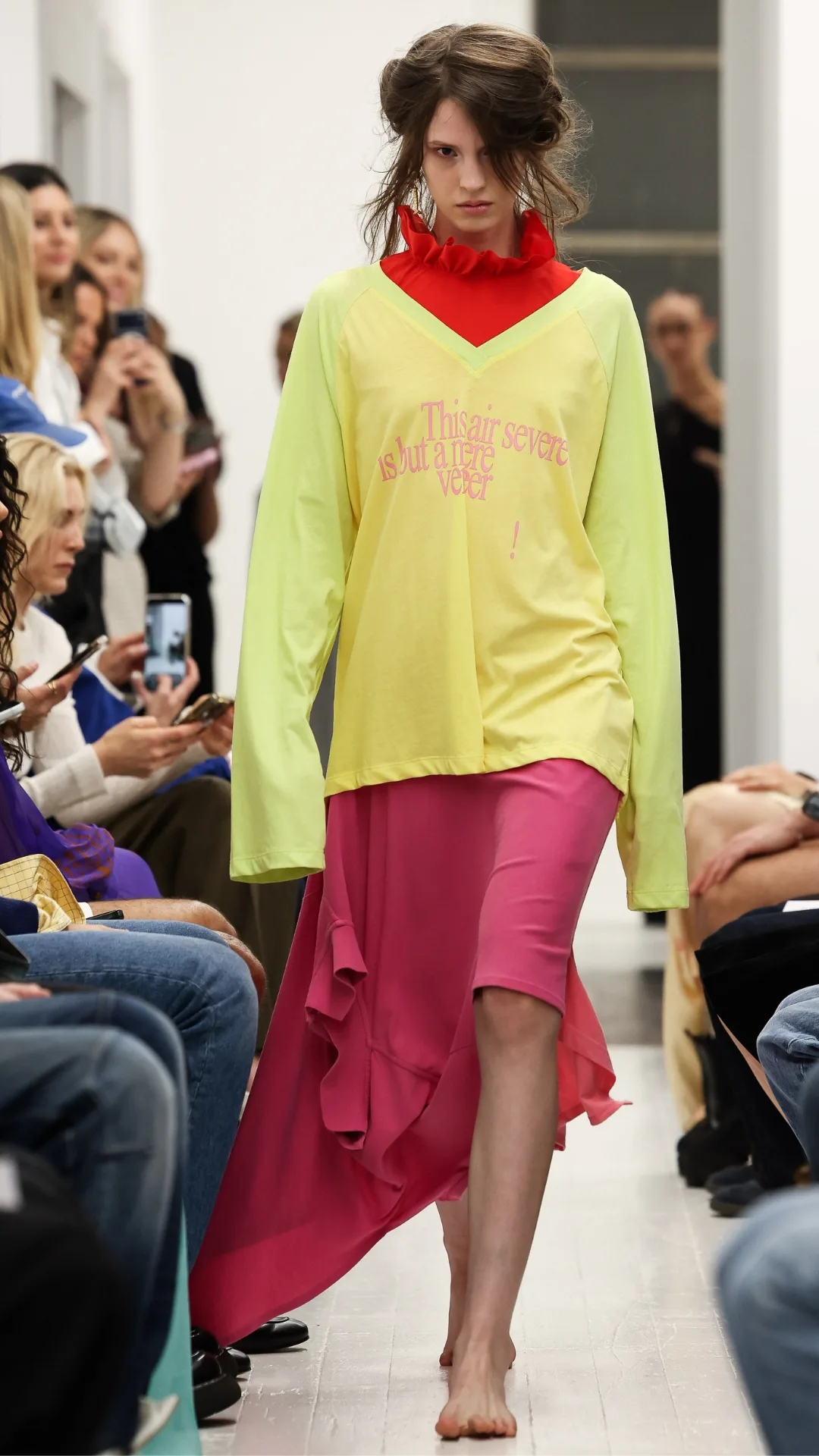
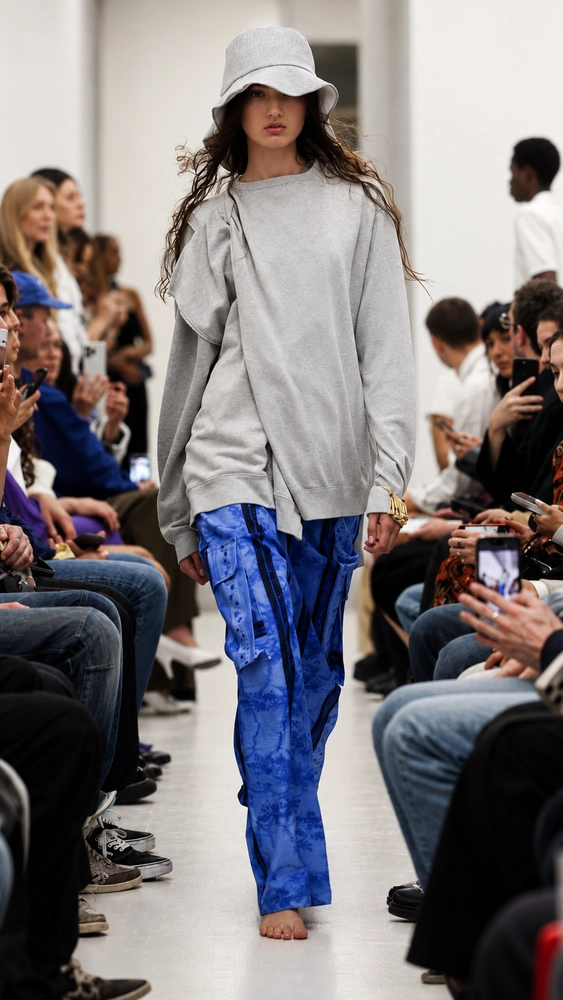
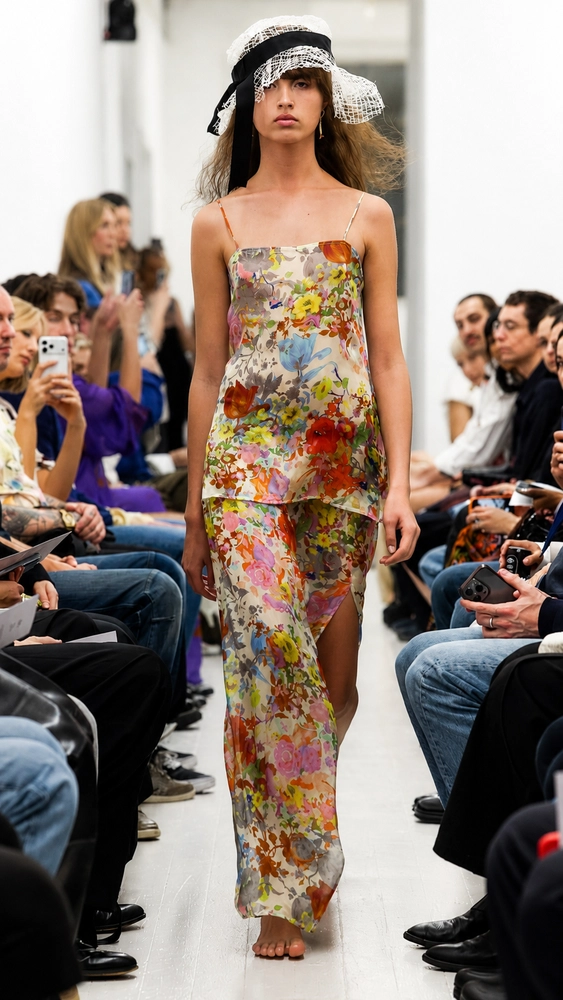
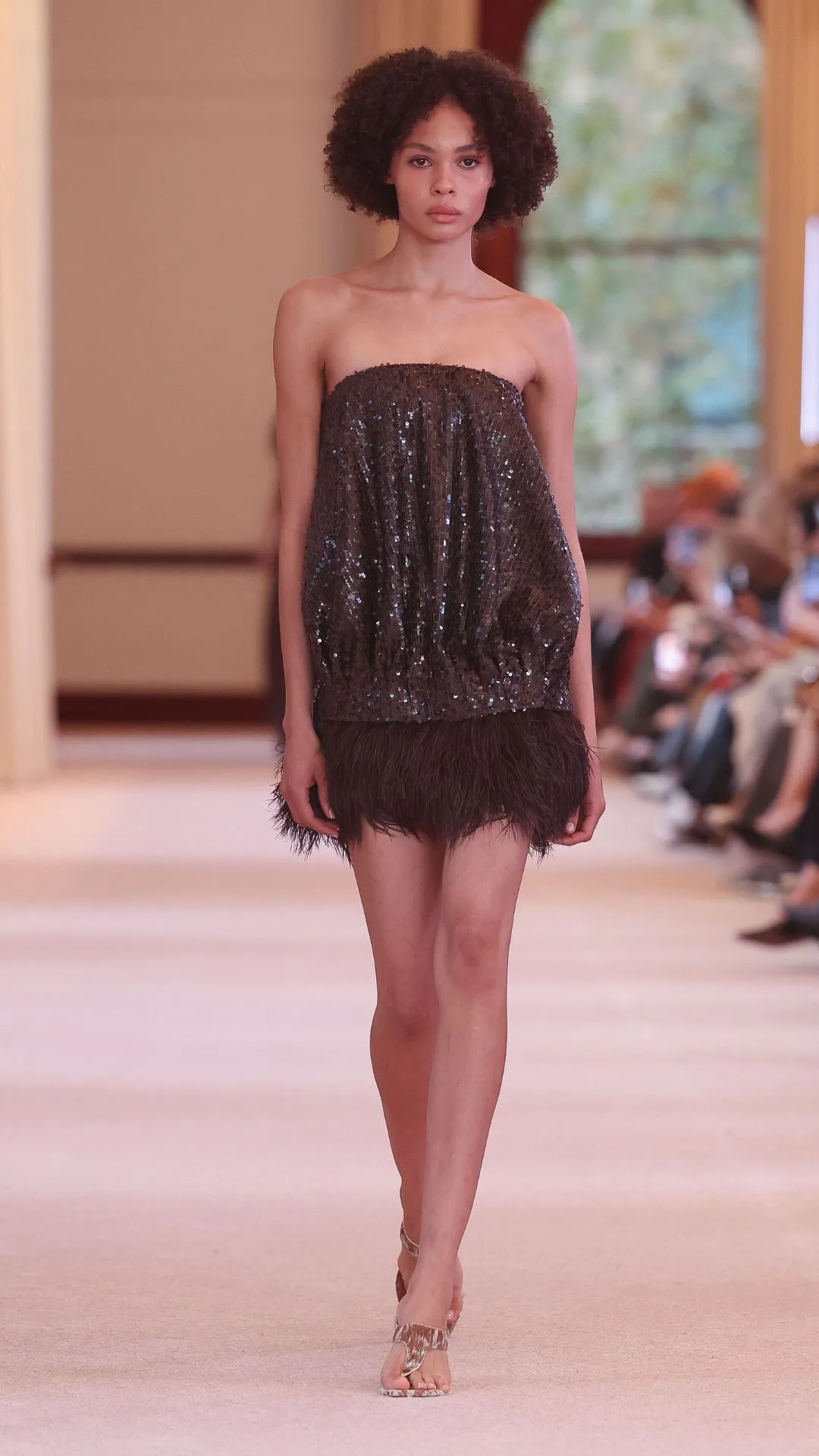
Staged at the Museum of Contemporary Art, Hansen & Gretel’s Resort ’27 TIDE collection was an elevated love letter to 90s surf culture. Flanked by melting ice sculptures encasing starfish, the runway offered a tactile exploration of the coastline. The brand expertly merged a soft, mermaid aesthetic, hibiscus prints, pearl appliqués, and ombré washes, with a punchy, youthful rebellion. Slogan tees and neon hot pants provided a sharp, surf-punk contrast to the slouchy, sequined hobo bags. The beauty direction amplified this vision, with sun-flushed cheeks and loosely braided, shell-threaded waves.
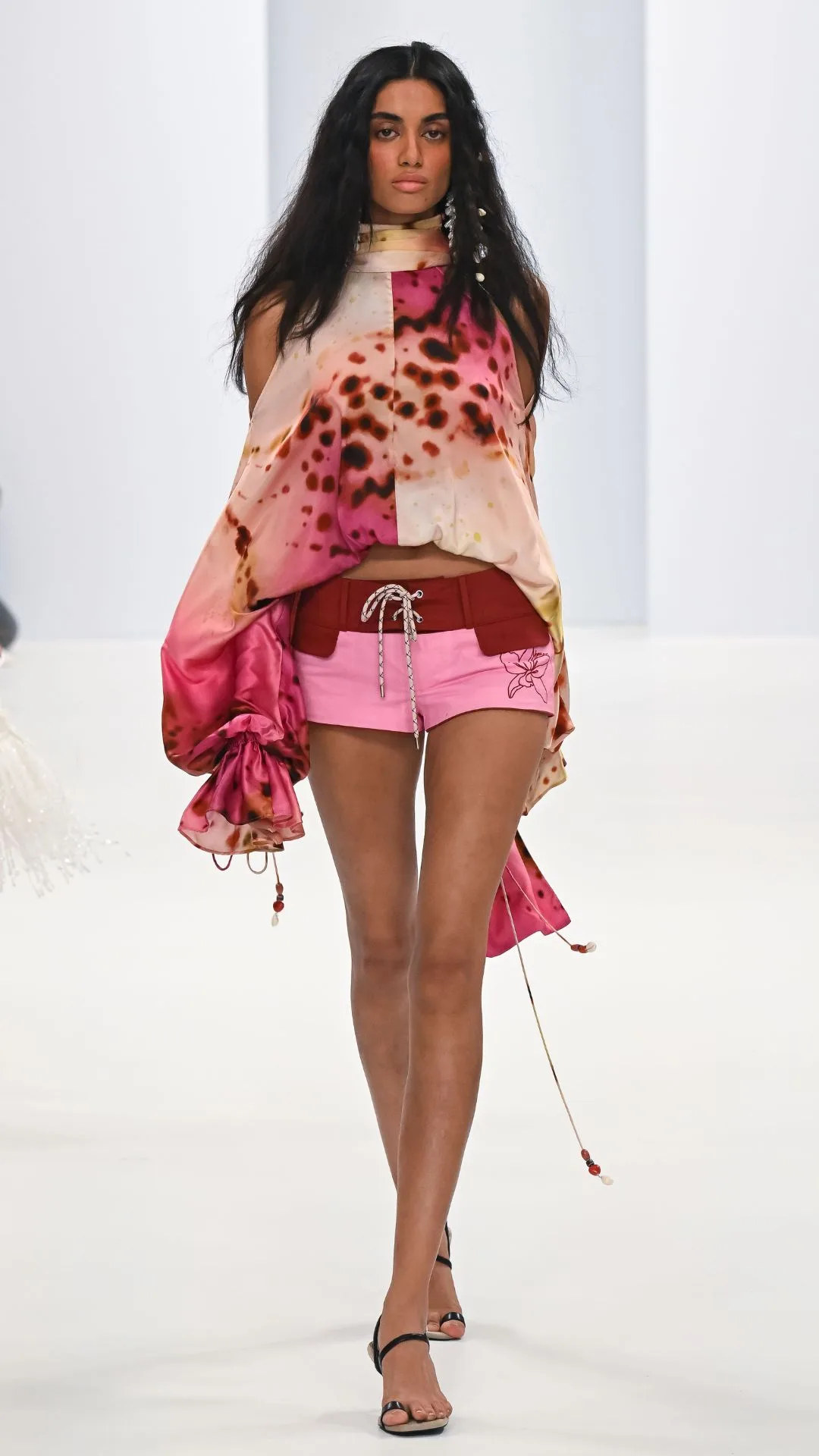
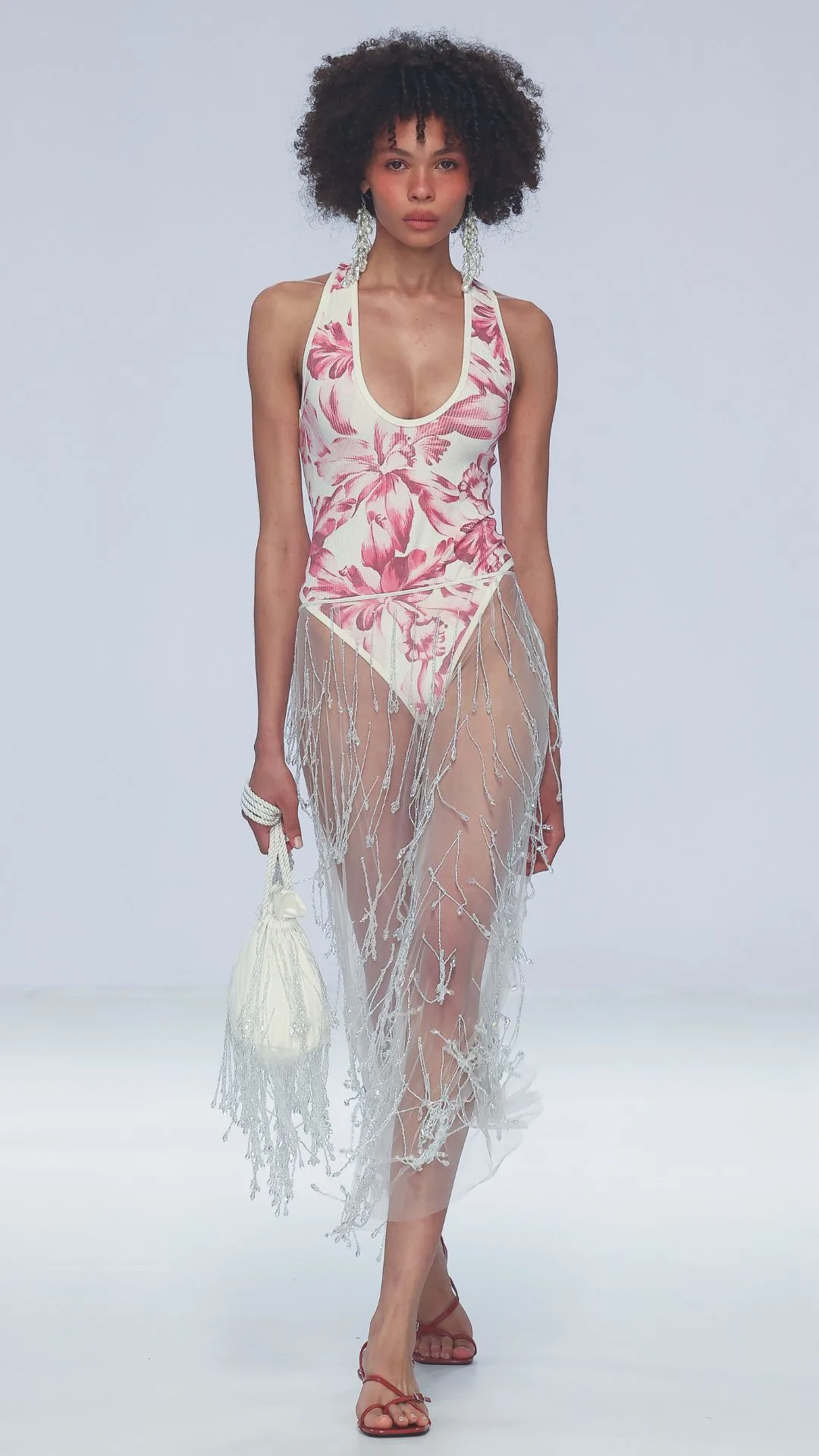
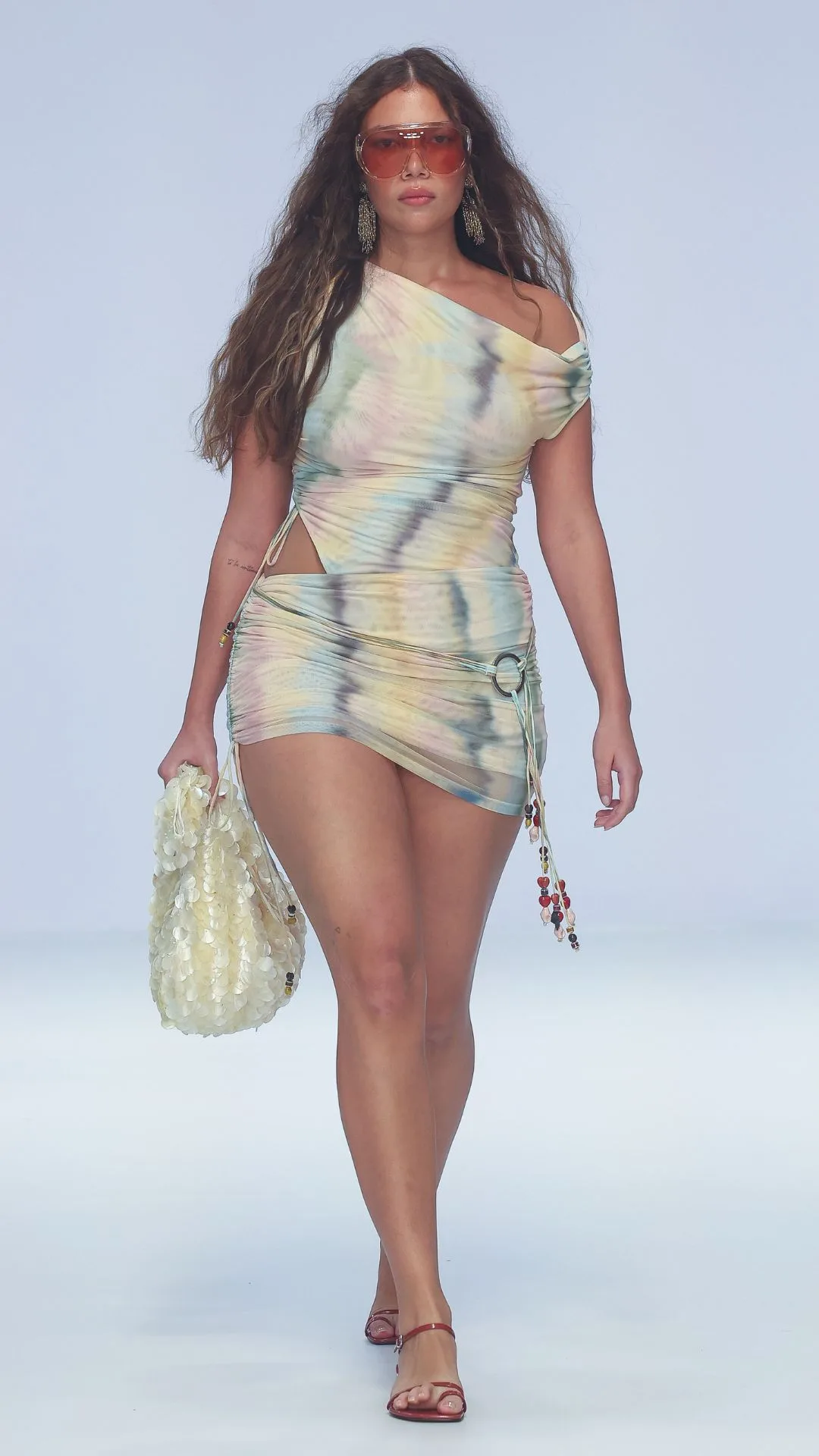
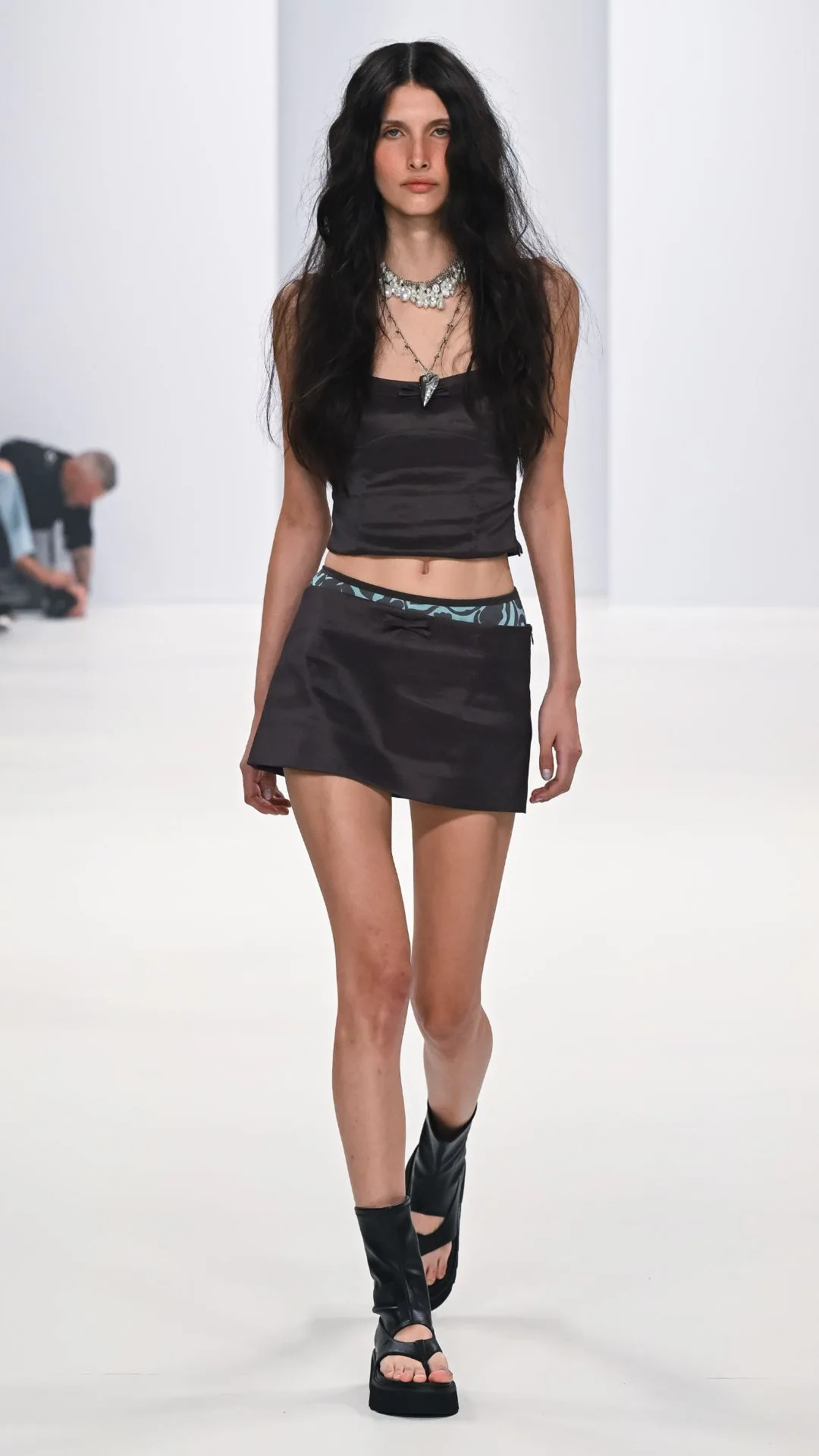
Aje’s Siren collection took us to the burnt, rugged terrains of the Australian landscape. Known for fluid drapery and romantic volume, co-founders Adrian Norris and Edwina Forest took a surprising, highly successful detour into Western influence. The juxtaposition was thrilling: weightless pink camisoles styled with low-slung vegan leather trousers, crisp Western shirts paired with suede hot pants, and open-back halters meeting shimmering wrap skirts. The introduction of tougher elements gave the signature Aje femininity a new, grounded grit. This was not the trendy "office siren"; this was a siren born of the Southern Ocean, wild, textural, and beautifully untamed.
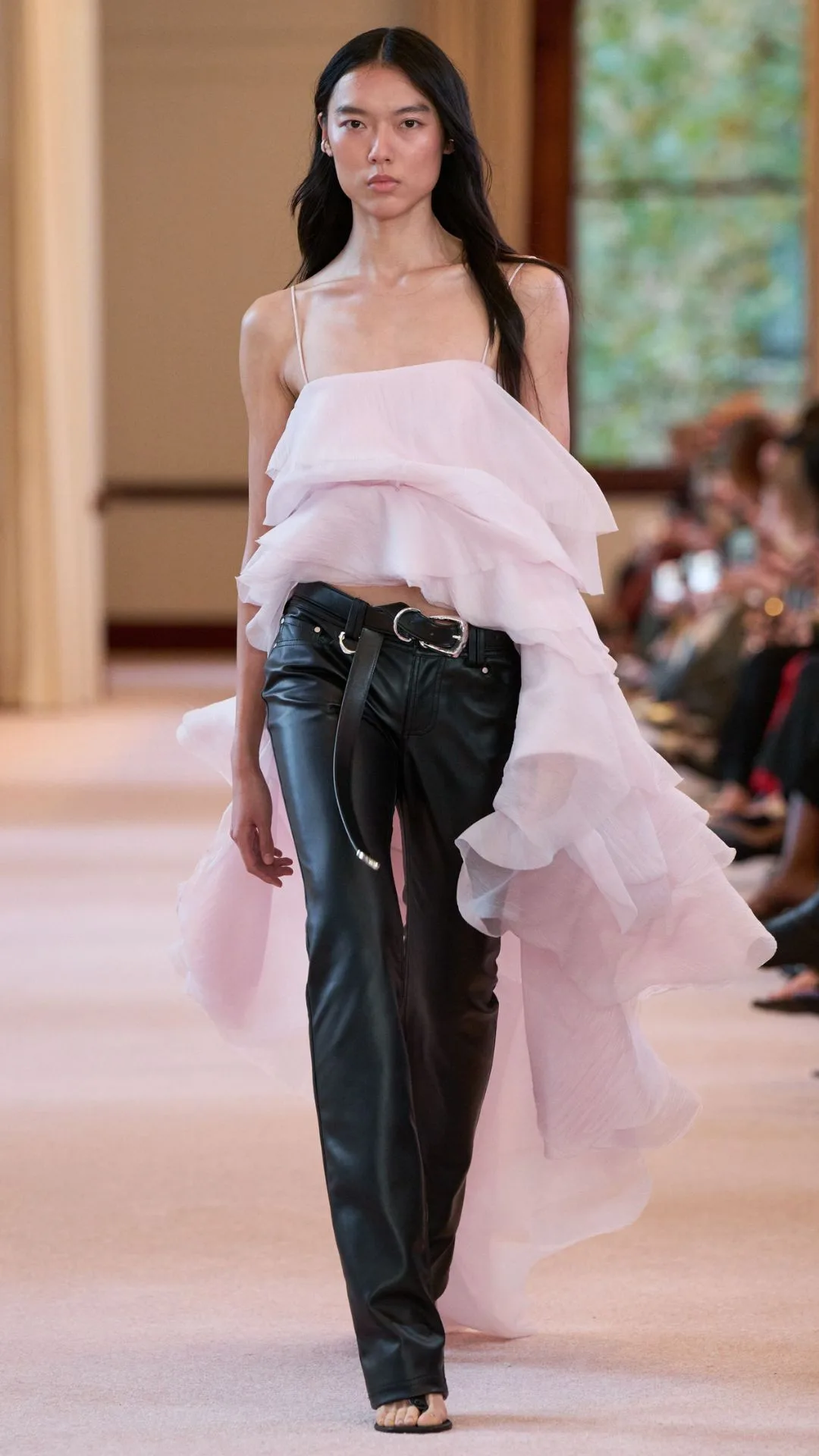
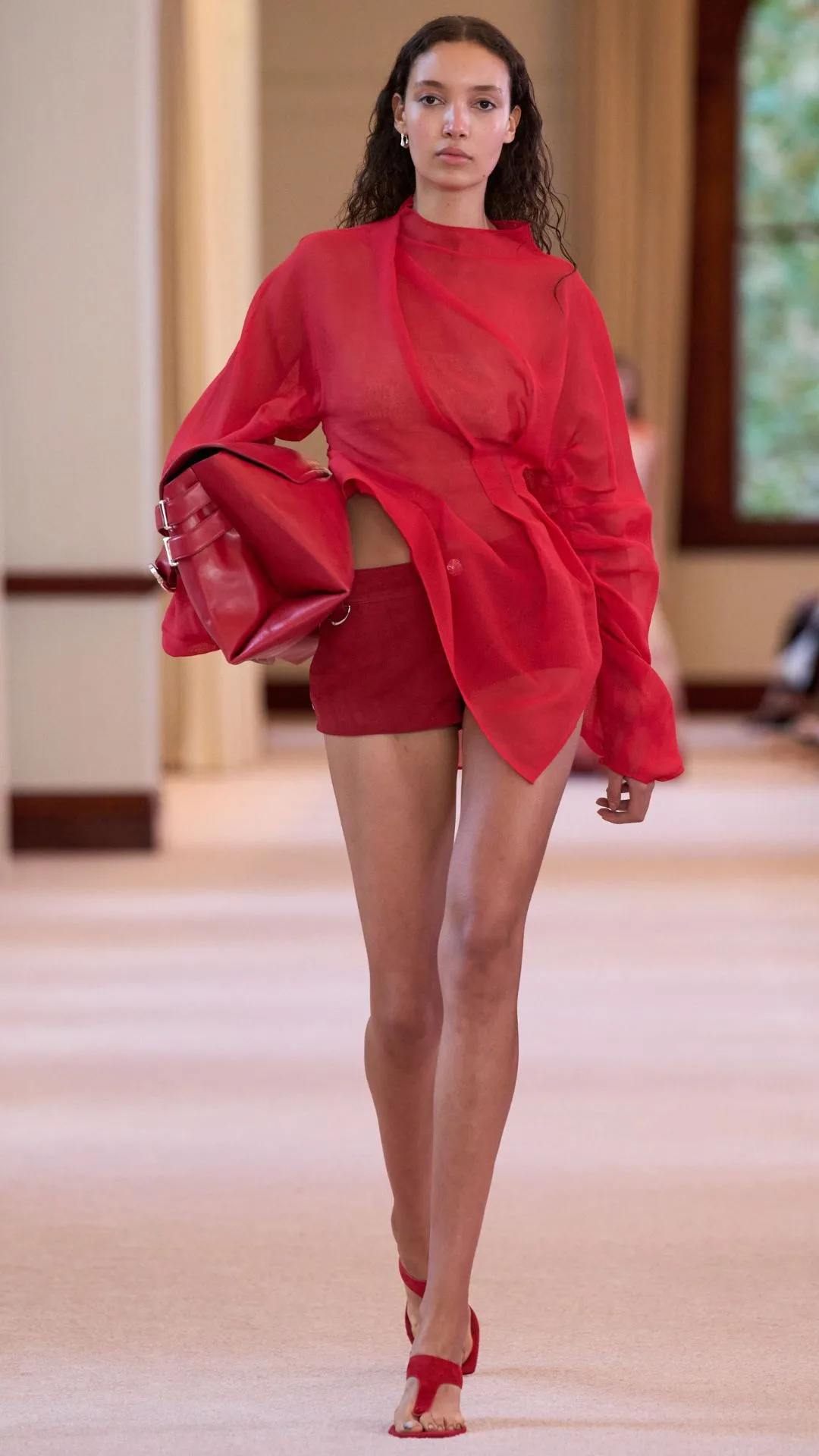
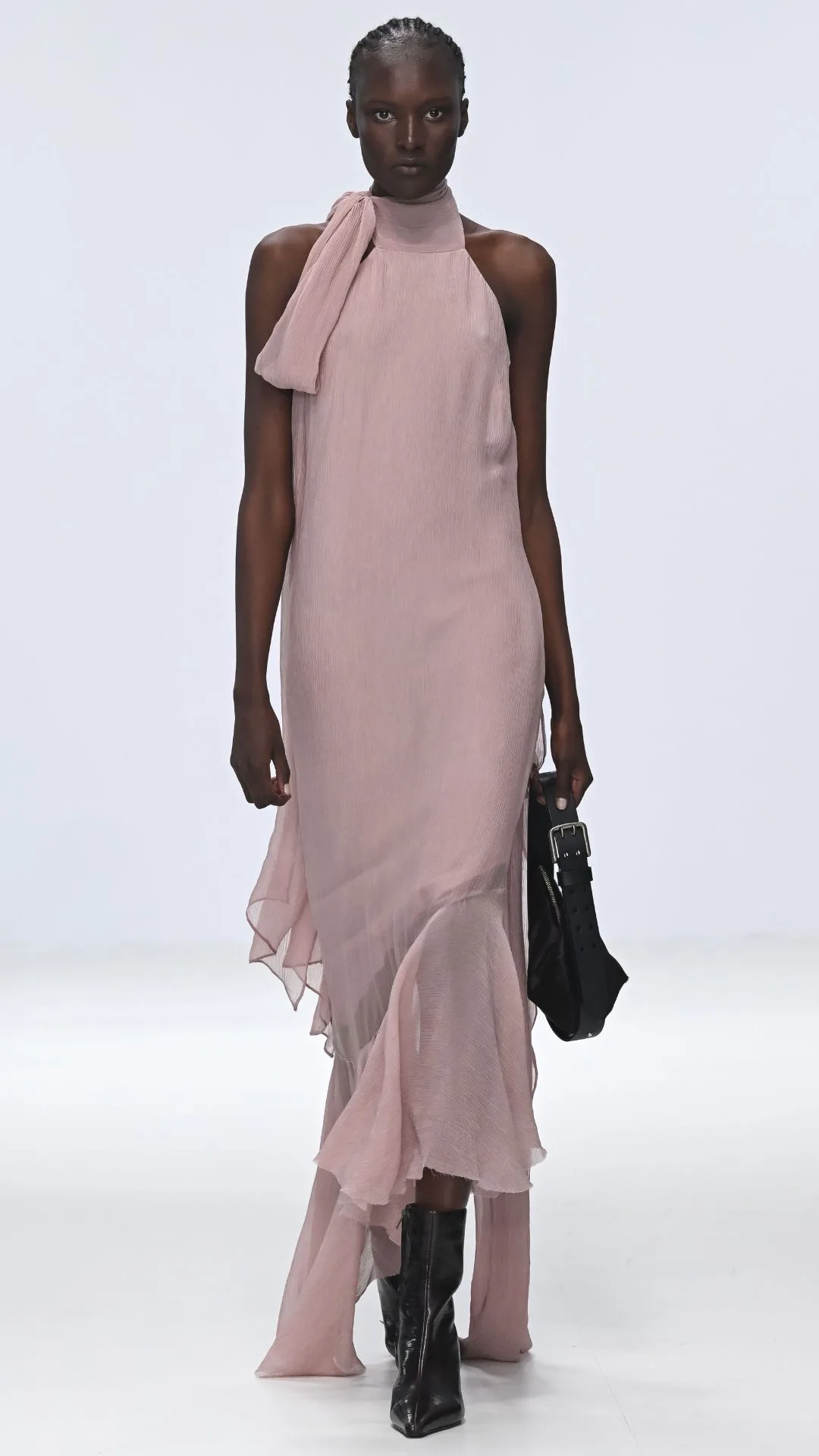
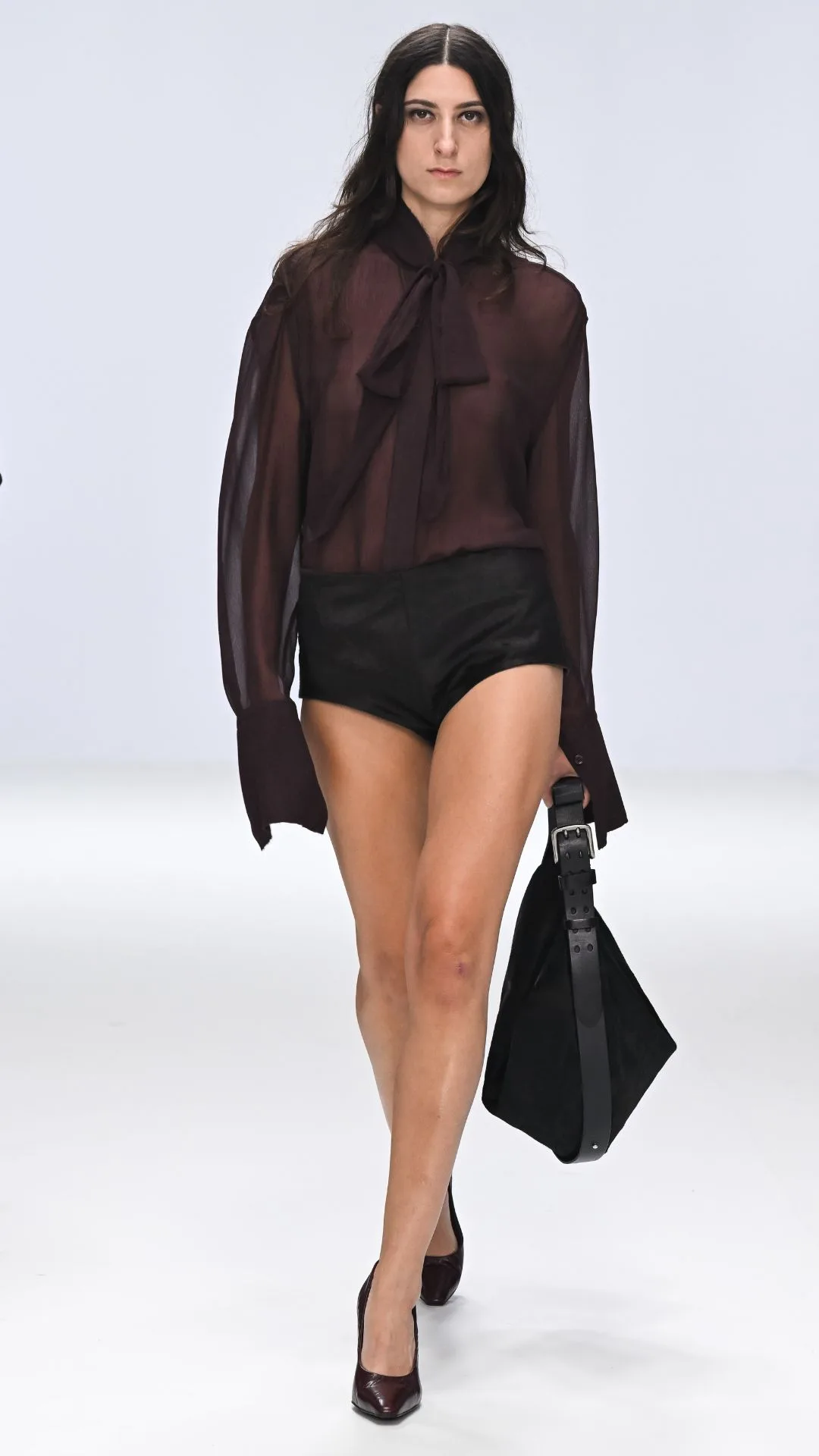
Courtney Zheng’s solo Australian Fashion Week 2026 debut, Beauty as Resistance, proved exactly why she has rapidly acquired a cult following since her 2023 launch. Executed on a remarkably tight one-month timeline, the collection was a cohesive meditation on fashion as both armor and emotional expression. Zheng possesses a distinct, nonchalant bohemian edge that leans heavily into 90s grunge romanticism. The brilliance lay in the styling contrasts: a sheer, dusty rose gown sharing the runway with burgundy pony-hair micro-shorts, faded band tees, and a dramatic chocolate shearling jacket. It was impeccably cool, effortlessly marrying high drama with wearable femininity.
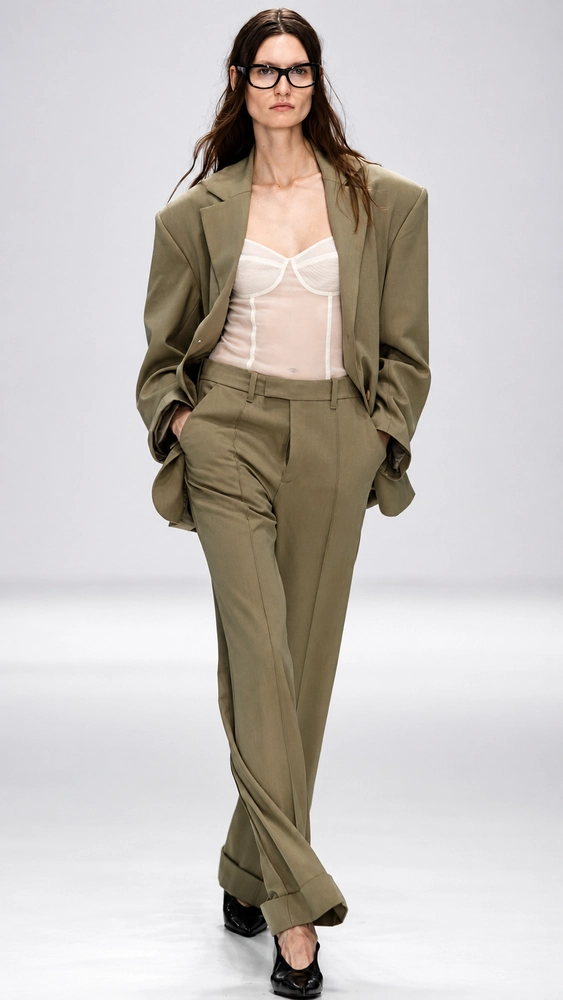
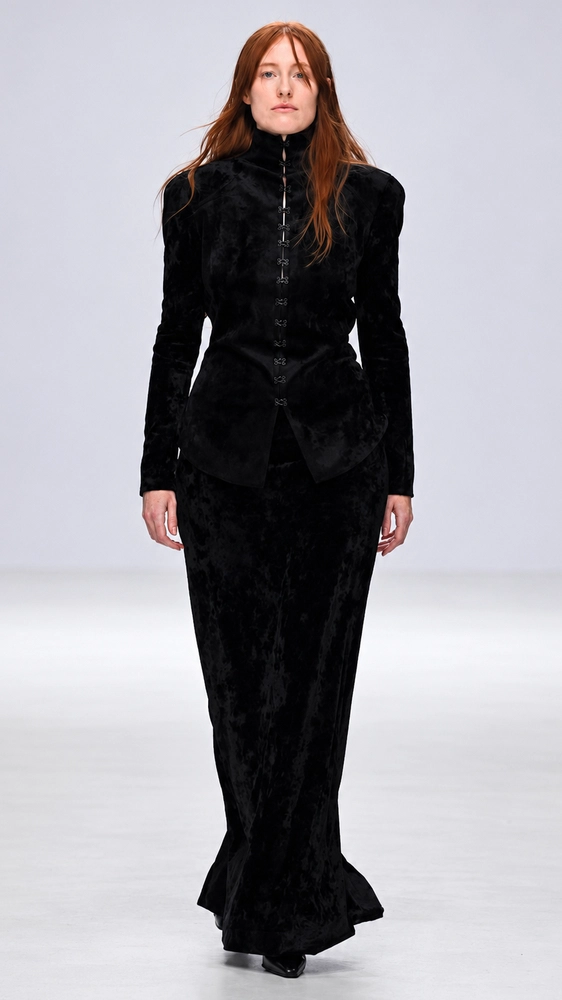
In times of global upheaval, fashion often responds by softening its edges, a concept Bianca Spender explored beautifully in her Resort ’27 collection. Using the hellebore, a winter rose that blooms in harsh conditions, as a metaphor for peaceful resistance, Spender played with the dynamics of soft power. Held beneath Lauren Brincat’s suspended installation, Freak Out, Far Out, In Out, the show felt deliberately weightless.
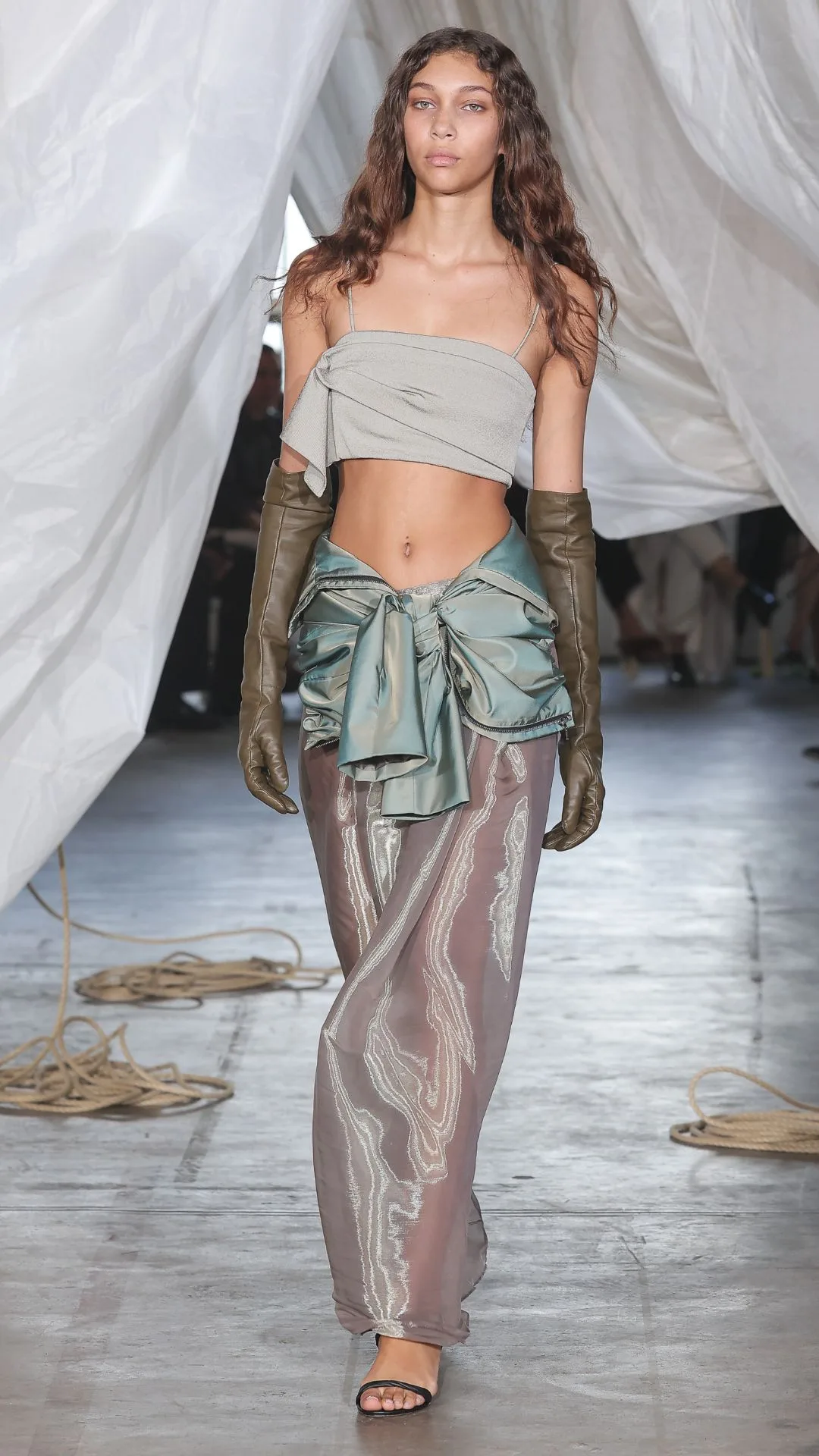
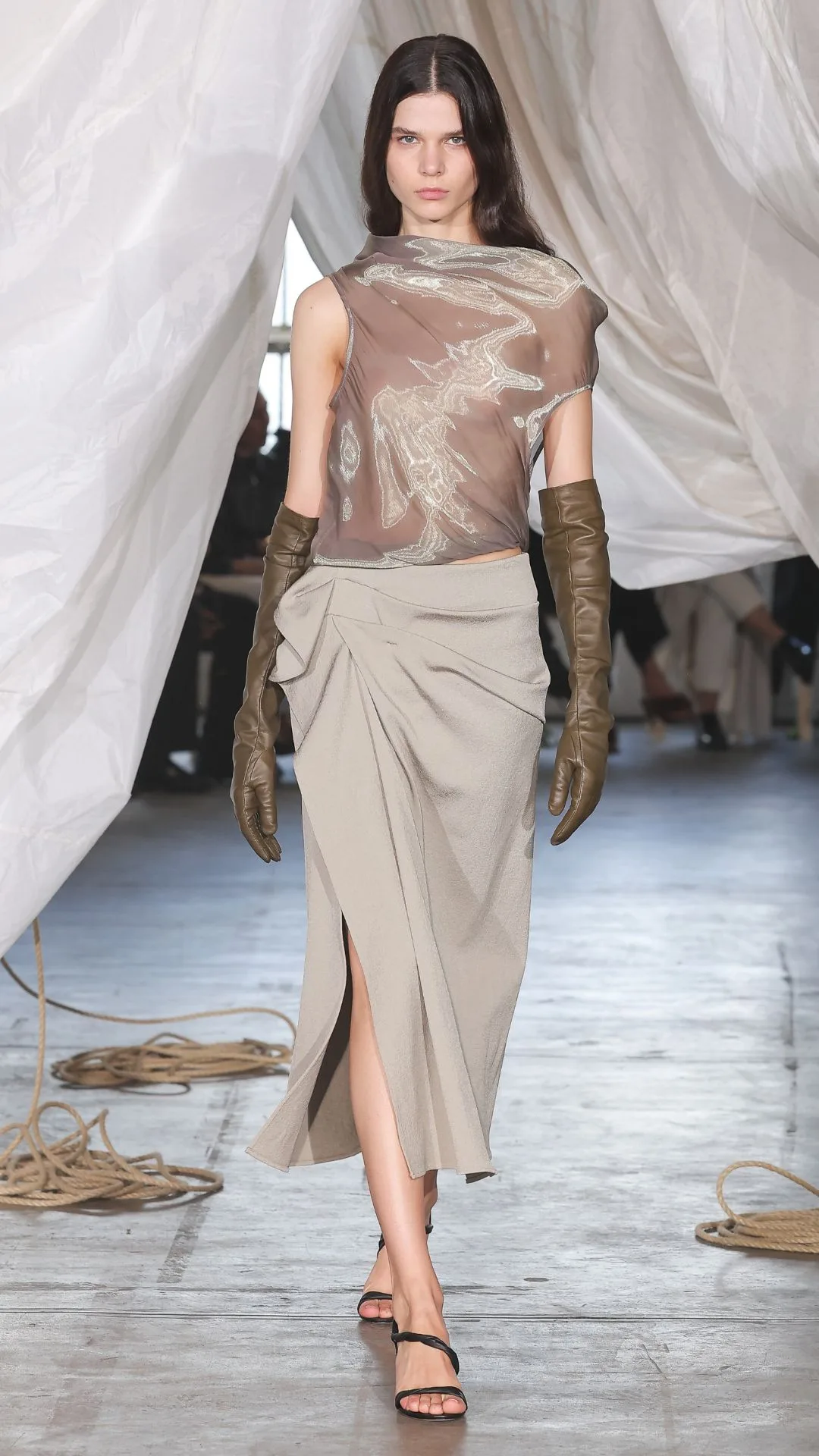
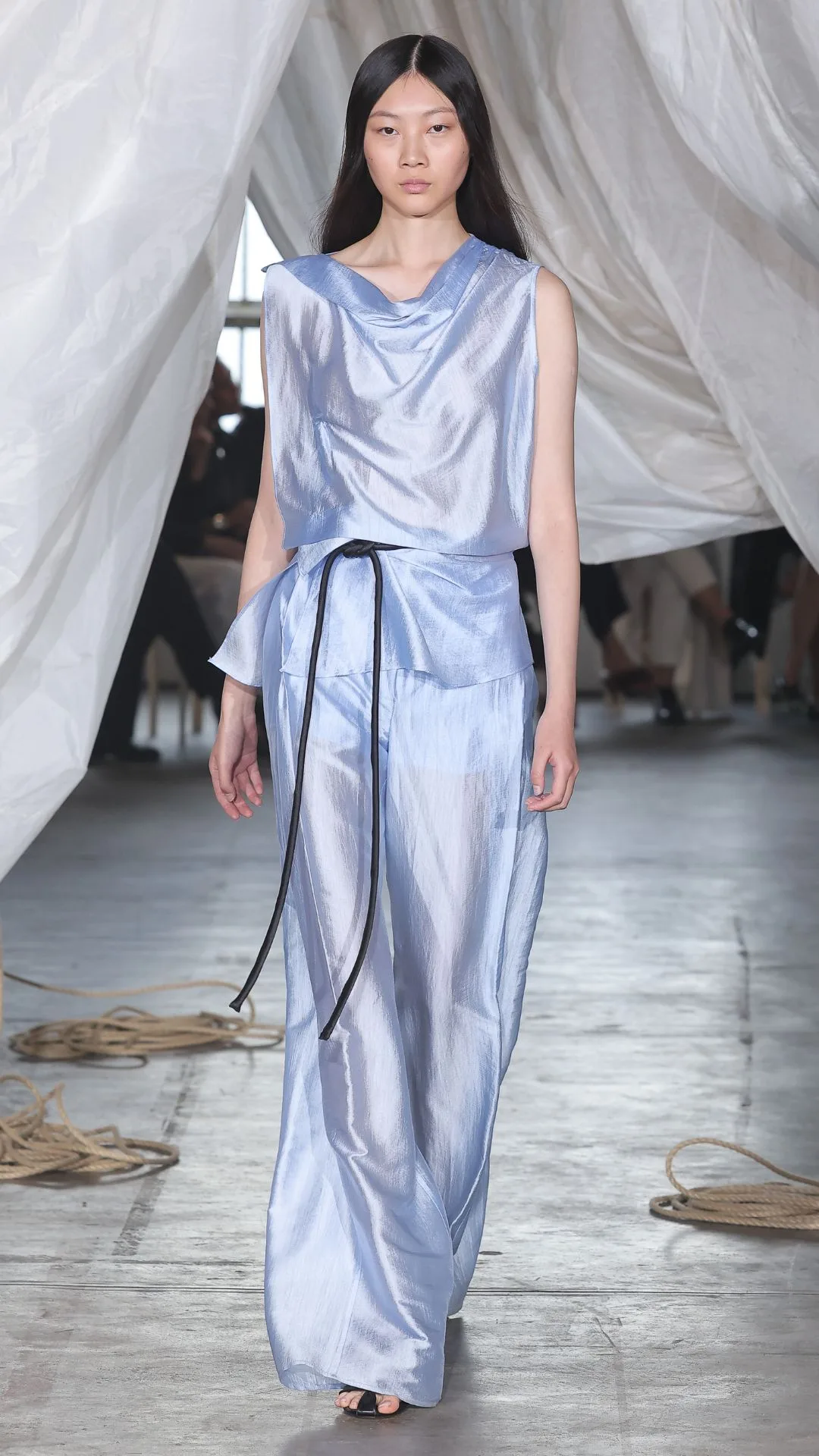
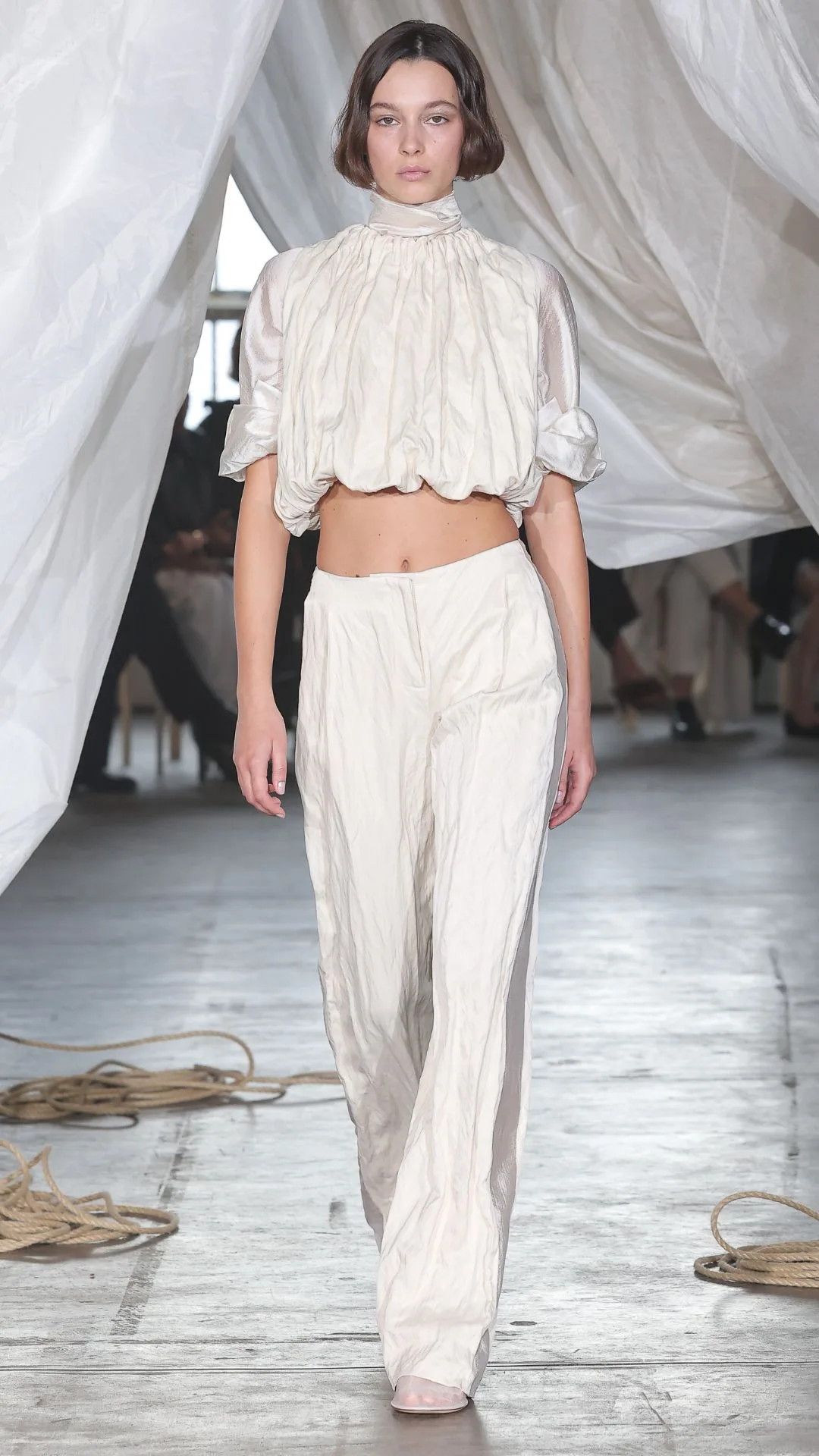
The Frontier runway, partnered with Create NSW, remains a vital pulse-check for Australian Fashion Week 2026 and its avant-garde, unburdened by commercial pressures. This year, the presentation of six distinct labels shared a connective tissue: women on the brink of transformation, steeped in theatrical, dark romanticism.
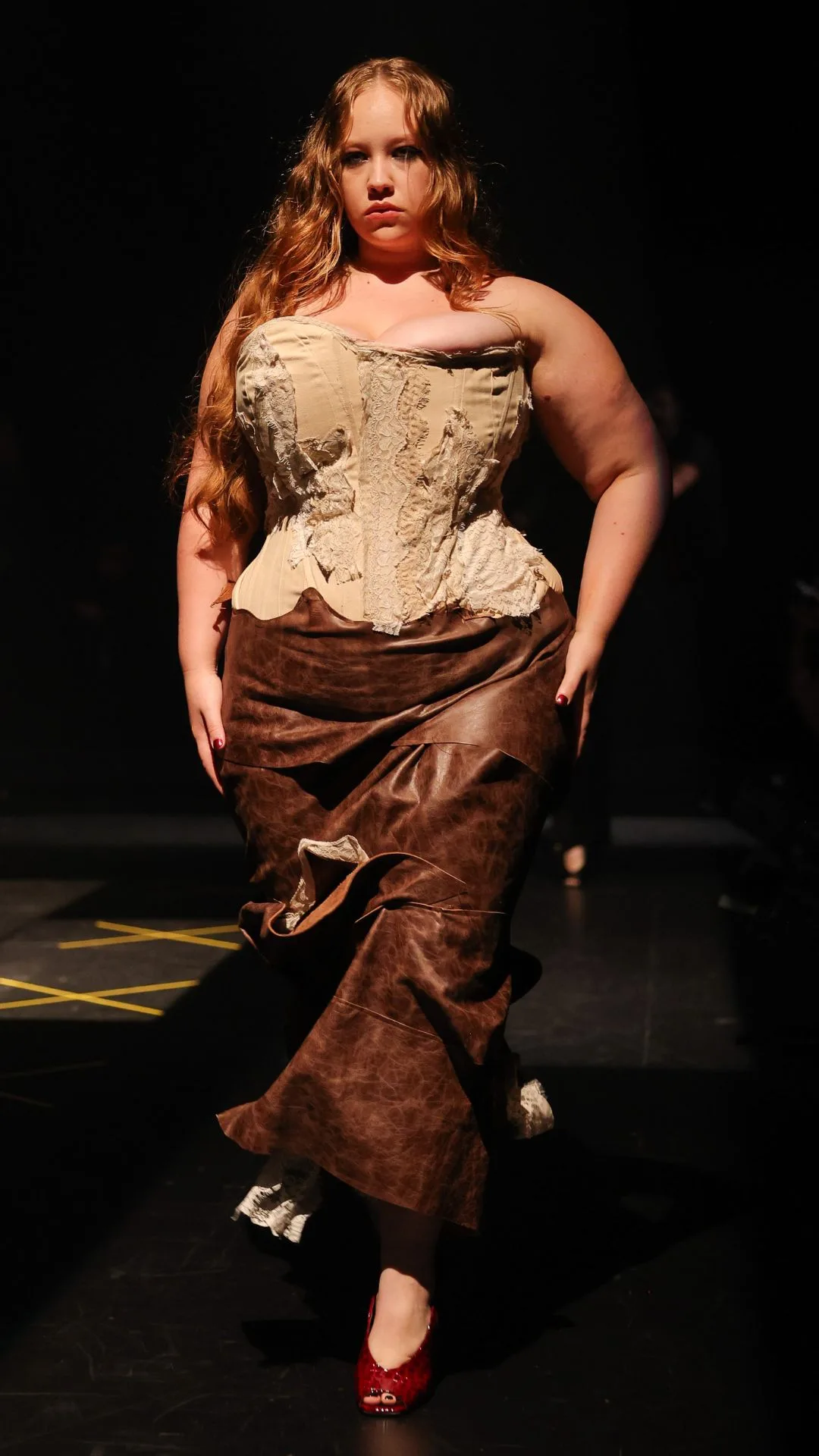
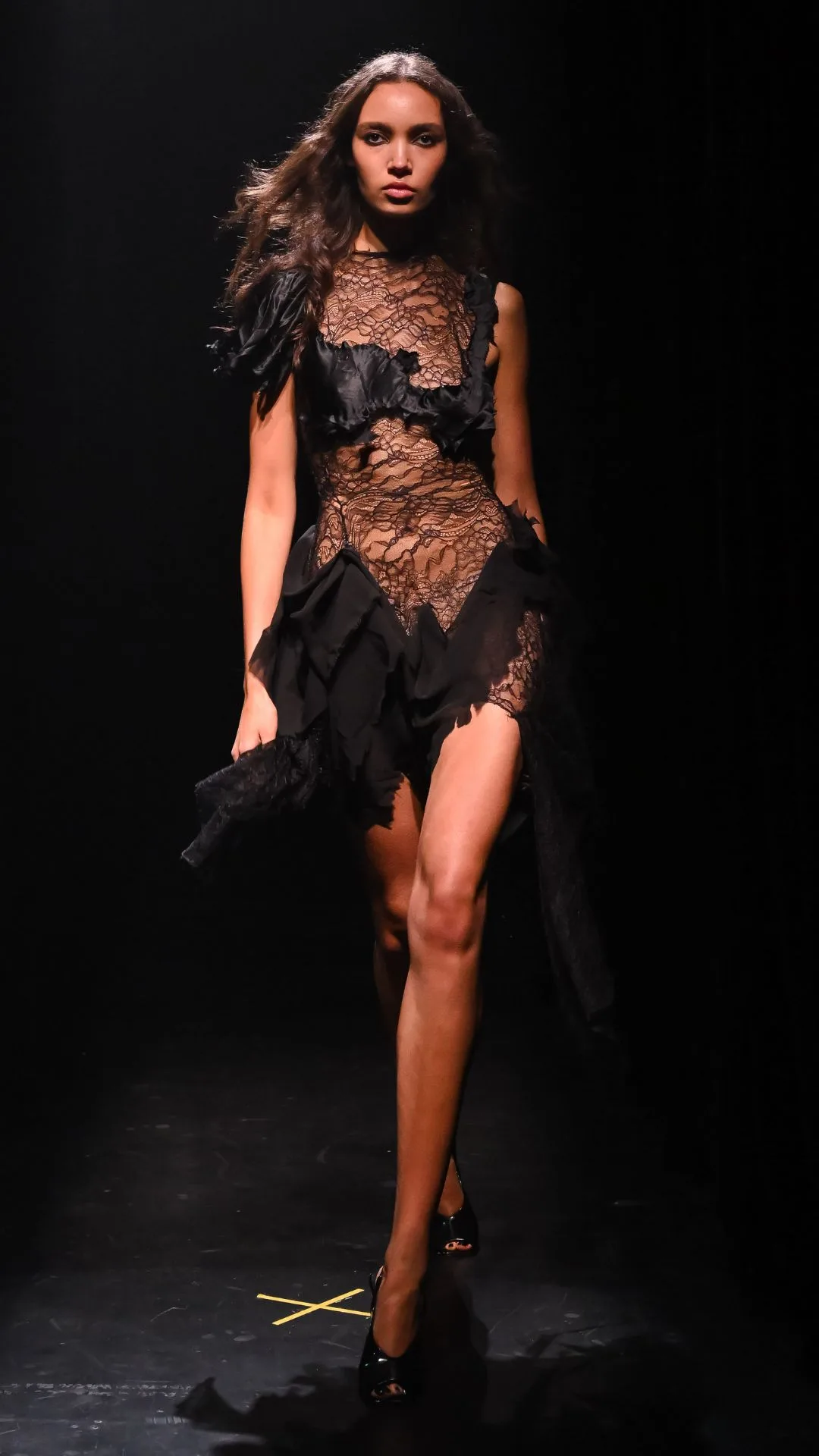
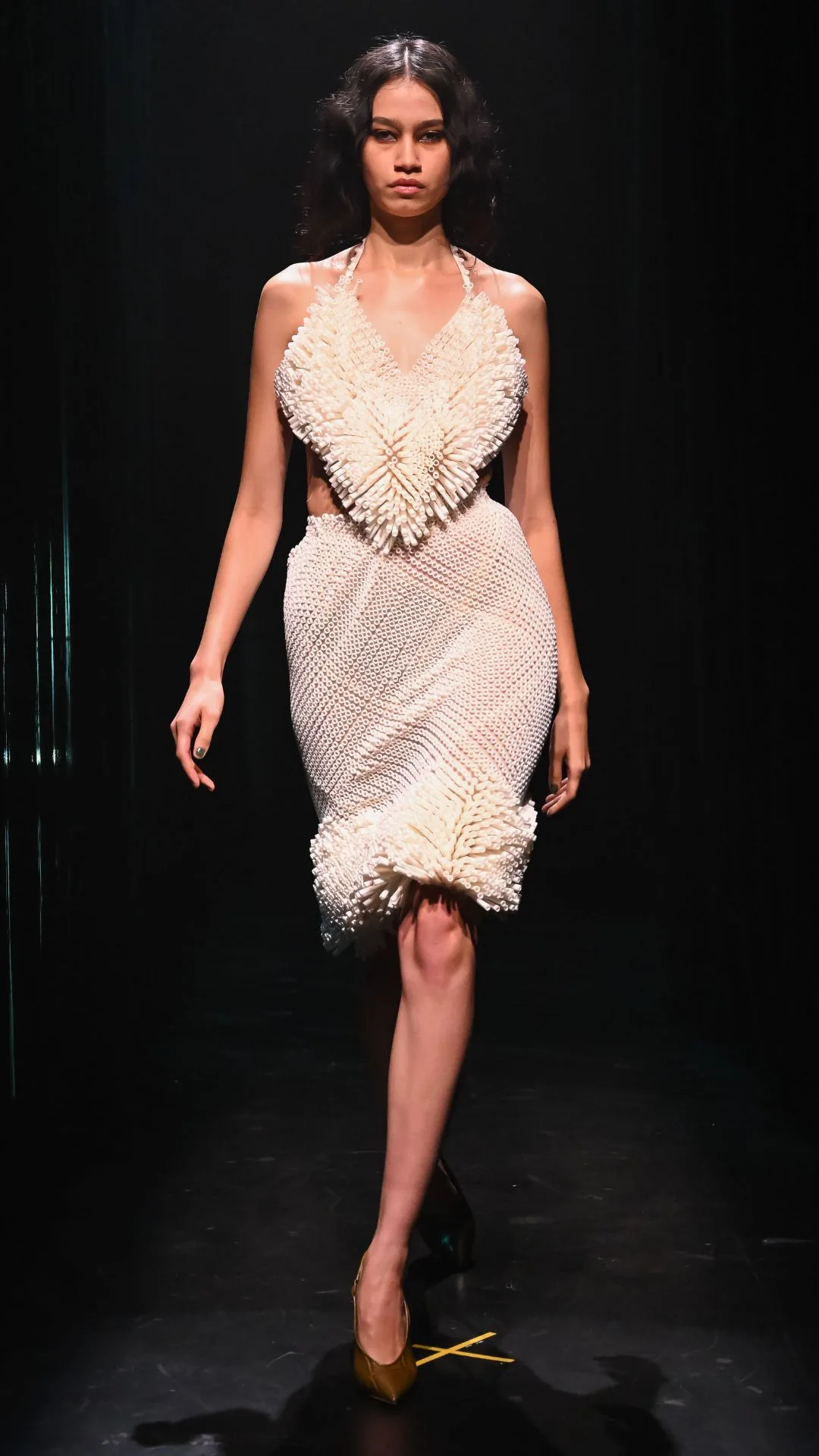
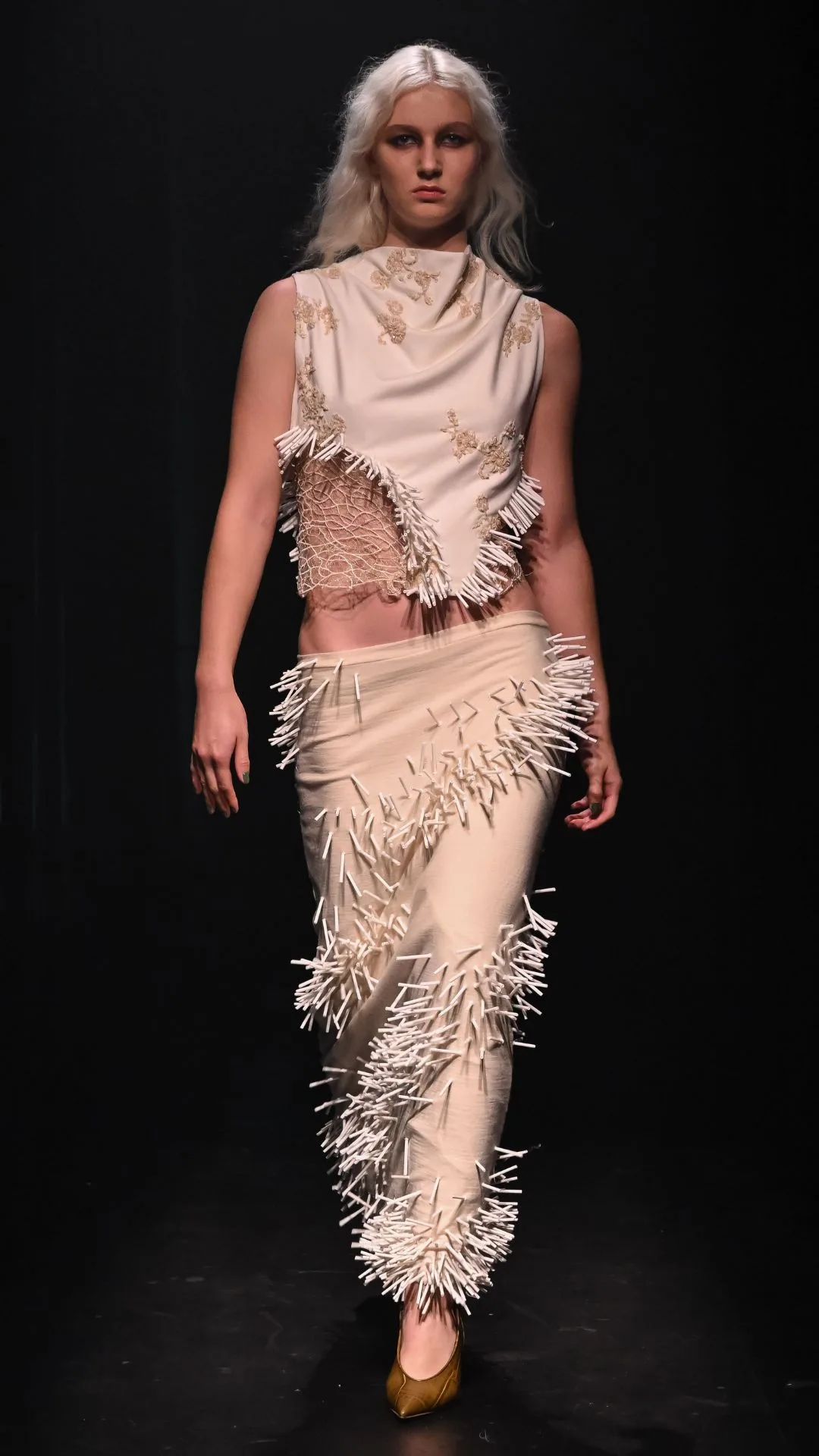
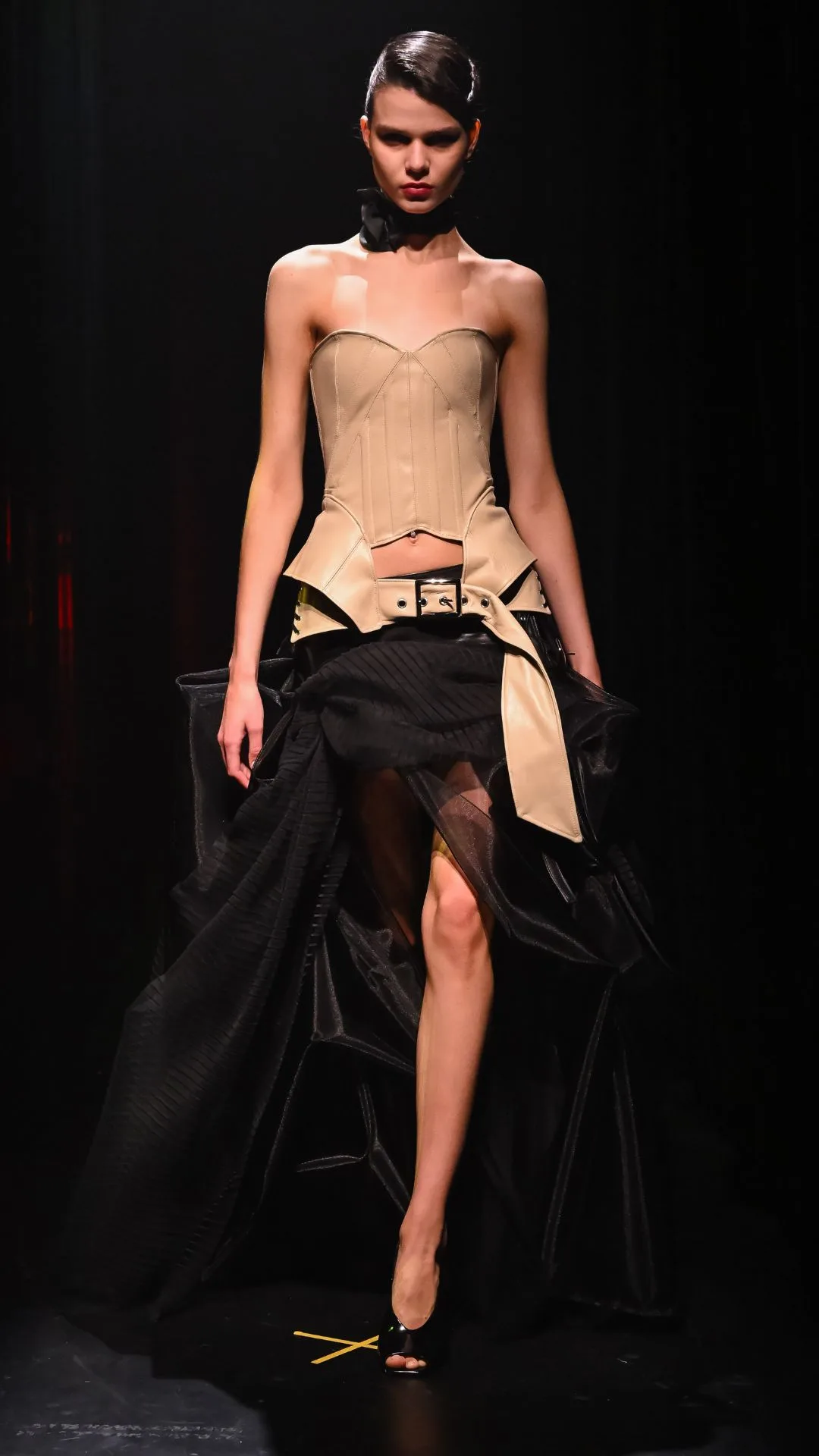
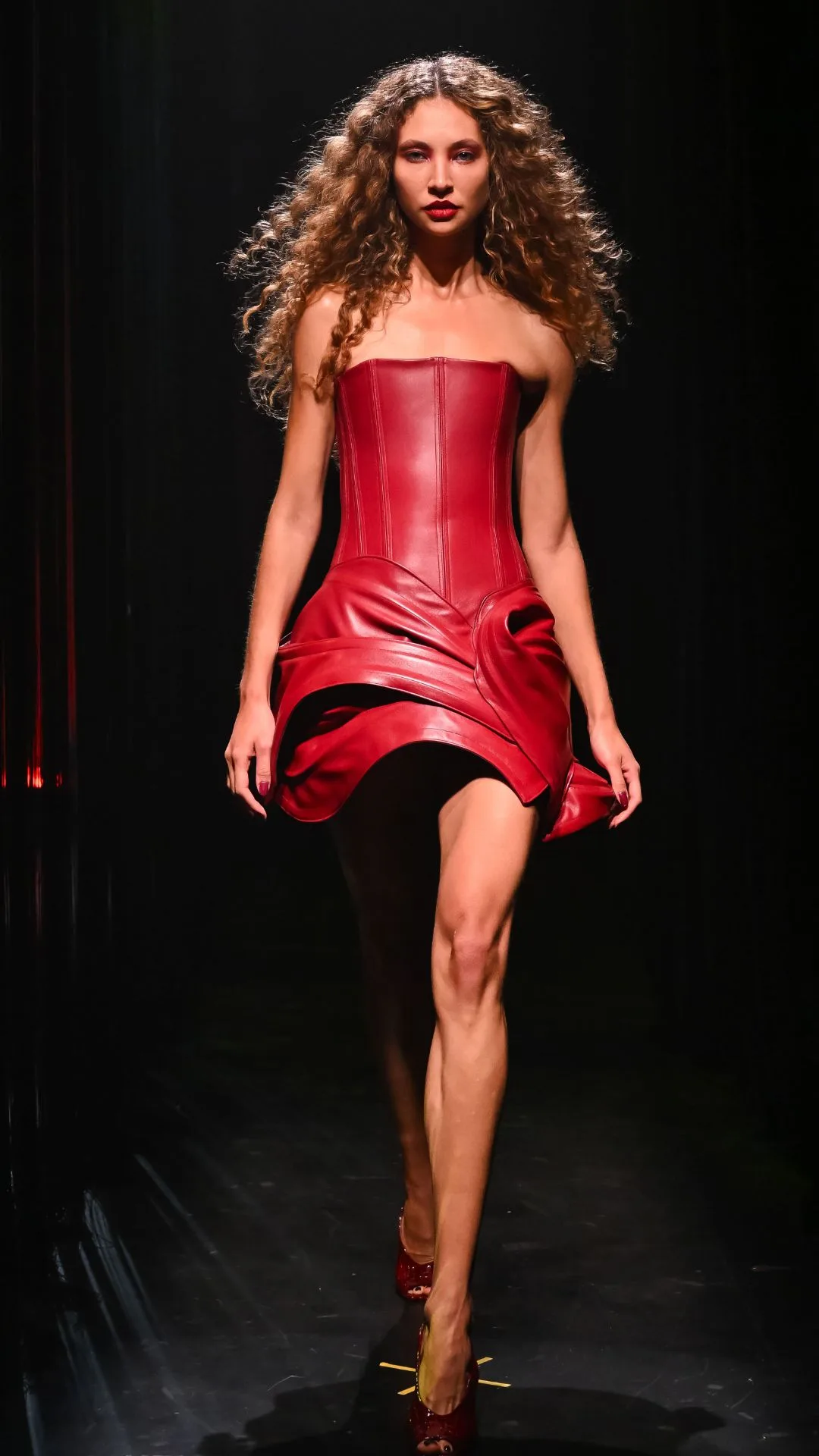
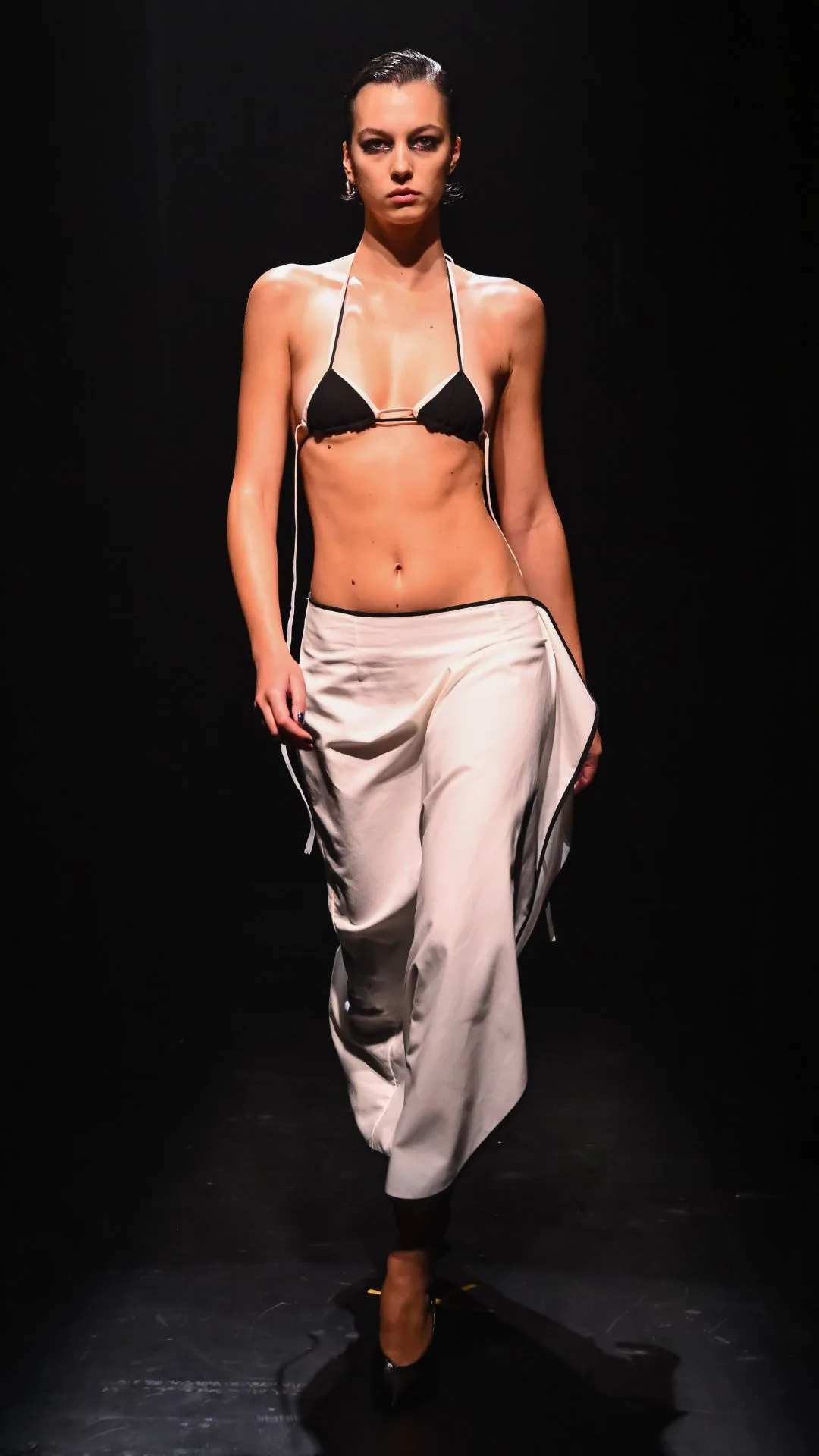
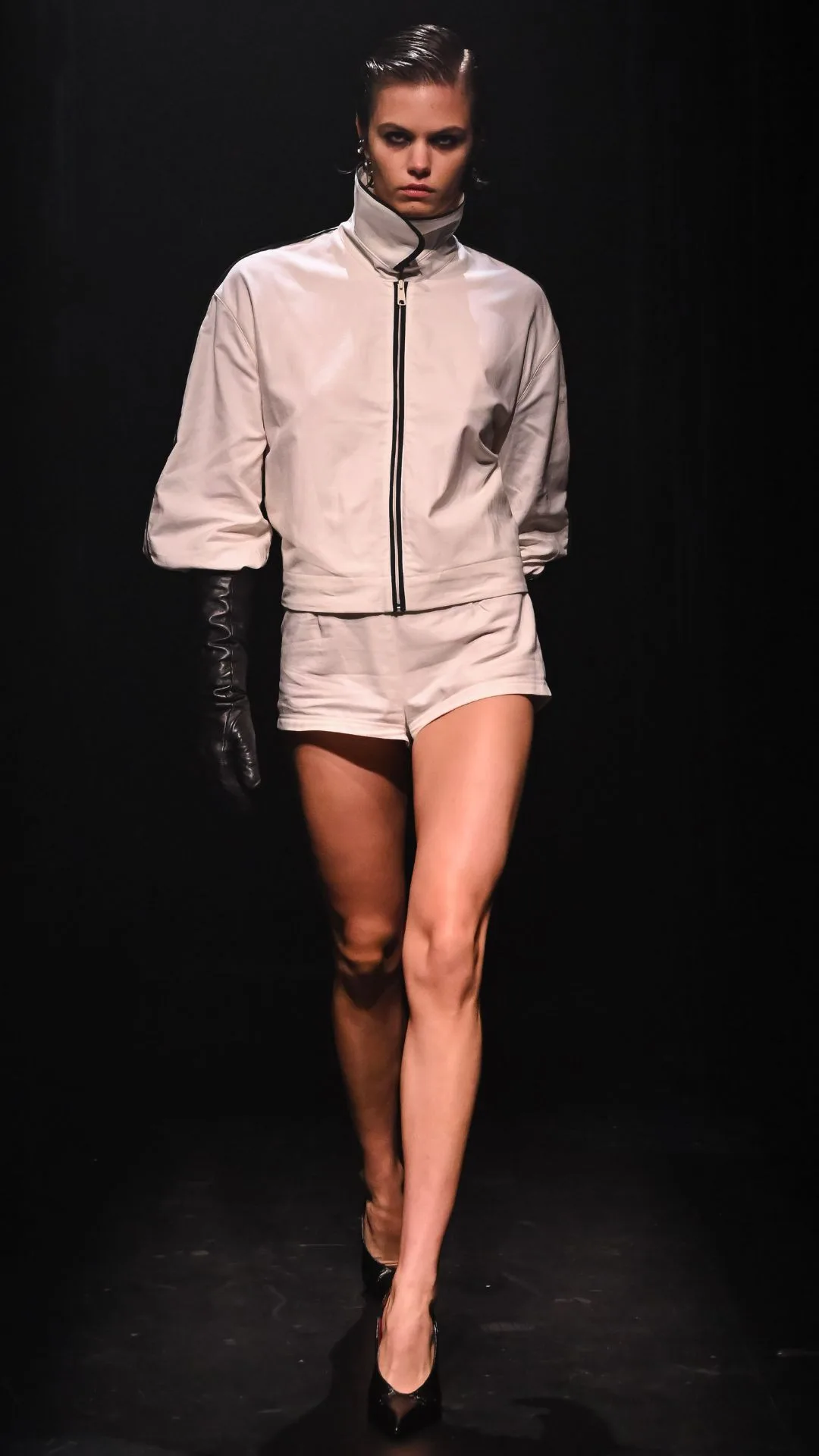
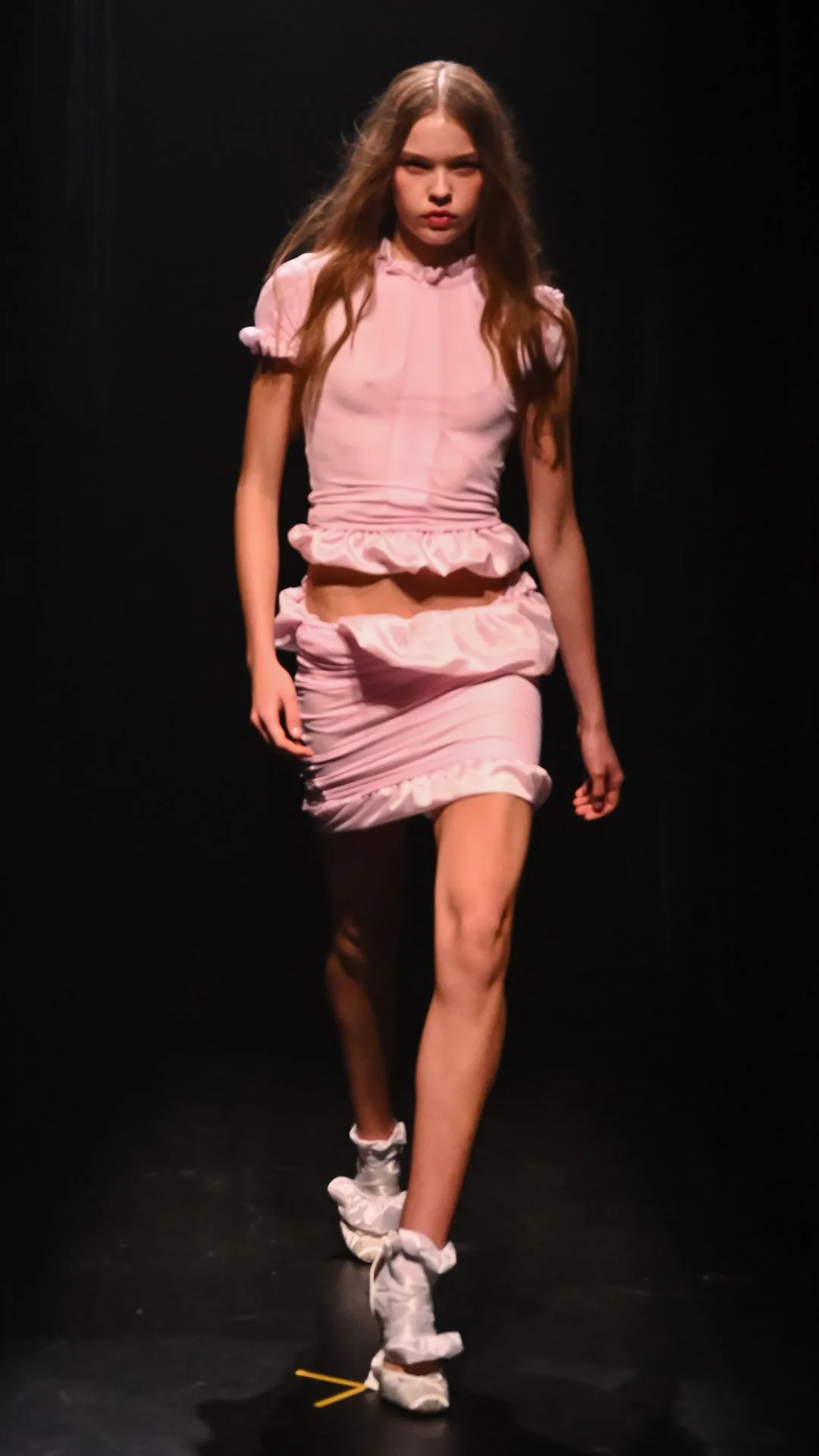
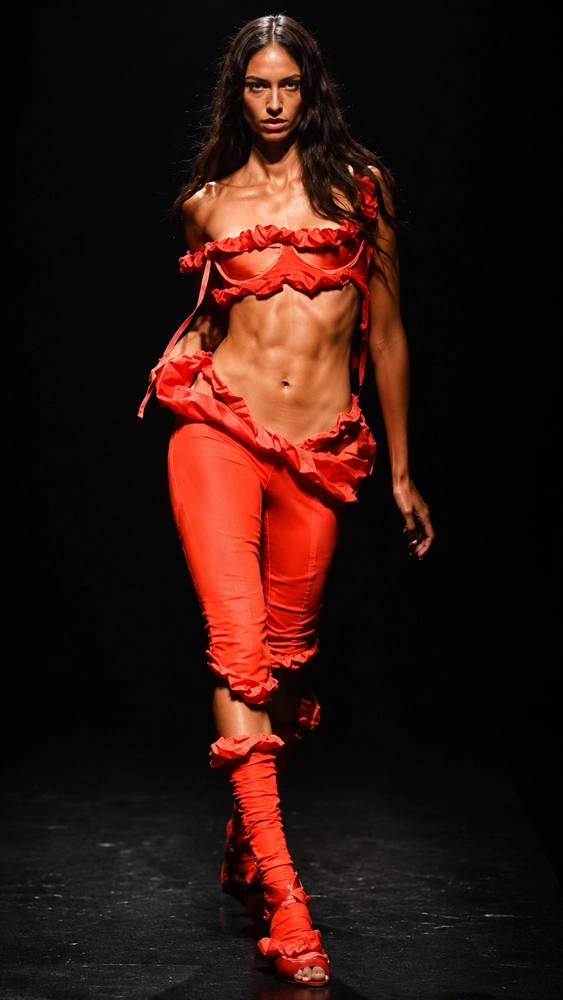
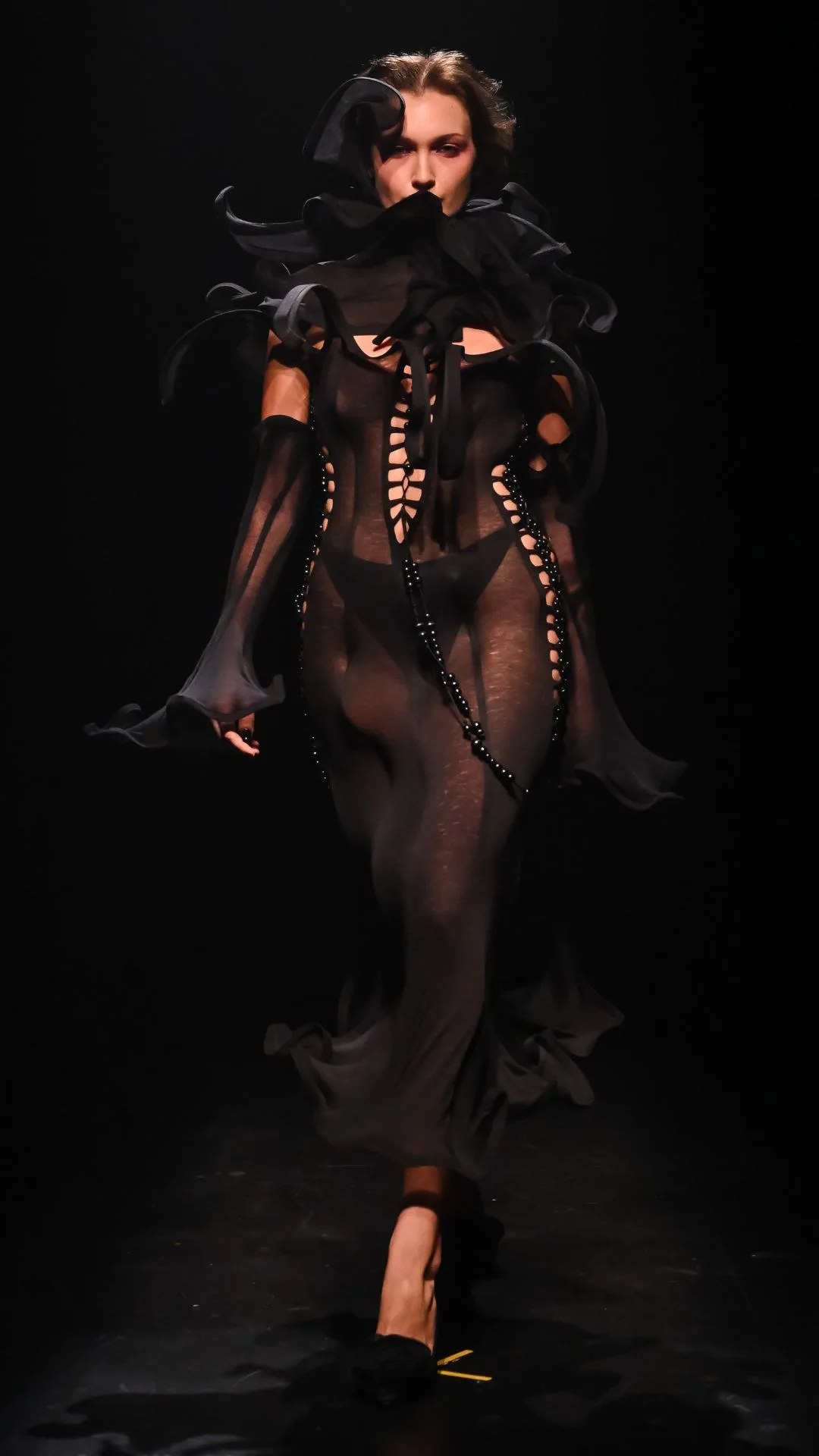
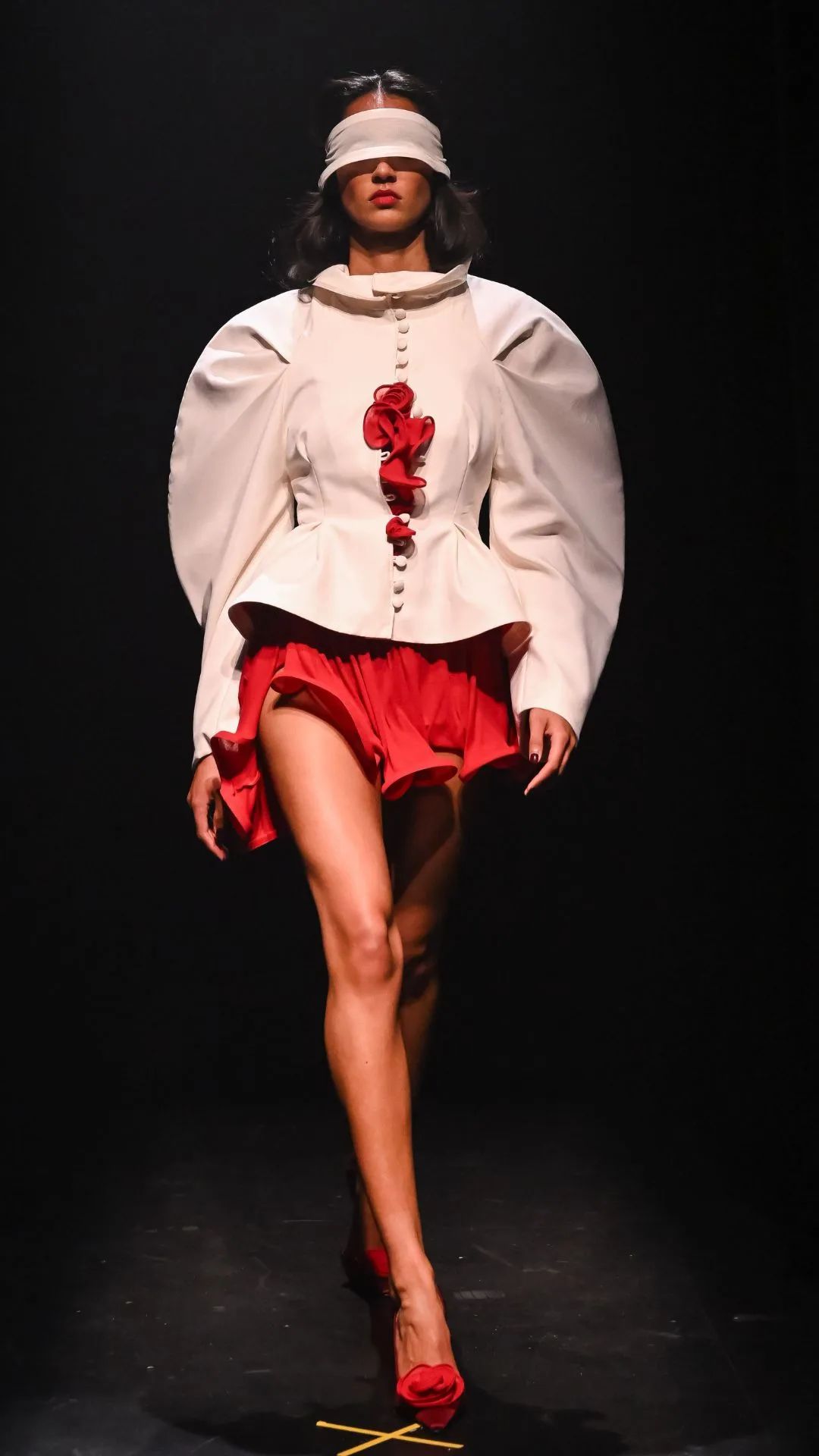
And this is only where the week begins to stretch its legs. If Days One and Two gave Australian Fashion Week 2026 its reset, its glamour, its strange little jolts of emotion, then Days Three, Four, and Five are where the mood deepens, swerves, and starts revealing what the season is really trying to say. The next chapter moves further into the week’s most memorable runway moments, from emerging voices to established names, from quiet craftsmanship to full theatrical impact. Do not miss Part 2, where Days Three, Four, and Five of Australian Fashion Week 2026 come into sharper, stranger, and far more seductive focus.
Advertisement