MENU
Close





Blue appears slowly in Delft. First it is almost black beneath a painter’s brush, then fire draws out the cobalt until the familiar color emerges from the kiln. Outside, bicycles slip beside narrow canals, courtyards hide behind old brick walls and the North Sea climate makes coolcationing a must-try.
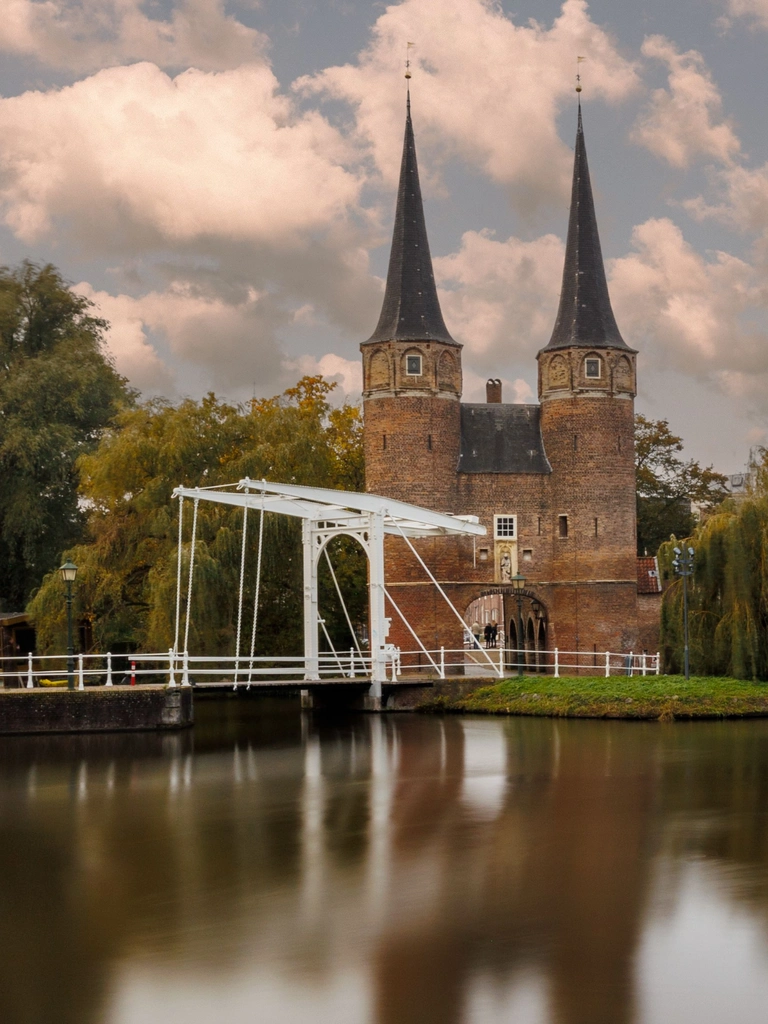
Blue appears slowly in Delft. First it is almost black beneath a painter’s brush, then fire draws out the cobalt until the familiar color emerges from the kiln. Outside, bicycles slip beside narrow canals, courtyards hide behind old brick walls and the North Sea climate makes coolcationing a must-try.
August 19, 2026


Summer travel has acquired a temperature problem.
The old equation of July with southern beaches, blazing terraces and full days beneath Mediterranean sun feels less automatic as extreme heat increasingly influences when and where people travel. At the same time, another discomfort has entered the holiday conversation. Phones keep vibrating. Cities remain loud. A meticulously packed itinerary can reproduce the pace a traveler hoped to escape.
Two pieces of contemporary travel vocabulary have emerged from those pressures: coolcation and quietcation.
The first directs travelers toward milder destinations where summer can still involve walking, cycling and cultural exploration comfortably. The second turns down the volume, favoring slower itineraries, smaller cities, craft, reading, nature and enough empty time for a place to become perceptible.
Delft happens to make sense for both.
Sitting in South Holland between Rotterdam and The Hague, the historic city is compact enough to explore largely on foot and bicycle, its old center threaded by canals, bridges and small streets. Delft's official tourism organization actively promotes walking, cycling and canal exploration, including a dedicated ceramics route that takes roughly an hour through the city's pottery heritage.
Add Delft Blue, and a cool summer escape suddenly gains a purpose beyond pleasant weather.
Cool air feels particularly luxurious when the day's ambition involves walking for hours.
The rise of coolcationing has frequently been associated with dramatic northern landscapes: Icelandic waterfalls, Norwegian fjords, Scottish mountains and Alpine valleys. Delft offers a quieter version of the idea. Its western Dutch setting provides a maritime environment suited to canal walks, cycling and museum days, making the city appealing to travelers who want to remain active through summer without building every afternoon around escaping the heat.
More importantly, the temperature serves the trip rather than becoming its principal attraction.
A morning can begin beside the Oude Delft canal. A bicycle can replace a taxi. Lunch can stretch into an outdoor table before the afternoon moves toward a ceramic studio. Cooler destinations create their own luxury when they give the body enough comfort to remain curious.
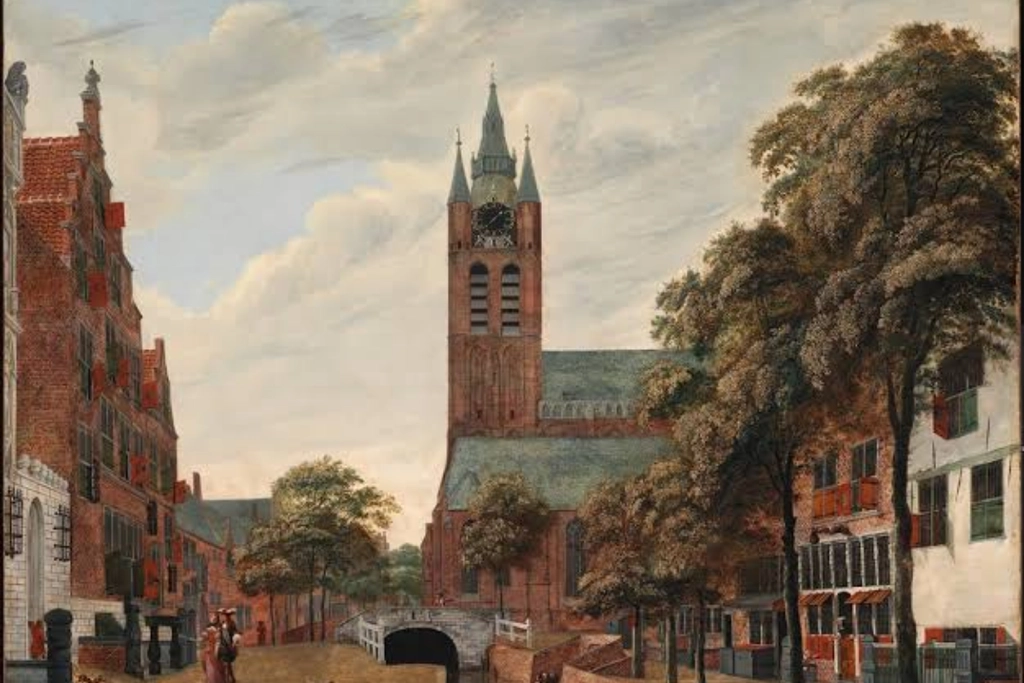
That curiosity matters because Delft rewards attention at close range.
Brick façades change around each canal. Small courtyards interrupt commercial streets. Ceramic decoration appears on walls and storefronts. Bridges make the urban experience feel almost episodic, with a new composition every few minutes.
Coolcationing here becomes cultural wandering with a climate advantage.
A brush loaded with ceramic pigment leaves very little room for multitasking.
That is part of the attraction.
A quietcation works best when silence develops through concentration rather than becoming another wellness instruction. Clay and ceramic painting accomplish this naturally. The hand slows because precision requires it. Attention moves from notifications toward pressure, line, water and pigment.
Delft Blue gives the city a craft around which an entire slower trip can be organized.
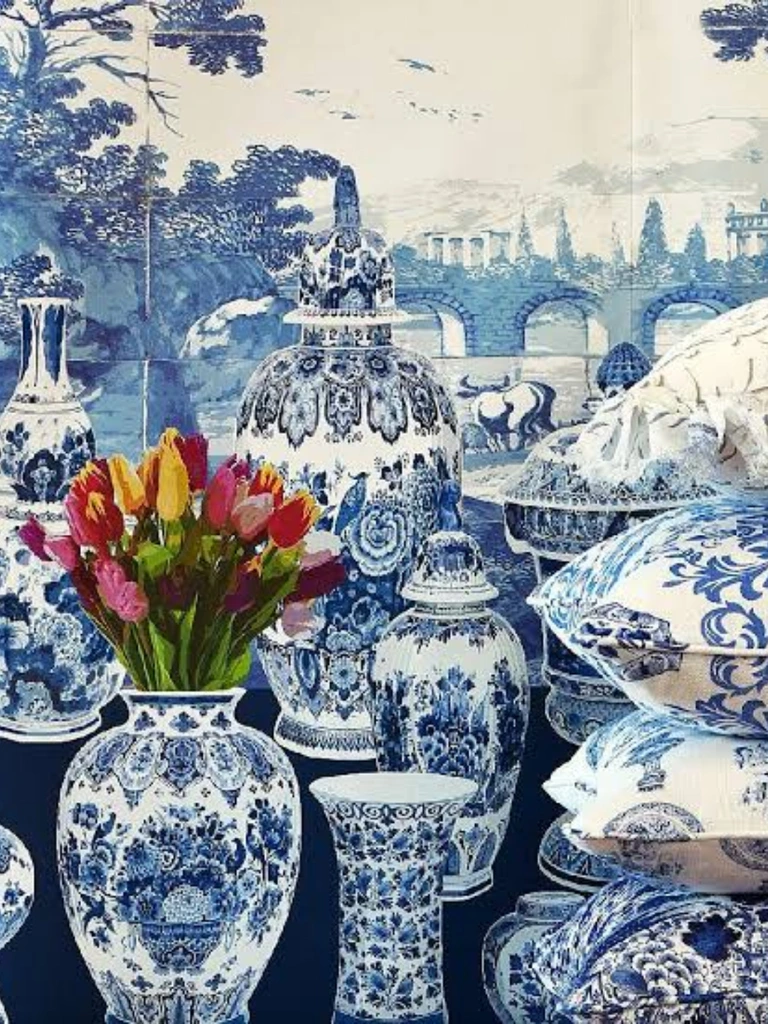
The tradition developed as Delft potters responded to the enormous European appetite for imported Chinese blue-and-white porcelain. Local makers created their own tin-glazed earthenware, and between roughly 1650 and 1750 Delft supported dozens of pottery factories. Delft's tourism authority records 33 factories during the craft's great period.
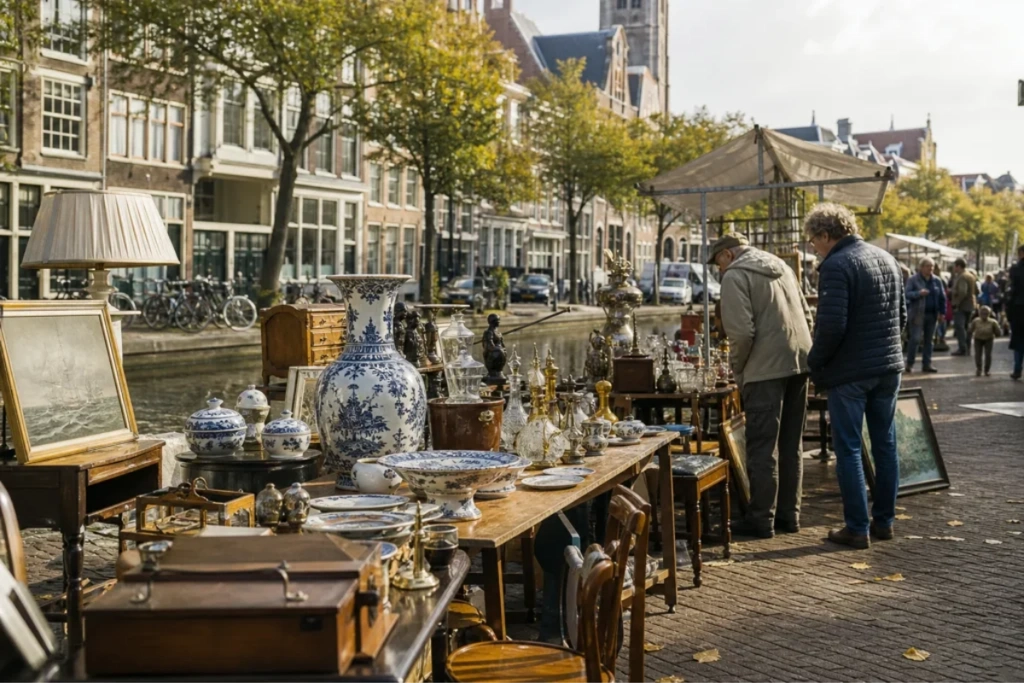
The historical distinction is worth preserving: traditional Delftware is earthenware, even though its blue-and-white aesthetic grew partly through European fascination with Chinese porcelain.
That small technical detail changes the experience. Delft Blue becomes a history of translation as much as decoration.
Something almost alchemical happens before a Royal Delft vase reaches its familiar appearance.
Royal Delft, founded as De Porceleyne Fles in 1653, is the last surviving Delft pottery factory established in the 17th century that continues producing Delft Blue according to its historic craft tradition. The company notes that Delft once contained dozens of pottery workshops, while this one survived into the present.
The most fascinating part of a visit occurs when the blue temporarily disappears.
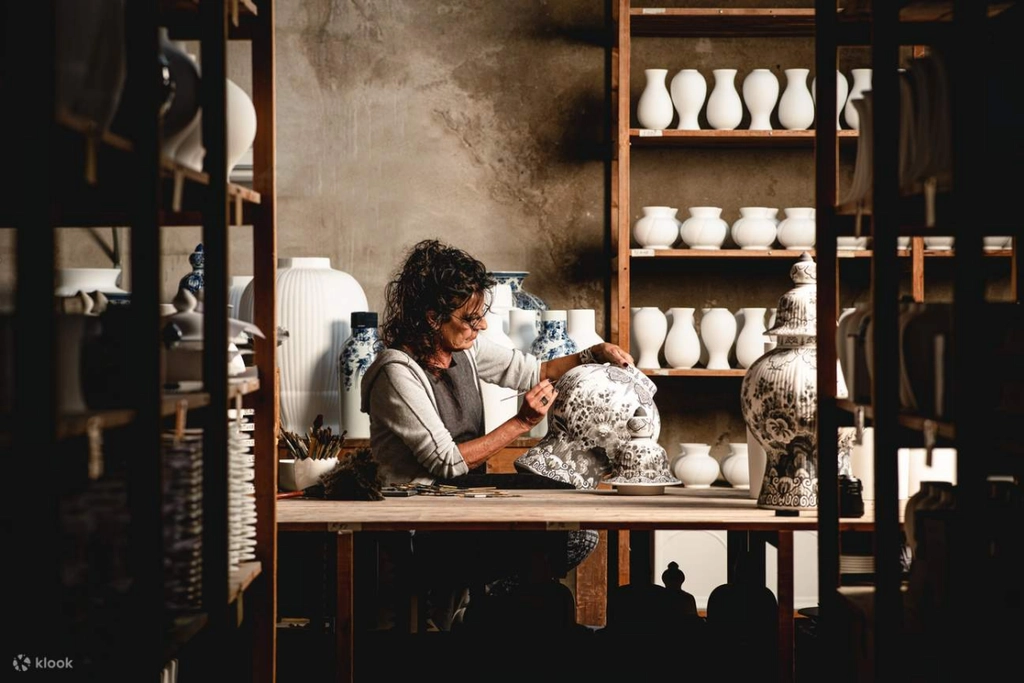
Royal Delft's painters work with a water-based pigment containing cobalt oxide. During painting it appears black. After glazing and a second firing at around 1,200°C, chemical reactions transform the decoration into the blues associated with the house. Master painters undergo an internal training process lasting approximately eight years.
Suddenly, a familiar souvenir aesthetic becomes materially complicated.
Brush pressure determines line. Water changes tonal intensity. Heat reveals the final color. Each stage places a delay between action and result.
For the quietcation traveler, that delayed gratification is almost therapeutic. The finished object cannot offer immediate feedback at every stage. The maker has to understand the material well enough to imagine what fire will eventually reveal.
Royal Delft currently combines museum galleries with the working factory, where visitors can observe production and historical collections. Painting workshops are also offered, with standard tile and DIY sessions generally lasting around one to one and a half hours.
Blue and white survives partly because every generation finds another way to disturb it.
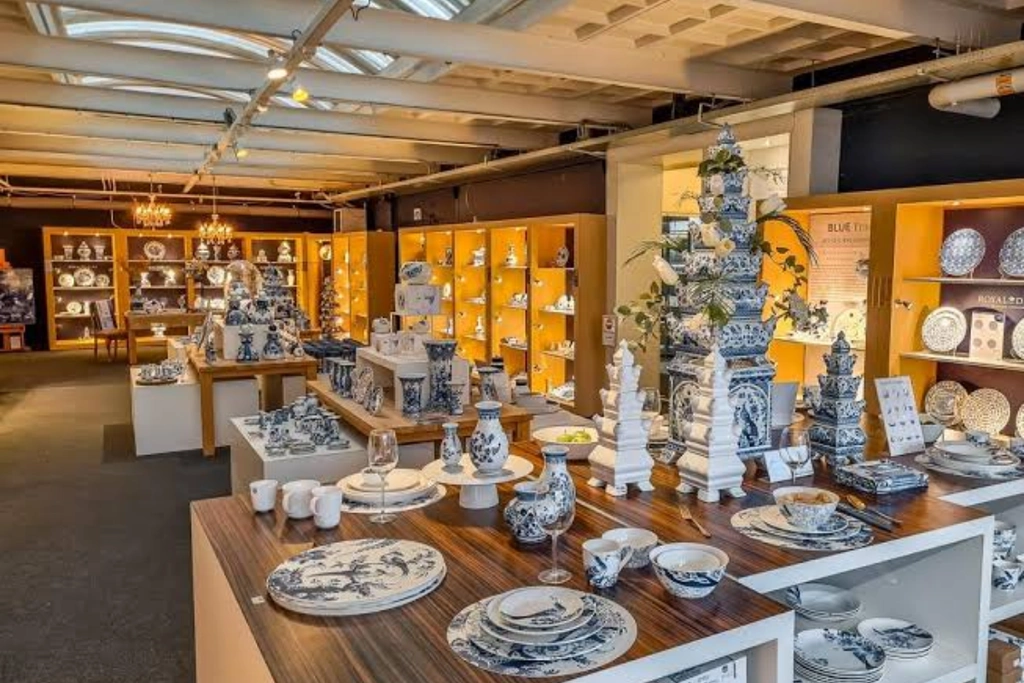
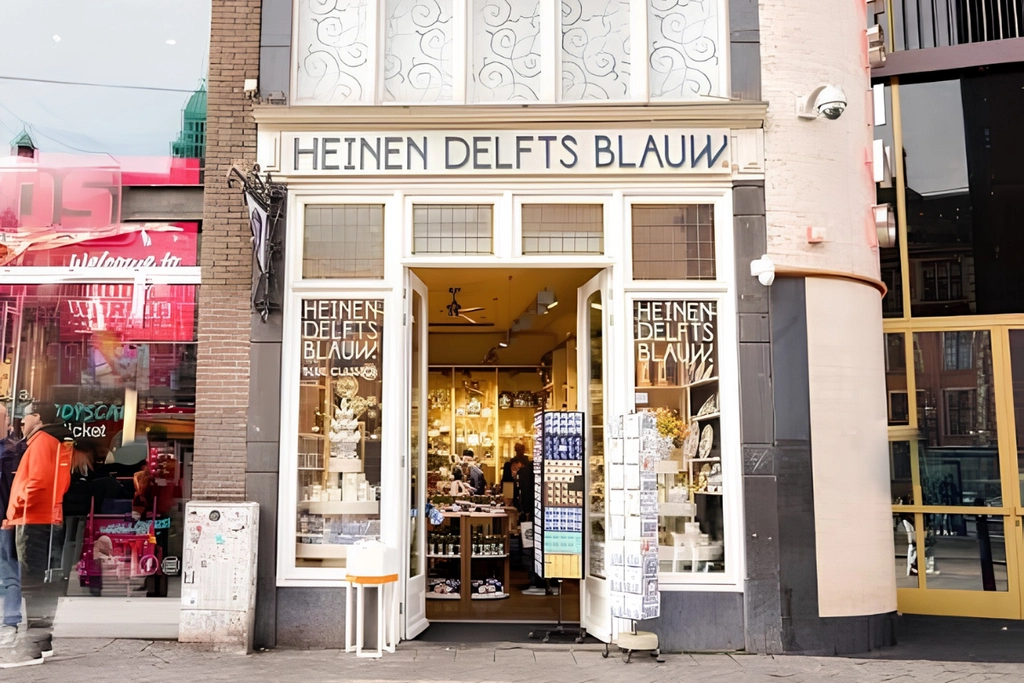
Back in Delft's historic center, Heinen Delfts Blauw gives the ceramic language a more contemporary pulse. Delft's tourism organization places the brand among the city's current ceramic makers and highlights its combination of traditional craft with modern design. Its Concept Store at Hippolytusbuurt reopened in 2026 after restoration following a fire, and the brand's current store information confirms the Delft location is operating again.
This is useful territory for ceramic-focused coolcationing because it prevents heritage from becoming visually frozen.
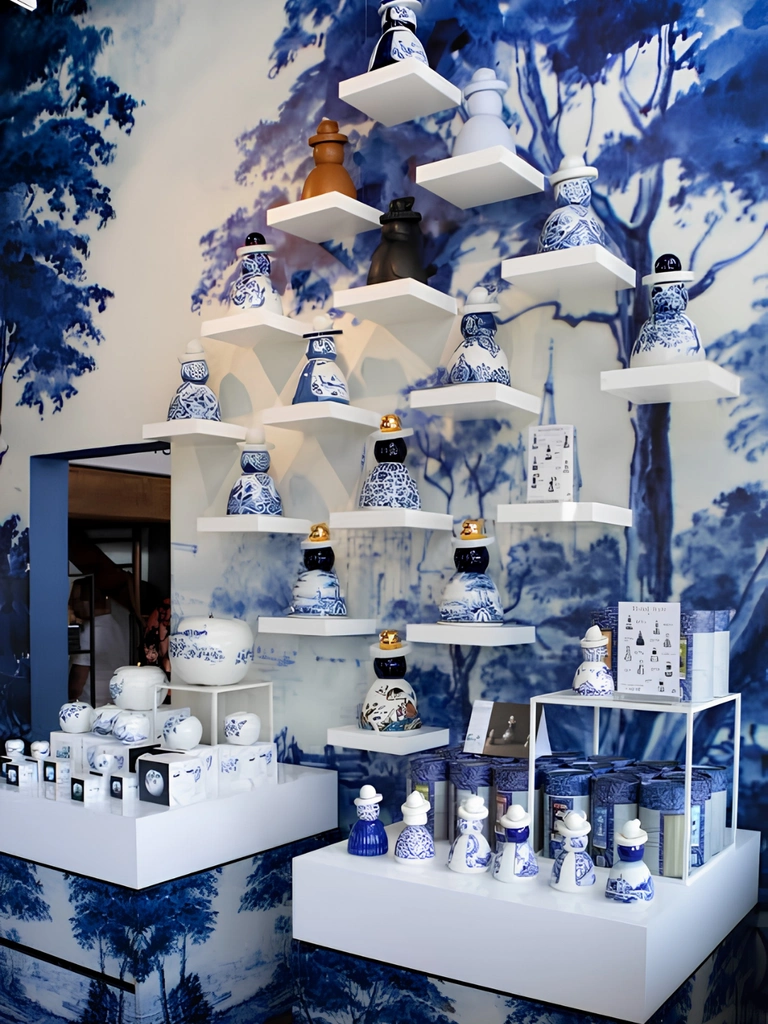
Classic flowers and historic blue-and-white references can sit beside cleaner forms and contemporary decoration. Delftware becomes something that continues to circulate through interiors and dining rather than a motif sealed inside the Dutch Golden Age.
Small ceramic workshops around the city extend that dialogue further. Delft's current visitor information lists De Candelaer and De Blauwe Tulp alongside Royal Delft and Heinen, while independent makers and ceramic events broaden the city's identity beyond one historic factory.
Spend an afternoon this way and collecting becomes slower too.
A vase starts with questions about who made it. A plate becomes interesting because of its brushwork. Slight differences between handmade pieces begin to matter. Travel transforms shopping into connoisseurship.
An old monastery stands close to the heart of Delft's ceramic history, although its doors currently require patience.
Museum Prinsenhof Delft traditionally provides the broader cultural setting around Delftware, Dutch art and William of Orange. The building itself originated as the former St Agatha monastery and later became deeply connected with Dutch political history. Its collections also trace Delftware's development into an internationally recognized decorative tradition.
For travelers visiting in 2026, however, there is an important practical detail: Museum Prinsenhof is temporarily closed for major renovation and refurbishment. The museum closed in January 2025, with its organization continuing activities and displaying parts of the collection at other locations during the closure.
That temporary absence can actually sharpen a ceramic itinerary.
Instead of treating the museum as an automatic stop, follow the material through the city itself. Take Delft's ceramics walking route. Look for tiles embedded in architecture. Visit working makers. Allow Royal Delft to carry more of the historical narrative.
A quietcation benefits from this flexibility. Missing one conventional attraction creates room for something less programmed.
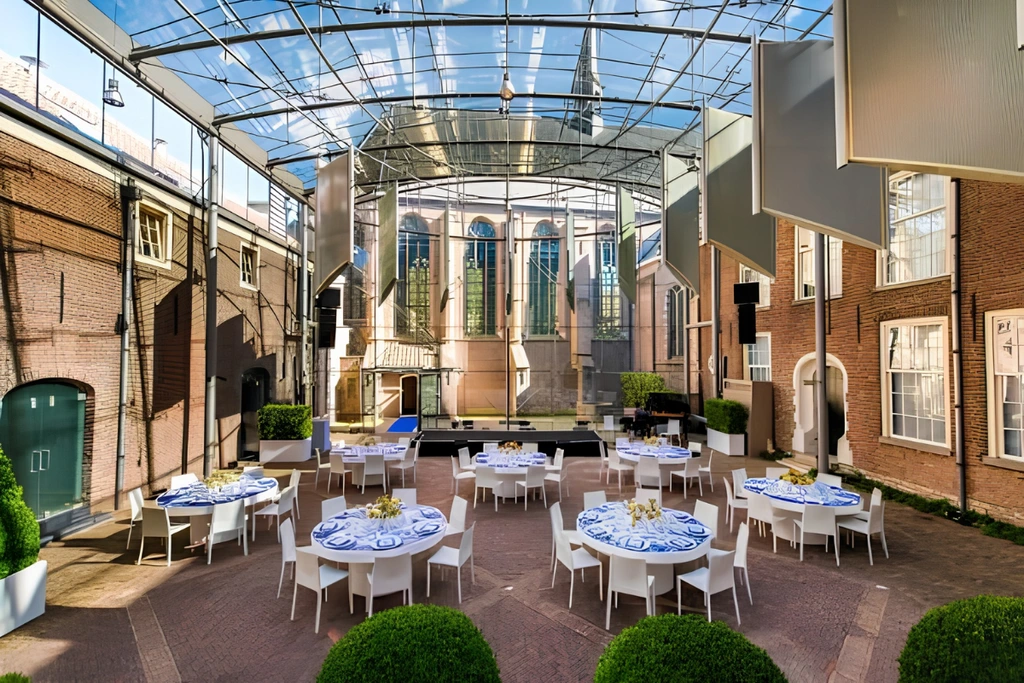
Day-trippers often approach small European cities with efficiency. Arrive after breakfast. Photograph the market square. Find the famous product. Eat lunch. Leave.
Delft deserves the opposite method.
On the first morning, walk the historic center before retail streets become busy. Follow canals toward Royal Delft and give the museum and factory several hours. Sit for a painting workshop. Allow lunch to remain lunch.
The next day can belong to contemporary ceramic culture, the official ceramics route, Heinen Delfts Blauw and smaller ateliers. A bicycle ride toward the greener edges of Delft can stretch the afternoon if the weather holds. The city's tourism organization specifically promotes routes through both the historic center and surrounding countryside, which makes active exploration easy to fold into a coolcation.
Then resist adding Rotterdam that evening simply because it is nearby. The empty hours are part of the work.
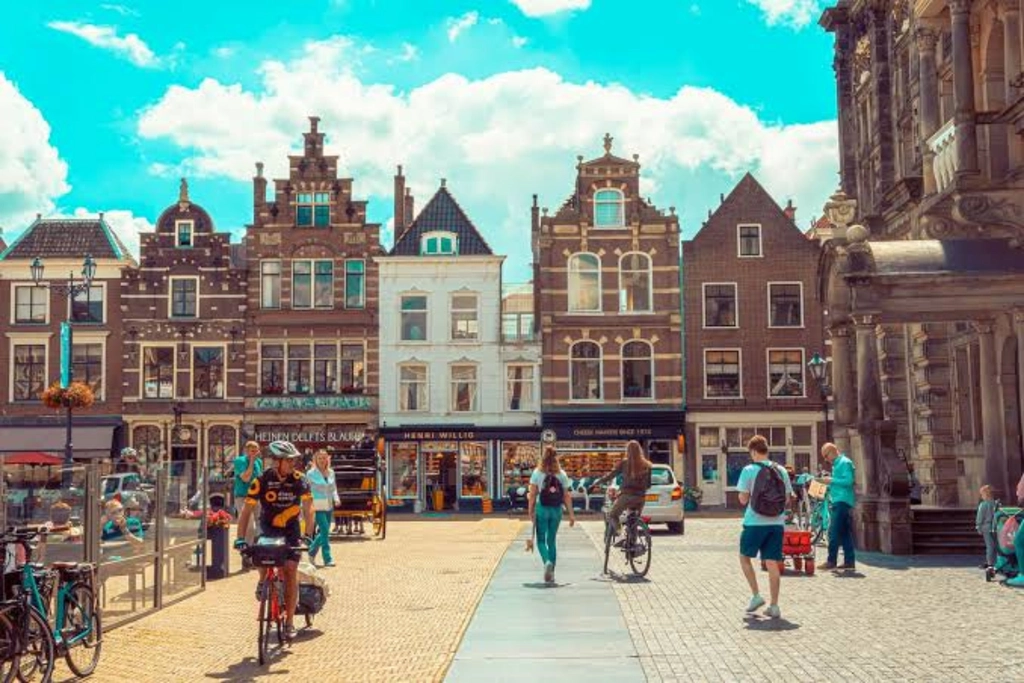
The kiln closes, and for a while there is nothing to see.
Inside, heat is doing the work. The cobalt changes. Glaze melts. The ceramic surface develops beyond the maker's reach.
There is an appealing travel philosophy hidden inside that process.
Coolcationing gives the body a climate in which movement remains pleasurable. A quietcation gives the mind enough space to notice what that movement passes through. Delft connects the two through ceramic, a craft whose beauty has always depended on patience.