MENU
Close





Is Anna Wintour a feminist icon of absolute power, or is she the industry's most beautiful nightmare? We dive into the ruthless mechanics of her ecosystem, where talent is hunted, egos are sacrificed, and the weather is whatever she says it is.
Is Anna Wintour a feminist icon of absolute power, or is she the industry's most beautiful nightmare? We dive into the ruthless mechanics of her ecosystem, where talent is hunted, egos are sacrificed, and the weather is whatever she says it is.
April 9, 2026
Advertisement
Advertisement



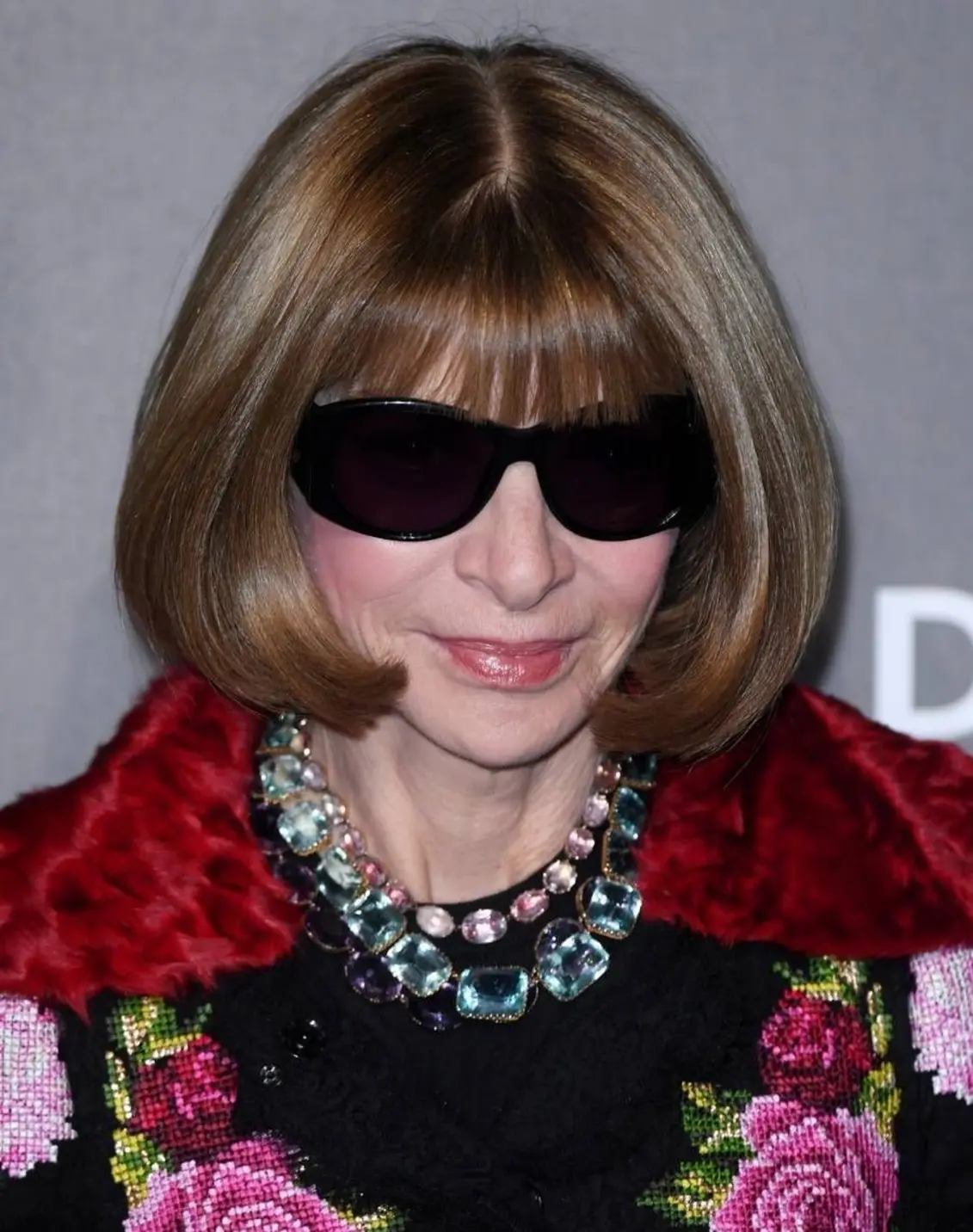
The razor-sharp bob, eyes permanently shielded behind fortress-like sunglasses, floral couture armor, and the inevitable Manolo Blahniks. This is the woman presiding over a multi-billion dollar media empire for decades. Anna Wintour remains the "Untouchable Monument" of the fashion universe. This formidable force does more than predict trends; she dictates the very definition of global style.
Born in 1949 London, Anna Wintour thrived at the intersection of hard-hitting journalism and high-society culture. As the daughter of Charles Wintour, the formidable Editor-in-Chief of the Evening Standard, and Eleanor Trego Baker, a social activist, her trajectory was predetermined. She inherited her father’s lethal strategic mind and his conviction: media must mirror contemporary life and seduce the youth.
Wintour possesses a fierce, autonomous personality, viewing traditional constraints with utter contempt. During her tenure at North London Collegiate School, she waged a silent war against strict dress codes by hacking her uniform hems short. At 16, she walked away from academia, finding the traditional curriculum beneath her interests.
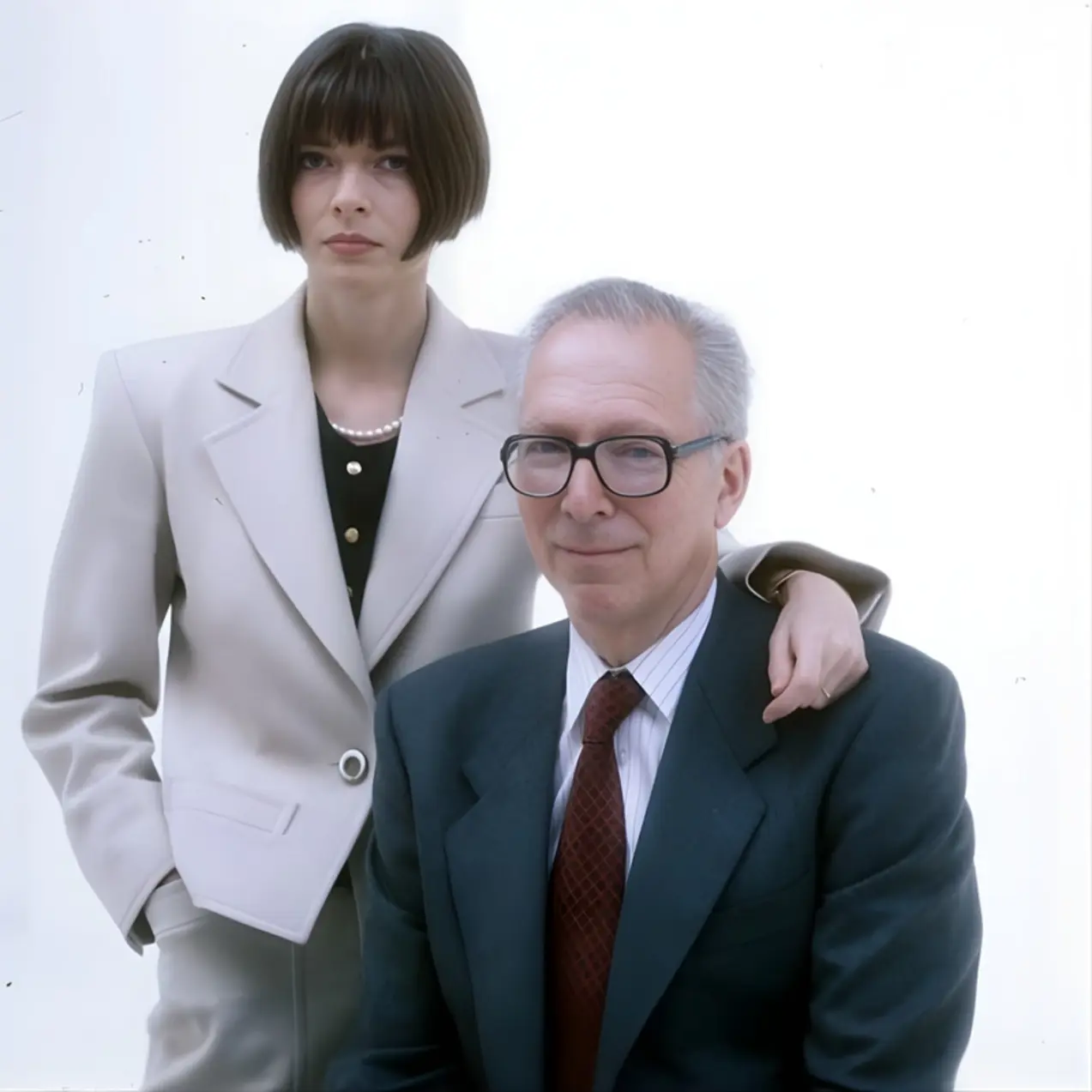
Her father secured her first post at Biba, the epicenter of London’s "Swinging Sixties." This boutique served as her laboratory, where she inhaled pop culture and sharpened her early fashion instincts.
Following Biba, she entered a training program at Harrods. This prestigious department store provided the commercial foundation she required. Predictably, she abandoned the program before completion. Anna Wintour maintains that true fashion genius stems from instinct and raw experience, not the dusty pages of a textbook.
In 1970, at 21, Anna Wintour secured the role of Editorial Assistant at Harpers & Queen. Her brilliance was immediate, yet her ambition was far larger than the British market. She demanded a grander stage for her vision.
In 1975, Anna Wintour invaded the United States, taking editorial roles at Harper’s Bazaar and Viva. Her "Too European" aesthetic, a lethal cocktail of bold internationalism, led to her swift firing from Harper’s Bazaar. She famously dismisses the setback: “Everyone should be fired at least once, it is a fantastic learning experience.”
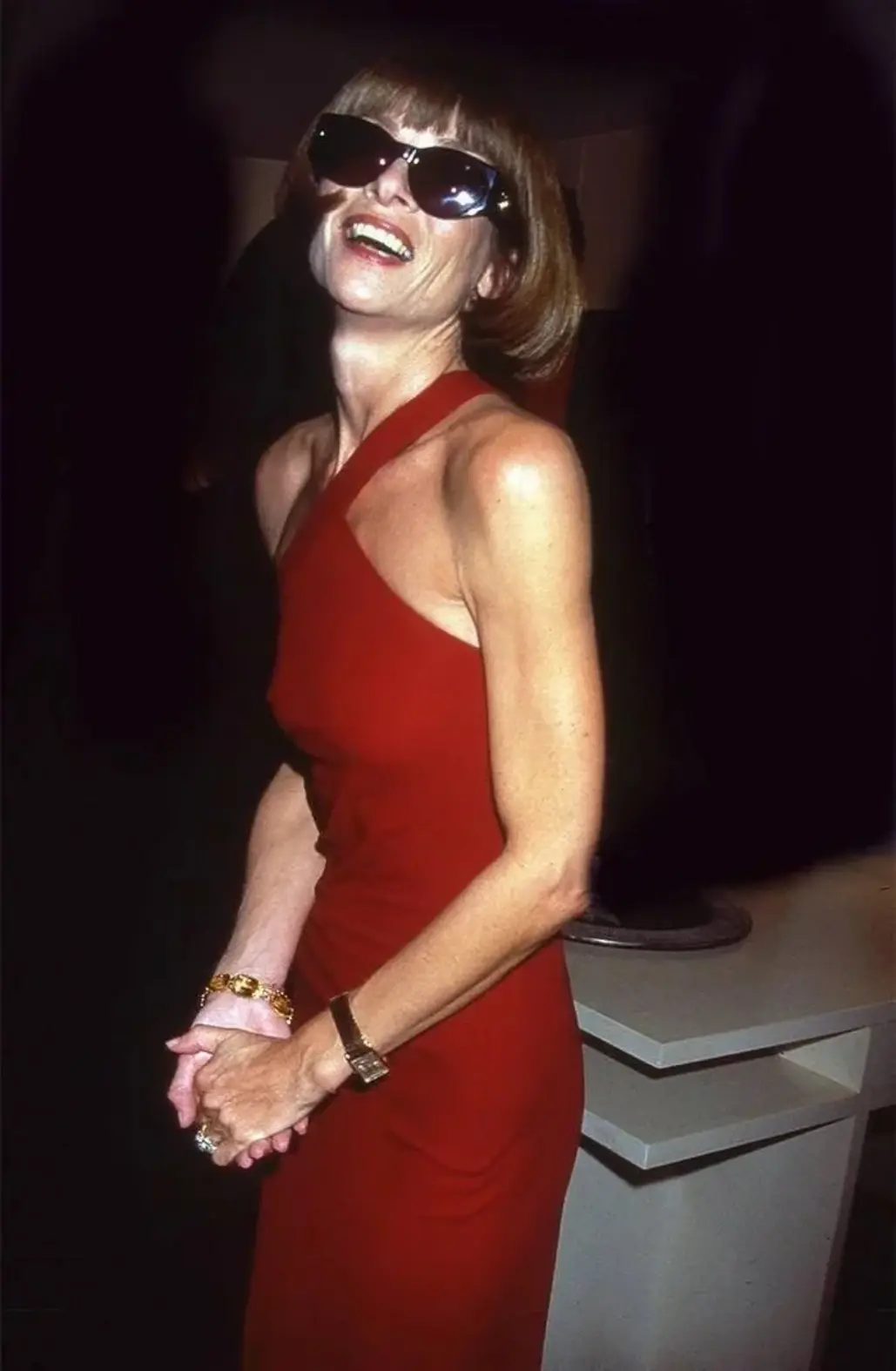
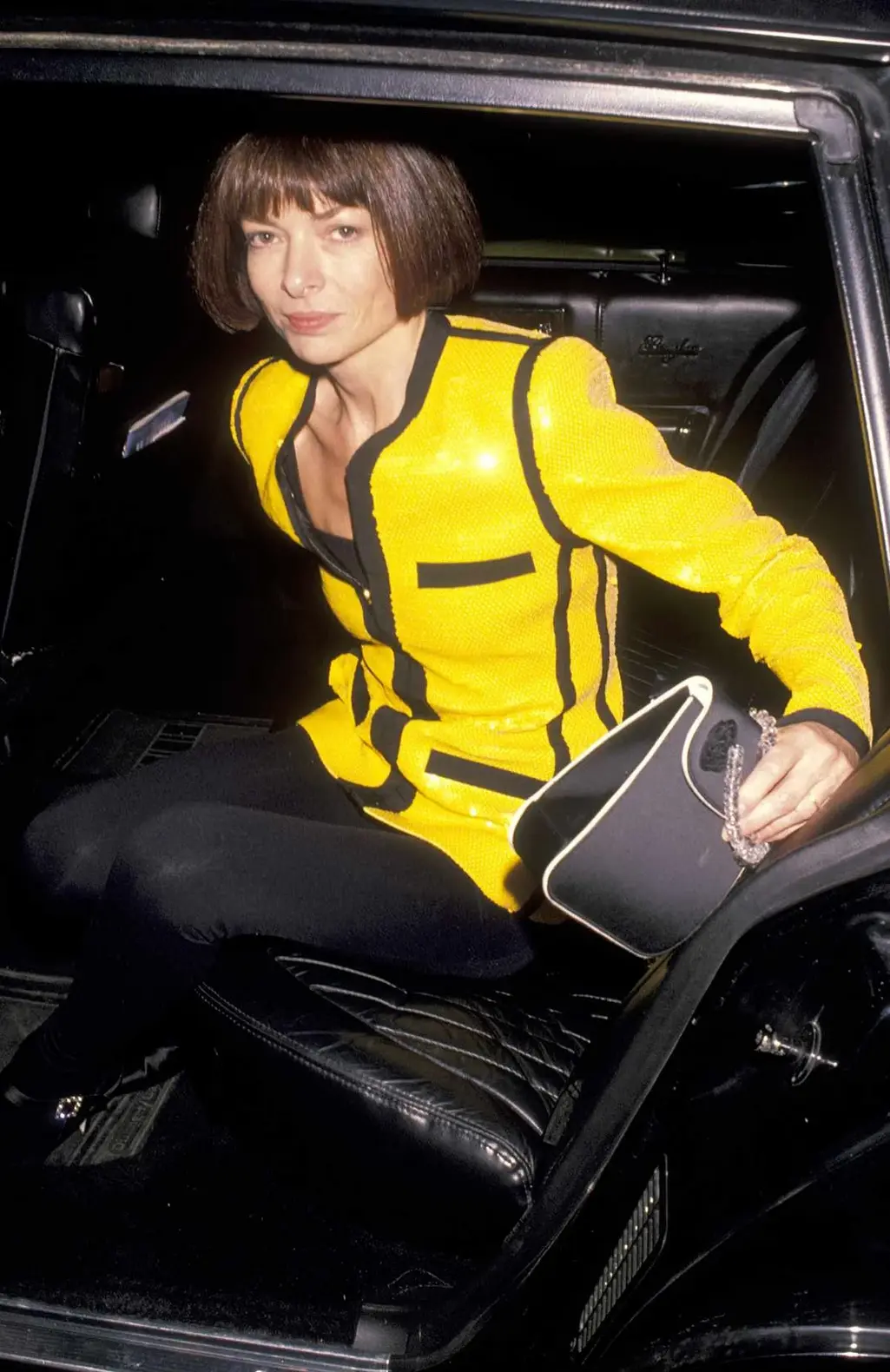
Post-firing, she carved her path through Savvy and New York Magazine, establishing a reputation for a predatory editorial eye and an iron-clad commercial vision.
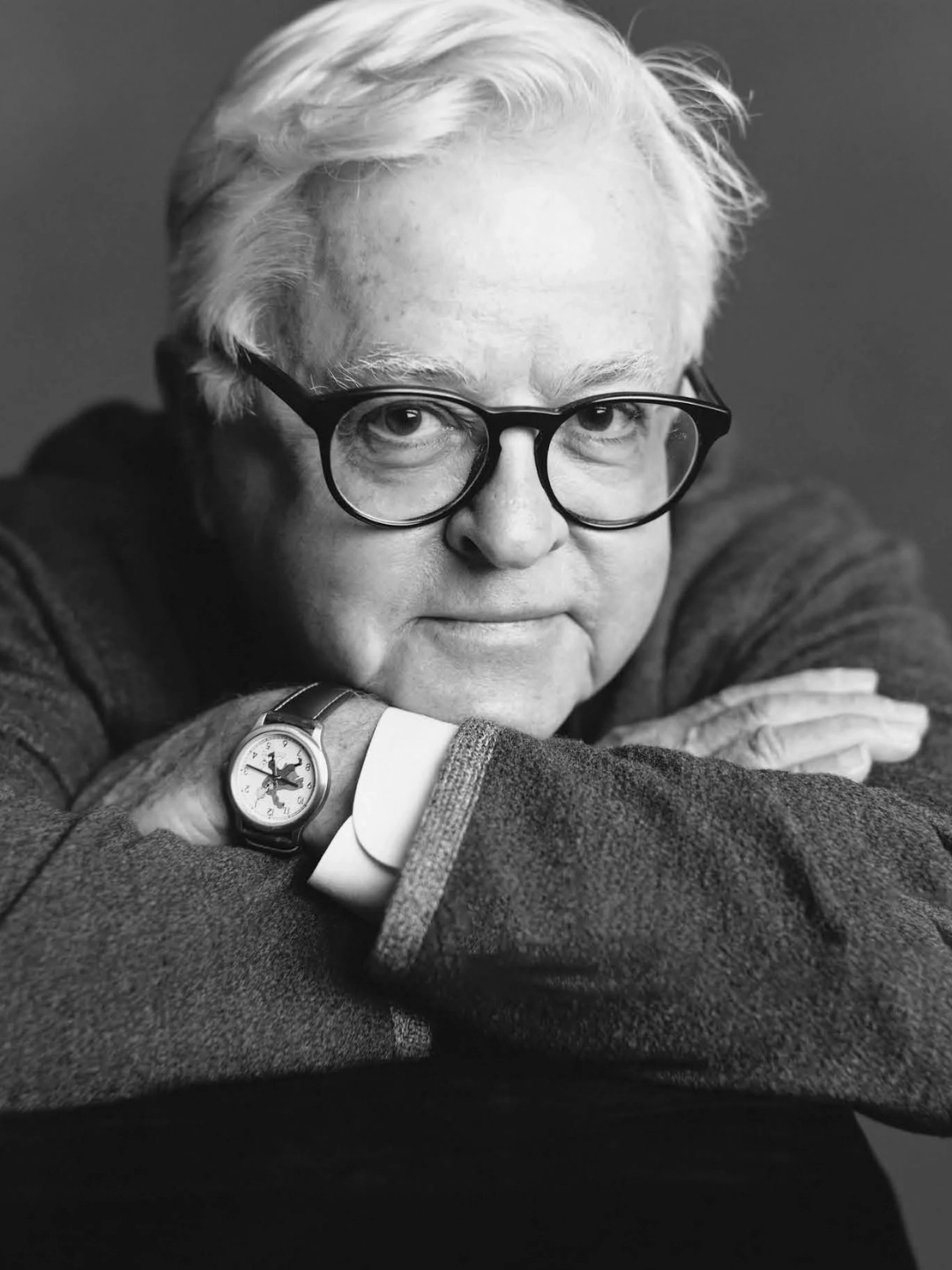
In 1983, Alexander Liberman, the formidable Creative Director of Condé Nast hunted Anna Wintour to serve as Creative Director of Vogue US. His verdict was absolute: she was the sole individual capable of surgically restructuring the fashion industry. Armed with predatory strategic instincts and a vision as rigid as steel, Anna Wintour resuscitated a Vogue brand previously dismissed as "bland" by the masses, dragging it toward a violent, roaring success.
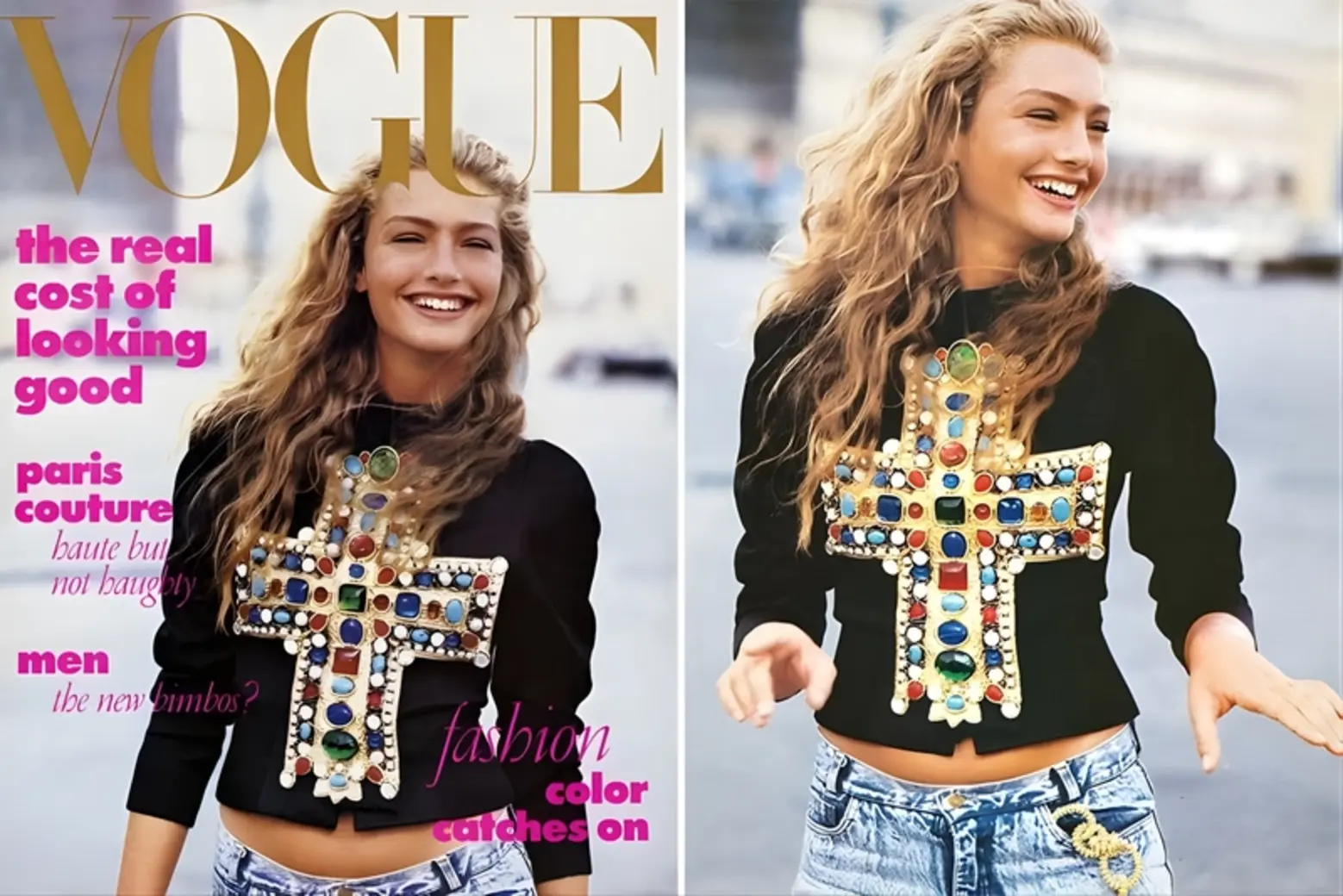
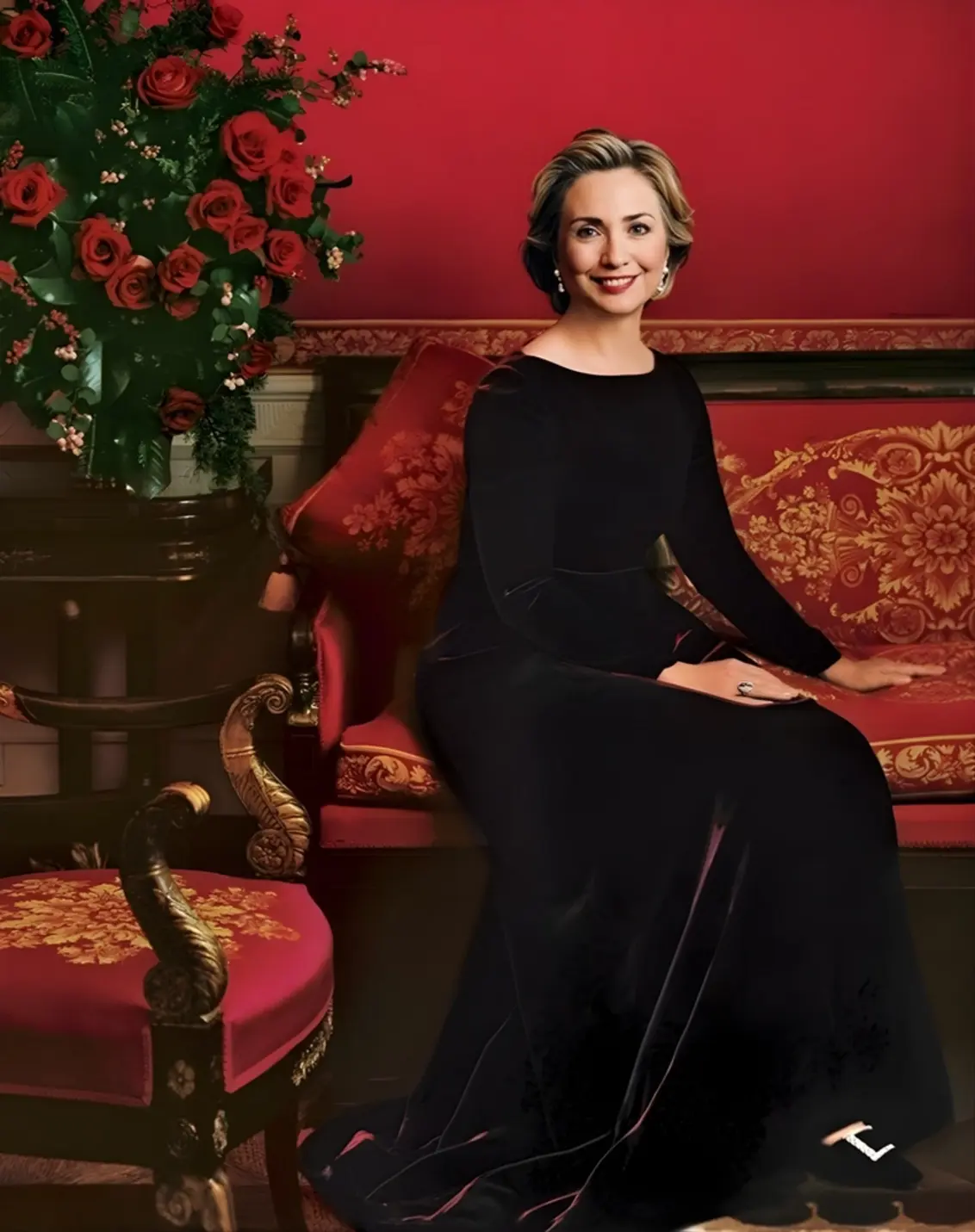
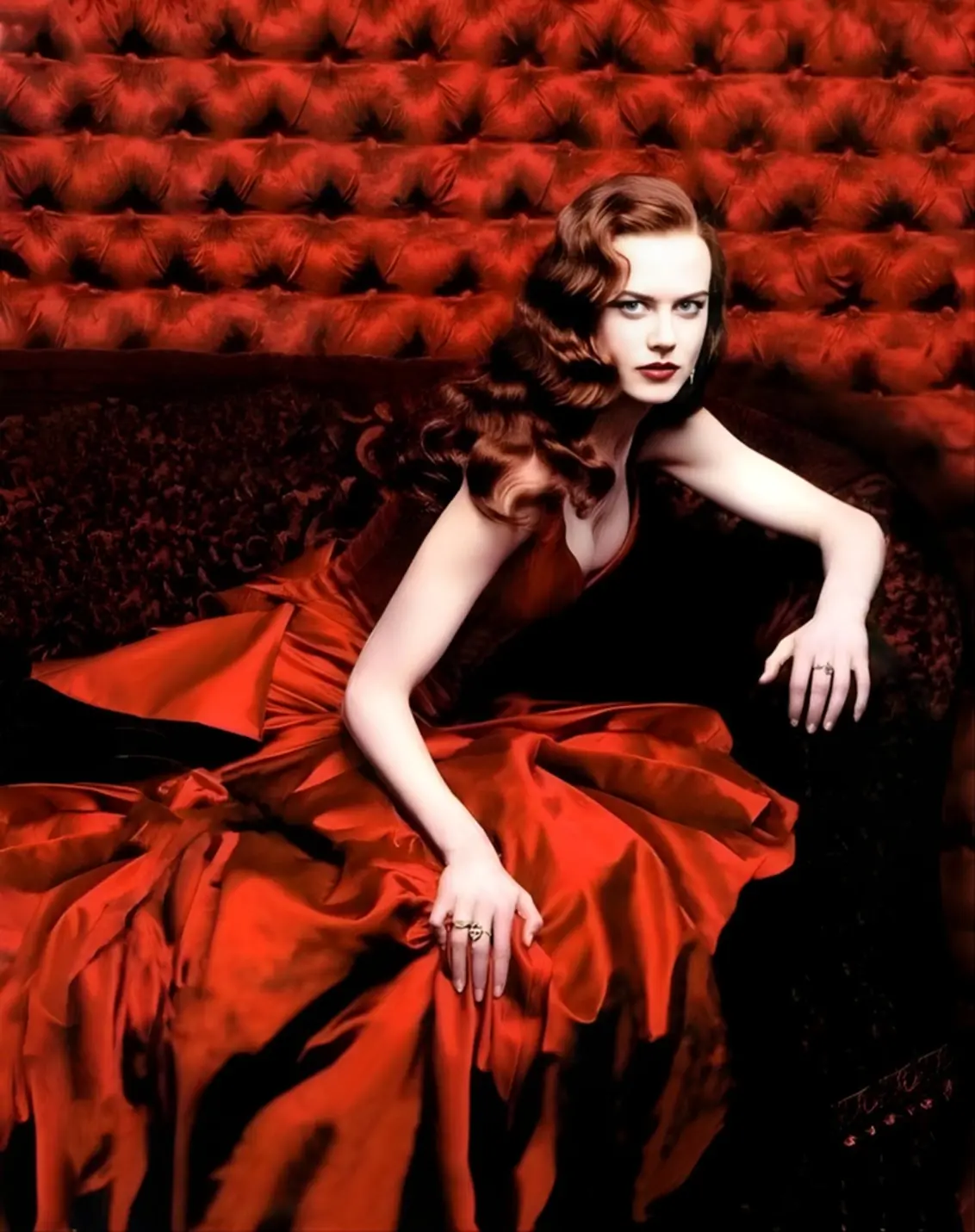
Under Anna Wintour’s iron fist, Vogue shattered the archaic standards of high-fashion editorial through two historical executions. These maneuvers effectively executed her strategy of Democratizing Fashion and Pop Culture Integration.
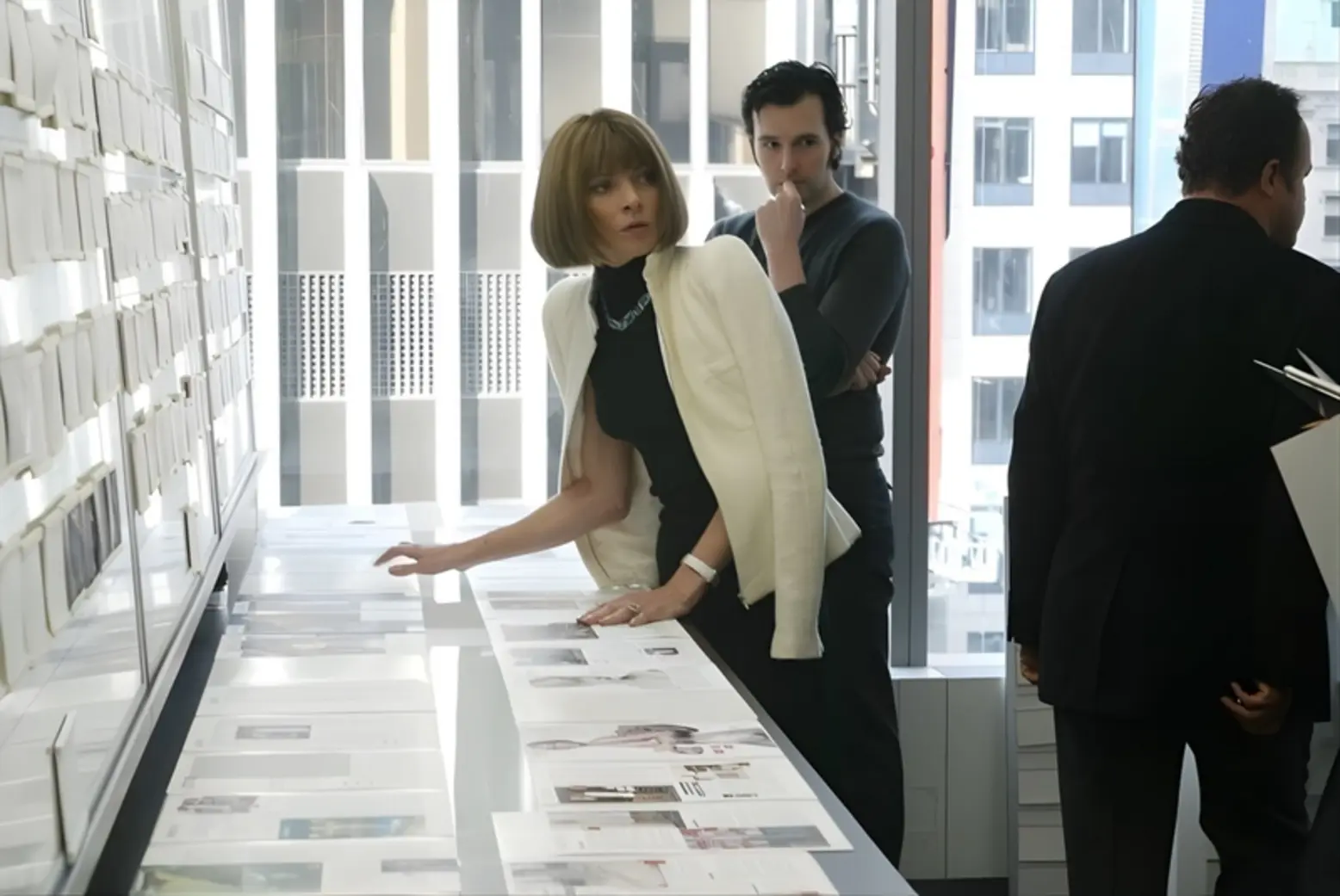
In a rare 1993 interview at age 45, the empress herself clarified her disdain for the mediocre:
"I believe in magazines as mirrors of life. I am a journalist. A magazine is a reflection of reality, a living pulse, a far cry from those dusty, decorative coffee table books."
Understand this: Anna Wintour creates the weather. Everyone else merely carries the umbrella.
Anna Wintour’s sovereignty exceeds the mere tally of advertising pages she offloads to the highest bidder. She transformed Vogue into a lethal ecosystem of favors and influence, a gargantuan machinery of power. This grid traps everyone: emerging and established designers, photographers, models, celebrities, and political titans. Most crucially, she commands the major retailers and luxury conglomerates like LVMH and Kering.
Her influence remains predatory. She identifies potential and delivers monumental opportunities, forcing designers to ascend to global brilliance under her gaze. Consider her mid-90s maneuver: she hand-delivered John Galliano to LVMH to seize the Creative Directorship at Givenchy. She hunted down talents like Alexander McQueen and Marc Jacobs, securing the capital for their empires and tattooing their names onto the global consciousness.
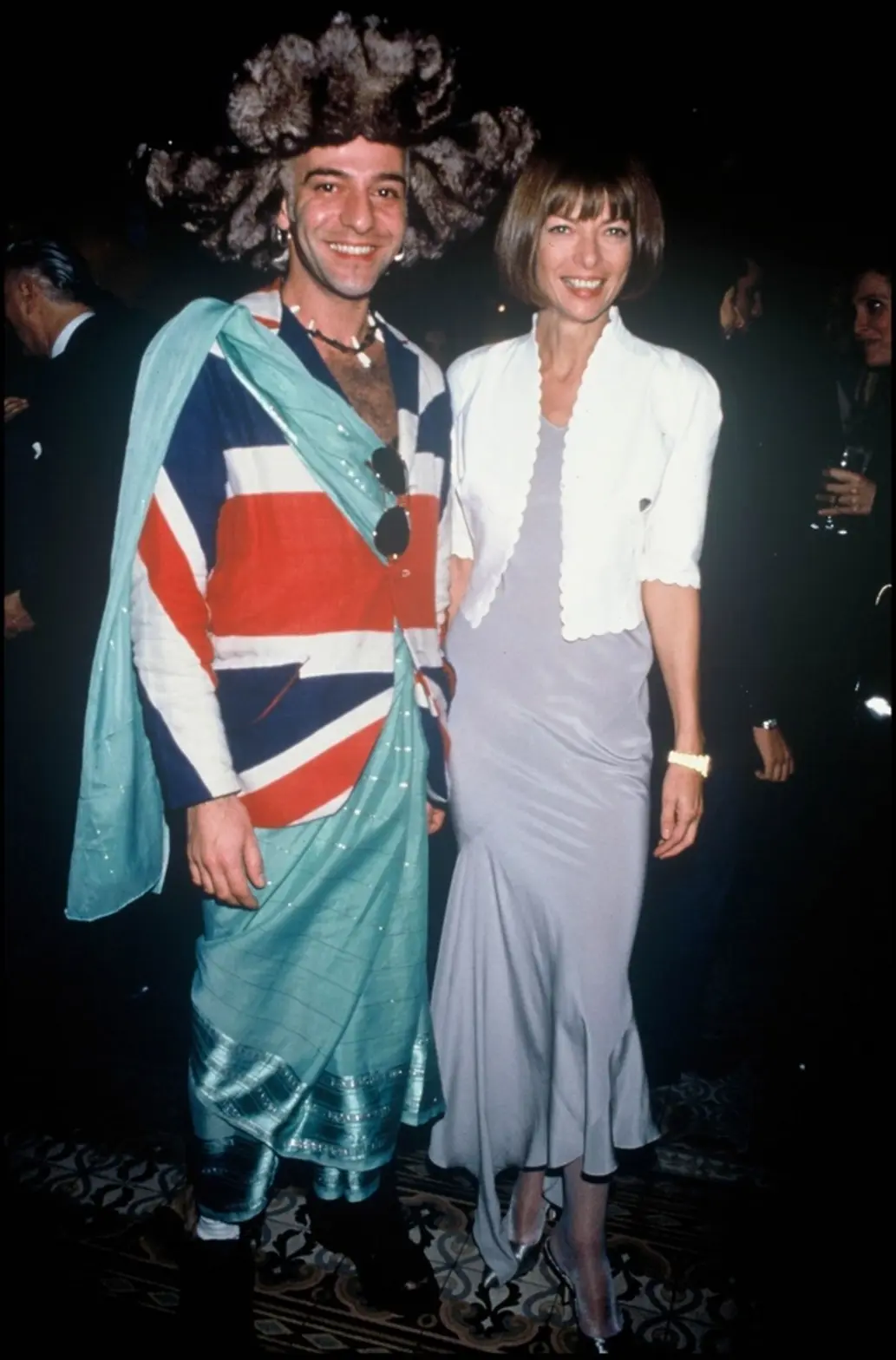
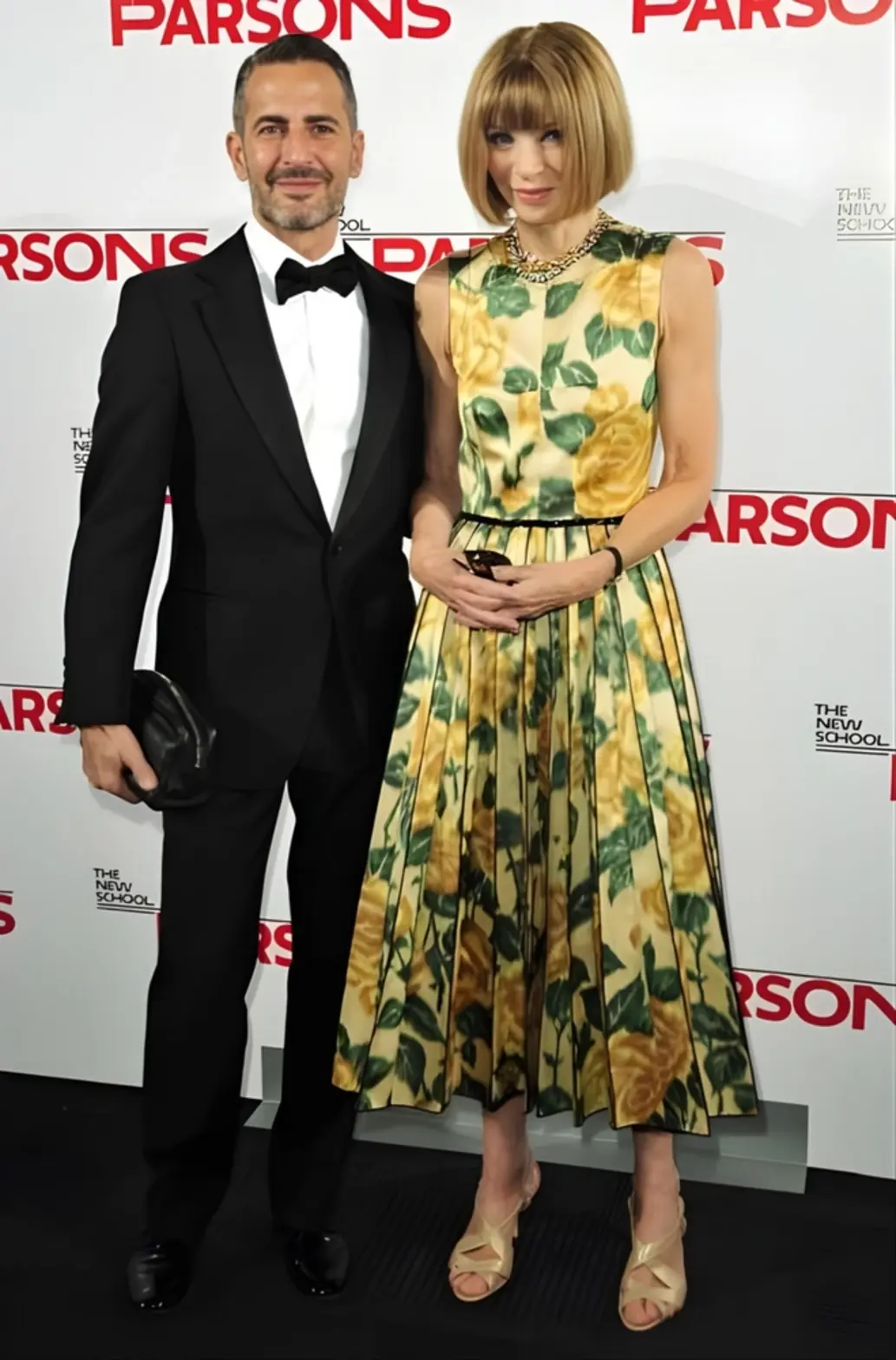
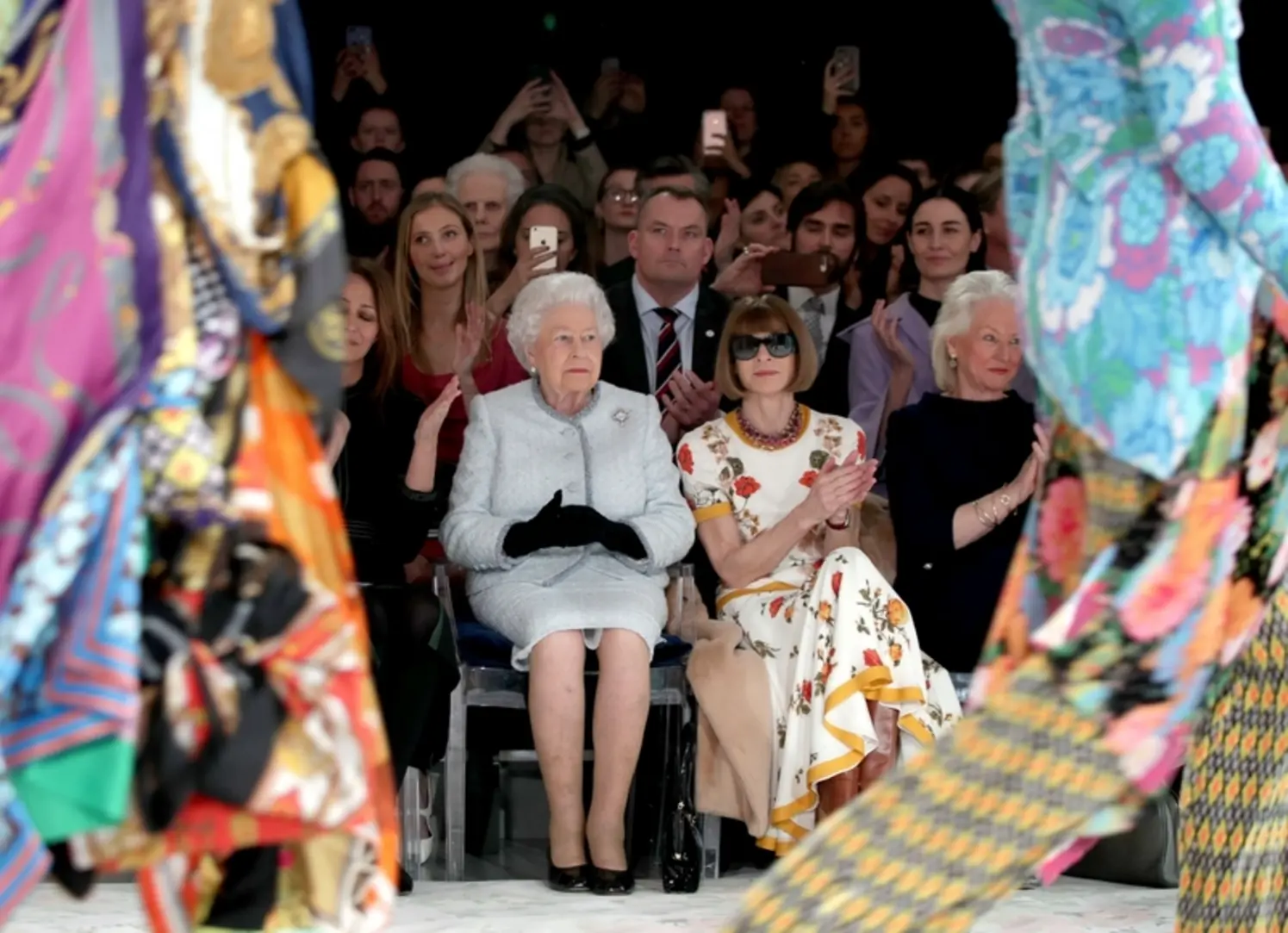
The ultimate seal of sovereign approval arrived when the late Queen Elizabeth II chose the front row beside Anna Wintour to make her first-ever public appearance at a fashion show, effectively merging the Crown of England with the Throne of Fashion.
In this world, a single garment appearing in Vogue triggers an immediate trend and a violent surge in retail sales. Industry giants grovel for Anna Wintour’s verdict on rising stars and shifting tides before they dare place an order. She is the ultimate linchpin, the woman who directs the very financial slipstream of the fashion industry.
In the media bloodbath, networking is survival. To fortify her ecosystem of favors, Anna Wintour co-founded and manages the CFDA/Vogue Fashion Fund, established in 2003 alongside the Council of Fashion Designers of America.
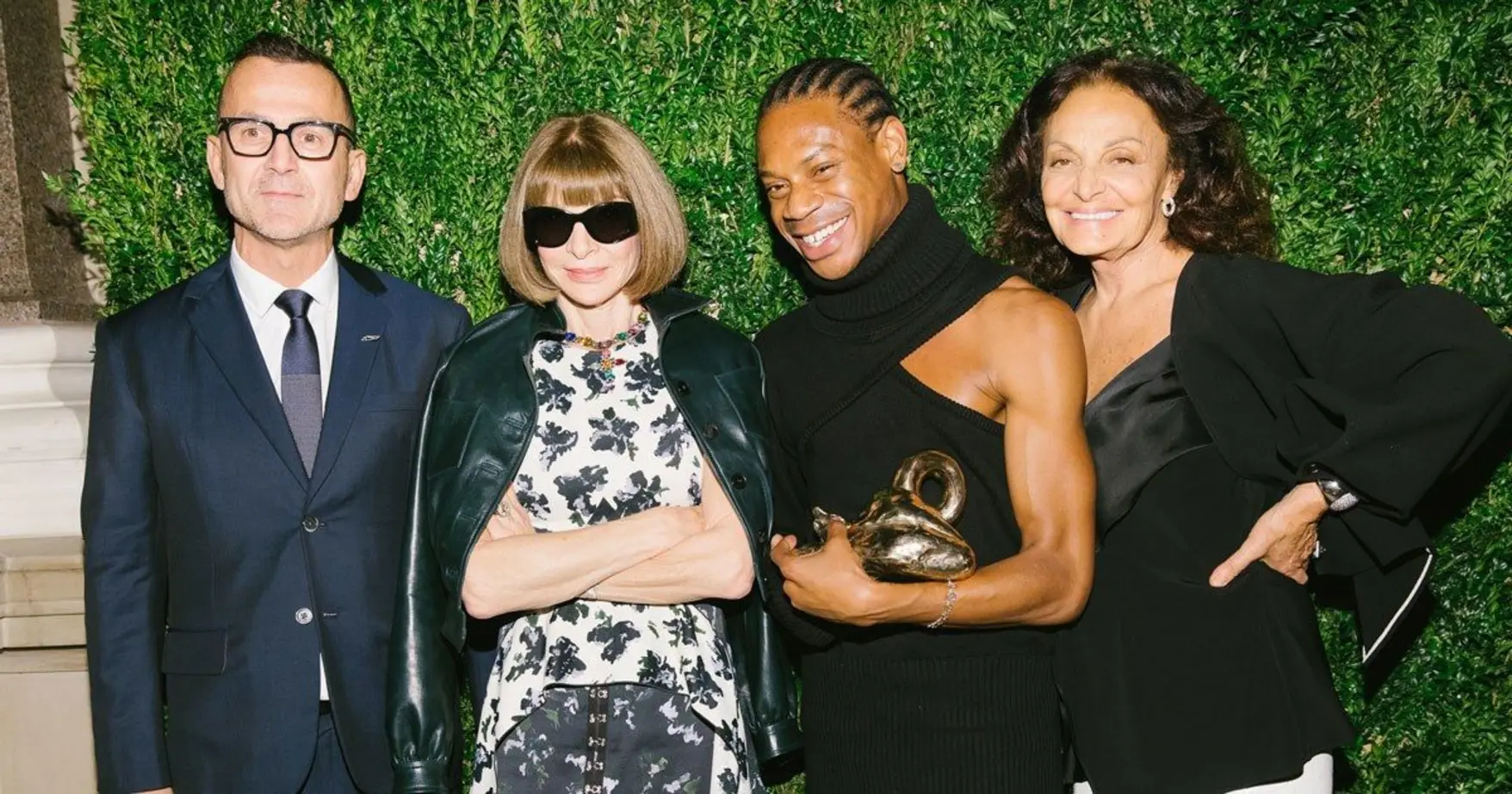
This fund provides more than mere capital; it grants elite strategic mentorship from the industry’s most lethal experts. The program has successfully anointed over 200 designers, serving as the high-velocity launchpad for titans like Proenza Schouler (her first victors), Alexander Wang, Thom Browne, and Telfar.
Through this fund, Anna Wintour assumes the role of Supreme Matriarch. She discovers talent, then stamps them with her seal of approval. This ensures Vogue remains the sole architect of the future while cementing her absolute grip on global retailers and luxury syndicates.
In short: she owns the chessboard, the pieces, and the hands that move them. You are either in her favor, or you are invisible.
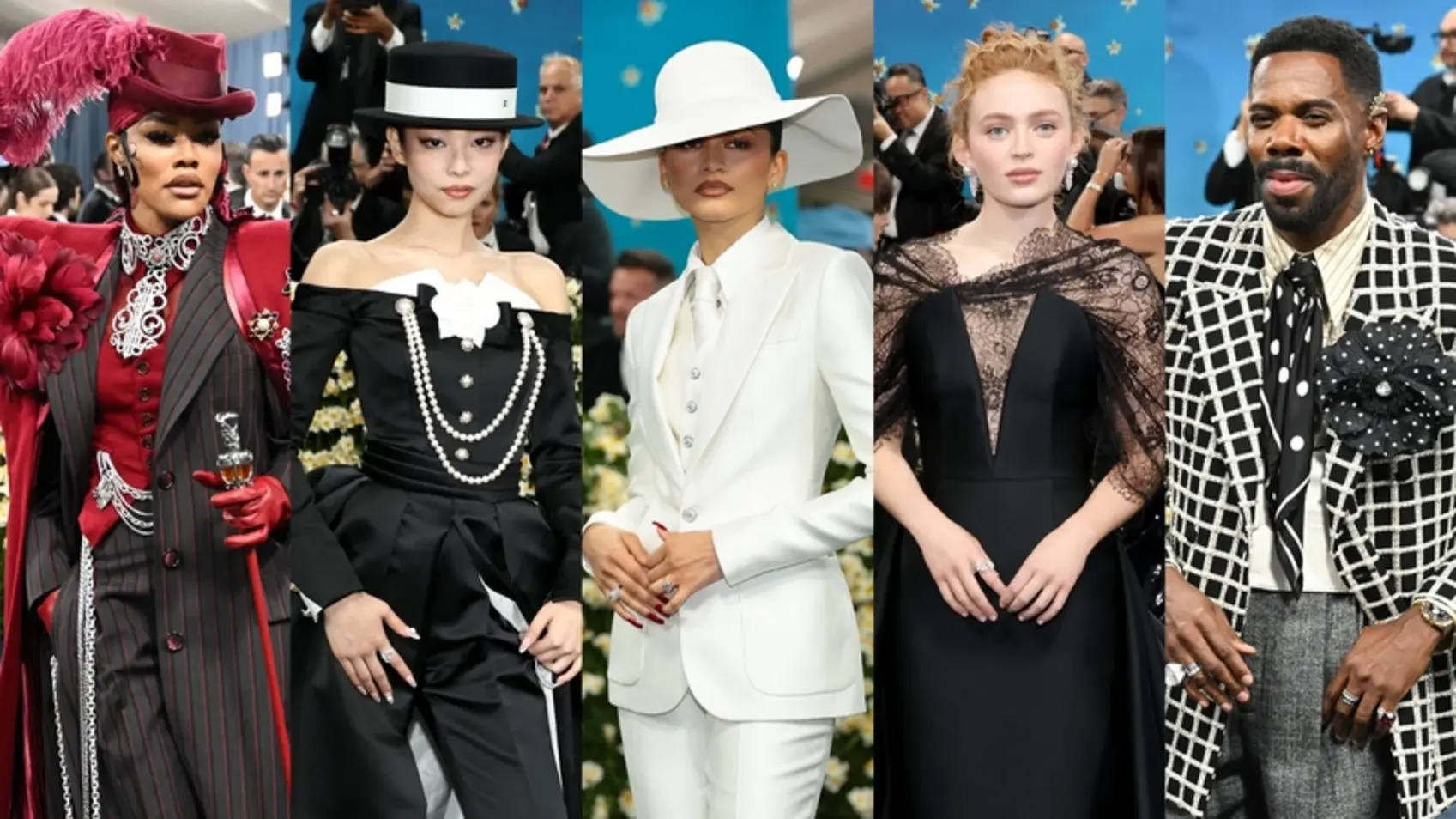
In 1995, Anna Wintour seized the Chairmanship of the Met Gala. Before her arrival, this was merely a local fundraising dinner for the Manhattan elite. She utilized her absolute sovereignty at Vogue and her lethal cross-industry network, spanning Hollywood royalty to political titans, to execute a global takeover.
Today, the Met Gala is the Oscars of Fashion. Each year, Anna Wintour hand-picks a theme to dictate the aesthetic of the Costume Institute’s exhibition, forcing guests to adhere to her stylistic whims. The media circus surrounding this night is a juggernaut; in 2025, the event extorted a record $31 million for the museum. Entry is a privilege for the ultra-wealthy, with individual tickets at $75,000 and tables starting at a cool $350,000.
In this digital era, the event generates a Media Impact Value exceeding $1 billion, a financial middle finger to anyone whispering about her expiration date. As the sole gatekeeper, Wintour decides who belongs in this billion-dollar cultural cross-section. Money alone buys nothing; only her approval grants entry.
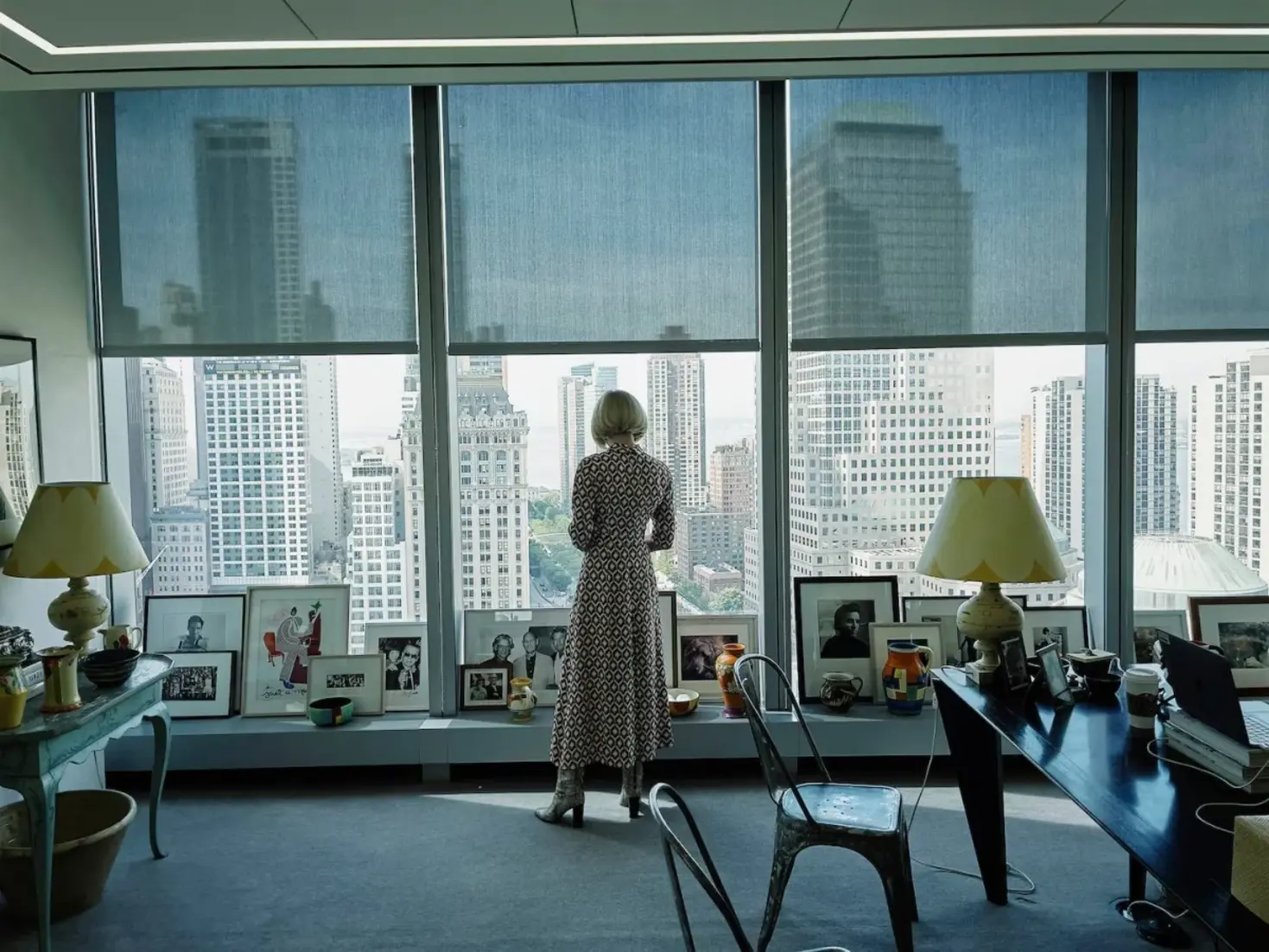
Anna Wintour’s leadership style is a study in absolute conviction. The icy Miranda Priestly from The Devil Wears Prada is a thinly veiled portrait of Anna Wintour’s cut-throat reality. She operates on a simple truth: a leader must possess iron-clad beliefs and communicate them with surgical precision. To her, indecision is a greater sin than a mistake.
She is a creature of silence and distance. Small talk is a waste of her oxygen. Subordinates get exactly two minutes of her time, be concise, be decisive, or be gone. Rumors suggest she keeps her sunglasses on even while terminating employees. Analysts call this emotional detachment; the rest of the world calls it intimidating.
Anna Wintour is a walking paradox of feminist power. She built a global empire while enforcing a rigid fashion standard, slender, glamorous, and flawless. Her micro-management ensures Vogue’s perfection but creates a climate of fear. In The September Issue (2009), she famously butchered the expensive work of her closest ally, Grace Coddington, simply because it failed to align with her commercial vision.
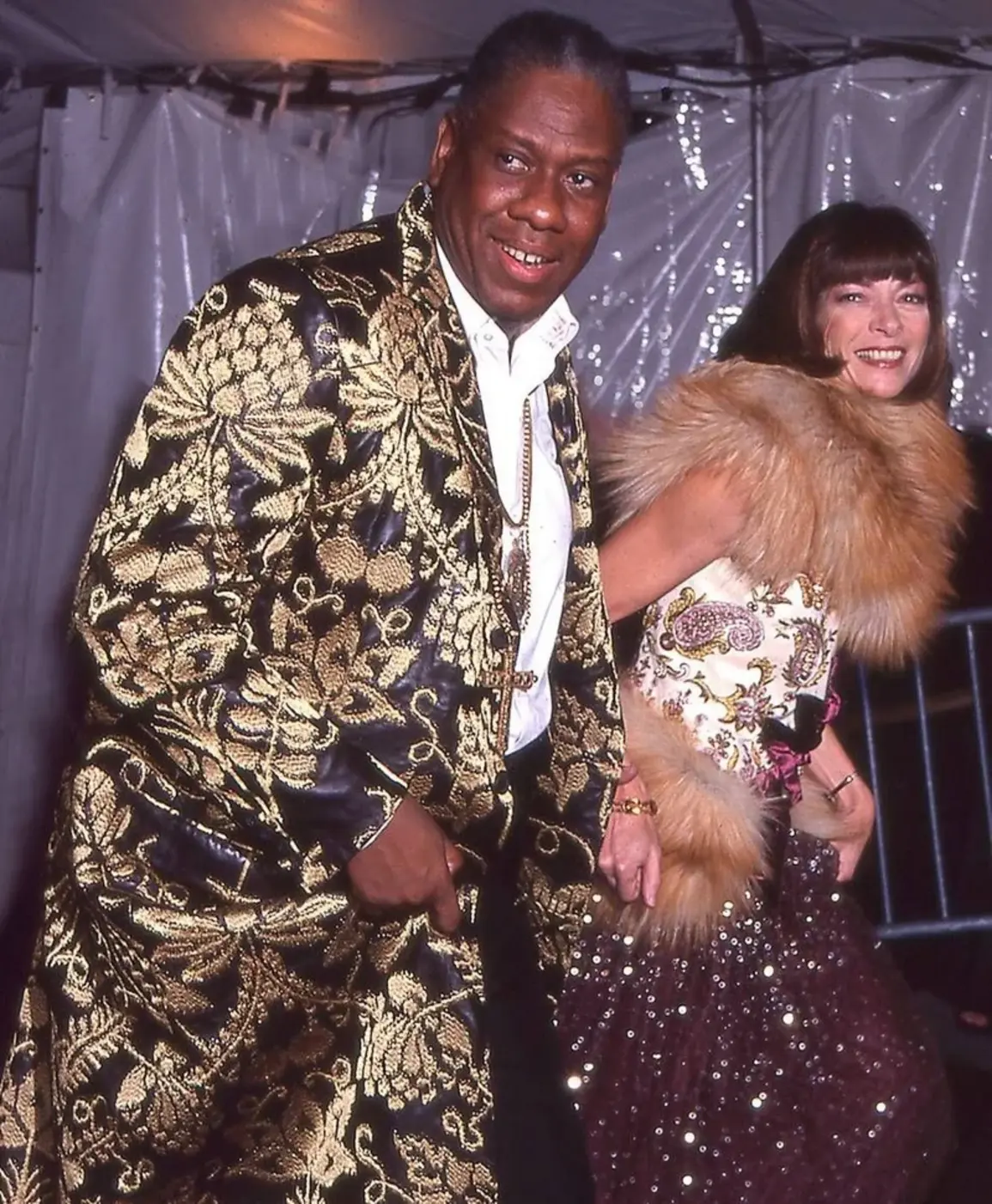
The 2020 memoir The Chiffon Trenches by André Leon Talley exposes the ruthless side of her nature. André Leon Talley, a loyal lieutenant for decades, accused her of lacking simple human kindness, treating him like a discarded relic, and maintaining a cold pay disparity.
When the 2020 crisis erupted over a lack of diversity at Vogue, Anna Wintour issued a rare internal apology. She accepted full responsibility for hurtful or intolerant content and the scarcity of Black creators within her halls. She owns the mistakes because she owns everything.
After 37 years atop Vogue US, Anna Wintour continues to outlive every rumor of her retirement. In June 2025, she pivoted. While stepping away from the Editor-in-Chief role of the US edition, she remains the Global Chief Content Officer of Condé Nast and Global Editorial Director of Vogue.
She retains absolute power over strategy, staffing, and global budgets. Her vision is the blueprint for the entire corporation. Following in the footsteps of Karl Lagerfeld, she appears destined to command until her final breath.
Her successor, Chloe Malle, faces a monumental task: filling the shoes of a woman who owned the industry. Anna Wintour is not leaving anytime soon; she is far too busy presiding over the future.
Advertisement