MENU
Close





To Summer Perfume invites the wearer into a world where Chinese culture is felt through all senses. Through ambience, philosophy and scents, To Summer 观夏 translates local heritage into contemporary, turning perfume into a vessel for Eastern aesthetics.
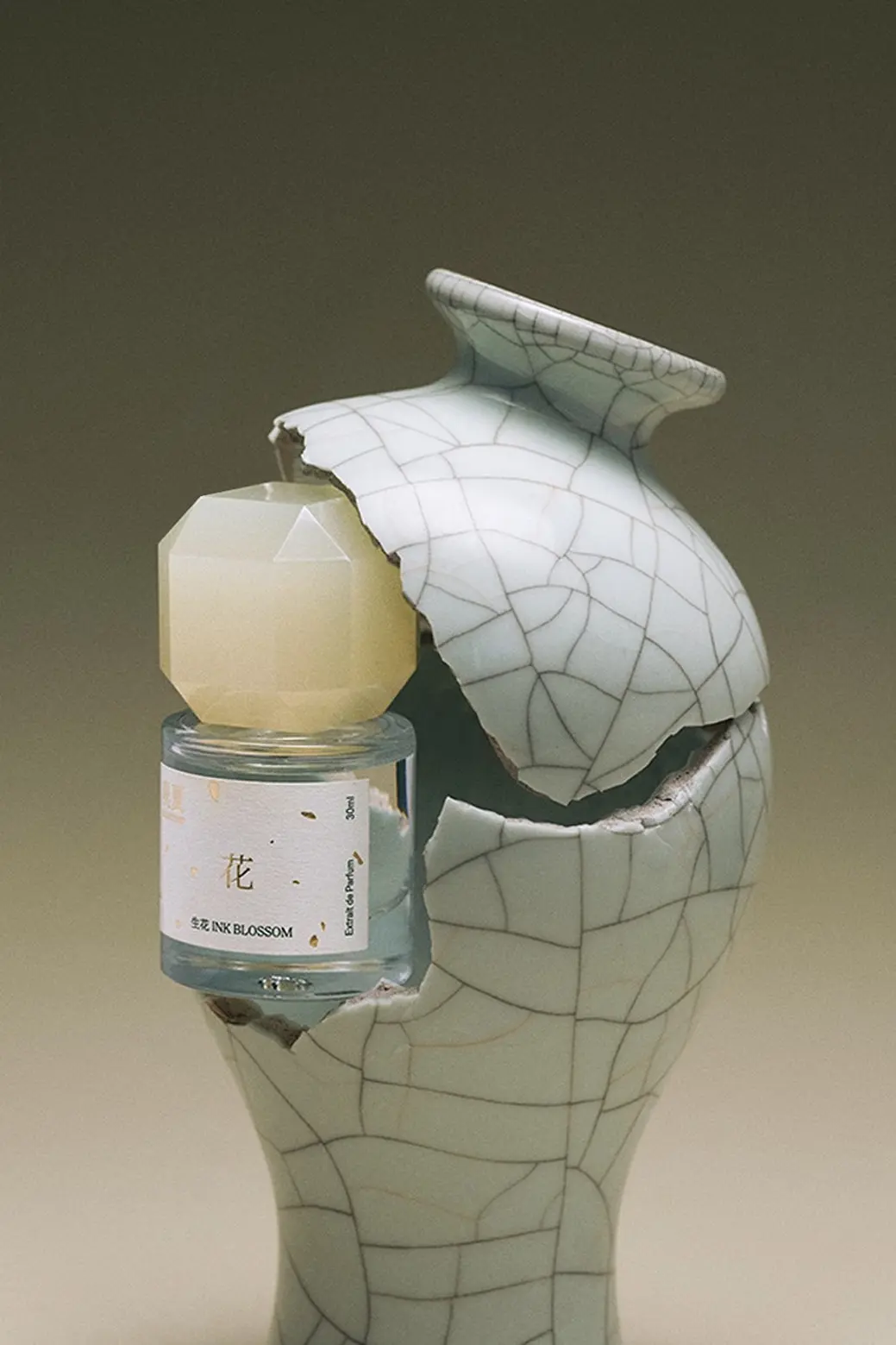
To Summer Perfume invites the wearer into a world where Chinese culture is felt through all senses. Through ambience, philosophy and scents, To Summer 观夏 translates local heritage into contemporary, turning perfume into a vessel for Eastern aesthetics.
April 8, 2026
Advertisement

Advertisement



There are spaces that introduce themselves at once, and there are spaces that ask the beholder to slow breathing and learn their culture before they begin to whisper to you. 观夏 To Summer perfume belongs to the second kindred. To enter its world is to step into a room where time feels everlasting, arranged into an atmosphere with the softness of silk and the discipline of ink. One can imagine a reading room, a tea room, a study lined with memory, "room of her own" in Shanghai, a Changwu pavilion where objects are chosen for the thousand lives they have already lived and the feelings they still know how to convey. The house begins in something diffuse and difficult to hold: a cultural mood, an embedded landscape, a line of poetry, the hush of tea, the inner weather of a painting, the emotional weight of inherited aesthetics.
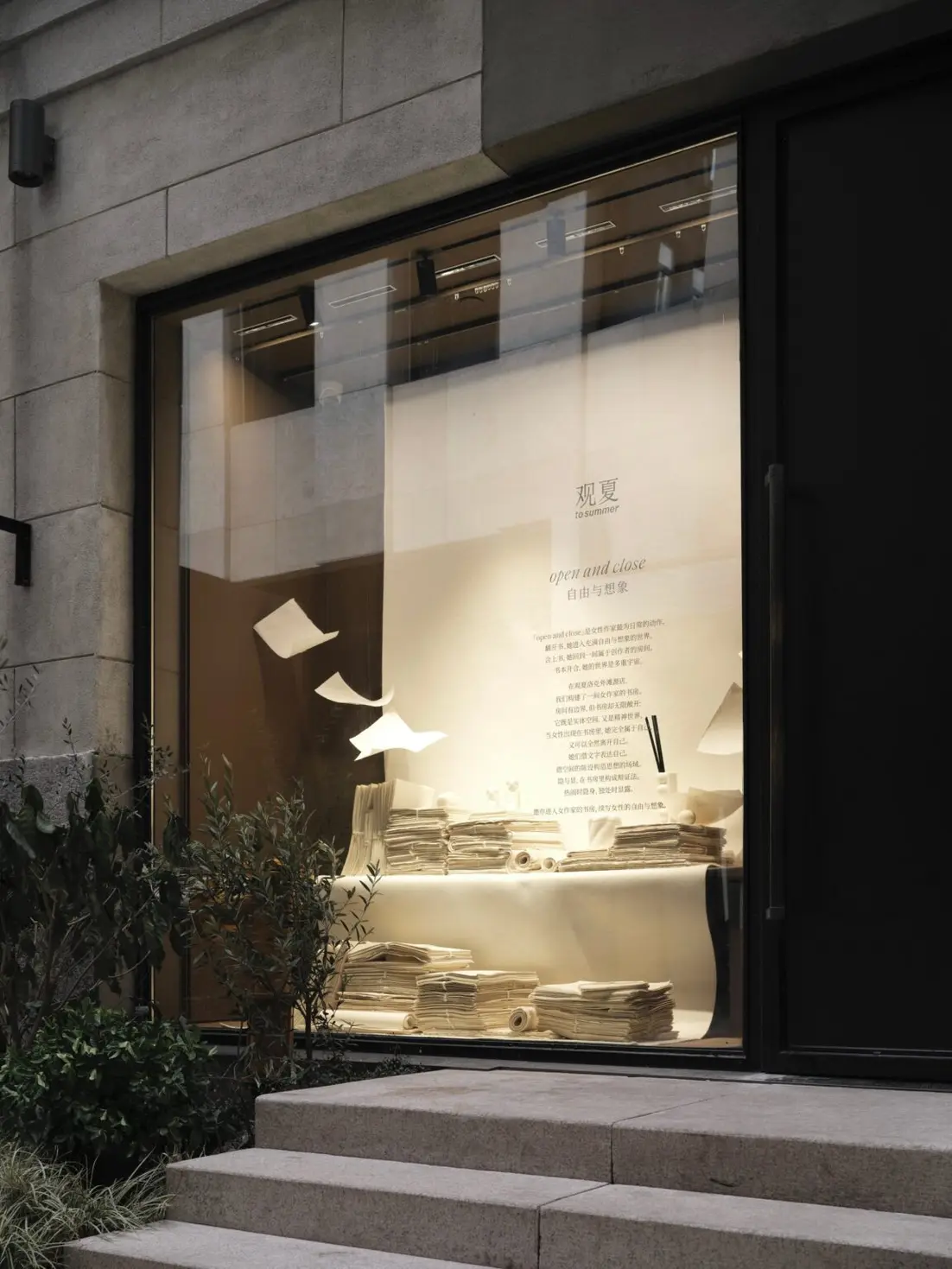
That atmosphere transpires the brand before any bottle is uncapped. Tradition, in the hands of To Summer, carries no museum stiffness. Instead, it acquaints you with a habitable, tactile, warm enough ambience to enter and bask yourself in. History here unfolds with textured stories, heritage is the right brewing temperature. To Summer Perfume has been curated, well enough for culture to not be placed behind glass like an ornament, but rather, a rejuvenated legacy.
The name 观夏 offers the first real key to the house. 观 holds within it the gestures of beholding, observing, contemplating, taking something in with attention rather than ownership. It is like a kind of treasurement in the eye of the beholder. 夏 gives summer in its most honest character of warmth and ripeness. Summer is the season when the world opens its pores and asks to be felt directly on the tips of one's fingers. Brought together, the name begins to unfold like a method, or a philosophy of perception. One does not merely look at summer, but lingers inside it, studies its weather, receives its radiance, and allows its atmosphere to gather meaning. All at once, in order to cherish the fullness of To Summer.
To behold summer is to pause long enough for ambience to transcend into meaning. To Summer Perfume asks the viewer, and later the wearer, to cultivate receptivity. A slower, meditative version at that. Summer then becomes larger than a season, to a condition of ripeness, a sensory state, a way of attending to beauty once the mind is porous enough to receive it.
At the heart of To Summer 观夏 lies a philosophy Shen Li dubs "local culture translation". Her vision is simple yet profound: to honour the soul of a place by reimagining its history and traditions in contemporary ways.
The phrase, local culture translation, is one of the most useful keys to the brand because it rejects two dead ends at once. It refuses sterile preservation, where culture sits untouched and is gradually gone into oblivion. It also refuses shallow modernization, where tradition is skimmed for motifs and then emptied of depth. Translation is harder work, since it requires fidelity and movement at once. Something has to remain true, even as it changes form. Therefore, translation is re-interpreted, re-heard, re-felt, and brought into the present through space, material, and articulated crafts of perfumerie. Before fragrance touches skin, it has already been staged through interiors, inherited details, and regional memory.
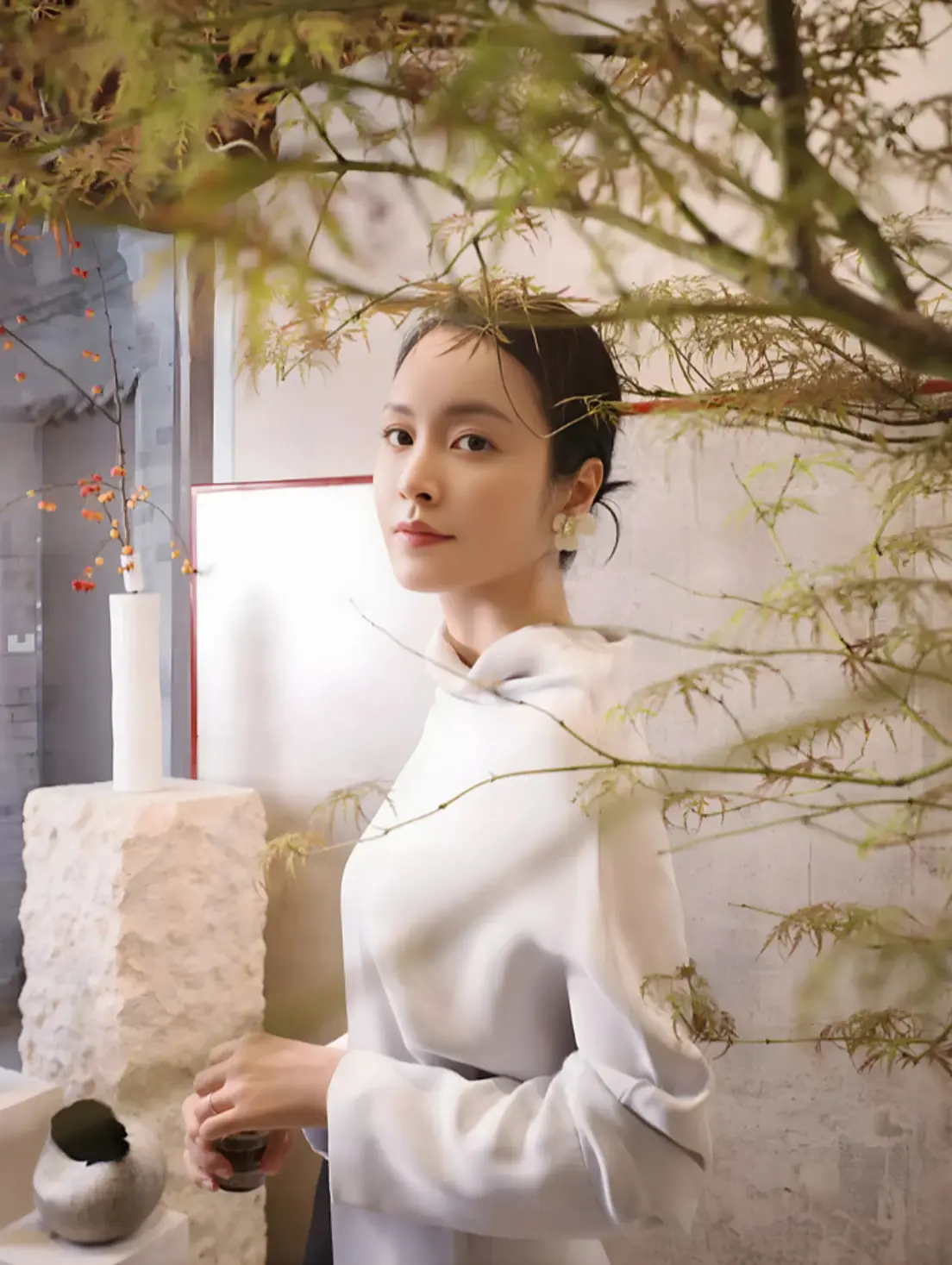
Li explains it in full:
"[Our] commitment to integrating local architecture and traditional elements is central to our philosophy because these spaces inherently hold the most compelling aspects of Chinese culture: history, local heritage, and art," Li explains. "While a region's name may change and its people may migrate over generations, the old architecture is its true soul."
Her ideal lands first in its literal sense. She truly means built spaces with façades details, regional architecture and the urban textures that survive political change, migration, and time. A century-old Spanish-style villa in Shanghai, a former Sichuan Fine Arts Publishing House in Chengdu, a Hong Kong space haunted by the memory of its mid-century manufacturing life: each location is historical, and each one offers a different dialect of belonging.
Yet the line opens wider when deciphered metaphorically. "The old architecture is its true soul" can also be read as a philosophy of cultural form itself. Architecture here, also means memory structure, specifically how a culture – with traditions, memories, patterns – cultivates people, and people cultivate, develop art based off of the markings of time.
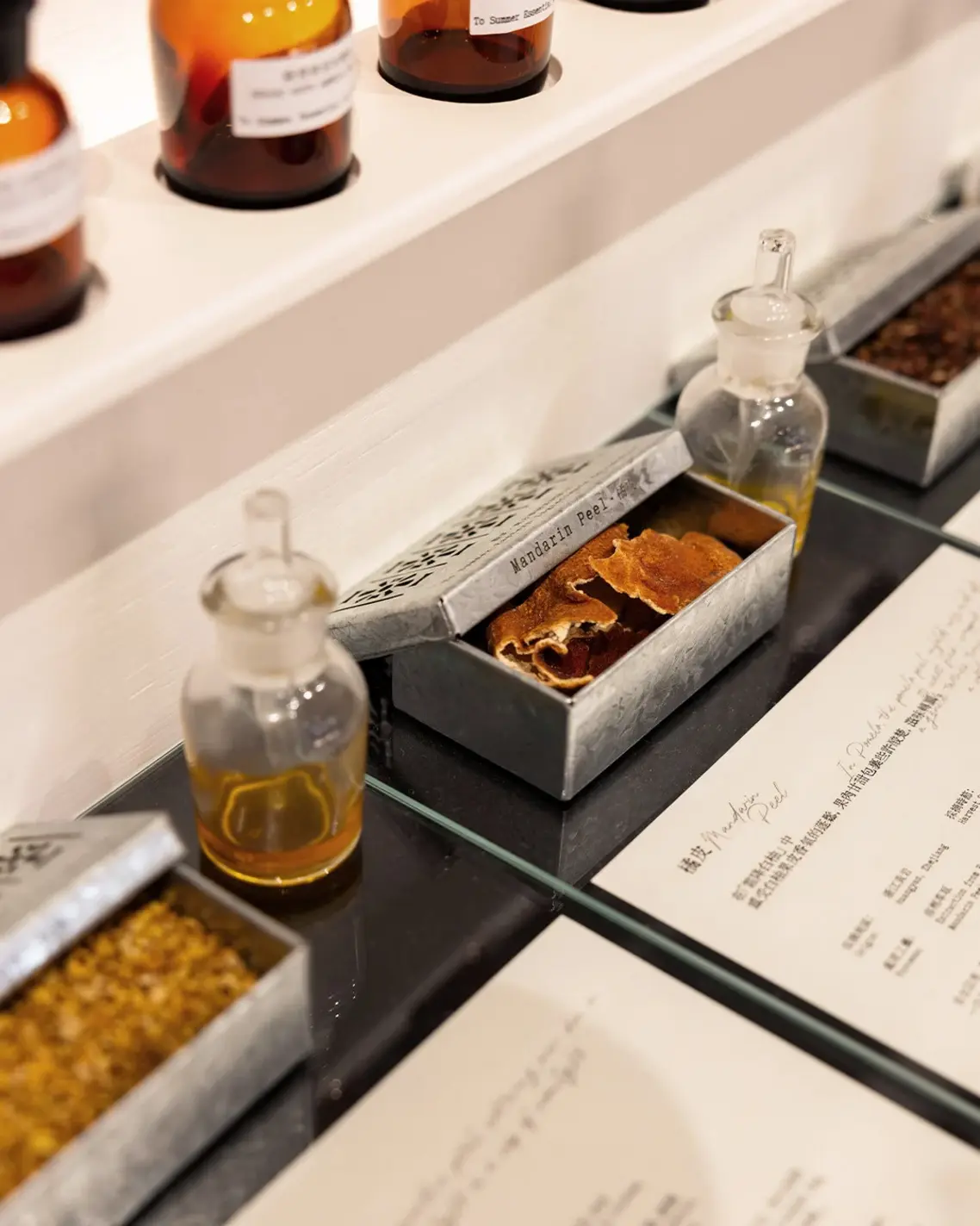
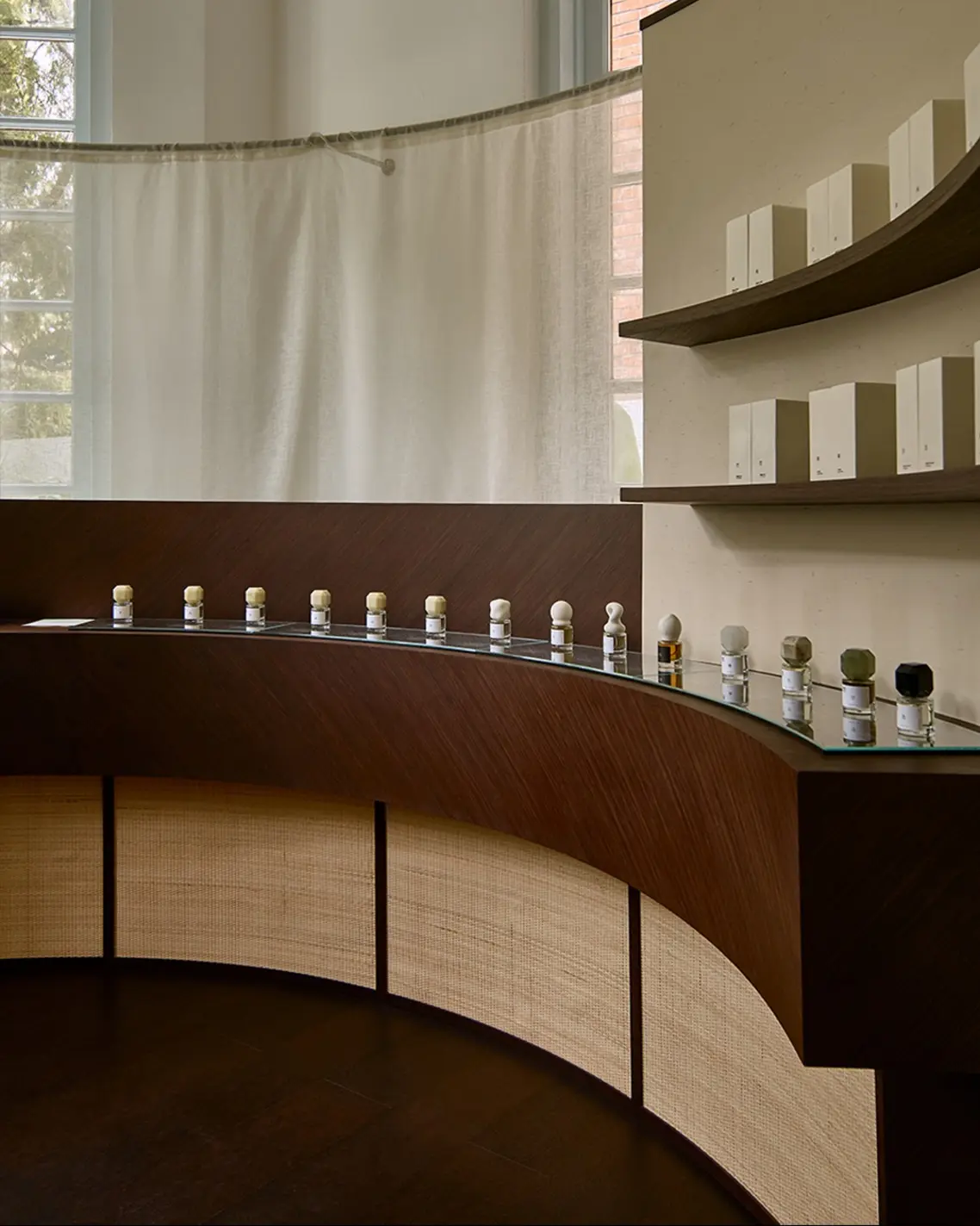
Architecture, in To Summer Perfume's sense, functions as how they construct a fragrance, since they have done it the way you'd build a narrative or a space. Each perfume is architectured so that they are layered with cultural elements, much like how a building holds memory. It tells you where people once stood, what kind of work they performed, what kind of light entered the day, what kinds of gestures became ordinary enough to be forgotten, and therefore, precious enough to recover. A fragrance can be composed in precisely this way. It has a threshold like a doorway, where the top notes introduce the first sensation. It has inner chambers, where the heart opens and the emotional body of the perfume begins to live. It has a foundation, where the base settles with the quiet gravity of old walls. It has circulation, the way scent diffuses through air and across skin like different scents moving through a house. It has afterlife, the trace that remains when the visible form has already receded. In that sense, To Summer 观夏 has crafted perfume the way they craft atmosphere.
Traditional Chinese cultural life has long been rooted in community: shared rituals, collective feelings, inherited symbols, and passed-down memories disguised as stories. Fragrance, meanwhile, belongs to the intimate, personalized scale of the self. Scent sits at the collarbone, the pulse points, the fold of a scarf, the private sphere of perception just above the skin. Scent also merges with your own warmth, to create another unique one to each of us. To Summer 观夏 understands both and allows them to harmonize, one of the brand's most contemporary qualities.
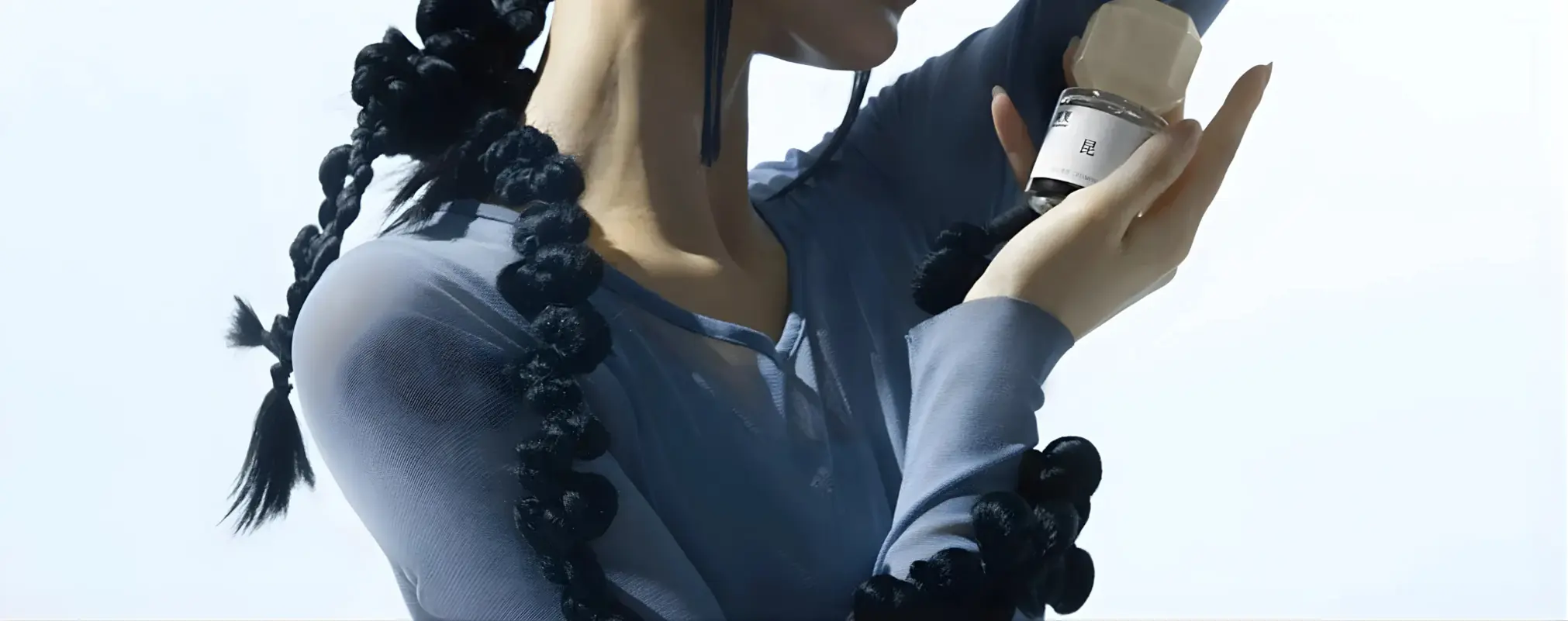
Shen Li articulates this with remarkable clarity:
"We know that fragrance is an extremely personal experience. Every individual's perspective on the same 'Eastern imagery' or 'cultural story' is unique, so we don't try to simply recreate a standardised tale. However, the power of scent lies in its ability to transcend those individual differences in perspective and directly evoke a shared emotion and resonance. For example, when we use a scent to depict 'leisure', people may not envision the exact same scene, but they will all be drawn into that feeling of unconstrained, relaxed Eastern artistic conception."
She continues:
"Therefore, we skip the challenge of trying to concertise a complex narrative. Instead, we focus on extracting and capturing the core 'emotion' and 'sense of place' within Eastern culture. We blend ingredients with precision to convey the concept rather than recite a story. This respect for personal experience and focus on shared emotion is what keeps To Summer's creation process open and full of infinite possibility."
The infinite possibilities refer to Daoism's Wu Wei in Chinese philosophy. Wu Wei, or "Way," is limitless and perpetual, creating an ungraspable flow of unexpectable serendipity. To Summer Perfume embraces this ideal by ensuring that scent isn't fixed but shifts for each person's experience. "Eastern imagery" will always fracture into many different pictures depending on the person encountering it. Memory differs. Geography differs. Class, age, language, private longing, all of it alters the image. Instead of forcing one China story, each bottle distills emotions that anyone can feel. It's a delicate balance of personal experience, but guided by each beholder's emotional touchpoints.
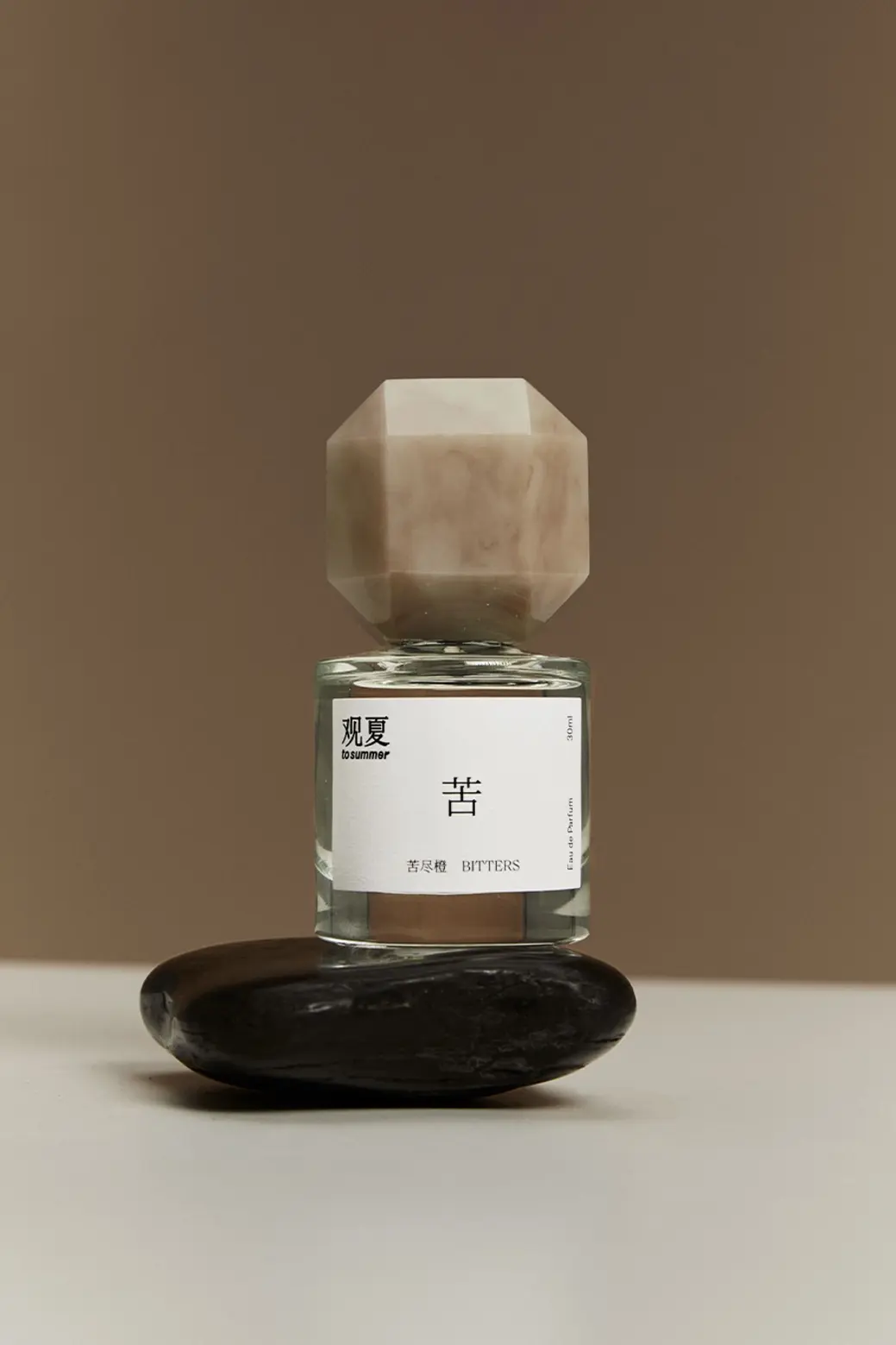
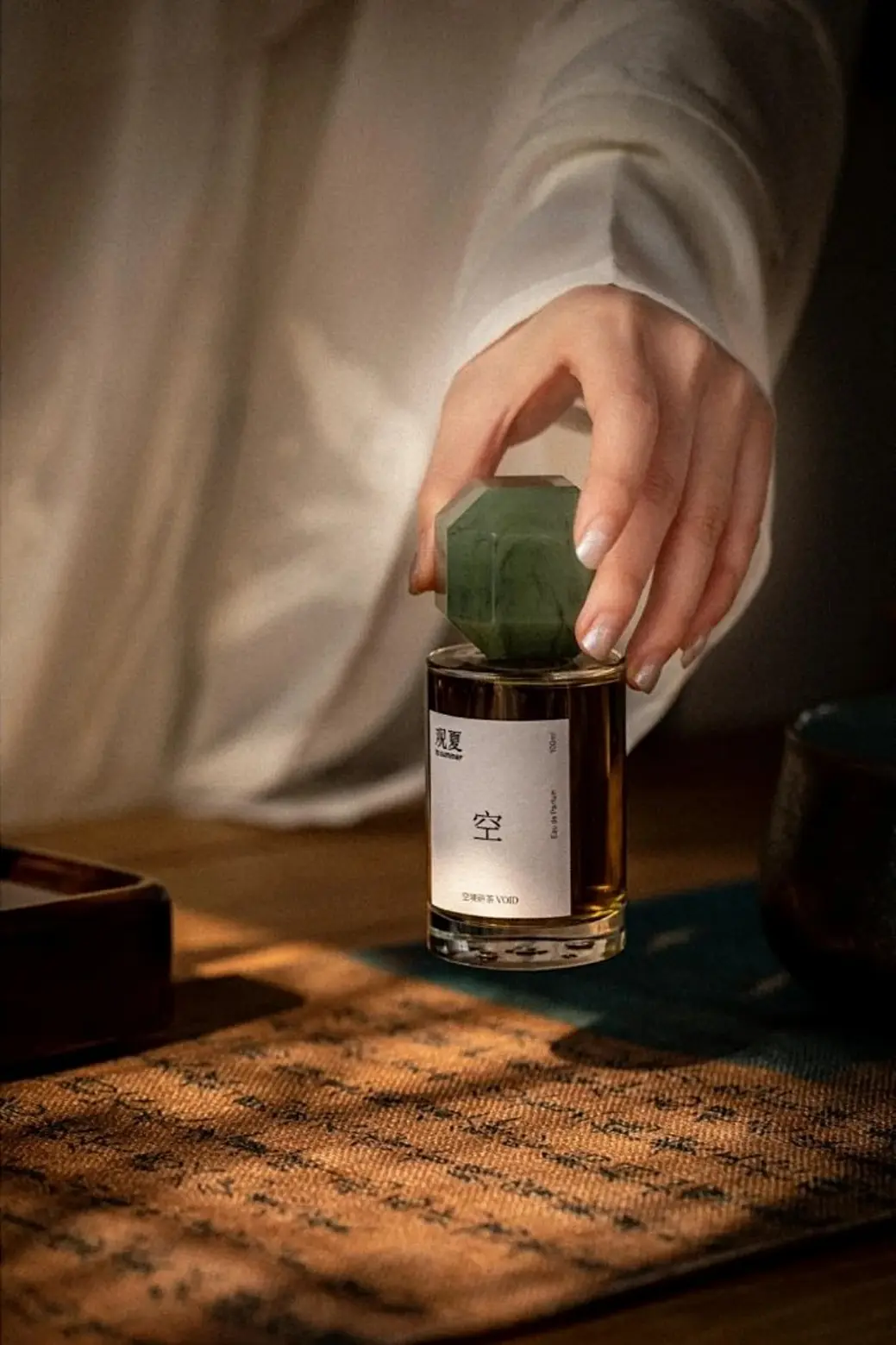
And by collaborating with Chinese artisans, they deepen that authenticity, so each scent is rooted in genuine craft, yet remains open to infinite personal meanings. The wearer is invited into a field of meaning, to be cultured, then allowed to complete the atmosphere inwardly with their resonating selves, like adding a touch – like layering perfume – for personalization.
观夏 To Summer Perfume opens an ancient box from within Eastern culture, though what rises from it is never a rigid museum story. What rises is memory in vapor form. A cultural inheritance enters contemporary life through sensation. Through that opening, the past stays alive for centuries on, bottled in scents of To Summer.
What makes To Summer Perfume so moving is its refusal to treat culture as a relic or perfume as a simple accessory. In its world, scent becomes a way of thinking, remembering, and feeling one's way back into a deeper inheritance. The room, the name, the philosophy, and the bottle all participate in the same gesture: allowing Eastern aesthetics to live again in contemporary life with tenderness, clarity, and soul. To Summer Perfume does not merely preserve the past. It lets the past exhale into the present, where memory, atmosphere, and beauty may once again be worn on skin. From here, An Ode 观夏:To Summer Perfume (Part 02) disperses more widely outside the philosophies, then condenses ideals, returning return culture to the bottle.
Advertisement