MENU
Close





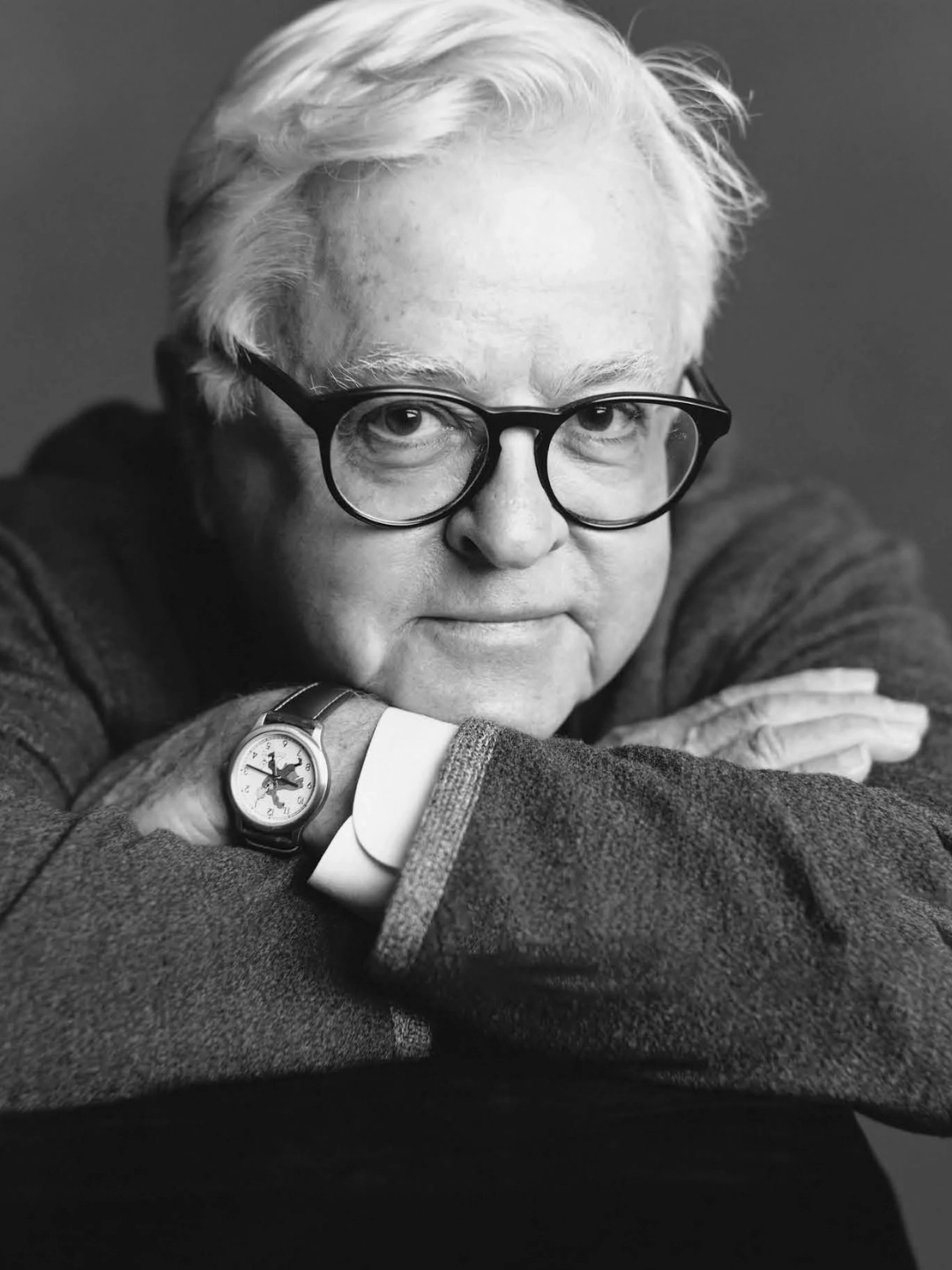
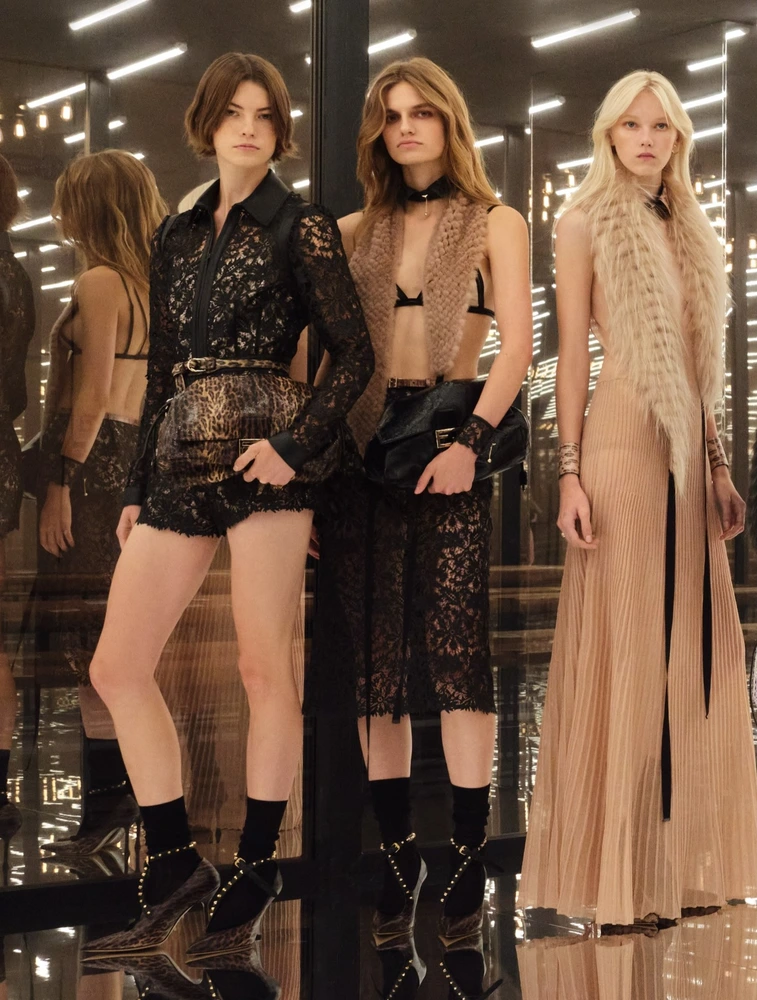
Come in for a moment and stand near the mirrors. It is fashion week in 2026, the room is running on adrenaline, and Daniel Sällström's signatures begin to gather before anyone even mentions his name.
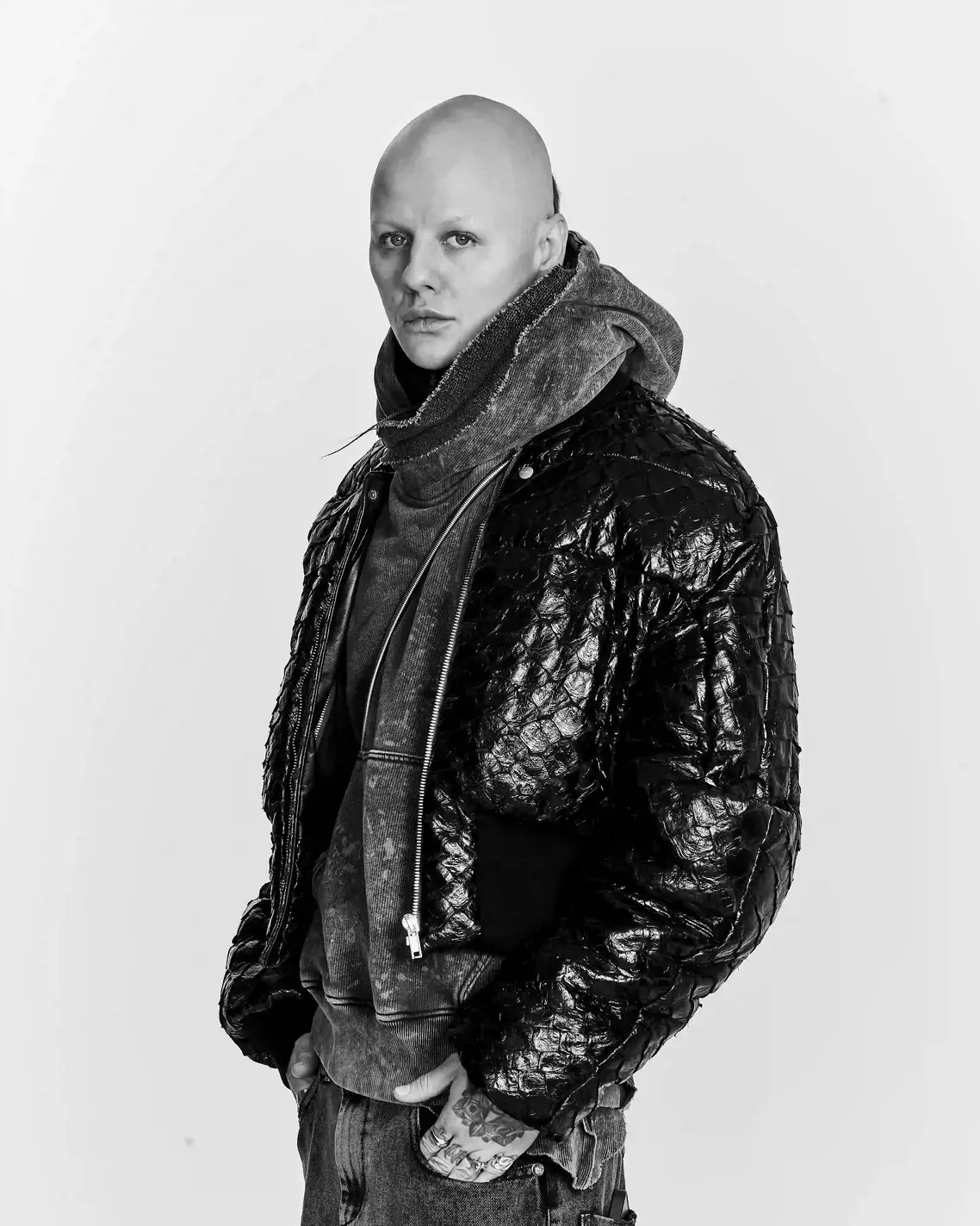
Come in for a moment and stand near the mirrors. It is fashion week in 2026, the room is running on adrenaline, and Daniel Sällström's signatures begin to gather before anyone even mentions his name.
April 1, 2026
Advertisement
Advertisement



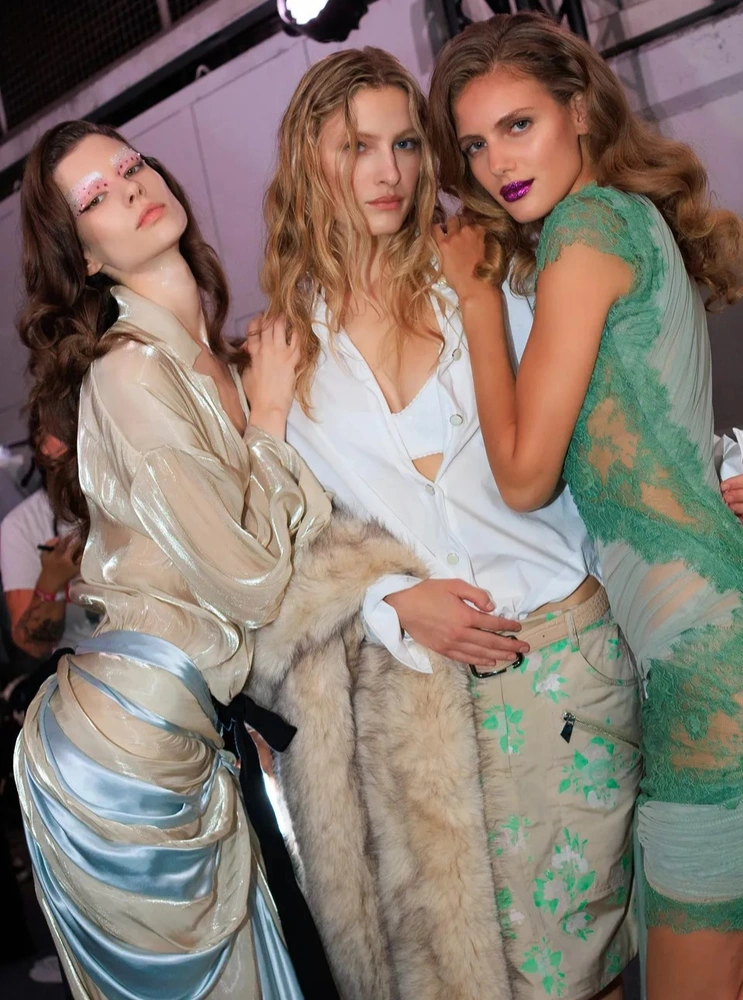
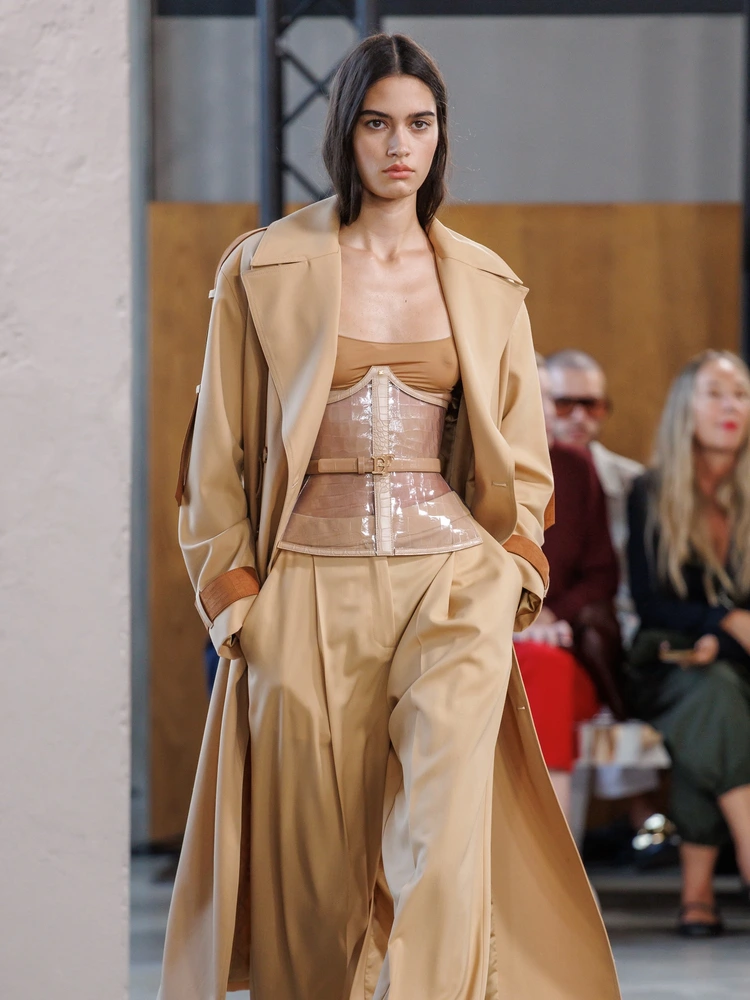
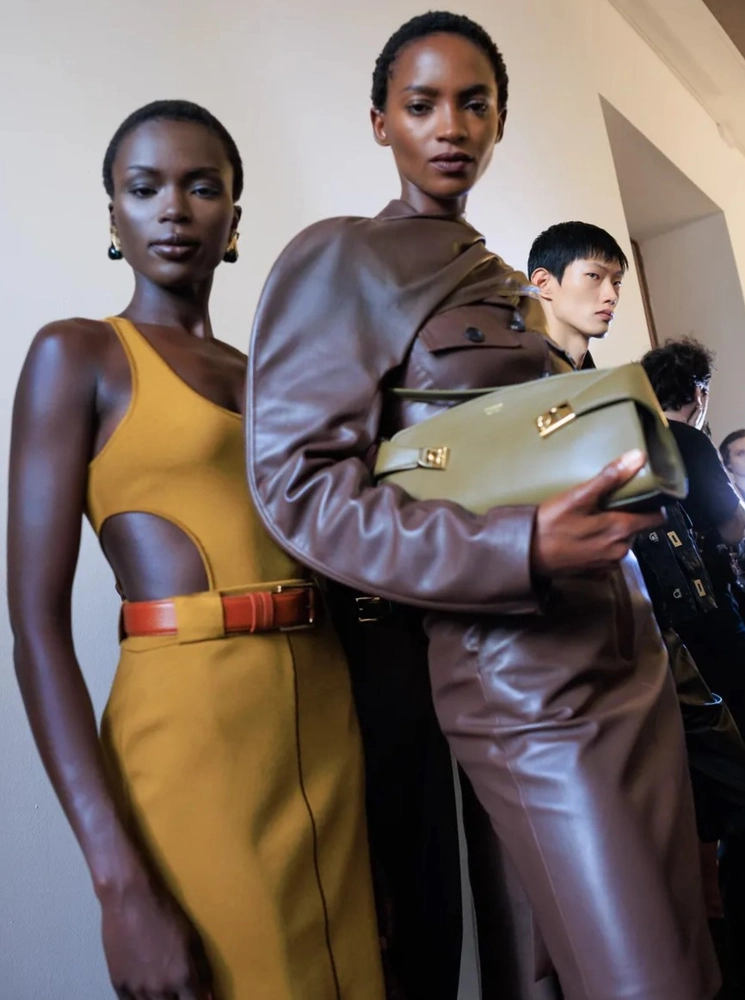
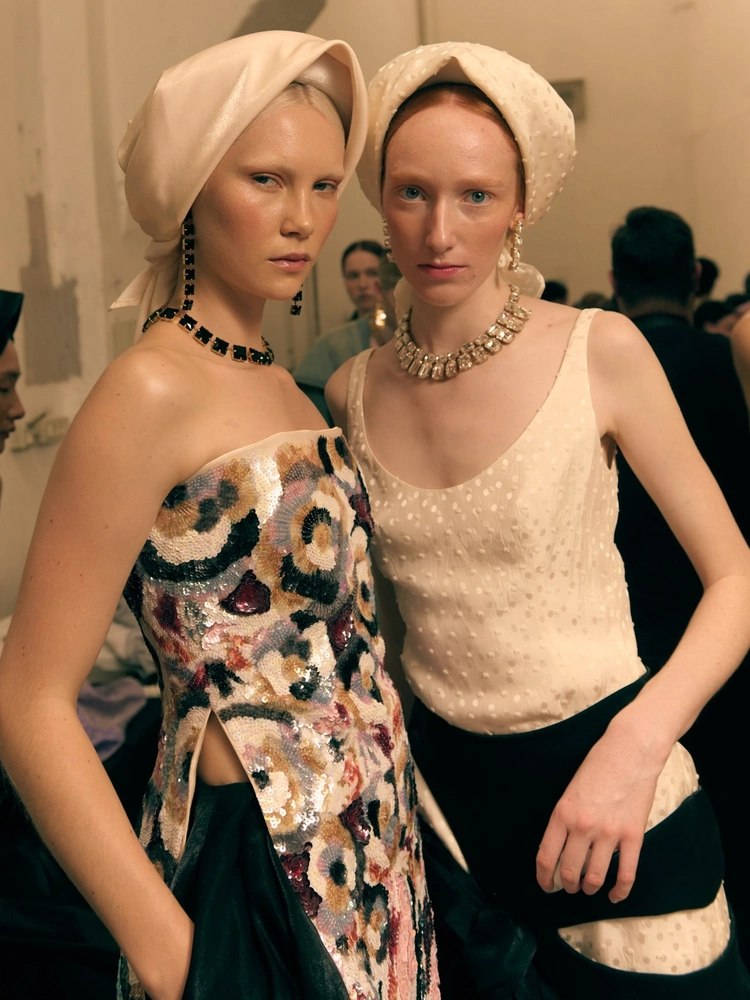
At McQueen, the eyes carry a smoke-marked smear shaped by ideas of fire, water, strength, and survival. At Rick Owens, lashes flare into exaggerated colour and pull the face toward something glam, abstract, and faintly extraterrestrial. At Andreas Kronthaler for Vivienne Westwood, silvered lids, glittered skin, and blurred cherry mouths catch the light with the kind of glamour that already feels lived through. This is the most revealing place to enter his story, because Sällström's career reads best from the face outward. First come the textures, the tension, the sense that beauty has been touched by weather, memory, nightlife, and performance. Then the rest follows naturally: Gothenburg, teenage self-styling, London after dark, MAC at Selfridges, a long creative alliance with FKA twigs, and a body of work that has carried his eye into major fashion houses without sanding down the subcultural charge that made his art of becoming compelling in the first place.
Long before the runways and the celebrity faces, there was Gothenburg, a city whose bleak winters and strange swings of light left a deep impression on him. In one profile, Sällström described Sweden as a place where darkness shaped his attraction to the moodier side of life, and that atmosphere still lingers around his work now, even when the finish is glossy or theatrical. “The thing about Sweden is that it’s quite a bleak place,” he says. “You barely get any sun in the winter, and then way too much in the summer, when it never goes down. The bleakness caused me to have a love affair with the slightly darker things in life.”
He has traced some of his earliest beauty memories to childhood access to his sister’s vast makeup kit, a formative thrill that taught him very early that cosmetics could function as both play and possibility.

"[...] basically, she got a huge make-up kit with all their products and then women would throw parties where she would come and sell the make-up to them. A bit like a botox party I guess! Anyway, as a child of around 8, this was a dream. It's really what got me into makeup and when I was home alone I would sit and play with all this makeup. Thinking back to it now I don’t think the products were very good but as an 8 year old gay boy (soon to be drag queen) it was HEAVEN!"
By around thirteen, he was already experimenting seriously with makeup and women’s clothing, using his own face as a testing ground and learning, long before the industry named it for him, that a face could hold far more than prettiness. It could carry story, performance, mutation, gender play, exaggeration, and drama. As he later put it, “I used my face as a canvas.” Those teenage experiments did not sit at the edges of the later career. They were the education itself. When he speaks about transformation, it comes from lived practice rather than theory, from years spent understanding how beauty can alter posture, mood, and identity before a photographer or a runway ever enters the picture.
When he moved to London in his late teens, around nineteen or twenty depending on the account, Daniel Sällström entered a city that could sharpen instinct into style. He quickly became part of the queer nightlife scene and built a presence through drag, clubs, and the charged visual world that gathers around people who understand dressing up as a serious form of self-invention. His drag persona, innitbabes, made him visible in that orbit, yet the nightlife story alone only tells half of it. He has described that sensibility in the simplest possible terms: “For me it’s all about duality.” A career like this requires another education too, one grounded in repetition, speed, judgment, and technical discipline. Daniel Sällström found that when someone from MAC noticed his talent and brought him into the brand, eventually leading to work at Selfridges. That chapter matters because it gave structure to the appetite. Club culture taught him how to push a face into fantasy. Retail and professional artistry taught him how to do that under pressure, across different skin tones, bone structures, moods, and demands, without losing the hand behind the work. By the time his editorial and runway career began expanding, the dual foundation was already in place. He had subculture in one hand and craft in the other, which is often what separates artists with a directive outlook from stylists who only know how to reproduce the mood of the moment.
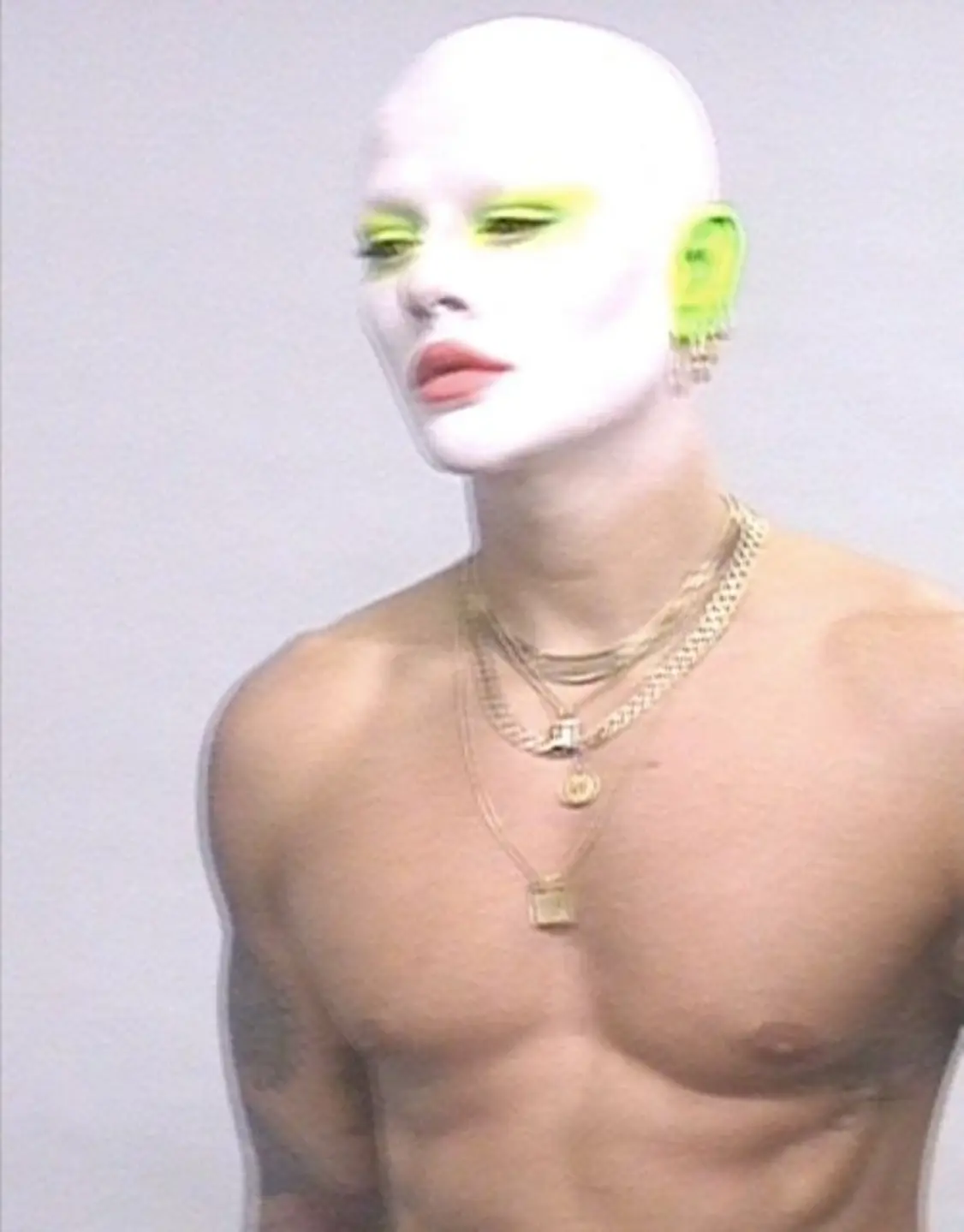
The most useful way to understand Sällström is to see that he has never treated makeup as a tool for correction alone. In interviews across the years, he keeps circling back to transformation, self-expression, individuality, and the strange freedoms that open up when the face is treated as a mutable surface rather than a problem to be solved. One of his clearest statements on that point is still, “Beauty is all about your individuality.” He has described makeup as a way to create characters, tell stories, and manipulate situations, and he has also been clear that he is not particularly interested in obeying trends or polishing a single signature look into a marketable formula. Beauty, in his hands, can live comfortably with red contacts, tears, blood, distortion, and abstraction, because he is after emotional and visual force rather than conventional reassurance. The same philosophy appears in the way he speaks about inspiration. He has said that everyday life, people on the street, and even random objects often feed his imagination more powerfully than obvious makeup references do. Just as telling is his insistence that “Self-expression is what inspires me most.” That admission says a great deal. His work has the density of images that have passed through life before they reached the face. The result feels authored, yet never trapped inside a single repetitive technique. Each look suggests a character with history rather than a model fitted into a brand-safe template.
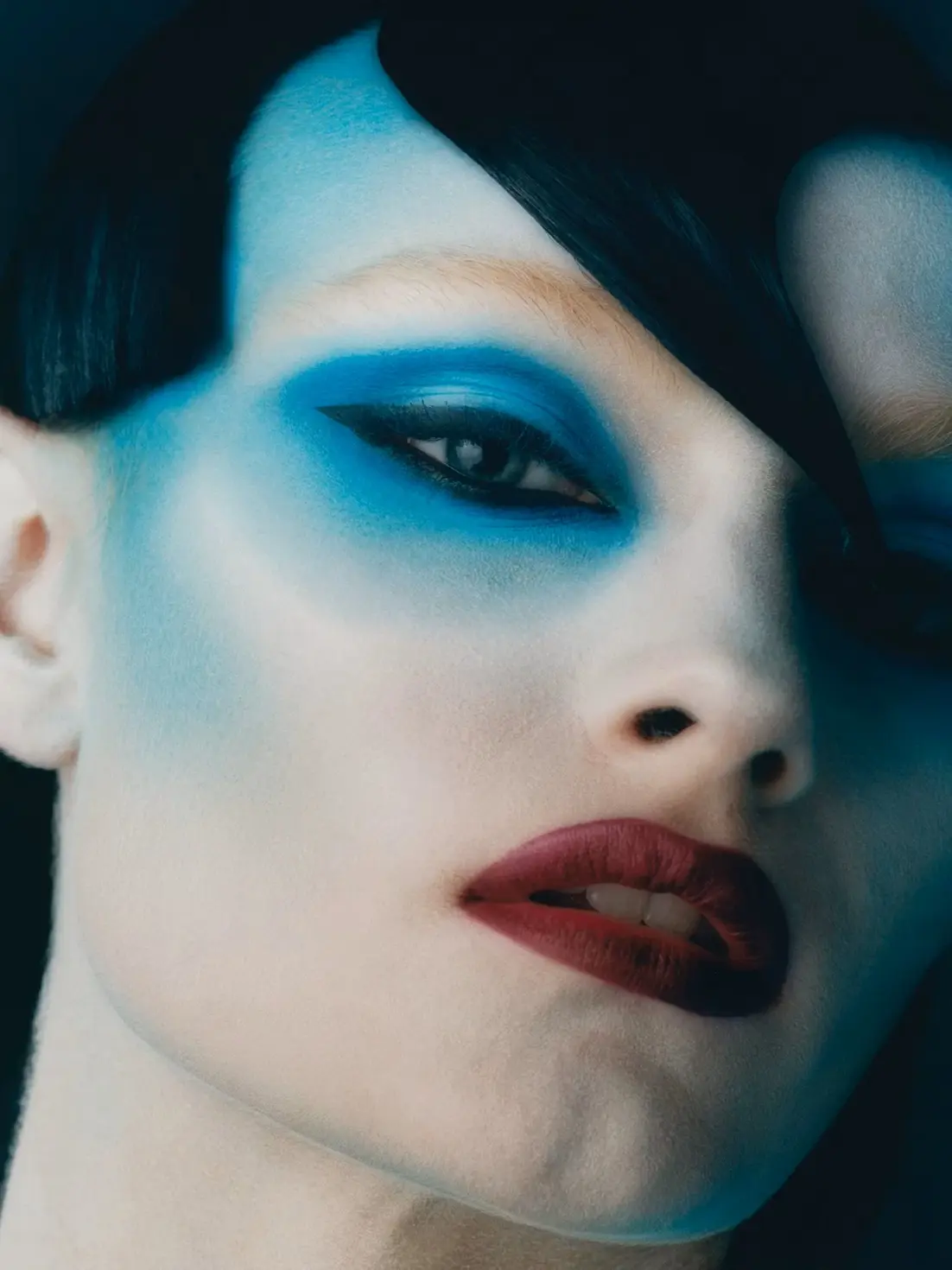
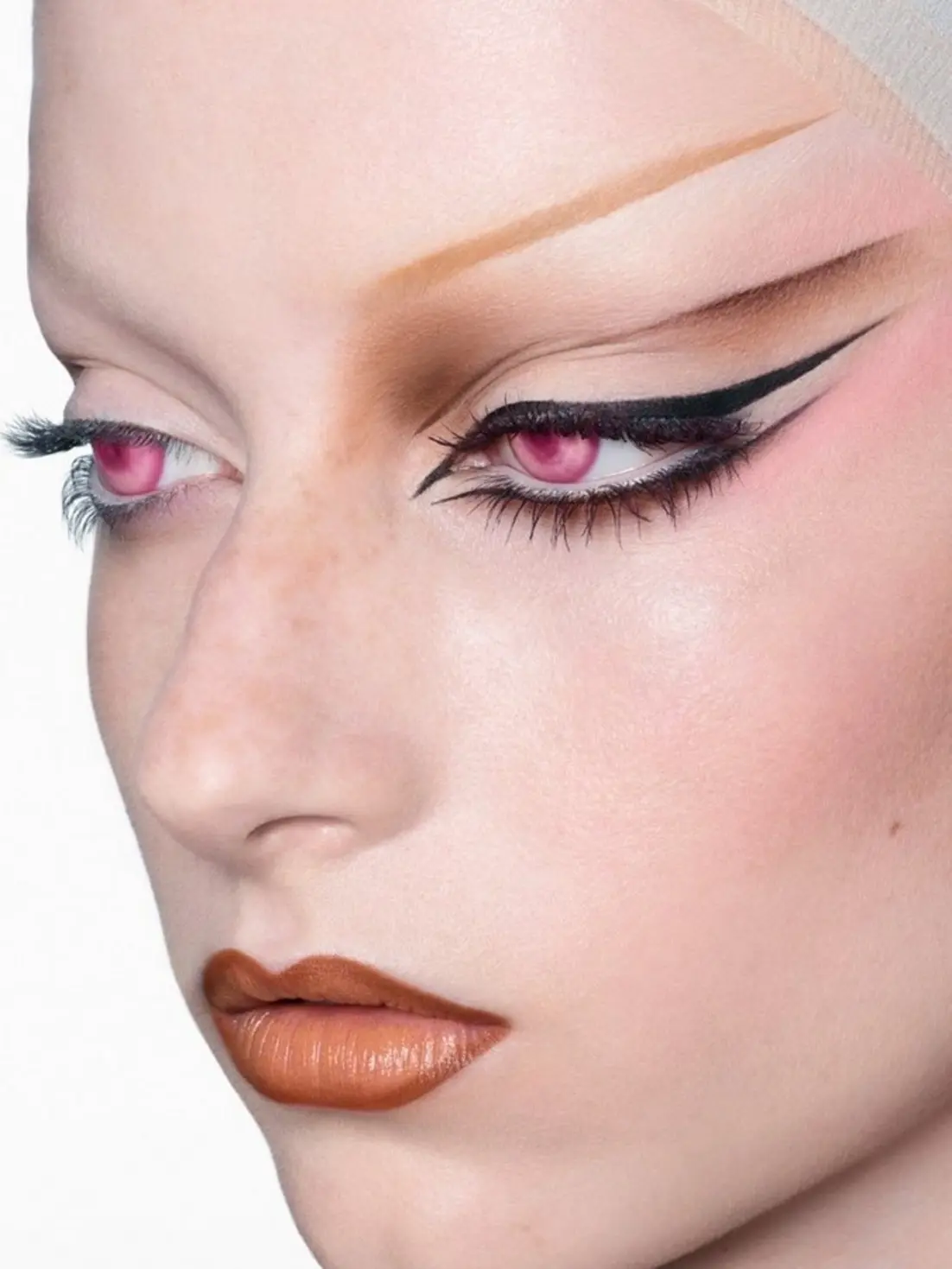
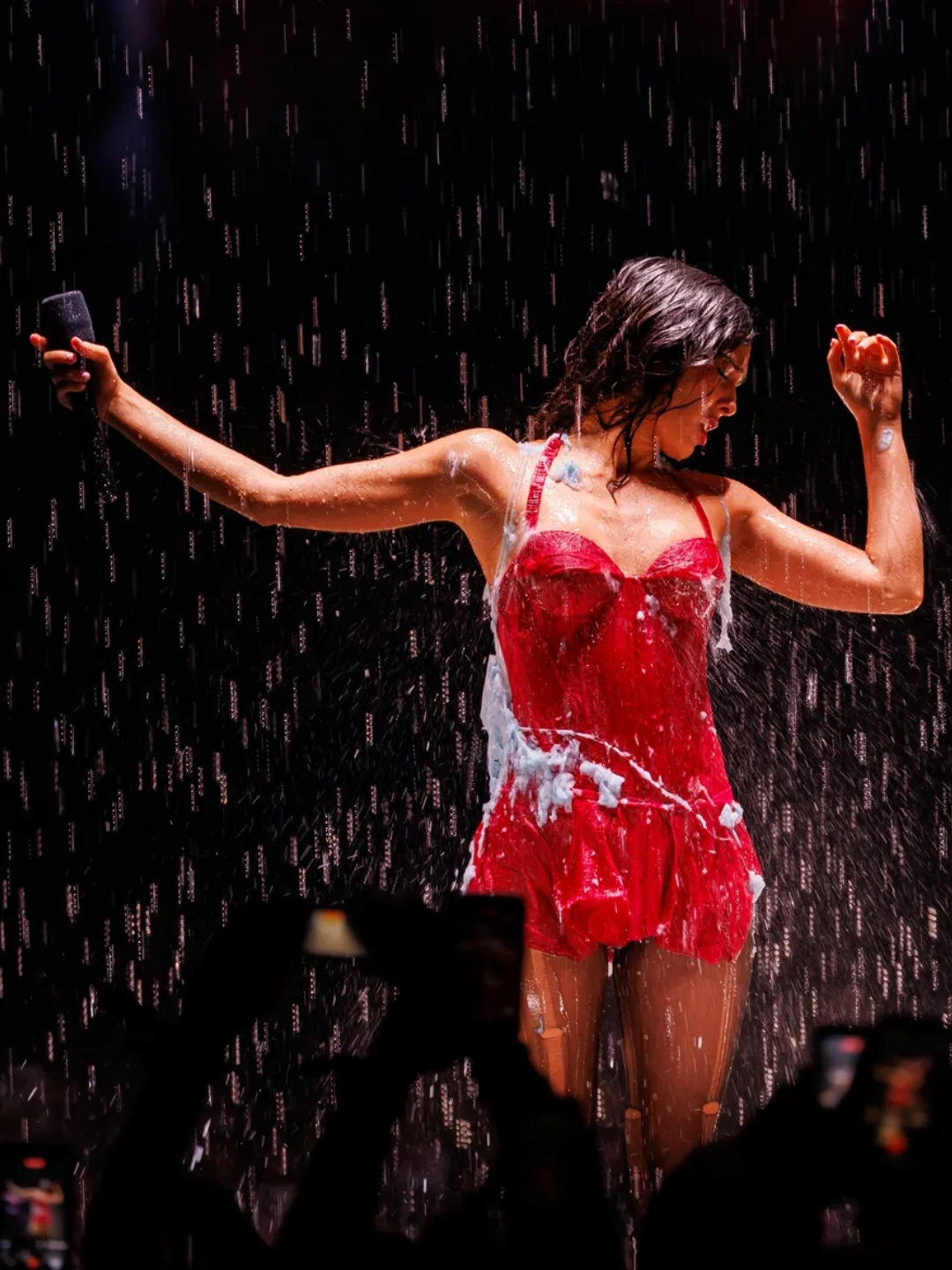
His long creative relationship with FKA twigs provides one of the clearest windows into that sensibility. Their collaboration dates back to 2012, and it makes intuitive sense because both artists work in a register where image, movement, myth, stamina, and emotional intensity are inseparable. For the Magdalene tour, Sallstrom built stage makeup that drew on ballerina references, punk severity, sculptural brows, red shadow, dramatic wings, and crystal details that could catch the light across a live performance built on physical endurance and spiritual drama. In the “holy terrain” music video, he pushed twigs toward the realm of the mythical, using colour and symbolism to give the face a sense of power, rage, calm, and otherworldliness. In his own words, the aim was an “otherworldly mythical feel.” What emerges from these collaborations is a portrait of Sällström at full capacity, because twigs demands beauty that can keep pace with transformation itself. Nothing in that visual world sits still for long. A look has to move with choreography, music, camera, costume, and emotion, all while maintaining its own internal logic. Sällström thrives there because he understands that makeup can carry a narrative burden. On a performer like twigs, it becomes less an accessory than a limb of the performance. He has said of her, “twigs for me is a mythical creature.”

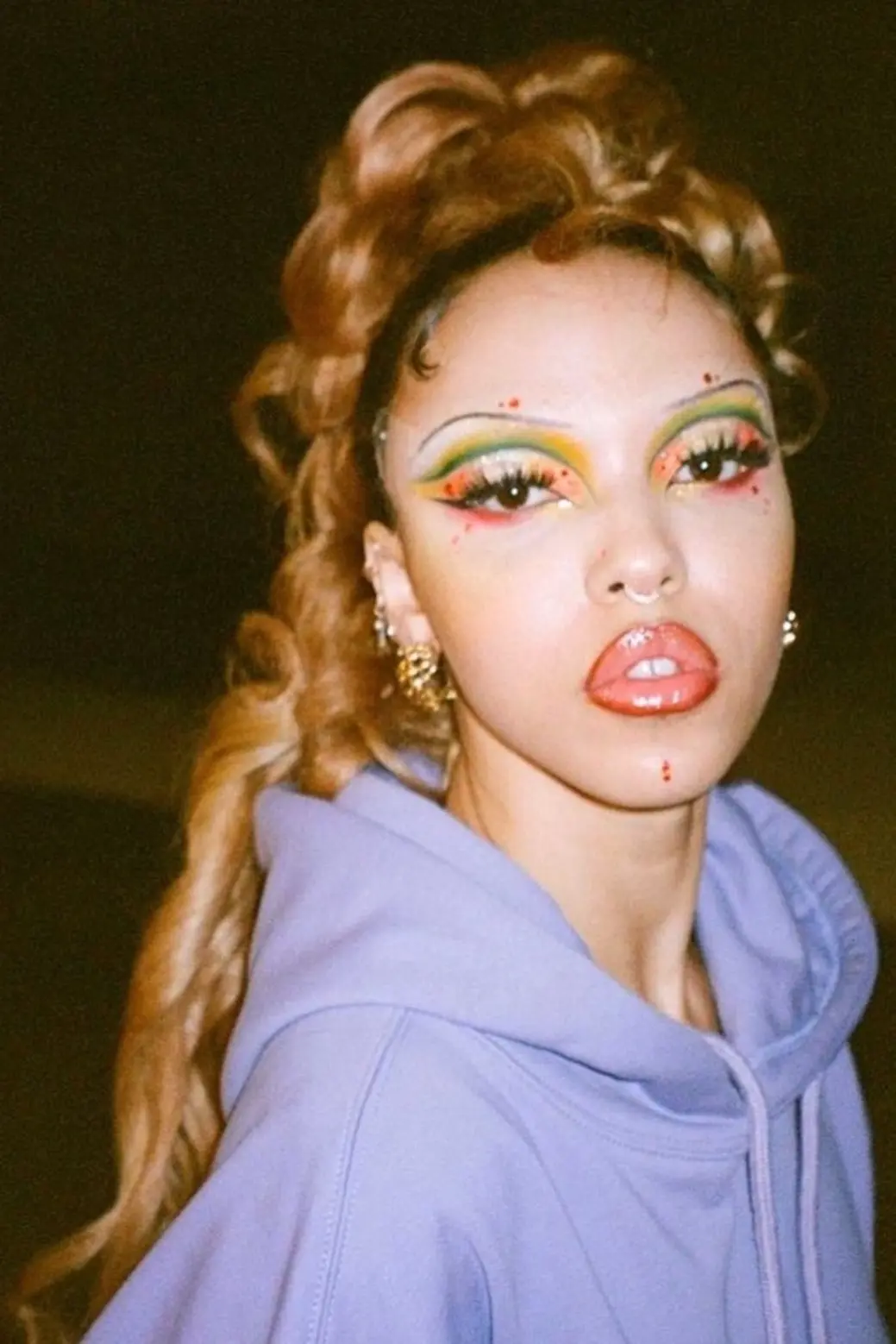
The runway, however, is where his visual vocabulary becomes easiest to read in one glance. At McQueen’s spring 2026 show, he worked with a beauty concept tied to elemental power and the folk-horror charge of The Wicker Man, imagining a woman who looked powerful, slightly dishevelled, and visibly marked by what she had endured. He described that woman as “powerful, but still was a bit dishevelled.” The eyes were built around individual smears, each one varied from model to model, then absorbed into glossy skin so the face held strength without losing irregularity. His explanation was beautifully exact: every model carried “a different smear.”

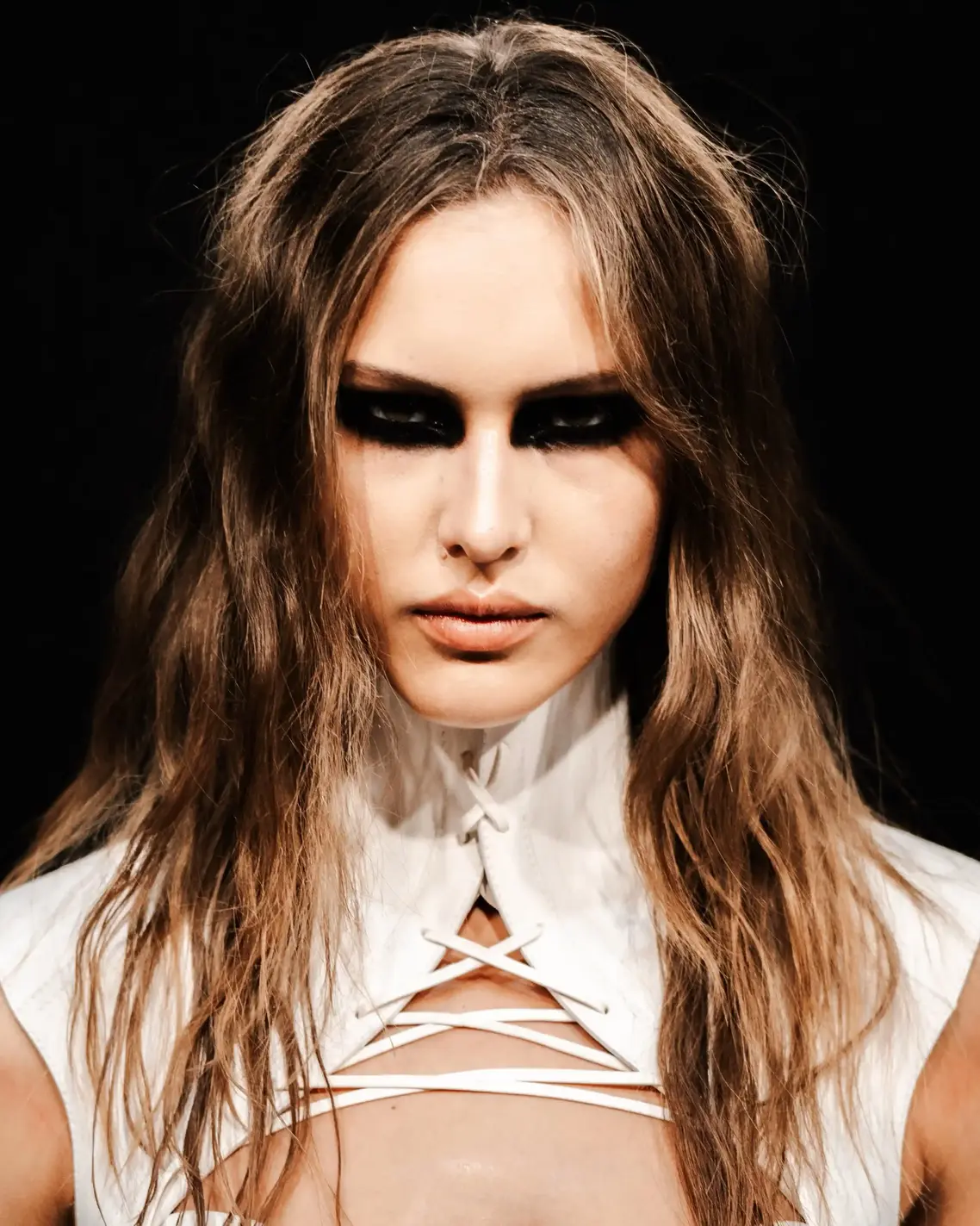
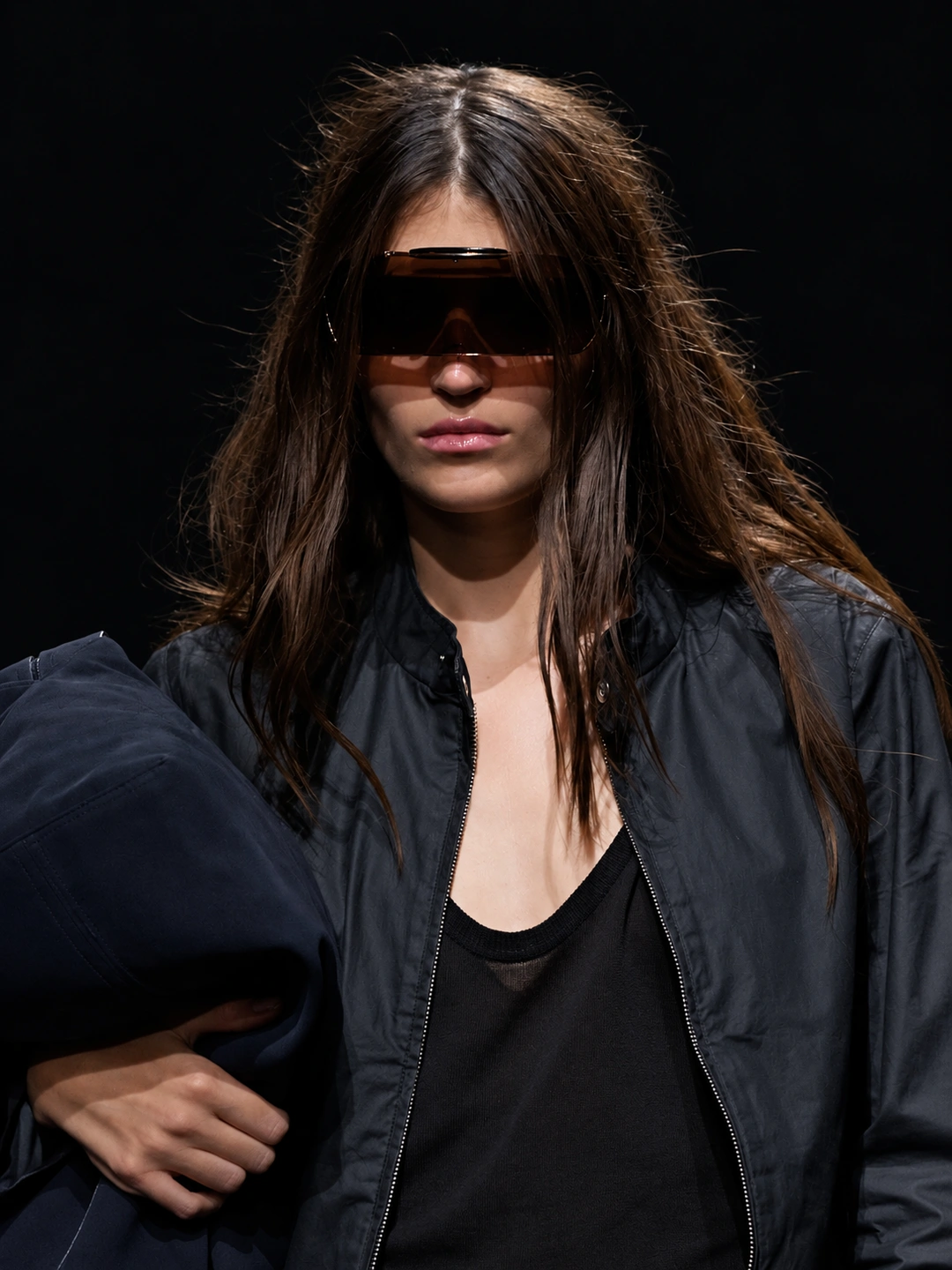
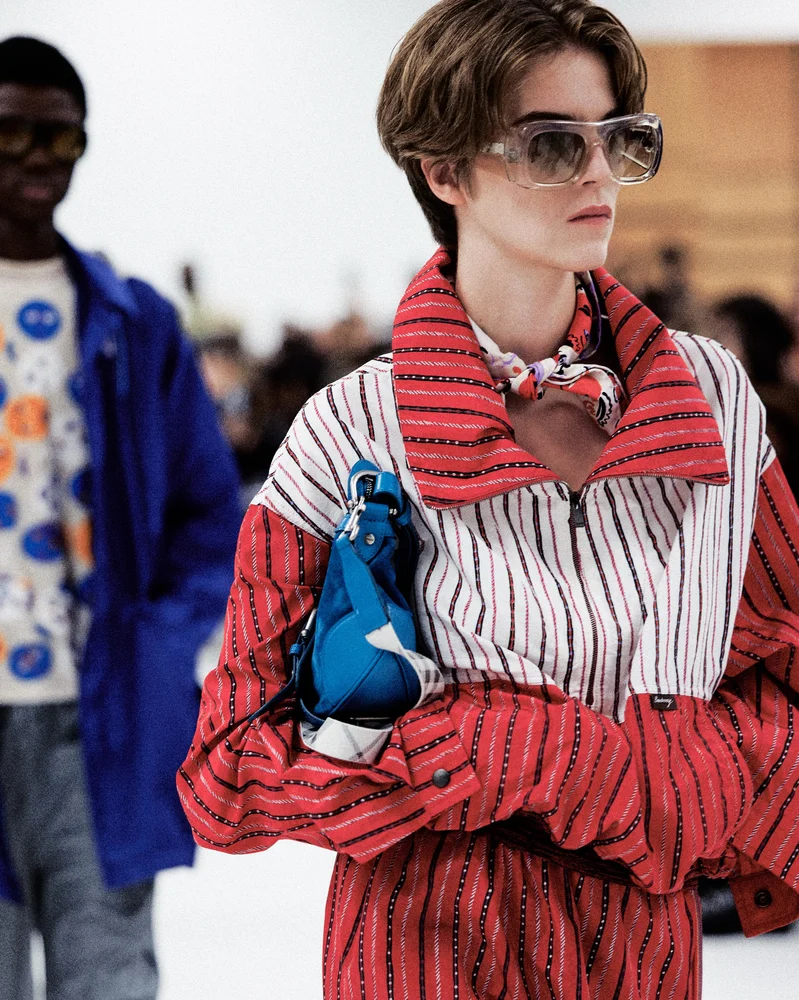
That instinct returned in a different key at Rick Owens during the autumn 2026 season, where Sällström’s beauty direction amplified the collection’s extraterrestriality and theatricality through exaggerated colour and abstract false lashes placed above and below the eye, a choice that pushed the faces into a more confrontational and surreal register. At Andreas Kronthaler for Vivienne Westwood in autumn 2026, his hand turned toward a roughened glamour rooted in Romy Schneider references and then joyfully unsettled through metallic lids, matte smoke, glitter, and smudged lips that looked as though they had acquired their final shape through motion rather than caution. For that show, he traced the starting point to the “glamour of Romy Schneider,” which quickly evolved into a “Westwoodified version of her.” Across those three shows alone, one can see the breadth of his intelligence. He knows how to shape rawness, how to build glamour with a bruise at the edge, and how to keep theatrical makeup from becoming static.
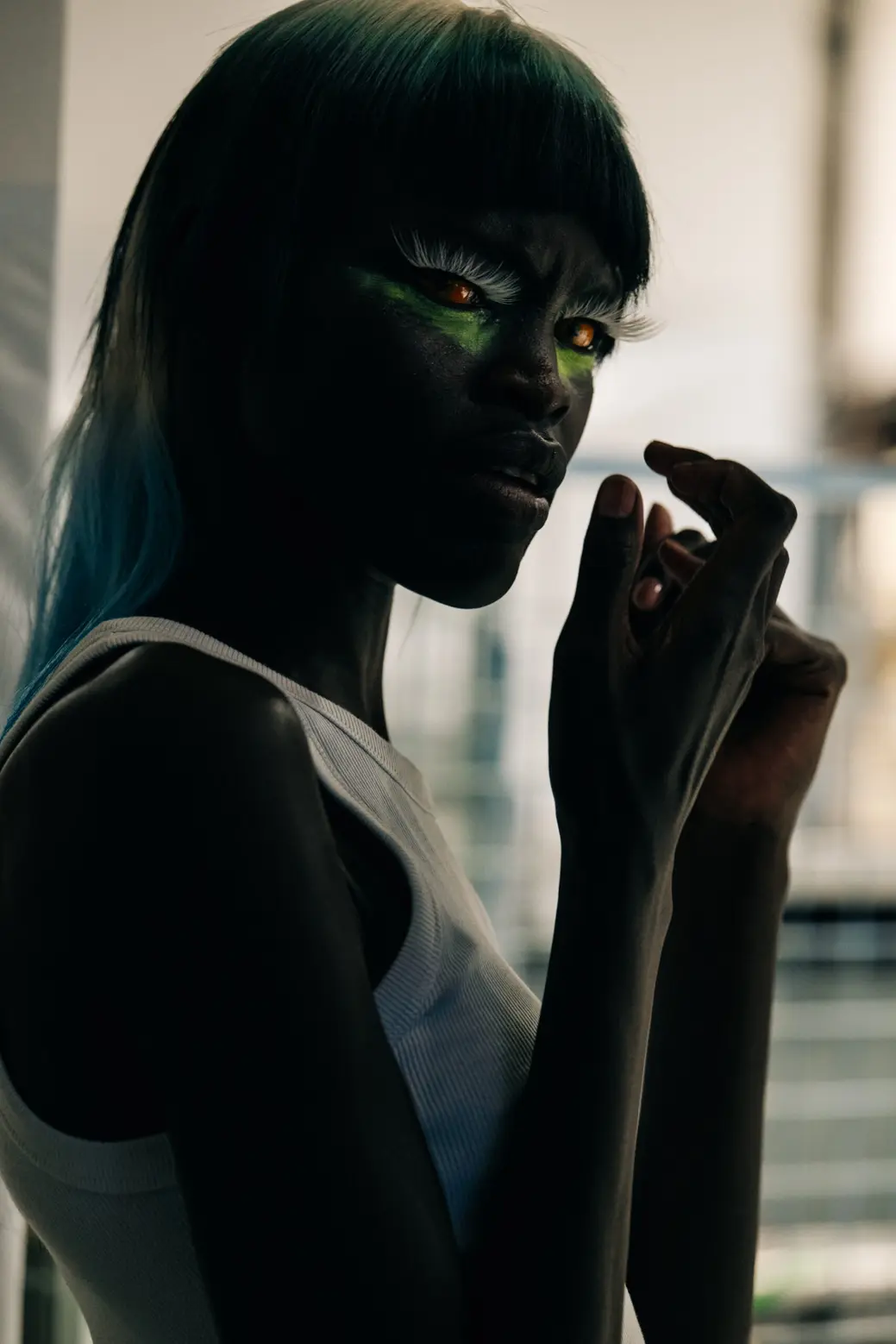
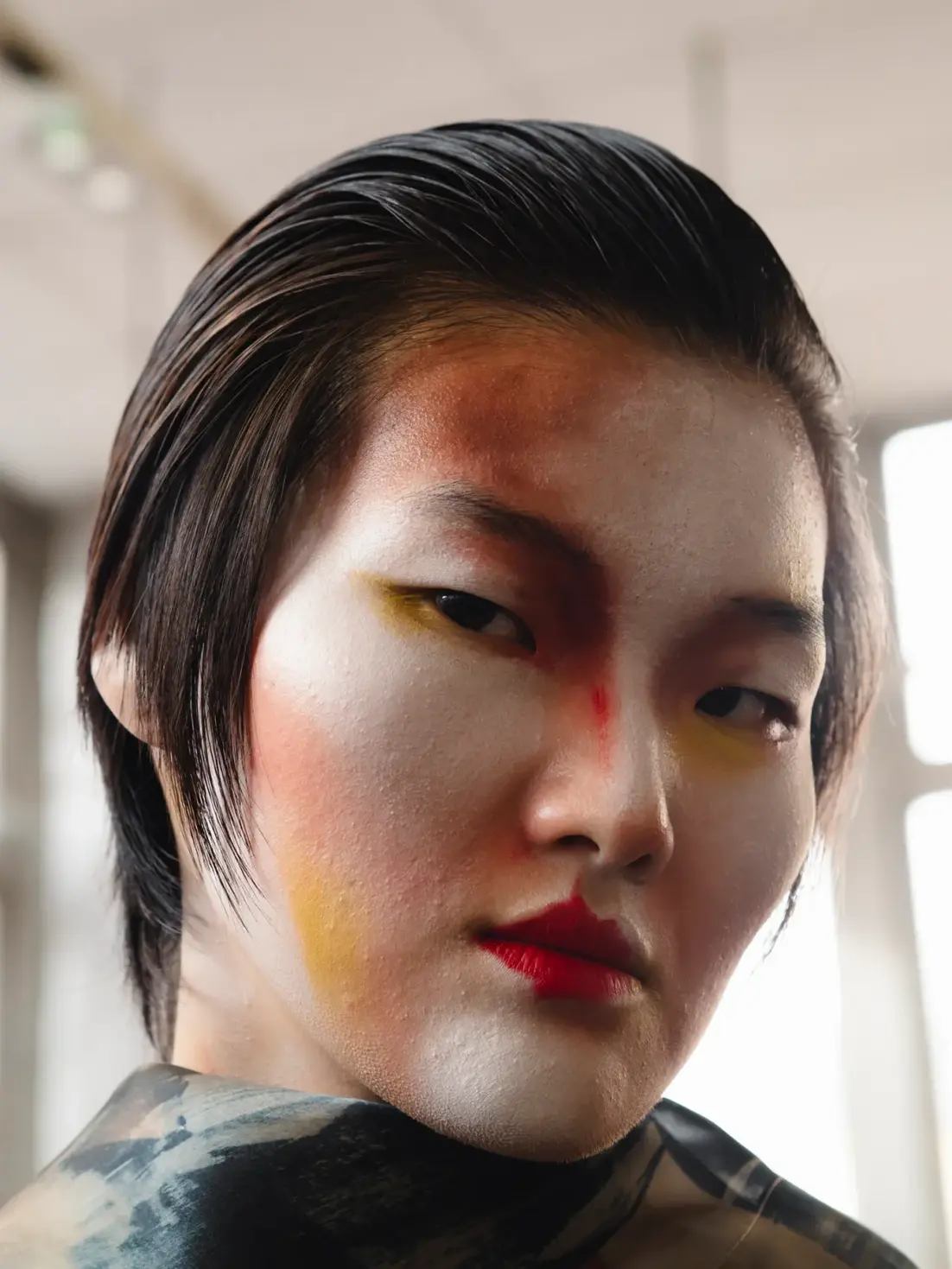
That same sensitivity appears in earlier runway work as well, which helps explain why the 2026 season feels like a continuation rather than a rupture. At Fendi men’s fall 2024, he created a wind-bitten flush across noses and cheeks so the face seemed touched by cold air, perfectly aligned with the collection’s indoor-outdoor tension. At Helmut Lang, he kept the skin spare and the eye sharp, using strong graphic liner in black, white, yellow, or fuchsia so the face carried a hard urban clarity. Taken together with McQueen, Rick Owens, and Westwood, these looks reveal a makeup artist deeply interested in what happens once pristine beauty is opened up to environment, friction, and character. A face can appear chilled by the elements, disturbed by speed, lit by metal, scratched by glitter, or worn by the end of a night, and still remain glamorous. In Daniel Sällström's hands, those conditions rarely diminish the image. Even his own creative method points in that direction, since he has said he is most often inspired by “everyday life” and by “random objects.”
His references make all of this legible. In a 2022 conversation about a personal story he directed, Sällström described it as fan fiction for Pierre Molinier, Serge Lutens, and Irina Ionesco, three image-makers whose work opened portals between fetish, decadence, glamour, fragmentation, and dreamlike narrative. He himself used the phrase “fan fiction,” which feels revealing in its mixture of devotion, fantasy, and creative possession. In another questionnaire, he named the terrifying diner scene in Mulholland Drive as one of cinema’s most memorable moments, praised Persona as a masterpiece, and singled out All About My Mother as an early queer revelation. He has said plainly that Persona “is a masterpiece,” while All About My Mother remains “one of the most genuine queer films ever made.” Those choices are revealing because they point toward an imagination drawn to doubling, theatrical femininity, danger, artifice, and images that seem to carry an entire emotional weather system inside them. Once that framework comes into view, Sallstrom’s beauty starts to read with greater clarity. The metallic eye, the blurred lip, the lash pushed toward absurdity, the face that appears to have already lived through the plot of a film before stepping in front of the camera, all of it belongs to an artist whose references are emotional as much as aesthetic. He is never only citing them as references, but translating them into his own language.
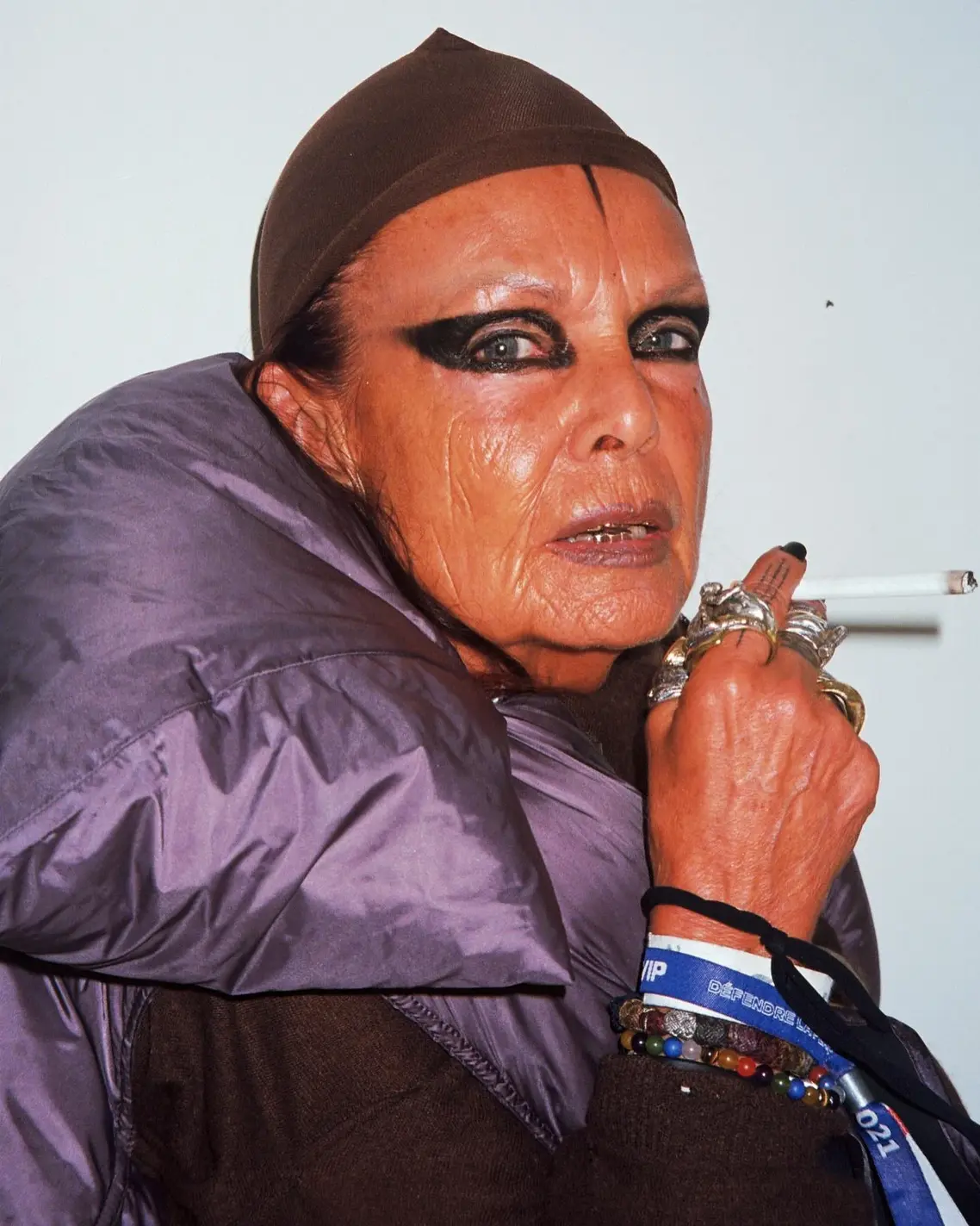


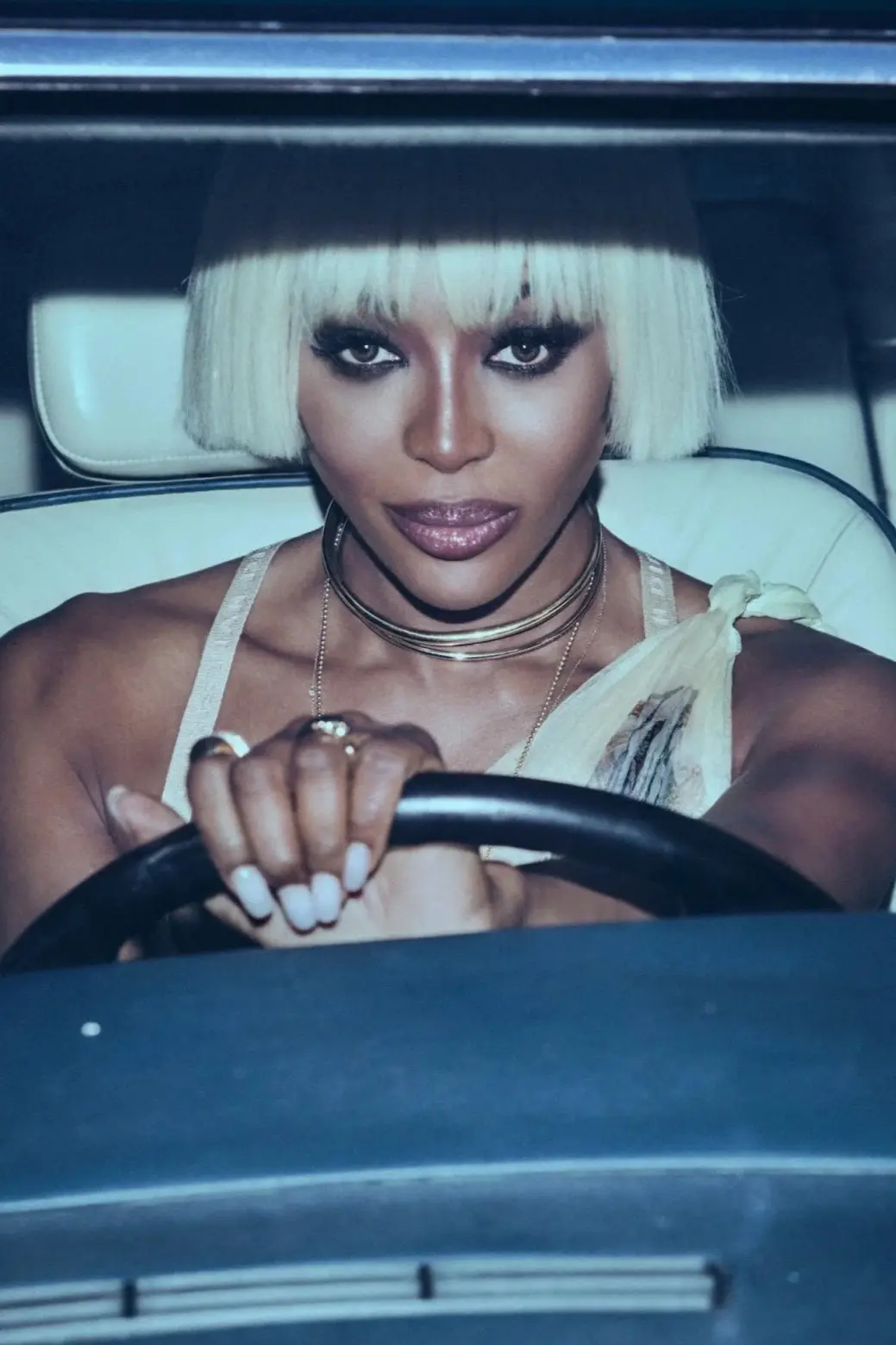
What makes Daniel Sällström important now is not simply the list of names attached to his résumé, though that list is impressive. Instead, it is the consistency with which he has carried a subcultural, transformative, and emotionally charged idea of beauty into spaces that often reward caution. Over the years, profiles have connected him with figures such as Kate Moss, Naomi Campbell, Grace Jones, Madonna, Kelela, Tilda Swinton, and Michele Lamy, as well as extensive brands including Saint Laurent and Vetements, while more recent runway seasons have shown how comfortably his vision can operate across very different houses and moods. Yet the real achievement lies deeper than access. Daniel Sällström has built a beauty language in which imperfection feels chosen, glamour remains intelligent, and the face can still function as a site of fiction. He gives beauty a biography. He allows it to pick up dirt, tension, memory, glamour, and weather on the way. That quality is difficult to fake and even harder to sustain over time. Which is why, when you return to the mirrors backstage and watch those faces gathering themselves under the lights, his story feels as if it is the gradual emergence of a world. The spirit of that world may be captured best in one of his own bluntest lines: “Just be you and be a freak.”
Advertisement