MENU
Close





From here, To Summer Perfume moves beyond atmosphere and perception into a wider field of philosophy. Part 02 follows how To Summer 观夏 lets inspiration disperse through cultural landscape and inherited crafts, then gathers it back into the bottle through discipline, artistry, and scent.
From here, To Summer Perfume moves beyond atmosphere and perception into a wider field of philosophy. Part 02 follows how To Summer 观夏 lets inspiration disperse through cultural landscape and inherited crafts, then gathers it back into the bottle through discipline, artistry, and scent.
April 5, 2026
Advertisement

Advertisement
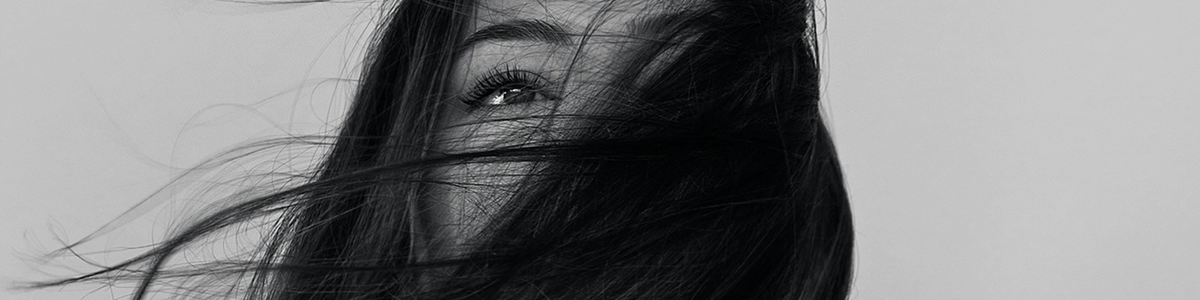


At the furthest edge of the brand’s imagination, inspiration begins to disperse. It moves outward into mountains, rivers, lakes, and oceans. Into poetry and paintings. Into tea ritual, old architecture, artisanal materials, archival images, women’s labor, inherited gestures, moments of stillness, forms of self-possession, leisure so refined it becomes almost philosophical. Shen Li names this origin with one of the most striking lines in the interviews:
"Our creative origin is found in the collective memory of Eastern peoples, wandering through mountains, rivers, lakes, and oceans, and the poetry and paintings of history, drawing inspiration from moments that are useless yet eternal."
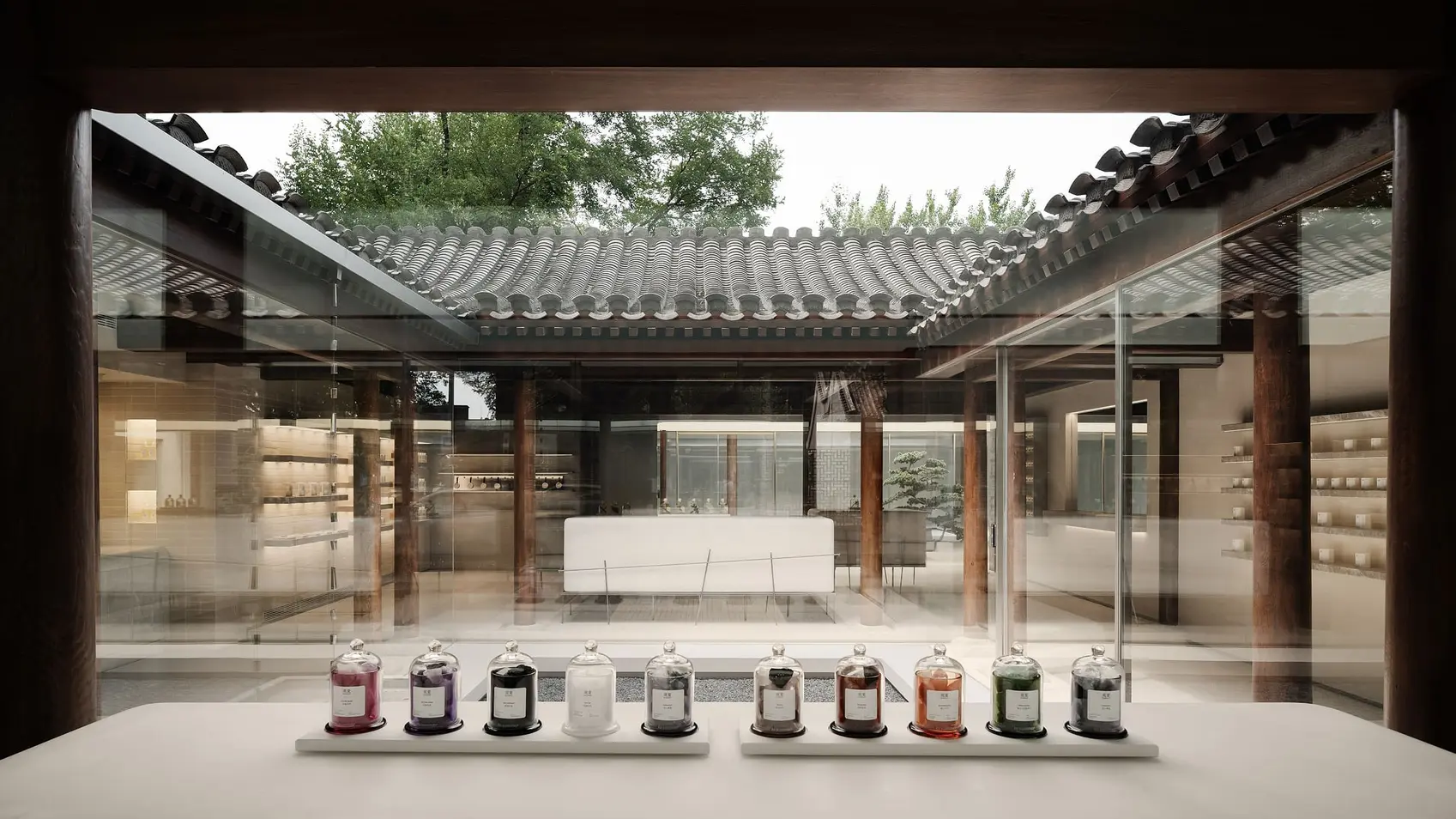
The phrase "useless yet eternal" opens one of the deepest chambers in To Summer Perfume 观夏’s world. Useless shall not be read as trivial, instead toward what exists outside immediate utility. Scent belongs to that realm. So do poetry, art, gardens, contemplation, the cultivation of atmosphere, moments where the soul expands for no practical reason except that it has finally been given room. These things do not answer the first demands of survival, yet they give civilization its most intimate language, because they shape the way people feel, remember, dream, and return to themselves.
There is something in it about moving beyond the dense pressure of mere survival and endurance, beyond the everyday burden of making life function, so that art may finally enter not as ornament, but as nourishment of a fulfilled soul. A soul whose life is consumed entirely by necessity has little room left for subtlety. Once the mind and body are granted more space, the senses begin to reopen. In this sense, uselessness becomes the realm where civilization stores its finer powers.
The word Eternal sharpens the thought, because it reminds us that these values did not become profound only when modern life created better conditions for appreciating them. Their depth pre-exists us for thousands of centuries. Nature, philosophies of emptiness and clarity, the cultural and artistic materials of a civilization,... all of these have existed for generations, holding their quiet radiance across time. Their eternity has always been there. Improved material conditions simply allow more people to return to these older reservoirs of feeling and absorb them with greater tenderness and attention. When life ripens, when worry loosens, when the mind opens a little, those ancient materials permeate again through the senses. And so what was once dismissed as superfluous reveals itself, over time, as civilization’s deepest archive.
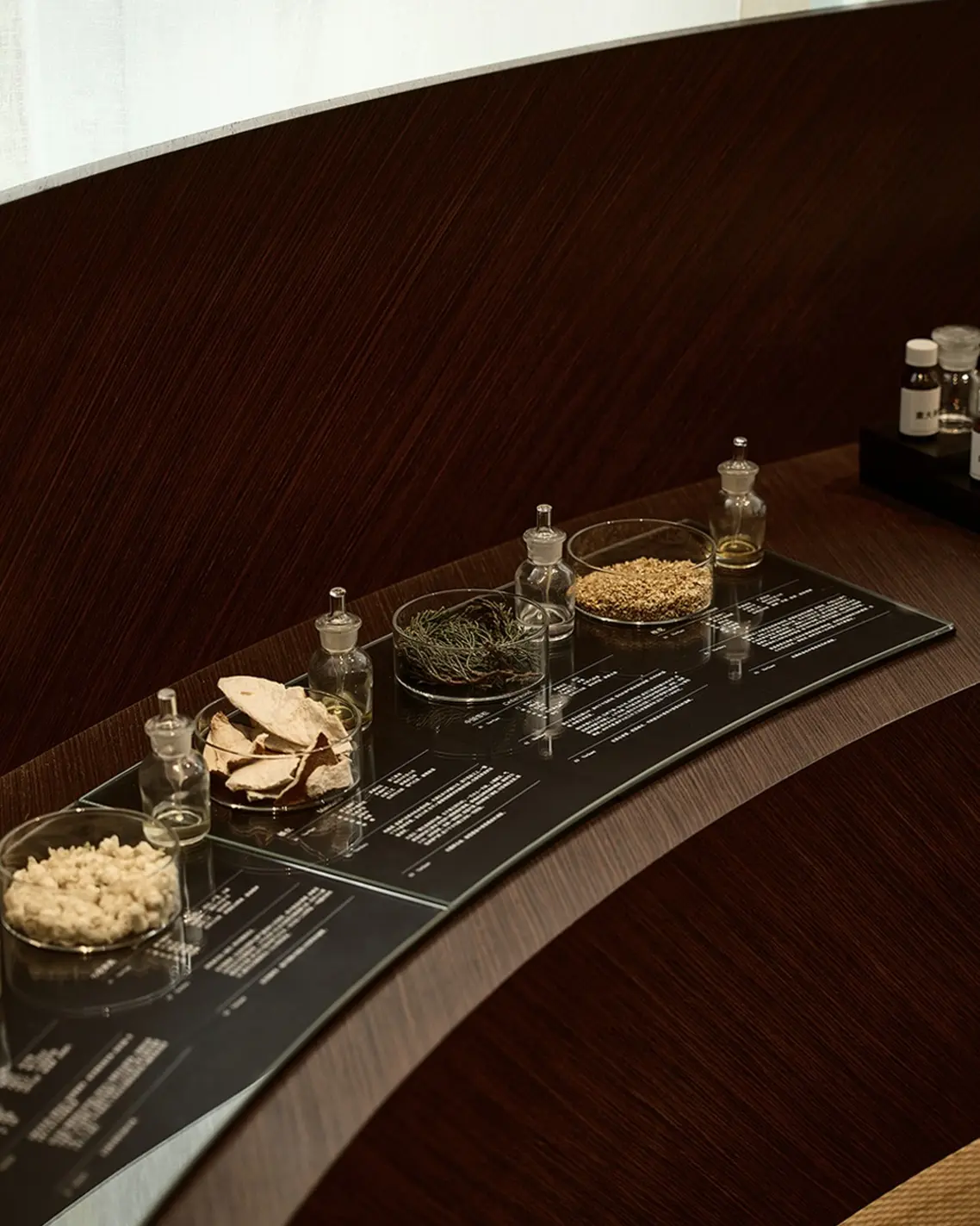
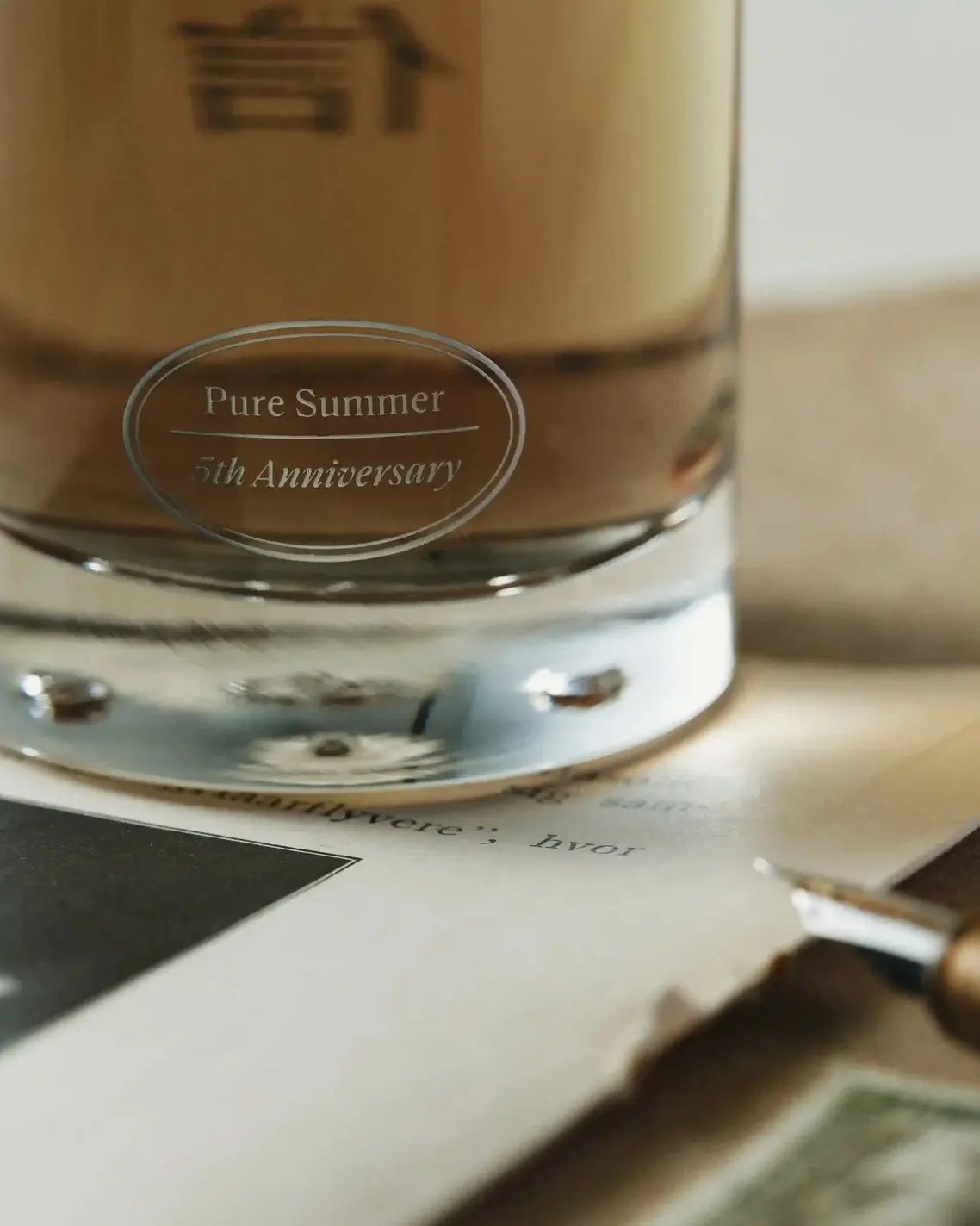
That may be the most beautiful thing about To Summer Perfume. The brand begins by letting culture remain wide. It does not rush to compress the East into a neat story. It wanders first. It gathers from landscape, art, inherited memory, old structures, emotional states, and the long afterlife of shared feeling. Only later can those dispersed materials begin to converge. Before the bottle, there is atmosphere. Before composition, there is attention. Before meaning hardens, there is the open field where memory, place, and feeling still move freely through one another.
That open field is where 观夏 To Summer Perfume begins, and it is also why the brand can feel persuasive even before a single perfume note is named.
After that outward movement through landscape, memory, ritual, and inherited feeling, To Summer begins the work of convergence, drawing those scattered elements inward until they can live together in a single composition. Space, history, the labor of women, architecture, philosophy, materials, and emotional aspects all narrow toward formulation, until the perfume becomes the most compact expression of the brand’s worldview. In one bottle, it gathers what the larger world has dispersed, and the fragrance holds in suspension what culture has allowed to circulate across centuries.
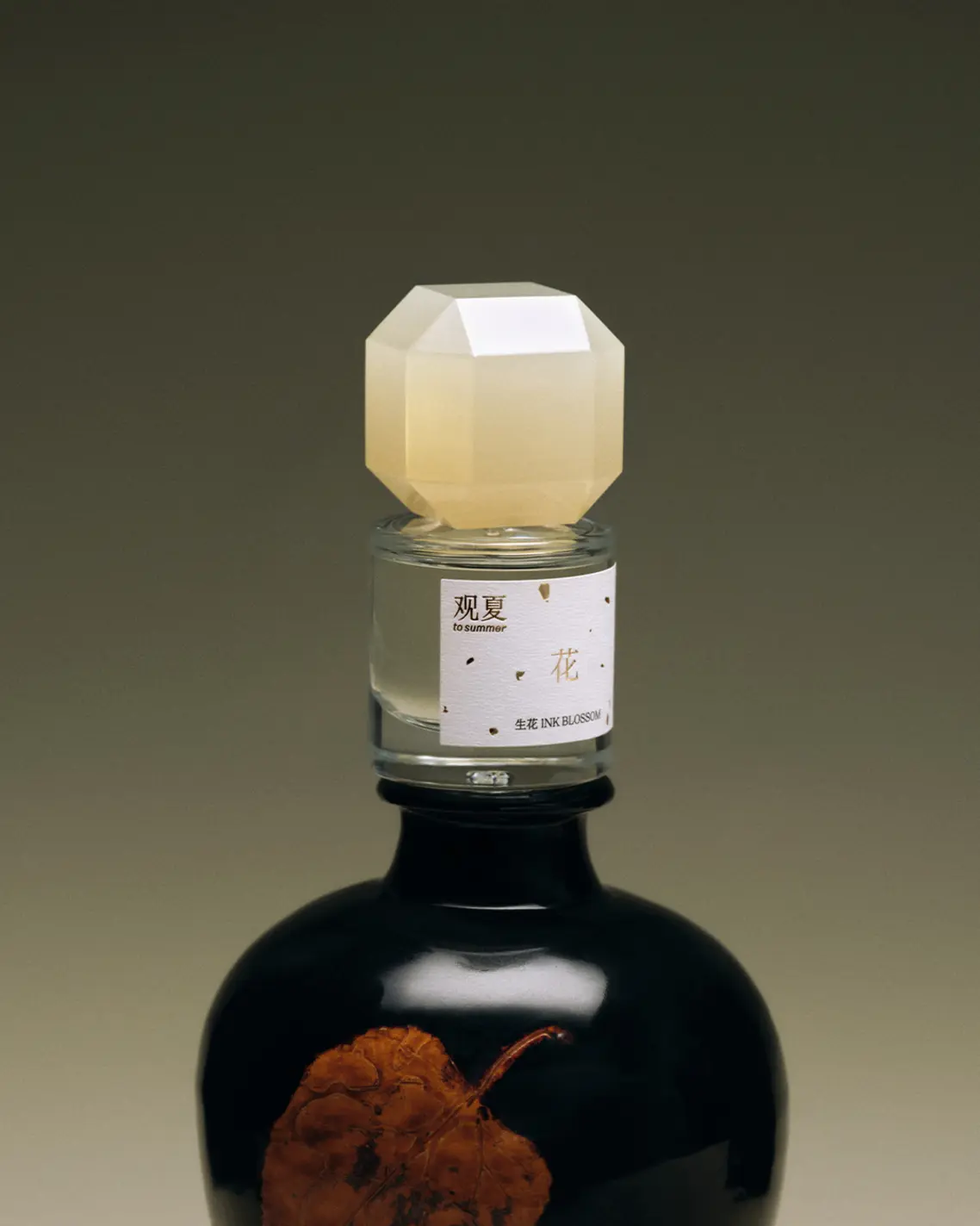
This architectural convergence takes place at the literal level of craft, where the house sources ingredients carefully, blends with unusual precision, and allows development to unfold over long periods. That precision also finds another breath through collaborators such as Jérôme Epinette, whose work within To Summer helps translate the house’s cultural atmosphere into fragrances like Nude and Triple Tea. The object itself continues that philosophy through the work of artisans in Jingdezhen, Dehua, and Boshan, whose vessels extend the fragrance into a tactile language of craft and memory. For the Autumn 2025 collection, artisans used a jade cold-polishing technique to create milky jade glass vessels that echo the texture of Hetian jade, allowing the hand to encounter cultural memory before the perfume even rises from the neck of the bottle.
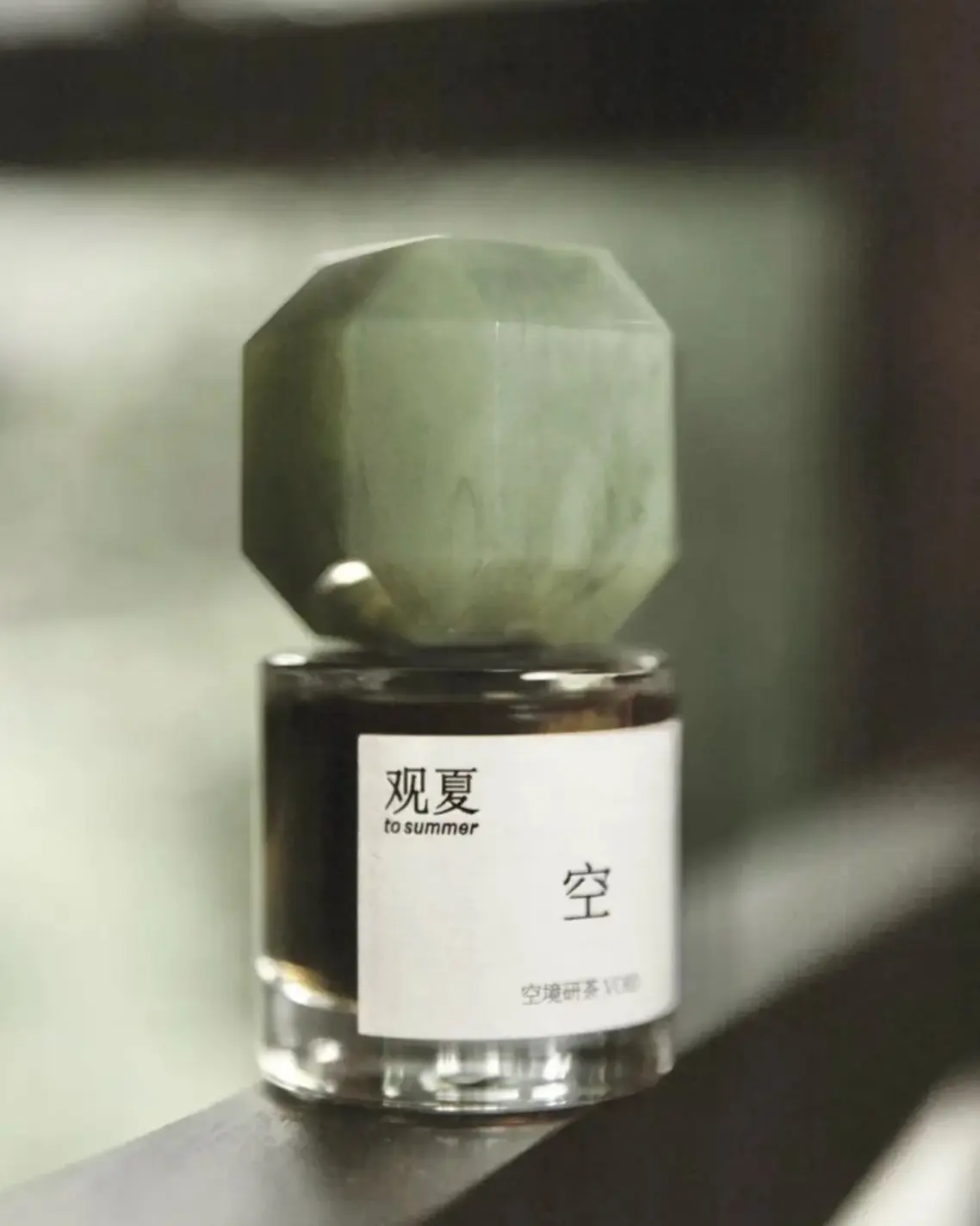
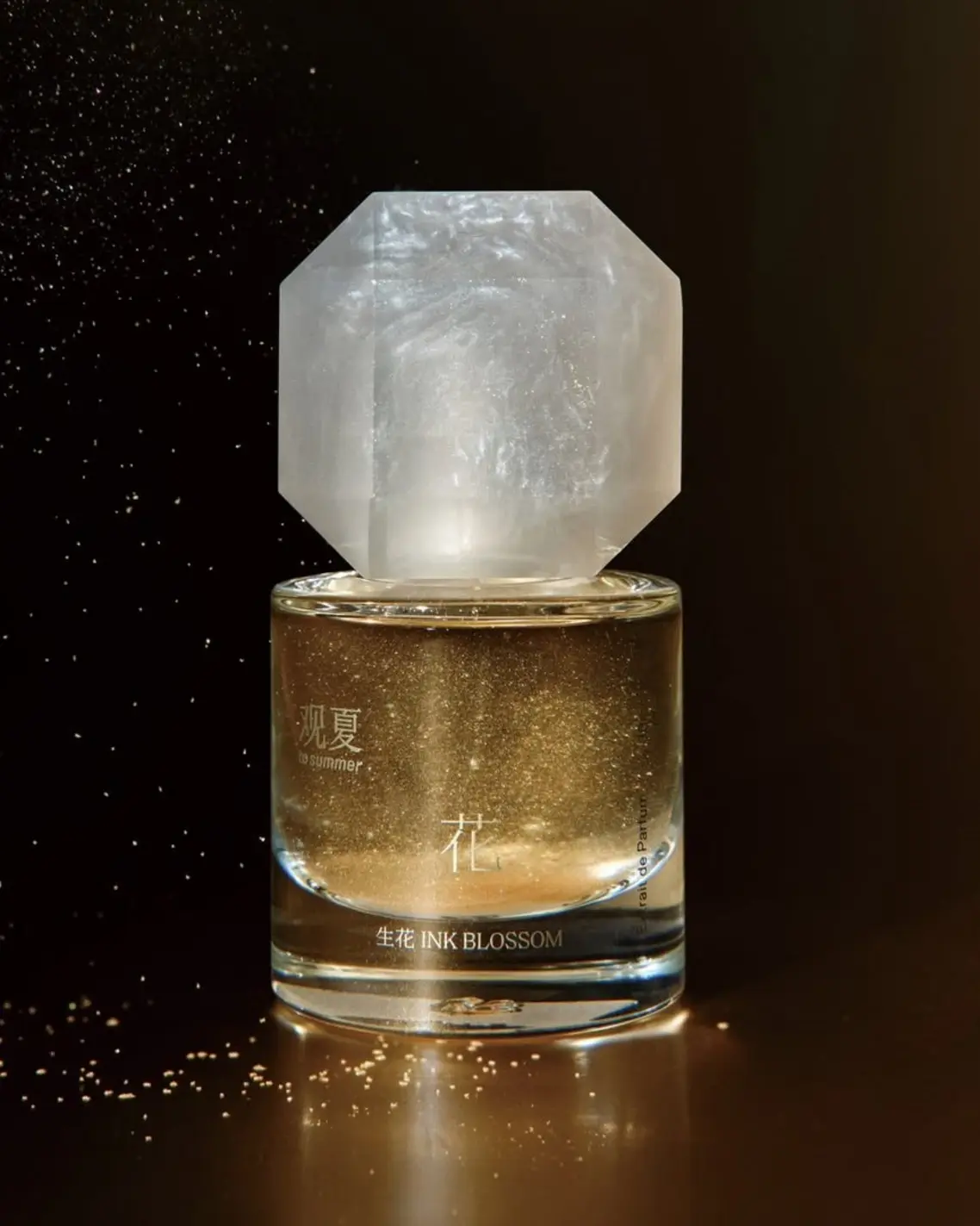
At the metaphorical level, the craft becomes even more compelling, because To Summer composes fragrances as though it were shaping invisible architecture. A perfume can unfold like a pavilion in afternoon light, like an ink scroll opening in measured silence, like a tea room whose calm gathers around the body in concentric circles, like a city walk through layers of weather and memory, or like a trace of feeling that remains long after the scene itself has faded. In this sense, the fragrance becomes the invisible architecture, while the vessel becomes the tangible one. And the two together create an object that can be held in the hand and lived in through the senses.
That double movement in sync, from the material to the atmospheric, explains why To Summer’s bottles feel so conceptually complete. The house never treats the container as secondary packaging, because the vessel already belongs to the same emotional sentence as the liquid within it. Glass, texture, and the memory of artisanal process all prepare the mind for what the perfume will later complete. By the time the fragrance touches skin, the bottle has already spoken its own part of To Summer Perfume’s world.
A world as soft and seemingly effortless as To Summer’s could easily be mistaken for pure intuition, and that would miss one of the most important philosophies behind the brand. Shen Li’s atmosphere of refinement is sustained by discipline, and the phrase that best captures that discipline is 日拱一卒 – advancing one pawn a day. The Chinese wisdom inside it is quietly demanding, suggesting that meaningful creation grows through constancy, through patient increments, through the daily practice of moving something small and necessary forward.
In perfumery, sensitivity depends on a keen, trained nose, and creative depth comes from learning how to perceive ever finer distinctions of material, as well as emotional shade. Shen Li describes her process as one of cultivating a deep sensitivity to the world, and that language reveals a great deal about the brand’s temperament, because sensitivity here is an active discipline. It had to be sharpened through repetition, protected from coarseness, and fed through continual contact with art, culture, and lived experiences.
To Summer Perfume’s atmosphere may feel effortless, while its philosophy is one of accumulation.
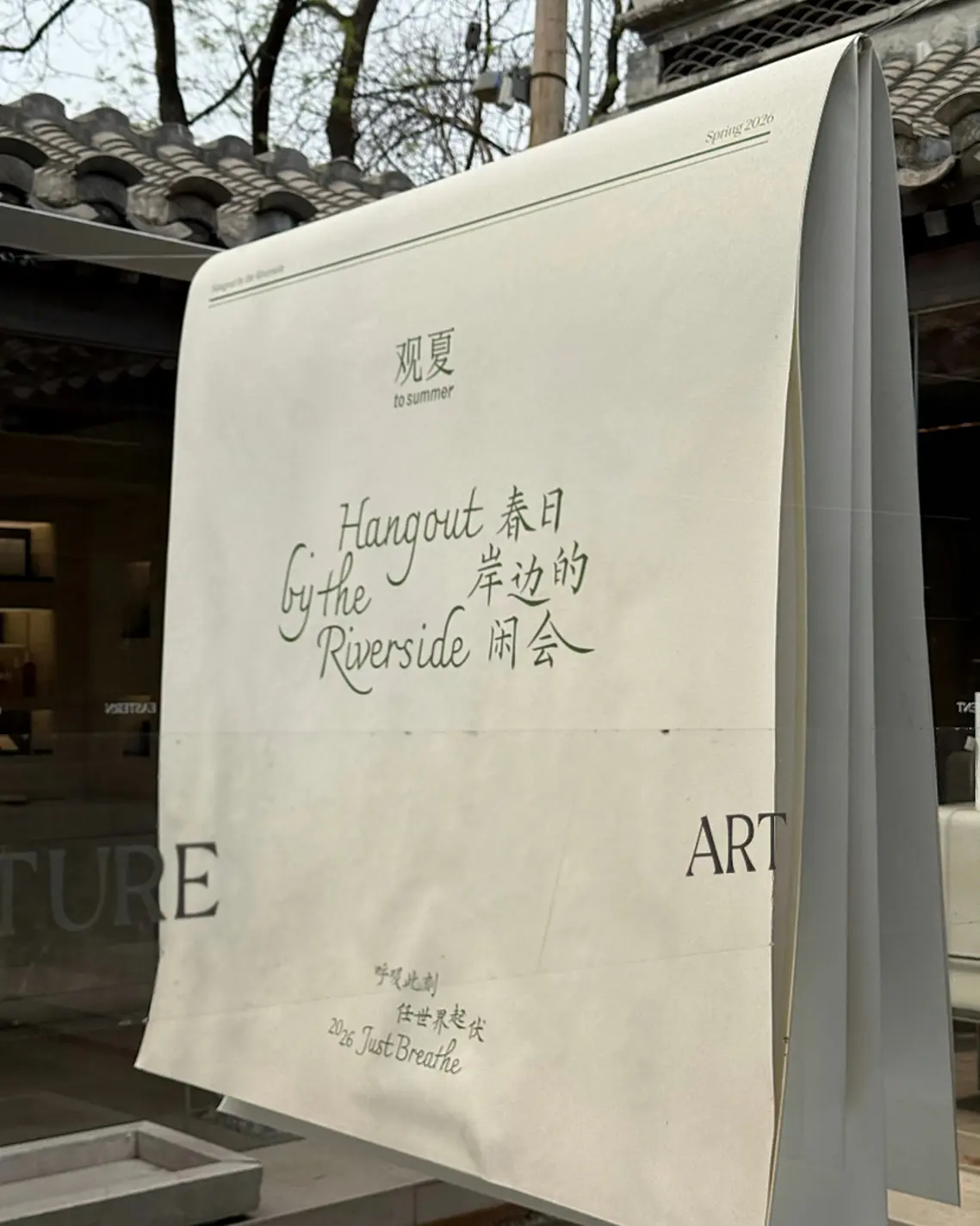
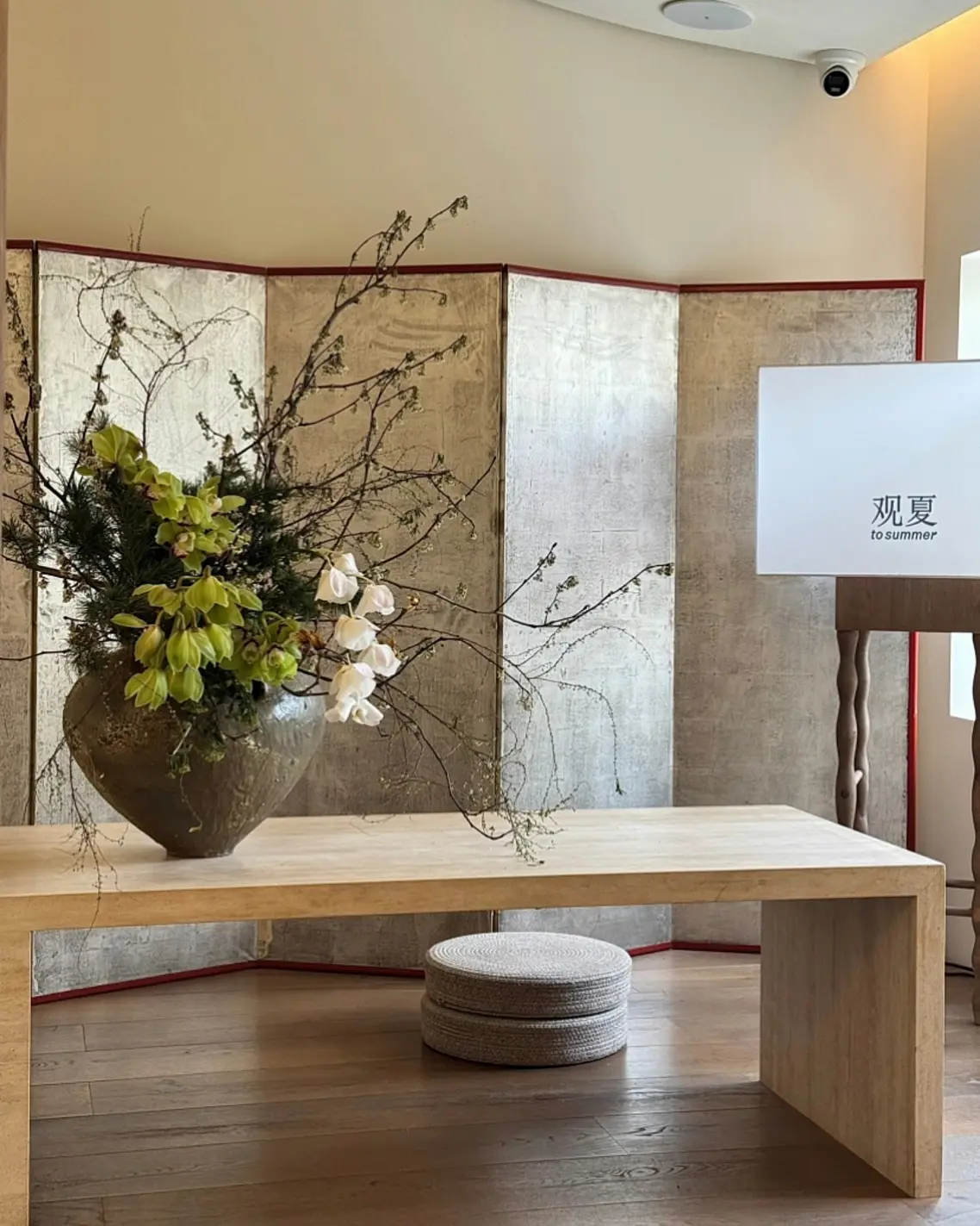
In the interview, Li explains that scent creation "demands the ability to perceive the most subtle details," and she describes her way of staying inspired as allowing herself to "truly feel, listen, and sense." Those verbs together, describe an entire ethic of hard-working and paying attention perpetually. Feeling asks for openness, listening asks for patience, and sensing asks for presence subtle enough to register what less subtle forms of living would miss. When such habits are practiced day after day, even a small movement of the mind can eventually transform the whole field of perception.
Seen this way, 日拱一卒 becomes the hidden engine of the brand. It explains why To Summer’s fragrances feel composed and expansive altogether, and why the house can move through such delicate territories of contemporary without losing the original philosophical inspirations. The romance of the brand rests on labor of a very refined kind, the labor of continuing to pay attention.
To Summer Perfume’s achievement lies in the way they utilize inherited feeling in circulation, allowing culture to pass through contemporary life with its dignity, tenderness, and complexity still intact. The brand does not freeze the past into a museum object, nor does it flatten tradition into a convenient symbol for modern consumption. Rather, older forms of feeling move again through rooms, vessels, materials, and onto skin, until what once seemed distant becomes intimate enough to breathe with the present.
The spaces stage that inheritance, the vessels hold it in the hand, and the perfumes release it back into the air of everyday life.
Shen Li’s future-facing vision gives that movement its final horizon: "We plan to gradually expand beyond Asia, ultimately integrating into a broader international context," she reveals. "In a gentle yet enduring way, we want to let Eastern aesthetics flourish anew in contemporary life."
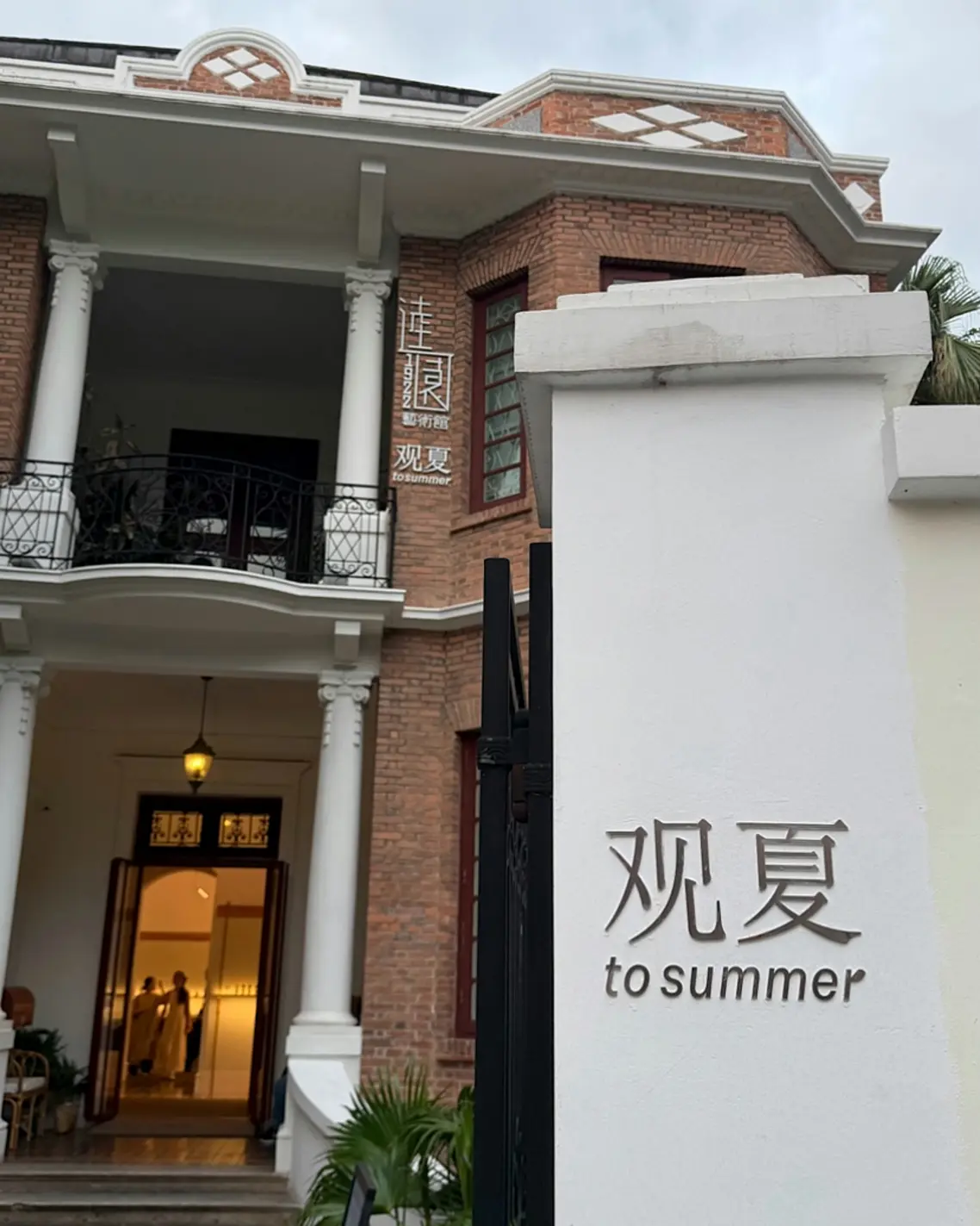
That aspiration captures the house perfectly, because gentleness and endurance are already written into everything To Summer Perfume makes. Its world opens through dispersion, gathers through craft, and lives on through perfume, carrying Eastern cultural feeling forward in a form supple enough for the present and profound enough for time.
Next up, To Summer’s perfumes come into focus as philosophical portraits, with each scent carrying a different mood of Eastern thought, memory, and emotional weather on the skin.
Advertisement