MENU
Close





Glitter makeup did not overthrow the clean look in one dramatic strike. It slipped in afterward, clinging to hair, lids, lips, and skin like proof of a very long night.
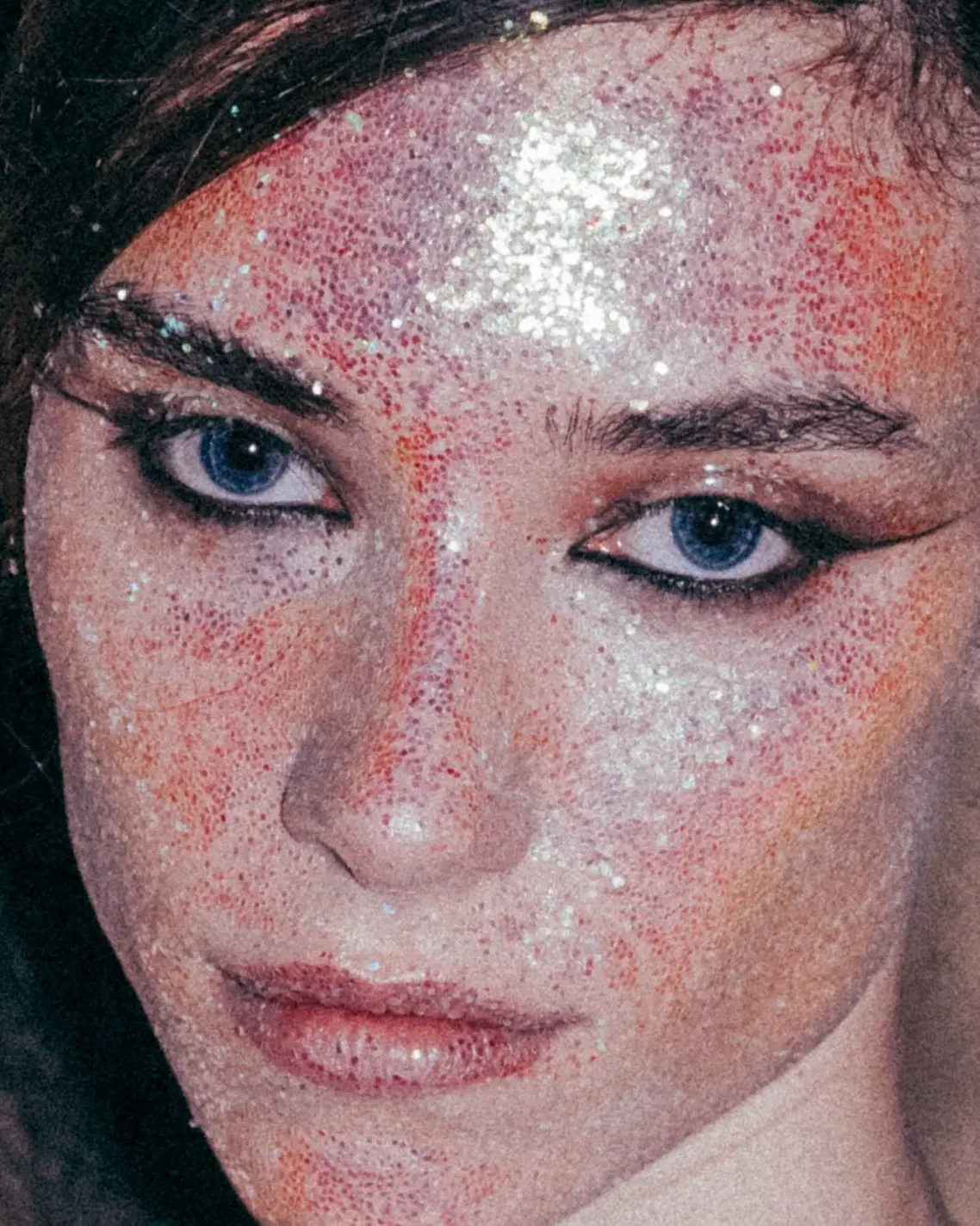
Glitter makeup did not overthrow the clean look in one dramatic strike. It slipped in afterward, clinging to hair, lids, lips, and skin like proof of a very long night.
March 20, 2026
Advertisement
Advertisement


Across Fall 2026, sparkle was seen morphing into messy at Diesel, chrome at Chanel, punk at Vivienne Westwood, and sharp enough everywhere else to make polish look suddenly timid.
No assassination this time. Smoky had already done the heavy work of loosening beauty from the clean girl’s grip. Glitter arrived afterward and changed the air in the room. It softened the violence, then made the evidence impossible to ignore. Across Fall 2026, editors and beauty reports kept circling the same shift from different directions: messy makeup was back, perfection had lost its glamour, and texture suddenly mattered more than tidiness. The season was framed through party girl air, with Diesel’s morning after skin on one side and Chanel’s glittered fantasy on the other, while 2026 has been shifting toward shimmer, metallic surfaces, and more expressive makeup. Glitter makeup, in other words, returned with a new description.
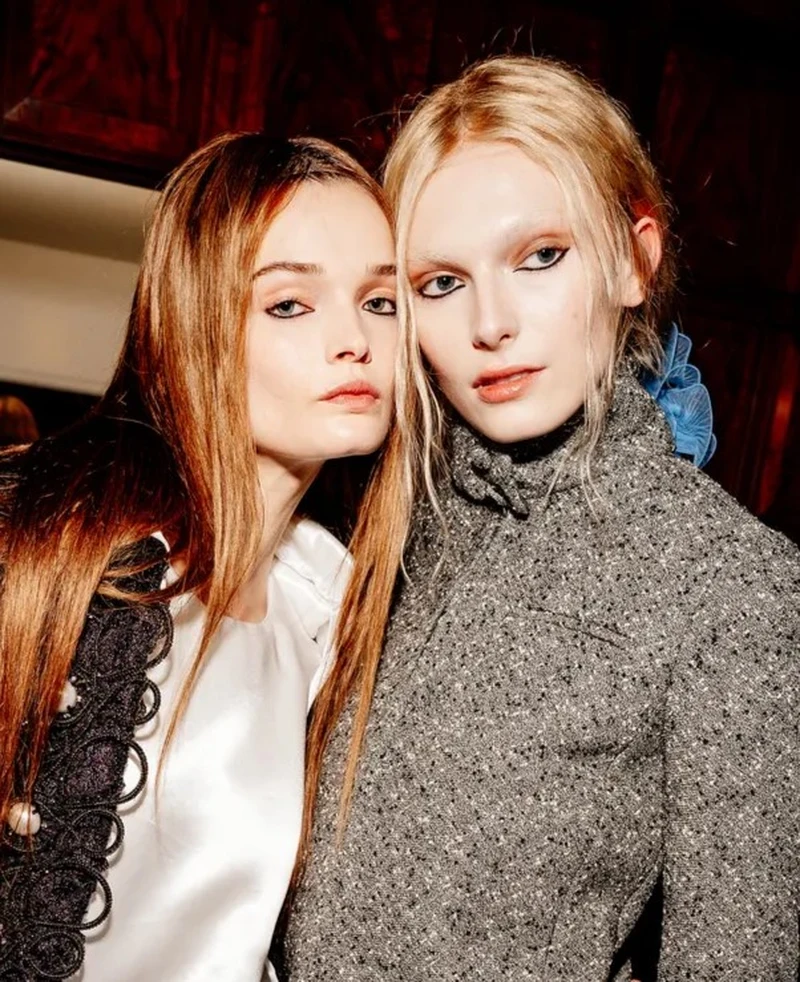
What makes the trend interesting is that the glittery shine in Fall 2026 rarely looked innocent, but rather tarnished, smeared, reflective, unstable. It popped on the face like emotional residue, the sort of shine left behind when a face has already lived through something. That is why the strongest houses used it so differently while still landing in the same emotional territory. Diesel made it look like aftermath, Chanel metamorphosis, Vivienne Westwood insubordination and Petra Fagerström turned it into embellishment. Hermès and Rabanne, in softer register, proved that even a hint of silver could be enough to push beauty away from minimalism, into a more charged kind of surface creativity.
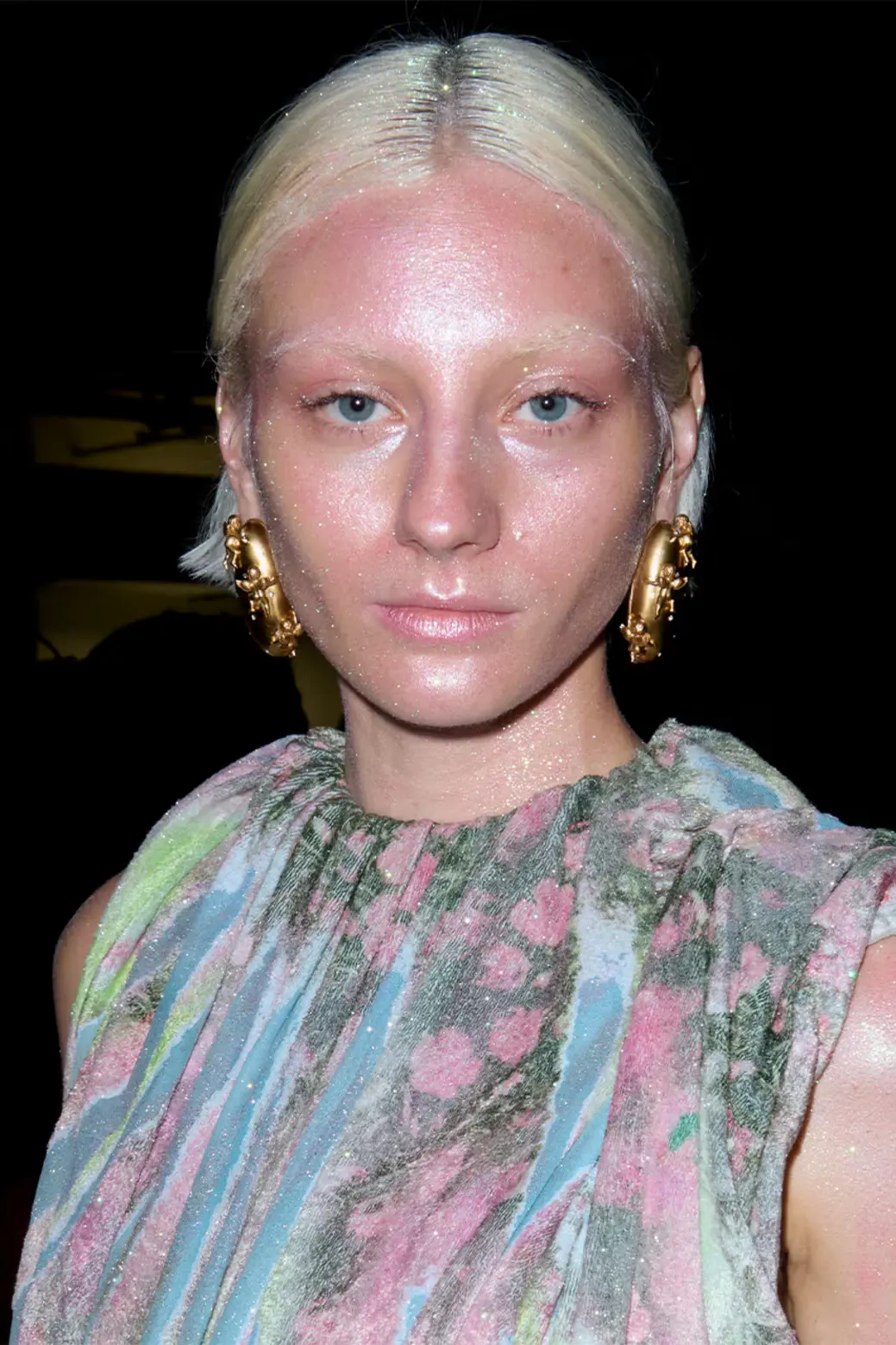
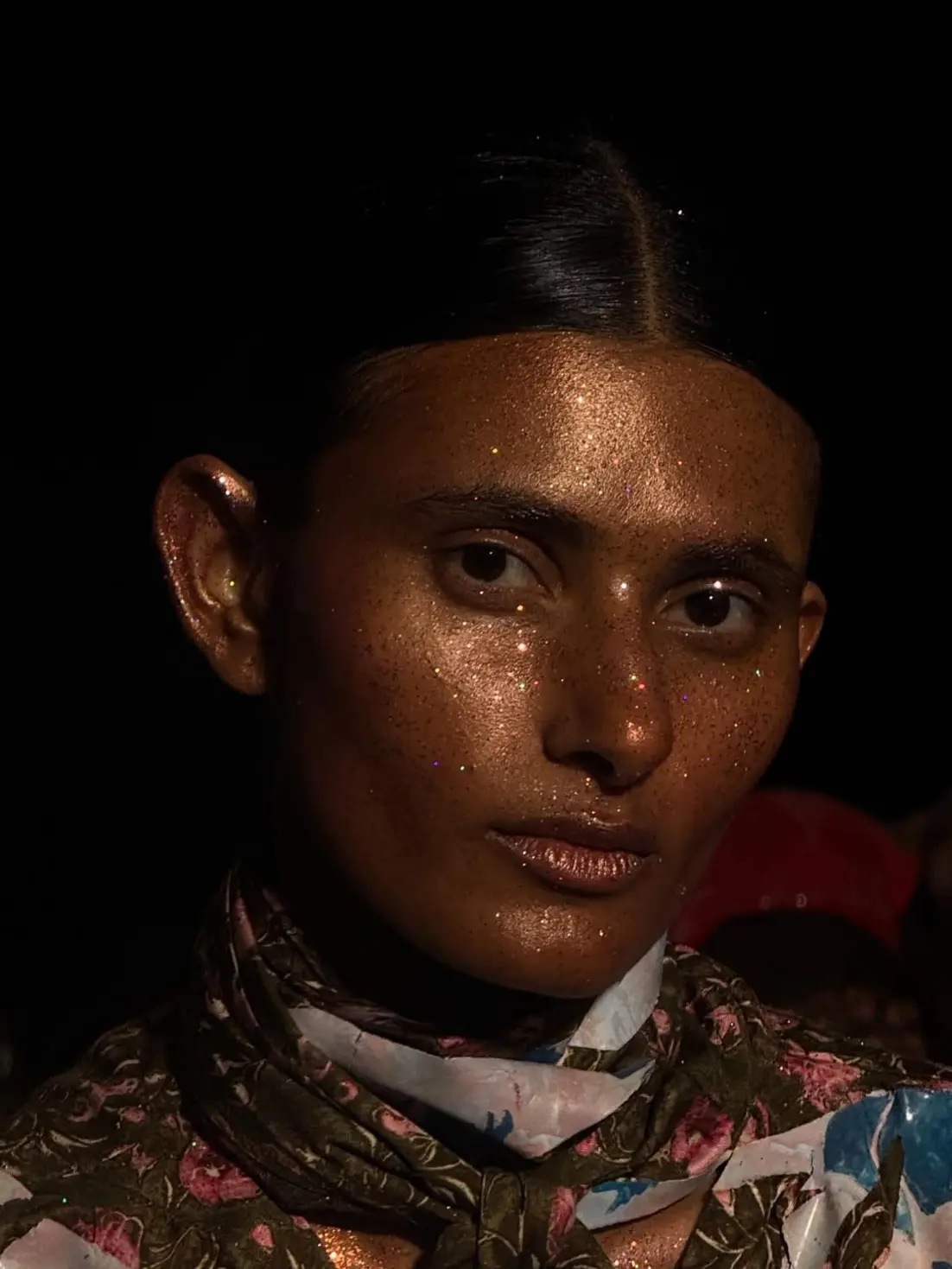
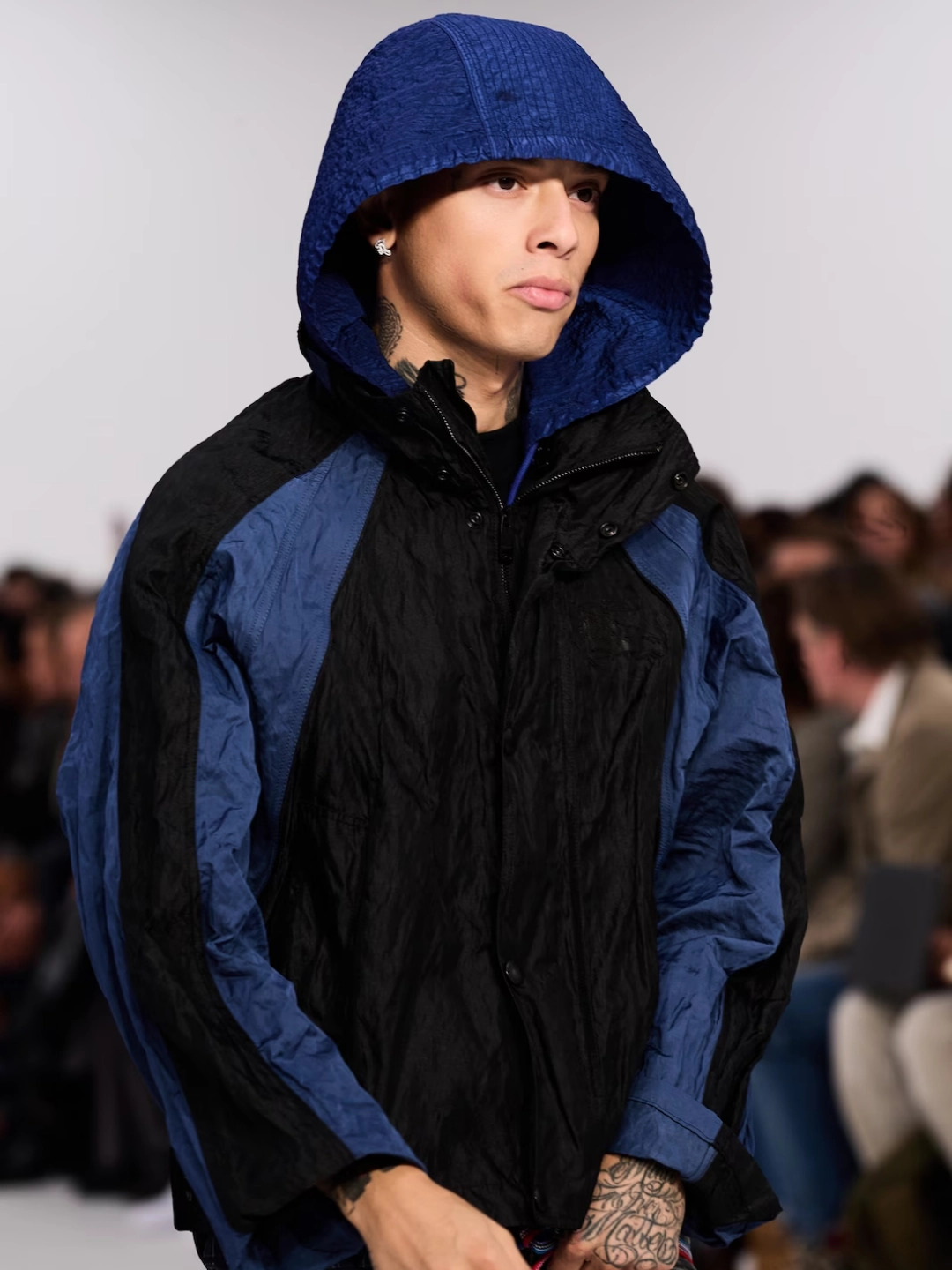
Diesel was residue. Glenn Martens has long treated metallic skin as part of the house language, and Fall 2026 kept that instinct alive while making it feel more intimate and more disheveled. The show described a 5 a.m. beauty look, a face left over from the night before, with glitter-streaked skin and a sheen that looked less polished than hungover in the chicest way possible. Diesel’s bodies and faces are so metallic that they sparkle like diamonds, even if this season landed in a subtler register. Diesel offered charm, a trace, a little bit of club light still clinging to the skin after the music had stopped. Carried the energy of dawn after excess, Diesel's glitter makeup shifted slightly, skin still holds heat, and sparkle remains where no one bothered to remove it. If the clean appeal once sold the fantasy of looking untouched, Diesel gave Fall 2026 the pleasure of looking unmistakably touched.
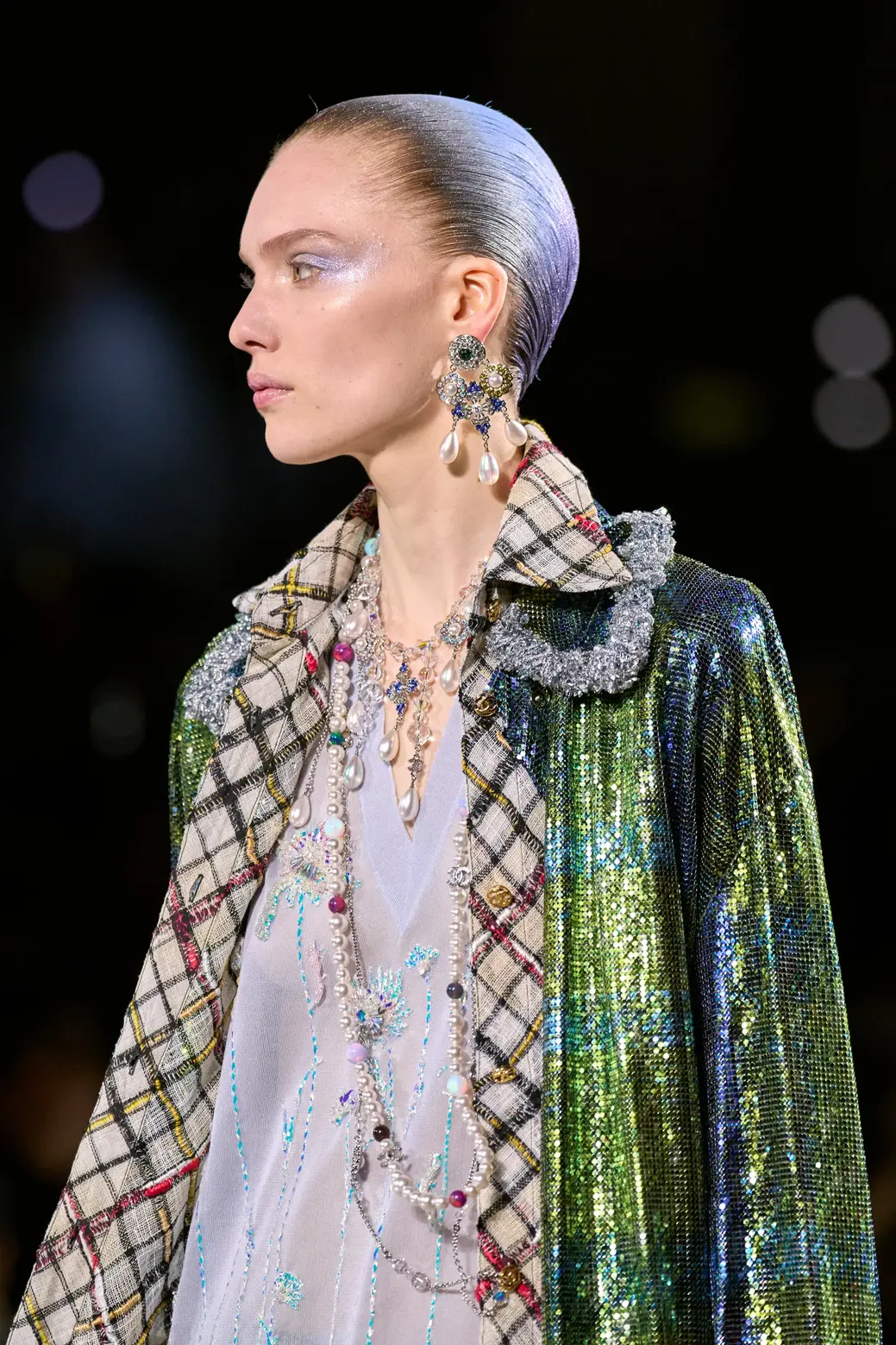
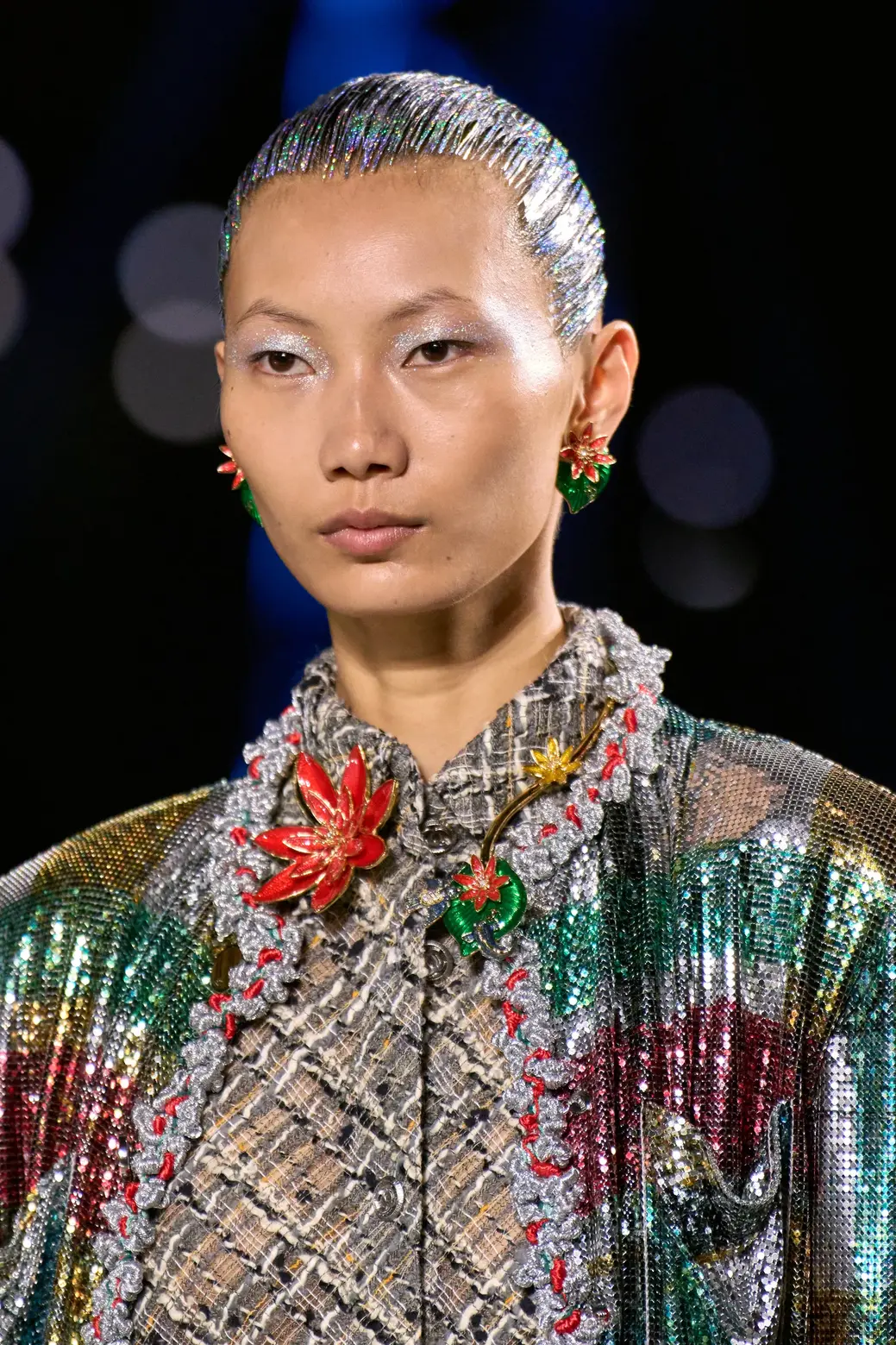
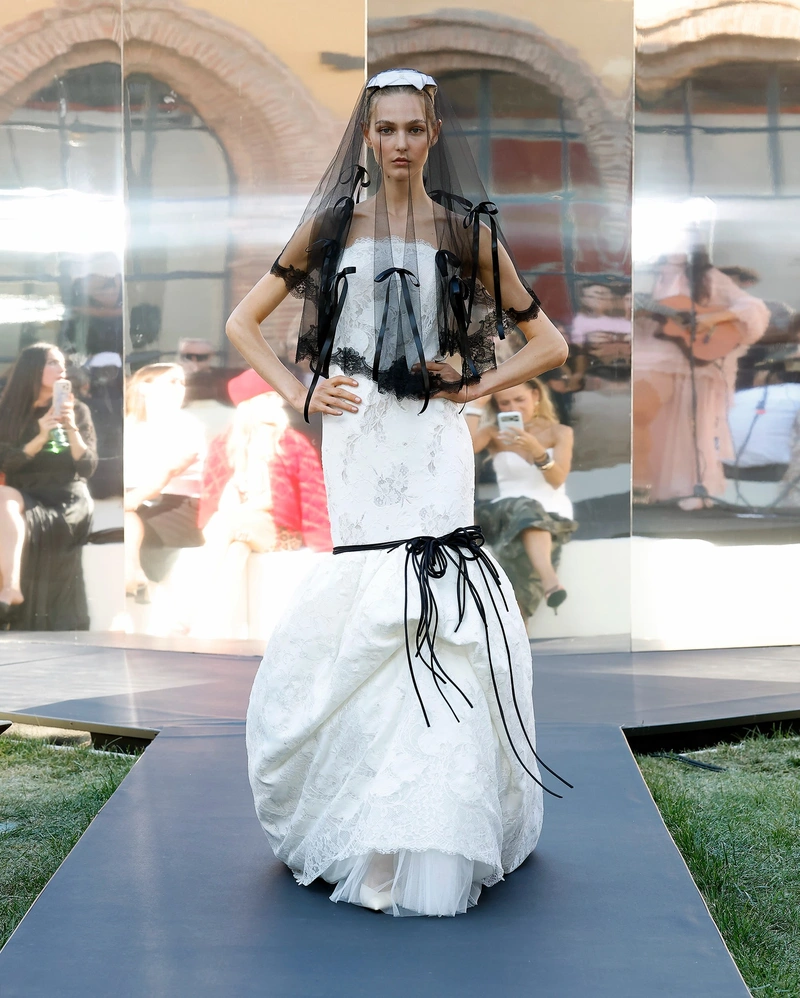
Chanel was metamorphosis. Matthieu Blazy’s Fall 2026 show drew on Gabrielle Chanel’s line about being a caterpillar by day and a butterfly by night, and the beauty translated that idea into chrome, lilac, silver, and glittered refclective light. The muses' hair looked dusted with glitter, silver chignons, with tinsel threaded through French twists, and silver-lavender eye looks kept glossy and precise enough to feel ethereal rather than chaotic. Chanel took the same season wide hunger for shine and turned it aristocratic, almost aerodynamic, as if glitter had been refined into metal and then taught to behave in couture. Where Diesel left the party on the face, Chanel let the face become the transformation itself. Chanel gathered it into something that feels ceremonial, like a butterfly with a steel spine.
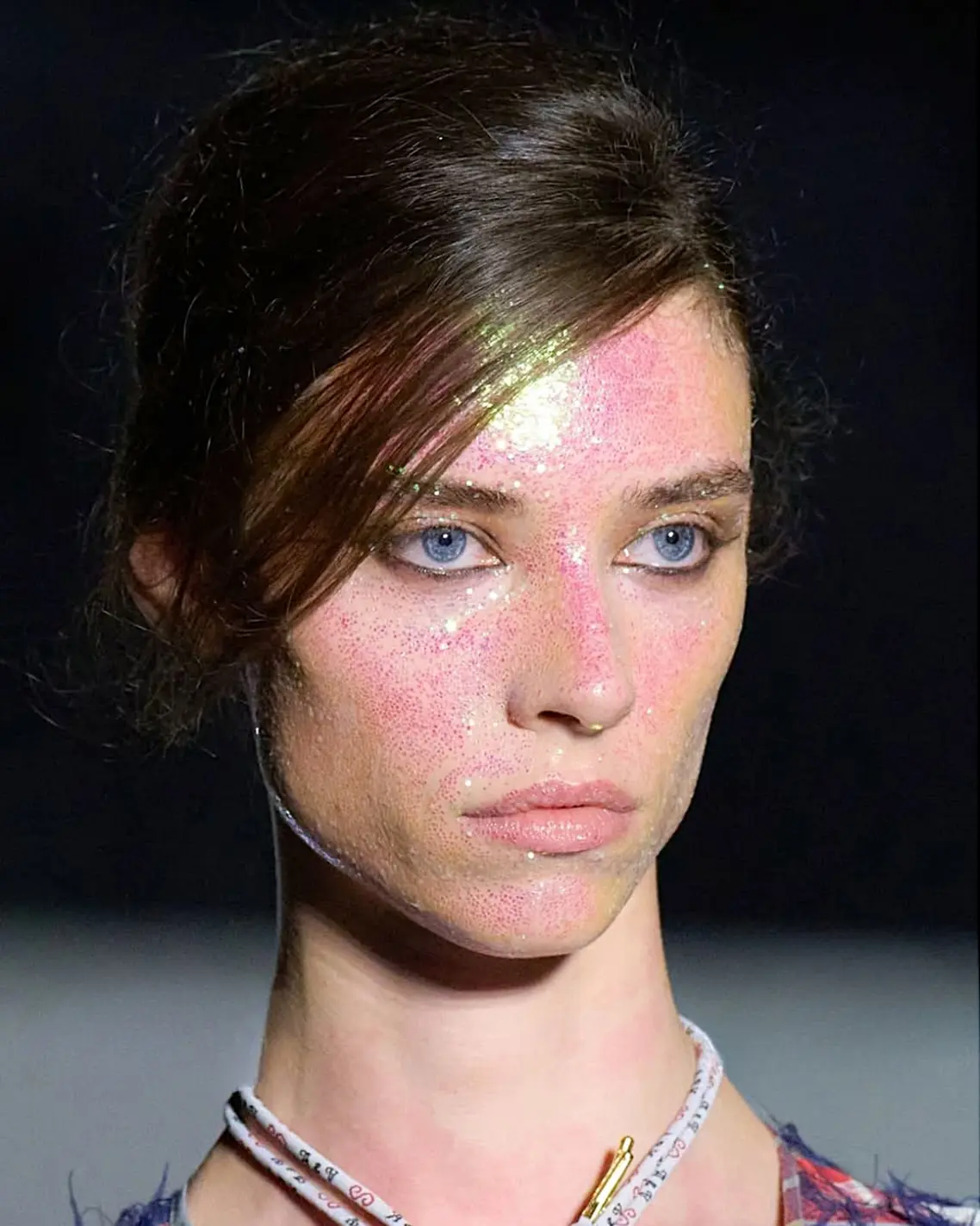
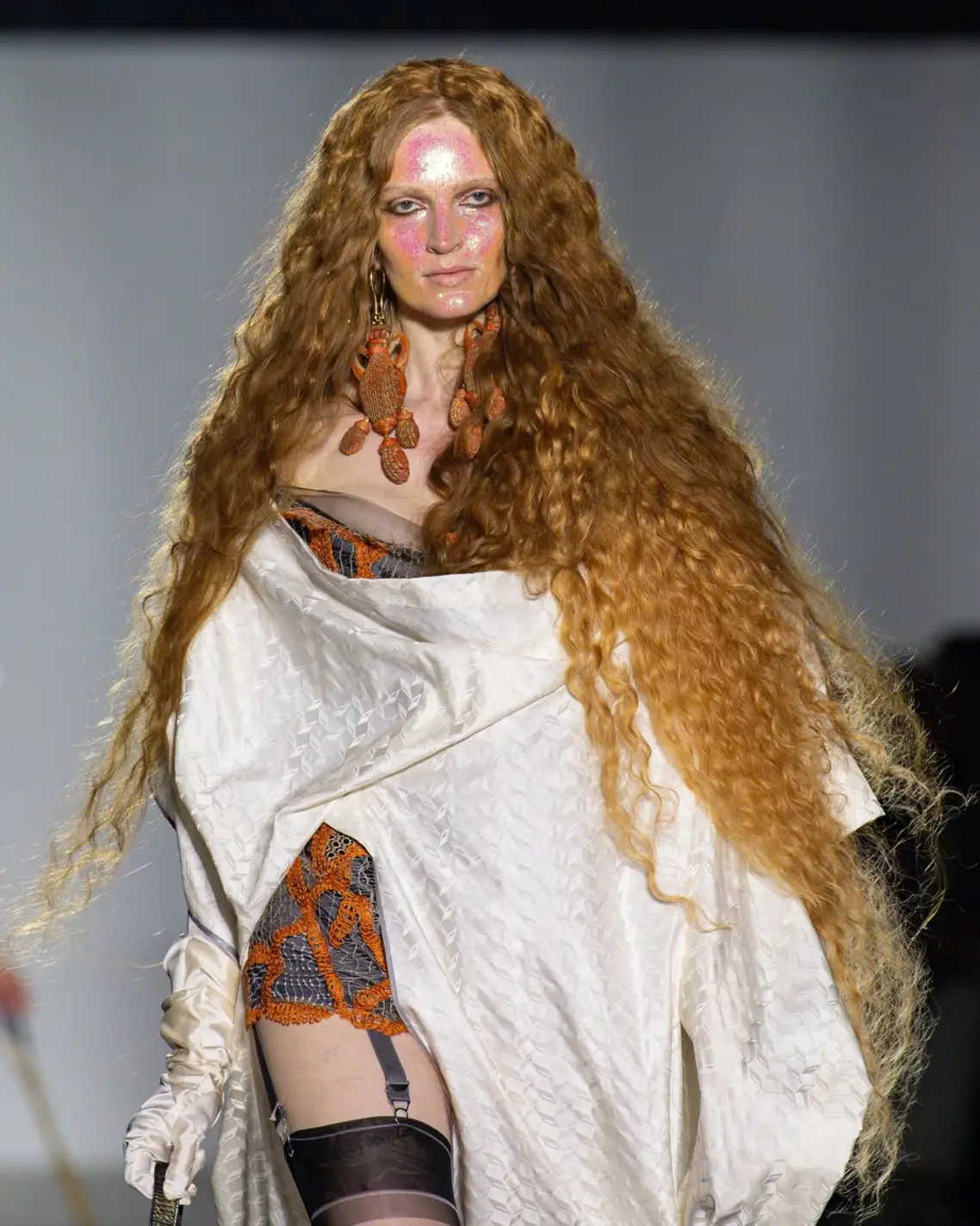
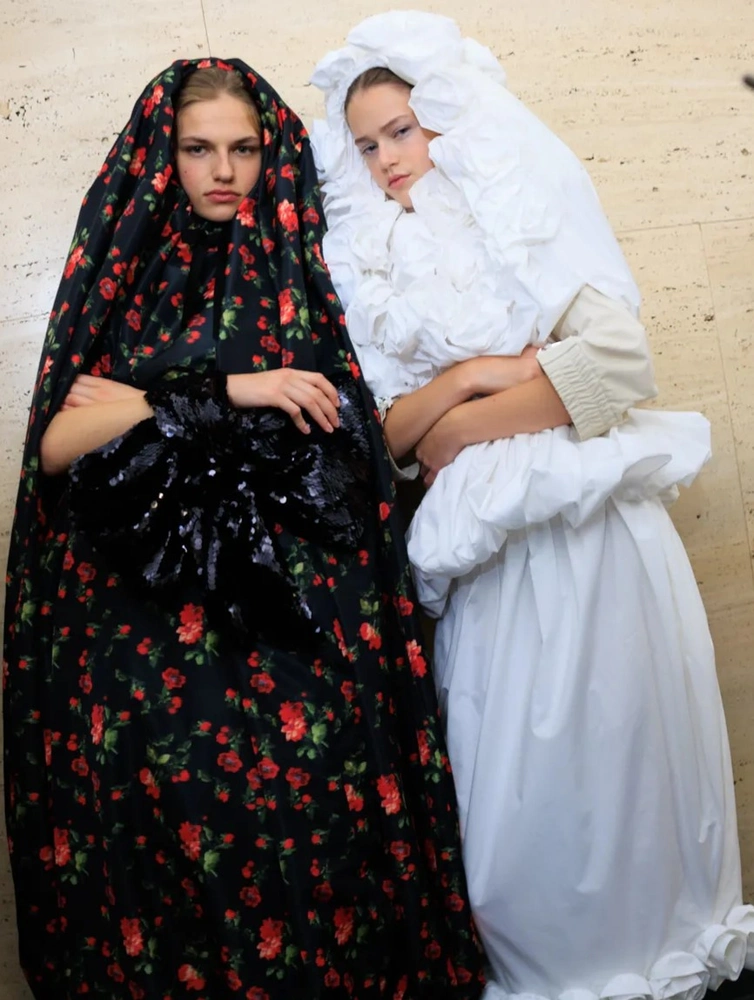
Vivienne Westwood was insubordination. Andreas Kronthaler’s Fall 2026 collection was already described as a tribute to heritage and sensible rebellion, and the beauty echoed with the exact juxtaposition with glitter that refused elegance, shimmer that refused neatness. Backstage, Daniel Sällström worked through a whole unruly vocabulary of references, from 1980s glamour and renaissance blush to metallic silver lips, smudged lipstick, painterly expressionism, and what summed up as “full faces of glitter.” For Sällström, there was effectively no limit, since excess was the point. At Westwood, glitter makeup was taught to be fluent in mischief, theatre, and the erotic pleasure of dressing slightly against the rules. Kronthaler’s world was made even richer by hair inspired by Romy Schneider and shaped into nostalgic curves that kept the collection balanced between costume, punk, and pleasure.
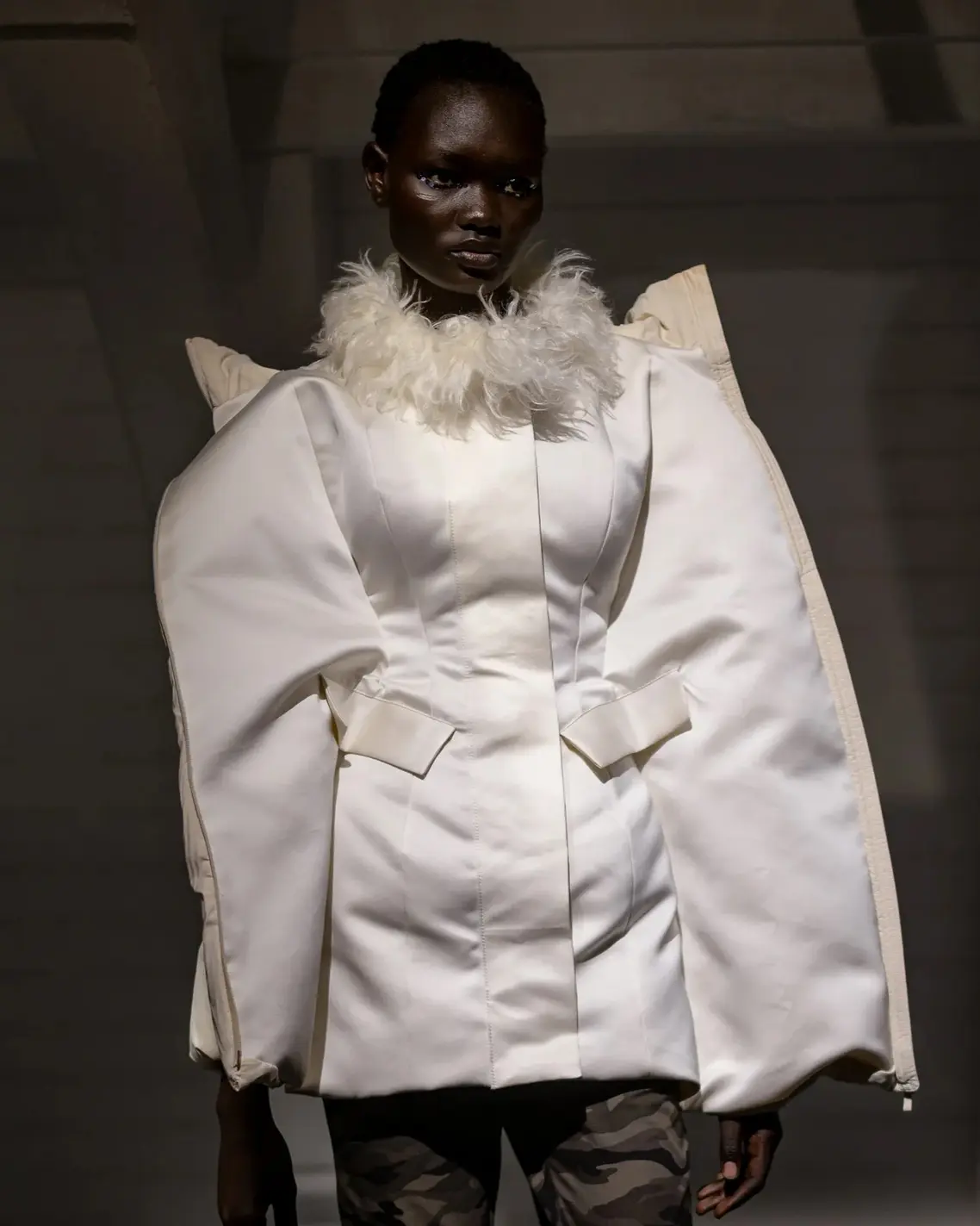
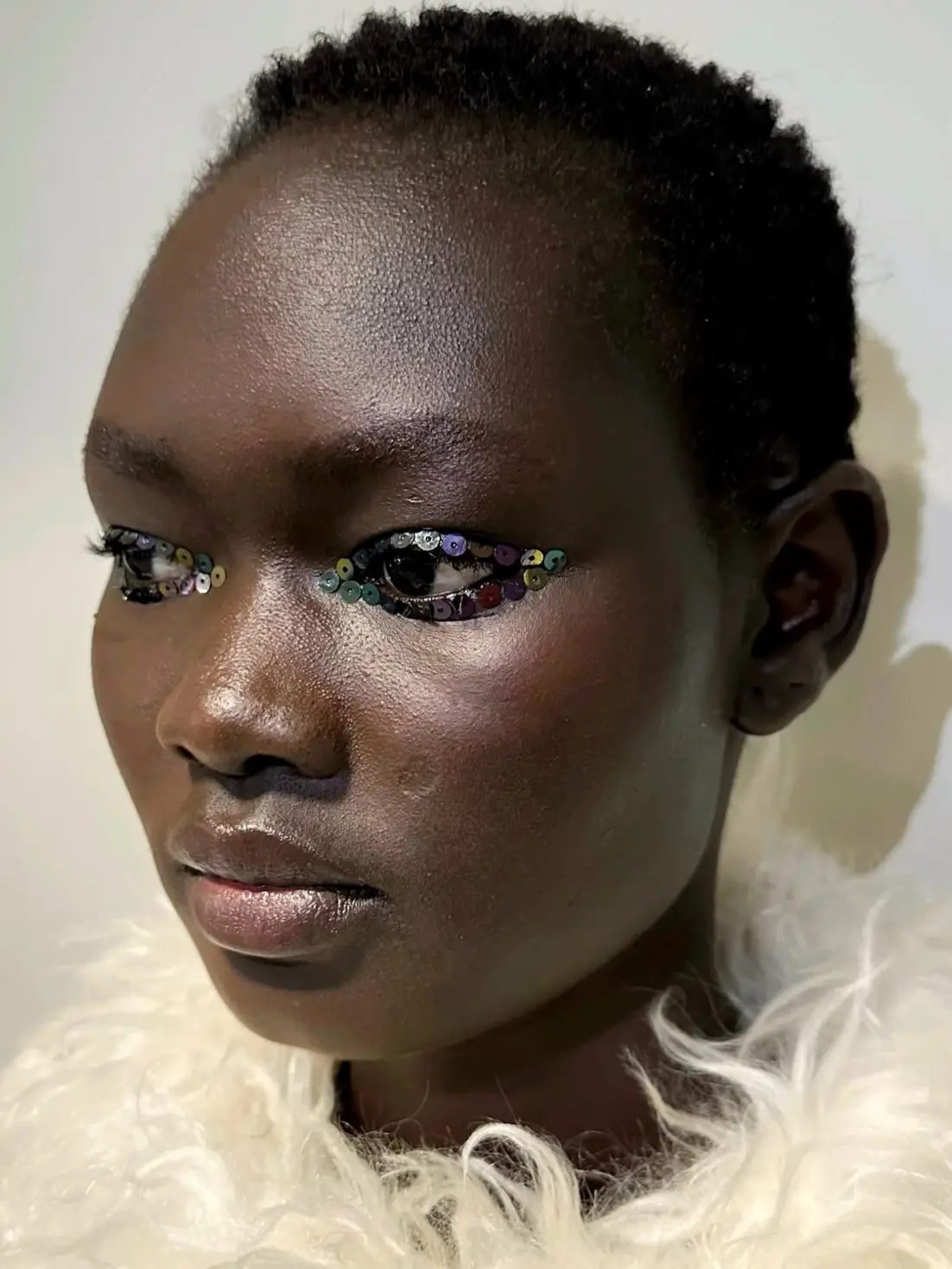
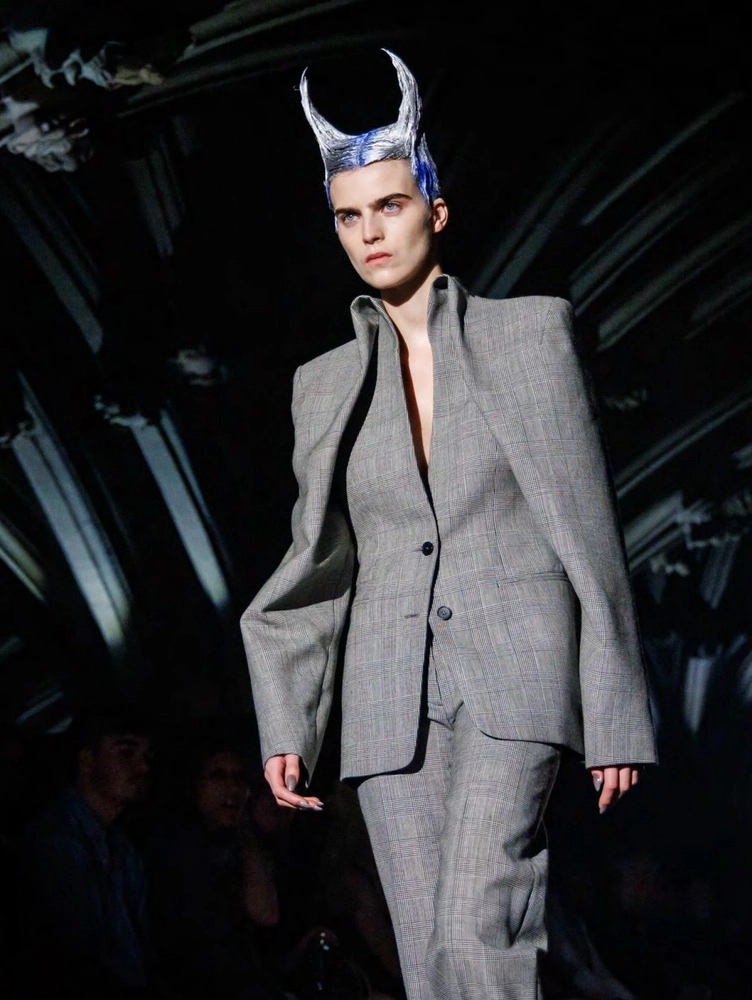
Petra Fagerström was embellishment, giving the trend a useful twist because her Fall 2026 beauty look turns sparkle from mood into structure. Her sequin eyes at the London show portray glitter hardening into something like adornment or even jewelry for the face. In a season where shine kept appearing as residue, party fallout, or punk rebellion, Petra’s version looked more deliberate and faceted, almost athletic in its precision, which makes sense for a designer whose collection drew on the severe glamour of figure skating. Glitter here crystallized. Fagerström even explains. “The makeup is for a grown-up woman who’s sentimental about her youth. It’s someone a bit stuck in the past.”
That is why glitter resurfaced as tension as proof of movement and as a way to make the face feel more lived in. If Smoky eyes were the weapon of Fall 2026, glitter makeup was the residue left on the doorknob, the champagne glass, the collar, the cheekbone. It stayed after the coup and made the room gleam differently.
Advertisement