Lip fillers once defined the beauty industry, but a subtle surgical procedure is gaining attention. Here’s why the lip lift is becoming the next big trend in lip enhancement.
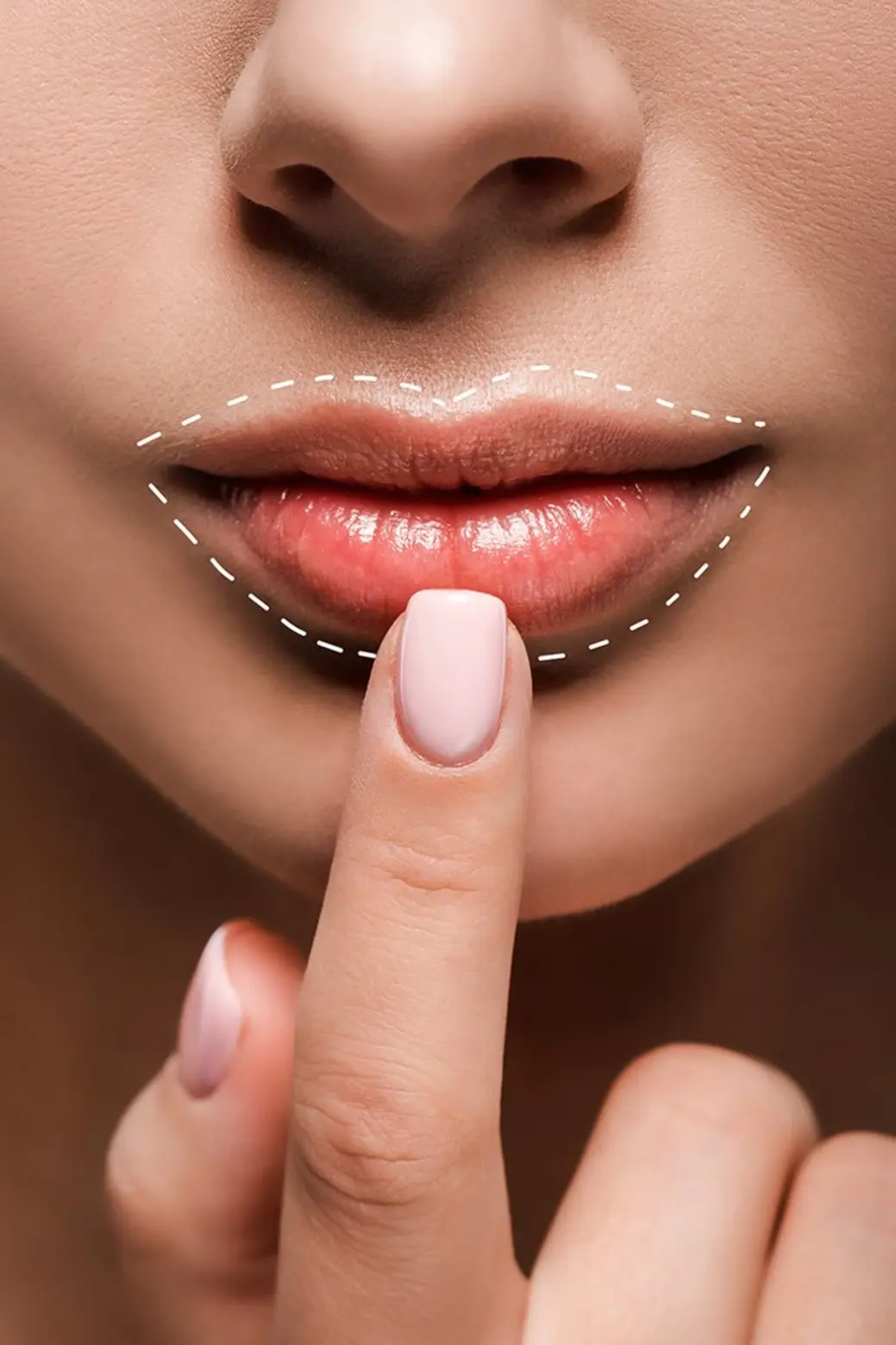
The Lip Lift: Is the Post-Filler Era Here?
Lip fillers once defined the beauty industry, but a subtle surgical procedure is gaining attention. Here’s why the lip lift is becoming the next big trend in lip enhancement.
March 11, 2026
Advertisement

Advertisement



For more than a decade, lip fillers have been the fastest route to fuller lips. From Hollywood red carpets to TikTok tutorials, millions of people have turned to hyaluronic acid injections to enhance lip volume, sharpen the Cupid’s bow, or simply achieve a more sensual smile.
But in the past few years, the aesthetics industry has been witnessing a subtle shift. The lip lift, once considered a niche surgical procedure, is gaining renewed attention as a long-lasting option for people who want fuller lips without relying solely on injectable treatments.
Fillers certainly aren’t disappearing. But in today’s era of more refined cosmetic work, many experts say the way we think about beautiful lips is changing.
From Bigger Lips to Better Proportions For Lip Lift
One reason the lip lift is attracting attention is a broader shift in beauty ideals.
For years, the focus of lip enhancement was simple: add volume. But increasingly, aesthetic doctors emphasize that beautiful lips depend as much on facial proportions as they do on fullness.
A lip lift works by shortening the distance between the nose and the upper lip, an area known as the philtrum. During the procedure, the surgeon removes a small strip of skin just beneath the nose, lifting the upper lip slightly upward.
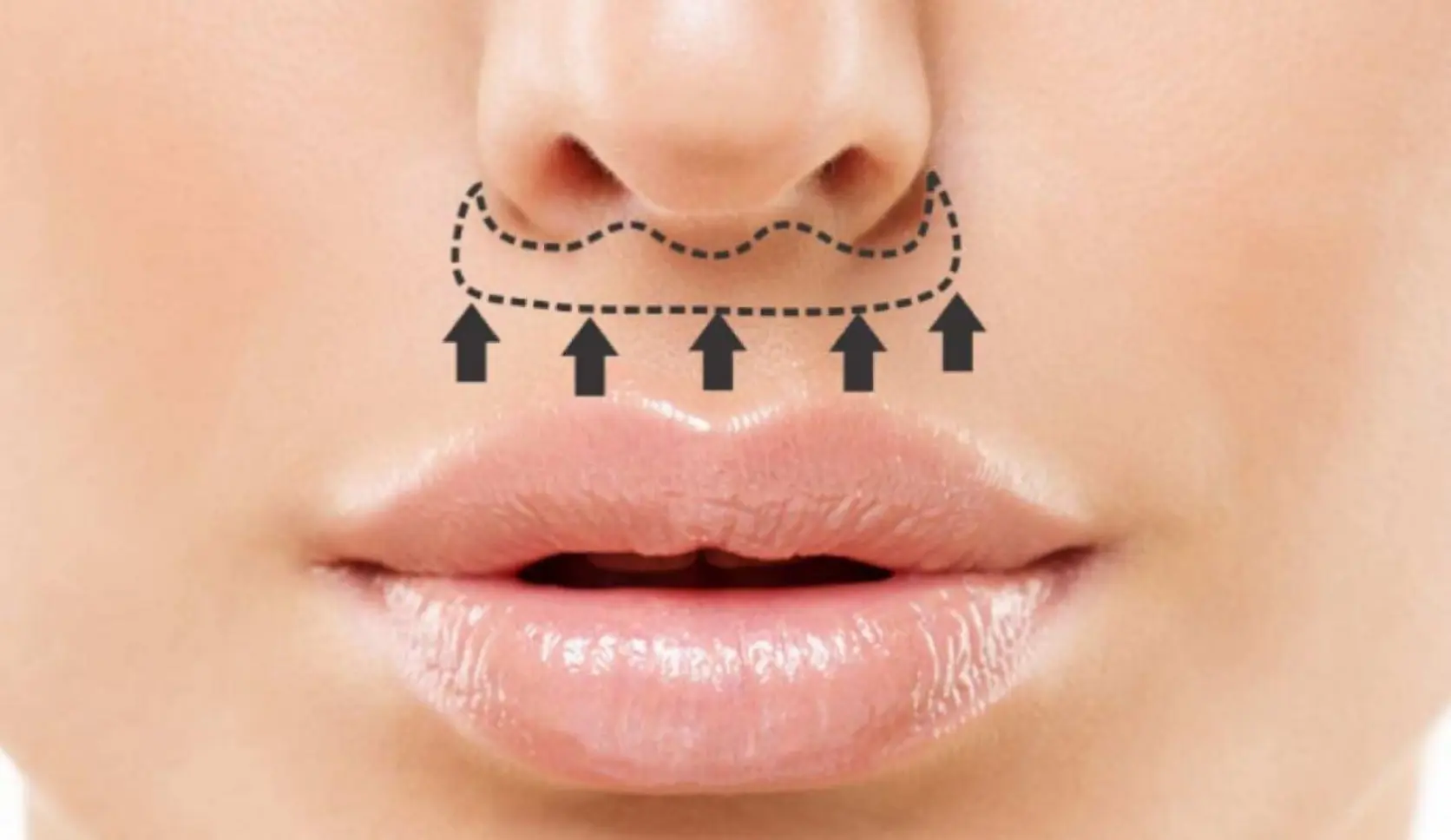
The result is subtle but noticeable: more of the pink lip becomes visible, the Cupid’s bow appears more defined, and the upper lip takes on a softer curve.
According to commonly referenced aesthetic guidelines, the ideal philtrum length is about 11–13 millimeters for women and 13–15 millimeters for men. As we age, collagen loss can cause the upper lip to lengthen and roll inward, making the lips appear thinner, which is why lip lifts are often used as part of facial rejuvenation procedures.
“Filler Fatigue” and the Search for Longevity
Another factor behind the rise of lip lifts is something aesthetic doctors sometimes call “filler fatigue.”
While dermal fillers remain one of the most popular cosmetic treatments in the world, they are temporary. Patients often return every six to twelve months for maintenance injections. Over time, some people begin to look for alternatives that offer more lasting results.
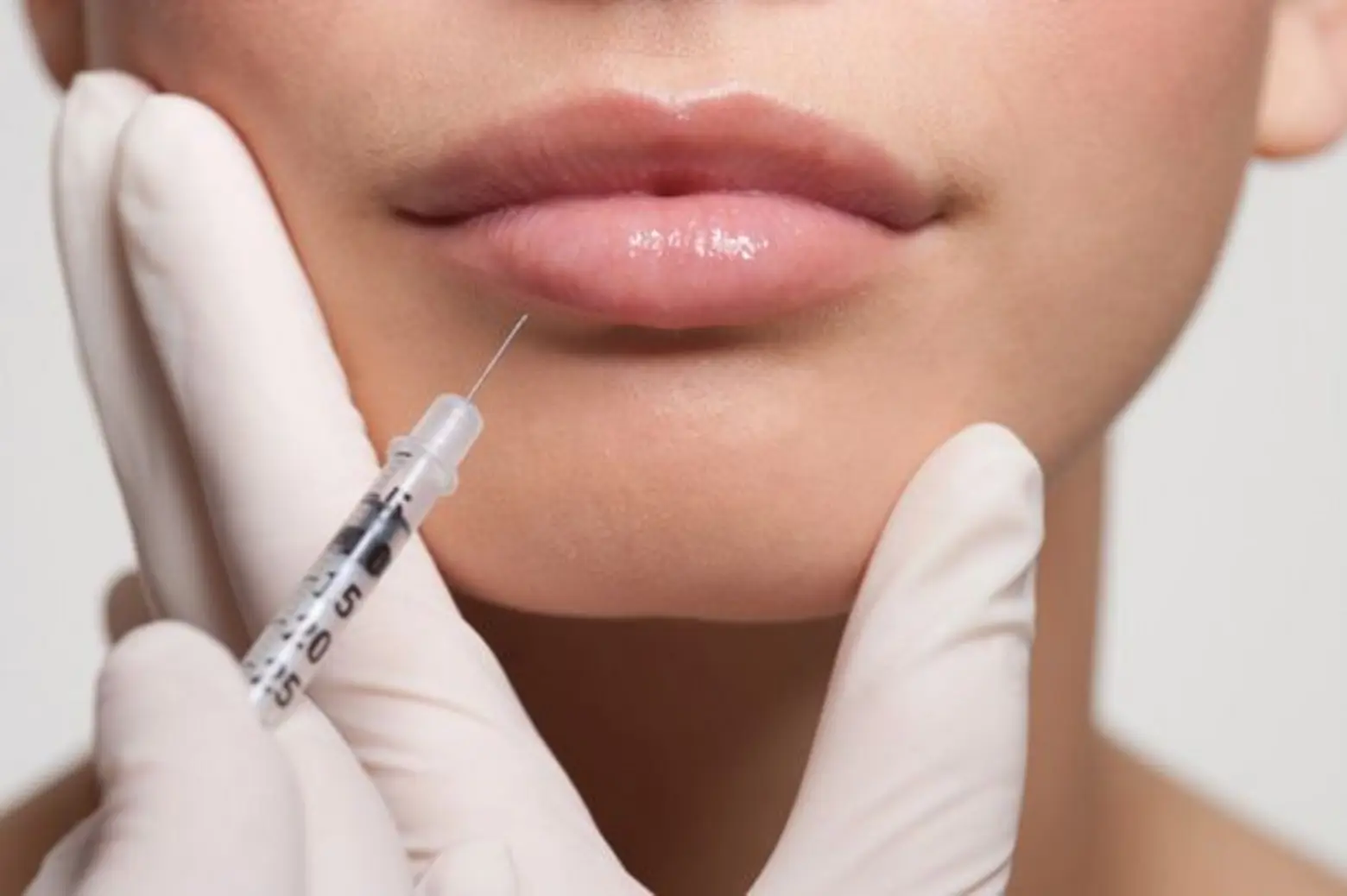
In certain cases, repeated filler treatments can also create a look that feels overdone or inconsistent. A lip lift appeals to some patients because it changes the underlying anatomy rather than simply adding volume.
Instead of making the lips bigger, the surgery repositions the upper lip to reveal more of its natural shape.
For many surgeons, this reflects a broader shift in aesthetics, moving away from simply adding volume toward restoring structure and proportion.
The New Aesthetic: Subtle, Undetectable
If the 2010s were defined by the era of Instagram lips, the 2020s are leaning toward something quite different.
Today’s aesthetic trends emphasize subtle enhancements that are almost impossible to detect. Many patients want to look refreshed rather than obviously “done.”
Within this context, lip lifts fit neatly into a growing philosophy sometimes described as “undetectable aesthetics.”
Rather than dramatically changing the lips, the procedure can restore the balanced proportions the face may have had years earlier.
The goal isn’t necessarily larger lips, it’s more harmonious ones.
Modern Techniques Make the Procedure More Precise
Today’s lip lift procedures have also evolved.
The most common method, often called a subnasal or “bullhorn” lip lift, involves a carefully shaped incision hidden just beneath the nose. Surgeons remove a small amount of skin and lift the lip upward before closing the incision along the natural crease.
Other variations have emerged as well. Some surgeons perform V-Y lip lifts, which use internal incisions to advance the lip tissue forward, enhancing projection without leaving visible scars.
Advances in surgical planning and facial analysis now allow doctors to tailor the procedure to each patient’s facial structure, adjusting not only the length of the philtrum but also the contour of the Cupid’s bow and the symmetry of the upper lip.
Not a Replacement, but Another Option
Despite the growing interest in lip lifts, experts emphasize that the procedure isn’t right for everyone.
The best candidates tend to be people with a long philtrum, a thin upper lip, or signs of aging in the upper lip area. Younger patients who already have balanced proportions may still prefer non-surgical options like fillers or a lip flip, a treatment that uses neuromodulators to gently roll the upper lip outward.
Another important consideration is permanence. Unlike fillers, which gradually dissolve, a lip lift is a surgical change. Because a small amount of skin is removed, the results are long-lasting and not easily reversed.
The Future of Lip Enhancement
Ultimately, the conversation may not be about lip lift versus filler.
Instead, the future of lip enhancement will likely involve a combination of approaches. Some patients may benefit from a lip lift to correct facial proportions, while others may still use fillers for subtle shaping or hydration.

As aesthetic medicine continues to evolve, one thing seems clear: the ideal lip is no longer defined simply by size.
Today, lip lift results are most sought after when they appear balanced, natural, and uniquely suited to each face, creating lips that look as though they have always belonged there.
Advertisement