MENU
Close





On May 27, 2026, Henry Zankov was named artistic director of Diane von Furstenberg, marking a new chapter for DVF as the house looks beyond nostalgia and toward a sharper future for empowered dressing.

On May 27, 2026, Henry Zankov was named artistic director of Diane von Furstenberg, marking a new chapter for DVF as the house looks beyond nostalgia and toward a sharper future for empowered dressing.
May 27, 2026


Henry Zankov arrives at Diane von Furstenberg with a relationship already written into the house’s recent history. The New York-based designer worked at DVF during the Jonathan Saunders era, then returned in 2025 with a capsule that treated the brand’s codes with familiarity rather than distance. His appointment as artistic director now gives that dialogue a fuller shape, placing him in charge of the creative direction of a label still defined by one of American fashion’s most recognizable ideas: the wrap dress.
For Diane von Furstenberg, the challenge has never been simply to preserve an icon. The wrap dress became powerful because it carried a feeling women could understand instantly: freedom without mess, polish without stiffness, confidence without the heavy armor of formality. Any new chapter for DVF has to begin there, inside the emotional logic of the garment, before it can move toward new collections, new images, or new customers.

Henry Zankov brings a sensibility that fits that task without turning the house into a nostalgia project. His own label has built a clear world around color, texture, and graphic ease, a point of view that earned him the CFDA American Emerging Designer of the Year Award in 2024. The recognition gives his DVF role more weight, but the deeper relevance lies in his ability to make softness feel intentional and movement feel designed.
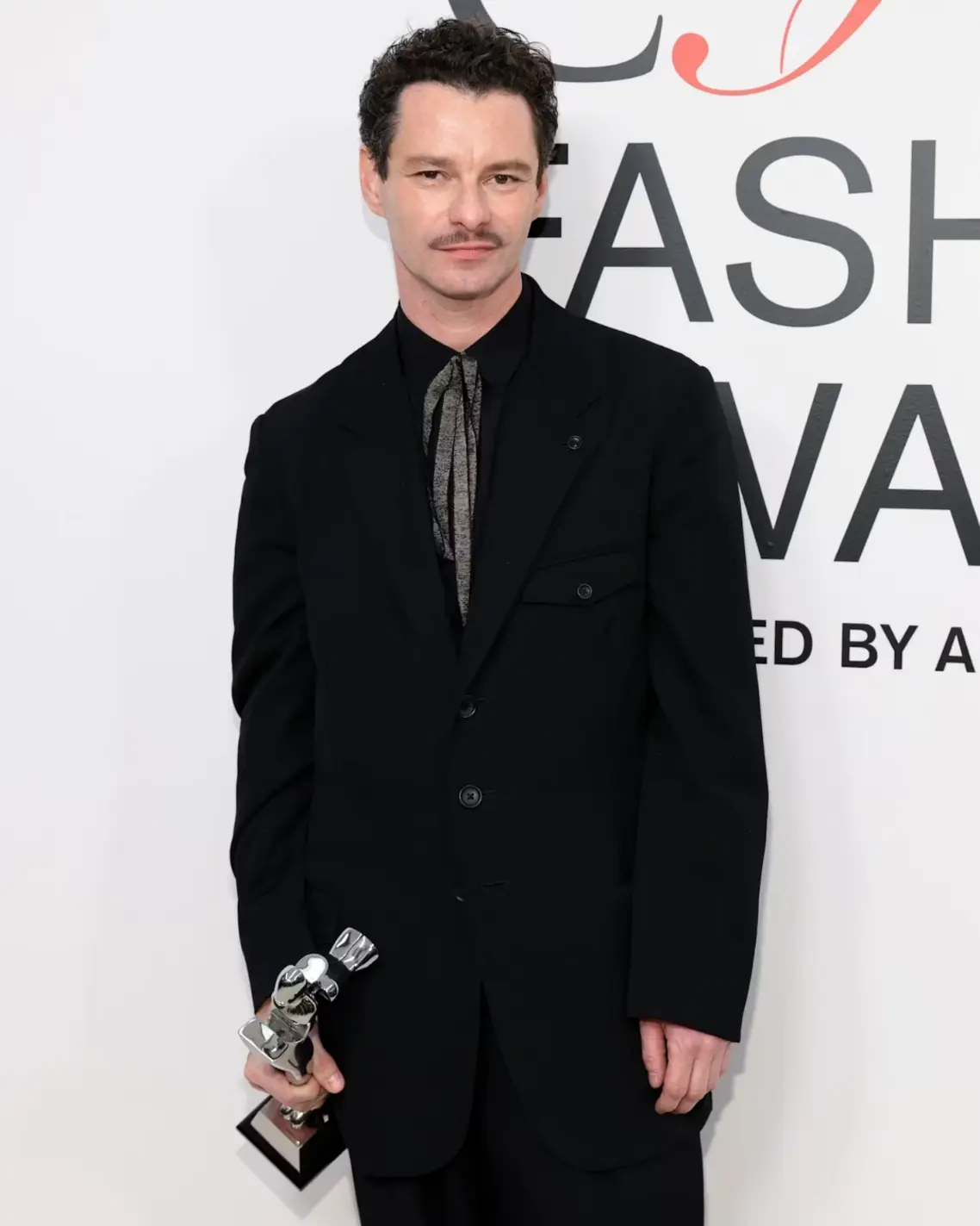
His appointment also suggests a quieter kind of reset. DVF does not need to abandon its mythology to feel current; it needs a designer capable of translating that mythology into a broader wardrobe. Zankov’s knitwear intelligence and instinct for rhythm could help the house move beyond the single symbol of the wrap dress while keeping its original promise intact: clothes made for women who carry their own momentum.
There is distinctly New York energy in the match. DVF’s history belongs to independence, nightlife, work, travel, and the quick confidence of getting dressed without overthinking the body. Zankov’s language can bring that spirit into a contemporary register, where color and ease become tools for presence instead of decoration.
Henry Zankov’s appointment gives the house a new creative center with enough familiarity to understand its past and enough distance to disturb it gently. If the move finds its rhythm, Henry Zankov could turn Diane von Furstenberg into a house where ease, color, and female confidence speak with new force.